
23 Powerful Iron Rich Foods For Babies You Need to Start Eating Now

If you’re a parent trying to figure out what to feed your baby, iron is one nutrient you absolutely cannot overlook. It plays a huge role in brain development, energy, and healthy growth during those critical first years of life.
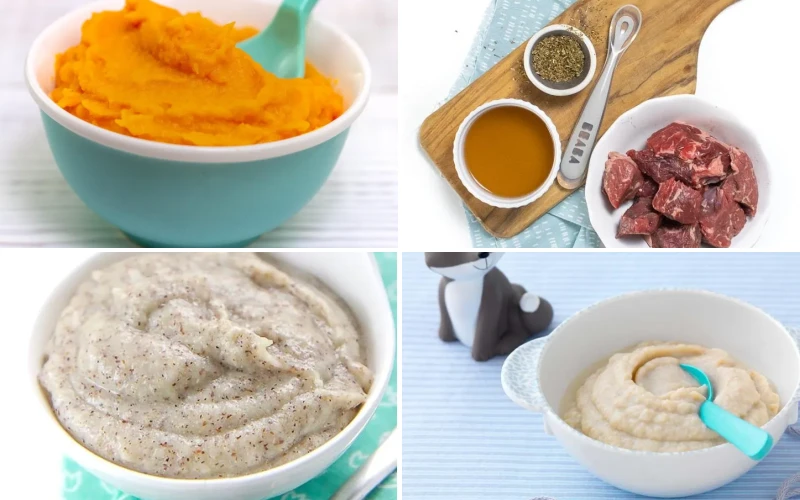
In this article, you’ll discover 23 of the best iron-rich foods for babies, why they matter, the science behind them, and simple ways to serve them up at home. Let’s dig in.
1. Pureed Beef
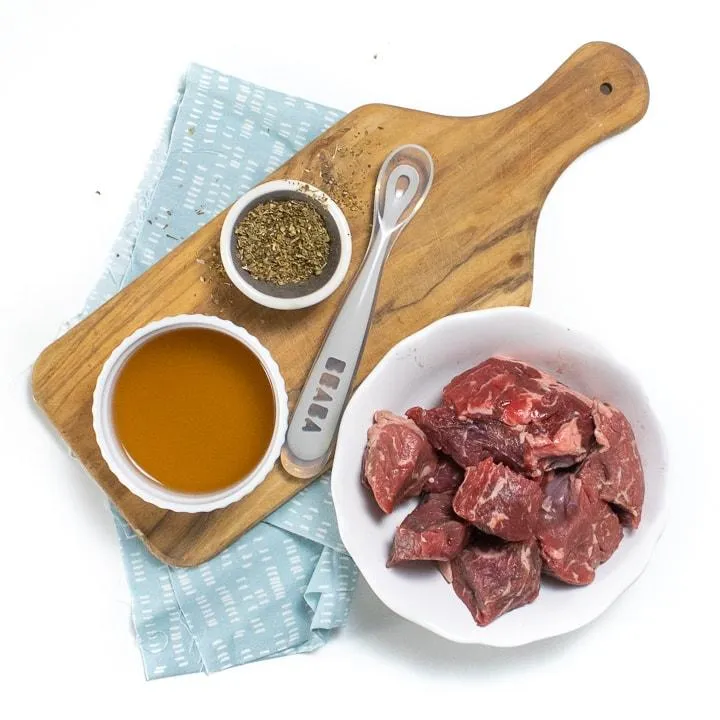
Beef is one of the best sources of heme iron available, which is the type of iron your baby’s body absorbs most efficiently. Just a small serving of pureed beef can deliver a meaningful boost to your little one’s daily iron needs.
The iron in beef comes paired with zinc and protein, both of which support healthy muscle development and immune function. Research consistently shows that heme iron from animal sources has a much higher absorption rate than plant-based iron, making beef a powerhouse for growing babies.
To serve it, simply cook ground beef thoroughly, then blend it with a little broth or breast milk until smooth. You can also mix it into pureed sweet potatoes or carrots to make the flavor more appealing.
2. Chicken Liver
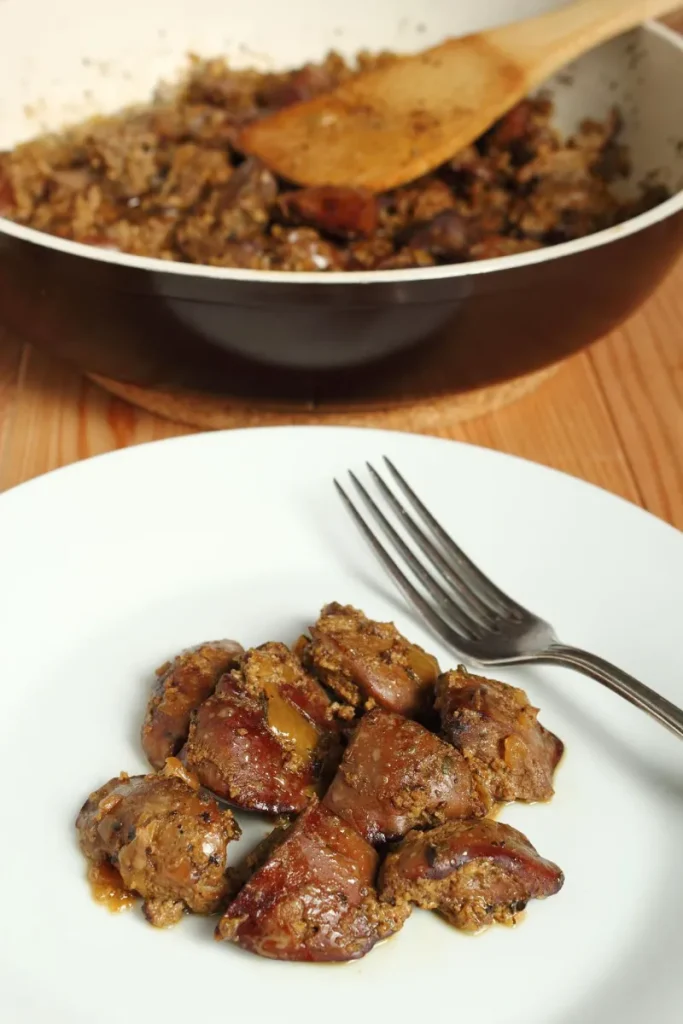
Okay, hear us out on this one. Chicken liver might not be your first thought, but it is genuinely one of the most nutrient-dense foods you can offer your baby. It is loaded with iron, vitamin A, and B vitamins all in one tiny serving.
A single ounce of cooked chicken liver delivers a significant amount of iron along with choline, which is essential for brain development. Some pediatric nutrition experts consider it a superfood for infants for exactly this reason.
You can blend cooked chicken liver into a smooth puree and mix it with apple or butternut squash to balance the strong flavor. Start with small amounts and gradually increase as your baby gets used to the taste.
3. Lentils
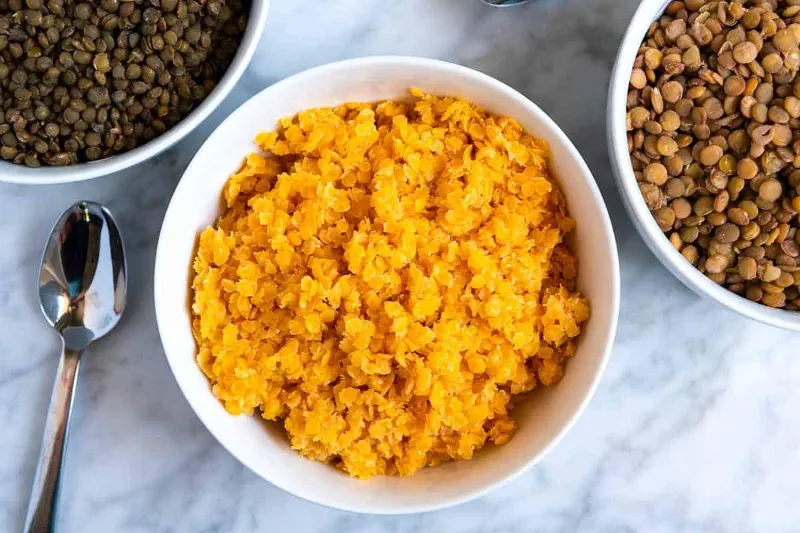
Lentils are a fantastic plant-based iron option, especially if you’re raising your baby on a vegetarian or vegan diet. They are affordable, easy to cook, and incredibly versatile in the kitchen.
One cup of cooked lentils contains around 6.6 milligrams of iron, making them one of the richest non-meat sources available. They also pack in folate and fiber, which support digestion and healthy cell growth.
To boost iron absorption, serve lentils alongside a food rich in vitamin C, like pureed tomatoes or mashed sweet red pepper. Your baby’s body will absorb significantly more iron when that vitamin C is in the mix.
4. Spinach
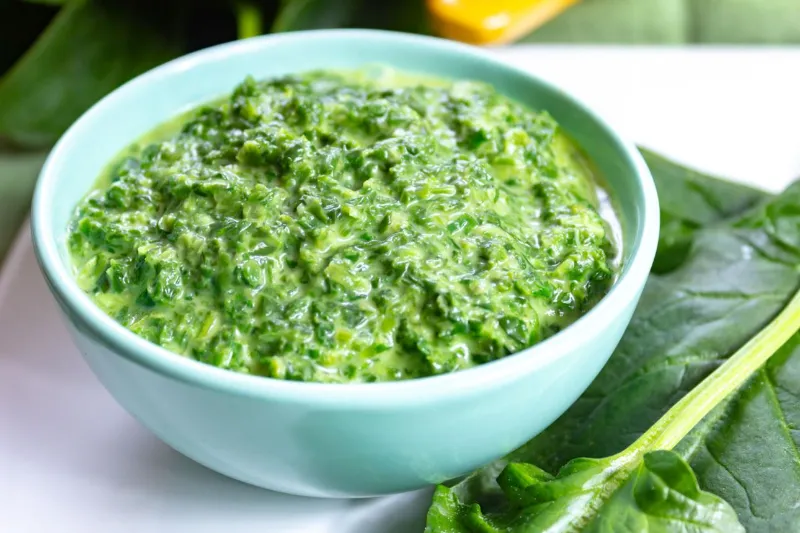
Spinach is practically synonymous with iron, and for good reason. This leafy green is rich in non-heme iron along with magnesium, folate, and vitamin K.
The iron in spinach is the non-heme kind, meaning it’s not as easily absorbed as iron from meat. But pairing it with a vitamin C source like pureed oranges or strawberries can dramatically improve how much your baby actually absorbs.
Steam spinach until it’s very soft, then blend it into a silky puree. You can mix it into mashed avocado, peas, or banana for a surprisingly tasty combination that most babies actually enjoy.
5. Tofu
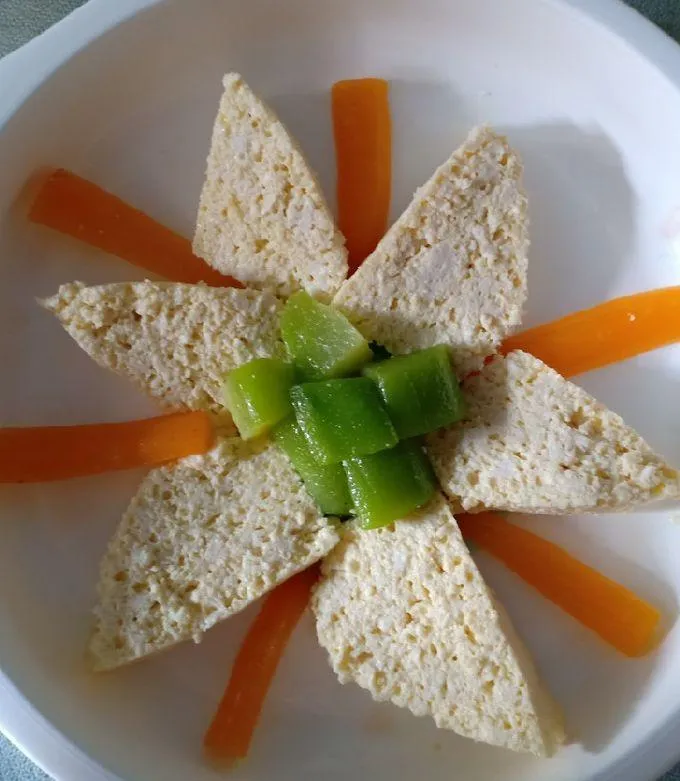
Tofu is an excellent iron source for plant-based babies and is also one of the easiest foods to prepare for little ones. Soft or silken tofu especially has a texture that babies tend to accept really well.
Half a cup of firm tofu contains around 3 milligrams of iron, along with calcium and protein to support strong bones and muscle growth. It also contains all essential amino acids, making it a complete protein source.
You can mash soft tofu directly and offer it as a finger food for older babies or blend it into a smooth puree for younger ones. Try mixing it with pureed mango or avocado for added flavor and healthy fats.
6. Fortified Baby Cereals
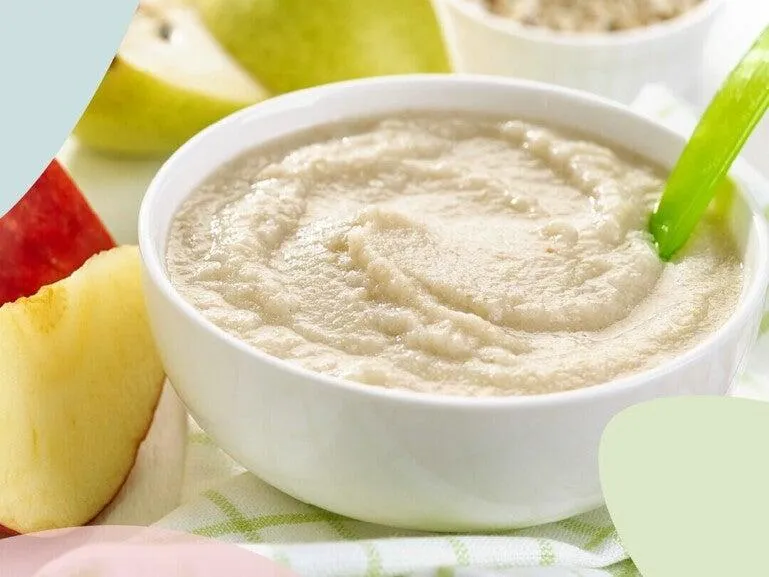
Fortified baby cereals were practically designed with iron in mind. They are one of the most recommended first foods by pediatricians specifically because they deliver a concentrated dose of iron in a form that is easy for babies to digest.
Many fortified baby cereals contain around 11 milligrams of iron per serving, which covers a significant portion of a baby’s daily requirement of 11 milligrams. Because the iron is added in a highly bioavailable form, babies can absorb it efficiently even from their first bites of solid food.
Mix the cereal with breast milk or formula to get your baby’s preferred consistency. As your baby grows, you can thicken it up and add fruit purees for extra nutrition and variety.
7. Pureed Lamb
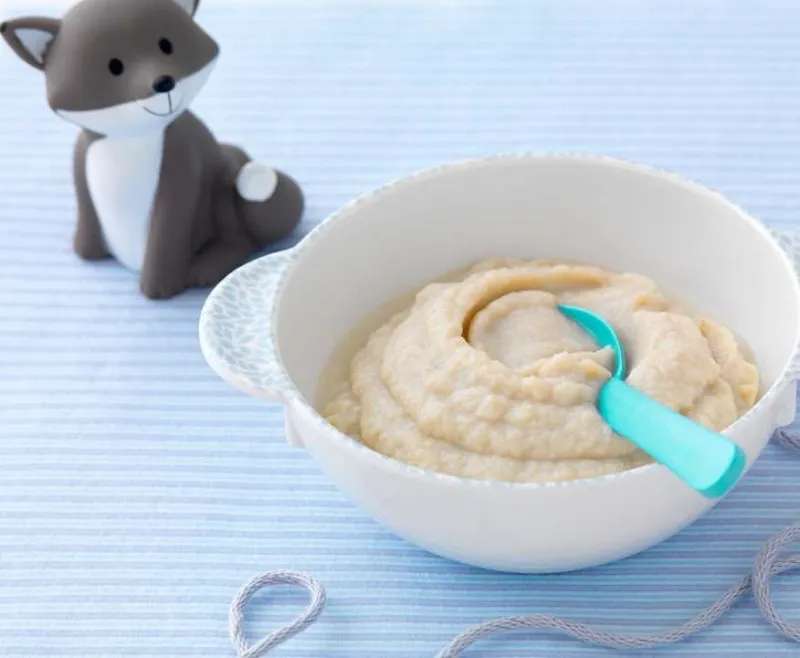
Lamb is another excellent heme iron source that often gets overlooked in favor of beef or chicken. It has a rich, distinct flavor that many babies actually take to quite naturally.
Like beef, lamb contains highly bioavailable heme iron along with zinc and B vitamins. It’s also a good source of omega-3 fatty acids, which support your baby’s developing brain and nervous system.
Cook lamb thoroughly and blend it smooth with a little warm water or vegetable broth. Pairing it with pureed root vegetables like parsnip or carrot makes for a hearty, nutrient-packed meal.
8. Black Beans
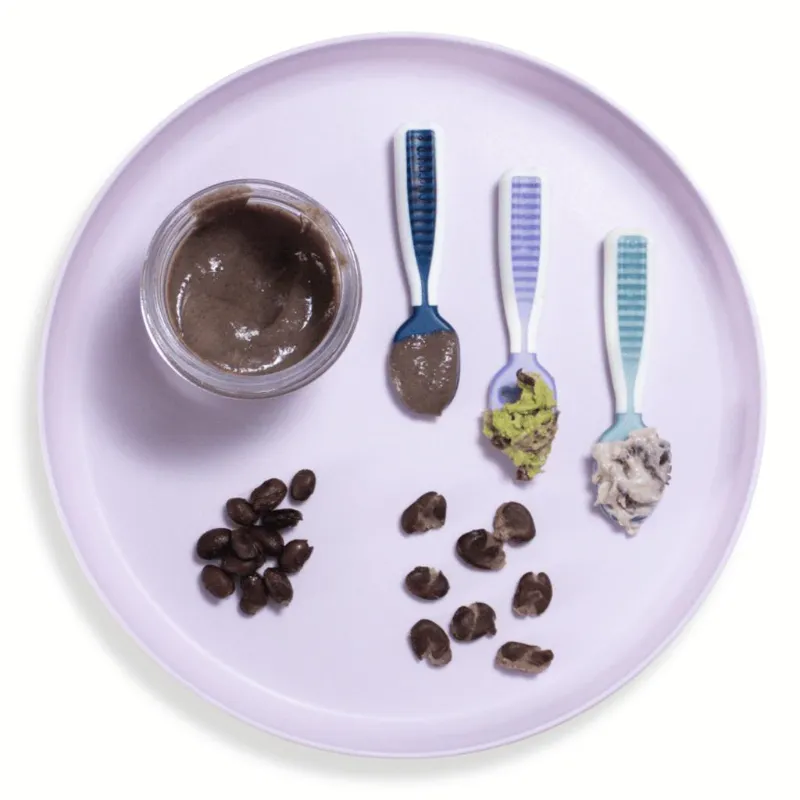
Black beans are a budget-friendly, plant-based iron source that can become a staple in your baby’s diet pretty quickly. They are also rich in fiber and antioxidants, which support gut health and protect developing cells.
One cup of cooked black beans delivers around 3.6 milligrams of iron. Combined with a good vitamin C source, they become an even more powerful iron delivery system for your growing baby.
Mash or puree cooked black beans with a touch of breast milk or water until smooth. You can also mix them with pureed tomatoes or diced soft avocado for a texture-varied, flavorful meal.
9. Pureed Turkey
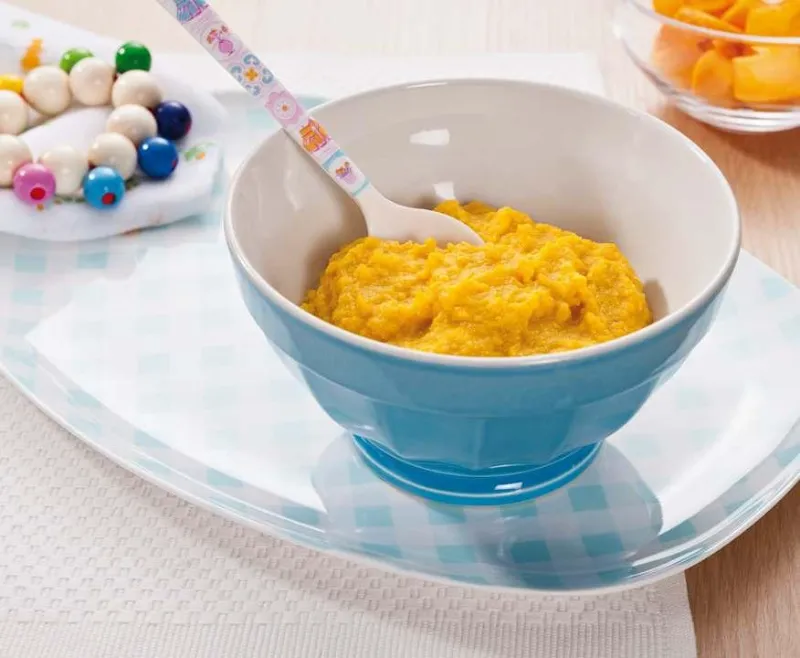
Turkey is a lean, mild protein that works wonderfully as one of your baby’s early meat introductions. It contains heme iron along with niacin, selenium, and B vitamins that all contribute to healthy development.
The mild flavor of turkey makes it one of the more universally accepted meats for babies. It’s easier to digest than fattier meats and still delivers a solid punch of iron per serving.
Cook ground turkey thoroughly and puree it with chicken broth or a vegetable puree to create a smooth, easy-to-eat texture. Turkey pairs especially well with sweet potato or peas for a complete, balanced meal.
10. Broccoli
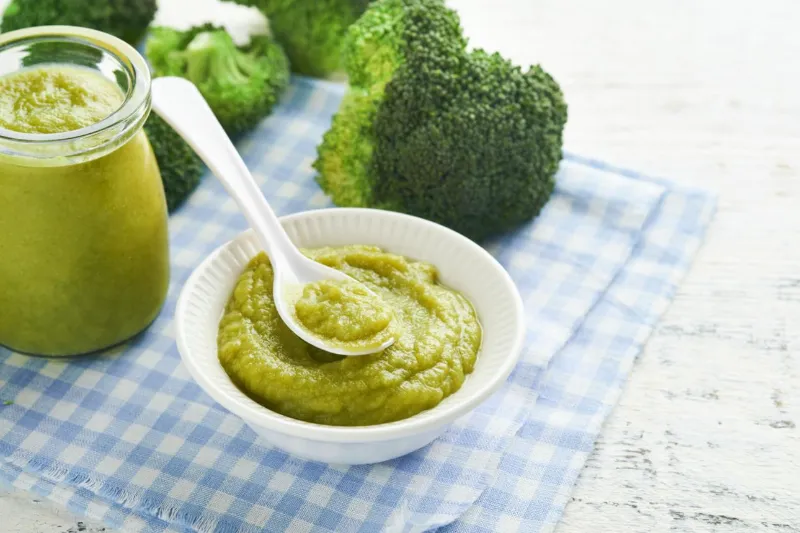
Broccoli brings a double benefit to the table. It contains non-heme iron and is also rich in vitamin C, which means it actually helps boost its own iron absorption in a really clever nutritional combo.
Half a cup of cooked broccoli contains about 0.5 milligrams of iron, and the vitamin C content can enhance non-heme iron absorption by up to three times. That makes it more effective than its iron content alone might suggest.
Steam broccoli florets until very soft, then blend or mash them for younger babies. Older babies who are doing baby-led weaning can pick up soft steamed florets and gnaw on them independently.
11. Sweet Potatoes
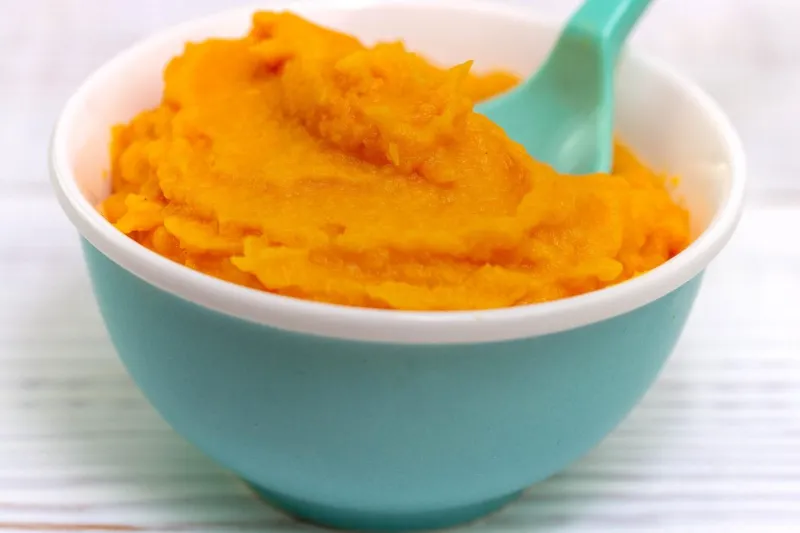
Sweet potatoes are a beloved baby food for good reason. They are naturally sweet, easy to digest, and come packed with beta-carotene, potassium, and a modest amount of iron.
While sweet potatoes aren’t the highest iron source on this list, they work best as a base or mixer that helps your baby get the most out of iron-richer foods. Their vitamin A content also supports immune function and healthy vision development.
Bake or steam sweet potatoes until very tender, then mash or puree them into a smooth consistency. Blend them with lentils or pureed meat to create a meal that is both iron-rich and absolutely delicious.
12. Quinoa
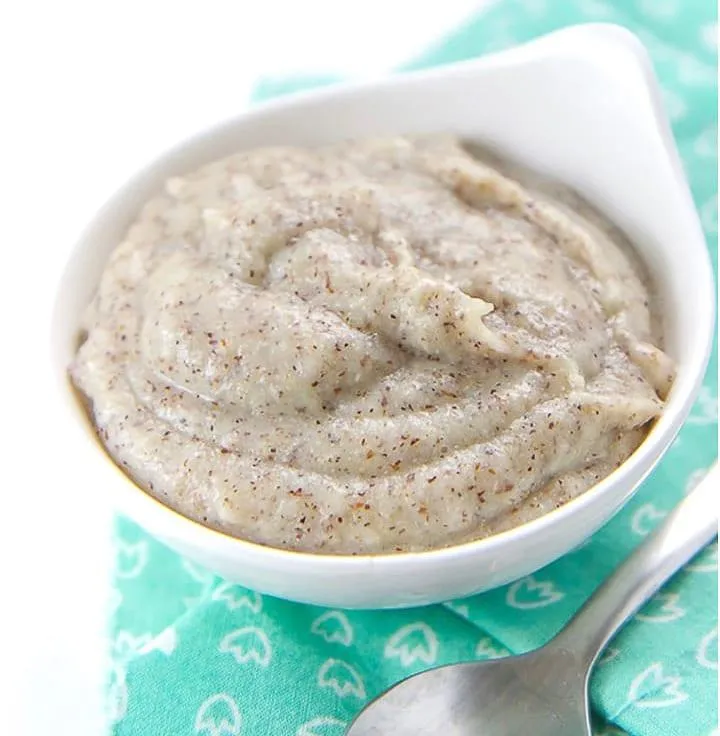
Quinoa is a gluten-free grain that stands out because it’s one of the few plant foods to contain all nine essential amino acids. It also contains about 1.4 milligrams of iron per half cup cooked, making it a solid plant-based choice.
What makes quinoa especially useful is its versatility. It can be cooked soft enough for babies as young as six months when pureed or mashed, and it digests well compared to some other grains.
Cook quinoa until very soft and blend it into a porridge-like consistency. You can mix in fruit purees like pureed apple or pear for a naturally sweet flavor your baby will likely love.
13. Egg Yolks
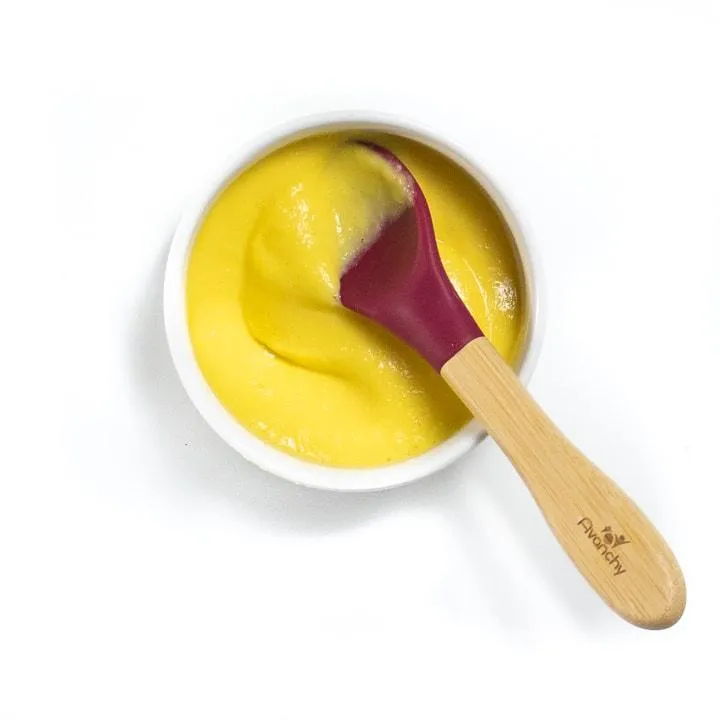
Egg yolks are a nutritional goldmine for babies. They contain heme iron, healthy fats, choline for brain development, and fat-soluble vitamins like A, D, E, and K all in one tiny package.
One egg yolk contains about 0.5 milligrams of iron, but the combination of fat and other nutrients makes it an incredibly efficient whole food for babies. Pediatricians now recommend introducing eggs early to also help reduce allergy risk.
Hard boil an egg and mash the yolk with a tiny bit of breast milk or formula until creamy. You can also scramble egg yolks softly and serve them as a texture-forward meal for babies who are ready for more variety.
14. Peas
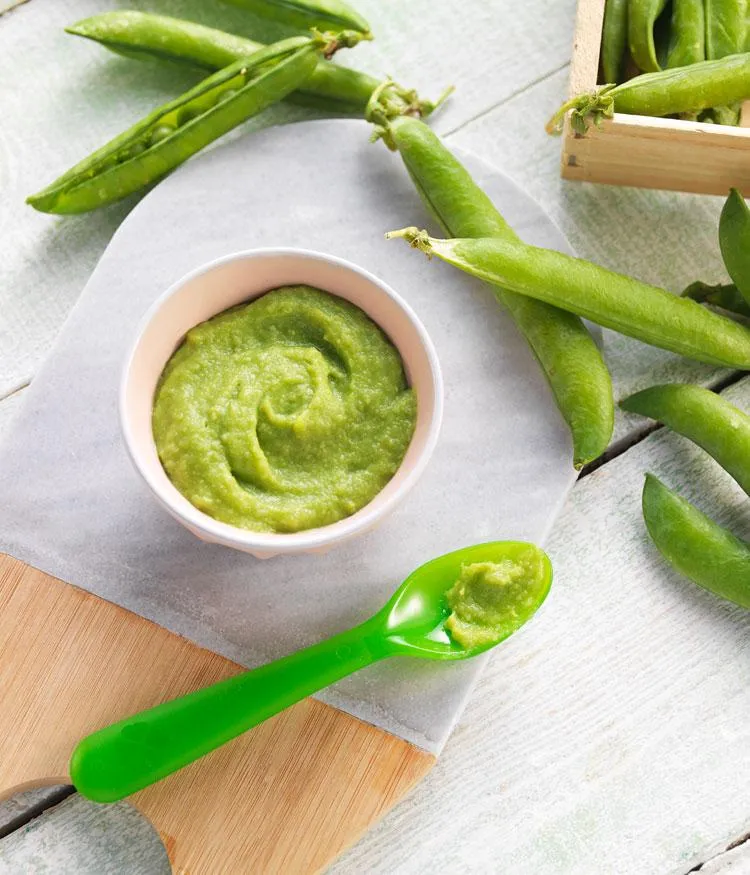
Peas are sweet, soft, and surprisingly iron-rich for their size. Half a cup of cooked peas contains around 1.2 milligrams of iron along with vitamin C, fiber, and plant-based protein.
Their natural sweetness makes them one of the more enthusiastically accepted vegetables in the baby world. And because they also contain vitamin C, they support their own iron absorption just like broccoli does.
Steam peas until tender and blend them into a smooth puree, or mash them lightly for babies who are ready for a bit more texture. Mixing peas with pureed carrots or potato creates a colorful, nutritious meal combo.
15. Pureed Sardines
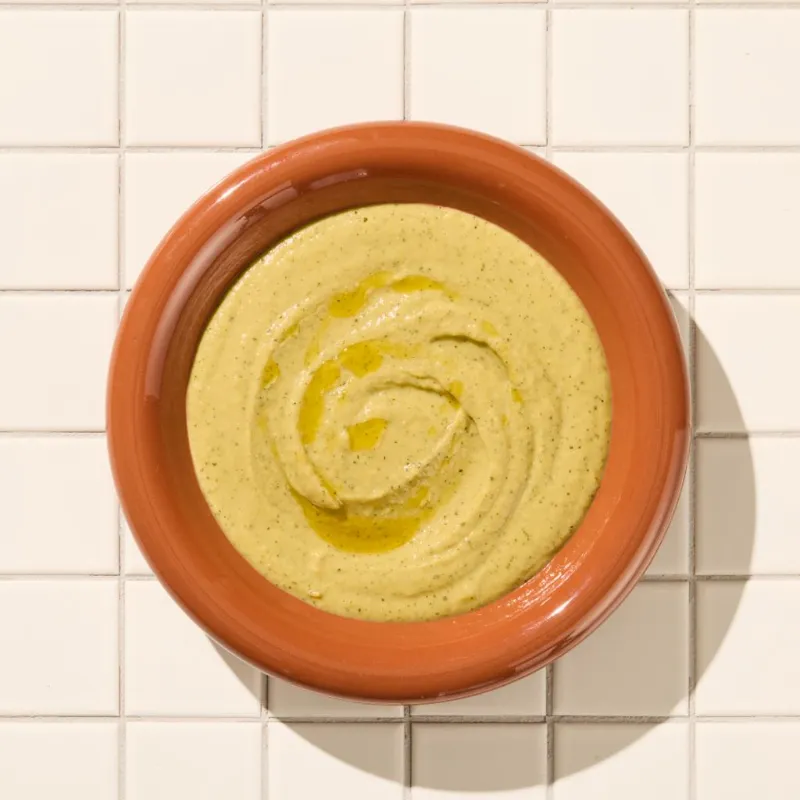
Sardines might surprise you on a list of baby foods, but they are genuinely one of the most nutrient-dense foods you can offer. They are rich in heme iron, omega-3 fatty acids, calcium, and vitamin D.
A small serving of sardines packs a serious nutritional punch that few other single foods can match. The omega-3s in particular are critical for brain and eye development during infancy.
Choose canned sardines in water with no added salt, then blend or mash them thoroughly with a little lemon juice or pureed vegetables. The fishy smell may put some parents off, but many babies take to it happily.
16. Kidney Beans
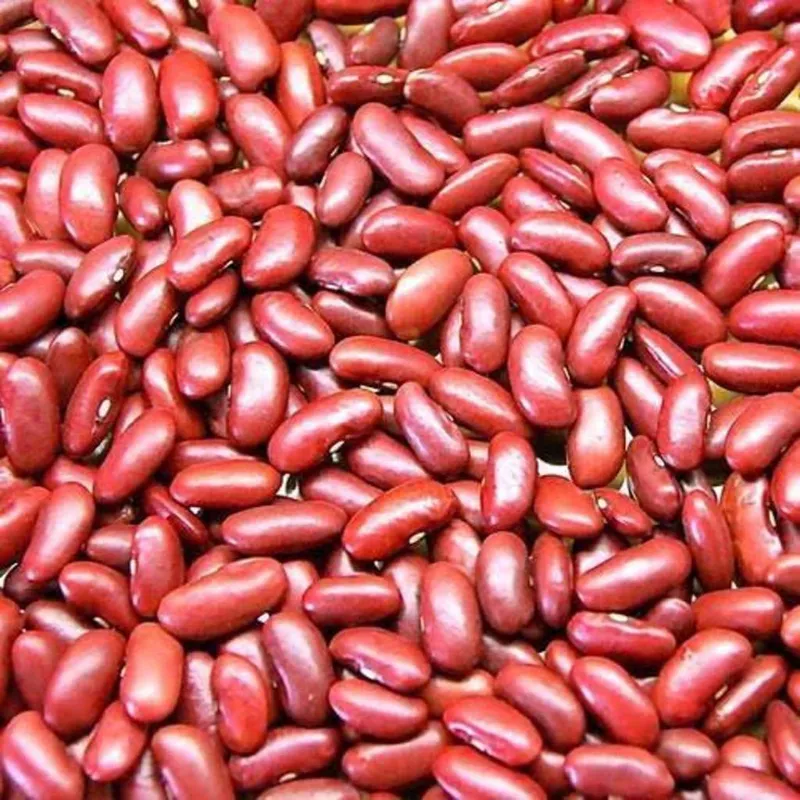
Kidney beans are one of the most iron-dense legumes you can add to your baby’s diet. One cup of cooked kidney beans delivers around 3.9 milligrams of iron, along with folate, fiber, and plant-based protein.
Like all plant-based iron sources, the non-heme iron in kidney beans is best absorbed when paired with vitamin C. A squeeze of fresh orange juice in the puree or a side of soft bell pepper can make a real difference.
Always cook kidney beans thoroughly from scratch or use canned versions with no added salt. Puree or mash them into a smooth consistency and blend with mild spices or vegetable puree for a flavorful, hearty meal.
17. Kale
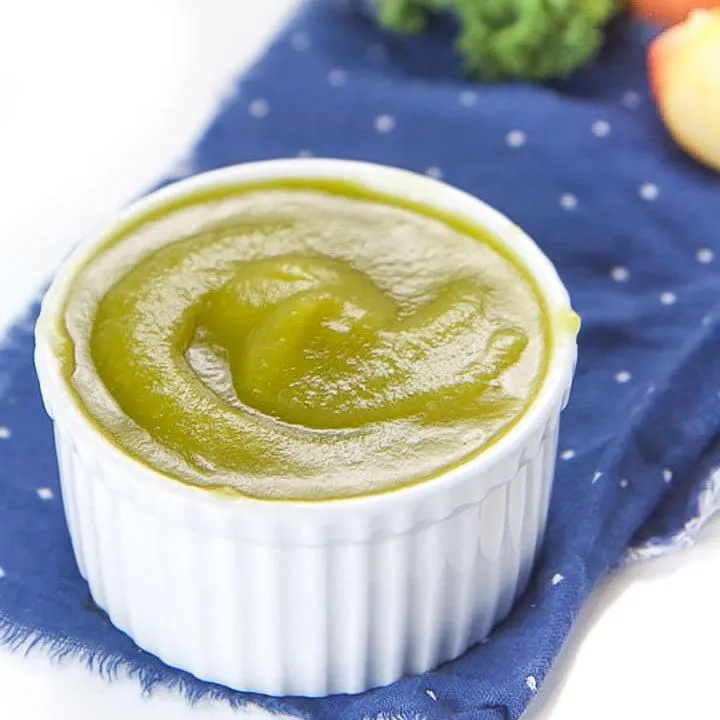
Kale has earned its status as a nutritional powerhouse, and babies can absolutely benefit from it too. It contains non-heme iron, calcium, vitamin C, and vitamin K in one deeply nutritious leafy green.
One cup of cooked kale provides about 1 milligram of iron, and the vitamin C present in kale helps your baby absorb that iron more efficiently. It’s a natural nutritional partnership built right into the food itself.
Steam kale leaves until completely soft, then blend them thoroughly into a smooth puree. Kale has a stronger flavor than spinach, so mixing it with sweeter purees like pear or butternut squash works really well for babies.
18. Chickpeas
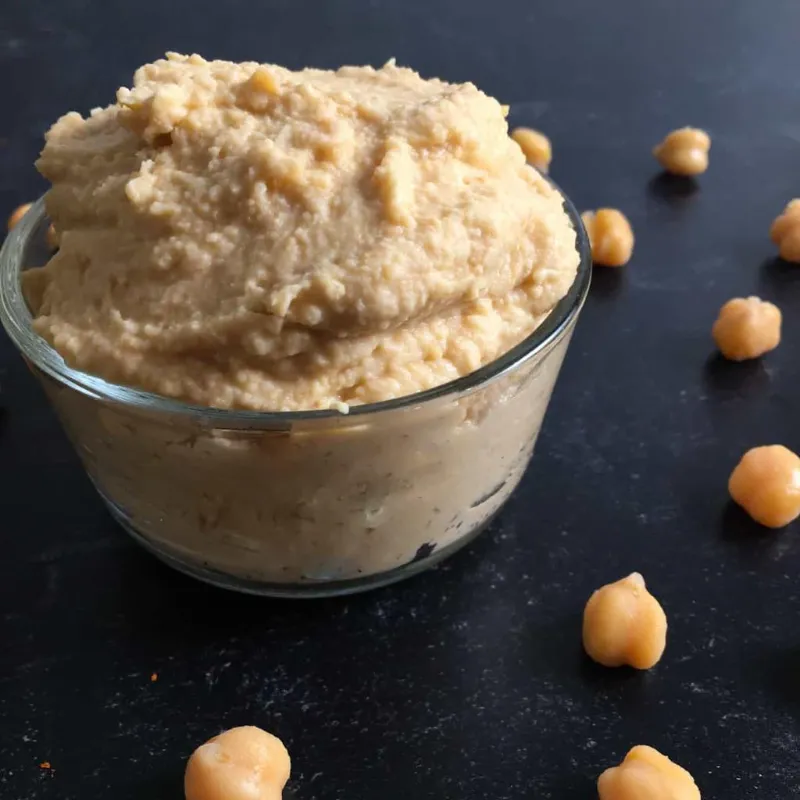
Chickpeas are a wonderfully filling, iron-rich legume that works beautifully in baby meals. One cup of cooked chickpeas delivers around 4.7 milligrams of iron along with protein, fiber, and B vitamins.
They are also rich in folate, which plays a key role in cell development and DNA production during those rapid early growth stages. Chickpeas are versatile and easy to incorporate into meals your whole family can enjoy.
Blend cooked chickpeas into a smooth hummus-style puree without added salt or tahini for young babies. As your baby grows, you can offer mashed chickpeas as a finger food or mix them into vegetable soups.
19. Pureed Salmon
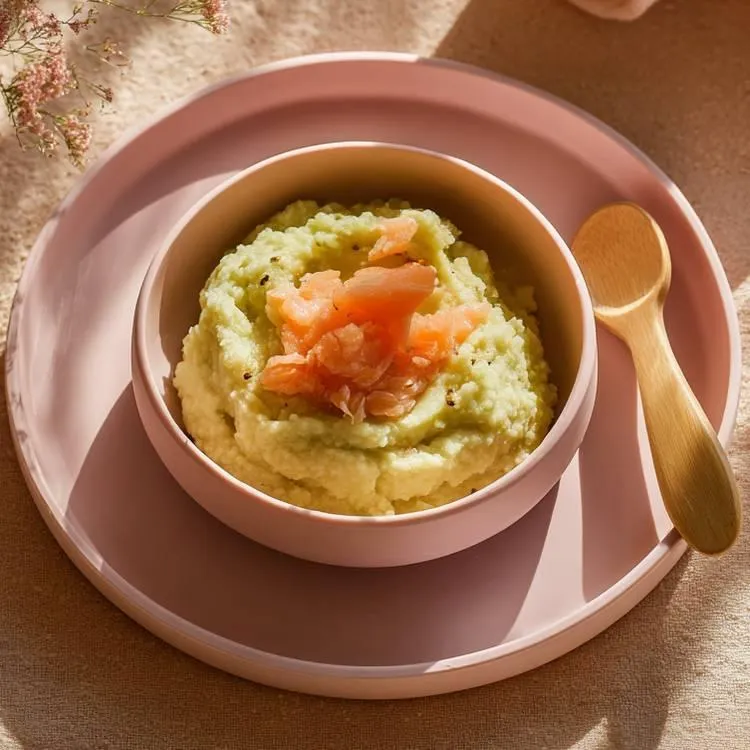
Salmon is famous for its omega-3 content, but it also delivers a respectable amount of iron along with vitamin D, selenium, and high-quality protein. It’s a well-rounded food that supports brain health, bone strength, and immune function.
The heme iron in salmon is well absorbed, and the rich fat content helps your baby absorb fat-soluble vitamins at the same time. It’s essentially a multi-benefit food in every single serving.
Cook salmon thoroughly by steaming or baking it without seasoning, then blend it smooth with a little broth or vegetable puree. Salmon pairs especially well with peas or sweet potato for a balanced, complete baby meal.
20. Edamame
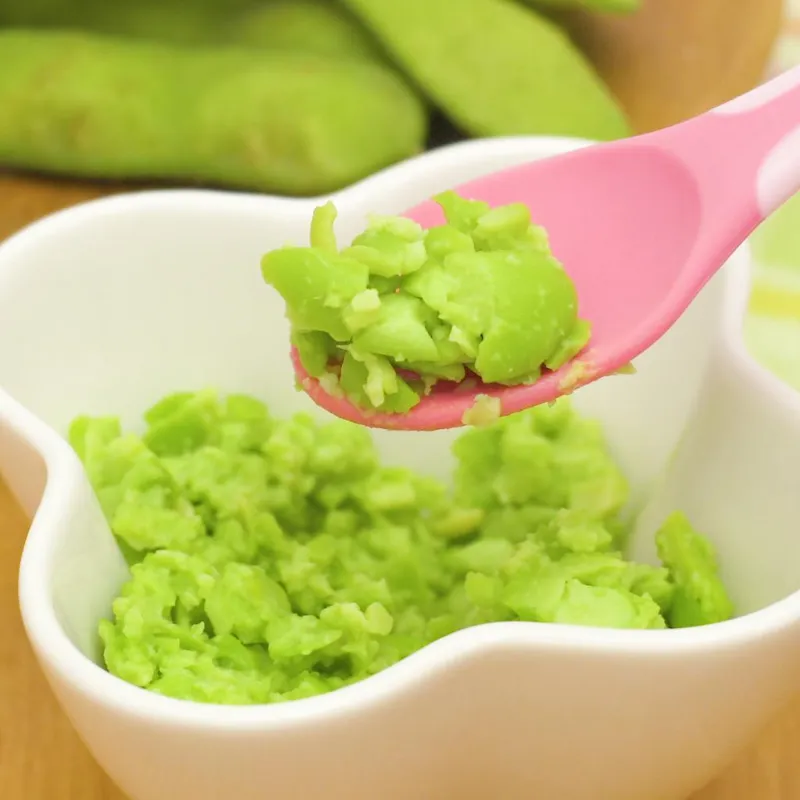
Edamame, which is young green soybeans, is a plant-based protein source that also brings a meaningful amount of iron to the table. Half a cup of cooked edamame contains around 1.8 milligrams of iron along with complete protein and fiber.
Because edamame contains all essential amino acids, it is one of the most nutritionally complete plant foods you can offer. It also contains vitamin C, which helps your baby absorb the iron it contains more effectively.
Steam edamame until very soft, remove the shells, and blend or mash the beans into a smooth puree. You can also mash them coarsely for older babies who are developing their chewing skills.
21. Pumpkin Seeds (Finely Ground)
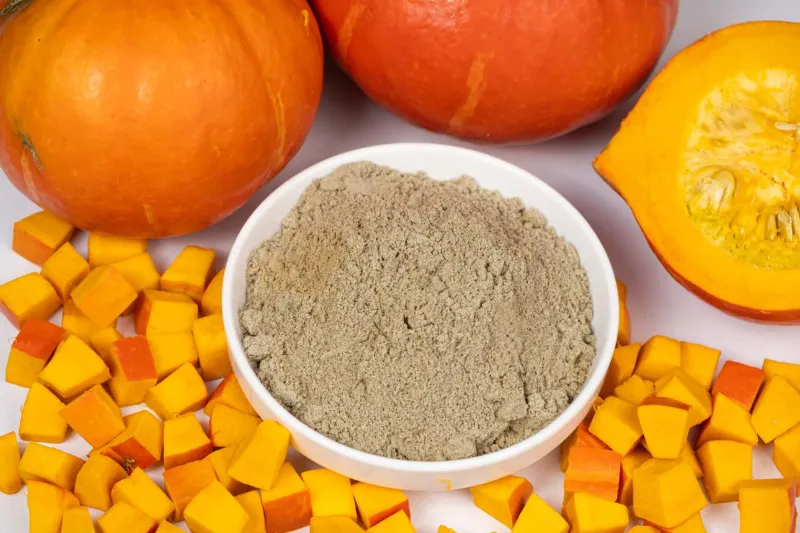
Pumpkin seeds are one of the richest plant-based sources of iron around. Just one ounce of pumpkin seeds delivers around 2.7 milligrams of iron along with magnesium, zinc, and healthy fats.
Because whole seeds pose a choking hazard for babies, you should always grind them finely before serving. Ground pumpkin seeds can then be sprinkled into purees or oatmeal to silently boost the iron content of whatever meal you’re preparing.
Toast pumpkin seeds lightly and grind them into a fine powder using a blender or food processor. Stir a teaspoon into your baby’s oatmeal, yogurt, or vegetable puree for a simple, effective iron boost.
22. Fortified Oatmeal
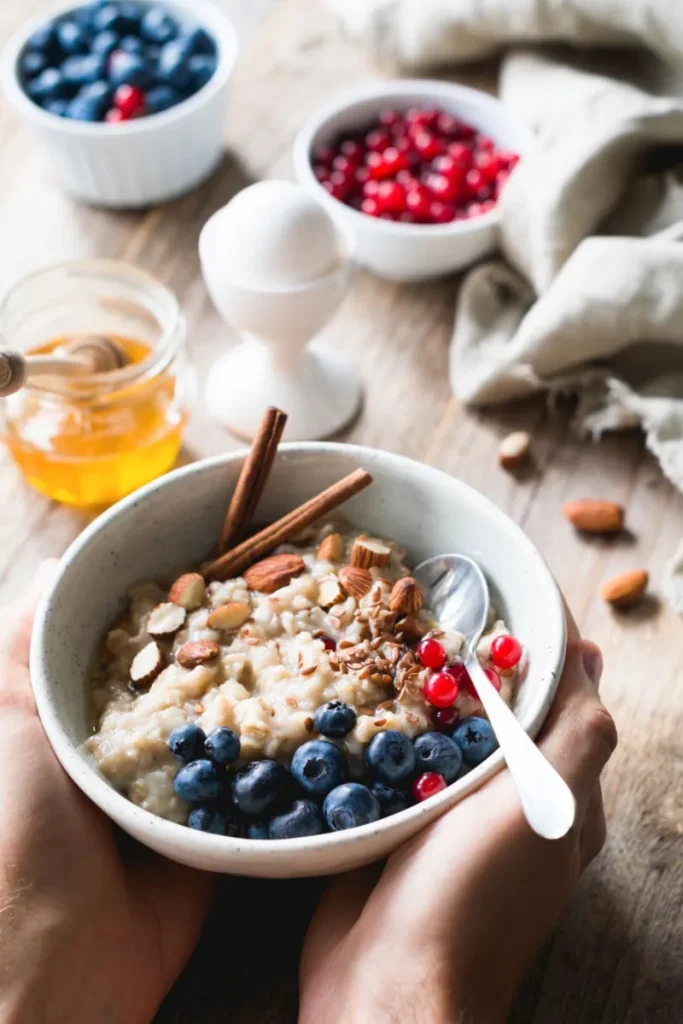
Oatmeal is a comforting, easy-to-digest grain that many babies love from their very first spoonfuls. When you choose iron-fortified oatmeal specifically, you get a meaningful iron boost delivered in a warm, familiar format.
Fortified oatmeal can provide around 10 to 11 milligrams of iron per serving depending on the brand, which makes it one of the easiest ways to meet your baby’s daily iron needs. It also contains beta-glucan, a type of fiber that supports healthy digestion and gut bacteria.
Cook fortified oatmeal to a smooth, thin consistency using breast milk or formula instead of water for added nutrition. Stir in pureed fruit or a teaspoon of ground pumpkin seeds for a meal that’s nourishing from top to bottom.
23. Prunes
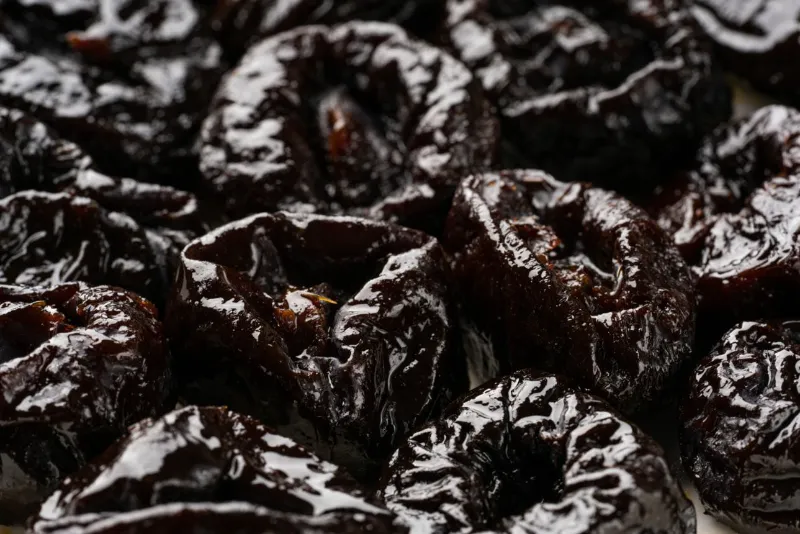
Prunes are most commonly associated with digestive health, but they also contain a surprising amount of iron. One cup of prune juice or a small serving of pureed prunes provides around 3 milligrams of iron along with potassium and antioxidants.
Prunes also happen to be rich in vitamin C, which means they help the body absorb the iron they carry more effectively. That natural pairing makes them a smart addition to any iron-focused baby meal plan.
Blend soft, pitted prunes into a smooth puree or stir prune juice into oatmeal or lentils to sweeten the dish naturally. They also work wonderfully as a mix-in with stronger-flavored purees to balance out the taste.
Final Thoughts
Getting enough iron during infancy is one of the most important nutritional goals you can have for your baby. The good news is that nature has given us an incredible variety of foods to work with, from rich meats to powerful plant-based options. Start with one or two foods from this list and build from there. Your baby’s brain and body will thank you for it.
