
32 Surprising Omega-3 Rich Foods Nutritionists Swear By

You already know omega-3s are good for you. But did you know most Americans are seriously falling short on them every single day?
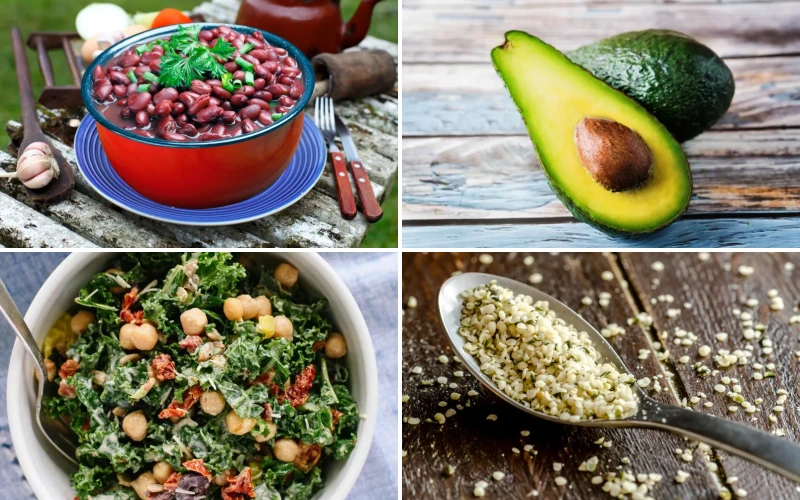
The good news is that getting more omega-3s into your diet is a lot easier and tastier than you might think. From everyday pantry staples to a few wild cards you probably never expected, here are 32 foods that nutritionists genuinely love for their omega-3 power.
1. Salmon
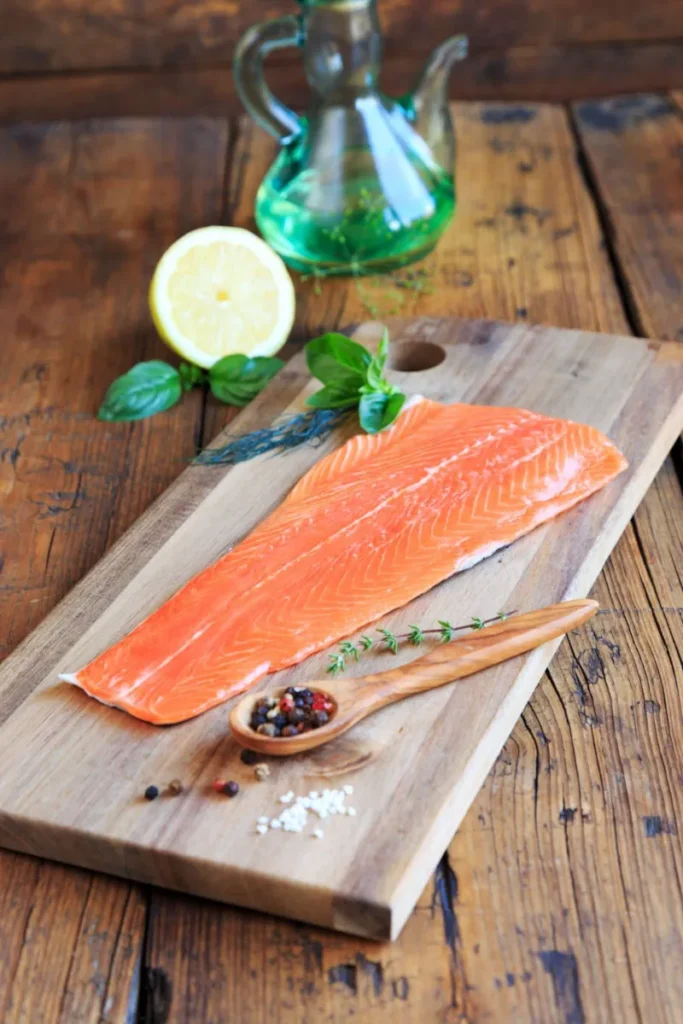
Salmon is basically the superstar of omega-3 foods, and for very good reason. A single 3.5-ounce serving of farmed Atlantic salmon packs around 2.3 grams of EPA and DHA, the two most potent forms of omega-3 fatty acids.
These fats are directly linked to lower inflammation, better heart health, and sharper brain function. Researchers at Harvard have consistently connected regular fatty fish consumption with reduced risk of cardiovascular disease.
You really can not go wrong here. Grill it, bake it, or toss it into a grain bowl with some avocado and you have got yourself a genuinely impressive meal.
2. Mackerel
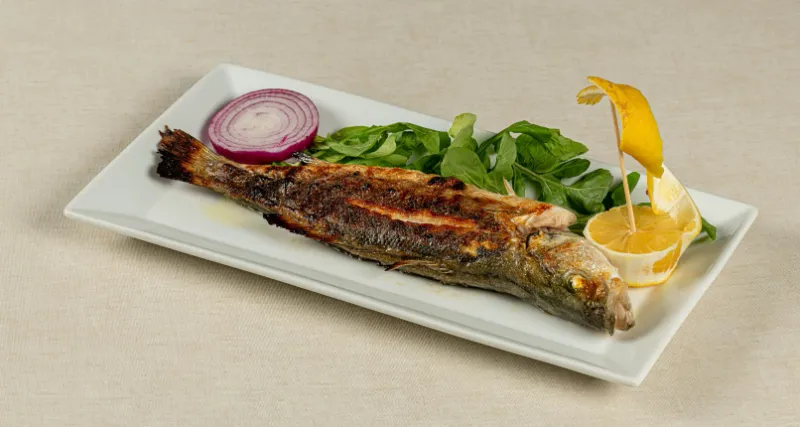
Mackerel might not get as much attention as salmon, but nutritionists quietly love it. It actually beats salmon in omega-3 content, offering up to 5 grams per cooked fillet.
It is also loaded with vitamin B12, selenium, and vitamin D, making it one of the most nutrient-dense fish you can eat. The combination of omega-3s and B12 together supports both heart and nervous system health in a meaningful way.
Try it smoked on whole grain crackers with a little cream cheese or mustard. It sounds simple but it is absolutely delicious.
3. Sardines

Sardines are cheap, convenient, and surprisingly tasty when you use them right. One can of sardines in olive oil delivers about 1.4 grams of omega-3s along with a solid hit of calcium and vitamin D.
Because you eat the bones, sardines are one of the rare foods that give you omega-3s and bone-building calcium in the same bite. That is a pretty incredible combo for such a small fish.
Mash them onto toast with lemon juice and herbs, or toss them into a pasta with capers and cherry tomatoes. You might be surprised how good they actually are.
4. Herring
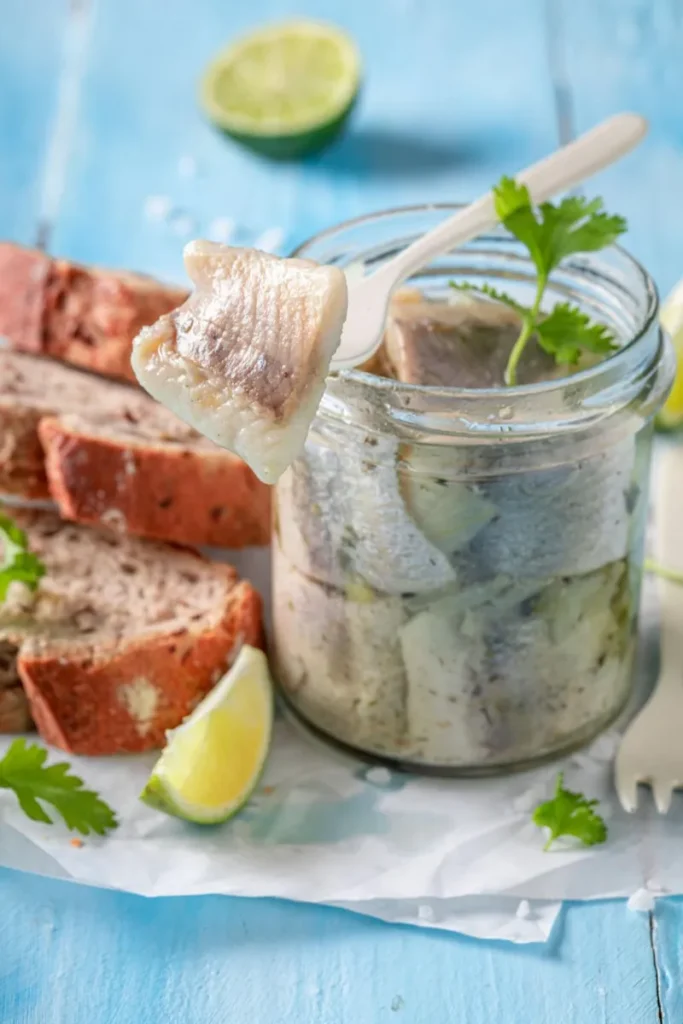
Herring is wildly popular in Scandinavia and parts of Europe, and honestly, the US is sleeping on it. A 3-ounce serving brings in around 1.7 grams of omega-3s plus a hefty dose of vitamin D.
Studies have linked regular herring consumption with improved cholesterol ratios, particularly raising HDL (the good kind) while lowering triglycerides. That is a double win for your heart health.
You can find pickled herring at most grocery stores. Try it on rye bread with sour cream and red onion for a Scandinavian-inspired snack that feels surprisingly indulgent.
5. Anchovies

These tiny little fish punch way above their weight. Just a two-ounce serving of anchovies delivers over 1 gram of omega-3s, plus they are rich in iron and calcium.
Because they are so small and low on the food chain, anchovies accumulate very little mercury, making them one of the safest fish you can eat regularly. That is a big deal if you eat seafood often.
Do not just save them for pizza. Blend them into salad dressings, stir them into tomato sauce, or melt them in olive oil as a base for roasted vegetables. They dissolve completely and add incredible depth of flavor.
6. Tuna
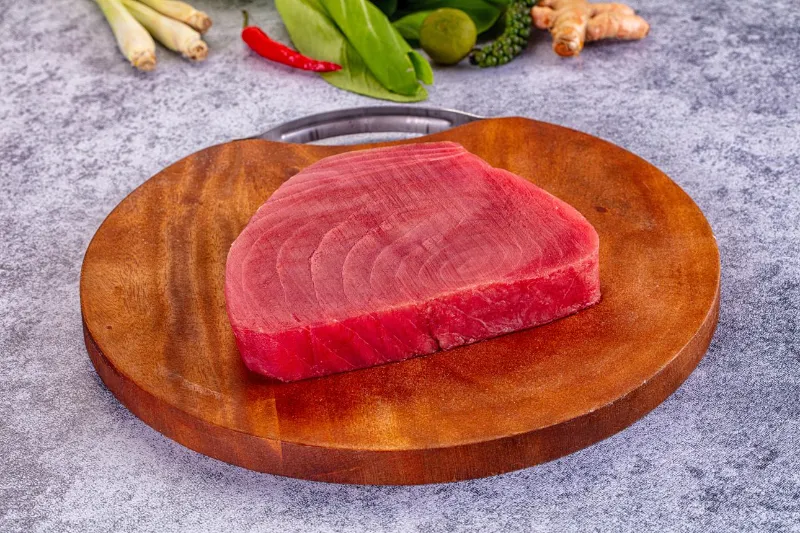
Canned tuna is probably already in your pantry, and it is a decent source of omega-3s with about 0.5 grams per three-ounce serving of light tuna. Albacore brings even more, around 0.73 grams per serving.
It is worth noting that tuna does contain more mercury than smaller fish, so most nutrition experts recommend sticking to two to three servings per week. Light canned tuna is generally lower in mercury than albacore.
Mix it with Greek yogurt instead of mayo for a protein-packed, omega-3 rich tuna salad that is genuinely better than the classic version. You will not miss the mayo at all.
7. Trout
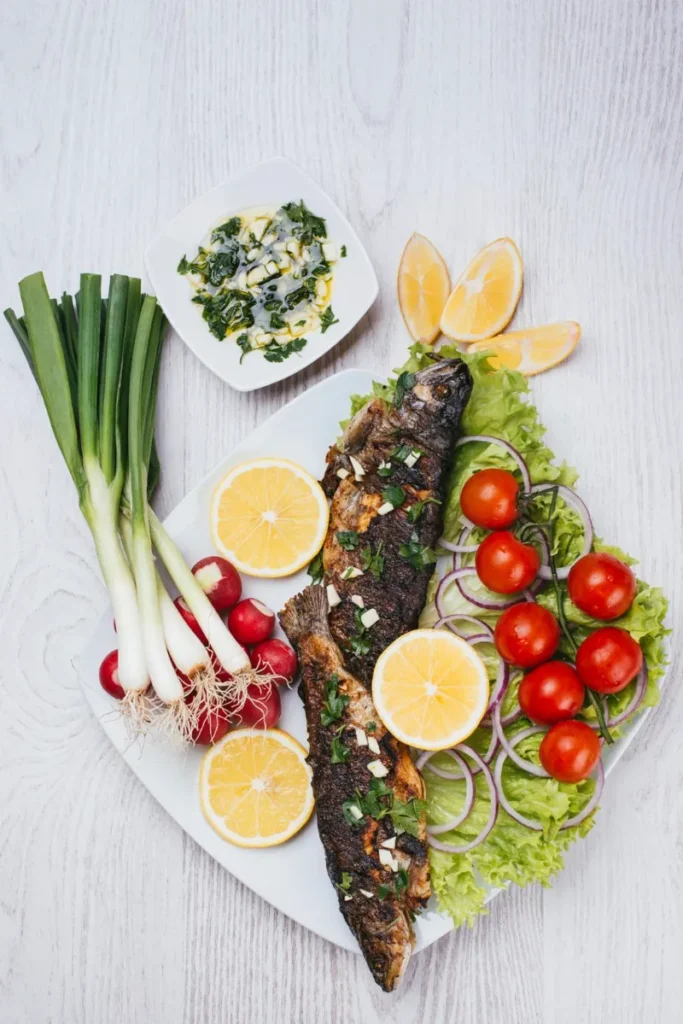
Rainbow trout is one of those underrated fish that deserves a lot more love. A three-ounce serving offers about 1 gram of omega-3s, and it has a mild, slightly sweet flavor that even people who claim to hate fish tend to enjoy.
Farmed rainbow trout is also considered one of the most sustainable seafood choices available in the US, according to the Monterey Bay Aquarium’s Seafood Watch program. So you can feel good about eating it from multiple angles.
Pan-fry it in a little butter with garlic and lemon for a weeknight dinner that comes together in under 15 minutes. It is that easy.
8. Oysters

Here is one that might surprise you. Oysters are actually a meaningful source of omega-3s, offering around 0.6 grams per three-ounce serving. But what really makes them special is the full package of nutrients they bring.
Oysters are loaded with zinc, copper, and vitamin B12 in amounts that few other foods can match. Zinc alone plays a critical role in immune function, and most Americans do not get nearly enough of it.
Whether raw on the half shell or roasted with a little garlic butter, oysters are a luxurious way to boost your nutrient intake. They are one of those foods that feel indulgent but are actually incredibly good for you.
9. Mussels
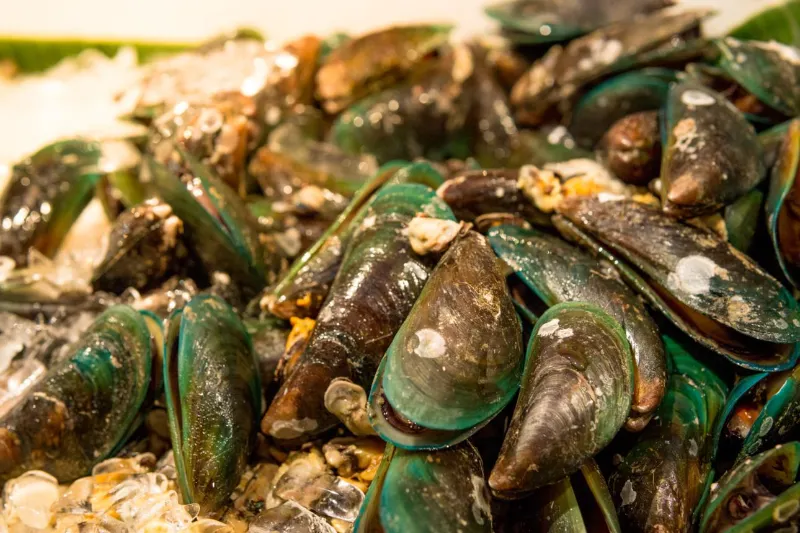
Mussels are one of the most affordable and sustainable shellfish you can buy, and they bring around 0.7 grams of omega-3s per three-ounce serving. They are also packed with iron, selenium, and manganese.
One study published in the journal Nutrients highlighted mussels as an excellent source of long-chain omega-3 fatty acids for people who want seafood variety beyond just fish fillets. They are genuinely underappreciated in the American diet.
Steam them with white grape juice, garlic, shallots, and fresh herbs and serve with crusty bread. The whole thing takes about 10 minutes and feels like something straight off a restaurant menu.
10. Shrimp

Shrimp is not usually the first thing people think of when it comes to omega-3s, but it actually provides about 0.3 grams per three-ounce serving. It is not the highest on the list, but it comes along with lean protein, iodine, and astaxanthin, a powerful antioxidant that gives shrimp its pink color.
Astaxanthin works alongside omega-3s to combat oxidative stress and inflammation, which makes shrimp a more nutritionally valuable food than most people realize. The combo is pretty impressive.
Toss shrimp into stir-fries, grain bowls, or tacos for a quick, protein-rich meal that adds a little omega-3 boost to your day without much effort at all.
11. Cod Liver Oil
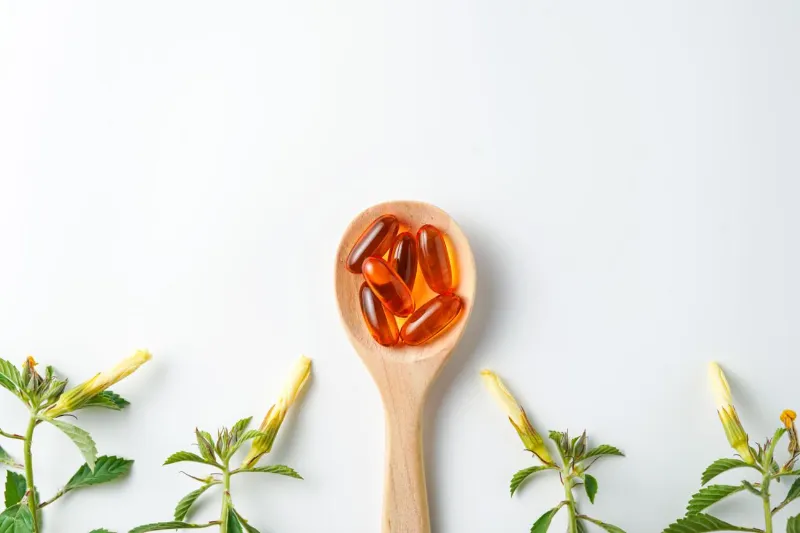
This one is old school, and there is a reason grandmothers everywhere swore by it. Cod liver oil is one of the most concentrated sources of omega-3s you will find anywhere, with about 2.7 grams per tablespoon, plus generous amounts of vitamins A and D.
Vitamin D deficiency is incredibly common in the US, particularly among people who live in northern states or spend most of their time indoors. Cod liver oil addresses both the omega-3 gap and the vitamin D gap simultaneously.
It is available in both liquid and capsule form. If the idea of the liquid makes you cringe, just grab the capsules. They are tasteless and incredibly easy to incorporate into your daily routine.
12. Flaxseeds

Flaxseeds are one of the most powerful plant-based sources of omega-3s on the planet. Just one tablespoon of ground flaxseed delivers about 1.6 grams of ALA, the plant form of omega-3 fatty acids.
ALA is not as readily used by the body as EPA and DHA, but it still matters for heart health and reducing inflammation. Research published in the American Journal of Clinical Nutrition has linked flaxseed consumption with lower blood pressure and improved cholesterol levels.
Always buy ground flaxseed or grind the seeds yourself, because whole seeds pass right through you without being absorbed. Stir a tablespoon into your oatmeal, smoothie, or yogurt every morning and you are done.
13. Chia Seeds
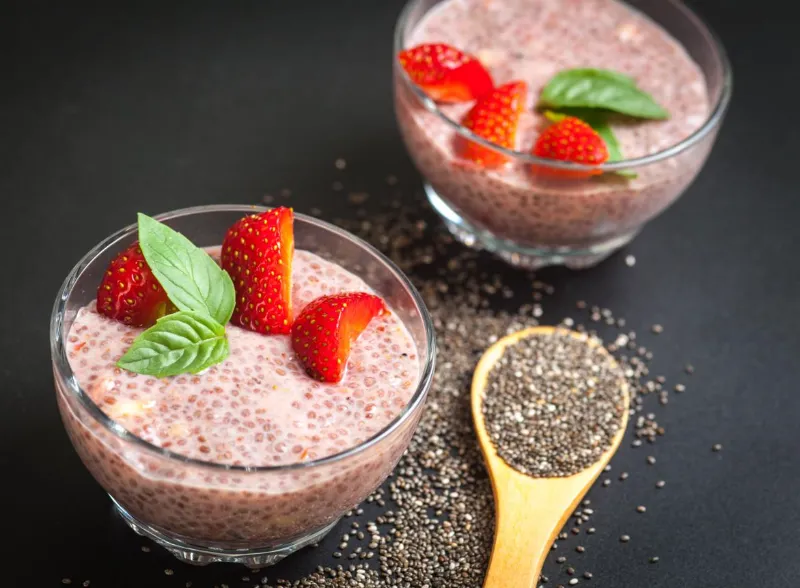
Chia seeds are tiny but absolutely packed with nutrition. Two tablespoons deliver about 5 grams of ALA omega-3s, making them one of the richest plant-based sources available anywhere.
They are also loaded with fiber, magnesium, and calcium, which work alongside omega-3s to support heart health, digestion, and bone strength all at once. That is a lot of nutritional work from something so small.
Mix them into overnight oats, blend them into smoothies, or make chia pudding by soaking them in almond milk overnight with a little vanilla and maple syrup. It is one of those effortless healthy habits that actually sticks.
14. Hemp Seeds
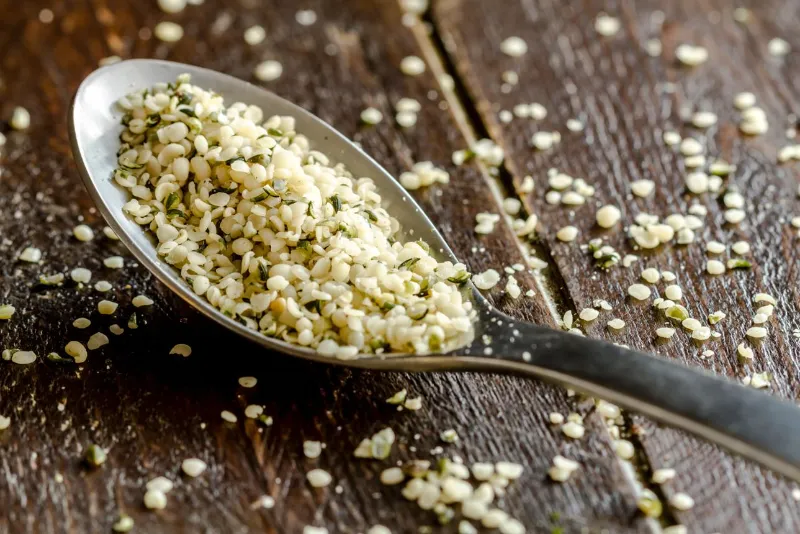
Hemp seeds have a mild, slightly nutty flavor and deliver about 1 gram of omega-3s per tablespoon. But what really sets them apart is their ratio of omega-6 to omega-3 fatty acids, which sits at an ideal 3:1 balance.
Most Western diets are wildly skewed toward omega-6s, which can promote inflammation when not balanced by omega-3s. Hemp seeds help correct that imbalance in a very natural, food-based way.
Sprinkle them over salads, blend them into smoothies, or stir them into yogurt. They have a pleasant texture and blend into almost anything without changing the flavor much.
15. Walnuts
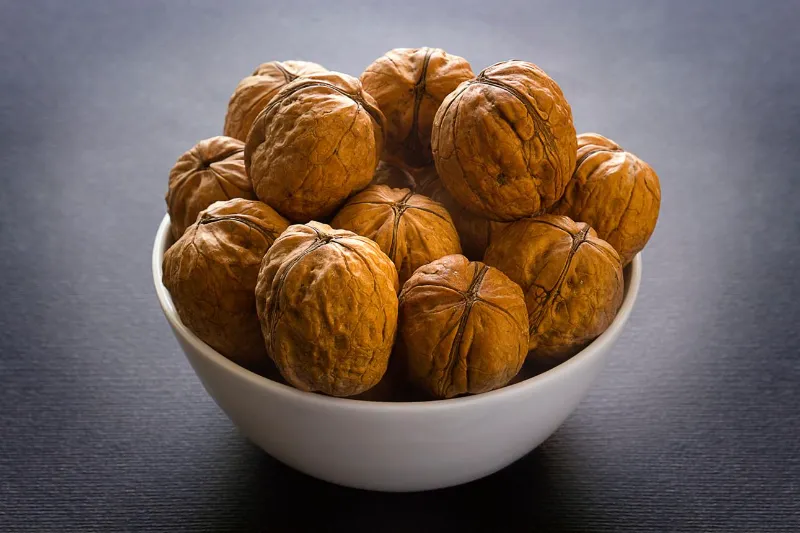
Walnuts are the only nut with a significant amount of omega-3s, providing about 2.5 grams of ALA per ounce. They are also rich in antioxidants and polyphenols that support brain aging and cardiovascular health.
A landmark study from the Journal of the American College of Cardiology found that regular walnut consumption was linked to lower LDL cholesterol and reduced inflammation markers in older adults. That is meaningful, well-studied evidence.
Keep a small bag of walnuts at your desk, toss them into salads, or blend them into pesto instead of pine nuts. They are one of the easiest healthy swaps you can make.
16. Edamame

Edamame, which are young green soybeans, are a plant-based protein powerhouse that also bring about 0.3 grams of omega-3s per half cup. They are also high in folate, vitamin K, and fiber.
As a complete plant protein, edamame contains all nine essential amino acids, which is rare in the plant world. Paired with their omega-3 content, they are one of the most balanced snacks you can possibly eat.
Buy them frozen and steam a batch in minutes. Sprinkle with sea salt or a little chili flake and enjoy them as a snack or side dish that feels satisfying without being heavy.
17. Kidney Beans
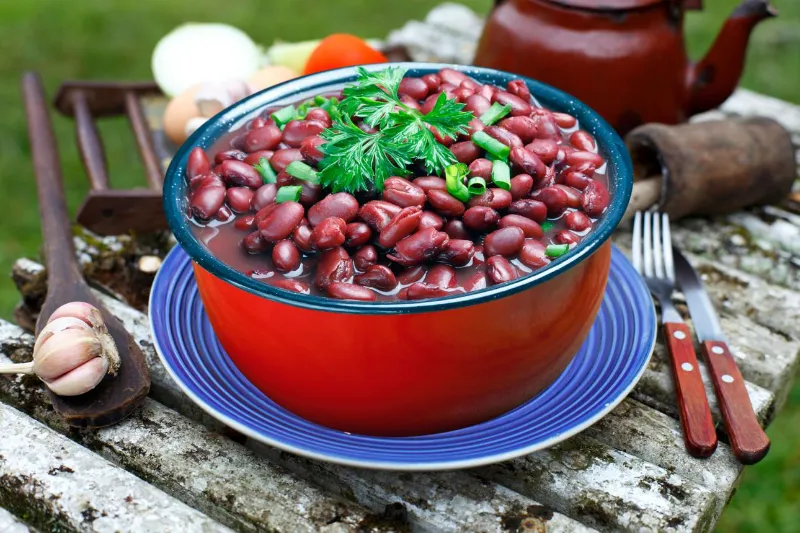
Kidney beans might seem like a humble pantry staple, but they deliver about 0.1 grams of ALA omega-3s per half cup along with serious amounts of fiber, folate, and plant-based protein.
The fiber in kidney beans supports gut health by feeding beneficial bacteria, and a healthy gut has been increasingly linked in research to lower levels of systemic inflammation. So these beans are pulling double duty.
Add them to chili, toss them into rice bowls, or mash them up as a base for bean dip. They are budget-friendly, filling, and genuinely good for you in multiple ways.
18. Soybeans
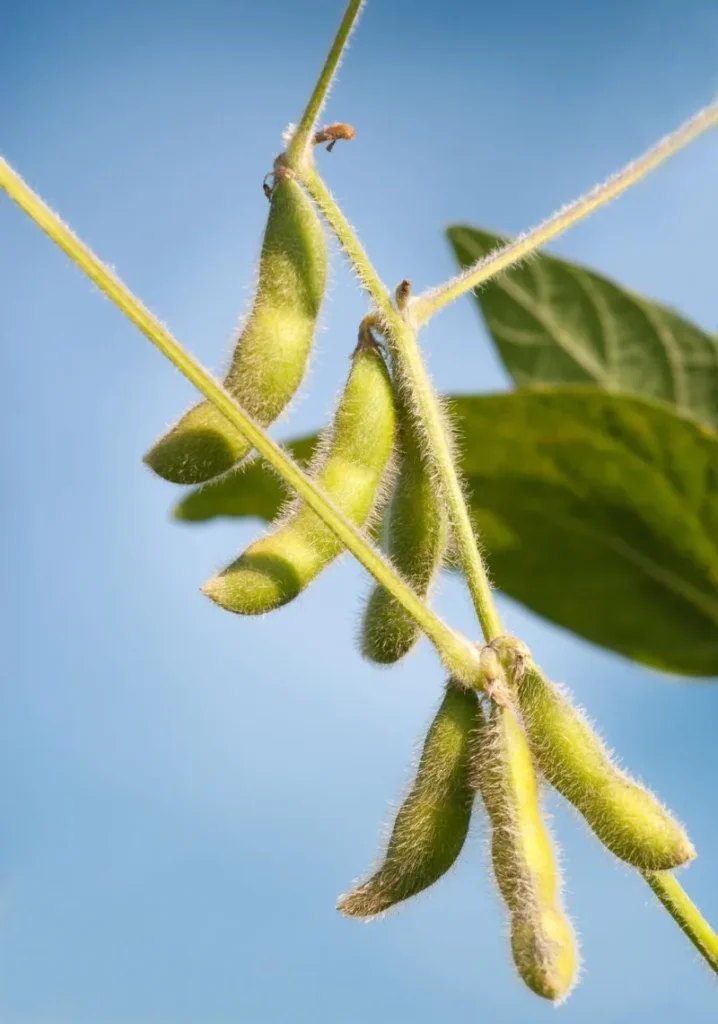
Whole soybeans are a serious source of plant-based omega-3s, delivering about 1 gram of ALA per cooked half cup. They are also one of the most complete plant proteins you can get.
Soybeans are rich in isoflavones, which are compounds that have been studied for their role in supporting hormonal balance and reducing cardiovascular risk factors, especially in women. That makes them a particularly well-rounded food.
Try them roasted as a crunchy snack, add them to soups, or use them as a base in grain bowls. They are versatile, filling, and much more interesting than people give them credit for.
19. Tofu
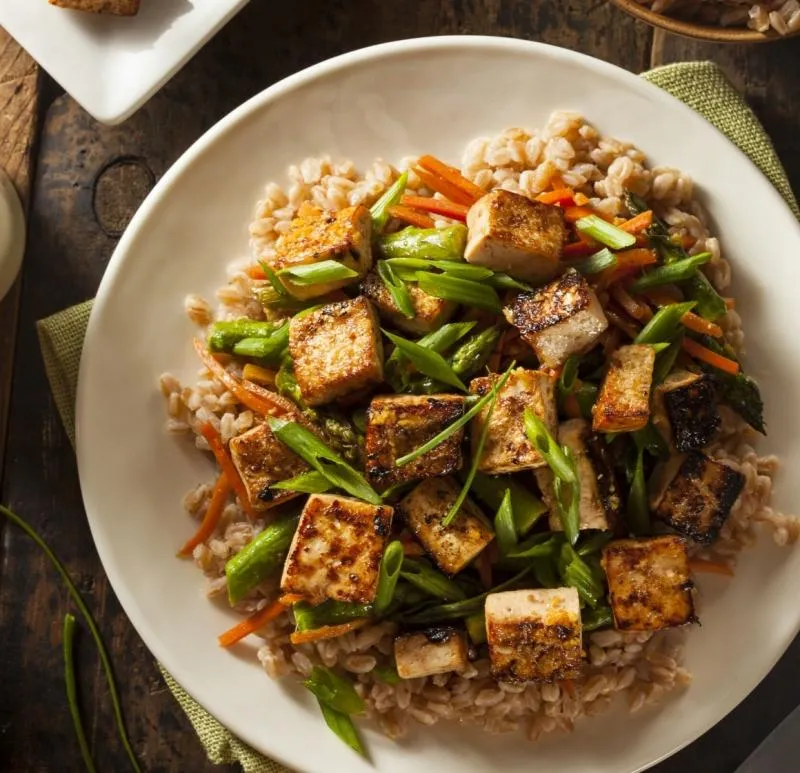
Tofu is made from soybeans, so it naturally carries some of that omega-3 goodness, about 0.5 grams per half cup. It is also a fantastic source of plant-based protein, calcium, and manganese.
Because it absorbs flavors so well, tofu is one of the most versatile ingredients in any kitchen. You can make it taste like almost anything depending on how you marinate and cook it.
Press it firm, cube it up, and roast it in the oven with soy sauce, garlic, and sesame oil until crispy. Add it to salads, noodle dishes, or eat it straight off the sheet pan because you simply can not stop.
20. Seaweed and Algae

Here is where things get really interesting. Seaweed and algae are the original source of omega-3s in the ocean. Fish are rich in EPA and DHA precisely because they eat algae. So going straight to the source makes perfect sense.
Algae-based omega-3 supplements are now widely available and are considered a highly bioavailable vegan alternative to fish oil. Research supports their effectiveness for raising blood levels of EPA and DHA comparably to fish-derived sources.
Even whole seaweed like wakame and nori contribute small amounts of omega-3s along with iodine and antioxidants. Add nori sheets to homemade sushi rolls or crumble them over rice bowls for a savory, umami-rich topping.
21. Spirulina
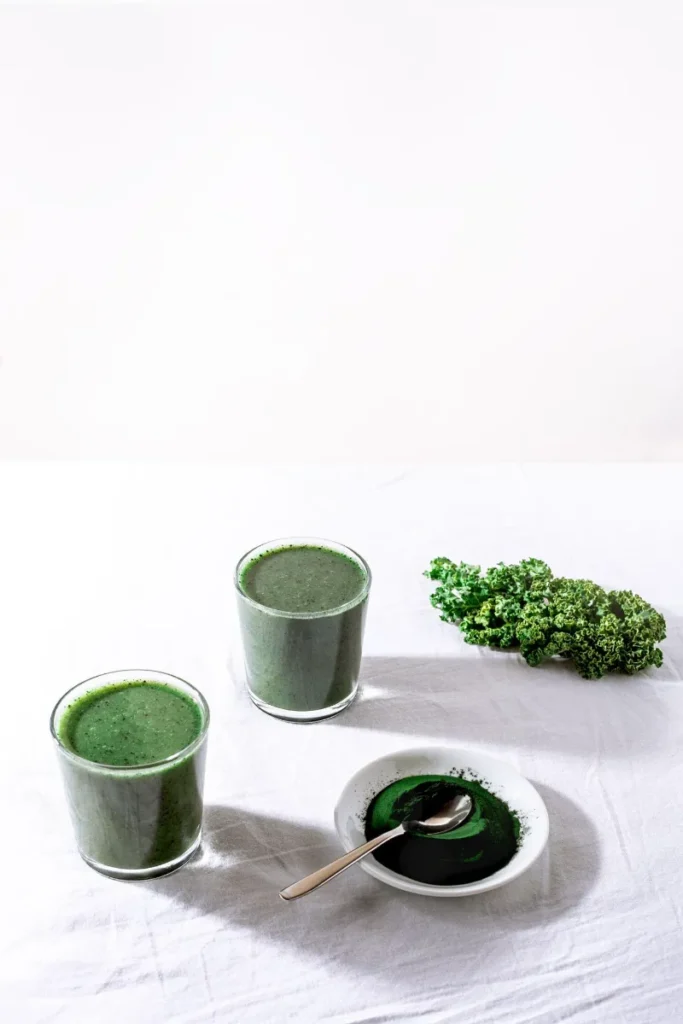
Spirulina is a blue-green algae that has been used as a food source for centuries and is now recognized as one of the most nutrient-dense foods on earth. It provides a small but meaningful amount of omega-3s alongside extraordinary levels of protein, iron, and B vitamins.
The omega-3 in spirulina is primarily in the form of GLA (gamma-linolenic acid), which the body can use to reduce inflammation. Studies published in the journal Lipids in Health and Disease have shown that spirulina supplementation can positively impact lipid profiles.
Blend a teaspoon into your morning smoothie with banana, mango, and coconut water. It turns everything bright green, which is honestly kind of fun, and the tropical flavors mask any earthy taste.
22. Brussels Sprouts

You probably did not expect to see Brussels sprouts on this list, but here we are. A half cup of cooked Brussels sprouts provides about 0.1 grams of ALA, and they are loaded with vitamin C, vitamin K, and glucosinolates, which are compounds linked to cancer prevention in research.
The combination of omega-3s and antioxidants in Brussels sprouts works together to reduce inflammatory markers in the body. They are quietly one of the most anti-inflammatory vegetables you can eat.
Roast them at high heat with olive oil, salt, and a drizzle of balsamic glaze until caramelized and slightly crispy. Even the pickiest eaters tend to come around to Brussels sprouts made this way.
23. Spinach
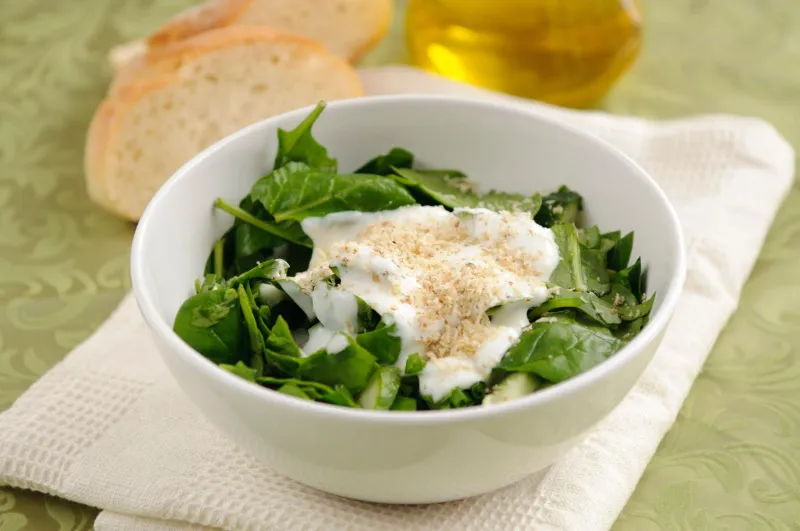
Spinach is one of those everyday vegetables that quietly delivers impressive nutrition, including about 0.1 grams of ALA per cooked cup. It is also packed with magnesium, folate, iron, and vitamins A and C.
Magnesium plays a crucial role in hundreds of enzymatic reactions in the body, and most Americans do not get enough of it. Having it naturally paired with omega-3s in spinach is a genuinely valuable combination.
Throw handfuls of it into smoothies, sauté it with garlic as a simple side dish, or use it as a base for salads instead of iceberg lettuce, which has very little nutritional value by comparison.
24. Kale
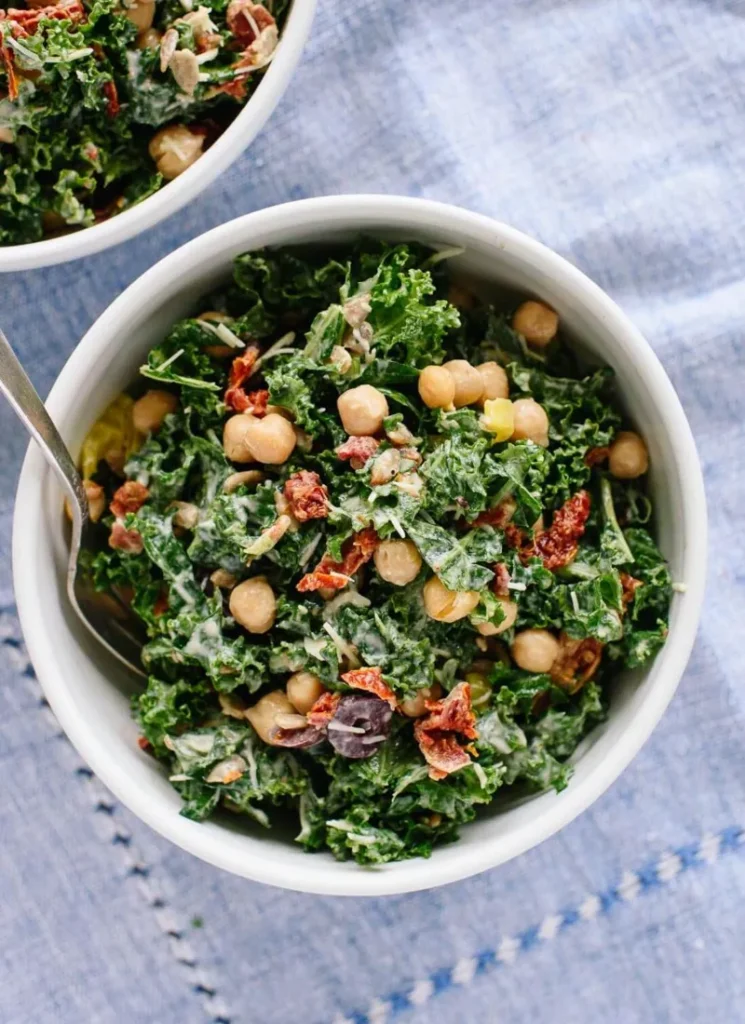
Kale earns its superfood reputation partly because of its omega-3 content, about 0.1 grams per cup, but also because of its extraordinary range of vitamins, minerals, and antioxidants. It is particularly high in vitamin K, which works alongside omega-3s to support cardiovascular health.
Research has shown that the antioxidants in kale, particularly quercetin and kaempferol, have powerful anti-inflammatory and heart-protective effects. So the omega-3s are just one piece of a very impressive nutritional puzzle.
Massage raw kale with a little olive oil and lemon juice to soften it before using it in salads. This simple trick transforms the texture completely and makes it genuinely enjoyable to eat raw.
25. Purslane

Purslane is a wild leafy green that most Americans have never heard of, yet it contains more omega-3s than almost any other leafy plant, about 0.4 grams per 100 grams of fresh weight. It is actually considered a weed in most US backyards.
Traditional Mediterranean diets, which are consistently associated with longevity and low rates of chronic disease, naturally include a lot of purslane. Researchers believe its omega-3 content is part of what makes those diets so protective.
You can find it at farmers markets or specialty grocery stores. Use it in salads, stir-fries, or soups. It has a slightly lemony, crisp flavor that pairs well with olive oil and feta cheese.
26. Avocado
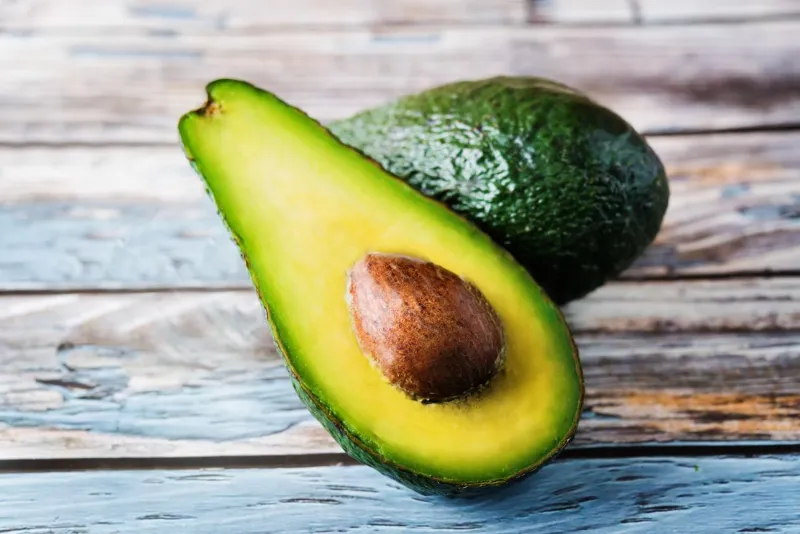
Avocado is more commonly celebrated for its monounsaturated fats, but it also contains a small amount of ALA omega-3s along with fiber, potassium, and fat-soluble vitamins like E and K. The healthy fats in avocado also help your body absorb omega-3s from other foods more effectively.
That makes avocado one of those foods that improves the nutritional value of your entire meal, not just your plate. Adding it to a salad with walnuts and salmon is a genuinely strategic nutritional choice.
Slice it onto toast, blend it into smoothies for creaminess, or use it as the base for a homemade salad dressing with lime juice and fresh herbs. It is one of the most versatile and satisfying foods there is.
27. Omega-3 Enriched Eggs

Not all eggs are created equal. Omega-3 enriched eggs come from hens fed flaxseed, algae, or fish oil, which significantly boosts the omega-3 content. One of these eggs can provide between 100 and 500 milligrams of DHA and EPA combined.
Standard eggs have very little omega-3 content, so the enriched variety is worth the slight price difference if you eat eggs regularly. Research has confirmed that the DHA in these eggs is bioavailable and does raise blood levels of this important fatty acid.
Look for eggs labeled omega-3 enriched or DHA enriched at your grocery store. Use them exactly as you would any egg, scrambled, poached, or baked, and you get a meaningful nutritional upgrade with zero extra effort.
28. Grass-Fed Beef
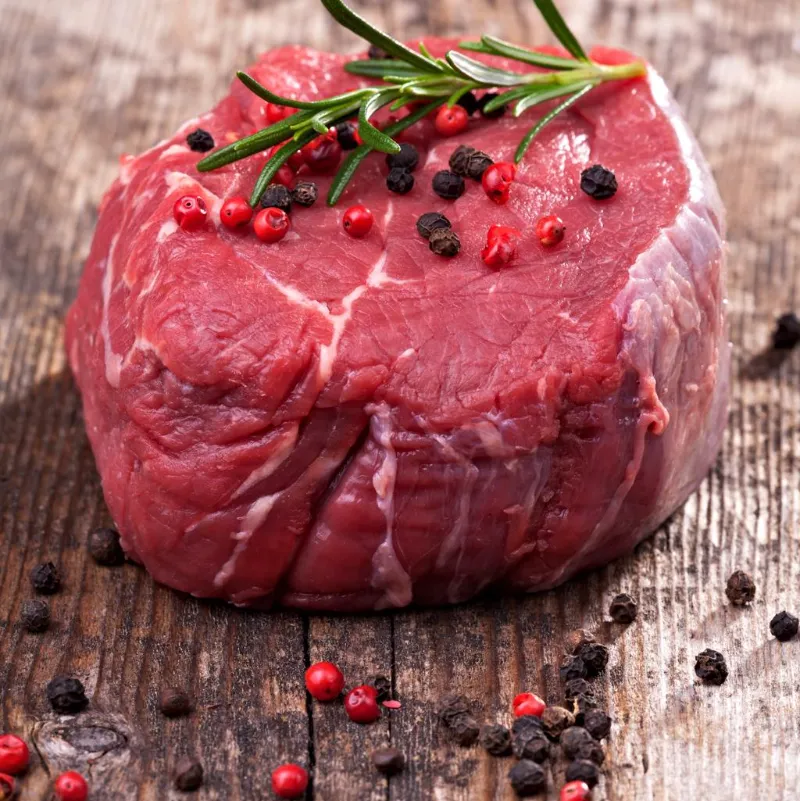
Grass-fed beef has a notably different fatty acid profile compared to conventionally raised grain-fed beef. It contains up to five times more omega-3 fatty acids, primarily in the form of ALA, along with higher levels of CLA (conjugated linoleic acid), which is linked to improved body composition.
A meta-analysis published in Nutrition Journal found that grass-fed beef consistently outperformed grain-fed in terms of its omega-3 to omega-6 ratio, which matters a great deal for reducing inflammation over time.
Grass-fed beef costs a bit more, but even having it a couple of times per week makes a difference. Use it in burgers, tacos, stir-fries, or keep it simple with a grilled steak and roasted vegetables on the side.
29. Pasture-Raised Chicken

Like grass-fed beef, pasture-raised chicken has a better omega-3 profile than conventionally raised poultry because the birds eat a more natural diet that includes insects and wild plants. The difference is not dramatic, but it is measurable and meaningful over time.
Pasture-raised chicken also tends to have higher levels of vitamin D and lower overall fat content. That makes it a leaner, more nutrient-dense protein option compared to standard grocery store chicken.
Use it in any recipe that calls for chicken and you will not notice a difference in taste. The nutritional upgrade happens quietly in the background, which is honestly the best kind.
30. Perilla Oil
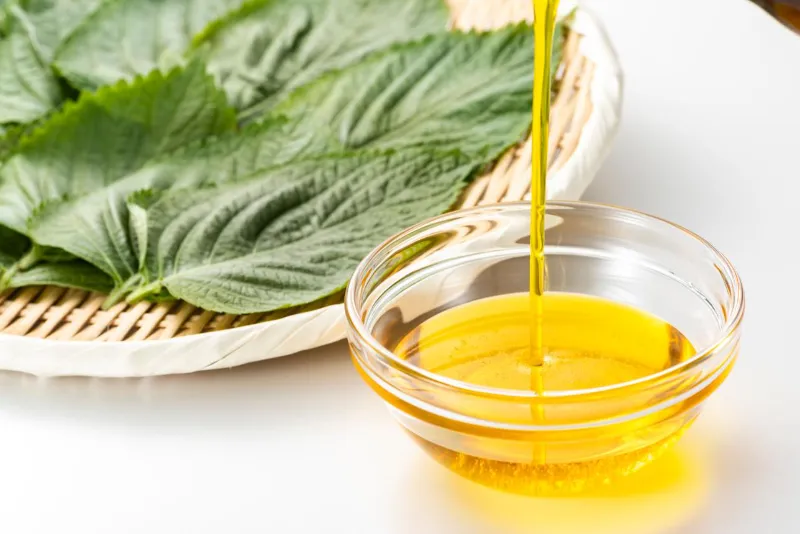
Perilla oil comes from the seeds of the perilla plant, which is widely used in Korean and Japanese cuisine. It is one of the richest plant-based sources of ALA omega-3s, containing about 60% ALA by weight, which is higher than flaxseed oil.
Research from Asian populations where perilla oil is commonly consumed has shown associations with lower rates of cardiovascular disease and inflammation-related conditions. It is a staple in Korean households for good reason.
Use it as a finishing oil over rice, noodles, or grilled vegetables. It has a pleasant, slightly nutty flavor that works beautifully in Korean-inspired dishes. You can find it at Asian grocery stores or online.
31. Canola Oil

Canola oil is one of the most omega-3 friendly cooking oils available in every single American grocery store. It contains about 1.3 grams of ALA per tablespoon, which is modest but meaningful when you consider how often most people cook with oil.
It also has one of the better omega-6 to omega-3 ratios among widely available cooking oils, and its high smoke point makes it practical for everyday cooking at medium to high heat. The American Heart Association recognizes it as a heart-healthy choice.
Swap it in for vegetable oil in your everyday cooking, baking, and stir-frying. It is a nearly invisible upgrade that adds up significantly over time without changing the taste of your food at all.
32. Butternuts (White Walnuts)

Butternuts, also called white walnuts, are a native North American nut that most people have genuinely never heard of. But they are incredibly rich in ALA omega-3s, even more so than regular black walnuts, with a rich, buttery flavor that lives up to their name.
They are harder to find than regular walnuts but available at specialty stores, farmers markets, and online. Foragers love them, and they have a long history of use in traditional Native American diets.
Use them anywhere you would use regular walnuts. They are excellent in baked goods, salads, and trail mix, and their slightly richer, creamier taste makes them feel like a genuine treat rather than just a health food.
Final Thoughts
Getting more omega-3s into your life does not have to be complicated or expensive. Whether you lean toward fatty fish, plant seeds, or everyday oils, there is something on this list that fits your lifestyle and your taste buds.
Start with one or two new additions this week and build from there. Your heart, brain, and body will notice the difference before you even realize you have changed anything.
