
20 Surprising Glutathione Rich Foods Nutritionists Swear By

If you’ve been on any kind of health journey lately, you’ve probably heard the word “antioxidants” thrown around a lot. But there’s one in particular that nutritionists keep coming back to: glutathione.
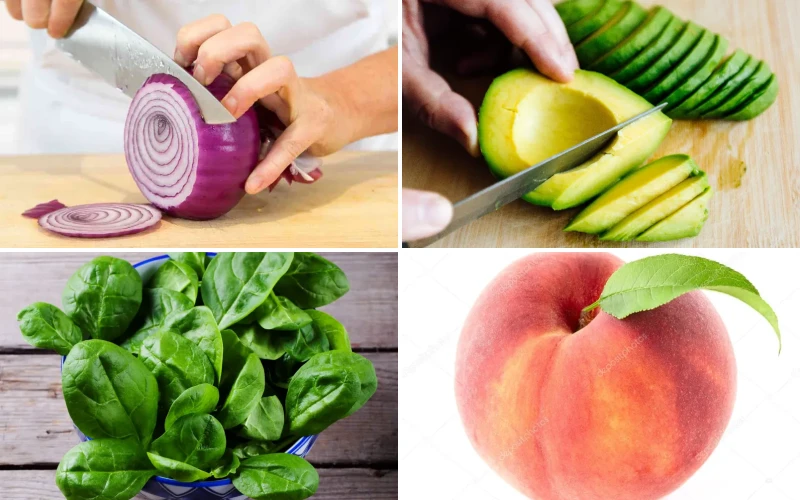
Often called the “master antioxidant,” glutathione is made right inside your cells and plays a huge role in detoxifying your body, boosting your immune system, and even slowing down aging. The good news? You don’t need a fancy supplement to get more of it. These 20 everyday foods can help your body produce and protect its glutathione levels naturally.
1. Avocado
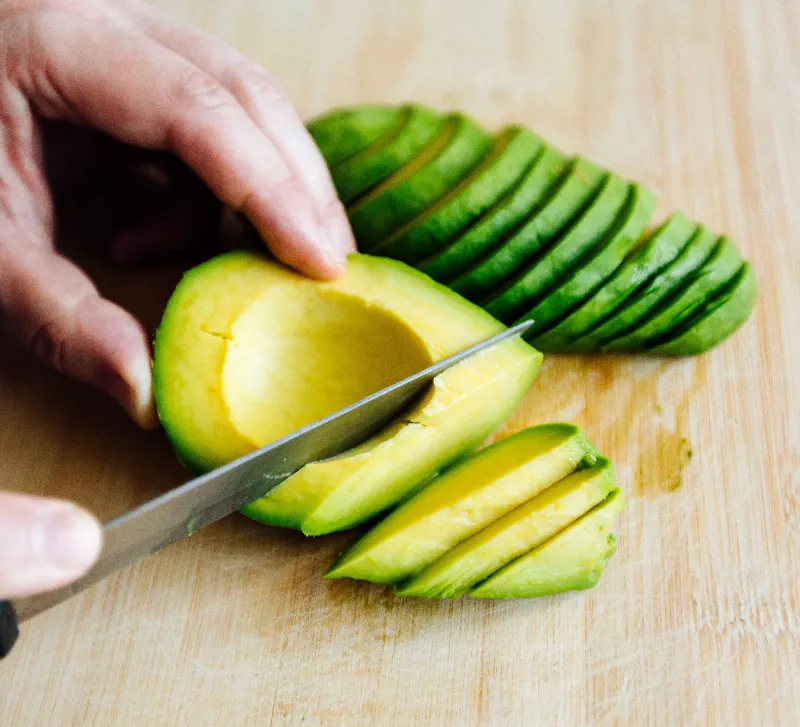
Avocados aren’t just a trendy toast topping. They’re one of the most glutathione-rich plant foods you can eat, with studies showing they contain a meaningful amount of the antioxidant in its active form.
They’re also loaded with healthy monounsaturated fats, which help your body absorb fat-soluble nutrients more efficiently. That’s a double win for your cells.
Try adding half an avocado to your salad, smoothie, or eggs in the morning. It’s one of the easiest upgrades you can make to your daily diet.
2. Spinach
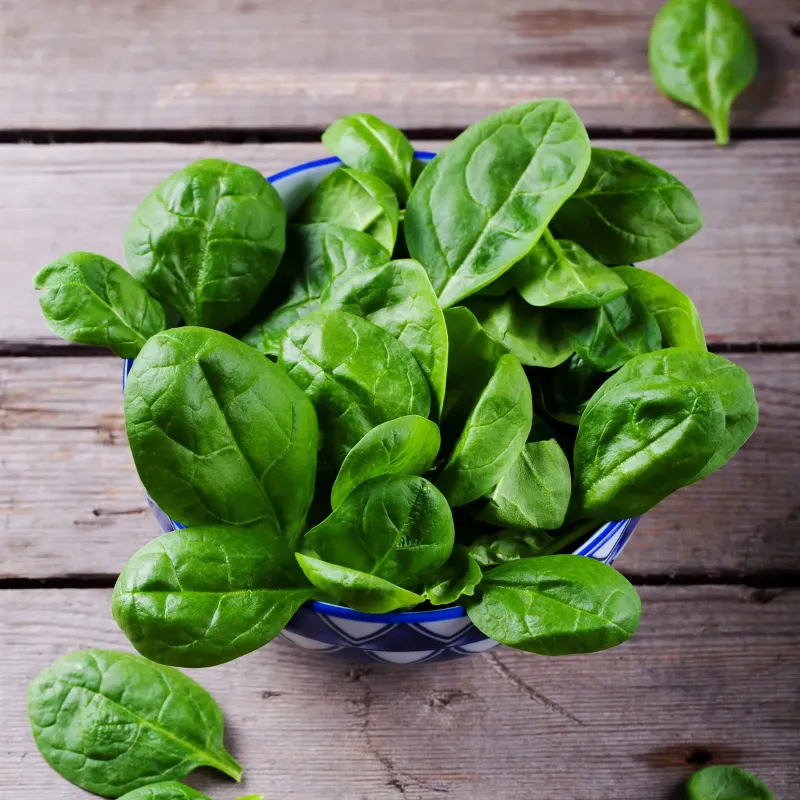
Spinach is a glutathione powerhouse, especially when eaten raw or lightly steamed. Cooking it at high heat for too long can break down some of its antioxidant content, so less is more here.
It also delivers folate, vitamin C, and iron, all nutrients that support your body’s natural ability to produce glutathione on its own. Think of spinach as a full support system for your cells.
Toss a handful into a smoothie, a quick sauté, or a big salad. It’s mild enough that you can sneak it into almost anything.
3. Asparagus
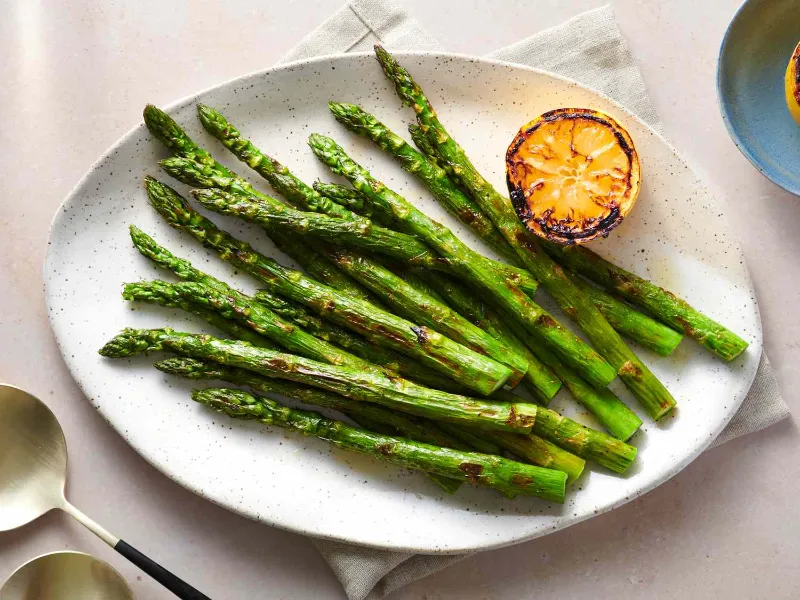
Asparagus has one of the highest concentrations of glutathione among vegetables, making it a go-to for nutritionists who want to support liver health and detoxification.
Your liver is where most of your body’s glutathione is stored and used, so feeding it the right foods matters more than most people realize. Asparagus also contains folate and vitamin K, which round out its nutritional profile nicely.
Roast it with a drizzle of olive oil and a pinch of sea salt for about 15 minutes at 400°F. Simple, delicious, and seriously good for you.
4. Okra

Okra might not be the first food that comes to mind when you think about antioxidants, but it belongs on this list. It’s rich in glutathione as well as vitamins C and K, plus a unique type of soluble fiber called mucilage.
That fiber is especially helpful for supporting gut health and keeping blood sugar steady. And since gut health and immune health are deeply connected, okra is doing a lot of quiet, important work behind the scenes.
Try it roasted until crispy, or sliced into a hearty stew. Either way, you’re doing your body a real favor.
5. Broccoli
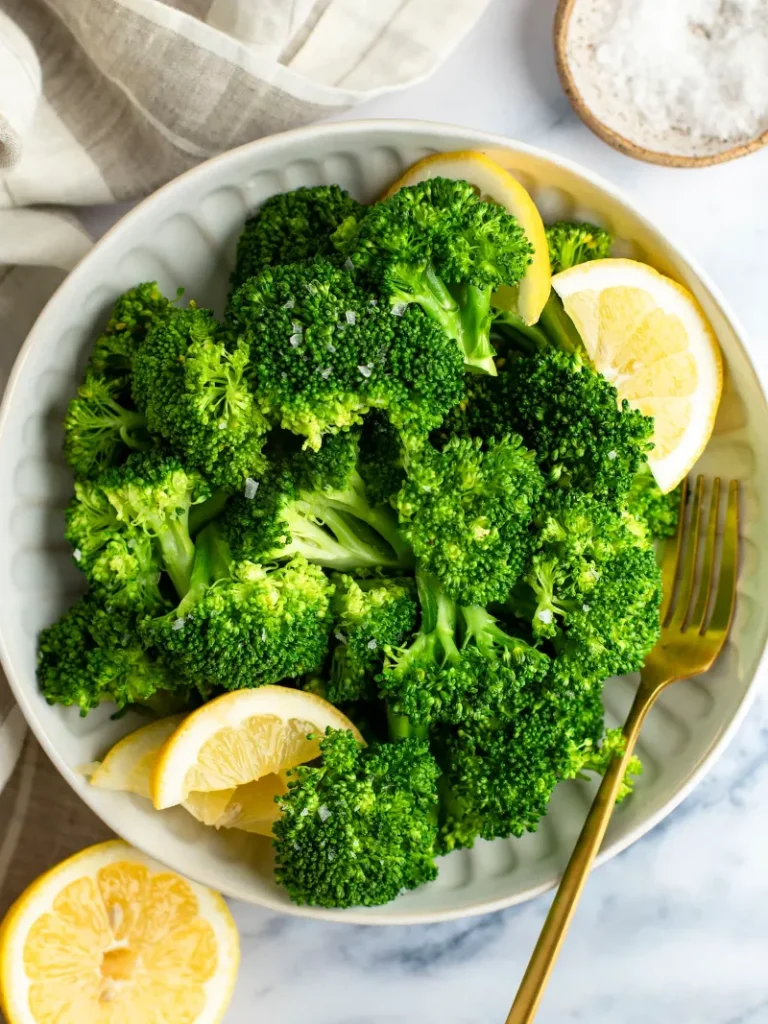
Broccoli contains a compound called sulforaphane that actively stimulates your body to produce more glutathione on its own. That makes it one of the smartest foods you can eat for long-term antioxidant support.
Research published in journals like the Proceedings of the National Academy of Sciences has highlighted sulforaphane’s ability to activate Nrf2, a cellular pathway that ramps up your body’s internal defense system. That’s some serious science behind a very humble vegetable.
Eat it lightly steamed or raw to get the most out of it. A quick stir-fry with garlic works beautifully too.
6. Brussels Sprouts

Brussels sprouts belong to the same cruciferous family as broccoli, and they bring many of the same glutathione-boosting benefits. They’re particularly high in vitamin C, which helps regenerate glutathione that’s already been used up in your body.
Think of vitamin C as the reset button for your antioxidant cycle. Once glutathione does its job neutralizing a free radical, vitamin C helps bring it back to active status so it can keep working.
Roast your Brussels sprouts at high heat until they get those golden, caramelized edges. That’s when they taste the best and are still holding onto most of their nutrients.
7. Garlic
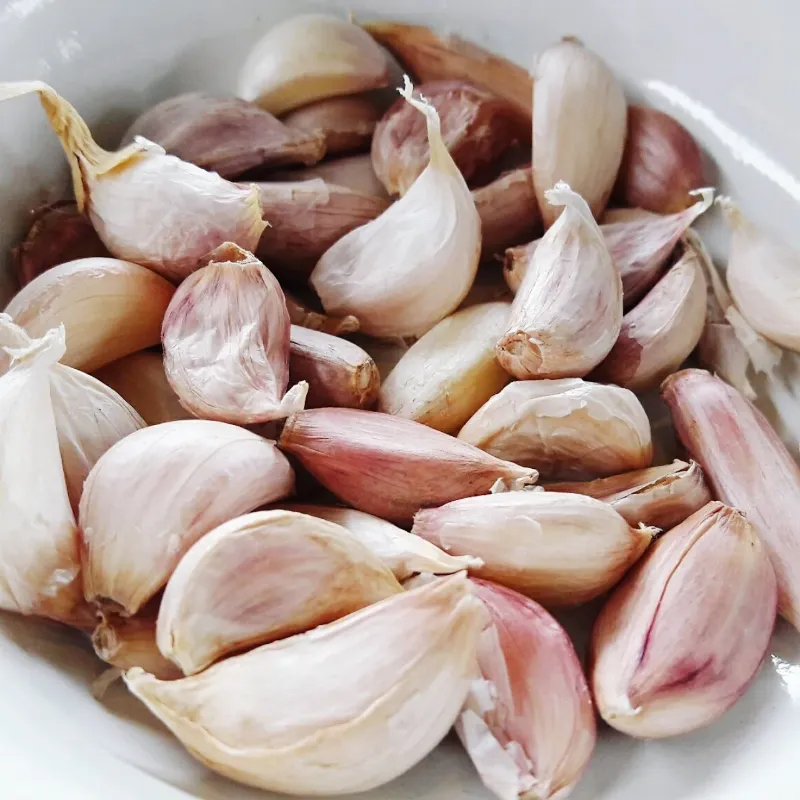
Garlic is a glutathione superstar, and the science backs it up. It contains sulfur compounds like allicin and alliin that directly stimulate glutathione synthesis inside your cells.
Garlic has been studied extensively for its role in supporting liver detoxification, reducing oxidative stress, and even helping with cardiovascular health. It’s doing a lot more than just flavoring your dinner.
To get the most benefit, crush or mince your garlic and let it sit for about 10 minutes before cooking. That waiting period activates the enzyme that converts alliin into allicin.
8. Onions

Like garlic, onions are packed with organosulfur compounds that support your body’s glutathione production. They also contain quercetin, a flavonoid antioxidant that works alongside glutathione to fight inflammation.
Red onions tend to have the highest antioxidant content, though yellow and white onions are still great choices. Raw onions give you the most benefit, but even cooked onions retain a solid amount of their compounds.
Dice some raw red onion into your salsa, guacamole, or grain bowls. It adds flavor and a genuine nutritional punch at the same time.
9. Watermelon
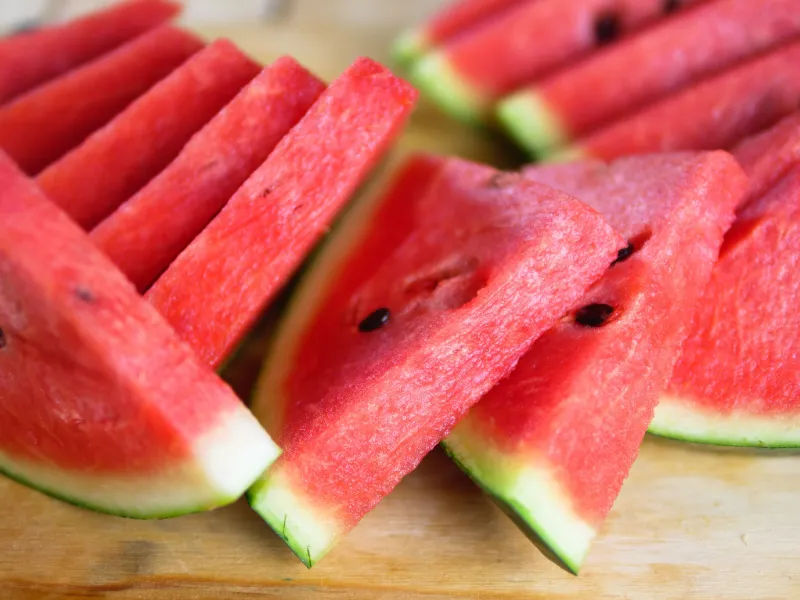
Watermelon is one of the few fruits that contains a significant amount of glutathione in its raw form. It’s also rich in lycopene, a powerful antioxidant linked to heart health and reduced cancer risk.
The combination of glutathione and lycopene in one sweet, hydrating fruit is genuinely impressive. And since watermelon is mostly water, it also helps keep your cells hydrated, which supports all kinds of biochemical processes including antioxidant activity.
Eat it fresh and cold, straight out of the fridge. No prep needed, and it delivers real benefits with every juicy bite.
10. Strawberries
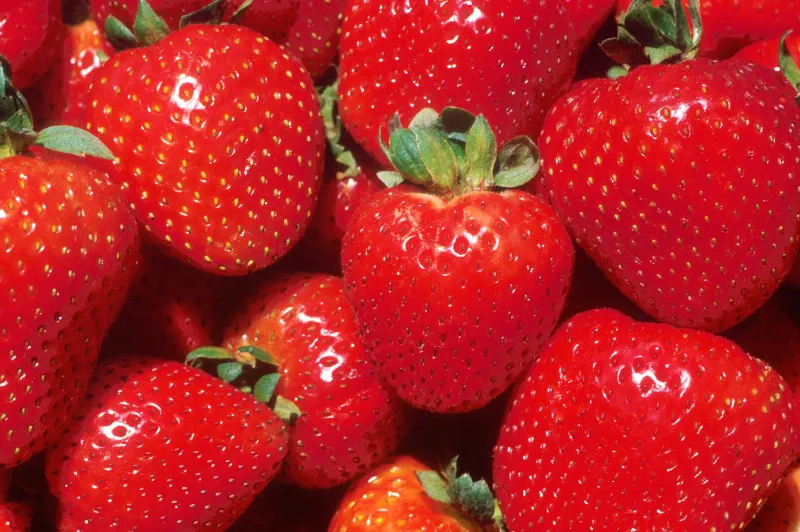
Strawberries are bursting with vitamin C, which as we mentioned earlier, helps recycle and regenerate glutathione in your body. But they also contain their own antioxidant compounds like anthocyanins and ellagic acid that work alongside your body’s master antioxidant.
Research has shown that regular berry consumption is linked to lower markers of oxidative stress. That means your cells are experiencing less damage over time, which adds up in a big way for long-term health.
Fresh strawberries in a smoothie, on top of oatmeal, or just eaten by the handful are all perfect options. Frozen ones work just as well if fresh aren’t in season.
11. Peaches
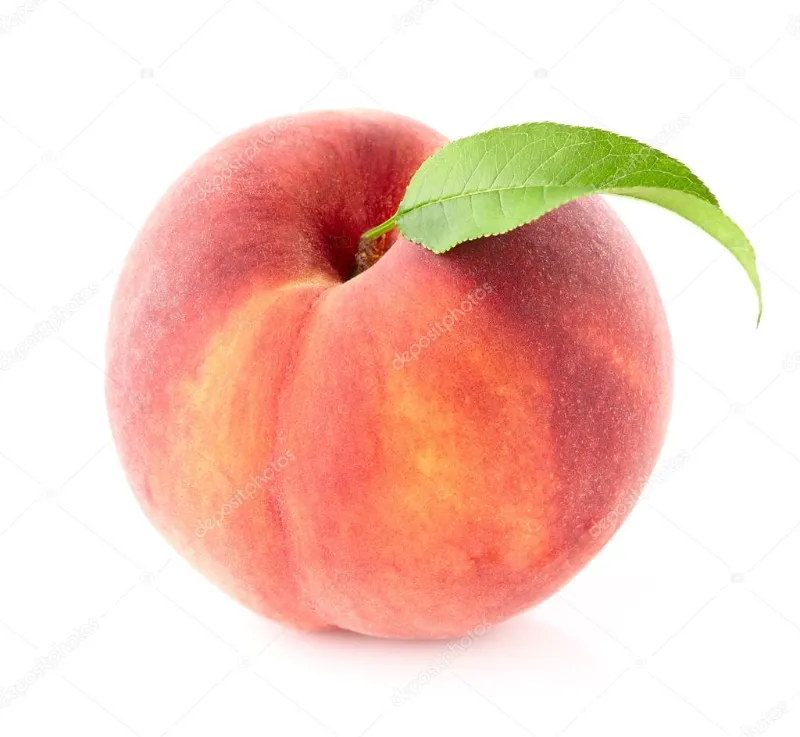
Peaches might surprise you here, but they’re actually a solid source of glutathione, especially when eaten ripe and fresh. They also bring beta-carotene and vitamin C to the table, two nutrients that help protect your cells from oxidative damage.
The combination of antioxidants in peaches works synergistically, meaning they support each other’s effectiveness rather than working in isolation. That’s the beauty of getting your nutrients from whole foods.
Eat them fresh in summer when they’re at peak ripeness. You can also slice them into a salad with arugula and goat cheese for something a little more interesting.
12. Tomatoes
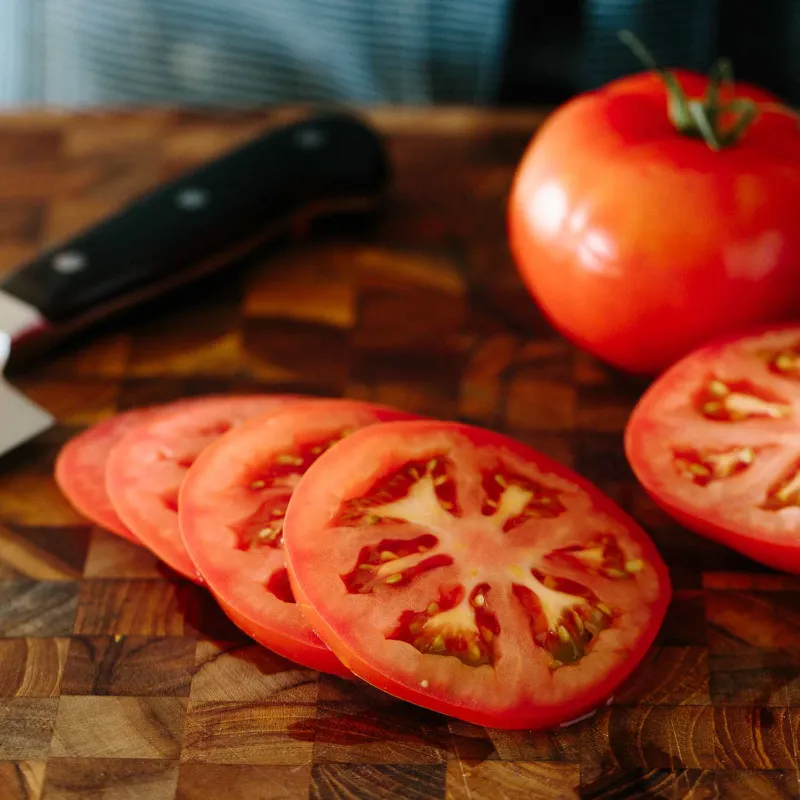
Tomatoes are well known for their lycopene content, but they also contain glutathione in meaningful amounts, particularly in their raw state. Interestingly, cooking tomatoes actually increases the availability of lycopene, so both raw and cooked versions offer different benefits.
Glutathione in tomatoes works to neutralize reactive oxygen species that can damage your DNA and accelerate aging. That’s why eating a variety of tomato preparations, raw in a salad and cooked into a sauce, is a smart move.
Add sliced tomatoes to sandwiches and salads, and enjoy a good marinara sauce on pasta night. You’re covering your bases either way.
13. Walnuts
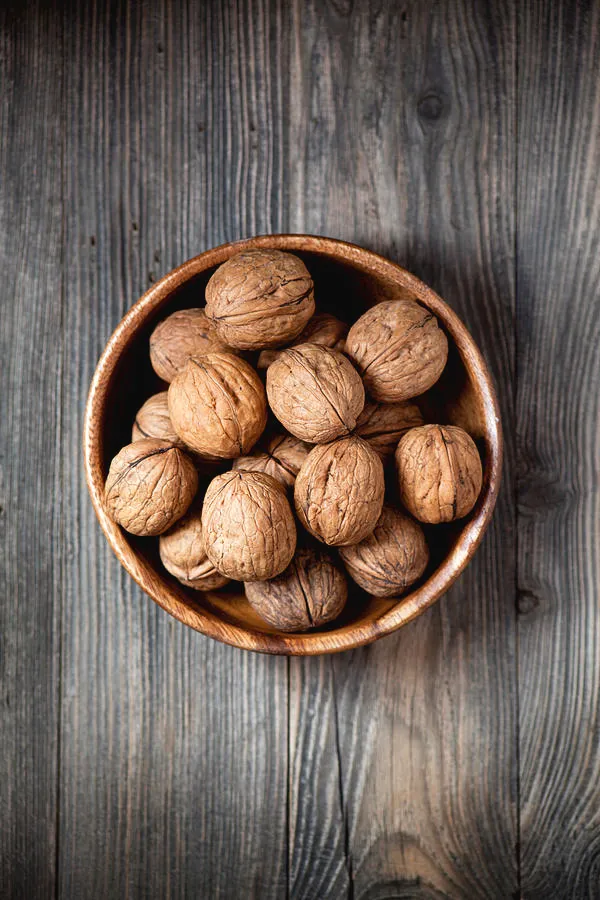
Walnuts contain glutathione along with a rich mix of omega-3 fatty acids, particularly alpha-linolenic acid. Omega-3s help reduce systemic inflammation, and when paired with glutathione, they create a strong combined defense against oxidative stress.
Studies have linked regular walnut consumption to better brain health, lower cholesterol, and reduced markers of inflammation. These aren’t just good snack nuts. They’re genuinely medicinal food.
A small handful (about 1 oz) a day is all you need. Toss them into oatmeal, salads, or eat them plain as an afternoon snack.
14. Almonds
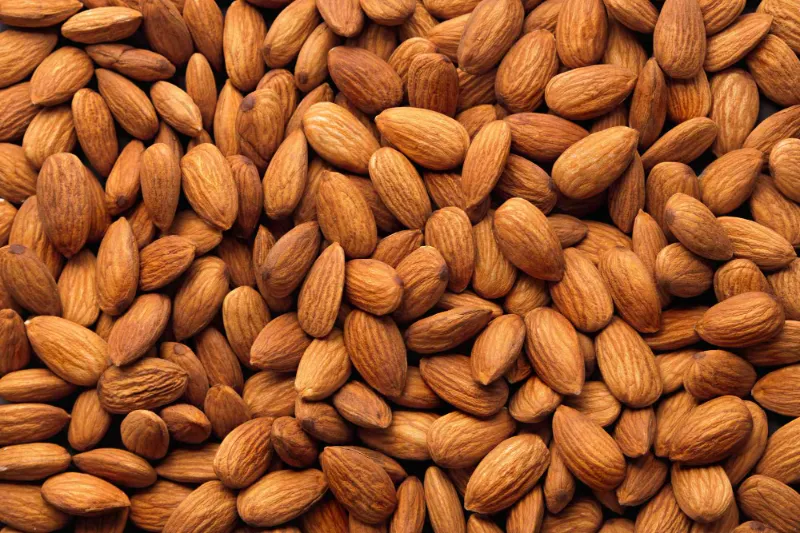
Almonds are one of the best food sources of vitamin E, which is a fat-soluble antioxidant that works hand-in-hand with glutathione to protect your cell membranes from oxidative damage. They also contribute to healthy glutathione levels by supporting the enzymes involved in its recycling.
Vitamin E and glutathione have a cooperative relationship in the body. When one gets depleted, the other helps fill the gap, making almonds a smart food for long-term antioxidant support.
Eat them raw or lightly roasted for the best nutritional profile. Almond butter is also a great option if you prefer something spreadable.
15. Eggs

Eggs are one of the best dietary sources of cysteine, the rate-limiting amino acid your body needs to manufacture glutathione. Without enough cysteine, your body simply can’t make enough of it on its own.
They’re also rich in selenium, a mineral that activates glutathione peroxidase, the enzyme that helps glutathione do its antioxidant work inside your cells. Eggs basically give your body the raw materials and the tools at the same time.
Two eggs a day is a completely reasonable and well-studied intake for most healthy adults. Scrambled, poached, hard-boiled, any way you like them works just fine.
16. Grass-Fed Beef
Grass-fed beef contains higher levels of cysteine and methionine compared to conventionally raised beef, and both of these amino acids are essential precursors to glutathione production. It also delivers more omega-3 fatty acids and conjugated linoleic acid than grain-fed options.
Research consistently shows that the fatty acid profile of grass-fed beef is meaningfully better for reducing inflammation. And since chronic inflammation depletes glutathione, eating anti-inflammatory foods helps protect your stores of it.
You don’t need a huge portion. A 3 to 4 oz serving of grass-fed beef a few times a week gives you solid benefits without going overboard on red meat.
17. Chicken

Chicken, especially the breast and thigh meat, is a great source of both cysteine and glycine, two of the three amino acids your body uses to build glutathione. It’s also a lean, versatile protein that fits into almost every eating style.
Glycine in particular is often overlooked in conversations about glutathione. Research published in the European Journal of Nutrition found that glycine supplementation significantly raised glutathione levels in older adults, showing just how important this amino acid really is.
Bake it, grill it, or slow cook it into a stew. Chicken is one of the easiest ways to consistently support your body’s glutathione production every single week.
18. Turmeric
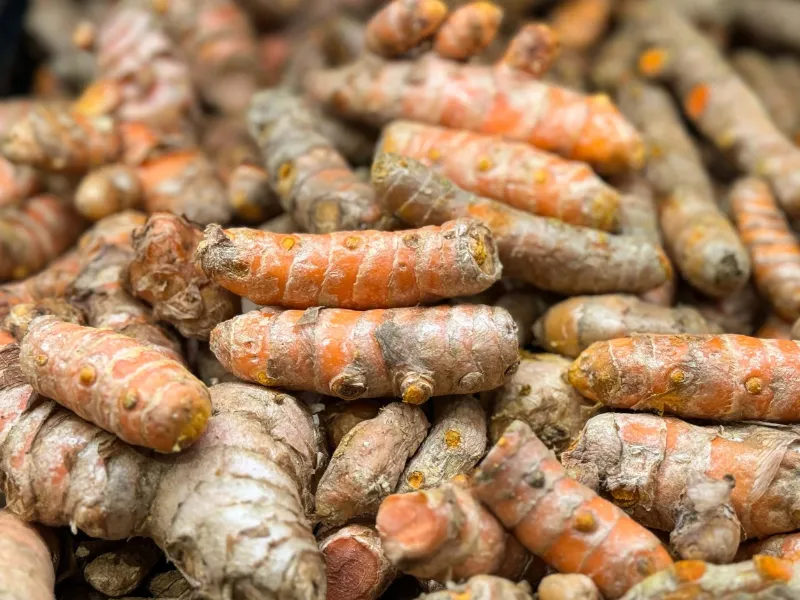
Turmeric contains curcumin, a compound that has been shown in multiple studies to increase glutathione levels by activating the Nrf2 pathway, the same cellular switch that broccoli’s sulforaphane targets. It’s also one of the most well-researched anti-inflammatory compounds in existence.
A study in the journal Antioxidants found that curcumin not only boosts glutathione synthesis but also enhances the activity of glutathione-related enzymes. That means it’s not just raising levels, it’s making the whole system work better.
Pair turmeric with black pepper, which contains piperine and increases curcumin absorption by up to 2,000%. Add it to curries, golden milk lattes, soups, or rice dishes.
19. Milk Thistle

Milk thistle is more of a supplement than a food you’ll find in the produce aisle, but it deserves a spot on this list because its active compound, silymarin, is one of the most studied natural substances for raising glutathione levels in the liver.
Research shows silymarin protects liver cells by preventing the depletion of glutathione caused by toxins, alcohol, and medications. It essentially acts as a shield for your body’s detoxification headquarters.
You’ll typically find it in capsule or tincture form at health food stores. Many nutritionists recommend it especially for people who want extra liver support during a detox or cleanse.
20. Whey Protein
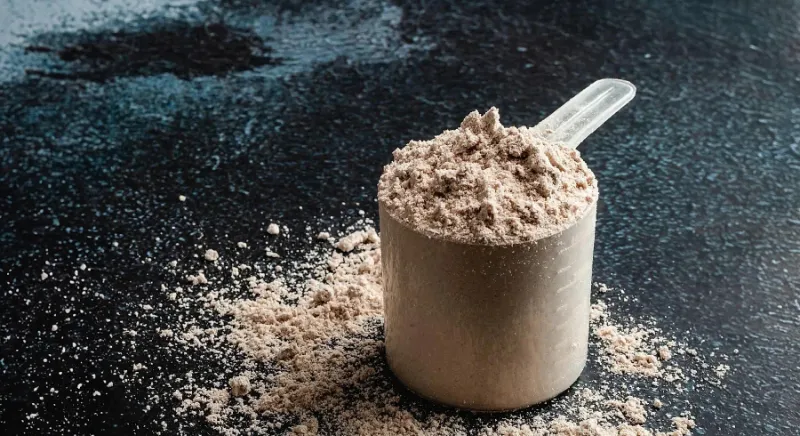
Whey protein is exceptionally high in cysteine, making it one of the most effective dietary tools for raising glutathione levels. Multiple clinical studies have confirmed that whey protein supplementation significantly increases glutathione in healthy adults as well as people with certain chronic conditions.
It works because cysteine is the hardest of the three building blocks of glutathione to get from food in adequate amounts. Whey delivers it in a highly bioavailable form, meaning your body can actually use it efficiently.
Look for a clean, minimally processed whey protein without a lot of added sugar or artificial ingredients. One scoop in a morning smoothie is a simple and effective daily habit.
Final Thoughts
Building up your glutathione levels doesn’t require a complicated supplement routine or a total diet overhaul. It just takes a little more intention with the foods already available to you every day.
Start by adding two or three of these foods into your weekly meals and see how you feel. Small, consistent choices are what create lasting change, and your body is working hard for you every single day. Give it the tools it needs to thrive.
