
37 Powerful Easy To Digest Foods You Should Never Ignore

Your gut has a lot to say about how you feel every single day. When digestion is smooth and easy, you have more energy, less bloating, and a body that just works better.

In this article, you will discover 37 foods that are gentle on your digestive system, backed by real science, and easy to work into your daily meals. Whether you are recovering from illness, managing a sensitive stomach, or simply want to eat smarter, this list is for you.
1. Bananas
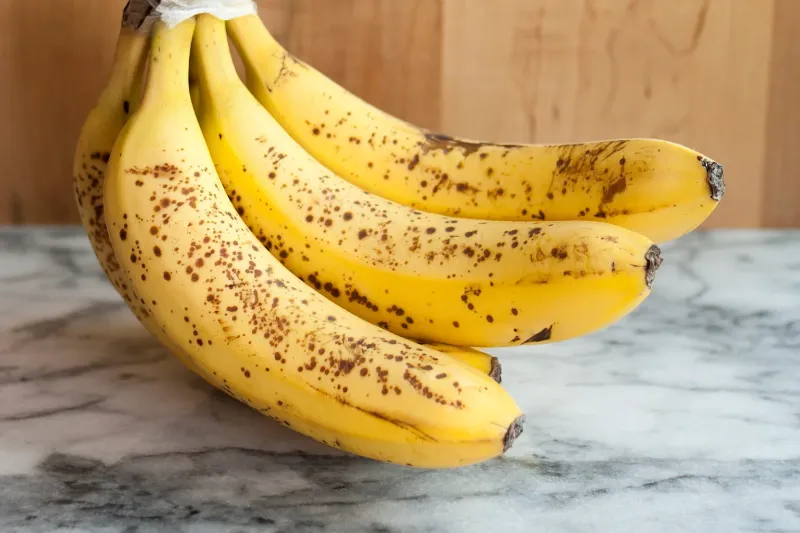
Bananas are one of the most gut-friendly foods on the planet, and there is a good reason your doctor probably recommended them after a stomach bug. They are rich in pectin, a soluble fiber that helps firm up loose stools and move things along at a healthy pace.
They are also packed with potassium, which helps restore electrolytes your body loses during digestive upset. Ripe bananas are especially easy to digest because the starches have already converted into simple sugars.
Eat them on their own, blend them into a smoothie, or mash them into oatmeal. If your stomach is feeling off, a ripe banana is one of the first things you should reach for.
2. White Rice
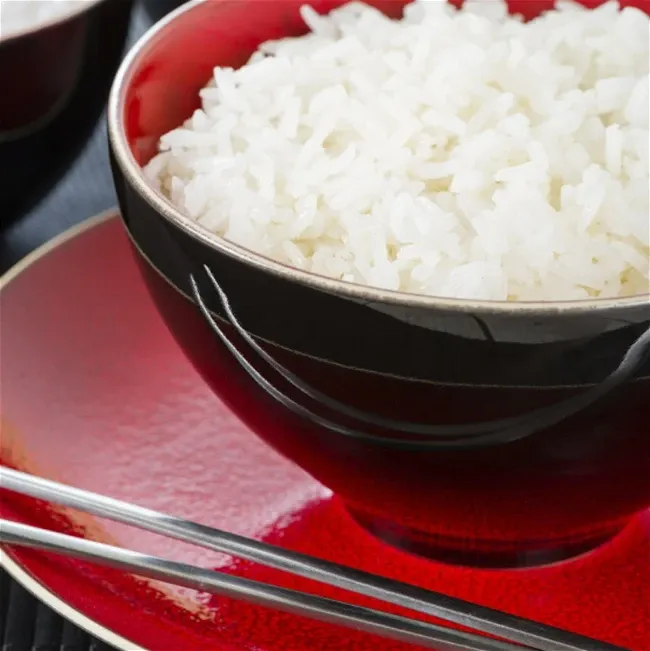
White rice gets a bad reputation in diet culture, but when it comes to digestive ease, it is genuinely one of the best foods you can eat. It is low in fiber, low in fat, and incredibly gentle on the gut lining.
Because the bran and germ have been removed, your digestive system does not have to work very hard to break it down. That makes it a go-to during recovery from stomach illness, diarrhea, or gut flare-ups.
Pair white rice with a bit of bone broth or boiled chicken for a simple, nourishing meal that your stomach will thank you for. Plain is best when your gut is struggling, but you can season it lightly once you are feeling better.
3. Applesauce

Applesauce is basically a pre-digested version of an apple. The cooking process breaks down the cell walls, making the nutrients far easier for your body to absorb without putting extra strain on your digestive system.
Like bananas, applesauce is rich in pectin, which acts as a natural gut soother. Studies have shown that pectin can help reduce intestinal inflammation and support the growth of beneficial gut bacteria.
Look for unsweetened versions to avoid unnecessary sugar, which can sometimes irritate a sensitive gut. A small bowl of applesauce makes a gentle snack or a great topping for oatmeal.
4. Toast (White Bread)

Plain white toast might seem boring, but it is a classic for a reason. When you are dealing with nausea or an upset stomach, lightly toasted white bread is one of the easiest things your body can process.
The toasting process actually makes bread even easier to digest by breaking down some of the starches before they even reach your gut. It is low in fiber, which means your intestines do not have to work overtime.
Keep toppings minimal when your stomach is sensitive. A little honey or a very thin layer of almond butter is usually well tolerated, but skip the heavy spreads until you are feeling back to normal.
5. Boiled Potatoes

Boiled potatoes are one of the most nutrient-dense, easily digestible foods you can find. They are loaded with potassium, vitamin C, and B vitamins, all in a form your gut can handle without complaint.
When potatoes are boiled and then cooled slightly, they also develop something called resistant starch, which feeds your beneficial gut bacteria. This makes them a double win for digestive health.
Skip the butter and heavy toppings for now and just enjoy them with a pinch of salt. Your gut will absorb all those nutrients without breaking a sweat.
6. Oatmeal

Oatmeal is a morning staple that really earns its keep when it comes to gut health. It contains beta-glucan, a type of soluble fiber that forms a gel-like substance in your digestive tract, slowing digestion in a good way and keeping you fuller longer.
Research published in the journal Nutrients has shown that beta-glucan supports the gut microbiome by acting as a prebiotic, feeding the beneficial bacteria that keep your digestion running smoothly.
Cook it well and choose rolled or instant oats over steel-cut when your stomach is sensitive, since they are already partly broken down. Top with a ripe banana or a drizzle of honey for an easy, gut-friendly breakfast.
7. Eggs

Eggs are a nutritional powerhouse that happen to be very easy on your digestive system. They are packed with high-quality protein, and because they are low in fiber and fat compared to other protein sources, your gut processes them efficiently.
Scrambled or soft-boiled eggs are the gentlest options. The soft texture means your digestive enzymes can get to work on them quickly without much effort.
Eggs also provide choline, a nutrient that supports the integrity of your gut lining. If you are looking for a simple, satisfying protein that will not upset your stomach, eggs are one of the smartest choices you can make.
8. Yogurt (Plain, Low-Fat)
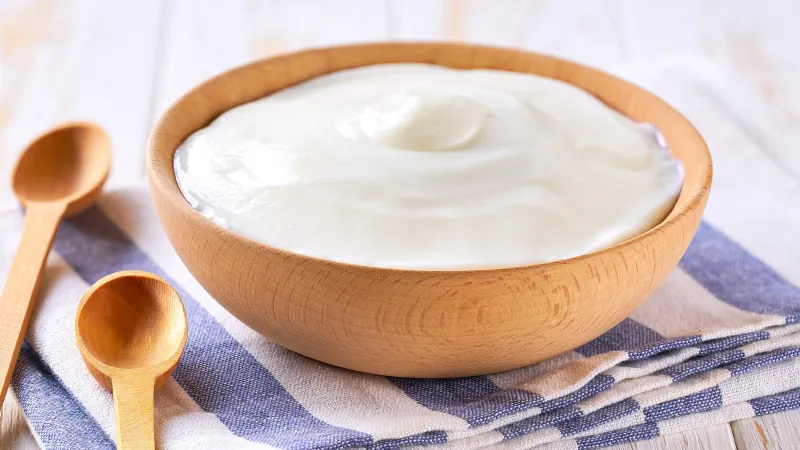
Plain, low-fat yogurt is a gut health superstar, as long as you choose one with live active cultures. Those live cultures are probiotics, beneficial bacteria that support your microbiome and help keep digestion in balance.
Research shows that regular consumption of probiotic-rich yogurt can reduce bloating, improve stool consistency, and even help manage symptoms of irritable bowel syndrome. Your gut genuinely thrives when you feed it good bacteria.
Go for plain over flavored to avoid added sugars that can disrupt gut balance. A simple bowl topped with some ripe fruit is both delicious and deeply nourishing for your digestive system.
9. Kefir
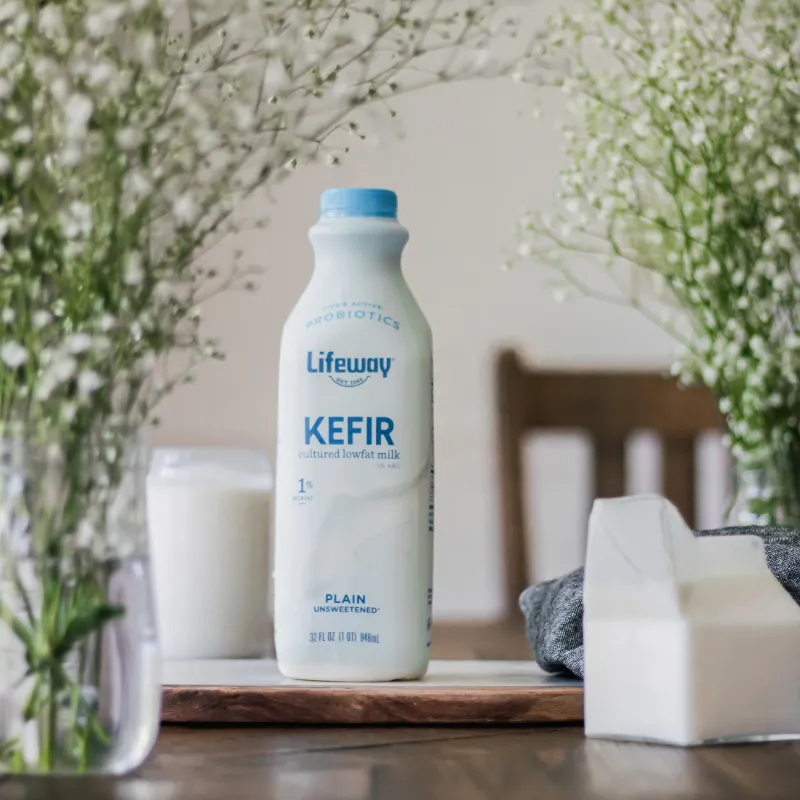
Kefir is like yogurt’s more powerful sibling. It is a fermented milk drink that contains a wider variety of probiotic strains than most yogurts, making it one of the most potent gut-supporting foods available.
Studies have found that kefir can help reduce lactose intolerance symptoms because the fermentation process breaks down much of the lactose, making it easier to digest even for people who are sensitive to dairy.
You can drink it straight, blend it into smoothies, or use it as a base for dressings. Even a small daily serving of kefir can make a noticeable difference in how well your digestive system functions over time.
10. Bone Broth

Bone broth has been used for centuries as a healing food, and modern science is starting to back up what grandmothers always knew. It is rich in collagen, gelatin, and amino acids like glycine and glutamine, all of which help repair and maintain the gut lining.
A healthy gut lining is essential for proper digestion and nutrient absorption. When the lining gets compromised, it can lead to increased inflammation and digestive discomfort. Bone broth helps patch things up from the inside.
Sip it warm on its own or use it as a base for soups and rice dishes. It is one of the most soothing things you can put into your body when your digestive system needs a little extra love.
11. Chicken Breast (Boiled or Steamed)

Boiled or steamed chicken breast is a lean, easily digestible protein that gives your body the building blocks it needs without overburdening your gut. It is low in fat, which means your digestive system does not have to produce as much bile to process it.
Protein is essential for repairing tissues including the cells that line your digestive tract. Getting enough of it from gentle sources like boiled chicken helps your body heal and function properly.
Keep the preparation simple. A lightly seasoned, boiled chicken breast paired with white rice and broth is one of the most classic gut-recovery meals for good reason. It works.
12. Salmon
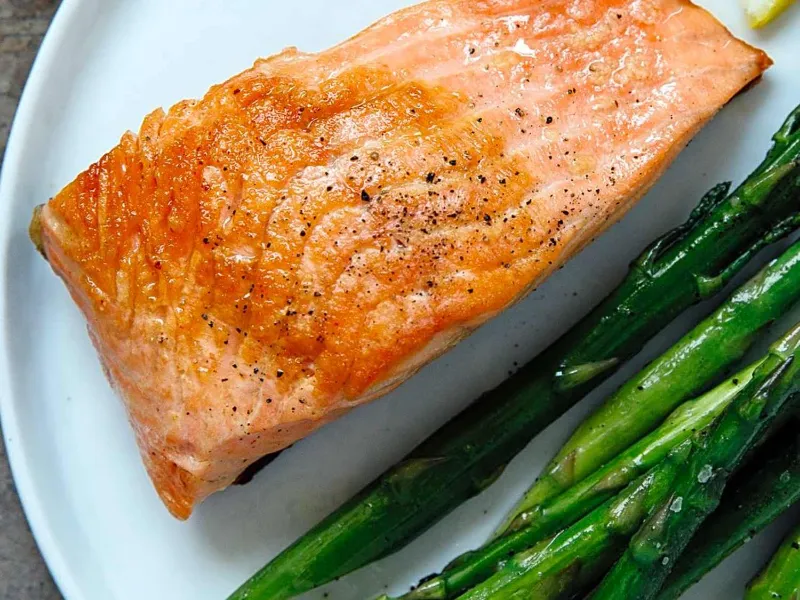
Salmon is one of the best foods you can eat for overall health, and its digestive benefits are often overlooked. It is rich in omega-3 fatty acids, which have been shown in multiple studies to reduce gut inflammation and support a healthy microbiome.
Omega-3s help maintain the health of the mucous membrane that lines your digestive tract, which is a critical layer of protection. When that lining is healthy, nutrients get absorbed properly and digestive discomfort is less likely.
Baked or poached salmon is easier to digest than fried. Aim for wild-caught when you can, and enjoy it a few times a week to give your gut a consistent anti-inflammatory boost.
13. Canned Tuna
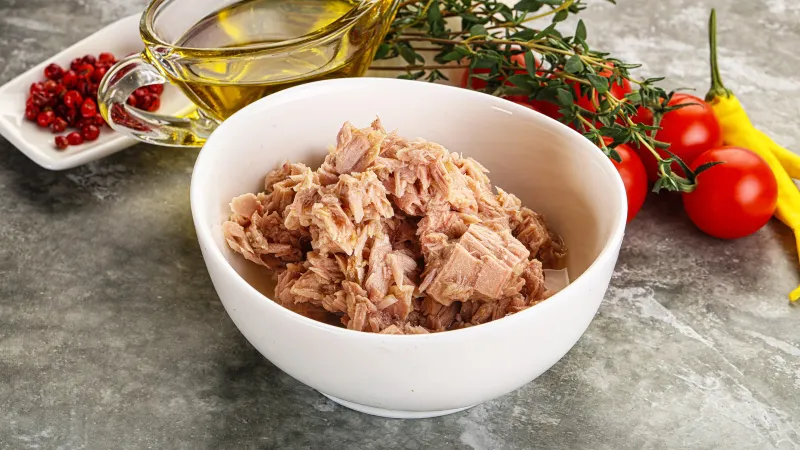
Canned tuna is an incredibly convenient, affordable, and easy-to-digest protein source. It is low in fat, high in protein, and gentle enough on the stomach for even sensitive digestive systems.
Like salmon, tuna provides omega-3 fatty acids that support gut health and reduce inflammation. It is also a good source of selenium, a mineral that plays a role in protecting the gut lining from oxidative damage.
Choose tuna packed in water rather than oil for the most digestible option. Mix it simply with a little lemon juice and enjoy it on white rice or plain crackers for a quick, gut-friendly meal.
14. Tofu

Tofu is a plant-based protein that is surprisingly gentle on the digestive system. Made from soybeans but processed to remove much of the fiber, it is much easier to digest than whole soy products like edamame.
It provides all nine essential amino acids, making it a complete protein that supports everything from muscle repair to gut lining maintenance. Soft or silken tofu is the easiest on digestion, especially if you are dealing with stomach sensitivity.
Steam or gently pan-fry it with a light seasoning. Tofu soaks up whatever flavors you add, so it is incredibly versatile while remaining easy on your gut.
15. White Fish (Tilapia or Cod)

White fish like tilapia and cod are some of the leanest, most easily digestible proteins available. They are very low in fat, flaky in texture, and packed with high-quality protein that your body can absorb efficiently.
These fish are also gentle on the stomach because they require minimal digestive effort to break down compared to red meats or high-fat proteins. They provide phosphorus and B vitamins that support energy and gut health.
Bake or steam white fish with a squeeze of lemon and some mild herbs. It is a simple, satisfying meal that works beautifully for anyone eating to support their digestion.
16. Avocado
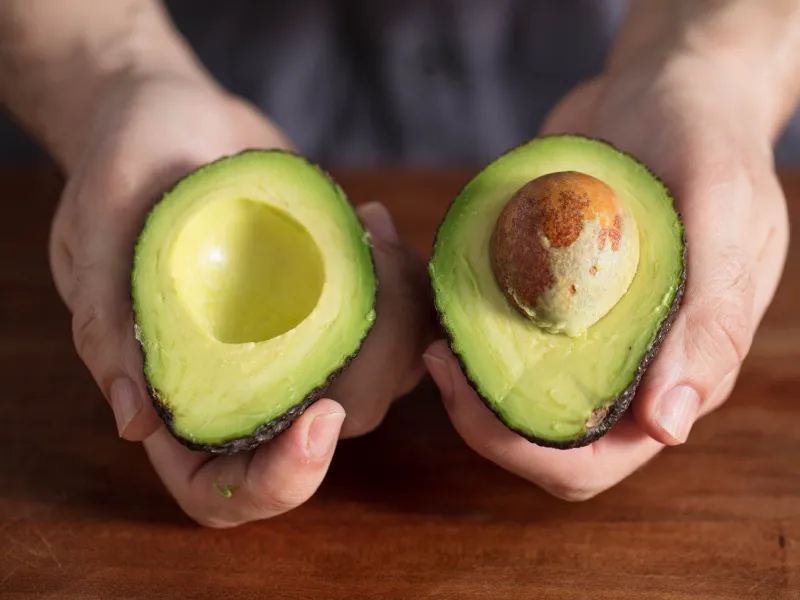
Avocado might be high in fat, but it is mostly monounsaturated fat, the kind that is well tolerated and actually supports gut health. Research has found that avocado consumption is linked to greater diversity in the gut microbiome, which is a sign of a healthier digestive system.
Avocados also contain soluble fiber that feeds beneficial bacteria and helps keep bowel movements regular. Plus, they are rich in magnesium, a mineral that relaxes the muscles in your digestive tract and eases constipation.
Half an avocado mashed on plain toast or stirred into a simple grain bowl is a gentle, nourishing way to work this food into your day. Start small if your gut is sensitive, and let your body adjust.
17. Cooked Carrots
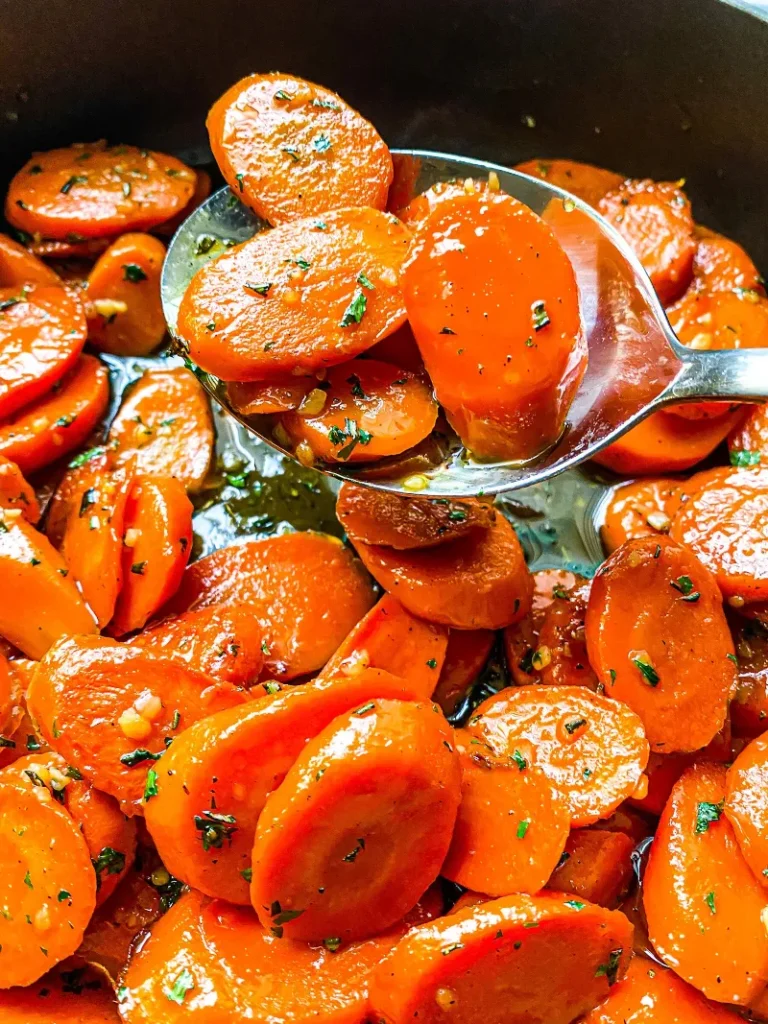
Raw carrots can be tough on a sensitive gut, but cook them and they transform into something your digestive system handles with ease. Cooked carrots are soft, low in fiber relative to many vegetables, and rich in beta-carotene, which your body converts to vitamin A.
Vitamin A is essential for maintaining the integrity of your gut lining. Without enough of it, the protective mucous layer in your intestines can weaken, leaving you more vulnerable to irritation and infection.
Simmer them in soup, steam them as a simple side, or blend them into a smooth carrot puree. They are sweet, comforting, and one of the best vegetables to reach for when your gut needs a break.
18. Sweet Potatoes

Sweet potatoes are a nutritional gem for digestive health. They are rich in soluble fiber, which soothes and supports the digestive tract, and their natural sweetness makes them deeply satisfying without being hard on your stomach.
They also provide beta-carotene, vitamin C, and potassium, all working together to support gut lining health and reduce inflammation. Studies have found that the fiber in sweet potatoes acts as a prebiotic, nourishing the good bacteria in your gut.
Bake or boil them and eat them plain or with just a touch of honey. Mashed sweet potatoes are especially easy to digest and make a wonderful base for a gut-friendly meal.
19. Butternut Squash

Butternut squash is one of the most underrated gut-friendly vegetables out there. It has a naturally creamy texture when cooked, is low in acidity, and is rich in soluble fiber that soothes the digestive lining.
It is also an excellent source of vitamin C and beta-carotene, two antioxidants that help protect the gut from oxidative stress and inflammation. For anyone with a sensitive stomach or gut conditions, this is a vegetable worth including regularly.
Roast it, steam it, or blend it into a smooth soup. The soft texture and mild flavor make it easy to enjoy, and your gut will process it without any drama.
20. Zucchini

Zucchini is one of the gentlest vegetables you can eat. It has a very high water content, which keeps your digestive tract hydrated and moving smoothly, and it is low in fermentable sugars that can cause gas and bloating in sensitive people.
It provides vitamin C, potassium, and small amounts of fiber that support regular bowel movements without overwhelming the gut. Because it is so mild, it is one of the easiest vegetables to tolerate even during digestive flare-ups.
Lightly steam or saute it and keep the seasoning simple. Zucchini also works beautifully in soups and broths where it becomes very soft and easy to digest.
21. Spinach (Cooked)
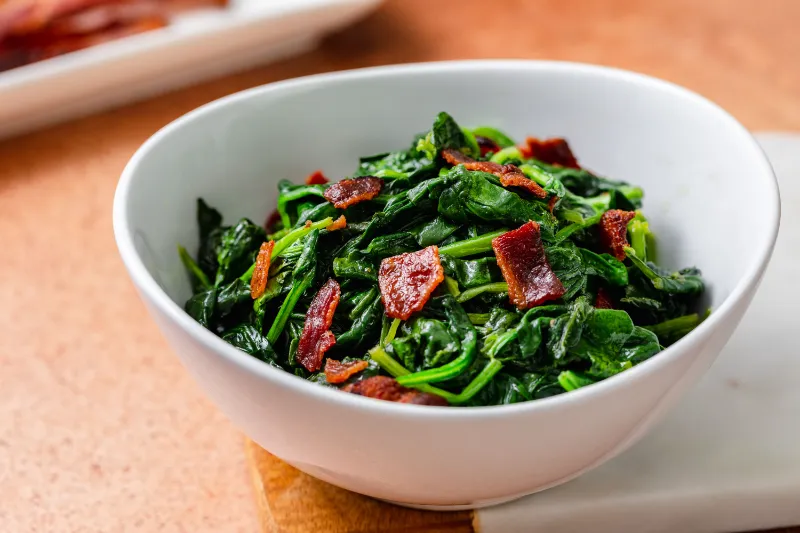
Raw spinach contains oxalates and a fair amount of insoluble fiber that can be hard on sensitive digestions. But cook it, and you get a totally different story. Cooked spinach is soft, easy to process, and incredibly rich in magnesium, iron, and folate.
Magnesium is particularly important for gut health because it helps relax intestinal muscles and supports regular bowel movements. Many people are quietly deficient in magnesium without realizing it, and cooked spinach is a simple way to top up your levels.
Add it to soups, stir it into scrambled eggs, or mix it into rice dishes. A small handful wilted in a pan takes seconds and gives your gut a serious nutrient boost.
22. Beets
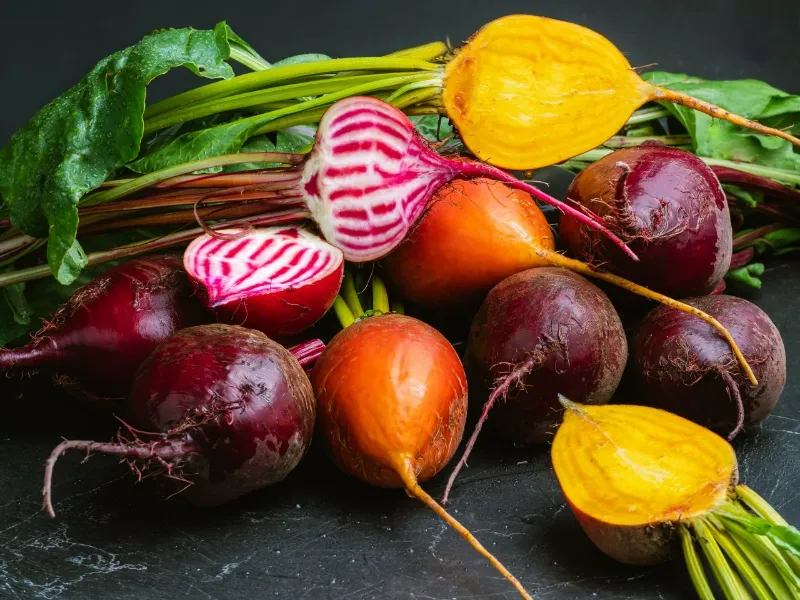
Beets are a fascinating food for digestive health. They contain betaine, a compound that supports stomach acid production and bile flow, both of which are essential for breaking down food properly. Better digestion starts with better breakdown.
They are also rich in nitrates, which research has shown can improve blood flow to the gut lining, helping it function at its best. Plus their natural fiber content supports a healthy, regular digestive rhythm.
Roasted or boiled beets are easier to digest than raw. Start with small amounts if you are new to beets, and do not be alarmed if things look a little pink in the bathroom the next day. That is completely normal.
23. Papaya
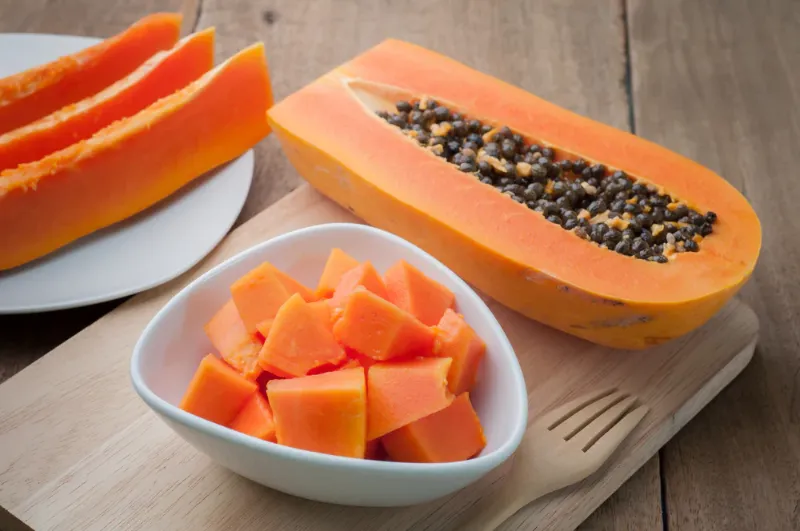
Papaya contains an enzyme called papain that actually helps your body break down protein more efficiently. Think of it as a little digestive helper that takes some of the load off your stomach and intestines.
Studies have shown that papain can help reduce bloating, constipation, and general digestive discomfort. It is one of the few fruits that comes with its own built-in digestive enzyme, which is pretty remarkable.
Eat it fresh on its own or blend it into a smoothie. A cup of ripe papaya is one of the best after-meal fruits you can choose if digestion has been sluggish or uncomfortable.
24. Watermelon
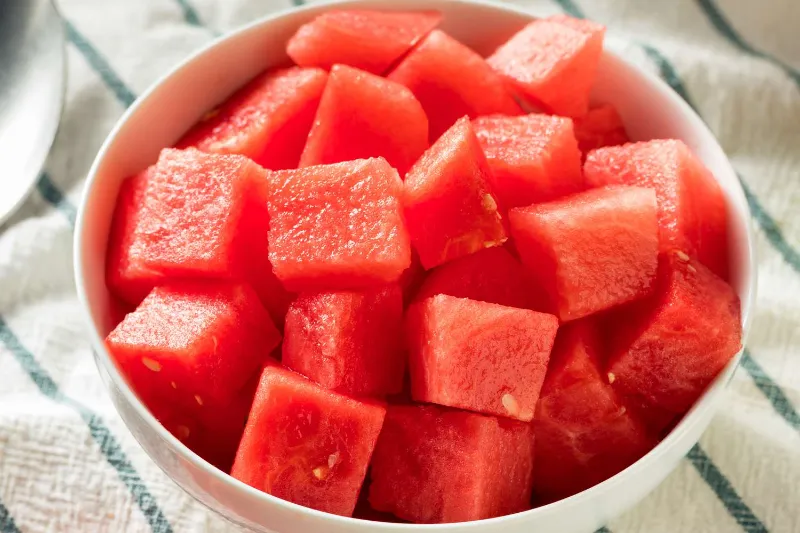
Watermelon is about 92 percent water, which makes it one of the most hydrating foods you can eat. Proper hydration is absolutely essential for healthy digestion, because water helps move food through your intestines and prevents constipation.
It is naturally low in fiber compared to many fruits, which makes it very easy on a sensitive gut. It also contains lycopene, a powerful antioxidant that has anti-inflammatory properties and may help protect the digestive tract.
Enjoy it chilled on a warm day, blend it into a refreshing drink, or cube it up as a light snack. It is one of the easiest foods to eat and one of the best ways to keep your digestive system well hydrated.
25. Cantaloupe
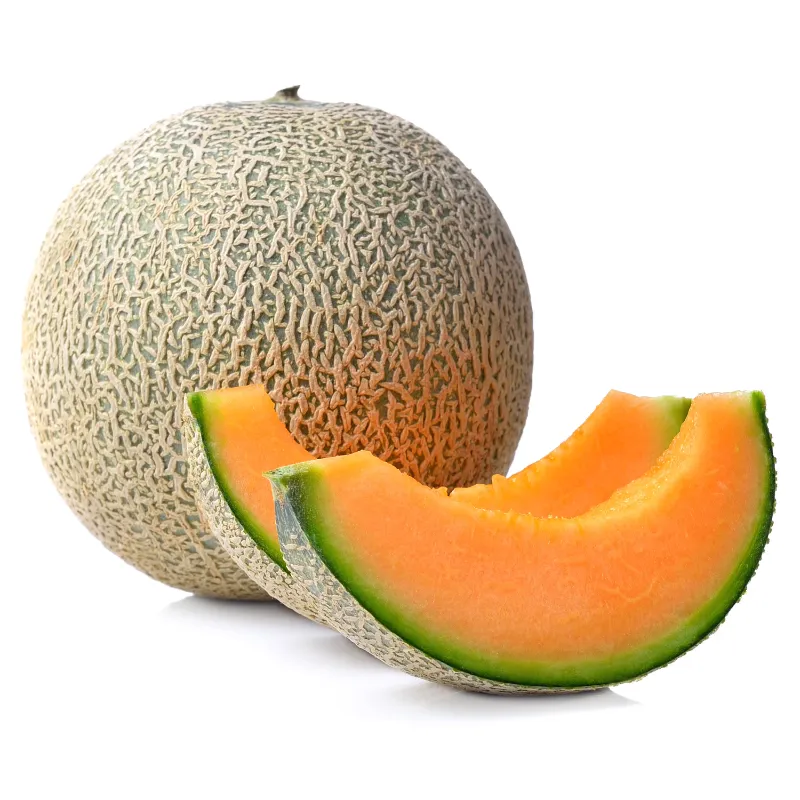
Cantaloupe is another high-water-content fruit that deserves more love in the gut health conversation. It is gentle on the stomach, easy to digest, and rich in vitamins A and C, both of which support the health of your gut lining.
It also provides potassium, which helps regulate fluid balance in your digestive system and supports smooth muscle function in your intestines. That means things keep moving the way they should.
Eat it fresh and ripe for the best results. Cantaloupe makes a wonderful light breakfast, snack, or dessert that your gut can handle with ease.
26. Pears
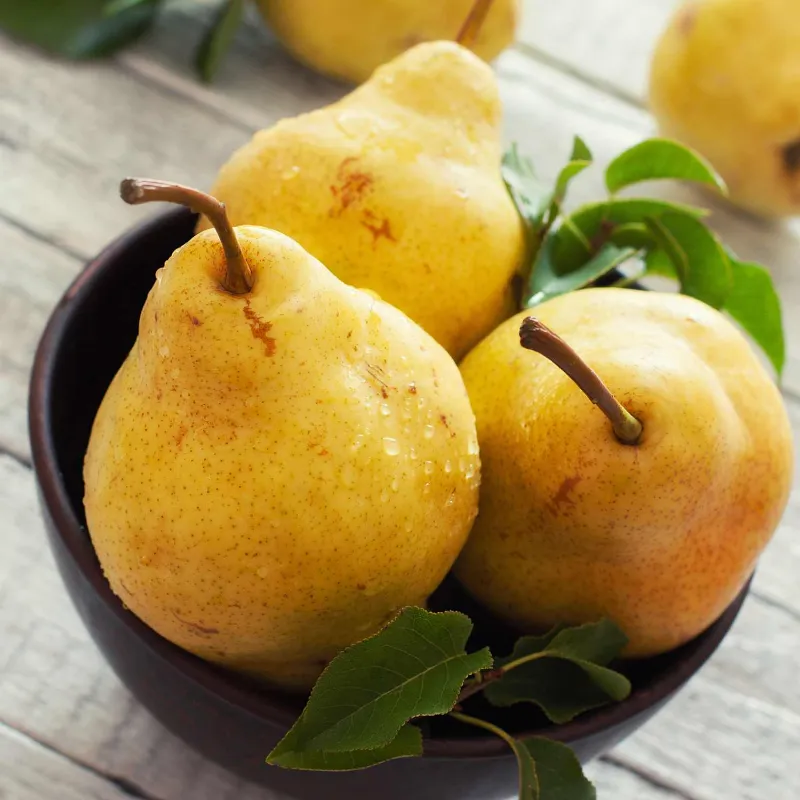
Pears are one of the best fruits for digestive regularity. They contain sorbitol, a natural sugar alcohol that draws water into the intestines and gently encourages bowel movements without the harshness of laxatives.
They are also rich in pectin and other soluble fibers that feed your gut bacteria and help maintain a healthy microbiome balance. Ripe pears are softer and even easier to digest than firm ones.
Eat them ripe and fresh, or cook them down into a compote for an especially gentle digestive treat. Either way, your gut benefits from every bite.
27. Peaches (Canned or Ripe)
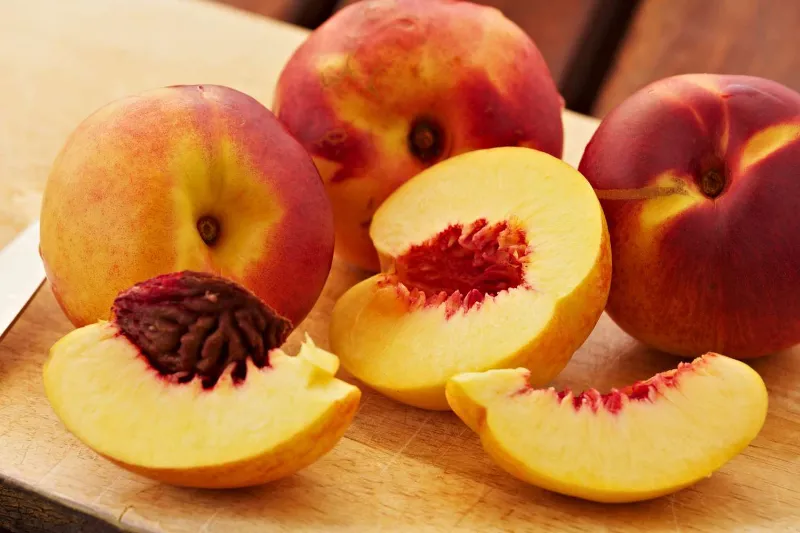
Ripe, fresh peaches are juicy, sweet, and surprisingly easy on the digestive system. Their high water content keeps digestion moving smoothly, and their soft flesh does not put much strain on your gut at all.
Canned peaches in juice are an even gentler option because the canning process softens the fruit further and removes some of the harder-to-digest compounds. Just choose varieties canned in juice rather than heavy syrup to avoid unnecessary sugar.
Peaches also provide vitamin C and potassium, two nutrients that support gut function. They are a wonderful snack or addition to yogurt or oatmeal when your stomach needs something easy and sweet.
28. Mango
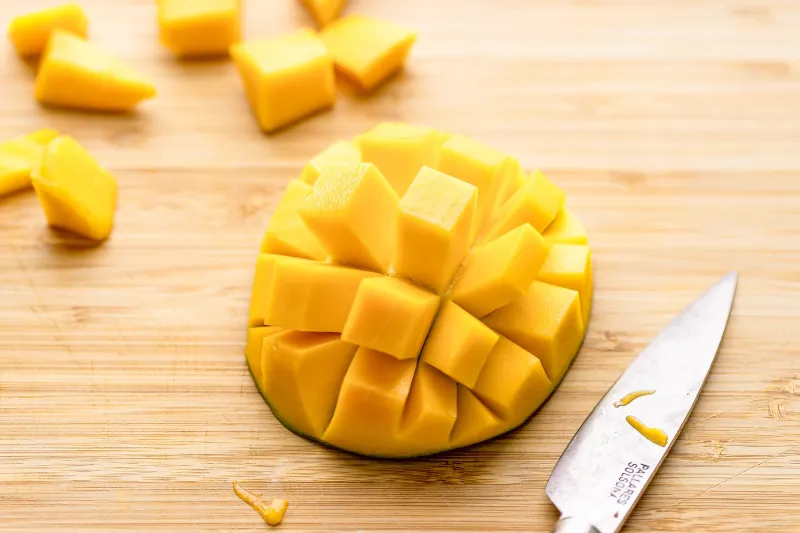
Mango contains amylases, enzymes that help break down complex carbohydrates into simpler sugars that are much easier for your gut to absorb. This makes it not just easy to digest, but actively helpful during the digestive process.
It is also rich in vitamin C, folate, and fiber, particularly soluble fiber that nourishes your gut bacteria. Research has suggested that mango consumption can positively influence the gut microbiome over time.
Ripe mango is best for digestive ease. Eat it fresh, blend it into a smoothie, or stir it into yogurt. It is a tropical treat that your gut genuinely enjoys.
29. Blueberries
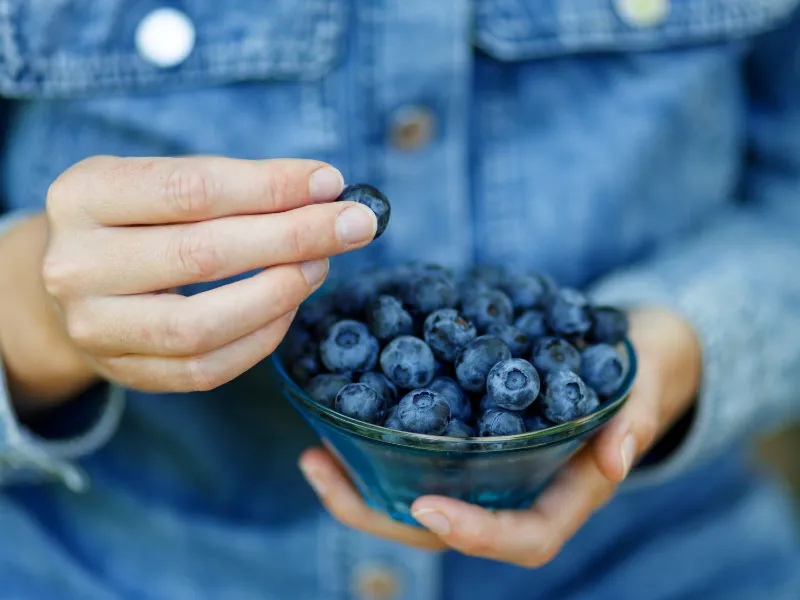
Blueberries are small but mighty when it comes to gut health. They are rich in polyphenols, plant compounds that your gut bacteria ferment into beneficial short-chain fatty acids that support the health of your intestinal lining.
Studies have shown that regular blueberry consumption can increase the diversity and abundance of beneficial gut bacteria, which is one of the strongest indicators of long-term digestive health. And because blueberries are relatively low in fructose compared to other fruits, they tend to be well tolerated even by sensitive guts.
Add them to oatmeal, blend them into smoothies, or eat a small handful as a snack. Fresh or frozen both work well and deliver the same gut-boosting benefits.
30. Cooked Lentils

Cooked lentils are a fantastic plant-based protein that is much gentler on the gut than other legumes. Because they are small and cook down to a soft consistency, they are far easier to digest than larger beans.
They are rich in prebiotic fiber that feeds your beneficial gut bacteria, and they provide iron and folate in forms your body can access readily. Some research suggests that lentils can help reduce gut inflammation and support a balanced microbiome.
Make sure they are fully cooked and soft. A simple lentil soup with mild seasoning is one of the most nourishing and gut-friendly meals you can make, and it takes very little effort.
31. Miso

Miso is a fermented soybean paste that has been a staple in Japanese cuisine for centuries, and its benefits for gut health are genuinely impressive. It contains a diverse range of beneficial bacteria and enzymes that support healthy digestion and a thriving microbiome.
Because it is fermented, miso is much easier to digest than unfermented soy products. The fermentation process also produces beneficial compounds like organic acids that help maintain the right pH balance in your gut.
Dissolve a spoonful of miso into warm, not boiling, water with a little seaweed and tofu for a simple, gut-supportive soup. Heating miso too aggressively can damage the live cultures, so keep the temperature gentle.
32. Cottage Cheese
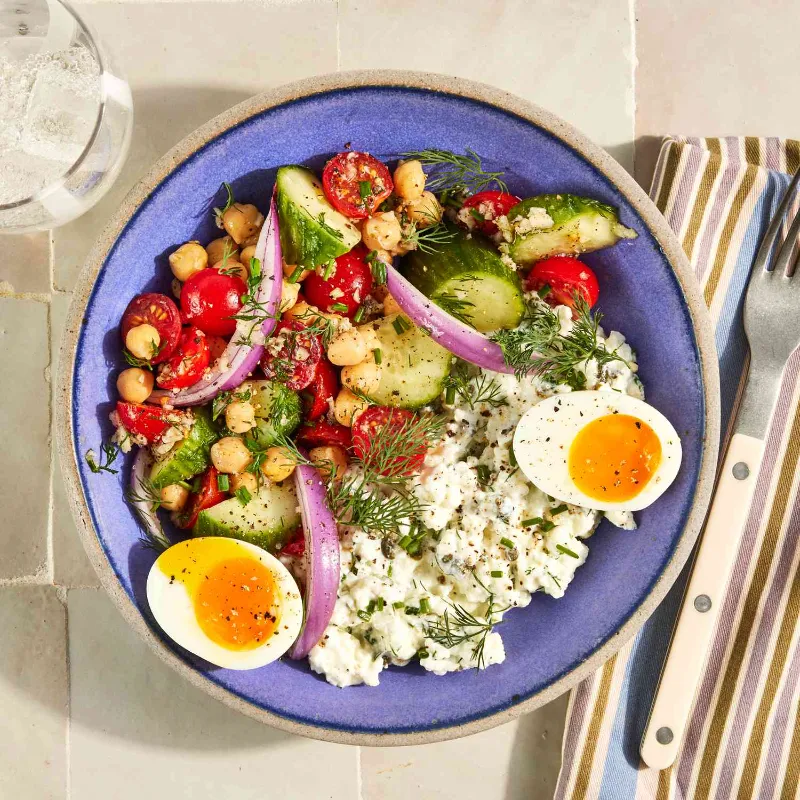
Cottage cheese is a mild, easily digestible dairy product that packs a serious protein punch. It is lower in lactose than many other dairy products, making it a solid option even for people who are mildly lactose sensitive.
It provides calcium, phosphorus, and selenium, all of which support gut health and overall body function. The curds are soft and easy for your digestive system to break down, making it one of the gentlest dairy proteins available.
Eat it plain, top it with some ripe fruit, or use it as a base for a simple dip. It is versatile, satisfying, and very easy on your gut.
33. Rice Cakes
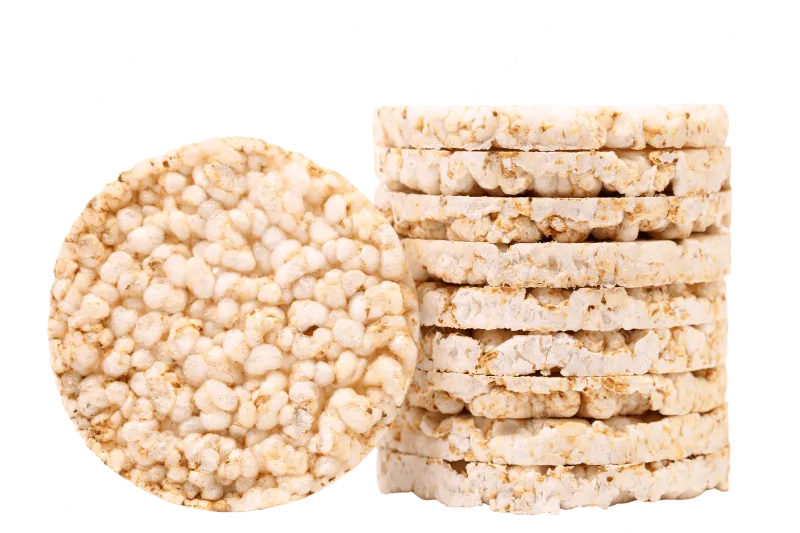
Rice cakes are one of the simplest, most gut-friendly snack foods you can keep on hand. They are made from puffed white rice, which means they are low in fiber, low in fat, and incredibly easy on your digestive system.
They are especially helpful when your gut is in recovery mode and you need something neutral to nibble on without aggravating any discomfort. They are also naturally gluten-free, which makes them a great option for those with gluten sensitivities.
Top them lightly with almond butter, a little honey, or some mashed avocado for a simple snack that is easy to digest and genuinely satisfying. Keep a pack in your pantry for days when your stomach needs a gentle reset.
34. Almond Butter (Smooth)
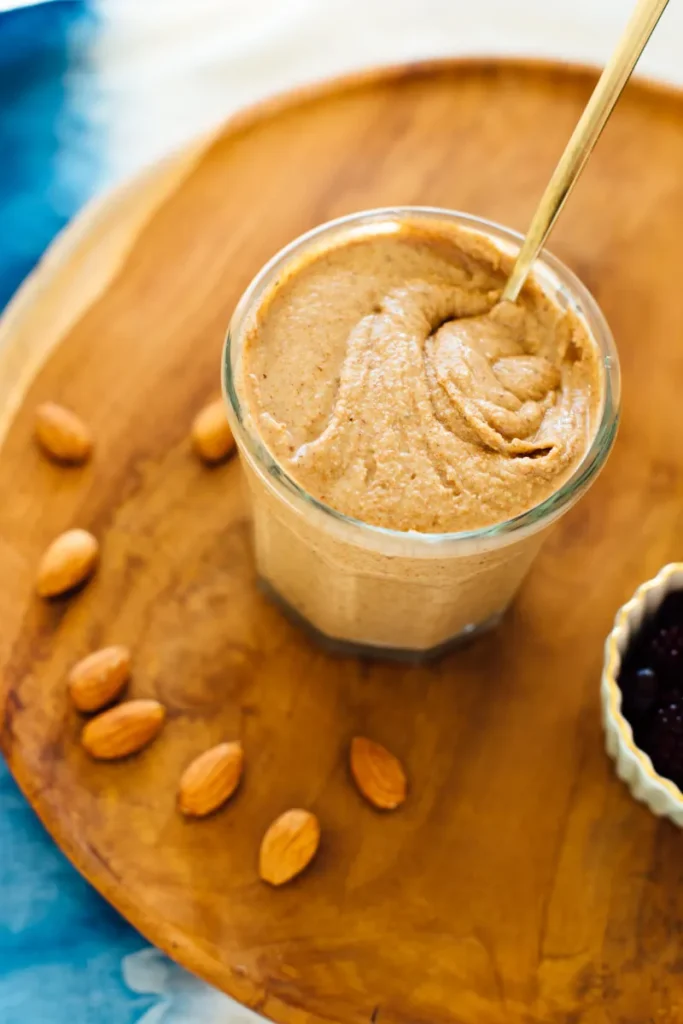
Smooth almond butter is a gut-friendly fat and protein source that provides a good amount of nutrition without overwhelming your digestive system. It is rich in monounsaturated fats that are well tolerated and help maintain the integrity of your gut lining.
Almonds also contain prebiotics that feed your beneficial bacteria, and research has shown that regular almond consumption can positively shift the composition of the gut microbiome. Smooth almond butter is easier to digest than chunky because the nuts are more thoroughly broken down.
Spread it thinly on toast or a rice cake, stir it into oatmeal, or blend it into a smoothie. A small amount goes a long way nutritionally and is very easy on your gut.
35. Coconut Water
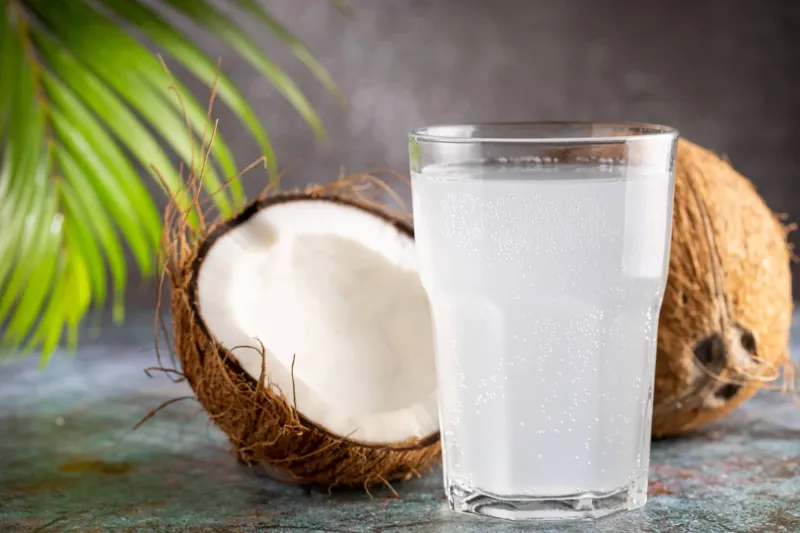
Coconut water is nature’s electrolyte drink, and it is genuinely one of the best things you can sip when your digestive system has been under stress. It is naturally rich in potassium, sodium, and magnesium, electrolytes that your body needs to maintain proper gut muscle function and fluid balance.
It is also easy on the stomach, low in sugar compared to most sports drinks, and very hydrating. Staying well hydrated is one of the most fundamental things you can do to keep your digestion running smoothly.
Choose plain, unsweetened coconut water for the best option. It is a wonderful alternative to plain water when your gut needs a little extra support and you want something with a bit of flavor.
36. Herbal Teas (Ginger, Peppermint, Chamomile)
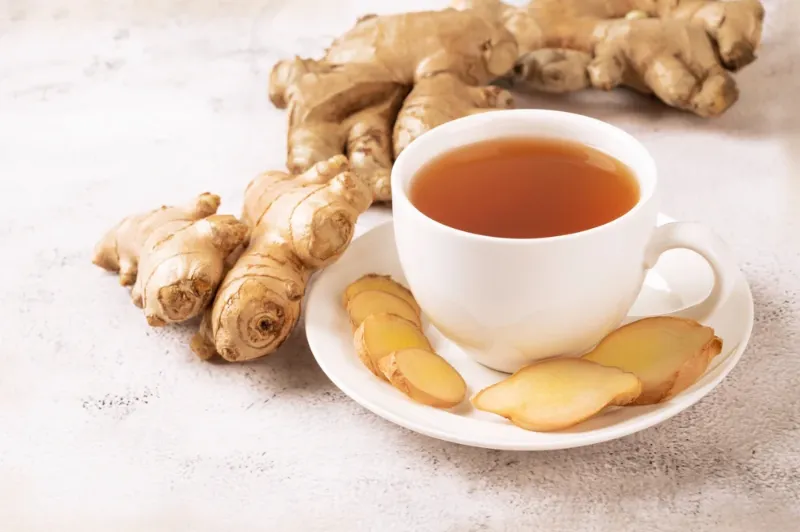
Herbal teas are one of the most time-tested remedies for digestive discomfort, and the science actually backs up what traditional healers have known for generations. Ginger tea reduces nausea and speeds up gastric emptying, helping food move through your stomach more efficiently.
Peppermint tea relaxes the smooth muscles of the digestive tract, which can ease cramping, gas, and bloating. Chamomile has anti-inflammatory and antispasmodic properties that soothe an irritated gut and calm the nervous system, which plays a bigger role in digestion than most people realize.
Brew a warm cup after meals or whenever your stomach feels off. These teas are gentle, effective, and a deeply comforting way to support your digestion naturally.
37. Honey

Raw honey is more than just a natural sweetener. It contains enzymes like diastase and invertase that actually assist in digestion by helping break down carbohydrates before they even reach your intestines.
It also has natural antimicrobial properties, and research has shown that raw honey can help inhibit the growth of harmful bacteria in the gut while being gentle on the beneficial bacteria you want to keep thriving. Manuka honey in particular has been studied for its powerful gut-protective effects.
A small drizzle of raw honey on oatmeal, stirred into herbal tea, or spread lightly on toast is all you need to get the benefits. Just keep the amount modest since even natural sugars can tip the balance if overconsumed.
Final Thoughts
Your gut is working hard for you every single day, and it deserves foods that make that job a little easier. The 37 foods on this list are not just gentle on your digestion. They are actively nourishing, healing, and supportive in the most practical ways.
Start with a few that feel most accessible to you and build from there. Small, consistent choices add up to real change, and your gut will let you know when you are on the right track.
