
37 Powerful Foods That Cause Acne That Doctors Recommend Avoiding

If you’ve been washing your face religiously, trying every cleanser on the shelf, and still waking up to breakouts, your diet might be the missing piece of the puzzle.

What you eat every single day can directly fuel inflammation, spike your hormones, and clog your pores from the inside out. Let’s look at 37 foods that could be quietly sabotaging your skin.
1. Sugar
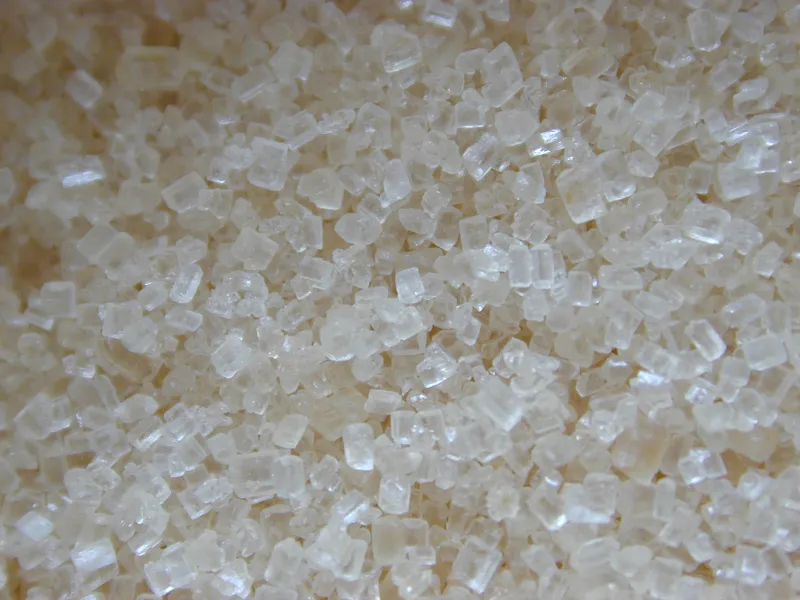
Sugar is one of the biggest acne triggers hiding in plain sight. When you eat it, your blood sugar spikes fast, causing your body to release insulin, which then cranks up oil production in your skin.
That extra oil mixes with dead skin cells and clogs your pores. A 2012 study published in the American Journal of Clinical Nutrition found a strong link between high-glycemic diets and acne severity.
Try swapping refined sugar for small amounts of raw honey or whole fruit. Your skin will notice the difference faster than you’d expect.
2. White Bread
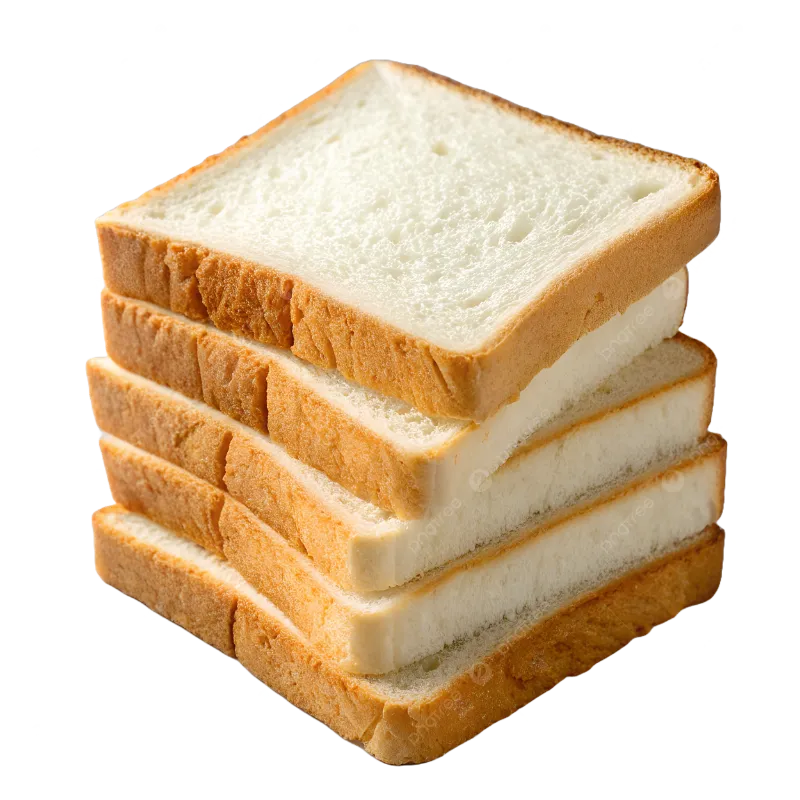
White bread is essentially sugar in disguise. It’s made from refined flour, which your body breaks down almost instantly into glucose, sending your insulin levels through the roof.
That insulin surge triggers a cascade of hormonal activity that tells your skin glands to produce more sebum. More sebum means more clogged pores and more breakouts.
Switching to whole grain or sourdough bread is a simple swap that can genuinely make a difference for acne-prone skin over time.
3. White Rice
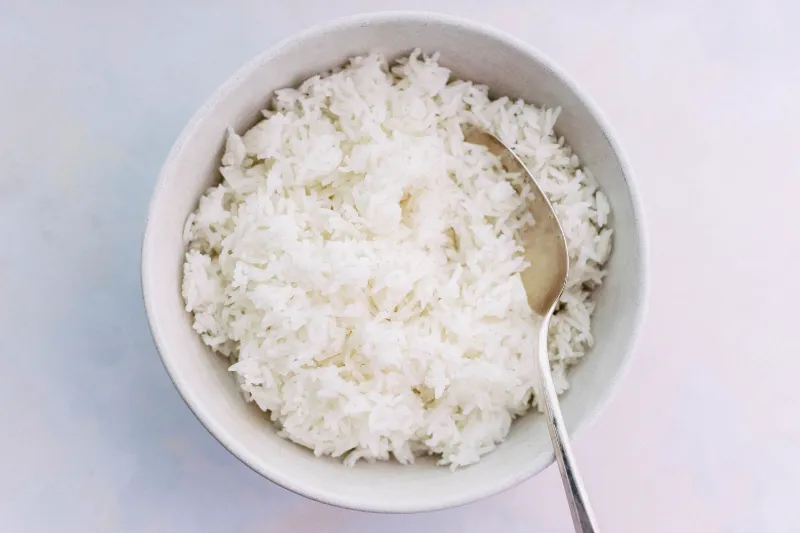
White rice has a high glycemic index, meaning it digests quickly and spikes blood sugar fast. For people with acne-prone skin, that repeated daily spike can keep inflammation simmering under the surface.
Research shows that populations who switch from low-glycemic traditional diets to high-glycemic Western diets tend to see a rise in acne cases. White rice eaten daily is a big part of that pattern.
Cauliflower rice or brown rice are two easy alternatives that give you the same satisfying fullness with a gentler effect on your blood sugar.
4. Pasta

Pasta, especially the white refined kind, is another high-glycemic food that keeps your insulin elevated. Elevated insulin stimulates androgen hormones, which directly increase sebum production.
That chain reaction is well documented in dermatology research. The more frequently you eat refined pasta, the more consistently you’re nudging your skin toward breakouts.
Chickpea pasta or whole wheat pasta are solid swaps that still satisfy that comfort food craving without the same hormonal disruption.
5. Bagels

Bagels are a breakfast staple for millions of Americans, but they’re also one of the most glycemically dense foods you can eat. A single plain bagel can have the glycemic load of multiple slices of white bread.
That kind of blood sugar impact first thing in the morning sets the hormonal tone for your whole day. For acne-prone skin, that’s not a great way to start.
If you love bagels, try having a smaller portion with protein-rich toppings like eggs or avocado to blunt that blood sugar spike.
6. Soda and Sugary Drinks

Soda delivers a massive hit of refined sugar with zero nutritional value to offset it. Your blood sugar skyrockets, insulin floods your system, and the inflammatory cycle begins.
Liquid sugar is actually worse than solid sugar in some ways because it absorbs even faster. Regular soda drinkers consistently show higher rates of inflammatory skin conditions in dietary research.
Sparkling water with a splash of fruit juice or herbal iced tea gives you that fizzy refreshing fix without the skin-wrecking sugar bomb.
7. Energy Drinks

Energy drinks combine high sugar content with caffeine and a cocktail of synthetic additives, which is a rough combination for your skin. The sugar spikes insulin while the caffeine increases cortisol, your body’s stress hormone.
Higher cortisol levels push your skin toward more oil production. Layer that on top of synthetic dyes and preservatives and you’ve got a recipe for persistent breakouts.
If you need energy, a cup of green tea gives you a cleaner caffeine boost with added antioxidants that actually support your skin.
8. Candy and Sweets
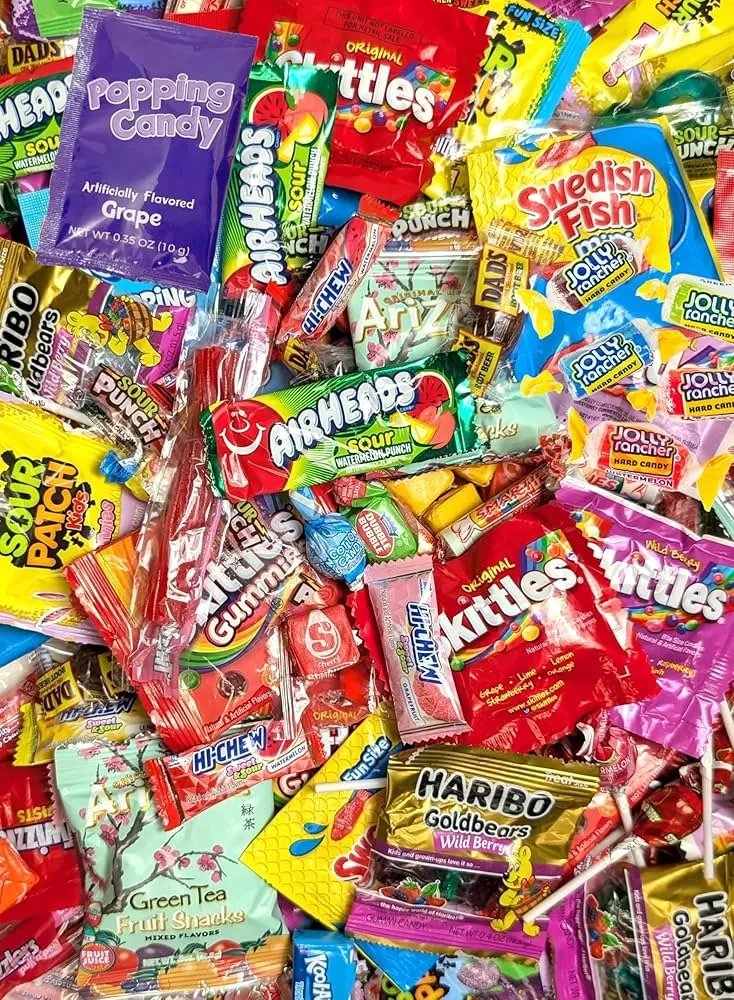
Candy is almost pure sugar with added artificial colors and flavors that can individually trigger skin reactions in sensitive people. The glycemic punch is immediate and intense.
Regular candy consumption keeps your insulin levels constantly elevated throughout the day. That chronic insulin elevation is closely linked to hormonal acne, particularly along the jawline and chin.
Dark chocolate with 70 percent cacao or higher is a smarter treat because it contains antioxidants and far less sugar than typical candy.
9. Milk (Cow’s Milk)
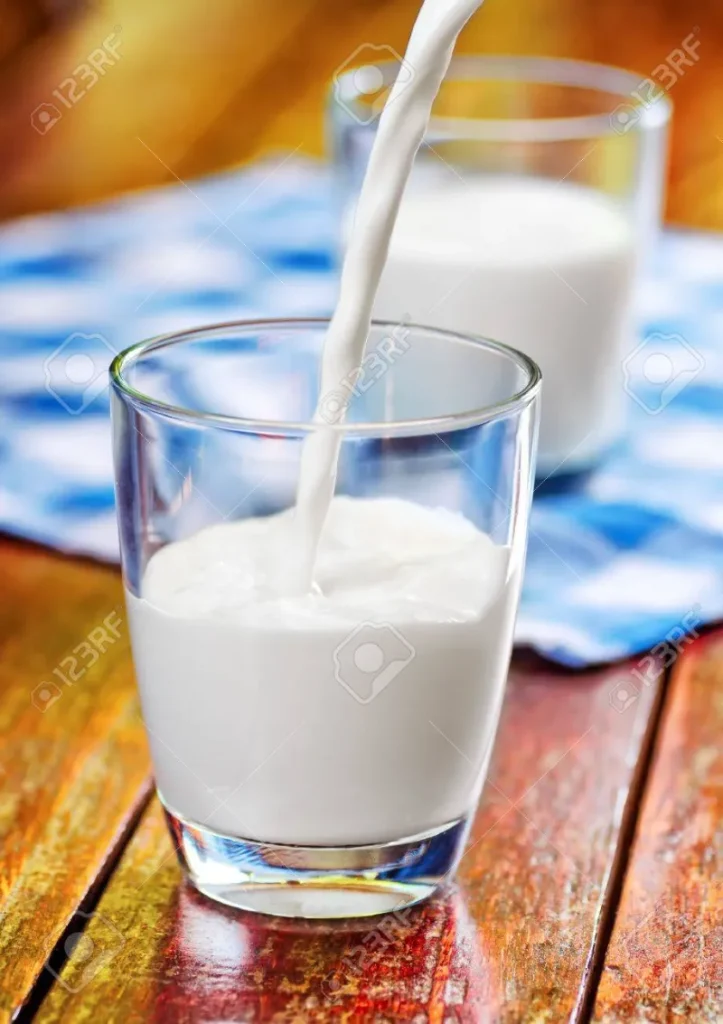
Cow’s milk contains hormones, including IGF-1 (insulin-like growth factor 1), that naturally occur in dairy and can stimulate acne when consumed regularly. Multiple large studies have found a clear association between milk consumption and acne, particularly skim milk.
Skim milk actually appears worse than whole milk for acne because the fat removal process concentrates the hormonal content. Those hormones bind to receptors in your skin and ramp up oil production.
Oat milk, almond milk, and coconut milk are popular alternatives that are completely free of these dairy hormones.
10. Ice Cream

Ice cream combines two major acne triggers: dairy hormones and refined sugar. That double hit makes it particularly problematic for breakout-prone skin.
The dairy hormones stimulate sebaceous glands while the sugar spikes insulin and inflammation. Eating ice cream regularly can create a persistent low-grade inflammatory state in your skin.
Coconut milk or oat milk frozen desserts have become genuinely delicious and are widely available in most grocery stores now.
11. Cheese
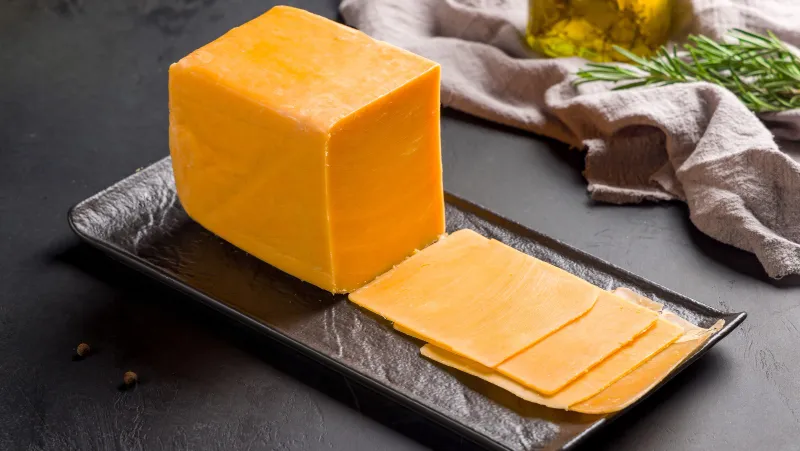
Cheese is concentrated dairy, which means it delivers a potent dose of hormones like estrogen, progesterone, and IGF-1. These hormones can activate androgen receptors in your skin and increase oil production.
Aged cheeses also contain high levels of histamines, which can trigger skin inflammation in people who are histamine-sensitive. That redness and irritation can make acne look and feel worse.
Nutritional yeast is a great flavor substitute in many dishes, giving you that savory, cheesy taste without the dairy hormone load.
12. Flavored Yogurt
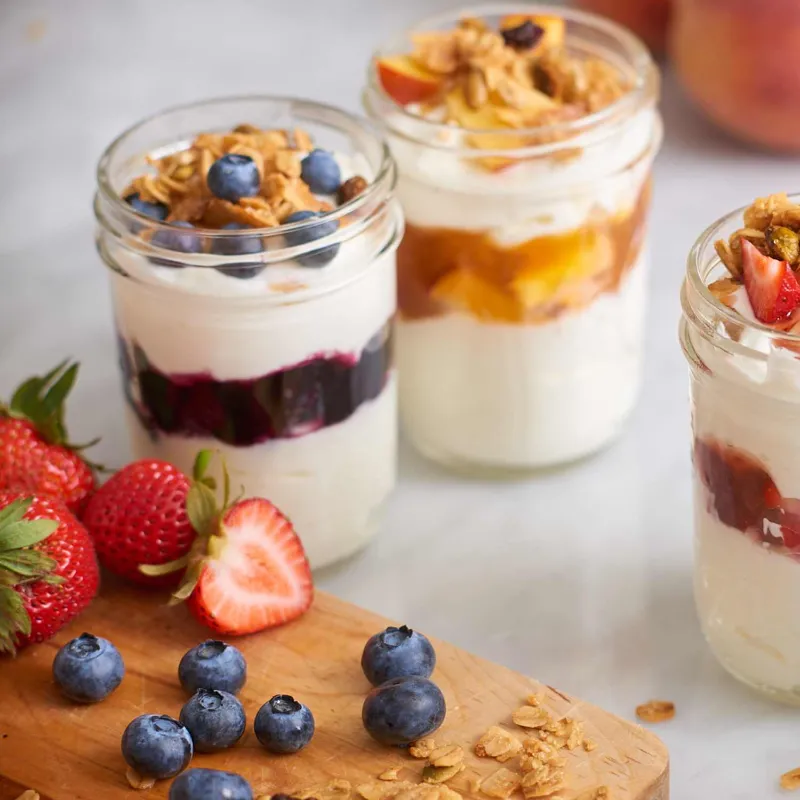
Plain yogurt actually has some probiotic benefits for skin, but flavored and sweetened yogurts are a different story. Most commercial flavored yogurts contain as much sugar as a candy bar.
That sugar content cancels out any probiotic benefit and adds an insulin-spiking hit on top of the existing dairy hormones. It’s one of those foods that feels healthy but isn’t.
Plain full-fat Greek yogurt with fresh berries gives you the probiotic benefit without the sugar overload.
13. Whey Protein Powder
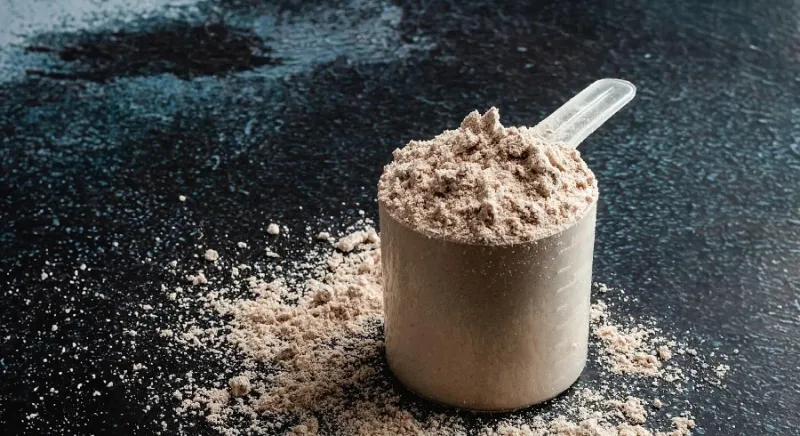
Whey is derived directly from milk, so it carries all the hormonal baggage of dairy in a highly concentrated form. Studies have specifically linked whey protein supplementation to acne, even in people who don’t normally break out.
It spikes IGF-1 levels dramatically, which drives sebum production and skin cell turnover in ways that favor clogged pores and inflammation. Gym-goers and athletes are particularly affected.
Plant-based protein powders made from pea, hemp, or rice protein deliver the same muscle-building amino acids without the hormonal consequences.
14. Fast Food
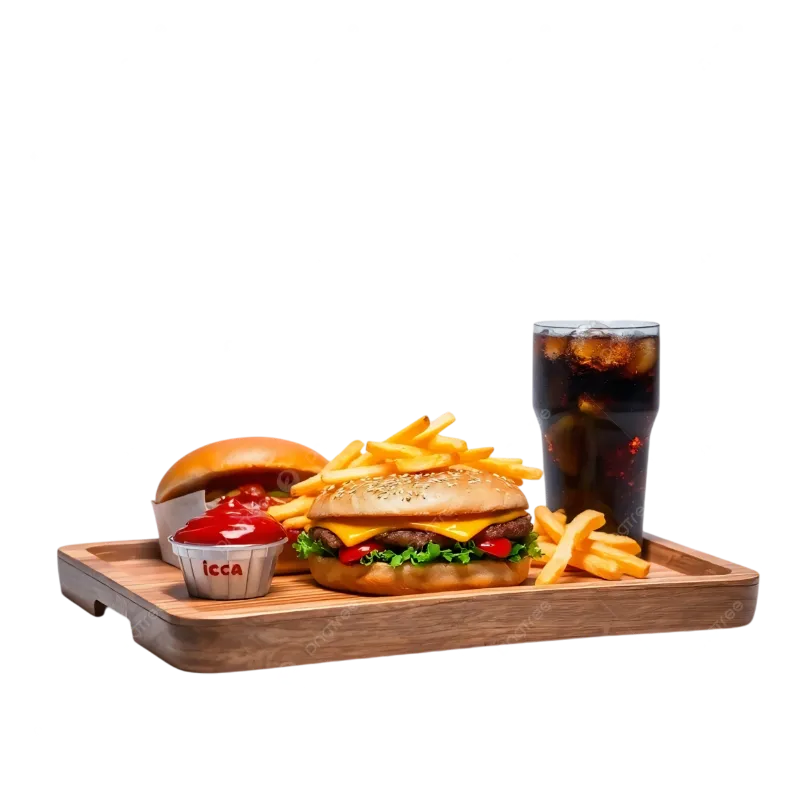
Fast food is an acne triple threat: high in refined carbohydrates, loaded with industrial seed oils, and often packed with dairy. Research published in the Journal of the American Academy of Dermatology found teenagers who frequently ate fast food were 43 percent more likely to have acne.
The combination of ingredients drives up inflammation system-wide, not just in your skin. That chronic inflammatory state keeps existing breakouts angrier and makes new ones more likely.
When you’re in a pinch, most fast food chains now offer grilled options, salads, and wraps that are far less inflammatory than the standard burger-and-fries combo.
15. Fried Foods

Fried foods are cooked in oils that break down at high heat and form inflammatory compounds called aldehydes and acrolein. Those compounds enter your bloodstream and trigger systemic inflammation that shows up on your skin.
Repeated frying also creates advanced glycation end products (AGEs), which damage skin cells and compromise your skin’s ability to heal and regenerate. That translates to slower healing of existing blemishes.
Air frying, baking, or roasting gives you that satisfying crispy texture without the inflammatory oil chemistry.
16. Pizza
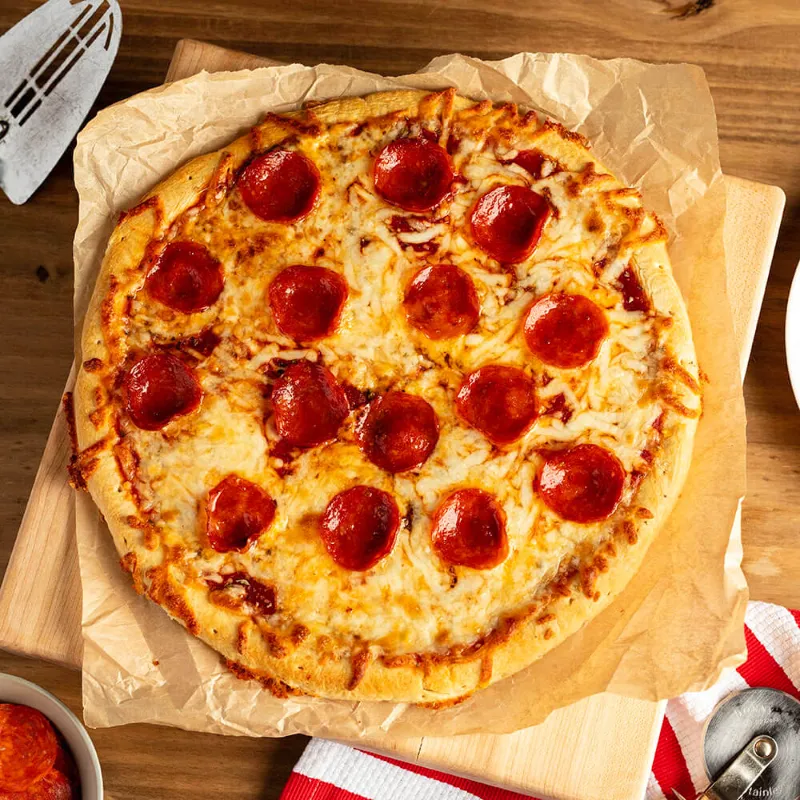
Pizza stacks multiple acne triggers in one meal: refined white flour crust, cheese loaded with dairy hormones, and often processed meat toppings. It’s basically a perfect storm for breakouts.
The high glycemic load from the crust spikes blood sugar while the cheese adds hormonal fuel to the fire. Eating pizza regularly keeps your skin in a persistent state of hormonal and inflammatory stress.
Cauliflower crust pizza with dairy-free cheese is a genuinely satisfying alternative that removes the three biggest offenders.
17. Chips and Potato Chips

Potato chips combine high-glycemic starch with refined vegetable oils and salt, none of which are doing your skin any favors. The starch spikes blood sugar while the oils add an inflammatory load.
Many chips are also fried at temperatures that create acrylamide, a compound formed when starchy foods are cooked at very high heat and linked to oxidative stress in the body.
Popcorn (air-popped), roasted chickpeas, or veggie chips made from baked vegetables are crunchy snack alternatives that won’t drive skin inflammation.
18. Crackers
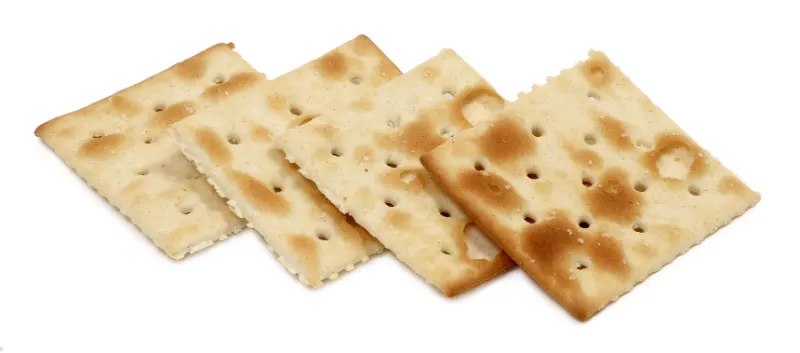
Most commercial crackers are made from refined white flour and seed oils, giving them a high glycemic index similar to white bread. They’re one of those everyday snack foods that quietly keeps your insulin elevated throughout the day.
The portion sizes are also easy to underestimate. You sit down with a sleeve of crackers and before you know it you’ve eaten the equivalent of several slices of white bread.
Whole grain crackers, seed crackers, or rice cakes made from whole grain brown rice are better choices that give you more fiber and a gentler blood sugar response.
19. Instant Noodles and Ramen
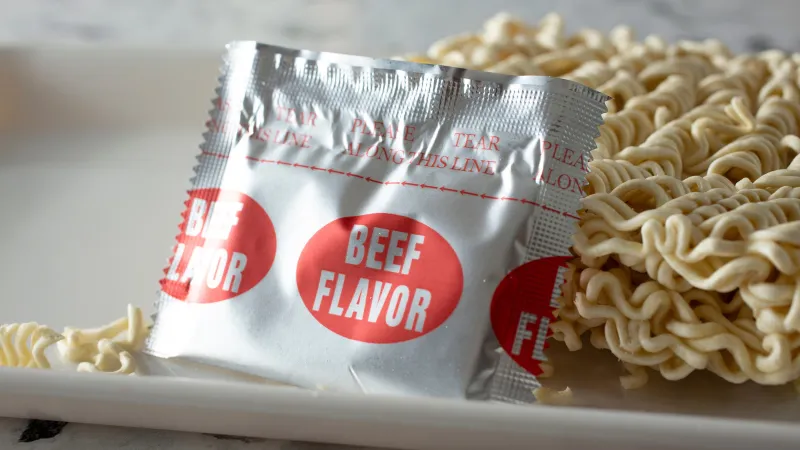
Instant ramen is one of the most glycemically dense convenience foods you can eat. The refined noodles break down rapidly, the sodium is sky-high, and the flavor packets often contain MSG and other additives that can irritate sensitive skin.
High sodium intake causes water retention and puffiness that makes skin look inflamed even when it isn’t actively breaking out. For people already prone to acne, it’s a recipe for persistent irritation.
Soba noodles or shirataki noodles offer a noodle fix with far less impact on blood sugar and skin inflammation.
20. Milk Chocolate
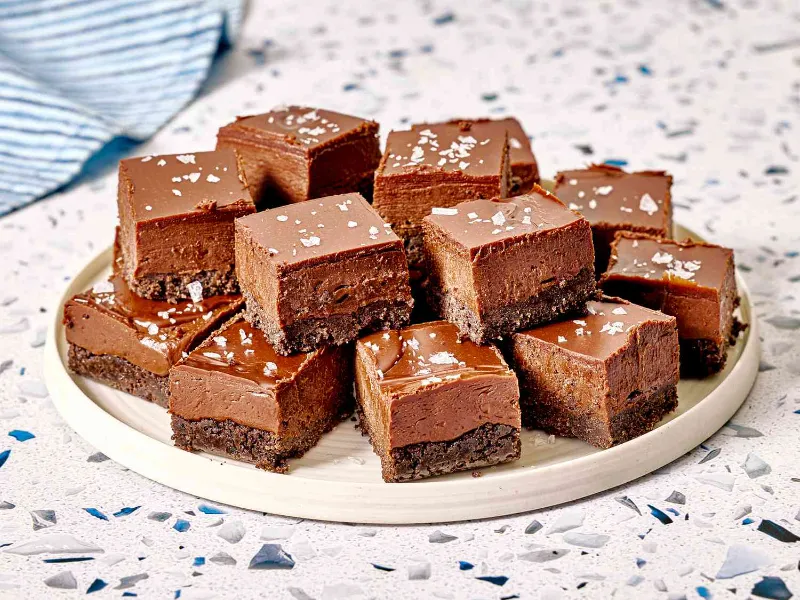
Milk chocolate combines the hormonal load of dairy with refined sugar, making it a particularly effective acne trigger. Studies have shown that even small amounts of milk chocolate can worsen breakouts in acne-prone individuals within days of consumption.
The sugar drives insulin while the dairy drives IGF-1, and together they amplify each other’s effects on your skin’s oil glands. It’s one of those foods where the combo is worse than either ingredient alone.
Dark chocolate with 70 percent or higher cacao is a smart substitute because it has far less sugar, no milk solids, and contains antioxidants that support skin health.
21. Peanut Butter
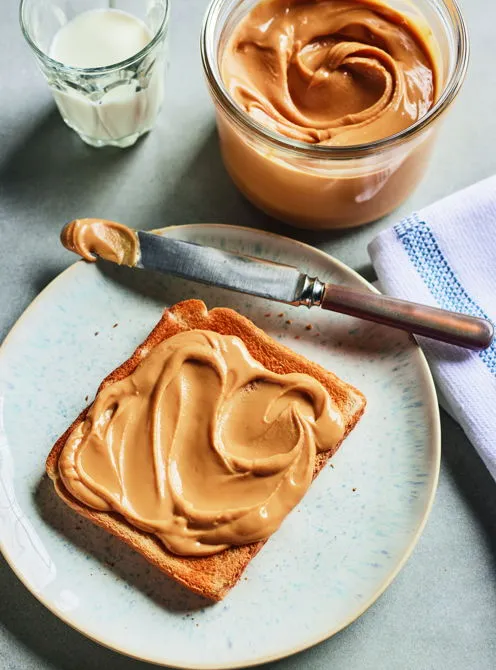
Peanuts are technically legumes and are prone to a mold called aflatoxin that can provoke immune responses and inflammation in susceptible people. Peanuts also have a high omega-6 fatty acid content, which can push your body’s inflammatory balance in the wrong direction.
Commercial peanut butter often adds sugar and partially hydrogenated oils on top of the natural peanut issues, making the store-bought version a bigger problem than eating whole peanuts alone.
Almond butter or sunflower seed butter gives you that creamy, satisfying spread with a much better fatty acid profile for skin health.
22. Corn

Corn, particularly refined corn products like corn syrup and cornstarch, is high on the glycemic index and heavily present in processed American food. It’s in everything from packaged snacks to salad dressings.
Whole corn on the cob is a moderate glycemic food, but the way most Americans consume corn, through corn syrup in drinks and processed foods, is a different story entirely. Corn syrup is one of the most potent blood sugar triggers in the Western diet.
Reading ingredient labels to identify hidden corn syrup in your favorite packaged foods is a genuinely eye-opening exercise for anyone struggling with persistent breakouts.
23. Vegetable Oils (Canola, Soybean, Sunflower)
Industrial vegetable oils are extremely high in omega-6 fatty acids. While your body needs some omega-6, the modern American diet is wildly imbalanced, with most people consuming far too much omega-6 relative to omega-3.
That imbalance promotes systemic inflammation, which directly worsens acne. These oils are in almost every processed food, restaurant fryer, and store-bought salad dressing.
Cooking with extra virgin olive oil or avocado oil and making your own dressings at home dramatically cuts your omega-6 load.
24. Margarine
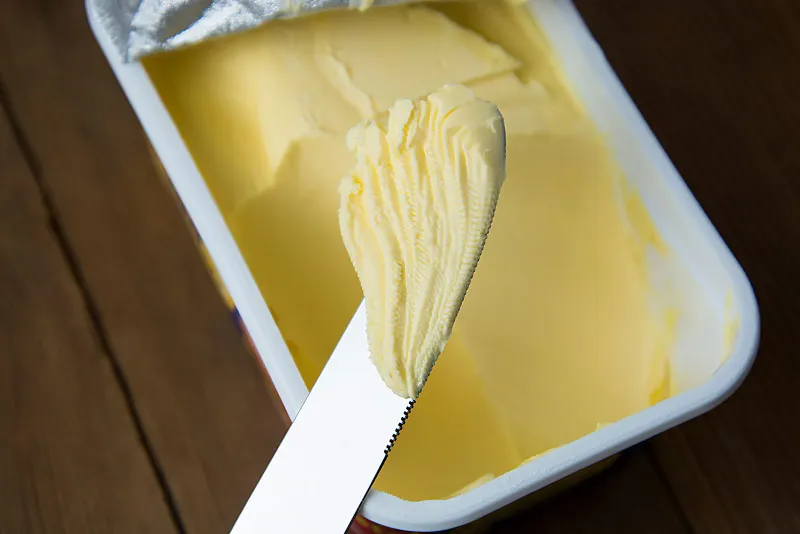
Margarine was marketed for decades as a healthier alternative to butter, but most margarine products contain partially hydrogenated oils and trans fats that are now known to drive inflammation. Trans fats are directly linked to higher levels of inflammatory markers in the blood.
Even brands that claim zero trans fats can legally contain small amounts if they’re under a certain threshold. Those small amounts add up when consumed daily.
Real butter in moderation, or better yet, avocado-based spreads, are significantly better options for skin health.
25. Processed Meats (Hot Dogs, Bacon, Sausage)
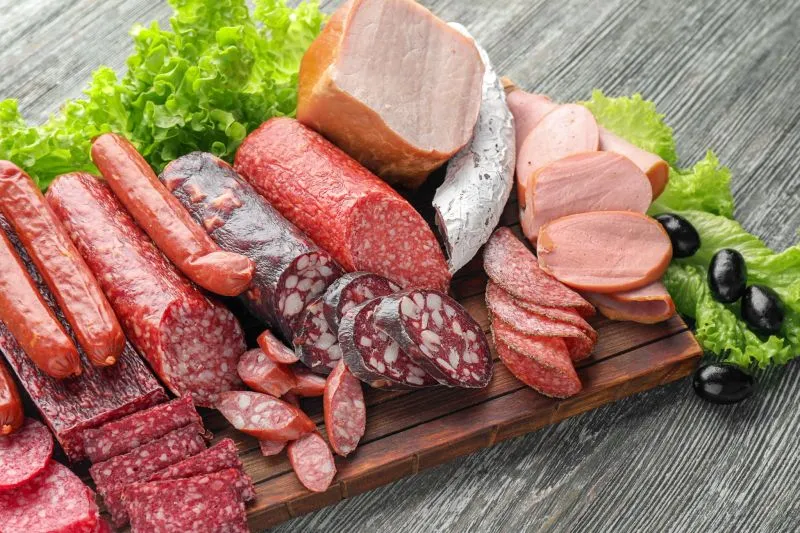
Processed meats are loaded with sodium, nitrates, and saturated fats that combine to create an inflammatory environment in your body. Nitrates in particular have been linked to oxidative stress, which damages skin cells and impairs healing.
The high sodium content also disrupts your skin’s hydration balance, making it harder for your pores to stay clear and for blemishes to resolve quickly.
When you want that savory, satisfying meat experience, choosing unprocessed cuts like grilled chicken thighs or turkey gives you the protein without the inflammatory additives.
26. Deli Meats
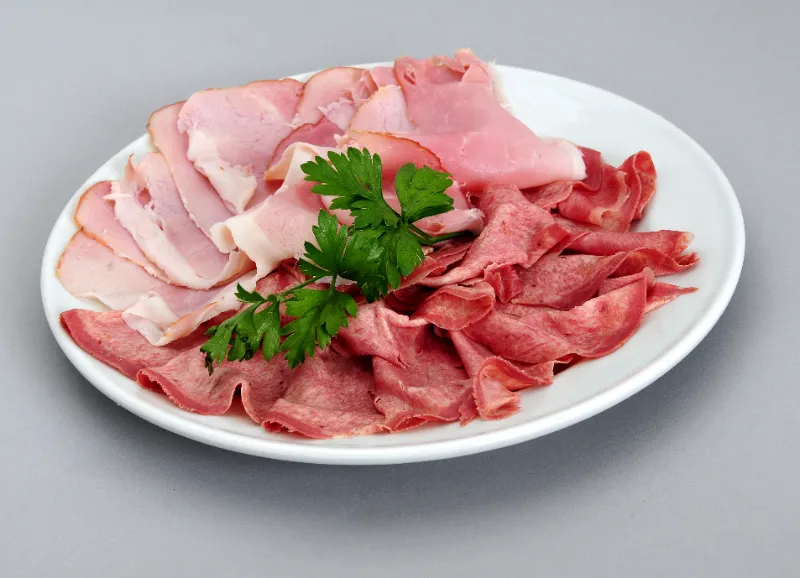
Deli meats share most of the same problems as processed meats but come with the added issue of being high in advanced glycation end products (AGEs) from the preservation and curing process. AGEs cause oxidative damage to skin tissue and accelerate skin aging alongside acne.
Many deli meats also contain carrageenan and other additives that have been shown to trigger gut inflammation. Since gut health and skin health are deeply connected, anything that disturbs your gut lining tends to show up on your face.
Freshly sliced roasted turkey breast or chicken breast from your own kitchen prep is a much cleaner protein option for sandwiches and wraps.
27. Flavored Nuts
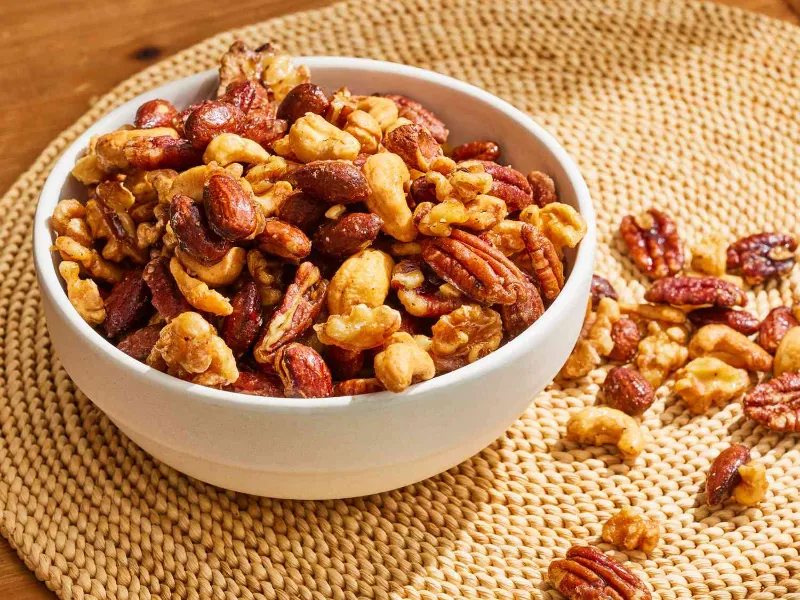
Plain nuts are actually great for skin because they’re packed with vitamin E, zinc, and healthy fats. But flavored and coated nuts are a different animal entirely.
Honey-roasted, BBQ, and ranch-flavored nuts add sugar, seed oils, and artificial additives that work against your skin. Many flavored nut products are also coated with maltodextrin, a highly processed starch with a glycemic index even higher than table sugar.
Plain raw or dry-roasted nuts are one of the best snacks you can eat for your skin. Just keep it simple and skip the flavoring.
28. Granola Bars
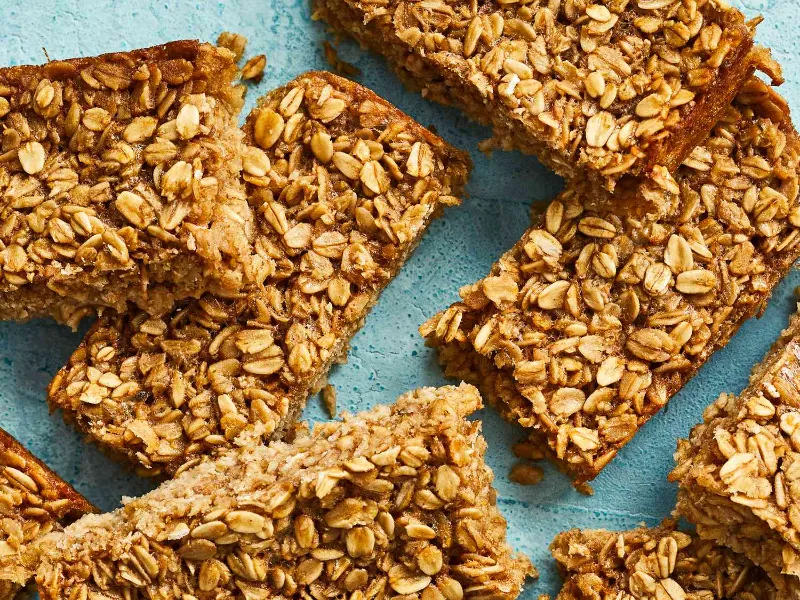
Granola bars are one of the most common “health food” traps in the American diet. Most commercial granola bars are packed with added sugars, corn syrup, and seed oils while being marketed as nutritious snack options.
The blood sugar spike from a typical granola bar rivals that of a candy bar. For people with acne-prone skin who are trying to eat healthy, this is a genuinely frustrating discovery.
Making your own granola bars with oats, nuts, seeds, and a small amount of raw honey gives you the convenience and taste with a fraction of the glycemic impact.
29. Breakfast Cereals

Most boxed breakfast cereals are among the highest glycemic foods you can start your day with. Even cereals that contain whole grain oats are often loaded with added sugar and processed in ways that strip out fiber and nutrients.
Starting your morning with a blood sugar spike sets off the hormonal domino effect early, influencing your skin’s oil production for hours. Dermatologists frequently ask acne patients about their breakfast habits for exactly this reason.
Eggs, avocado toast on whole grain bread, or overnight oats with berries and no added sugar are skin-friendly breakfast alternatives that keep blood sugar stable.
30. Flavored Instant Oatmeal
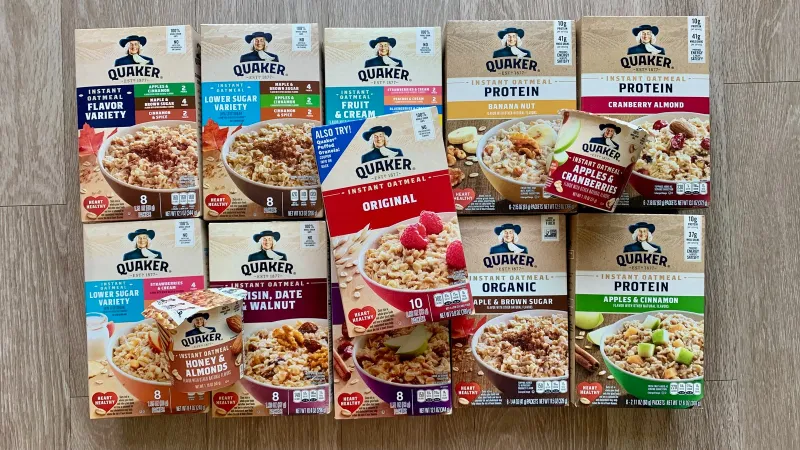
Plain oats are a low-glycemic, gut-healthy food that’s genuinely great for your skin. But the flavored instant versions that come in packets are loaded with sugar, artificial flavors, and often dried fruit coated in more sugar.
The processing required to make oats “instant” also raises their glycemic index compared to rolled or steel-cut oats. So you lose the slow-digesting benefit and gain a sugar load that works against your skin.
Plain rolled oats cooked with water and topped with fresh berries and a sprinkle of cinnamon is a skin-loving breakfast that takes about 10 minutes.
31. Fruit Juice

Whole fruit is generally fine for your skin because it comes packaged with fiber that slows sugar absorption. Fruit juice removes that fiber and leaves you with concentrated natural sugar that behaves almost identically to soda in your bloodstream.
An 8-ounce glass of orange juice contains the sugar of around four oranges, with none of the fiber that would normally slow that sugar’s entry into your blood. The resulting insulin spike is significant.
Eating whole fruit and drinking water infused with citrus slices gives you the flavor and vitamins without the glycemic punch.
32. Smoothies with Added Sugar
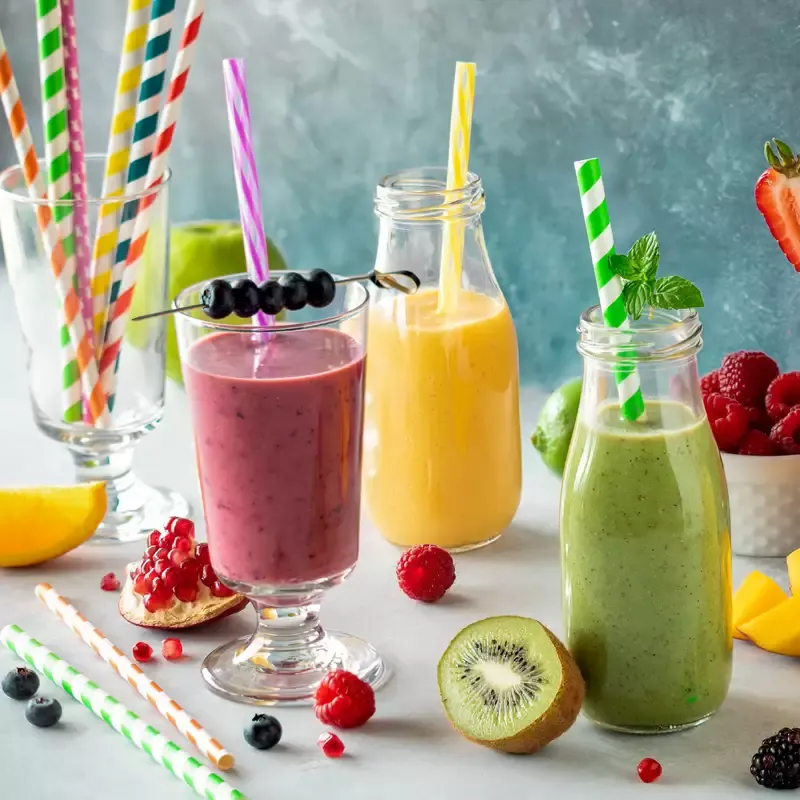
A homemade vegetable-heavy smoothie can be fantastic for your skin. But commercial smoothies and even many home recipes loaded with fruit, honey, agave, and flavored yogurt can deliver an enormous sugar hit in one glass.
Smoothies are also fast to consume, which means your digestive system processes that sugar quickly without the natural chewing and digestive process that slows sugar absorption from whole foods.
A skin-friendly smoothie focuses on leafy greens, cucumber, avocado, a small amount of low-sugar fruit like berries, and unsweetened plant milk as the base.
33. Ketchup and BBQ Sauce
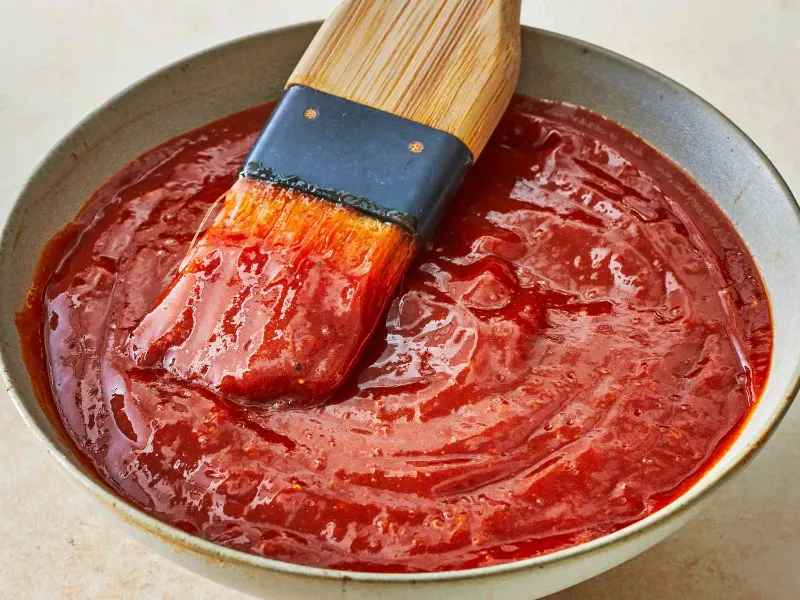
Ketchup and BBQ sauce are two condiments that most Americans reach for without thinking twice, but both are dense with added sugar. A couple tablespoons of ketchup can contain two to three teaspoons of sugar.
BBQ sauce is often even higher in sugar and also contains vinegar, artificial smoke flavoring, and preservatives that can irritate sensitive skin. These small condiment additions add up across a day and a week.
Making your own tomato-based sauce with diced tomatoes, garlic, olive oil, and herbs gives you all the flavor with none of the added sugar and additives.
34. Mayonnaise
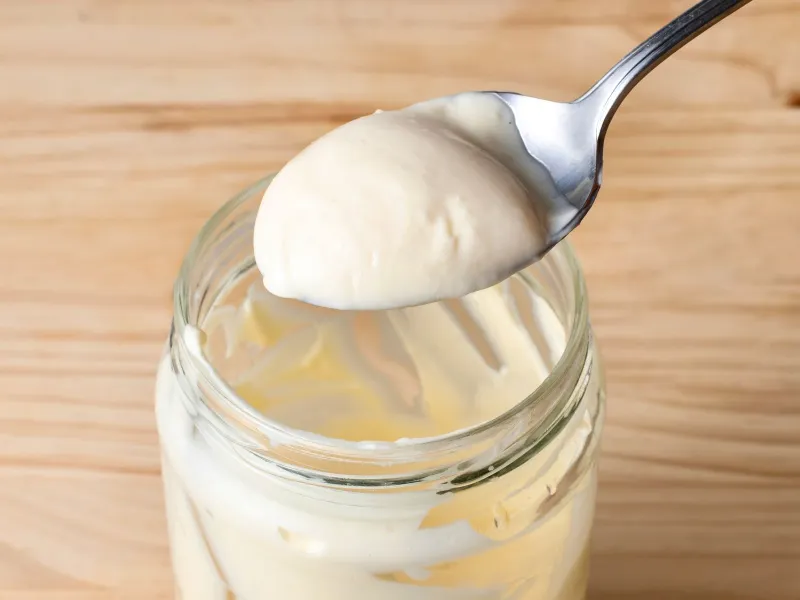
Commercial mayonnaise is made almost entirely from refined vegetable oils, typically soybean or canola oil, both of which are heavy in inflammatory omega-6 fatty acids. Eating mayonnaise regularly contributes to that omega-6 overload that keeps inflammation elevated.
Many commercial mayo brands also contain added sugar, vinegar, and preservatives that can cause reactions in histamine-sensitive individuals. The combination makes it a surprisingly significant acne contributor for regular mayo users.
Avocado-based mayo or hummus used as a creamy spread delivers a satisfying texture with anti-inflammatory fats instead of inflammatory ones.
35. Packaged Baked Goods (Muffins, Donuts, Pastries)

Packaged muffins, donuts, and pastries bring together refined flour, refined sugar, hydrogenated fats, and dairy in one convenient package. Every single ingredient is an acne trigger on its own, and together they create a powerful inflammatory combination.
The shelf-stable nature of these products also means they’re preserved with additives and often made with partially hydrogenated oils to extend freshness. Those trans fats are among the most pro-inflammatory ingredients in the food supply.
Homemade baked goods made with almond flour, coconut sugar, and non-dairy milk let you enjoy treats without loading up on the ingredients your skin hates.
36. Alcohol

Alcohol is a significant acne trigger that works through multiple pathways simultaneously. It dehydrates your skin, disrupts your gut microbiome, spikes cortisol, and increases systemic inflammation all at once.
Your liver prioritizes processing alcohol over everything else, including metabolizing hormones like estrogen. That hormonal backup can translate directly into hormonal breakouts. Research consistently shows that regular alcohol consumption worsens acne, particularly in women.
If you drink socially, choosing dry red grape juice in small amounts over cocktails and beer exposes your skin to less sugar and fewer inflammatory compounds.
37. Artificial Sweeteners
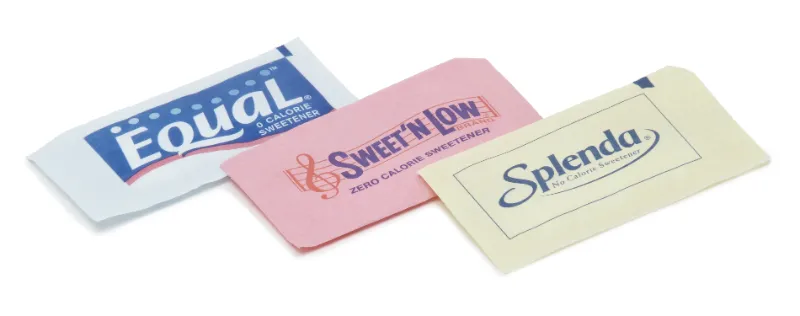
Artificial sweeteners seem like the obvious solution for people trying to avoid sugar-related breakouts, but the reality is more complicated. Some research suggests that artificial sweeteners like saccharin and sucralose alter gut bacteria in ways that increase inflammation and impair insulin sensitivity.
A disrupted gut microbiome is closely linked to skin inflammation, and several studies have found connections between artificial sweetener consumption and inflammatory skin conditions. They may not spike blood sugar directly, but their downstream effects on gut health can still trigger breakouts.
Natural sweeteners like stevia in small amounts or raw honey are gentler on gut health and less likely to create the microbiome disruption that artificial sweeteners can cause.
Final Thoughts
Your skin is a direct reflection of what’s happening inside your body, and that’s actually great news. It means you have real power to change it. Start small, swap one or two things from this list, and give your skin a few weeks to respond. Small consistent changes add up to a clearer, healthier complexion over time. Your skin is worth it.
