
36 Underrated Foods For High Blood Pressure You Need to Add to Your Diet

If you’ve been told your blood pressure is creeping up, you’re probably wondering what you can actually do about it beyond cutting salt. The good news? Your grocery cart holds more power than you think.
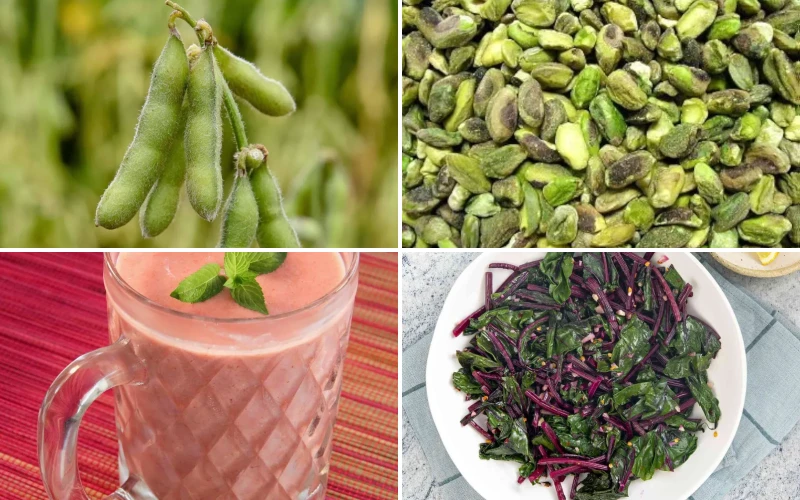
This list covers 36 surprisingly effective foods that can help support healthy blood pressure, backed by real science. Some of these might already be in your kitchen. Others will become new favorites.
1. Beets
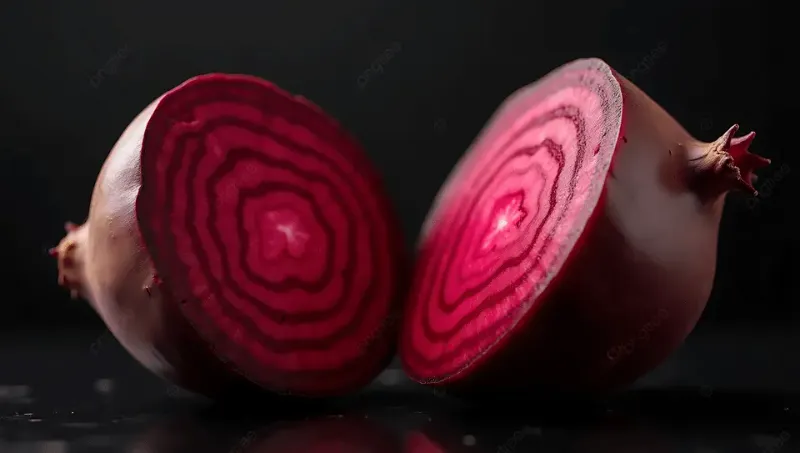
Beets are one of the most powerful foods you can eat for blood pressure, and most people are sleeping on them. They’re loaded with nitrates, which your body converts into nitric oxide, a compound that relaxes and widens your blood vessels.
A study published in the journal Hypertension found that drinking just one cup of beet juice lowered systolic blood pressure by around 4 to 5 points within hours. That’s genuinely impressive for a single food.
You can roast them, blend them into smoothies, or sip on cold-pressed beet juice. Even pre-cooked beets from the store work. Just watch the added sugar in flavored varieties.
2. Flaxseeds
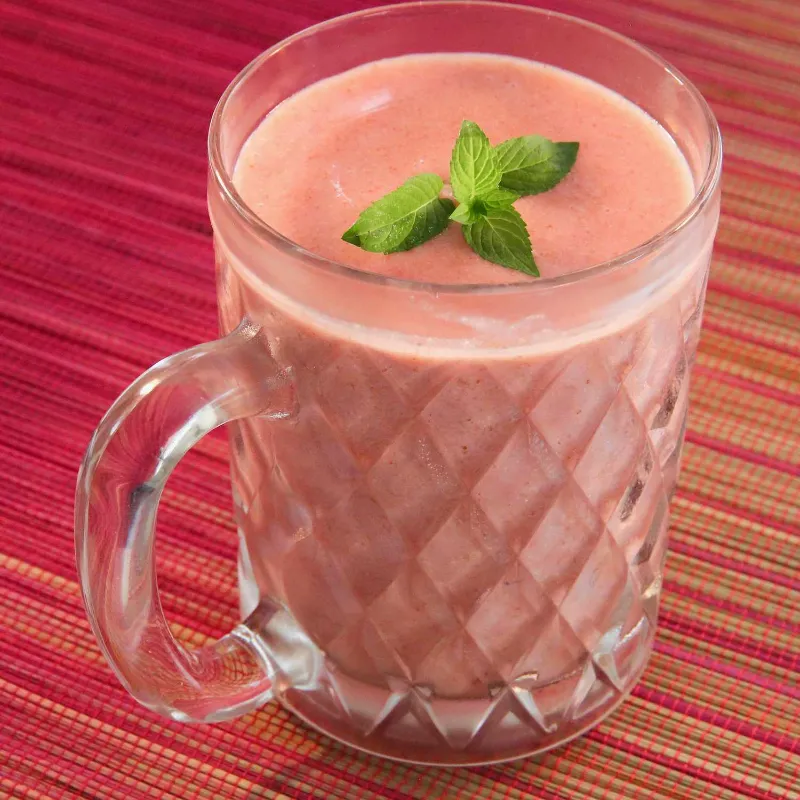
Flaxseeds are tiny but they punch way above their weight when it comes to heart health. They’re rich in alpha-linolenic acid (ALA), a plant-based omega-3 fatty acid that helps reduce arterial stiffness and inflammation.
A large review published in the Journal of Nutrition found that regular flaxseed consumption significantly lowered both systolic and diastolic blood pressure, especially in people who already had elevated levels.
Ground flaxseeds are easier for your body to absorb than whole ones. Stir a tablespoon into your oatmeal, yogurt, or smoothie every morning and you’re good to go.
3. Pomegranate
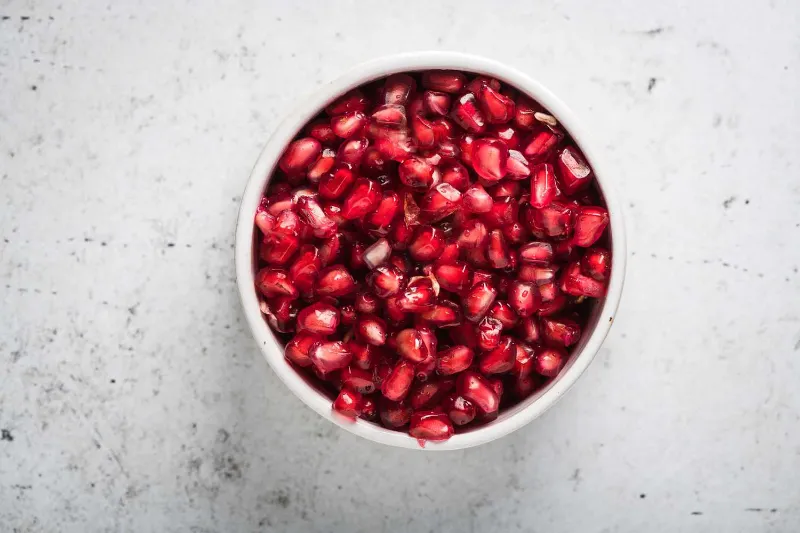
Pomegranate tastes like a treat but works like medicine. It’s packed with polyphenols and antioxidants that help reduce oxidative stress in your arteries, which is a key driver of high blood pressure.
Research in the journal Plant Foods for Human Nutrition showed that drinking pomegranate juice daily for two weeks produced measurable reductions in blood pressure. The effect is partly due to its ability to inhibit ACE, the same enzyme that prescription ACE inhibitor medications target.
Try half a cup of pure pomegranate juice a few times a week, or toss the seeds (called arils) onto salads and grain bowls. Just choose juice with no added sugar.
4. Celery
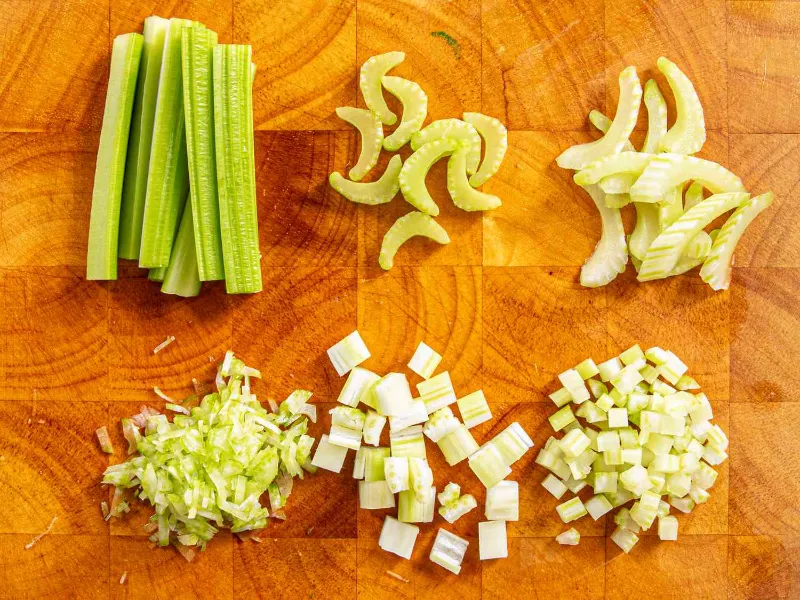
Celery is mostly water, but do not let that fool you. It contains a compound called phthalide, which relaxes the smooth muscle tissue in artery walls, allowing blood to flow more freely.
Traditional Chinese medicine has used celery as a blood pressure remedy for centuries, and modern research is starting to back that up. A small study found that celery seed extract reduced blood pressure in participants with mild to moderate hypertension.
The good news is celery is cheap, crunchy, and easy to eat as a snack with nut butter. Juicing it is also popular, and the concentrated form may deliver even more benefit.
5. Kiwi
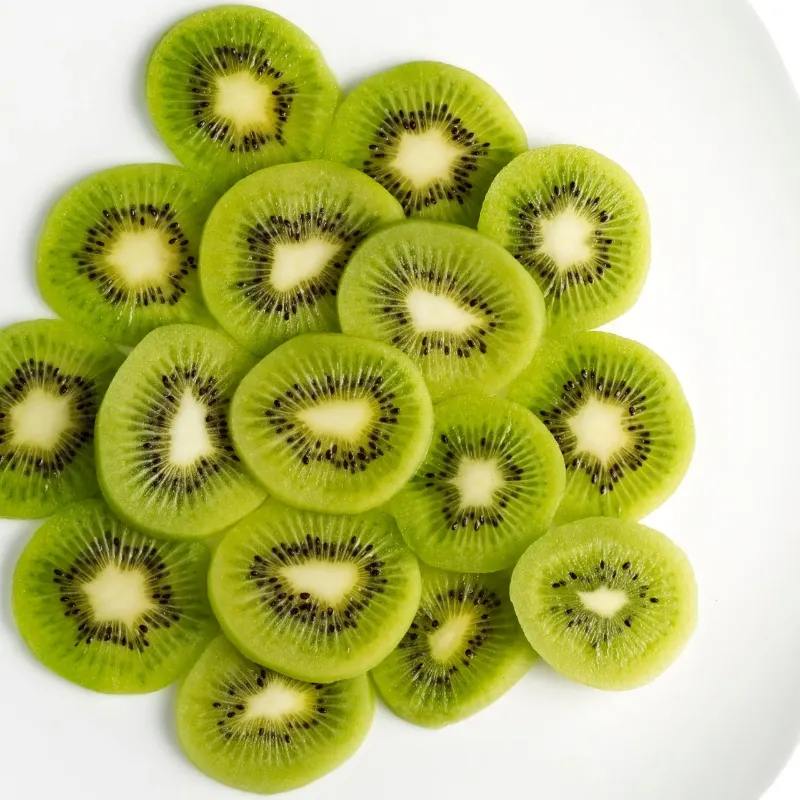
Kiwi is one of the most underrated fruits in the whole produce section. Three kiwis a day was shown in a study published in Blood Pressure to reduce systolic blood pressure by about 3.6 mmHg compared to eating one apple a day.
Kiwis are rich in vitamin C, potassium, and lutein, all of which contribute to better vascular health. Vitamin C in particular helps protect blood vessel walls from oxidative damage.
They’re easy to eat. Just slice one in half and scoop it out with a spoon. Add them to fruit salads or morning smoothies for a daily habit that actually tastes good.
6. Watermelon

Watermelon is 92% water, but that other 8% is doing serious work. It contains an amino acid called citrulline, which your body uses to produce arginine, which then helps generate nitric oxide and relax your blood vessels.
Research from Florida State University found that watermelon extract supplementation reduced blood pressure in adults with prehypertension. The effect was especially strong in the aorta, the main artery leaving your heart.
Eat it fresh, blend it into agua fresca, or freeze chunks for a cooling summer snack. The rind actually has more citrulline than the flesh, so some people juice the whole thing.
7. Spinach
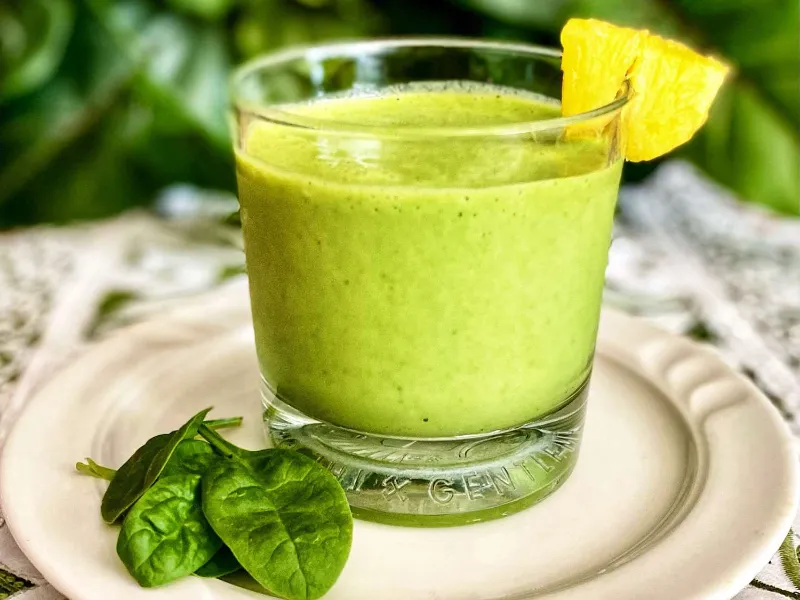
Spinach is a blood pressure powerhouse thanks to its incredibly dense nutrient profile. It’s high in potassium, magnesium, folate, and nitrates, all of which work together to ease tension in your blood vessels.
Potassium helps your kidneys flush out excess sodium, which is one of the main mechanisms behind the DASH diet’s effectiveness. Spinach gives you about 840 mg of potassium per cooked cup.
Toss it into smoothies where you won’t even taste it, wilt it into pasta, or eat it raw in a big salad. Cooked spinach is actually more nutrient-dense per serving since it shrinks down so much.
8. Oats
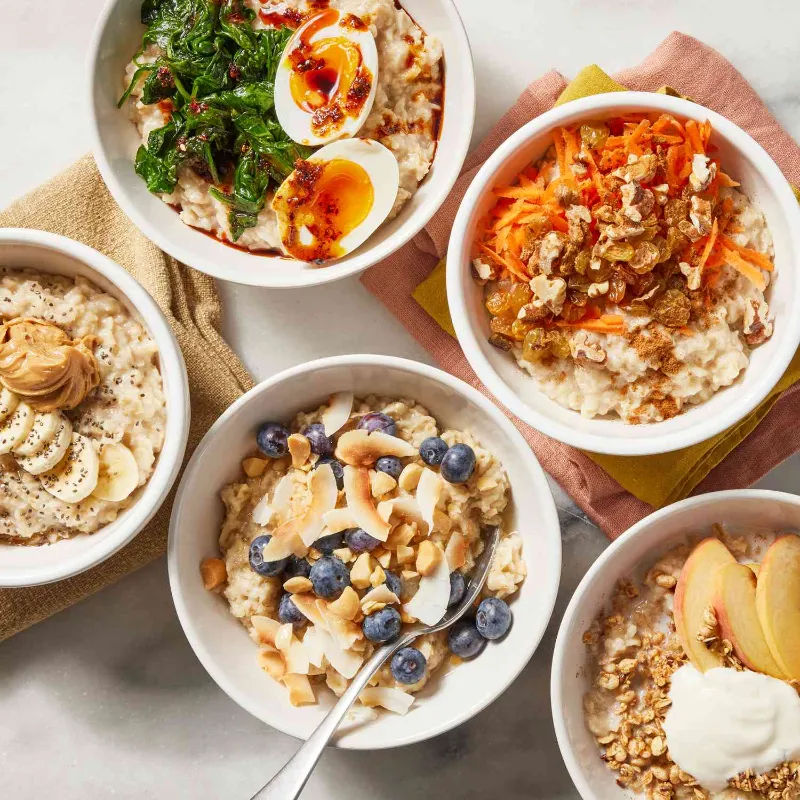
Your morning bowl of oatmeal is doing more than filling you up. Oats contain a soluble fiber called beta-glucan that has been shown to reduce both systolic and diastolic blood pressure in multiple clinical trials.
Beta-glucan works by forming a gel-like substance in your digestive tract that helps lower cholesterol and improve the health of your arteries over time. A review in the American Journal of Clinical Nutrition confirmed that even moderate oat intake makes a meaningful difference.
Stick with rolled or steel-cut oats rather than instant packets loaded with sugar. Top with banana slices and a sprinkle of flaxseed to stack your benefits.
9. Garlic
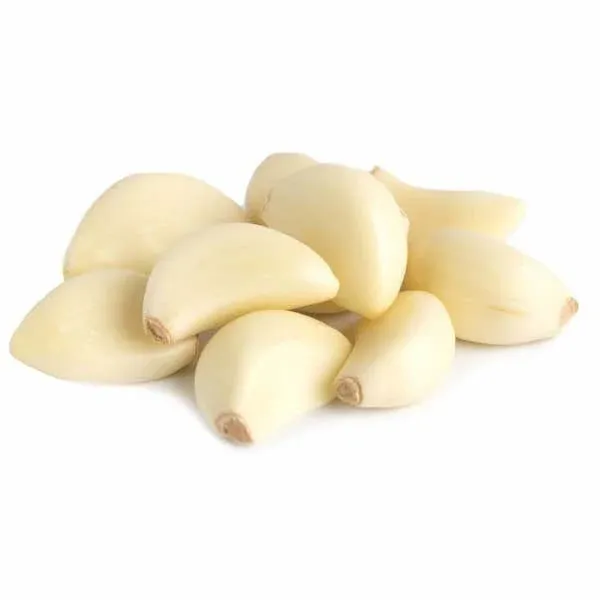
Garlic has been used as a natural remedy for thousands of years, and the science actually holds up here. Its key compound, allicin, is released when garlic is crushed or chopped, and it’s been shown to stimulate the production of nitric oxide and hydrogen sulfide, both of which relax blood vessel walls.
A meta-analysis in the Journal of Nutrition found that garlic supplementation reduced systolic blood pressure by an average of 8.3 mmHg and diastolic by 5.5 mmHg in people with high blood pressure. That’s comparable to some medications.
Raw garlic is most potent. Mince it and let it sit for 10 minutes before cooking to preserve allicin. Add it to everything from dressings to stir-fries to roasted vegetables.
10. Bananas
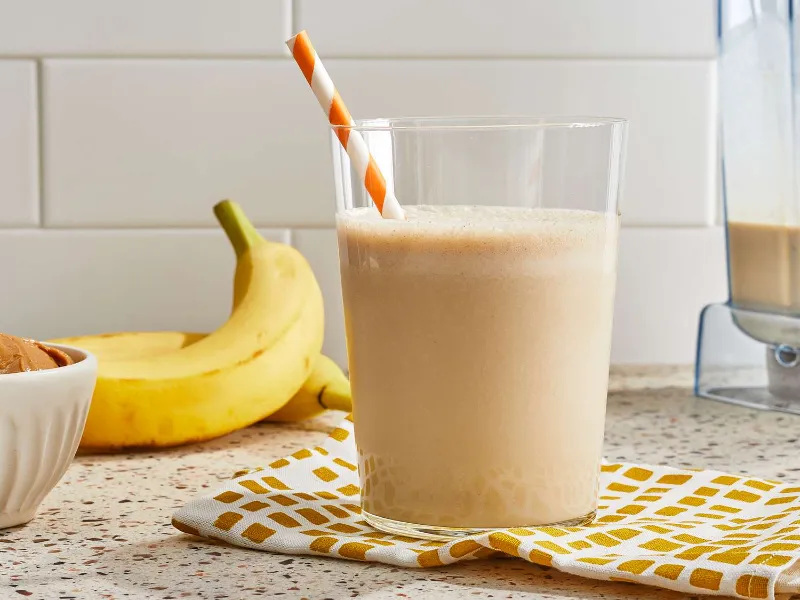
Bananas are probably the easiest blood pressure food to eat every single day. They’re one of the best sources of potassium around, with a medium banana delivering about 422 mg of the mineral.
Potassium is critical because it counteracts the effects of sodium on blood pressure. When you eat more potassium, your body excretes more sodium through urine, which naturally lowers pressure on your arterial walls.
Keep a bunch on your counter and grab one as a snack, slice one into oatmeal, or blend one into a smoothie. The riper the banana, the sweeter and higher in sugar, so slightly green ones are better for blood sugar management.
11. Avocado
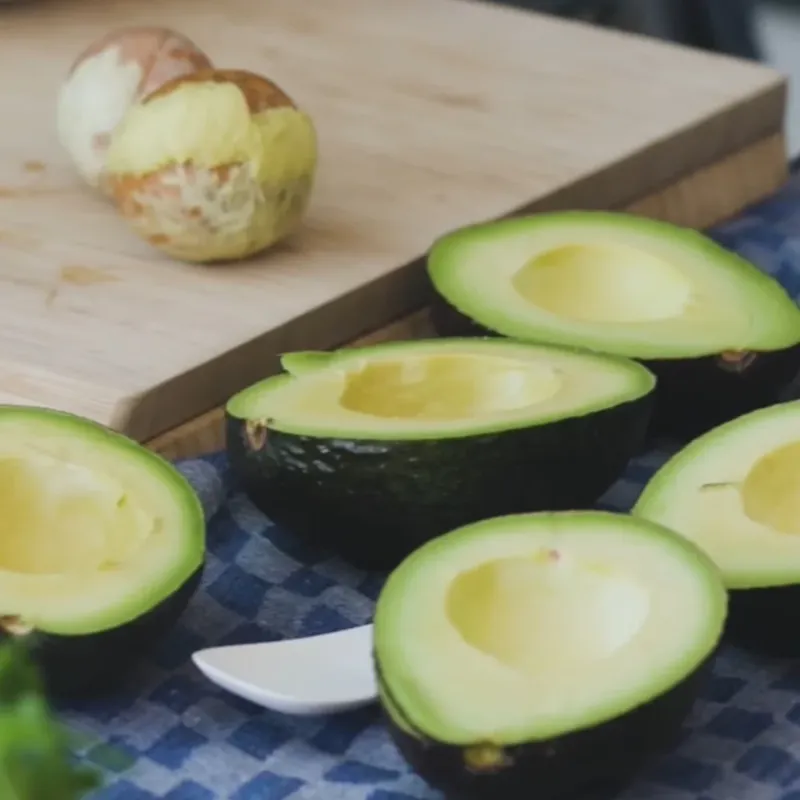
Avocados are creamy, delicious, and genuinely great for your cardiovascular system. They’re loaded with potassium, even more so than bananas gram for gram, and they’re rich in heart-healthy monounsaturated fats that reduce LDL cholesterol and inflammation.
Research published in the Journal of the American Heart Association found that replacing saturated fat with avocado as part of a moderate-fat diet significantly improved several cardiovascular risk markers, including blood pressure.
Half an avocado on whole-grain toast, sliced over a salad, or blended into guacamole are all great options. The fat content also helps you absorb fat-soluble nutrients from other vegetables you eat at the same meal.
12. Dark Chocolate
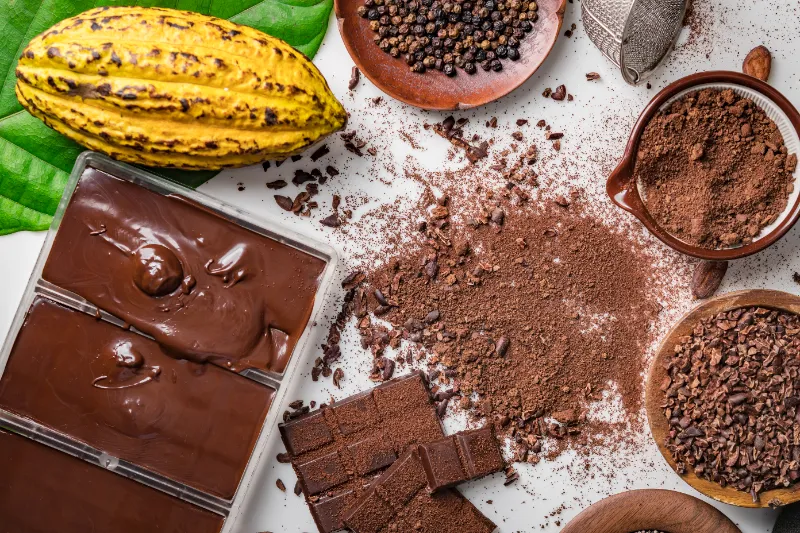
Yes, really. Dark chocolate belongs on this list, and no, this isn’t wishful thinking. Cocoa is rich in flavanols, particularly epicatechin, which boosts nitric oxide levels and helps blood vessels relax and dilate.
A meta-analysis published in BMC Medicine reviewed 20 randomized trials and found that cocoa flavanols consistently reduced blood pressure, with the strongest effects in people who already had hypertension.
The key is choosing chocolate that is at least 70% cacao and keeping portions to about one ounce a day. Milk chocolate doesn’t carry the same benefit because the processing and added milk reduce flavanol content significantly.
13. Blueberries
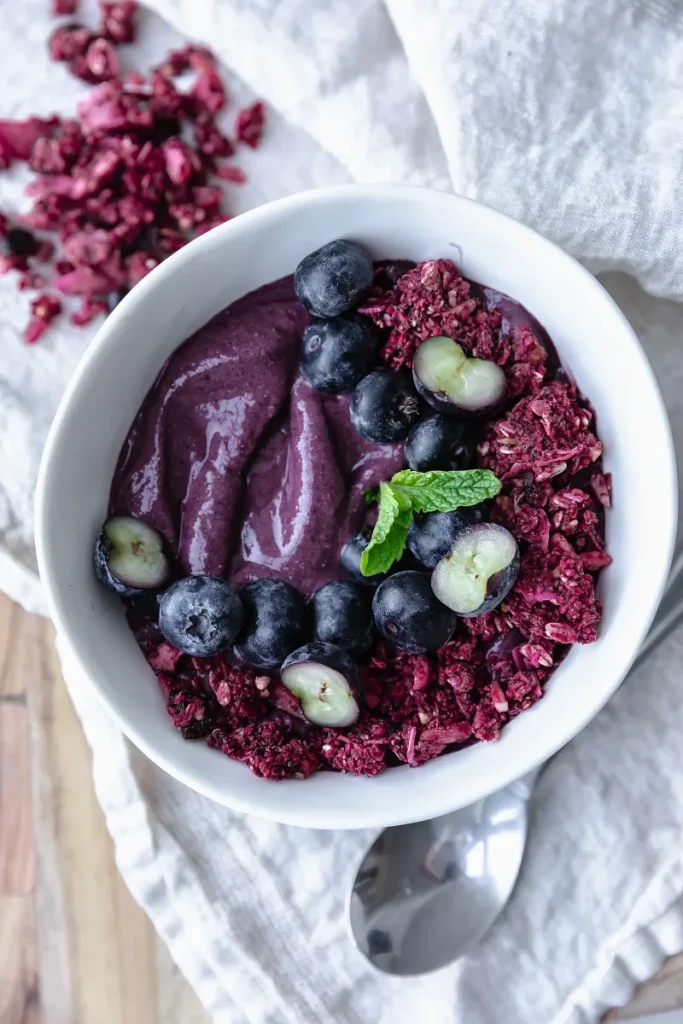
Blueberries are small but mighty when it comes to blood pressure. They’re one of the richest sources of anthocyanins, the pigments that give them their deep blue color and that have been directly linked to lower arterial stiffness.
A long-term study from Harvard found that women who ate at least three servings of blueberries and strawberries per week had a 34% lower risk of heart attack. Researchers attributed much of the benefit to these anthocyanins improving blood vessel function.
Fresh or frozen works equally well since freezing preserves the anthocyanins. Add them to oatmeal, yogurt, smoothies, or just eat them by the handful as a snack.
14. Salmon
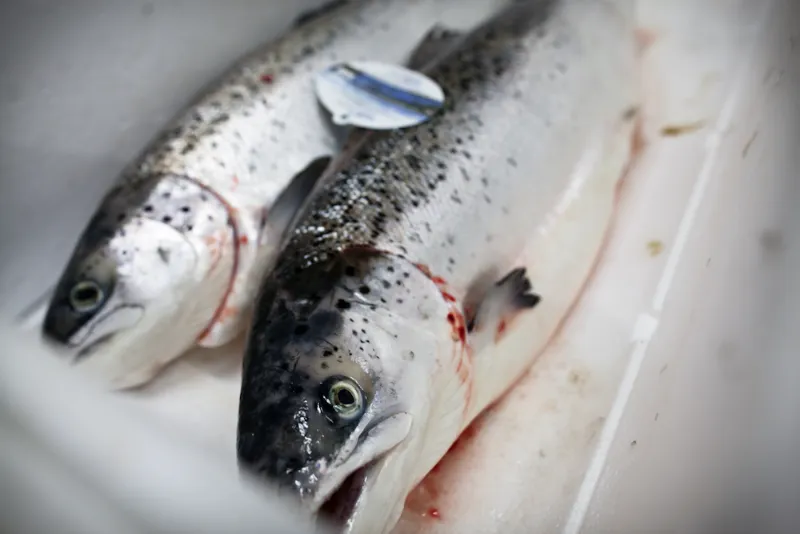
Salmon is one of the best sources of omega-3 fatty acids on the planet, specifically EPA and DHA. These long-chain fats reduce inflammation throughout your body, lower triglycerides, and directly help reduce blood pressure by improving the flexibility of artery walls.
The American Heart Association recommends two servings of fatty fish per week for cardiovascular protection. Studies have consistently shown that regular fish oil intake lowers systolic blood pressure by a clinically meaningful amount.
Baked, grilled, or pan-seared salmon a couple of times a week is ideal. Wild-caught Alaskan sockeye is among the richest in omega-3s and lower in contaminants compared to farmed varieties.
15. Olive Oil

Olive oil is the cornerstone of the Mediterranean diet, and blood pressure is one reason why. It contains oleic acid and a polyphenol called oleocanthal that work together to reduce inflammation and oxidative stress in your vascular system.
A Spanish study published in the journal Hypertension found that participants with high blood pressure who used polyphenol-rich olive oil daily had significantly greater reductions in blood pressure compared to those who used low-polyphenol sunflower oil.
Use extra virgin olive oil as your primary cooking fat and as a base for salad dressings. Heat it gently rather than at extremely high temperatures to preserve its beneficial compounds.
16. Pistachios
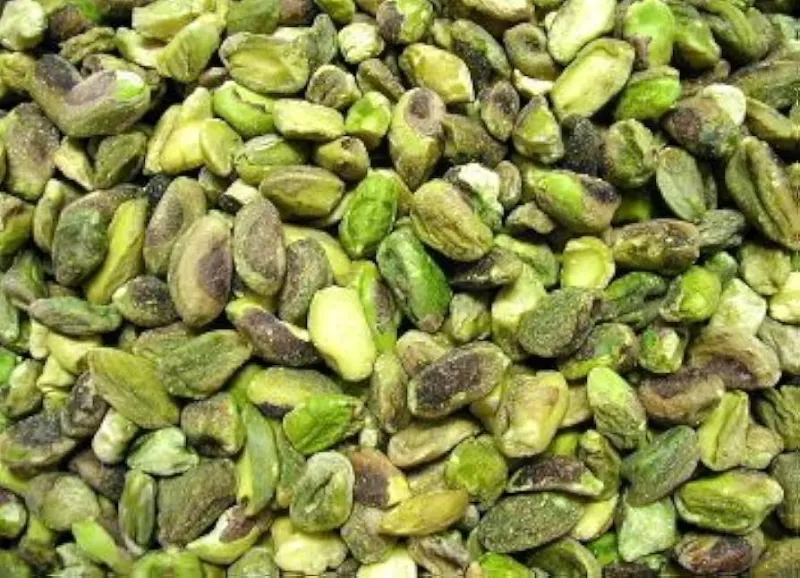
Pistachios are one of the few nuts with meaningful research specifically tied to blood pressure reduction. They’re rich in potassium, magnesium, and phytosterols, and their healthy fat profile helps reduce vascular resistance.
A meta-analysis in the American Journal of Clinical Nutrition found that pistachios had the strongest effect on reducing systolic blood pressure compared to other nuts. Even one serving a day showed benefit.
A small handful (about 1 oz or 49 kernels) as an afternoon snack is an easy habit to build. Choose unsalted pistachios to keep sodium intake in check, which is kind of the whole point here.
17. Sweet Potatoes
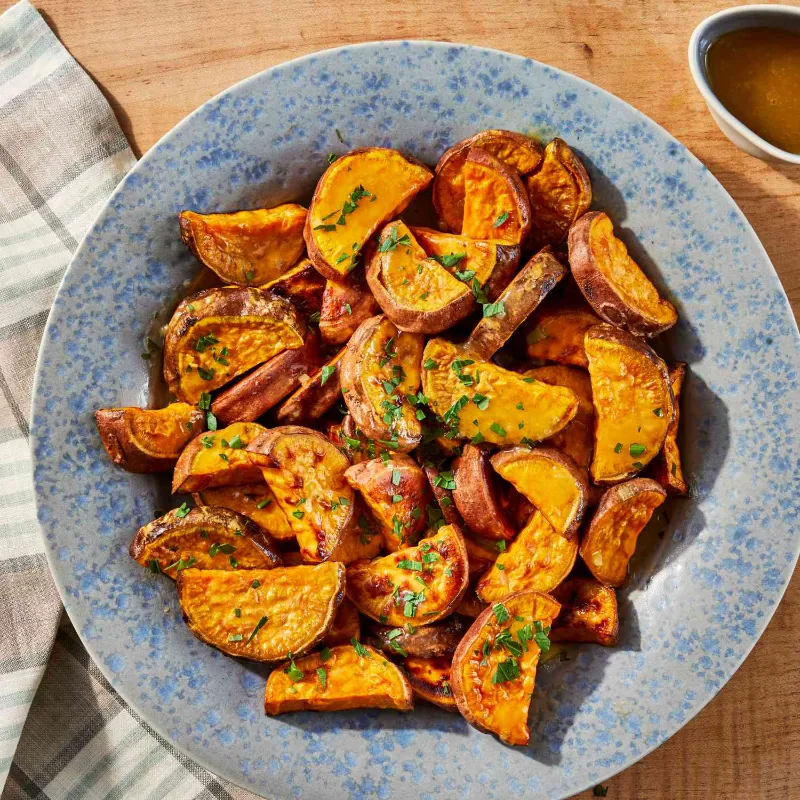
Sweet potatoes are an underrated magnesium and potassium powerhouse that most people aren’t eating often enough. A medium sweet potato delivers about 542 mg of potassium and a solid dose of magnesium, which helps relax blood vessel walls.
Magnesium deficiency has been linked in multiple studies to increased blood pressure. Getting more from food sources like sweet potatoes is a gentle, sustained way to support healthy levels without supplements.
Roast them with a drizzle of olive oil, mash them as a side dish, or cube them into grain bowls. The natural sweetness makes them incredibly satisfying without any added sugar.
18. Lentils
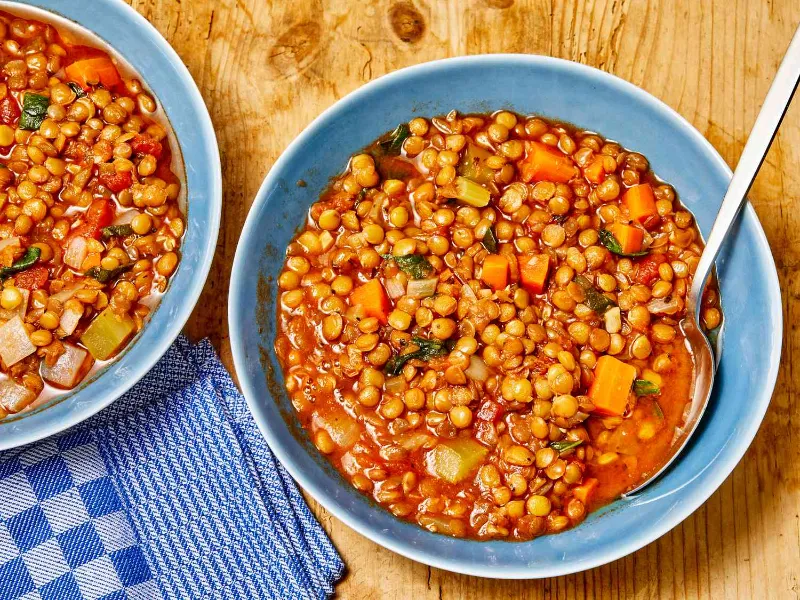
Lentils are one of the most nutrient-dense and affordable foods you can buy. They’re high in fiber, folate, magnesium, and potassium, making them a complete blood pressure-lowering package.
A Canadian study published in the Archives of Internal Medicine found that a diet rich in legumes like lentils significantly reduced blood pressure and cardiovascular risk. The fiber content also supports a healthy gut microbiome, which is increasingly linked to heart health.
Cook a big batch at the start of the week and add them to soups, salads, tacos, or eat them as a simple side. Red lentils cook the fastest and don’t need soaking.
19. Hibiscus Tea
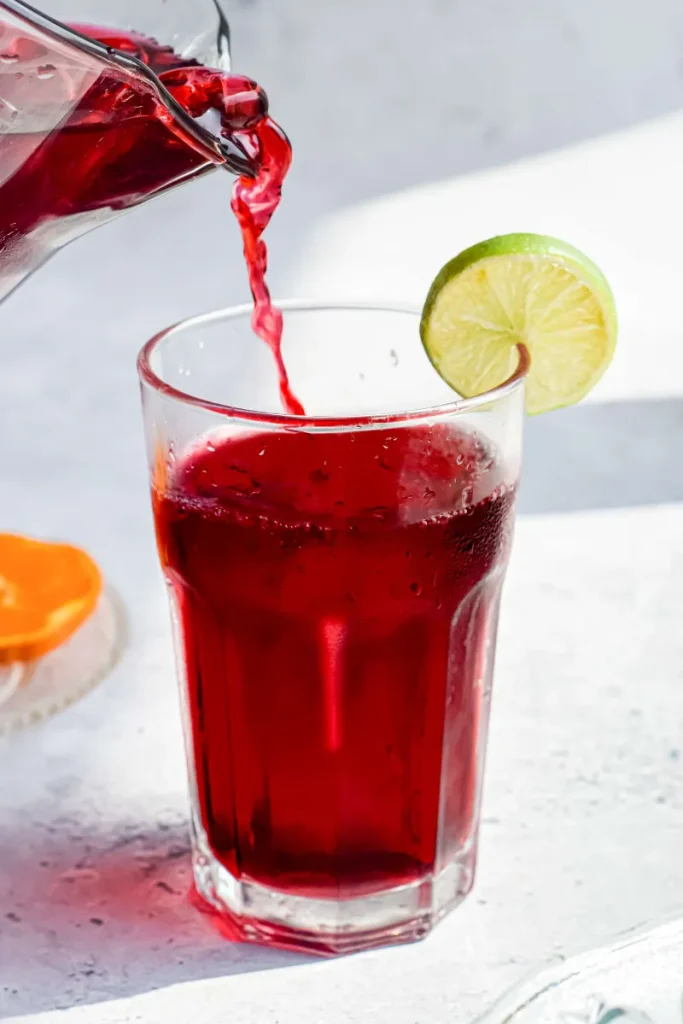
Hibiscus tea is bright, tart, and genuinely effective. Multiple studies have found that drinking three cups of hibiscus tea daily can reduce systolic blood pressure by 7 points or more in people with prehypertension or mild hypertension.
The anthocyanins and other phytocompounds in hibiscus act like mild natural ACE inhibitors. A clinical trial published in the Journal of Nutrition confirmed these effects in a controlled human study.
Brew it from dried hibiscus flowers (sold as jamaica in many Latin grocery stores), let it cool, and drink it iced throughout the day. It tastes a bit like cranberry and is naturally caffeine-free.
20. Greek Yogurt
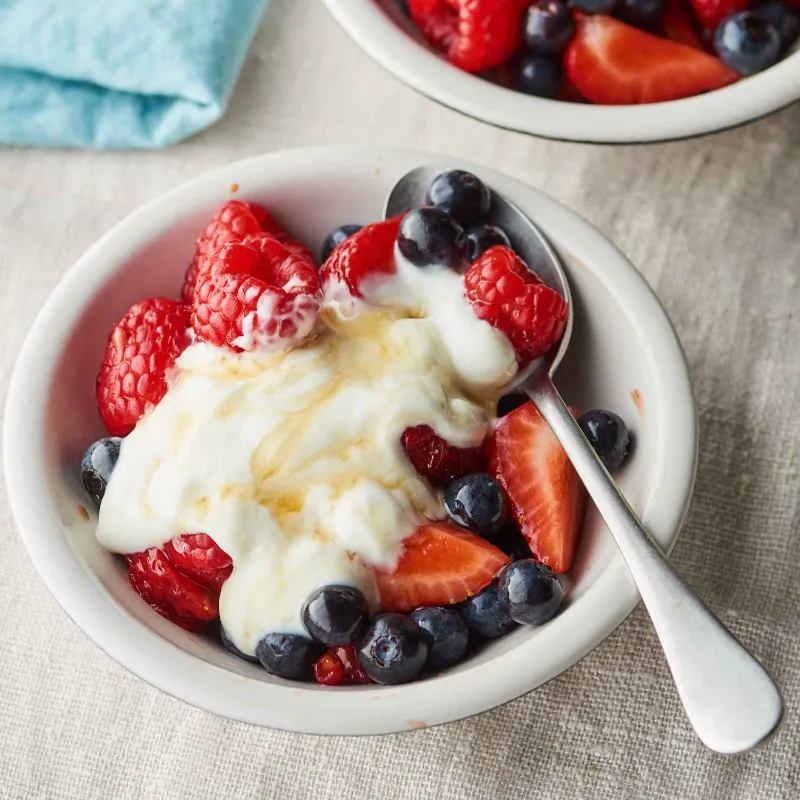
Plain Greek yogurt is a low-key excellent food for blood pressure. It’s one of the best dairy sources of calcium, which plays a direct role in regulating vascular smooth muscle contraction.
The DASH diet, which is the gold standard eating plan for managing blood pressure, specifically recommends two to three servings of low-fat dairy per day. Calcium and potassium together help offset the effects of sodium on your arterial pressure.
Choose plain, full-fat or low-fat Greek yogurt and add your own fruit and a drizzle of honey. The flavored varieties often have more added sugar than a candy bar, so check that label.
21. Sunflower Seeds
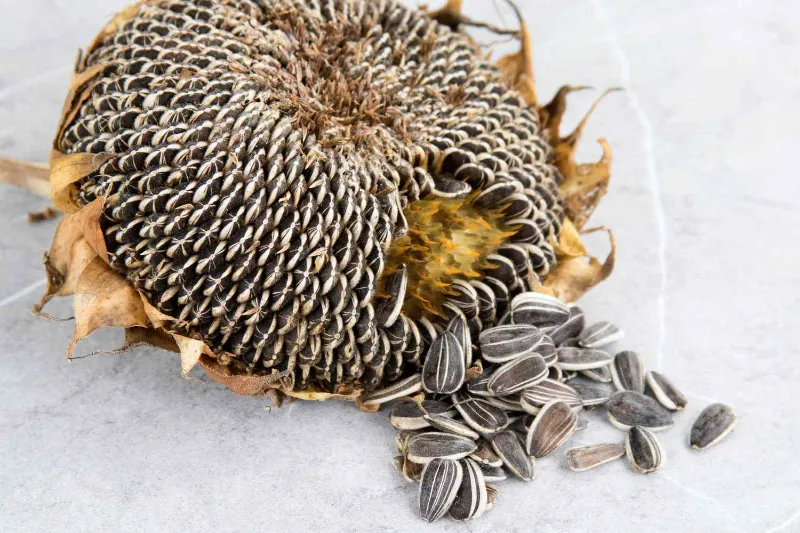
Sunflower seeds are often overlooked but they deliver an impressive amount of magnesium and vitamin E per small serving. Magnesium relaxes blood vessels and helps regulate sodium and potassium balance in your cells.
Research consistently shows that low magnesium intake is associated with higher blood pressure. Just one ounce of sunflower seeds provides about 9% of your daily magnesium needs alongside healthy fats and plant protein.
Keep a small container of unsalted sunflower seeds at your desk or in your bag for snacking. Sprinkle them on salads or mix them into homemade trail mix for an easy daily habit.
22. Chia Seeds
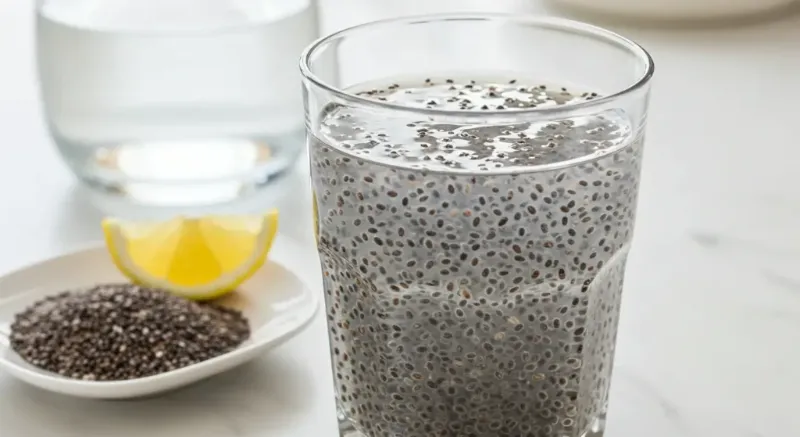
Chia seeds are packed with omega-3 fatty acids, potassium, magnesium, and fiber, all in one tiny package. They absorb water and form a gel that slows digestion, helping to stabilize blood sugar and reduce inflammation throughout your system.
A study published in the journal Nutrients found that chia seed supplementation reduced blood pressure and other cardiovascular risk markers in adults with type 2 diabetes. Their high ALA omega-3 content is a big part of why they help.
Stir two tablespoons into water or milk overnight to make chia pudding, or blend them into smoothies. They have almost no flavor on their own, making them very easy to incorporate daily.
23. Pumpkin Seeds
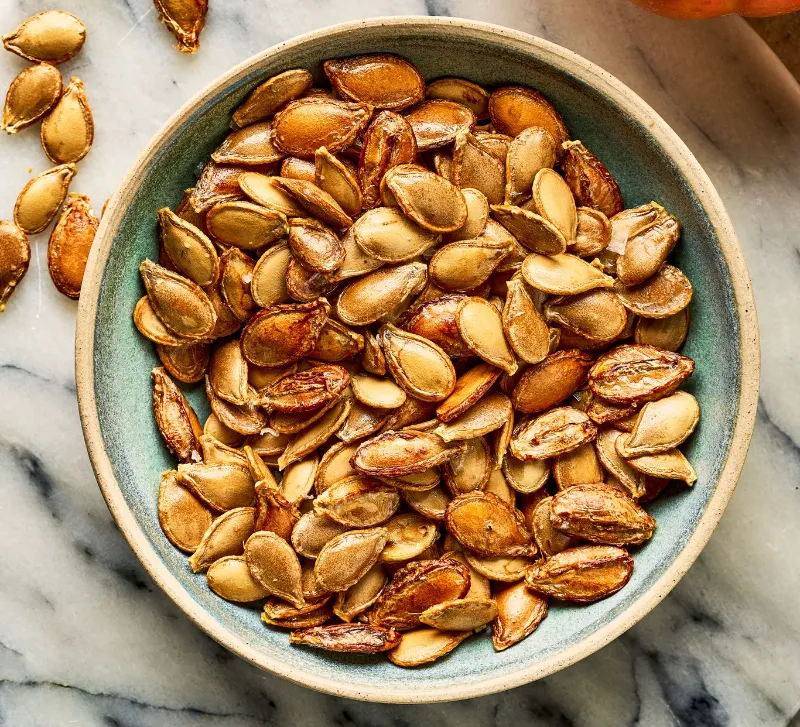
Pumpkin seeds, also called pepitas, are one of the richest plant sources of magnesium you can find. One ounce provides about 37% of your daily magnesium needs, which is remarkable for a snack food.
Beyond magnesium, pumpkin seeds contain arginine, the amino acid precursor to nitric oxide that relaxes and dilates blood vessels. They’re also a good source of zinc and antioxidants that reduce oxidative stress in your cardiovascular system.
Toast them lightly in a dry skillet and add sea salt sparingly, or eat them raw. Toss them on soups, salads, and grain bowls for a satisfying crunch that actually works for your heart.
24. Broccoli
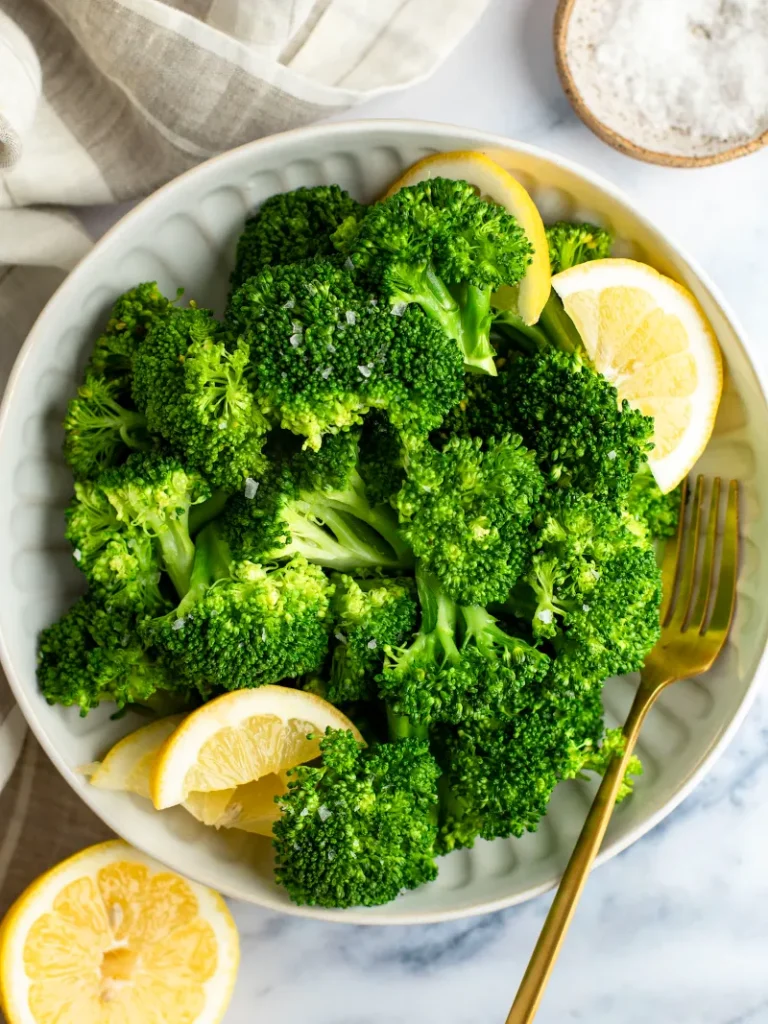
Broccoli is packed with sulforaphane, a sulfur compound that activates your body’s own antioxidant defenses and protects blood vessel walls from damage. It’s also a solid source of potassium, magnesium, calcium, and vitamin C.
A study in Hypertension Research found that dietary sulforaphane improved arterial function and reduced markers of vascular inflammation. Broccoli is also high in fiber, which supports gut health and the gut-heart axis.
Steam or lightly roast broccoli to preserve sulforaphane. Overcooking destroys it. Eating it with a bit of mustard or alongside other cruciferous vegetables enhances the sulforaphane activation process.
25. Tomatoes
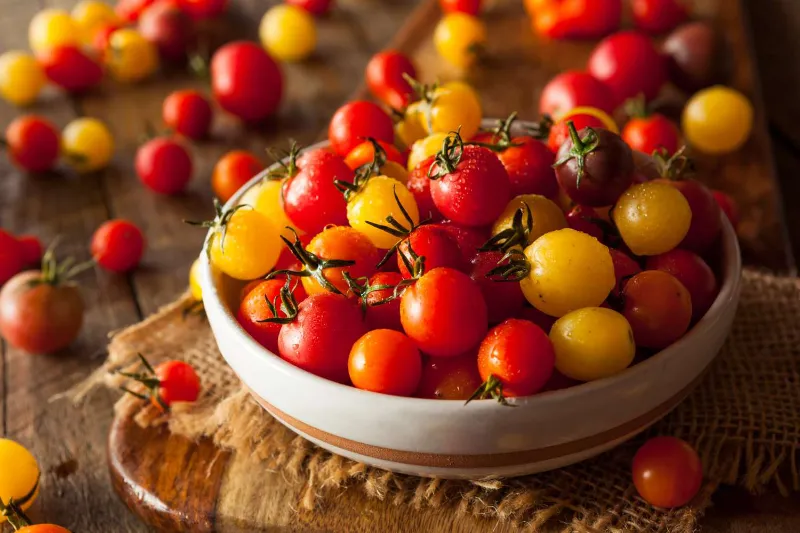
Tomatoes are rich in lycopene, a powerful antioxidant carotenoid that protects artery walls and reduces LDL cholesterol oxidation. They also contain potassium and vitamin C, both of which support healthy blood pressure.
Research published in Critical Reviews in Food Science and Nutrition found that lycopene supplementation significantly reduced systolic blood pressure. Interestingly, cooked tomatoes and tomato paste deliver more bioavailable lycopene than raw tomatoes.
Tomato sauce, paste, and canned diced tomatoes are your friends here. Make a big pot of tomato-based soup, cook eggs in marinara sauce shakshuka-style, or stir tomato paste into chili and stews.
26. Figs
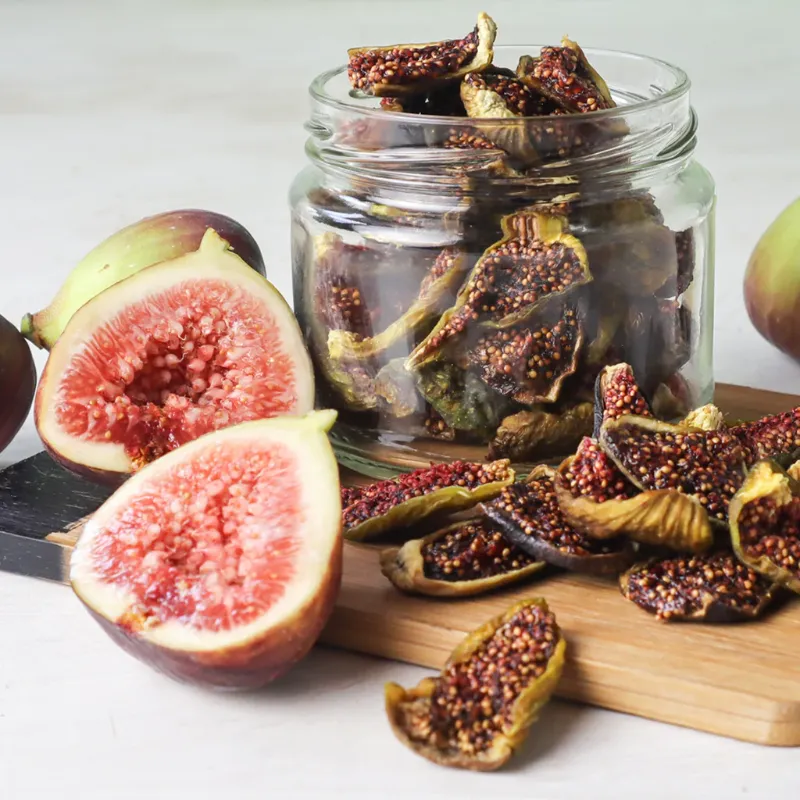
Figs are one of the most ancient foods on earth and one of the most underappreciated fruits today. They’re exceptionally rich in potassium and also provide calcium and magnesium, making them a solid triple threat for blood pressure support.
A single serving of dried figs (about three pieces) provides nearly 300 mg of potassium. They also contain chlorogenic acid, a phenolic compound associated with reduced blood pressure in observational studies.
Fresh figs are incredible when in season. Dried figs work year-round and make a great natural sweetener in oatmeal or paired with cheese and walnuts as a snack. Just keep portions in check since they are calorie-dense.
27. Edamame
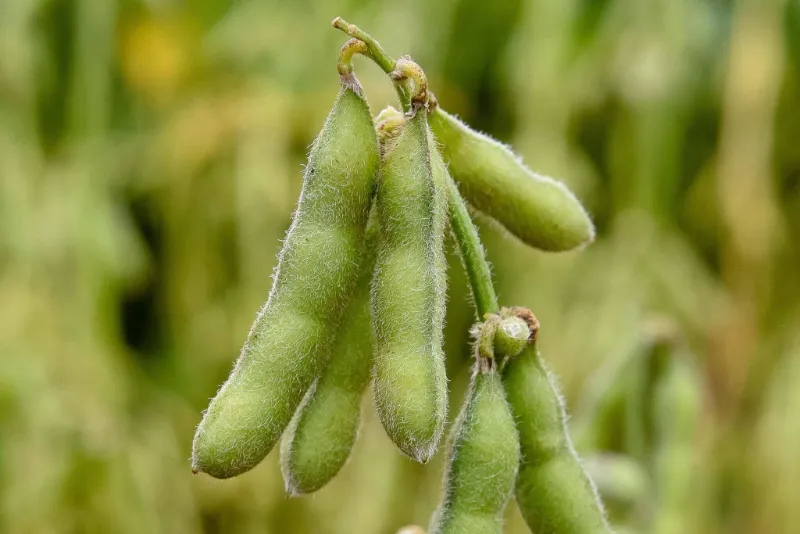
Edamame, or young soybeans, are one of the best plant-based sources of protein and come loaded with potassium, magnesium, and isoflavones. Soy isoflavones have been shown in research to improve arterial elasticity and reduce blood pressure.
A review in the Journal of Nutritional Biochemistry found that soy protein intake was associated with modest but consistent reductions in both systolic and diastolic blood pressure across multiple trials.
Lightly salted edamame is a satisfying snack that feels indulgent but is genuinely nutritious. Buy them frozen and microwave a cup as an afternoon snack or add shelled edamame to grain bowls and stir-fries.
28. Beet Greens
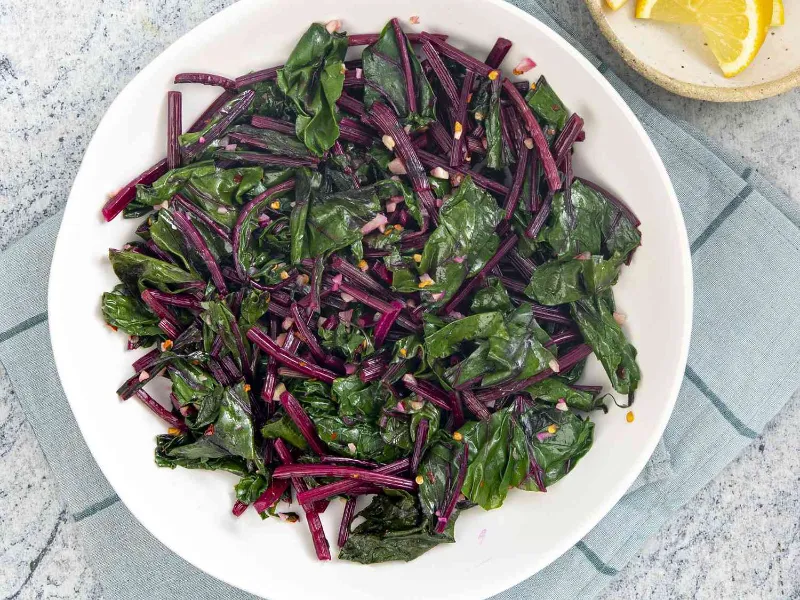
Most people throw away the most nutritious part of the beet. The leafy green tops are actually far richer in potassium, magnesium, calcium, and nitrates than the beet root itself.
One cup of cooked beet greens provides over 1,300 mg of potassium, which is almost three times what you get from a banana. That level of potassium intake is associated with significantly lower systolic blood pressure.
Sauté beet greens the same way you would spinach or Swiss chard, with a little olive oil and garlic. If you buy whole beets with tops at the farmers market, you’re basically getting two superfoods for the price of one.
29. White Beans
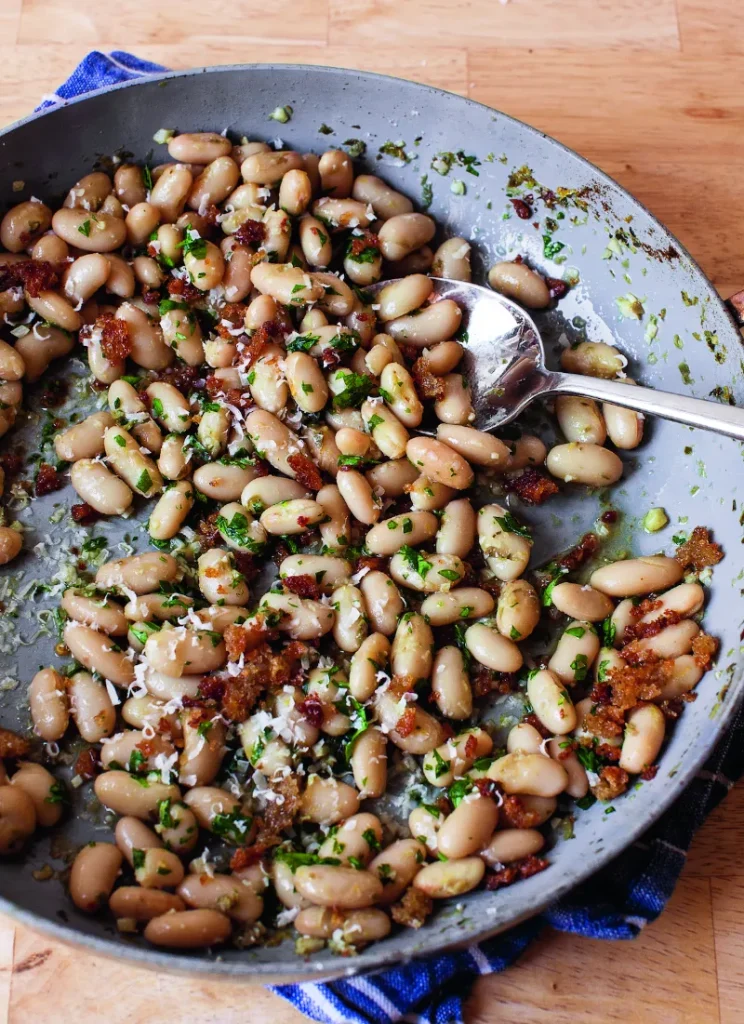
White beans like cannellini or navy beans are a quiet superhero in the legume world. One cup of cooked white beans delivers over 1,000 mg of potassium, plus plenty of magnesium and fiber.
Their high fiber content feeds beneficial gut bacteria that produce short-chain fatty acids, which research increasingly shows have a positive impact on blood pressure regulation. The DASH diet specifically endorses beans and legumes as core foods.
Mash white beans onto toast as a savory spread, add them to soups and stews, or blend them into a creamy dip with lemon and garlic. Canned beans are totally fine, just rinse them to reduce sodium.
30. Kefir
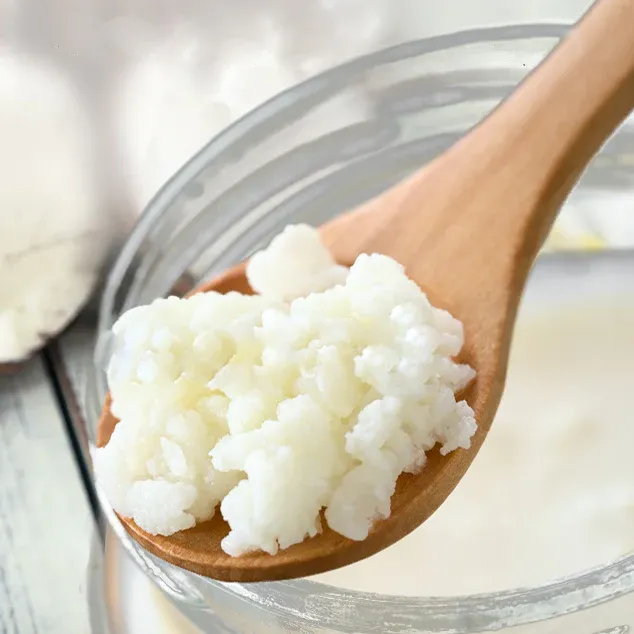
Kefir is a fermented milk drink that contains a broad spectrum of beneficial bacteria and bioactive peptides produced during fermentation. Some of these peptides act as natural ACE inhibitors, the same mechanism as a class of blood pressure medications.
Research in the British Journal of Nutrition found that probiotic fermented dairy products like kefir were associated with lower blood pressure. The diversity of the gut microbiome is increasingly recognized as a key player in cardiovascular health.
Plain kefir can be drunk straight, used as a base for smoothies, or used as a tangy substitute for buttermilk in baking. Start with a small amount daily to let your gut adjust, then work up to a full cup.
31. Sardines
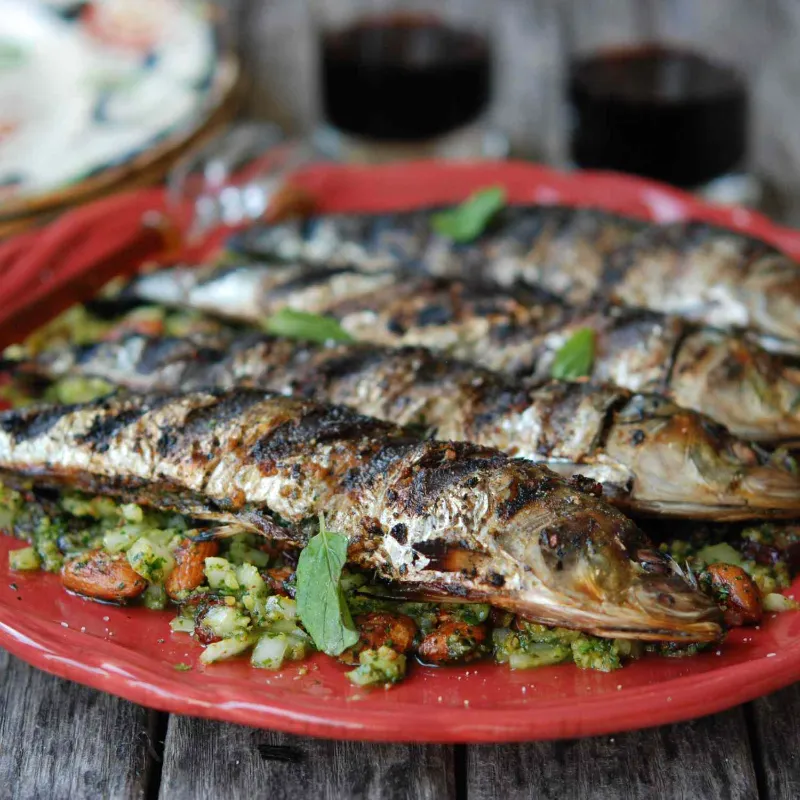
Sardines are one of the most sustainably sourced, nutrient-dense, and affordable fish you can eat. They are exceptionally high in omega-3 fatty acids, calcium, vitamin D, and selenium, all of which support cardiovascular health.
Because you eat the small bones, sardines are an incredible calcium source, which supports vascular muscle function. Their omega-3 content rivals salmon, and research consistently links regular fatty fish consumption with lower blood pressure.
Canned sardines in olive oil or water are shelf-stable and easy to keep on hand. Try them on whole-grain crackers with mustard and sliced cucumber, or mash them into a quick pasta sauce.
32. Arugula
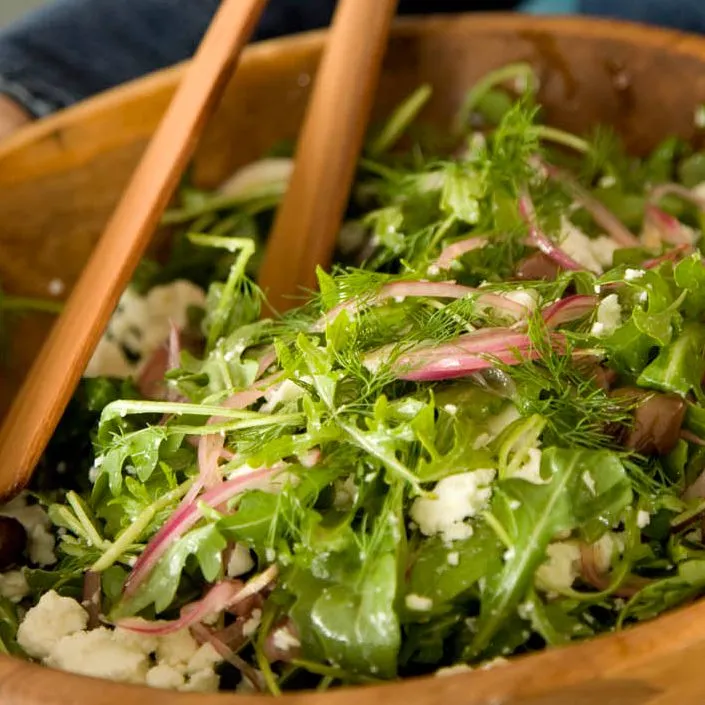
Arugula is a peppery leafy green that most people only use as a fancy pizza topping, but it deserves a starring role in your diet. It’s one of the highest dietary nitrate vegetables you can eat, even higher than spinach in some analyses.
Dietary nitrates convert to nitric oxide in your body, which signals your blood vessels to relax. Studies have consistently shown that regular nitrate-rich vegetable intake is associated with meaningfully lower blood pressure over time.
Use arugula as the base for salads instead of iceberg lettuce, pile it on sandwiches, or wilt it quickly into pasta. Its bold flavor pairs beautifully with lemon, parmesan, and nuts.
33. Carrots
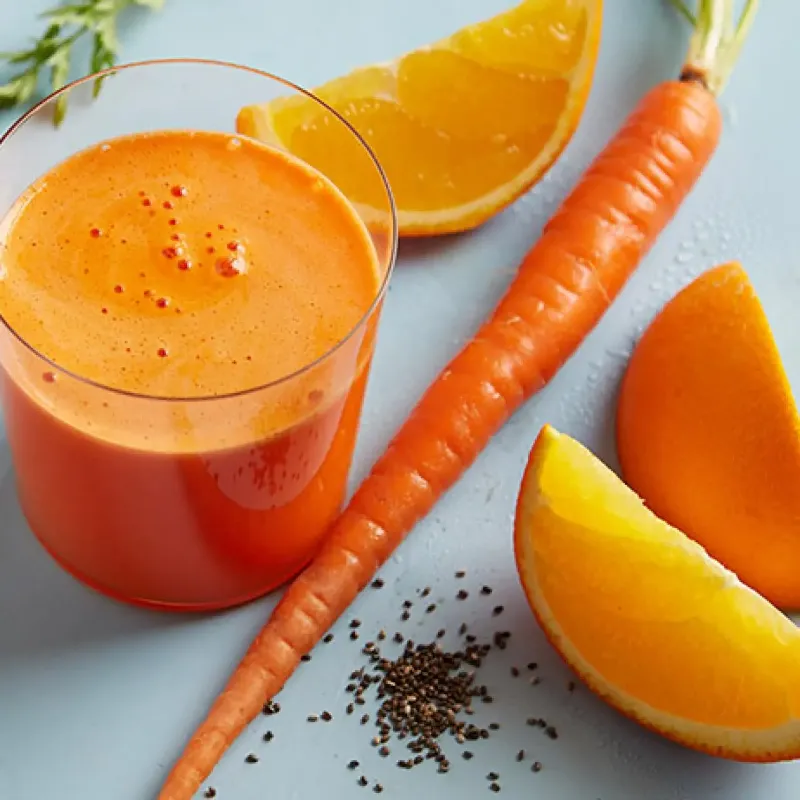
Carrots are a reliable everyday vegetable that contains a compound called chlorogenic acid alongside potassium and beta-carotene. Chlorogenic acid specifically has been linked to blood vessel relaxation in research settings.
A review published in the journal Nutrients found that higher carrot intake was associated with lower blood pressure and reduced cardiovascular risk. The potassium and fiber combo is also beneficial for kidney function, which plays a major role in regulating blood pressure.
Raw carrots with hummus is one of the easiest blood pressure-friendly snacks around. Roasted carrots caramelize beautifully and become naturally sweet without any added sugar.
34. Turmeric
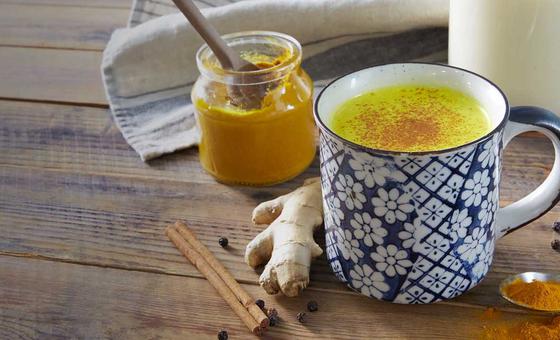
Turmeric’s active compound, curcumin, is one of the most studied natural anti-inflammatories on earth. Chronic low-grade inflammation is a driver of arterial stiffness and high blood pressure, and curcumin directly targets those inflammatory pathways.
A meta-analysis published in Nutrition Journal found that curcumin supplementation reduced blood pressure, particularly in people with metabolic conditions. Its bioavailability improves dramatically when paired with black pepper, which contains piperine.
Add turmeric to scrambled eggs, soups, rice dishes, and golden milk lattes. Always include a pinch of black pepper alongside it to make the curcumin absorbable. Fresh turmeric root is more potent than powder if you can find it.
35. Walnuts
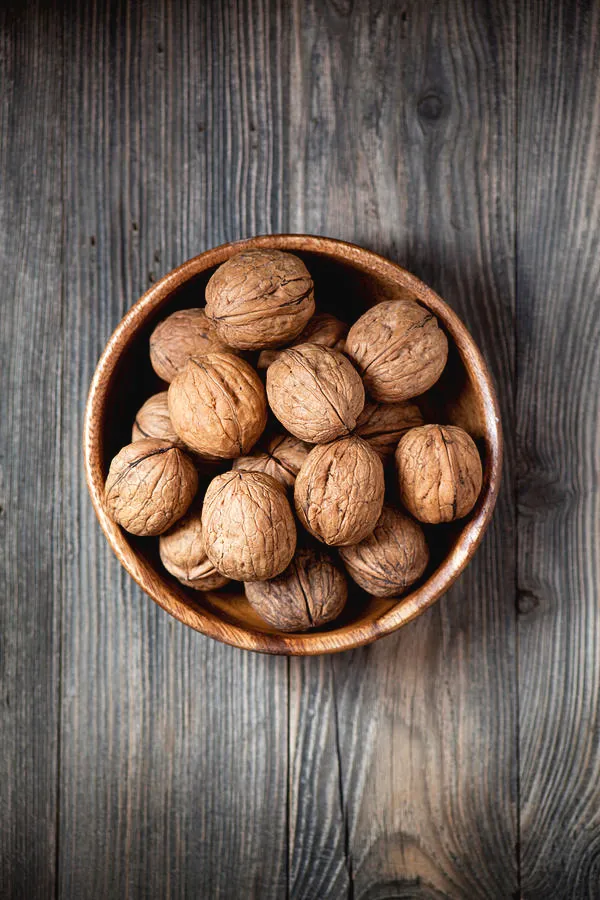
Walnuts are the omega-3 champions of the nut world. They are the only tree nut with a significant amount of ALA omega-3 fatty acids, and they also provide magnesium, arginine, and polyphenols that benefit vascular health.
A study published in the Journal of the American Heart Association found that replacing a portion of your daily saturated fat intake with walnuts reduced central diastolic blood pressure and vascular resistance. Even small amounts made a difference.
A small handful of walnuts, about 7 whole walnuts, is a satisfying daily snack. Add them to oatmeal, salads, grain bowls, or eat them with a piece of fruit as an afternoon pick-me-up.
36. Fermented Foods (Kimchi and Sauerkraut)
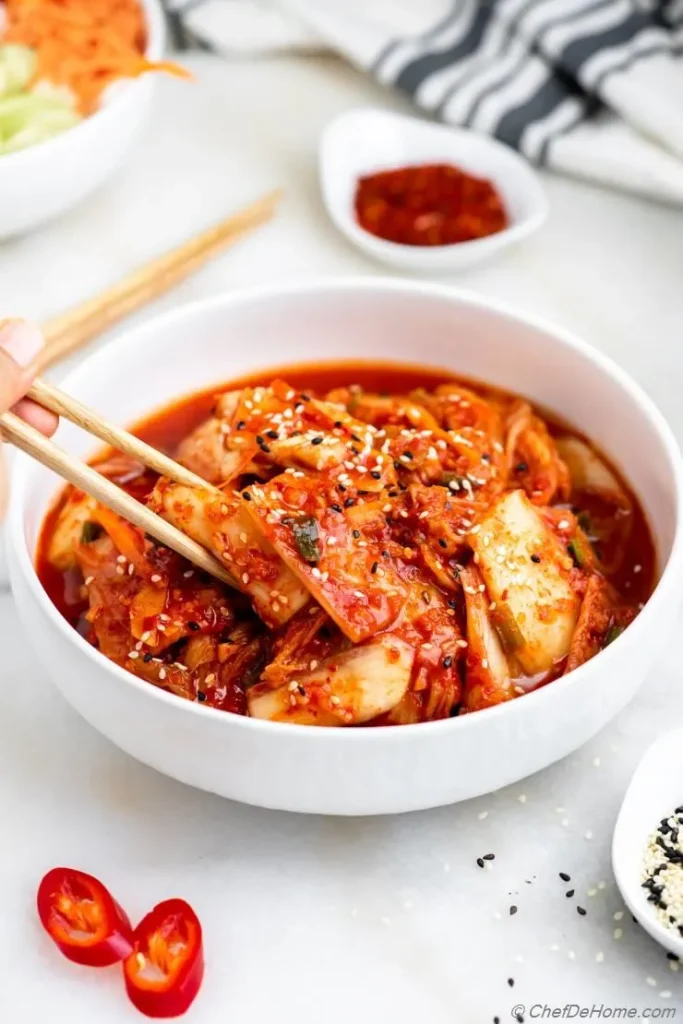
Kimchi and sauerkraut are fermented vegetables loaded with beneficial bacteria that support a diverse gut microbiome. The gut-heart connection is a fast-growing area of research, with evidence showing that a healthier microbiome correlates with better blood pressure regulation.
A study published in Nutrients found that kimchi consumption was associated with reduced blood pressure in Korean adults. The fermentation process also creates bioactive peptides and increases the bioavailability of nutrients in the vegetables themselves.
Add a small scoop of kimchi alongside eggs or rice, or use sauerkraut as a topping on sandwiches and grain bowls. Look for refrigerated versions rather than shelf-stable ones, since live cultures are what you are after.
Final Thoughts
Managing blood pressure through food is one of the most empowering things you can do for your health. You do not have to overhaul your entire diet overnight. Start by adding two or three of these foods this week and build from there.
Small, consistent changes add up to something meaningful over time. Your heart will thank you.
