
35 Backed by Experts High Fiber Foods For Kids That Actually Work

Getting enough fiber into your kid’s diet can feel like a daily battle. But here’s the good news: fiber-rich foods don’t have to be boring, bland, or met with a dramatic eye roll at the dinner table.
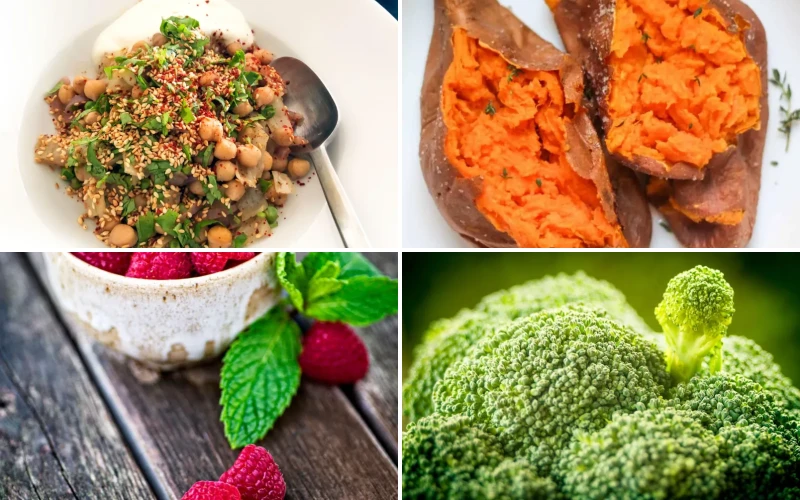
In this article, you’ll discover 35 expert-backed, kid-friendly high-fiber foods that are easy to work into meals and snacks your children will actually enjoy. Let’s make healthy eating feel a whole lot less stressful.
1. Avocado
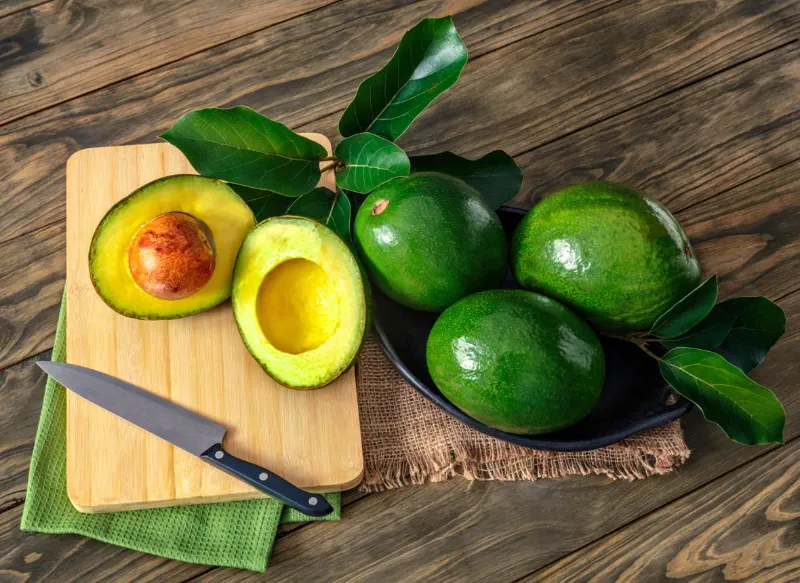
Avocado is one of the most fiber-rich fruits you can put on your child’s plate, packing about 5 grams of fiber per half. It also delivers heart-healthy monounsaturated fats that support brain development in growing kids.
The creamy texture makes it surprisingly kid-friendly, especially for younger children. You don’t need a fancy recipe to get them eating it.
Try spreading mashed avocado on whole grain toast, blending it into a smoothie, or letting kids dip veggies right into a simple guacamole. When food is fun, kids are way more likely to eat it.
2. Black Beans
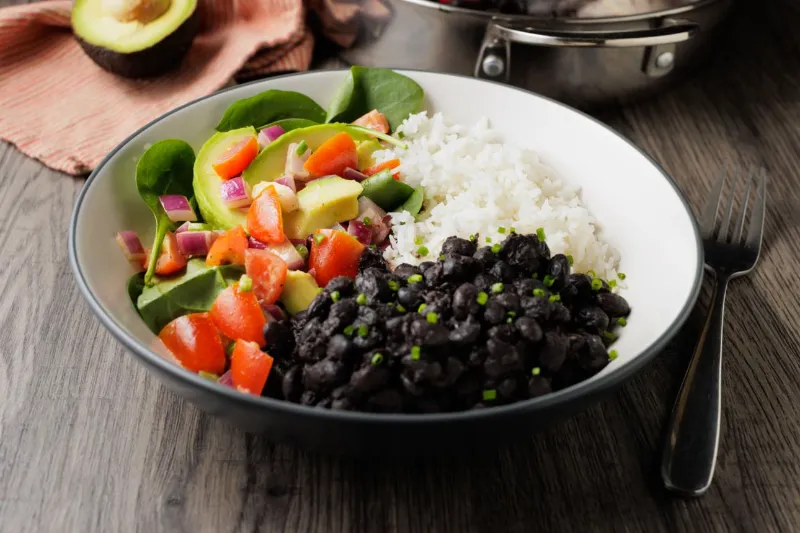
Black beans are a powerhouse when it comes to fiber, offering around 7.5 grams per half-cup serving. They’re also packed with plant-based protein, which keeps kids fuller for longer and helps stabilize energy throughout the school day.
Research published in the Journal of the American College of Nutrition links regular legume consumption in children to better weight management and improved gut health. That’s a serious nutritional win hiding in a tiny bean.
Stir them into tacos, mix them into rice, or blend them into a smooth black bean dip. Most kids won’t even notice they’re eating something so good for them.
3. Lentils
Lentils cook up quickly, taste mild enough for picky eaters, and deliver about 8 grams of fiber per cooked cup. They’re also loaded with iron and folate, two nutrients kids need for healthy growth and cognitive development.
The fiber in lentils is a mix of both soluble and insoluble types, which means they support healthy digestion while also helping kids feel satisfied after meals. That’s a combo that works hard for growing bodies.
Add lentils to soups, toss them into pasta sauce, or make lentil patties that taste a lot like a veggie burger. Served with a dipping sauce, even the fussiest eaters tend to come around.
4. Chickpeas
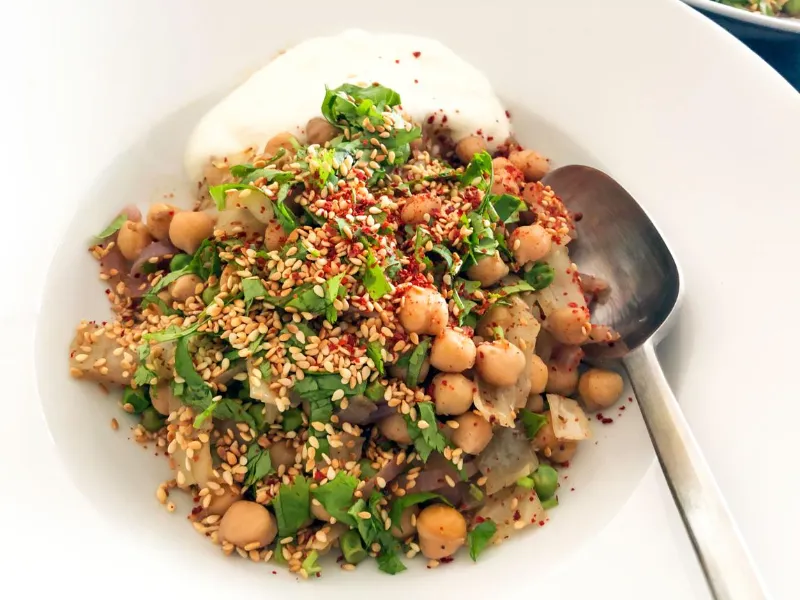
Chickpeas, also called garbanzo beans, offer about 6 grams of fiber per half cup. They’re rich in manganese and B vitamins too, supporting everything from bone development to mood regulation in kids.
The satisfying, slightly nutty flavor of chickpeas is easy to dress up in different ways. You can go savory or sweet depending on what your child loves, which makes them incredibly versatile.
Roast them with a little olive oil and seasoning for a crunchy snack, blend them into hummus for veggie dipping, or toss them into a mild curry. One ingredient, endless possibilities.
5. Split Peas
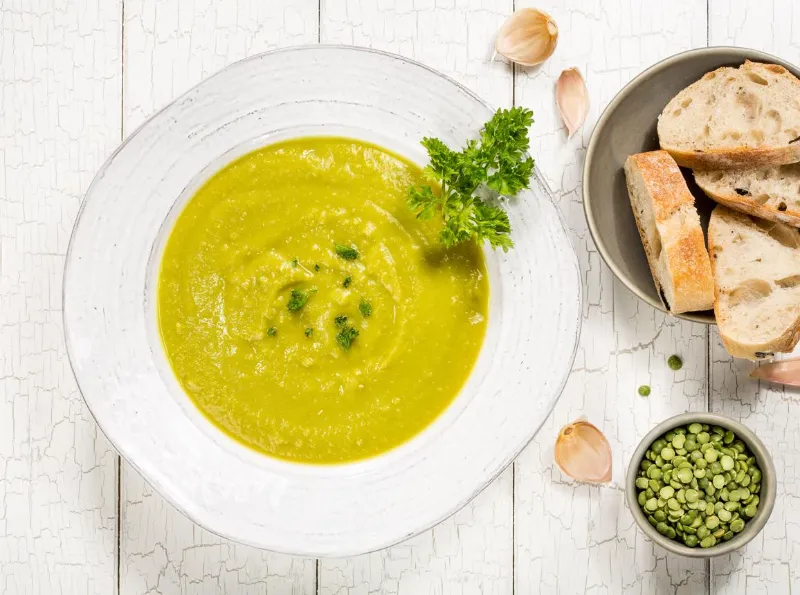
Split peas are one of the most underrated high-fiber foods out there, packing about 8 grams of fiber per cooked cup. They’re particularly high in soluble fiber, which helps slow digestion and keeps blood sugar levels steady, perfect for avoiding mid-afternoon energy crashes.
Split pea soup has been a childhood staple for generations for a good reason. It’s warm, filling, and has a naturally mild flavor that doesn’t overwhelm young taste buds.
Make a simple split pea soup with carrots and a little seasoning, or blend cooked split peas into a creamy spread for sandwiches. Kids tend to love the smooth, hearty texture.
6. Edamame
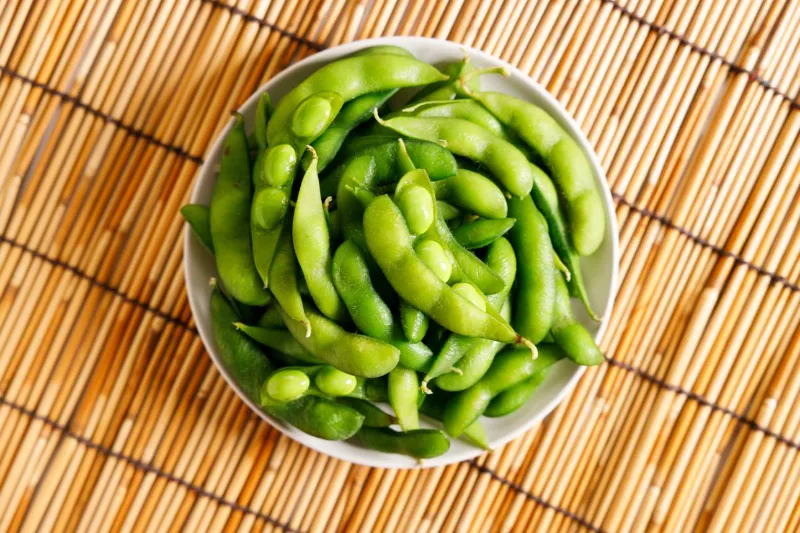
Edamame, which are young soybeans still in their pods, offer around 4 grams of fiber per half cup. They’re also one of the few plant foods that provide complete protein, meaning they contain all nine essential amino acids your child’s body needs.
Popping edamame out of their pods is genuinely fun for kids. That little interactive element can make all the difference when you’re trying to introduce a new food.
Serve lightly salted edamame as a snack, toss shelled beans into fried rice, or mix them into pasta dishes. They’re quick to prepare and easy to keep on hand from the frozen section.
7. Green Peas
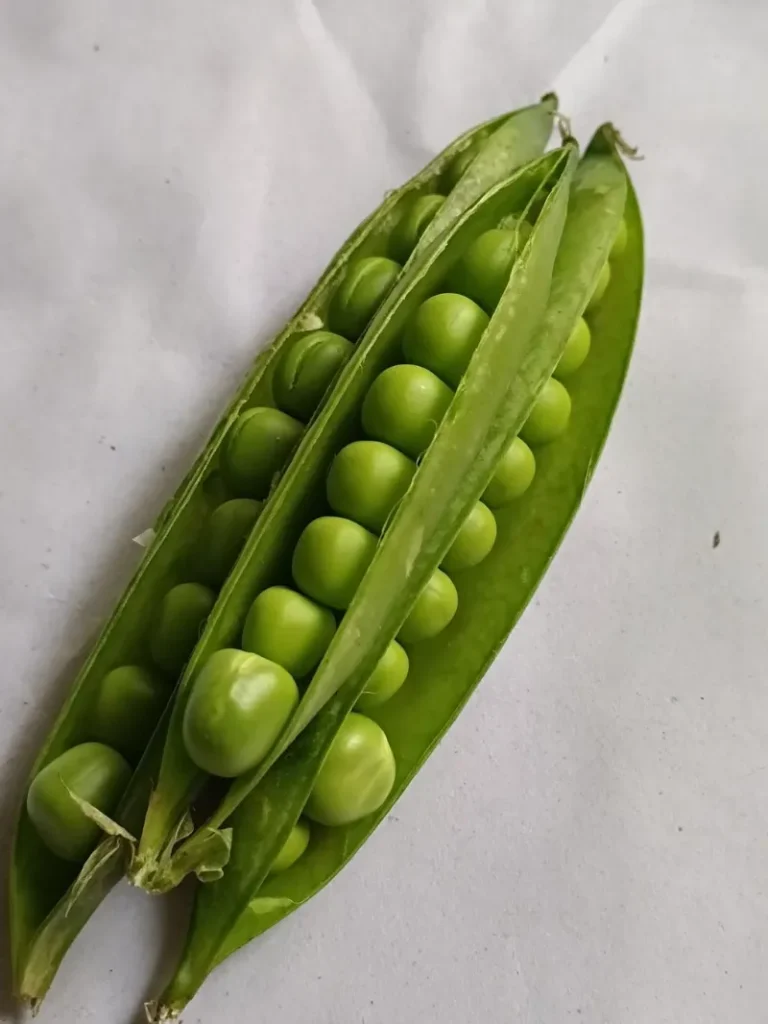
A cup of green peas delivers about 7 grams of fiber along with vitamins A, C, and K. They’re one of the few vegetables kids often actually like without much persuasion, which makes them a total gift for parents trying to eat healthier.
The natural sweetness of green peas helps them blend into all kinds of dishes without standing out in an off-putting way. Even picky eaters can usually tolerate peas mixed into something familiar.
Add them to mac and cheese, stir them into casseroles, blend them into a vibrant green pasta sauce, or just serve them as a simple side dish. Frozen peas are just as nutritious as fresh and take about two minutes to prepare.
8. Broccoli
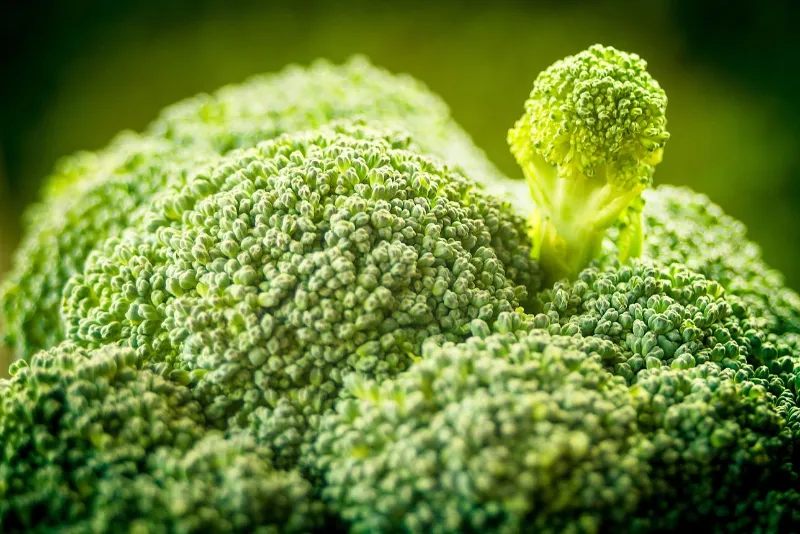
Broccoli gives kids around 5 grams of fiber per cooked cup along with a hefty dose of vitamin C and calcium. Studies show that the sulforaphane in broccoli may also support immune function, giving your child’s body an extra layer of protection.
The key to getting kids to eat broccoli is often all in the preparation and presentation. Raw broccoli with dip, roasted broccoli with a little seasoning, or tiny florets hidden in a cheesy pasta are all proven winners.
Try calling them “little trees” for younger kids, because somehow that works surprisingly often. Pair with a favorite dipping sauce and you’ve turned a nutrition hero into a snack kids actually request.
9. Brussels Sprouts
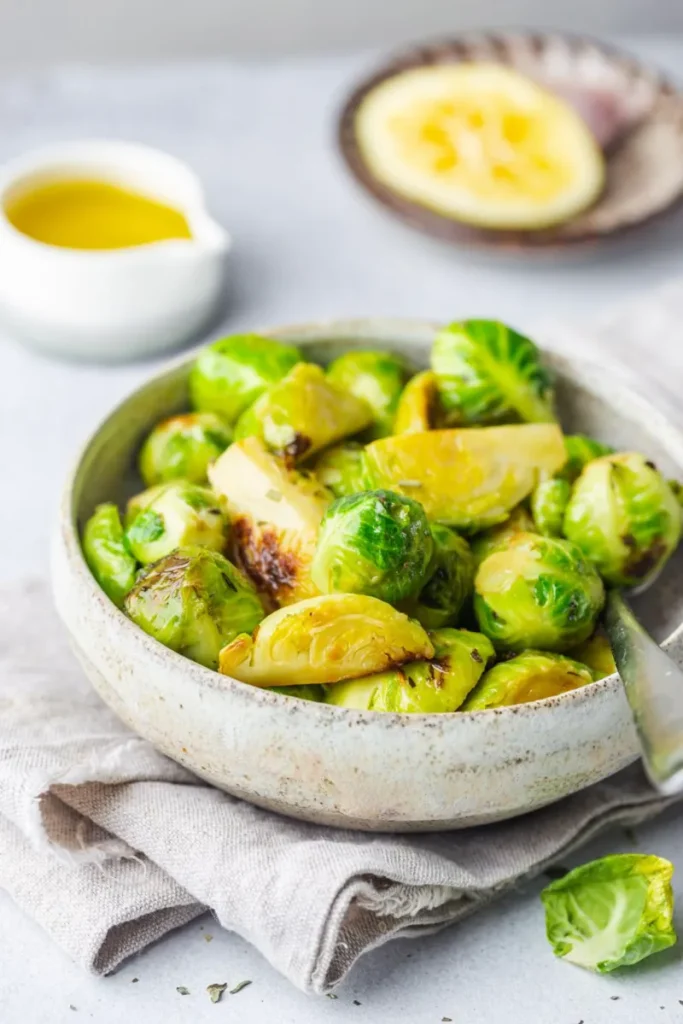
Brussels sprouts contain about 4 grams of fiber per cup and are a rich source of vitamin K and antioxidants that support long-term health. They used to have a bad reputation, but that was mostly because of how they were cooked.
Roasting Brussels sprouts at high heat completely transforms their flavor, bringing out a nutty sweetness that’s nothing like the mushy, bitter versions that gave them a bad name. The crispy outer leaves become almost chip-like, which kids tend to love.
Halve them, toss with olive oil, and roast at 400 degrees until golden and crispy. A light sprinkle of parmesan cheese on top seals the deal for most young eaters.
10. Carrots
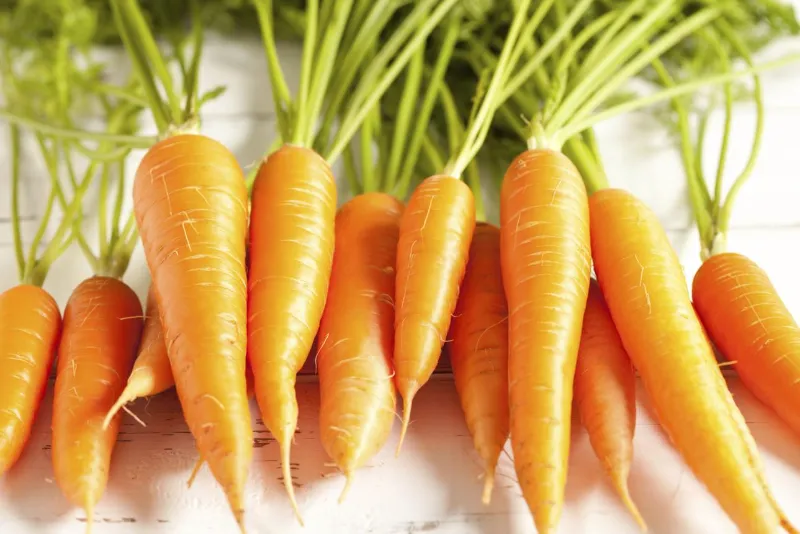
Carrots offer about 3.5 grams of fiber per cup along with a significant dose of beta-carotene, which converts to vitamin A in the body and supports eye health and immune function. They’re crunchy, naturally sweet, and incredibly portable.
Raw carrots are one of the most popular vegetables among kids, largely because of that satisfying crunch. Baby carrots especially feel snack-sized and easy to eat on the go.
Serve them with hummus, peanut butter, or ranch dip as an after-school snack. Roasted carrots with a drizzle of honey are a great way to make them even sweeter if your child needs more convincing.
11. Sweet Potato

One medium sweet potato delivers about 4 grams of fiber and a remarkable amount of beta-carotene, potassium, and vitamin C. Their natural sweetness makes them one of the easiest vegetables to get kids to enjoy.
Sweet potatoes are also a source of slow-digesting carbohydrates, meaning they give kids steady energy without the sugar spike and crash that follows many processed snacks. That sustained energy is great for school days.
Bake and mash them with a little butter and cinnamon, cut into fries and roast until crispy, or blend into a creamy soup. Sweet potato pancakes are another sneaky and delicious way to get this veggie in at breakfast.
12. Corn
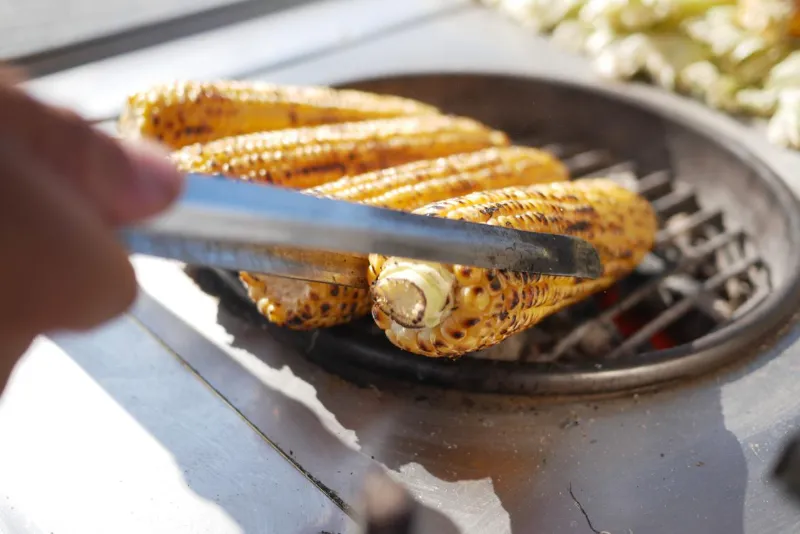
Corn provides about 3.5 grams of fiber per cup and is also a good source of B vitamins and the antioxidants lutein and zeaxanthin, which support healthy vision. It’s one of the most universally loved foods among kids, which makes your job a lot easier.
Fresh, frozen, or canned corn all retain good nutritional value, so you don’t have to stress about which form you’re using. The key is just getting it onto the plate regularly.
Toss corn into tacos, stir it into soups and chowders, or serve it simply on the cob with a light spread of butter. Corn is one of those ingredients that fits naturally into meals your kids already love.
13. Artichoke
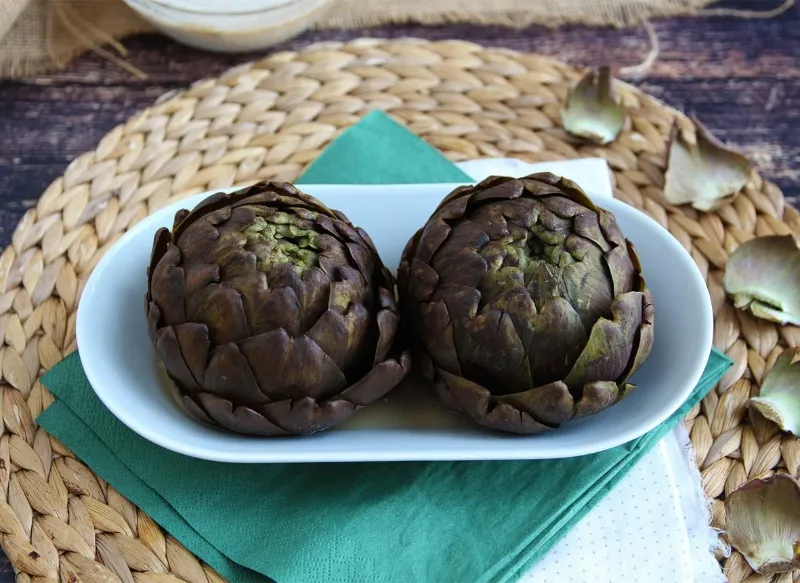
Artichokes are one of the highest-fiber vegetables around, with a medium artichoke containing about 7 grams. They’re also rich in the prebiotic fiber inulin, which specifically feeds beneficial gut bacteria and supports healthy digestion.
Introducing artichokes to kids can feel intimidating, but the dipping experience makes it feel like a fun food activity. Pulling off leaves and scraping them through a sauce turns eating into something interactive and enjoyable.
Steam or boil artichokes and serve with a melted butter or mayo dipping sauce. The heart, which is the meaty center once you remove the leaves, is especially delicious and tender.
14. Spinach
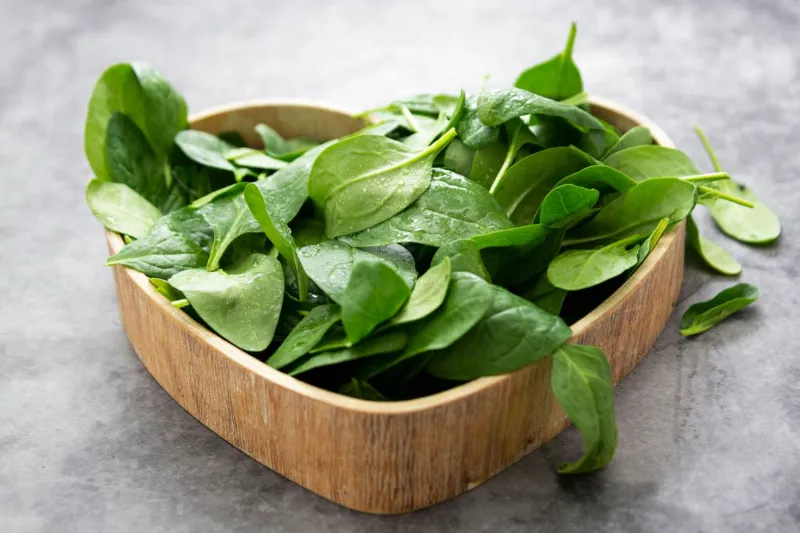
Cooked spinach delivers about 4 grams of fiber per cup along with iron, calcium, and magnesium. Raw spinach in salads or smoothies is also a great option, though the fiber content is slightly lower by volume since it compresses so much when cooked.
The mildness of spinach is actually your secret weapon because it blends into things without changing the flavor much at all. Smoothies, pasta sauces, scrambled eggs, and even brownies can all quietly contain spinach.
Add a big handful to a fruit smoothie and it becomes almost undetectable. Mix into pasta sauce or blend into a green mac and cheese, and you’ve created a meal kids will eat without suspecting a thing.
15. Kale
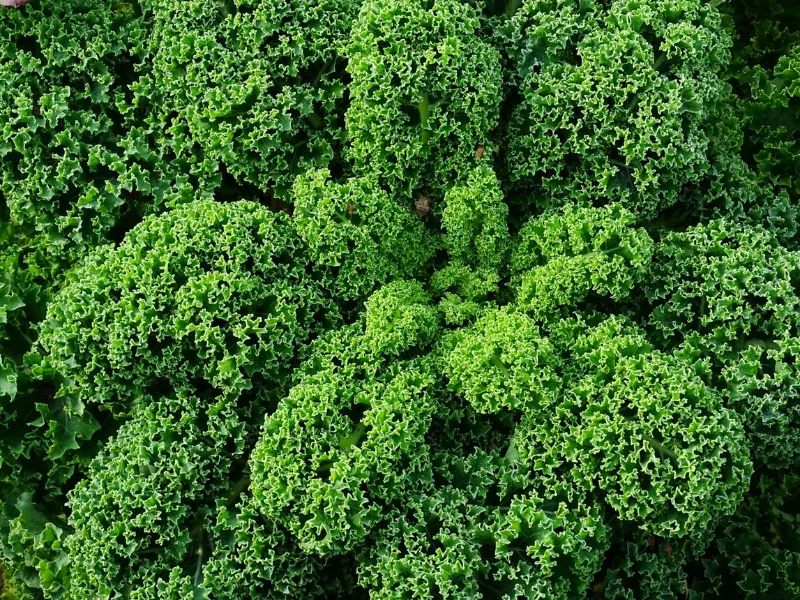
Kale offers about 2.6 grams of fiber per cup raw and is one of the most nutrient-dense foods on the planet. It’s loaded with vitamins A, C, and K as well as calcium, making it a true nutritional workhorse for growing children.
The key with kale is preparation. Raw kale can be tough and slightly bitter, but massaging it with a little oil softens the texture and mellows the flavor significantly.
Bake kale chips at a low temperature for a crunchy snack kids genuinely enjoy, blend it into smoothies, or stir it into soups where it wilts and becomes tender. Starting with smaller amounts and building up is a smart strategy for new eaters.
16. Apples
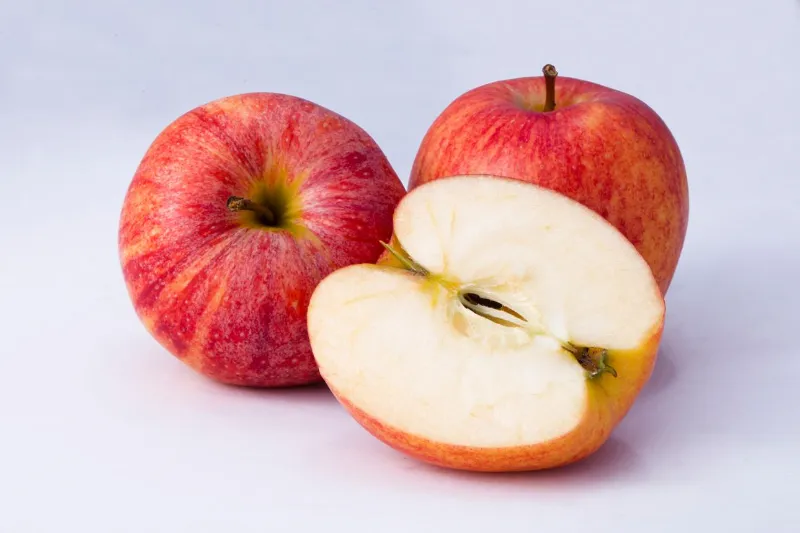
An apple with the skin on provides about 4.5 grams of fiber, thanks mostly to pectin, a type of soluble fiber found in the flesh and skin. Pectin has been shown to feed healthy gut bacteria and may help reduce levels of harmful cholesterol over time.
Apples are one of the most naturally kid-friendly foods in existence. They’re portable, sweet, satisfying, and available year-round in a wide range of varieties to suit different taste preferences.
Serve sliced apples with almond butter or peanut butter for a fiber-protein combo that keeps kids full. Baked cinnamon apples make a naturally sweet dessert that feels indulgent but is genuinely good for them.
17. Pears
Pears are another pectin-rich fruit, offering about 5.5 grams of fiber per medium pear with the skin on. They’re also particularly high in copper and vitamin C, which support immune health and iron absorption.
The gentle sweetness and soft texture of ripe pears make them an easy sell for most kids. Unlike some fruits that require perfectly timed ripeness, pears are forgiving and widely available.
Slice them fresh, pair with cheese for an afternoon snack, or blend into a smoothie for a naturally sweet base. Baked pears with a little honey and cinnamon taste like dessert and take about 20 minutes to make.
18. Raspberries
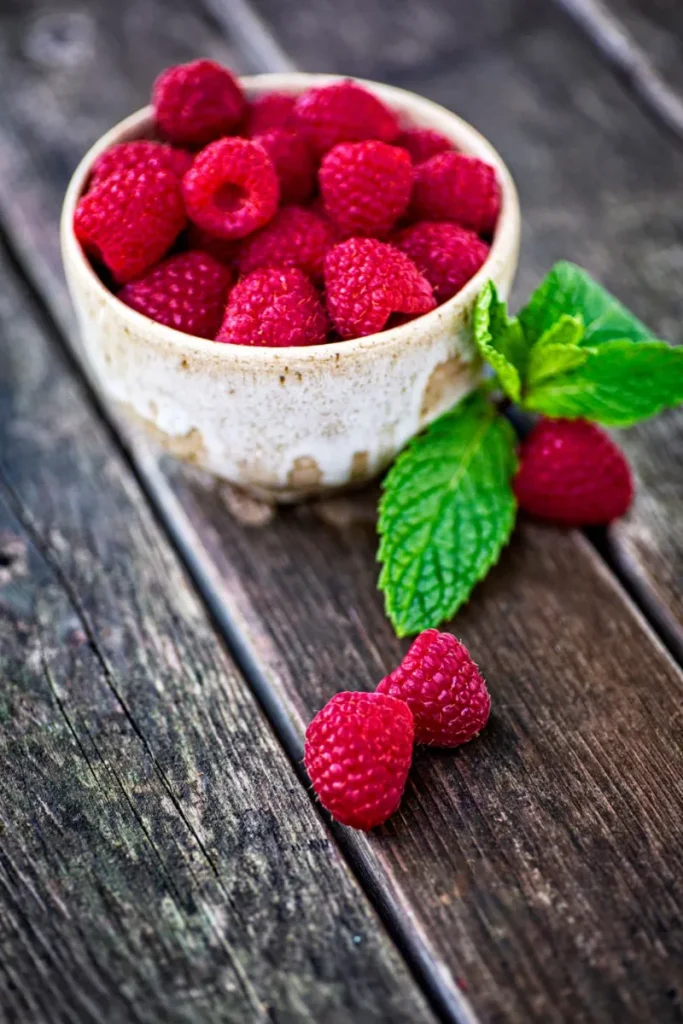
Raspberries are genuinely one of the highest-fiber fruits you can find, packing about 8 grams of fiber per cup. They’re also bursting with vitamin C and powerful antioxidants called anthocyanins, which help protect cells from damage.
Their bright color, sweet-tart flavor, and tiny size make them irresistible to most kids. They also freeze beautifully, so you can keep a bag on hand year-round without worrying about them going bad.
Sprinkle fresh raspberries on yogurt or oatmeal, blend into smoothies, or serve them as a simple side with breakfast. Even kids who claim they don’t like fruit will usually reach for a handful of raspberries.
19. Strawberries
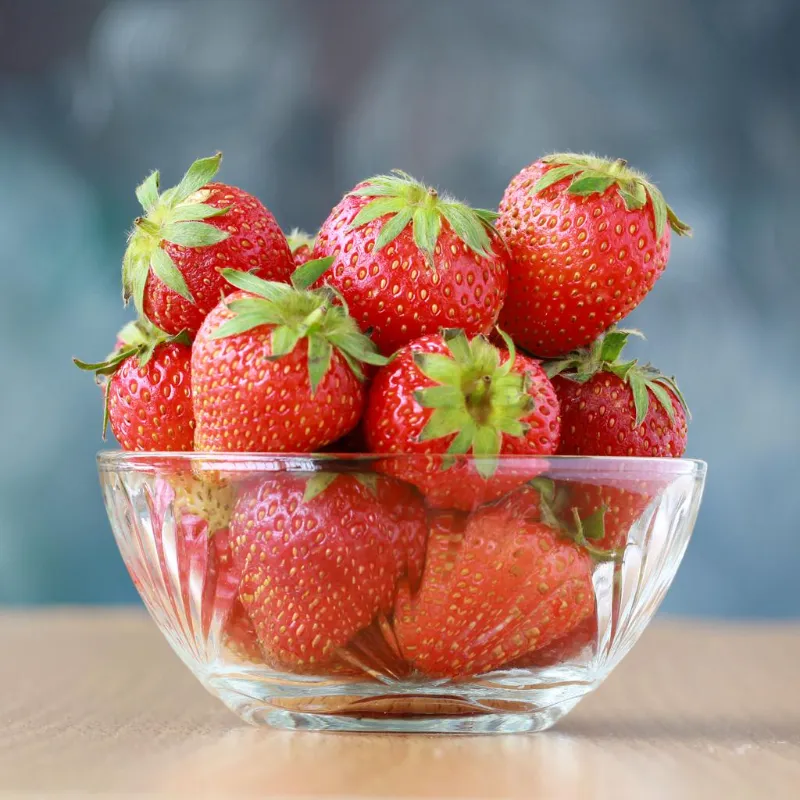
One cup of strawberries delivers about 3 grams of fiber and an impressive 150% of a child’s daily vitamin C needs. They’re one of the most beloved fruits among kids of all ages, which makes them an easy nutritional win.
Strawberries contain both soluble and insoluble fiber, supporting healthy digestion from multiple angles. The soluble fiber also helps feed good gut bacteria, which plays a surprisingly important role in immune function.
Slice them onto cereal, blend into smoothie bowls, dip in yogurt for a fun snack, or layer into a simple fruit parfait. Strawberries are one of those foods that genuinely require zero convincing.
20. Blueberries
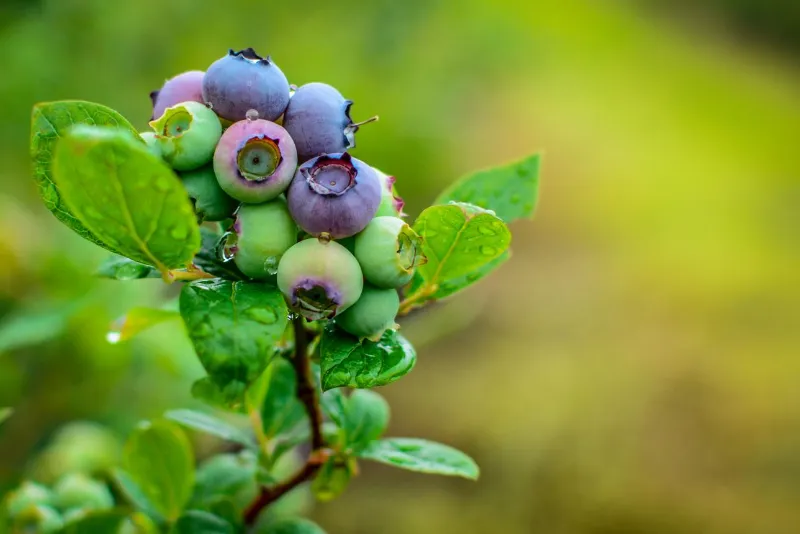
Blueberries offer about 3.5 grams of fiber per cup and are widely celebrated for their antioxidant content, especially a group of compounds called flavonoids linked to better brain function and memory. Some research even suggests regular blueberry consumption may support focus and learning in school-aged kids.
They’re bite-sized, naturally sweet, and incredibly easy to add to almost anything. Keeping a container of fresh or frozen blueberries on hand is one of the simplest ways to boost your child’s daily fiber intake.
Toss into oatmeal, mix into pancake batter, blend into smoothies, or serve as a simple snack with a small container of yogurt for dipping. Blueberry muffins made with whole wheat flour are another great way to combine fiber sources.
21. Bananas
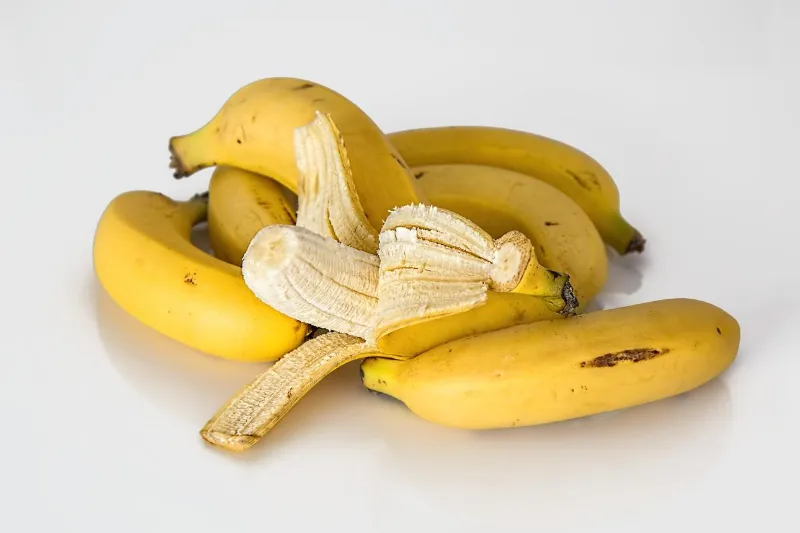
Bananas contain about 3 grams of fiber per medium fruit along with a special type of fiber called resistant starch, particularly in slightly underripe bananas. Resistant starch acts as a prebiotic, feeding beneficial gut bacteria and supporting digestive health.
Bananas are also one of the most convenient foods on the planet because they come in their own natural packaging, require no prep, and are easy for kids to eat independently. That’s hard to beat on a busy school morning.
Slice onto cereal or oatmeal, mash into banana bread or muffins, or freeze and blend into a creamy one-ingredient banana ice cream. Banana and peanut butter is a classic combo that never gets old.
22. Oranges
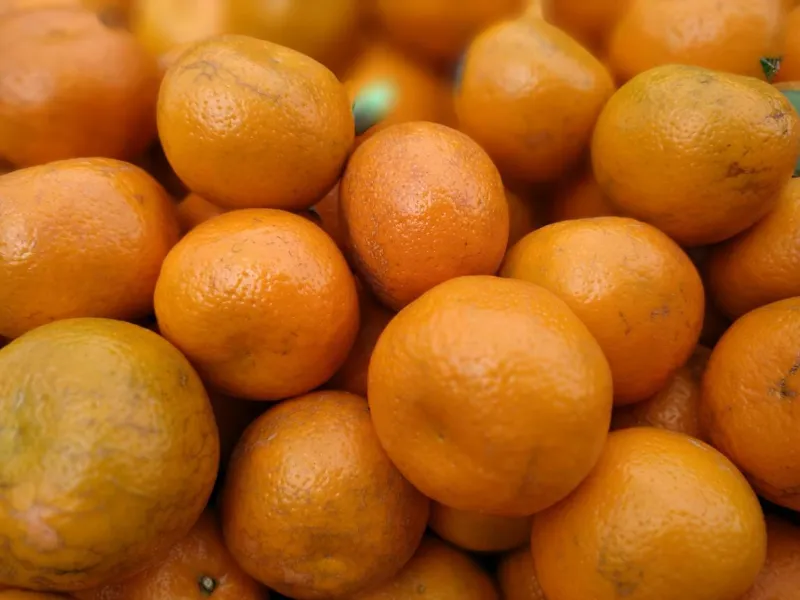
A medium orange provides about 3 grams of fiber along with its famous dose of vitamin C, which helps the body absorb non-heme iron from plant-based foods. That makes pairing an orange with a plant-based meal a genuinely smart nutritional move.
Oranges also contain a specific type of soluble fiber called pectin in the white pith, which is why eating the whole fruit rather than just drinking the juice delivers significantly more fiber. The juice is delicious but skips most of that benefit.
Serve orange slices as a snack, add them to a fruit salad, or peel and section them for an easy lunchbox addition. Even kids who are skeptical of other fruits tend to love the bright, sweet flavor of a fresh orange.
23. Mango
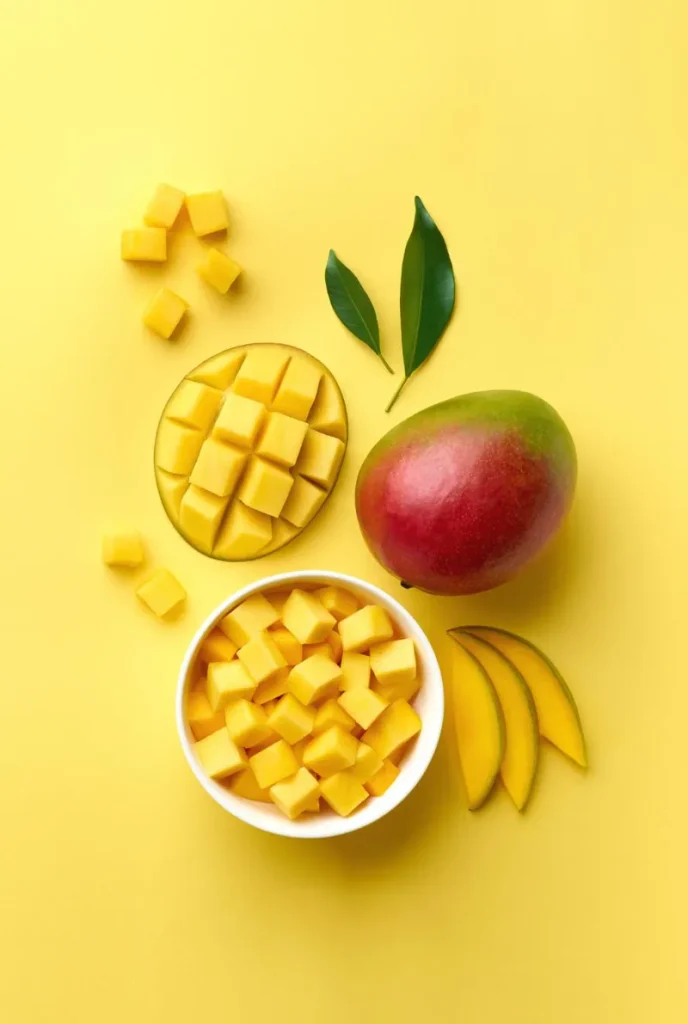
One cup of mango gives kids about 2.6 grams of fiber plus an impressive amount of vitamin A and vitamin C to support immunity and skin health. Mango also contains a digestive enzyme called amylase that helps break down carbohydrates more efficiently.
The intensely sweet, tropical flavor of mango makes it one of the easiest fruits to get kids excited about. Fresh mango has a buttery texture that feels almost indulgent, which means very little convincing is needed.
Serve chilled mango slices as an after-school snack, blend into a tropical smoothie, or mix into a fun fruit salsa with lime juice and a pinch of chili powder for older kids who love a little kick.
24. Prunes
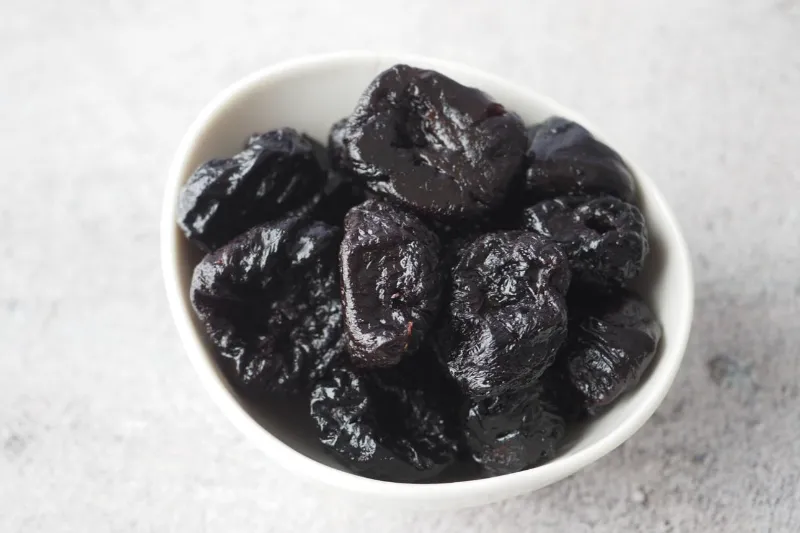
Prunes, which are simply dried plums, are one of the most concentrated sources of fiber you can find, with about 7.7 grams per cup. They’re also rich in sorbitol, a natural sugar alcohol that gently stimulates the digestive system and has long been used to relieve constipation in children.
While prunes might not be the flashiest food on the list, they genuinely work and work fast. If your child struggles with irregularity, adding a few prunes to their daily routine can make a noticeable difference within days.
Mix chopped prunes into trail mix, blend into a smoothie where their sweetness shines, or stir into oatmeal with some cinnamon and honey. A few prunes a day can quietly do a lot of good for a child’s digestive health.
25. Oatmeal
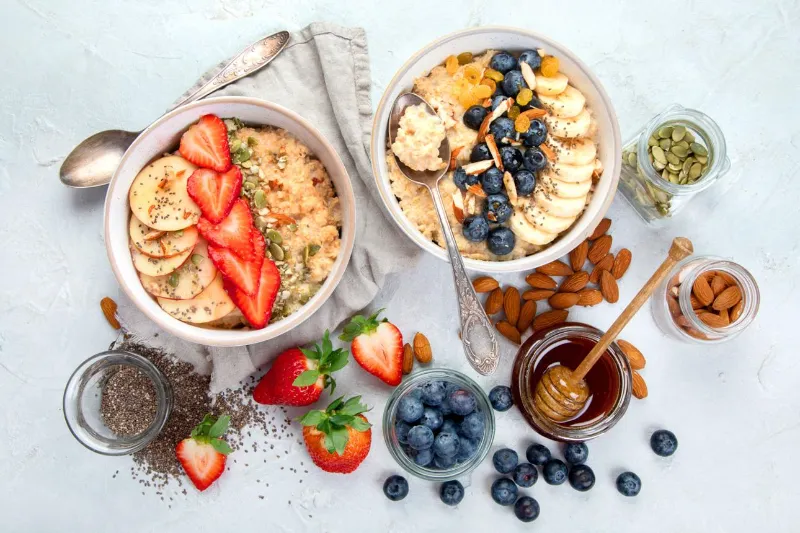
A cup of cooked oatmeal delivers about 4 grams of fiber, including a powerful soluble fiber called beta-glucan. Beta-glucan has been shown in multiple studies to support heart health, improve cholesterol levels, and help stabilize blood sugar, making it a genuinely impressive food for lifelong health habits.
Oatmeal is also endlessly customizable, which is one of its greatest strengths as a kid-friendly food. You can build it around whatever flavors and toppings your child already loves, making it feel different every single morning.
Top with fresh berries and honey, stir in peanut butter and banana slices, or make overnight oats the night before for a grab-and-go breakfast. Baked oatmeal with cinnamon and apple chunks is another crowd-pleasing option that feels more like a treat.
26. Quinoa
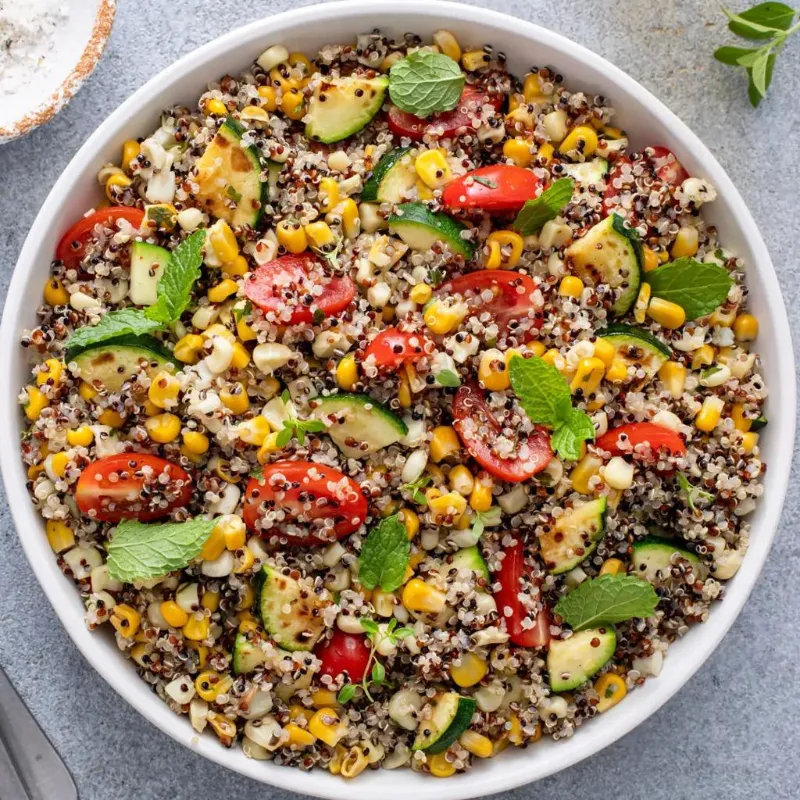
Quinoa is one of the few plant foods that provides complete protein alongside about 5 grams of fiber per cooked cup. It’s also gluten-free, making it a great option for families managing food sensitivities or allergies.
The mild, slightly nutty flavor of quinoa makes it surprisingly adaptable. It works as a base for savory bowls, gets mixed into salads, or even shows up in breakfast porridge when you cook it with milk and sweeten it lightly.
Cook quinoa in broth instead of water for more flavor, then mix with roasted vegetables and a simple dressing for a lunch bowl kids can customize themselves. Quinoa breakfast bowls topped with fruit and a drizzle of honey are a wonderful weekend morning option.
27. Brown Rice
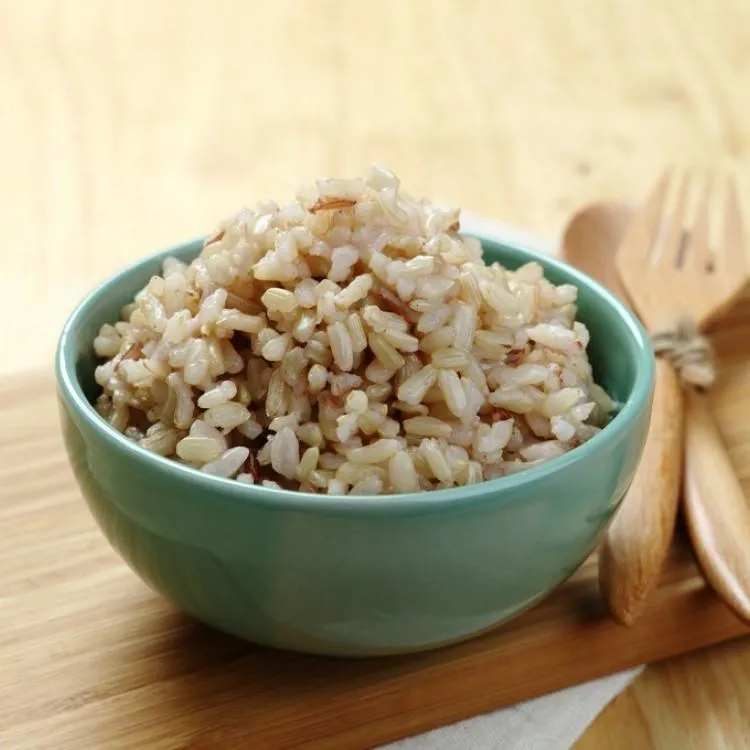
Brown rice offers about 3.5 grams of fiber per cooked cup compared to virtually none in white rice, because the bran and germ layers are left intact during processing. Those layers are where most of the nutrition lives, including B vitamins, magnesium, and antioxidants.
Switching from white to brown rice is one of the simplest dietary upgrades you can make as a family. The flavor is slightly nuttier and the texture is a bit chewier, which most kids adjust to quickly especially when it’s mixed with familiar ingredients.
Use brown rice as the base for stir fries, burrito bowls, or simple rice and beans dishes. Mixing it half and half with white rice during the transition period can make the change feel gradual and less noticeable for picky eaters.
28. Whole Wheat Bread
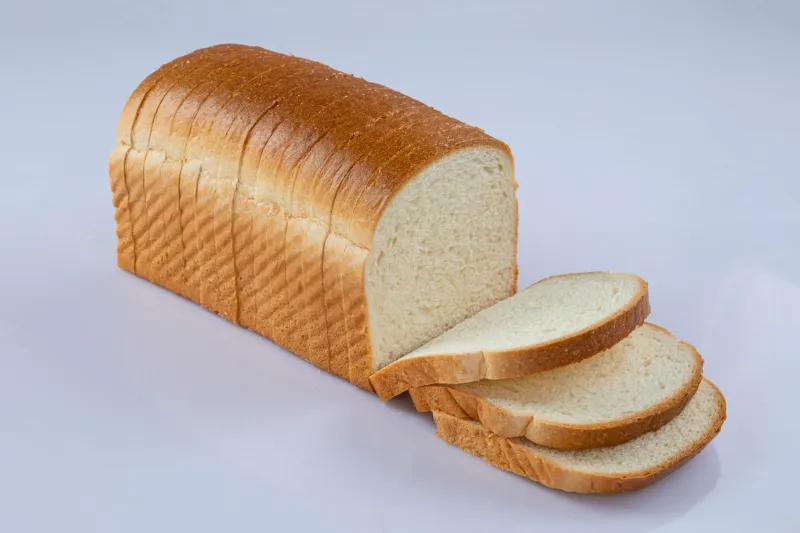
Whole wheat bread delivers about 2 grams of fiber per slice, compared to less than 1 gram in white bread. The whole wheat variety retains the bran and germ of the grain, which is where most of the fiber and micronutrients are found.
Look for bread where “whole wheat” or “whole grain” is the very first ingredient listed. Some breads are labeled “wheat bread” but are mostly refined flour with a little coloring added, so reading labels is worth the extra few seconds.
Use whole wheat bread for sandwiches, toast with nut butter and sliced banana, or homemade French toast made with eggs and cinnamon. When the toppings are delicious, most kids don’t even register the bread underneath.
29. Popcorn
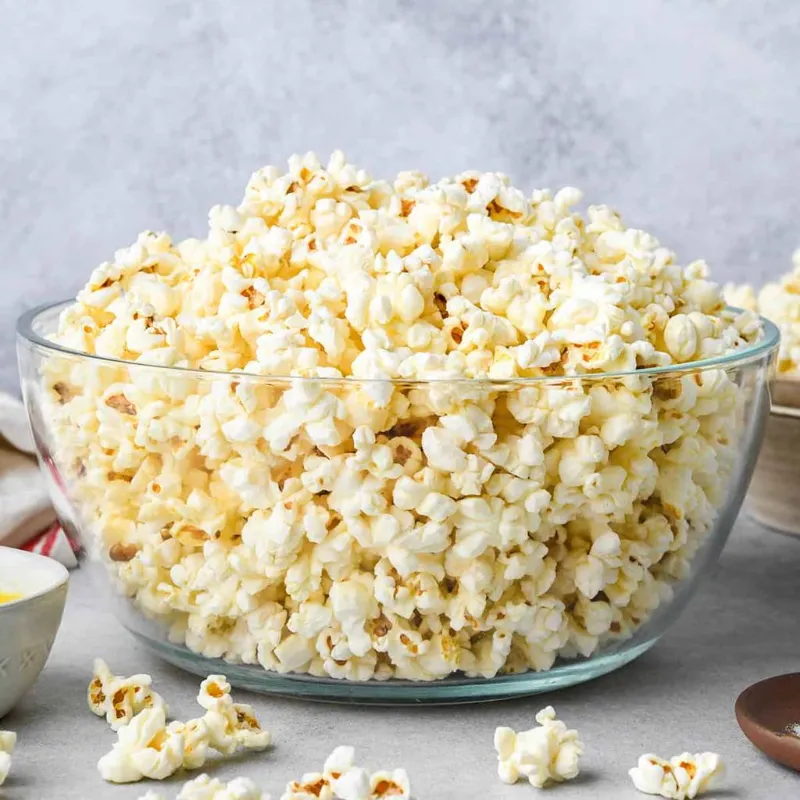
Plain air-popped popcorn is a surprisingly excellent source of fiber, offering about 3.6 grams per 3-cup serving. It’s a whole grain, which means it retains all parts of the kernel including the fiber-rich hull.
The key is keeping it simple and avoiding the heavily buttered, artificially flavored varieties that cancel out the health benefits with excess sodium and additives. Lightly seasoned popcorn can be just as satisfying as the more indulgent versions.
Season with a little nutritional yeast for a cheesy flavor, sprinkle with cinnamon and a touch of honey for a sweet version, or go classic with a light drizzle of olive oil and sea salt. Popcorn makes a genuinely great snack that kids love and parents can feel good about.
30. Chia Seeds
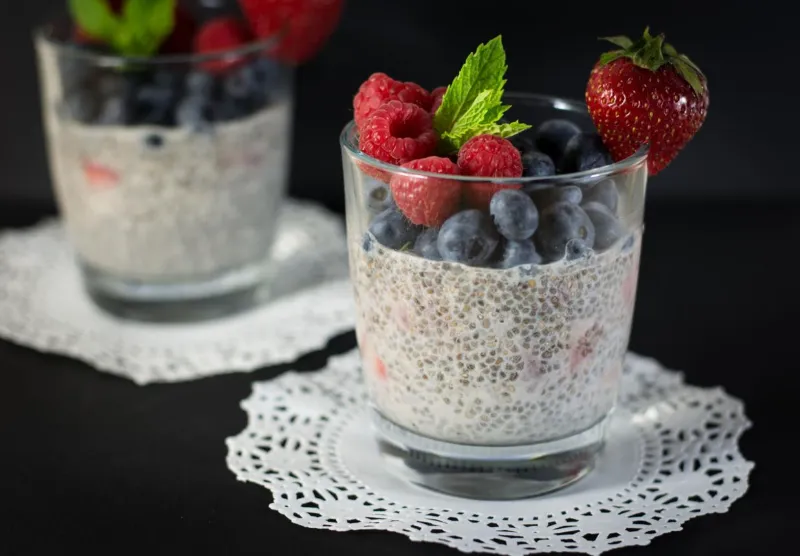
Chia seeds pack about 10 grams of fiber per ounce, making them one of the most concentrated fiber sources you can add to your child’s diet. They also swell up and form a gel-like texture when mixed with liquid, which helps kids feel fuller longer and supports smooth digestion.
The virtually flavorless nature of chia seeds is actually a huge advantage because you can add them to almost anything without changing the taste. They disappear quietly into smoothies, puddings, and baked goods.
Stir into overnight oats, blend into smoothies, or make a simple chia pudding by mixing with milk and letting it sit overnight. Top with fruit and a drizzle of maple syrup, and you’ve created a breakfast or dessert kids genuinely look forward to.
31. Flaxseeds
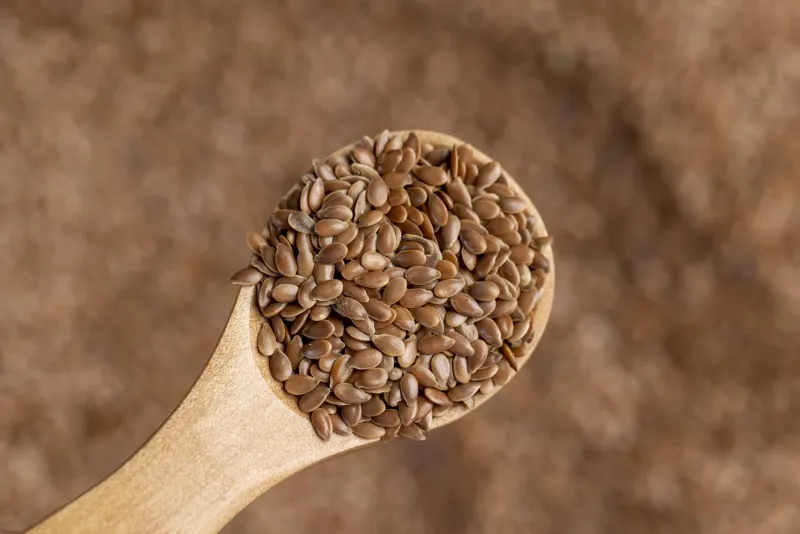
Ground flaxseeds offer about 8 grams of fiber per ounce along with omega-3 fatty acids that support brain health and reduce inflammation. Ground flax is much more digestible than whole flaxseeds, so always reach for the ground version when cooking for kids.
Research suggests that the lignans found in flaxseeds, which are plant compounds with antioxidant properties, may also support hormonal balance and long-term health. That’s a lot of benefit packed into a tiny seed.
Stir ground flax into oatmeal, blend into smoothies, mix into pancake or muffin batter, or sprinkle over yogurt. One or two tablespoons per day is plenty to start seeing digestive benefits for your child.
32. Almonds
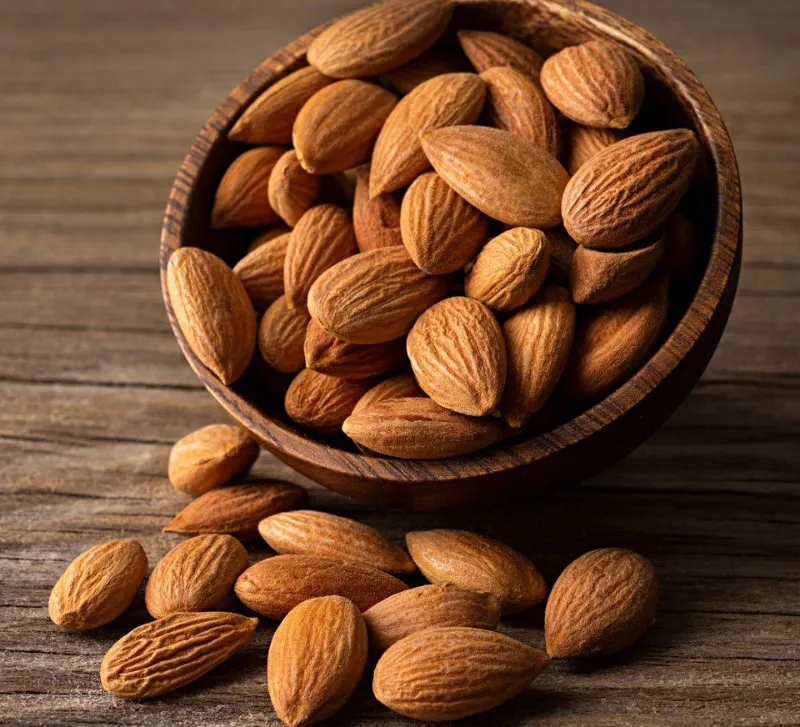
A one-ounce serving of almonds provides about 3.5 grams of fiber along with vitamin E, magnesium, and healthy fats that support brain function. They’re one of the most nutrient-dense snacks you can keep on hand for hungry kids between meals.
Almonds also have a satisfying crunch and a mildly sweet flavor that most kids enjoy. They’re portable, require no preparation, and hold up well in lunchboxes without getting soggy or going bad quickly.
Serve a small handful as a snack with a piece of fruit, blend into smoothies for creaminess, or use almond butter as a spread on whole grain toast or apple slices. Just be mindful of portion sizes since almonds are calorie-dense, a small handful goes a long way.
33. Sunflower Seeds
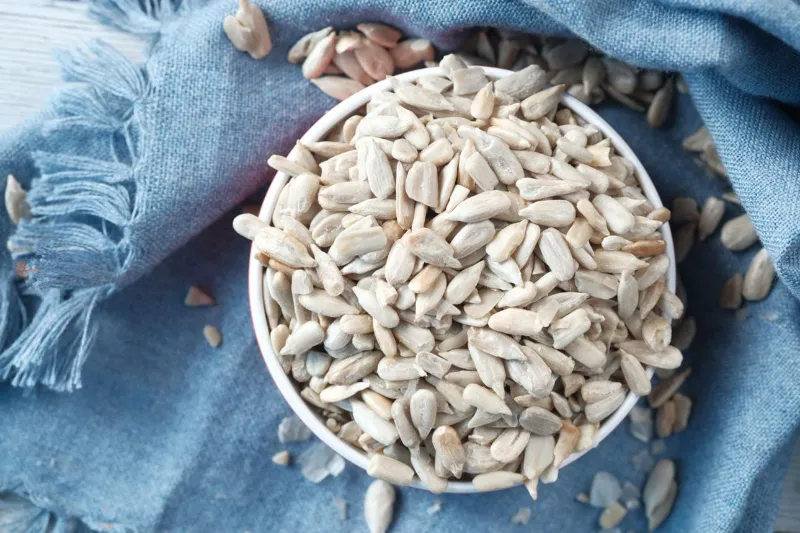
Sunflower seeds offer about 3 grams of fiber per ounce along with selenium, vitamin E, and B vitamins that support energy metabolism and immune function. They’re also a great nut-free alternative for families dealing with allergies or schools with nut restrictions.
The mild, slightly buttery flavor of sunflower seeds makes them easy to enjoy on their own or mix into other foods. Sunflower seed butter has become an increasingly popular alternative to peanut butter that most kids take to quickly.
Sprinkle seeds over salads or yogurt, mix into trail mix with dried fruit, or spread sunflower seed butter onto whole grain crackers or toast. For kids who need a nut-free option, sunflower seeds are a reliable and nutritious go-to.
34. Pumpkin Seeds
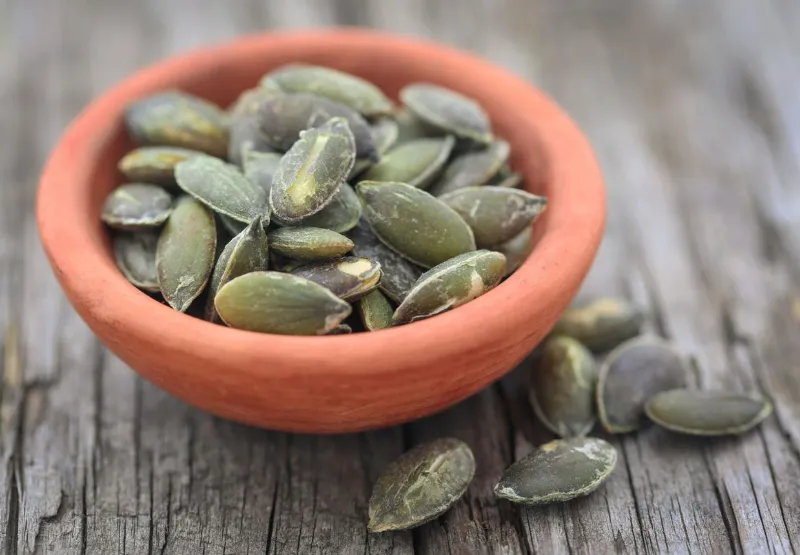
Pumpkin seeds, also called pepitas, deliver about 5 grams of fiber per ounce along with impressive amounts of zinc, magnesium, and iron. Zinc in particular plays a critical role in immune function and wound healing, making pumpkin seeds a genuinely valuable food for active, growing kids.
The crunchy texture and mildly savory flavor of roasted pumpkin seeds make them easy to enjoy as a standalone snack. They also add a satisfying crunch to meals that might otherwise feel too soft or monotonous.
Roast with a little olive oil and sea salt for a simple snack, toss over oatmeal or yogurt, or mix into homemade granola bars. In the fall, scooping and roasting seeds from a real pumpkin can become a fun family activity with a delicious reward at the end.
35. Coconut (Shredded, Unsweetened)
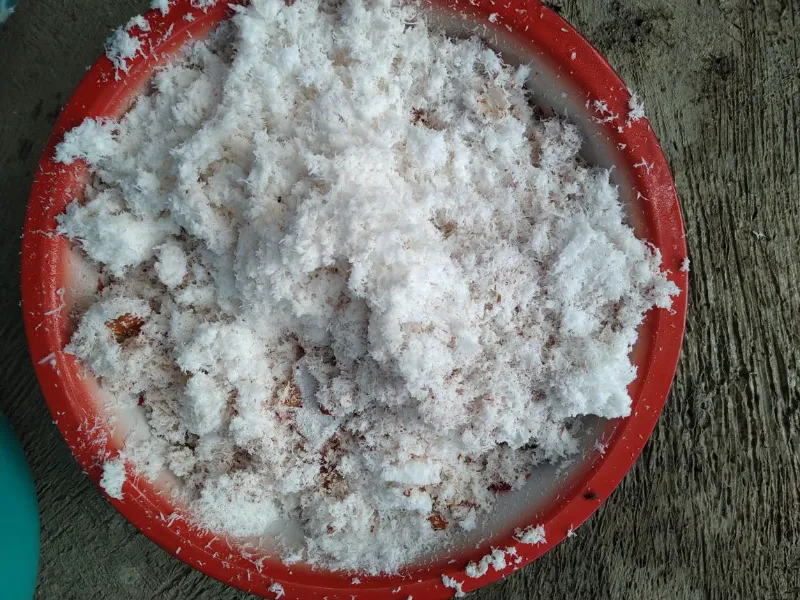
Unsweetened shredded coconut offers about 5 grams of fiber per ounce, largely in the form of insoluble fiber that helps move food through the digestive system efficiently. It also contains medium-chain triglycerides, a type of healthy fat that the body processes quickly for energy.
The sweet, tropical flavor of coconut is a natural hit with most kids. Choosing the unsweetened variety keeps added sugar in check while still delivering that familiar flavor kids love.
Stir into oatmeal, mix into smoothies, sprinkle over yogurt bowls, or blend into homemade energy balls with oats and nut butter. Coconut also adds a wonderful texture and flavor to baked goods like muffins and cookies without needing much sugar to taste great.
Final Thoughts
Boosting your child’s fiber intake doesn’t have to mean dramatic meal overhauls or fighting battles at the dinner table. Start small by swapping one food at a time, adding a new ingredient here and there, and celebrating small wins.
Your kids are more adaptable than you think. Pick two or three foods from this list this week, make them fun, and build from there. You’ve got this.
