
20 Incredible Ferritin Rich Foods Backed by Science

If you have been feeling tired, foggy, or just plain drained, low ferritin might be the culprit nobody told you about. Ferritin is your body’s iron storage protein, and when it dips, everything from your energy to your hair health can take a hit.
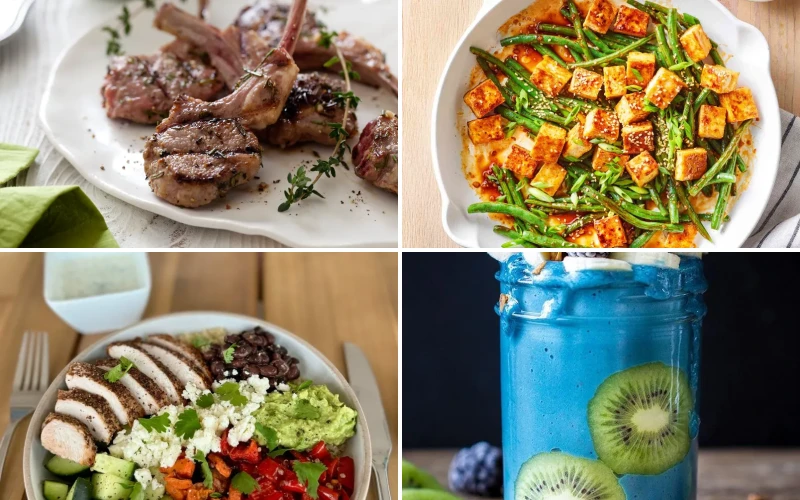
The good news? You can start boosting your ferritin levels right from your plate. Here are 20 science-backed foods that can help you get your levels back on track and feel like yourself again.
1. Beef Liver
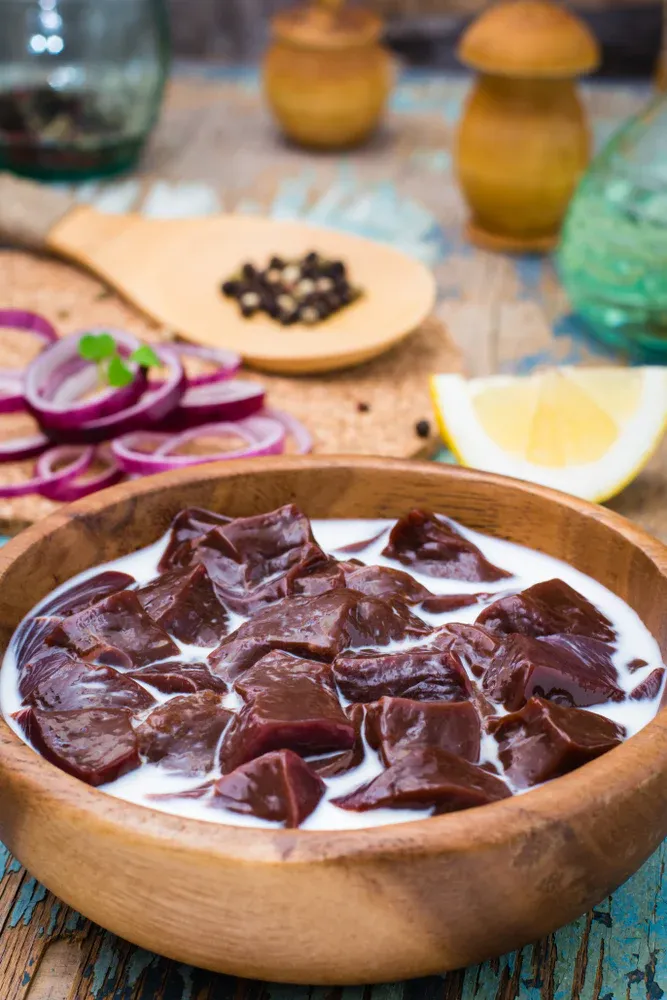
Beef liver is basically nature’s multivitamin, and when it comes to iron, it is in a league of its own. A single 3-ounce serving delivers around 5 mg of heme iron, the type your body absorbs most efficiently.
Heme iron, found only in animal products, gets absorbed at a rate of 15 to 35 percent, compared to just 2 to 20 percent for plant-based iron. That difference is huge when you are trying to build up your stores.
Not sure how to eat it? Try beef liver sauteed with onions and a splash of balsamic vinegar. You can also blend small amounts into ground beef dishes to sneak in the nutrition without the strong flavor.
2. Oysters
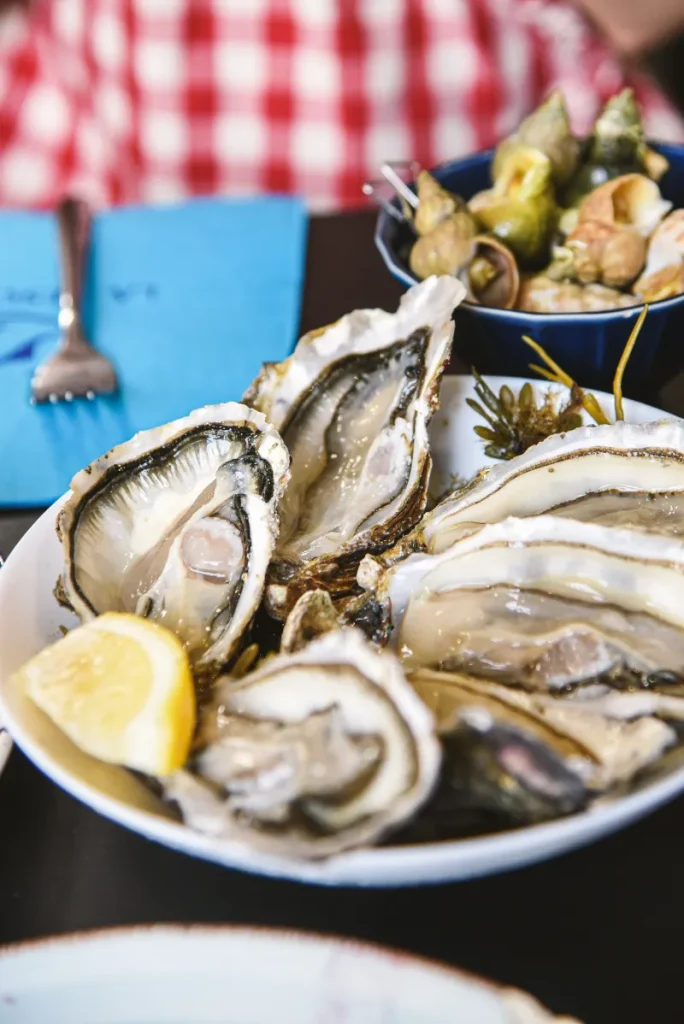
Oysters are one of the most underrated iron powerhouses on the planet. Just six medium oysters can pack anywhere from 4 to 7 mg of iron, all in heme form that your gut loves to absorb.
Beyond iron, oysters are loaded with zinc and vitamin B12, two nutrients that work alongside iron to support red blood cell production. It is a nutritional dream team in a tiny shell.
Fresh, grilled, or even canned, oysters are versatile. Try them with a squeeze of lemon for a simple, nutrient-dense meal that takes almost no time to prepare.
3. Dark Chocolate
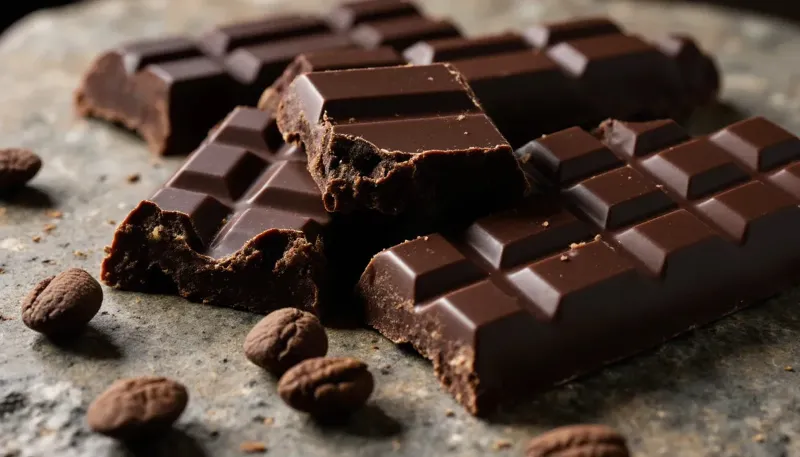
Yes, dark chocolate made the list, and no, you do not need to feel guilty about it. A 1-ounce serving of 70 to 85 percent dark chocolate contains about 3.4 mg of iron.
The iron in dark chocolate is non-heme, but the good news is that cocoa also contains polyphenols that may support overall gut health, which plays a role in nutrient absorption. Some research even suggests antioxidants in dark chocolate can help reduce inflammation.
Enjoy a square or two after dinner, stir cacao powder into your morning oatmeal, or blend it into a smoothie. Just stick to the dark stuff since milk chocolate does not offer the same benefits.
4. Spinach
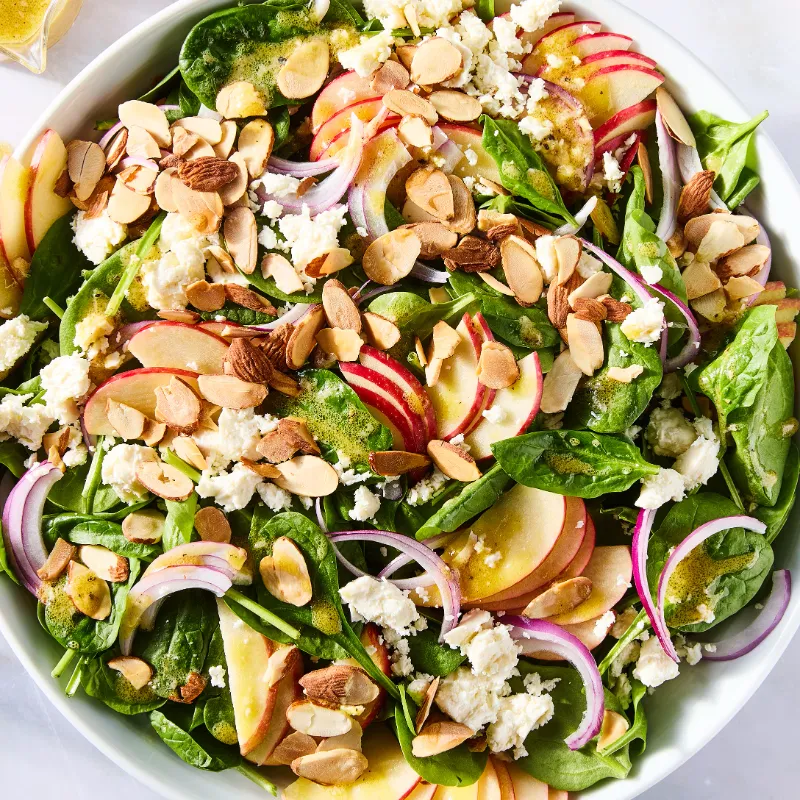
Popeye was onto something. Spinach is one of the most talked-about plant-based iron sources, offering about 3.7 mg of iron per cooked cup.
The trick with spinach is pairing it with vitamin C. Non-heme iron from plants needs a little help getting absorbed, and vitamin C can boost that absorption significantly. Squeeze lemon juice over your spinach or add bell peppers to the mix.
Spinach also brings folate, magnesium, and vitamin K to the table. Toss it into pasta, blend it into smoothies, or wilt it into eggs for an easy daily iron boost.
5. Lentils
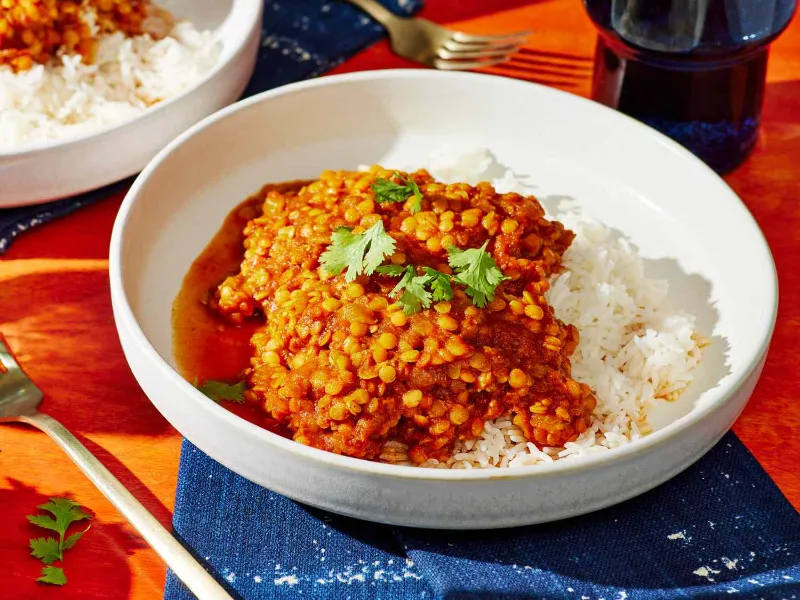
Lentils are a budget-friendly iron superstar that deserves way more attention. One cooked cup delivers around 6.6 mg of iron, making it one of the richest plant sources out there.
They are also packed with fiber and plant-based protein, which makes them incredibly filling. Research has linked regular legume consumption to better heart health, stable blood sugar, and improved gut microbiome diversity.
Red lentils cook in under 20 minutes and basically melt into soups and curries. Green and brown lentils hold their shape well in salads or grain bowls. They are cheap, easy, and seriously good for you.
6. Tofu
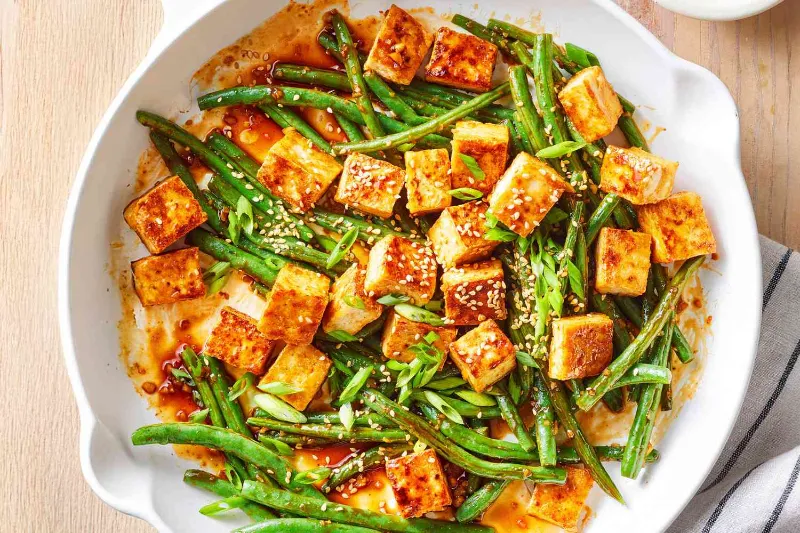
Tofu is a ferritin-boosting food that works hard for vegetarians and vegans. A half-cup serving of firm tofu contains roughly 3 mg of iron, and it is endlessly versatile in the kitchen.
Tofu is made from soybeans, which naturally contain phytates that can inhibit iron absorption. The workaround? Pair your tofu with vitamin C-rich foods like tomatoes, broccoli, or citrus to maximize how much iron your body actually takes in.
Marinate it and bake it, toss it in stir-fries, or crumble it into scrambles. Once you find the right preparation, tofu becomes a genuine pantry staple.
7. Quinoa
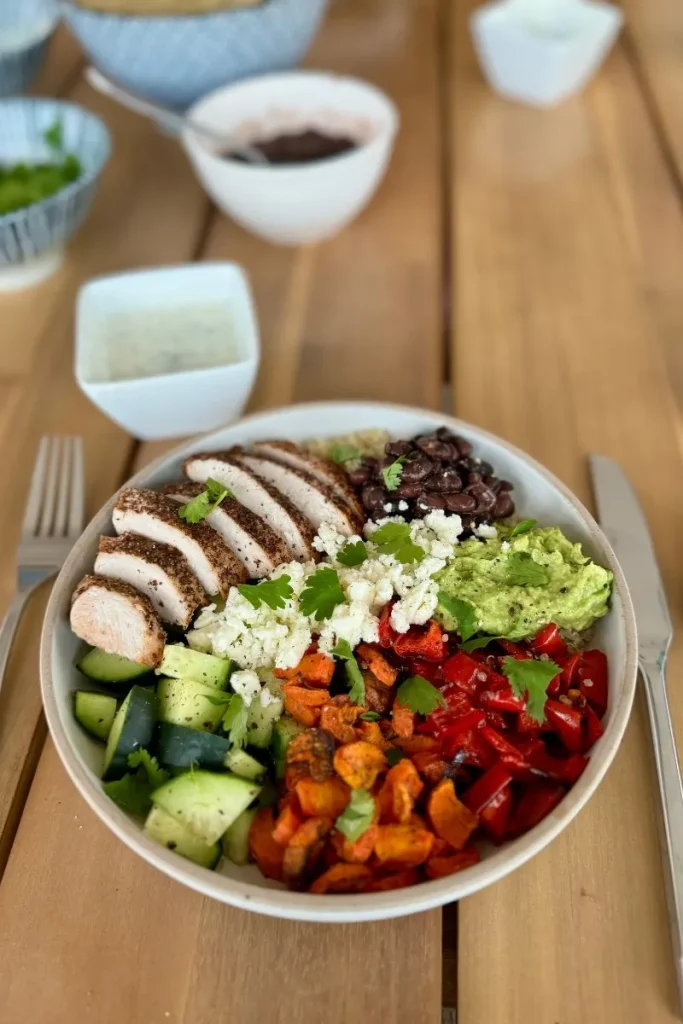
Quinoa is often called a complete protein, but its iron content deserves equal attention. One cooked cup provides about 2.8 mg of iron alongside all nine essential amino acids.
What sets quinoa apart from other grains is that it is also a source of lysine, an amino acid that may support iron absorption. Plus it is naturally gluten-free, making it a great option for people with sensitivities.
Use it as a base for grain bowls, cook it like oatmeal for breakfast, or toss it into soups for extra substance. It is one of the most complete foods you can add to your rotation.
8. Pumpkin Seeds
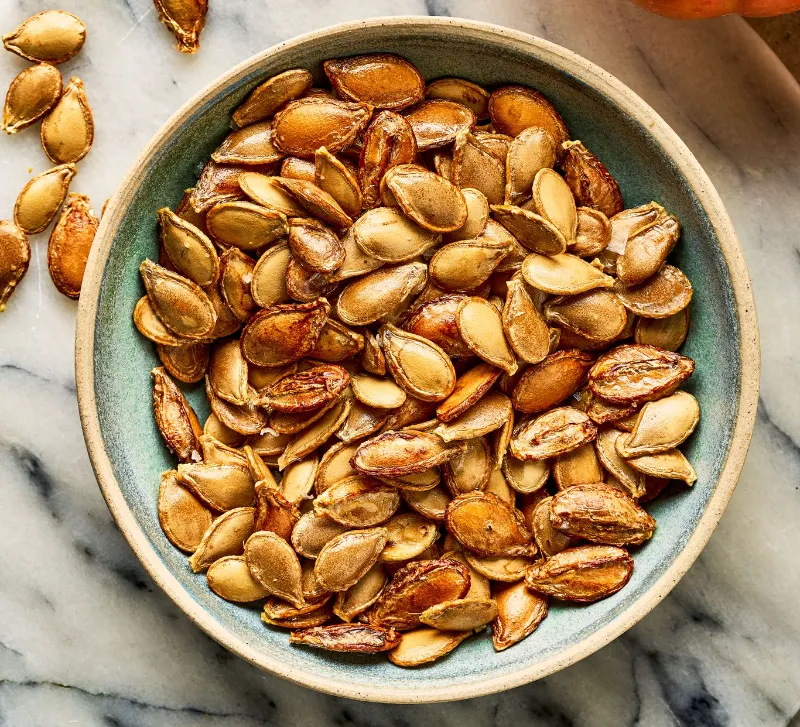
A small handful of pumpkin seeds can do a lot for your iron levels. Just one ounce of roasted pumpkin seeds delivers about 2.5 mg of iron along with a solid dose of magnesium and zinc.
These seeds are also rich in antioxidants and healthy fats, which support overall inflammation levels in the body. Lower inflammation can mean better nutrient absorption across the board.
Sprinkle them on salads, stir them into yogurt, or eat them plain as a snack. They are crunchy, satisfying, and incredibly easy to work into any meal.
9. White Beans
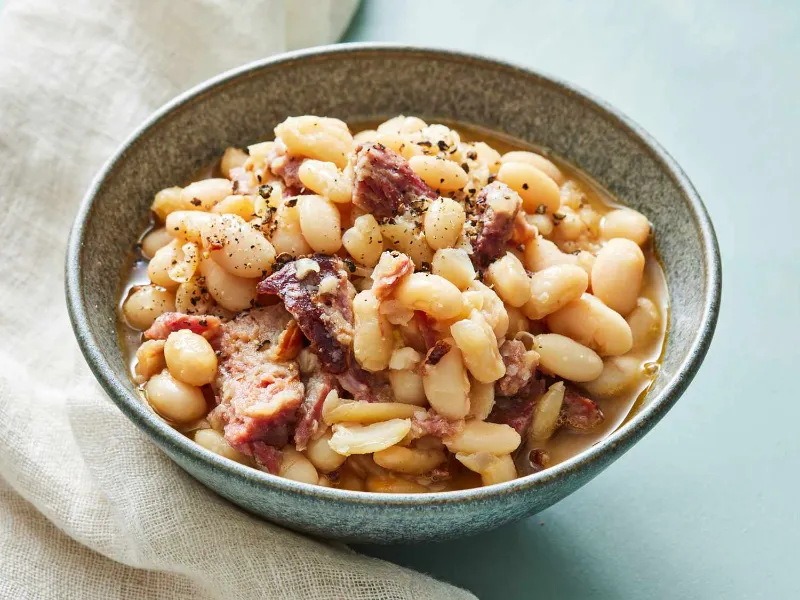
White beans are one of the most iron-dense foods in the entire legume family. A single cooked cup packs around 8 mg of iron, which is more than half the daily recommended intake for most adults.
They also provide a significant amount of fiber and resistant starch, both of which feed beneficial gut bacteria. A healthy gut is key to absorbing more of the nutrients you eat, including iron.
Stir white beans into soups, mash them as a side dish, or blend them into a creamy dip. They are filling, affordable, and worth adding to your weekly meal plan.
10. Chickpeas
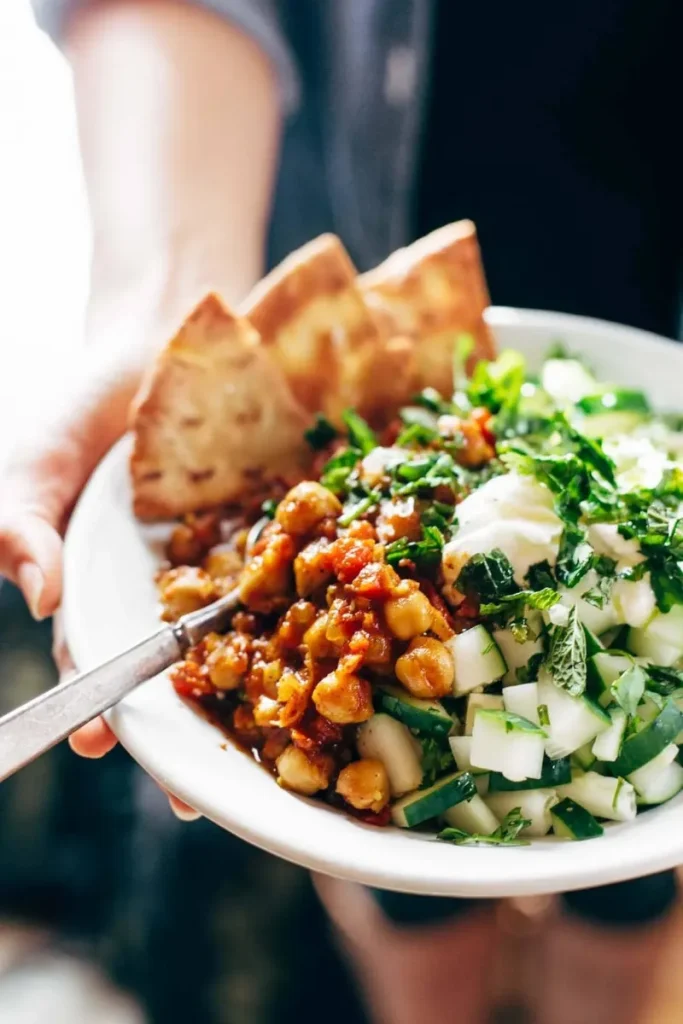
Chickpeas, also known as garbanzo beans, are a staple in Mediterranean and Middle Eastern cuisines for good reason. One cooked cup offers about 4.7 mg of iron and a hefty serving of plant-based protein.
They are also rich in manganese and folate, both of which support healthy blood cell function. Some studies suggest that the fiber in chickpeas can support better blood sugar regulation too, making them a smart choice beyond just iron content.
Roast them for a crunchy snack, blend them into hummus, or toss them into grain bowls and curries. Few foods are this versatile and this good for you at the same time.
11. Fortified Breakfast Cereals
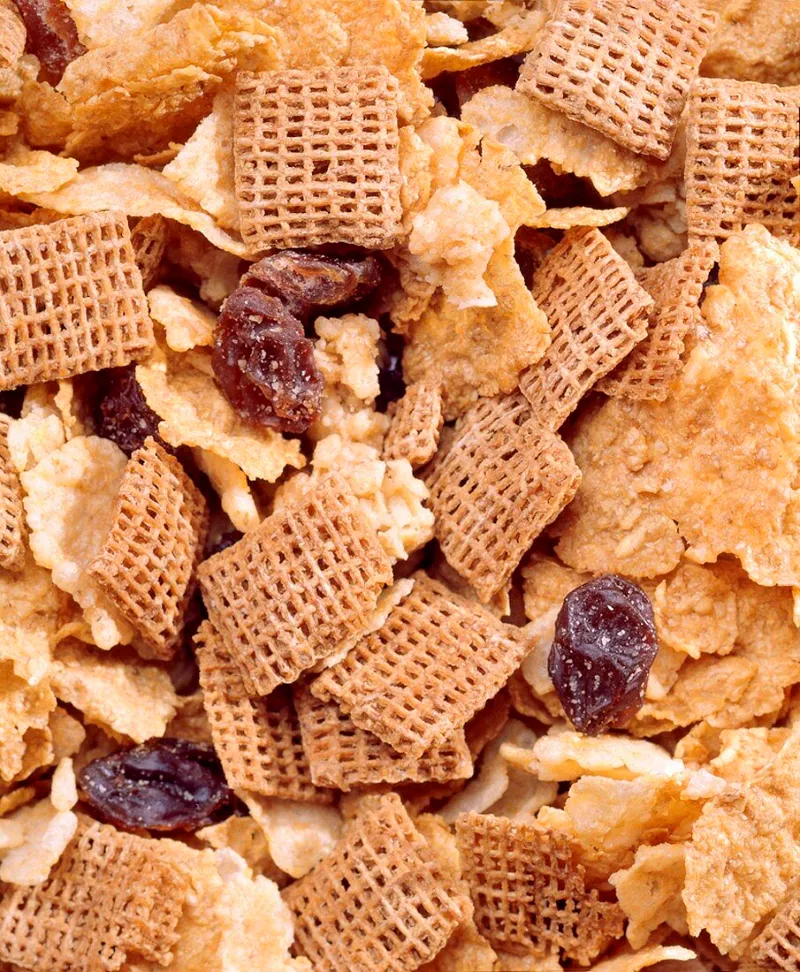
Many breakfast cereals are fortified with 100 percent of your daily iron needs in a single serving. While the iron is added rather than naturally occurring, your body can still absorb it effectively, especially when paired with orange juice or another vitamin C source.
Fortified foods were developed specifically to address widespread nutrient deficiencies, and research shows they have meaningfully improved iron status in populations around the world. They are especially useful for kids, pregnant women, and anyone who struggles to get enough iron from whole foods alone.
Check the nutrition label and look for cereals with at least 18 mg of iron per serving. Pair it with strawberries or a small glass of OJ for maximum absorption benefits.
12. Lamb
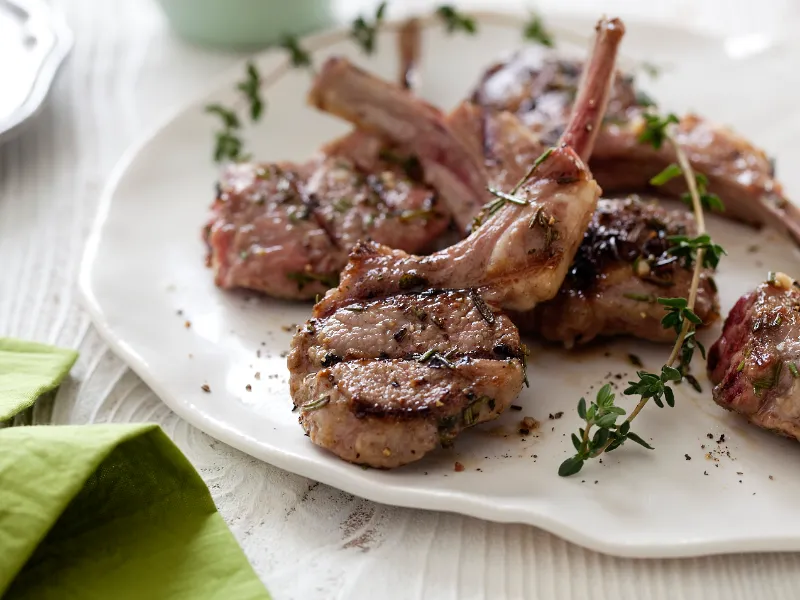
Lamb is a rich, flavorful red meat that delivers a solid iron punch. A 3-ounce cooked serving contains around 2 mg of highly bioavailable heme iron, along with zinc, B12, and selenium.
Red meats like lamb are also a source of the MFP factor, a compound found in meat that actually enhances the absorption of non-heme iron from other foods eaten in the same meal. That means pairing lamb with spinach or lentils is a smart move.
Roast a leg of lamb, grill lamb chops, or simmer ground lamb into a hearty stew. It is a delicious and culturally rich protein that deserves a spot in your iron-boosting diet.
13. Sardines
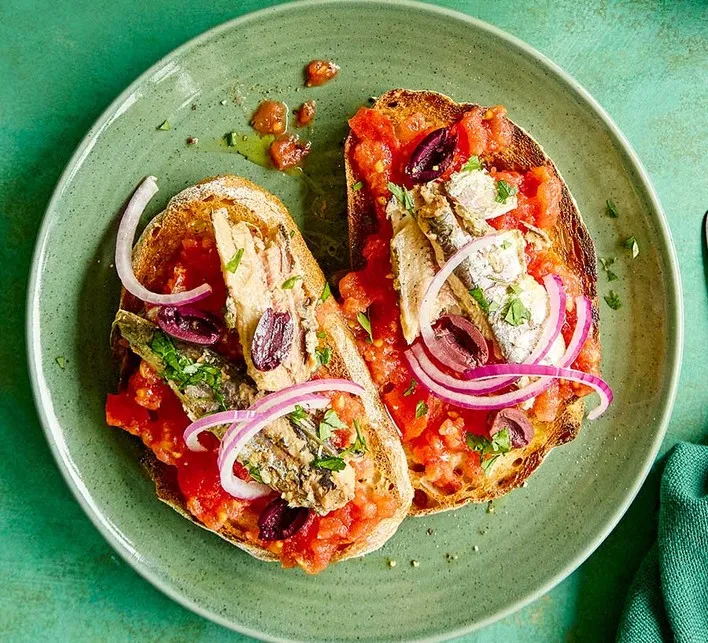
Sardines are a small fish with a big nutritional profile. A 3-ounce serving of canned sardines contains about 2.5 mg of heme iron plus an impressive load of omega-3 fatty acids, calcium, and vitamin D.
The anti-inflammatory properties of omega-3s may help your body use iron more efficiently by supporting better gut and cellular health overall. Sardines are also one of the most sustainable seafood choices you can make.
Try them on whole grain crackers with mustard, mix them into pasta with capers and tomatoes, or layer them into a salad. They have a bold flavor, but once you are used to them, they are incredibly satisfying.
14. Spirulina
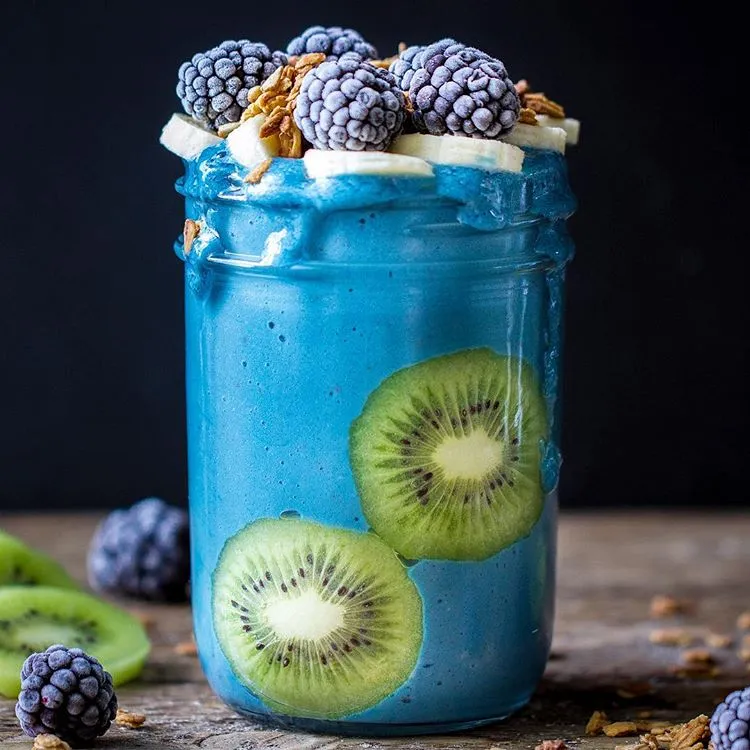
Spirulina is a blue-green algae that has become a popular superfood supplement, and with good reason. Just one tablespoon of dried spirulina contains about 2 mg of iron along with a concentrated dose of protein, B vitamins, and antioxidants.
Research published in various nutrition journals has highlighted spirulina’s potential to improve hemoglobin levels, particularly in pregnant women and children with iron deficiency. Its anti-inflammatory and antioxidant properties may also support the body’s ability to utilize stored iron.
Blend it into a smoothie with banana and mango to mask the earthy taste, or mix it into energy balls with oats and honey. It is not the prettiest ingredient, but it gets the job done.
15. Blackstrap Molasses
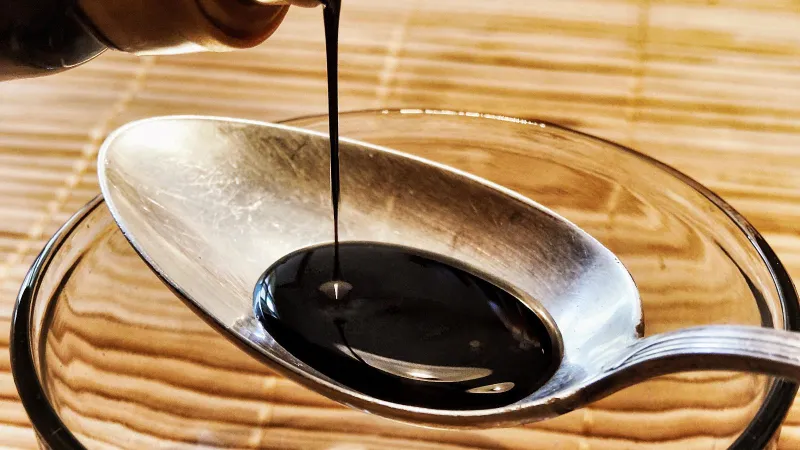
Blackstrap molasses is what remains after sugar cane has been processed multiple times, and it holds onto all the good stuff that refined sugar loses. Just one tablespoon contains about 3.5 mg of iron plus calcium, magnesium, and potassium.
Unlike regular molasses or refined sugar, blackstrap has a low glycemic impact and a rich, complex flavor. It has been used in traditional folk remedies for iron deficiency for generations, and modern nutritional science backs up that reputation.
Stir a tablespoon into warm water or herbal tea, drizzle it over oatmeal, or use it in baking for added depth. It is an acquired taste but a seriously powerful one.
16. Hemp Seeds
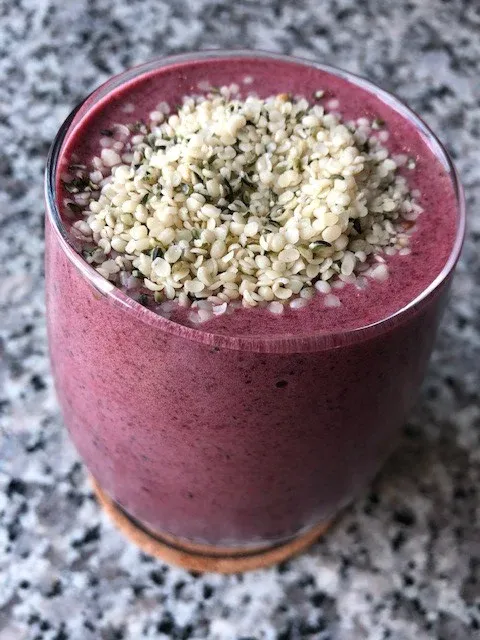
Hemp seeds are a quiet overachiever in the nutrition world. Three tablespoons deliver about 2.4 mg of iron alongside a perfect 3 to 1 ratio of omega-6 to omega-3 fatty acids, which supports reduced inflammation.
They are also one of the few plant foods that contain all essential amino acids, making them a complete protein. That matters for iron because adequate protein intake supports the production of ferritin itself.
Sprinkle hemp seeds on smoothie bowls, mix them into yogurt, blend them into salad dressings, or toss them over avocado toast. They are nutty, soft, and incredibly easy to add to almost anything.
17. Edamame
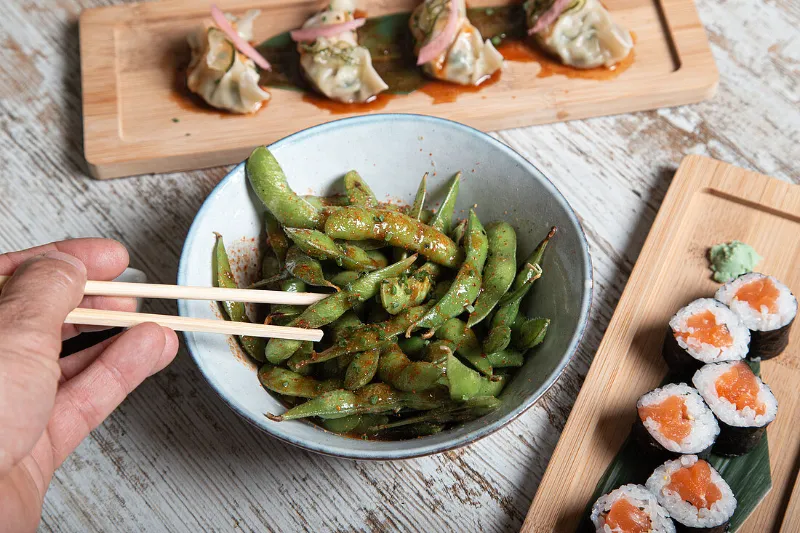
Edamame, or young soybeans, are a fun and fresh way to boost your iron intake. One cooked cup provides around 3.5 mg of iron along with a generous serving of plant-based protein and fiber.
Soy isoflavones in edamame have been studied for their antioxidant and anti-inflammatory effects, and some research suggests they may support hormonal balance in women, which can indirectly affect iron regulation. It is a food that works on multiple levels.
Steam a bag of frozen edamame and sprinkle with sea salt for an easy snack, toss shelled edamame into rice dishes and stir-fries, or mix it into grain bowls. Quick, tasty, and genuinely nutritious.
18. Sun-Dried Tomatoes
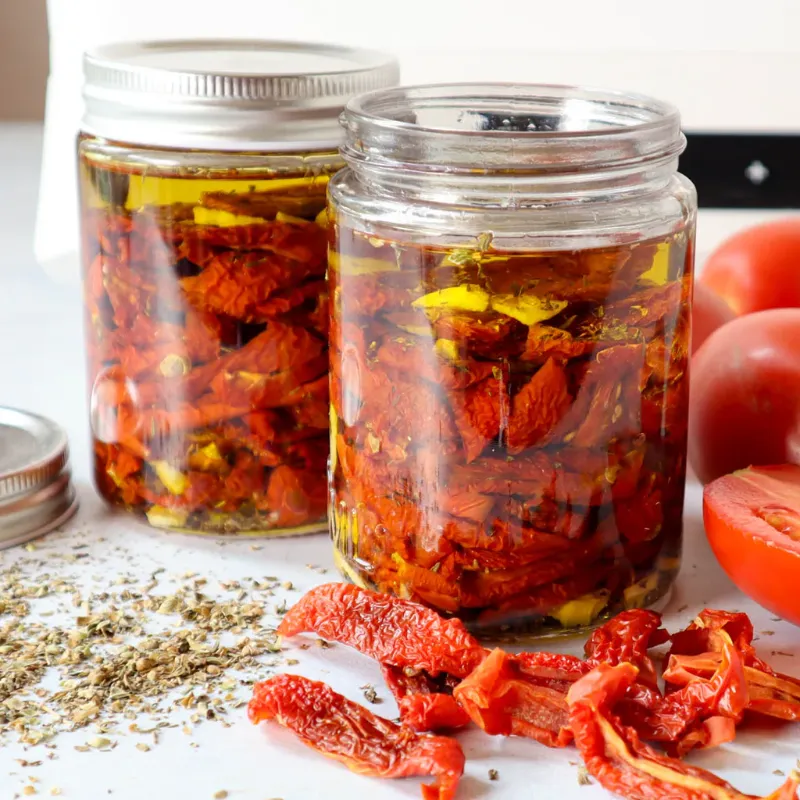
Sun-dried tomatoes are concentrated flavor bombs that also happen to be surprisingly iron-rich. Half a cup of packed sun-dried tomatoes contains about 2.5 mg of iron along with high levels of vitamin C and lycopene.
The vitamin C in tomatoes is especially useful here because it helps your body convert non-heme iron into a more absorbable form right in the same bite. Lycopene, the antioxidant that gives tomatoes their red color, has also been linked to reduced oxidative stress, which may benefit iron metabolism.
Chop them into pasta, blend them into sauces, layer them onto sandwiches, or stir them into scrambled eggs. Sun-dried tomatoes are one of those pantry staples that instantly elevate any dish.
19. Amaranth
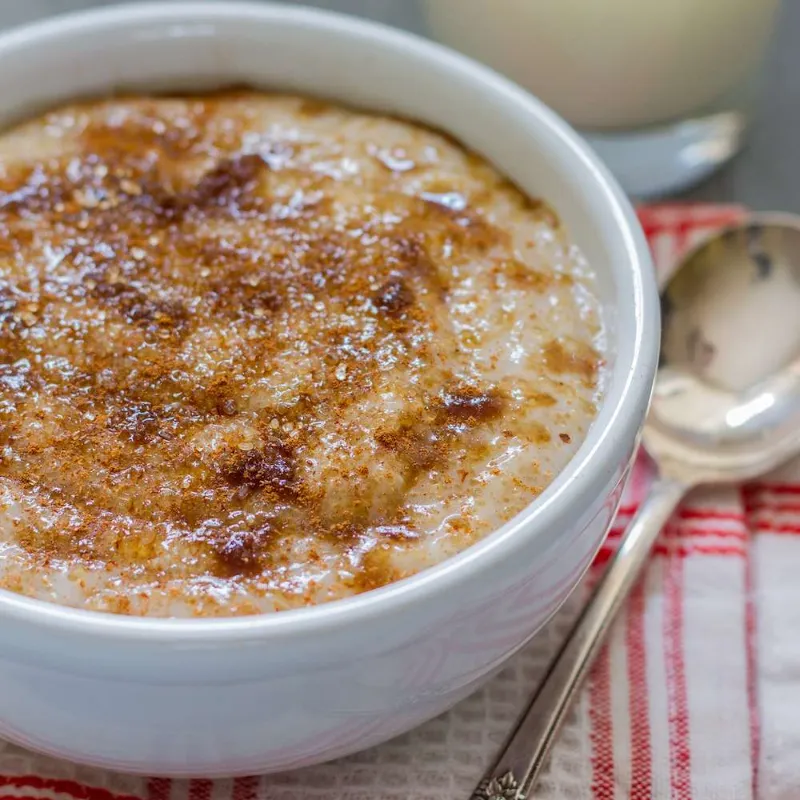
Amaranth is an ancient grain that has been feeding communities in Central and South America for thousands of years. One cooked cup delivers about 5.2 mg of iron along with complete protein, calcium, and magnesium.
Unlike many grains, amaranth is also a source of lysine and tryptophan, amino acids that are typically missing from plant proteins. Some studies have also found that the bioactive compounds in amaranth can help reduce inflammation and support cardiovascular health.
Cook it like porridge for breakfast, use it as a base for grain bowls, or pop it like popcorn for a crunchy topping on soups and salads. It has a slightly earthy, nutty flavor that pairs well with both sweet and savory dishes.
20. Dried Apricots
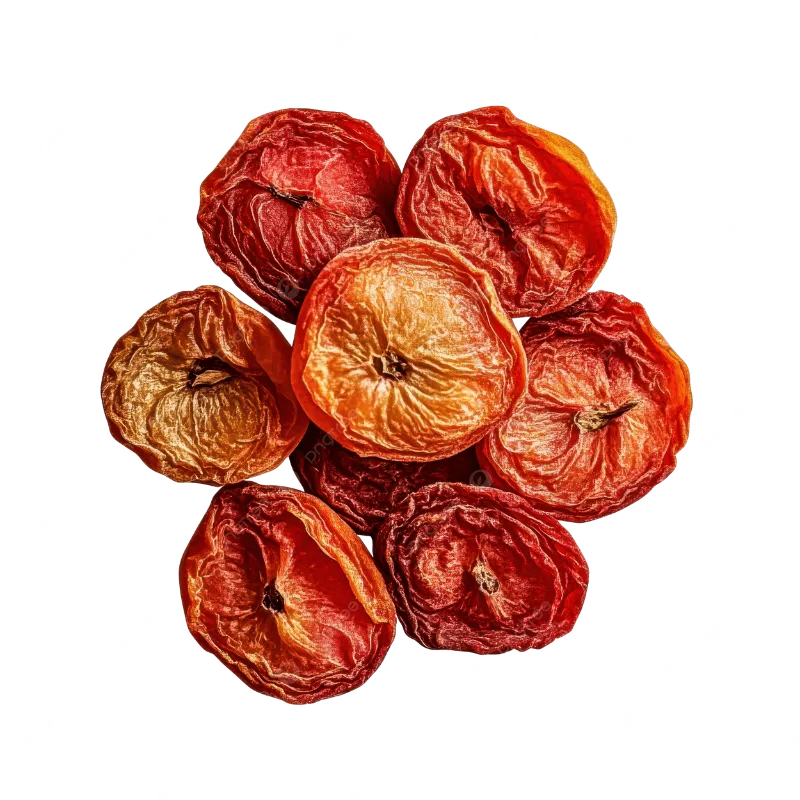
Dried apricots are a sweet and portable snack that quietly support your iron levels throughout the day. Just half a cup contains about 2 mg of iron along with beta-carotene, potassium, and fiber.
The vitamin A precursors in apricots, specifically beta-carotene, have been shown in some research to help mobilize stored iron in the body, making it more available for use. That is a bonus you do not get from most iron supplements.
Toss a small handful into trail mix, pair them with nuts and dark chocolate for a nutrient-packed snack board, or chop them into oatmeal and grain salads. They are naturally sweet, easy to carry, and genuinely good for you.
Final Thoughts
Getting your ferritin levels up does not have to feel like a medical project. It can be as simple as adding a new food to your grocery list each week and building habits that actually stick.
Start small, pair your plant-based iron sources with vitamin C, and enjoy the process of nourishing yourself better. Your energy, focus, and overall health will thank you for it.
