
20 Secret Foods To Increase Milk Supply That Doctors Recommend

If you’re a breastfeeding mom wondering why your milk supply feels inconsistent, you are absolutely not alone. So many new moms hit that same wall and feel defeated, but here’s the good news: what you eat can make a real difference.
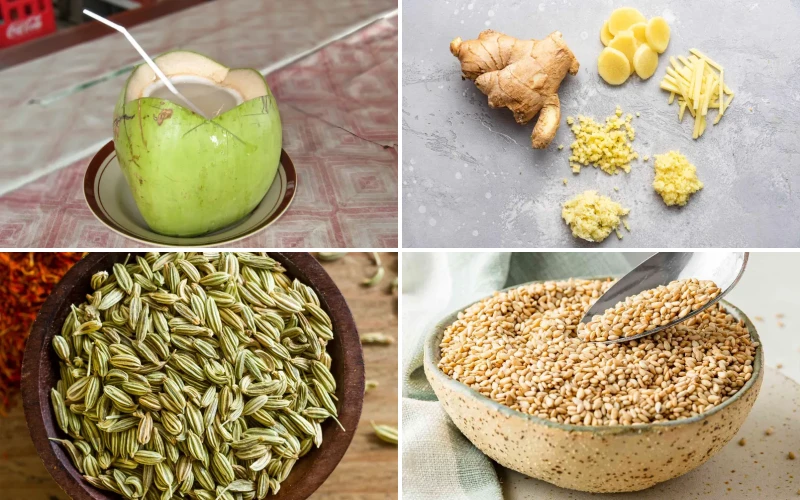
In this article, you’ll discover 20 doctor-recommended foods that are known to support and boost milk production. These are practical, easy to find, and backed by real science. Let’s dig in.
1. Oats
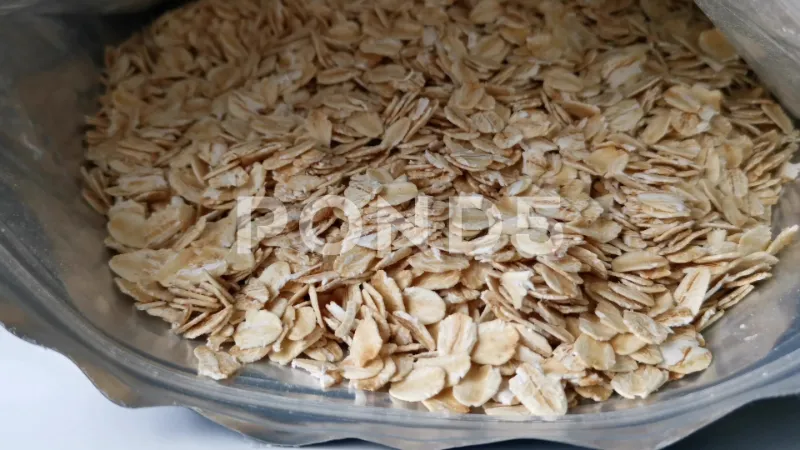
Oats are probably the most well-known galactagogue, which is just a fancy word for something that supports milk production. They’re rich in iron, and low iron levels are actually linked to reduced milk supply in nursing moms.
Oats also contain beta-glucan, a type of soluble fiber that may help raise the hormone prolactin. Prolactin is the key hormone responsible for telling your body to produce milk.
The easiest way to work oats in? A warm bowl of oatmeal in the morning. You can also add rolled oats to smoothies, bake them into lactation cookies, or stir them into yogurt.
2. Fenugreek
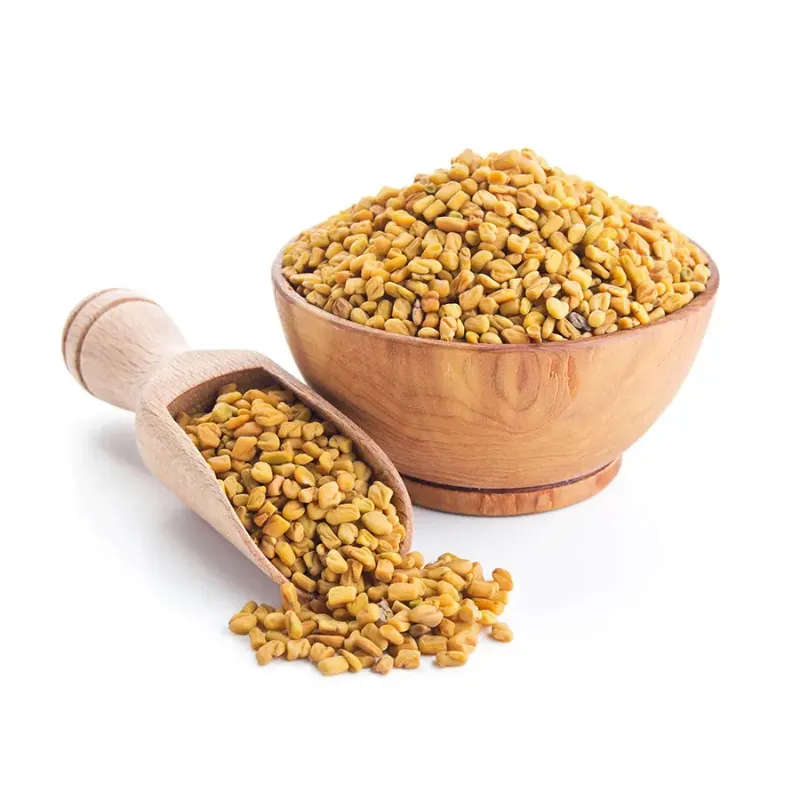
Fenugreek is one of the most commonly recommended herbal supplements for breastfeeding moms, and it’s been used for centuries across cultures. It contains phytoestrogens, plant compounds that mimic estrogen and may help stimulate milk glands.
Several small studies have shown that fenugreek can increase milk output noticeably within just a few days. Some moms even report their milk supply doubling.
You can take fenugreek as a capsule, brew it as a tea, or use fenugreek seeds in cooking. Just check with your doctor first, especially if you have diabetes, since it can affect blood sugar levels.
3. Fennel
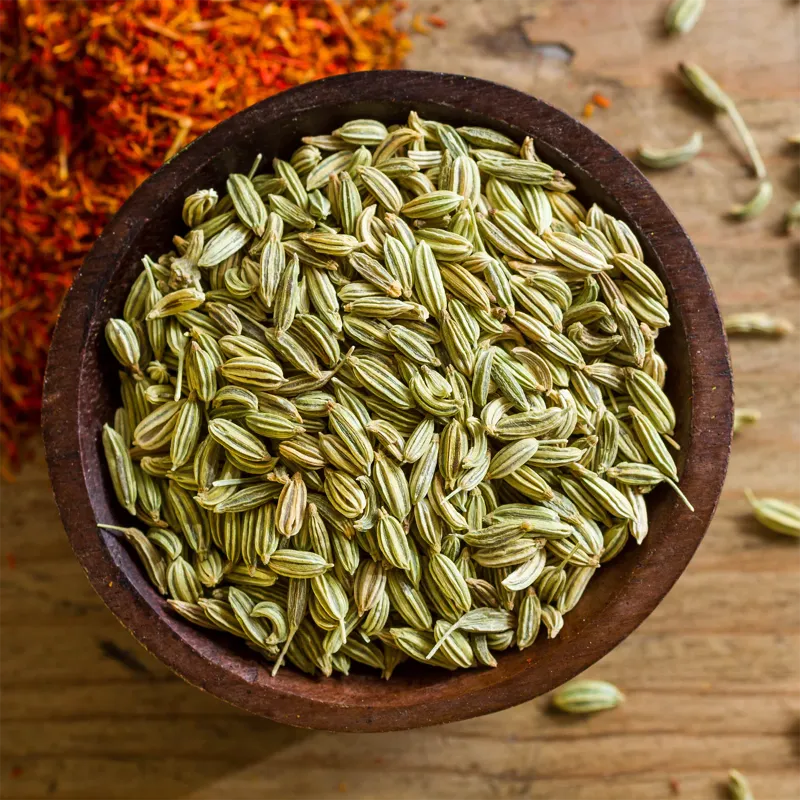
Fennel is a licorice-flavored vegetable and herb that has long been used as a natural milk booster in Europe and the Middle East. Like fenugreek, it contains phytoestrogens that may gently stimulate milk production.
The seeds, the bulb, and even fennel tea can all be useful here. It’s also a digestive aid, which is a nice bonus for postpartum moms dealing with bloating or discomfort.
Slice the fennel bulb into salads, roast it as a side dish, or sip on fennel seed tea throughout the day. It’s mild, tasty, and really easy to work into meals.
4. Brewer’s Yeast
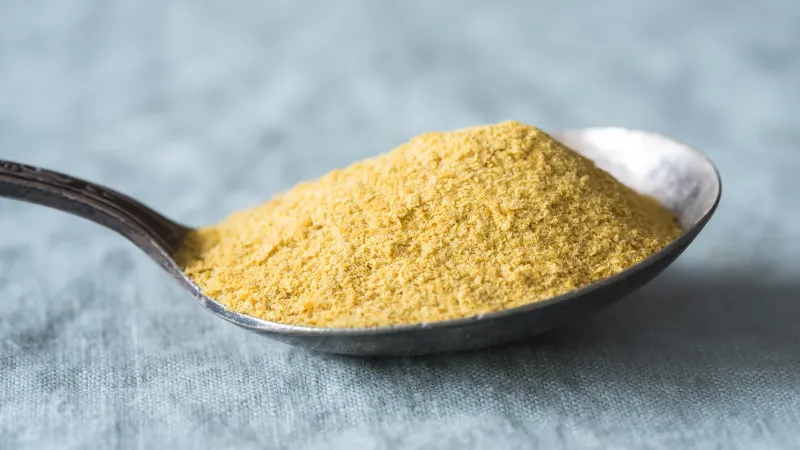
Brewer’s yeast is a nutritional powerhouse that often flies under the radar. It’s packed with B vitamins, iron, protein, and chromium, all of which support overall health and energy in postpartum moms.
Many lactation experts and registered dietitians recommend brewer’s yeast as a foundational ingredient in lactation cookies and smoothies. The iron and B vitamins in particular are thought to help the body support optimal milk supply.
Look for debittered brewer’s yeast powder, which is much more palatable than the regular kind. Mix it into oatmeal, pancake batter, or a fruit smoothie and you won’t even notice it.
5. Flaxseed
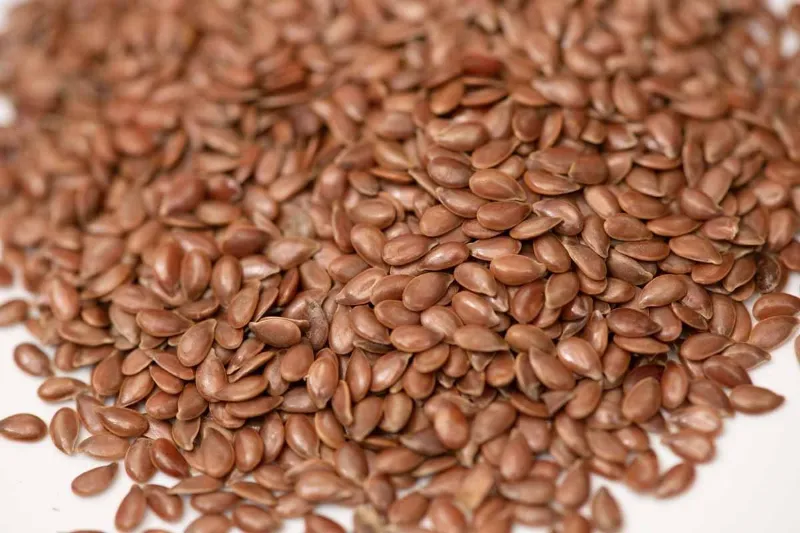
Flaxseeds are rich in phytoestrogens called lignans, which may support hormonal balance during breastfeeding. They also bring a healthy dose of omega-3 fatty acids, which are essential for your baby’s brain development.
One study found that flaxseed consumption positively influenced estrogen levels, making it a smart addition to a lactation-focused diet. Ground flaxseed is easier for your body to absorb than whole seeds.
Sprinkle ground flaxseed on yogurt, blend it into smoothies, or stir it into oatmeal. You can also find it in many lactation baked goods sold at grocery stores and online.
6. Garlic

Garlic might seem like an odd choice, but it has actually been studied in relation to breastfeeding. Research published in early nutrition journals found that babies nursed longer and consumed more milk when their mothers had eaten garlic.
Garlic is also deeply nourishing in general. It contains allicin, a compound known for its antibacterial and immune-boosting properties, which is great for postpartum recovery.
Don’t worry about the smell affecting your milk too much. Most babies actually seem to enjoy the slightly different flavor. Roast it into soups, sauté it with vegetables, or add it generously to your favorite recipes.
7. Almonds
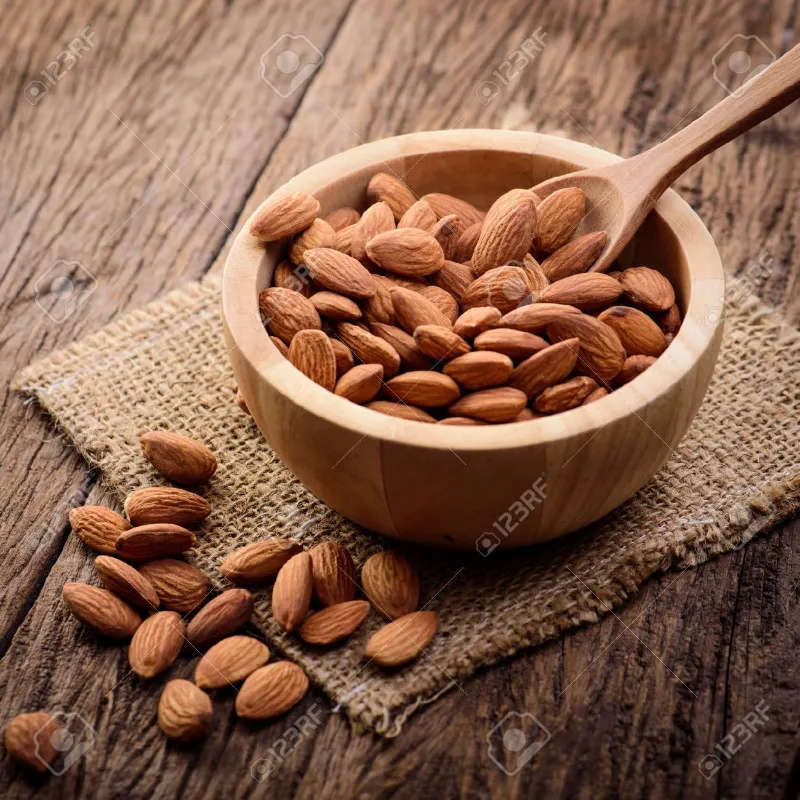
Almonds are a go-to snack for nursing moms for good reason. They’re rich in healthy fats, protein, calcium, and vitamin E, all nutrients that support both your health and your baby’s development.
Many lactation consultants recommend almonds as a galactagogue, and while the direct science is still developing, the nutritional value alone makes them worth including in your daily diet.
Keep a small bag of raw or lightly roasted almonds nearby for easy snacking. You can also use almond butter on toast, blend almond milk into smoothies, or toss slivered almonds onto salads.
8. Ginger
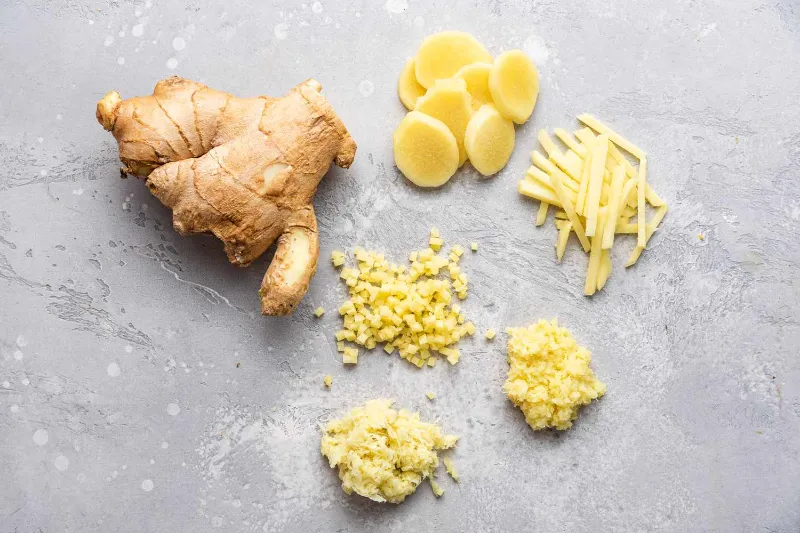
Ginger is most famous for calming nausea, but it also has a traditional reputation for stimulating milk flow. In Ayurvedic medicine and traditional Chinese medicine, ginger has long been used postpartum to support recovery and lactation.
It works as an anti-inflammatory and circulation booster too, which helps your body function at its best during the demanding early months of motherhood.
Fresh ginger in hot water makes a soothing tea. You can also grate it into stir-fries, soups, and marinades. Ginger shots from the store are another convenient option if you’re short on time.
9. Spinach
Spinach is loaded with iron, calcium, folic acid, and phytoestrogens, making it one of the most nutrient-dense leafy greens you can eat while breastfeeding. Iron deficiency is a common hidden reason for low milk supply, and spinach helps fight that.
It also contains plant-based calcium, which is important for your bone health since breastfeeding temporarily draws calcium from your reserves.
Throw a handful of spinach into your morning smoothie and you won’t taste it at all. It also works great in eggs, pasta, soups, and grain bowls. Getting more greens in has never been easier.
10. Chickpeas
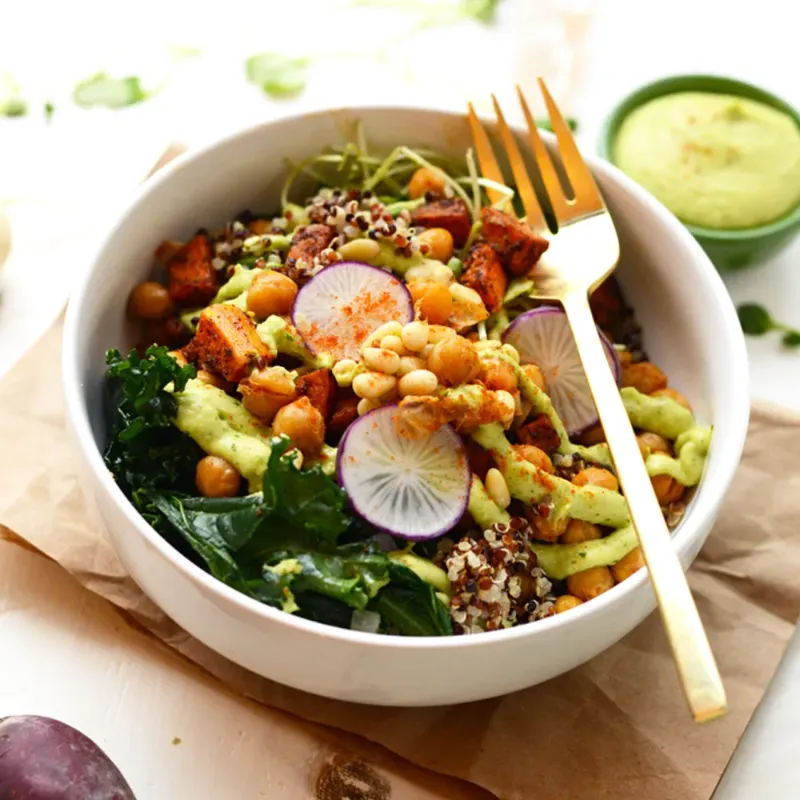
Chickpeas have been used for centuries in Middle Eastern and North African cultures to support lactating mothers. They’re rich in protein, iron, calcium, and B vitamins, all nutrients your body needs more of when making milk.
They also contain phytoestrogens, which we know may support milk production. And because they’re high in fiber and protein, they help keep your energy steady throughout the day.
Hummus is probably the easiest way to eat more chickpeas. You can also toss them into salads, roast them for a crunchy snack, or add them to curries and soups.
11. Barley
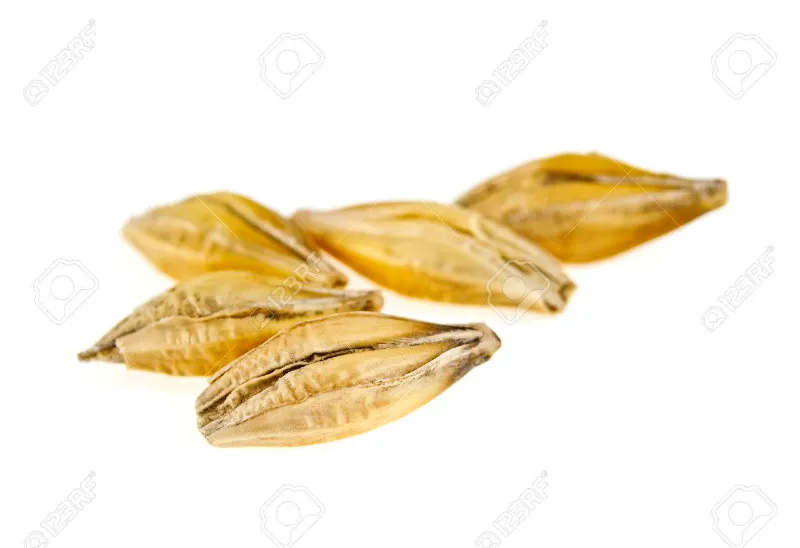
Barley is one of the richest dietary sources of beta-glucan, the same compound found in oats that may help increase prolactin levels. This makes it one of the most scientifically interesting foods on this list.
Some research suggests that beta-glucan works directly on receptors involved in prolactin release, which is pretty compelling for a simple whole grain. Barley is also full of fiber, B vitamins, and iron.
Barley water is a traditional lactation drink in many Asian cultures. You can also add barley to soups, stews, and grain salads. It has a pleasant, slightly chewy texture that works in a ton of dishes.
12. Sesame Seeds
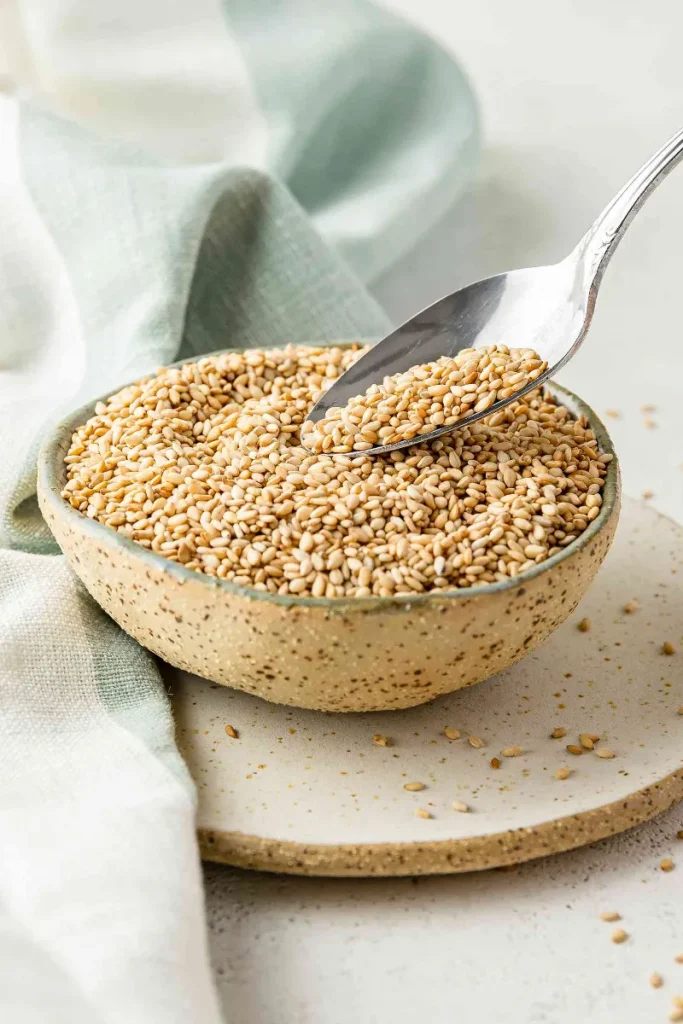
Sesame seeds are incredibly calcium-rich, which is vital during breastfeeding. They also contain iron, zinc, and healthy fats that support overall hormonal health.
In many Asian cultures, sesame is specifically given to new mothers in postpartum meals and desserts. Black sesame seeds in particular are prized for their high mineral content.
Sprinkle sesame seeds on salads, rice dishes, or roasted vegetables. Tahini, which is just ground sesame paste, is a delicious way to get more in. Try it in dressings, dips, or drizzled over sweet potato.
13. Carrots

Carrots are packed with beta-carotene and Vitamin A, both of which are important for lactation. Vitamin A is actually found in breast milk itself and plays a key role in your baby’s immune system and vision development.
Carrots also contain phytoestrogens, and some traditional medicine systems specifically recommend them as a milk-supporting vegetable for new mothers.
Raw carrots with hummus make the perfect nursing snack. You can also juice them, roast them with herbs, or blend them into soups. They’re cheap, widely available, and incredibly easy to work into your daily meals.
14. Dried Apricots
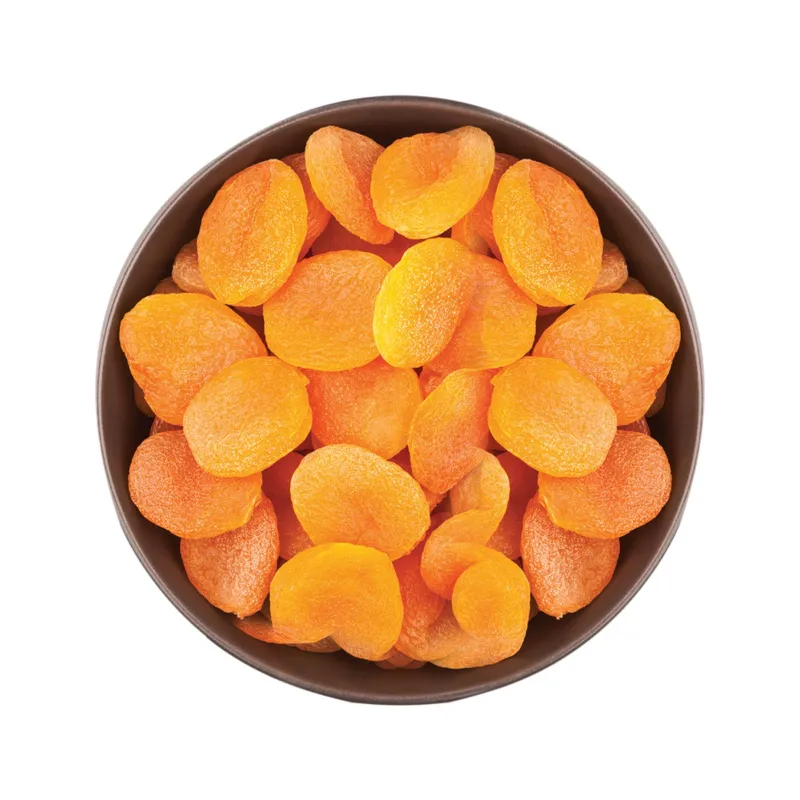
Dried apricots are a concentrated source of iron, calcium, potassium, and beta-carotene. They’re often recommended by midwives and lactation consultants as a smart snack for breastfeeding moms.
The iron content is especially important here. Research has consistently linked iron levels to milk supply, and dried apricots offer a convenient, sweet way to keep your intake up.
Keep a small container of dried apricots in your nursing bag or on the kitchen counter. They’re also great mixed into oatmeal, trail mix, or stirred into yogurt with almonds and a drizzle of honey.
15. Sweet Potatoes
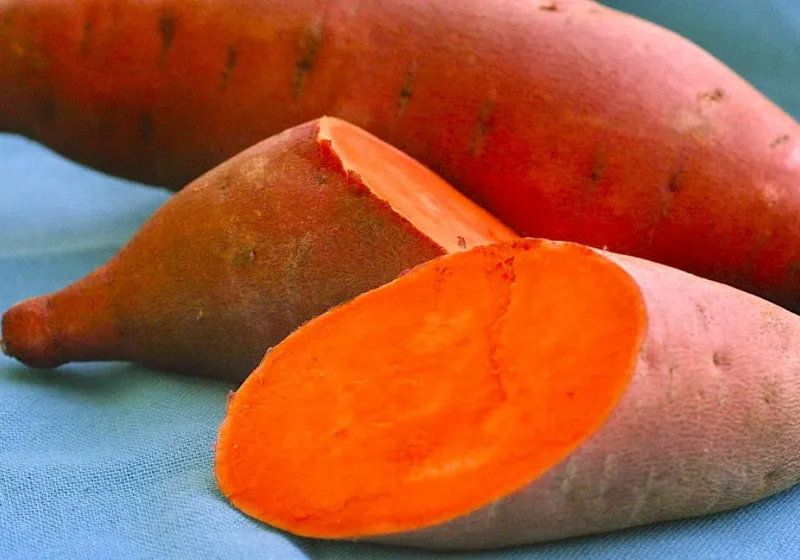
Sweet potatoes are rich in beta-carotene, Vitamin A, Vitamin C, potassium, and complex carbohydrates. Your body needs extra calories and nutrients while breastfeeding, and sweet potatoes deliver all of that in a satisfying, whole-food package.
Vitamin A in particular is a nutrient that transfers through breast milk to your baby, supporting their healthy development. Eating sweet potatoes regularly helps keep your own levels topped up.
Roast them in the oven as a simple side dish, mash them with a little butter and cinnamon, or cube them and toss them into a grain bowl. They’re filling, comforting, and endlessly versatile.
16. Salmon
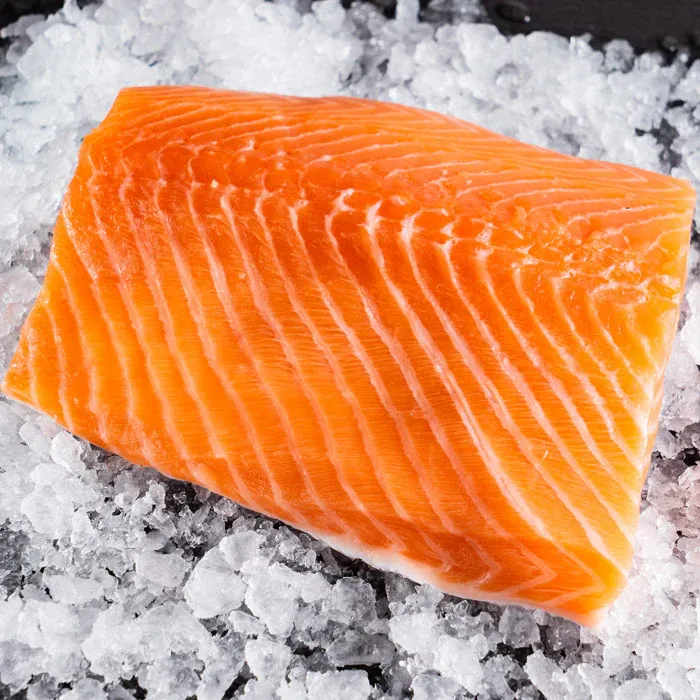
Salmon is one of the best food sources of omega-3 fatty acids, specifically DHA, which is crucial for your baby’s brain and eye development. These healthy fats also pass directly into your breast milk.
Salmon is also high in protein and Vitamin D, both of which support your recovery and overall health postpartum. Low Vitamin D levels have been associated with reduced milk production in some studies.
Aim for two servings of fatty fish like salmon per week. Bake it simply with lemon and herbs, add it to pasta, or eat it over a salad. Canned wild-caught salmon is an affordable and convenient option too.
17. Moringa

Moringa is sometimes called the “miracle tree,” and the science around it for breastfeeding is genuinely exciting. Multiple clinical studies have shown that moringa significantly increases milk volume in nursing mothers, often within the first few days of use.
It’s one of the most nutrient-dense plants on earth, containing high levels of iron, calcium, Vitamin C, Vitamin A, and protein. It supports both your milk supply and your own postpartum recovery at the same time.
You can find moringa as a powder, capsule, or tea. The powder has a mild, earthy flavor that blends well into smoothies or soups. It’s become much easier to find in health food stores and online in recent years.
18. Turmeric

Turmeric contains curcumin, one of the most studied anti-inflammatory compounds in nutrition science. Chronic low-grade inflammation can interfere with lactation, and turmeric helps bring that down.
It’s also been used in Ayurvedic postpartum traditions for centuries specifically to support recovery and milk flow. Some research suggests it may act on prolactin-related pathways, though more studies are still needed.
Golden milk, made with warm milk, turmeric, ginger, and a pinch of black pepper, is a delicious and nourishing way to use it. The black pepper actually helps your body absorb curcumin far more effectively, so don’t skip it.
19. Coconut

Coconut, especially coconut milk and coconut water, is widely used in Southeast Asian cultures to support lactating mothers. Coconut contains lauric acid, a type of medium-chain fatty acid that naturally appears in breast milk and supports your baby’s immune system.
Drinking coconut water also supports hydration, which is one of the most underrated factors in maintaining good milk supply. Even mild dehydration can noticeably reduce how much milk your body produces.
Add full-fat coconut milk to smoothies, soups, and curries. Sip on coconut water throughout the day as a hydrating alternative to plain water. It’s refreshing, naturally sweet, and genuinely good for you.
20. Water

Okay, water isn’t technically a food, but it deserves its own spot on this list because it is hands down the most important factor in your milk supply. Breast milk is over 87% water, which means your hydration directly impacts how much you can produce.
Most breastfeeding experts recommend drinking at least 13 cups of water per day, and many lactation consultants suggest keeping a large water bottle at your nursing station at all times.
If plain water feels boring, try adding slices of lemon, cucumber, or fresh mint. Herbal teas like fennel, fenugreek, or nettle count toward your fluid intake and give you the benefit of galactagogues at the same time.
Final Thoughts
Your body is doing something extraordinary right now, and what you eat is one of the best ways to support it. You don’t need to overhaul your entire diet overnight. Start by adding just one or two of these foods this week and see how you feel.
Small, consistent changes really do add up. Be patient with yourself, stay hydrated, and remember that asking for support is always a smart move. If you’re concerned about your milk supply, talking to a lactation consultant is always worth it.
