
27 Life-Changing Protein Rich Foods Vegetarian That Are Worth Trying

If you’ve ever wondered whether you can actually get enough protein without eating meat, the answer is a resounding yes. There are so many delicious, affordable, and nutrient-packed plant-based options out there that can fuel your body just as well, sometimes even better, than animal proteins.
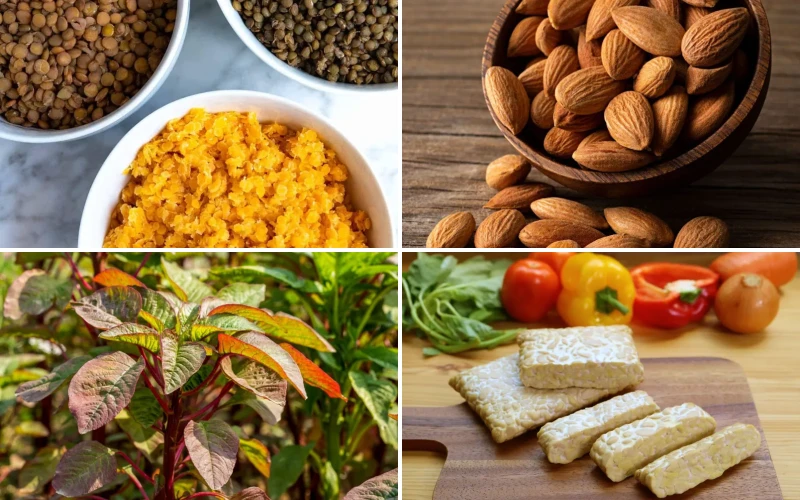
In this article, you’ll discover 27 incredible vegetarian protein sources, why they work, what the science says, and exactly how to add them to your everyday meals. Let’s dig in.
1. Lentils
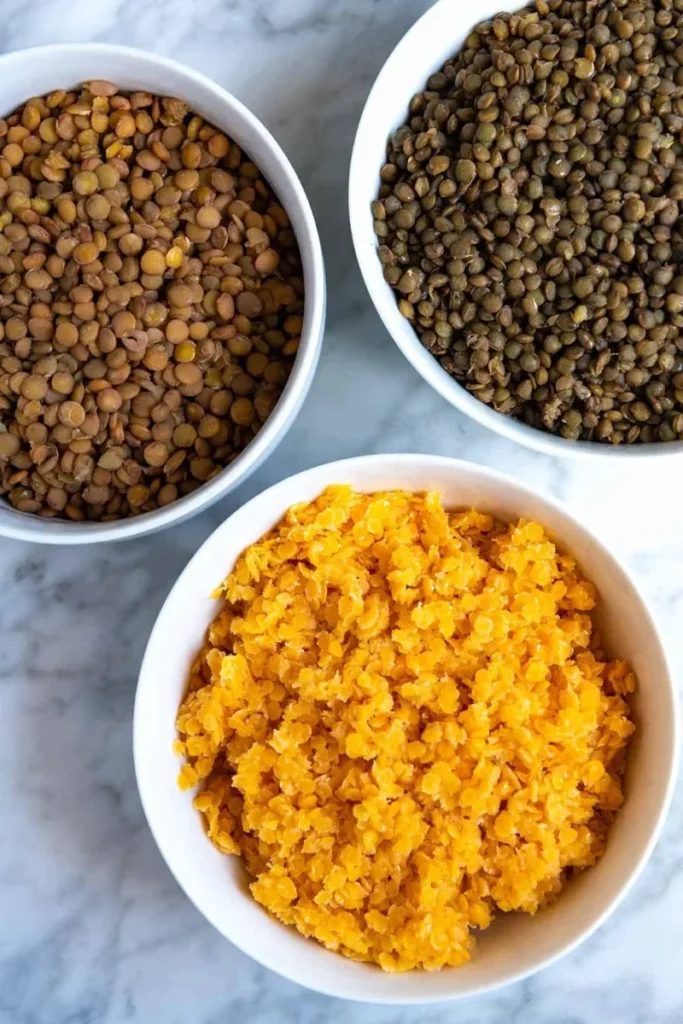
Lentils are one of the most underrated superfoods sitting in your pantry right now. A single cooked cup packs around 18 grams of protein, making them a serious contender in the plant-based protein world.
Beyond protein, lentils are loaded with fiber, iron, and folate. Studies show that the fiber in lentils helps stabilize blood sugar levels and supports a healthy gut microbiome, which affects everything from your mood to your immune system.
The best part? They’re incredibly easy to cook. Toss them into soups, make a hearty lentil curry, or use them as a meat substitute in tacos and pasta sauces. Red lentils even dissolve into a creamy texture perfect for thick, warming dals.
2. Chickpeas
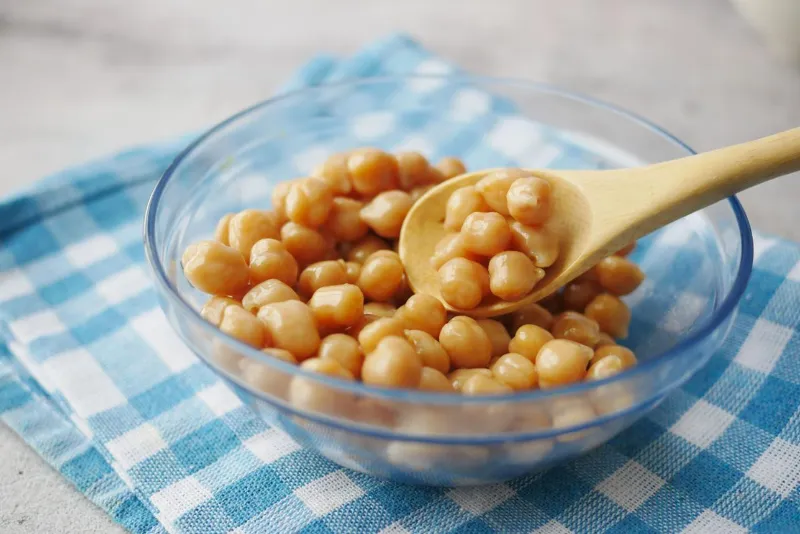
Chickpeas, also called garbanzo beans, are a protein powerhouse that doubles as comfort food. One cup of cooked chickpeas delivers around 15 grams of protein along with a solid dose of manganese and folate.
Research published in the journal Nutrients found that regular legume consumption, including chickpeas, is linked to lower cholesterol and reduced risk of heart disease. They’re also incredibly filling, which helps you manage hunger without overeating.
You can roast them for a crunchy snack, blend them into hummus, add them to salads, or simmer them in a spiced tomato sauce. Chickpeas are endlessly versatile and honestly hard to mess up.
3. Black Beans
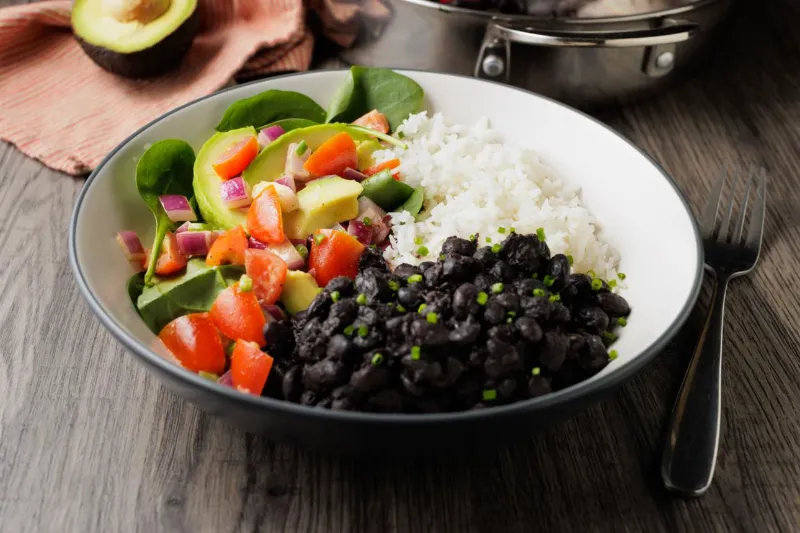
Black beans bring a rich, earthy flavor along with about 15 grams of protein per cooked cup. They’re also bursting with antioxidants, particularly anthocyanins, the same compounds found in blueberries.
The combination of protein and fiber in black beans makes them incredibly satiating. They help slow digestion, keeping you full longer and helping prevent those mid-afternoon energy crashes you know all too well.
Use them in burritos, grain bowls, veggie burgers, or black bean soup. They’re a staple in Mexican and Latin American cooking for a good reason: they’re cheap, nutritious, and absolutely delicious.
4. Edamame
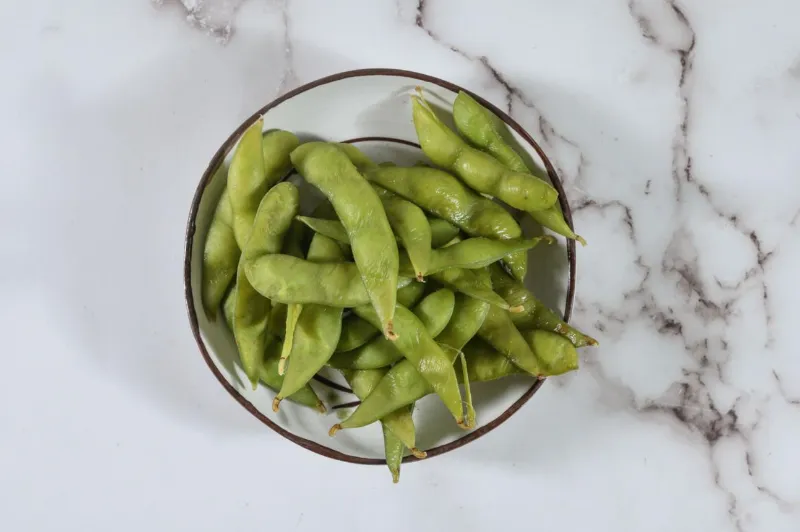
Edamame are young soybeans, and they’re one of the few plant foods that contain all nine essential amino acids. That makes them a complete protein, with about 17 grams per cooked cup.
They’re also rich in vitamin K, which supports bone health, and isoflavones, plant compounds that may help balance hormones and reduce inflammation. Several studies have linked soy consumption to reduced risk of certain cancers when eaten in whole food form.
Enjoy edamame steamed with a pinch of sea salt as a snack, toss them into stir-fries, or blend them into a vibrant green hummus. They’re satisfying, easy to prepare, and wildly nutritious.
5. Tofu
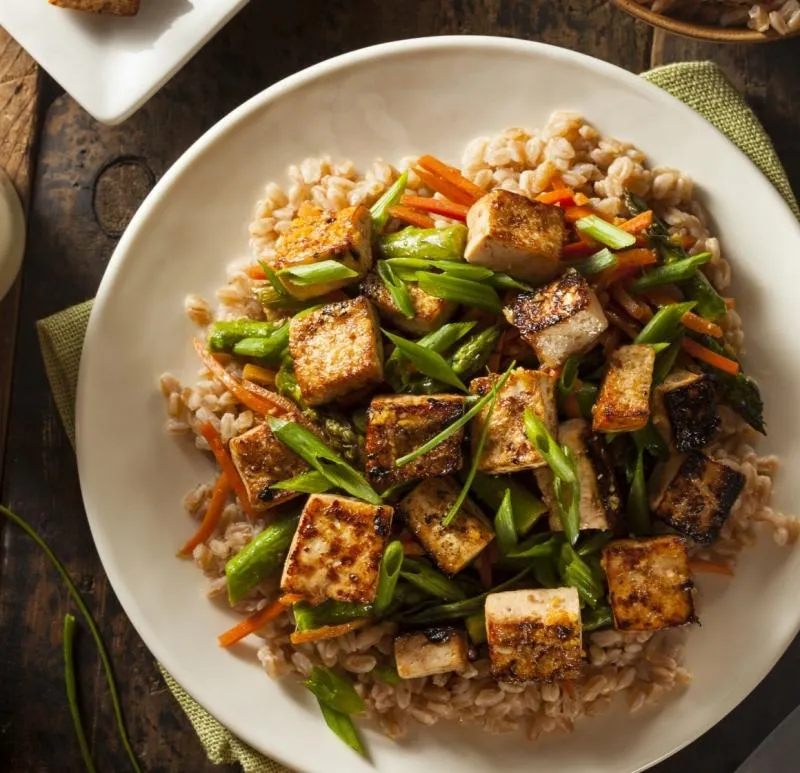
Tofu is the classic go-to for vegetarians, and for good reason. Made from compressed soy milk, tofu delivers around 10 grams of protein per half-cup and is incredibly adaptable to different cooking styles and flavors.
Tofu is also rich in calcium and contains isoflavones that act as antioxidants in the body. Research has shown that eating tofu regularly may support heart health and help maintain healthy cholesterol levels.
The key to great tofu is preparation. Press it well to remove excess moisture, marinate it generously, and then bake, pan-fry, or air-fry it until golden. It soaks up whatever flavors you give it, which makes it a blank canvas for creativity in the kitchen.
6. Tempeh
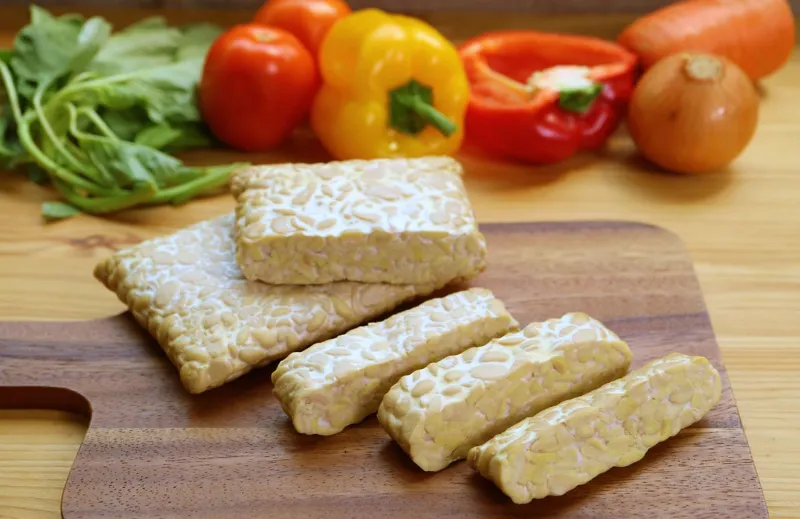
Tempeh is tofu’s fermented cousin, and it’s arguably even better for you. It offers around 19 grams of protein per 3-ounce serving, plus it’s a fermented food which means it supports gut health through natural probiotics.
The fermentation process also makes nutrients in tempeh more bioavailable, meaning your body absorbs them more efficiently. It’s one of the richest plant-based sources of riboflavin, magnesium, and phosphorus.
Try slicing tempeh thin, marinating it in soy sauce, garlic, and smoked paprika, then pan-frying until crispy. It’s incredible in sandwiches, grain bowls, and tacos. Once you nail the marinade, you’ll be hooked.
7. Seitan
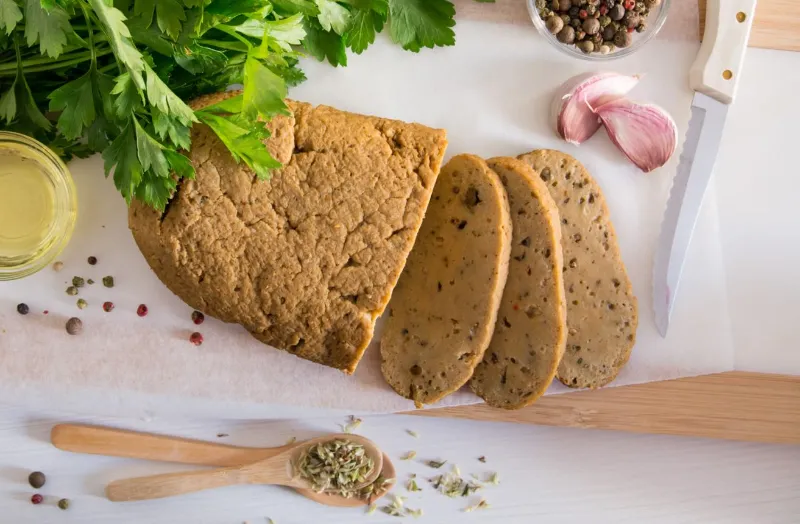
Seitan, often called wheat meat, is made from vital wheat gluten and is one of the meatiest plant proteins out there. It packs a jaw-dropping 25 grams of protein per 3.5-ounce serving.
Because of its chewy, dense texture, seitan works brilliantly as a meat replacement in stews, stir-fries, sandwiches, and BBQ dishes. It absorbs marinades beautifully and holds its shape during cooking, which is something tofu can struggle with.
One thing to note: seitan isn’t suitable for anyone with celiac disease or gluten sensitivity. But if gluten isn’t an issue for you, this is one of the most satisfying and protein-dense vegetarian foods you can eat.
8. Greek Yogurt
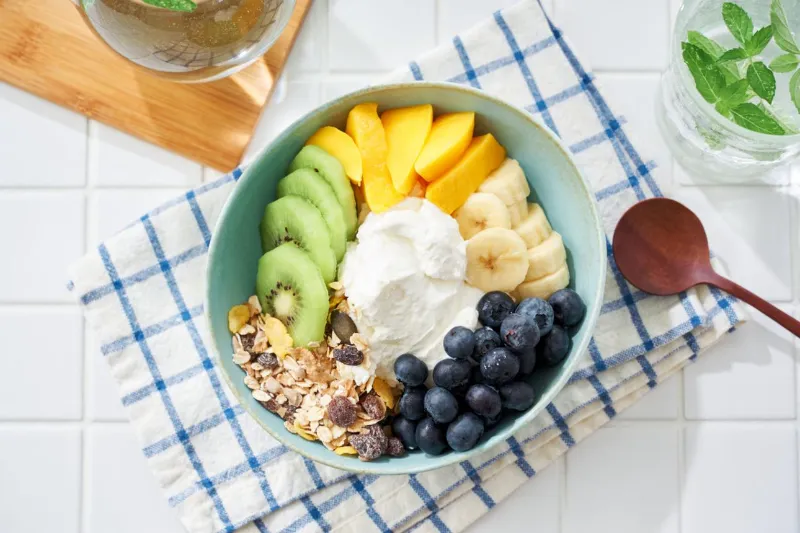
Greek yogurt is strained to remove excess whey, which concentrates the protein content to about 17 to 20 grams per cup. It’s also packed with calcium, B12, and gut-friendly probiotics.
The live cultures in Greek yogurt support a healthy digestive system and have been linked to improved immune function in multiple clinical studies. The high protein content also makes it one of the most filling breakfast options you can choose.
Enjoy it with berries and honey for breakfast, use it as a sour cream substitute in savory dishes, or blend it into smoothies for a creamy protein boost. Choose plain, unsweetened versions to avoid hidden added sugars.
9. Cottage Cheese
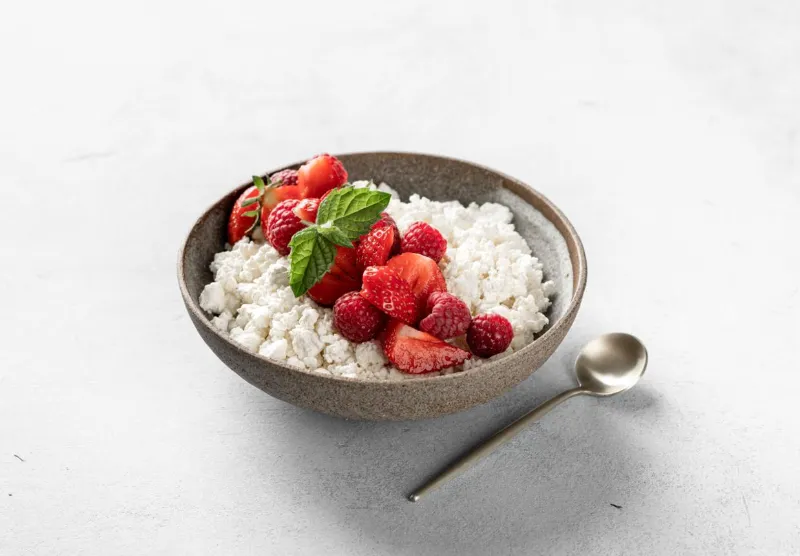
Cottage cheese is having a well-deserved comeback, and if you haven’t tried it lately, you might be surprised by how good it actually is. It delivers around 25 grams of protein per cup and is particularly rich in casein, a slow-digesting protein that keeps you full for hours.
Casein protein is especially useful at night because it releases amino acids slowly while you sleep, which supports muscle recovery and growth. Athletes and fitness enthusiasts have long used cottage cheese as a pre-bedtime snack for this reason.
Eat it with sliced fruit, blend it into pancake batter, mix it into pasta sauces for a creamy texture, or simply season it with herbs and eat it with crackers. It’s mild, versatile, and really underestimated.
10. Eggs
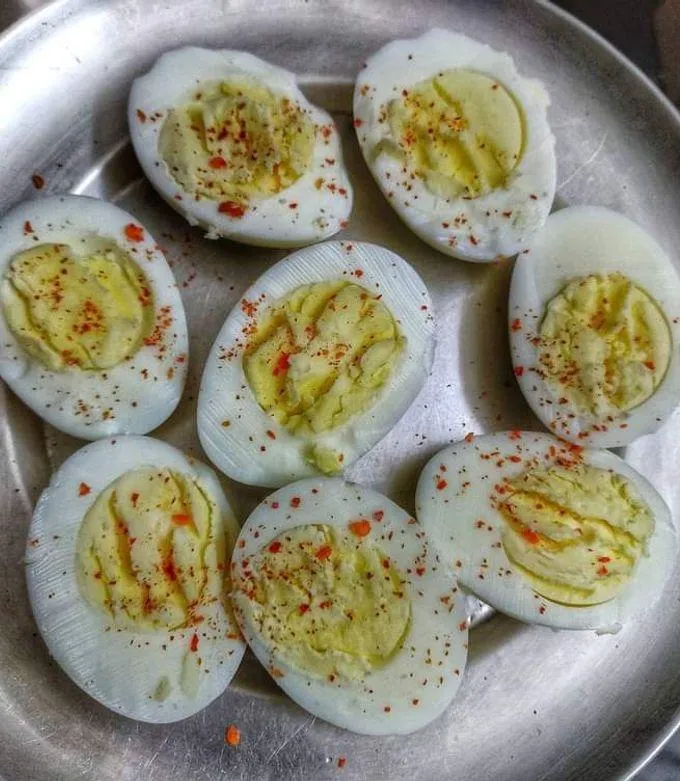
Eggs are one of the most complete and bioavailable protein sources in the world, vegetarian or otherwise. Two large eggs provide about 12 grams of protein and contain all essential amino acids in nearly perfect ratios.
The yolk, often unfairly demonized, is where most of the nutrition lives. It contains choline, which is critical for brain function and liver health, plus fat-soluble vitamins like A, D, E, and K. Research now widely supports that moderate egg consumption doesn’t negatively impact heart health in healthy individuals.
Scramble them, poach them, hard-boil them for meal prep, or turn them into a veggie-packed frittata. Eggs are one of the most affordable and versatile protein sources you’ll ever find.
11. Quinoa
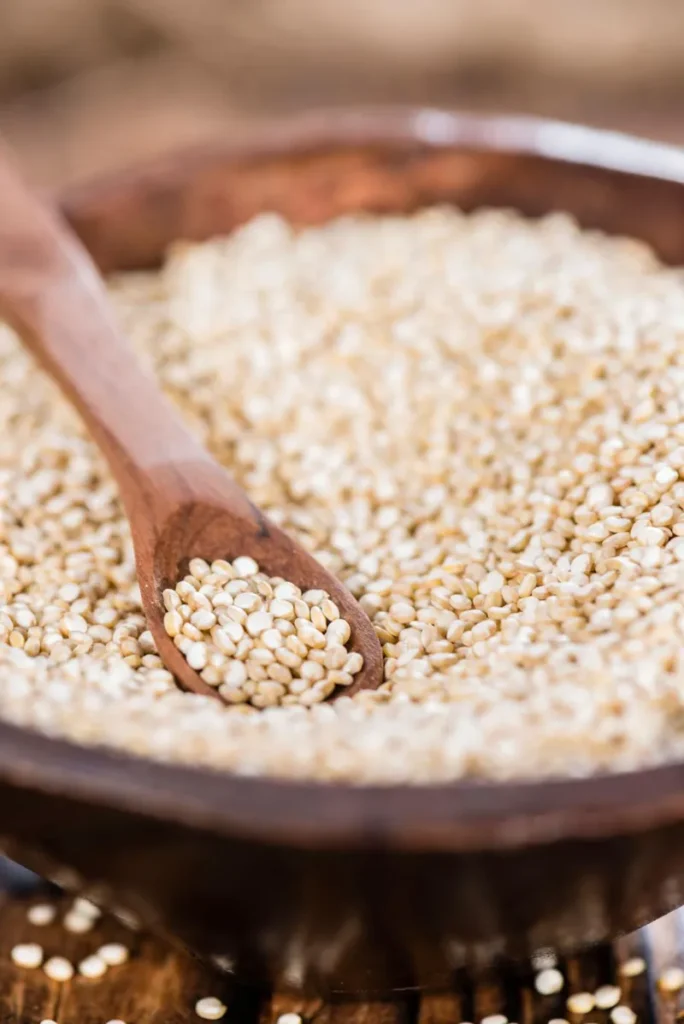
Quinoa is technically a seed, but it’s eaten like a grain and it’s one of the very few plant foods that is a complete protein. One cooked cup has about 8 grams of protein along with a hearty dose of magnesium, iron, and fiber.
It’s also naturally gluten-free, making it a great option for people who can’t tolerate wheat. Studies have linked quinoa consumption to better blood sugar control and reduced markers of inflammation due to its antioxidant content.
Use quinoa as a base for grain bowls, mix it into soups, use it in place of rice, or even make quinoa porridge for breakfast. It’s nutty, satisfying, and one of the most nutritious things you can cook up in 15 minutes.
12. Hemp Seeds
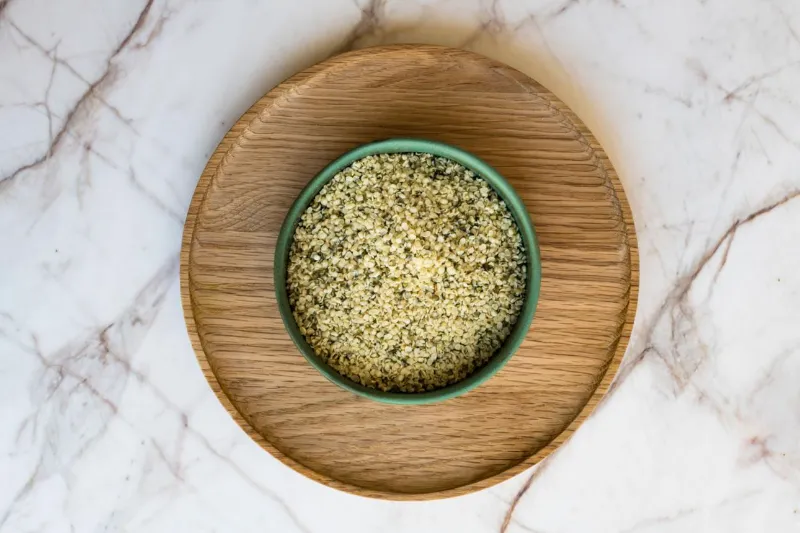
Hemp seeds are tiny but absolutely mighty. Just three tablespoons deliver around 10 grams of complete protein, meaning they contain all essential amino acids your body needs but can’t produce on its own.
They’re also one of the best plant sources of omega-3 and omega-6 fatty acids in the ideal ratio for human health. These healthy fats support brain function, reduce inflammation, and support cardiovascular health.
Sprinkle hemp seeds on oatmeal, blend them into smoothies, stir them into yogurt, or toss them on salads. They have a mild, nutty flavor that blends seamlessly into almost anything, making them one of the easiest protein boosts you can add to your day.
13. Chia Seeds
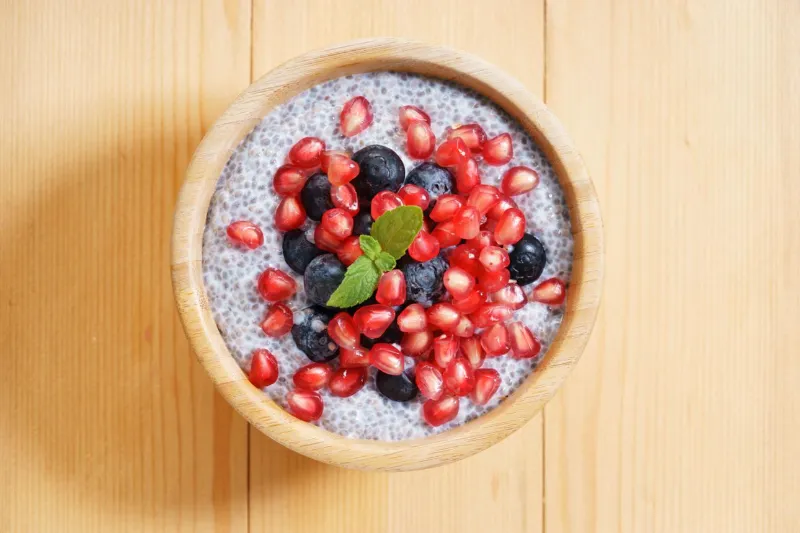
Chia seeds might be small, but they’re a nutritional powerhouse. Two tablespoons provide about 4 grams of protein, plus an impressive amount of omega-3 fatty acids, calcium, and fiber.
When you mix chia seeds with liquid, they expand and form a gel-like consistency. This slows digestion, promotes fullness, and helps stabilize blood sugar, which is especially beneficial after meals.
Make overnight chia pudding with almond milk and fruit, stir them into smoothies, or use them as an egg substitute in baking by mixing one tablespoon of chia seeds with three tablespoons of water. They’re endlessly useful.
14. Pumpkin Seeds
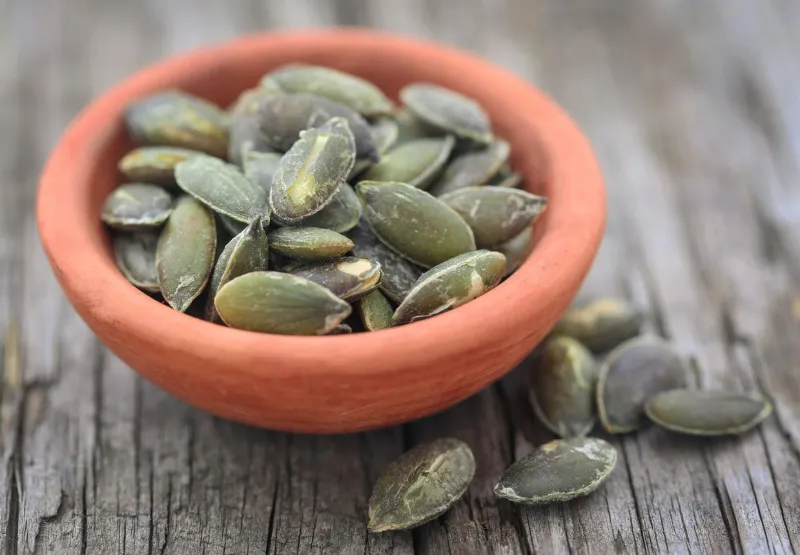
Pumpkin seeds, also called pepitas, are one of the most nutrient-dense seeds you can snack on. A one-ounce serving packs about 9 grams of protein along with impressive amounts of zinc, magnesium, and iron.
Zinc is particularly noteworthy here because plant-based diets can sometimes fall short in this mineral. Zinc supports immune function, wound healing, and hormone balance. Pumpkin seeds are one of the best plant sources of zinc available.
Toast them lightly with a little olive oil and sea salt for a crunchy snack, blend them into pesto, sprinkle them on soups and salads, or mix them into granola. They add a satisfying crunch and a serious nutritional boost to almost any dish.
15. Sunflower Seeds
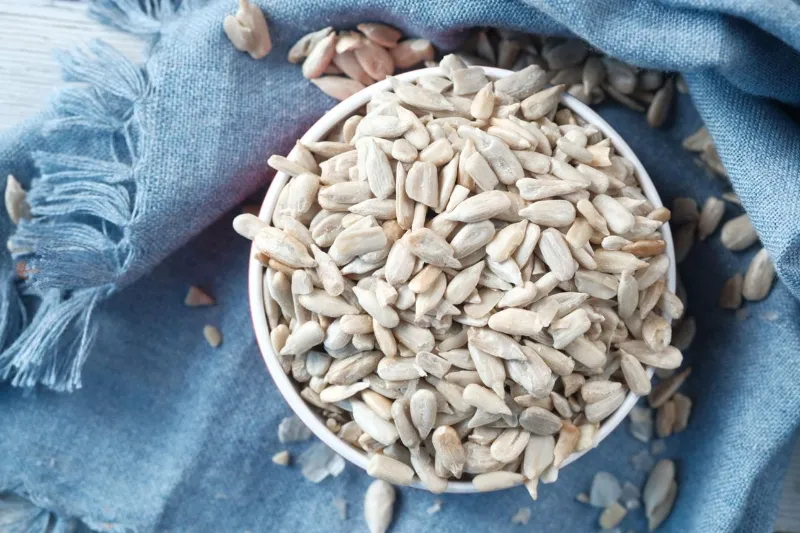
Sunflower seeds are often overlooked, but they’re a fantastic source of plant protein with about 6 grams per ounce. They’re also loaded with vitamin E, a powerful antioxidant that protects your cells from oxidative stress.
Research shows that vitamin E plays a key role in immune function and skin health. Sunflower seeds are also rich in selenium and B vitamins, which support energy metabolism and thyroid function.
Toss sunflower seeds into trail mix, sprinkle them on salads, stir them into yogurt, or use sunflower seed butter as a peanut butter alternative. They’re affordable, widely available, and genuinely delicious.
16. Almonds
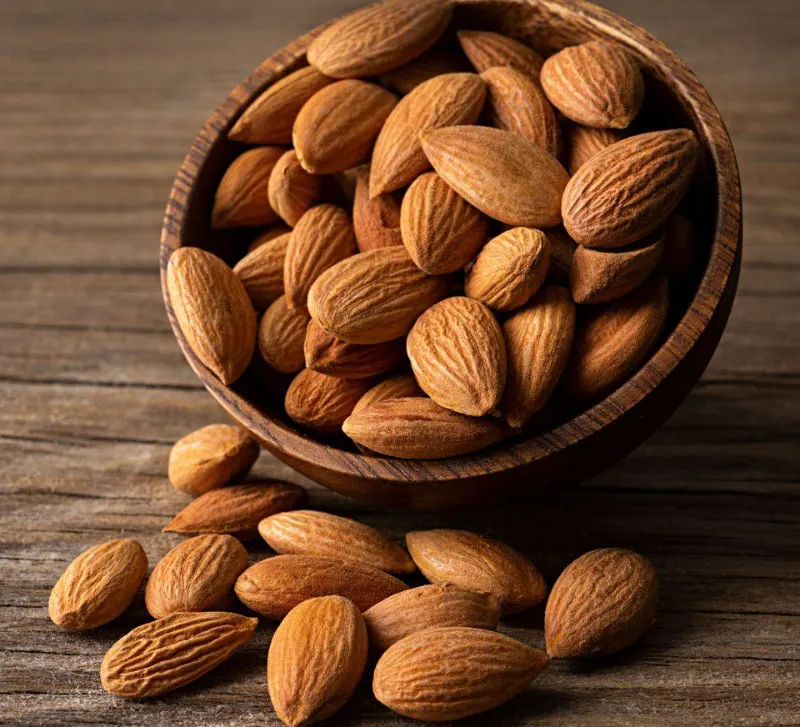
Almonds are one of the most popular nuts in America, and with good reason. A one-ounce serving delivers about 6 grams of protein alongside healthy monounsaturated fats, vitamin E, and magnesium.
A landmark study published in the New England Journal of Medicine found that regular nut consumption was associated with reduced risk of heart disease and all-cause mortality. The combination of protein, fiber, and healthy fats in almonds makes them incredibly satisfying as a snack.
Eat them raw, roast them with spices, use almond butter on toast, or blend them into homemade almond milk. A small handful goes a long way, and they’re one of the most portable protein-rich snacks you can keep on hand.
17. Peanuts
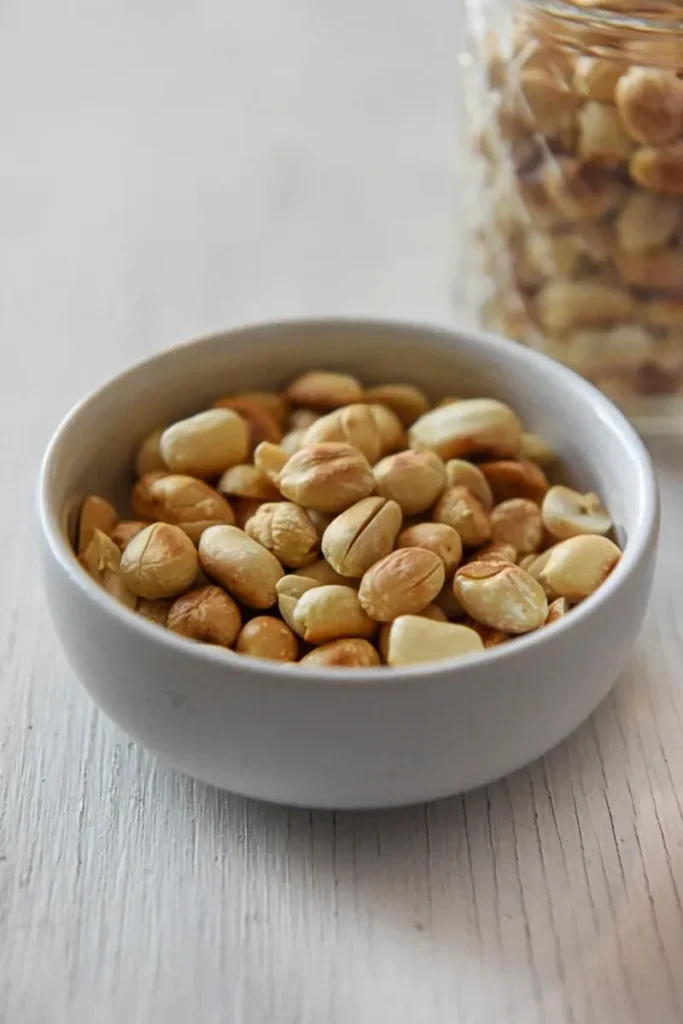
Peanuts are technically legumes, not nuts, but they function like nuts in cooking and deliver an impressive 7 grams of protein per ounce. They’re also packed with niacin, folate, and resveratrol, an antioxidant linked to heart health.
Studies have shown that people who regularly eat peanuts have lower rates of cardiovascular disease. Their combination of protein and healthy fats helps keep blood sugar stable and cravings in check throughout the day.
Enjoy peanut butter on whole grain toast, make a savory peanut sauce for noodles, add whole peanuts to stir-fries, or simply snack on a handful between meals. Few foods are this affordable, this tasty, and this good for you.
18. Cashews
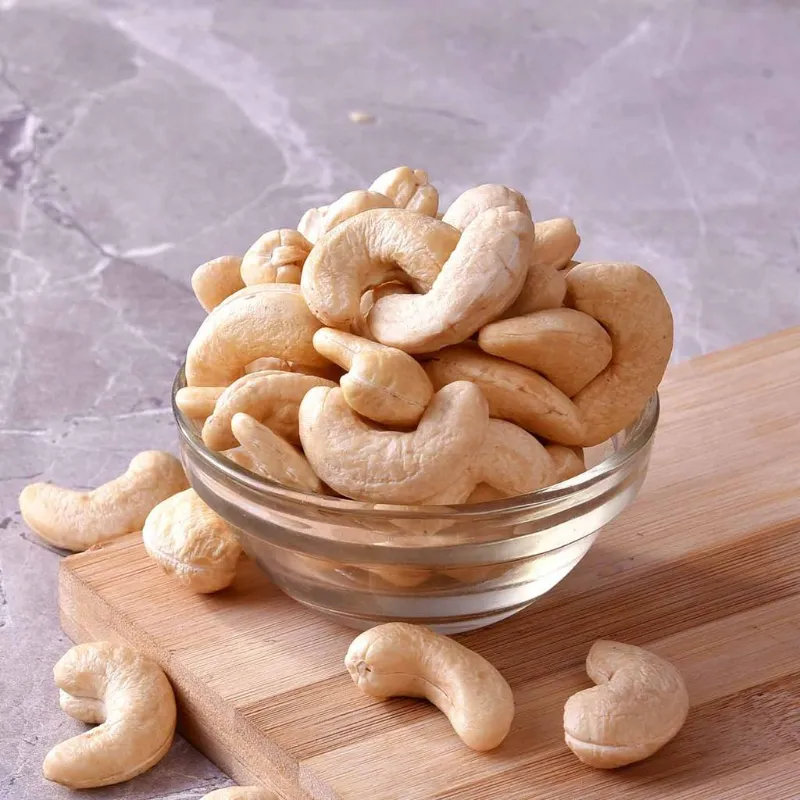
Cashews are creamier and slightly lower in protein than other nuts at about 5 grams per ounce, but they’re extraordinarily versatile. They’re rich in copper, which supports energy production and collagen synthesis, plus healthy monounsaturated fats.
Cashews are the secret weapon of plant-based cooking because when soaked and blended, they transform into an incredibly creamy sauce or cheese that can replace dairy in dozens of recipes. This makes them invaluable for vegetarians looking for rich, satisfying textures.
Use cashew cream in pasta dishes, make cashew-based dips and spreads, snack on them raw or roasted, or blend them into smoothies for richness. They’re one of those ingredients that make plant-based cooking feel truly indulgent.
19. Peas
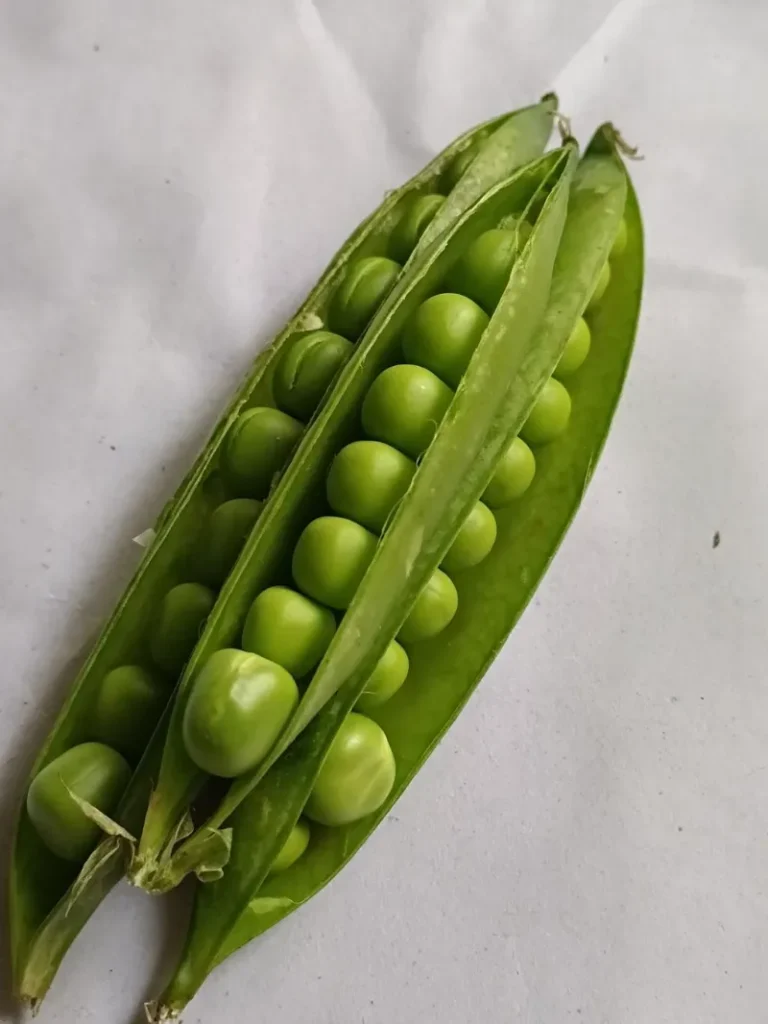
Green peas are a sneakily great source of plant protein with about 8 grams per cooked cup. They’re also rich in vitamin C, vitamin K, and a variety of antioxidants that help fight inflammation.
Pea protein has actually become one of the most popular protein supplements on the market because it’s highly digestible and contains a great amino acid profile. The whole food form, however, comes with bonus fiber and micronutrients that supplements simply can’t replicate.
Add peas to pasta, stir them into risotto, blend them into a vibrant green soup, or smash them onto toast with lemon and mint. They’re sweet, bright, and far more nutritious than most people realize.
20. Nutritional Yeast
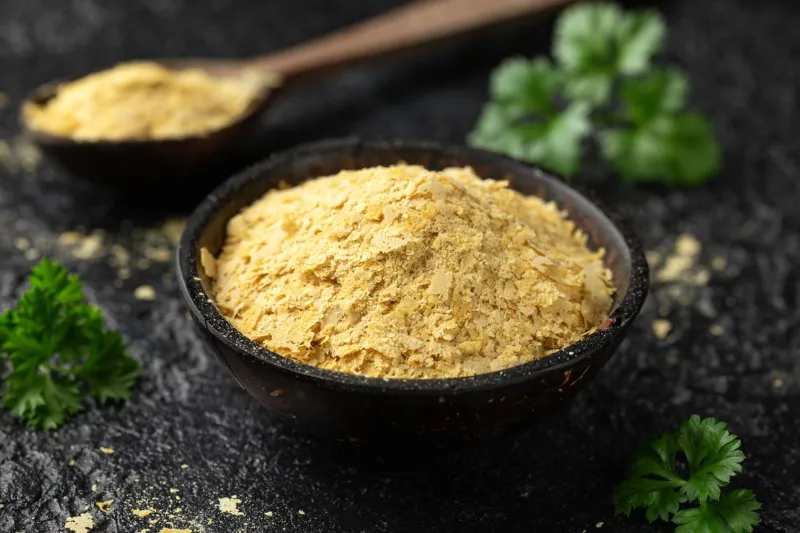
Nutritional yeast is a deactivated yeast that has a savory, cheesy flavor and is beloved in the vegetarian world for good reason. Just two tablespoons provide about 8 grams of complete protein and are typically fortified with B12, a vitamin that’s notoriously hard to get on a plant-based diet.
B12 is essential for nerve function, red blood cell production, and DNA synthesis. Many vegetarians and vegans are deficient without realizing it, which makes nutritional yeast one of the most important foods to include regularly.
Sprinkle it on popcorn, stir it into pasta sauces, use it to make vegan cheese sauces, or add it to soups for depth of flavor. It’s one of those ingredients that instantly elevates a dish while quietly delivering serious nutrition.
21. Spirulina
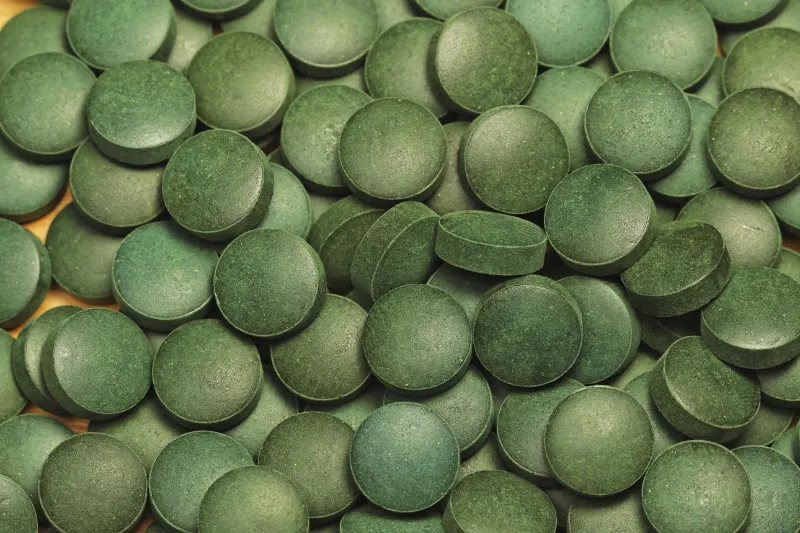
Spirulina is a blue-green algae that sounds a little unusual but is one of the most nutrient-dense foods on the planet. Just two tablespoons contain around 8 grams of complete protein along with significant amounts of iron, B vitamins, and the antioxidant phycocyanin.
Research has shown that spirulina has powerful anti-inflammatory and immune-boosting properties. It’s also been studied for its ability to reduce blood pressure and improve cholesterol levels in clinical trials.
The flavor can be strong, which is why most people add spirulina to smoothies where it blends with fruit and nut butters. Start with a teaspoon and work your way up. It’s not the prettiest addition to a smoothie, but it is one of the most powerful.
22. Amaranth
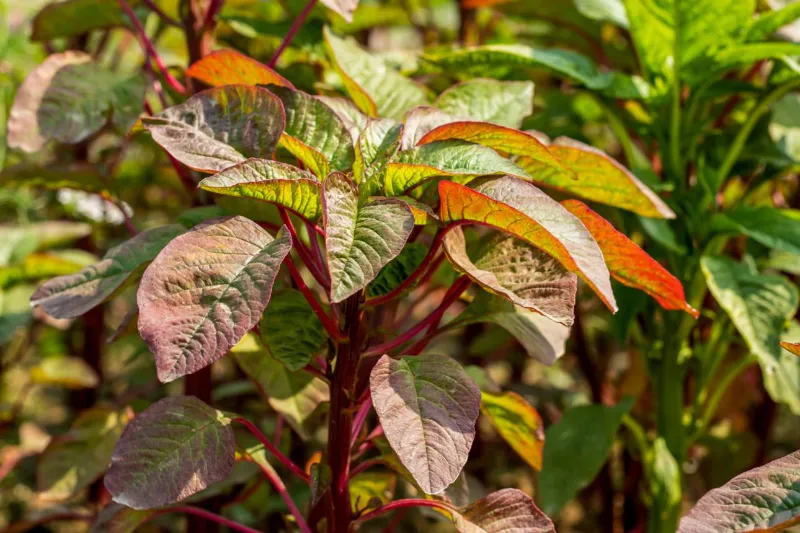
Amaranth is an ancient grain that has been cultivated for thousands of years and is now having a modern revival. One cooked cup delivers about 9 grams of complete protein along with high levels of manganese, magnesium, and phosphorus.
Unlike most grains, amaranth contains lysine, an amino acid that is typically low in plant foods. Lysine is essential for collagen production, immune function, and calcium absorption, which makes amaranth uniquely valuable in a vegetarian diet.
Cook it like oatmeal for a warm, hearty breakfast, use it as a base for grain bowls, pop it like popcorn for a crunchy topping, or add it to soups for extra thickness. It has a slightly nutty, earthy flavor that works well in both sweet and savory dishes.
23. Buckwheat
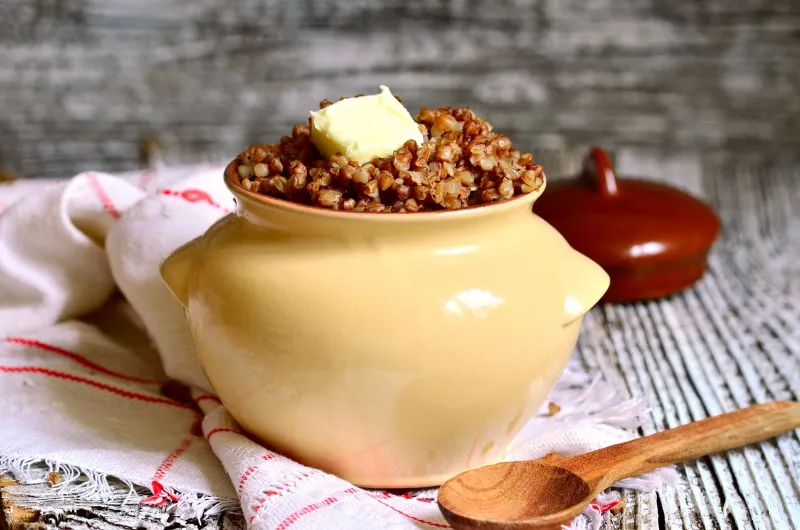
Despite the name, buckwheat contains no wheat and is completely gluten-free. It’s a seed that’s used like a grain and provides about 6 grams of protein per cooked cup along with all essential amino acids.
Buckwheat is also exceptionally rich in rutin, a flavonoid that strengthens blood vessels and has been studied for its ability to support heart health and reduce blood pressure. It also contains resistant starch, which feeds beneficial gut bacteria.
Use buckwheat groats as a porridge, make traditional Japanese soba noodles, or use buckwheat flour in pancakes and waffles. It has a distinctive, slightly earthy flavor that becomes deeply satisfying once you get used to it.
24. Soy Milk
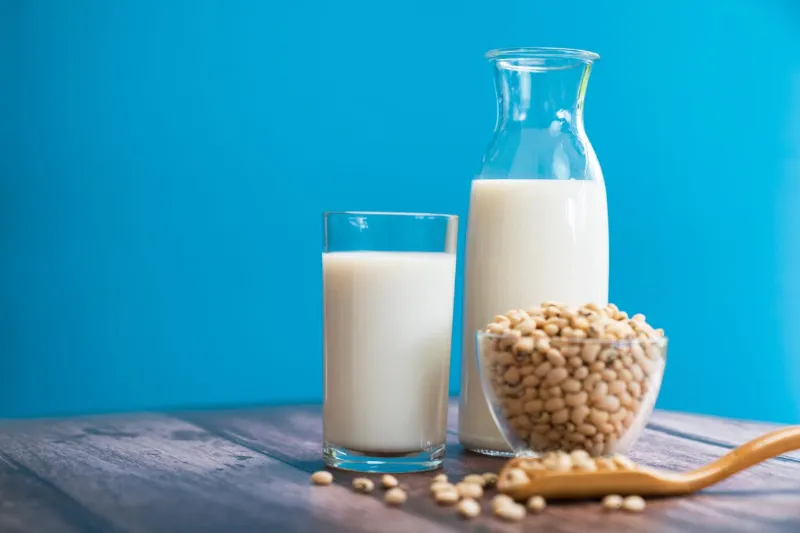
Soy milk is the only plant-based milk that naturally matches cow’s milk in protein content, offering around 7 to 8 grams per cup. It’s made from whole soybeans and is often fortified with calcium, vitamin D, and B12.
For vegetarians looking to maintain adequate calcium and vitamin D intake, choosing fortified soy milk is a smart move. Studies show that soy milk is absorbed similarly to dairy milk and supports bone health comparably when fortified.
Use soy milk in your morning coffee, blend it into smoothies, pour it over cereal, or use it in cooking wherever cow’s milk is called for. It’s the most nutritionally complete non-dairy milk option on the market, and its flavor is mild and pleasant.
25. Mozzarella Cheese
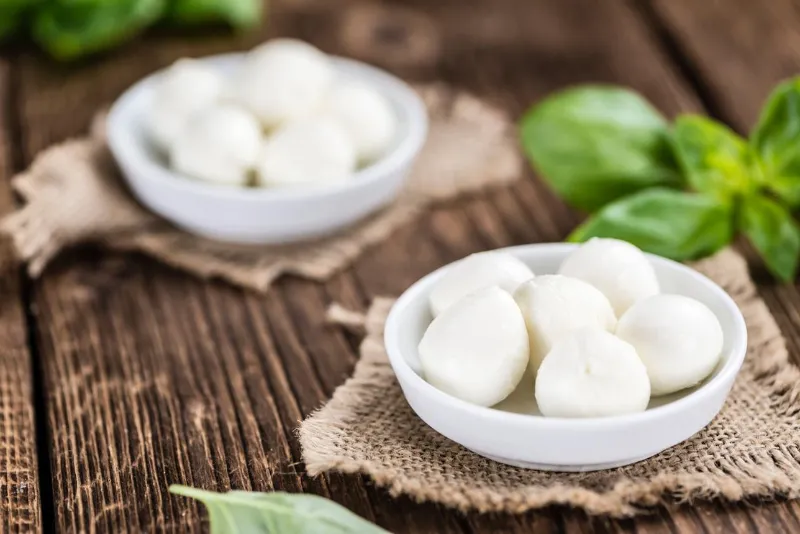
Fresh mozzarella is not just delicious, it’s also a solid source of protein with about 6 to 7 grams per ounce. It’s also rich in calcium and phosphorus, both of which are crucial for strong bones and teeth.
The conjugated linoleic acid (CLA) found in mozzarella has been studied for its potential to support healthy body composition and immune function. Fresh mozzarella is also lower in sodium than many other cheeses, which makes it a smarter choice for heart health.
Layer it in a caprese salad with tomatoes and fresh basil, melt it on homemade pizza, or stuff it into a fresh panini. Fresh mozzarella, especially the kind packed in water, is one of the most enjoyable ways to add protein to your meals.
26. Paneer

Paneer is a fresh, non-melting cheese that’s central to Indian cooking and an absolute protein gem. It provides about 7 grams of protein per ounce and is made simply from curdled milk, which means it’s high in casein protein and calcium.
Because paneer doesn’t melt, it holds its shape beautifully when cooked, making it ideal for grilling, sautéing, or simmering in rich sauces. It absorbs spices and marinades wonderfully, giving it an incredible depth of flavor.
Make classic palak paneer with spinach and cream, cube and grill it with vegetables, or marinate it in yogurt and spices before pan-frying. If you’ve never cooked with paneer before, you’re genuinely in for a treat.
27. Wild Rice
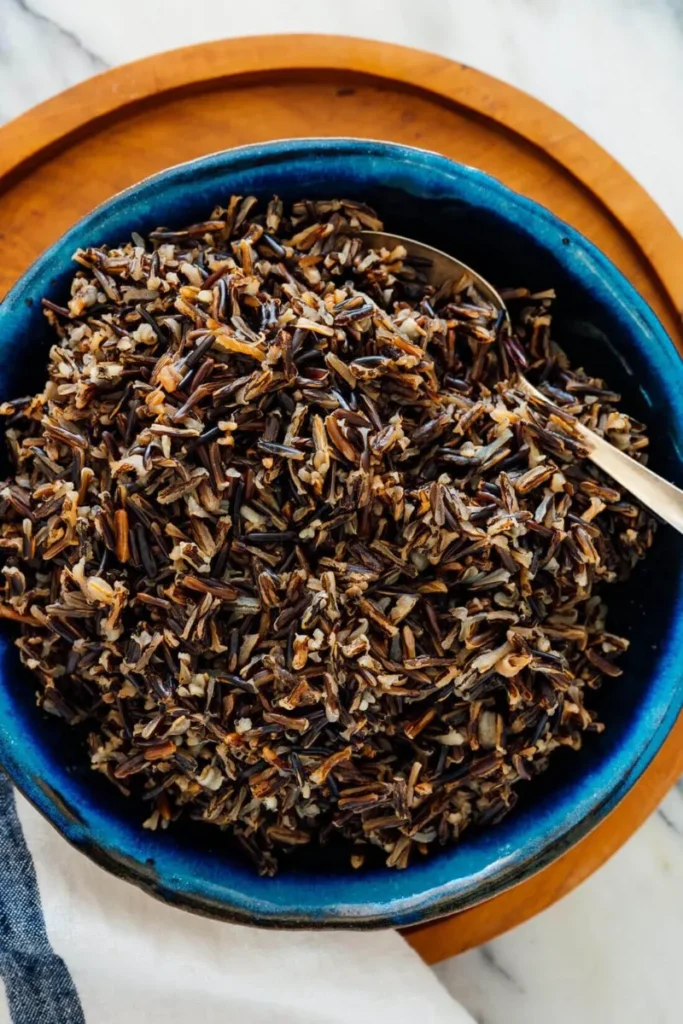
Wild rice isn’t actually rice at all, it’s the seed of an aquatic grass native to North America. It delivers about 6.5 grams of protein per cooked cup, making it significantly higher in protein than white or brown rice.
Wild rice is also rich in antioxidants, particularly flavonoids that have been linked to reduced inflammation and improved heart health. It’s a good source of zinc, magnesium, and B vitamins, and it has a lower glycemic index than regular rice, meaning it won’t spike your blood sugar as dramatically.
Use wild rice in pilafs, soups, stuffed peppers, or as a hearty side dish. Its chewy texture and nutty, slightly smoky flavor make it one of the most satisfying grains you can add to your rotation.
Final Thoughts
Getting enough protein on a vegetarian diet is absolutely achievable, and as you’ve just seen, your options are far from boring. From humble lentils to mighty spirulina, there’s something on this list for every taste, budget, and lifestyle.
Start by adding two or three of these foods to your weekly meals and build from there. Small, consistent changes add up fast, and your body will thank you for every single one.
