
32 Proven Foods For Weight Losing Women That Will Transform Your Health

If you’ve been eating “healthy” but still not seeing the results you want, the problem might not be your willpower — it might be your grocery list.
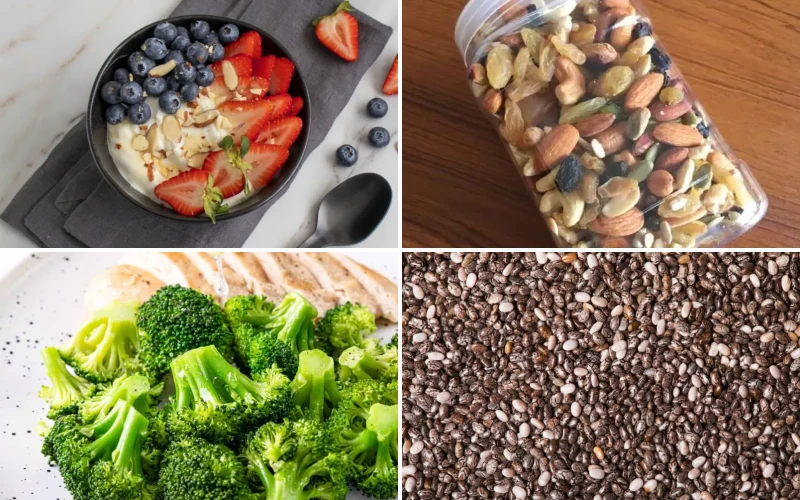
The right foods don’t just cut calories. They balance your hormones, fight cravings, fuel your metabolism, and actually keep you full. Here are 32 science-backed foods that can genuinely transform your health from the inside out.
1. Avocado
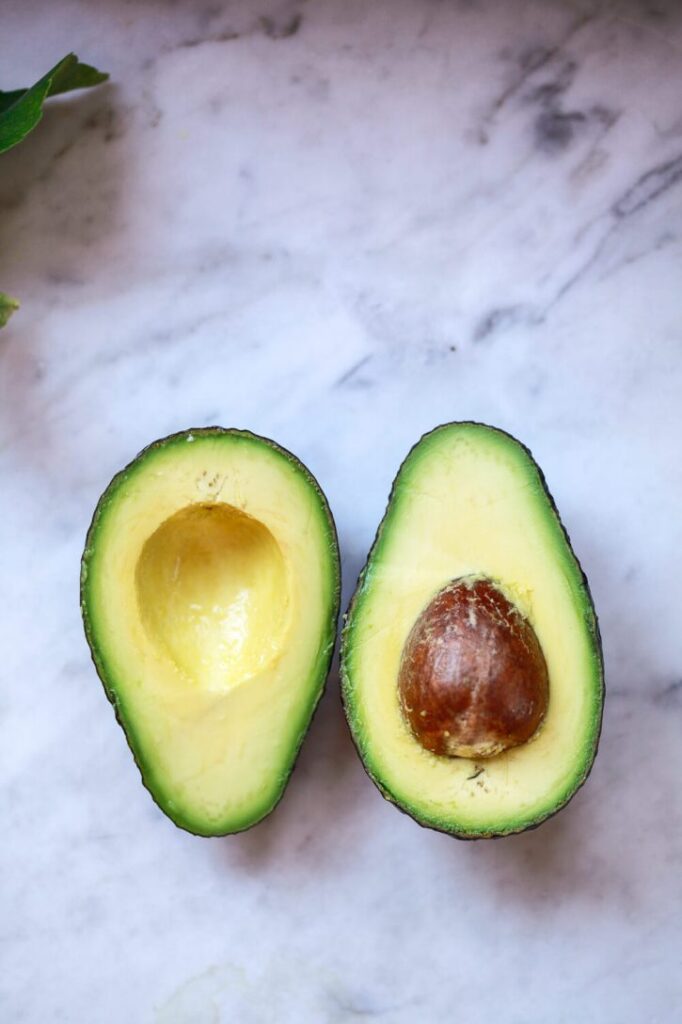
Avocado is one of the best fat-loss foods you can eat, and yes, it’s high in fat — the good kind. The monounsaturated fats in avocado help regulate hunger hormones, particularly one called ghrelin, which tells your brain you’re still hungry.
Research published in the Nutrition Journal found that women who added half an avocado to their lunch felt significantly more satisfied and were less likely to snack in the hours that followed.
Slice it onto eggs, mash it into a quick guacamole, or just eat it with a spoon and a pinch of sea salt. Your body will thank you.
2. Eggs
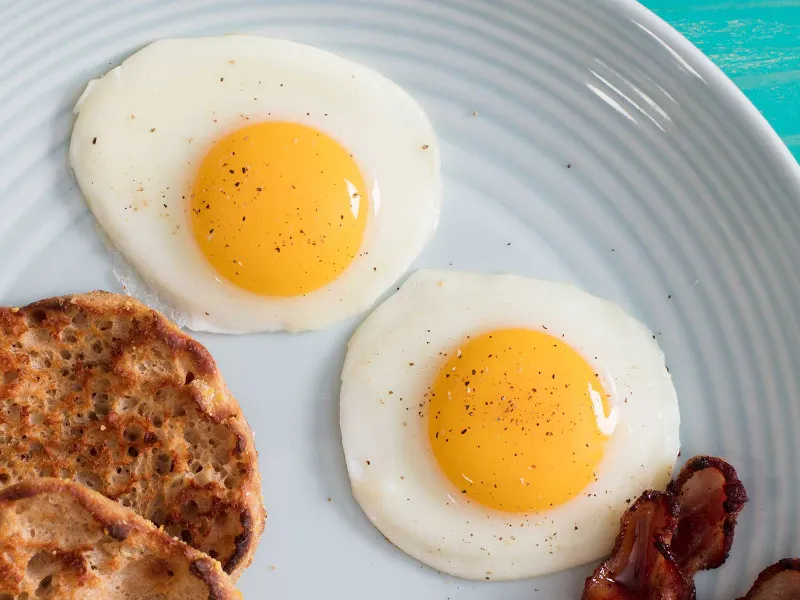
Eggs are basically nature’s multivitamin for weight loss. They’re packed with high-quality protein, healthy fats, and a nutrient called choline that supports fat metabolism in the liver.
A study in the International Journal of Obesity found that women who ate eggs for breakfast lost twice as much weight as those who started their day with a bagel — even with the same calorie count.
Scramble them, poach them, hard-boil a batch for grab-and-go snacks. The whole egg, not just the white, is where the real nutrition lives.
3. Salmon
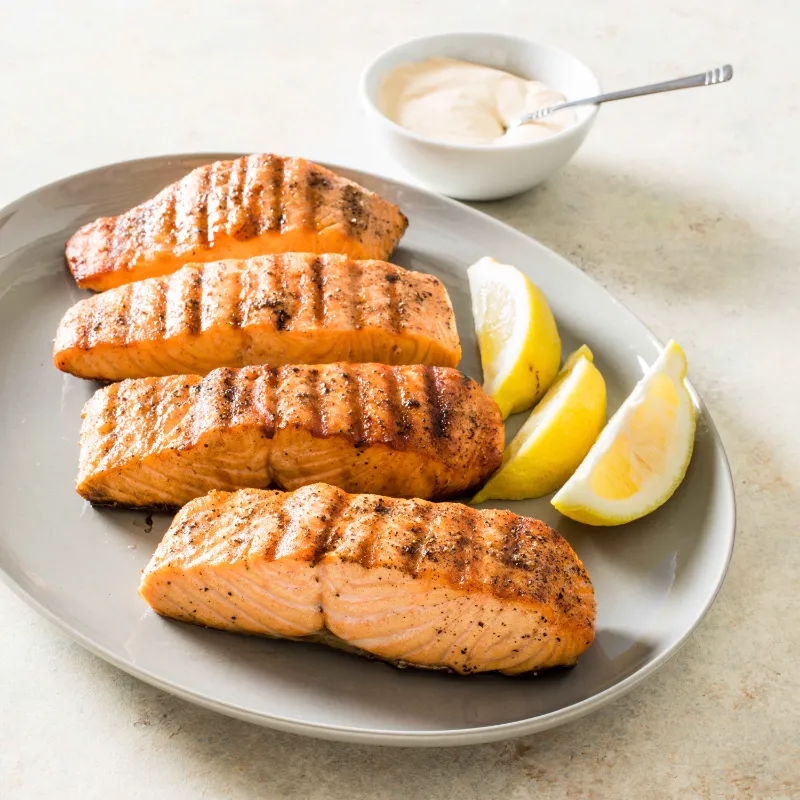
Salmon is loaded with omega-3 fatty acids, and those fats are genuinely magic for women trying to lose weight. Omega-3s reduce inflammation, which is one of the sneaky hidden drivers of weight gain and stubborn belly fat.
They also help regulate cortisol, the stress hormone that tells your body to store fat — especially around your midsection. Eating salmon two to three times a week can make a noticeable difference in how your body holds onto weight.
Wild-caught salmon is the gold standard, but even canned salmon is a budget-friendly win. Try it on salads, in lettuce wraps, or simply baked with lemon and herbs.
4. Greek Yogurt
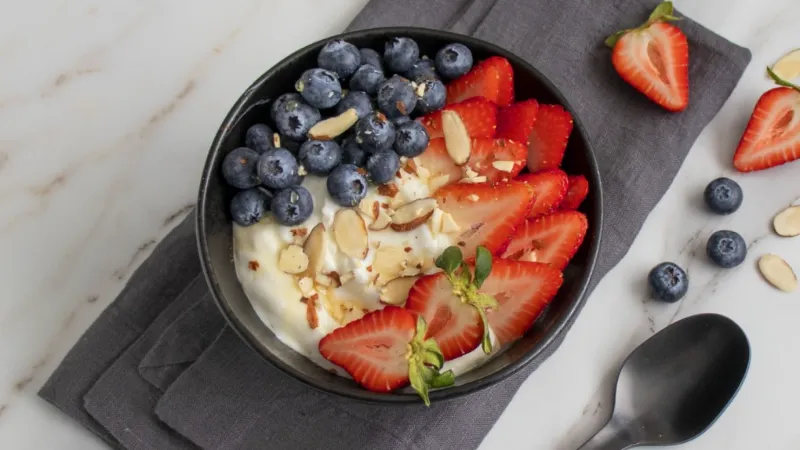
Greek yogurt gives you a powerful trio: protein, probiotics, and calcium. The protein keeps you full, the probiotics support a healthy gut microbiome, and research shows calcium may actually help your body burn fat more efficiently.
A healthy gut is more connected to weight loss than most people realize. An imbalanced microbiome can trigger inflammation and increase cravings, especially for sugar. Greek yogurt helps restore that balance.
Go for plain, full-fat or 2% varieties and sweeten it yourself with berries or a drizzle of honey. The flavored versions are often loaded with added sugar.
5. Berries
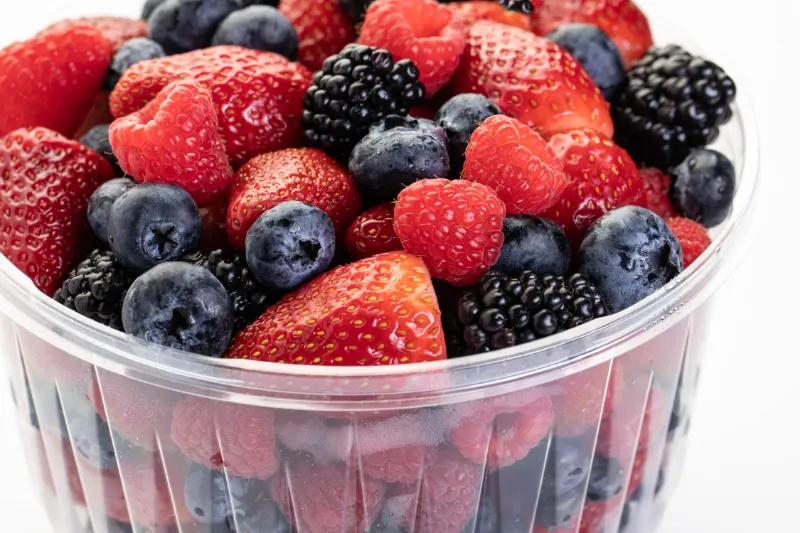
Blueberries, strawberries, and raspberries are low in calories but extraordinarily high in nutrition. They’re rich in fiber, antioxidants, and something called polyphenols, which studies suggest can actually slow fat cell formation.
Berries also have a low glycemic index, meaning they won’t spike your blood sugar the way other sweet foods do. That steady blood sugar means fewer energy crashes and far fewer cravings later in the day.
Toss a handful into your morning yogurt, blend them into a smoothie, or eat them straight from the fridge as an afternoon snack. Fresh or frozen both work beautifully.
6. Leafy Greens
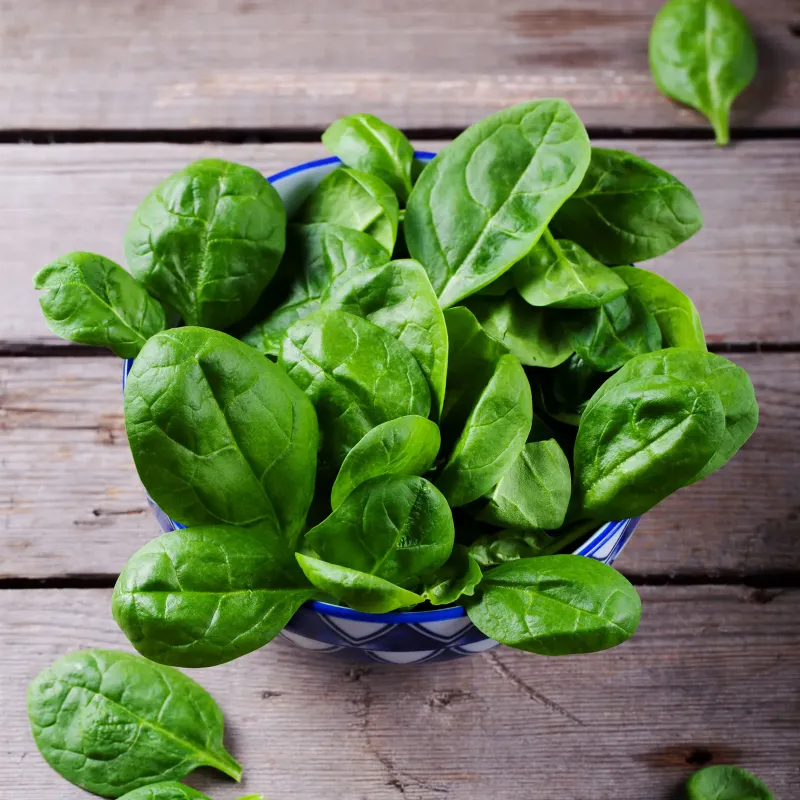
Spinach, kale, arugula — leafy greens are the ultimate weight loss tool because they let you eat a huge volume of food for almost zero calories. You literally cannot overeat spinach.
They’re also packed with iron, magnesium, and folate, nutrients that many women are chronically low in. Low iron especially can leave you exhausted, which makes exercise feel impossible and cravings skyrocket.
Add a few handfuls of spinach to smoothies (you won’t taste it), pile greens onto sandwiches, or do a quick sauté with garlic and olive oil as a side. Get creative with it.
7. Broccoli
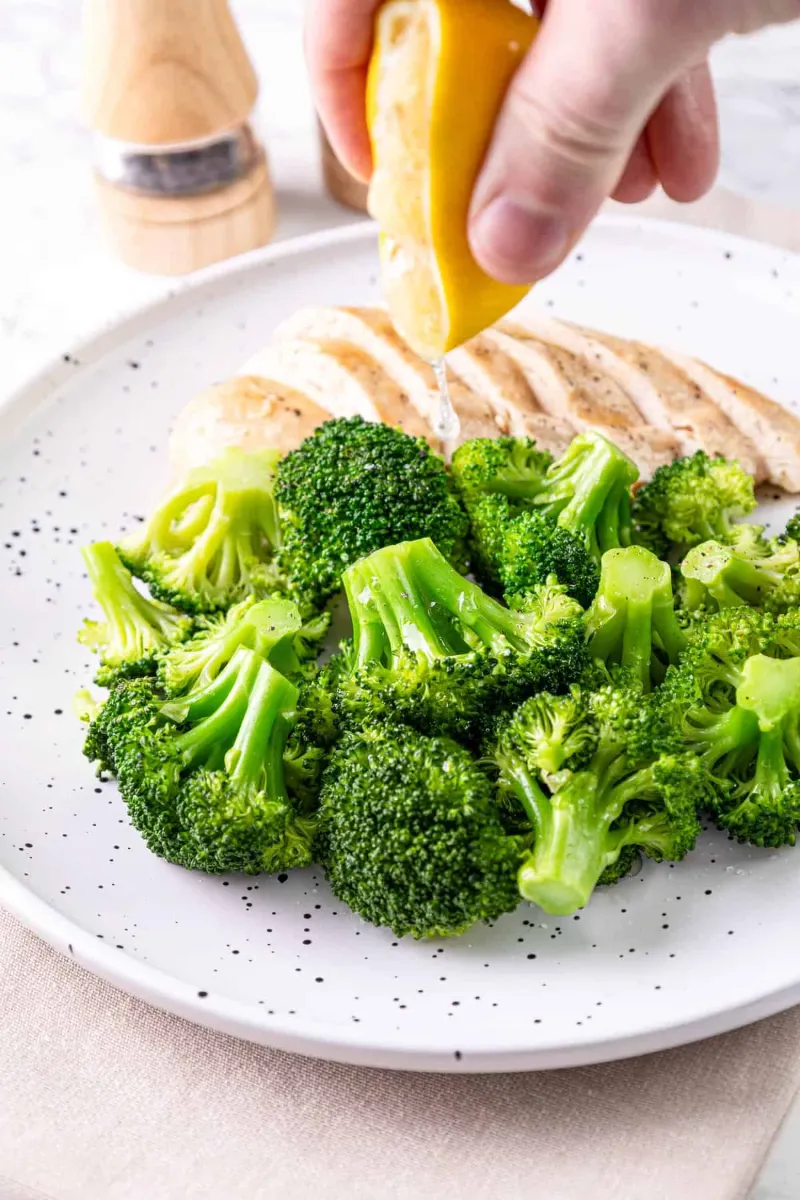
Broccoli contains a compound called sulforaphane, which has been shown in research to support healthy estrogen balance. For women, estrogen imbalance is one of the most common — and overlooked — causes of weight gain and difficulty losing it.
It’s also incredibly high in fiber and water content, which means it fills you up fast without adding many calories to your plate.
Roast it at high heat until the edges get a little crispy and it becomes genuinely delicious. Steam it, add it to stir-fries, or eat it raw with hummus as a snack.
8. Chia Seeds
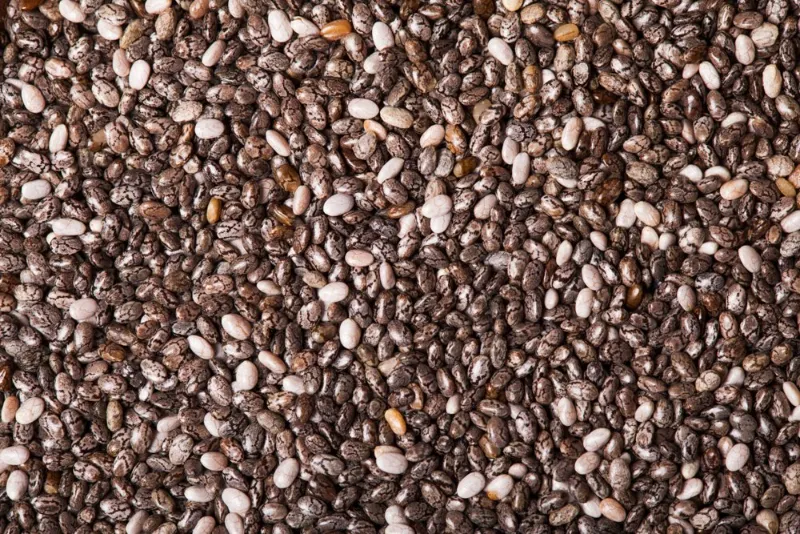
Don’t let the tiny size fool you. Two tablespoons of chia seeds deliver about 10 grams of fiber, which is nearly a third of your daily recommended intake in one small serving.
When chia seeds hit your stomach, they absorb water and expand into a gel-like texture. That physical expansion stretches your stomach lining, sending fullness signals to your brain faster and longer than most foods can.
Stir them into overnight oats, blend them into smoothies, or make a simple chia pudding with almond milk and a little vanilla. They’re tasteless and incredibly easy to add to almost anything.
9. Quinoa
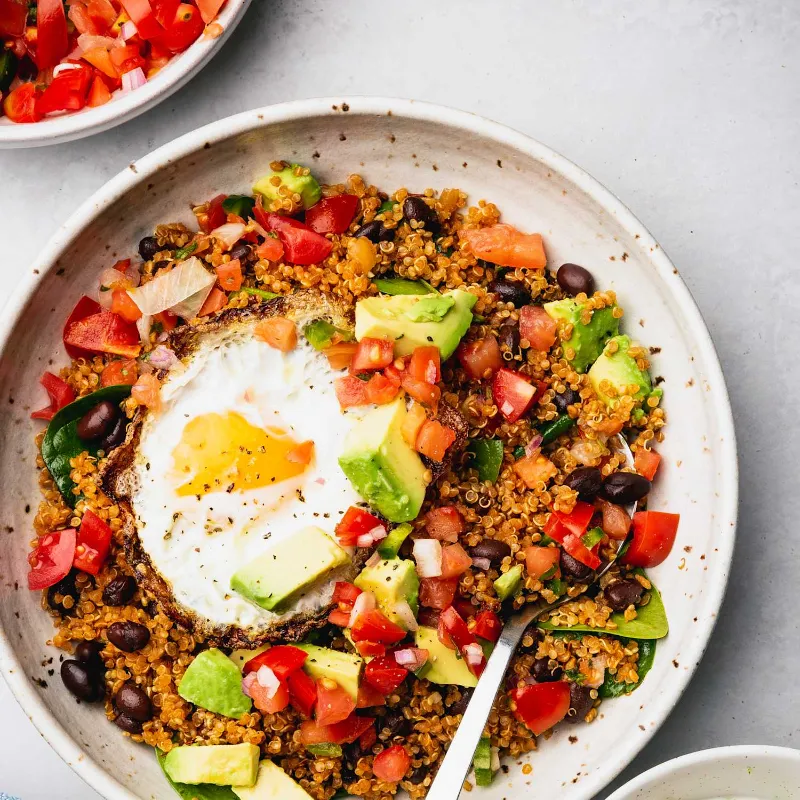
Quinoa is one of the only plant foods that contains all nine essential amino acids, making it a complete protein. That’s rare in the plant world and incredibly useful for women who are trying to build lean muscle while losing fat.
It also has a lower glycemic impact than white rice or pasta, which helps keep your blood sugar stable. Stable blood sugar means stable energy and way fewer sugar cravings.
Use it as a base for grain bowls, mix it with roasted veggies, or make a big batch on Sunday and use it throughout the week. It stores in the fridge beautifully for several days.
10. Oats
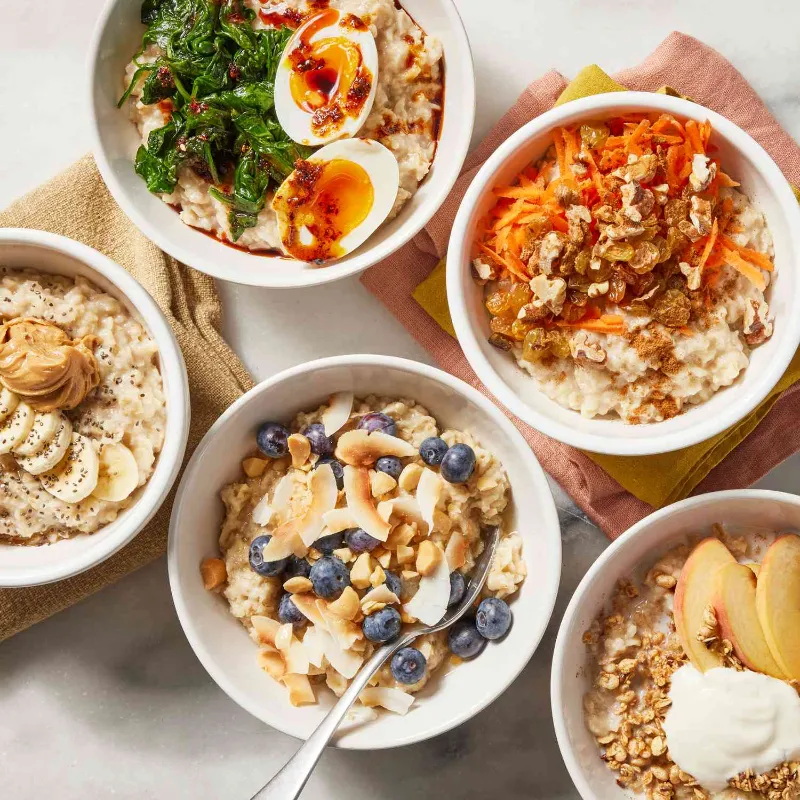
Oats contain a special type of soluble fiber called beta-glucan, and it’s genuinely one of the best things you can eat to manage appetite throughout the day. Beta-glucan slows digestion, which keeps you feeling full for hours.
Research also shows that oats can reduce levels of the hunger hormone ghrelin more effectively than many other breakfast foods. Starting your day with oats is basically starting it with a built-in appetite suppressant.
Steel-cut and rolled oats are the best choices — they’re less processed than instant. Top with berries and a spoonful of almond butter for a filling, fat-loss-friendly breakfast.
11. Apples
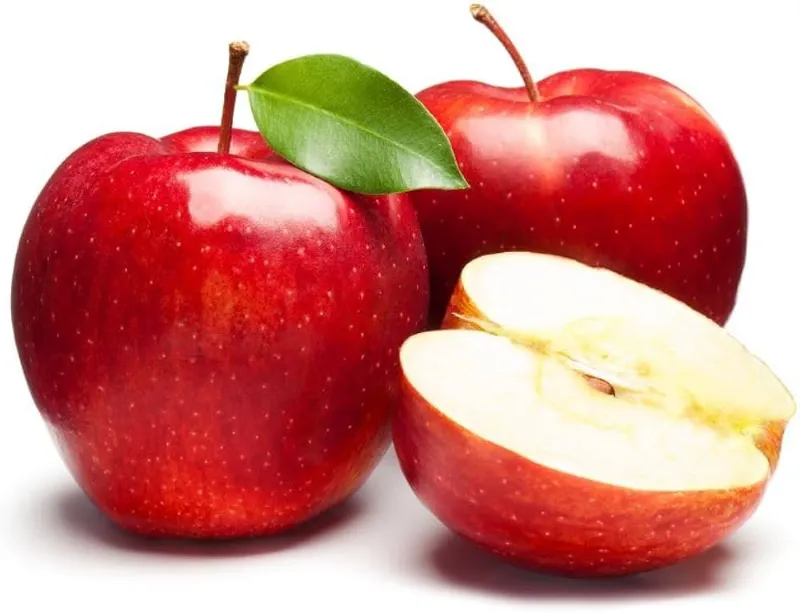
An apple a day really does keep the doctor away, and it might keep the extra pounds away too. Apples are high in pectin, a type of soluble fiber that feeds the good bacteria in your gut and helps you feel full.
They also require a lot of chewing, which sounds minor but actually matters. Chewing more slowly gives your brain time to register that you’re eating, reducing the chances of overeating.
Eat them whole rather than drinking apple juice. The whole fruit gives you fiber; the juice gives you mostly sugar. A great snack paired with a tablespoon of almond butter for staying power.
12. Almonds
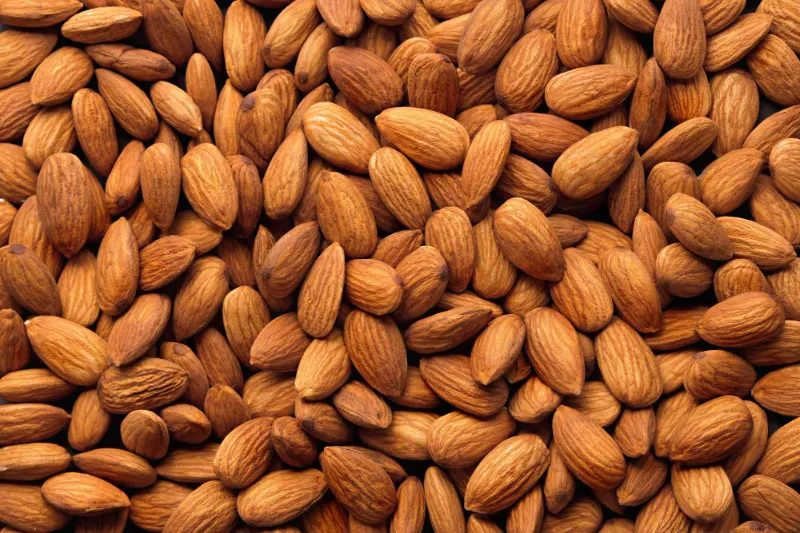
Almonds are one of the most satisfying snacks you can eat, thanks to their combination of protein, healthy fat, and fiber. That trio is the holy trinity of satiety.
A study in the European Journal of Clinical Nutrition found that people who snacked on almonds consumed fewer calories at their next meal compared to those who snacked on carb-heavy foods. Your body simply processes them in a way that keeps hunger at bay.
A small handful — about 1 ounce or 23 almonds — is the right portion. More than that and the calories add up quickly. Pre-portion them into little bags to make snacking foolproof.
13. Walnuts
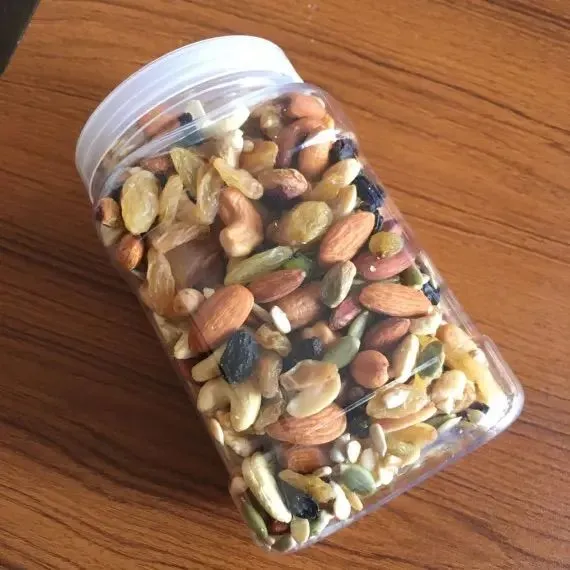
Walnuts are in a category of their own among nuts because of their exceptionally high omega-3 content. They’re one of the best plant-based sources of ALA, a type of omega-3 that supports brain health, reduces inflammation, and helps your body use stored fat more efficiently.
They also contain melatonin, which supports healthy sleep. And sleep, as many women know from frustrating experience, has a massive impact on weight. Poor sleep raises cortisol and ghrelin, making you hungrier and more stressed the next day.
Toss walnuts into oatmeal, salads, or eat them as a standalone snack. A small handful goes a long way.
14. Black Beans
Black beans are a fiber and protein powerhouse that also happen to be one of the most budget-friendly foods on this list. One cup delivers about 15 grams each of fiber and protein — a combination that keeps blood sugar stable and hunger in check for hours.
They’re also rich in resistant starch, a type of carbohydrate that your body doesn’t fully digest. Instead, it feeds your healthy gut bacteria and helps regulate fat storage.
Add them to soups, tacos, salads, or mash them into a simple dip. Canned black beans are just as nutritious as dried and take only minutes to prepare.
15. Lentils
Lentils are one of the most underrated weight loss foods out there. A single cup of cooked lentils packs about 18 grams of protein and 16 grams of fiber while being naturally low in fat.
They’re also incredibly rich in iron, which is especially important for women. When your iron levels are low, your energy drops, your thyroid function can suffer, and your metabolism slows. Lentils help fix that from the inside.
Red lentils cook in about 15 minutes and practically dissolve into soups and stews. Green and brown lentils hold their shape well and work great in salads or as a grain bowl base.
16. Sweet Potatoes
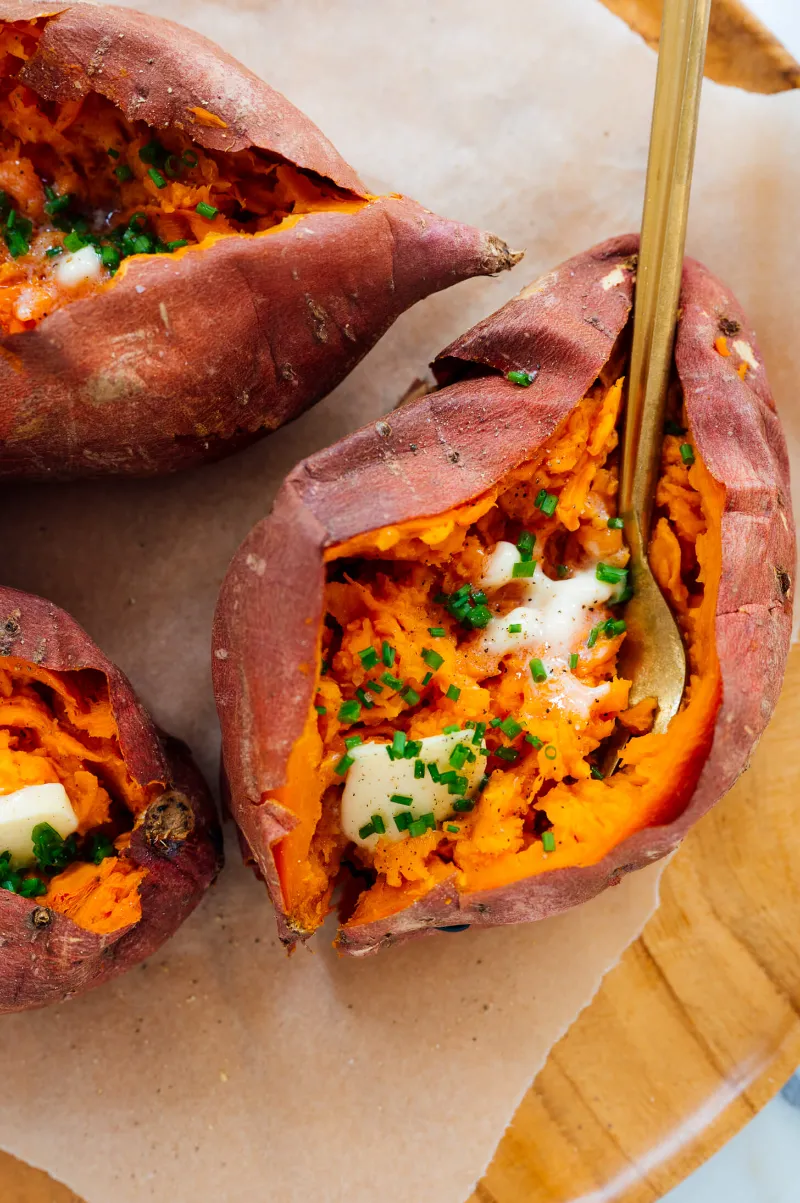
Sweet potatoes are what a satisfying, health-supportive carb looks like. They’re rich in fiber, vitamin A, potassium, and something called resistant starch — especially when you eat them cooked and cooled.
They also score surprisingly low on the glycemic index compared to regular white potatoes, meaning they release energy slowly and steadily rather than spiking your blood sugar.
Bake them whole, slice and roast them into wedges, or mash them with a little cinnamon and coconut oil for a cozy side dish. They’re naturally sweet enough that you won’t miss the butter.
17. Chickpeas
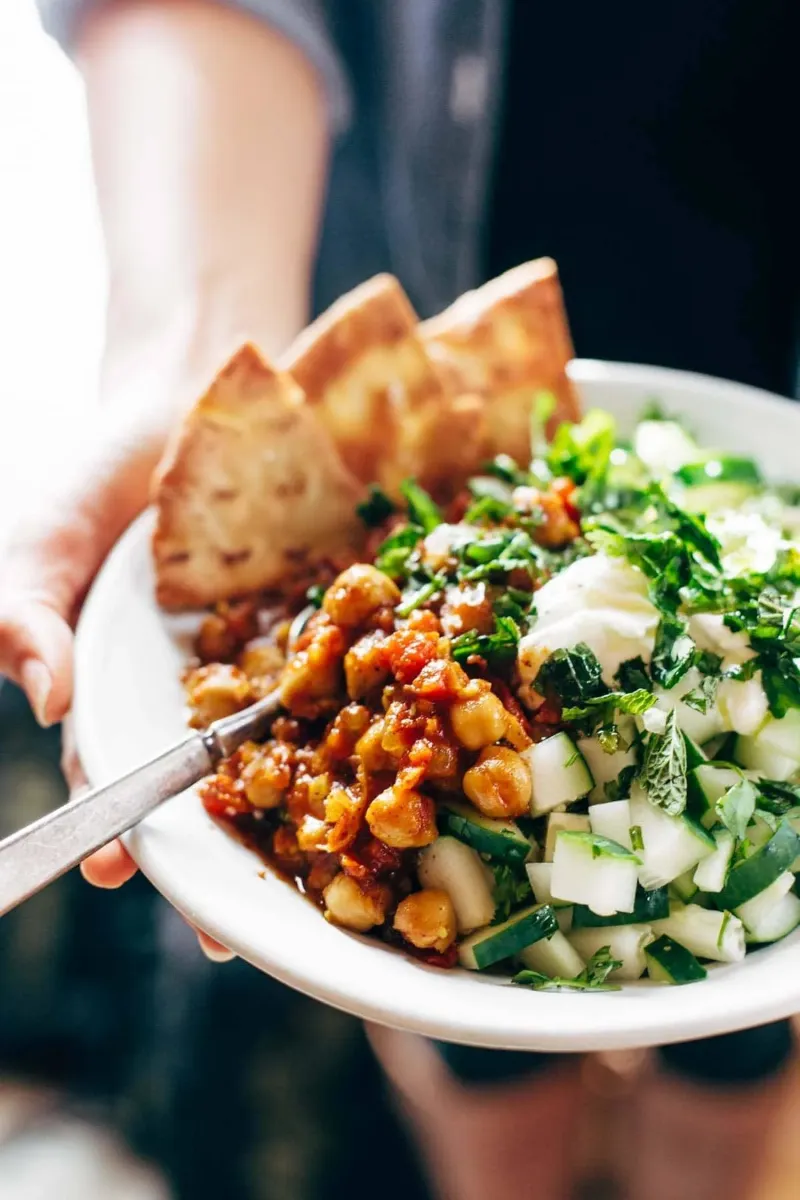
Chickpeas are endlessly versatile and seriously filling. One cup gives you about 15 grams of protein and 13 grams of fiber, which is a one-two punch for appetite control that’s hard to beat.
They also have a low glycemic index and are rich in B vitamins, which support healthy energy metabolism. Translation: your body uses the food you eat more efficiently instead of storing it as fat.
Toss them into salads, blend them into hummus, roast them crunchy for a snack, or add them to curries and soups. Canned chickpeas are perfectly nutritious and incredibly convenient.
18. Cucumber
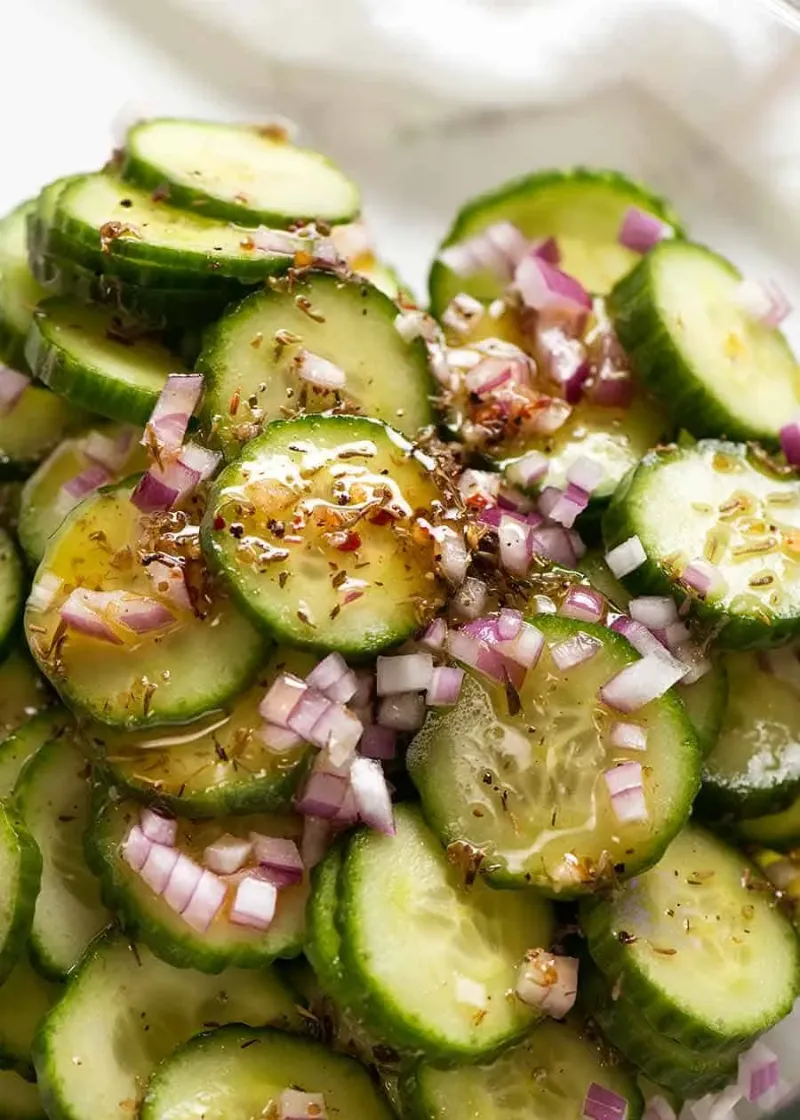
Cucumbers are 96% water, which makes them one of the most hydrating foods you can eat. Staying well-hydrated is more important for weight loss than most people realize — even mild dehydration can slow your metabolism and be mistaken by your brain as hunger.
They’re also incredibly low in calories, with an entire cucumber clocking in at under 50 calories. You can eat a truly satisfying volume of cucumber without making a dent in your daily calorie budget.
Slice them into salads, dip them in hummus, add them to infused water, or just snack on them with a sprinkle of everything bagel seasoning. Refreshing and genuinely filling.
19. Celery
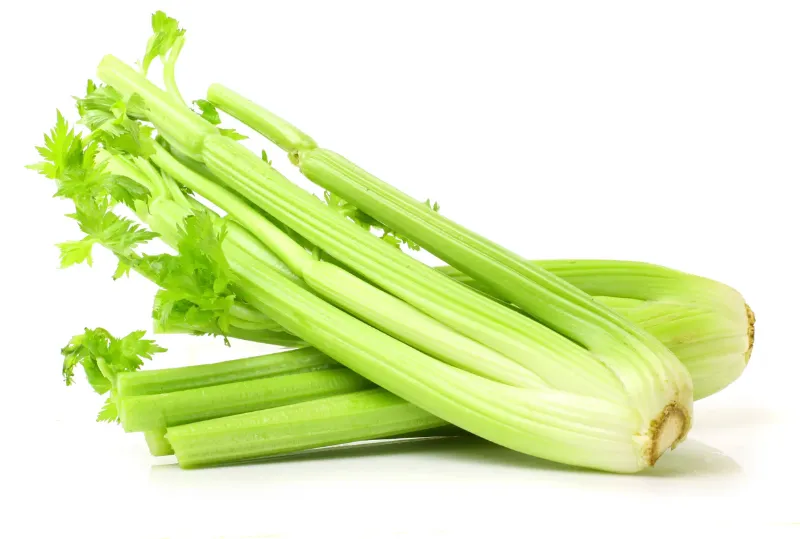
Celery has a reputation as a “diet food,” and for once, the reputation is earned. It’s almost entirely water and fiber, making it incredibly low in calories while still giving your jaw something to do during those afternoon snack cravings.
What’s less talked about is celery’s natural diuretic properties. It helps your kidneys flush out excess water, which can reduce bloating and that puffy, uncomfortable feeling that sometimes shows up around your midsection.
Dip it in almond butter, hummus, or guacamole to turn it into a more substantial snack. Or add it to soups and stir-fries where it adds texture and bulk without extra calories.
20. Grapefruit
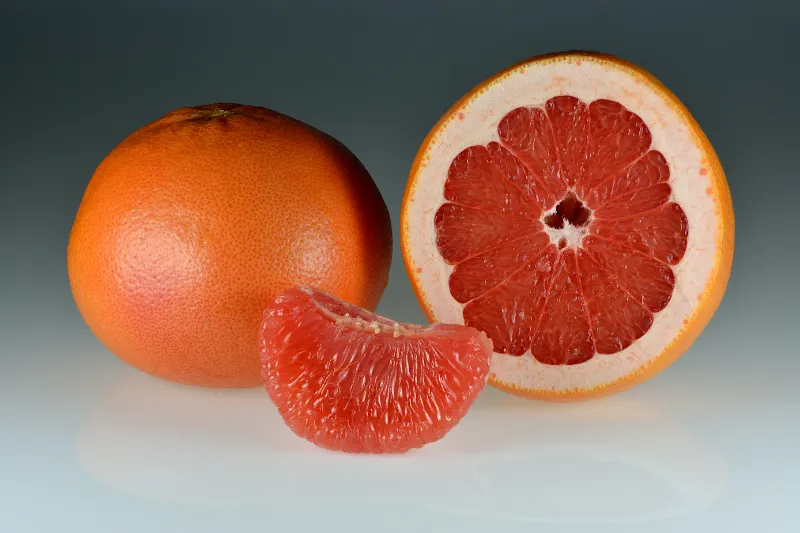
Grapefruit has been studied for its weight loss effects more than almost any other fruit. One study from the Scripps Clinic found that participants who ate half a grapefruit before meals lost significantly more weight over 12 weeks than those who didn’t.
Part of the reason is that grapefruit is high in a compound called naringenin, which research suggests can help regulate insulin levels and improve how your body burns fat.
Eat half a grapefruit before your biggest meal of the day, or segment it into a salad with arugula and avocado. Just be aware it can interact with certain medications, so check with your doctor if that’s relevant to you.
21. Green Tea
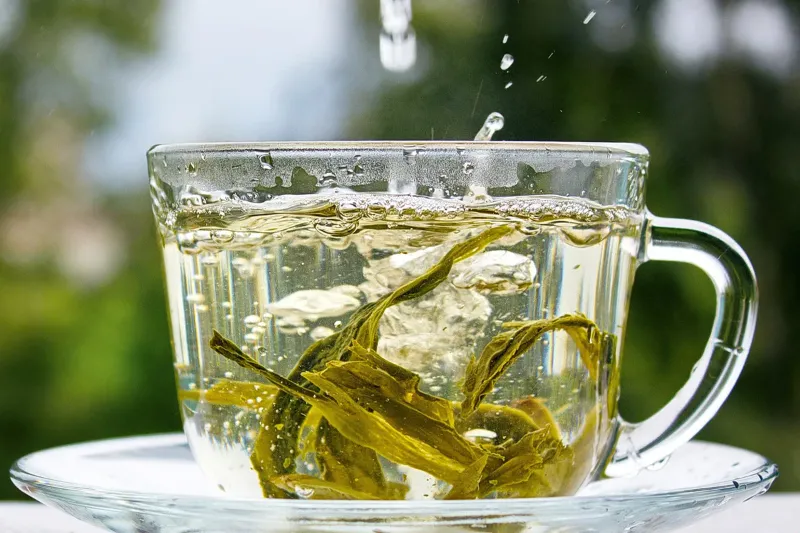
Green tea isn’t just a soothing drink — it’s a legitimate metabolic tool. It contains a combination of caffeine and a compound called EGCG (epigallocatechin gallate) that work together to boost fat oxidation, especially during exercise.
Multiple studies have shown that drinking green tea regularly can increase your resting metabolic rate by a small but meaningful percentage over time. Small boosts add up when you’re consistent.
Swap your afternoon coffee for green tea to get the metabolism benefit without the cortisol spike that coffee can sometimes cause. Matcha is an even more concentrated form if you want an extra boost.
22. Apple Cider Vinegar
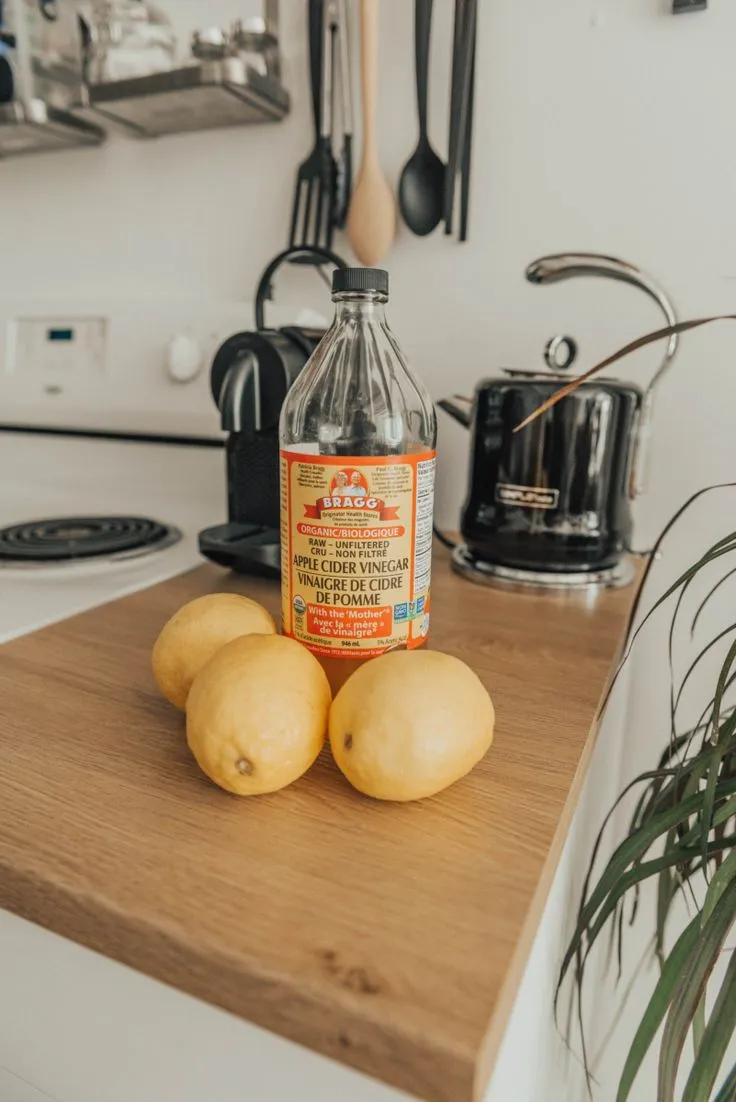
Apple cider vinegar has a lot of health claims floating around it, and the weight loss research is actually more solid than you might expect. Studies suggest that the acetic acid in ACV can slow gastric emptying, meaning your stomach empties more slowly after a meal and you stay full longer.
It also appears to help blunt blood sugar spikes after eating, which reduces cravings and energy crashes in the hours that follow.
Mix one to two tablespoons in a large glass of water before meals. Don’t drink it straight — it’s acidic enough to damage your tooth enamel. Use the raw, unfiltered kind with “the mother” for the best results.
23. Cottage Cheese
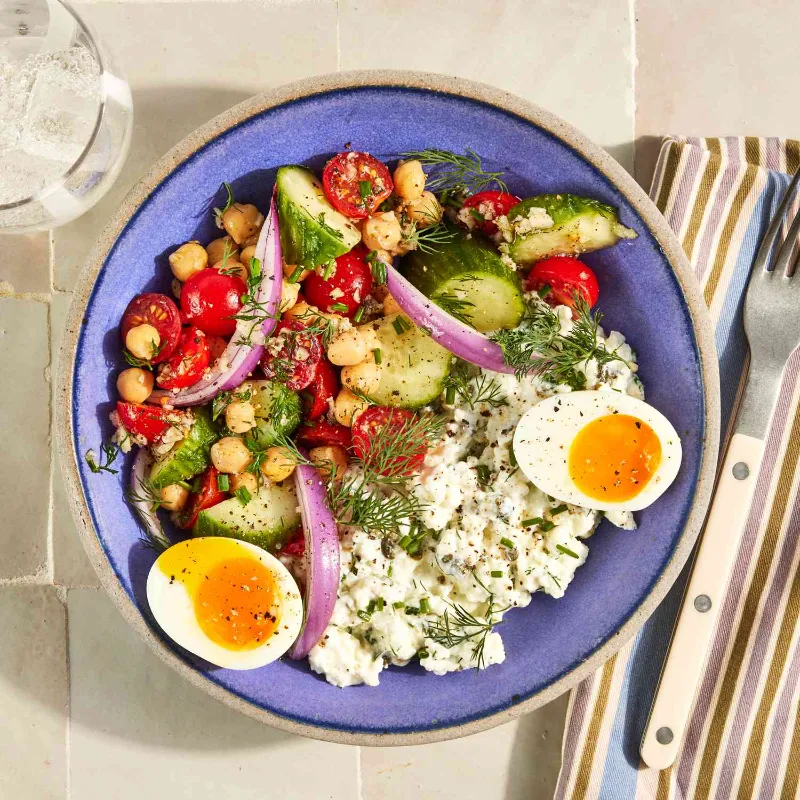
Cottage cheese is one of the highest-protein dairy foods you can eat, and it’s made up mostly of casein protein — the slow-digesting kind that keeps amino acids trickling into your bloodstream for hours.
Eating a high-protein snack before bed has actually been shown in research to support overnight muscle repair and keep your metabolism more active during sleep. Cottage cheese before bed is a genuinely useful habit for women focused on fat loss and muscle retention.
Eat it plain, top it with berries and a drizzle of honey, use it as a base for dips, or blend it smooth to use in place of ricotta in recipes. It’s a lot more versatile than it gets credit for.
24. Tuna
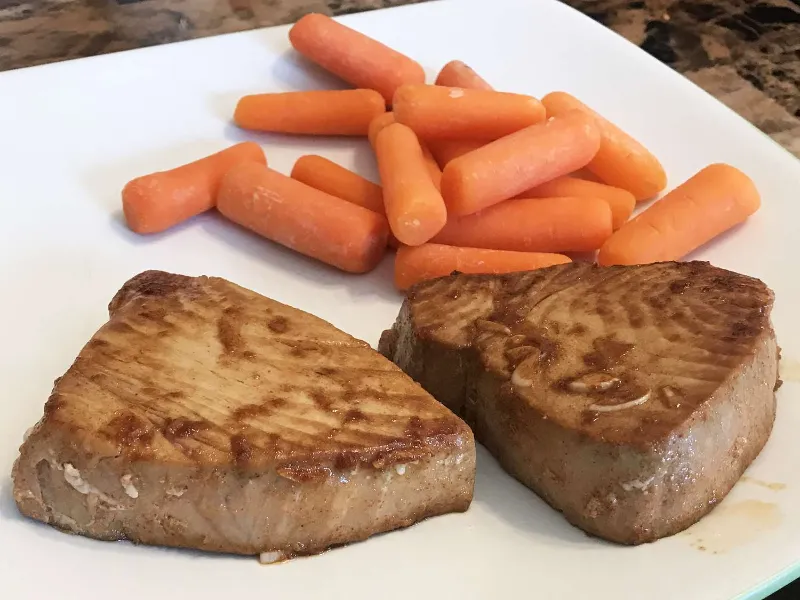
Tuna is one of the leanest, most protein-dense foods available. A single can of chunk light tuna in water delivers around 25 grams of protein for roughly 100 calories — that’s an extraordinary ratio.
The protein in tuna requires more energy to digest than carbs or fats, a phenomenon called the thermic effect of food. Your body actually burns more calories processing protein, which gives you a slight metabolic edge throughout the day.
Canned tuna is affordable and shelf-stable. Mix it with avocado instead of mayo for a healthier tuna salad, load it into lettuce wraps, or toss it over leafy greens with olive oil and lemon.
25. Chicken Breast
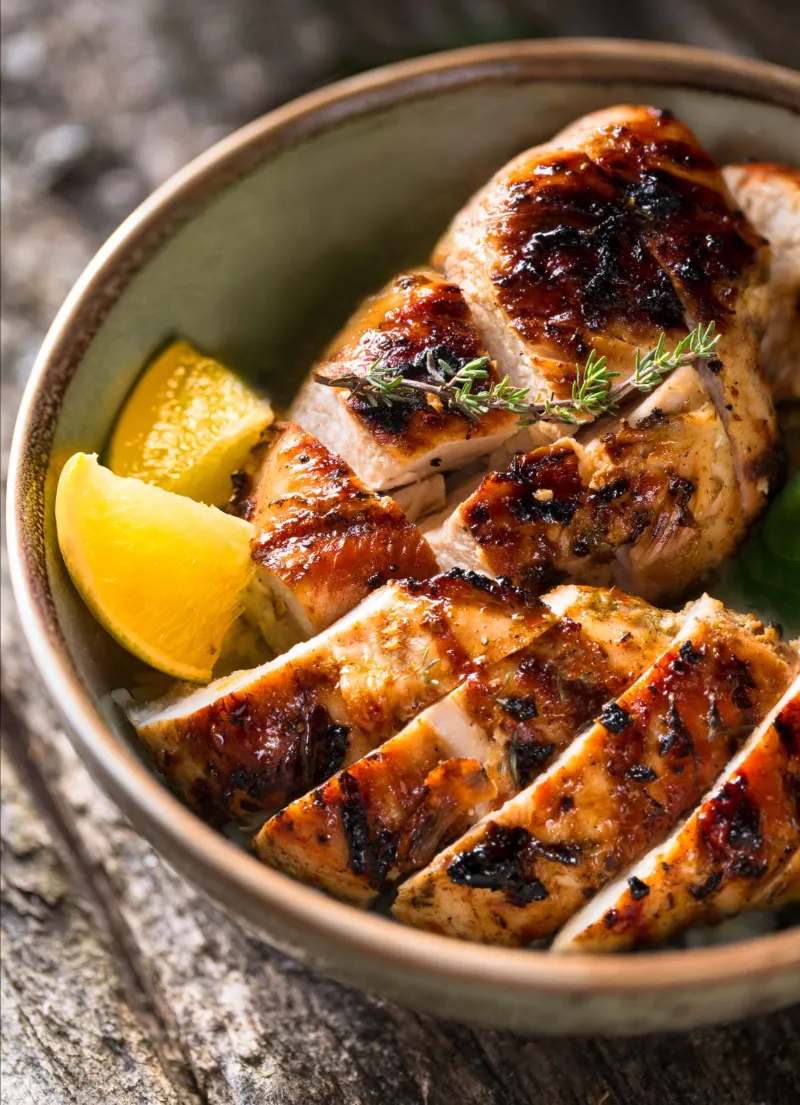
Chicken breast is the go-to lean protein for a reason — it’s high in protein, low in fat, and incredibly versatile. Protein is the most filling macronutrient, and eating enough of it is one of the most powerful things you can do to prevent muscle loss while losing fat.
Women especially tend to under-eat protein, which can lead to losing muscle alongside fat during weight loss. Keeping muscle is key because muscle burns more calories at rest than fat does.
Bake, grill, air-fry, or shred it into salads and soups. Meal prep a batch at the beginning of the week so healthy protein is always within reach when hunger hits.
26. Cauliflower
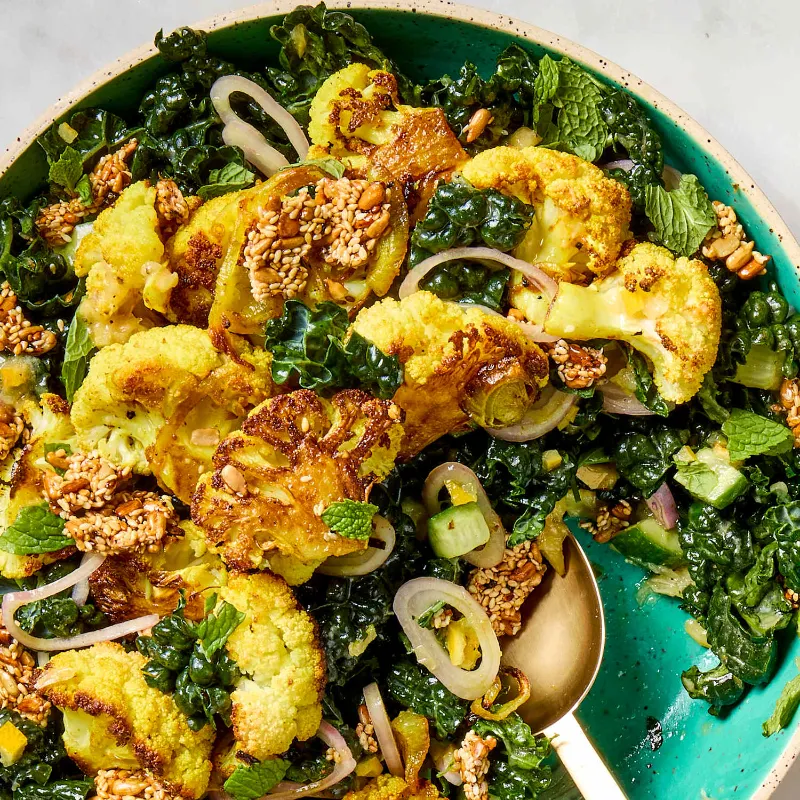
Cauliflower is the ultimate chameleon vegetable. It’s low in calories and carbs but high in fiber, and it can be transformed into almost anything — rice, pizza crust, mashed “potatoes,” or roasted florets.
It’s also rich in choline, the same nutrient found in eggs that supports fat metabolism in the liver. Plus its fiber content feeds healthy gut bacteria, which researchers are increasingly connecting to better weight regulation.
Roast it until golden and caramelized, rice it in a food processor for a low-carb grain alternative, or blend it into a creamy soup. It absorbs flavors beautifully and genuinely doesn’t taste like diet food.
27. Zucchini
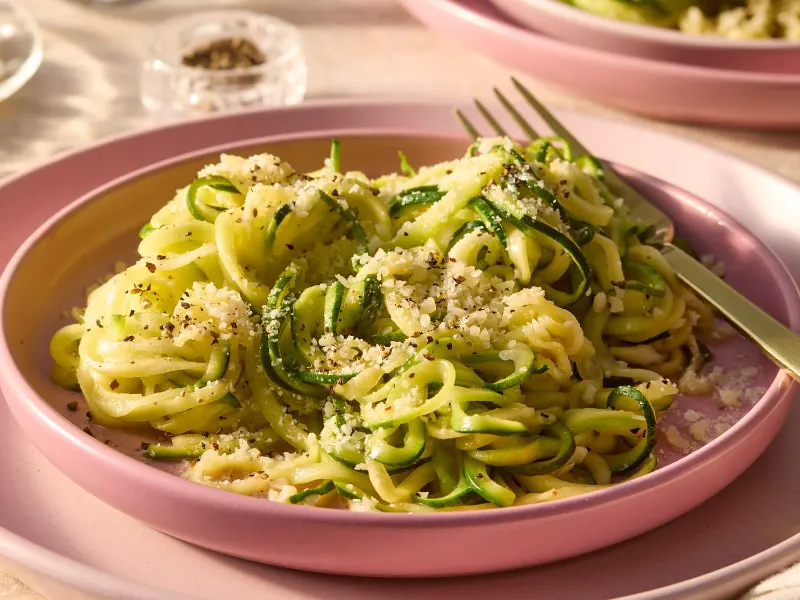
Zucchini is another high-volume, low-calorie vegetable that works wonders for eating more while consuming fewer calories. It’s about 95% water, making it naturally filling and incredibly light.
It’s a great source of vitamin C and potassium, and potassium specifically helps balance sodium in your body, reducing water retention and that uncomfortable bloated feeling many women deal with.
Spiralize it into “zoodles” as a pasta swap, slice it into stir-fries, roast it with olive oil and parmesan, or slice it thin and layer it into lasagna. It’s mild, tender, and pairs with almost anything.
28. Flaxseeds
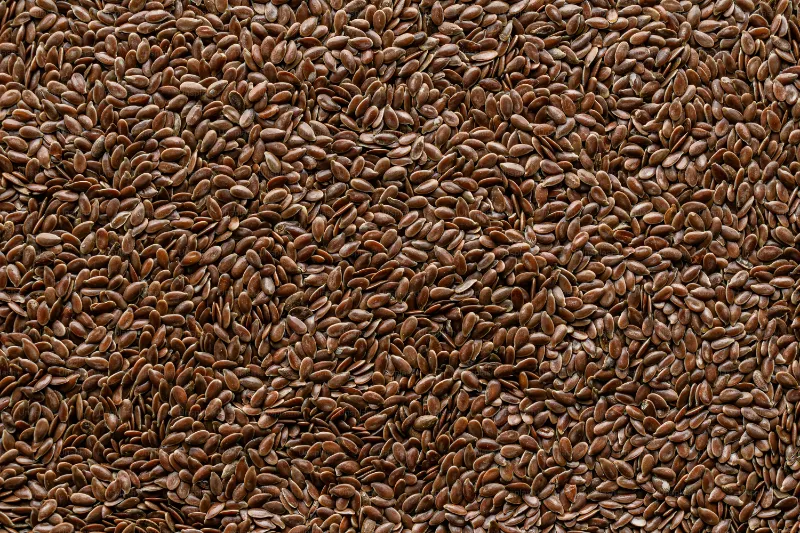
Flaxseeds are tiny but genuinely mighty. They’re one of the richest plant sources of omega-3 fatty acids and lignans — compounds that act as phytoestrogens and can help balance estrogen levels naturally, which matters enormously for women dealing with hormonal weight gain.
They’re also incredibly high in fiber, particularly soluble fiber that slows digestion and supports blood sugar stability. Stable blood sugar means fewer cravings and more consistent energy.
Always use ground flaxseeds rather than whole ones — your body can’t break down the outer shell of whole seeds and you miss most of the benefits. Add ground flax to smoothies, oatmeal, yogurt, or baked goods.
29. Edamame
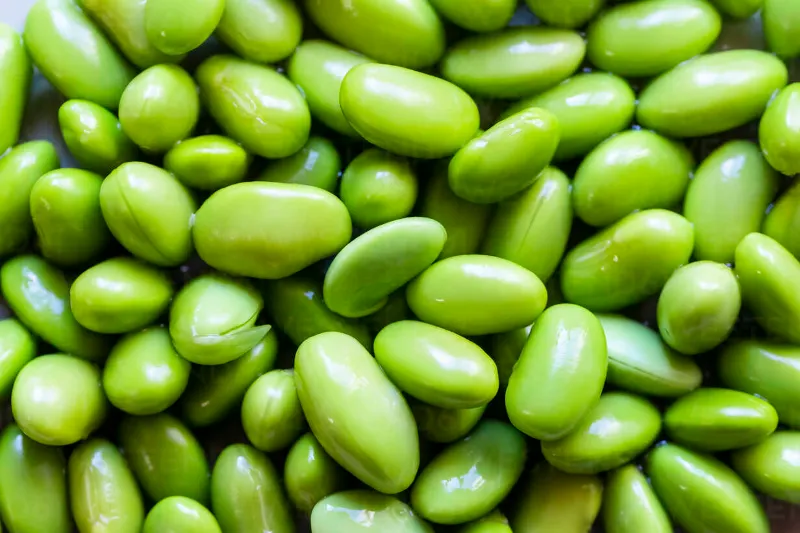
Edamame — young soybeans — are one of the best plant-based complete proteins you’ll find. One cup delivers about 17 grams of protein along with fiber, iron, and magnesium.
They’re also rich in isoflavones, plant compounds that research suggests can support healthy estrogen metabolism in women, potentially reducing the hormonal triggers that lead to weight gain.
Steam a bag from frozen, sprinkle with sea salt, and you’ve got one of the easiest high-protein snacks imaginable. You can also toss shelled edamame into grain bowls, salads, or stir-fries for a protein boost.
30. Watermelon
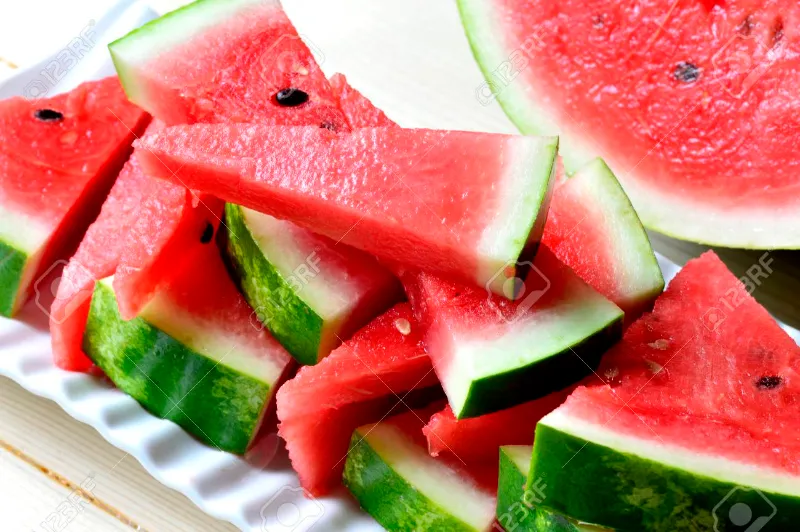
Watermelon is about 92% water, which makes it extraordinarily hydrating and filling for very few calories. It also contains an amino acid called citrulline, which your body converts to arginine — a compound that supports healthy blood flow and may help reduce fat accumulation.
It’s also rich in lycopene, a powerful antioxidant that fights inflammation. And since chronic inflammation is closely linked to weight gain and metabolic dysfunction, anything that fights it is a win.
Eat it chilled as a summer snack, cube it into a fruit salad with mint and lime, or blend it into a refreshing agua fresca. It satisfies a sweet tooth while keeping calories low.
31. Cinnamon
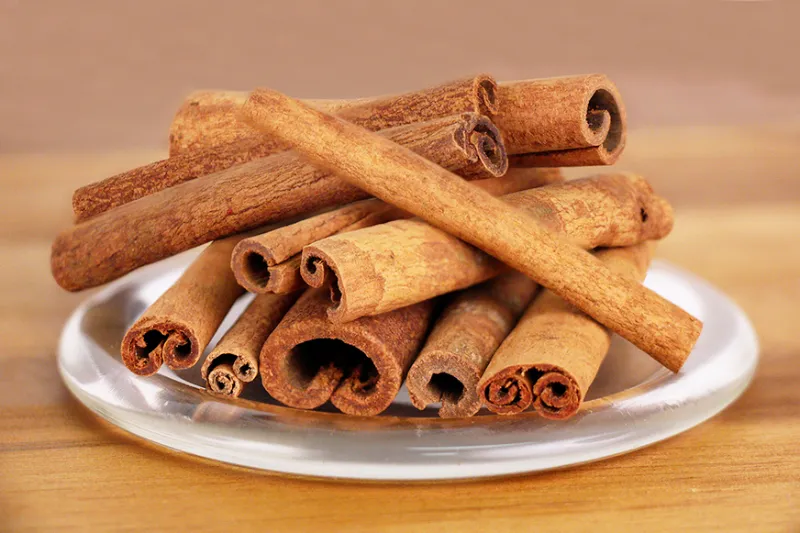
Cinnamon might seem like a small thing, but its impact on blood sugar is well-documented. Research shows that cinnamon can improve insulin sensitivity, meaning your cells respond better to insulin and your body is less likely to store blood sugar as fat.
Even half a teaspoon a day has been shown to lower fasting blood sugar levels over time. For women dealing with insulin resistance or hormonal weight gain, that’s genuinely significant.
Sprinkle it into your coffee, oatmeal, smoothies, or on roasted sweet potatoes. It also curbs sugar cravings naturally, which makes it one of the easiest and most delicious tools in your fat-loss toolkit.
32. Dark Chocolate
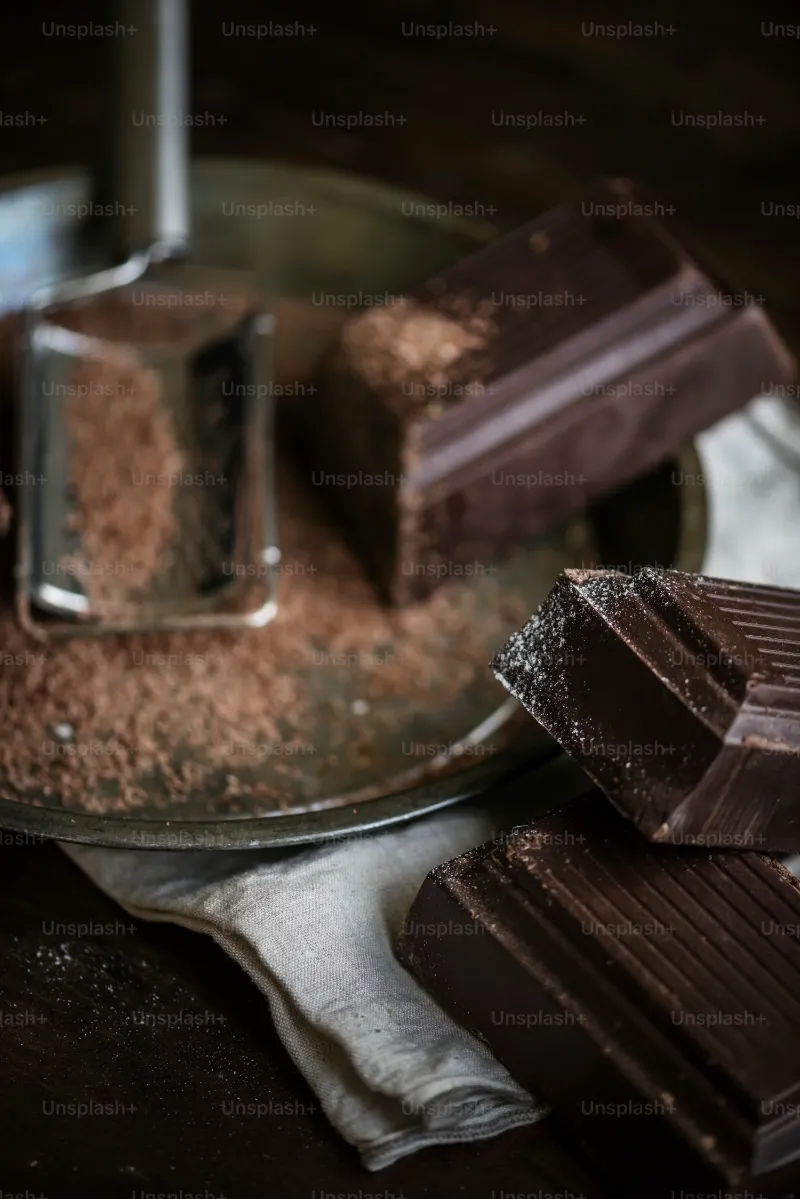
Yes, dark chocolate is on this list — and it absolutely deserves its spot. Dark chocolate (70% cacao or higher) is rich in magnesium, antioxidants, and compounds that reduce cortisol and lower stress-driven cravings.
Research from the University of Copenhagen found that people who ate dark chocolate before a meal ate significantly fewer calories overall because it reduced appetite and made sweet and salty foods less appealing. That’s a real, measurable effect.
One to two small squares after a meal satisfies the desire for something sweet in a way that supports your goals rather than derailing them. Look for bars with minimal added sugar and simple ingredients.
Final Thoughts
You don’t need to eat all 32 of these foods every day — even adding a handful of them consistently can start shifting how your body feels and functions. Small, sustainable changes beat dramatic overhauls every single time.
Start with two or three foods that excite you, build from there, and remember: this is about nourishing your body, not punishing it. You’ve got this.
