
31 Game-Changing Polyphenol Rich Foods You Need to Start Eating Now

If you’ve been hearing the word “polyphenols” everywhere lately, you’re not imagining it. These powerful plant compounds are quietly one of the biggest things happening in nutrition science right now.
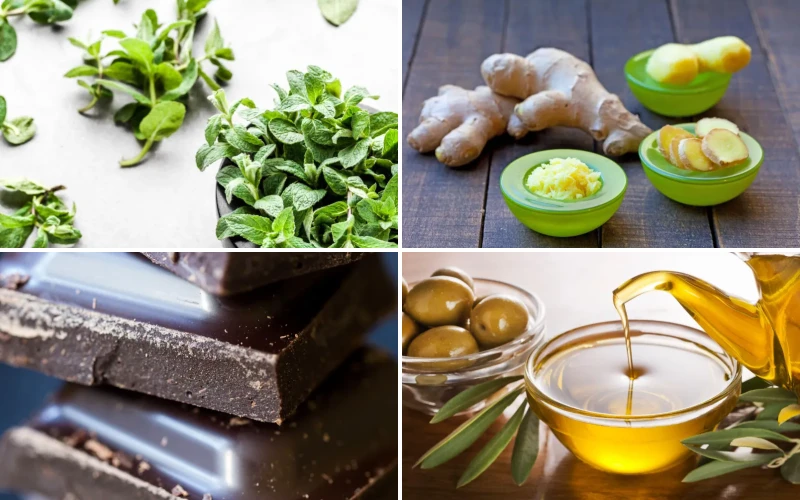
What you’re about to discover is a practical, delicious list of 31 foods loaded with polyphenols that can help your body fight inflammation, support your gut, and just make you feel better overall. Let’s dig in.
1. Blueberries
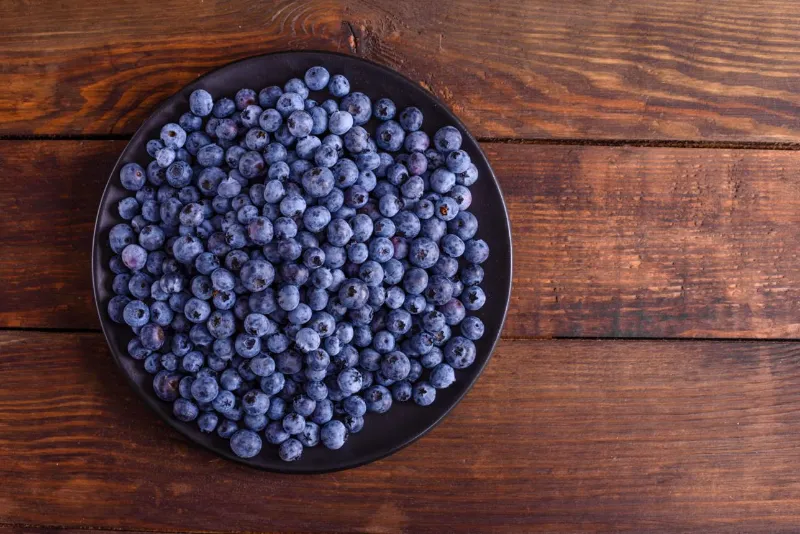
Blueberries are basically nature’s multivitamin. They’re packed with a group of polyphenols called anthocyanins, which are responsible for that deep blue-purple color and a whole lot of health magic.
Research published in the American Journal of Clinical Nutrition found that regular blueberry consumption can improve memory and cognitive function, especially as we age. That’s your brain literally benefiting from a handful of berries.
You can toss them into smoothies, stir them into oatmeal, or just eat them straight from the container. Fresh or frozen both work great, so there’s really no excuse not to add them to your routine.
2. Dark Chocolate

Yes, really. Dark chocolate belongs on this list and you should feel great about that. It’s one of the richest sources of flavonoids, a type of polyphenol that supports heart health and circulation.
A study from the European Heart Journal found that regular consumption of dark chocolate was linked to lower blood pressure and reduced risk of cardiovascular events. The key is choosing chocolate with at least 70% cacao, which keeps the polyphenol content high.
Go for a square or two after dinner, mix cacao powder into your morning smoothie, or use it in homemade energy bites. Just skip the milk chocolate versions since processing strips away most of the good stuff.
3. Green Tea

Green tea has been cherished in East Asian cultures for thousands of years, and modern science is finally catching up to why. It’s loaded with a polyphenol called EGCG (epigallocatechin gallate), one of the most studied antioxidants in the world.
EGCG has been shown to support fat metabolism, reduce inflammation, and even protect brain cells from oxidative stress. That’s a lot of heavy lifting for a simple cup of tea.
Brew it fresh for the highest polyphenol content and try not to add too much sugar. Matcha, which is powdered green tea, actually gives you even more EGCG since you’re consuming the whole leaf.
4. Extra Virgin Olive Oil
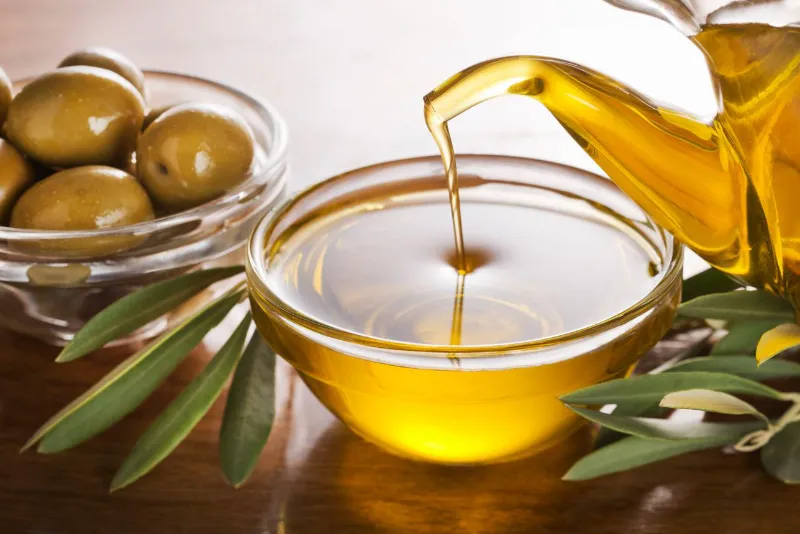
Extra virgin olive oil is the cornerstone of the Mediterranean diet for good reason. It’s rich in oleuropein and hydroxytyrosol, two polyphenols with seriously impressive anti-inflammatory properties.
Studies have shown that people who consume olive oil regularly have lower rates of heart disease, type 2 diabetes, and even certain cancers. The “extra virgin” label matters here because it means the oil was minimally processed, keeping those polyphenols intact.
Drizzle it over salads, use it for low-to-medium heat cooking, or dip crusty bread in it Mediterranean-style. Just don’t waste your good stuff on high-heat frying since that degrades the polyphenols.
5. Red Grape Juice

red grape juice in moderation has earned its reputation as a heart-healthy beverage, and resveratrol is the polyphenol that gets most of the credit. It’s found in grape skins and has been linked to longevity and cardiovascular protection.
Research from Harvard Medical School and other institutions has explored how resveratrol activates certain genes associated with aging and inflammation control. Now, moderation is the real keyword here since the benefits don’t scale with more glasses.
One 5-ounce glass a few times a week is where most research points. If you don’t drink alcohol, red and purple grape juice or whole grapes offer resveratrol too, just in smaller amounts.
6. Blackberries
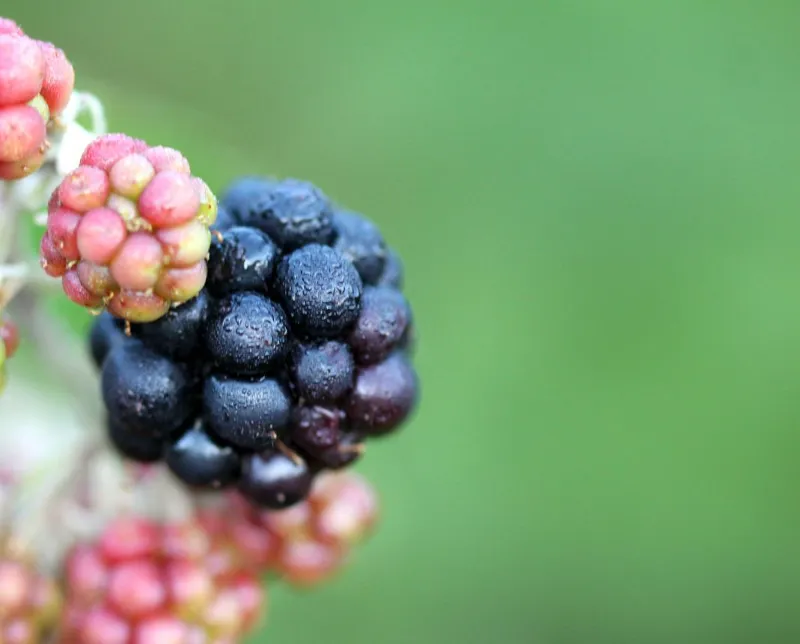
Blackberries are criminally underrated. They pack more polyphenols per cup than almost any other fruit, with anthocyanins, ellagic acid, and quercetin all showing up in meaningful amounts.
Ellagic acid in particular has been studied for its potential to slow the growth of certain cancer cells and reduce inflammation in the body. That’s a bold nutritional punch from a berry most people overlook at the grocery store.
Add them to yogurt, blend them into smoothies, or make a simple blackberry compote for pancakes or toast. If fresh berries aren’t in season, frozen ones hold onto their polyphenol content beautifully.
7. Strawberries
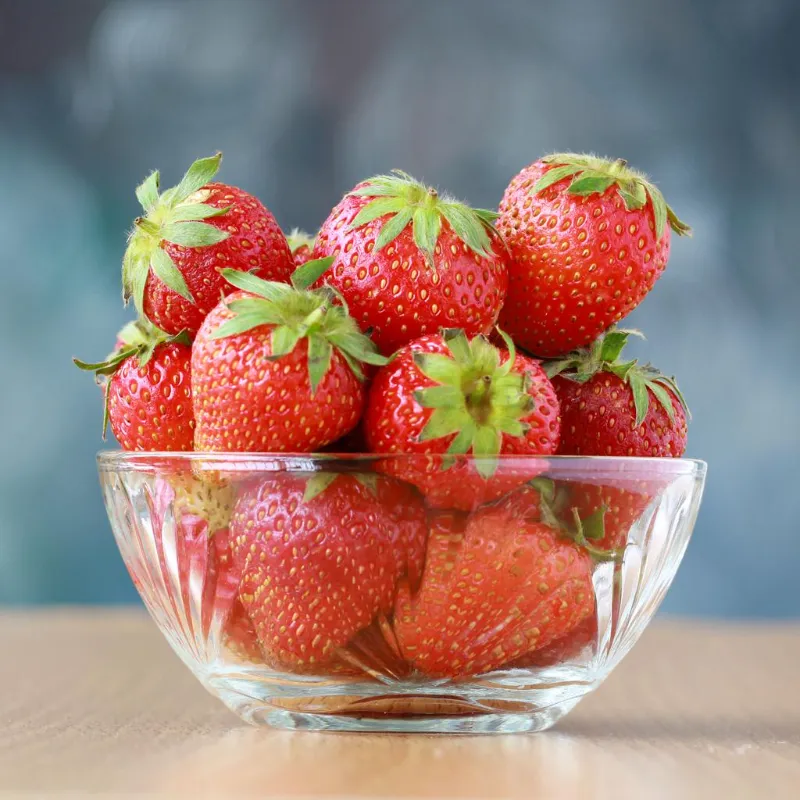
Strawberries are a summer favorite that also happen to be a fantastic source of polyphenols, especially fisetin and pelargonidin. Fisetin has received a lot of attention lately in longevity research for its ability to clear out damaged cells in the body.
A study from the Salk Institute found that fisetin, the polyphenol found abundantly in strawberries, helped extend lifespan and reduce inflammation markers in animal studies. Human research is ongoing, but the early signals are exciting.
Eat them fresh, blend them into a salad dressing, or slice them over cottage cheese for a filling snack. They’re one of the most versatile fruits in your polyphenol toolkit.
8. Raspberries
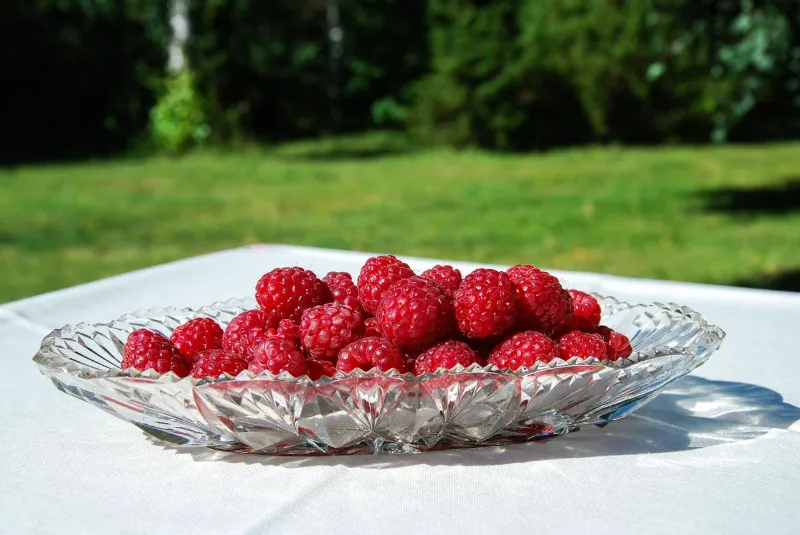
Raspberries might be small but they carry a big polyphenol payload. They’re particularly high in ellagitannins, which your gut bacteria convert into compounds called urolithins that support muscle health and cellular cleanup.
Recent research published in Nature Metabolism found that urolithins, produced from raspberry polyphenols, can improve mitochondrial function in muscle cells. Healthy mitochondria means more energy and better physical performance as you age.
Toss them on your morning yogurt, muddle them into sparkling water for a fancy mocktail, or bake them into muffins. They freeze well too, so you can keep a bag in the freezer all year long.
9. Cranberries
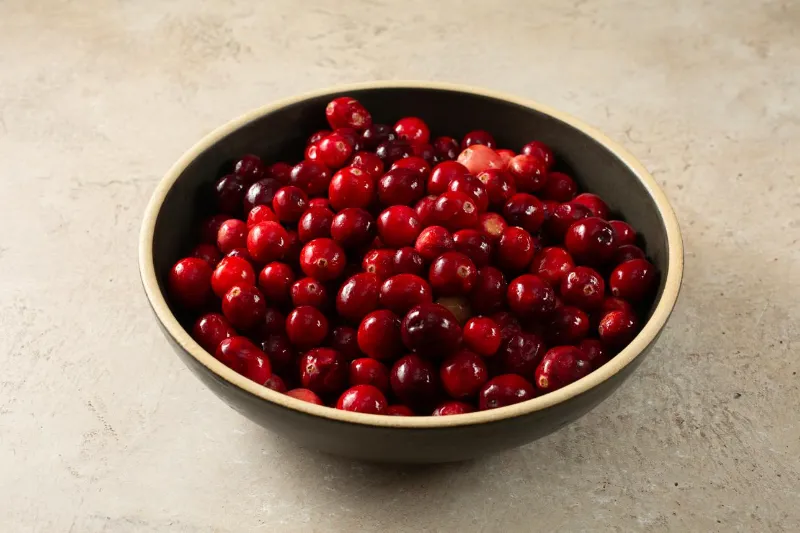
Most people only think about cranberries around Thanksgiving, but they deserve a year-round spot in your diet. They’re exceptionally high in A-type proanthocyanidins, polyphenols uniquely effective at preventing harmful bacteria from sticking to cell walls.
This is why cranberries have long been associated with urinary tract health. Research confirms that regular cranberry consumption can significantly reduce the recurrence of UTIs, especially in women.
Unsweetened cranberry juice, dried cranberries (watch the added sugar), and fresh cranberries blended into smoothies are all solid options. They’re tart, sure, but your body will thank you for it.
10. Cherries
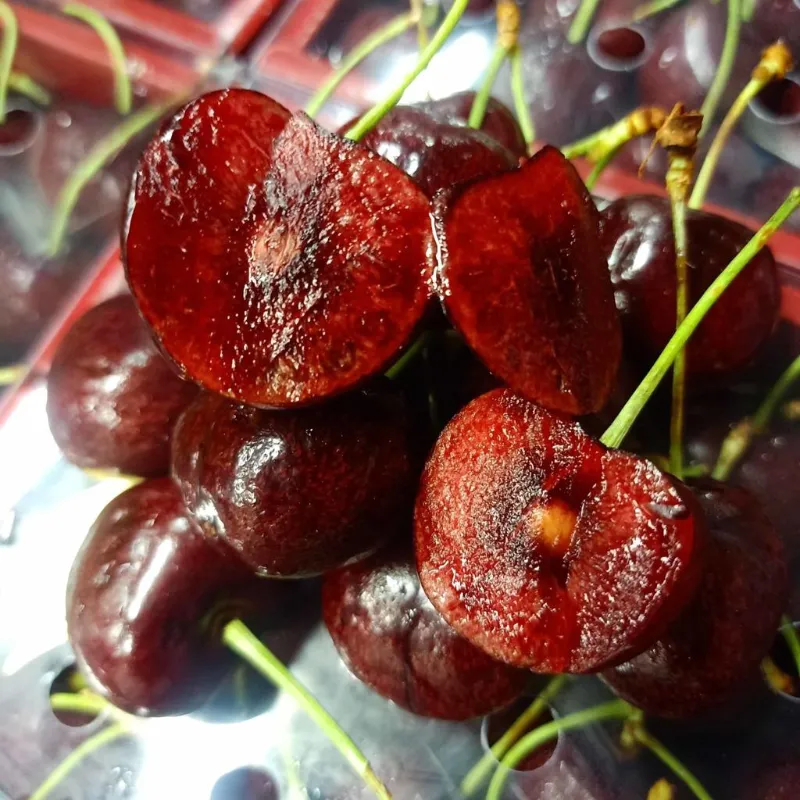
Cherries are one of the best anti-inflammatory foods you can eat, thanks to polyphenols called anthocyanins and cyanidin. Athletes have been using tart cherry juice for years to speed up muscle recovery after hard workouts.
A study in the Scandinavian Journal of Medicine and Science in Sports found that marathon runners who consumed tart cherry juice experienced significantly less muscle damage and soreness compared to those who didn’t. That’s real, measurable recovery.
Drink tart cherry juice before bed (it also supports melatonin production), snack on fresh sweet cherries, or add frozen cherries to a post-workout smoothie. Sweet and tart varieties both offer benefits.
11. Plums
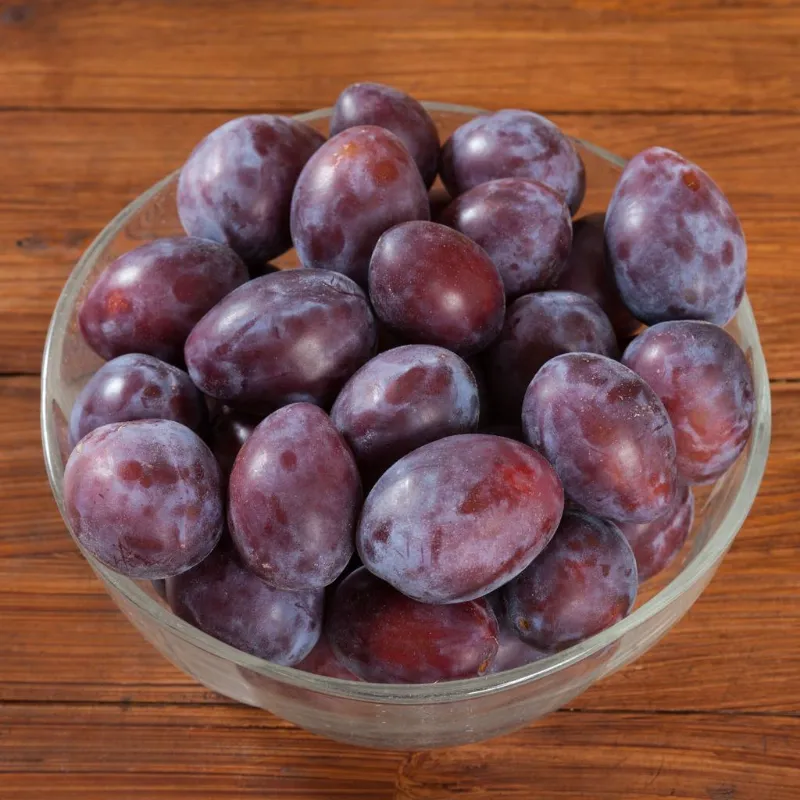
Fresh plums and their dried counterpart, prunes, are both excellent sources of polyphenols including chlorogenic acid and neochlorogenic acid. These compounds help regulate blood sugar and support healthy digestion.
Research has specifically highlighted prunes as being beneficial for bone health, with studies showing they can help prevent bone density loss in postmenopausal women. That connection between polyphenols and bone strength is something researchers are still actively exploring.
Eat plums as a snack, slice them into salads, or add a few prunes to your morning oatmeal. They’re naturally sweet and deeply satisfying in a way that processed snacks rarely are.
12. Red Onions
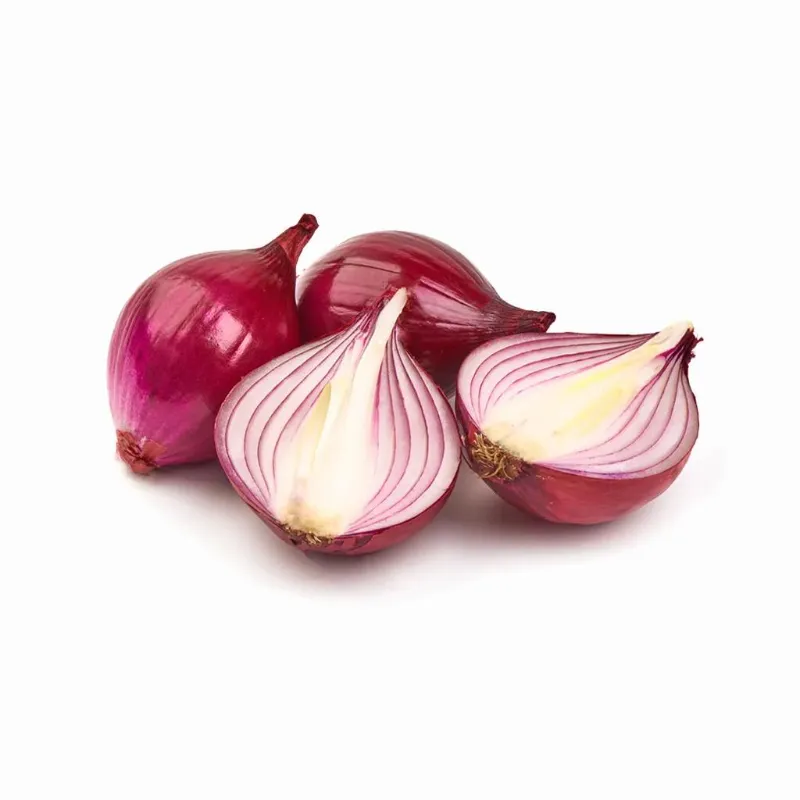
Red onions are a powerhouse hiding in plain sight. They’re one of the richest dietary sources of quercetin, a polyphenol with strong anti-inflammatory and antihistamine properties.
Quercetin has been studied for its ability to reduce allergy symptoms, lower blood pressure, and even support antiviral defenses. Getting it from food rather than supplements is generally more effective since it comes packaged with other synergistic nutrients.
Slice red onions into salads, pickle them quickly with vinegar for a tangy topping, or caramelize them slowly for a deeply flavorful addition to sandwiches and grain bowls. Raw offers the most quercetin, but cooked versions still contribute significantly.
13. Spinach
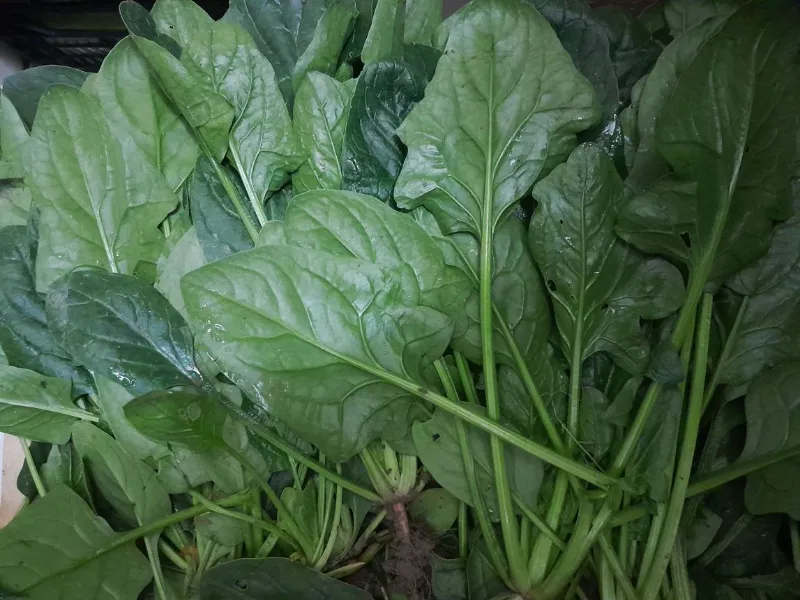
Spinach is one of the most nutrient-dense foods on the planet, and its polyphenol content is a big reason why. It’s rich in kaempferol and quercetin, two flavonoids with powerful antioxidant and anti-cancer properties.
Studies have linked spinach consumption to reduced oxidative stress, better eye health (thanks to lutein and zeaxanthin), and improved blood pressure. It also contains nitrates that convert to nitric oxide in the body, which relaxes blood vessels and supports circulation.
Baby spinach in salads, wilted into pasta, blended into smoothies, or tucked into scrambled eggs are all easy wins. It has a mild enough flavor that it disappears into almost anything.
14. Broccoli
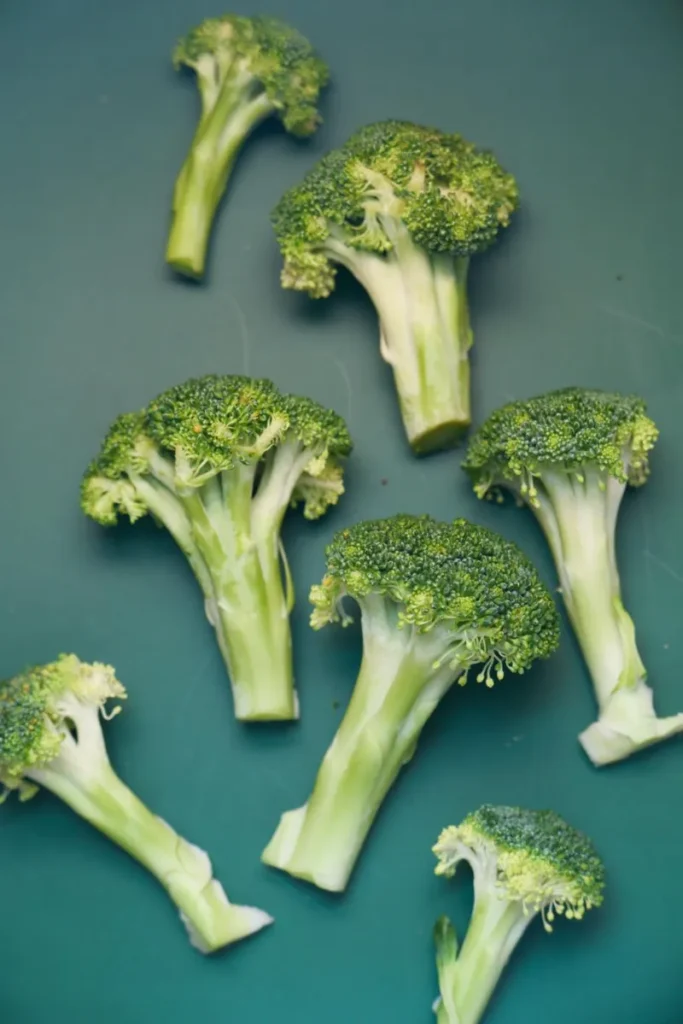
Broccoli belongs in your regular rotation, full stop. It contains sulforaphane, a polyphenol precursor that activates the body’s own antioxidant pathways in a way that few other foods can match.
Research from Johns Hopkins University has extensively studied sulforaphane’s role in cancer prevention, detoxification support, and brain health. It essentially tells your cells to ramp up their own protective systems.
Lightly steam or roast broccoli to preserve sulforaphane content. Chopping it and letting it sit for 40 minutes before cooking also boosts availability. Toss it in garlic and olive oil and you’ve got a side dish that’s genuinely working for you.
15. Kale
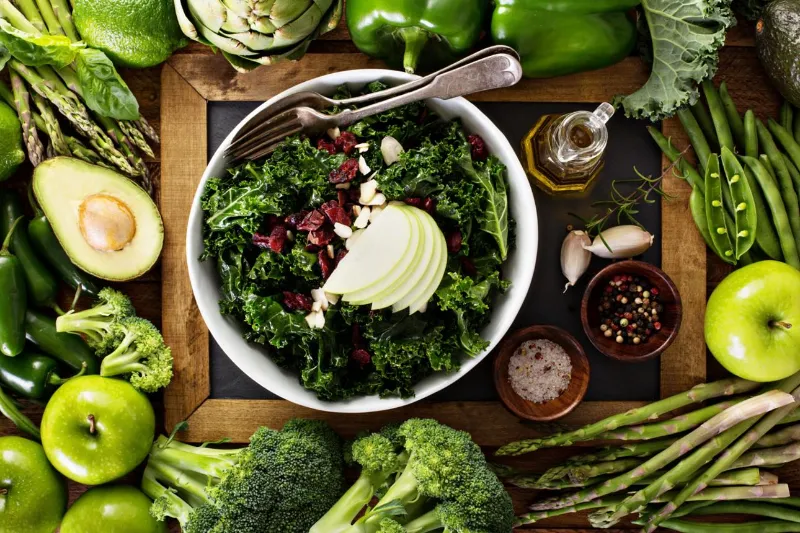
Kale earned its superfood reputation honestly. It’s loaded with kaempferol, quercetin, and a range of glucosinolates that support liver detoxification and cellular protection.
Studies have shown that kale consumption is associated with lower cholesterol levels, particularly when it’s lightly cooked or juiced. The polyphenols in kale also support thyroid function and have been studied for their role in reducing cancer risk.
Massage raw kale with olive oil and lemon for a salad that actually tastes good, blend it into smoothies, or bake it into crispy chips. Don’t be afraid of kale; it’s just a leafy green that happens to be exceptional.
16. Artichokes
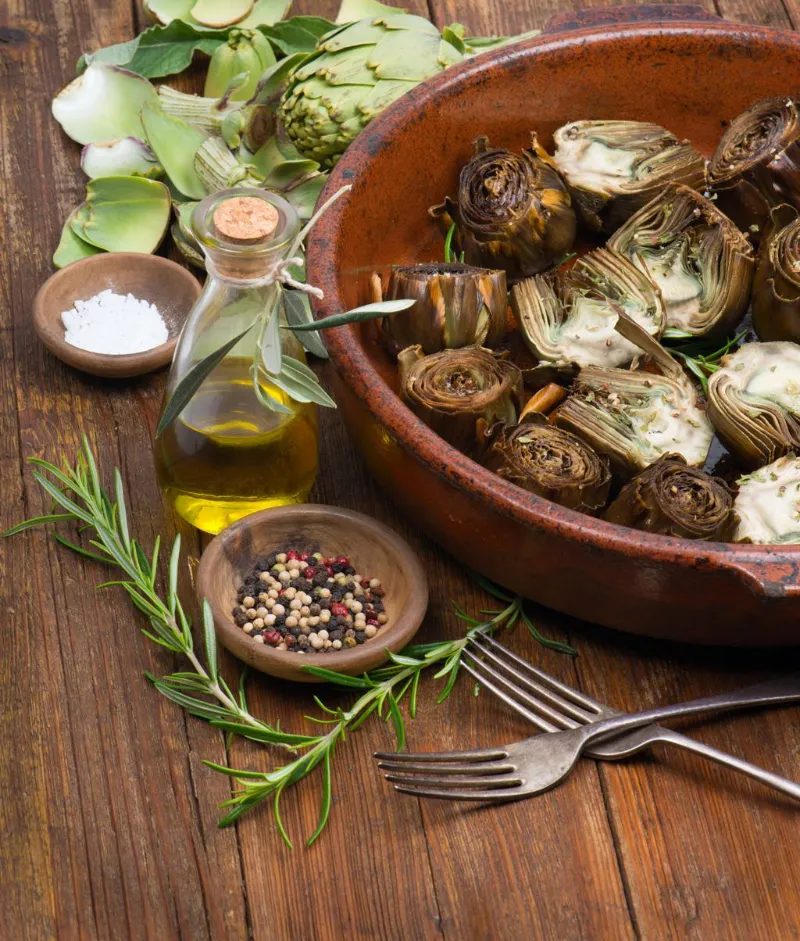
Artichokes are one of the most polyphenol-dense vegetables you can eat, which surprises a lot of people. They’re particularly high in cynarin and silymarin, compounds famous for supporting liver health and bile production.
Research has shown that artichoke extract can significantly reduce symptoms of indigestion and support healthy cholesterol levels. Your liver especially loves artichokes because these polyphenols actively help it filter and process toxins more efficiently.
Roasted artichoke hearts are incredibly easy to prepare from canned or frozen versions. Add them to pasta, grain bowls, or dips, and you’re getting a polyphenol boost with almost zero effort.
17. Red Cabbage
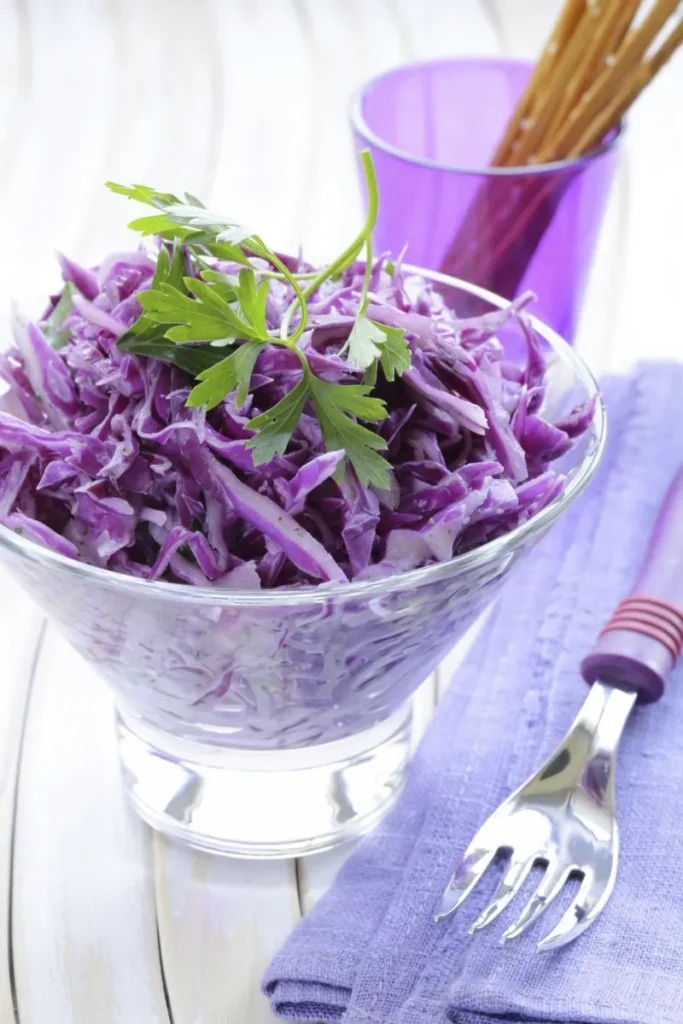
Red cabbage is one of the most affordable polyphenol-rich foods on this entire list. Its striking purple color comes from anthocyanins, the same family of polyphenols found in blueberries and blackberries.
A single cup of raw red cabbage provides more vitamin C than an orange AND a hefty dose of gut-supportive polyphenols. Studies have linked regular cruciferous vegetable consumption, like red cabbage, to reduced inflammation and lower risk of chronic disease.
Shred it raw into slaws and tacos, quick-pickle it with apple cider vinegar for a tangy topping, or braise it slowly with apples and balsamic for a warming side dish. It’s endlessly versatile and practically free at most grocery stores.
18. Beets

Beets get their gorgeous deep red color from betalains, a unique class of polyphenols that have potent anti-inflammatory and antioxidant properties. They’re also rich in dietary nitrates that convert to nitric oxide in the body.
Research has shown that beet juice can improve athletic endurance, lower blood pressure, and enhance blood flow to the brain. One study from the University of Exeter found that cyclists who drank beet juice before training rode significantly faster.
Roast beets and toss them in salads, blend raw beet into smoothies, or drink cold-pressed beet juice before a workout. They’ll turn everything pink, so just embrace it.
19. Carrots
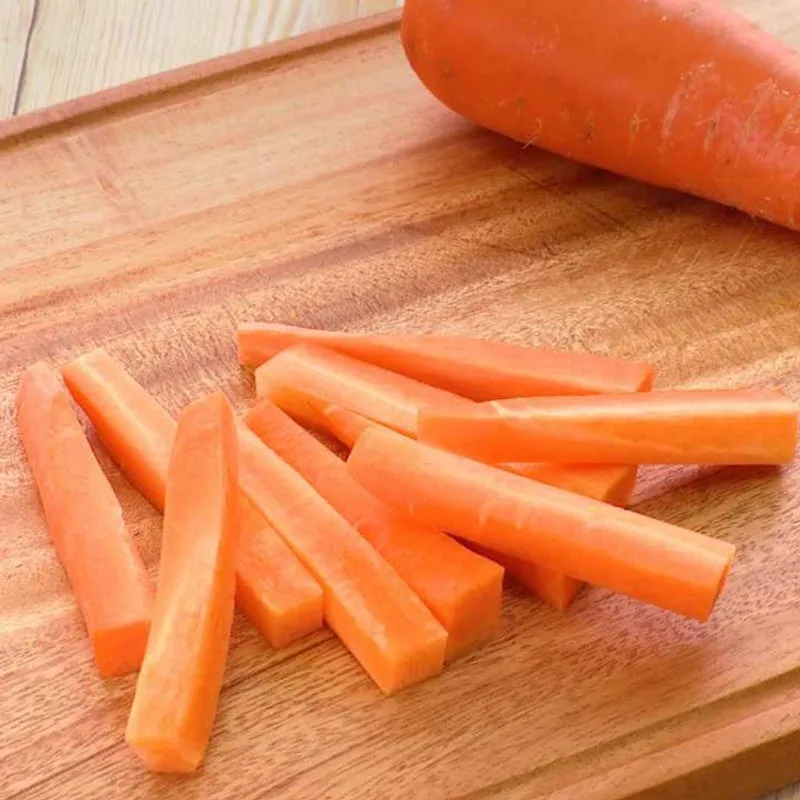
Carrots offer a different kind of polyphenol richness through compounds like luteolin and beta-carotene (technically a carotenoid, but works synergistically with polyphenols). They’re also a great source of hydroxycinnamic acids.
These compounds support eye health, skin integrity, and immune function in ways that are well-documented in nutritional research. The orange color is your visual cue that fat-soluble protective compounds are present, so eating carrots with a little healthy fat improves absorption.
Dip raw carrots in hummus, roast them with olive oil and cumin, or blend them into soups. Cooked carrots actually make some nutrients more bioavailable, so don’t feel like you have to always eat them raw.
20. Turmeric
Turmeric contains curcumin, one of the most extensively researched polyphenols in the world. It’s been shown to inhibit inflammatory pathways at the molecular level, which is why it’s often compared to anti-inflammatory medications in research settings.
The challenge with curcumin is bioavailability since your body doesn’t absorb it well on its own. Pairing turmeric with black pepper increases curcumin absorption by up to 2000%, so always cook or consume them together.
Add turmeric and black pepper to curries, golden milk lattes, soups, and scrambled eggs. Even a small daily dose, think half a teaspoon, can make a meaningful difference when consumed consistently.
21. Ginger
Ginger is loaded with gingerols and shogaols, polyphenols with impressive anti-nausea, anti-inflammatory, and digestive benefits. These compounds actively inhibit enzymes that promote inflammation in the same pathways targeted by some pain medications.
Clinical research has confirmed ginger’s effectiveness for reducing nausea from chemotherapy, morning sickness, and motion sickness. It’s also been shown to reduce muscle soreness after exercise when consumed consistently.
Grate fresh ginger into stir-fries and soups, steep it in hot water for ginger tea, or blend it into smoothies. A small knob of fresh ginger goes a long way and keeps well in the freezer.
22. Cinnamon
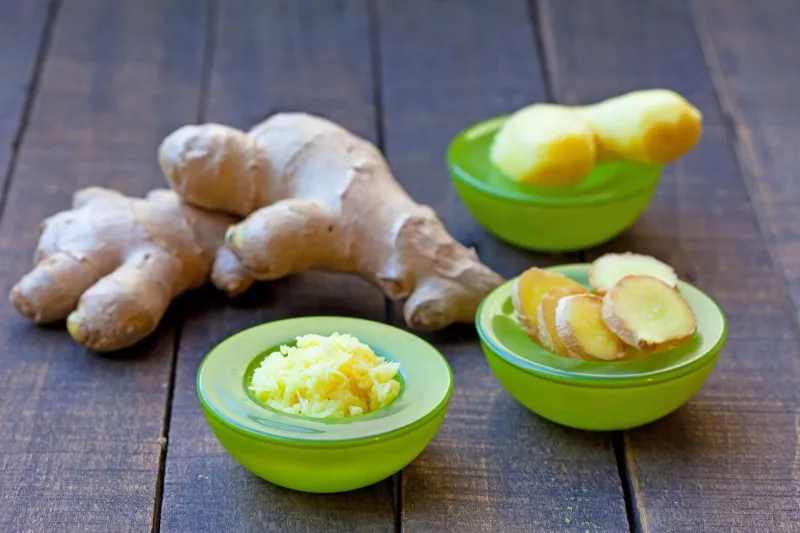
Cinnamon isn’t just a cozy spice. It’s packed with polyphenols, particularly cinnamaldehyde and procyanidins, that have remarkable effects on blood sugar regulation.
Multiple studies have shown that cinnamon can improve insulin sensitivity and lower fasting blood sugar levels, making it especially valuable for people managing pre-diabetes or type 2 diabetes. Ceylon cinnamon is preferable over Cassia cinnamon for daily use since it’s lower in a compound called coumarin that can be harmful in large amounts.
Stir it into oatmeal, add it to coffee, sprinkle it over sweet potatoes, or mix it into yogurt. It’s one of the easiest ways to get polyphenols into your daily routine without changing what you’re already eating.
23. Cloves
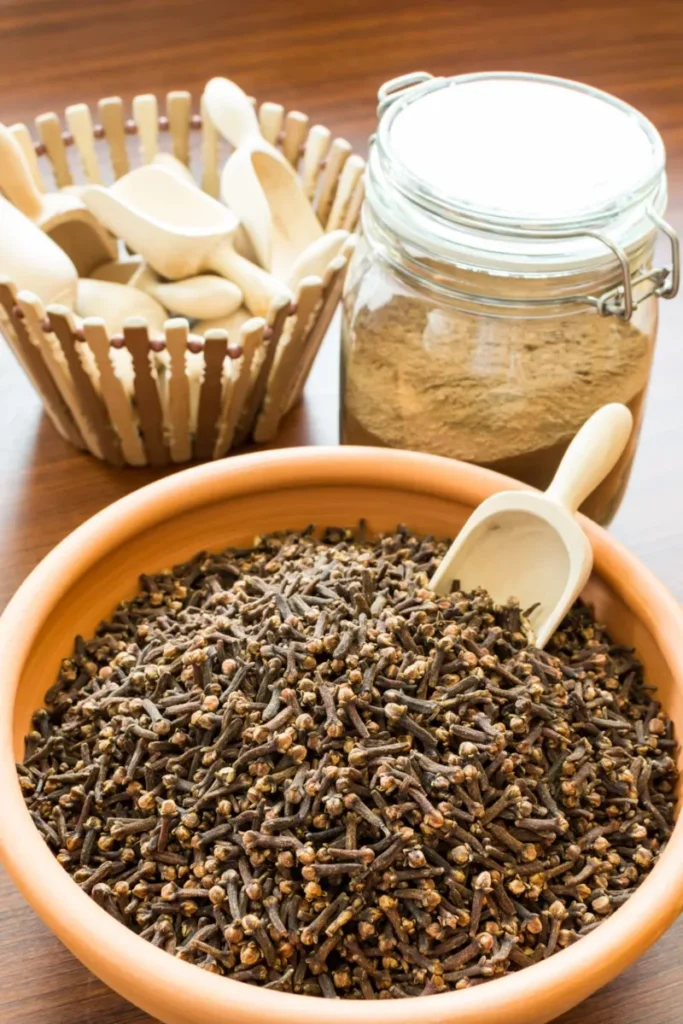
Cloves have the highest polyphenol content of any spice, period. Just one gram of ground cloves contains more antioxidant power than a full cup of blueberries, measured by ORAC (Oxygen Radical Absorbance Capacity) scores.
The main polyphenol in cloves is eugenol, which has been studied for its antimicrobial, anti-inflammatory, and even analgesic properties. Dentists have used clove oil as a natural pain reliever for centuries, and now we understand the polyphenol chemistry behind why it works.
Add ground cloves to spice blends, holiday baked goods, chai tea, or slow-cooked meats. A little goes a long way flavor-wise, but even a pinch adds meaningful polyphenol value to your meals.
24. Peppermint
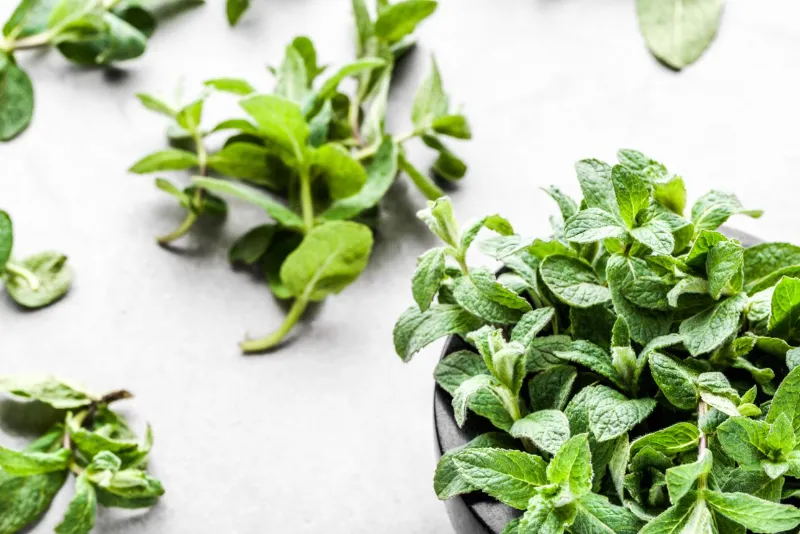
Peppermint is more than a breath freshener. It’s a solid source of rosmarinic acid and luteolin, polyphenols with anti-inflammatory and neuroprotective properties.
Research has shown that peppermint oil and peppermint tea can reduce symptoms of irritable bowel syndrome, ease tension headaches, and improve alertness and cognitive performance. The menthol in peppermint works synergistically with its polyphenols to enhance these effects.
Brew fresh peppermint tea daily, add fresh mint to salads and grain bowls, or blend it into smoothies with berries. It’s refreshing, calorie-free, and genuinely therapeutic in a way you can feel.
25. Flaxseeds
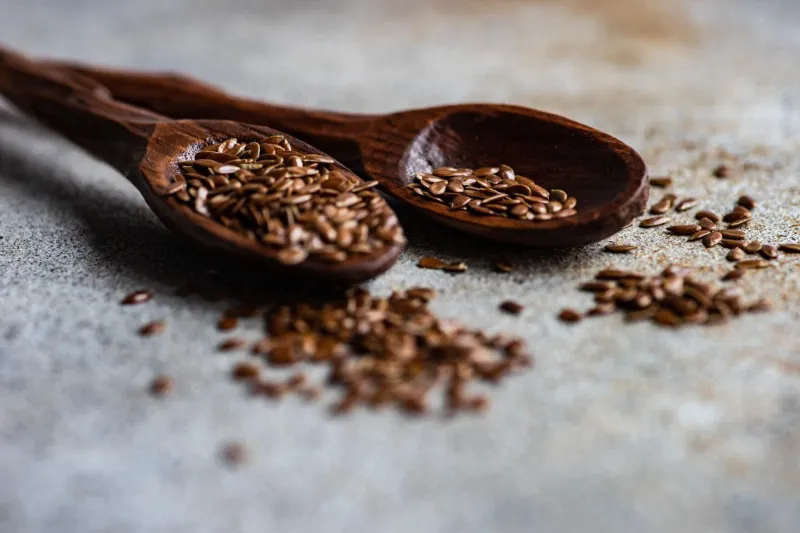
Flaxseeds are the richest dietary source of lignans, a class of polyphenols with strong estrogen-modulating and antioxidant properties. They’ve been studied extensively for their role in reducing breast cancer risk and supporting hormonal balance.
A study published in the Journal of Clinical Oncology found that postmenopausal women who consumed flaxseeds regularly showed significant reductions in tumor markers. The omega-3 fatty acids in flaxseeds also amplify the anti-inflammatory effects of their polyphenols.
Always buy ground flaxseeds or grind whole ones yourself since whole seeds pass through your digestive system largely undigested. Stir a tablespoon into smoothies, oatmeal, or yogurt every single day.
26. Chia Seeds
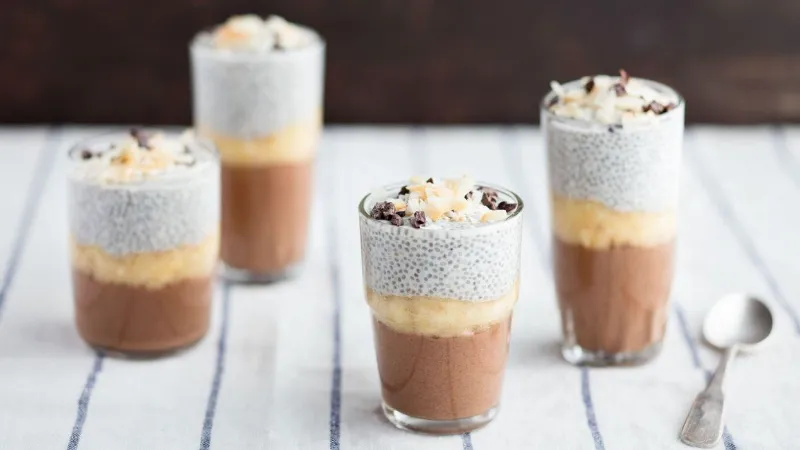
Chia seeds deliver polyphenols like caffeic acid and chlorogenic acid alongside a remarkable combination of omega-3 fatty acids and soluble fiber. This nutritional trio supports gut health, reduces inflammation, and slows blood sugar spikes after meals.
The soluble fiber in chia seeds forms a gel in the gut that acts as a prebiotic, feeding the beneficial bacteria that metabolize polyphenols from other foods you eat. In other words, chia seeds help you get more out of everything else on this list.
Make chia pudding with almond milk overnight, stir them into smoothies, or sprinkle them over salads and soups. Two tablespoons a day is a great target to aim for.
27. Walnuts
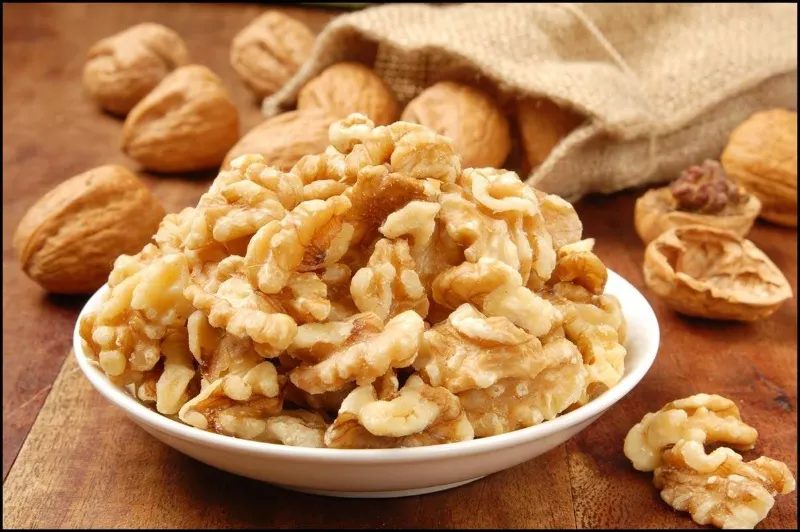
Walnuts are unique among nuts for their exceptional polyphenol content, specifically ellagitannins and pedunculagin. They also contain the highest amount of alpha-linolenic acid (plant-based omega-3) of any tree nut.
A large study from UCLA found that regular walnut consumption was linked to better cognitive function, reduced depression scores, and improved gut microbiome diversity. The polyphenols and omega-3s appear to work together to support brain and mental health in ways other nuts don’t replicate as effectively.
Eat a small handful as a snack, top your oatmeal with them, chop them into salads, or blend them into homemade pesto. They’re calorie-dense, so a small amount goes a long way nutritionally.
28. Pecans
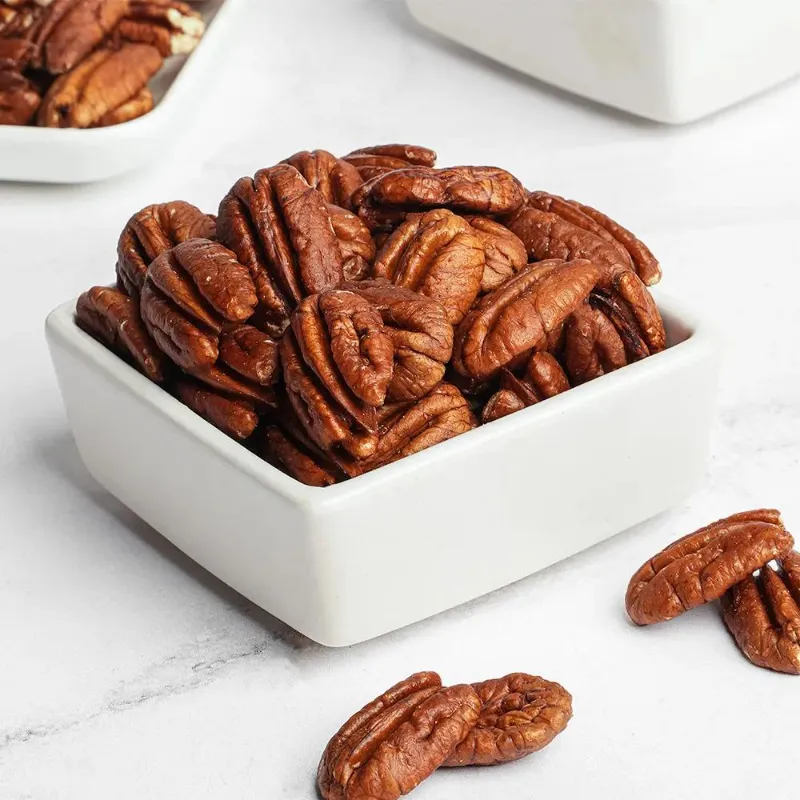
Pecans are the polyphenol powerhouse of the nut world that nobody talks about enough. They contain more antioxidants than any other tree nut and are particularly rich in gamma-tocopherol (a form of vitamin E) that works synergistically with their polyphenol content.
Research from New Mexico State University found that people who ate pecans daily for eight weeks showed significantly reduced oxidative stress markers and improved cholesterol profiles. These results outperformed what researchers expected from a nut-based intervention.
Eat them raw for the best polyphenol retention, add them to salads, mix them into grain bowls, or make a simple pecan-topped yogurt parfait. They’re naturally sweet enough to feel like a treat while delivering serious nutrition.
29. Black Beans
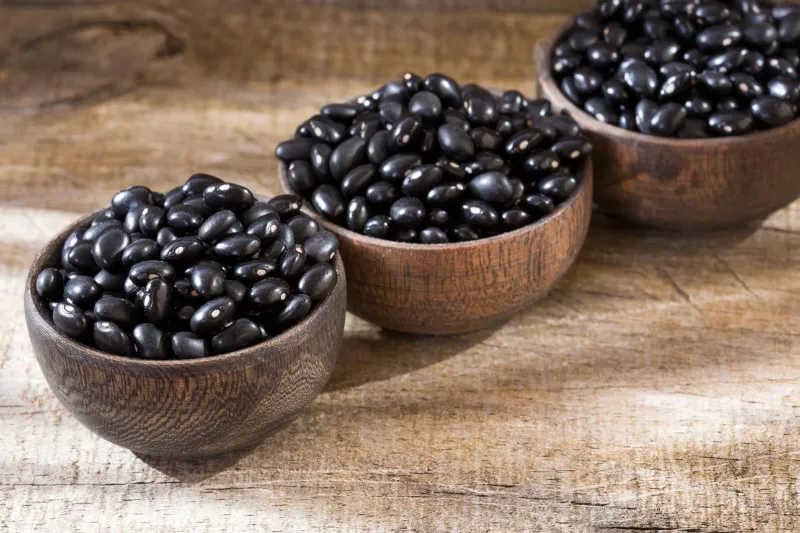
Black beans are the polyphenol kings of the legume world. Their dark color signals high concentrations of anthocyanins, and they also contain significant amounts of quercetin, kaempferol, and myricetin.
Research has consistently linked regular legume consumption with lower rates of heart disease, type 2 diabetes, and colorectal cancer. The polyphenols in black beans also feed beneficial gut bacteria, supporting the microbiome diversity that is increasingly linked to everything from mood to immune function.
Add black beans to tacos, grain bowls, soups, and salads, or blend them into brownies for a sneaky nutritional upgrade. They’re affordable, filling, and one of the most complete whole foods you can eat.
30. Soy (Edamame)
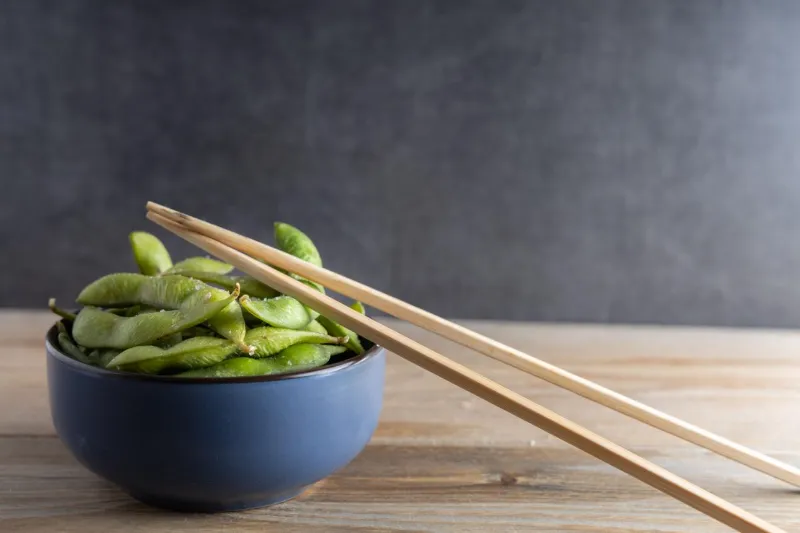
Soy foods like edamame contain isoflavones, a unique class of polyphenols that have weak estrogenic activity in the body. Despite years of controversy, the research has consistently shown that whole soy foods support heart health and reduce certain cancer risks, particularly in populations that eat soy regularly from a young age.
The Harvard School of Public Health’s long-running studies have found that soy consumption is associated with reduced mortality from breast cancer and improved cardiovascular outcomes. The key is choosing minimally processed soy like edamame, tofu, and tempeh over heavily processed soy protein isolates.
Steam edamame as a snack, add silken tofu to smoothies, or use tempeh as a protein-rich meat alternative in stir-fries. Whole soy foods deserve a regular spot at your table.
31. Coffee
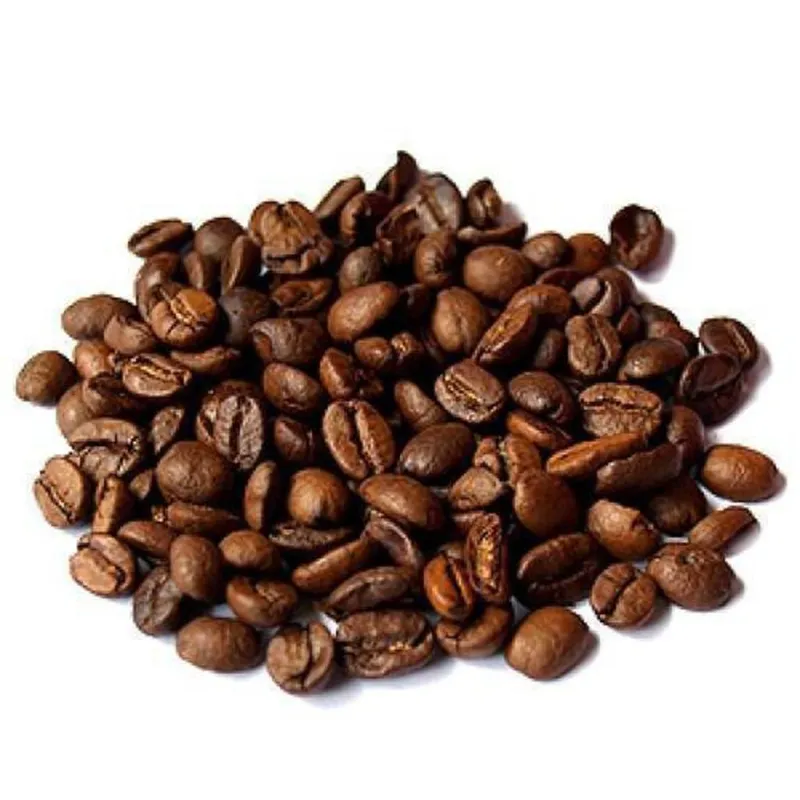
Coffee is the number one source of polyphenols in the American diet, not because it has the highest concentration per gram, but because we drink so much of it. It’s loaded with chlorogenic acids, powerful antioxidants that support blood sugar regulation, liver health, and cardiovascular function.
Multiple large-scale studies, including research from Harvard and the IARC (International Agency for Research on Cancer), have found that regular coffee drinkers have lower risk of type 2 diabetes, Parkinson’s disease, liver cirrhosis, and certain cancers. The polyphenols, not just the caffeine, appear to drive these benefits.
Drink your coffee black or with minimal additives to get the most out of its polyphenol content. Even decaf coffee retains most of the chlorogenic acids, so those who are caffeine-sensitive can still reap the rewards.
Final Thoughts
You don’t have to overhaul your entire diet overnight to start benefiting from polyphenols. Start by picking five or six foods from this list that genuinely excite you and work them into your meals this week.
Small, consistent choices add up faster than you think. Your body will notice the difference, so give it the colorful, plant-rich fuel it’s been waiting for.
