
25 Backed by Experts Potassium Rich Foods List That Actually Work

If your energy dips for no reason, your muscles cramp out of nowhere, or your blood pressure just won’t budge — low potassium might be quietly at play. Most Americans don’t get nearly enough of this powerhouse mineral, and the effects creep up slowly.

The good news? You don’t need supplements or special diets to fix it. These 25 expert-backed, potassium-rich foods are probably already on your grocery list — you just need to know why they matter and how to use them.
1. Bananas
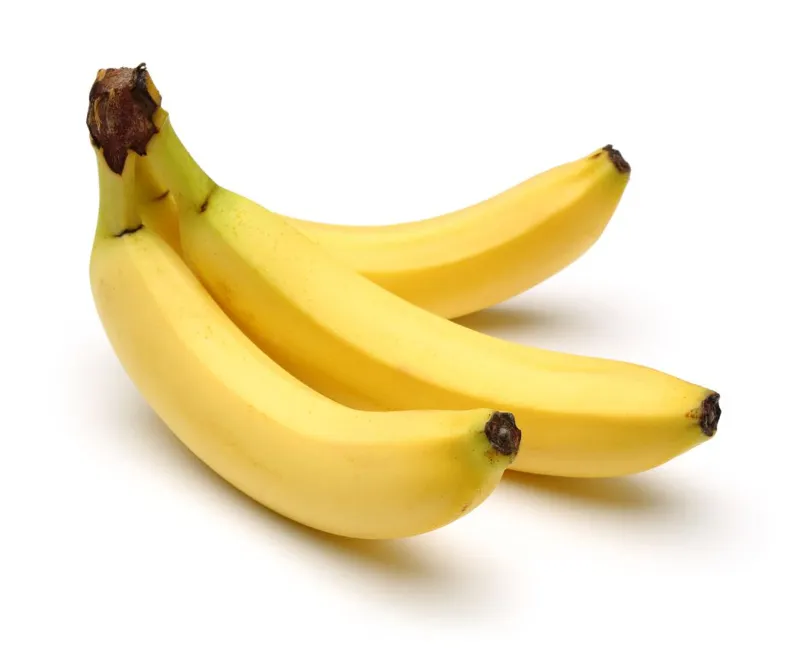
You’ve probably heard bananas are great for potassium, and yep — that reputation is well earned. One medium banana delivers around 422 mg of potassium, making it one of the easiest grab-and-go sources out there.
Potassium helps your muscles contract properly and keeps your heart rhythm steady. That’s why athletes reach for bananas before and after workouts — it’s not just a trend, it’s physiology.
Slice one into oatmeal, blend it into a smoothie, or just eat it plain. There’s no wrong way to eat a banana.
2. Sweet Potatoes

Sweet potatoes are one of those foods that punch way above their weight. One medium baked sweet potato with the skin on packs about 542 mg of potassium — that’s more than a banana.
They’re also loaded with vitamin A, fiber, and complex carbohydrates that give you steady energy instead of spikes and crashes. The combination of potassium and fiber together is genuinely great for heart health.
Roast them, mash them, or cube them into a grain bowl. They’re naturally sweet enough that you barely need to season them.
3. Avocados
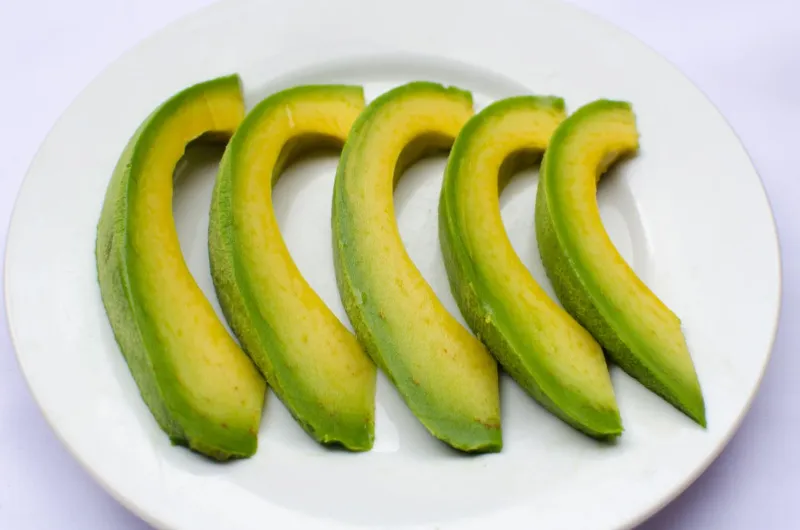
Avocados aren’t just a trendy toast topping. Half an avocado gives you around 487 mg of potassium, plus heart-healthy monounsaturated fats that actually help your body absorb other nutrients more efficiently.
Research shows that the fats in avocados can help lower LDL cholesterol while the potassium supports healthy blood pressure. It’s a rare combo where everything works together.
Mash it onto toast, slice it into salads, or blend it into smoothies for creaminess without dairy.
4. Spinach
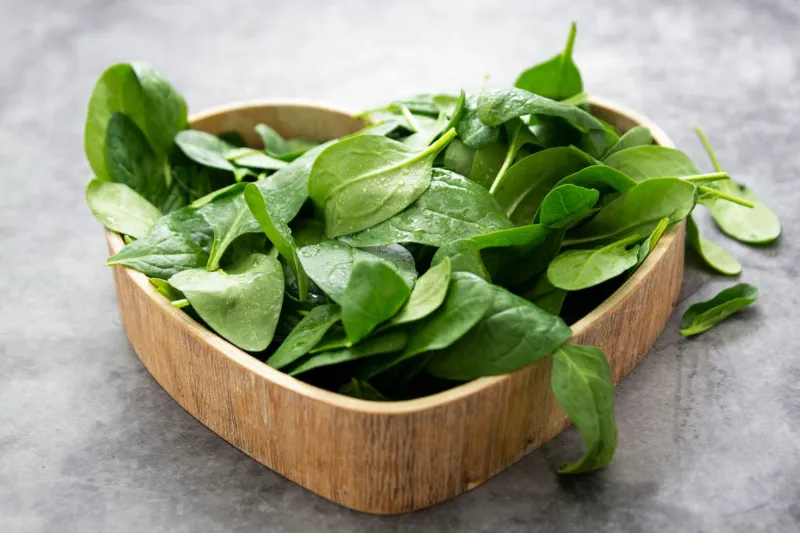
Spinach is a quiet overachiever. One cup of cooked spinach delivers about 839 mg of potassium — nearly a fifth of your daily needs in a single serving.
It’s also rich in magnesium, which works alongside potassium to regulate muscle function and nerve signals. The two minerals together are especially helpful if you deal with leg cramps or restless sleep.
Wilt it into pasta, blend it into smoothies (you won’t taste it), or sauté it with garlic for a super simple side.
5. White Beans
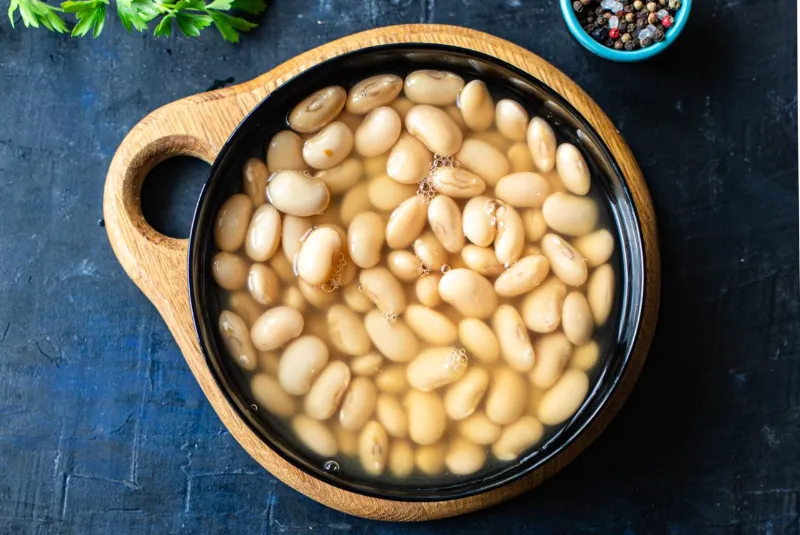
White beans are one of the most underrated sources of potassium on this entire list. One cup of cooked white beans contains around 1,004 mg of potassium — that’s basically half your daily goal in one serving.
They’re also packed with plant-based protein and soluble fiber, which helps slow digestion and keeps blood sugar more stable. Studies have linked regular bean consumption to lower rates of heart disease and type 2 diabetes.
Add them to soups, mash them as a side, or toss them into a simple salad with olive oil and lemon.
6. Salmon
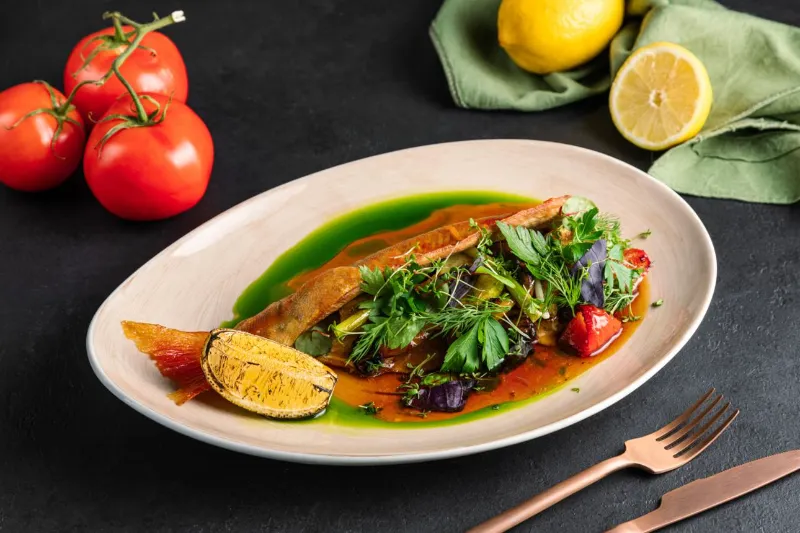
Salmon isn’t just about omega-3s. A 3-ounce serving of cooked salmon provides around 414 mg of potassium along with those famous anti-inflammatory fatty acids.
The omega-3s in salmon help reduce arterial inflammation, and when that’s paired with potassium’s blood pressure-lowering effects, you’ve got a genuinely heart-protective meal. Research from the American Heart Association backs up regular fatty fish consumption for cardiovascular health.
Bake it, pan-sear it, or flake it into grain bowls. It’s one of those proteins that makes any meal feel complete.
7. Coconut Water
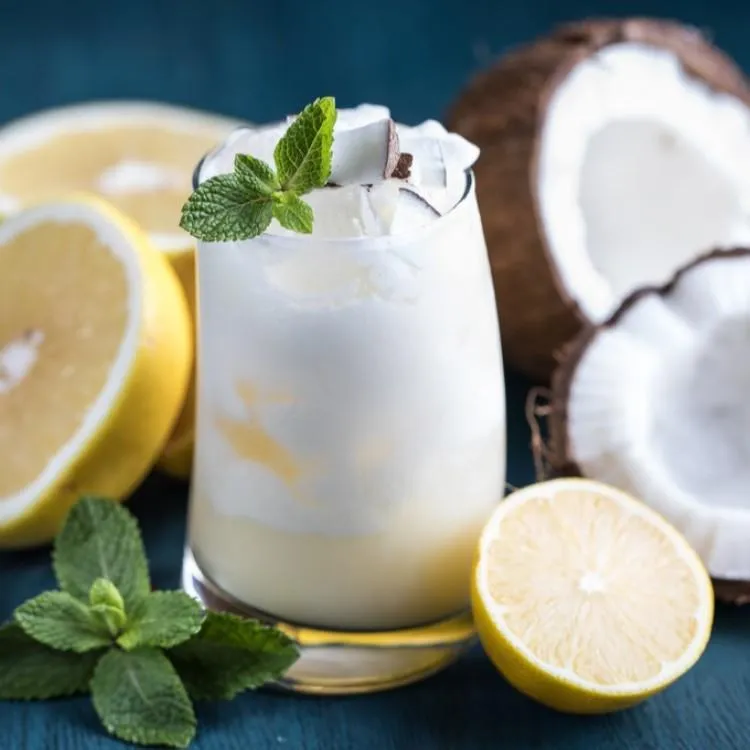
Coconut water is nature’s sports drink — and unlike most bottled electrolyte drinks, it doesn’t come loaded with artificial dyes and added sugar. One cup has about 600 mg of potassium along with natural electrolytes like sodium and magnesium.
It rehydrates faster than plain water after exercise because of the electrolyte balance, which mirrors what your body actually loses through sweat. Athletes and fitness folks have been reaching for it for decades.
Drink it straight after a workout, use it as a smoothie base, or freeze it into popsicles for a refreshing treat.
8. Potatoes (With Skin)

Here’s the thing about potatoes — they got a bad reputation during the low-carb craze, but nutritionally, they’re genuinely impressive. One medium baked potato with the skin on contains about 926 mg of potassium.
Potatoes also provide vitamin C, B6, and resistant starch, which feeds good gut bacteria. The key is keeping the skin on, because that’s where a huge portion of the nutrients live.
Bake them, roast them into wedges, or make a simple home fries situation. Just go easy on the butter and sour cream.
9. Dried Apricots
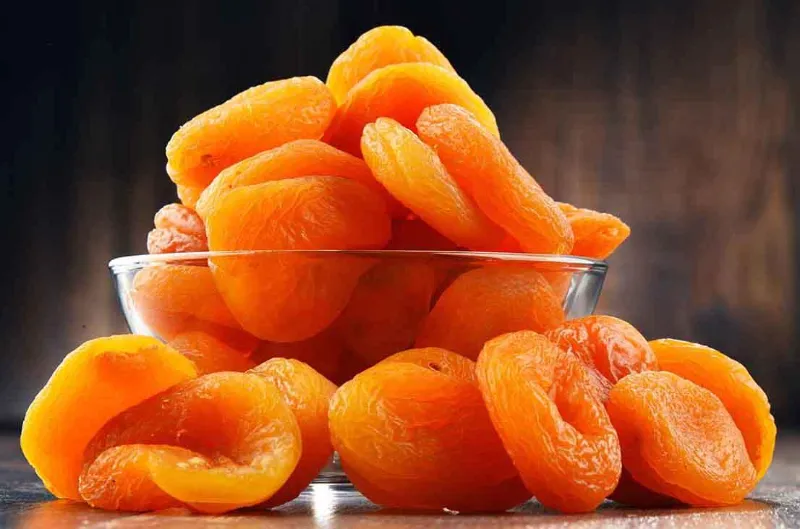
Dried apricots are a sneaky-good potassium source. Just half a cup of dried apricots delivers around 755 mg of potassium — and they’re incredibly portable.
The drying process concentrates the nutrients, so you’re getting a much more potassium-dense food than fresh apricots. They’re also high in beta-carotene, which your body converts to vitamin A for eye and skin health.
Keep a small bag in your purse or gym bag for an easy snack. You can also chop them into trail mix, oatmeal, or yogurt.
10. Lentils
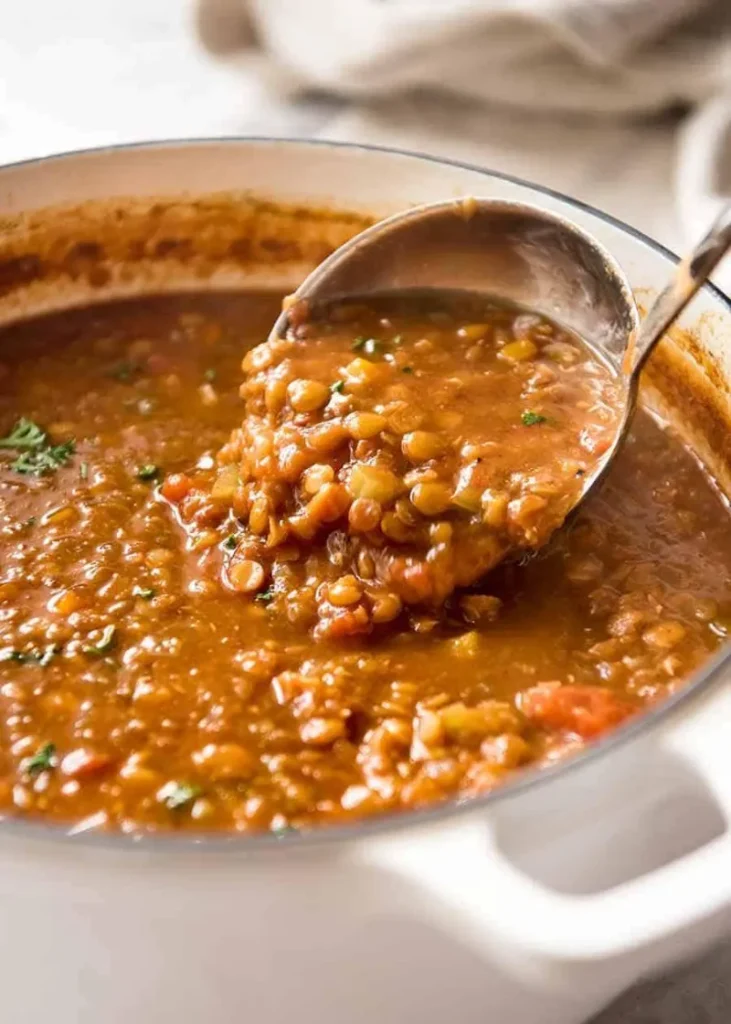
Lentils are a plant-based protein that quietly delivers on the potassium front too. One cup of cooked lentils provides about 731 mg of potassium plus 18 grams of protein and a massive dose of fiber.
Research consistently shows that legume-rich diets are linked to lower blood pressure and better cardiovascular outcomes. Lentils are also one of the most affordable foods on this list, which makes them an easy win.
Make a simple lentil soup, toss them into grain bowls, or use them as a meat substitute in tacos and chili.
11. Beet Greens
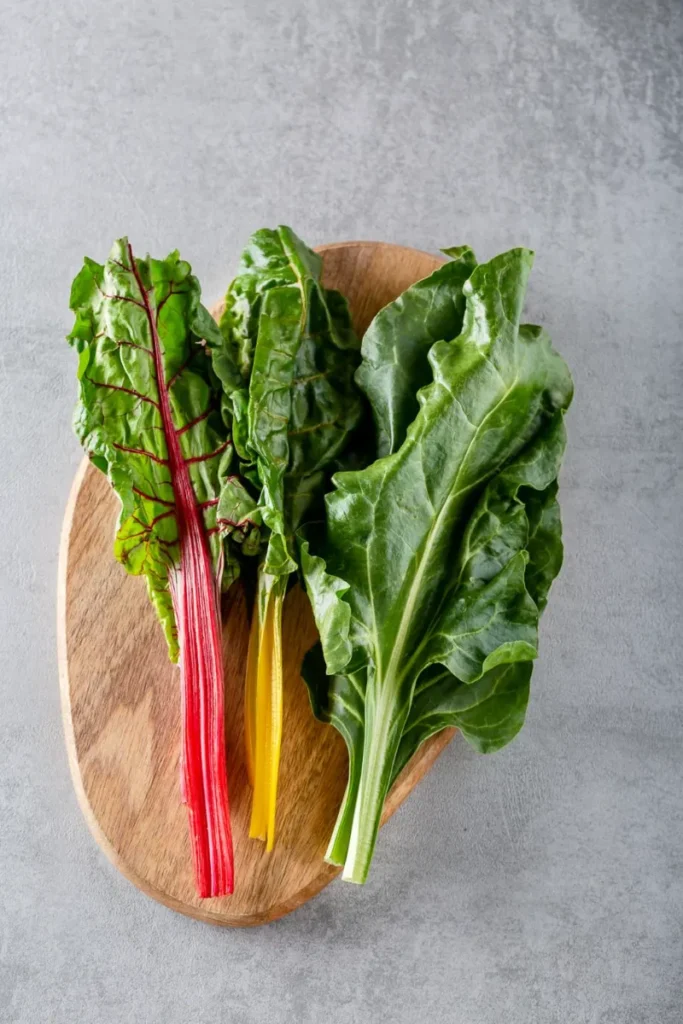
Most people throw away the leafy tops of beets without knowing they’re sitting on a potassium goldmine. One cup of cooked beet greens contains a staggering 1,309 mg of potassium — one of the highest amounts of any food on this list.
They’re also rich in vitamin K, calcium, and riboflavin. The potassium and nitrate combination found in beet-related foods has been studied for its ability to support healthy blood flow and lower blood pressure naturally.
Sauté beet greens exactly like you’d cook spinach or chard. A little garlic and olive oil is all you need.
12. Acorn Squash
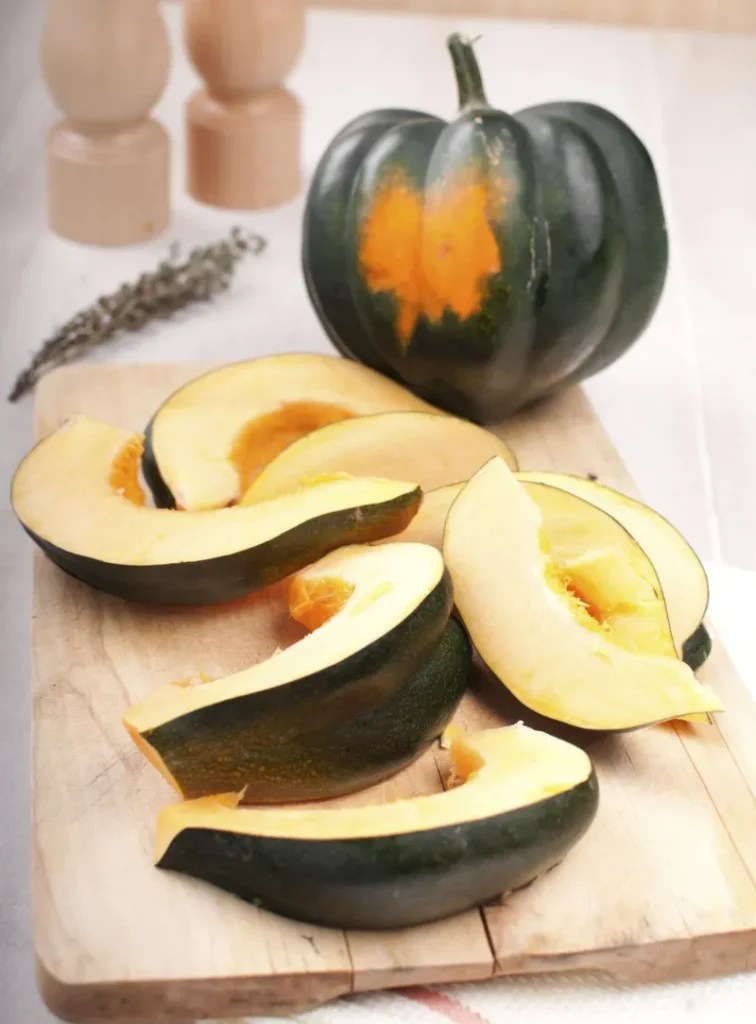
Acorn squash is a cozy fall favorite that deserves year-round attention. One cup of cooked acorn squash provides around 896 mg of potassium along with vitamins A and C and a good amount of fiber.
The combination of potassium and magnesium in squash makes it particularly good for heart health and blood pressure regulation. It’s also naturally sweet and filling, making it a satisfying side dish that doesn’t spike blood sugar sharply.
Halve it, scoop out the seeds, and roast it with a little olive oil and cinnamon. It basically makes itself.
13. Edamame
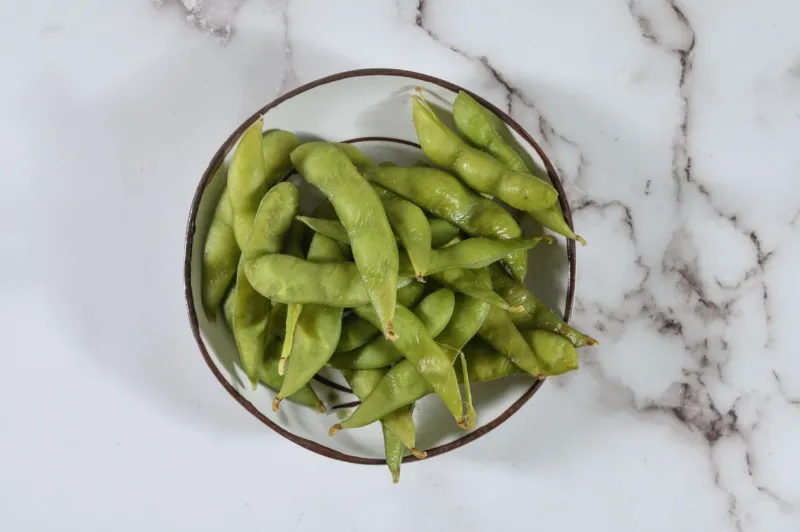
Edamame, which are young soybeans, are one of the most fun snack foods with a surprisingly solid nutrition profile. One cup of cooked edamame delivers about 676 mg of potassium and 17 grams of complete plant-based protein.
Complete proteins from plant sources are rare, which makes edamame stand out even more. The potassium and isoflavones in soy have both been linked to cardiovascular support in published research.
Steam them and sprinkle with sea salt for a quick snack, or toss shelled edamame into grain salads and stir-fries.
14. Pomegranate Juice

Pomegranate juice is one of those drinks that actually earns its health hype. One cup contains around 533 mg of potassium along with powerful antioxidants called punicalagins, which are almost unique to pomegranates.
Studies published in journals like Clinical Nutrition have found that pomegranate juice can measurably lower blood pressure in people with hypertension. That’s partly due to potassium and partly due to its antioxidant load.
Drink it straight, mix it with sparkling water, or use it as a salad dressing base with a splash of balsamic vinegar.
15. Yogurt (Plain)
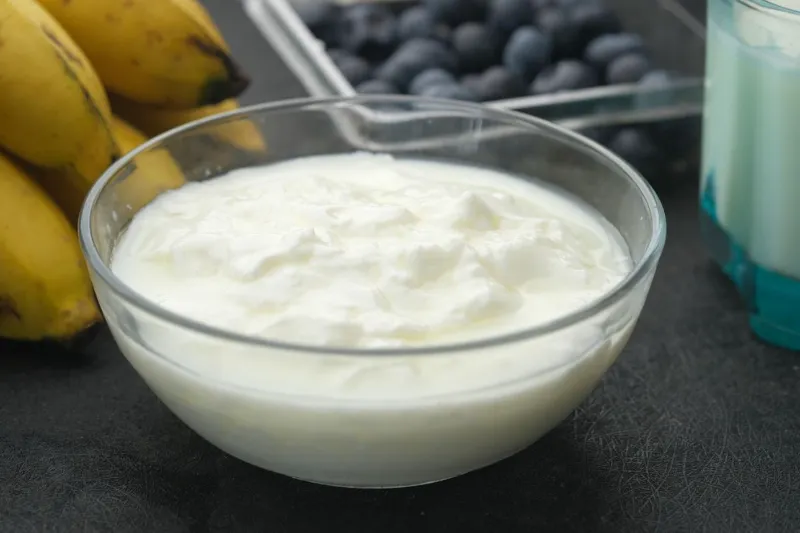
Plain yogurt is a quiet potassium hero that most people already have in their fridge. One cup of plain low-fat yogurt provides around 573 mg of potassium along with calcium, phosphorus, and live probiotic cultures.
The combination of potassium and calcium in dairy is particularly beneficial for bone density over time. The probiotics also support gut health, which recent research increasingly connects to overall immunity and mood.
Eat it with fruit and granola, use it as a base for dips and dressings, or swap it for sour cream in almost any recipe.
16. Kidney Beans
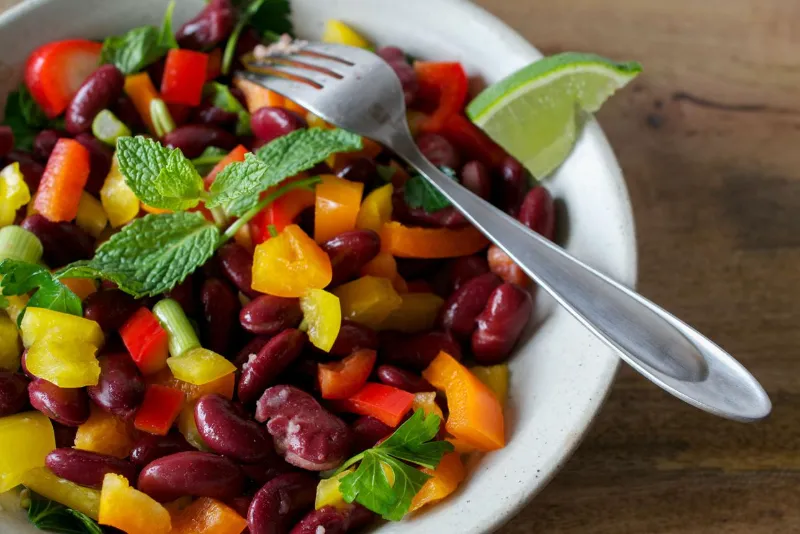
Kidney beans are hearty, filling, and seriously loaded with potassium. One cup of cooked kidney beans delivers about 713 mg of potassium along with 15 grams of fiber and 15 grams of protein.
That fiber and protein combination is exceptional for keeping you full and managing blood sugar levels. Research shows that people who eat beans regularly tend to have lower body weights and better metabolic health markers overall.
Use them in chili, toss them into salads, or mash them up as a protein-rich spread on toast.
17. Swiss Chard
Swiss chard might be the most potassium-dense leafy green that most people never buy. One cup of cooked Swiss chard provides around 961 mg of potassium along with impressive amounts of vitamins K, A, and C.
Chard also contains betalains, which are natural plant pigments with anti-inflammatory properties that have been studied for their role in protecting cells. The leafy green is also one of the better plant sources of magnesium, which works with potassium to support nerve and muscle function.
Sauté it with olive oil, garlic, and a squeeze of lemon for a ridiculously simple and nutritious side dish.
18. Tomato Paste and Sauce
Cooked tomato products are far more potassium-dense than raw tomatoes, because the water cooks down and concentrates everything. Just a quarter cup of tomato paste contains around 664 mg of potassium.
Cooking tomatoes also boosts their lycopene content, a powerful antioxidant linked to reduced risks of certain cancers and heart disease. So that pasta sauce or chili you’re making? It’s doing more for you than you think.
Use tomato paste in sauces, soups, and stews. Even a spoonful stirred into scrambled eggs or shakshuka adds rich flavor and nutrition.
19. Prunes (Dried Plums)
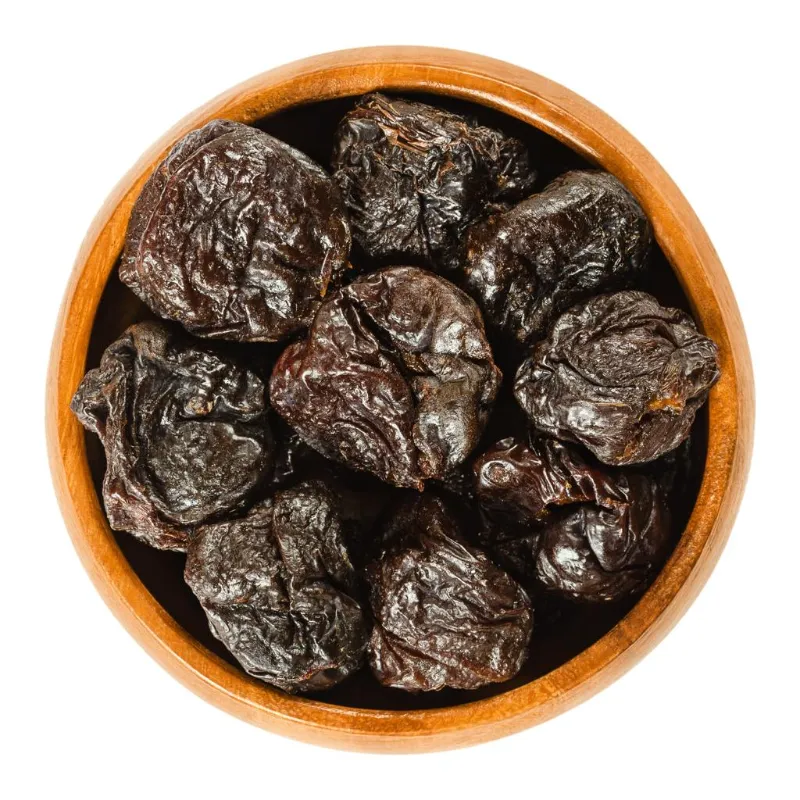
Prunes have a bit of an old-fashioned reputation, but nutritionally they’re genuinely impressive. Half a cup of prunes provides about 637 mg of potassium along with vitamin K, boron, and sorbitol, which supports healthy digestion.
Beyond digestive benefits, research published in the British Journal of Nutrition found that prunes may help preserve bone density and reduce markers of inflammation. The potassium content also contributes to blood pressure support.
Eat them as a snack, chop them into oatmeal, or blend them into energy balls with oats and nut butter.
20. Halibut
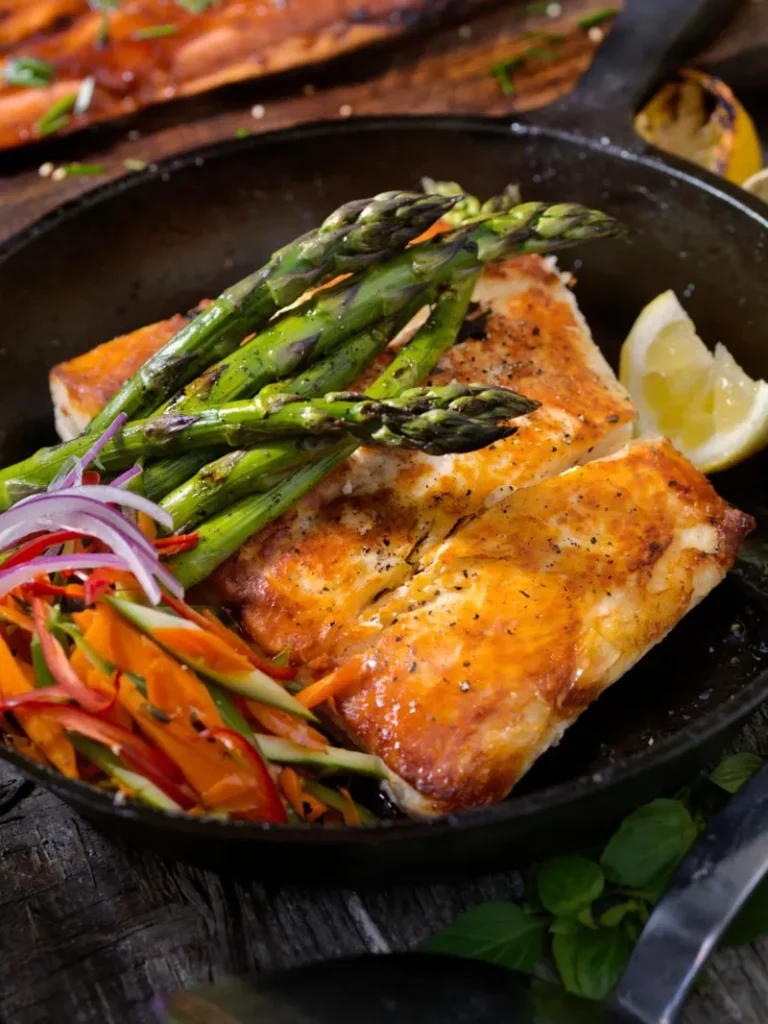
Halibut is a mild, meaty white fish that deserves more attention than it gets. A 3-ounce serving of cooked halibut provides around 490 mg of potassium along with selenium, magnesium, and high-quality lean protein.
The selenium in halibut acts as an antioxidant that protects your thyroid and immune function, making this fish a particularly well-rounded choice. Combined with potassium, it’s a solid meal for heart and overall metabolic health.
Bake it simply with lemon and herbs, or pan-sear it for a slightly crispy crust. It’s easy, fast, and genuinely delicious.
21. Almonds
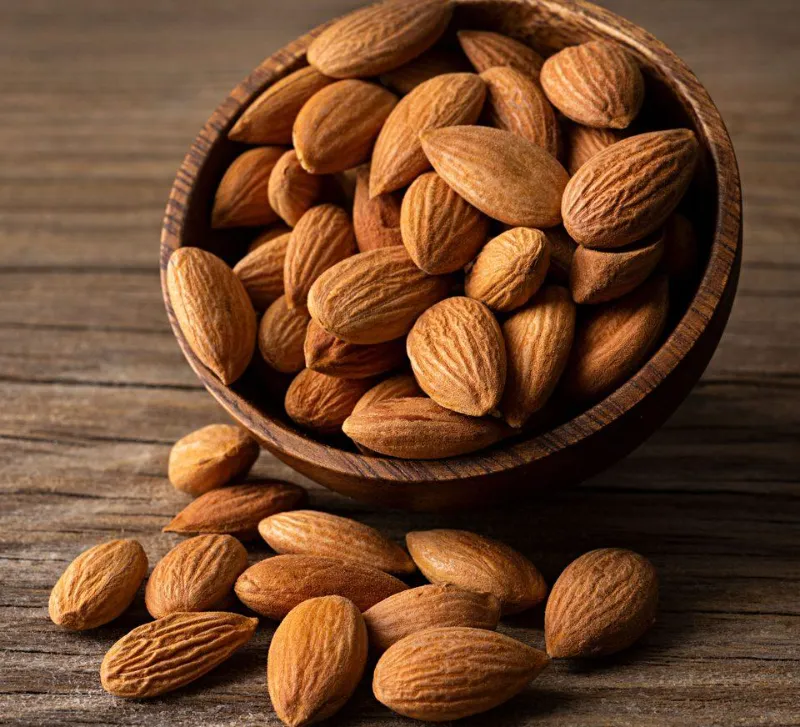
Almonds are one of those snacks that just keep giving. One ounce of almonds (about 23 nuts) provides around 200 mg of potassium along with healthy fats, magnesium, and vitamin E.
While they’re not the highest potassium source on this list, their portability and nutrient density make them incredibly practical. Magnesium and potassium together play a key role in muscle recovery, which is why almonds are popular in athletic communities.
Grab a small handful as a snack, add almond butter to smoothies, or toss sliced almonds onto salads for a satisfying crunch.
22. Kale
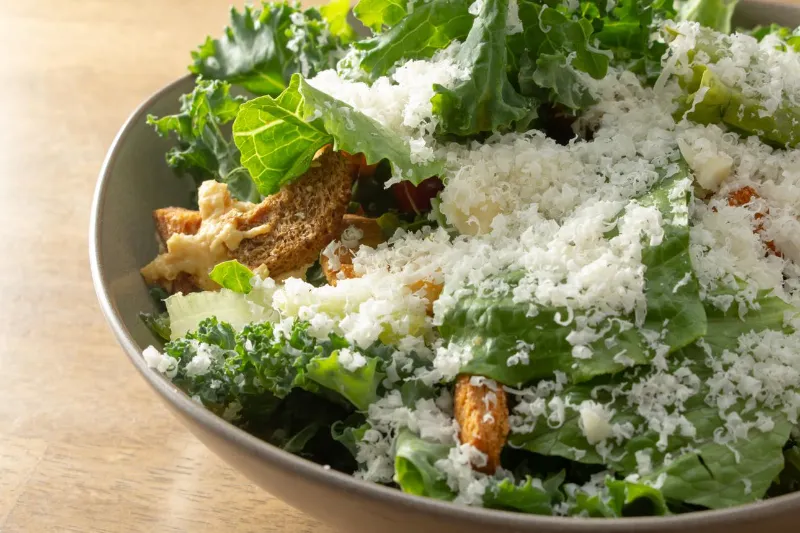
Kale isn’t just a superfood buzzword — it genuinely earns that title when it comes to potassium. One cup of cooked kale delivers around 296 mg of potassium, and when you factor in all the other nutrients packed in, it’s one of the most nutrient-dense foods on the planet.
Kale is rich in vitamins K, C, and A, calcium, and flavonoids with antioxidant and anti-inflammatory effects. Studies have linked regular cruciferous vegetable consumption to reduced cancer risk and improved cardiovascular outcomes.
Massage raw kale with lemon and olive oil for salads, roast it into chips, or add it to soups and smoothies.
23. Oranges
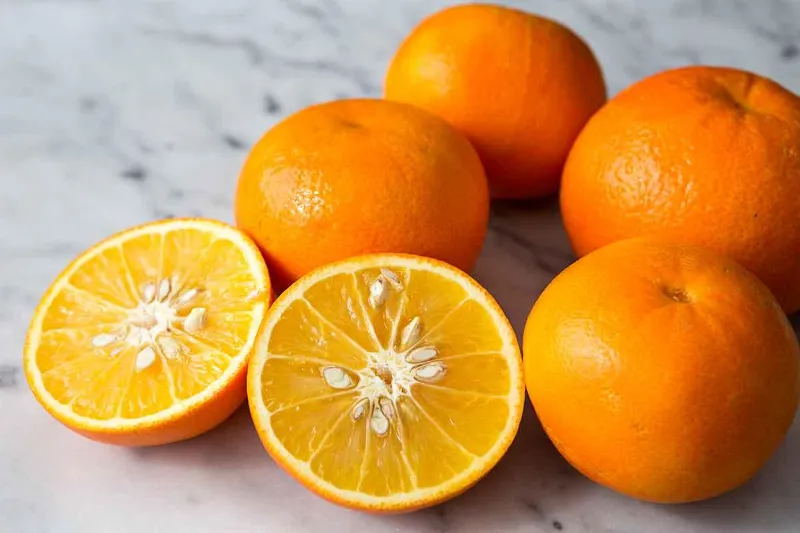
You probably think of vitamin C first with oranges, but they’re also a solid potassium source. One large orange provides around 333 mg of potassium along with fiber, folate, and that famous immune-boosting vitamin C.
The combination of potassium and antioxidants in citrus has been linked to better cardiovascular health in population studies. Whole oranges are also more beneficial than orange juice because they retain the fiber that slows sugar absorption.
Eat them whole as a snack, segment them into salads, or use the zest to add bright flavor to baked goods and dressings.
24. Mushrooms
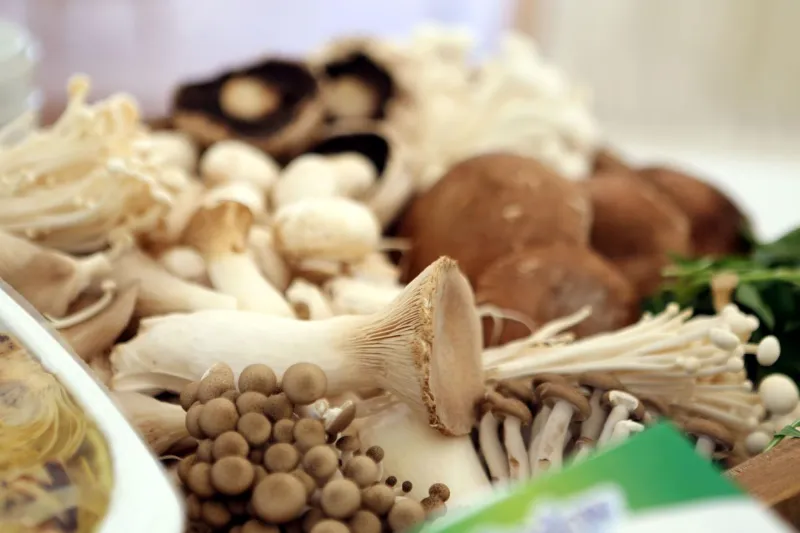
Mushrooms are one of the most underappreciated potassium sources in the vegetable world. One cup of cooked white mushrooms provides around 555 mg of potassium, and portobello mushrooms deliver even more.
Beyond potassium, mushrooms are one of the few non-animal sources of vitamin D when exposed to UV light. They also contain beta-glucans, compounds that have been studied for immune-modulating effects and cholesterol reduction.
Sauté them as a side, pile them onto burgers, use them as a meat substitute in tacos, or roast portobellos whole as a satisfying main.
25. Pumpkin Seeds
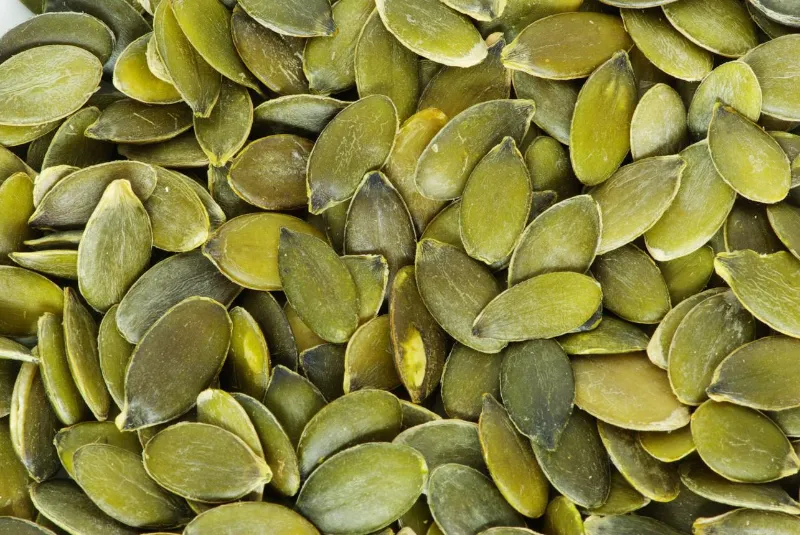
Pumpkin seeds wrap up this list with a serious nutrient punch. One ounce of pumpkin seeds provides around 226 mg of potassium along with an impressive amount of magnesium, zinc, and plant-based omega-3 fatty acids.
The magnesium in pumpkin seeds is especially notable — it’s one of the richest food sources available and works hand-in-hand with potassium to support muscle, nerve, and heart function. Research also suggests pumpkin seed consumption may support healthy testosterone levels and prostate health in men.
Snack on them raw or roasted, sprinkle them onto salads and soups, or blend them into homemade trail mix.
Final Thoughts
Getting enough potassium doesn’t have to feel like a chore or a clinical project. These 25 foods are delicious, practical, and easy to work into your everyday meals. Start small — swap one or two foods this week and build from there. Your heart, muscles, and energy levels will thank you for it.
