
31 Clinically Proven Pre And Probiotic Foods That Are Worth Trying

Your gut is doing a lot more for you than just digesting lunch. It influences your mood, your immune system, your energy levels, and even how well you sleep. And the secret to keeping it happy? Feeding it the right foods.

This list covers 31 clinically backed prebiotic and probiotic foods that real science supports. Whether you’re new to gut health or just looking to level up, you’ll find something here that fits your life.
1. Yogurt
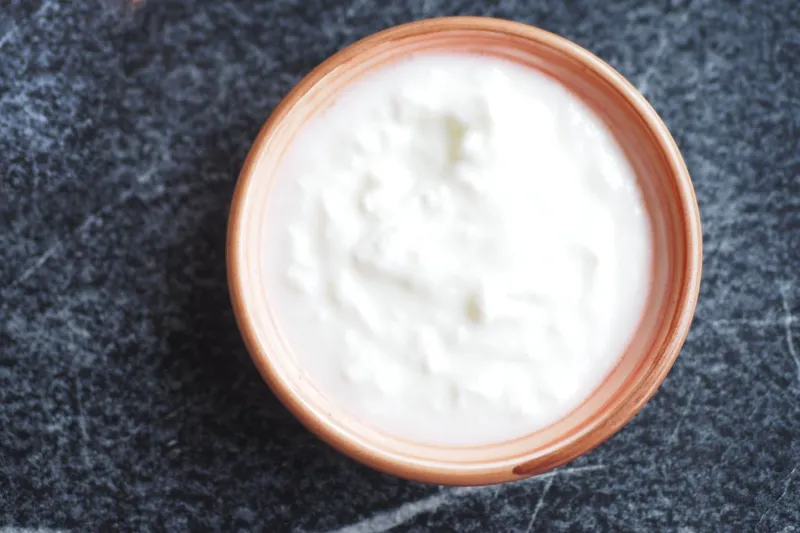
Yogurt is probably the most well-known probiotic food on the planet, and for good reason. It’s made by fermenting milk with live bacterial cultures, primarily Lactobacillus bulgaricus and Streptococcus thermophilus, which survive all the way to your gut.
Research published in the Journal of Nutrition found that regular yogurt consumption supports healthy digestion and can reduce bloating and discomfort. It’s also rich in calcium, protein, and B vitamins, making it a nutritional powerhouse beyond just the probiotics.
Go for plain, full-fat yogurt with “live and active cultures” on the label. Sweeten it yourself with a drizzle of honey or some fresh berries so you’re not loading up on added sugar.
2. Kefir
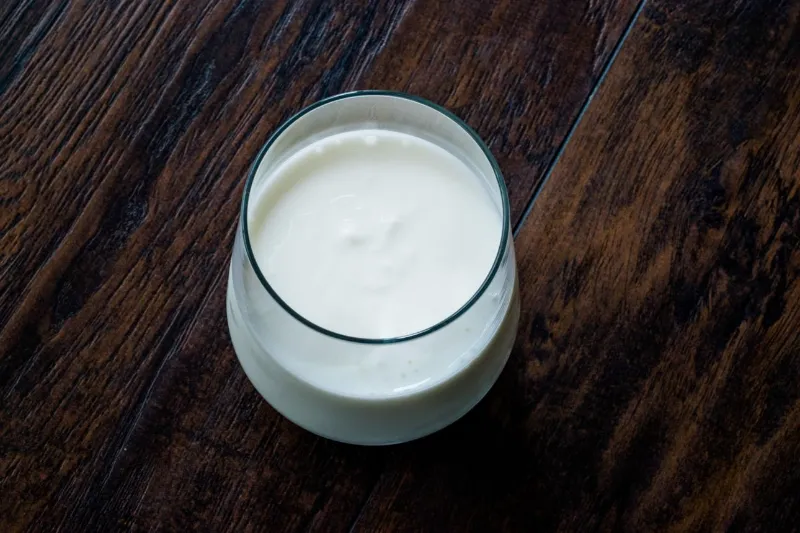
Think of kefir as yogurt’s more powerful older sibling. It’s a fermented milk drink loaded with up to 61 different strains of bacteria and yeast, which makes it one of the most diverse probiotic foods you can find.
Studies show kefir can improve lactose digestion, reduce inflammation, and even have antimicrobial properties. Because it’s so densely packed with cultures, it can colonize your gut more effectively than many other fermented foods.
You can drink it straight, blend it into smoothies, or use it as a base for salad dressings. Start with a small amount if you’re new to fermented foods since your gut needs time to adjust.
3. Sauerkraut
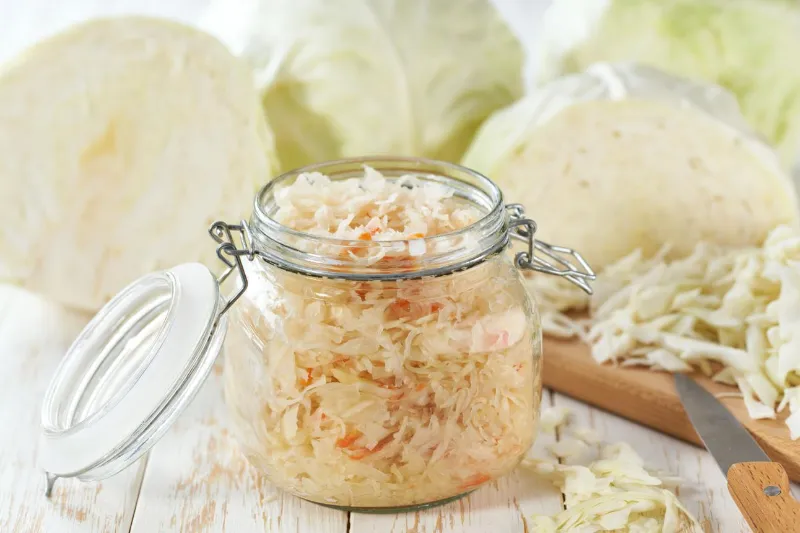
Sauerkraut is simply fermented cabbage, but what happens during that fermentation process is kind of incredible. Naturally occurring bacteria break down the sugars in cabbage, producing lactic acid and a rich mix of probiotic organisms.
One cup of sauerkraut delivers a meaningful dose of Lactobacillus bacteria, along with vitamin C, vitamin K, and fiber. A 2021 study in Cell even found that fermented foods like sauerkraut can increase microbiome diversity more effectively than high-fiber diets alone.
Buy it refrigerated, not canned. Heat kills the live cultures, so canned sauerkraut sitting on a shelf is basically just pickled cabbage without the probiotic benefit.
4. Kimchi

Kimchi is a Korean staple made from fermented vegetables, typically napa cabbage and radishes, spiced with garlic, ginger, and chili paste. It’s bold, tangy, spicy, and genuinely good for you.
Korean researchers have identified dozens of beneficial bacterial strains in kimchi, including Lactobacillus kimchii. Studies suggest regular kimchi consumption can improve cholesterol levels, reduce body weight, and lower inflammation markers.
Add kimchi to rice bowls, tacos, eggs, or eat it straight as a side dish. The heat of the spices and the probiotics together make it a gut-health double win.
5. Miso
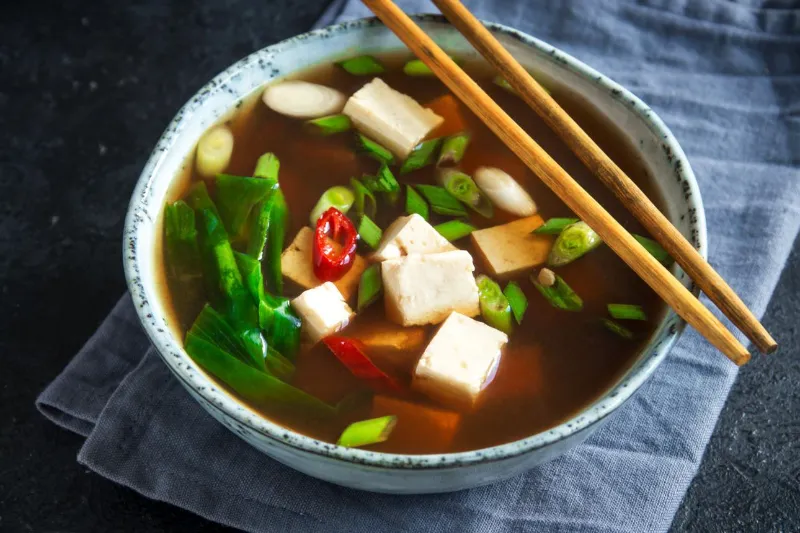
Miso is a Japanese fermented paste typically made from soybeans, salt, and koji mold. It’s the base of that warm soup you get at sushi restaurants, and it’s been a dietary staple in Japan for over a thousand years.
It contains a range of beneficial bacteria and enzymes that support digestion. Miso is also rich in manganese, copper, zinc, and plant-based protein, making it nutritionally impressive beyond gut health.
Stir a spoonful into warm water or broth for a quick gut-friendly soup. Just don’t boil miso directly since high heat destroys the live cultures.
6. Tempeh
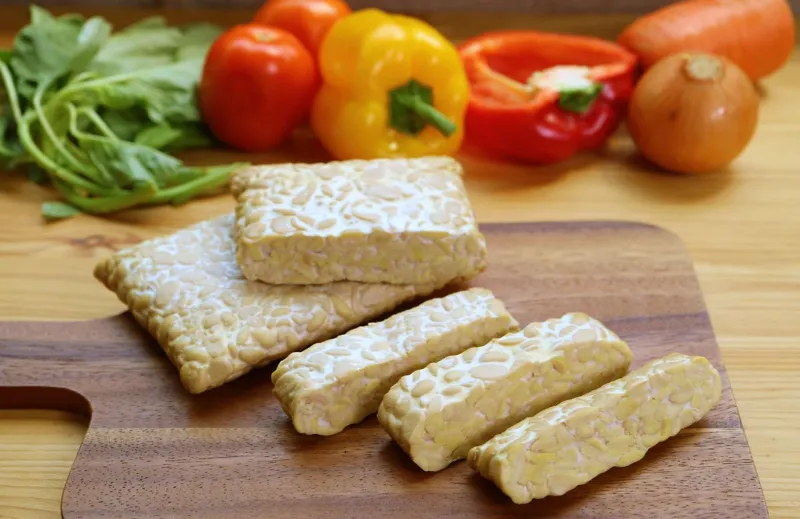
Tempeh is a fermented soybean product that originated in Indonesia, and it deserves way more attention in American kitchens. Unlike tofu, it’s fermented, which means it comes with probiotic benefits plus a firmer texture and nutty flavor.
The fermentation process also reduces phytic acid in soybeans, which means your body can actually absorb more of the minerals in it. Tempeh is high in protein, magnesium, and B vitamins, making it an excellent meat alternative.
Slice it thin, marinate it, and pan-fry it. It takes on flavor beautifully and works well in stir-fries, sandwiches, and grain bowls.
7. Kombucha

Kombucha is a fizzy, fermented tea that’s had a massive surge in popularity over the last decade. It’s made by fermenting sweetened tea with a SCOBY (symbiotic culture of bacteria and yeast), which produces organic acids, B vitamins, and live probiotics.
Research suggests kombucha supports liver health, has antioxidant properties, and may help regulate blood sugar. The acetic acid produced during fermentation also has antimicrobial effects.
Check the sugar content on the label since some commercial brands sneak in a lot. Look for options with less than 5 grams of sugar per serving to get the benefit without the sugar spike.
8. Naturally Fermented Pickles
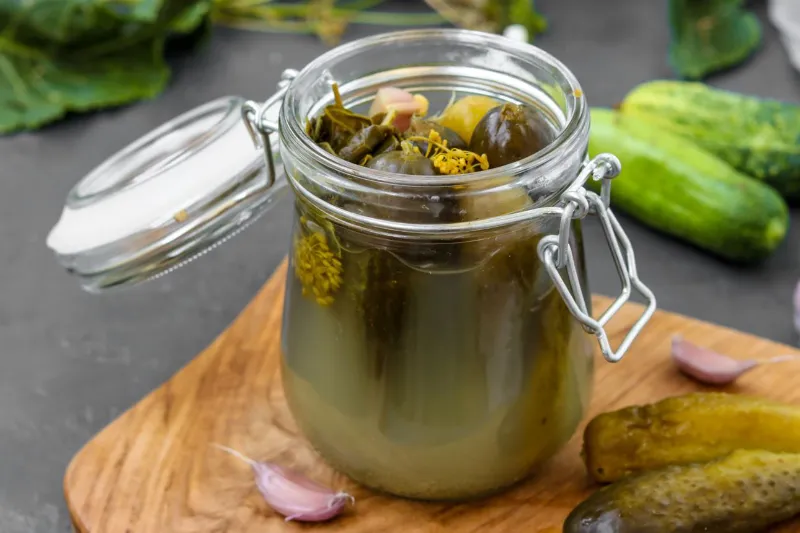
Here’s the thing most people don’t know: most grocery store pickles are made with vinegar, not fermented. Vinegar-brined pickles have no probiotic value. You want the real deal, which are naturally fermented pickles made with just salt and water.
Naturally fermented pickles develop Lactobacillus bacteria through the lacto-fermentation process. They’re also a good source of vitamin K and electrolytes.
Look for them in the refrigerated section of health food stores, or make your own at home. It’s surprisingly easy and takes just a few days.
9. Natto
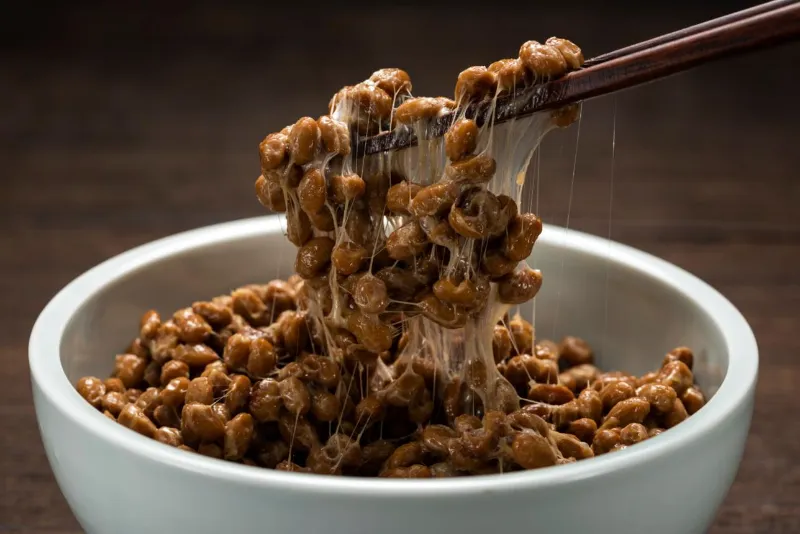
Natto is a traditional Japanese food made from fermented soybeans. Fair warning, it has a strong smell, slimy texture, and bold flavor that takes some getting used to. But nutritionally, it’s in a league of its own.
Natto is the richest known food source of vitamin K2, which is critical for bone health and cardiovascular function. It also contains nattokinase, an enzyme studied for its ability to support healthy blood clotting and circulation.
In Japan, it’s typically eaten over rice for breakfast. If you can find it at a Japanese grocery store, give it a try with soy sauce and mustard to balance the flavor.
10. Apple Cider Vinegar
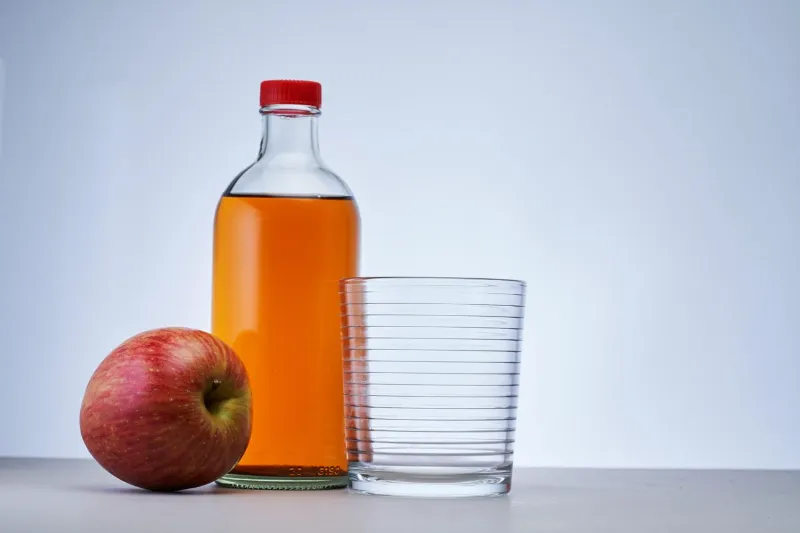
Raw, unfiltered apple cider vinegar contains the “mother,” which is a colony of beneficial bacteria and enzymes. While it’s not as probiotic-dense as fermented foods, it supports gut health in its own meaningful way.
Studies show ACV can help regulate blood sugar levels after meals, support digestion by increasing stomach acid, and has antimicrobial properties. A 2018 study found it also positively affects cholesterol levels.
Mix one tablespoon into a glass of water before meals. Always dilute it since the acidity can damage tooth enamel and irritate your esophagus if you drink it straight.
11. Sourdough Bread

Sourdough is leavened through a natural fermentation process using wild yeast and lactic acid bacteria, which makes it genuinely different from regular bread. The fermentation partially breaks down gluten and phytic acid, making it easier on the digestive system.
Research shows that sourdough has a lower glycemic index than conventional bread, meaning it causes a slower, gentler rise in blood sugar. The lactic acid bacteria in sourdough also produce prebiotics that feed your existing gut bacteria.
Look for authentic sourdough from a bakery rather than mass-produced versions. Real sourdough has only three ingredients: flour, water, and salt.
12. Cottage Cheese
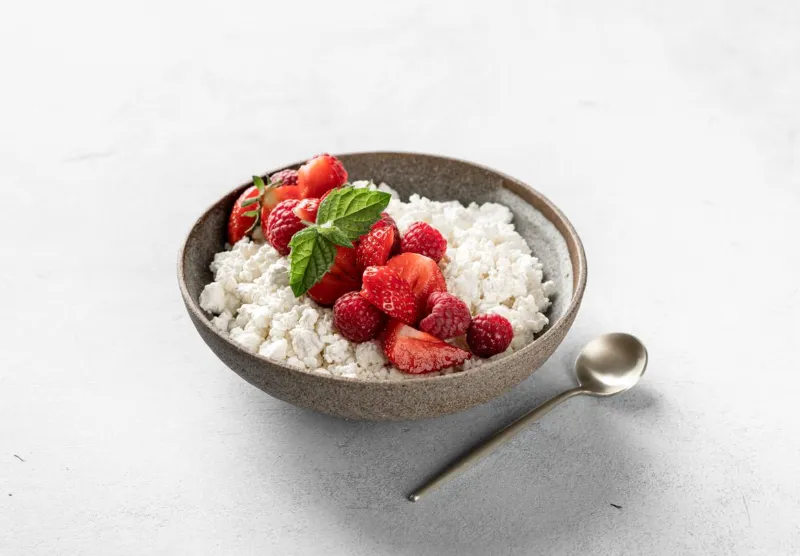
Cottage cheese is having a moment right now, and gut health is one reason why. Some brands contain live and active cultures, making it a probiotic food with an impressive protein content to boot.
It’s rich in casein protein, which digests slowly and keeps you full. It also provides calcium, phosphorus, and selenium. Research shows that dairy-based probiotics like those found in cottage cheese can positively shift gut microbiome composition.
Check the label for “live and active cultures” since not all cottage cheese brands include them. Eat it with fruit, use it as a dip, or blend it smooth for a high-protein pasta sauce.
13. Aged Cheeses
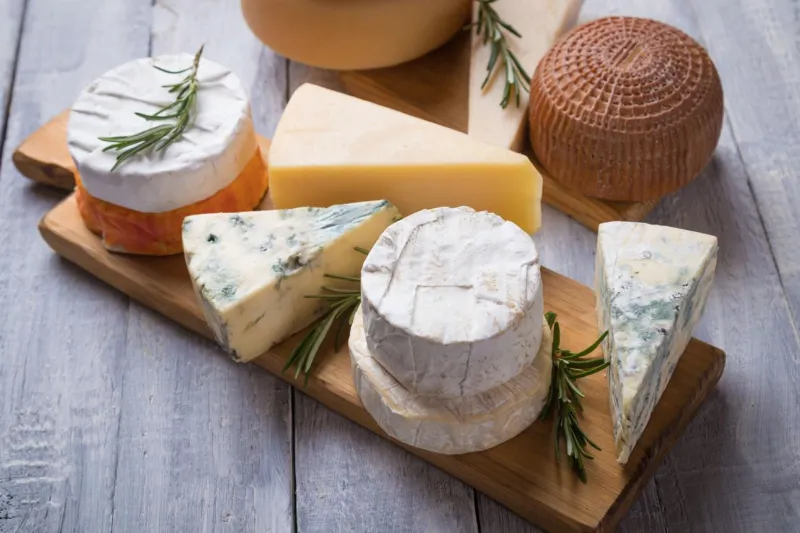
Not all cheese is created equal when it comes to gut health. Aged varieties like Gouda, Cheddar, and Swiss contain beneficial bacteria that can survive the acidic environment of your stomach and make it to your gut.
Gouda in particular has been studied for its probiotic content, and research published in the British Journal of Nutrition found that the bacteria in aged cheeses can survive digestion and positively influence gut flora. Aged cheeses are also rich in vitamin K2, calcium, and healthy fats.
Enjoy them as a snack, on a charcuterie board, or melted on top of wholesome meals. A small portion goes a long way in both flavor and nutritional benefit.
14. Buttermilk

Traditional cultured buttermilk is the liquid left after churning butter, and it’s teeming with live lactic acid bacteria. It’s tangy, light, and surprisingly beneficial for your digestive system.
It’s a good source of calcium, riboflavin, and phosphorus. The naturally occurring probiotics in buttermilk have been shown to improve lactose tolerance and support overall digestive health, particularly in people with irritable bowel tendencies.
Use it in smoothies, pancake batter, salad dressings, or just drink it chilled. Make sure you’re buying cultured buttermilk, not the artificial kind, to get the real probiotic benefit.
15. Kvass
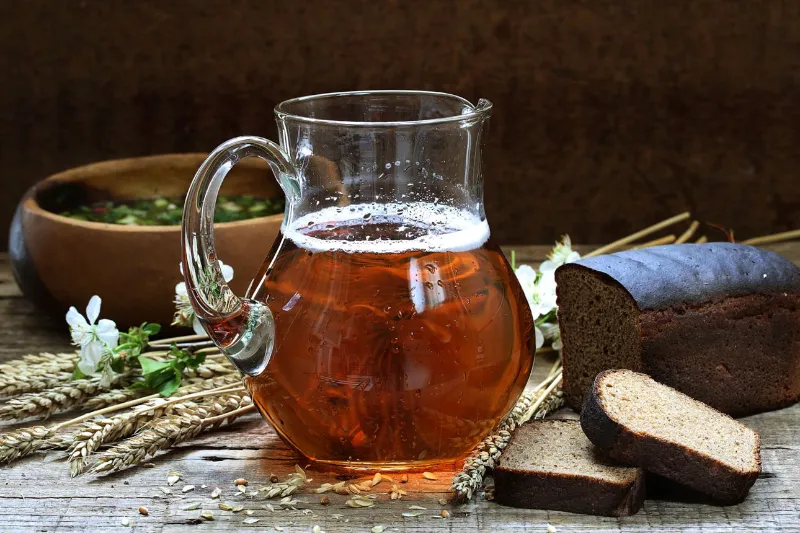
Kvass is a traditional Eastern European fermented drink made from rye bread and water. It’s slightly sour, mildly fizzy, and has been used as a digestive tonic for centuries.
It contains lactic acid bacteria, B vitamins, and manganese. While Western research is still catching up, traditional use and preliminary studies suggest it supports gut balance and may have liver-protective properties.
You can find it at Eastern European specialty stores or online. It’s a great alternative to kombucha if you want something earthy and low in sugar.
16. Poi
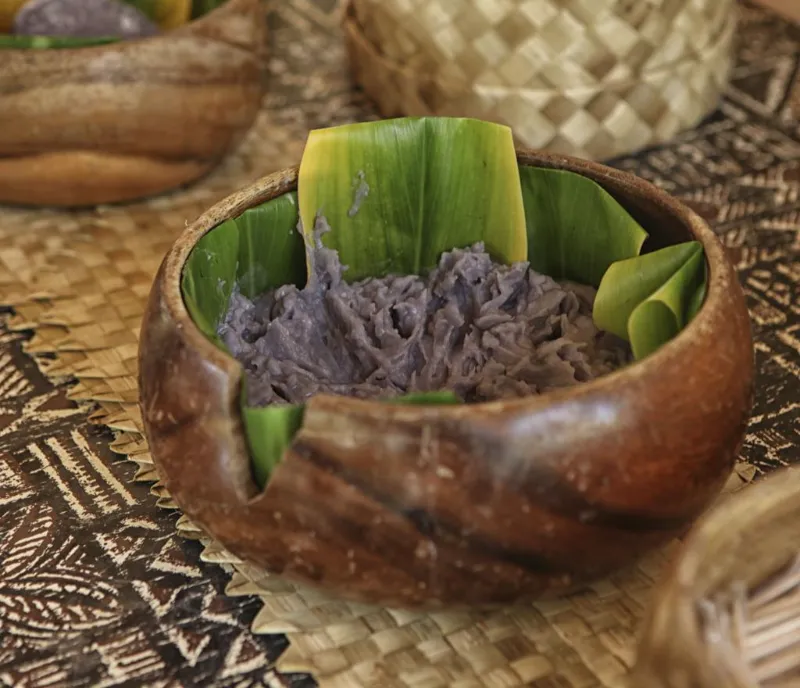
Poi is a traditional Hawaiian food made from fermented taro root. It’s been a dietary staple for Native Hawaiians for generations and is naturally gluten-free and easy to digest.
Research from Clemson University found that two-finger poi (fermented for two days) contains a diverse community of beneficial lactic acid bacteria. It’s also a good source of potassium, vitamin B6, and complex carbohydrates.
It has a mild, slightly sour flavor with a pudding-like texture. You can find it at Hawaiian grocery stores or specialty food shops if you’re curious to try it.
17. Lassi

Lassi is a traditional Indian yogurt-based drink that comes in sweet or savory varieties. It’s been consumed for thousands of years across South Asia as a digestive aid, and modern science is catching up to what Indian culture already knew.
Because it’s made from yogurt, lassi contains the same Lactobacillus cultures, but in a drinkable form that’s refreshing and easy to consume. It’s also rich in calcium, potassium, and protein.
Blend plain yogurt with water, a pinch of salt, and cumin for a savory version. Or blend with mango and a little honey for a sweet treat that doubles as a gut health boost.
18. Garlic
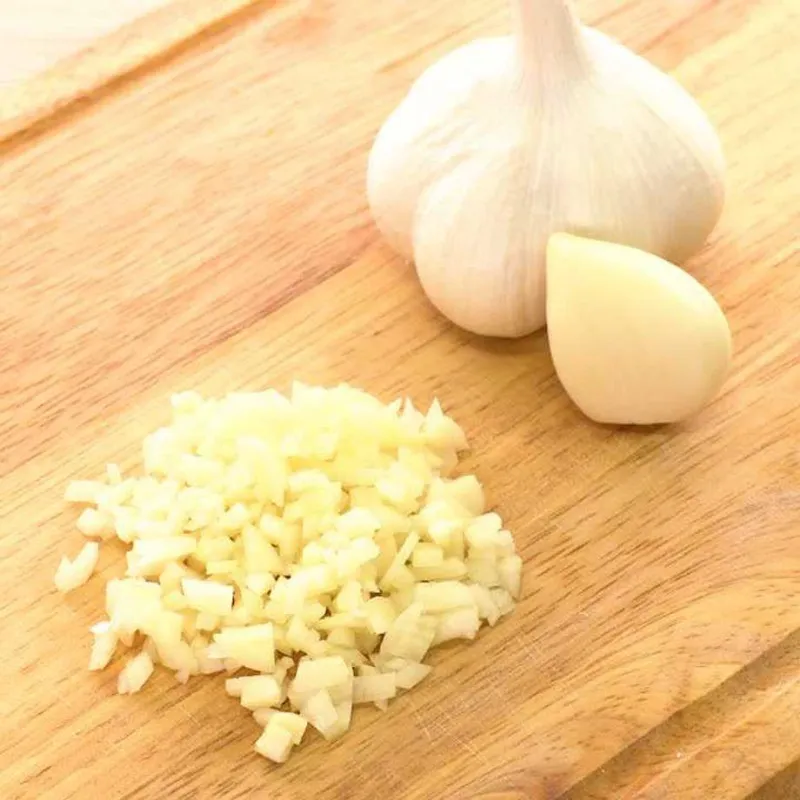
Garlic shifts from probiotic territory into prebiotic, and it’s one of the most well-studied gut-supporting foods on earth. It contains inulin and fructooligosaccharides (FOS), which are fibers that feed your beneficial gut bacteria rather than being digested by you.
Research has shown that garlic selectively promotes Lactobacillus and Bifidobacterium growth while inhibiting harmful bacteria like E. coli. It also contains allicin, a compound with powerful antimicrobial and anti-inflammatory properties.
Use it raw when possible, since heat degrades some of the beneficial compounds. Crush or mince it and let it sit for ten minutes before cooking to maximize allicin activation.
19. Onions
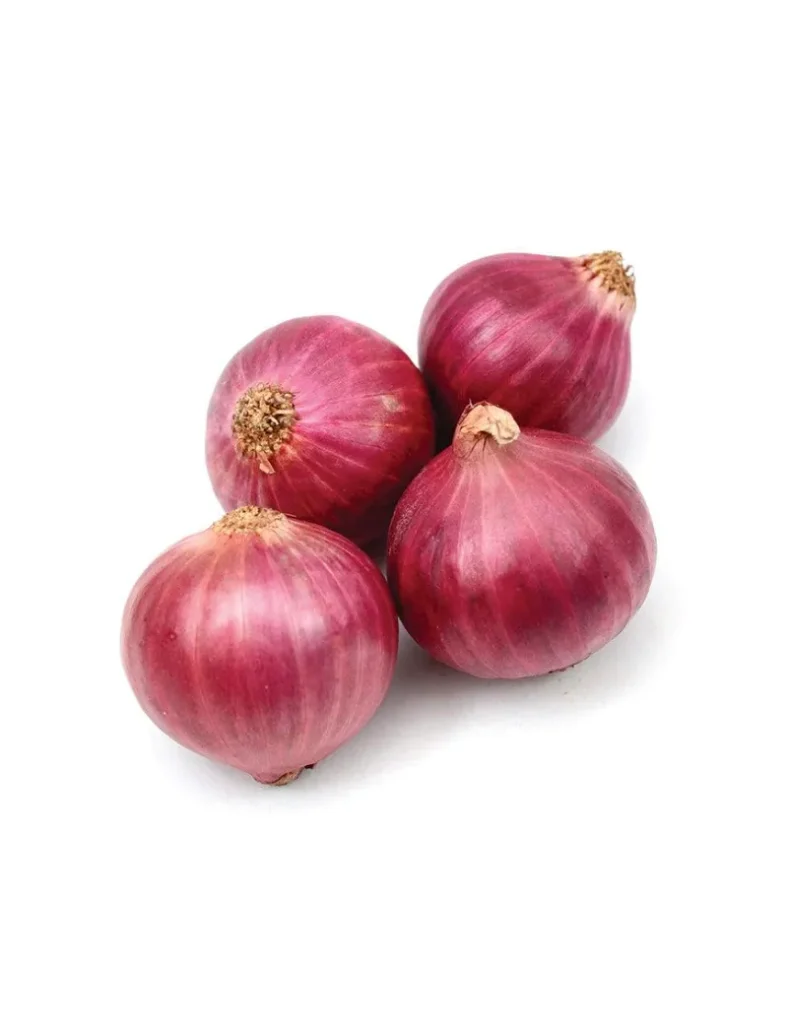
Onions are one of the richest dietary sources of inulin and FOS, making them fantastic prebiotic food. They feed and support the growth of friendly bacteria throughout your entire digestive tract.
A study in the Journal of Nutrition found that consuming onion fructooligosaccharides significantly increased Bifidobacterium populations in the gut. Onions are also loaded with quercetin, a flavonoid antioxidant with anti-inflammatory properties.
Red onions tend to have the highest quercetin content. Eat them raw in salads, salsas, or sandwiches for maximum prebiotic effect, or cook them low and slow to develop sweetness while retaining much of their fiber.
20. Leeks
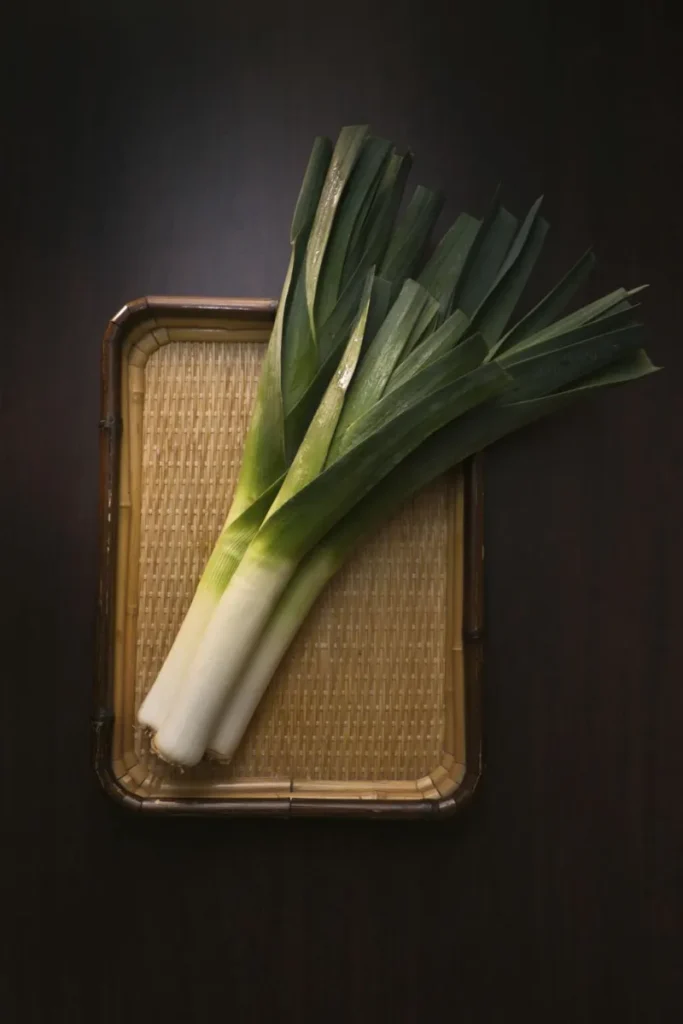
Leeks are a milder, sweeter cousin to onions and garlic, and they pack a serious prebiotic punch. They’re rich in inulin fiber, which passes through your small intestine undigested and becomes fuel for your gut microbiome.
They also contain significant levels of vitamin K, folate, and manganese. Research shows inulin from leeks and similar vegetables can increase the production of short-chain fatty acids, which are compounds that protect your gut lining and reduce inflammation.
Slice them and sauté in olive oil as a side dish, add them to soups and stews, or roast them whole for a sweet, caramelized flavor.
21. Asparagus
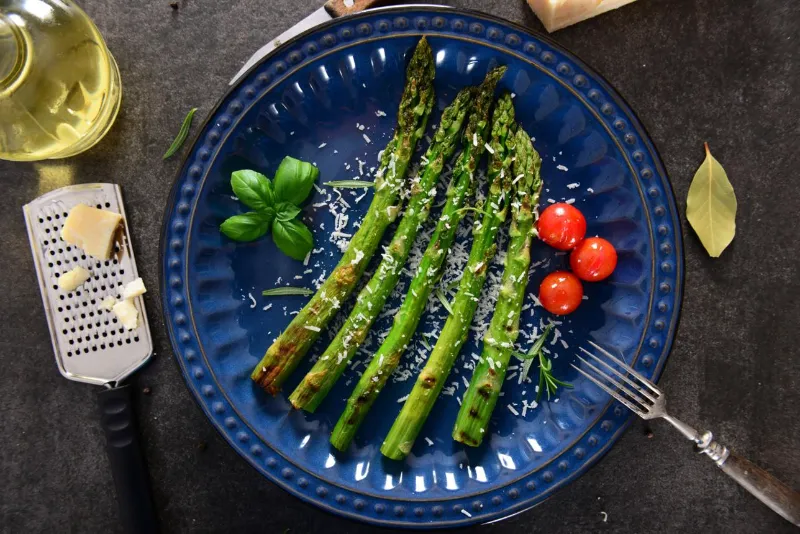
Asparagus is one of the best prebiotic vegetables you can eat. It contains a particularly high concentration of inulin, which reaches your colon intact and selectively feeds your beneficial bacteria.
Studies have linked asparagus consumption to increased populations of Bifidobacterium and Lactobacillus in the gut. It’s also rich in folate, vitamin K, vitamin C, and glutathione, a powerful antioxidant.
Raw asparagus actually contains more prebiotic fiber than cooked asparagus. Try shaving it thin in salads, or lightly steam it to preserve as much of the fiber as possible.
22. Bananas
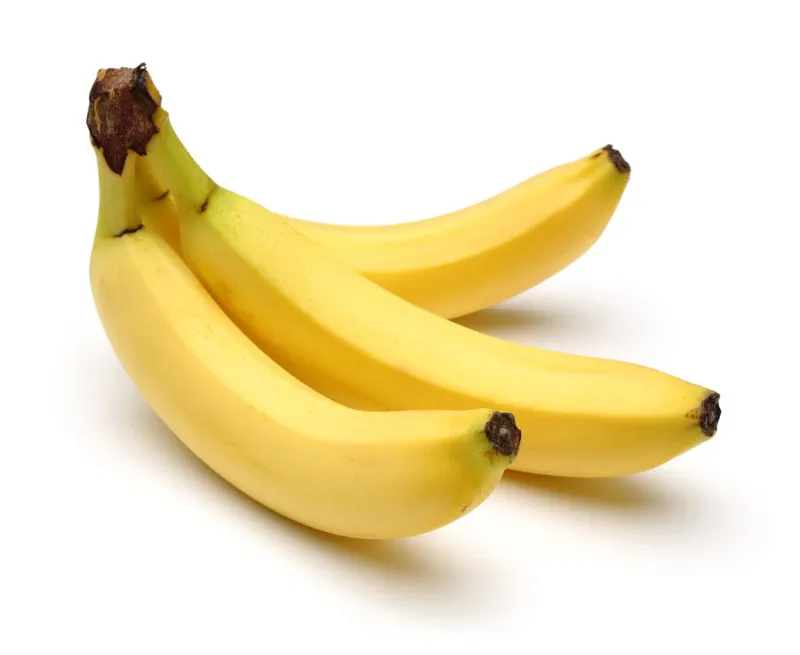
Bananas, especially slightly underripe ones, are an excellent source of resistant starch and inulin, both of which act as prebiotics. The firmer and less yellow the banana, the higher the resistant starch content.
Resistant starch bypasses digestion and ferments in your colon, feeding beneficial bacteria and producing butyrate, a short-chain fatty acid that protects colon cells and reduces inflammation. Research links higher butyrate levels to a reduced risk of colon cancer.
Keep a bunch of greenish-yellow bananas on your counter. Slice them into oatmeal, blend them into smoothies, or just eat them as a grab-and-go snack.
23. Oats
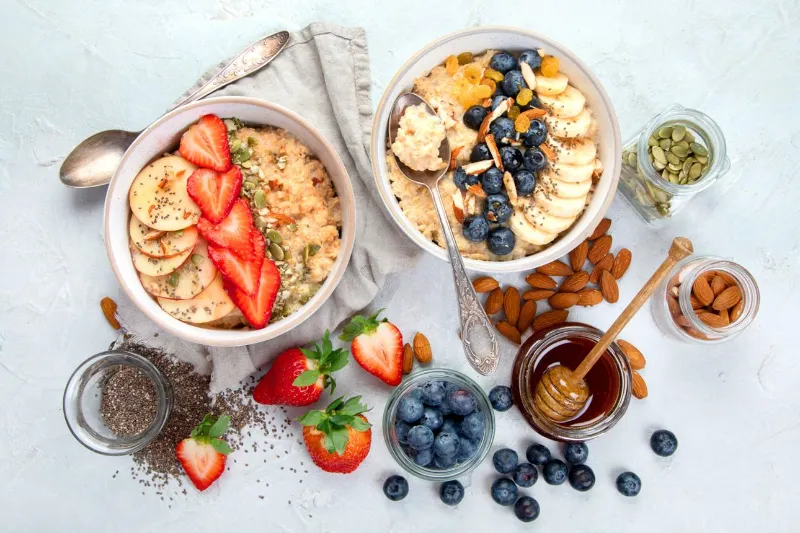
Oats contain beta-glucan, a type of soluble fiber that acts as a prebiotic by feeding beneficial gut bacteria. Beta-glucan has been extensively studied and consistently shown to reduce LDL cholesterol, stabilize blood sugar, and support immune function.
A 2019 study in the British Journal of Nutrition found that regular oat consumption led to measurable increases in gut microbiome diversity and beneficial bacteria counts. Oats also provide iron, magnesium, zinc, and B vitamins.
Go for rolled or steel-cut oats over instant versions since they retain more of their fiber and take longer to digest, which means better blood sugar control and more prebiotic benefit.
24. Barley
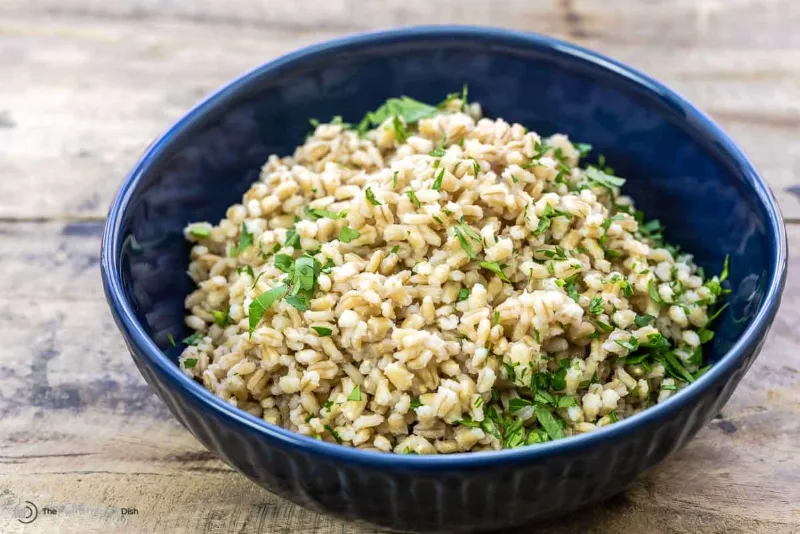
Barley is the highest beta-glucan grain you can eat, even beating out oats by a significant margin. That makes it one of the most potent prebiotic grains available, with consistent research backing its gut health benefits.
Studies show barley’s beta-glucan can dramatically improve the composition of the gut microbiome, increasing populations of Prevotella, a bacteria associated with improved carbohydrate metabolism. Barley also helps lower blood sugar and cholesterol more effectively than many other grains.
Use pearled barley in soups and stews, or cook it like rice as a side dish. It has a satisfying chewy texture and nutty flavor that holds up well in hearty meals.
25. Flaxseeds
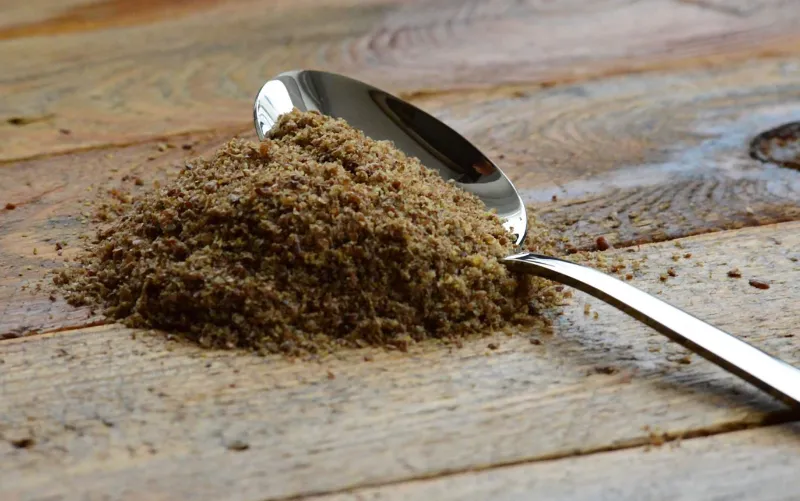
Flaxseeds contain a unique type of prebiotic fiber called mucilage, which forms a gel in your digestive tract and feeds beneficial bacteria. They’re also the richest plant source of omega-3 fatty acids (ALA) and lignans, which have hormone-balancing properties.
Research shows that flaxseeds can significantly increase Bifidobacterium and Lactobacillus populations. A 2020 study also found that flaxseed consumption reduced gut permeability, meaning it helps keep your gut lining strong and intact.
Always grind flaxseeds before eating them since whole seeds pass through undigested. Add ground flaxseed to smoothies, oatmeal, yogurt, or baked goods.
26. Chicory Root

Chicory root is arguably the most concentrated source of inulin in the food world, containing up to 41% inulin by weight. It’s the reason you’ll see “chicory root fiber” on the ingredient lists of many high-fiber health foods.
Multiple clinical studies have confirmed that chicory inulin significantly increases Bifidobacterium counts, reduces constipation, and improves bowel regularity. It’s also been studied for its ability to regulate appetite hormones.
You’ll find chicory root most easily as a coffee substitute, since roasted chicory root has a rich, slightly bitter flavor similar to coffee. It’s naturally caffeine-free, making it a great option if you’re cutting back on caffeine.
27. Jerusalem Artichoke
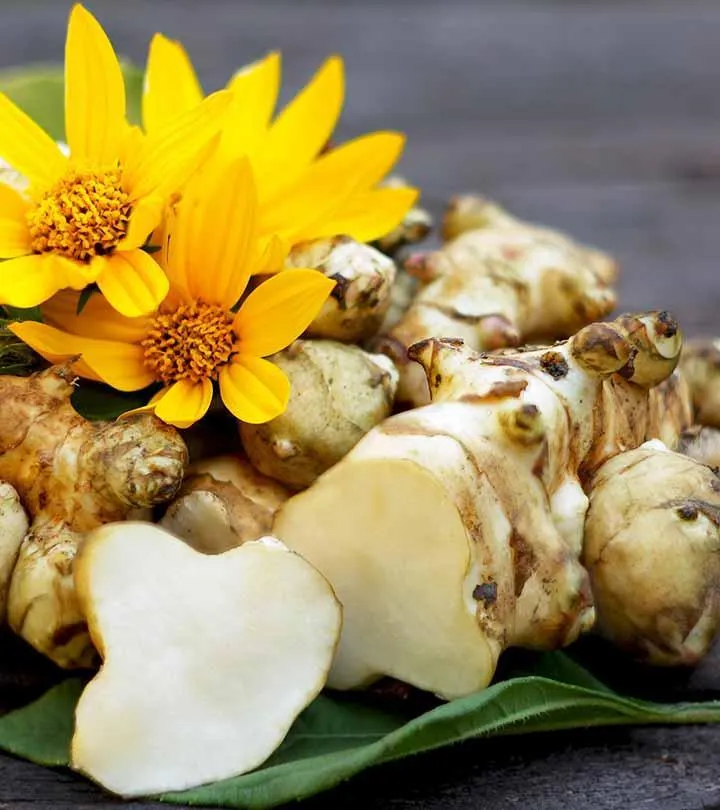
Jerusalem artichoke, also called sunchoke, has nothing to do with Jerusalem or artichokes. It’s actually the root of a native North American sunflower species, and it’s one of the richest prebiotic foods you can find in a US grocery store.
It contains about 76% inulin by dry weight, making it extraordinarily potent. Research shows it can rapidly shift the gut microbiome in a positive direction, increasing beneficial bacteria counts within just a few days of consumption.
Start slowly with this one since its high inulin content can cause gas and bloating if you eat too much at once. Roast it, sauté it, or slice it thin and eat it raw in salads.
28. Dandelion Greens
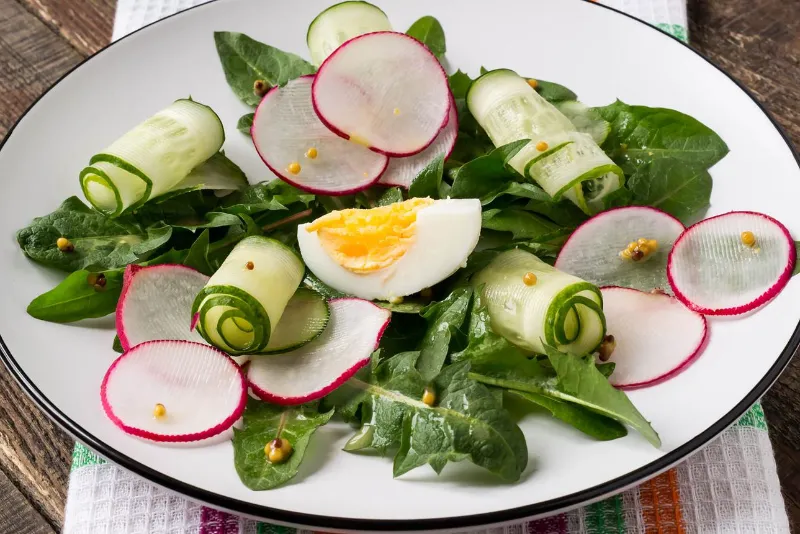
The dandelion in your backyard is actually a powerful prebiotic food. Its leaves are loaded with inulin fiber, along with vitamins A, C, and K, and more calcium than spinach ounce for ounce.
Dandelion greens support the growth of Bifidobacterium and Lactobacillus, and their bitter compounds stimulate bile production, which improves fat digestion. They also have mild diuretic and anti-inflammatory properties.
Find them at farmers markets, health food stores, or even forage them from pesticide-free areas. Sauté them with garlic and olive oil to mellow the bitterness, or add young leaves to salads.
29. Jicama
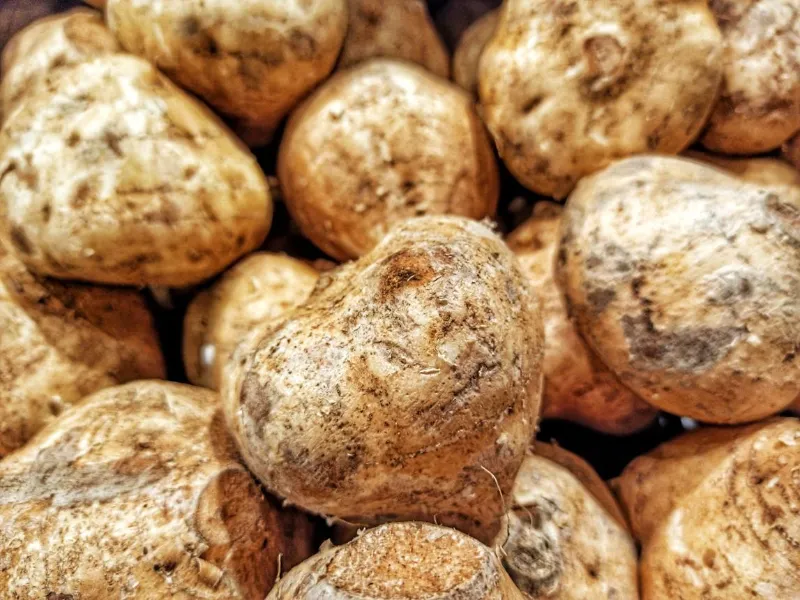
Jicama is a crunchy, slightly sweet root vegetable popular in Mexican cuisine, and it’s one of the most underrated prebiotic foods out there. It’s rich in inulin fiber and oligofructose, both of which feed beneficial gut bacteria.
One cup of raw jicama delivers about 6 grams of fiber along with a good dose of vitamin C. Research shows its prebiotic compounds specifically support populations of Bacteroidetes, a bacterial group associated with healthy body weight.
Eat it raw, sliced into sticks with lime juice and chili powder for a classic Mexican snack. It also works great in slaws, salads, and stir-fries where you want a satisfying crunch.
30. Green Peas
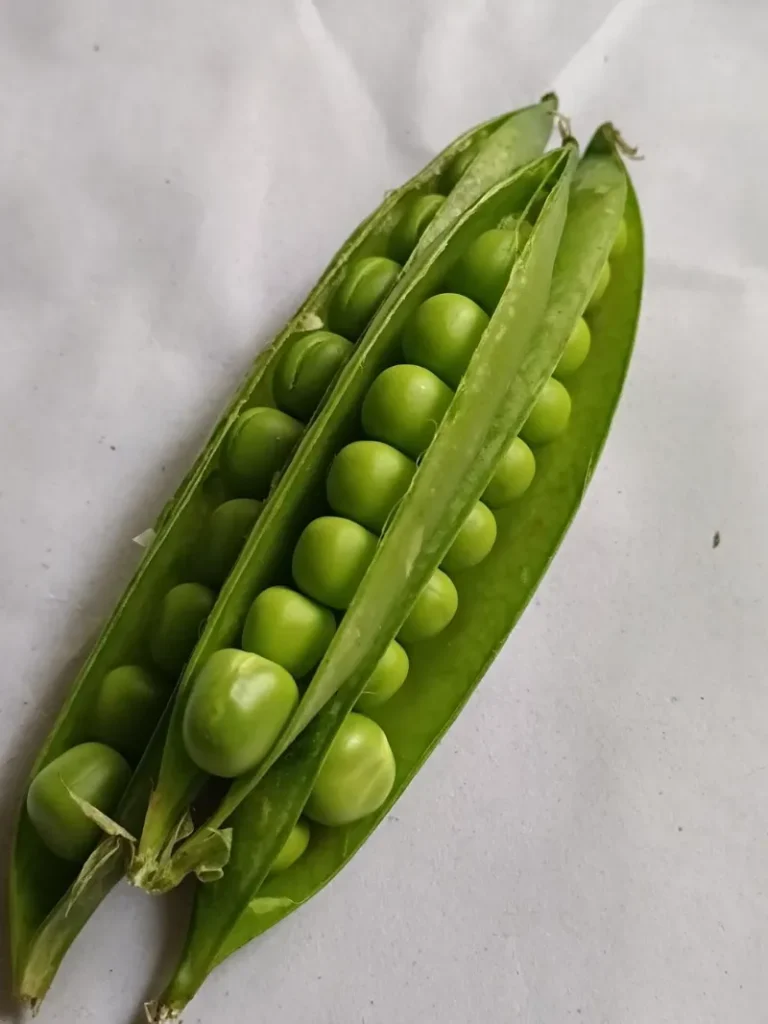
Green peas might seem simple, but they’re a surprisingly solid prebiotic food. They contain both soluble and insoluble fiber, including pectin and resistant starch, which together fuel a diverse range of beneficial gut bacteria.
Research published in the Journal of Functional Foods found that pea fiber significantly increased Lactobacillus and Bifidobacterium counts while reducing potentially harmful bacteria. Peas also deliver plant-based protein, vitamin C, vitamin K, and folate.
Keep a bag of frozen peas in your freezer for quick, convenient gut support. Toss them into soups, pasta, grain bowls, or just steam them as an easy side.
31. Seaweed

Seaweed might be the most underappreciated prebiotic food in the Western diet. It contains a unique group of polysaccharides, including fucoidan, alginate, and carrageenan, that act as highly specialized prebiotics feeding bacteria that most foods simply can’t reach.
Japanese populations, who consume seaweed regularly, show gut microbiome compositions that are noticeably different from Western populations, with higher populations of bacteria that specifically break down marine polysaccharides. Seaweed is also the best dietary source of iodine, critical for thyroid function.
Try dried nori sheets as a snack, add wakame to miso soup, or toss a seaweed salad as a side dish. A little goes a long way nutritionally.
Final Thoughts
Your gut health is one of the most powerful levers you can pull for your overall wellbeing. The good news is that improving it doesn’t require expensive supplements or complicated routines. Start small, add one or two of these foods to your week, and build from there. Your gut will thank you in ways you can actually feel.
