
26 Backed by Experts Iron Rich Foods For Women That Are Changing Lives

Feeling tired all the time? Struggling to focus, or noticing that your energy just disappears by noon? Iron deficiency is one of the most common nutritional issues women face, and most people don’t even realize it’s the culprit.
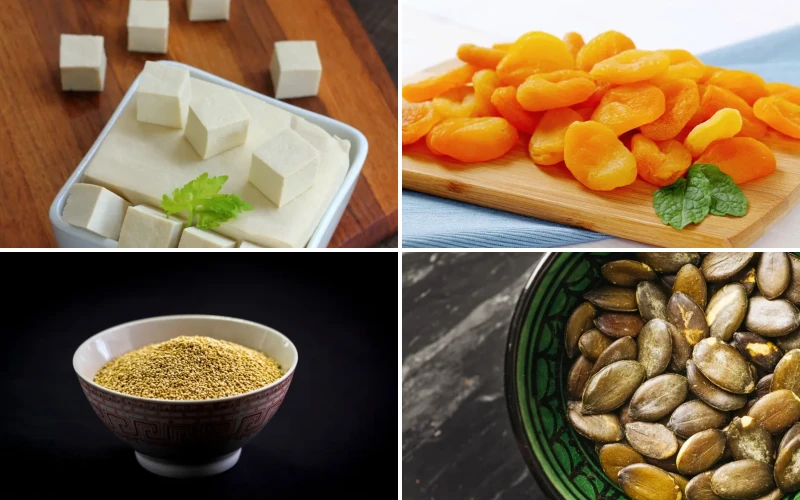
In this article, you’ll discover 26 expert-backed, iron-rich foods that can genuinely transform how you feel every single day. Some of these will surprise you, and all of them are easier to add to your plate than you might think.
1. Spinach
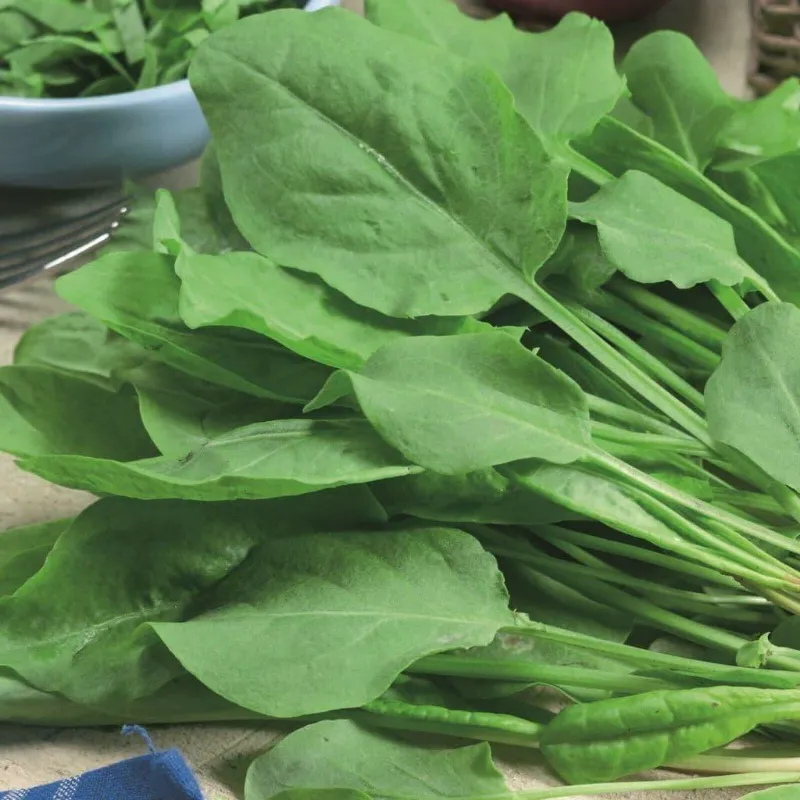
Spinach is one of the most well-known iron powerhouses out there, and for good reason. A single cooked cup delivers about 6.4 mg of iron, which is a serious chunk of the 18 mg daily value recommended for women of reproductive age.
The iron in spinach is non-heme iron, which means your body absorbs it a little differently than the iron from meat. The good news? Pairing it with vitamin C, like squeezing lemon juice over your salad, dramatically boosts absorption.
Toss it into smoothies, sauté it with garlic, or pile it into pasta. Spinach is mild enough to sneak into almost anything, and your iron levels will thank you.
2. Lentils
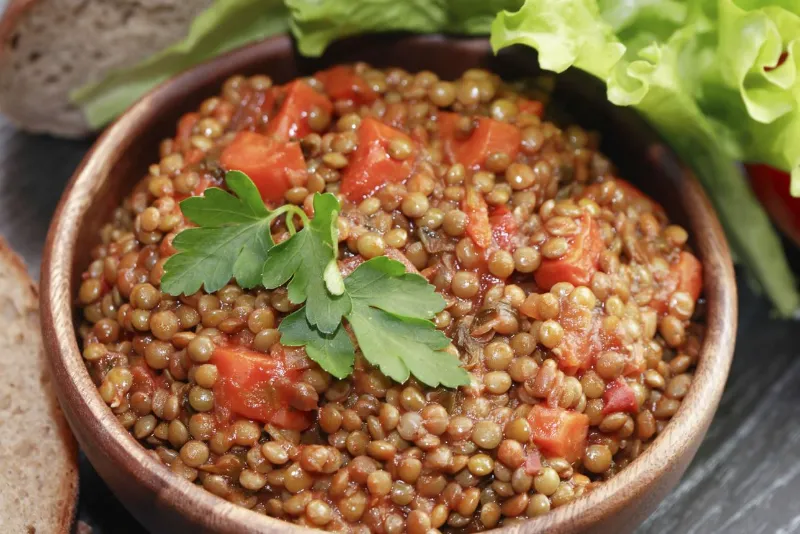
Lentils are one of the most underrated foods in any kitchen. One cooked cup contains roughly 6.6 mg of iron, plus a generous dose of fiber, folate, and plant-based protein.
They’re also incredibly affordable and versatile. Red lentils melt into soups beautifully, while green or brown lentils hold their shape in salads and grain bowls.
Research consistently shows that legumes like lentils support not just iron intake but overall cardiovascular and metabolic health. Add a squeeze of tomato or bell pepper to your lentil dishes and you’ll supercharge that iron absorption naturally.
3. Dark Chocolate
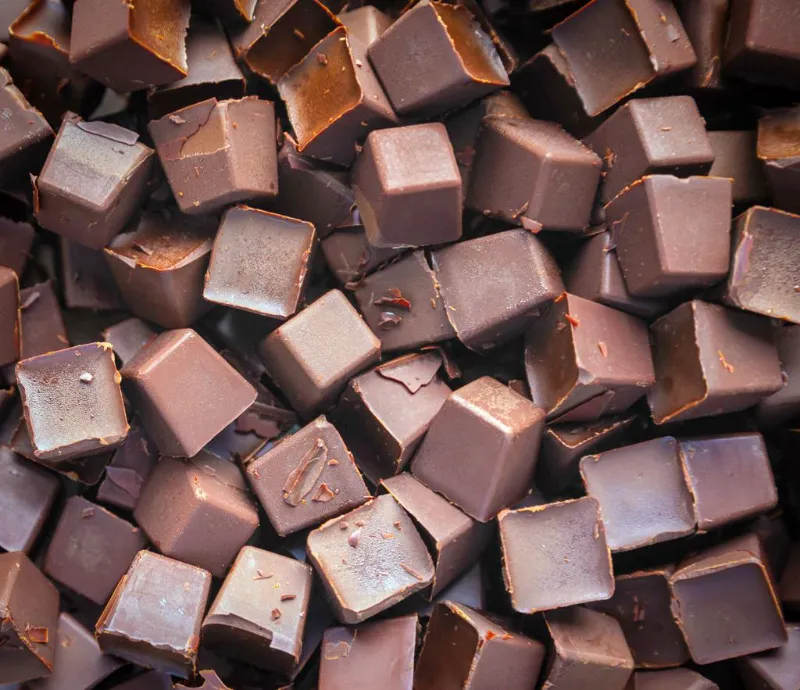
Yes, dark chocolate actually belongs on this list. A 1-ounce serving of 70-85% dark chocolate provides about 3.4 mg of iron, making it one of the more delicious ways to boost your intake.
Beyond iron, dark chocolate is rich in magnesium and antioxidants called flavonoids, which have been studied for their anti-inflammatory and heart-protective effects. A small square really does go a long way.
Stick to varieties with at least 70% cocoa to get the most nutritional benefit. Melt it over fruit, stir it into oatmeal, or just enjoy a piece on its own. This is one dietary upgrade that requires zero convincing.
4. Pumpkin Seeds
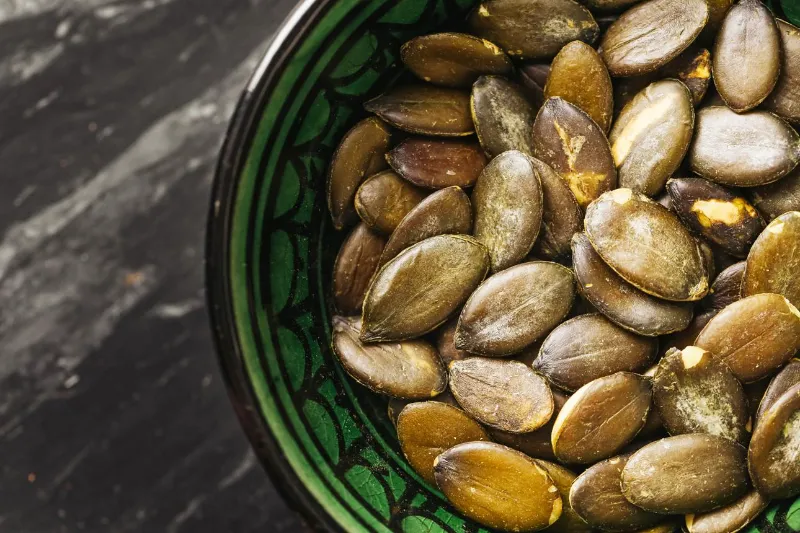
Don’t overlook these tiny green seeds. Just one ounce of pumpkin seeds packs about 2.5 mg of iron along with zinc, magnesium, and a solid amount of healthy fat.
They’re also incredibly convenient. You can grab a handful as a snack, sprinkle them over yogurt, or mix them into trail mix without any prep at all.
Pumpkin seeds are also a great source of tryptophan, which supports serotonin production. So not only are they helping your iron levels, they might even be lifting your mood at the same time.
5. Quinoa
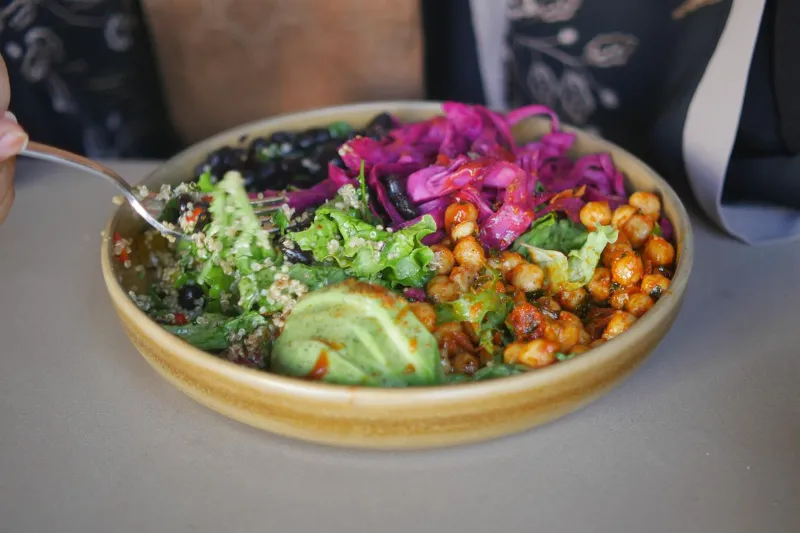
Quinoa is one of the few plant foods that qualifies as a complete protein, meaning it contains all nine essential amino acids. On top of that, one cooked cup offers around 2.8 mg of iron.
It’s also gluten-free, making it a fantastic option for women who need to avoid wheat. It cooks in about 15 minutes and works as a base for grain bowls, salads, or even breakfast porridge.
The iron in quinoa is better absorbed when you rinse it before cooking, which removes a natural coating called saponin. A small step with a meaningful impact on how much nutrition you actually get.
6. Tofu
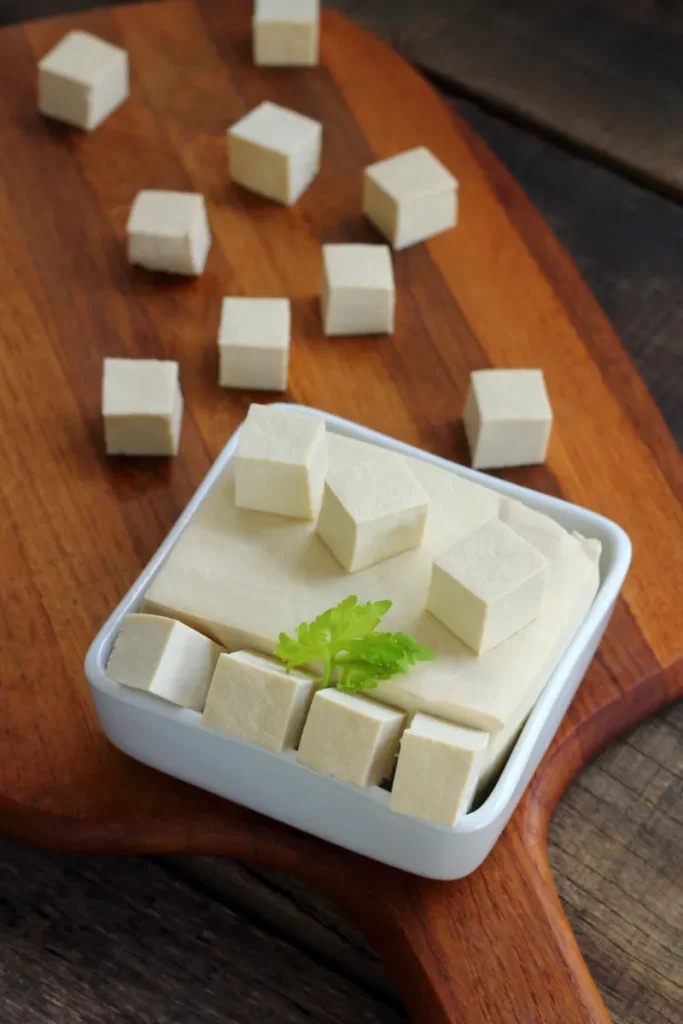
Tofu is a go-to iron source for plant-based eaters. A half-cup of firm tofu delivers roughly 3 mg of iron along with calcium and all essential amino acids.
It takes on whatever flavor you cook it with, which makes it endlessly adaptable. Stir-fry it with soy sauce and veggies, bake it for a crispy texture, or crumble it into scrambles.
Look for calcium-set tofu when possible, as it tends to hold together better and offers a slightly higher mineral content. Pair your tofu dishes with foods high in vitamin C to get the most out of every bite.
7. Chickpeas
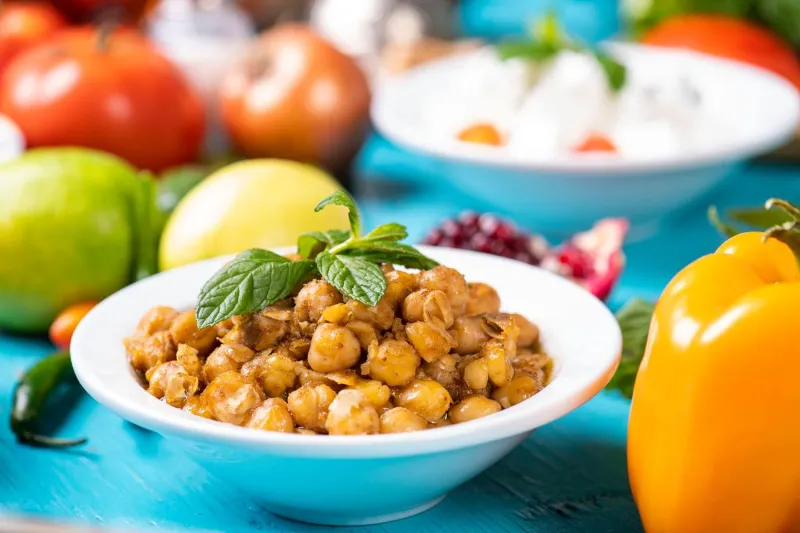
Chickpeas are a staple in cuisines around the world for a very good reason. One cooked cup contains about 4.7 mg of iron, plus plenty of fiber and plant-based protein to keep you full and energized.
They’re the base of hummus, a star in curries, and an amazing roasted snack when tossed with olive oil and spices. The versatility here is truly unmatched.
Research shows that regularly eating legumes like chickpeas is linked to better blood sugar regulation and lower inflammation. These are wins that go well beyond just your iron levels.
8. Kidney Beans
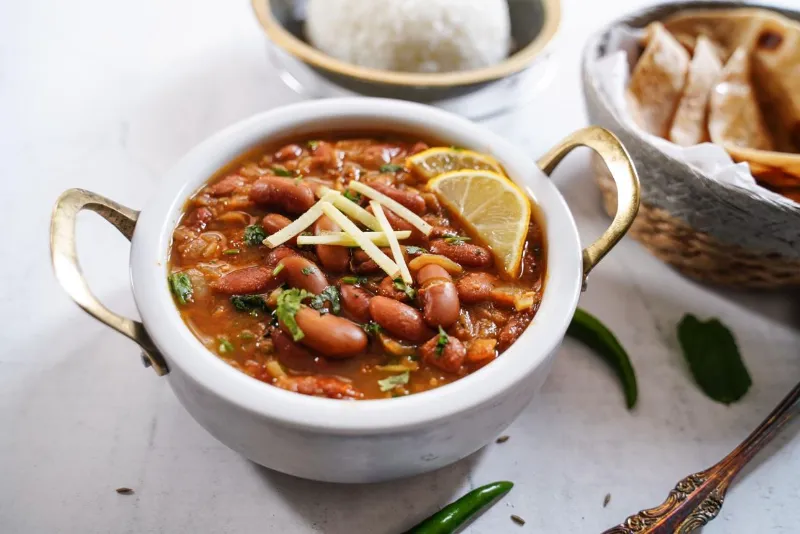
Kidney beans are big, hearty, and surprisingly rich in iron. One cooked cup offers around 5.2 mg, making them one of the top plant-based iron sources you can find.
They’re a classic addition to chili, soups, and rice dishes. Their firm texture holds up well in long-cooked meals, which makes them incredibly practical for batch cooking.
Kidney beans are also high in potassium and antioxidants. If you’re using canned kidney beans, give them a good rinse to reduce sodium and they’re ready to go in minutes.
9. Black Beans
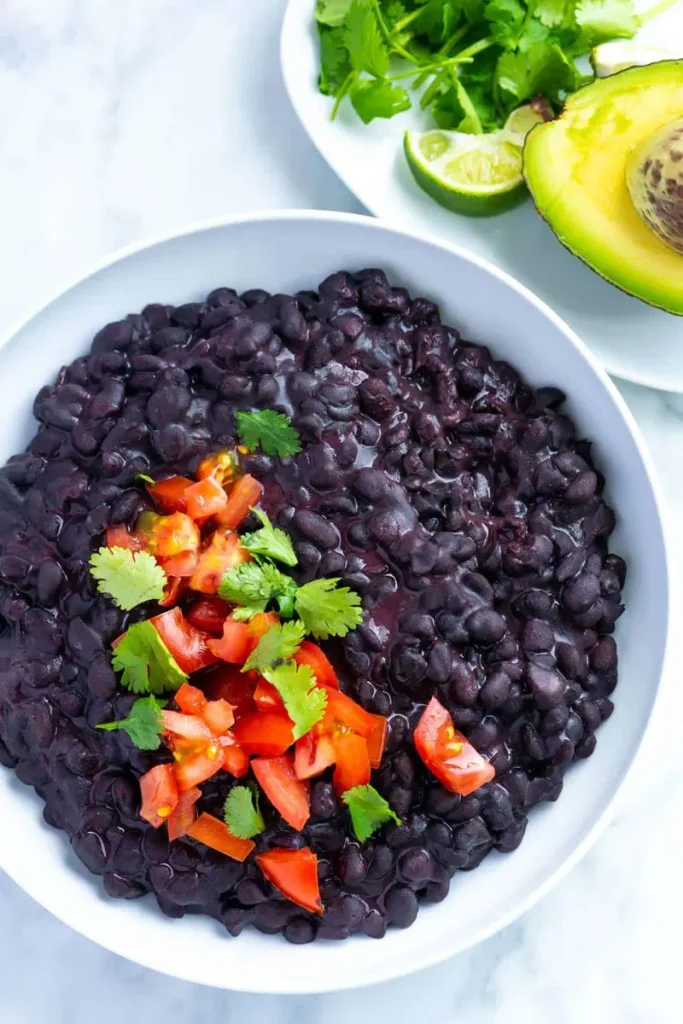
Black beans bring about 3.6 mg of iron per cooked cup to the table, along with fiber and folate, two nutrients that women especially need. They’re a Mexican and Latin American pantry staple for good reason.
Use them in tacos, burrito bowls, soups, or blend them into brownies for a sneaky nutrient boost. Their creamy texture makes them incredibly satisfying in both savory and sweet recipes.
Like most legumes, black beans pair beautifully with tomatoes and citrus, which helps your body absorb the plant-based iron more effectively. A win-win for flavor and nutrition.
10. Fortified Breakfast Cereals
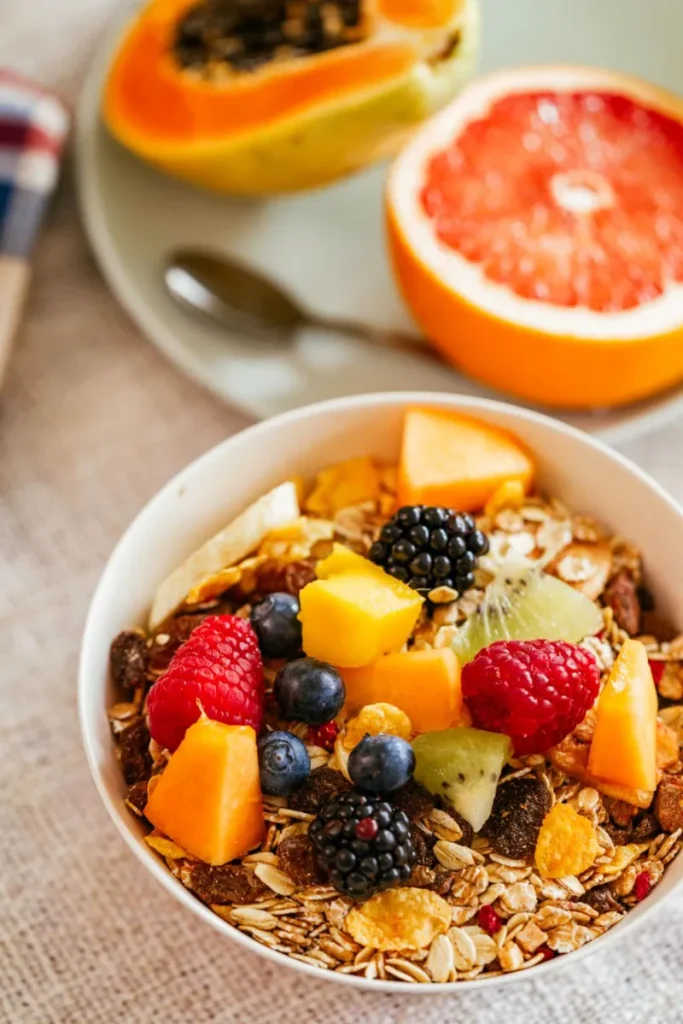
This one might seem basic, but fortified cereals can be surprisingly powerful. Many popular brands contain 100% of the daily recommended iron in a single serving, making them one of the most efficient ways to hit your targets.
The key is reading labels. Look for cereals that list iron near the top of the nutrients panel, and try to choose options that aren’t loaded with added sugar.
Pair your bowl with orange juice or berries to get that vitamin C boost alongside your iron. It’s an easy, no-cook breakfast strategy that genuinely works.
11. Oysters
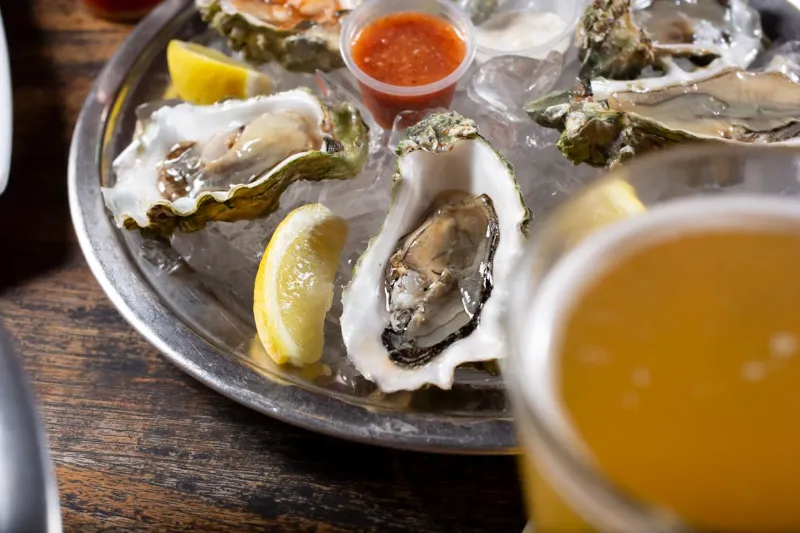
Oysters are one of the richest sources of heme iron on the planet. A 3-ounce serving delivers about 8 mg of iron, which is almost half of what most women need in a day.
Heme iron, the kind found in animal products, is absorbed by the body much more efficiently than plant-based iron. That makes oysters a particularly potent option for women dealing with low iron.
They’re also loaded with zinc, vitamin B12, and omega-3 fatty acids. Whether you enjoy them raw, grilled, or in a chowder, oysters are a serious nutritional investment.
12. Beef Liver
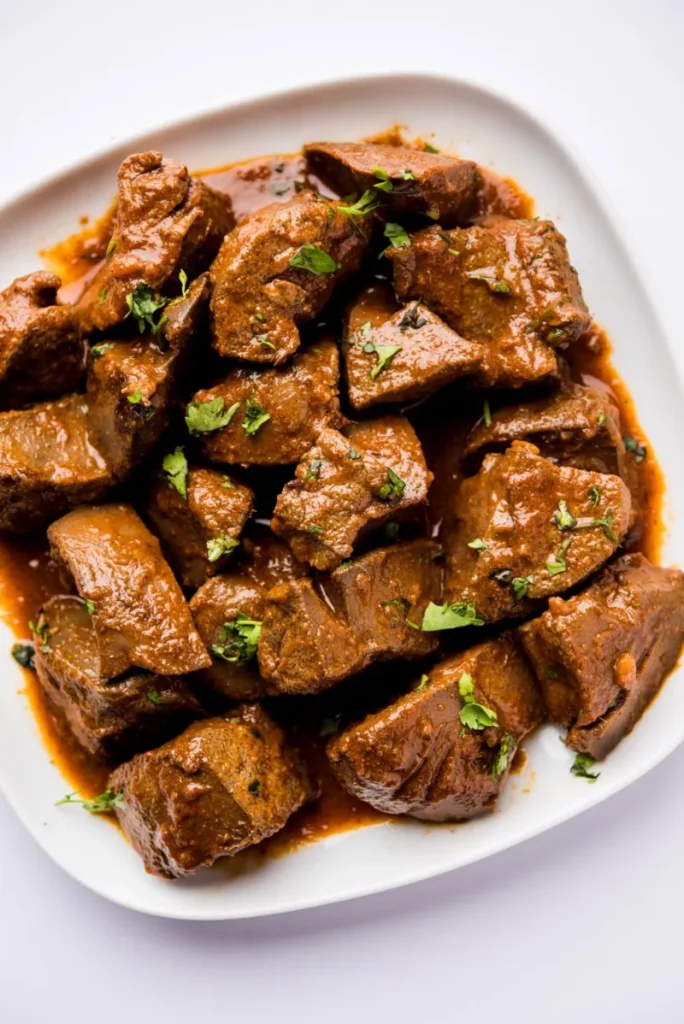
Beef liver might not be trendy, but nutritionally it’s in a league of its own. Just 3 ounces delivers a jaw-dropping 5 mg of highly absorbable heme iron, plus vitamin A, B12, and copper.
If the taste isn’t your favorite, try soaking it in milk before cooking to mellow the flavor. Liver pâté is another approachable way to enjoy it spread on whole grain crackers.
Experts recommend eating organ meats like liver in moderation, around once a week, due to the high vitamin A content. But when you do eat it, you’re giving your body an incredible nutritional surge.
13. Red Meat (Beef)
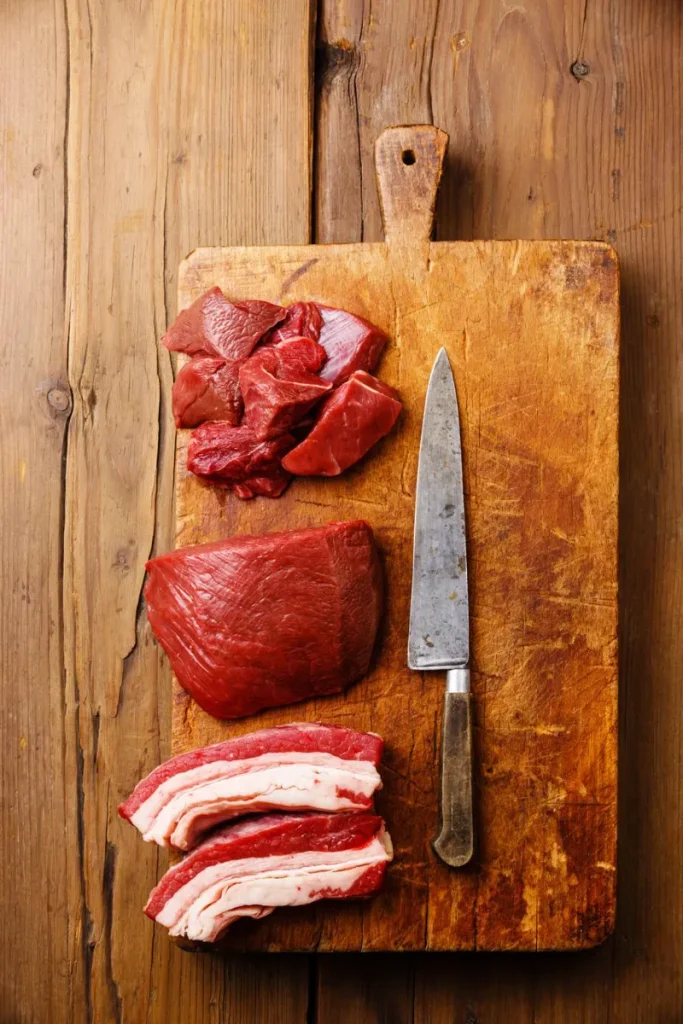
Beef is one of the most bioavailable sources of iron you can eat. A 3-ounce serving of lean ground beef provides roughly 2.2 mg of heme iron that your body absorbs with impressive efficiency.
Women who menstruate lose iron every month, and beef is one of the fastest ways to replenish those stores. It also contains zinc, B12, and creatine, which support energy and muscle function.
You don’t need to eat it every day to benefit. Even a few servings per week of lean cuts like sirloin or ground beef can make a meaningful difference in your iron levels.
14. Sardines
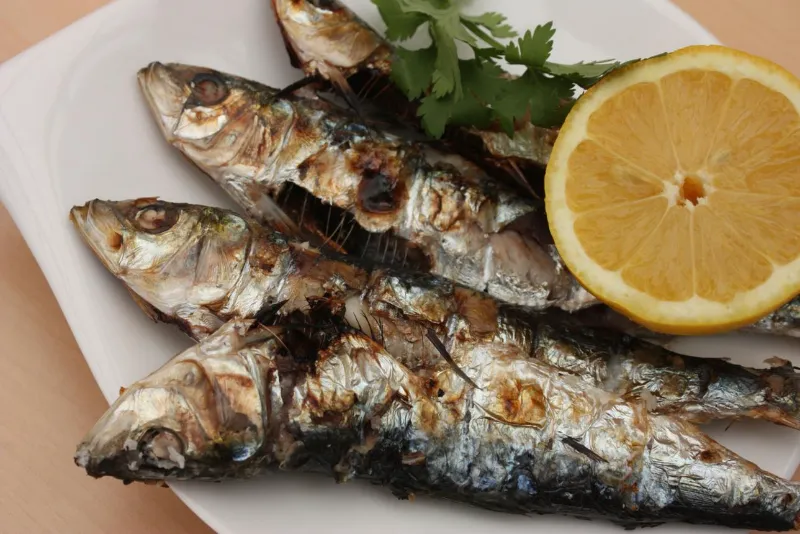
Sardines are tiny but mightily nutritious. A 3-ounce serving of canned sardines offers about 2.5 mg of iron along with calcium, vitamin D, and heart-healthy omega-3s.
Because you eat them bones and all, sardines are also one of the best non-dairy sources of calcium available. That makes them a double-duty food for women concerned about both iron and bone health.
Try them on whole grain toast with mustard, tossed into pasta, or layered on a salad. If you haven’t given sardines a real chance lately, they’re worth revisiting.
15. Tuna
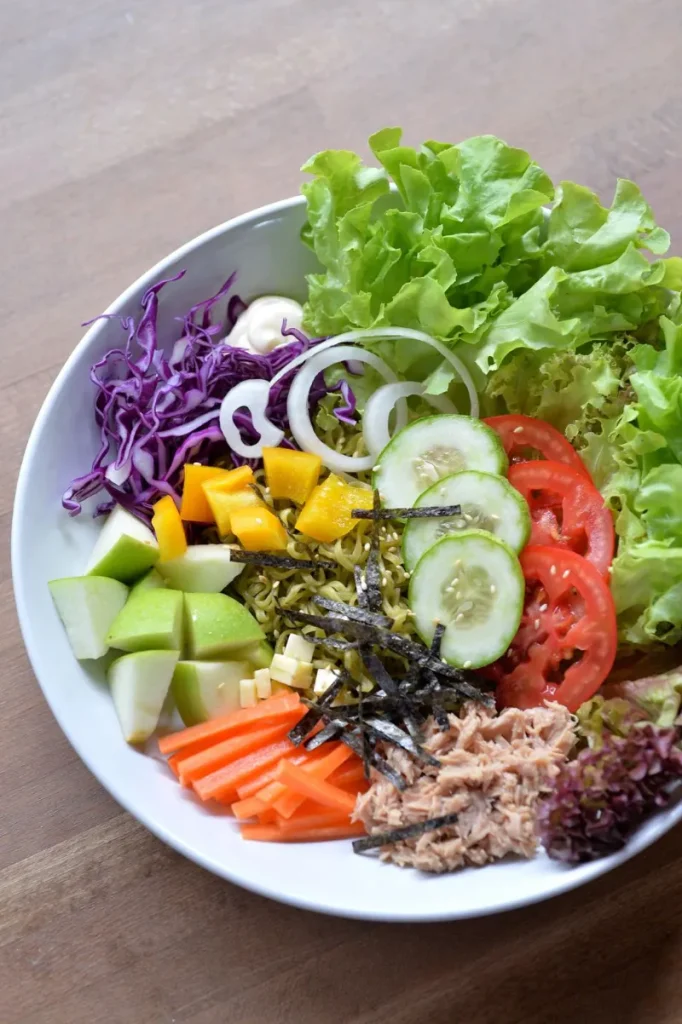
Canned tuna is one of the most convenient iron-rich foods you can keep in your pantry. A 3-ounce serving provides about 1.3 mg of iron along with a substantial hit of lean protein and selenium.
Light canned tuna tends to be lower in mercury than albacore, making it a safer choice for regular consumption. Most health guidelines suggest up to 2-3 servings of light tuna per week.
Mix it into salads, stuff it into whole wheat wraps, or eat it straight from the can with crackers. It’s fast, affordable, and genuinely useful for hitting your iron goals.
16. Turkey (Dark Meat)
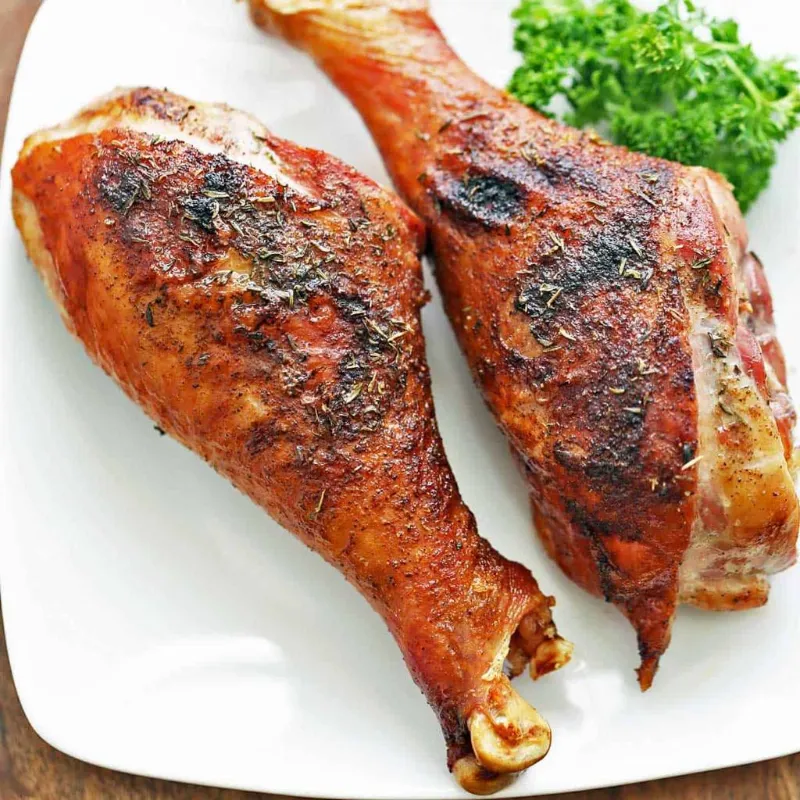
Turkey dark meat often gets overlooked in favor of the leaner white meat, but it’s the darker cuts that carry the most iron. A 3-ounce serving delivers about 2 mg of heme iron along with zinc and B vitamins.
The deeper color of dark meat actually comes from a higher concentration of myoglobin, an iron-containing protein in muscle tissue. So the richer the color, the more iron you’re getting.
Enjoy turkey thighs roasted with herbs, slice dark meat into grain bowls, or use it in soups and stews. It’s a fantastic everyday protein that works hard for your nutritional needs.
17. Edamame
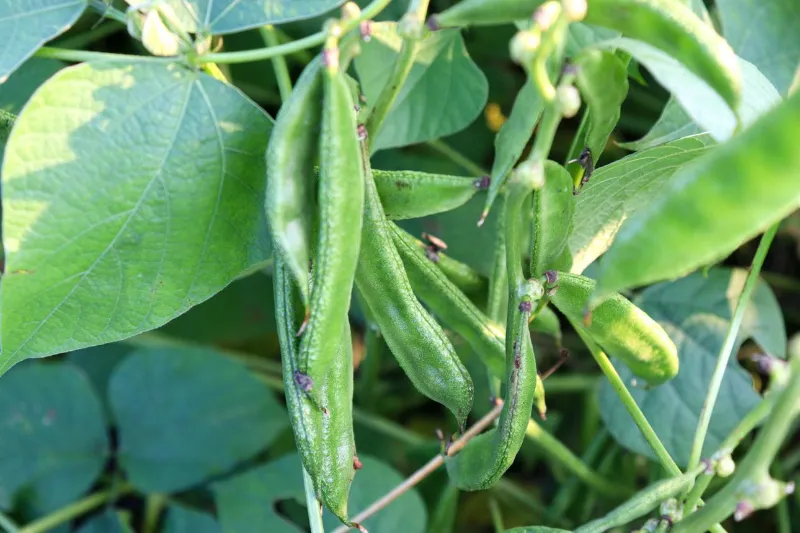
Edamame, which are young soybeans, are a fun and easy snack that also happen to be iron-rich. One cooked cup provides about 3.5 mg of iron along with fiber, protein, and folate.
They’re available frozen and steam in minutes, making them one of the most convenient plant-based iron sources out there. Sprinkle with sea salt and you’ve got a satisfying, nutrient-dense snack in under five minutes.
Edamame is also a good source of vitamin K and magnesium. Toss them into stir-fries, grain bowls, or salads to add both nutrition and a satisfying pop of texture.
18. Tempeh
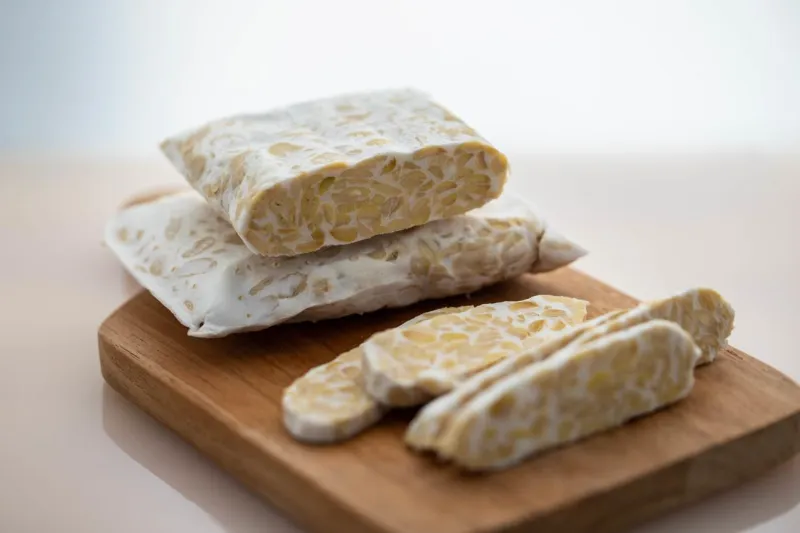
Tempeh is a fermented soy product that packs even more iron than tofu. A 3-ounce serving contains about 2.2 mg of iron, and the fermentation process actually makes the nutrients more bioavailable.
That fermentation also means tempeh comes with beneficial probiotics, which support gut health. A healthy gut is better at absorbing all nutrients, including iron, so this is a real bonus.
Slice it thin and pan-fry it until golden, crumble it into tacos, or marinate it and bake for a hearty meat alternative. Tempeh has a nutty, satisfying flavor that holds up beautifully in bold sauces.
19. White Beans
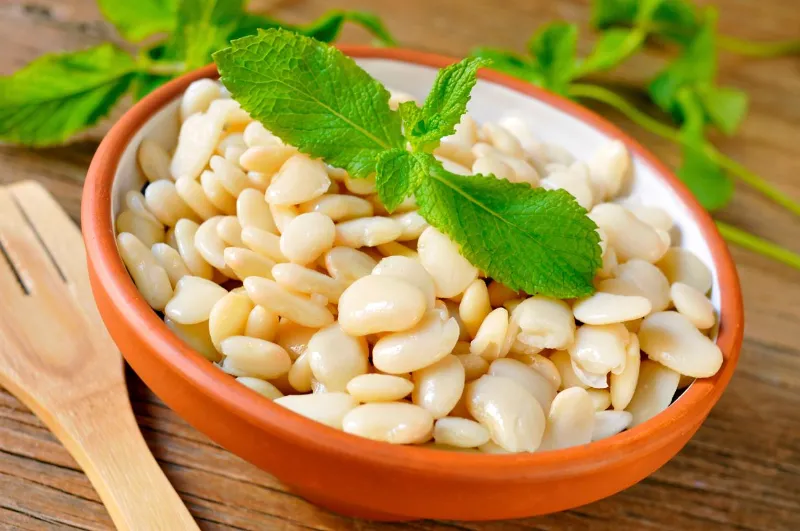
White beans, including cannellini and navy beans, are iron champions in the legume world. One cooked cup offers about 3.9 mg of iron along with fiber, magnesium, and potassium.
They have a creamy, mild flavor that blends effortlessly into soups, stews, and pasta dishes. You can also mash them with olive oil and garlic for a simple, nutrient-dense dip.
Studies on regular legume consumption consistently link it to better heart health and more stable blood sugar. White beans are genuinely one of the easiest foods to add to your rotation.
20. Blackstrap Molasses
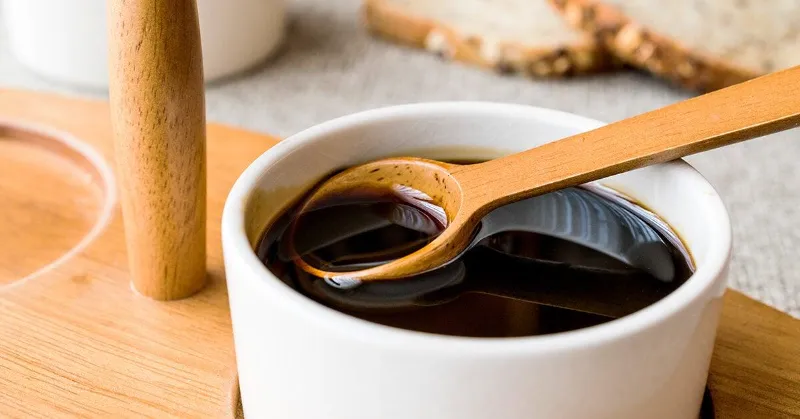
This one surprises a lot of people. Just one tablespoon of blackstrap molasses contains about 3.5 mg of iron, plus calcium, magnesium, and potassium.
It’s the byproduct of refining sugar cane, and it’s where all the nutrients from the cane end up. Unlike regular molasses or sugar, blackstrap is genuinely rich in minerals.
Stir it into oatmeal, mix it into smoothies, or use it in baking. It has a bold, slightly bitter flavor, so a little goes a long way. But even that one tablespoon daily can make a real dent in your iron needs.
21. Hemp Seeds
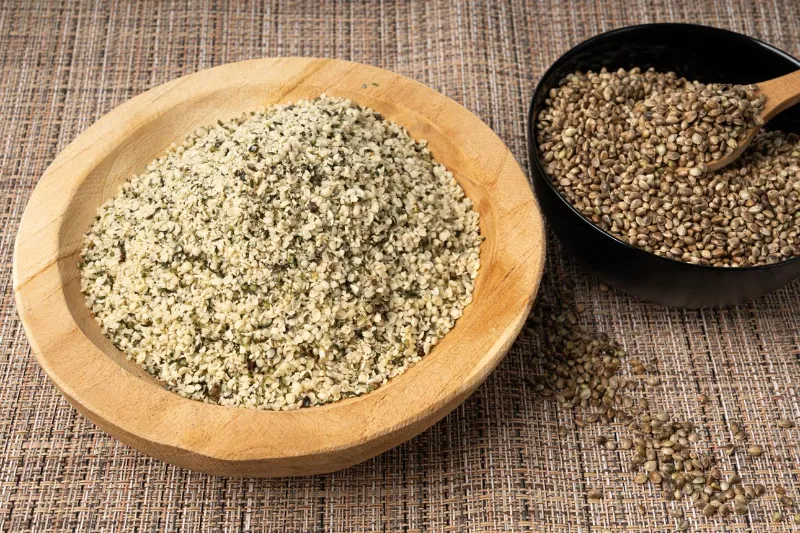
Hemp seeds are small but seriously impressive. Three tablespoons deliver about 2.4 mg of iron, plus all essential amino acids, making them a complete protein source in seed form.
They’re also rich in omega-3 and omega-6 fatty acids in an ideal ratio for reducing inflammation. Research suggests that chronic inflammation can interfere with how well your body uses iron, so this balance matters.
Sprinkle hemp seeds on yogurt, blend them into smoothies, or stir them into oatmeal. Their mild, slightly nutty flavor makes them one of the easiest superfoods to actually use every day.
22. Dried Apricots
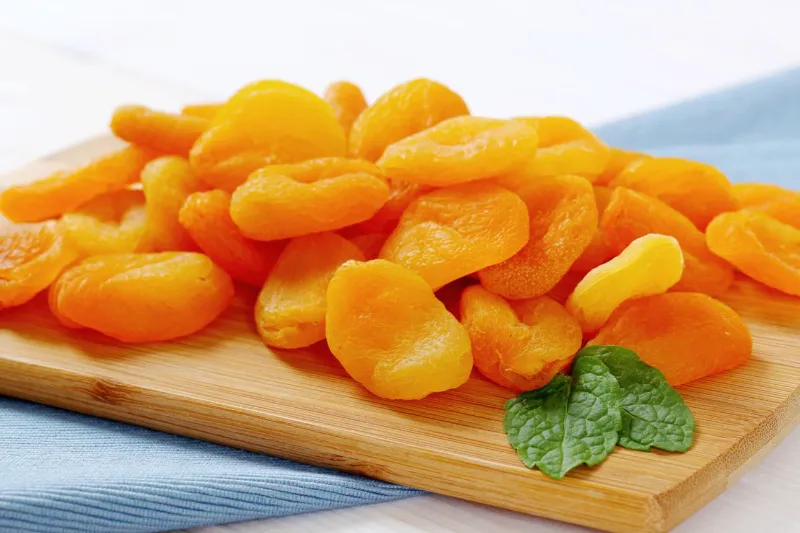
Dried apricots are a sweet way to sneak iron into your day. Just half a cup of dried apricots contains about 1.7 mg of iron along with fiber, vitamin A, and potassium.
They’re portable, require no prep, and work as a snack, a salad topper, or a mix-in for homemade trail mix. Keep a small bag in your purse and you’ve got an iron-boosting snack on the go.
Look for unsulfured dried apricots when possible. They’re darker in color but free from the sulfites used as preservatives, which some people are sensitive to.
23. Prunes
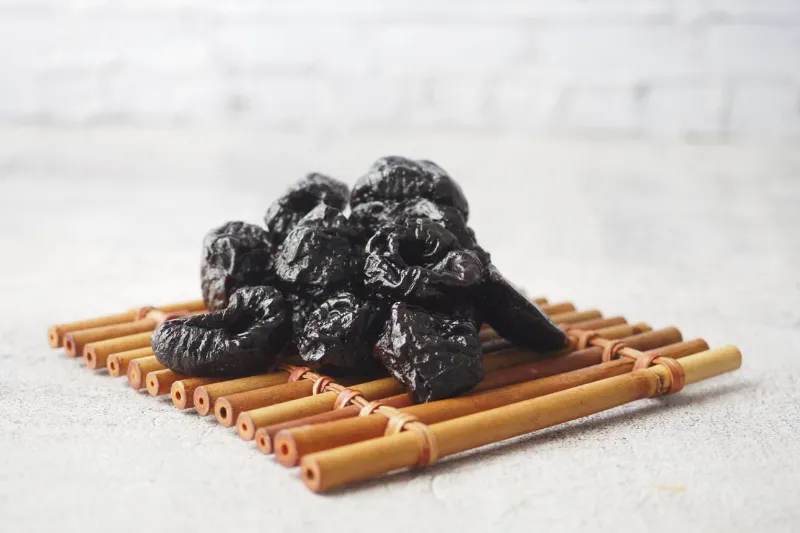
Prunes have a reputation mostly tied to digestive health, but they’re also a notable source of iron. Half a cup provides about 1.6 mg of iron along with vitamin K, potassium, and antioxidants called polyphenols.
The fiber in prunes also helps your digestive system run smoothly, which matters because constipation can actually impair nutrient absorption over time. So prunes are doing double duty here.
Eat them as a snack, blend them into smoothies for natural sweetness, or chop and add them to oatmeal or baked goods. They’re more versatile than their reputation suggests.
24. Amaranth
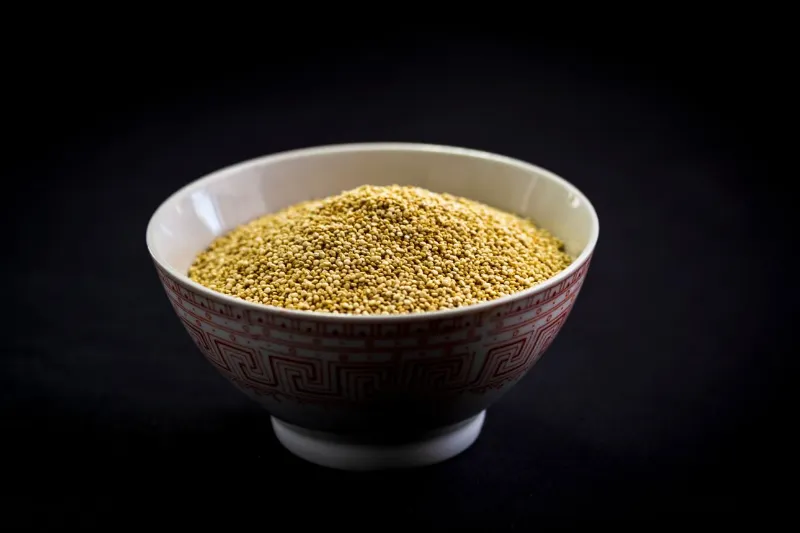
Amaranth is an ancient grain that’s been feeding people for thousands of years, and it’s making a well-deserved comeback. One cooked cup provides about 5.2 mg of iron, which puts it ahead of most other grains by a significant margin.
It’s also gluten-free and contains lysine, an amino acid that most grains are low in. Researchers have noted that amaranth is particularly promising for improving iron status in plant-based diets.
Cook it like oatmeal for breakfast, use it as a base for grain bowls, or pop it like popcorn for a crunchy topping. Amaranth has a slightly earthy, nutty flavor that grows on you fast.
25. Sun-Dried Tomatoes
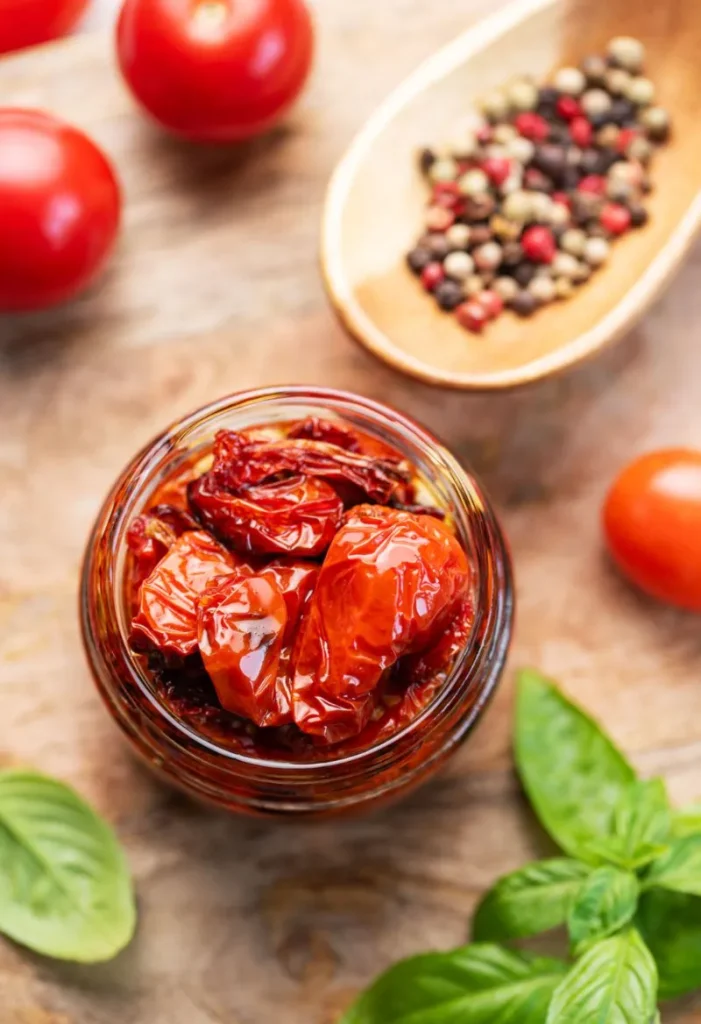
Sun-dried tomatoes pack a concentrated nutritional punch. Just half a cup delivers about 2.5 mg of iron along with lycopene, a powerful antioxidant linked to reduced cancer risk and heart health.
Because they’re dehydrated, the nutrients are more concentrated than in fresh tomatoes. You’re getting more iron per bite than you might expect from a tomato product.
Chop them into pasta, blend them into sauces, layer them on sandwiches, or stir them into grain salads. Sun-dried tomatoes in olive oil are especially flavorful and make an easy upgrade for everyday cooking.
26. Moringa
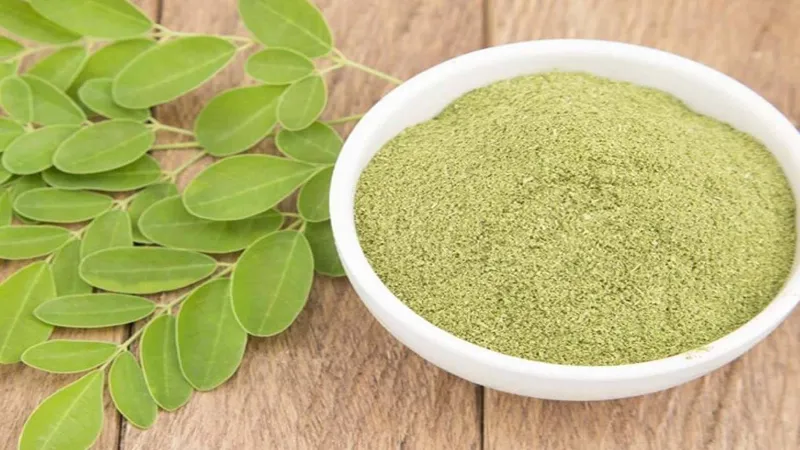
Moringa is having a moment in the wellness world, and the buzz is justified. The leaves of the moringa tree contain about 4 mg of iron per 100 grams, and they’re also rich in vitamin C, which helps your body absorb that iron more effectively.
Studies published in journals like the Journal of Food Science and Technology have noted moringa’s potential to address iron deficiency, particularly in developing countries where it grows abundantly. In the US, you’ll find it most easily as a powder.
Stir moringa powder into smoothies, mix it into energy balls, or blend it into soups and sauces. It has a mild, slightly green flavor that’s easy to mask, and the nutritional return is absolutely worth it.
Final Thoughts
Iron is one of those nutrients that quietly runs everything in your body, from your energy and focus to your immune system and skin health. The great news is that getting enough doesn’t have to be complicated or boring.
Start with two or three foods from this list that feel doable for you right now, and build from there. Small, consistent changes add up to real results. Your body is worth nourishing well, and you deserve to feel your absolute best every single day.
