
30 Science-Backed Stomach Fat Burning Foods You Need to Add to Your Diet

If you have been eating “healthy” but still feel like that belly fat is not budging, you are not alone. The truth is, not all healthy foods work the same way when it comes to burning stubborn stomach fat.
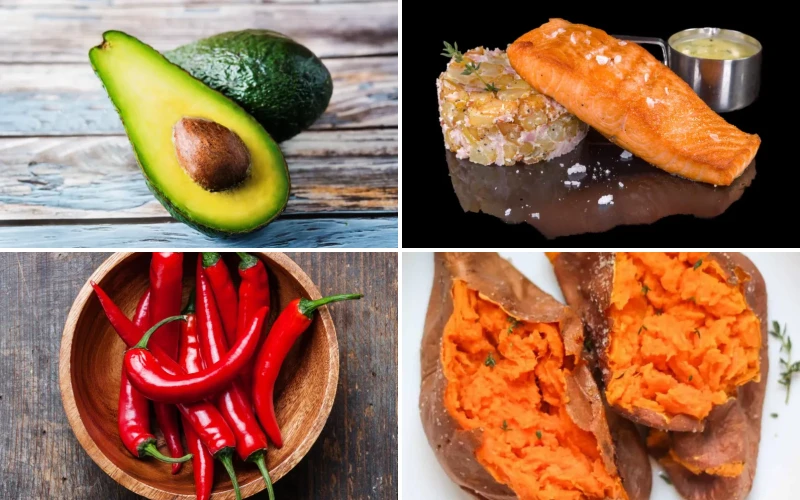
The good news? Science has pinpointed specific foods that actively help your body torch fat, especially around your midsection. Here are 30 of them, and most are probably already sitting in your grocery store right now.
1. Avocado
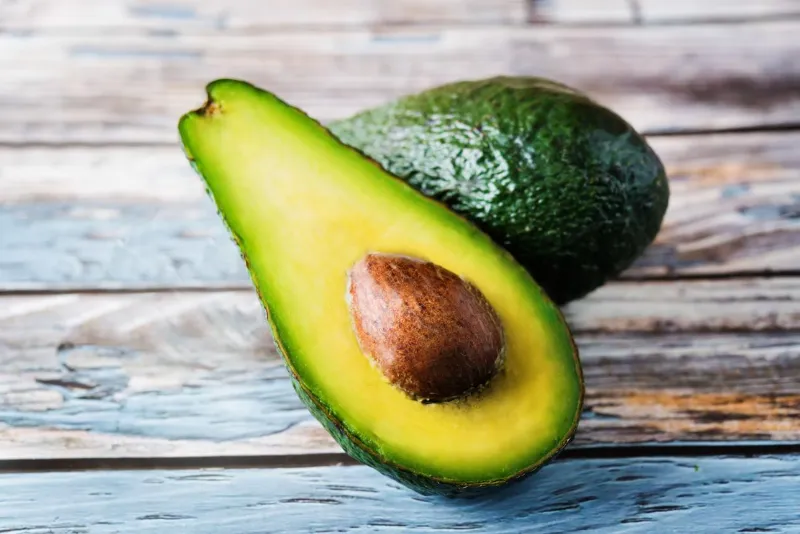
Avocados are packed with monounsaturated fatty acids, especially oleic acid, which research links to reduced abdominal fat storage. A study published in the Journal of Nutrition found that daily avocado consumption was associated with lower visceral belly fat in women.
Do not let the fat content scare you off. These are the good fats your body actually uses for energy instead of storing around your waist.
Add half an avocado to your morning eggs, blend it into a smoothie, or just slice it on top of whole grain toast. Aim for half to one whole avocado per day to see real benefits.
2. Green Tea

Green tea contains a powerful compound called EGCG (epigallocatechin gallate), a catechin antioxidant shown to boost metabolism and increase fat oxidation. Studies suggest it specifically targets visceral fat, the dangerous kind that wraps around your organs.
The caffeine in green tea also works in synergy with EGCG to enhance fat burning, especially during exercise.
Swap your afternoon coffee for a cup of green tea and try to get in two to three cups daily. Matcha, which is ground whole green tea leaves, gives you an even bigger dose of those fat-fighting catechins.
3. Greek Yogurt
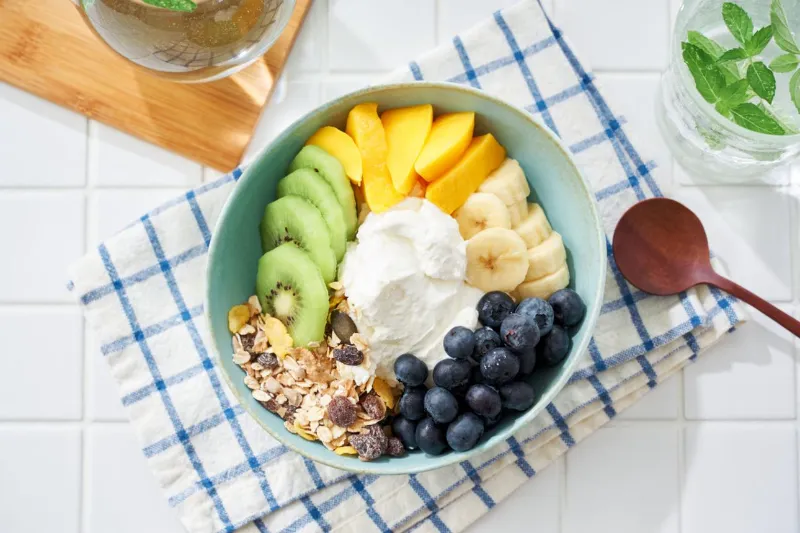
Greek yogurt is loaded with protein, and protein is one of your biggest allies when it comes to losing belly fat. It keeps you fuller longer, reduces cravings, and requires more energy to digest than carbs or fats, a process called the thermic effect of food.
It also delivers probiotics, the beneficial bacteria that keep your gut healthy. A healthy gut microbiome is increasingly linked to healthier body weight and less fat storage.
Go for plain, full-fat Greek yogurt and add your own fruit to keep sugar low. Use it as a base for dressings, swap it in for sour cream, or enjoy it as a filling snack between meals.
4. Blueberries
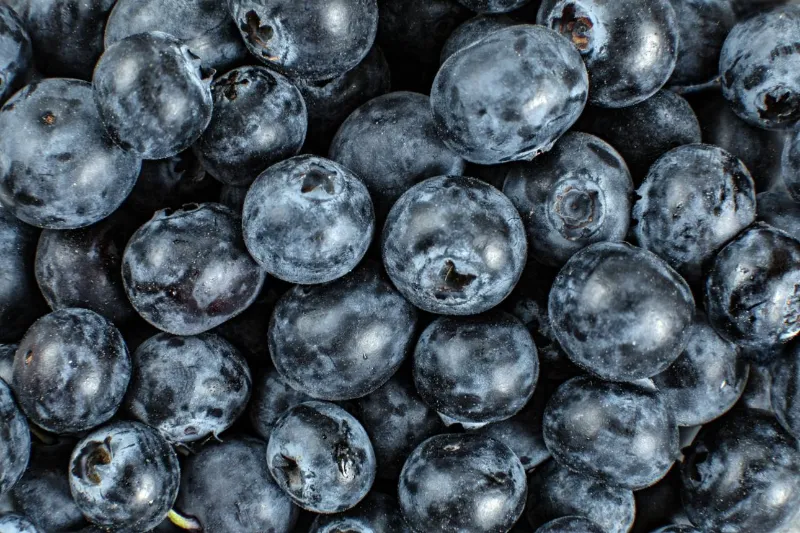
Blueberries are small but seriously mighty. A University of Michigan study found that rats fed blueberry-enriched diets showed significantly less abdominal fat than the control group, and the findings have been reflected in human studies too.
The credit goes to their high anthocyanin content, the dark pigment that gives blueberries their color and acts as a powerful anti-inflammatory agent.
Chronic inflammation is one of the biggest drivers of belly fat accumulation, so eating anti-inflammatory foods like blueberries regularly makes a real difference. Toss a handful into your oatmeal, yogurt, or smoothie every morning.
5. Salmon
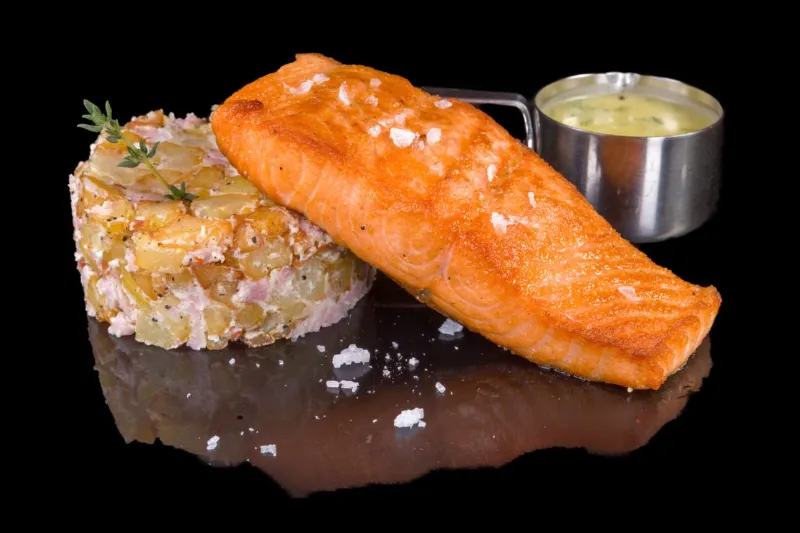
Salmon is one of the richest sources of omega-3 fatty acids on the planet, and omega-3s have been shown in multiple clinical studies to reduce visceral fat. They work by lowering cortisol levels, and since cortisol is the stress hormone directly linked to belly fat storage, this is a big deal.
Salmon is also high in protein, which supports muscle retention while you lose fat, keeping your metabolism firing on all cylinders.
Try to eat salmon two to three times per week. Wild-caught is always the best option when you can find it. Bake it, pan-sear it, or throw it on the grill with lemon and herbs for a quick, powerful meal.
6. Eggs
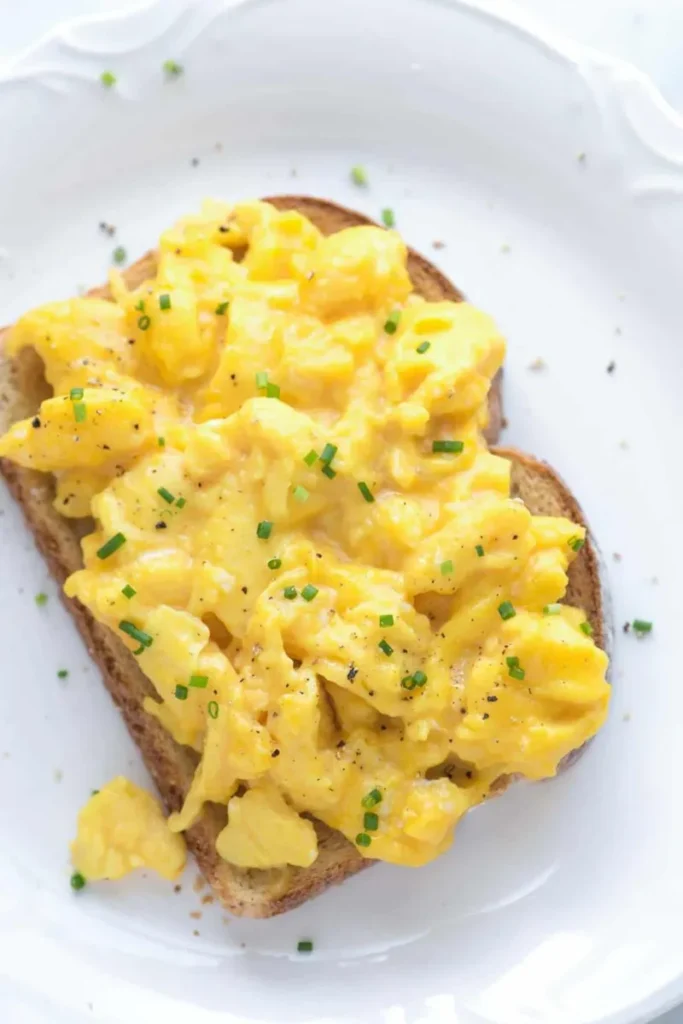
Eggs got a bad reputation for years, but science has fully rehabilitated them. They are one of the most nutrient-dense foods available, rich in protein, healthy fats, and B vitamins that support your metabolism.
Research from the International Journal of Obesity found that people who ate eggs for breakfast lost significantly more belly fat than those who ate a bagel with the same number of calories.
That comes down to how eggs impact your hunger hormones, keeping ghrelin (the hunger hormone) low for hours after eating. Start your day with two to three eggs prepared however you like and notice how much longer you stay satisfied.
7. Oats
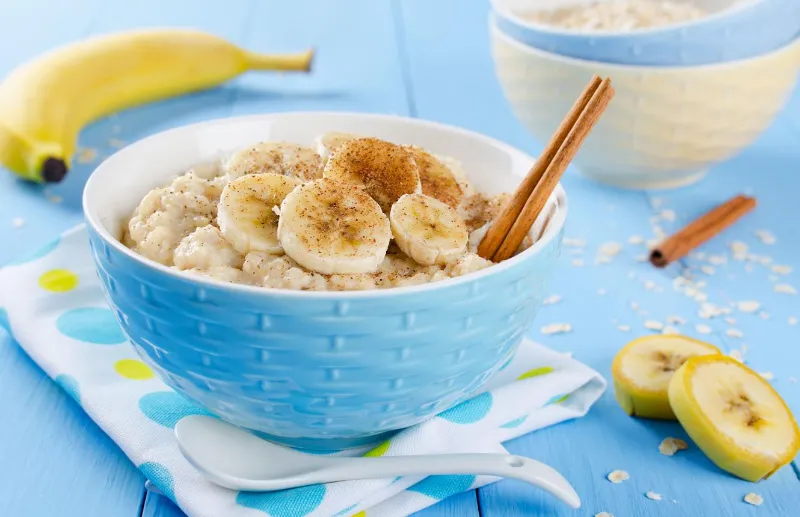
Oats are one of the best sources of beta-glucan, a type of soluble fiber that slows digestion, stabilizes blood sugar, and keeps you feeling full for hours. Spikes in blood sugar lead directly to fat storage, especially belly fat, so keeping those levels steady matters enormously.
Studies have also shown that beta-glucan feeds healthy gut bacteria, which plays a role in how your body metabolizes and stores fat.
Stick with old-fashioned rolled oats or steel-cut oats rather than the instant flavored packets, which are often loaded with sugar. Cook them with cinnamon and top with berries for a breakfast that actually keeps you going until lunch.
8. Chili Peppers
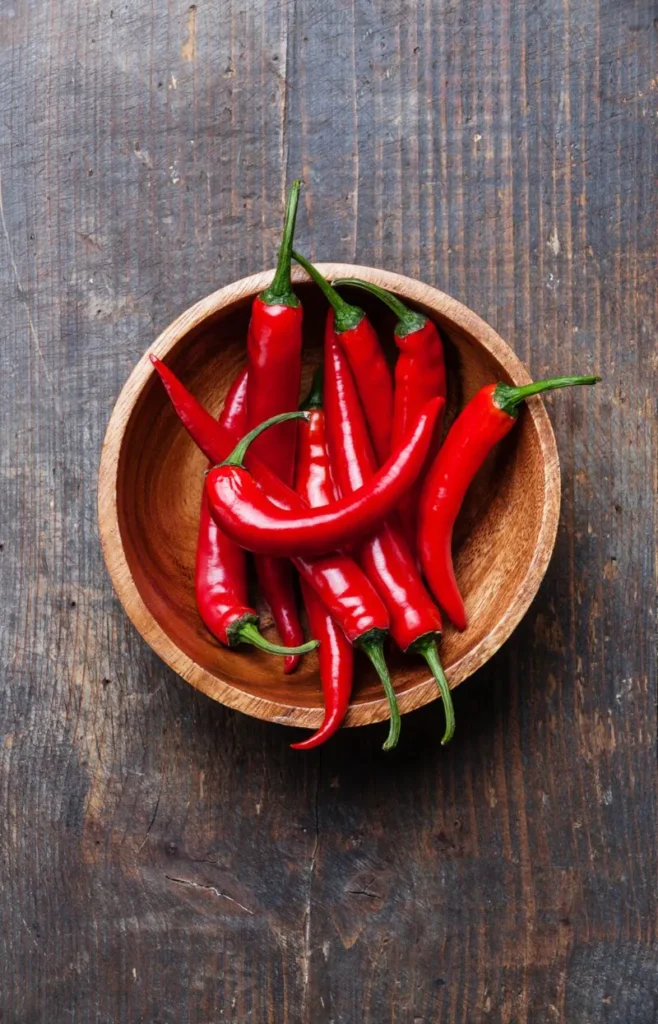
Chili peppers contain capsaicin, the compound that makes them hot, and capsaicin is a legitimate metabolism booster. It activates something called thermogenesis, where your body generates heat and burns extra calories in the process.
Research shows capsaicin can increase metabolic rate by up to 5% and fat burning by up to 16% for several hours after eating. It also reduces appetite by lowering levels of ghrelin.
You do not need to eat painfully spicy food to get the benefits. Even mild hot sauce on your eggs or a pinch of cayenne in your soup adds up over time. Make heat a regular part of your meals.
9. Apple Cider Vinegar
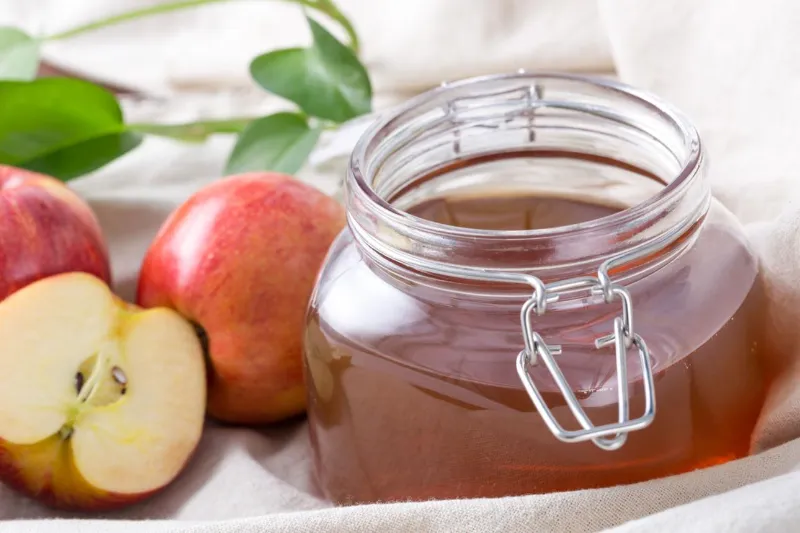
Apple cider vinegar (ACV) has earned serious scientific attention. A 12-week Japanese study found that participants who consumed one to two tablespoons of ACV daily reduced their belly fat, waist circumference, and triglycerides compared to those who did not.
The acetic acid in ACV helps suppress fat storage, especially in the liver and belly region, and it also helps control blood sugar spikes after meals.
Start with one tablespoon diluted in a large glass of water before your biggest meal of the day. Always dilute it because the acidity can be hard on your tooth enamel. Build up slowly if you are new to it.
10. Almonds
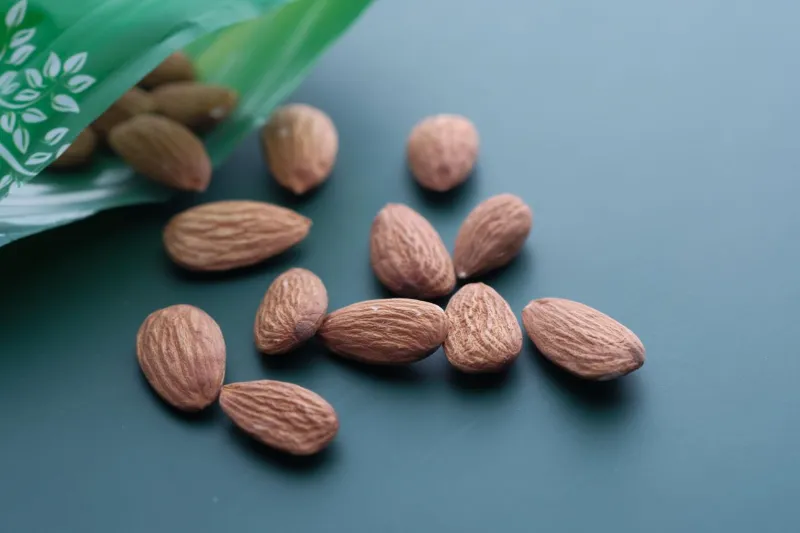
Almonds are a fat-loss powerhouse hiding in a small package. They are rich in protein, fiber, and healthy fats, all of which keep hunger at bay and support stable blood sugar. A study in the Journal of the American Heart Association found that people who snacked on almonds had less belly and leg fat compared to those who snacked on high-carb foods with the same calorie count.
Almonds are also high in magnesium, a mineral many Americans are deficient in, and low magnesium is linked to insulin resistance and increased fat storage.
A small handful (about 23 almonds) is the perfect portion for a snack. Keep a bag at your desk, in your car, or in your gym bag so you always have a smart option ready.
11. Spinach
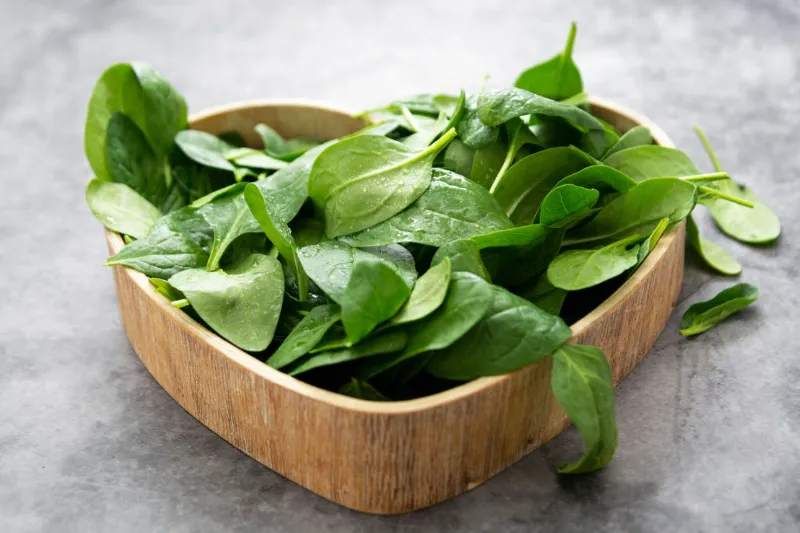
Spinach is low in calories but incredibly dense in nutrients that support fat loss. It is rich in thylakoids, compounds found in the leaves that have been shown in studies to reduce cravings and hunger by up to 95% and support weight loss over time.
It is also high in magnesium and iron, which support energy metabolism and help your body use stored fat for fuel more efficiently.
The easiest way to eat more spinach is to blend it into smoothies (you seriously cannot taste it), toss it into scrambled eggs, or use it as a salad base. Aim for at least two big handfuls per day.
12. Grapefruit
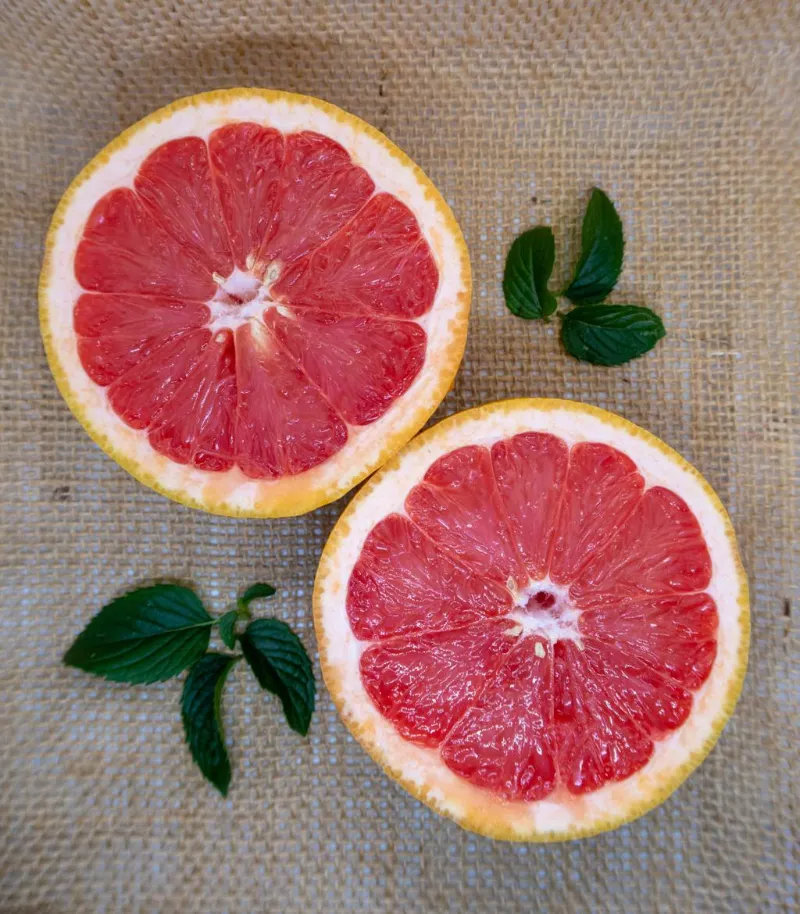
Grapefruit has a long history in weight loss research, and it holds up. A study from the Scripps Clinic found that people who ate half a grapefruit before each meal lost significantly more weight than the control group, with notable reductions in waist size.
Grapefruit contains a flavonoid called naringenin, which helps the liver burn fat rather than store it, and it also helps lower insulin levels after eating.
Half a grapefruit before a meal is the classic approach, but you can also add it to salads or blend it into a morning juice. Just check with your doctor if you are on any medications, since grapefruit can interact with certain drugs.
13. Chia Seeds
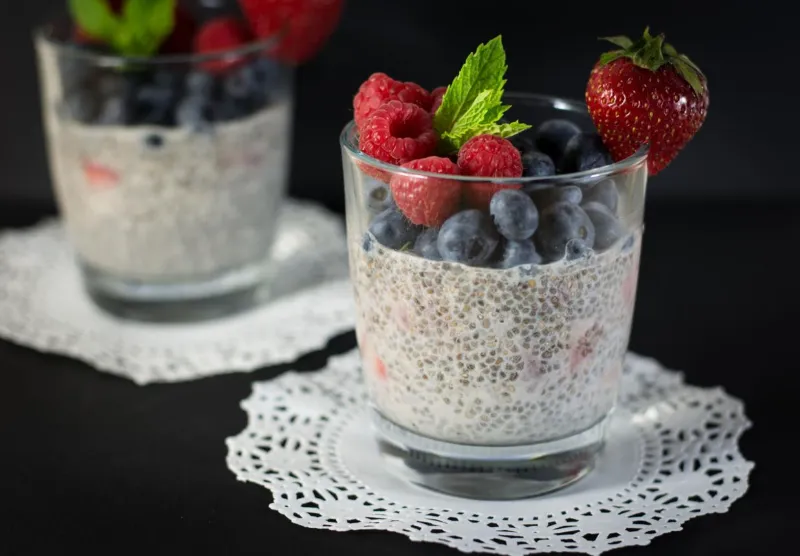
Chia seeds are tiny nutritional powerhouses. Just two tablespoons deliver 10 grams of fiber, 5 grams of protein, and a solid dose of omega-3 fatty acids. That fiber content is especially important because it absorbs water and expands in your stomach, creating a strong feeling of fullness.
Chia seeds also help regulate blood sugar levels, which directly prevents the insulin spikes that lead to fat storage in the belly area.
Make a chia pudding by soaking two tablespoons in half a cup of almond milk overnight, or just sprinkle them into your yogurt, oatmeal, or smoothie. They are flavorless and incredibly easy to incorporate daily.
14. Broccoli
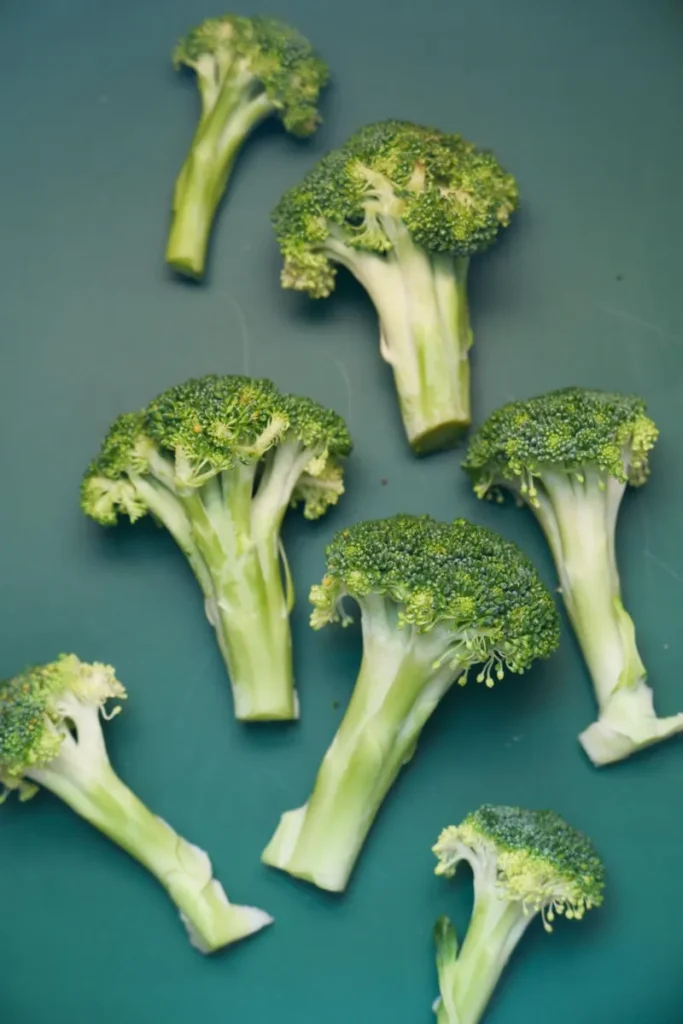
Broccoli contains a unique compound called sulforaphane, which research suggests activates genes and enzymes in fat cells that reduce fat storage. It is also high in fiber, which supports healthy digestion and keeps you full.
On top of that, broccoli is rich in chromium, a mineral that helps regulate blood sugar and insulin, both of which are closely tied to belly fat accumulation.
Roast it with a drizzle of olive oil and garlic for a side dish that you will actually look forward to. Or toss it into stir-fries, soups, and grain bowls. The key is eating it consistently, not just occasionally.
15. Olive Oil
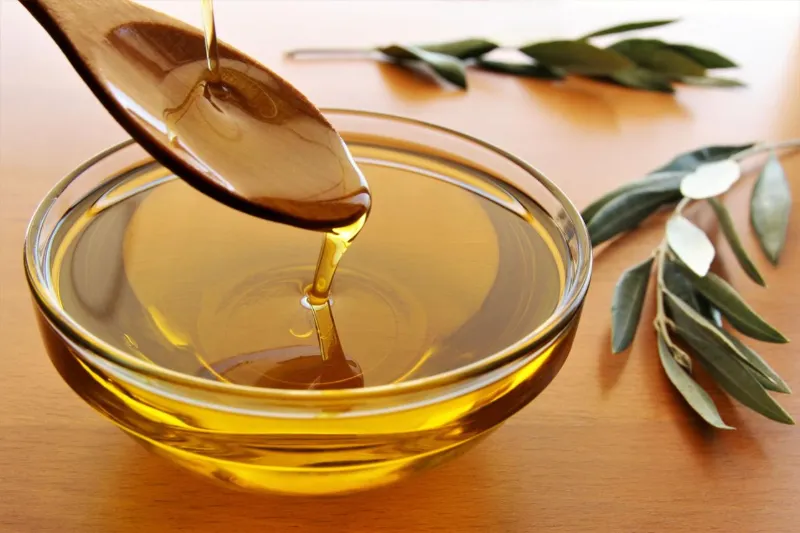
Extra virgin olive oil is one of the most well-researched foods in the world, largely because of the Mediterranean diet studies. Its high oleocanthal content acts as a natural anti-inflammatory, and since inflammation is a major driver of belly fat, reducing it matters.
Studies show that people who consume olive oil regularly have lower levels of abdominal fat compared to those who eat other fats, even in similar calorie ranges.
Use it as your primary cooking fat and drizzle it generously over salads and roasted vegetables. Look for cold-pressed, extra virgin olive oil in a dark glass bottle for the best quality and most health benefits.
16. Turmeric
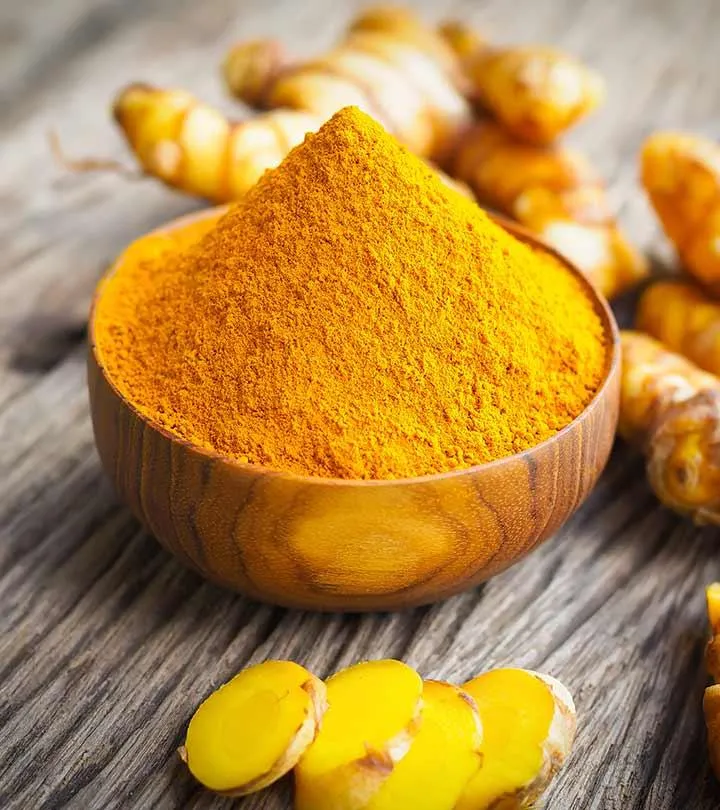
Turmeric contains curcumin, one of the most studied anti-inflammatory compounds in nutrition science. Chronic low-grade inflammation is deeply linked to visceral fat, and curcumin has been shown to reduce inflammatory markers while also directly interfering with fat tissue growth.
A 2015 study found that curcumin supplementation helped overweight individuals lose belly fat and reduced their waist circumference over eight weeks.
Add turmeric to scrambled eggs, soups, curries, or golden milk lattes. Always pair it with black pepper, which contains piperine and boosts curcumin absorption by up to 2,000 percent. That combination makes a huge difference.
17. Black Beans
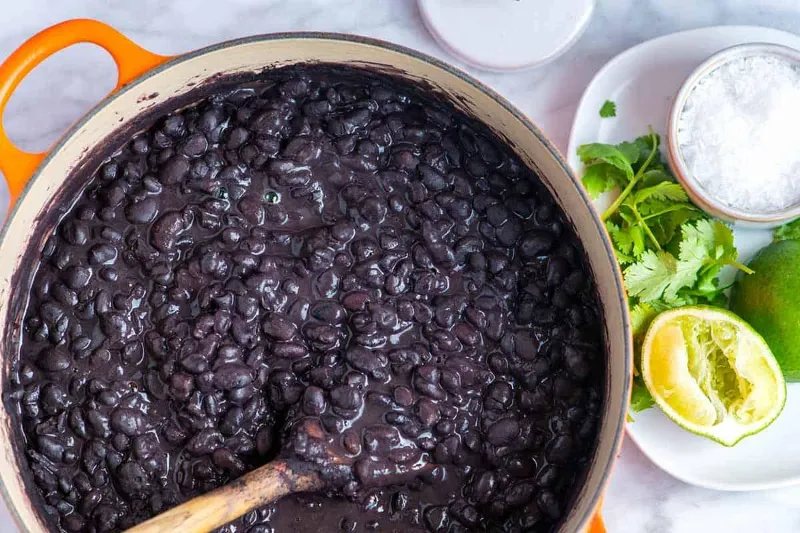
Black beans are a fiber and protein dream team. One cup delivers about 15 grams of each, making them incredibly satisfying and effective at keeping your blood sugar stable after meals. Stable blood sugar means less insulin, and less insulin means less belly fat storage.
They are also rich in resistant starch, a type of carbohydrate your body cannot fully digest, which feeds beneficial gut bacteria and reduces fat absorption.
Add black beans to burrito bowls, toss them into soups, or blend them into a dip. They are budget-friendly, filling, and one of the easiest ways to upgrade the nutritional profile of almost any meal.
18. Walnuts
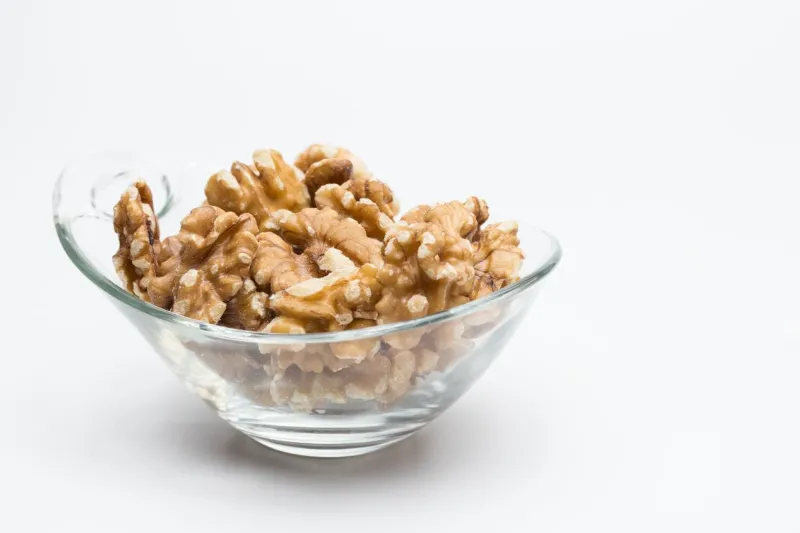
Walnuts stand out among nuts because of their exceptionally high ALA omega-3 fatty acid content. Research from the UC Davis Health System found that people who regularly ate walnuts had significantly lower visceral fat levels than non-walnut eaters.
They are also rich in polyunsaturated fats that help reduce insulin resistance, one of the core drivers of belly fat in many people.
A small handful, about 1 ounce or 14 walnut halves, is all you need daily. Eat them as a snack, chop them into oatmeal, or add them to salads for a satisfying crunch that actually works for you.
19. Ginger
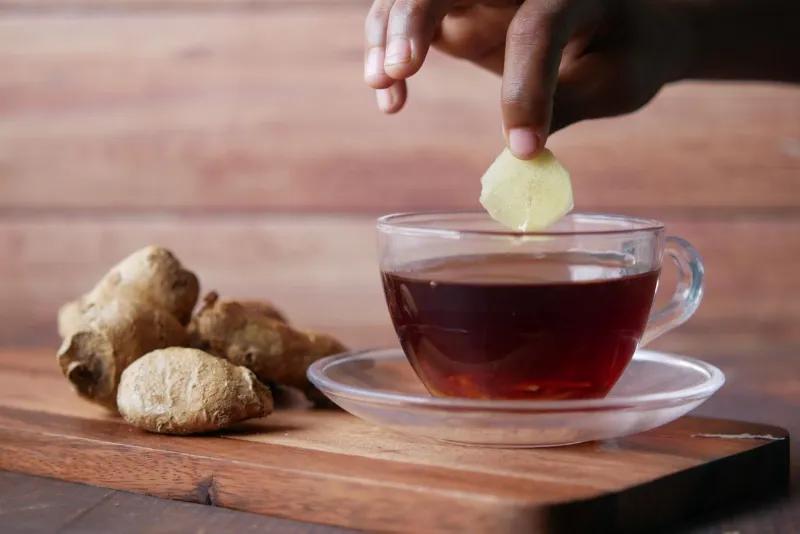
Ginger is a natural thermogenic, meaning it raises your body temperature slightly and boosts calorie burning. It also has powerful anti-inflammatory properties and has been shown to improve insulin sensitivity, which is critical for preventing fat storage around the belly.
A review in the Annals of the New York Academy of Sciences highlighted ginger’s role in obesity prevention, noting its ability to reduce body weight and abdominal fat in animal and human studies.
Fresh ginger is most potent. Grate it into hot water for a simple tea, add it to smoothies, or stir it into stir-fries and soups. Even a small amount daily adds up to meaningful benefits over time.
20. Lentils
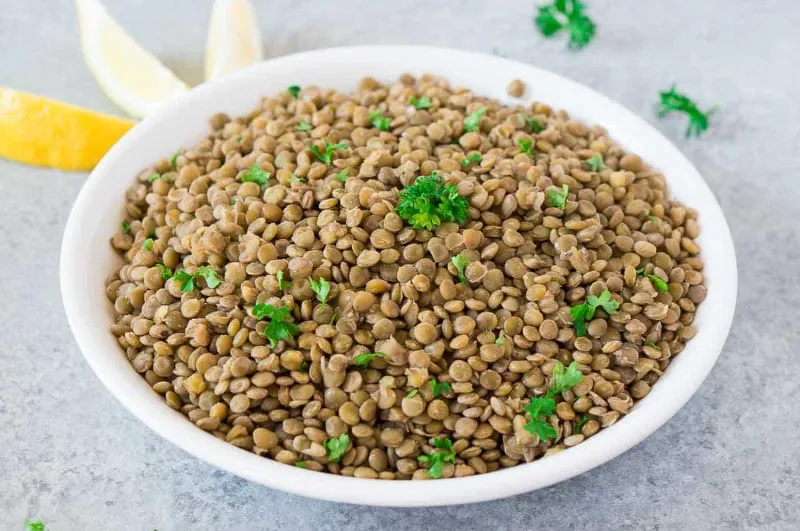
Lentils are one of the most underrated fat-burning foods out there. They are incredibly high in fiber and plant-based protein, both of which are proven to reduce belly fat by improving satiety and stabilizing blood sugar.
Lentils also contain resistant starch and prebiotics that feed your gut microbiome. A healthier gut is increasingly associated with lower body weight and less tendency to store fat around the midsection.
Red lentils cook in just 20 minutes and dissolve into soups and curries beautifully. Green lentils hold their shape better and work great in salads and grain bowls. Either way, aim to eat them two to three times per week.
21. Cucumber
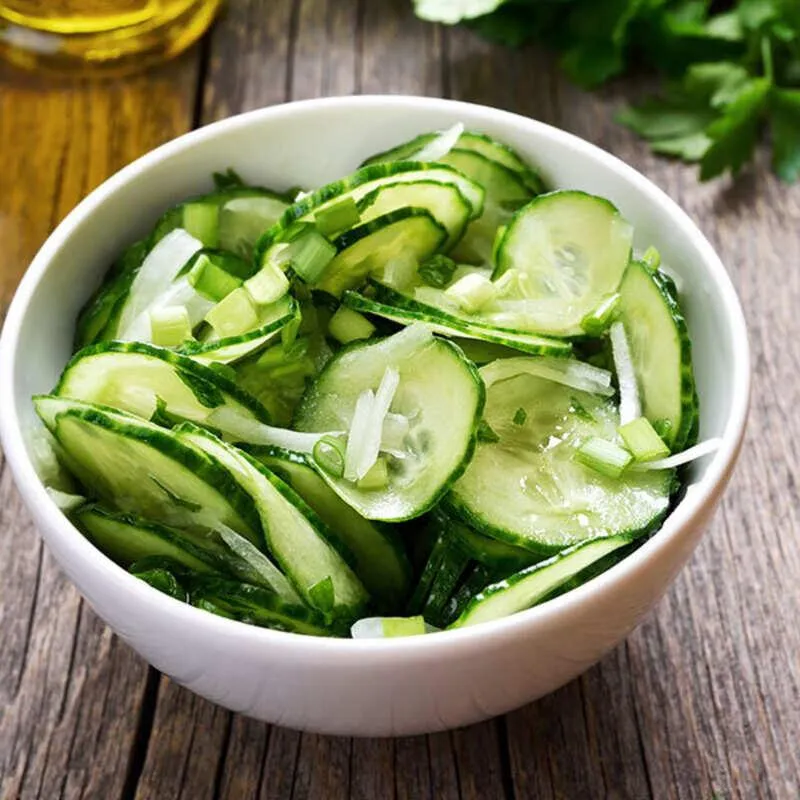
Cucumber is about 96% water, which makes it one of the most hydrating foods you can eat. Proper hydration keeps your metabolism running efficiently and helps your body flush out the toxins and excess water retention that can make your belly look and feel bloated.
Cucumbers are also rich in flavonoids and antioxidants that reduce inflammation, and their low calorie density means you can eat a lot of them without guilt.
Slice them up as a snack with hummus, add them to salads, or throw them in a water pitcher with mint and lemon for an infused water that makes staying hydrated actually enjoyable. Simple but effective.
22. Kefir
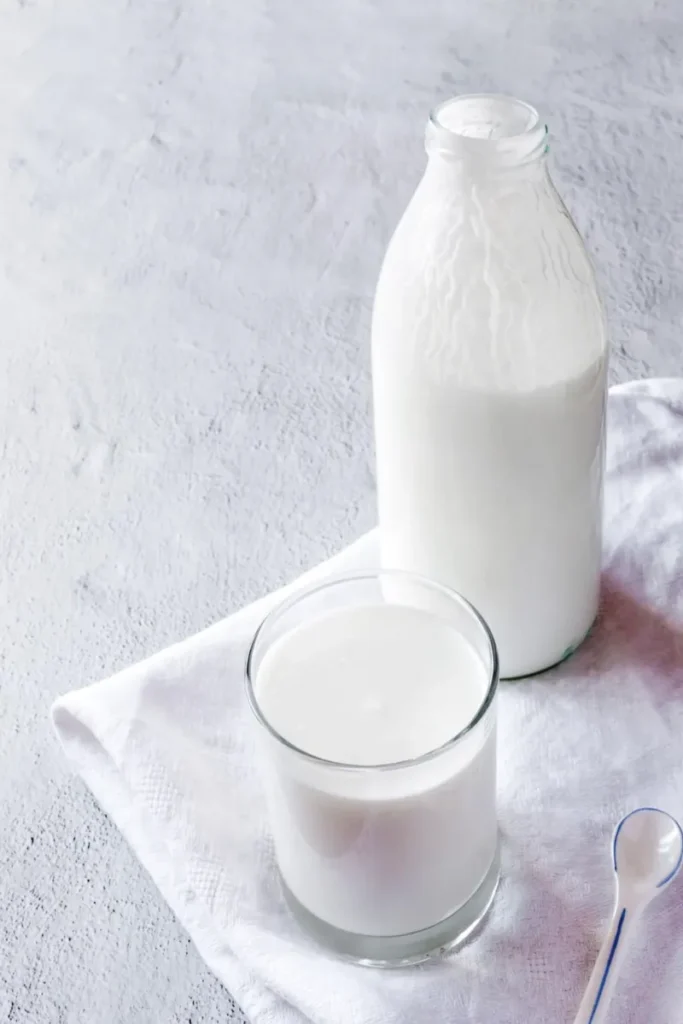
Kefir is a fermented milk drink that contains up to 61 different strains of beneficial bacteria and yeast. That is significantly more probiotic diversity than most yogurts, and a diverse gut microbiome is strongly associated with less belly fat and better metabolic health.
Research published in Obesity Reviews found a clear link between gut bacteria diversity and lower visceral fat, and kefir is one of the best natural ways to build that diversity.
Drink a small glass of plain kefir daily, or use it as the liquid base for your smoothies. It has a slightly tangy taste that pairs well with berries and banana. Your gut will thank you within days.
23. Dark Chocolate
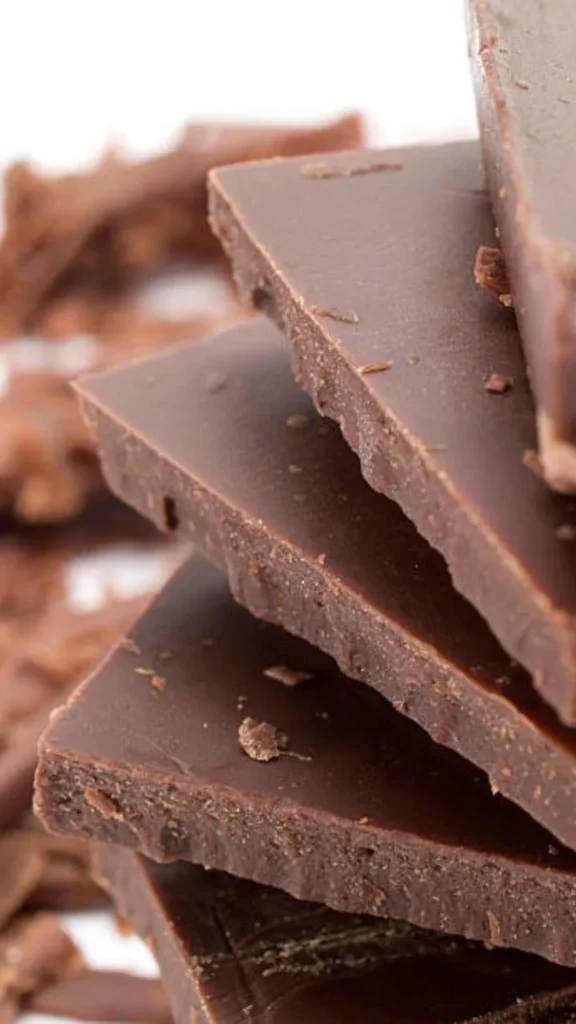
Yes, dark chocolate really can help with belly fat, but only the right kind. Dark chocolate with 70% or higher cocoa content is rich in flavonoids that reduce inflammation, lower cortisol, and improve insulin sensitivity, all of which directly impact belly fat.
A study from the University of Copenhagen found that dark chocolate reduces cravings for sweet, salty, and fatty foods, making it easier to stick to healthier eating overall.
One to two squares (about 1 ounce) per day is the sweet spot. Think of it as a daily treat that actually supports your goals rather than derailing them. Just make sure the label shows 70% cocoa or higher.
24. Sweet Potatoes
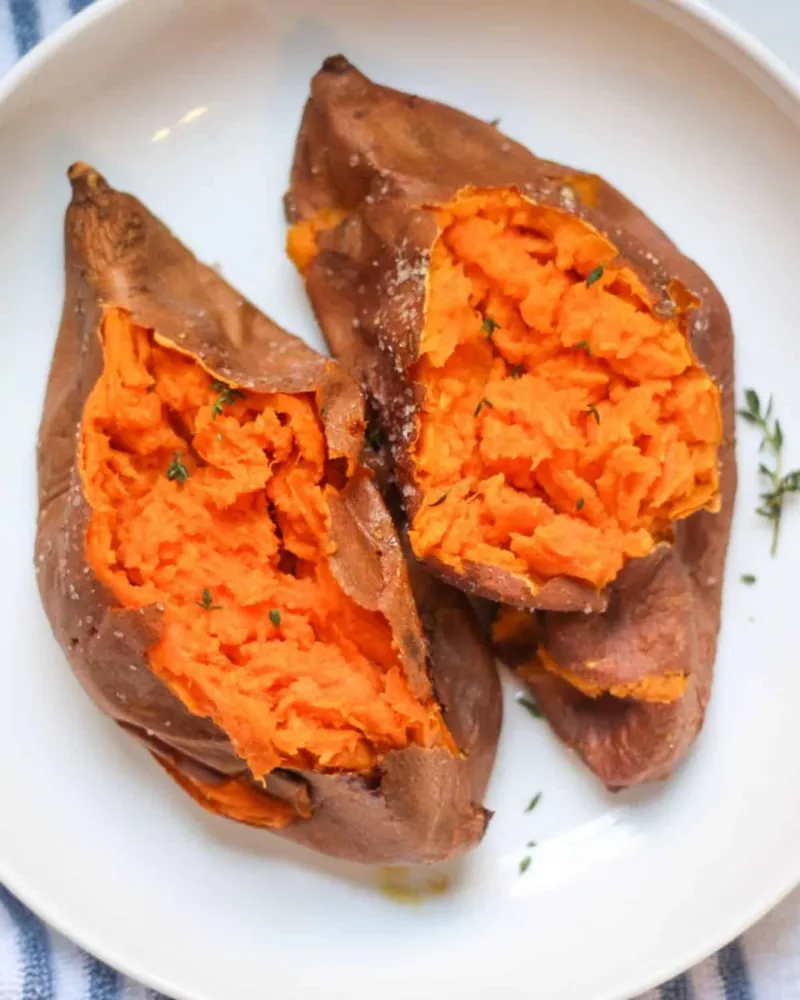
Sweet potatoes have a lower glycemic index than regular white potatoes, meaning they cause a slower, gentler rise in blood sugar. This matters because blood sugar spikes trigger insulin release, and high insulin promotes fat storage, especially around the belly.
They are also rich in potassium, which combats the bloating caused by excess sodium, and loaded with fiber to keep you full and your digestion running smoothly.
Bake them whole as a simple side dish, slice them into wedges for a healthier fry, or cube and roast them for grain bowls. They are naturally sweet and satisfying enough to curb sugar cravings too.
25. Garlic
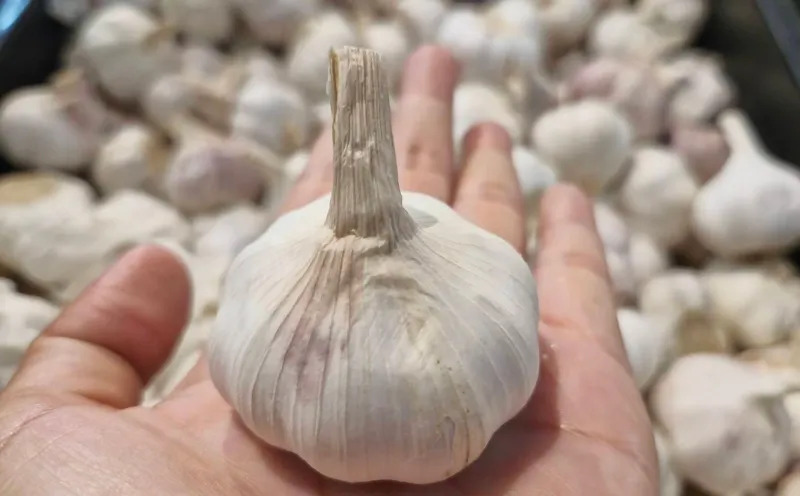
Garlic contains allicin, a sulfur compound that research has shown can activate fat-burning enzymes and reduce the formation of new fat cells. It also has strong anti-inflammatory properties that help reduce the chronic inflammation linked to belly fat accumulation.
A study published in the Journal of Nutrition found that garlic supplementation helped reduce body fat percentage and waist circumference in overweight adults over a 12-week period.
Raw garlic is most potent since allicin is partially destroyed by heat, but cooked garlic still offers significant benefits. Add it to literally everything, sauces, soups, roasted vegetables, eggs, and marinades. It is one of the easiest flavor upgrades and fat fighters you can use daily.
26. Quinoa
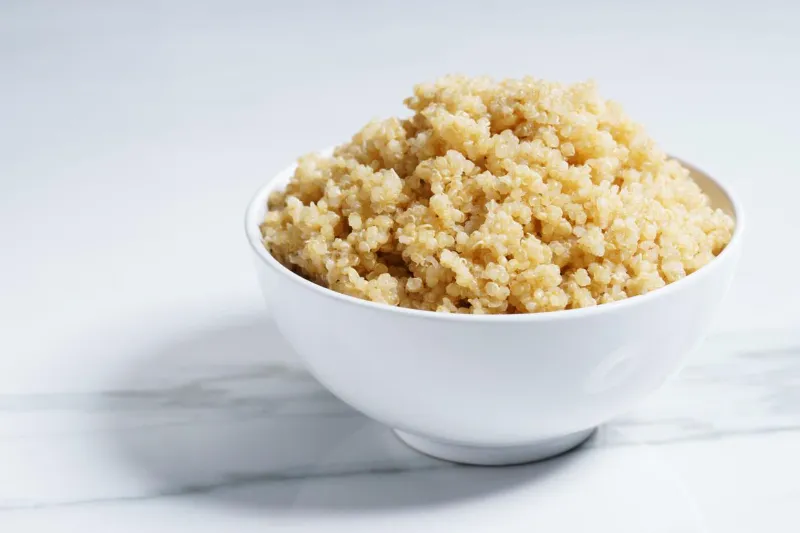
Quinoa is one of the very few plant foods that contains all nine essential amino acids, making it a complete protein. High protein intake is strongly associated with reduced belly fat because it boosts metabolism, reduces appetite, and helps preserve muscle mass during fat loss.
Quinoa is also high in fiber and has a lower glycemic impact than most grains, which prevents the blood sugar roller coaster that drives fat storage.
Use it in place of rice or pasta, toss it into salads, or cook it with cinnamon and fruit for a protein-packed breakfast bowl. It is incredibly versatile and takes on whatever flavors you cook it with.
27. Green Apples
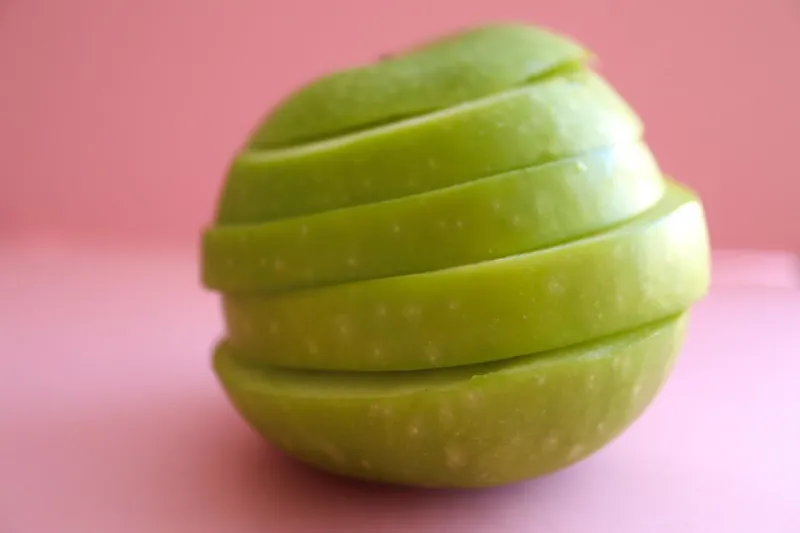
Green apples, especially Granny Smith varieties, are higher in fiber and lower in sugar than red apples. Their high pectin content, a soluble fiber, feeds beneficial gut bacteria and helps you feel full with fewer calories.
Research from Washington State University found that Granny Smith apples specifically help balance gut bacteria in ways that support a healthy weight, making them stand out even among other apple varieties.
Eat one as a mid-morning or mid-afternoon snack paired with almond butter for a satisfying combo that delivers fiber, protein, and healthy fat all at once. That combination keeps blood sugar stable and hunger quiet for hours.
28. Coconut Oil
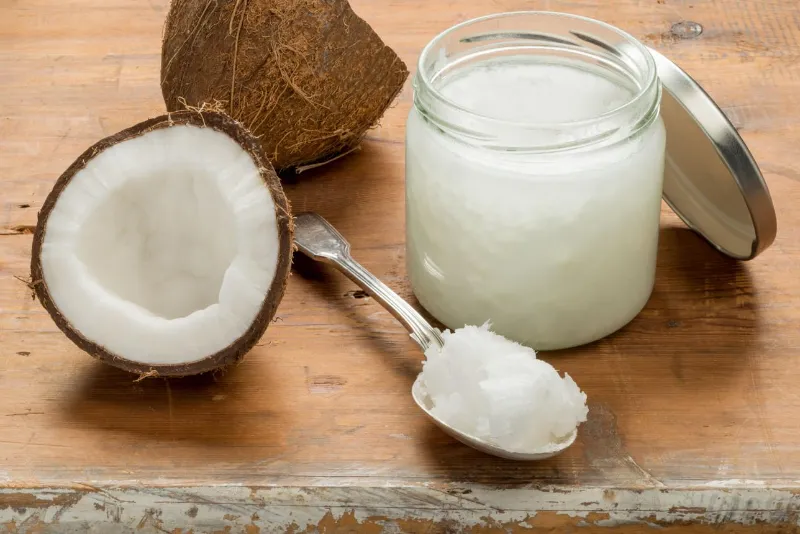
Coconut oil is rich in medium-chain triglycerides (MCTs), fats that are metabolized differently than other fats. Instead of being stored, MCTs are sent directly to the liver where they are burned for energy, which boosts metabolism and reduces fat accumulation.
A study in Lipids journal found that women who consumed coconut oil daily had a significant reduction in waist circumference compared to those using soybean oil, even with similar calorie intake.
Use it for high-heat cooking since it is stable at higher temperatures, or add a teaspoon to your morning coffee for a smooth, creamy energy boost. Keep portion sizes moderate since it is still calorie-dense.
29. Cinnamon
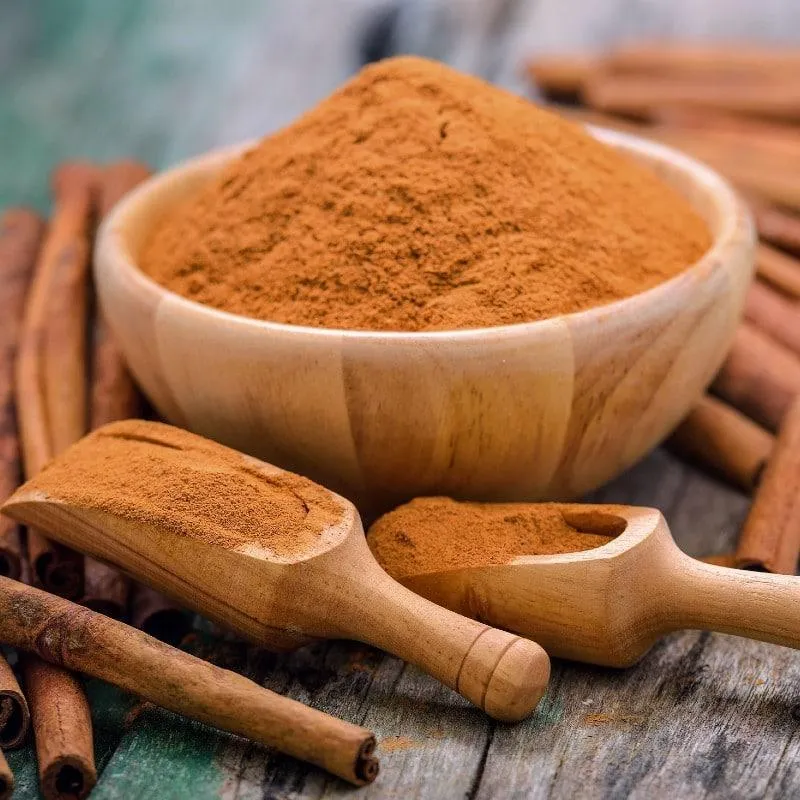
Cinnamon is one of the most impressive blood sugar regulators in the spice rack. It contains compounds that mimic insulin and help your cells absorb glucose more efficiently, preventing the blood sugar spikes that lead directly to belly fat storage.
Multiple studies have shown that just half a teaspoon of cinnamon per day can meaningfully improve insulin sensitivity in people with or without diabetes.
Sprinkle it into your oatmeal, stir it into your coffee, add it to smoothies, or dust it over roasted sweet potatoes. It takes barely any effort and has a noticeable impact on cravings and energy levels throughout the day.
30. Watermelon
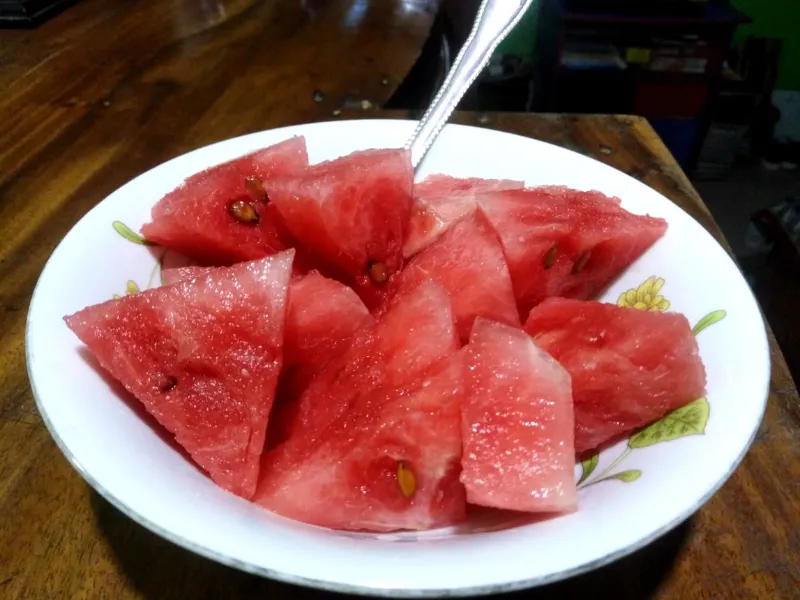
Watermelon is over 90% water, which makes it incredibly hydrating and filling for very few calories. It also contains an amino acid called arginine, which research has shown can reduce body fat and increase lean muscle mass simultaneously.
Watermelon is also rich in lycopene, a powerful antioxidant that reduces inflammation and has been linked to reduced fat storage in the abdominal region in several studies.
Enjoy a big bowl as a summer dessert, blend it into a hydrating smoothie, or pair it with mint and feta for a refreshing salad. It is one of the most satisfying ways to eat something sweet while genuinely supporting your fat loss goals.
Final Thoughts
You do not have to overhaul your entire life to start burning belly fat. Adding even five or ten of these foods into your weekly routine can shift things in a real, noticeable way.
Start small, stay consistent, and let the science work in your favor. Your gut, your energy, and your waistline will all feel the difference before you know it.
