
24 Game-Changing Gluten Foods To Avoid You Probably Didn’t Know About

If you’ve been feeling bloated, foggy, or just “off” after meals, gluten might be quietly behind it. The tricky part? Gluten hides in a lot more than just bread.
This guide walks you through 24 foods loaded with gluten that you’ll want to rethink, whether you have celiac disease, a sensitivity, or just want to eat cleaner. Some of these will genuinely surprise you.
1. Wheat Bread
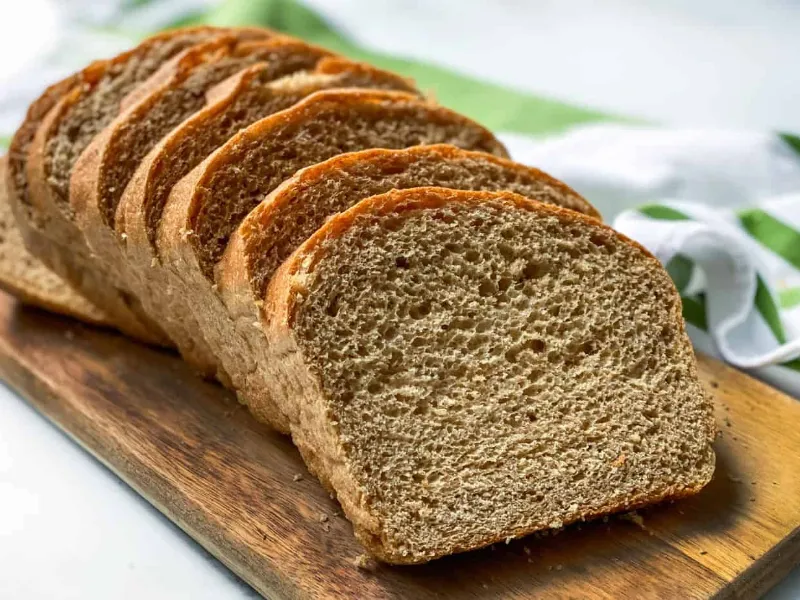
Wheat bread is the most obvious gluten offender, but it’s worth understanding why. Gluten is a protein found naturally in wheat, and bread flour is absolutely packed with it. It’s what gives bread that satisfying chewy texture.
For people with celiac disease, even a small crumb of wheat bread can trigger an immune response that damages the small intestine. Research published in gastroenterology journals consistently shows that gluten exposure in celiac patients causes inflammation that can lead to nutrient malabsorption over time.
If you’re avoiding gluten, swap to certified gluten-free bread made from rice, almond, or tapioca flour. Always check the label for a certified gluten-free seal to avoid cross-contamination risks.
2. Pasta
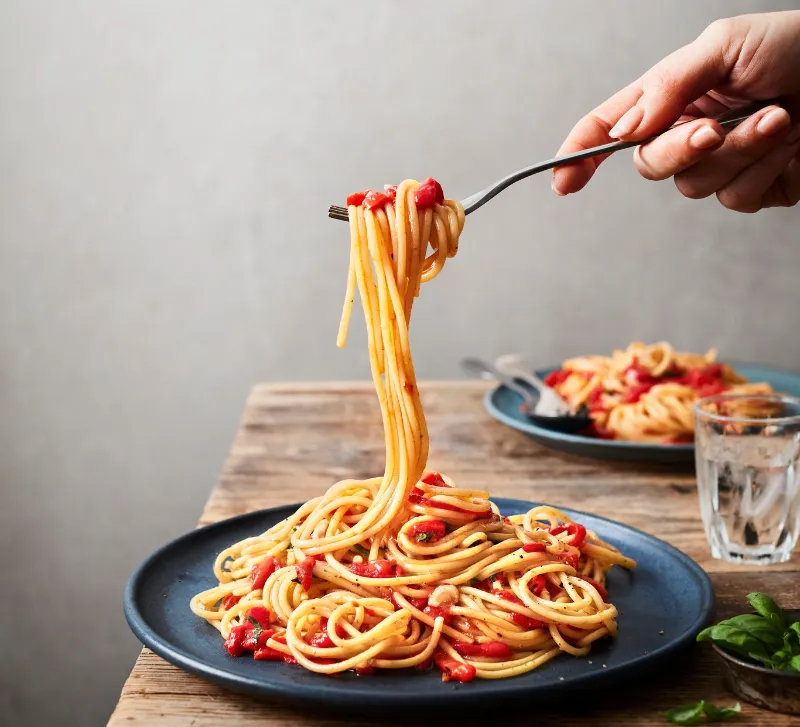
Pasta is made almost entirely from semolina wheat flour, which means it’s basically a gluten delivery vehicle. One cup of cooked pasta contains around 6 to 8 grams of gluten, which is a significant dose for anyone sensitive.
The good news is the gluten-free pasta market has absolutely exploded. You can now find great options made from chickpea, lentil, brown rice, or quinoa flour that cook up surprisingly well.
Chickpea pasta in particular is worth trying. It’s higher in protein and fiber than regular pasta, and many people say they can’t even tell the difference once it’s sauced up.
3. Couscous
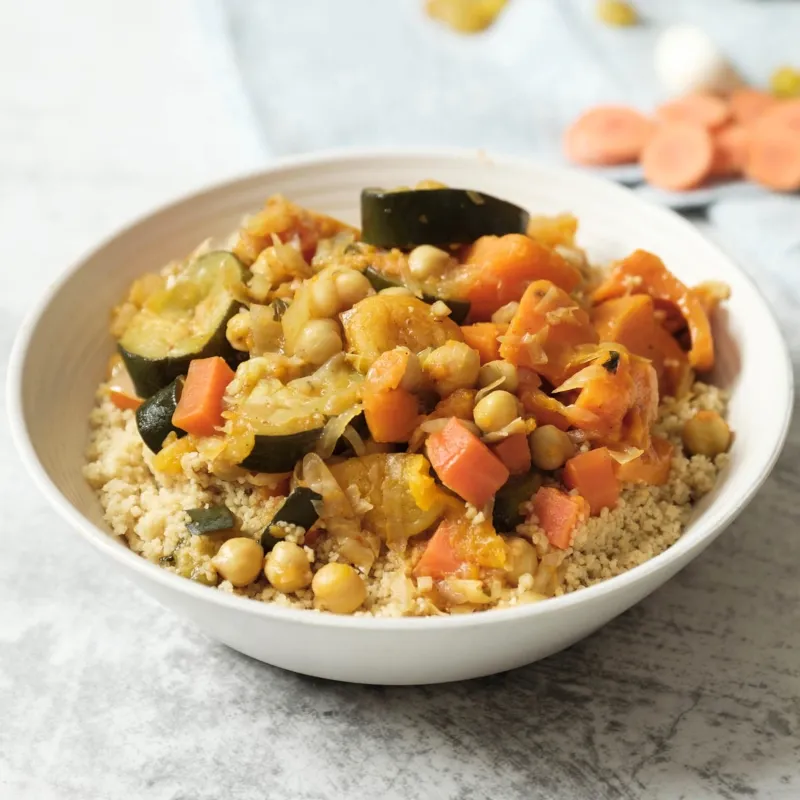
A lot of people assume couscous is a grain on its own, but it’s actually made from semolina wheat. That makes it 100% off-limits if you’re going gluten-free.
Couscous is popular in Mediterranean and Middle Eastern cooking, and it often sneaks into restaurant dishes without much fanfare. Always ask your server if you’re eating out and a dish mentions couscous.
Millet or cauliflower rice are excellent substitutes that give you a similar texture without any gluten. Both are naturally gluten-free and packed with their own nutritional perks.
4. Bulgur Wheat
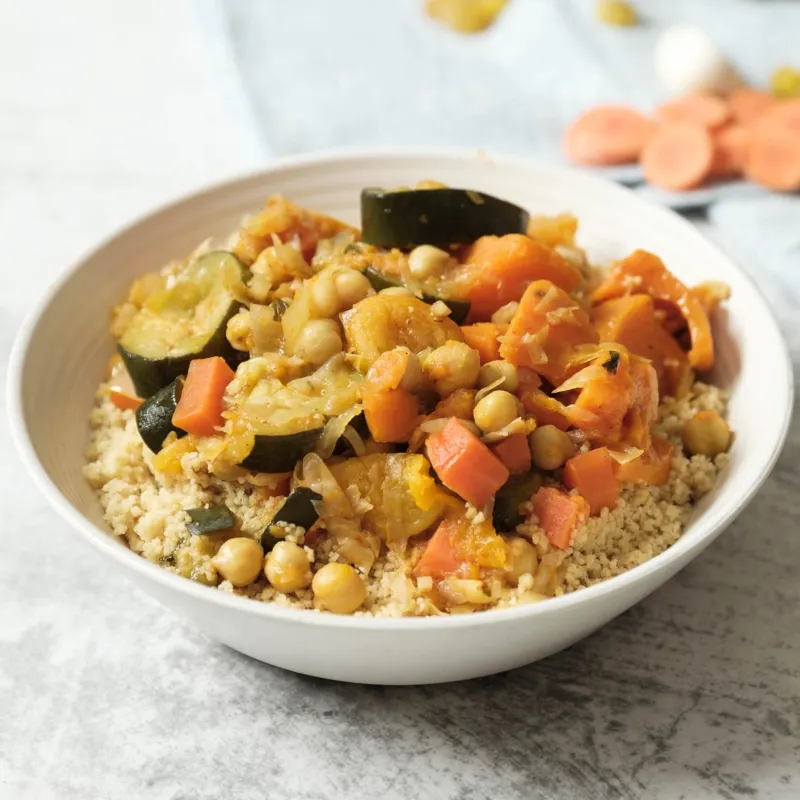
Bulgur is a whole wheat grain that’s been parboiled, dried, and cracked. It shows up heavily in dishes like tabbouleh and pilaf, and it sounds wholesome enough that people often don’t question it.
But the word “wheat” is right there in the name. Bulgur is a significant source of gluten, and just a half-cup serving can be enough to cause symptoms in sensitive individuals.
If you love the nutty flavor of bulgur, try buckwheat groats instead. Despite the name, buckwheat is completely unrelated to wheat and is entirely gluten-free.
5. Semolina
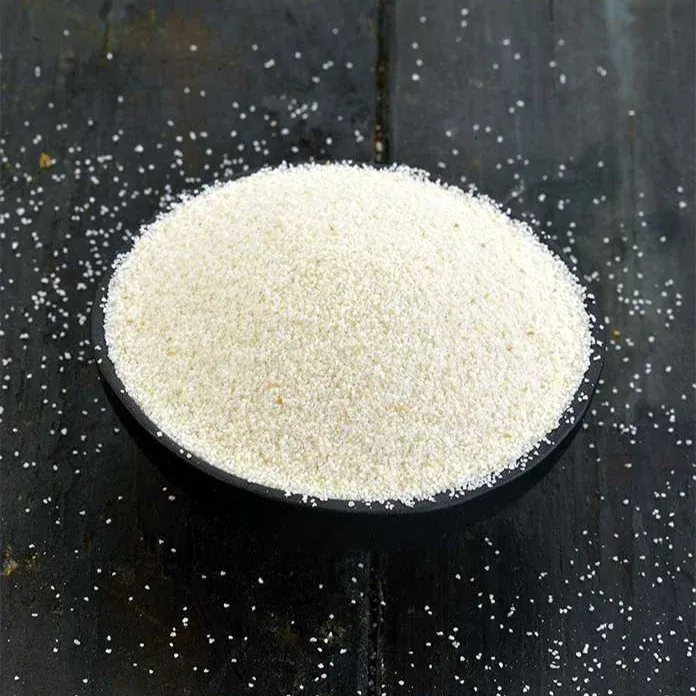
Semolina is the coarse, purified wheat flour used to make pasta, couscous, and a lot of traditional baked goods. It has a higher gluten content than regular all-purpose flour, which makes it extra problematic.
You’ll find semolina in some breakfast porridges, pizza doughs, and even certain soups used as a thickener. It’s one of those ingredients that tends to fly under the radar.
Polenta, made from ground corn, is a wonderful gluten-free swap that works beautifully as a side dish or base for sauces and stews.
6. Spelt
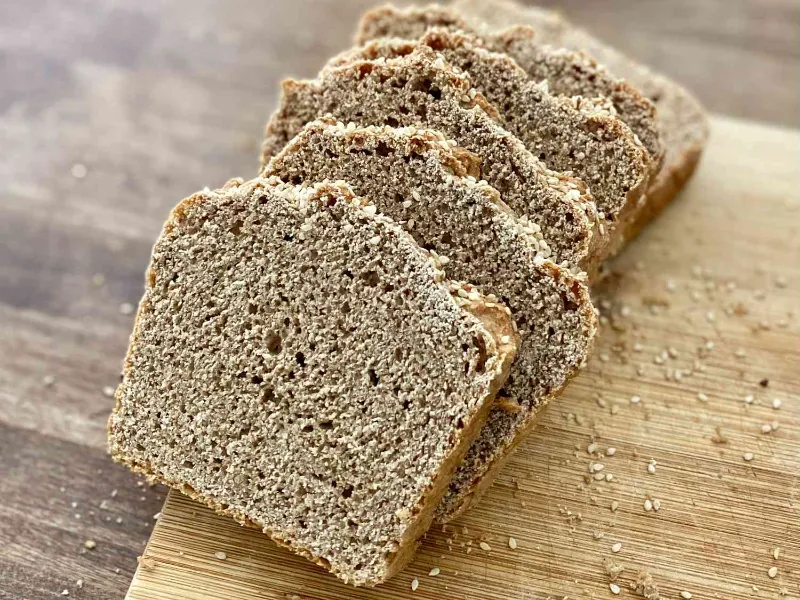
Spelt is an ancient grain that’s been getting trendy lately because of its slightly nutty flavor and higher protein content compared to modern wheat. But make no mistake, it absolutely contains gluten.
Some people with wheat sensitivities believe they can tolerate spelt, but if you have celiac disease, spelt is just as dangerous. The gluten proteins in spelt are structurally similar to those in common wheat.
Don’t let the “ancient grain” or “heritage” marketing fool you. If the package says spelt and you need to avoid gluten, put it back on the shelf.
7. Kamut
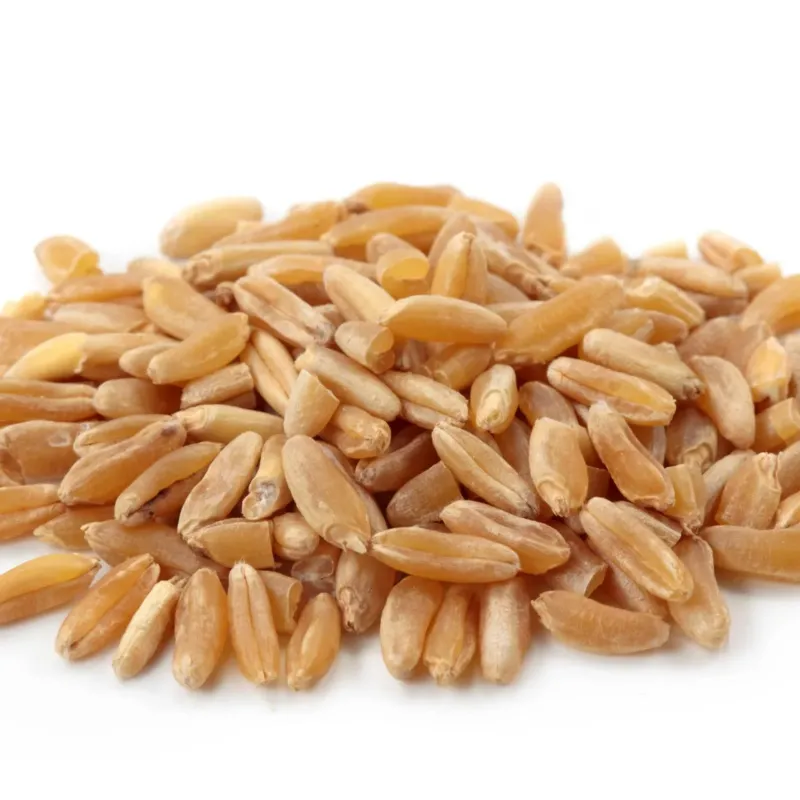
Kamut, also called Khorasan wheat, is another ancient grain that’s been gaining attention in health food circles. It’s high in protein, selenium, and zinc, which sounds great until you realize it’s still wheat.
Kamut actually has a higher gluten content than modern wheat varieties. Studies have shown it triggers the same immune response in celiac patients as regular wheat does.
It’s marketed as easier to digest and more nutritious, and while some of that may be true for people without gluten issues, it’s absolutely not a safe option if you’re gluten-sensitive.
8. Farro
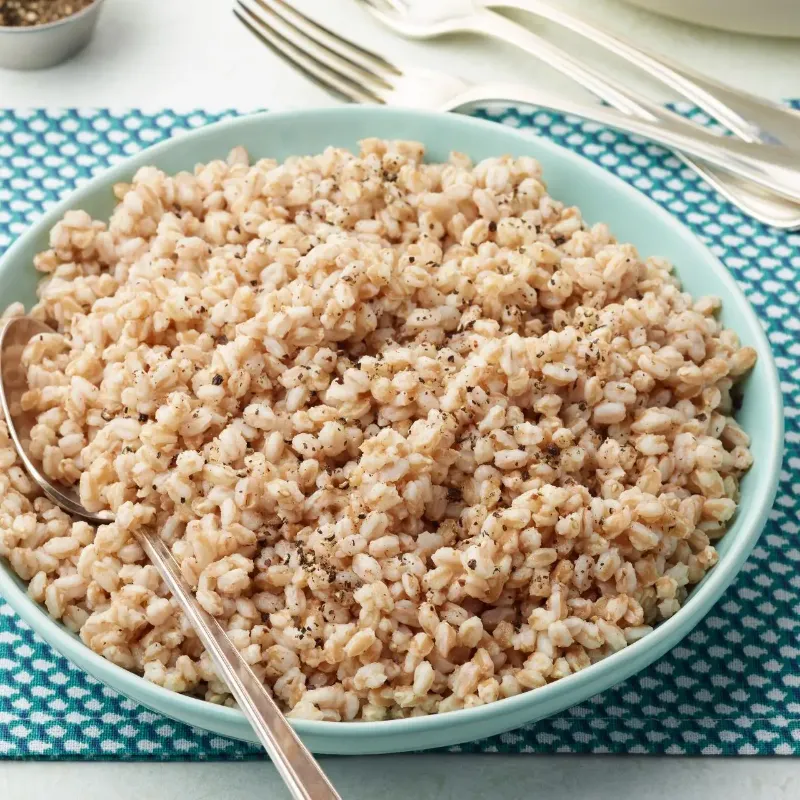
Farro is a hearty, chewy ancient wheat grain used in soups, salads, and grain bowls. It’s beloved by foodies and health-conscious eaters for its rich, nutty flavor and impressive fiber content.
Unfortunately, farro is wheat through and through. It contains gluten and is not safe for people with celiac disease or non-celiac gluten sensitivity.
Sorghum is a great gluten-free alternative with a similarly chewy bite and nutty flavor. It works especially well in grain bowls and warm salads.
9. Barley
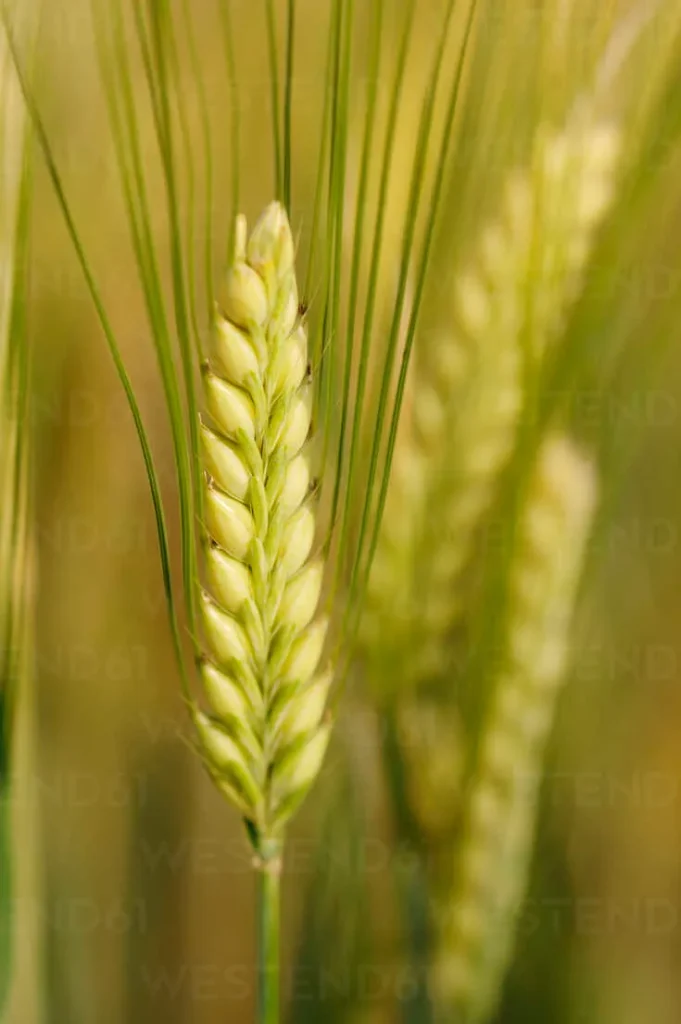
Barley is a whole grain that shows up in soups, stews, health drinks, and even some supplements. It’s loaded with fiber, especially beta-glucan, which is great for heart health and blood sugar regulation.
The problem is barley contains a form of gluten called hordein. While technically a different protein than the gliadin found in wheat, hordein triggers the same damaging immune response in people with celiac disease.
Barley also hides in malt products, certain cereals, and health tonics. Always scan ingredient lists carefully, especially on products marketed as “natural” or “wholesome.”
10. Rye Bread
Rye bread has a deep, earthy flavor and a dense texture that a lot of people love. It’s also high in fiber and has a lower glycemic index than white wheat bread, making it popular among health-conscious eaters.
But rye contains secalin, another form of gluten protein that is harmful to people with celiac disease. Dark rye bread, pumpernickel, and rye crackers all fall into this category.
If you love the bold, earthy flavor of rye, look for gluten-free sourdough bread made from buckwheat or teff flour. Both can deliver a similarly complex, tangy flavor profile.
11. Triticale
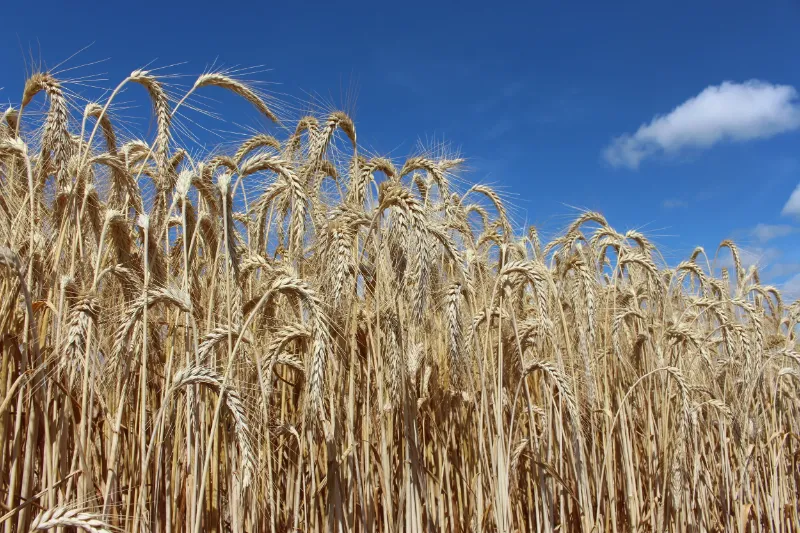
Triticale is a hybrid grain created by crossing wheat and rye. It was developed to combine the yield of wheat with the hardiness of rye, and it’s used in some cereals, bread, and livestock feed.
Because it’s literally a combination of two gluten-containing grains, triticale is doubly problematic. It contains both gliadin from wheat and secalin from rye, making it especially important to avoid.
You might encounter it in specialty breads or grain blends. It’s less common than wheat or rye, but it’s worth knowing it exists and what to look for on labels.
12. Malt Vinegar
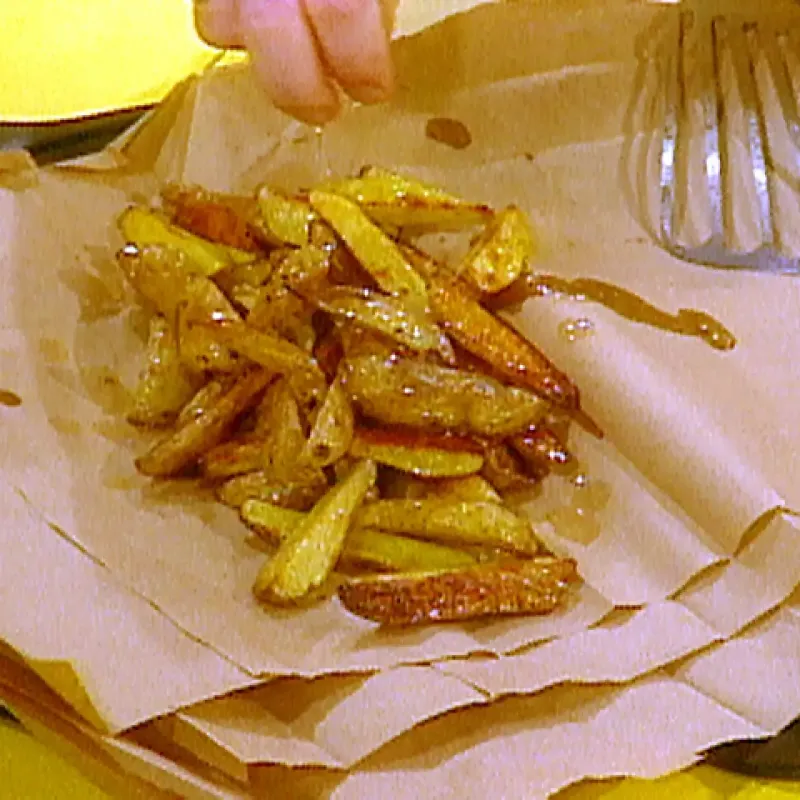
Here’s one that surprises a lot of people. Malt vinegar is made from fermented barley, which means it carries gluten from the barley used in its production.
It’s a staple condiment for fish and chips and shows up in certain salad dressings, marinades, and flavored chips. Even small amounts can be an issue for highly sensitive individuals.
Apple cider vinegar and distilled white vinegar are both naturally gluten-free and make excellent substitutes in cooking and dressings. They’re easy to find at any grocery store.
13. Soy Sauce
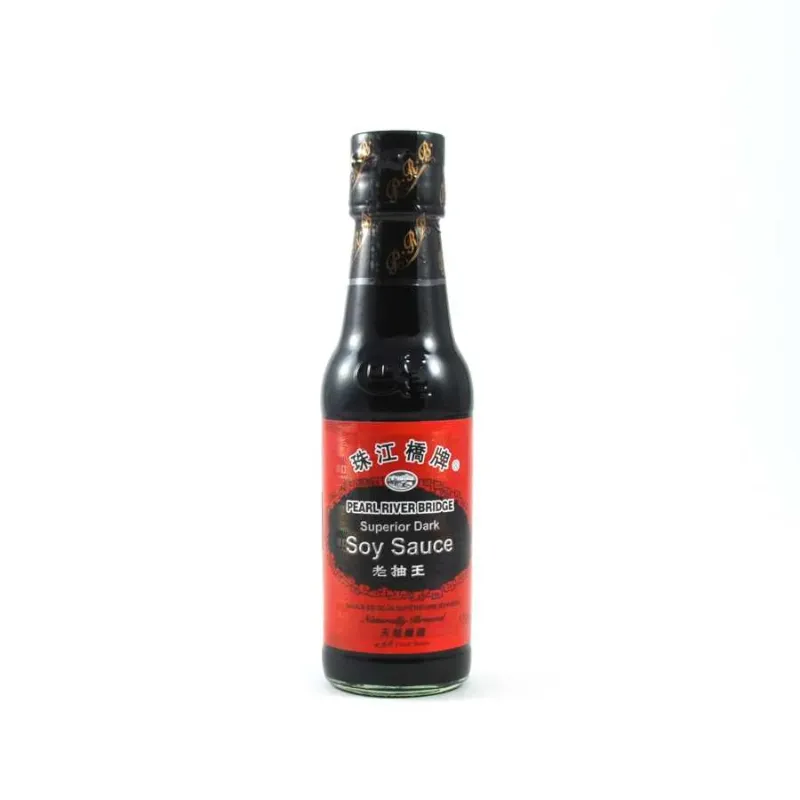
This one catches people off guard all the time. Traditional soy sauce is brewed using fermented wheat alongside soybeans, meaning it contains gluten despite being a sauce made from soy.
A single tablespoon of regular soy sauce can contain enough gluten to cause a reaction in people with celiac disease. It’s used widely in Asian cooking, stir-fries, marinades, and dipping sauces.
Tamari is your best friend here. It’s a Japanese-style soy sauce made with little to no wheat, and many brands are certified gluten-free. Coconut aminos are another fantastic option with a slightly sweeter flavor.
14. Beer
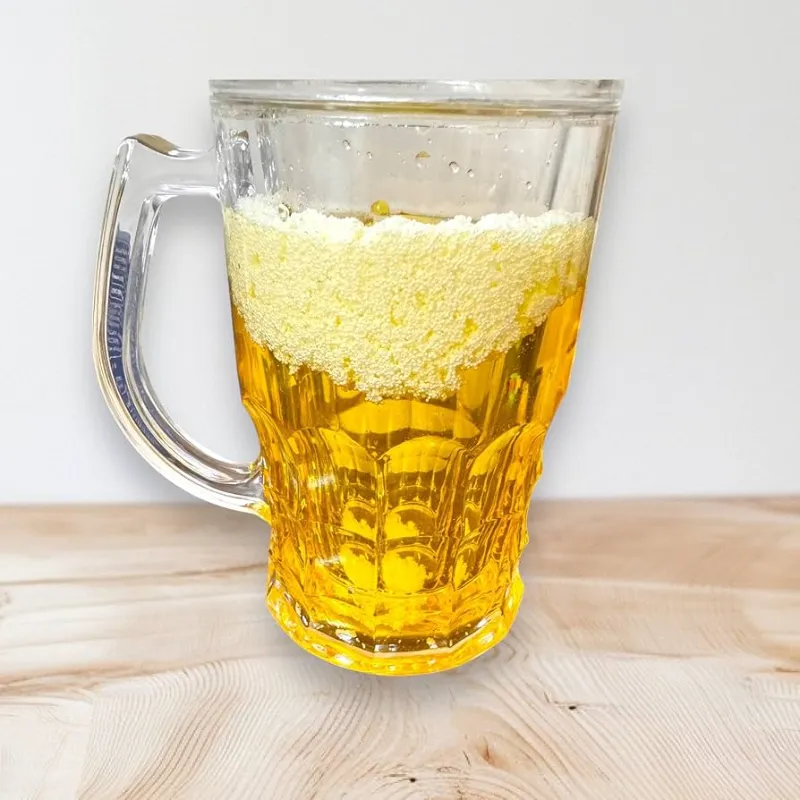
Beer is one of the most well-known hidden gluten sources once you start looking into it. Most beers are brewed from barley and sometimes wheat, both of which are loaded with gluten.
The fermentation process does reduce gluten somewhat, but not enough to make standard beer safe for celiac patients. Research shows that most conventional beers still contain levels above the 20 parts per million threshold considered safe.
Gluten-free beers made from sorghum, rice, millet, or buckwheat are now widely available and have improved dramatically in taste over the past few years. Hard cider is another great naturally gluten-free option.
15. Wheat-Based Cereals
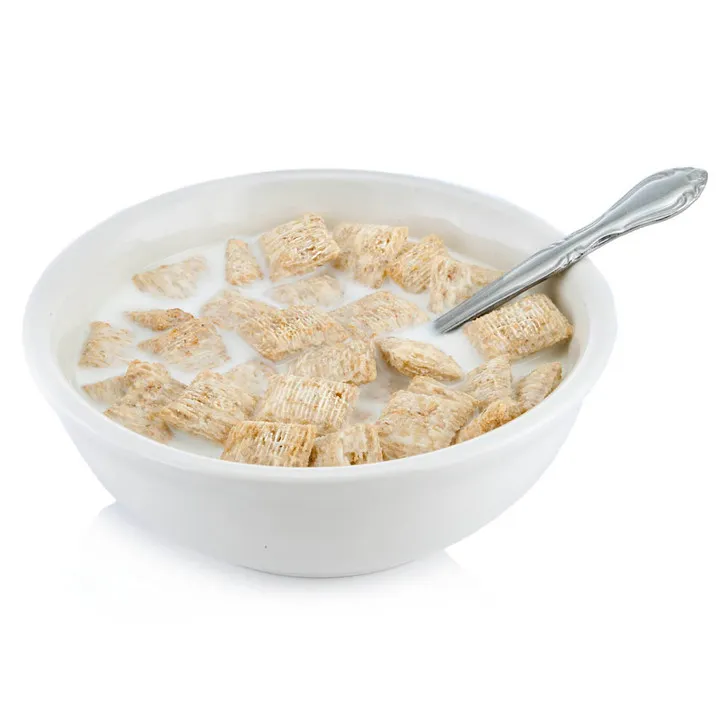
Many popular breakfast cereals are made primarily from wheat and are anything but gluten-free. Think wheat flakes, wheat bran cereals, and anything labeled “whole wheat goodness.”
Even cereals that seem oat-based can be problematic if they’re processed in facilities that also handle wheat. Cross-contamination is a real issue that causes symptoms even when the main ingredient isn’t wheat.
Look for cereals specifically labeled certified gluten-free. Options made from corn, rice, or certified gluten-free oats are widely available and still deliver a satisfying, crunchy breakfast.
16. Crackers
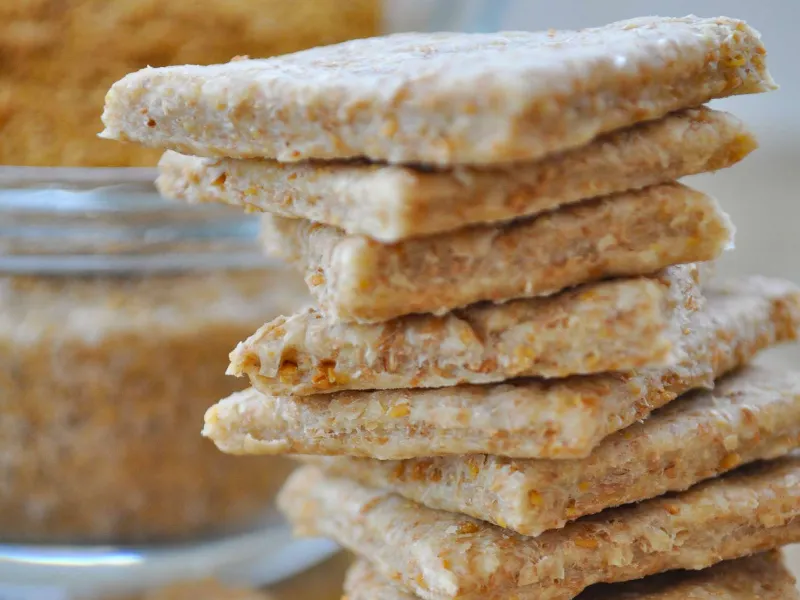
Most crackers are made from refined wheat flour, making them a sneaky source of gluten that people munch on without thinking. Even whole grain crackers are typically made from wheat unless labeled otherwise.
They tend to be eaten mindlessly as snacks or with dips, and the gluten content can add up quickly. For anyone tracking their intake carefully, crackers are a category worth auditing in your pantry.
Rice crackers, corn crackers, and seed-based crackers are all delicious gluten-free alternatives. Many brands now make excellent options that hold up just as well with hummus, guacamole, or cheese.
17. Flour Tortillas
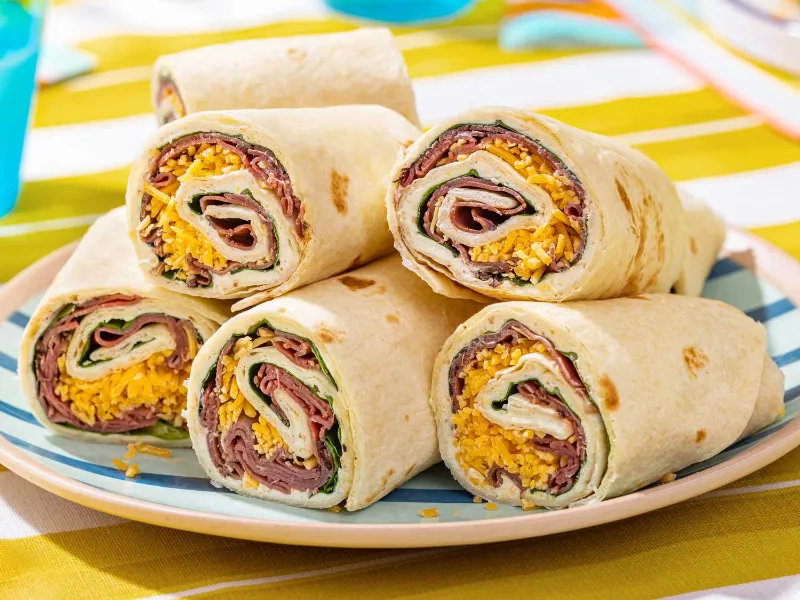
Flour tortillas are a staple in American kitchens, used for burritos, wraps, quesadillas, and more. They’re made directly from wheat flour and contain a significant amount of gluten per serving.
One medium flour tortilla has around 3 to 4 grams of gluten, and people often eat two or three in a single meal without realizing how much they’re consuming.
Corn tortillas are a naturally gluten-free swap that work wonderfully for tacos, enchiladas, and wraps. Just make sure to check the label, as some brands add wheat flour for flexibility.
18. Pretzels
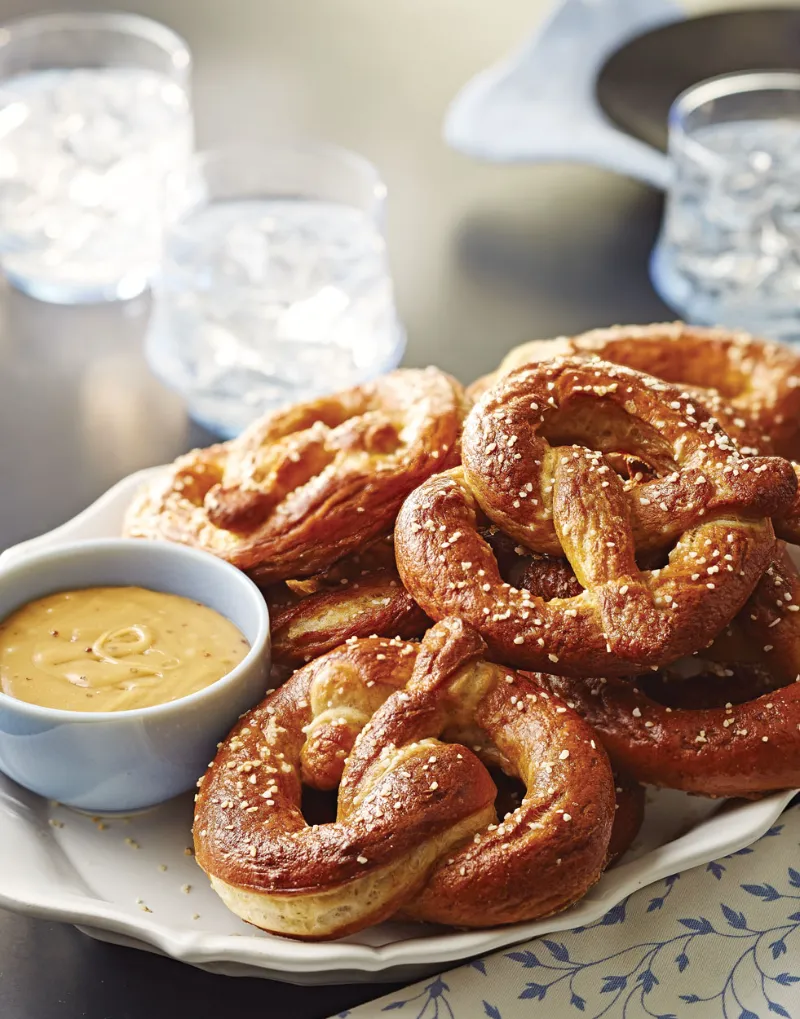
Pretzels are essentially just wheat flour, water, and salt twisted into a fun shape. They’re one of the most gluten-dense snacks you can eat, and they’re everywhere at parties, airports, and sports events.
A typical serving of hard pretzels packs around 5 to 7 grams of gluten. Soft pretzels from bakeries can have even more. They might feel like a lighter snack choice, but they’re far from light on gluten.
Gluten-free pretzels made from rice or corn flour are now sold at most major grocery chains and online. They’ve gotten quite good and scratch that same salty, crunchy craving.
19. Croissants

Croissants are made from a laminated wheat dough layered with butter, giving them that iconic flaky, buttery texture. The gluten in the wheat dough is actually what creates those beautiful, structured layers.
A single croissant from a bakery typically contains 5 to 6 grams of gluten. They’re delicious, no question, but they’re a hard pass for anyone avoiding gluten.
Gluten-free croissants do exist, though they can be harder to find. Some specialty gluten-free bakeries make them from a blend of rice and tapioca flour, which gets surprisingly close to the real thing.
20. Pancake Mix

Most boxed pancake mixes use wheat flour as the primary ingredient, making your weekend breakfast stack a significant gluten source. Even mixes marketed as “light” or “fluffy” are typically wheat-based.
Pancakes made from standard mix can contain 8 to 10 grams of gluten per serving. That’s a substantial amount, especially if breakfast is when you’re most careful about what you eat.
Almond flour and oat-based (certified gluten-free oat) pancake mixes are widely available and make incredibly fluffy, satisfying pancakes. Bob’s Red Mill and several other brands make excellent gluten-free options.
21. Gravy and Sauces Thickened With Flour
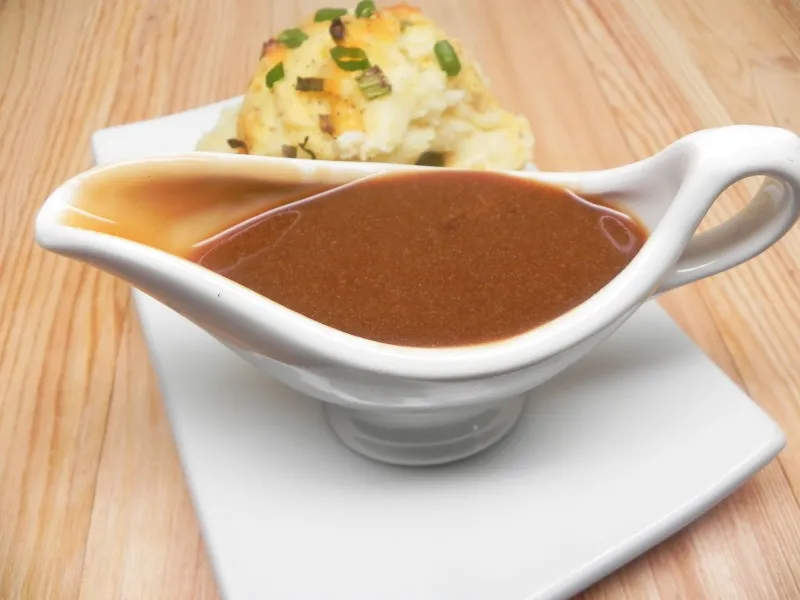
Gravies and many creamy sauces get their thick, silky texture from wheat flour used as a thickening agent. This is such a common cooking technique that it shows up in restaurant dishes, canned soups, and holiday meal staples alike.
Even a few tablespoons of flour-thickened gravy can be enough to trigger symptoms in sensitive individuals. It’s one of the most common sources of accidental gluten exposure when eating out or at social gatherings.
Cornstarch, arrowroot powder, and tapioca starch all thicken sauces beautifully without any gluten. At a restaurant, don’t be shy about asking how the gravy or sauce is made before ordering.
22. Imitation Seafood (Surimi)
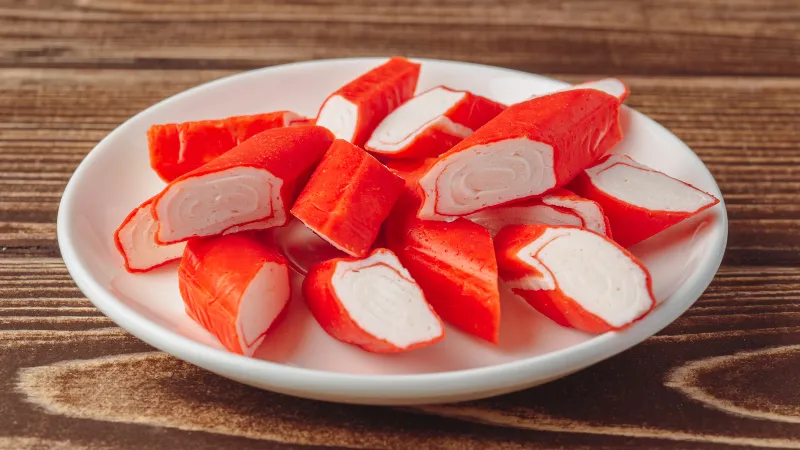
Imitation crab meat, often called surimi, is made from processed white fish that’s been flavored and shaped to mimic crab. What a lot of people don’t realize is that wheat starch is frequently added as a binder.
It shows up in California rolls, seafood salads, and crab cakes at restaurants and delis. Because it looks like seafood, people on a gluten-free diet often assume it’s safe, which leads to unexpected reactions.
Always check the ingredient list on surimi products if you’re buying packaged versions. When eating sushi, ask specifically whether the imitation crab contains wheat starch before ordering rolls that include it.
23. Seasoned Snack Chips
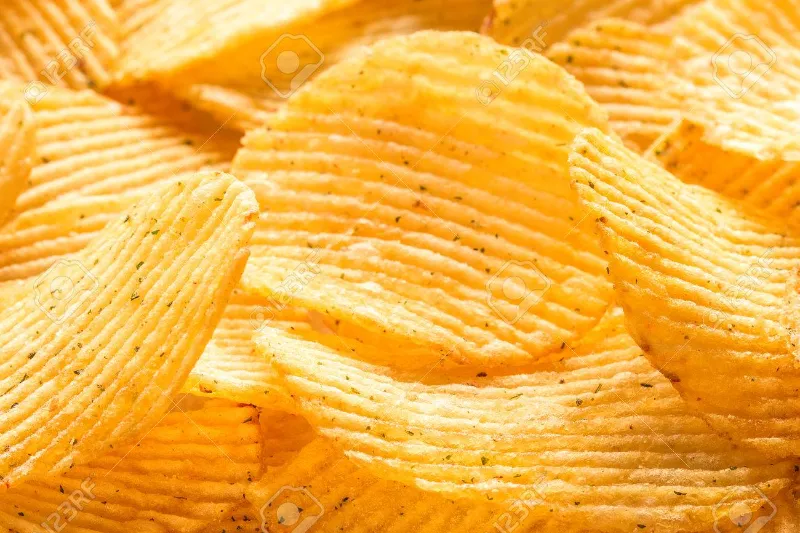
Plain potato chips are naturally gluten-free, but the moment you introduce seasoning blends, things get complicated. Many flavored chips, including certain barbecue, ranch, and sour cream varieties, contain wheat-derived ingredients in their seasoning.
Maltodextrin sourced from wheat, modified wheat starch, and soy sauce powder are all common culprits hiding in chip seasoning. The actual chip might be potato, but the coating can be a gluten trap.
Stick with brands that clearly label their products as certified gluten-free, especially for flavored varieties. Frito-Lay maintains a comprehensive gluten-free product list on their website that’s worth bookmarking.
24. Licorice Candy

Here’s one that almost nobody expects. Traditional black licorice candy, including popular brands like Twizzlers and Red Vines, is made with wheat flour as a primary binding ingredient.
It’s candy, so most people never think to check the label for gluten. But a few pieces of licorice candy can pack 2 to 3 grams of gluten, which is enough to be a problem for sensitive individuals.
Look for licorice products specifically labeled gluten-free. YumEarth and a few other brands make gluten-free licorice using alternative binders that taste remarkably close to the original.
Final Thoughts
Gluten hides in more places than most people ever expect, from your favorite soy sauce to that handful of chips at a party. The good news is that awareness is the first step, and once you know where to look, navigating a gluten-free lifestyle gets a whole lot easier.
Start by swapping out the items on this list one at a time. You don’t have to overhaul your entire kitchen overnight. Small, consistent changes add up, and your gut will thank you for every single one of them.
