
33 Powerful Foods To Lower Blood Pressure That Make a Real Difference

If you’ve been told your blood pressure is creeping up, you’re not alone. Nearly half of American adults are dealing with high blood pressure, and the good news is that what you eat can genuinely move the needle.
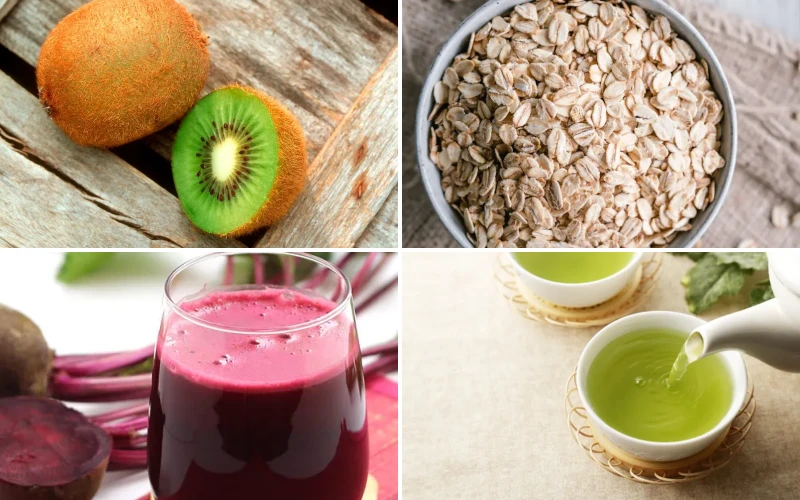
You don’t need a complete diet overhaul overnight. Sometimes just adding a few of the right foods can make a real, measurable difference in your numbers and your health.
1. Spinach
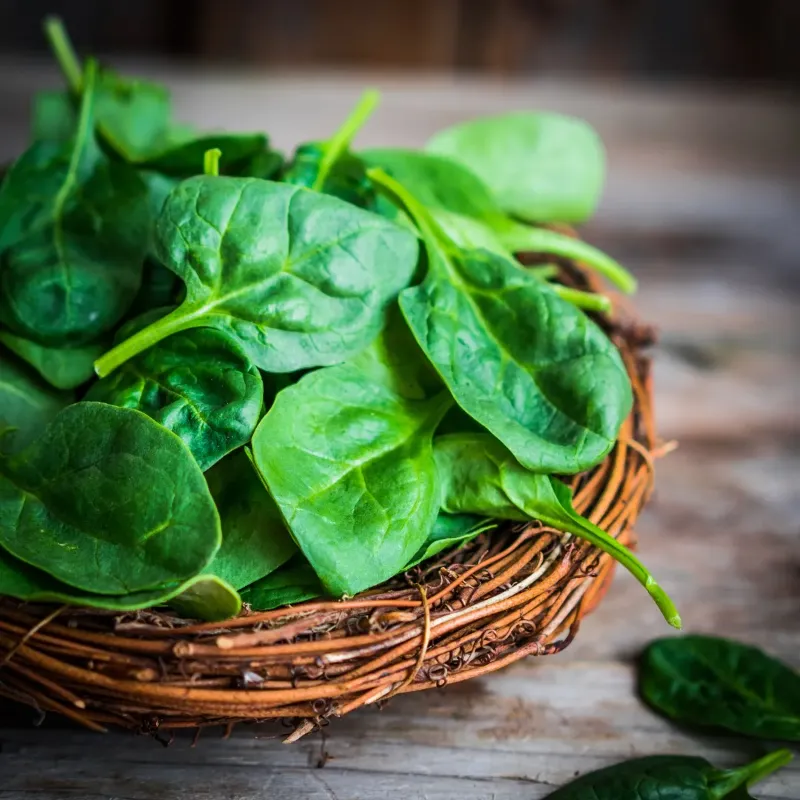
Spinach is loaded with potassium, magnesium, and nitrates — three nutrients that work together to relax blood vessels and improve circulation.
Potassium helps your kidneys flush out excess sodium, which is one of the biggest drivers of high blood pressure. Research published in the Journal of Nutrition found that higher potassium intake is consistently linked to lower blood pressure readings.
Toss a handful into your morning smoothie, wilt it into scrambled eggs, or pile it onto sandwiches. It barely has a flavor, so it’s incredibly easy to sneak into everyday meals.
2. Beets
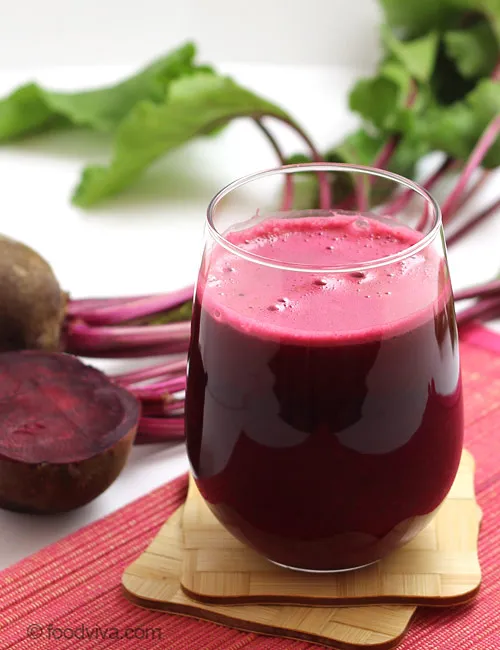
Beets are one of the most potent blood pressure foods you can eat, and science backs that up hard. They’re rich in dietary nitrates, which your body converts into nitric oxide — a compound that widens blood vessels and eases pressure on your heart.
A 2015 study in Hypertension found that drinking one cup of beet juice daily significantly lowered both systolic and diastolic blood pressure in people with hypertension.
Roast them, blend them into a smoothie, or grab 100% beet juice at the store. Even just a few servings a week can make a noticeable difference.
3. Blueberries
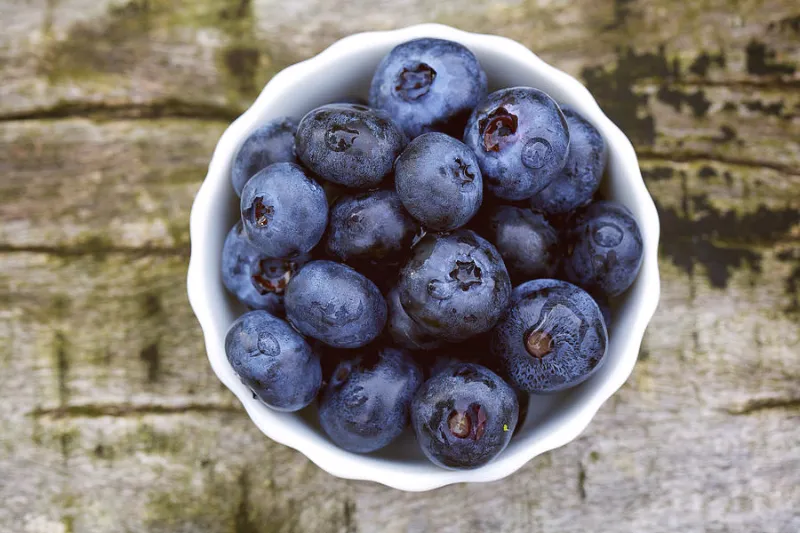
These tiny berries pack a serious punch. Blueberries are rich in flavonoids — specifically anthocyanins — which have been shown to reduce arterial stiffness and lower blood pressure over time.
A large study from Harvard found that people who ate blueberries at least once a week had a 10% lower risk of developing hypertension. The effect was even stronger with regular daily consumption.
Sprinkle them on oatmeal, blend them into yogurt, or just eat them by the handful as a snack. Fresh or frozen, both work great.
4. Bananas
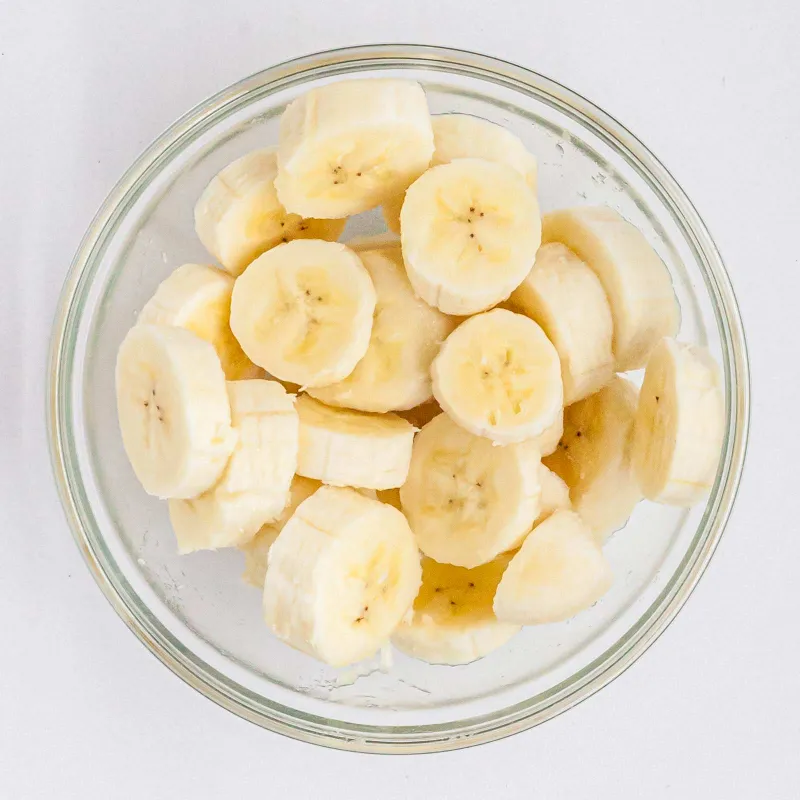
Bananas are one of the easiest potassium boosts you can get. One medium banana delivers about 422 mg of potassium, which helps counteract the blood-pressure-raising effects of sodium in your diet.
The American Heart Association recommends potassium-rich foods as a cornerstone of a heart-healthy diet, and bananas are one of the most convenient sources around.
Keep a bunch on your counter and grab one on the go. Slice one into cereal, blend it into a smoothie, or just eat it plain. Simple and effective.
5. Oats
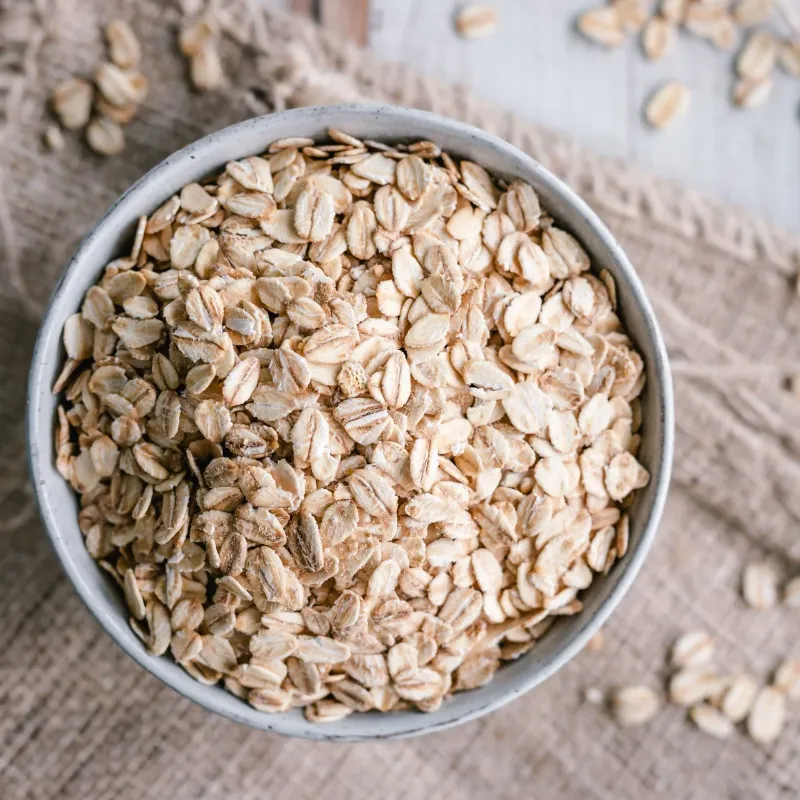
Oats contain a soluble fiber called beta-glucan, which has been shown to reduce both systolic and diastolic blood pressure. Beta-glucan works by improving cholesterol levels and reducing arterial inflammation.
A meta-analysis in the American Journal of Clinical Nutrition confirmed that regular oat consumption led to meaningful reductions in blood pressure, especially in people with hypertension.
Go for plain rolled oats or steel-cut oats and customize with fruit, nuts, or a drizzle of honey. Skip the flavored instant packets — they’re usually packed with added sugar.
6. Garlic
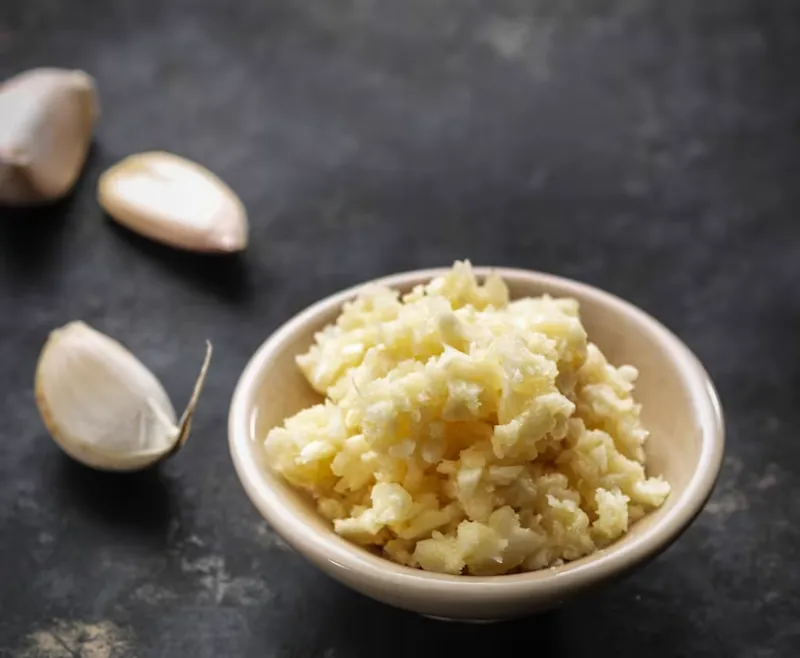
Garlic has been used medicinally for thousands of years, and modern science confirms it really does work for blood pressure. Its active compound, allicin, stimulates the production of nitric oxide, helping your blood vessels relax.
Multiple studies, including a review in the Journal of Nutrition, found that garlic supplements and dietary garlic both led to significant drops in systolic blood pressure.
Add it generously to stir-fries, soups, pasta, and roasted vegetables. The more you eat it, the more benefit you’ll likely see over time.
7. Dark Chocolate

Good news: chocolate can actually be good for your heart. Dark chocolate (70% cacao or higher) contains flavanols that stimulate nitric oxide production and help dilate blood vessels.
A review in BMC Medicine found that regular dark chocolate consumption was associated with lower blood pressure in people with hypertension. The key is moderation and quality.
Stick to about one small square (roughly 1 ounce) of high-quality dark chocolate a day. Think of it as a daily treat that loves your heart back.
8. Salmon
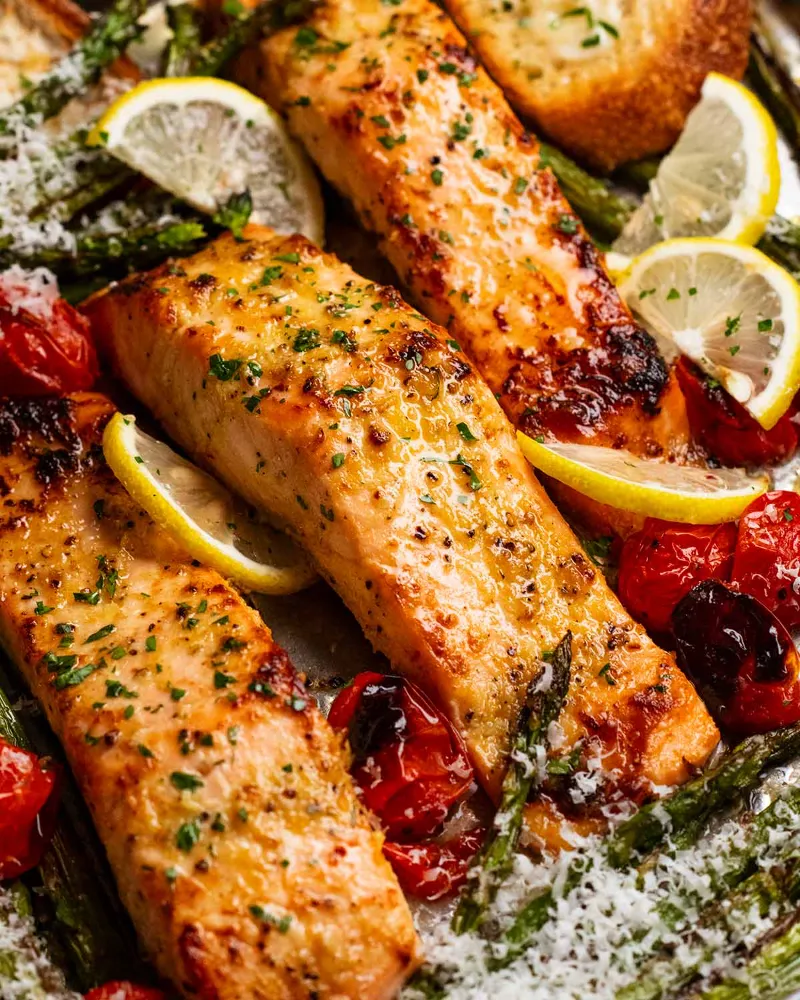
Fatty fish like salmon are among the best sources of omega-3 fatty acids, specifically EPA and DHA. These fats reduce inflammation, lower triglycerides, and help relax the walls of your blood vessels.
The American Heart Association recommends eating fatty fish at least twice a week for cardiovascular health. Research shows omega-3s can modestly but meaningfully lower blood pressure, especially when eaten consistently.
Bake it, grill it, or keep canned salmon on hand for quick meals. Pair it with a leafy green salad and you’ve got a heart-health powerhouse on your plate.
9. Pomegranate
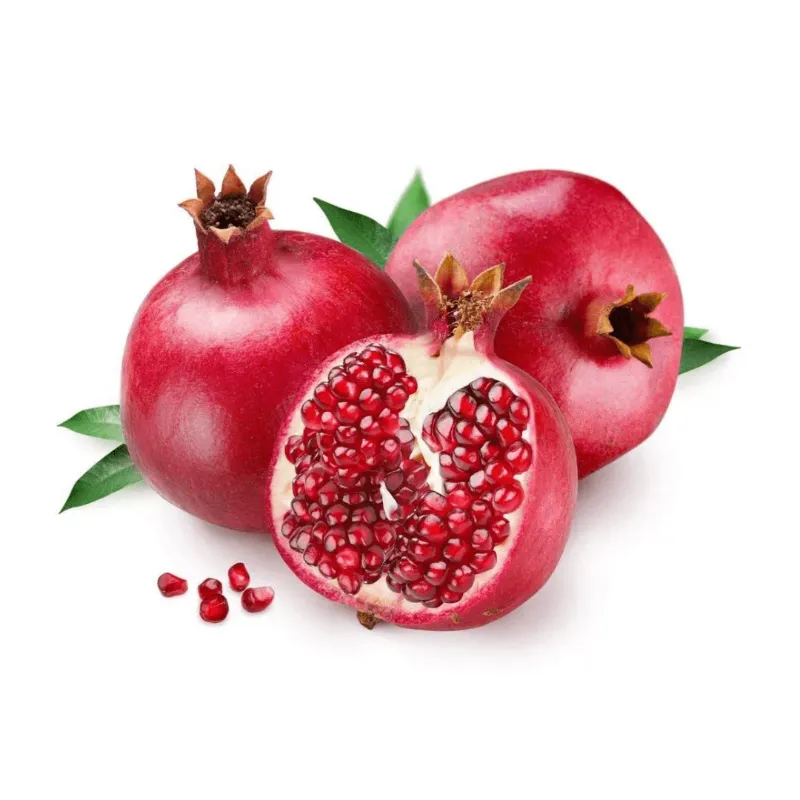
Pomegranate is rich in punicalagins and punicic acid — antioxidants that are uniquely potent at fighting oxidative stress, one of the key factors in high blood pressure.
A clinical study published in Plant Foods for Human Nutrition found that drinking pomegranate juice daily for four weeks led to a significant reduction in systolic blood pressure.
Sip on 100% pomegranate juice, sprinkle the seeds (arils) on salads, or add them to yogurt. Just make sure you’re choosing juice with no added sugar.
10. Olive Oil
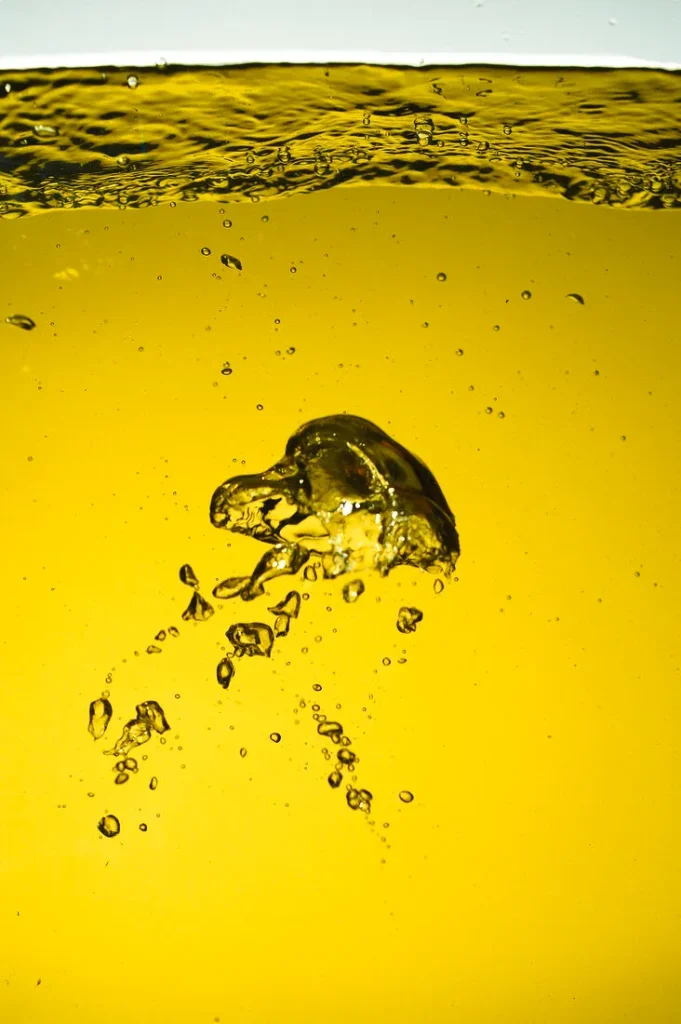
Extra virgin olive oil is a staple of the Mediterranean diet for good reason. It’s packed with oleic acid and polyphenols that reduce inflammation and improve blood vessel function.
A Spanish study called PREDIMED found that people who followed a Mediterranean diet rich in olive oil had a significantly lower risk of heart disease and hypertension compared to those on a low-fat diet.
Use it as your go-to cooking oil, drizzle it on vegetables, or dip bread in it instead of using butter. A little goes a long way in both flavor and health benefits.
11. Watermelon
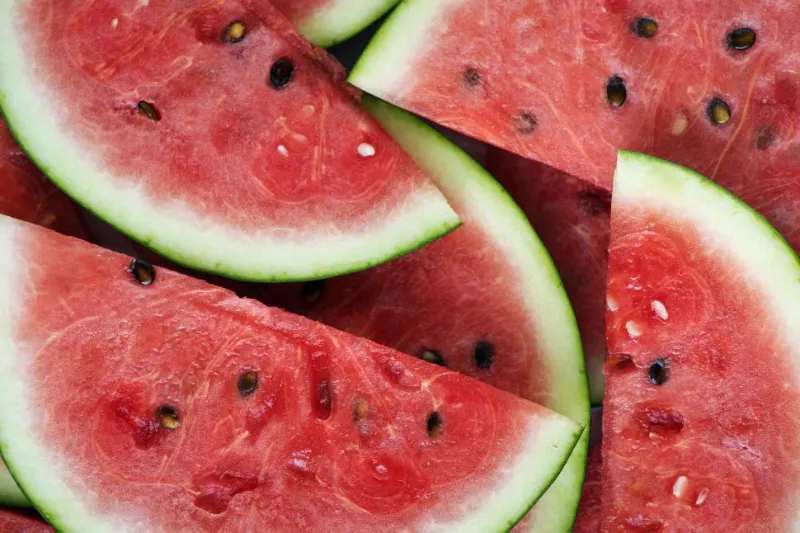
Watermelon contains an amino acid called citrulline, which your body converts to arginine and then to nitric oxide. That cascade helps relax and widen blood vessels, reducing the strain on your heart.
A study from Florida State University found that watermelon extract supplementation led to measurable reductions in blood pressure in adults with prehypertension.
Slice it up for a refreshing snack, blend it into a smoothie, or freeze chunks for a cooling summer treat. It’s one of the most hydrating and heart-friendly snacks out there.
12. Avocado
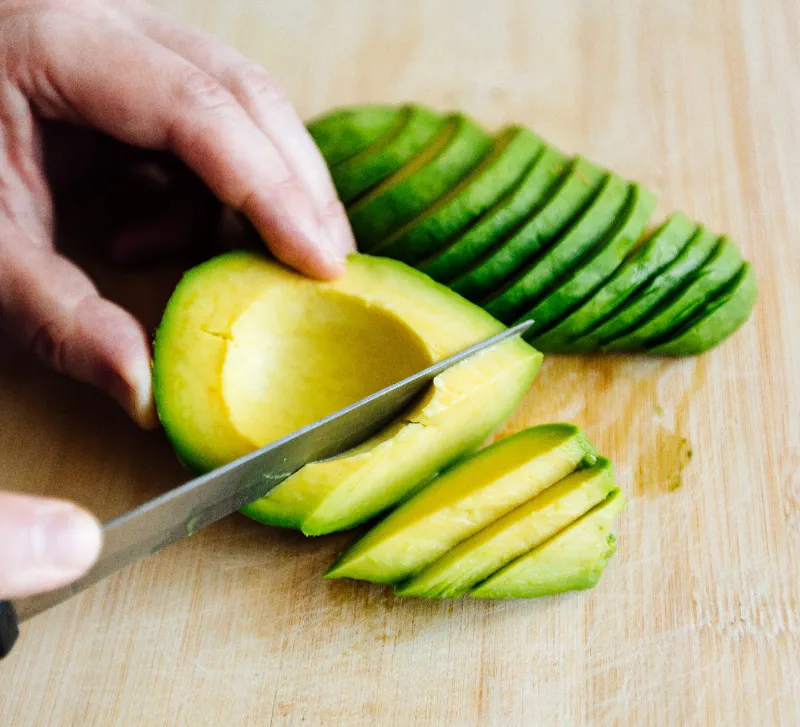
Avocados are loaded with potassium — actually more per serving than bananas — along with heart-healthy monounsaturated fats that help lower LDL cholesterol and reduce inflammation.
Regular avocado consumption has been linked to better cardiovascular health markers, including lower blood pressure, according to research in the Journal of the American Heart Association.
Spread it on toast, slice it into salads, or make a simple guacamole. There’s really no wrong way to enjoy avocado, and your blood pressure will thank you for it.
13. Flaxseeds
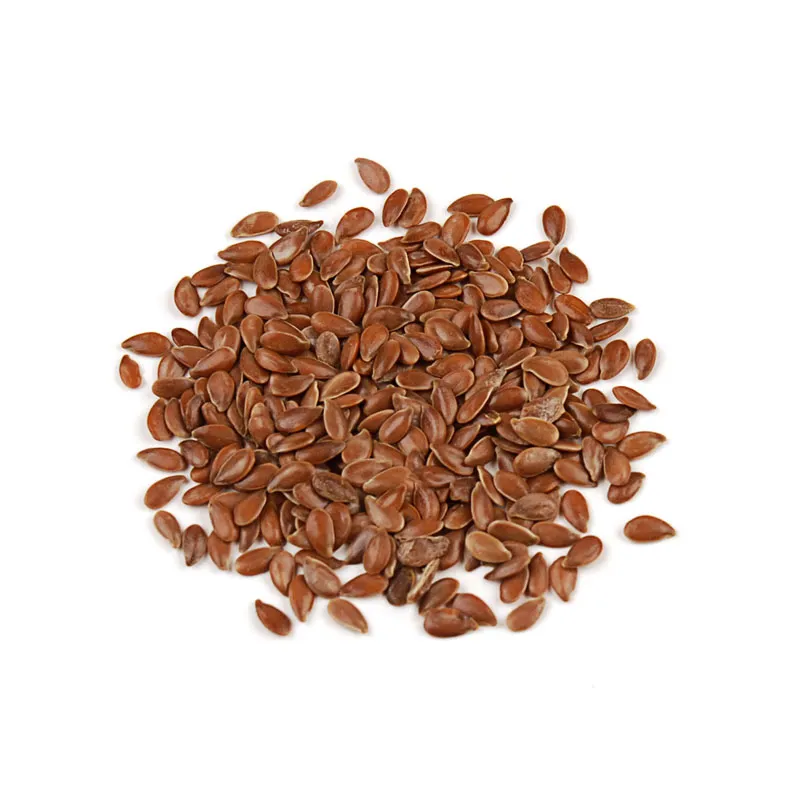
Flaxseeds are one of the richest plant-based sources of omega-3 fatty acids, plus they’re packed with fiber and lignans that support healthy blood pressure.
A meta-analysis in the Journal of Nutrition found that flaxseed consumption significantly lowered both systolic and diastolic blood pressure, particularly in people who consumed whole or ground flaxseed for more than 12 weeks.
Add ground flaxseed to smoothies, oatmeal, yogurt, or baked goods. Always go for ground flaxseed rather than whole — your body absorbs the nutrients much better that way.
14. Pistachios
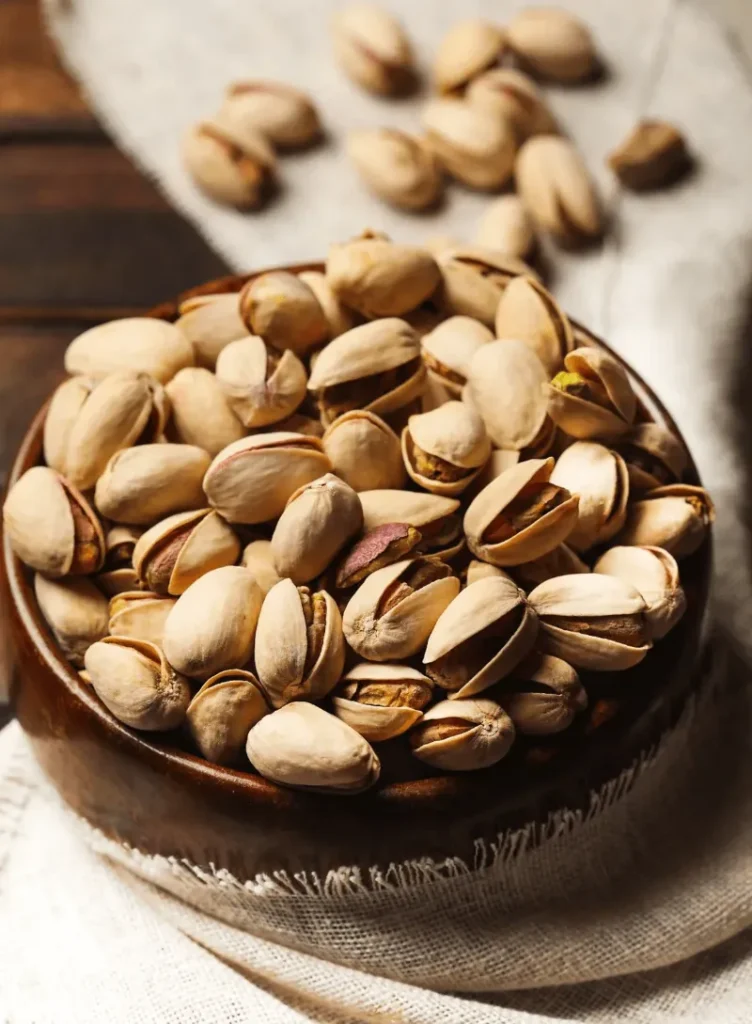
Of all the nuts studied for blood pressure benefits, pistachios consistently come out on top. They contain potassium, magnesium, antioxidants, and healthy fats that work together to support vascular health.
A Penn State study found that eating one to two servings of pistachios daily significantly reduced systolic blood pressure and improved other cardiovascular markers in participants with high cholesterol.
Keep a small bag of unsalted pistachios at your desk or in your bag for a satisfying, heart-smart snack. Just stick to unsalted to avoid negating the benefits with extra sodium.
15. Lentils
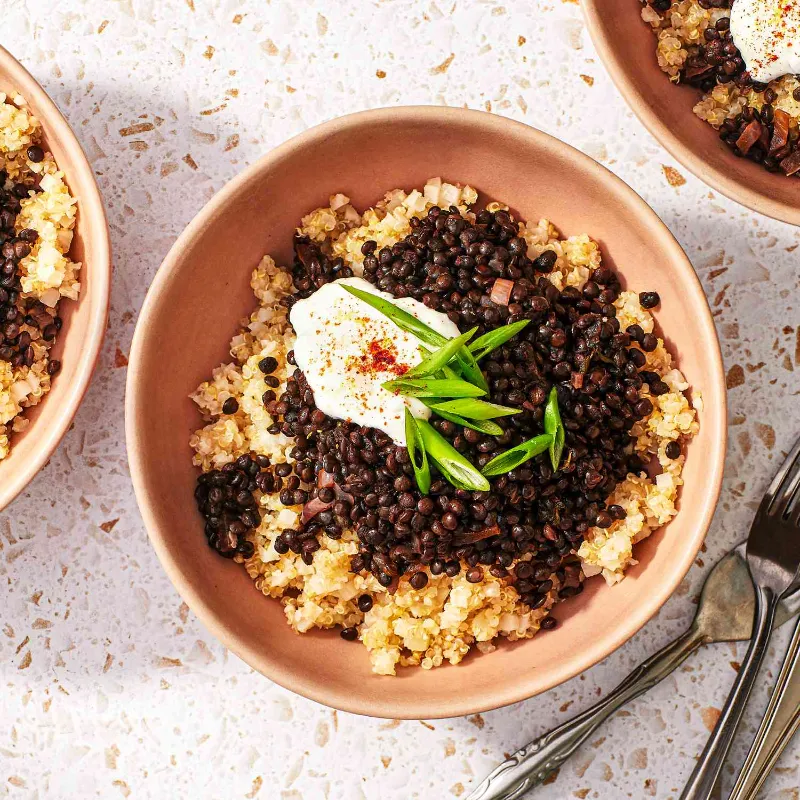
Lentils are a fiber and potassium powerhouse, two nutrients your cardiovascular system genuinely loves. They’re also high in folate and magnesium, both of which play a role in blood pressure regulation.
A Canadian study found that adding legumes like lentils to a diet already rich in plant foods led to a meaningful reduction in blood pressure over a matter of weeks.
Cook up a big pot of lentil soup, toss them into salads, or use them as a meat substitute in tacos and grain bowls. They’re cheap, filling, and incredibly good for you.
16. Kiwi
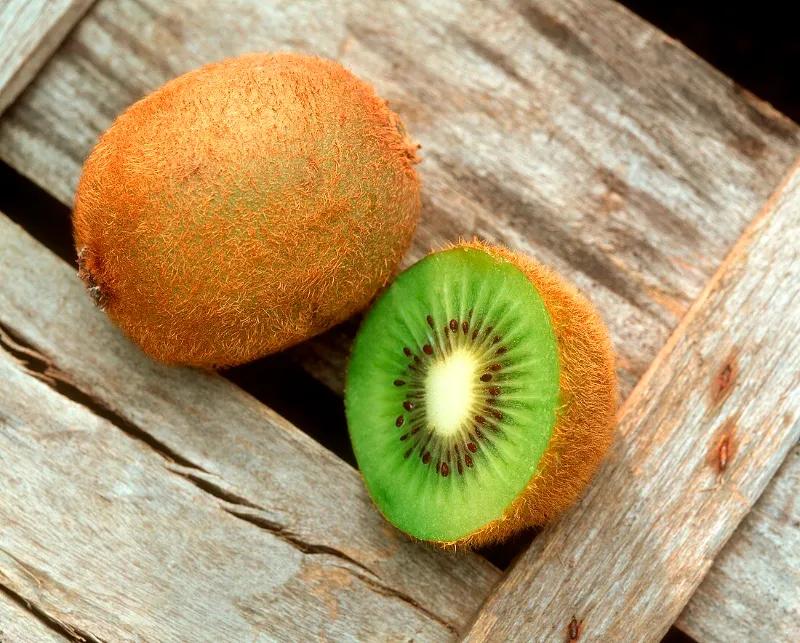
Don’t overlook kiwi — it’s a surprisingly powerful fruit for blood pressure. It’s rich in vitamin C, potassium, and bioactive compounds that support healthy circulation.
A Norwegian study found that eating three kiwis per day for eight weeks led to a significant reduction in systolic blood pressure compared to eating one apple per day. That’s a pretty compelling comparison.
Slice a kiwi in half and scoop it out like a bowl, add it to fruit salads, or blend it into smoothies. It’s tangy, refreshing, and seriously good for your heart.
17. Tomatoes
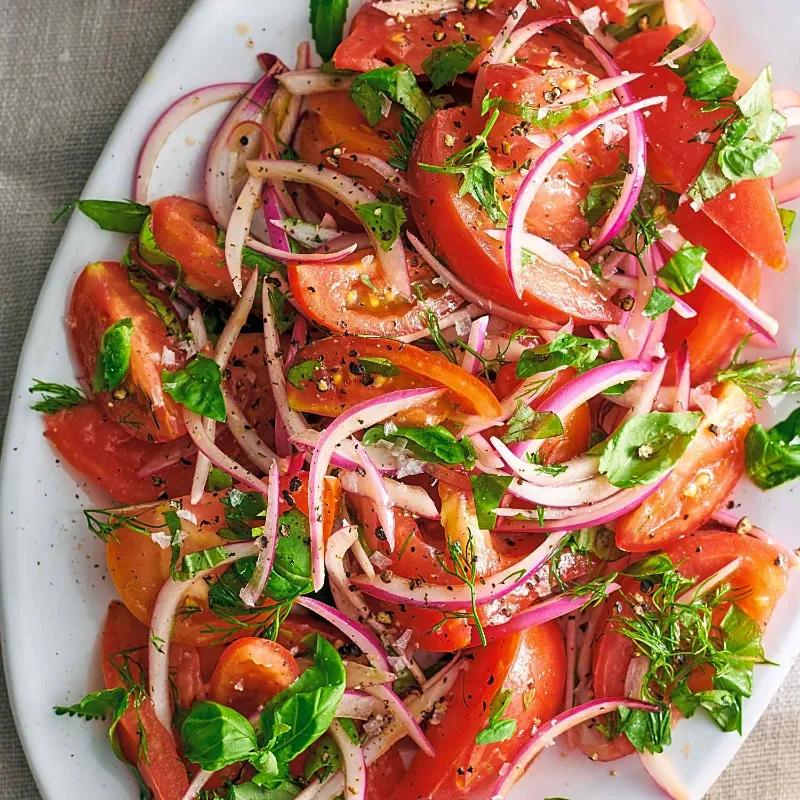
Tomatoes are rich in lycopene, a powerful antioxidant that has been linked to lower blood pressure and reduced cardiovascular risk. They also provide potassium and vitamin C.
Research published in Food & Function found that lycopene from tomato products was associated with significant reductions in systolic blood pressure, especially in people who already had elevated levels.
Eat them raw, roasted, or cooked into sauces. Interestingly, cooking tomatoes actually increases the bioavailability of lycopene, so that bowl of marinara is doing more than you might think.
18. Sweet Potatoes
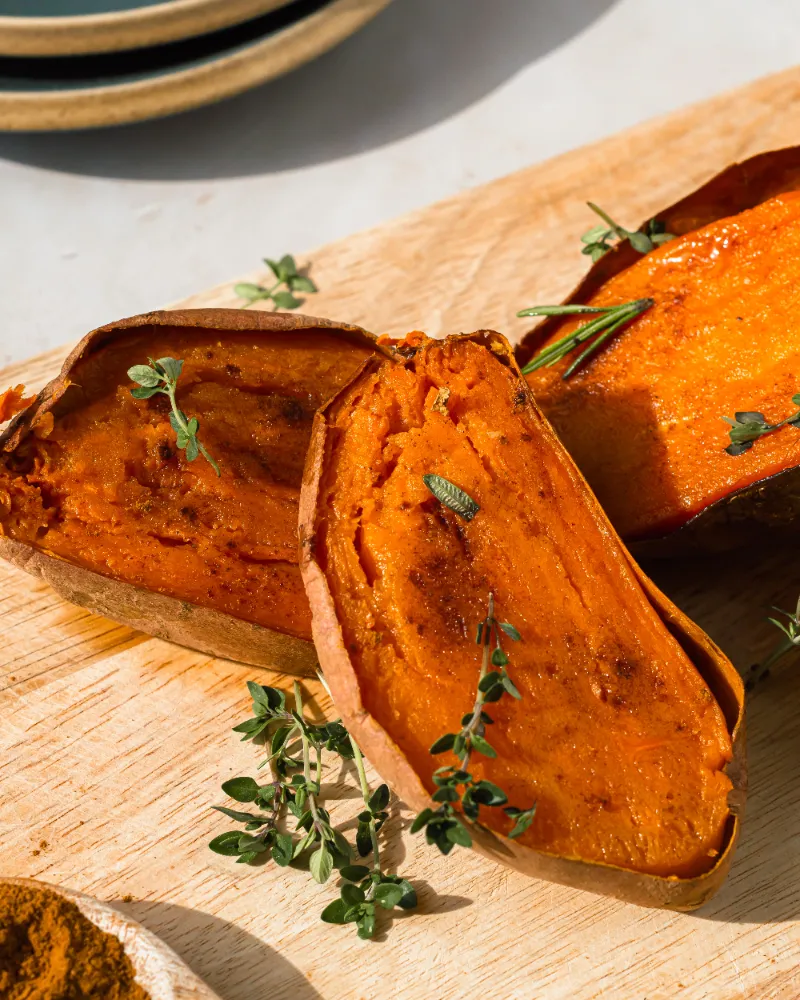
Sweet potatoes are an excellent source of potassium and magnesium, both critical minerals for keeping blood pressure in a healthy range. One medium sweet potato delivers around 540 mg of potassium.
They’re also high in fiber, which helps manage cholesterol and supports overall cardiovascular health. A diet rich in potassium and fiber is one of the most consistently recommended approaches for managing hypertension.
Bake them, mash them, or cut them into wedges and roast with a little olive oil. They’re sweet, satisfying, and one of the most nutrient-dense foods you can eat.
19. Celery
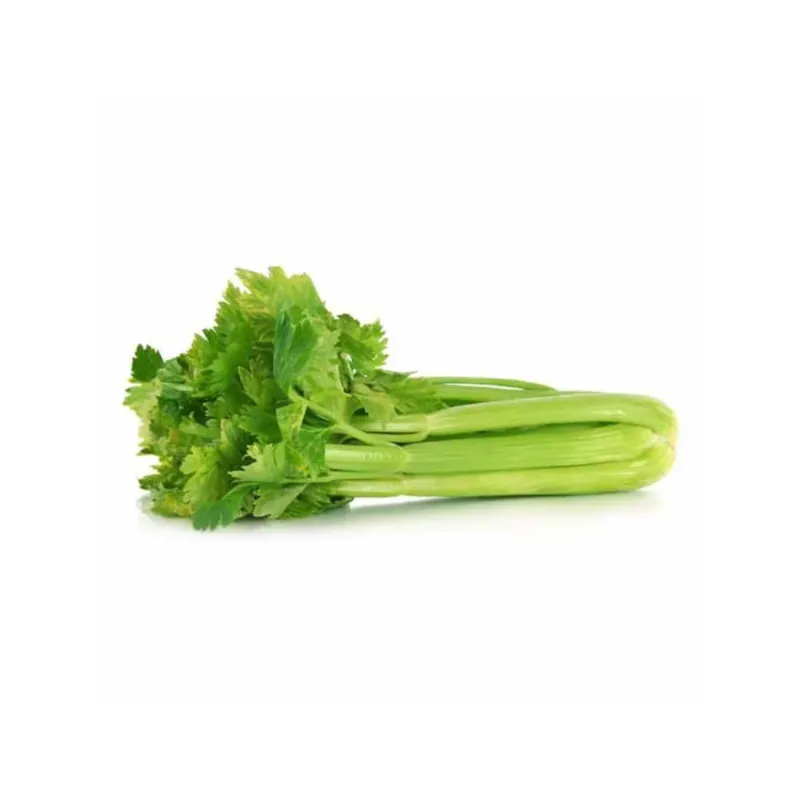
Celery contains a compound called phthalide (3-n-butylphthalide), which has been shown to relax the smooth muscle tissue in artery walls, helping blood vessels widen and reducing blood pressure.
Traditional Chinese medicine has used celery for hypertension for centuries, and animal studies have confirmed its blood-pressure-lowering properties. Human research is still growing, but the early evidence is promising.
Snack on it with almond butter, chop it into soups and stews, or juice it alongside beets and apple for a potent heart-health blend. It’s crunchy, hydrating, and far more powerful than it looks.
20. Greek Yogurt
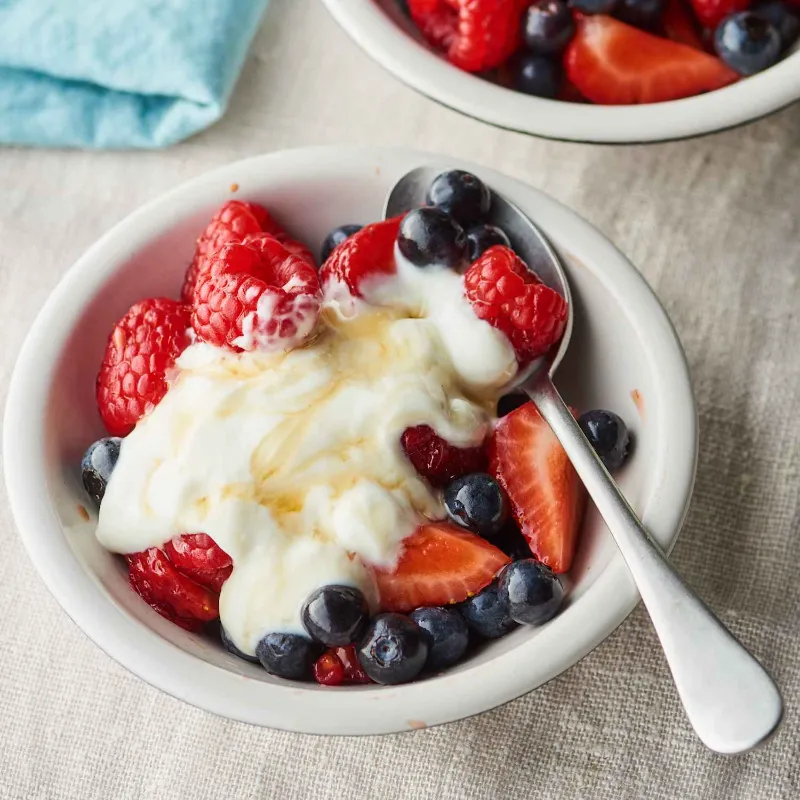
Greek yogurt is an excellent source of calcium and potassium, two minerals that play a direct role in blood pressure regulation. It also provides beneficial probiotics that support gut and heart health.
Research published in the American Journal of Hypertension found that higher dairy intake, particularly yogurt, was associated with lower blood pressure in adults over time.
Choose plain, unsweetened Greek yogurt and add your own toppings like berries and a drizzle of honey. Avoid flavored varieties — they often sneak in a lot of added sugar.
21. Skim Milk
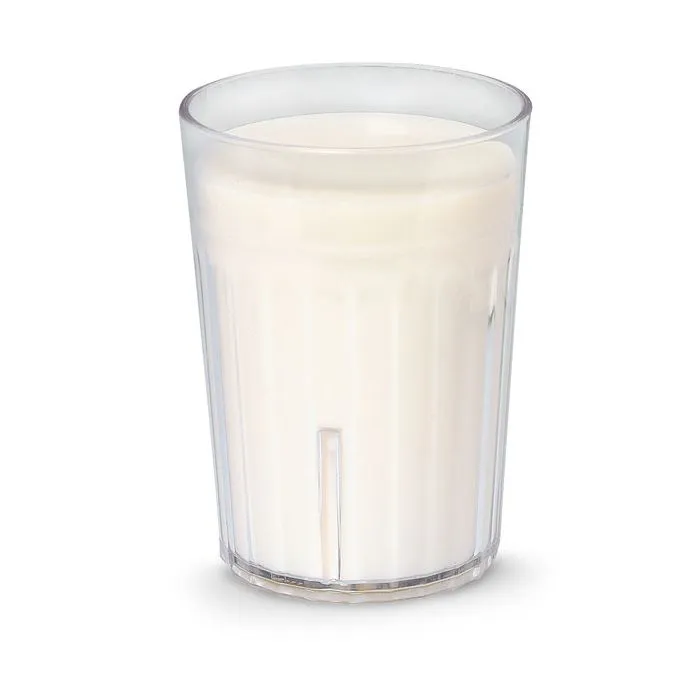
Skim milk delivers calcium, potassium, and peptides called casein-derived tripeptides, which have been shown to have mild ACE-inhibitor effects. ACE inhibitors are a class of medication commonly used to treat high blood pressure.
A large study found that people who regularly consumed low-fat dairy had a measurably lower risk of developing hypertension compared to those who rarely ate it.
If you’re a milk drinker, swap to skim or 1% and keep it in your daily rotation. Add it to oatmeal, smoothies, or enjoy a cold glass with meals.
22. Edamame
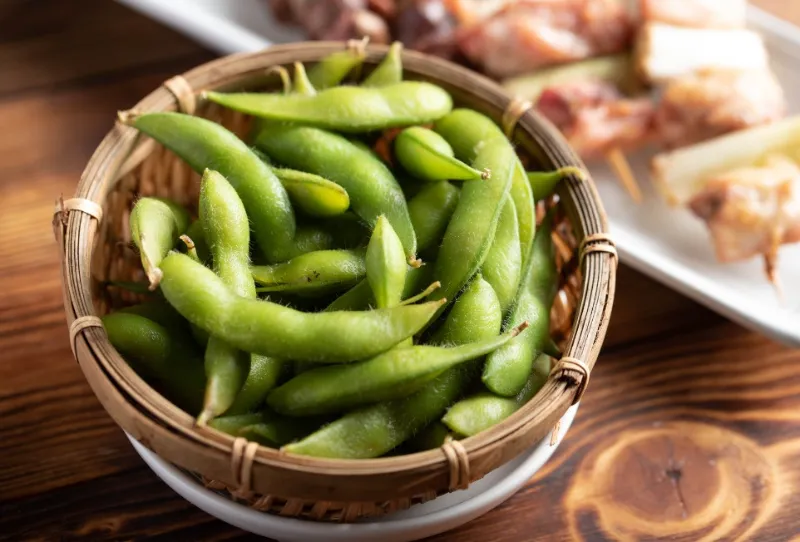
Edamame (young soybeans) is rich in isoflavones — plant compounds that have been shown to have a modest blood-pressure-lowering effect, particularly in postmenopausal women.
Soybeans also provide potassium, magnesium, and plant-based protein, making them a well-rounded cardiovascular food. A diet high in plant protein has been consistently linked to lower blood pressure compared to animal protein-heavy diets.
Grab a bag of frozen edamame, steam it, and sprinkle with a tiny pinch of sea salt. It makes a satisfying, protein-packed snack that’s ready in minutes.
23. Chia Seeds
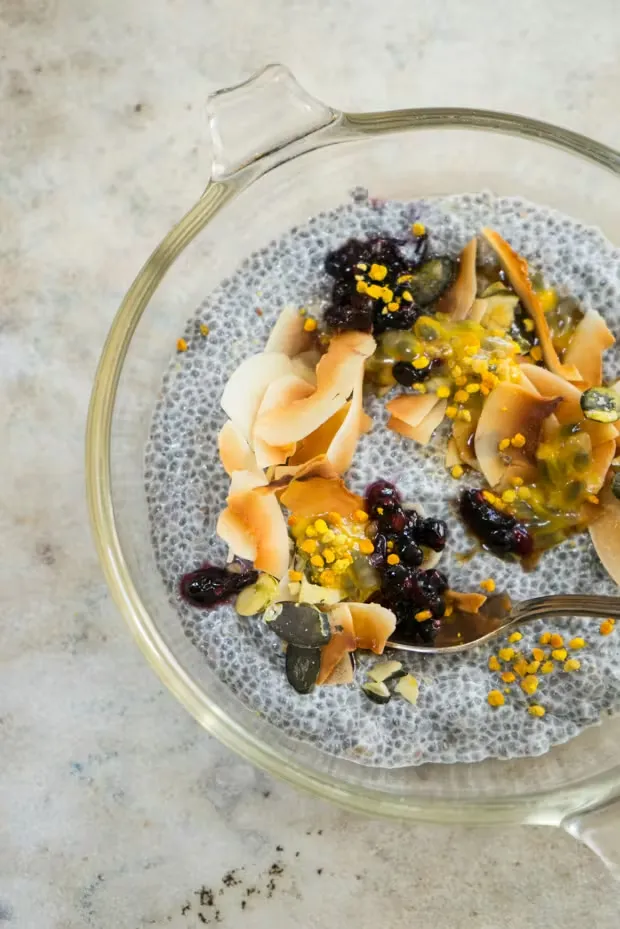
Chia seeds are tiny but loaded with omega-3 fatty acids, fiber, potassium, and magnesium — basically a concentrated packet of everything your blood vessels love.
A study in the British Journal of Nutrition found that daily chia seed consumption led to meaningful reductions in blood pressure in people with type 2 diabetes, a group particularly prone to hypertension.
Stir a tablespoon into water or juice, make overnight oats with chia, or blend them into smoothies. They absorb liquid and expand, so they’re also surprisingly filling.
24. Pumpkin Seeds
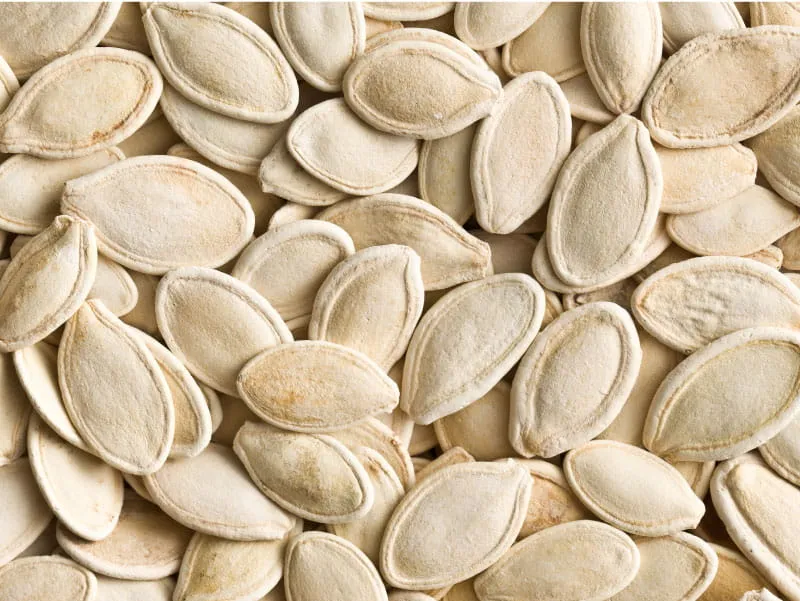
Pumpkin seeds are one of the best plant-based sources of magnesium, a mineral that’s critical for regulating blood pressure. Many Americans don’t get enough magnesium, which may be one reason hypertension is so common.
Magnesium helps relax blood vessel walls and regulates the balance of sodium and potassium in your cells. Low magnesium levels have been strongly associated with elevated blood pressure in multiple studies.
Snack on a small handful of raw or lightly roasted pumpkin seeds, toss them on salads, or sprinkle them on oatmeal. They’re easy to incorporate and make a real difference.
25. Walnuts
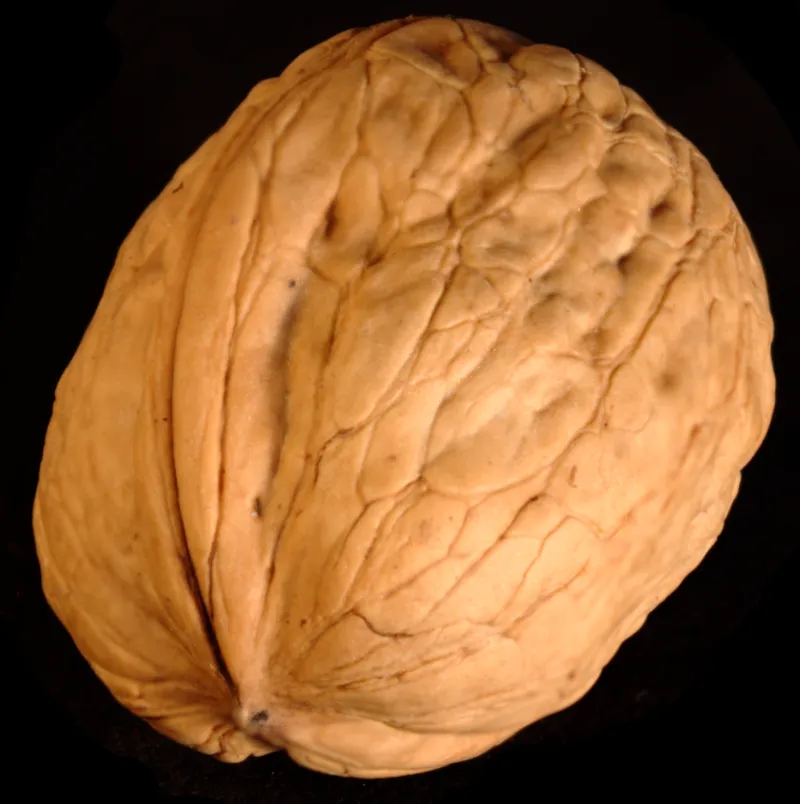
Walnuts are one of the few nuts rich in alpha-linolenic acid (ALA), a plant-based omega-3 that supports blood vessel health and reduces inflammation.
Penn State researchers found that replacing some saturated fat in the diet with walnuts led to lower central diastolic blood pressure and less arterial stiffness — two important markers of cardiovascular health.
Eat a small handful as a snack, toss them into salads, or stir them into oatmeal. They’re slightly bitter and buttery in a way that makes them incredibly satisfying.
26. Broccoli
Broccoli is loaded with glucosinolates, potassium, calcium, and vitamin C — all of which contribute to healthier blood pressure. It’s also high in fiber and folate, two nutrients that support overall heart health.
Research suggests that higher cruciferous vegetable intake is associated with lower risk of cardiovascular disease and hypertension. Broccoli in particular has a strong antioxidant profile that helps reduce oxidative stress in blood vessels.
Roast it until the edges are crispy, steam it as a side dish, or add it raw to salads. Roasting genuinely transforms the flavor — if you think you don’t like broccoli, try it roasted first.
27. Carrots
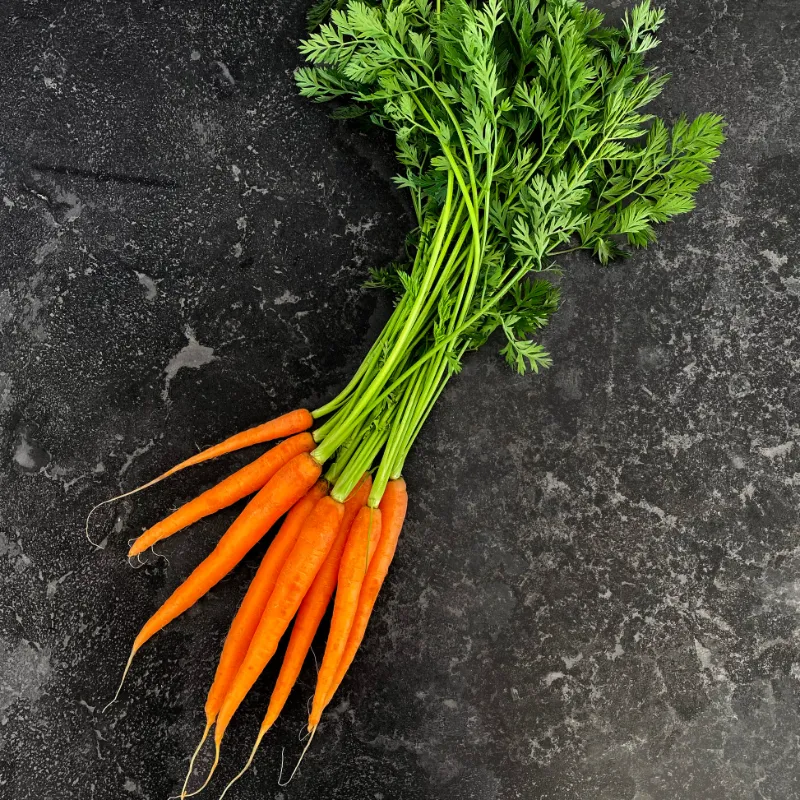
Carrots contain phenolic compounds, including chlorogenic and caffeic acids, that help relax blood vessels and reduce inflammation. They’re also a good source of potassium and fiber.
A large prospective study found that higher carrot consumption was associated with a significantly lower risk of cardiovascular disease. The effect was attributed to their antioxidant content and ability to reduce oxidative stress in arteries.
Eat them raw with hummus, roast them as a side, or add them to soups and stews. They’re one of the most accessible and affordable vegetables you can add to your daily routine.
28. White Beans
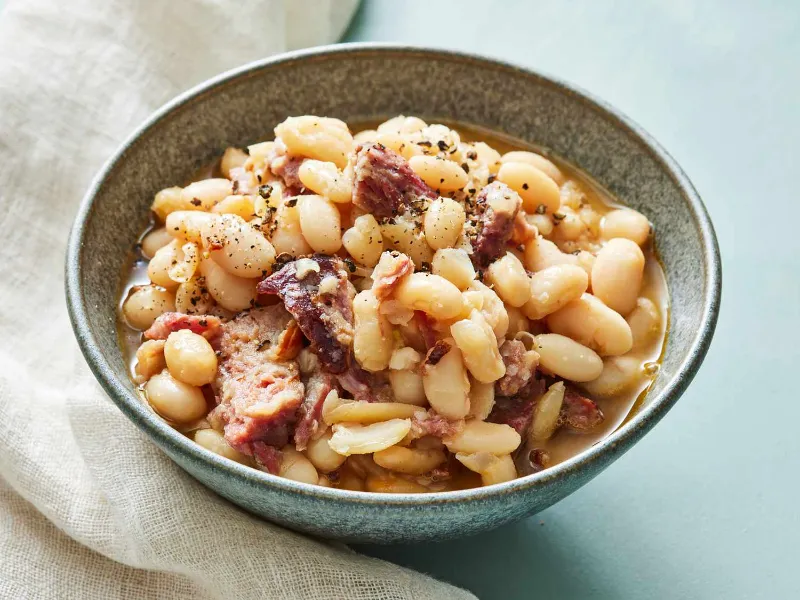
White beans — like cannellini or navy beans — are incredibly high in potassium and magnesium, two of the most important minerals for blood pressure control. One cup of cooked white beans delivers over 1,000 mg of potassium.
They’re also packed with fiber and plant-based protein, which help reduce cardiovascular inflammation and improve cholesterol profiles. Including legumes regularly in your diet is one of the most evidence-backed dietary strategies for lowering blood pressure.
Add them to soups, mash them as a spread on toast, or toss them into pasta and grain salads. They’re filling, versatile, and seriously good for your heart.
29. Hibiscus Tea
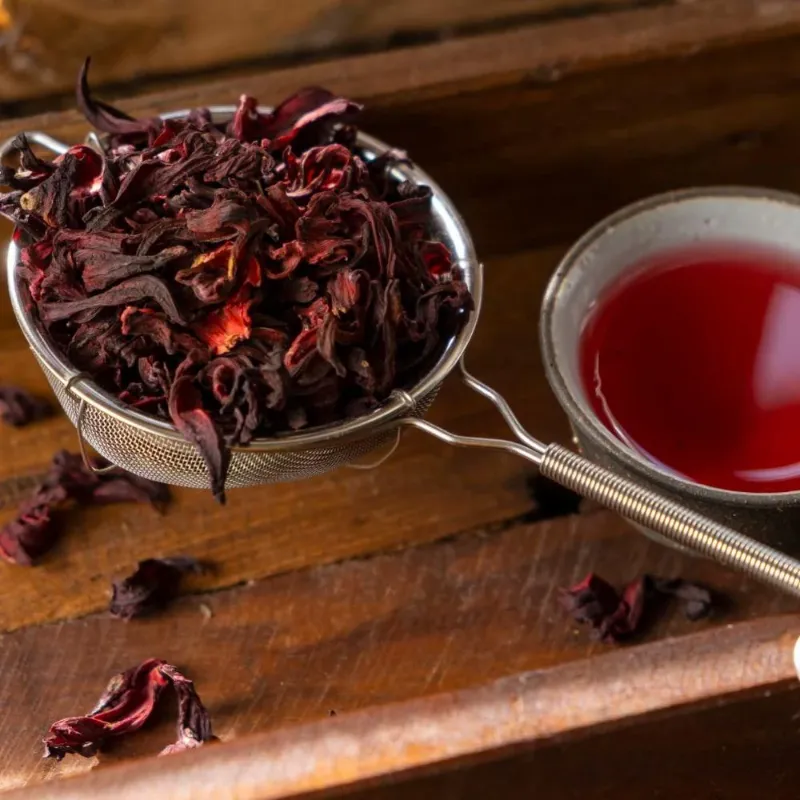
Hibiscus tea is one of the most studied herbal teas for blood pressure, and the results are genuinely impressive. It contains anthocyanins and other antioxidants that act as natural ACE inhibitors, helping to relax blood vessels.
A study published in the Journal of Nutrition found that drinking three cups of hibiscus tea daily for six weeks lowered systolic blood pressure by an average of 7 points in adults with mildly high blood pressure.
Brew it as a hot tea or serve it over ice for a tart, refreshing drink. Look for pure dried hibiscus flowers or blends without artificial additives for the best effect.
30. Green Tea
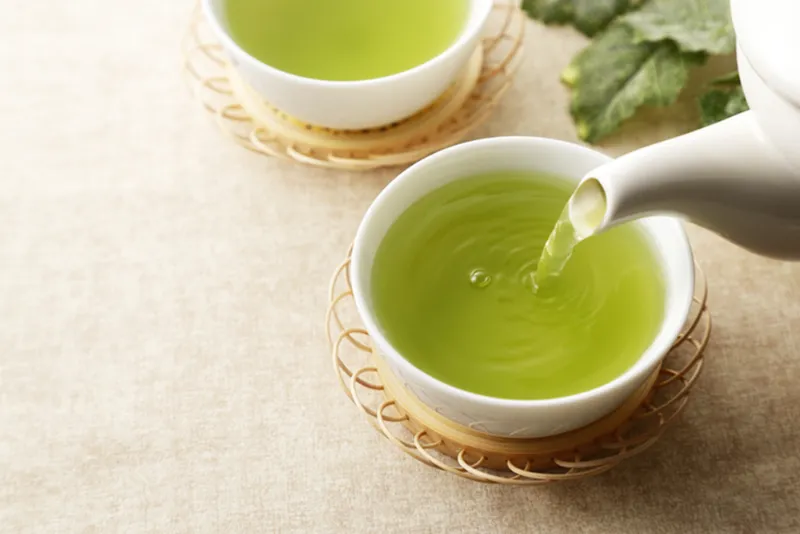
Green tea is rich in catechins — a class of antioxidants that improve the function of blood vessels and reduce arterial stiffness. It also contains a small amount of caffeine, which may have mild short-term effects on circulation.
A meta-analysis in the British Journal of Nutrition found that regular green tea consumption was associated with lower systolic and diastolic blood pressure over time, particularly with longer-term drinking habits.
Brew a cup in the morning as a gentler alternative to coffee, or sip on iced green tea throughout the day. Just watch out for bottled versions loaded with added sugar.
31. Tart Cherry Juice
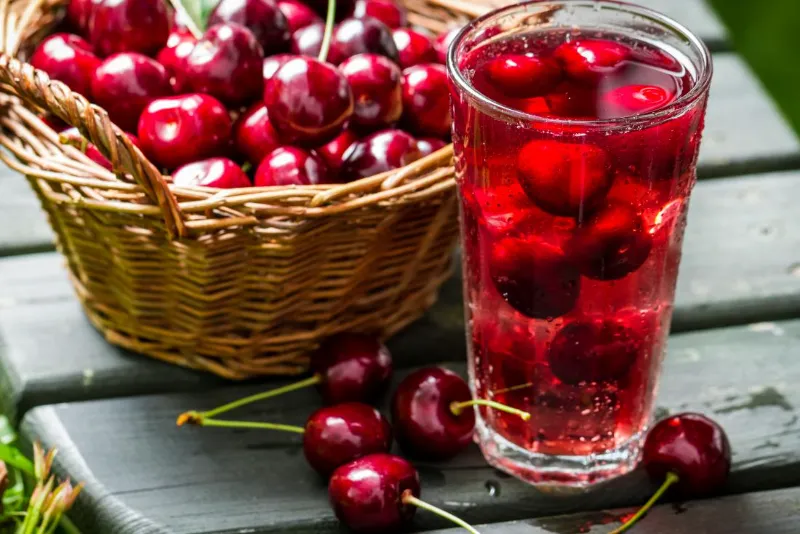
Tart cherry juice is packed with anthocyanins and other phytonutrients that reduce inflammation and oxidative stress — two key drivers of high blood pressure.
Research published in the American Journal of Clinical Nutrition found that tart cherry juice consumption led to significant reductions in systolic blood pressure within hours and over longer periods of regular use.
Drink about eight ounces of 100% tart cherry juice daily, either straight or diluted with water. It’s also great for muscle recovery after exercise, so it’s pulling double duty for your health.
32. Kefir
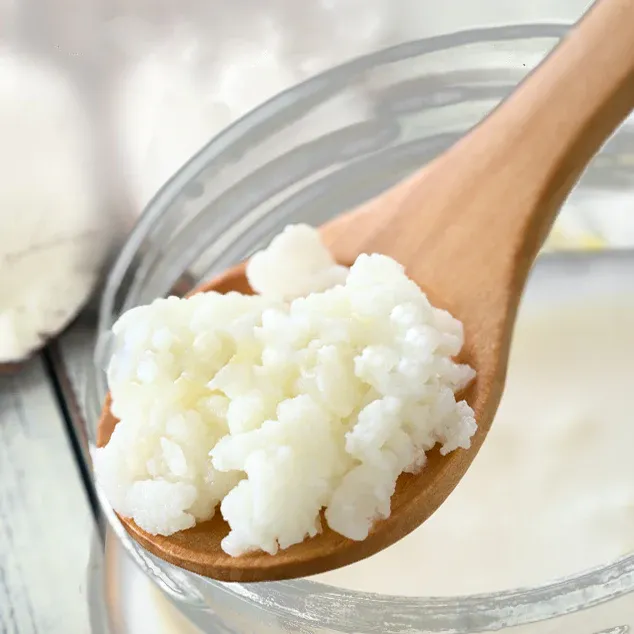
Kefir is a fermented dairy drink packed with probiotics, calcium, and potassium. The beneficial bacteria in kefir support gut health, which is increasingly linked to cardiovascular health through the gut-heart axis.
A review in the Journal of Nutritional Biochemistry found that probiotic-rich fermented dairy products were associated with meaningful reductions in both systolic and diastolic blood pressure over time.
Drink it plain, blend it into smoothies, or use it as a base for overnight oats. It’s creamy, slightly tangy, and one of the most probiotic-dense foods you can eat.
33. Apple Cider Vinegar
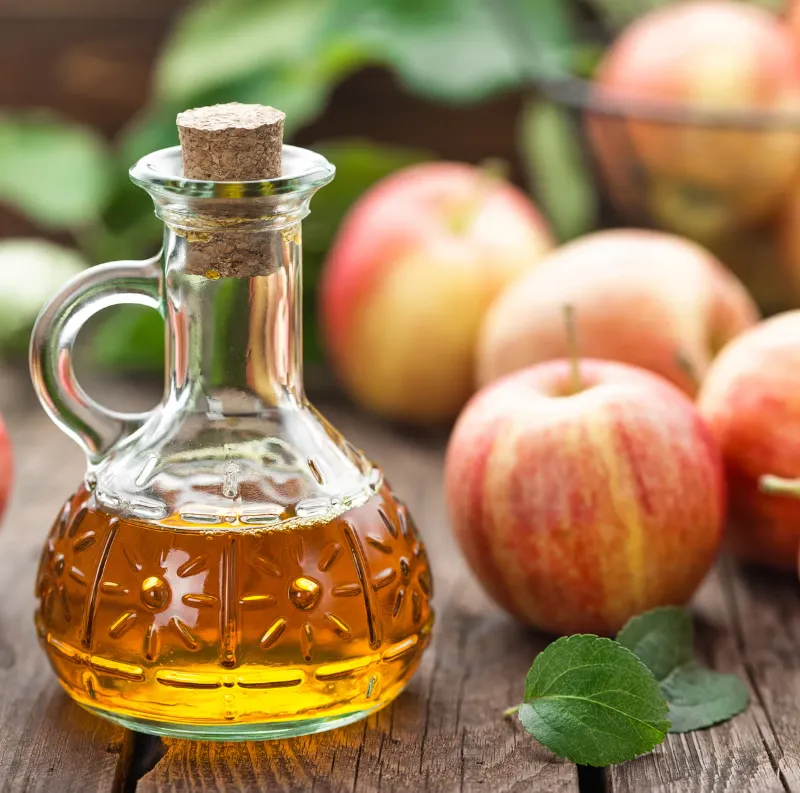
Apple cider vinegar (ACV) has been studied for its potential to support healthy blood pressure through its acetic acid content, which may help reduce renin activity — an enzyme involved in raising blood pressure.
Animal studies have shown promising results, and some human research suggests ACV may modestly improve blood pressure and cholesterol. It’s not a miracle cure, but it may offer a helpful boost when combined with a healthy diet.
Mix one to two tablespoons in a glass of water and drink it before meals. Always dilute it — drinking it straight can damage your tooth enamel and irritate your throat.
Final Thoughts
You don’t have to eat every single food on this list to see results. Start with a handful that you actually enjoy and build from there. Small, consistent changes really do add up over time.
Your blood pressure is something you have genuine power over, and your plate is one of the best places to start. Pick two or three foods from this list, add them to your meals this week, and let your body do the rest. You’ve got this.
