
39 Secret Antioxidant Rich Foods Backed by Science

You’ve probably heard the word “antioxidants” thrown around a lot. But do you actually know which foods are quietly packed with them, beyond the usual suspects?
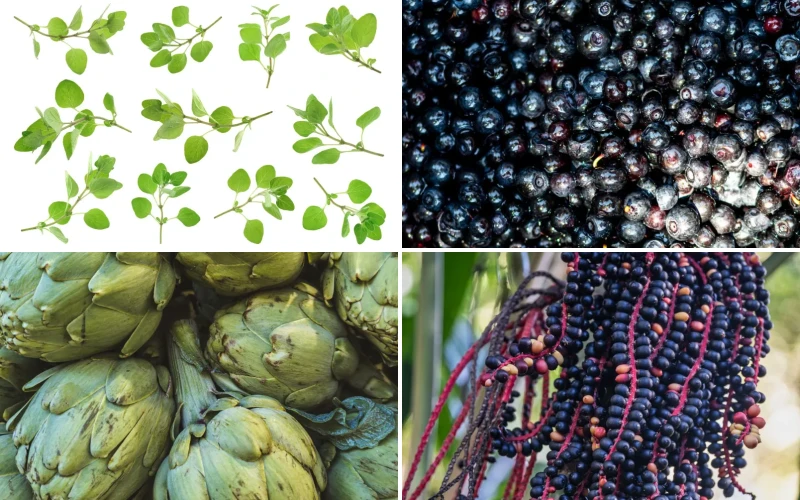
Get ready, because this list is going to surprise you. From your kitchen spice rack to the humble potato, science-backed antioxidant powerhouses are hiding in plain sight.
1. Wild Blueberries
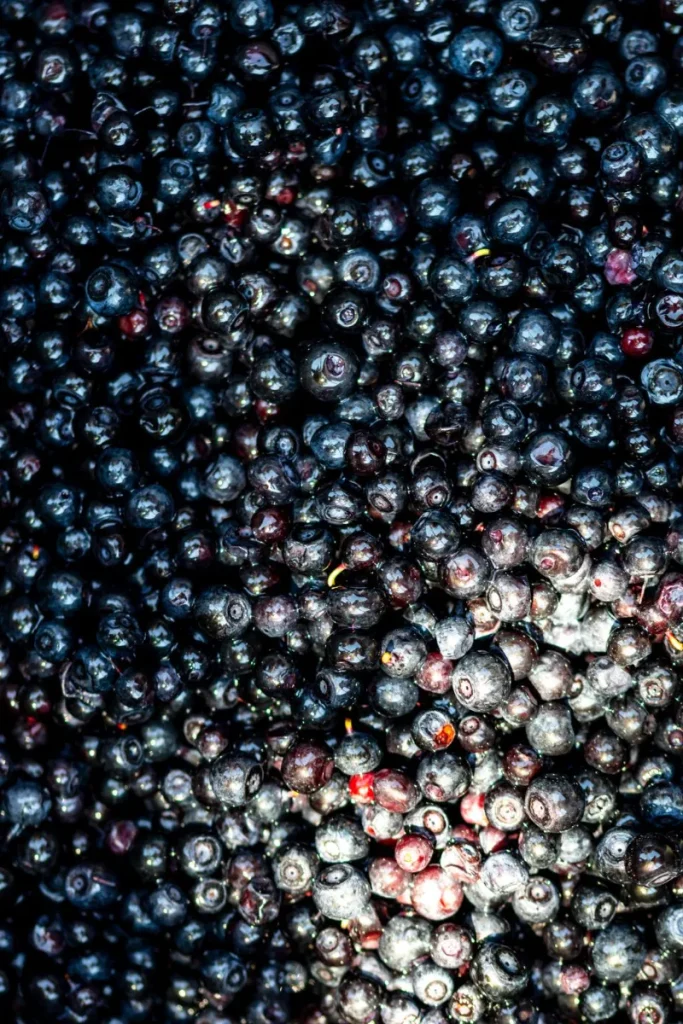
Wild blueberries are not the same as the regular ones you find in the grocery store. They’re smaller, more intense in flavor, and contain nearly double the antioxidants of their cultivated cousins.
The secret is their high concentration of anthocyanins, the pigments that give them that deep blue-purple color. Research published in the Journal of Agricultural and Food Chemistry links these compounds to reduced oxidative stress and better brain function.
You can find wild blueberries frozen at most major stores like Whole Foods or Walmart. Toss them into your morning smoothie or oatmeal and you’re already winning the day.
2. Dark Chocolate
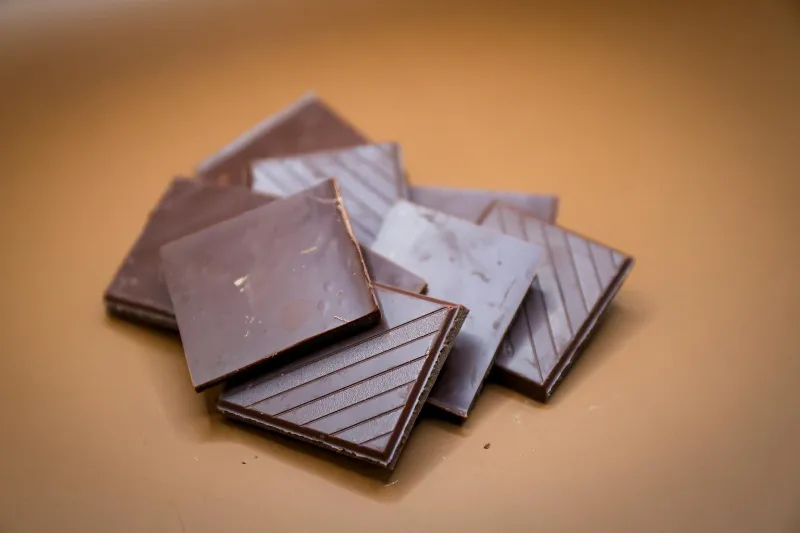
Yes, really. Dark chocolate with 70% cocoa or higher is loaded with flavanols, a class of antioxidants that support heart health and blood flow to the brain.
A study from Harvard found that people who consumed flavanol-rich cocoa showed improvements in blood pressure and circulation. The key is choosing quality dark chocolate, not the sugar-heavy milk chocolate kind.
Enjoy a square or two after dinner. It satisfies your sweet tooth and gives your body a genuine nutrient boost at the same time.
3. Pecans
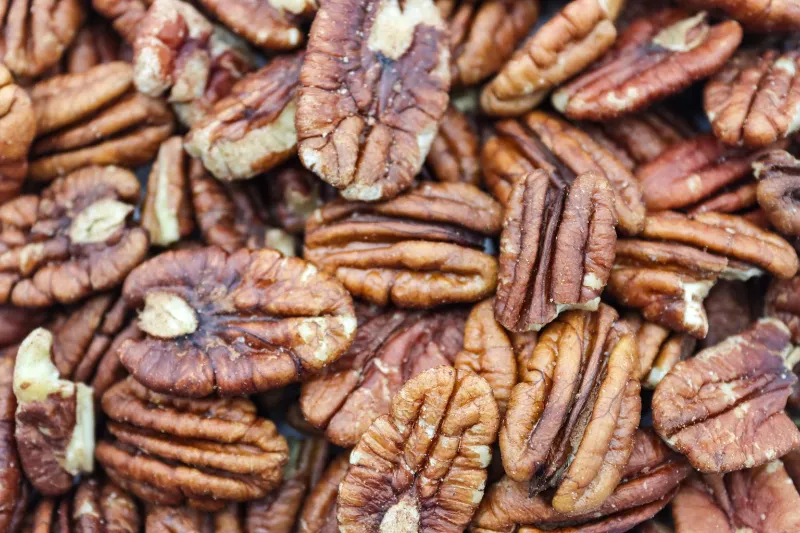
Pecans are one of the most antioxidant-rich nuts on the planet, according to the USDA’s Oxygen Radical Absorbance Capacity (ORAC) database. They’re loaded with vitamin E, ellagic acid, and beta-sitosterol.
These compounds work together to fight inflammation and protect your cells from free radical damage. Just a small handful delivers a powerful punch of healthy fats and antioxidants in one go.
Snack on them raw, sprinkle them on salads, or stir them into your yogurt. They’re crunchy, satisfying, and genuinely good for you.
4. Goji Berries
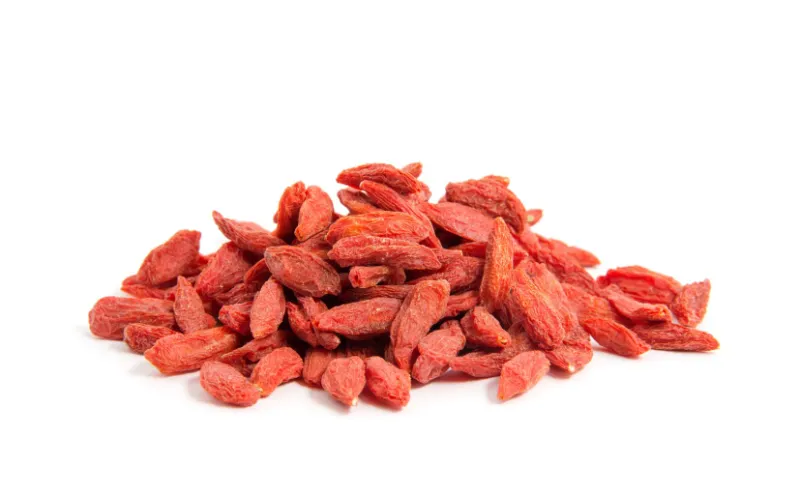
Goji berries have been used in traditional Chinese medicine for thousands of years, and modern science is starting to catch up. They contain zeaxanthin, a carotenoid antioxidant that’s especially protective for your eyes.
Research suggests that zeaxanthin helps filter harmful blue light and reduces the risk of age-related macular degeneration. Goji berries also contain polysaccharides that support immune function.
You’ll find them dried in health food stores across the US. Add them to trail mix, granola, or steep them in hot water for a simple antioxidant tea.
5. Artichokes
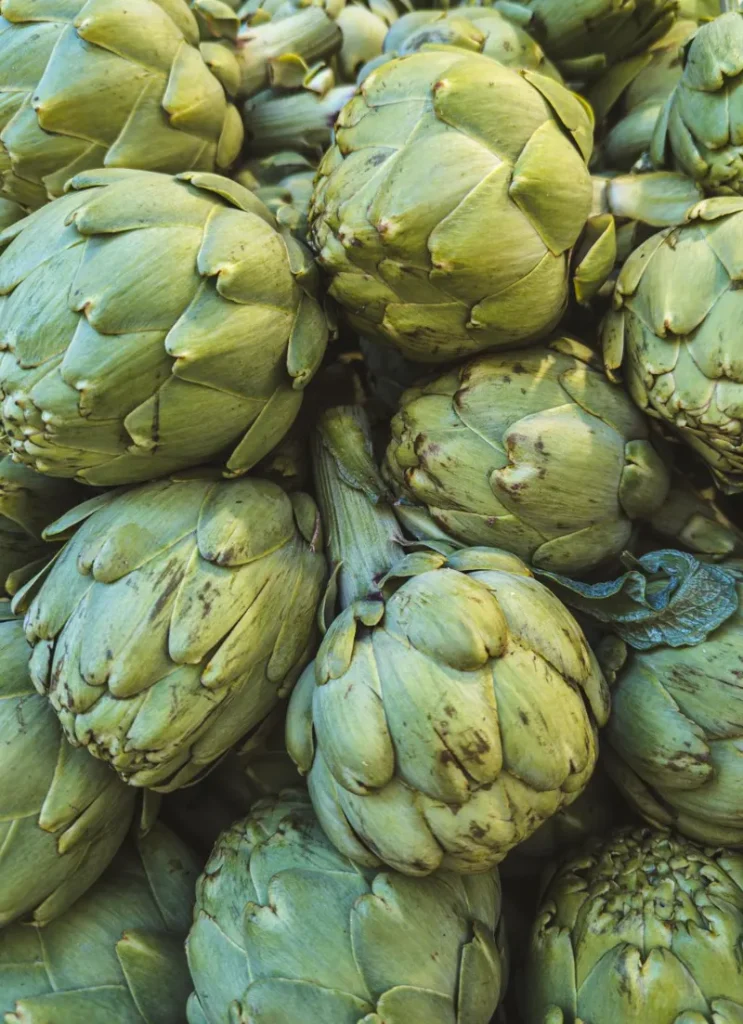
Artichokes might seem like a complicated vegetable, but they’re worth the effort. They rank among the top vegetables for total antioxidant content, largely thanks to chlorogenic acid and cynarin.
Chlorogenic acid has been studied for its ability to reduce inflammation and support liver health. Cynarin is known to stimulate bile production, which helps your body break down fats more efficiently.
Canned or jarred artichoke hearts make this food super easy to use. Toss them into pasta, add to salads, or simply roast them with olive oil and garlic.
6. Elderberries
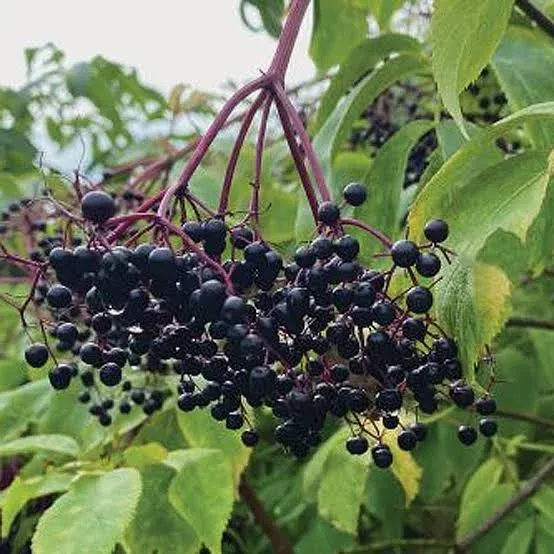
Elderberries are having a serious moment in the wellness world, and for good reason. They’re packed with anthocyanins and quercetin, two antioxidants with strong anti-inflammatory and antiviral properties.
Several studies have shown that elderberry extract can shorten the duration of colds and flu. The antioxidants in elderberries also help neutralize free radicals that damage immune cells.
You’ll most commonly find elderberries in syrup form at pharmacies and health stores. A tablespoon a day during cold season is a widely used and science-supported practice.
7. Kidney Beans
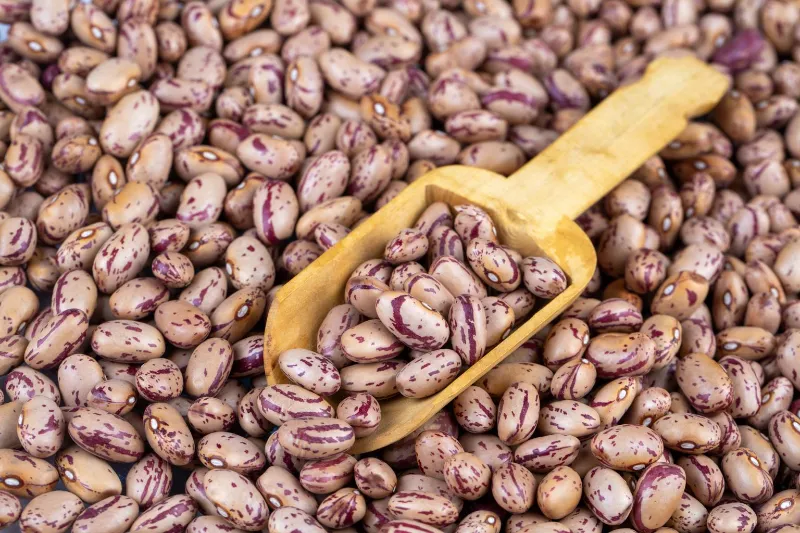
Here’s one you probably didn’t see coming. Kidney beans are one of the richest sources of antioxidants in the entire legume family, containing significant amounts of anthocyanins and isoflavones.
They’re also high in fiber, which supports gut health by feeding beneficial bacteria. A healthy gut microbiome is increasingly linked to reduced inflammation throughout the body.
Canned kidney beans are affordable, versatile, and shelf-stable. Add them to chili, soups, or grain bowls for an easy antioxidant and protein upgrade.
8. Cranberries
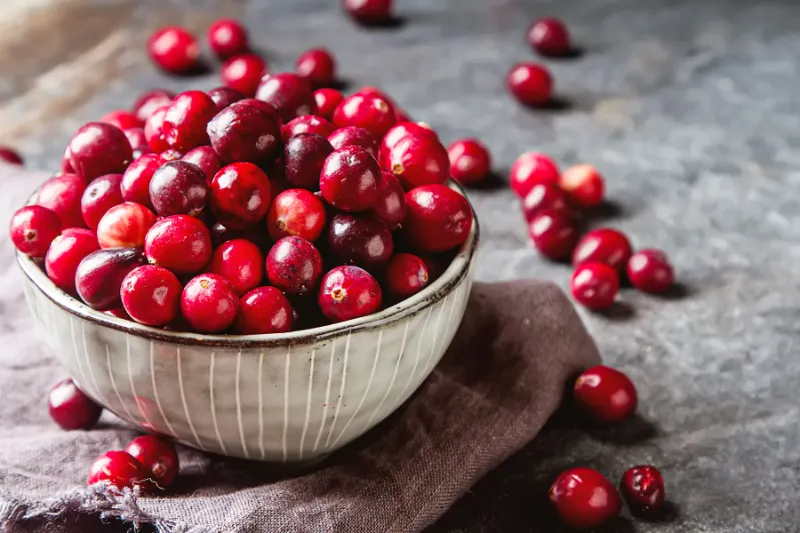
Cranberries are not just for Thanksgiving sauce. They contain one of the highest concentrations of antioxidants among common fruits, particularly proanthocyanidins.
These compounds are famous for preventing certain bacteria, including E. coli, from sticking to the walls of your urinary tract. Beyond that, cranberry antioxidants support cardiovascular health and reduce LDL oxidation.
Opt for unsweetened cranberry juice or dried cranberries with minimal added sugar. They’re great in salads, oatmeal, or mixed into homemade granola bars.
9. Blackberries
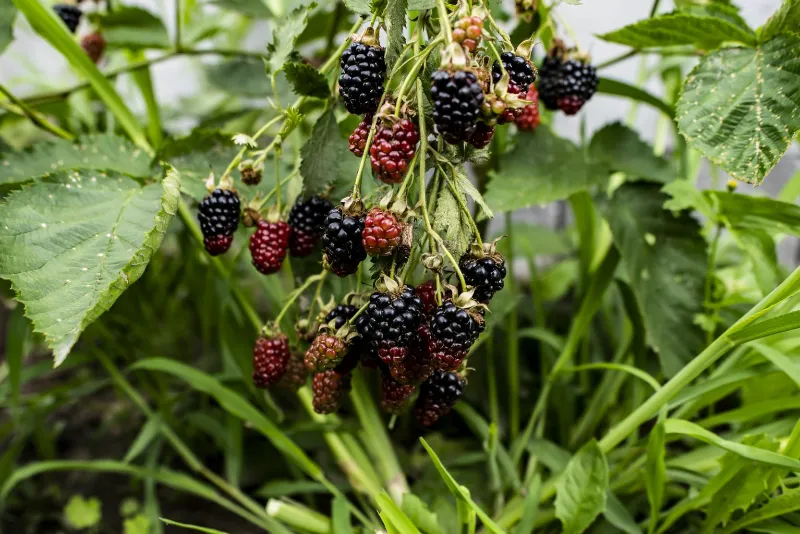
Blackberries are often overshadowed by blueberries and strawberries, but they deserve their own spotlight. One cup contains more antioxidants than most other common berries, packed with anthocyanins, ellagic acid, and vitamin C.
Research suggests ellagic acid may have anti-cancer properties by inhibiting the growth of certain types of tumor cells. It also shows promise in protecting skin from UV damage.
Fresh or frozen blackberries work equally well. Blend them into smoothies, mix into plain Greek yogurt, or eat them as a guilt-free dessert with a little honey.
10. Cilantro
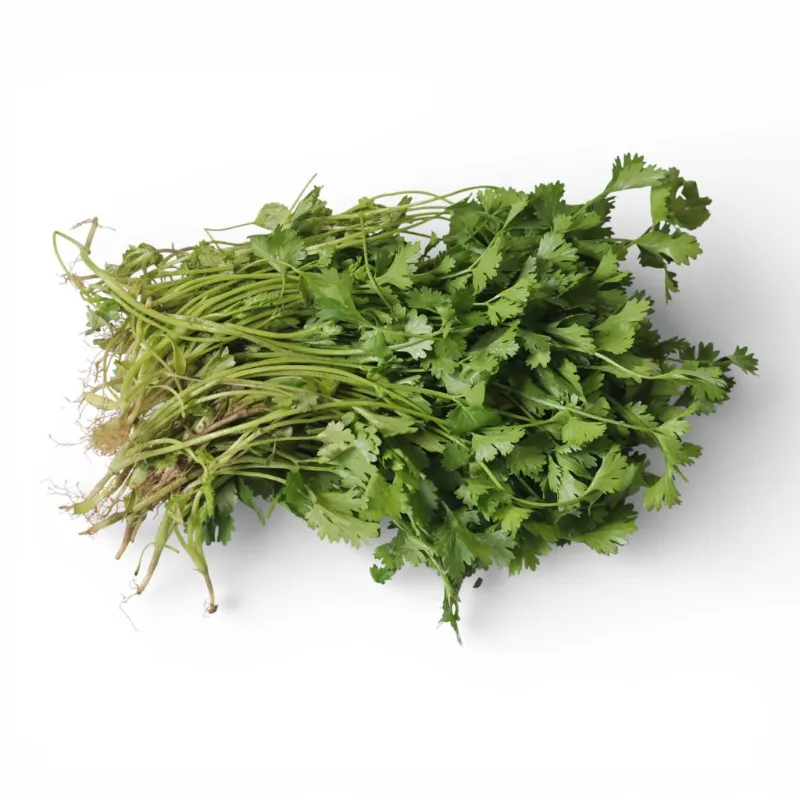
Cilantro often gets dismissed as just a garnish, but this herb is actually a nutritional gem. It contains quercetin, kaempferol, and beta-carotene, all of which are potent antioxidant compounds.
Beyond antioxidants, cilantro has been studied for its potential to help the body excrete heavy metals like lead and mercury, a process sometimes called chelation. That’s a pretty impressive skill for a little herb.
Chop it fresh over tacos, stir it into salsa, or blend it into a green smoothie. Even a small amount contributes meaningful antioxidant benefits.
11. Russet Potatoes
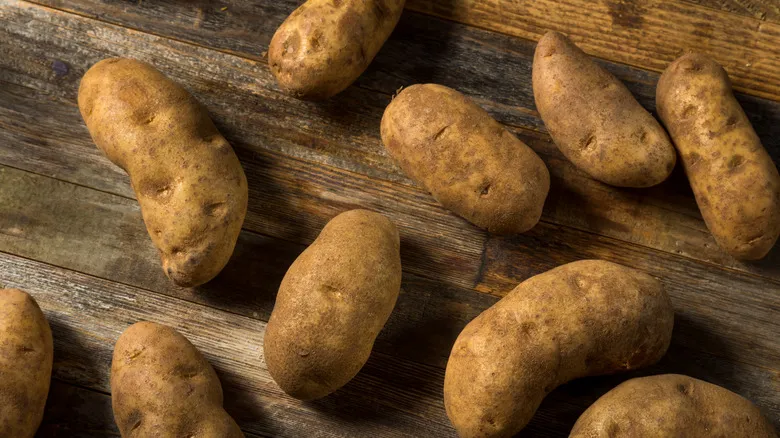
Potatoes have an unfair reputation. Russet potatoes, in particular, contain significant amounts of chlorogenic acid and other antioxidants, especially concentrated in the skin.
A study published in the Journal of Agricultural and Food Chemistry found that purple and russet potatoes can reduce inflammation markers in the body. The key is how you cook them. Baking or boiling preserves far more antioxidants than frying.
Keep the skin on when you cook them to maximize the benefits. A baked russet with a little olive oil and herbs is both satisfying and genuinely nutritious.
12. Plums
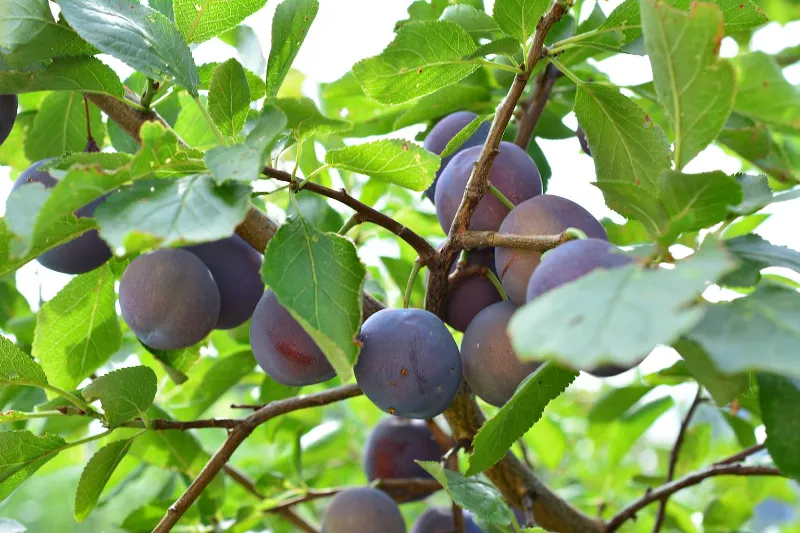
Fresh and dried plums (aka prunes) are rich in neochlorogenic and chlorogenic acid, two phenolic compounds with impressive antioxidant activity. These compounds are particularly good at neutralizing a harmful free radical called the superoxide anion.
Prunes also contain boron, which plays a role in maintaining bone density. For women especially, regular prune consumption has been linked to improved bone health in postmenopausal studies.
Keep a bag of prunes in your pantry for easy snacking. Fresh plums are a perfect summer fruit, delicious on their own or sliced into salads.
13. Green Tea
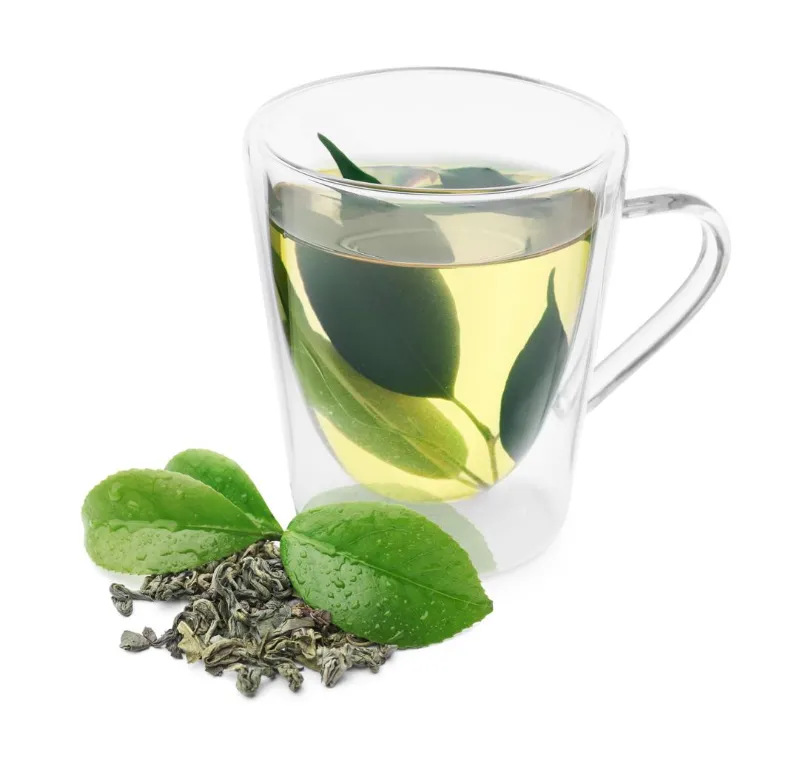
Green tea is one of the most well-researched antioxidant beverages in the world. It’s loaded with catechins, and the most powerful of these is EGCG (epigallocatechin gallate), which has been linked to everything from fat burning to cancer prevention in lab studies.
EGCG helps protect cells from DNA damage and reduces chronic inflammation, both of which are root causes of most major diseases. Green tea also contains L-theanine, which promotes calm focus without the jitteriness of coffee.
Brew it at around 175°F, not boiling, to preserve the catechins. One to three cups a day gives you a meaningful dose of antioxidants without overdoing the caffeine.
14. Red Cabbage
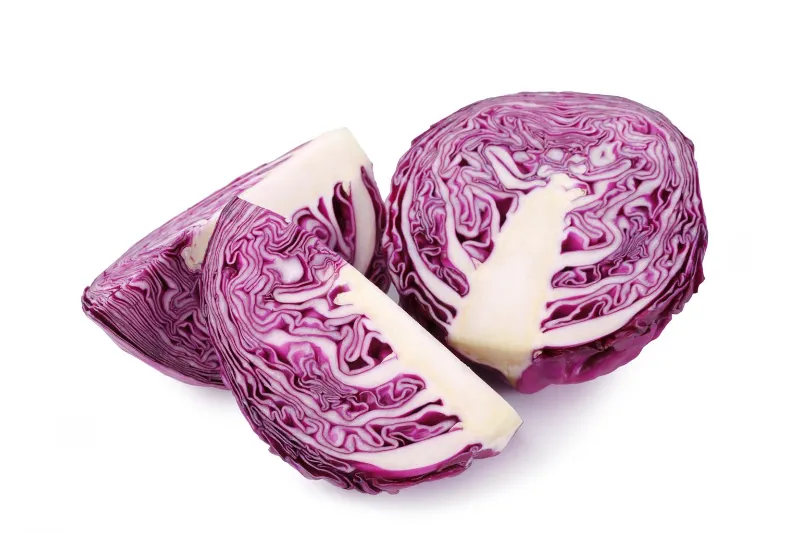
Red cabbage is one of the most underrated vegetables in the produce aisle. Its deep purple color comes from anthocyanins, the same family of antioxidants found in blueberries, and it contains over 36 different types of them.
These anthocyanins have been shown in research to reduce inflammation, lower blood pressure, and protect against certain types of cancer. Red cabbage also delivers a solid dose of vitamin C, which is itself a powerful antioxidant.
Shred it raw into slaws, pickle it for tacos, or roast it as a side dish. It holds up well to cooking and adds gorgeous color to any plate.
15. Beets
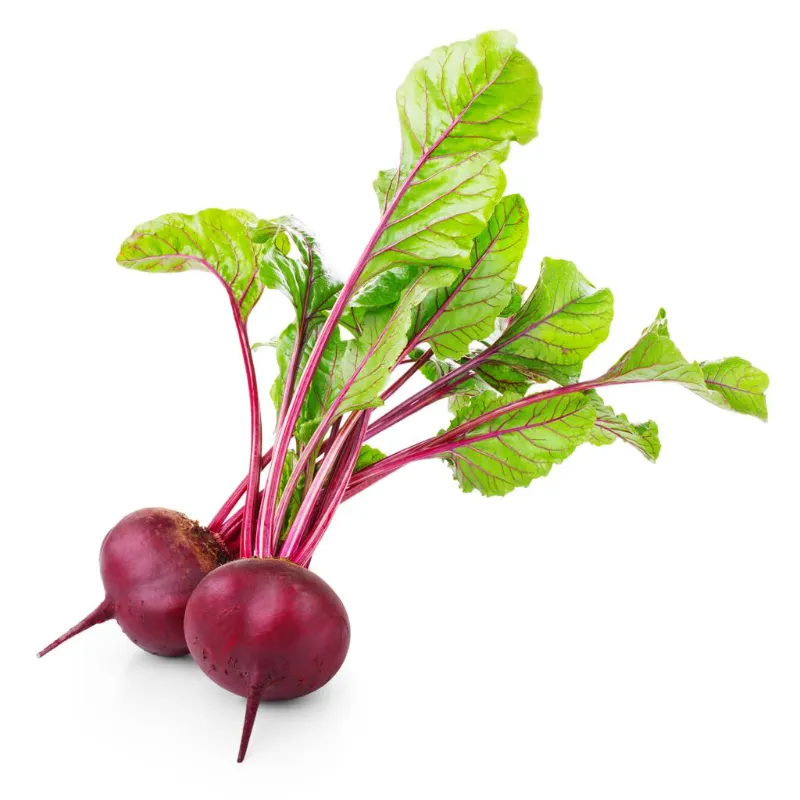
Beets get their stunning red-purple color from betalains, a unique category of antioxidants not found in many other vegetables. Betalains have been studied for their ability to reduce oxidative stress and support liver detoxification.
Beet juice has also gained attention in sports science for boosting nitric oxide levels, which improves blood flow and exercise endurance. Several studies show measurable performance benefits in both athletes and older adults.
Roast fresh beets, blend them into smoothies, or buy pre-cooked vacuum-sealed beets for a no-fuss option. They’re earthy, sweet, and genuinely powerful.
16. Spinach
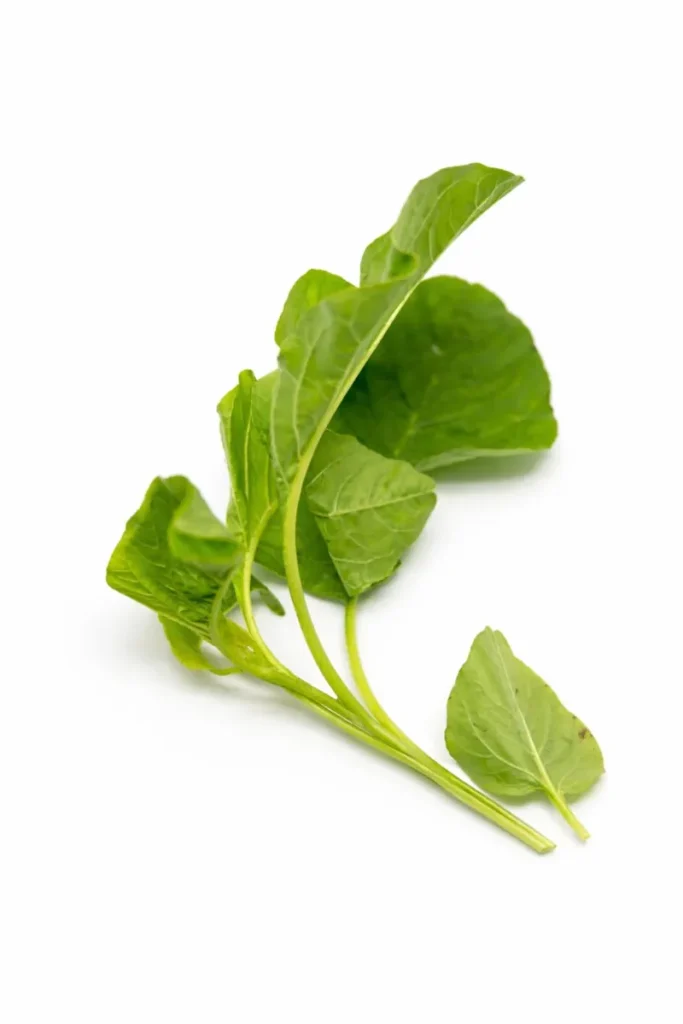
Spinach is a leafy green that truly lives up to its superfood reputation. It’s rich in lutein, zeaxanthin, and beta-carotene, antioxidants that are especially protective for your eyes and brain.
Lutein and zeaxanthin accumulate in the macula of the eye and act as a natural shield against blue light and oxidative damage. Studies link high dietary lutein intake with a lower risk of cataracts and age-related vision loss.
Baby spinach is mild enough to blend raw into smoothies without noticing it. It also wilts beautifully into pasta, soups, and scrambled eggs in just seconds.
17. Kale
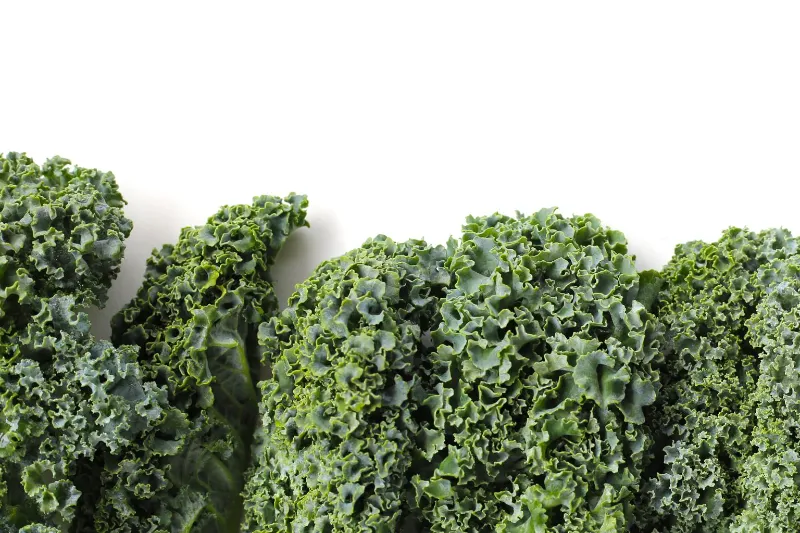
Kale is packed with quercetin and kaempferol, two antioxidants that have been extensively studied for their anti-inflammatory and anticancer effects. It also contains beta-carotene, which your body converts to vitamin A.
Kaempferol in particular has been studied for its potential to slow cancer cell growth and reduce oxidative damage to DNA. That’s a big deal for a leafy green you can pick up at any grocery store.
Massage raw kale with a little olive oil to soften it for salads. It also works great roasted into chips or blended into smoothies with banana and almond milk.
18. Pomegranate
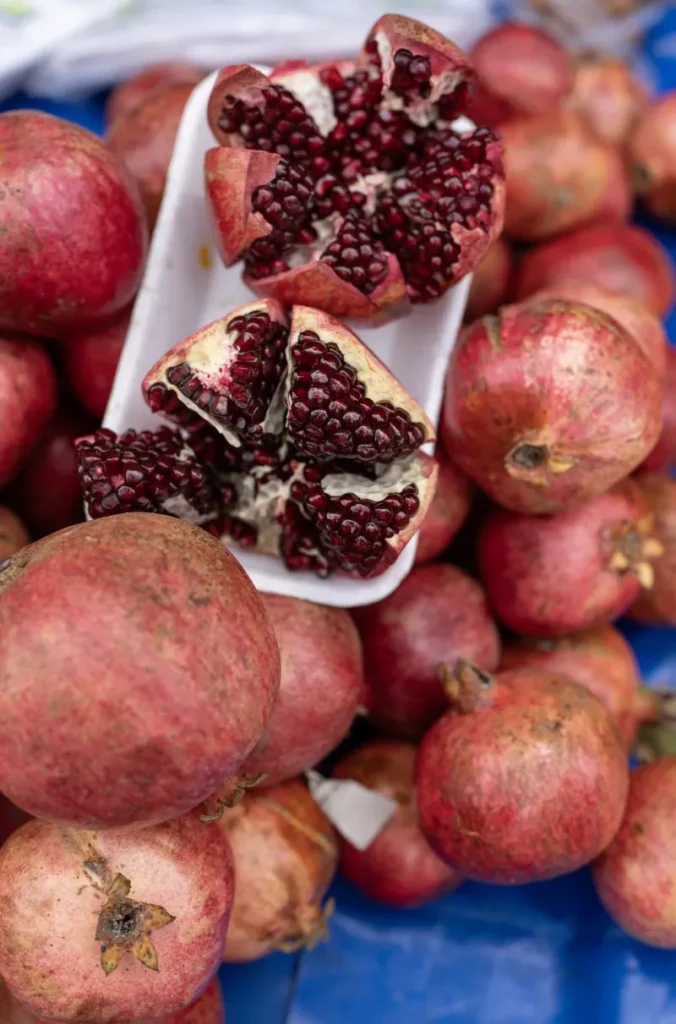
Pomegranates contain punicalagins and punicic acid, two substances unique to this fruit that are extraordinarily potent antioxidants. Pomegranate juice has actually been shown to have three times the antioxidant activity of red grape juice and green tea in some studies.
Research suggests regular pomegranate consumption can lower inflammation markers, reduce blood pressure, and support memory. One study from UCLA found that daily pomegranate juice improved memory performance in older adults with memory complaints.
Pure pomegranate juice is available at most US grocery stores. A small daily glass, around four ounces, is a practical and powerful habit.
19. Turmeric
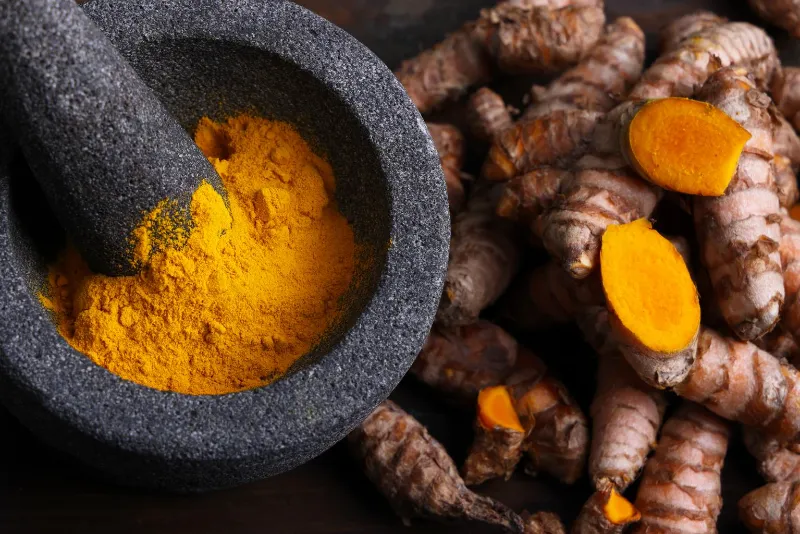
Turmeric’s antioxidant power comes primarily from curcumin, the golden compound that gives it that bright yellow color. Curcumin is a master anti-inflammatory, blocking the molecule NF-kB, which plays a major role in chronic disease.
The catch? Curcumin is poorly absorbed on its own. Combining turmeric with black pepper, which contains piperine, increases absorption by up to 2000% according to research.
Add turmeric and black pepper together to curries, soups, rice dishes, or golden milk lattes. That combo is your ticket to actually getting the benefits.
20. Cinnamon
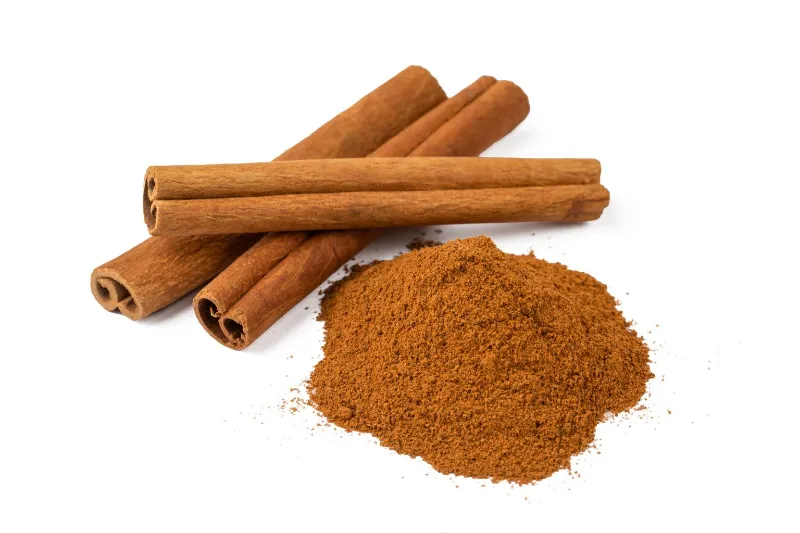
Cinnamon is more than just a cozy spice. It’s loaded with polyphenol antioxidants and has one of the highest antioxidant values of any spice per gram, according to ORAC data.
Studies have shown that cinnamon can improve insulin sensitivity and help stabilize blood sugar levels after meals. This makes it especially useful for people managing or preventing type 2 diabetes.
Ceylon cinnamon is the preferred variety for regular use, as it contains lower levels of coumarin compared to Cassia cinnamon. Sprinkle it on oatmeal, stir it into coffee, or add it to yogurt daily.
21. Cloves
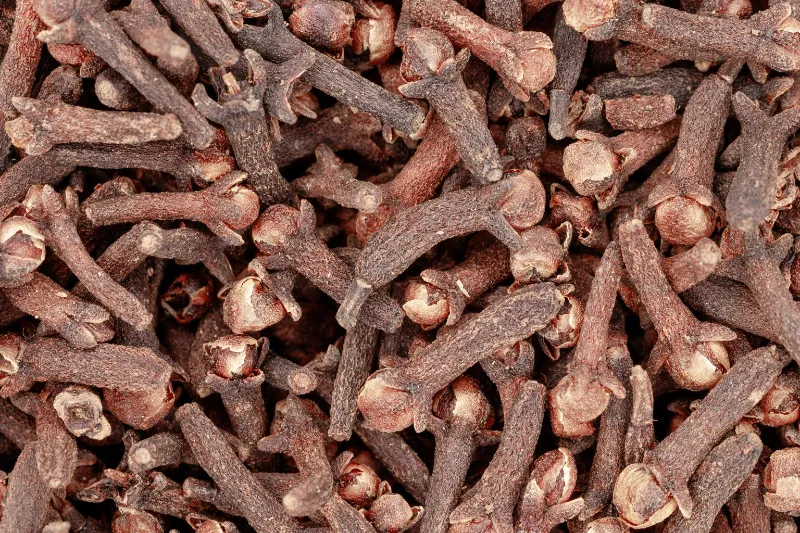
Cloves have the highest antioxidant content of virtually any food, spice, or herb on the ORAC scale. They’re packed with eugenol, a compound with powerful antioxidant, anti-inflammatory, and antimicrobial properties.
Research shows eugenol can help reduce liver damage caused by oxidative stress and may have protective effects against certain cancers. Just a small pinch of ground cloves adds enormous antioxidant value to any dish.
Use ground cloves in your holiday baking, chai tea, or spice rubs for meat. A little goes a very long way, both in flavor and in antioxidant power.
22. Oregano
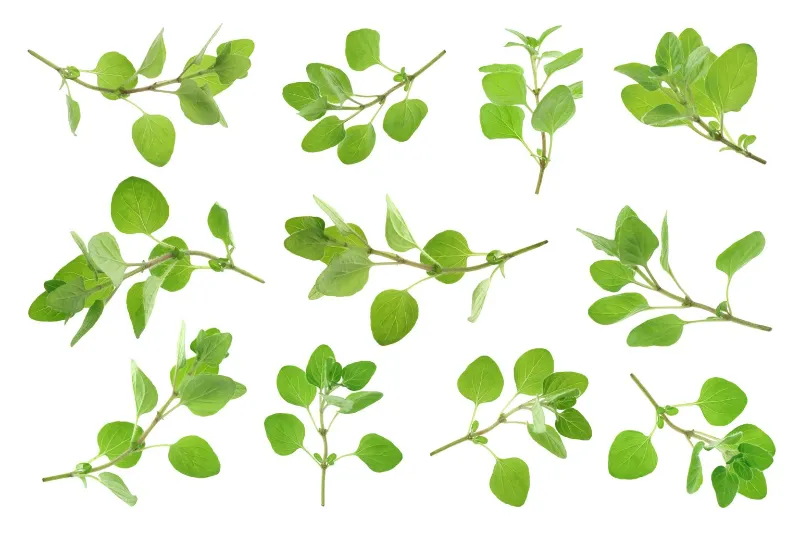
Fresh or dried oregano contains rosmarinic acid and thymol, two antioxidant compounds with proven antibacterial and anti-inflammatory properties. Gram for gram, oregano has 42 times the antioxidant activity of apples.
Thymol has been studied as a natural antimicrobial agent and is even used in some clinical mouthwashes. Oregano oil extracts are widely studied for their effects on harmful bacteria and fungi.
Dried oregano is something almost every American kitchen already has. Sprinkle it generously on pizza, pasta, roasted vegetables, and salad dressings for an easy antioxidant hit.
23. Acai Berries
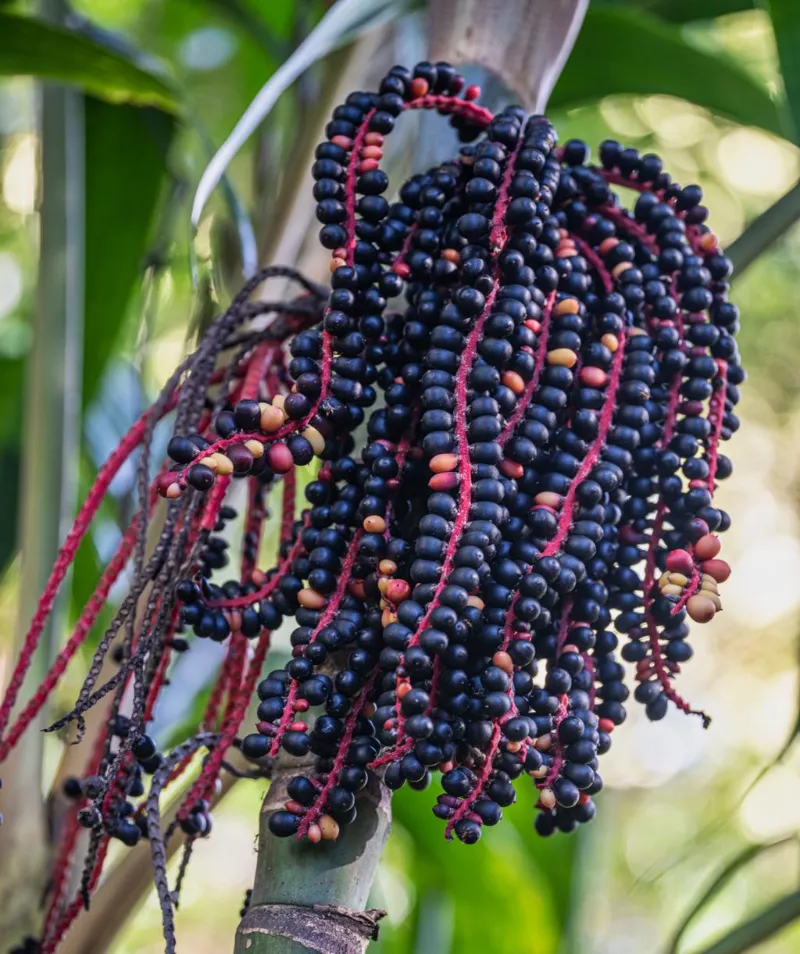
Acai berries come from the Amazon rainforest and have an ORAC score that dwarfs most other fruits. They’re rich in anthocyanins, flavonoids, and plant sterols that support heart and brain health.
Research from the University of Florida found that acai pulp triggered a self-destruct response in leukemia cells in lab settings. While this is early-stage research, the antioxidant profile alone makes acai a standout.
Frozen acai packets are widely available at Trader Joe’s, Whole Foods, and Costco. Blend them into bowls or smoothies for a nutrient-dense meal that also happens to taste amazing.
24. Black Beans
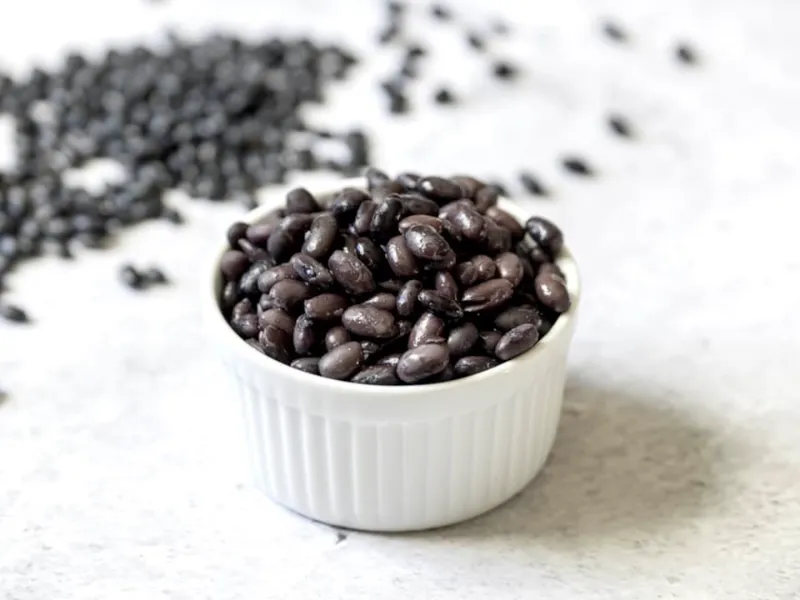
Black beans are a nutritional powerhouse hiding in your pantry. They contain anthocyanins in their dark outer skin, the same antioxidants found in blueberries and red cabbage, making them uniquely antioxidant-rich among legumes.
They’re also a great source of manganese, which is a key component of superoxide dismutase, one of your body’s own built-in antioxidant enzymes. Supporting that enzyme means your body gets better at protecting itself.
Use black beans in burritos, grain bowls, soups, or even blend them into brownies for a sneaky nutrition boost. Canned versions are just as nutritious as dried and take zero prep time.
25. Raspberries
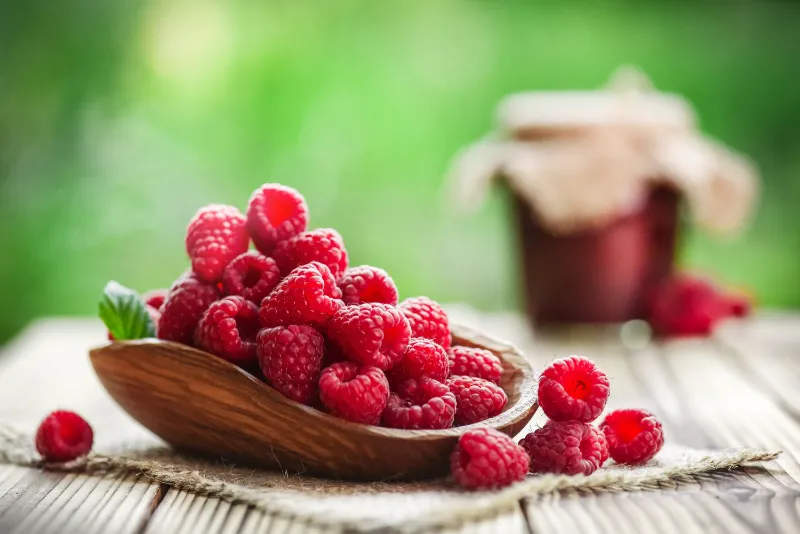
Raspberries are bursting with ellagic acid, quercetin, and vitamin C, a trio of antioxidants that work synergistically to fight inflammation. They also contain ketones, which have been studied for their role in metabolism and fat burning.
The high fiber content in raspberries, about eight grams per cup, helps slow sugar absorption and feeds beneficial gut bacteria. A healthy gut is increasingly linked to reduced systemic inflammation.
Fresh raspberries are delicate, but frozen ones are just as nutritious and much more affordable. Add them to smoothies, oatmeal, or simply thaw them and stir into plain yogurt.
26. Walnuts
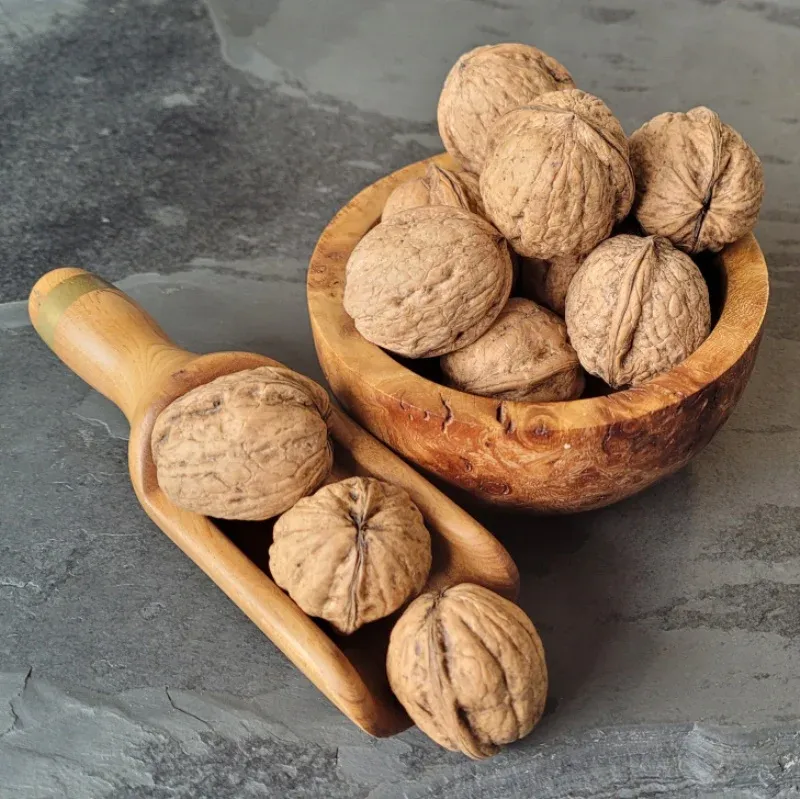
Walnuts are the only tree nut with a significant amount of alpha-linolenic acid (ALA), the plant-based form of omega-3 fatty acids. Combined with polyphenols like ellagitannins, they’re a dual-action anti-inflammatory and antioxidant food.
Research published in the British Journal of Nutrition found that walnut consumption was associated with reduced markers of oxidative stress in healthy adults. Just one ounce a day seems to be enough to see benefits.
Walnuts are great on salads, stirred into oatmeal, or eaten plain as a snack. Their slightly bitter, earthy flavor pairs beautifully with honey, dark chocolate, or sharp cheeses.
27. Sunflower Seeds
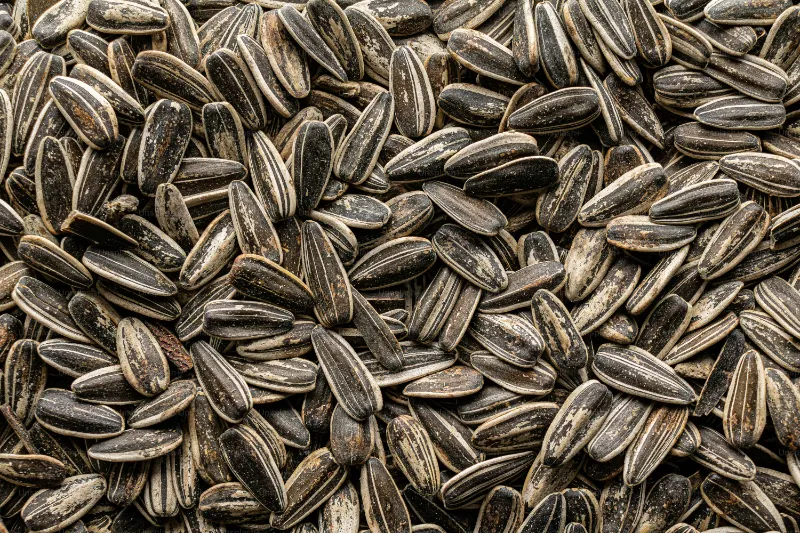
Sunflower seeds are one of the best dietary sources of vitamin E, a fat-soluble antioxidant that protects cell membranes from oxidative damage. One ounce provides about 37% of your daily vitamin E needs.
Vitamin E works especially hard in your lungs, where cells are constantly exposed to oxygen and therefore vulnerable to oxidative stress. It also supports skin health by reducing UV-related damage at the cellular level.
Keep a bag of roasted sunflower seeds at your desk for easy snacking. They’re also great sprinkled on salads, stirred into rice dishes, or mixed into homemade granola.
28. Sweet Cherries
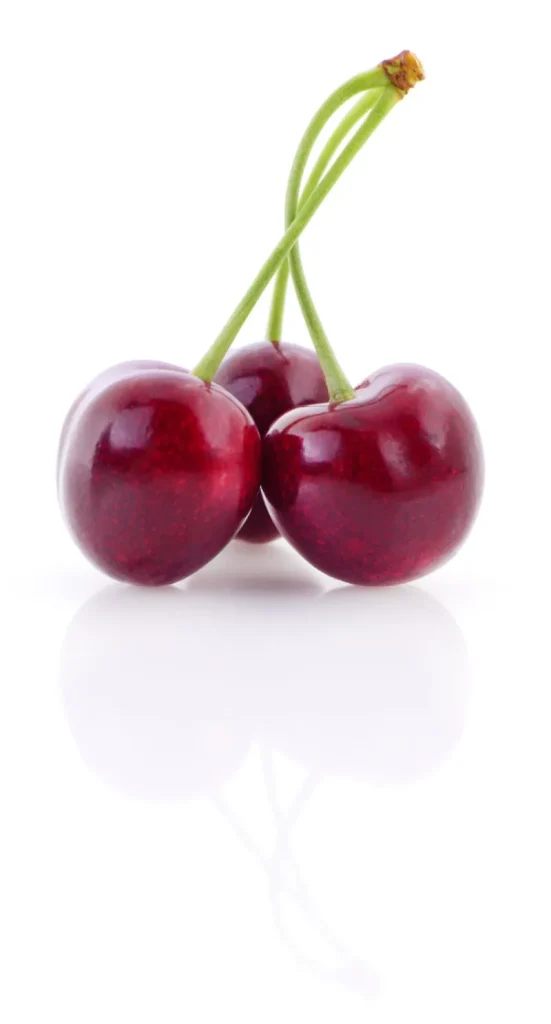
Sweet cherries are packed with anthocyanins and cyanidin, antioxidants that have been specifically studied for their anti-inflammatory effects on joint pain and gout. Research from UC Davis found that eating cherries reduced gout attacks by 35% in people with the condition.
Tart cherry juice has also been widely studied in athletes for reducing muscle soreness and improving recovery time after intense exercise. The antioxidants appear to reduce exercise-induced oxidative damage in muscle tissue.
Fresh cherries are a summer treat, but frozen sweet cherries are available year-round. They’re perfect in smoothies, baked goods, or simply thawed and eaten over yogurt.
29. Pinto Beans
Pinto beans are a staple in American Mexican cuisine and a surprisingly strong source of antioxidants. They contain polyphenols including ferulic acid and kaempferol, which have anti-inflammatory and neuroprotective properties.
Ferulic acid is particularly interesting because it crosses the blood-brain barrier, meaning it can directly help protect brain cells from oxidative damage. This makes pinto beans a brain-friendly food, not just a protein source.
Use pinto beans as the base for refried beans, add them to burritos, or stir them into soups and stews. They’re budget-friendly, filling, and quietly doing a lot of good work in your body.
30. Apples
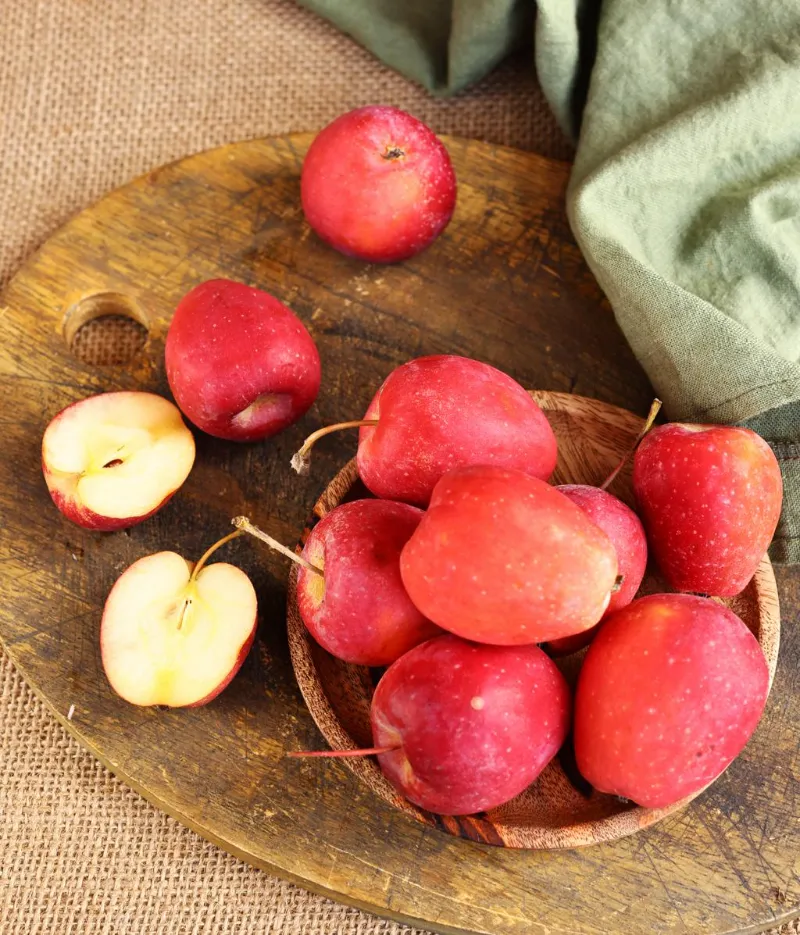
You know what they say about an apple a day. Apples contain quercetin, catechin, and chlorogenic acid, a powerful trio of antioxidants concentrated mostly in the skin.
Quercetin in particular has been linked to reduced allergy symptoms, lower blood pressure, and even protection against neurodegenerative diseases like Alzheimer’s in early research. The skin is the most nutrient-dense part, so don’t peel it.
Eat apples as a whole fruit rather than drinking apple juice, which strips out most of the fiber and many of the antioxidants. A daily apple with the skin on is simple, affordable, and genuinely effective.
31. Broccoli
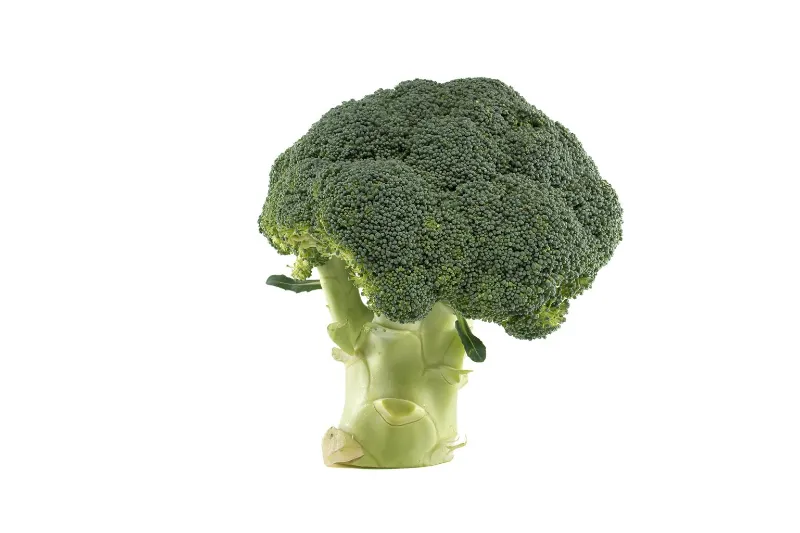
Broccoli is a cruciferous vegetable loaded with sulforaphane, a sulfur-containing compound that activates your body’s own antioxidant defense systems. It essentially turns up the volume on your internal antioxidant enzymes.
Research from Johns Hopkins has extensively studied sulforaphane for its potential to reduce cancer risk by neutralizing carcinogens before they can damage DNA. Broccoli also provides vitamin C and beta-carotene for additional antioxidant coverage.
Lightly steam or roast broccoli rather than boiling it, which leaches out nutrients. Adding a sprinkle of mustard seed to cooked broccoli actually increases sulforaphane activity, which is a neat little kitchen trick.
32. Garlic
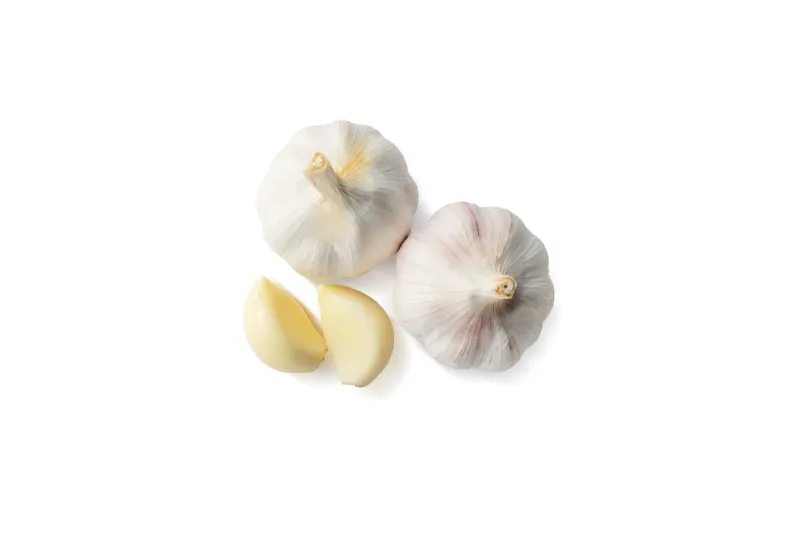
Garlic’s antioxidant power comes from allicin, which forms when you chop or crush a raw clove. Allicin converts into other sulfur compounds that have been shown to reduce oxidative stress and support immune function.
Studies have found that aged garlic extract in particular can significantly increase antioxidant enzyme activity in the body. Regular garlic consumption is also linked to lower blood pressure and reduced LDL cholesterol.
Crush or mince garlic and let it sit for about ten minutes before cooking to maximize allicin formation. Add it generously to pasta, soups, stir-fries, and roasted vegetables.
33. Onions
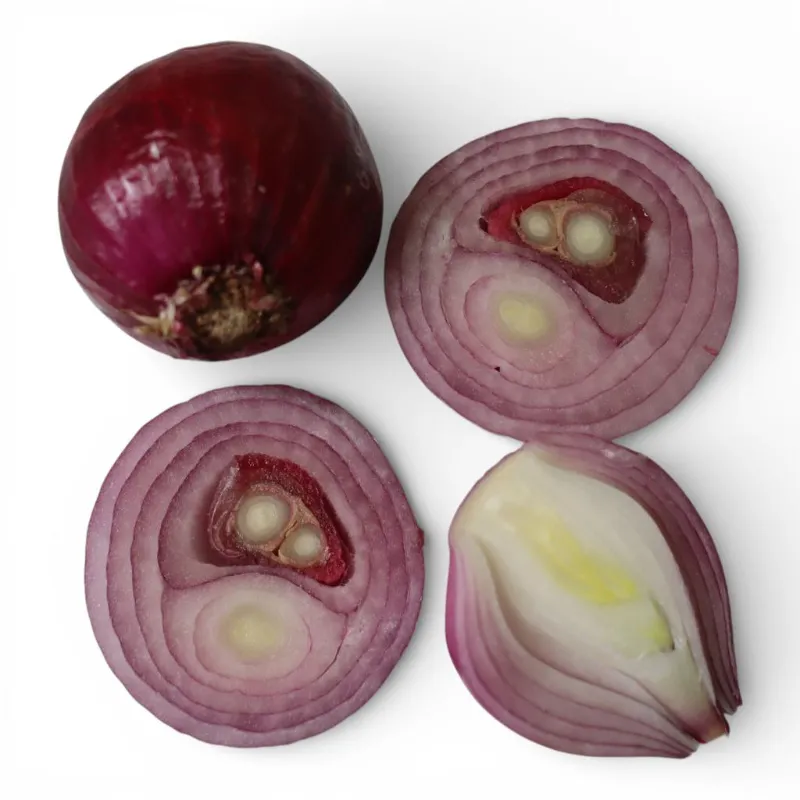
Onions are one of the richest dietary sources of quercetin, one of the most studied antioxidant flavonoids in the world. Red and yellow onions tend to have higher quercetin levels than white varieties.
Quercetin has well-documented anti-inflammatory, antihistamine, and antiviral properties. It’s one of the reasons onions have been used medicinally across virtually every culture throughout history.
The outer layers of onions have the highest quercetin concentration, so don’t over-peel them. Use onions raw in salads, caramelized on burgers, or as the aromatic base for virtually any savory dish.
34. Red and Purple Grapes
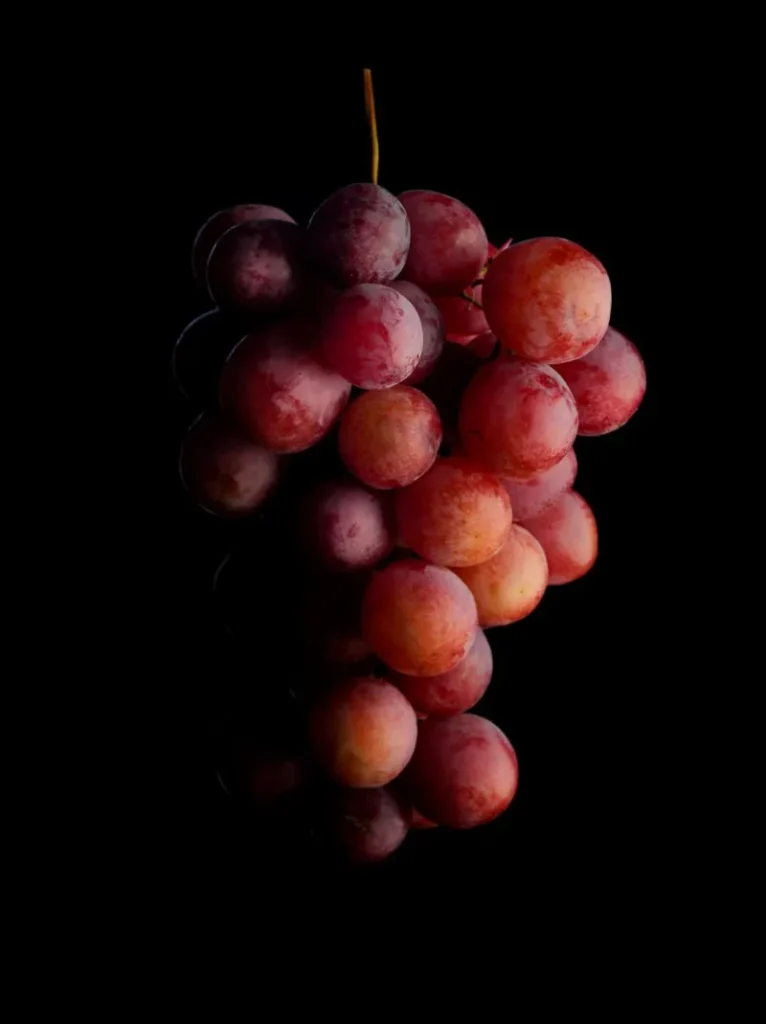
Red and purple grapes are famous for containing resveratrol, an antioxidant polyphenol that made headlines for its potential longevity benefits. Resveratrol activates sirtuins, proteins associated with cellular aging and DNA repair.
Beyond resveratrol, grapes contain quercetin and catechins that work together to protect the lining of blood vessels and reduce LDL oxidation. The antioxidants are concentrated in the skin and seeds, which is why whole grapes beat grape juice.
Snack on red or purple grapes instead of processed snacks. Frozen grapes also make a surprisingly satisfying summer treat that’s as refreshing as it is antioxidant-rich.
35. Tomatoes
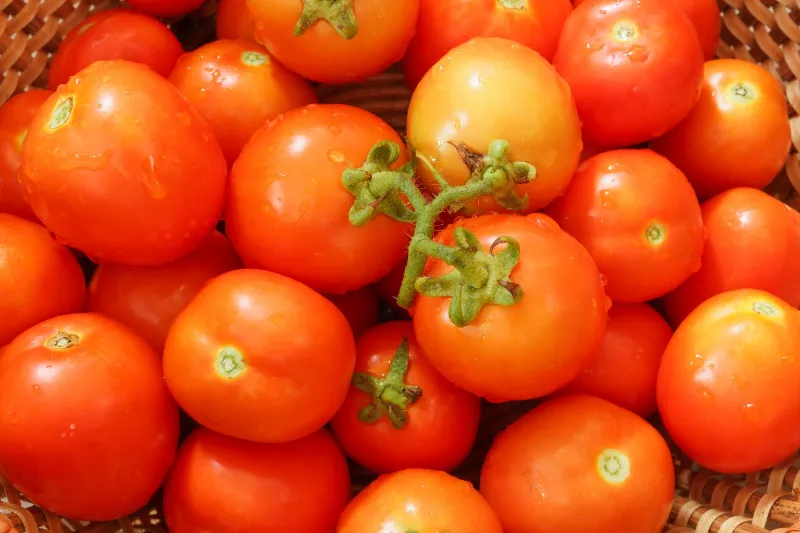
Tomatoes are the best dietary source of lycopene, a carotenoid antioxidant associated with reduced risk of prostate cancer, heart disease, and stroke. What’s fascinating is that cooked tomatoes actually release more lycopene than raw ones.
A study published in the American Journal of Clinical Nutrition found that men who consumed ten or more servings of tomato-based foods per week had a significantly lower risk of prostate cancer. The heat from cooking breaks down cell walls and makes lycopene more bioavailable.
Tomato sauce, canned tomatoes, and tomato paste are all powerhouse lycopene sources. Don’t be afraid of these processed-but-not-junk versions; they’re genuinely more antioxidant-rich than raw tomatoes in this case.
36. Flaxseeds
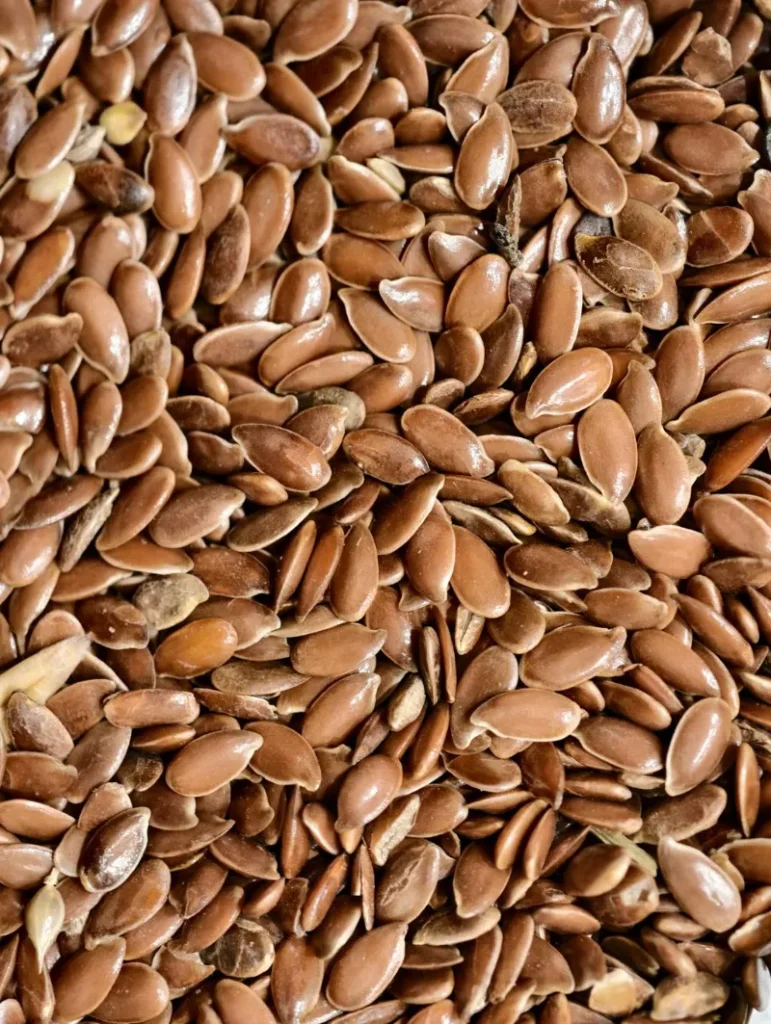
Flaxseeds are one of the richest plant sources of lignans, a type of polyphenol antioxidant with demonstrated hormonal balancing and cancer-protective effects. One tablespoon contains more lignans than almost any other food.
Research suggests lignans can reduce the risk of hormone-related cancers, particularly breast and prostate cancer, by blocking estrogen receptors and reducing oxidative damage. Flaxseeds also provide ALA omega-3s and generous amounts of soluble fiber.
Ground flaxseeds are far better absorbed than whole ones, so grind them or buy them pre-ground. Stir a tablespoon into oatmeal, smoothies, or yogurt daily for a simple, consistent boost.
37. Avocado
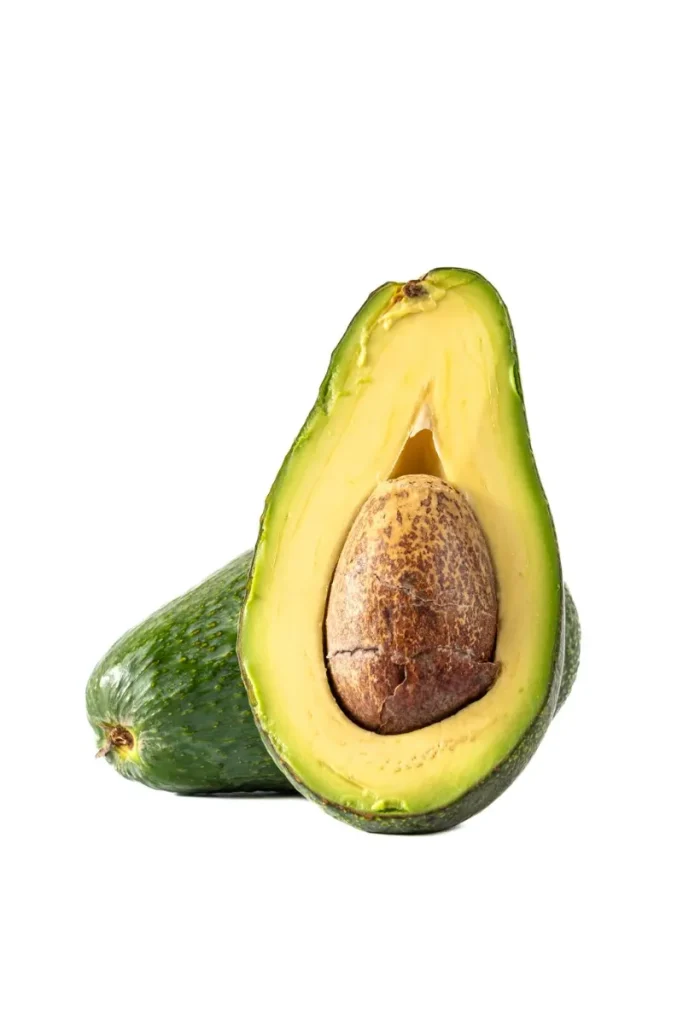
Avocados are rich in glutathione, sometimes called the body’s “master antioxidant” because it recycles and regenerates other antioxidants in your system. They also contain lutein and the antioxidant vitamins C and E.
The healthy monounsaturated fats in avocado actually help your body absorb fat-soluble antioxidants like beta-carotene and lycopene from other foods eaten at the same meal. Adding avocado to a salad can multiply your total antioxidant absorption significantly.
Eat avocado regularly on toast, in salads, or blended into smoothies for creaminess. It’s one of those rare foods where healthy fats and antioxidants come perfectly packaged together.
38. Matcha
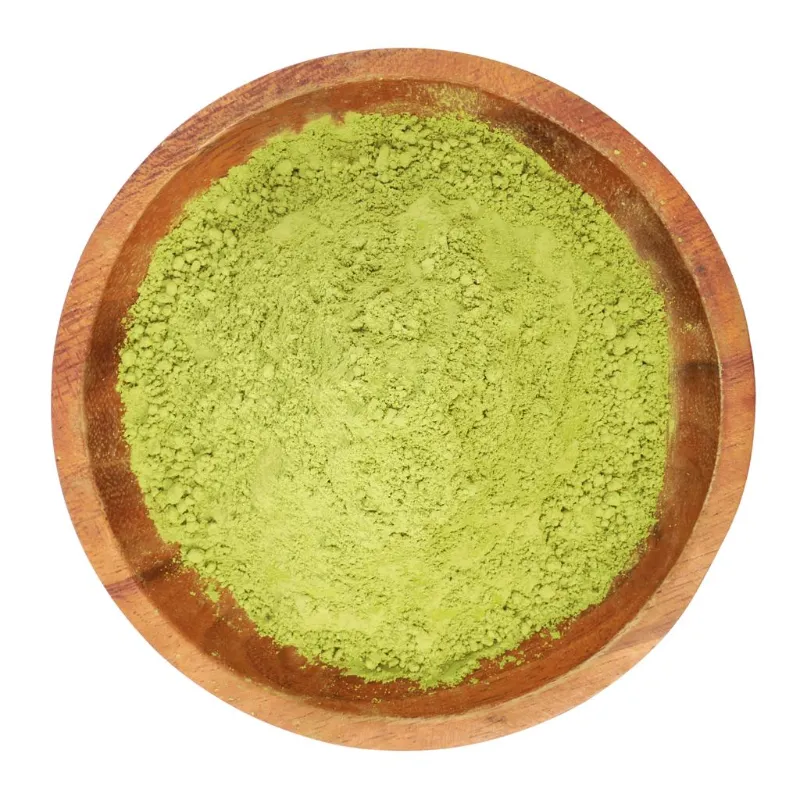
Matcha is green tea taken to the next level. Because you consume the entire ground leaf rather than steeping it, matcha delivers up to 137 times more EGCG than regular brewed green tea, according to research from the University of Colorado.
That enormous concentration of catechins means matcha provides dramatically greater antioxidant protection per serving. It also contains chlorophyll from the shade-growing process, which has its own detoxifying antioxidant properties.
Ceremonial grade matcha is best for drinking, while culinary grade works well in lattes, baked goods, and smoothies. Even one cup a day is a meaningful antioxidant investment.
39. Moringa
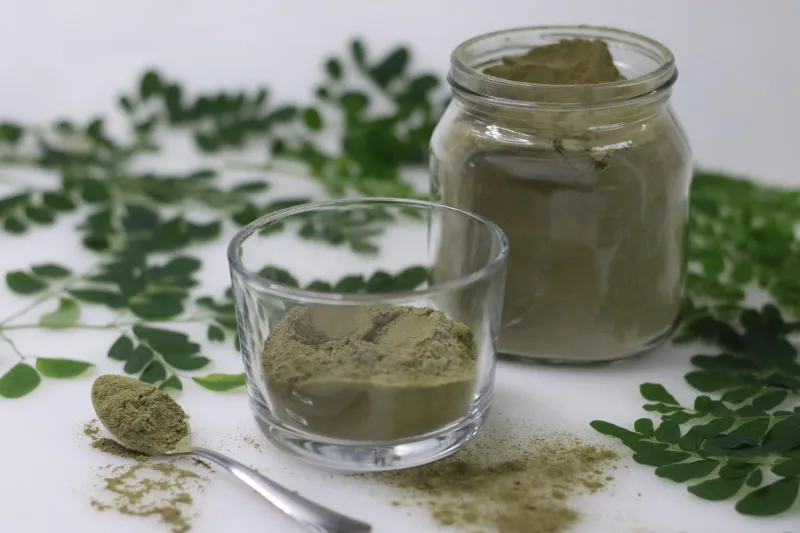
Moringa, often called the “miracle tree,” has been used in Ayurvedic medicine for thousands of years. Its leaves contain over 46 antioxidants including quercetin, chlorogenic acid, and beta-carotene, making it one of the most nutrient-dense plants ever studied.
A 2014 study published in the Asian Pacific Journal of Cancer Prevention highlighted moringa’s high antioxidant content and its potential protective effects against oxidative stress-related diseases. The leaves also contain isothiocyanates, the same class of compounds found in broccoli.
Moringa powder is widely available in health food stores and online. It has a mild, slightly earthy flavor that blends easily into smoothies, soups, or even mixed into guacamole for an antioxidant upgrade.
Final Thoughts
You don’t need exotic supplements or expensive wellness programs to flood your body with antioxidants. The real powerhouses are often already in your kitchen, in your grocery store, or just a few aisles away.
Start small. Pick two or three foods from this list that feel easy to add to your routine this week. Your cells will thank you, and over time, those small daily choices add up to something genuinely transformative for your health.
