
34 Shocking Uric Acid Foods To Avoid You Need to Start Eating Now

If your doctor has ever mentioned uric acid, gout, or joint pain, you probably walked away feeling a little overwhelmed. The good news? What you eat can make a massive difference, and some of the most powerful foods are already sitting in your grocery store.
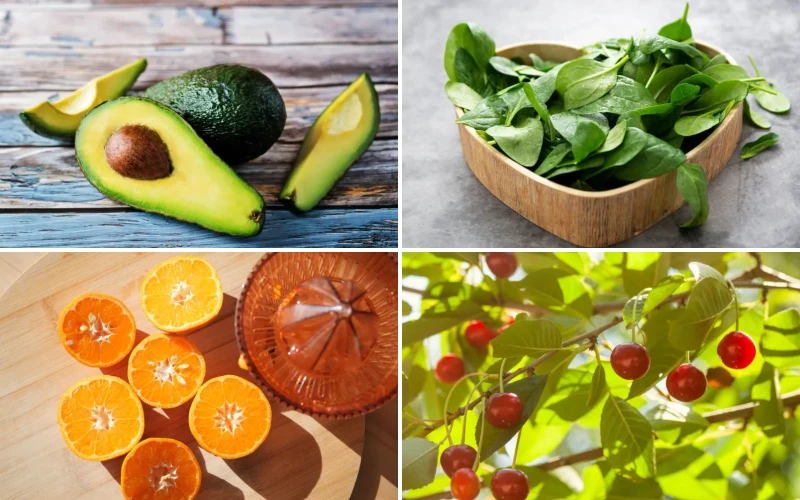
This article walks you through 34 incredible foods that can help your body manage uric acid levels naturally. You will learn what makes each one special, the real science behind it, and exactly how to add it to your daily routine.
1. Tart Cherries
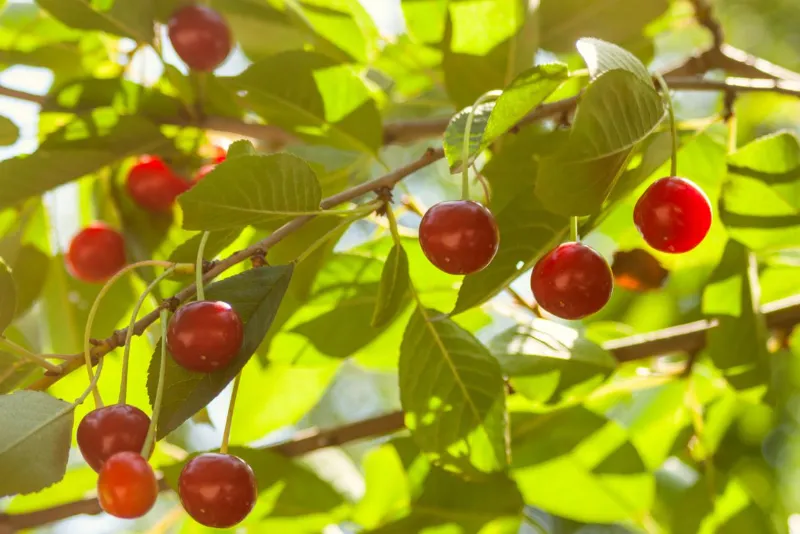
Tart cherries are one of the most talked-about foods in the uric acid world, and for good reason. Studies published in the journal Arthritis & Rheumatology found that people who ate cherries had a significantly lower risk of gout attacks. That is not just hype, that is real research backing up what many people have experienced firsthand.
The secret lies in anthocyanins, the pigments that give tart cherries their deep red color. These compounds have powerful anti-inflammatory and antioxidant effects that help your body flush out excess uric acid. They also inhibit an enzyme called xanthine oxidase, which is the same enzyme that uric acid-lowering medications often target.
You can enjoy tart cherries fresh, frozen, or as 100% tart cherry juice with no added sugar. Aim for about a cup of fresh cherries or 8 ounces of juice daily. Many people notice a difference within just a few weeks of making this a habit.
2. Celery
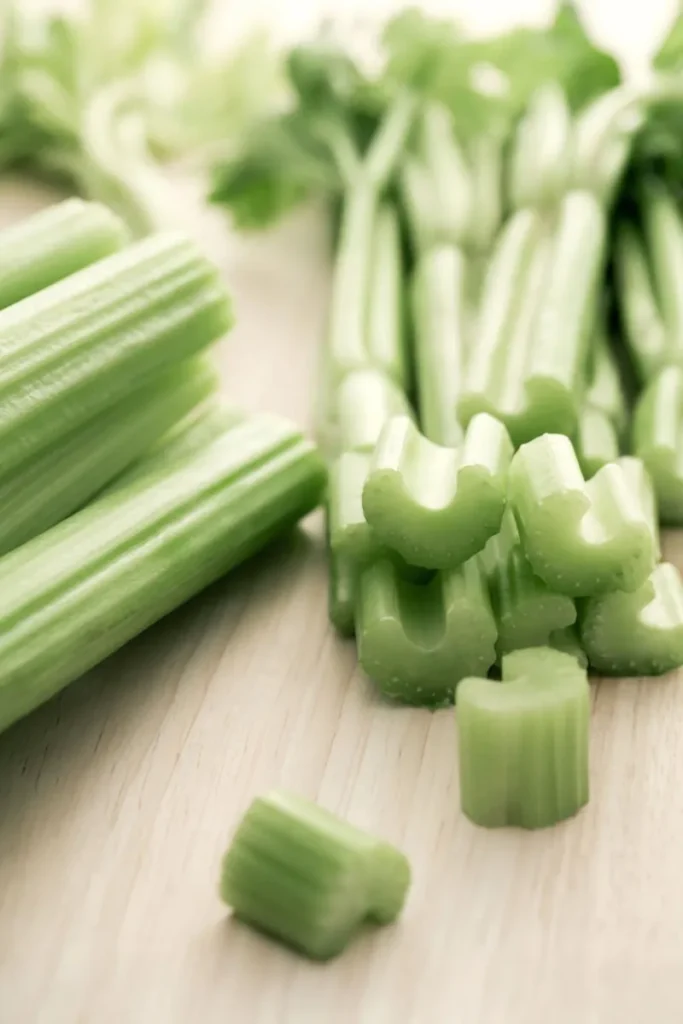
Celery might seem like a humble vegetable, but it is quietly one of the best foods you can eat for uric acid management. It contains compounds called 3-n-butylphthalide (3nB) and luteolin, both of which have been shown to reduce uric acid production and support kidney function. Your kidneys are the organs responsible for filtering uric acid out of your blood, so keeping them happy matters a lot.
Celery is also a natural diuretic, meaning it helps your body produce more urine. More urine means more opportunity to flush excess uric acid out of your system before it crystallizes in your joints. It is a simple but powerful mechanism that works in your favor.
Snack on celery sticks with a little almond butter, toss it into a stir-fry, or blend it into a green juice. Celery seed extract is also available as a supplement if you want a more concentrated dose. Either way, making celery a regular part of your diet is a smart, easy move.
3. Lemon Water

Starting your morning with a glass of lemon water is one of the simplest habits you can build for uric acid health. Lemons are rich in citric acid, which stimulates your body to produce calcium carbonate. That compound then works to neutralize uric acid in your blood and urine, making it easier for your kidneys to excrete it.
Research has shown that drinking lemon water regularly can actually raise the pH of your urine, making it less acidic. When your urine is less acidic, uric acid dissolves more easily and passes out of your body more efficiently. It is such a simple shift with a surprisingly meaningful impact.
Squeeze half a lemon into a glass of warm or room-temperature water and drink it first thing in the morning before eating anything. You can also add lemon to sparkling water throughout the day as a refreshing, low-calorie way to stay hydrated and support your uric acid levels at the same time.
4. Ginger
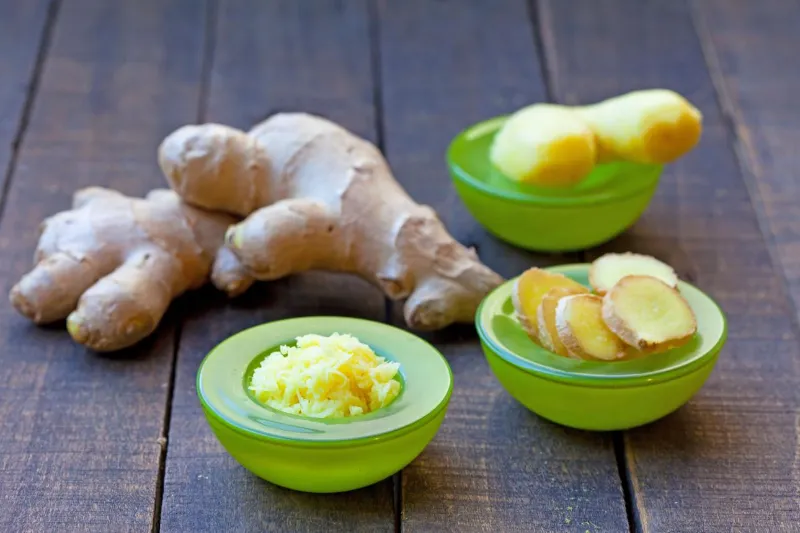
Ginger has been used in traditional medicine for thousands of years, and modern science is finally catching up to explain why. Its main active compound, gingerol, has strong anti-inflammatory properties that can help reduce the painful swelling associated with high uric acid and gout flares. A study in the journal Arthritis found that ginger can inhibit inflammation pathways in a way similar to some anti-inflammatory medications.
Beyond reducing inflammation, ginger also supports digestion and circulation, which indirectly helps your body process and eliminate waste products like uric acid. It is one of those foods that works on multiple levels at once. That is what makes it such a valuable addition to your diet.
You can add fresh ginger to smoothies, brew it as a tea, or grate it over stir-fries and soups. Even a small amount, about a teaspoon of fresh grated ginger per day, can make a noticeable difference. It has a warming, slightly spicy flavor that pairs well with lemon water for a morning drink that checks two boxes at once.
5. Apples
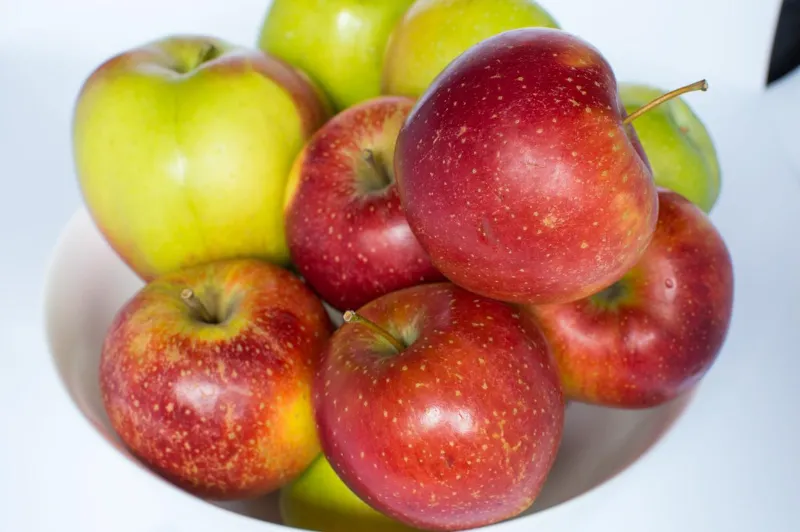
An apple a day might actually do more than keep the doctor away when it comes to uric acid. Apples contain malic acid, which helps neutralize uric acid in the bloodstream and supports the body in eliminating it through urine. They are also rich in fiber, which supports gut health and reduces the overall inflammatory load on your body.
The quercetin found in apple skins is another reason to leave that peel on. Quercetin is a flavonoid with well-documented anti-inflammatory and antioxidant properties. It has been studied for its potential to inhibit uric acid production, working in a similar way to some conventional gout medications but without the side effects.
Eating one or two apples a day is an easy habit to build. Go for whole apples over apple juice, since the fiber content is much higher and sugar is lower. Organic apples are worth considering here since you will be eating the skin, where most of the beneficial compounds are concentrated.
6. Bananas
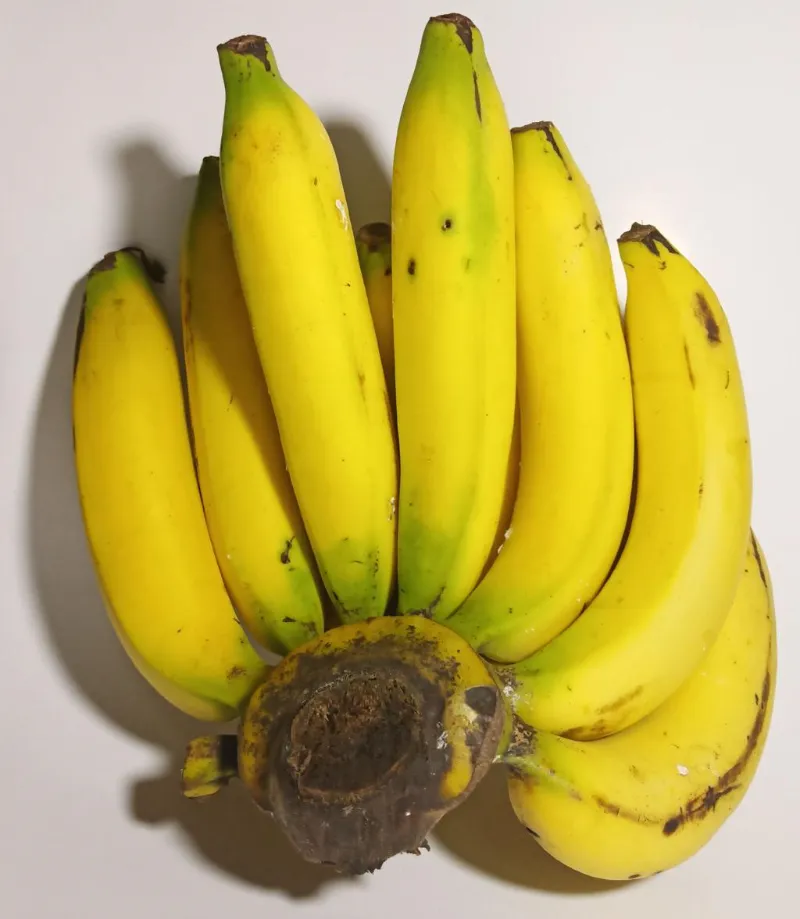
Bananas are often recommended for people managing uric acid because they are naturally low in purines, the compounds that break down into uric acid in your body. Most fruits are low in purines, but bananas stand out because they are also rich in potassium, which helps convert uric acid crystals into a liquid form that your kidneys can excrete more easily.
Vitamin C is another nutrient found in bananas, and it has been studied for its role in lowering serum uric acid levels. A large meta-analysis found that higher vitamin C intake was associated with reduced uric acid levels in the blood. While bananas are not the highest vitamin C source, every bit helps when you are building a uric acid-friendly diet.
Bananas make the perfect grab-and-go snack, and they are filling enough to curb hunger between meals. Slice them into oatmeal, blend them into smoothies, or enjoy one plain as a mid-morning snack. They are affordable, widely available, and genuinely good for your body in multiple ways.
7. Blueberries
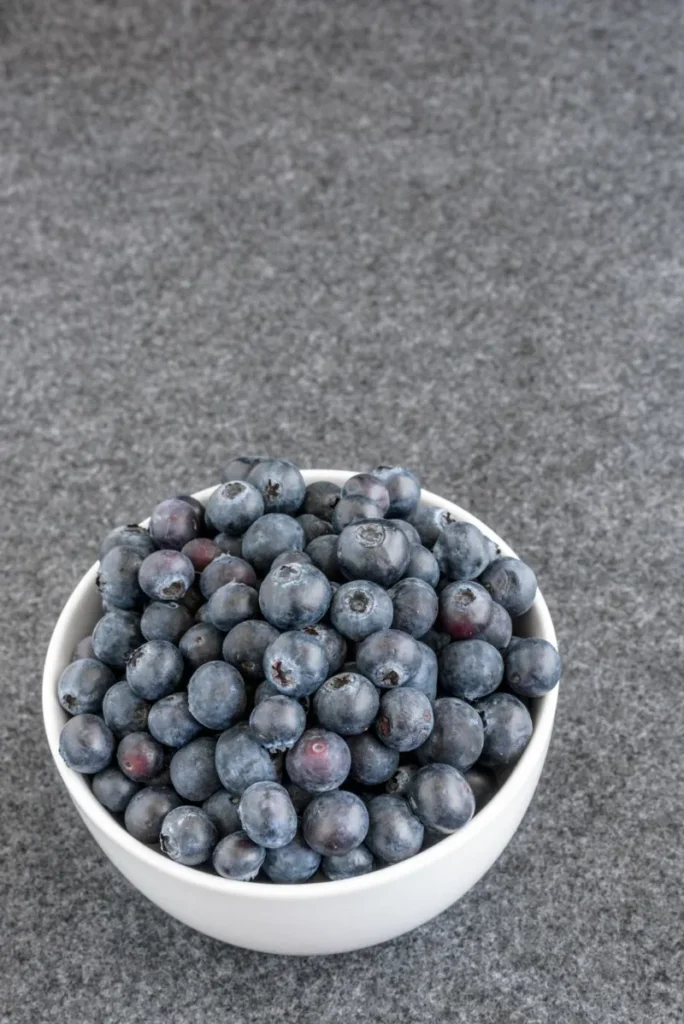
Blueberries are basically tiny anti-inflammatory powerhouses. Like tart cherries, they are packed with anthocyanins that help reduce inflammation and oxidative stress throughout the body. When inflammation is lower, your body is better able to manage uric acid without tipping into the painful territory of a gout flare.
Research published in the journal Free Radical Biology and Medicine found that blueberries can significantly reduce markers of inflammation and oxidative damage. For people dealing with high uric acid, this kind of systemic inflammation reduction is incredibly valuable. It is not just about the uric acid itself but about creating an internal environment where your body can heal.
A daily serving of about half a cup of fresh or frozen blueberries is a great place to start. Toss them into yogurt, blend them into smoothies, or just eat them by the handful as a snack. Frozen blueberries are just as nutritious as fresh and often more affordable, so do not hesitate to stock your freezer.
8. Cucumber
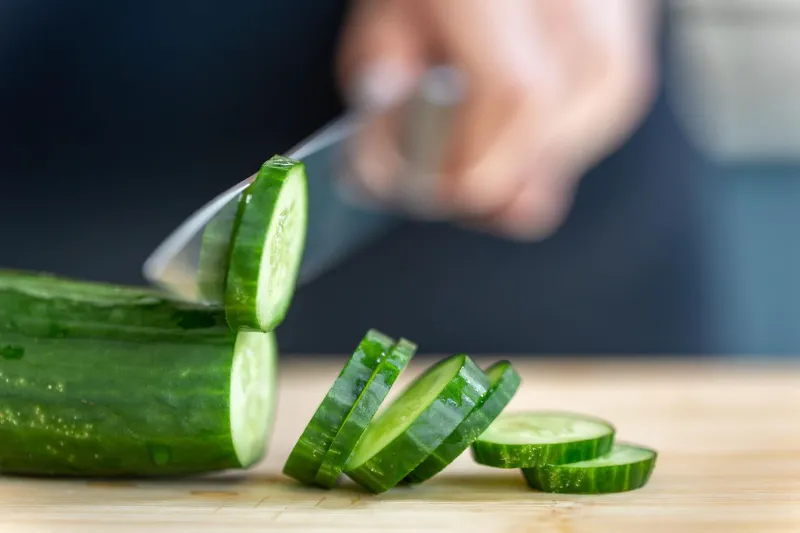
Cucumbers are about 96% water, which already makes them a fantastic choice for flushing uric acid from your system through increased urination. But they also contain compounds that actively help lower uric acid levels. Cucumbers provide potassium and phosphorus, both of which support kidney function and help your body regulate uric acid excretion.
There is also evidence that cucumber juice can help alkalize the body, creating a pH environment in which uric acid is less likely to crystallize in joints. Some natural health practitioners recommend drinking fresh cucumber juice as a targeted remedy for gout and elevated uric acid. It is not a magic cure, but it is a genuinely supportive habit.
Slice cucumbers into your water for a refreshing infused drink, add them to salads, or blend them into a cool gazpacho. You can also juice fresh cucumbers with lemon and ginger for a powerful uric acid-supporting tonic. They are mild in flavor, incredibly versatile, and deeply hydrating.
9. Pineapple
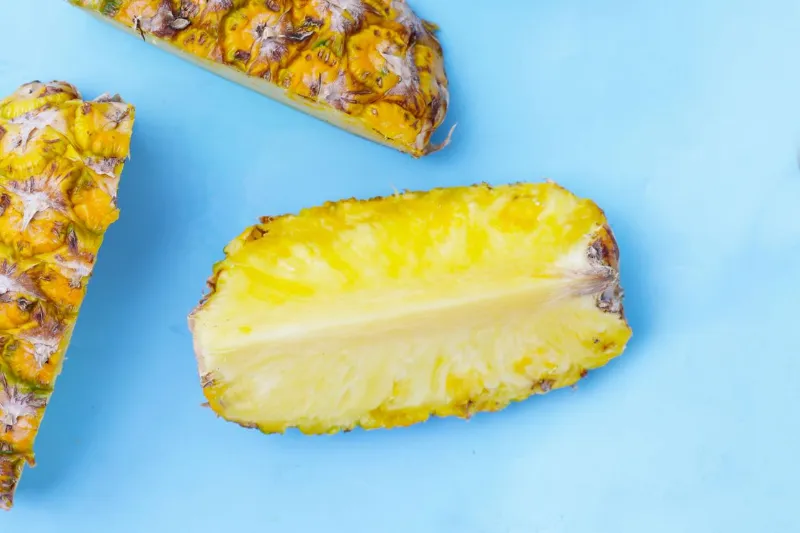
Pineapple contains bromelain, an enzyme that has earned a solid reputation for its anti-inflammatory effects. Studies have shown that bromelain can help reduce swelling, pain, and joint discomfort, all of which are relevant for anyone dealing with elevated uric acid. It works by breaking down inflammatory compounds and supporting the immune system’s response to tissue damage.
Pineapple is also a good source of vitamin C, which as mentioned earlier, has been linked to lower uric acid levels in clinical research. Getting vitamin C from whole food sources like pineapple also means you are getting fiber and other beneficial compounds alongside it, which makes it a more complete approach than just popping a supplement.
Enjoy fresh pineapple as a snack, add it to fruit salads, or blend it into a tropical smoothie with ginger and coconut water. Canned pineapple in juice (not syrup) works too if fresh is not available. Aim for a cup or so a few times a week to get the consistent benefits of bromelain and vitamin C.
10. Turmeric
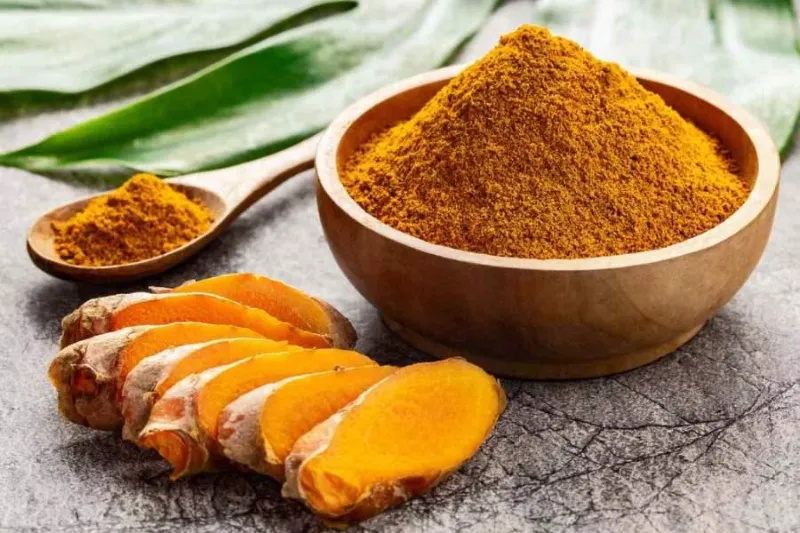
Turmeric might be the most studied anti-inflammatory spice on the planet right now. Its active compound, curcumin, has been shown in hundreds of studies to reduce inflammation at the molecular level by blocking NF-kB, a molecule that triggers the genes involved in inflammation. For people with high uric acid, this kind of deep anti-inflammatory action can help prevent and ease gout flares.
Curcumin has also been shown to support kidney health, which matters because your kidneys are your primary uric acid filtration system. When your kidneys function well, they are better able to clear uric acid from your blood before it reaches problematic levels. Turmeric works on both the symptom side (inflammation) and the root cause side (kidney function).
Add turmeric to soups, curries, scrambled eggs, or golden milk lattes. One important tip: always pair turmeric with black pepper. Piperine, the active compound in black pepper, increases curcumin absorption by up to 2,000%. Without it, much of the curcumin passes through your digestive system before your body can use it.
11. Green Tea

Green tea is rich in a catechin called EGCG (epigallocatechin-3-gallate), one of the most potent antioxidants found in any beverage. Research has shown that EGCG can inhibit xanthine oxidase, the enzyme responsible for producing uric acid in the body. That makes green tea a genuinely targeted choice for people looking to lower their uric acid levels naturally.
Beyond xanthine oxidase inhibition, green tea also has broad anti-inflammatory effects that help calm the immune response triggered by uric acid crystals in the joints. Drinking it regularly helps reduce the overall inflammatory burden on your body. It is the kind of habit that pays off quietly over time.
Aim for two to three cups of green tea per day for meaningful benefits. Brew it at around 175°F rather than boiling water to preserve the delicate catechins. If you are caffeine-sensitive, choose a decaf green tea option or limit your intake to morning hours so it does not interfere with sleep.
12. Olive Oil
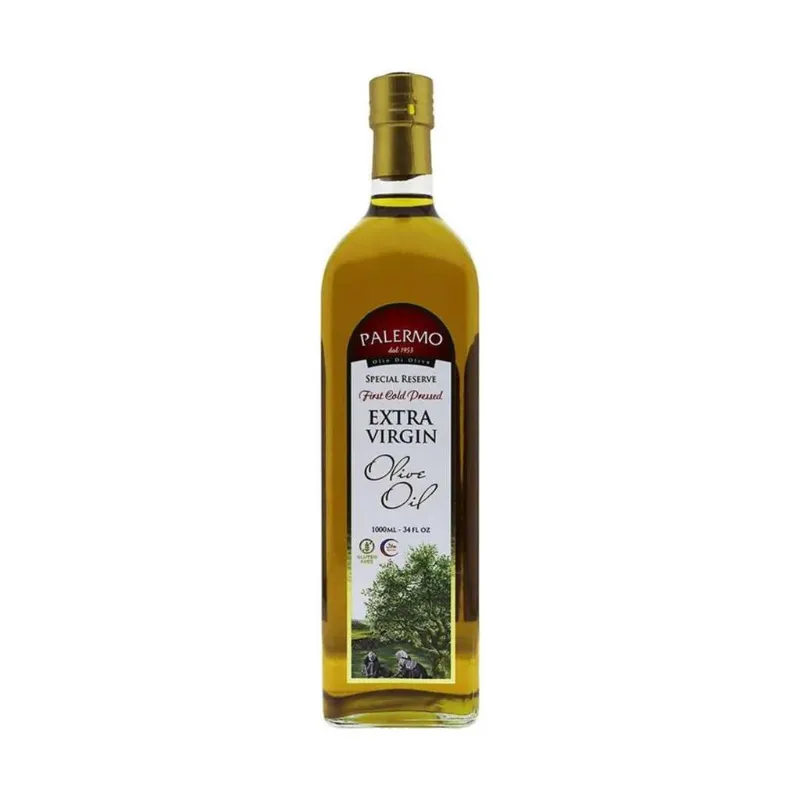
Olive oil is a cornerstone of the Mediterranean diet, one of the most anti-inflammatory eating patterns ever studied. Its main active compound, oleocanthal, works similarly to ibuprofen by blocking the same inflammatory enzymes (COX-1 and COX-2). For people managing uric acid and gout, this natural COX inhibition can help reduce the pain and swelling of a flare without reaching for over-the-counter medications.
Extra virgin olive oil also contains vitamin E and polyphenols that protect cells from oxidative damage. Oxidative stress is closely linked to gout and chronic inflammation, so foods that combat it at the cellular level are especially valuable. Choosing olive oil as your primary cooking fat is one of the most impactful dietary swaps you can make.
Use extra virgin olive oil for salad dressings, drizzling over roasted vegetables, and low to medium-heat cooking. Look for bottles labeled “cold-pressed” and “extra virgin” for the highest polyphenol content. A tablespoon or two per day is all it takes to start benefiting from its remarkable anti-inflammatory properties.
13. Garlic
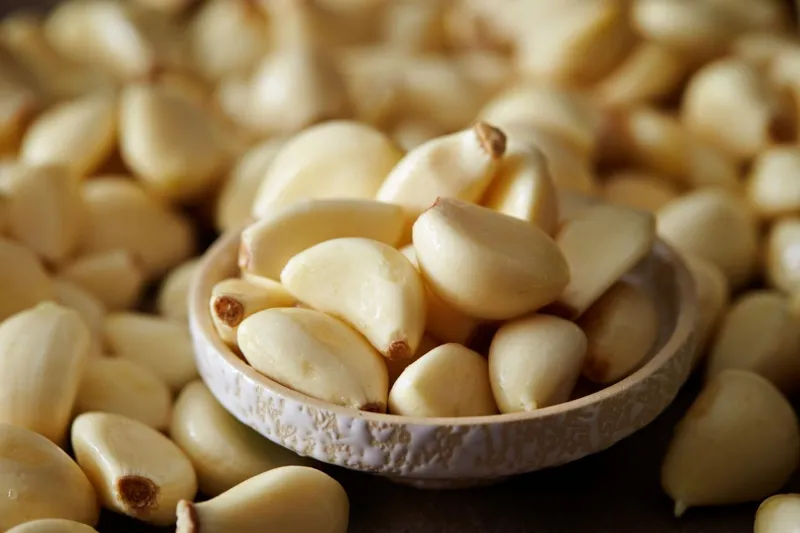
Garlic has been revered as a healing food across cultures for centuries, and science is giving us more reasons to keep it in our diets. Allicin, the sulfur compound released when garlic is crushed or chopped, has powerful antioxidant and anti-inflammatory properties. Research has shown that garlic can help reduce uric acid levels and protect the kidneys from oxidative damage caused by high uric acid concentrations.
Garlic also has a mild diuretic effect, which means it helps your body produce more urine and flush waste products including uric acid more efficiently. It supports circulation too, which helps ensure that your kidneys are getting the blood flow they need to filter effectively. It is a lot of benefits packed into a small, pungent clove.
Use garlic generously in your cooking: sauté it with vegetables, roast whole cloves in the oven, or blend it into sauces and dressings. For maximum allicin content, let crushed or chopped garlic sit for about 10 minutes before cooking. This allows the enzymatic reaction that produces allicin to complete fully before heat deactivates the enzyme.
14. Onions
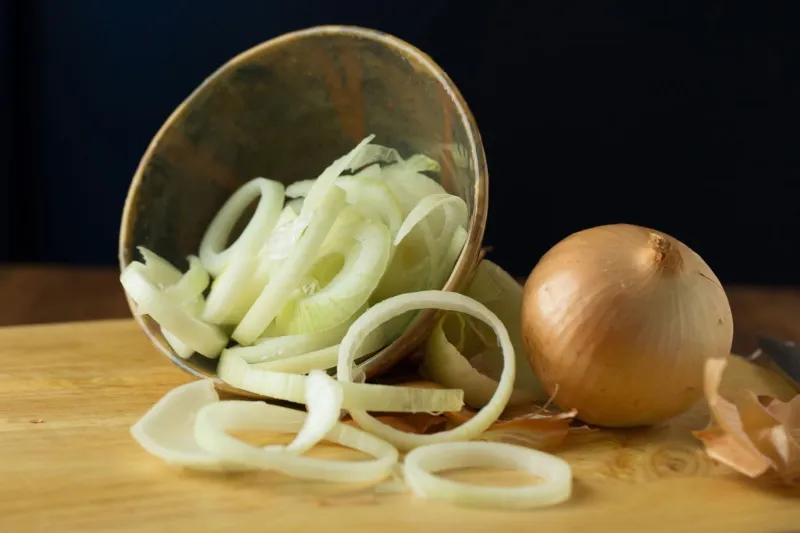
Onions are in the same family as garlic and share many of the same beneficial compounds. They are particularly rich in quercetin, a flavonoid that has been studied for its ability to lower uric acid levels by inhibiting xanthine oxidase. The quercetin in onions is highly bioavailable, meaning your body absorbs and uses it effectively.
Onions also contain sulfur compounds that support liver detoxification pathways. Your liver plays an important role in processing purines before they become uric acid, so supporting liver health indirectly supports healthier uric acid levels. Red onions tend to have the highest quercetin content, though all varieties offer meaningful benefits.
Add raw red onion to salads and sandwiches for the biggest quercetin hit, since cooking reduces some of the flavonoid content. That said, cooked onions in soups, stews, and stir-fries still offer plenty of benefits and are much easier on digestion for people with sensitive stomachs. Either way, make onions a daily staple in your cooking.
15. Broccoli
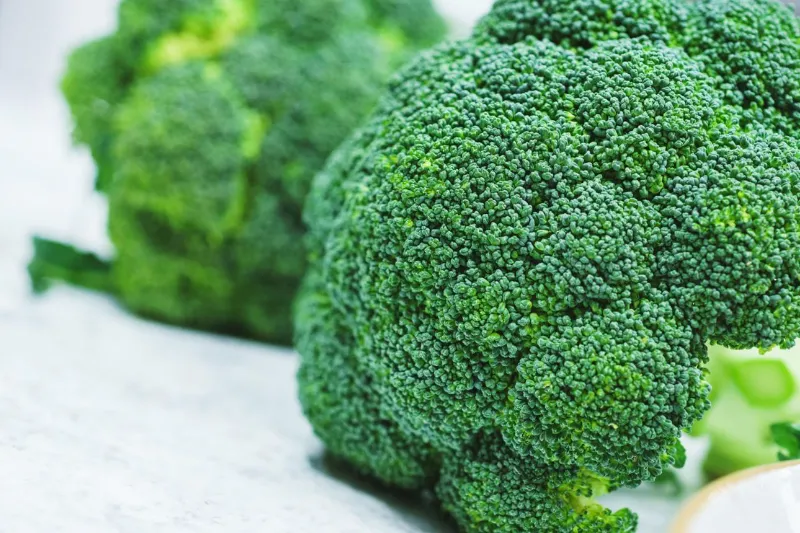
Broccoli is a nutritional overachiever in the best possible way. It is rich in vitamin C, fiber, potassium, and a compound called sulforaphane that activates the body’s own antioxidant defense systems. For uric acid management, the combination of vitamin C (which directly lowers serum uric acid) and sulforaphane (which reduces oxidative stress) makes broccoli a particularly powerful choice.
Broccoli is also low in purines, so you can eat it in generous amounts without worrying about contributing to uric acid production. This makes it a smart replacement for higher-purine foods like meat or seafood in your meals. Filling your plate with broccoli is a straightforward way to shift your diet in the right direction.
Steam, roast, or stir-fry broccoli rather than boiling it, since boiling leaches water-soluble vitamins including vitamin C into the cooking water. A light steam until just tender and bright green preserves the most nutrients. Aim for at least a cup a few times a week, and do not shy away from larger portions since this is one vegetable where more is genuinely better.
16. Carrots
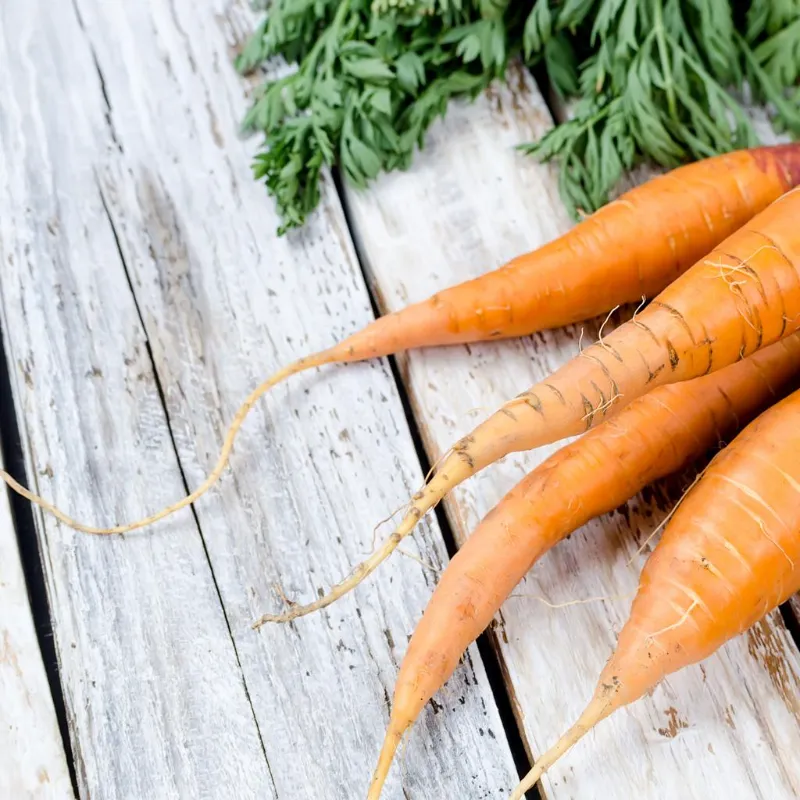
Carrots are low in purines and rich in beta-carotene, a powerful antioxidant that your body converts to vitamin A. Vitamin A plays an important role in supporting kidney function and immune health, both of which are critical for managing uric acid effectively. Their high fiber content also supports gut health, which influences systemic inflammation levels.
The antioxidants in carrots help neutralize free radicals that contribute to oxidative stress and inflammation. When your body is dealing with elevated uric acid, reducing oxidative stress helps protect your joint tissues from the damage that uric acid crystals can cause over time. Carrots work quietly in the background to keep your body’s defenses strong.
Snack on raw carrots with hummus, roast them with olive oil and garlic, or blend them into soups and stews. Carrot juice is another excellent option, especially when combined with ginger and lemon for a targeted uric acid-supporting drink. They are one of the most affordable and accessible vegetables you can buy, which makes building this habit easy.
17. Spinach
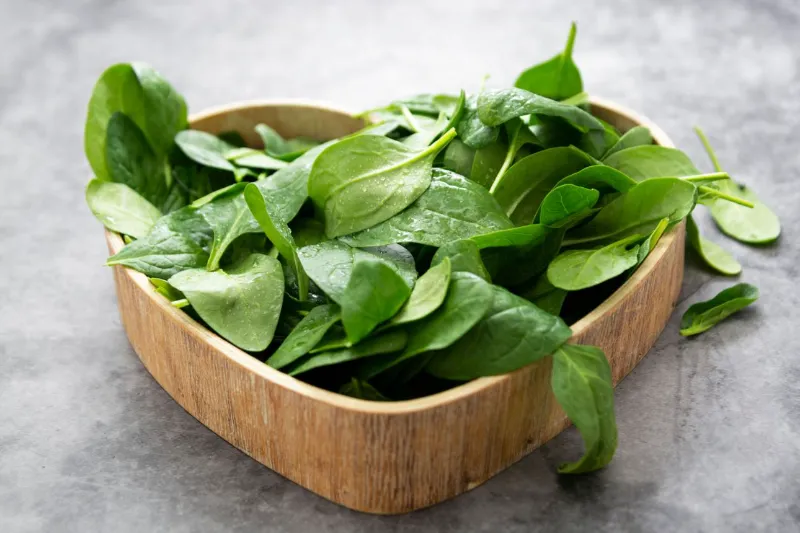
Spinach is loaded with vitamins C, E, and K, plus magnesium, all of which play roles in reducing inflammation and supporting kidney and liver function. While spinach does contain some oxalates, which some sources suggest may be a concern in very large quantities, moderate amounts are perfectly safe and highly beneficial for most people managing uric acid. The anti-inflammatory and antioxidant benefits far outweigh the concern for the vast majority of people.
Magnesium in particular is worth highlighting because research has linked low magnesium levels to higher uric acid levels. Many Americans are actually deficient in magnesium, so eating magnesium-rich foods like spinach is a smart nutritional move. Getting adequate magnesium helps your body regulate hundreds of enzymatic reactions, including those involved in uric acid metabolism.
Add a handful of baby spinach to smoothies (you will not taste it), sauté it with garlic as a quick side dish, or pile it into salads and wraps. Spinach wilts down significantly when cooked, so do not be afraid to use generous amounts. One large bunch of raw spinach becomes just a small serving when sautéed, so cooking it is a great way to eat more in a single sitting.
18. Kale
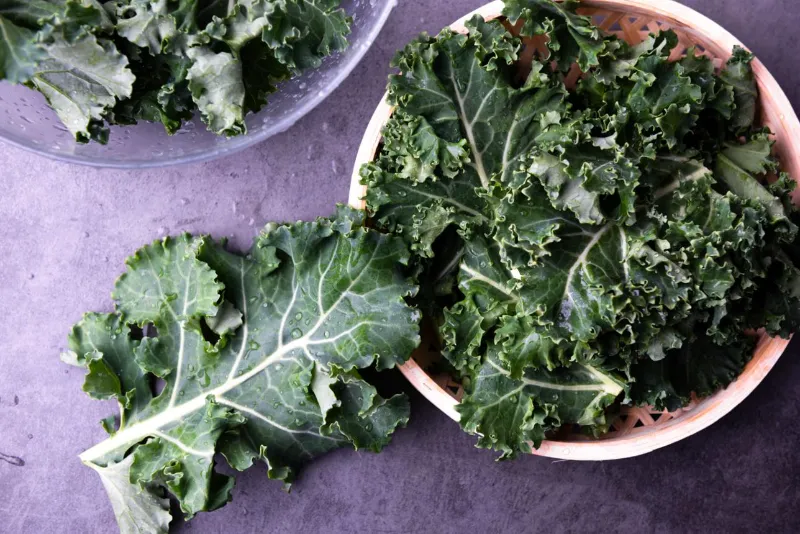
Kale has earned its reputation as a superfood, and for people managing uric acid, it delivers on multiple fronts. It is an excellent source of vitamins C and K, calcium, and quercetin, all of which contribute to lower inflammation and better kidney function. Kale is also very low in purines, making it a safe and generous base for meals.
The vitamin K in kale is particularly interesting in this context because it plays a role in preventing the calcification of soft tissues, including the kind of crystal deposits associated with gout. While research is still developing, there is reason to believe that adequate vitamin K intake helps keep uric acid from forming damaging crystals in the joints. It is another layer of protection that makes kale worth eating regularly.
Massage raw kale with a little olive oil and lemon juice to soften it for salads. You can also bake kale chips as a crunchy snack, blend it into smoothies, or sauté it with garlic and red pepper flakes for a tasty side dish. If the bitterness of kale puts you off, lacinto (also called dinosaur) kale tends to be milder and more palatable for most people.
19. Beets
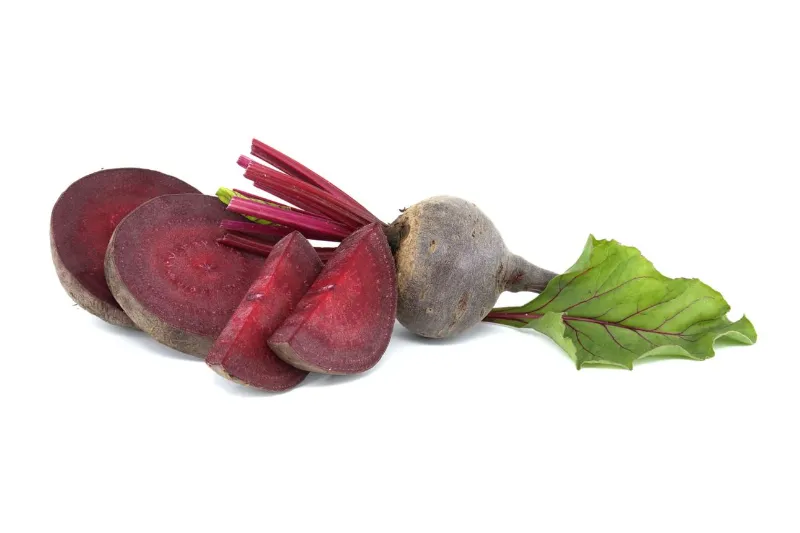
Beets are rich in betalains, the pigments that give them their vivid color, and these compounds have impressive anti-inflammatory and antioxidant properties. Research published in the Journal of Functional Foods found that betalains can inhibit several inflammatory pathways relevant to gout and joint inflammation. Beets also support liver health, which helps your body process and eliminate uric acid more effectively.
Beets are a good source of folate and nitrates as well. Dietary nitrates improve blood flow and oxygen delivery throughout the body, which supports kidney function and overall circulatory health. Better circulation means your kidneys receive the blood flow they need to filter uric acid efficiently. It is a chain of benefits that starts with a humble root vegetable.
Roast beets and add them to salads, blend them into smoothies, or drink beet juice as a targeted supplement. You can also find precooked beets at most grocery stores, which makes it easy to add them to meals without the effort of roasting from scratch. Start with small amounts if you are new to beets, since they can cause harmless but surprising pink discoloration of urine and stool.
20. Artichokes
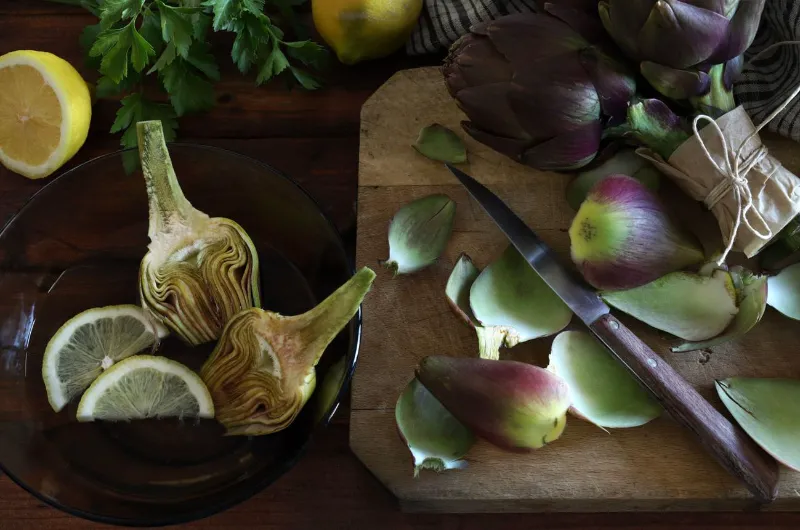
Artichokes are one of the most liver-supportive foods you can eat, and your liver matters enormously for uric acid management. The liver processes purines from the food you eat, and a healthy, well-supported liver does this job more efficiently, resulting in lower uric acid production overall. Artichokes contain cynarin and silymarin, compounds that have been shown to protect liver cells and stimulate bile production.
They are also rich in fiber, which feeds beneficial gut bacteria and reduces systemic inflammation. The prebiotic fiber in artichokes feeds bacteria that produce short-chain fatty acids, which have anti-inflammatory effects throughout the body. Supporting your gut microbiome is an increasingly recognized strategy for managing inflammatory conditions like gout.
Steam fresh artichokes and dip the leaves in a little olive oil and lemon juice, or try jarred artichoke hearts in salads and pasta dishes. Artichoke leaf extract supplements are also popular as a concentrated liver-support option. Either approach gets you the benefits; the key is consistency.
21. Strawberries
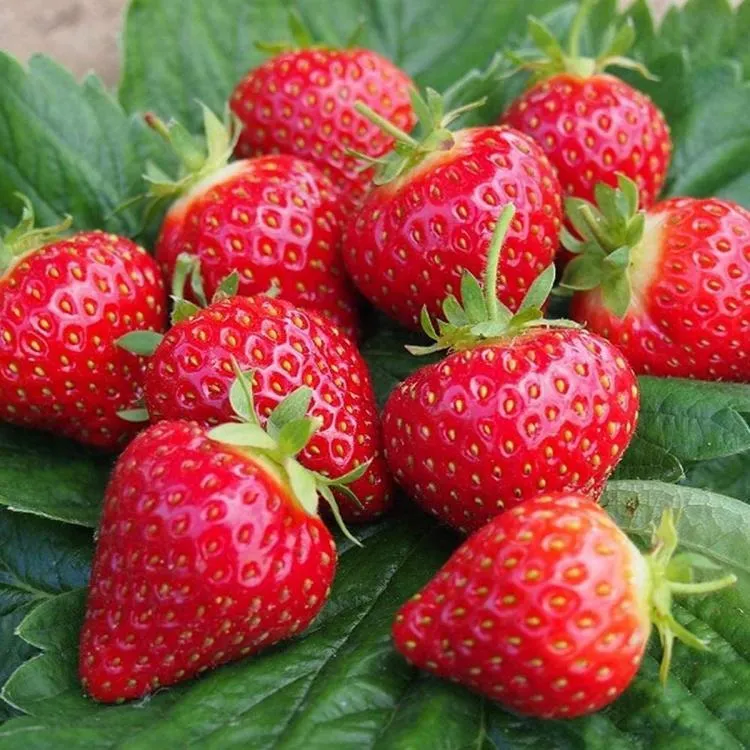
Strawberries are bursting with vitamin C, with one cup providing about 89 mg, which is nearly the full recommended daily intake for adults. Multiple studies, including a large analysis published in Arthritis & Rheumatism, have found that higher vitamin C intake is associated with meaningfully lower serum uric acid levels. Strawberries give you a delicious way to hit your vitamin C targets every day.
They are also rich in anthocyanins and ellagic acid, compounds with strong antioxidant and anti-inflammatory effects. Like cherries and blueberries, strawberries help calm the inflammatory cascade that makes gout so painful and damaging to joint tissue. Eating a variety of colorful berries gives you a broad spectrum of these beneficial plant compounds.
Enjoy strawberries fresh, sliced over oatmeal, blended into smoothies, or simply eaten by the handful as a snack. They are low in sugar compared to many fruits, low in purines, and genuinely satisfying. Fresh strawberries are best in summer, but frozen strawberries are nutritionally equivalent and available year-round, so there is no off-season excuse to skip them.
22. Watermelon

Watermelon is about 92% water, which immediately makes it one of the most hydrating foods you can eat. Since flushing uric acid through the kidneys requires adequate hydration, eating water-rich foods like watermelon directly supports this process. But watermelon goes beyond just hydration: it is rich in lycopene, a potent antioxidant linked to reduced inflammation and oxidative stress.
Watermelon also contains citrulline, an amino acid that improves circulation and helps remove ammonia and other waste products from the body. Better circulation and waste removal means your kidneys are working in a more supportive environment, which helps them clear uric acid more efficiently. It is a refreshing food that does some serious internal work.
Enjoy a couple of slices as a snack on warm days, blend watermelon into a smoothie with mint and lime, or cube it into a summer salad with feta and basil. Watermelon is best enjoyed fresh and in season from late spring through early fall. Its natural sweetness makes it one of the easiest uric acid-friendly foods to add to your diet.
23. Oranges

Oranges are another excellent vitamin C source, with one medium orange providing about 70 mg. As established, vitamin C has a direct evidence-based relationship with lower uric acid levels, and oranges make getting your daily dose easy and enjoyable. They also provide hesperidin, a flavonoid that has been studied for its anti-inflammatory and cardiovascular benefits.
The alkalizing effect of citrus fruits, despite their acidic taste, is another benefit worth knowing about. Once metabolized, oranges and their juice actually help raise the pH of your urine, making it easier for your kidneys to excrete uric acid. This is the same mechanism at work in lemon water, applied through a different and equally tasty vehicle.
Eat whole oranges rather than orange juice whenever possible to preserve the fiber and avoid the blood sugar spike that comes with drinking concentrated fruit juice. That said, a small glass of fresh-squeezed orange juice a few times a week is perfectly reasonable. Clementines, tangerines, and mandarins offer the same benefits in a convenient, easy-to-peel package.
24. Avocado
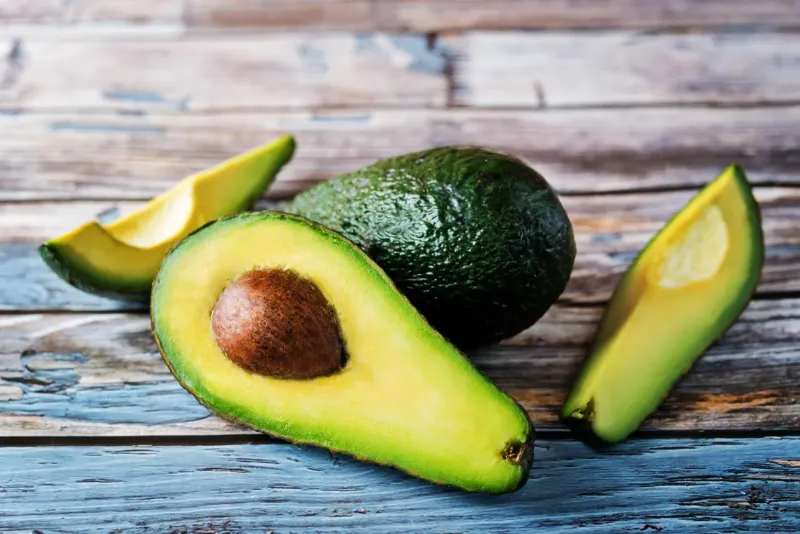
Avocados are rich in healthy monounsaturated fats, similar to those found in olive oil, which have anti-inflammatory properties. They are also an excellent source of potassium, with one avocado containing more potassium than a banana. Potassium helps your kidneys regulate fluid balance and excrete uric acid more effectively, making it an important mineral for people with high uric acid levels.
Avocados are naturally low in purines, so they are a safe and satisfying food to eat in generous portions. Their healthy fat content also helps your body absorb fat-soluble vitamins and antioxidants from other foods you eat alongside them. Think of avocado as a nutrient amplifier for your entire plate.
Add avocado to salads, spread it on whole grain toast, blend it into smoothies for creaminess, or use it as a base for dips and dressings. Half an avocado per day is a great starting point. Pair it with other uric acid-friendly foods like leafy greens, olive oil, and lemon for a meal that is as therapeutic as it is delicious.
25. Flaxseeds
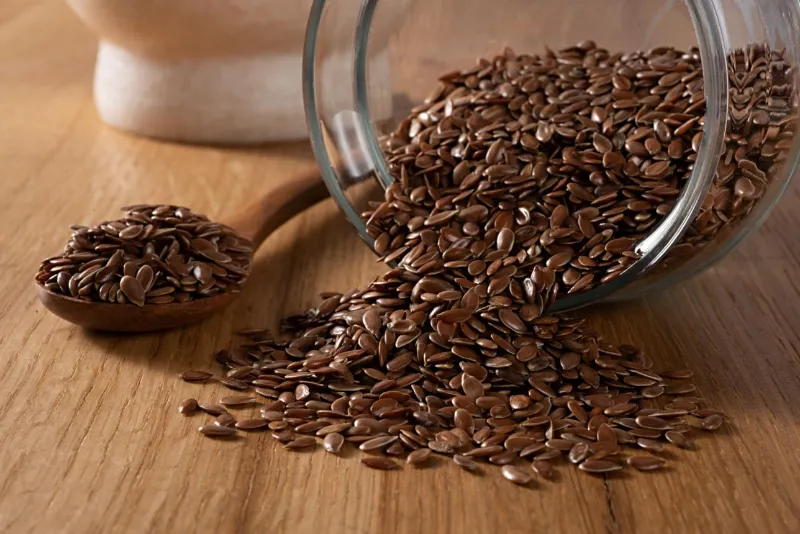
Flaxseeds are one of the richest plant-based sources of omega-3 fatty acids, specifically ALA (alpha-linolenic acid). Omega-3s are well-established anti-inflammatory fats that help reduce the chronic low-grade inflammation that makes conditions like gout worse. Research has shown that diets higher in omega-3 fatty acids are associated with lower levels of inflammatory markers in the blood.
Flaxseeds also contain lignans, plant compounds with antioxidant properties that help protect cells from oxidative stress. For people dealing with uric acid-related inflammation, reducing oxidative damage to joint and kidney tissues is an important part of long-term protection. Flaxseeds quietly do this work every time you eat them.
Always use ground flaxseeds rather than whole ones, since whole flaxseeds pass through your digestive system largely intact without releasing their nutrients. Add a tablespoon of ground flaxseed to smoothies, oatmeal, yogurt, or baked goods. Store them in the refrigerator to prevent the healthy fats from going rancid, and you will always have a fresh supply ready to use.
26. Chia Seeds
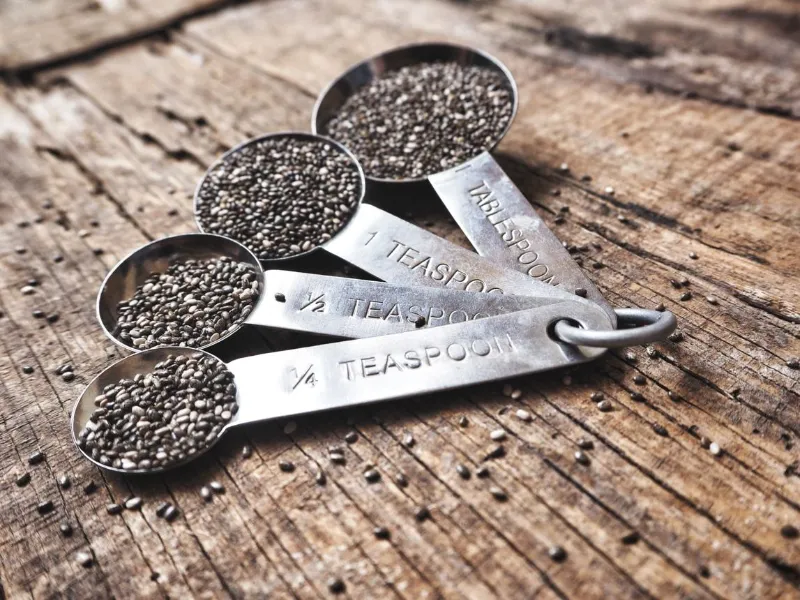
Like flaxseeds, chia seeds are a powerhouse of omega-3 fatty acids and fiber. Just two tablespoons of chia seeds provide about 5 grams of omega-3s and 10 grams of fiber, which is a remarkable nutritional punch for such a small food. The omega-3s help reduce inflammation throughout the body, while the fiber supports gut health and helps moderate blood sugar levels, both of which influence inflammatory status.
Chia seeds also absorb up to 10 times their weight in water, forming a gel that helps keep you hydrated throughout the day. Sustained hydration is one of the simplest and most effective strategies for maintaining healthy uric acid levels, since water is what your kidneys use to dilute and excrete uric acid. These tiny seeds help you stay hydrated between glasses of water.
Make chia pudding by mixing two tablespoons of chia seeds with a cup of almond or coconut milk and letting it sit overnight in the fridge. You can also stir chia seeds into smoothies, sprinkle them over salads, or add them to oatmeal. They have a mild, neutral flavor that blends seamlessly into almost anything you are already eating.
27. Walnuts
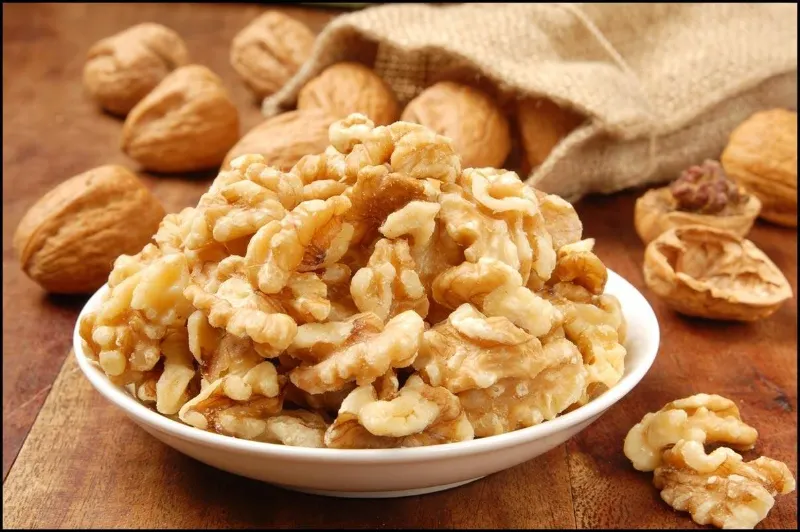
Walnuts are the most omega-3-rich nut you can eat, with a one-ounce serving providing about 2.5 grams of ALA. This makes them a valuable anti-inflammatory food for people managing uric acid and gout. Research consistently shows that people who eat nuts regularly have lower markers of systemic inflammation than those who avoid them, and walnuts are one of the most studied nuts for their health benefits.
Walnuts also contain ellagic acid, a polyphenol with antioxidant and anti-inflammatory properties. Their combination of healthy fats, protein, and fiber makes them one of the most satisfying snacks available, helping you stay full and avoid reaching for high-purine processed foods between meals. That indirectly supports better uric acid management throughout the day.
A small handful of walnuts, about one ounce, is the ideal daily serving. Eat them as a snack, toss them into salads, or chop them into oatmeal or yogurt. Buying raw walnuts and storing them in the fridge or freezer keeps the delicate omega-3 fats from oxidizing and going rancid, which happens faster at room temperature.
28. Almonds
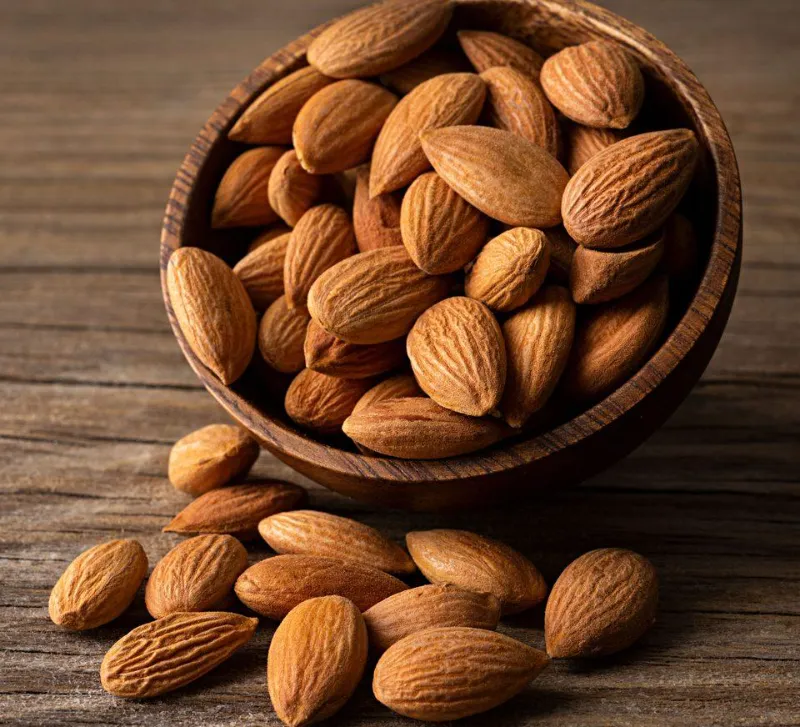
Almonds are rich in vitamin E, magnesium, and healthy monounsaturated fats, all of which contribute to lower inflammation and better kidney function. Magnesium is particularly relevant here, as research suggests that adequate magnesium intake is associated with lower uric acid levels. Many Americans fall short of their daily magnesium needs, and almonds are one of the tastiest ways to close that gap.
Almonds are also very low in purines, making them a safe snacking option that will not contribute to uric acid production. Their protein and fat content makes them incredibly satisfying, which helps you avoid snacking on higher-purine options like processed meats or shellfish. Building an almond habit is a simple, practical strategy that supports your goals on multiple levels.
Eat a small handful of raw or lightly roasted almonds as a daily snack. Almond butter spread on apple slices or whole grain crackers is another satisfying way to get your daily dose. Look for almond butter with no added sugar or oils for the cleanest option. Almonds pair especially well with other uric acid-friendly snacks like blueberries, strawberries, and bananas.
29. Low-Fat Dairy
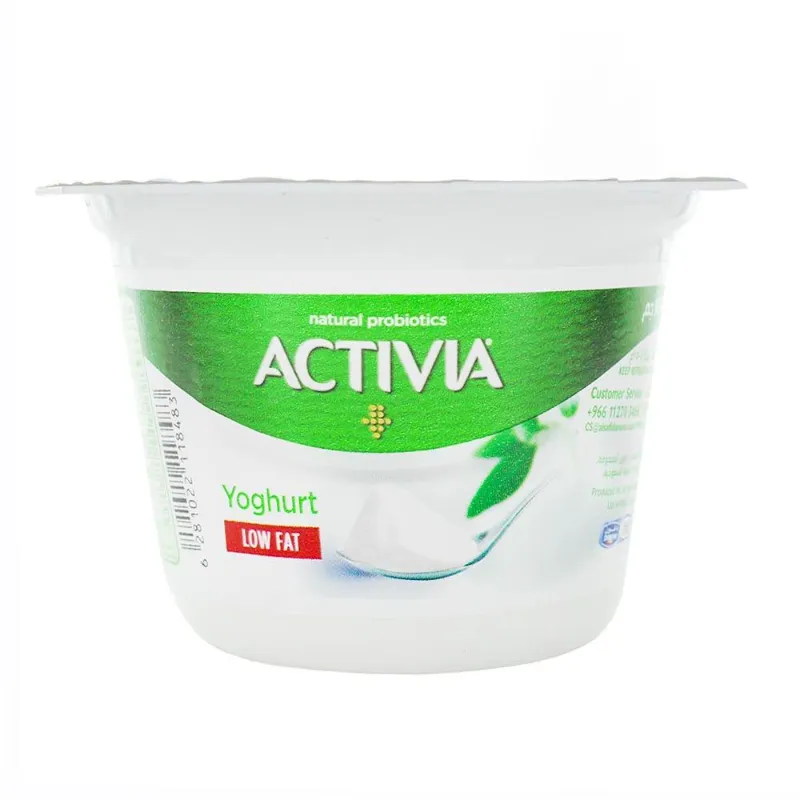
Low-fat dairy products like skim milk and plain yogurt have some of the strongest research support of any food category for lowering uric acid levels. Multiple studies, including findings from the large Health Professionals Follow-Up Study, have found that higher dairy consumption is associated with significantly lower uric acid levels and reduced gout risk. The proteins in dairy, particularly casein and lactalbumin, appear to help the kidneys excrete uric acid more efficiently.
Plain low-fat yogurt offers the added benefit of probiotics, which support a healthy gut microbiome. Emerging research suggests that gut health plays a larger role in uric acid metabolism than previously understood, with certain gut bacteria helping to break down uric acid before it enters the bloodstream. Supporting your microbiome through fermented dairy is a forward-looking strategy for managing uric acid.
Aim for one to two servings of low-fat dairy per day. Plain Greek yogurt is an especially good choice because of its high protein content and probiotic strains. Use it as a base for smoothies, a topping for fruit, or a substitute for sour cream in recipes. Choose low-fat over full-fat dairy to get the most benefit based on the existing research.
30. Tofu
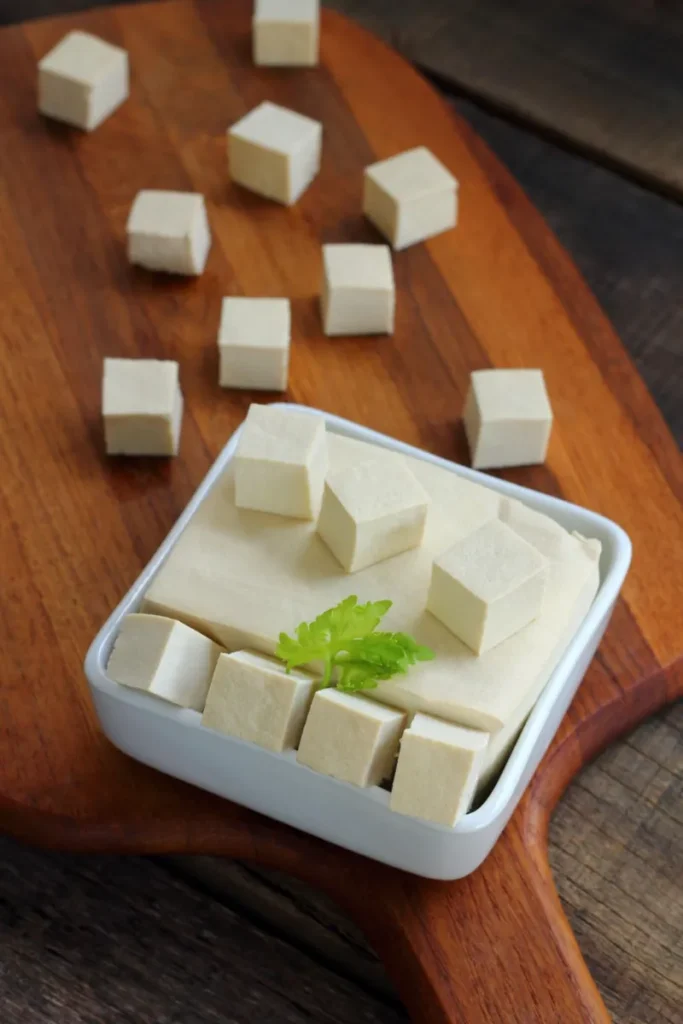
If you are looking to reduce your intake of high-purine animal proteins, tofu is one of the best replacements you will find. While it is made from soybeans and does contain some purines, research actually suggests that plant-based purines raise uric acid levels much less than purines from meat and seafood. Tofu provides high-quality protein without the uric acid burden of most animal foods.
Tofu is also a good source of isoflavones, plant compounds with antioxidant and anti-inflammatory properties. Some research has found that soy isoflavones can help reduce inflammatory markers in people with conditions related to metabolic dysfunction, which often overlaps with elevated uric acid. It is a protein source that works for you rather than against you.
Use firm tofu in stir-fries, bake it until crispy as a meat alternative, or crumble it into dishes as a ground meat substitute. Silken tofu blends smoothly into soups, smoothies, and desserts. Marinate tofu well before cooking, since it absorbs flavors beautifully and can taste incredible when prepared with garlic, ginger, soy sauce, and sesame oil.
31. Quinoa
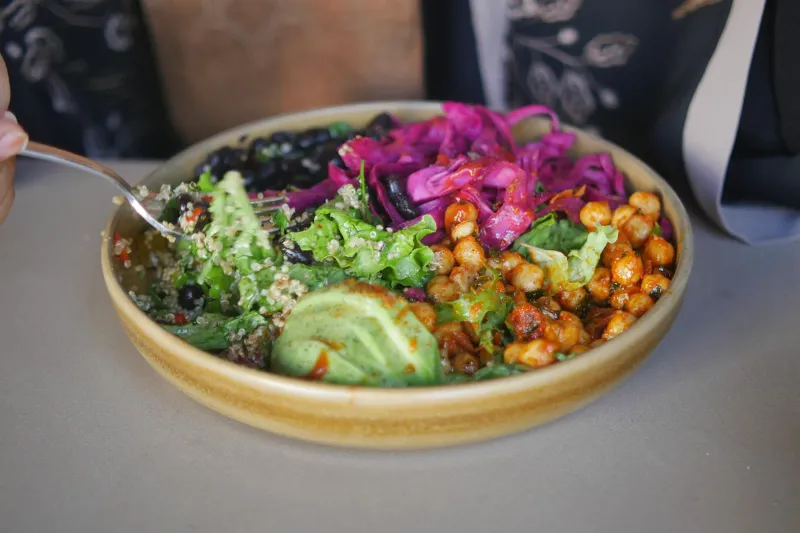
Quinoa is one of the few plant foods that provides all nine essential amino acids, making it a complete protein source. For people trying to reduce their intake of high-purine animal proteins, quinoa is a nutritional lifesaver that fills the protein gap without spiking uric acid levels. It is naturally low in purines and rich in magnesium, iron, and B vitamins that support overall metabolic health.
The fiber in quinoa also supports stable blood sugar levels, which matters because insulin resistance has been linked to higher uric acid levels. When your blood sugar is well-regulated, your body is less prone to the metabolic dysfunction that can drive uric acid up. Quinoa’s combination of protein and fiber makes it particularly effective for maintaining this balance.
Cook quinoa like rice and use it as a base for grain bowls, salads, and stir-fries. It can also be eaten as a warm breakfast cereal with berries, nuts, and a drizzle of honey. One cup of cooked quinoa per serving is a satisfying portion that provides sustained energy without the purine load of most animal-based proteins.
32. Sweet Potatoes

Sweet potatoes are a nutritional gem for uric acid management. They are rich in beta-carotene, vitamin C, potassium, and manganese, all of which contribute to lower inflammation and better kidney function. Their high potassium content is especially relevant, since potassium helps the kidneys excrete uric acid and maintains healthy fluid balance throughout the body.
Sweet potatoes also have a lower glycemic impact than regular white potatoes, meaning they cause a slower, more gradual rise in blood sugar. This matters because blood sugar spikes trigger insulin release, and excess insulin has been shown to reduce the kidneys’ ability to excrete uric acid. Choosing sweet potatoes over refined carbohydrates is a meaningful swap for uric acid health.
Bake sweet potatoes whole and enjoy them topped with a little olive oil and cinnamon, roast them in cubes as a side dish, or mash them as a nutrient-dense alternative to regular mashed potatoes. They are naturally sweet and satisfying, and their warm, earthy flavor pairs well with anti-inflammatory spices like turmeric, ginger, and cinnamon.
33. Coconut Water

Coconut water is one of nature’s most effective natural hydration beverages. It is rich in potassium, magnesium, and electrolytes that support kidney function and help maintain proper fluid balance. Since staying well-hydrated is one of the cornerstones of managing uric acid, drinking coconut water gives you a flavorful, nutritious way to hit your daily fluid intake goals.
Potassium, as noted earlier, directly supports uric acid excretion by the kidneys. Coconut water provides about 600 mg of potassium per cup, which is a meaningful contribution toward your daily needs. Its natural electrolyte balance also makes it better than plain water for rehydrating after exercise or during hot weather, when uric acid levels can temporarily rise due to dehydration.
Choose pure coconut water with no added sugars or artificial flavors for the cleanest option. Drink it as a refreshing post-workout beverage, use it as the liquid base in smoothies, or enjoy a glass in the afternoon as an alternative to soda or juice. It is a naturally sweet, low-calorie option that hydrates and supports your kidneys at the same time.
34. Apple Cider Vinegar
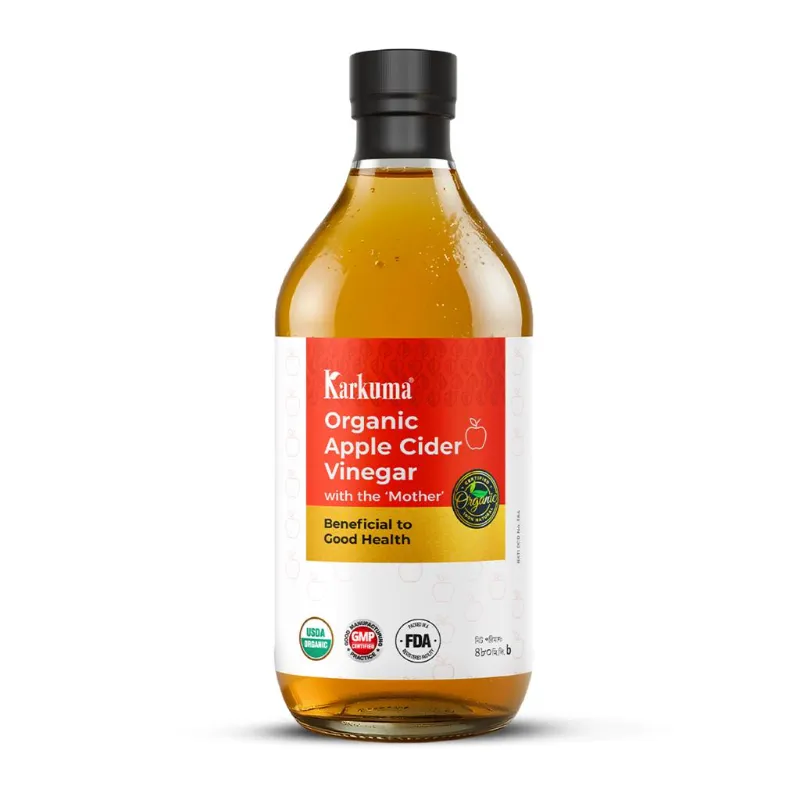
Apple cider vinegar (ACV) has a long history as a folk remedy, and there is some legitimate science behind its use for uric acid management. ACV contains acetic acid, which helps alkalize the body after it is metabolized, creating a urine pH environment where uric acid dissolves more easily and is more efficiently excreted by the kidneys. Some practitioners believe it may also help stimulate lymphatic flow, which supports the removal of waste products from tissues.
ACV also contains enzymes and beneficial bacteria (in the “mother” form) that support gut health. As the research on gut microbiome and uric acid continues to develop, maintaining a diverse and healthy gut community becomes an increasingly important strategy. Using raw, unfiltered ACV that contains the mother gives you these additional probiotic-adjacent benefits.
Mix one to two tablespoons of raw, unfiltered apple cider vinegar into a large glass of water and drink it once or twice daily, ideally before meals. The taste takes some getting used to, but adding a little raw honey or lemon juice makes it much more palatable. Always dilute ACV before drinking since the acidity can damage tooth enamel and irritate the esophagus if taken straight.
Final Thoughts
Managing uric acid through food is one of the most empowering things you can do for your health. You do not have to overhaul your entire diet overnight. Start with two or three foods from this list that sound appealing and build from there. Small, consistent changes add up to meaningful results over time, and your joints will thank you for every good choice you make.
