
31 Secret Foods To Avoid During Pregnancy Backed by Science

Pregnancy is one of the most exciting journeys of your life, but it also comes with a whole new set of rules, especially around food. Some of the things you have been eating your whole life might suddenly be off the table, and that can feel overwhelming.
The good news? Once you know what to avoid and why, it all starts to make a lot more sense. Here are 31 foods science says you should skip during pregnancy, explained in plain, friendly terms so you can protect yourself and your growing baby.
1. Raw or Undercooked Meat
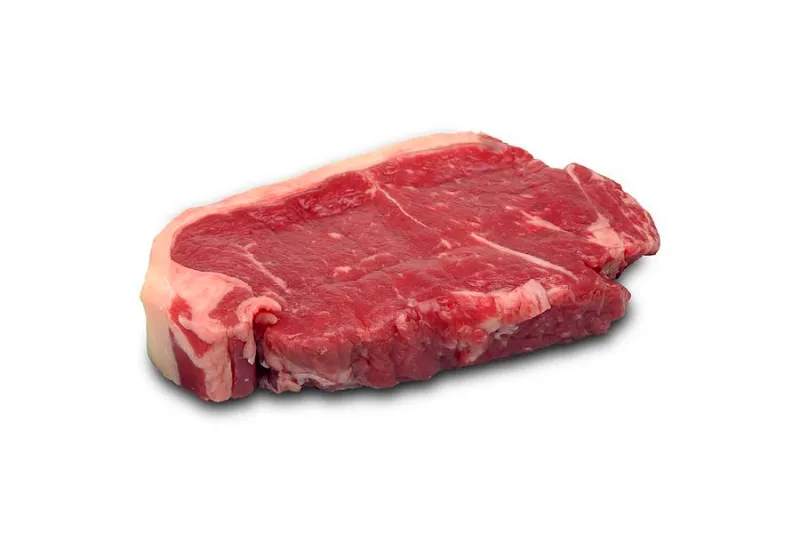
Raw or undercooked meat is one of the biggest pregnancy no-nos out there. It can harbor dangerous bacteria like Salmonella, E. coli, and a parasite called Toxoplasma gondii that can seriously harm your baby.
Toxoplasmosis, the infection caused by that parasite, can lead to miscarriage, stillbirth, or severe neurological problems in newborns. The CDC lists it as one of the top foodborne illness concerns for pregnant women.
Always cook your meat to the right internal temperature. Beef and lamb should hit at least 145°F, and ground meats need to reach 160°F. No more pink in the middle, at least for the next nine months.
2. Deli Meats & Cold Cuts
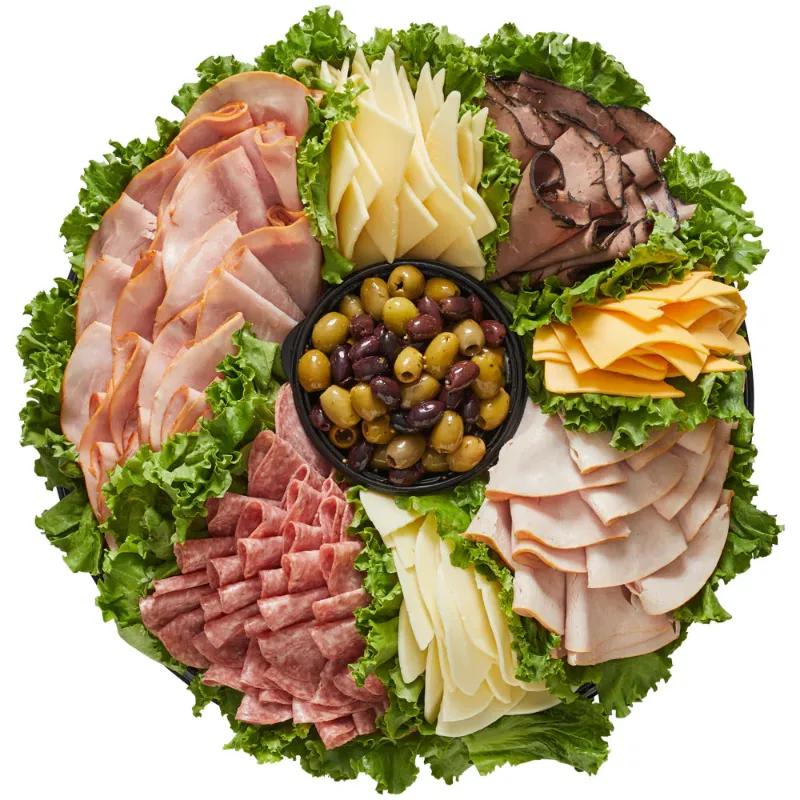
That turkey sandwich you love might need a break during pregnancy. Deli meats like ham, salami, and bologna can be contaminated with Listeria monocytogenes, a bacteria that thrives even in refrigerator temperatures.
Listeria is particularly dangerous during pregnancy because your immune system is naturally suppressed to protect the baby. This makes you much more vulnerable to infection, and the consequences can include premature delivery or even fetal death.
If you absolutely cannot give up your cold cuts, heat them until they are steaming hot before eating. That kills the bacteria and makes them much safer to enjoy.
3. Raw Shellfish (Oysters, Clams, Mussels)
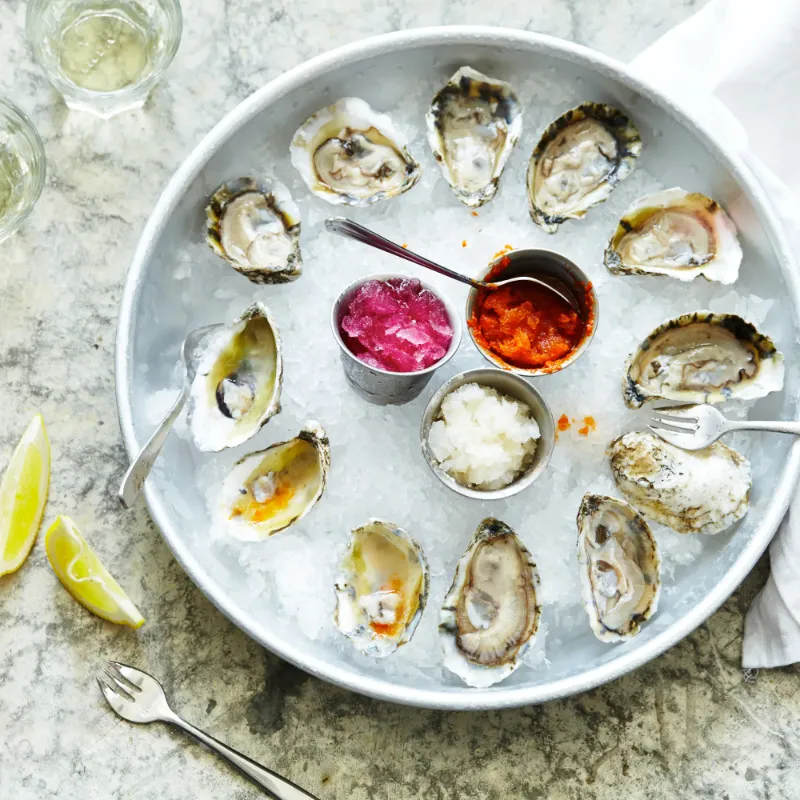
Raw shellfish like oysters, clams, and mussels are a common culprit behind foodborne illness even outside of pregnancy. They filter large amounts of seawater and can concentrate harmful bacteria, viruses, and toxins in their tissue.
Vibrio bacteria, commonly found in raw shellfish, can cause severe gastrointestinal illness. During pregnancy, any serious illness that causes dehydration or high fever can put your baby at risk too.
Stick to fully cooked shellfish and skip the raw oyster bar for now. Properly cooked shellfish are still a great source of zinc and iron, so you do not have to miss out entirely.
4. High-Mercury Fish (Shark, Swordfish, King Mackerel)
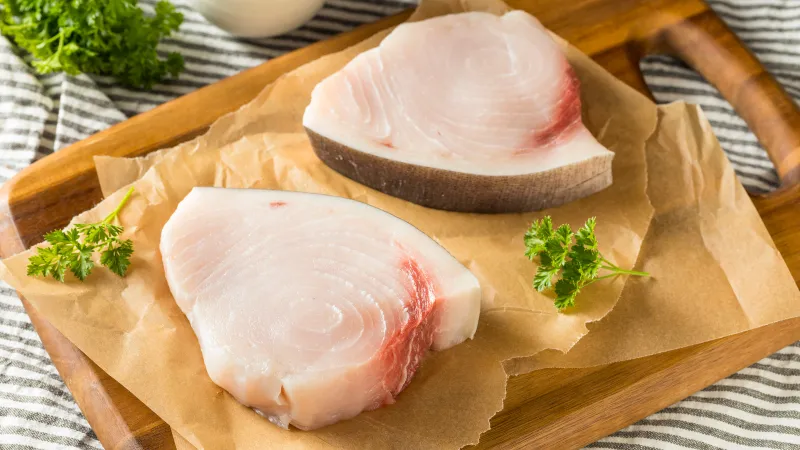
Mercury is a heavy metal that accumulates in large predatory fish over time. When you eat high-mercury fish like shark, swordfish, king mackerel, or tilefish, that mercury passes directly to your baby through the placenta.
Research from the FDA and EPA shows that methylmercury exposure during pregnancy can damage a baby’s developing brain and nervous system. It has been linked to delays in cognitive development, motor skills, and even speech.
The good news is that fish is still a fantastic food during pregnancy. Stick to low-mercury options like salmon, sardines, shrimp, and canned light tuna, which are rich in omega-3 fatty acids your baby’s brain needs.
5. Raw Sushi
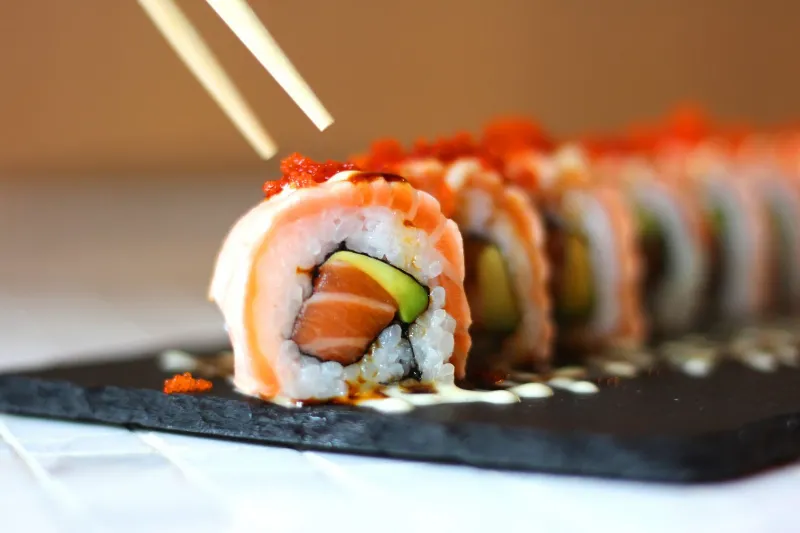
Sushi is a tough one to give up, but raw fish comes with a real risk of parasites and bacteria like Listeria and Salmonella. These pathogens are especially dangerous during pregnancy when your immune defenses are lowered.
A 2019 report from the FDA flagged raw fish as a significant source of Listeria outbreaks, and pregnant women are about ten times more likely than the general population to get a Listeria infection.
The good news is that cooked sushi rolls are totally fine. Think shrimp tempura rolls, California rolls with imitation crab, or vegetable rolls. You can still enjoy sushi nights without the risk.
6. Unpasteurized Soft Cheeses (Brie, Camembert, Feta)
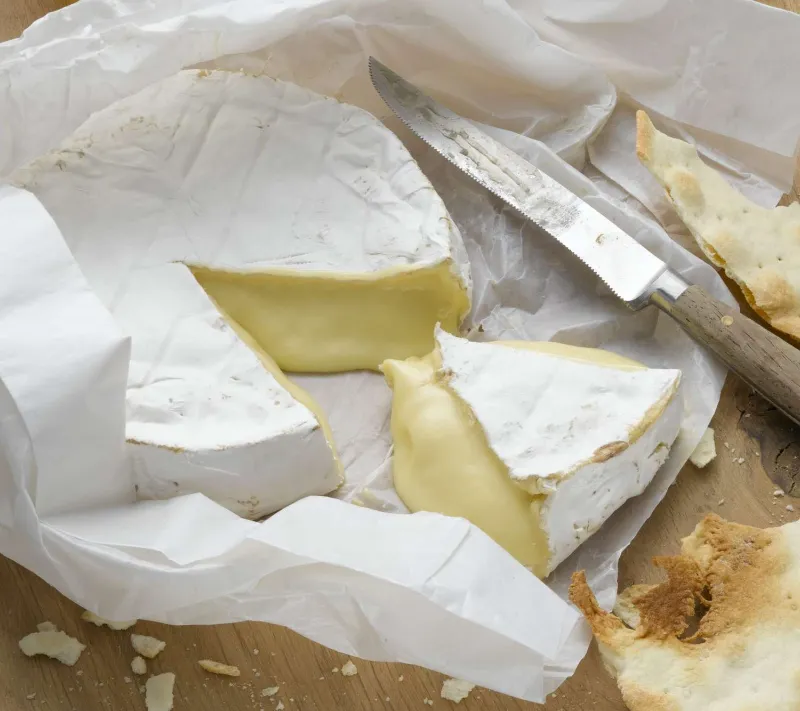
Soft cheeses made from unpasteurized milk, like brie, camembert, feta, queso fresco, and blue cheese, can contain Listeria. The soft, moist texture of these cheeses creates a perfect environment for bacteria to grow.
The CDC has traced multiple Listeria outbreaks directly to soft unpasteurized cheeses, with pregnant women being disproportionately affected. Listeria during pregnancy can cross the placenta and infect the baby even if the mother only feels mildly sick.
Always check labels before buying cheese. If it says “made with pasteurized milk,” you are in the clear. Hard cheeses and pasteurized soft cheeses like cream cheese and cottage cheese are safe and delicious options.
7. Unpasteurized Milk
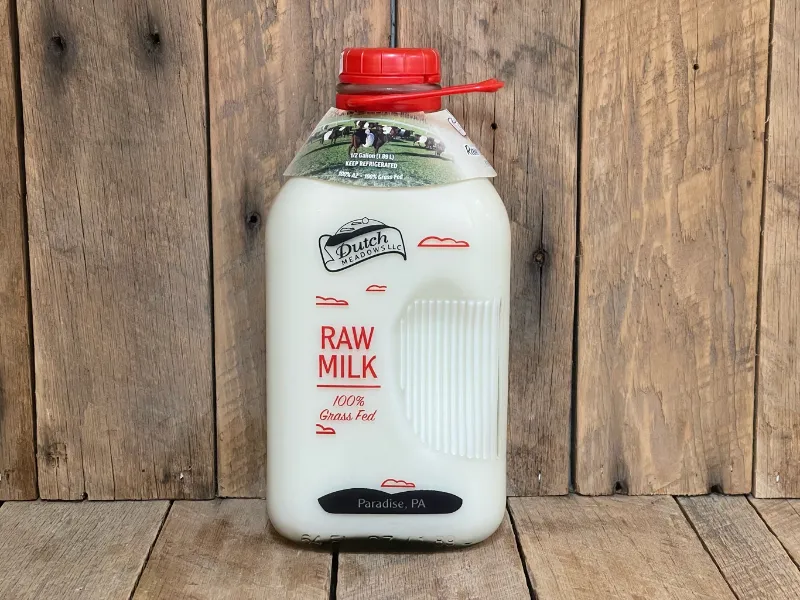
Raw milk, sometimes marketed as a health food, skips the pasteurization process that kills harmful pathogens. That means it can carry Listeria, Salmonella, E. coli, and Campylobacter, all of which are particularly risky during pregnancy.
Pasteurization was developed specifically to eliminate these dangers, and it does not significantly reduce the nutritional value of milk. The FDA strongly advises pregnant women to avoid all unpasteurized dairy products.
Stick to store-bought pasteurized milk and dairy products. You still get all the calcium and vitamin D your baby needs for bone development without the hidden risks.
8. Raw Eggs
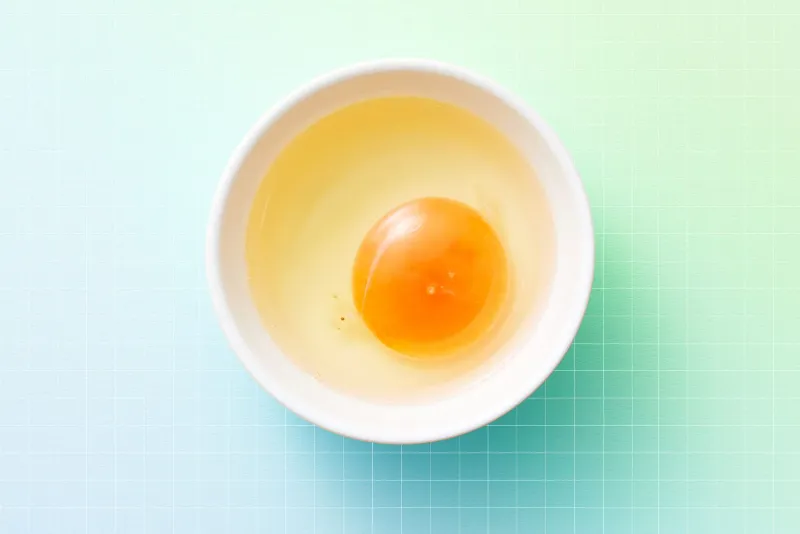
Raw eggs can be contaminated with Salmonella, which causes symptoms like vomiting, diarrhea, fever, and severe abdominal cramping. During pregnancy, these symptoms can trigger dehydration and in rare cases, lead to preterm labor.
Foods that commonly contain raw eggs include homemade Caesar dressing, hollandaise sauce, mousse, tiramisu, and certain smoothies. It is easy to forget these dishes have raw egg in them.
When cooking at home, use pasteurized eggs if a recipe calls for raw or lightly cooked eggs. In restaurants, do not hesitate to ask how dishes are prepared. It is always better to ask than to guess.
9. Undercooked Eggs (Runny Yolk)
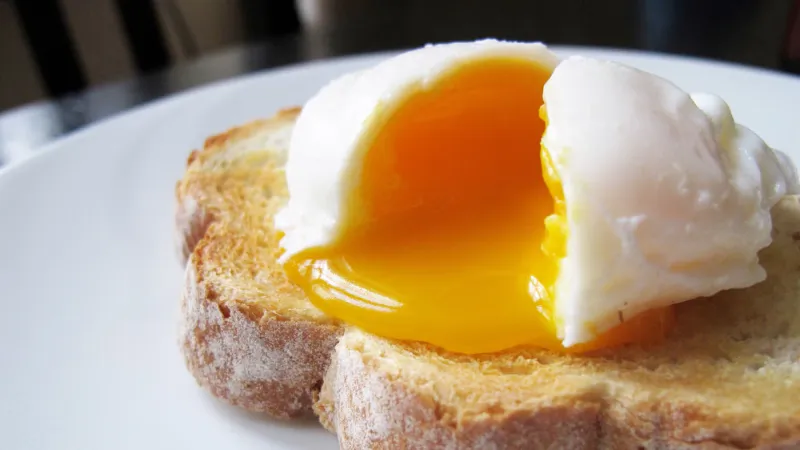
Even an egg that is partially cooked, like a sunny-side-up egg with a runny yolk, can still harbor Salmonella if the yolk has not reached a safe internal temperature. The USDA recommends cooking eggs until both the white and yolk are firm during pregnancy.
This is one of those pregnancy rules that feels a little extreme, but the risk is real. Salmonella infections during pregnancy have been linked to premature labor and in severe cases, infection of the baby.
Scrambled, hard-boiled, or fully fried eggs are all great options. Once your baby arrives, you can go back to that perfect runny yolk. For now, make sure everything is cooked all the way through.
10. Unpasteurized Juice
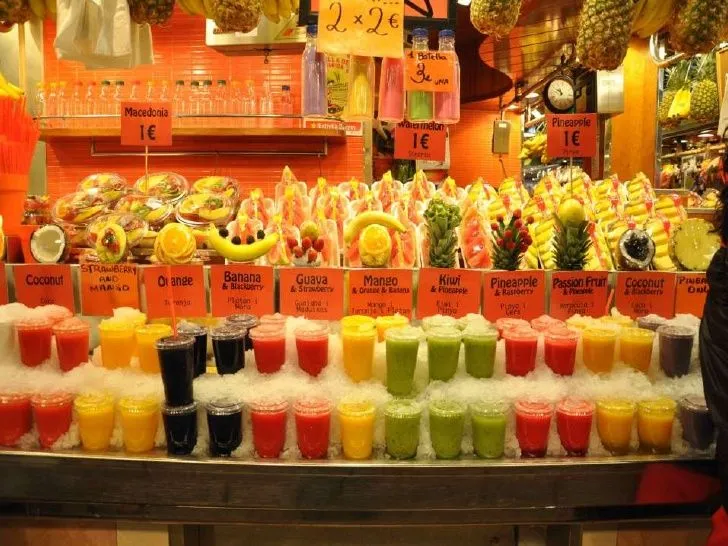
Fresh-squeezed juice from farmers markets, juice bars, or your own countertop juicer sounds incredibly healthy, but it can carry E. coli, Salmonella, and Cryptosporidium if the produce was not properly cleaned or handled.
A notable E. coli outbreak linked to unpasteurized apple juice resulted in dozens of illnesses and one child’s death, which led the FDA to require warning labels on unpasteurized juices. Pregnant women are urged to avoid them entirely.
Pasteurized juices from the grocery store are perfectly safe and still provide vitamins and antioxidants. If you love fresh juice, make sure your produce is thoroughly washed and consider pasteurized alternatives.
11. Alcohol (All Types)

There is no known safe amount of alcohol during pregnancy, full stop. When you drink, alcohol crosses the placenta and reaches your baby, whose liver is not developed enough to process it.
Drinking during pregnancy is the leading preventable cause of birth defects in the US. Fetal Alcohol Spectrum Disorders (FASDs) can cause lifelong intellectual disabilities, behavioral problems, and physical abnormalities.
This one is not about being overly cautious. It is about science being very clear. Sparkling water, mocktails, and alcohol-free beverages have come a long way and there are so many delicious options to enjoy at social events.
12. High-Caffeine Drinks (Energy Drinks)
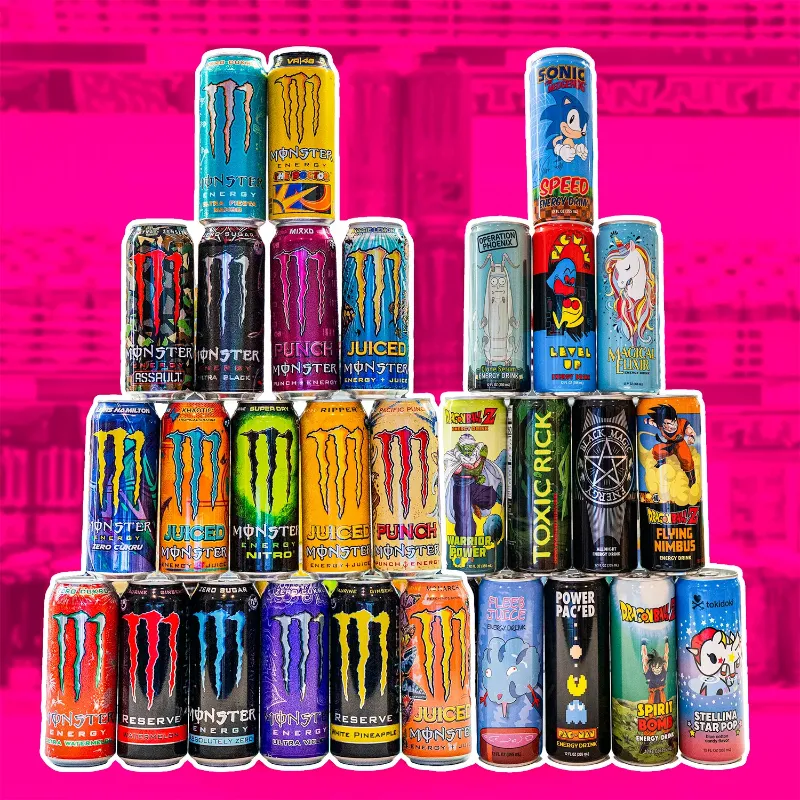
Energy drinks are a double problem during pregnancy. They are loaded with caffeine, and many contain herbal ingredients like guarana, ginseng, and taurine whose safety during pregnancy has not been well studied.
Some popular energy drinks contain 150 to 300 mg of caffeine per can, which can already push you over the recommended 200 mg daily limit on its own. High caffeine intake has been associated with low birth weight and increased risk of miscarriage.
It is best to avoid energy drinks entirely during pregnancy. If you need a boost, try a short walk, a healthy snack, or a small cup of coffee that keeps you well within the safe caffeine range.
13. Excessive Coffee
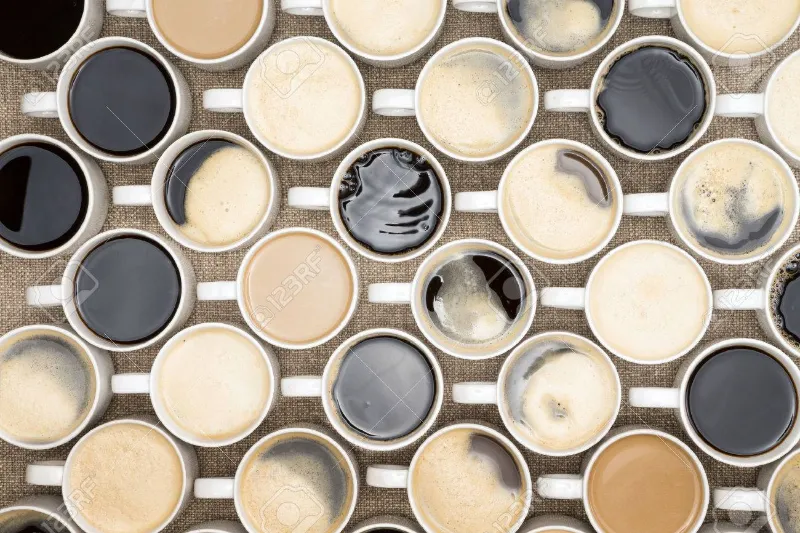
Coffee does not have to disappear from your life during pregnancy, but quantity matters a lot. The American College of Obstetricians and Gynecologists recommends keeping caffeine intake under 200 mg per day, which is roughly one 12-ounce cup of coffee.
Research published in the journal BMC Medicine found that higher caffeine consumption during pregnancy was linked to increased risk of fetal growth restriction. Caffeine also crosses the placenta, and your baby metabolizes it much more slowly than you do.
One cup in the morning is generally considered safe for most pregnancies. But keep in mind that caffeine also hides in tea, chocolate, soda, and some medications, so track your total daily intake, not just your coffee.
14. Herbal Teas (Certain Types)
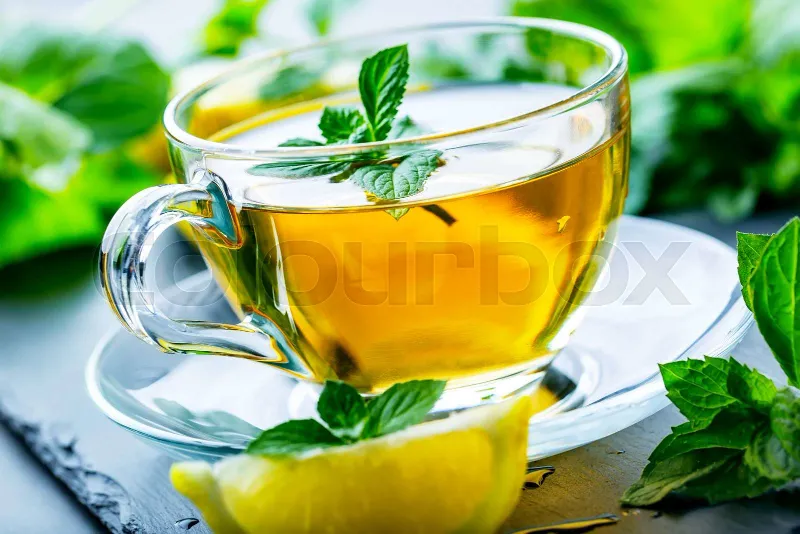
Not all herbal teas are created equal, and some are actually quite risky during pregnancy. Teas made from herbs like pennyroyal, blue cohosh, and mugwort have been linked to uterine contractions and miscarriage.
Even some commonly consumed teas like hibiscus and raspberry leaf in large amounts may stimulate uterine activity, especially in the first trimester. The problem is that herbal teas are not well regulated and their potency can vary widely.
Generally safe options during pregnancy include ginger tea for nausea and peppermint tea for digestion, but always check with your OB before adding any herbal tea to your routine. When in doubt, plain water is always your best friend.
15. Licorice Root
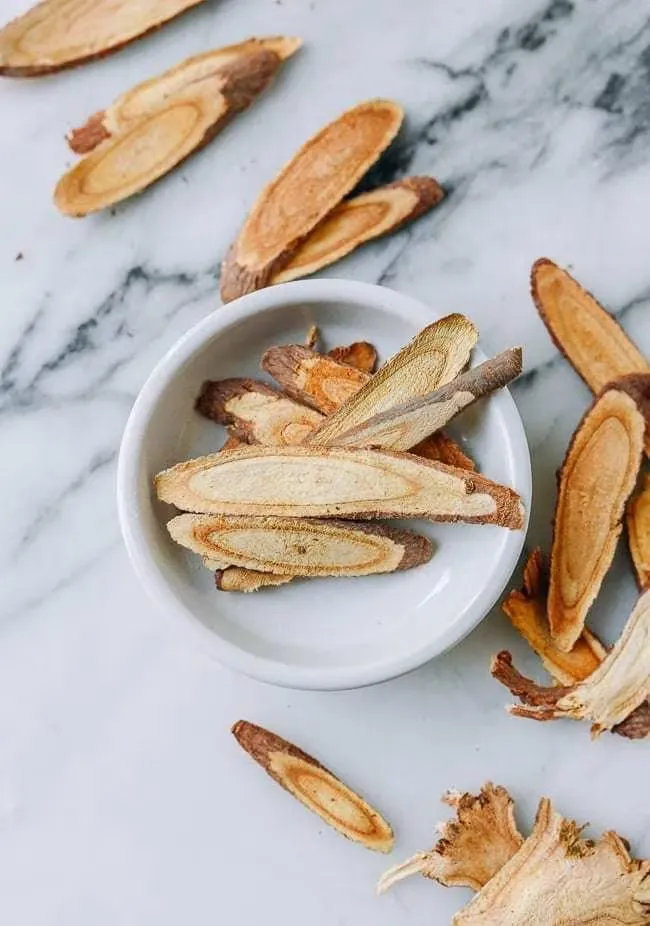
Real licorice root contains a compound called glycyrrhizin, which has been shown in research to affect fetal brain development. A landmark Finnish study published in the American Journal of Epidemiology found that children born to mothers who consumed large amounts of licorice during pregnancy had lower IQ scores and more behavioral issues.
Glycyrrhizin can also raise blood pressure and lower potassium levels, both of which are concerns during pregnancy. Most candy licorice in the US is flavored with anise rather than real licorice root, but it is worth checking labels.
Supplements or teas containing licorice root are the bigger concern here. If you see licorice root in a supplement or herbal tea, it is best to put it back on the shelf.
16. Raw Sprouts (Alfalfa, Radish, Clover)
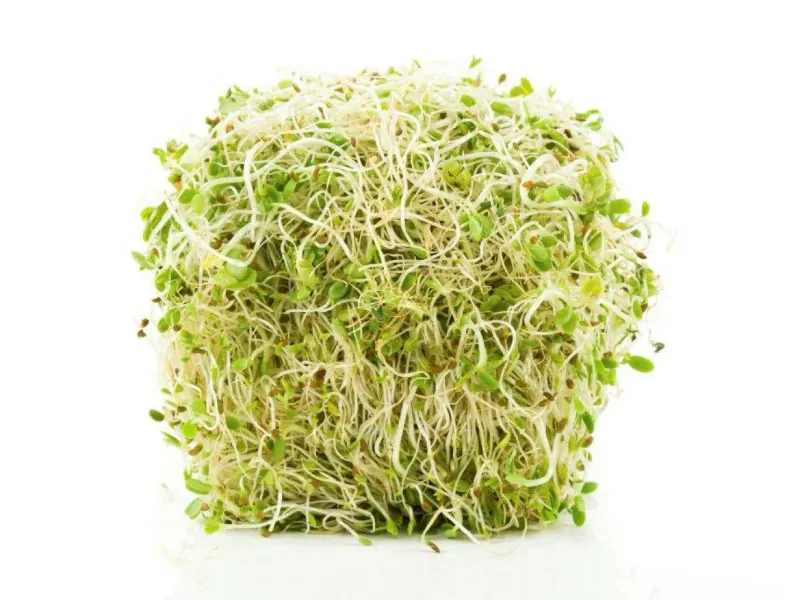
Raw sprouts might seem like the ultimate health food, but they are actually one of the riskier salad ingredients you can eat during pregnancy. The warm, moist conditions needed to grow sprouts are also ideal for bacteria like Salmonella, E. coli, and Listeria to thrive.
The FDA has issued multiple warnings about raw sprout consumption over the years. Even washing sprouts thoroughly does not eliminate the bacteria because it can be present inside the sprout itself, not just on the surface.
Cooking sprouts thoroughly kills the harmful bacteria and makes them much safer. If a restaurant adds alfalfa or clover sprouts to your sandwich or salad, it is worth asking them to leave them off for now.
17. Unwashed Fruits & Vegetables
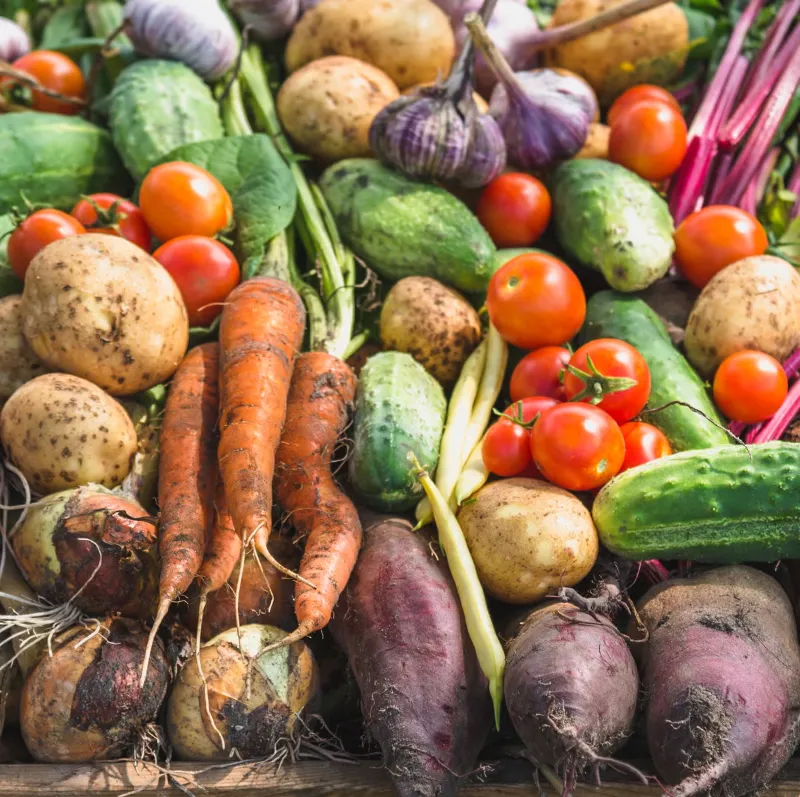
Fresh produce is a cornerstone of a healthy pregnancy diet, but unwashed fruits and vegetables can carry Toxoplasma gondii, E. coli, and Listeria from soil, contaminated water, or handling during transport and sale.
A CDC report highlighted that fresh produce is one of the most common sources of foodborne illness in the US. During pregnancy your immune system is more vulnerable, making any exposure to these pathogens more likely to result in illness.
Always wash all produce under running water before eating it, even if you plan to peel it. Use a produce brush for firm fruits and vegetables, and wash your hands before and after handling fresh food.
18. Pre-packaged Salads
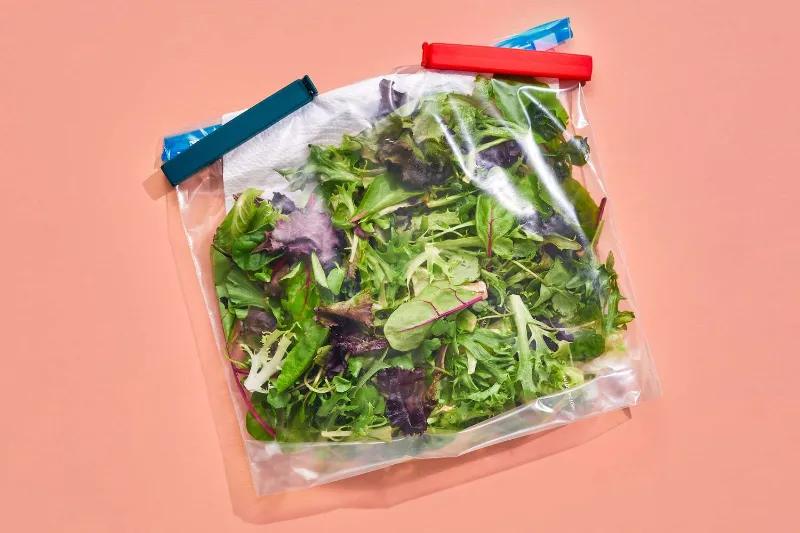
Pre-washed, pre-cut bagged salads and ready-to-eat salad mixes have been at the center of several major Listeria and E. coli outbreaks in recent years. The cutting and mixing process can spread contamination across a whole batch of greens.
Because these salads are stored in sealed bags that retain moisture, any bacteria present can multiply quickly even in the fridge. A 2020 FDA report identified pre-packaged leafy greens as a high-risk food category.
Making your own salads from whole heads of lettuce that you wash and chop yourself is a much safer option. You have more control over cleanliness, and honestly, freshly made salads taste better anyway.
19. Pâté (Meat or Vegetable)
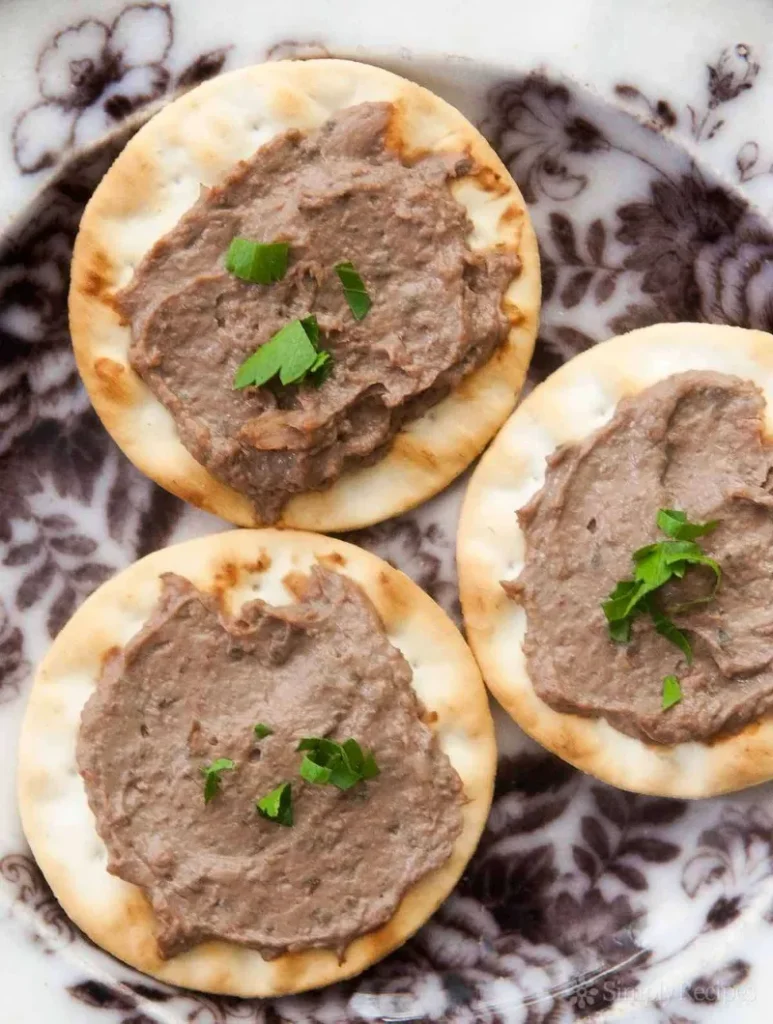
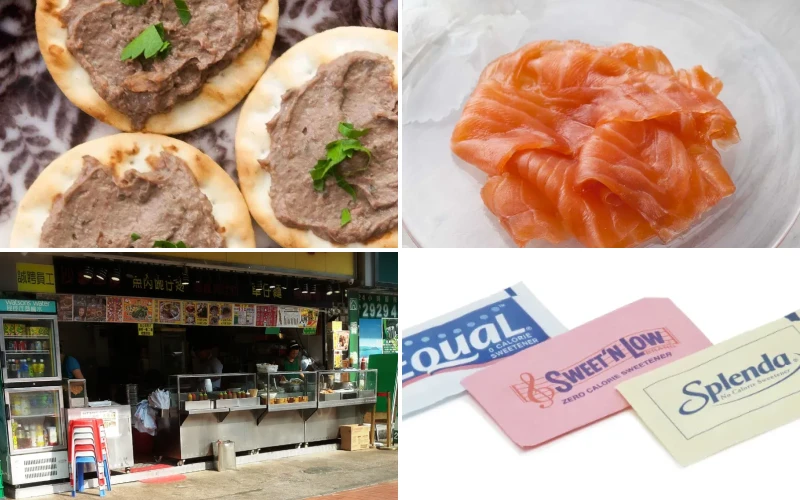
Pâté, whether made from meat, fish, or vegetables, is a refrigerated product that carries a notable risk of Listeria contamination. Because it is not cooked before serving and is stored cold rather than hot, bacteria can survive and multiply.
The UK’s National Health Service specifically lists chilled meat pâté as a food to avoid during pregnancy. Even vegetable-based pâtés can pose a risk if they are refrigerated and not shelf-stable.
Canned or shelf-stable pâtés are considered safer because they go through a heat treatment process during manufacturing. But the fresh, refrigerated versions from the deli counter are best avoided until after delivery.
20. Smoked Seafood
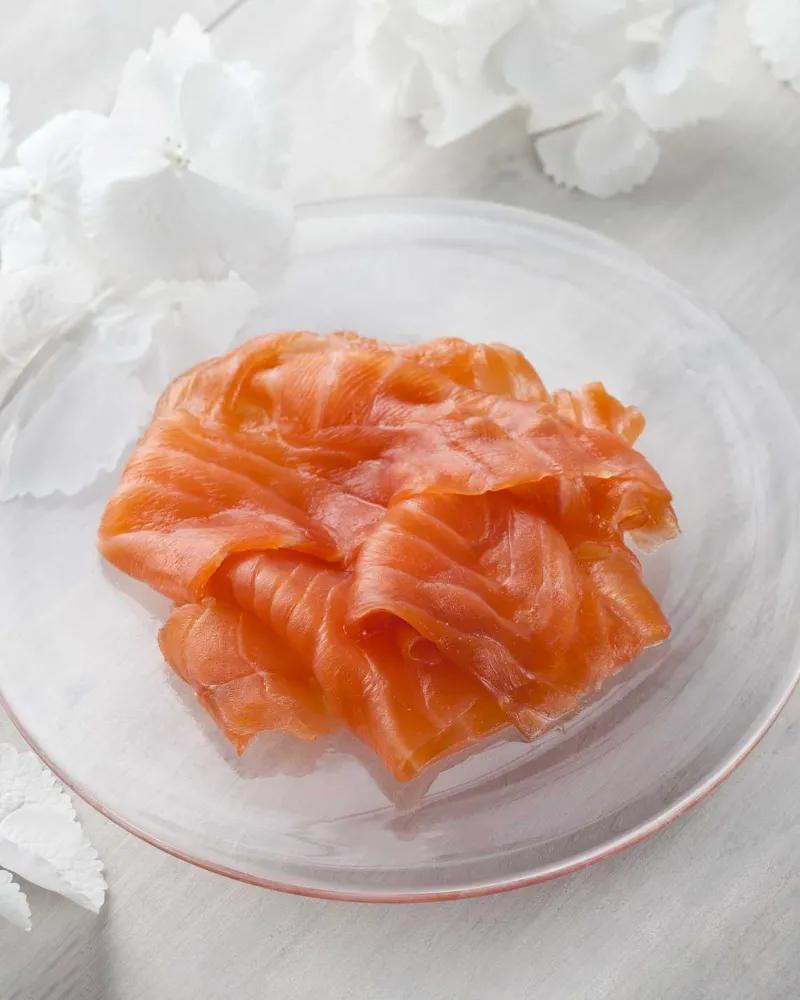
Refrigerated smoked seafood, like smoked salmon, trout, or whitefish labeled as “nova-style,” “lox,” or “kippered,” can harbor Listeria. Like pâté, it is stored cold rather than served hot, which means bacteria can survive.
The FDA specifically warns pregnant women to avoid refrigerated smoked seafood unless it is in a cooked dish where it has been heated to an internal temperature of 165°F or higher.
Canned smoked salmon or canned smoked oysters are safer alternatives because the canning process involves heat sterilization. If smoked salmon is your thing, enjoying it on a hot bagel fresh out of the toaster might also help reduce risk.
21. High-Sodium Processed Foods
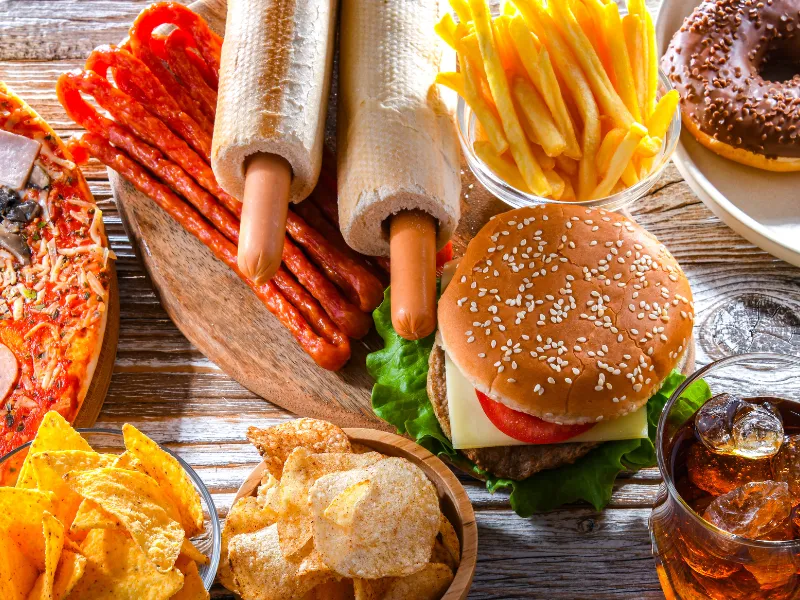
Chips, frozen meals, canned soups, and fast food are often loaded with sodium. During pregnancy, excessive sodium intake can worsen fluid retention, contribute to high blood pressure, and increase the risk of preeclampsia, a serious pregnancy complication.
The American Heart Association recommends no more than 2,300 mg of sodium per day, but most Americans consume far more than that. Preeclampsia affects about 5 to 8 percent of pregnancies and can be life-threatening if not managed.
Reading nutrition labels becomes your superpower during pregnancy. Look for low-sodium versions of your favorite packaged foods and cook at home more often where you control the salt. Herbs and spices are fantastic flavor builders that do not rely on sodium.
22. Artificial Sweeteners (Saccharin, in Excess)
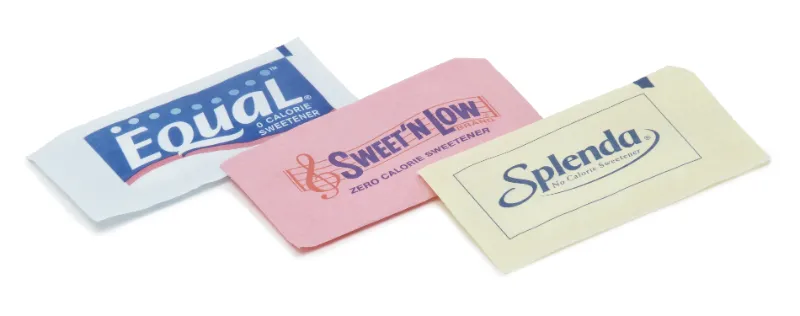
Most artificial sweeteners are considered safe during pregnancy in moderate amounts, but saccharin is one exception worth noting. It has been shown in some studies to cross the placenta and may accumulate in fetal tissue.
The FDA classifies saccharin as safe for the general public but recommends pregnant women exercise caution. You will find saccharin in some diet sodas and tabletop sweeteners like Sweet’N Low.
Stevia and sucralose (Splenda) are generally considered safer alternatives during pregnancy. As always, moderation is key, and getting your sweetness from whole fruits is always the best choice for you and your baby.
23. Unpasteurized Honey (Raw Honey)
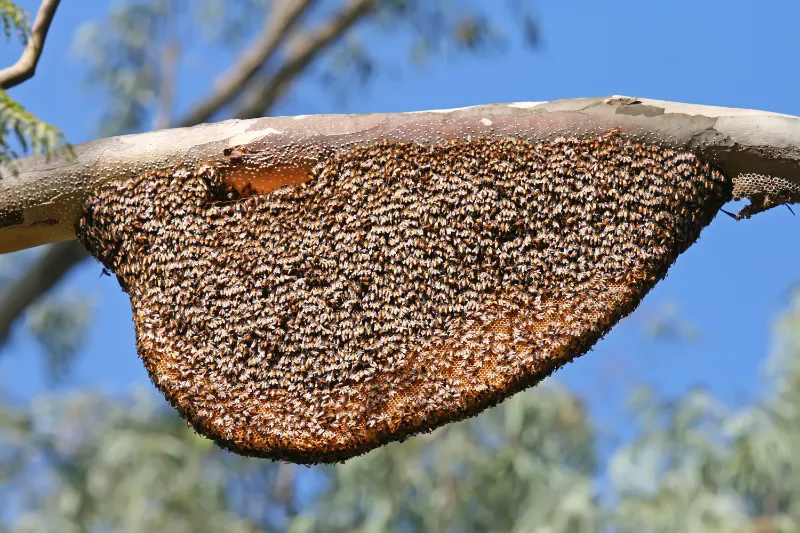
Raw or unpasteurized honey can contain Clostridium botulinum spores. While healthy adults can handle these spores without getting sick, there is some concern that in rare cases they could pose a risk during pregnancy.
The bigger concern is actually for infants under one year old, which is why you should never give honey to a baby. But during pregnancy, your gut health and immune function are altered, which may affect how your body handles environmental pathogens like botulinum spores.
Pasteurized honey from the grocery store is safe for pregnant women. The pasteurization process destroys harmful spores. So go ahead and drizzle that golden honey on your oatmeal, just make sure it is the pasteurized kind.
24. Excess Vitamin A Foods (Liver, Fish Oil Supplements)
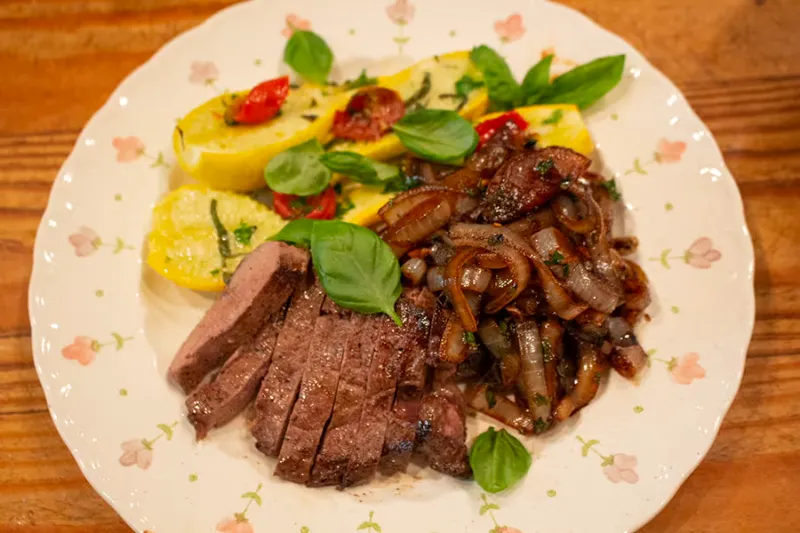
Vitamin A is essential for fetal development, but too much of it, specifically the preformed form called retinol, can cause serious birth defects. High doses of retinol during the first trimester have been linked to heart defects, facial abnormalities, and neurological problems in babies.
Beef liver is the most concentrated source of preformed vitamin A in the food supply. A single serving of beef liver can contain several times the safe upper limit for pregnancy. High-dose fish liver oil supplements like cod liver oil are similarly risky.
Beta-carotene from plant foods like carrots, sweet potatoes, and leafy greens is converted to vitamin A by your body only as needed, so it does not carry the same risk. Check your prenatal vitamin to make sure it uses beta-carotene rather than high-dose retinol.
25. Fast Food & Trans Fats
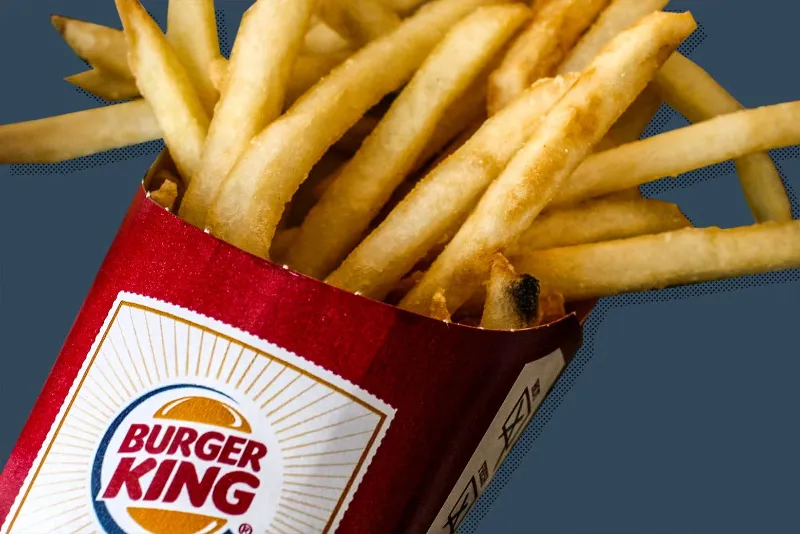
Fast food is often high in trans fats from partially hydrogenated oils, which are linked to inflammation, poor fetal development, and increased risk of gestational complications. While the FDA has moved to phase out artificial trans fats, some fast food items still contain small amounts.
Beyond trans fats, fast food is typically high in calories, sodium, and sugar while being low in the nutrients your baby actually needs. Relying on it regularly during pregnancy can crowd out the vitamins, minerals, and fiber that support healthy fetal growth.
An occasional fast food meal is not going to derail your pregnancy. But when you can, choose whole foods, home-cooked meals, or healthier restaurant options. Your baby is building a brain and body from whatever you eat, so the quality of your fuel genuinely matters.
26. Canned Foods with BPA Lining
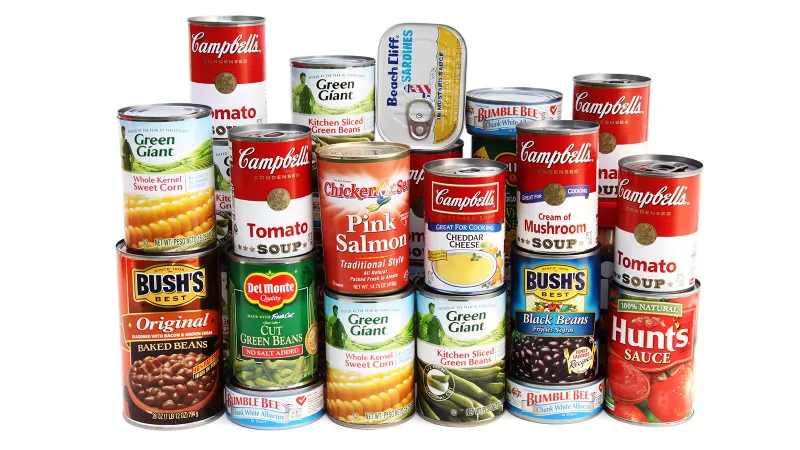
Bisphenol A, better known as BPA, is a chemical used in the lining of many metal food cans. Research has shown that BPA can leach into food from the can lining, and it acts as an endocrine disruptor, meaning it can interfere with hormone function.
Studies have linked prenatal BPA exposure to developmental issues, behavioral problems, and hormonal disruption in children. A 2011 study published in Environmental Health Perspectives found detectable BPA levels in the umbilical cord blood of newborns.
Look for cans labeled “BPA-free” or choose food packaged in glass jars or cartons instead. Many brands have moved away from BPA linings, but it is always worth a quick label check when you are shopping.
27. Raw Cookie Dough or Batter
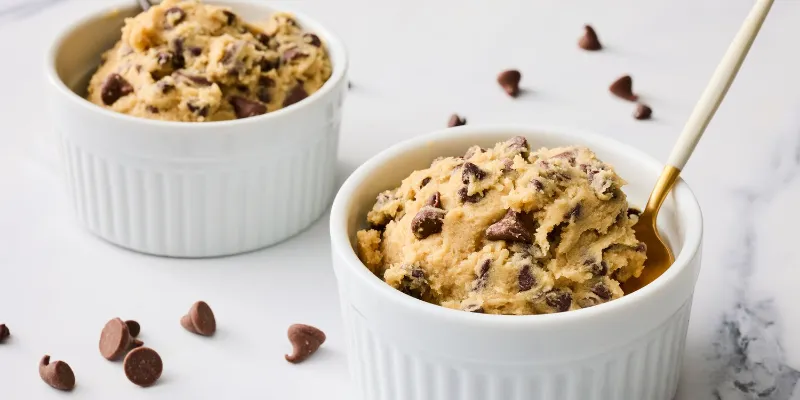
That bowl of raw cookie dough is hard to resist, but it is a two-for-one pregnancy risk. It contains both raw eggs (Salmonella risk) and raw flour, which has been linked to E. coli outbreaks even before it is baked.
In 2016, a major E. coli outbreak was traced directly to raw flour, hospitalizing dozens of people across the US. The FDA confirmed that raw flour should be considered an uncooked food that requires heat to be safe.
The fix is simple: only taste your dough or batter after it is baked. If you want to safely enjoy cookie dough, use heat-treated flour and pasteurized eggs in no-bake versions. There are great recipes out there specifically made to be eaten raw.
28. Street Food with Unknown Hygiene Standards
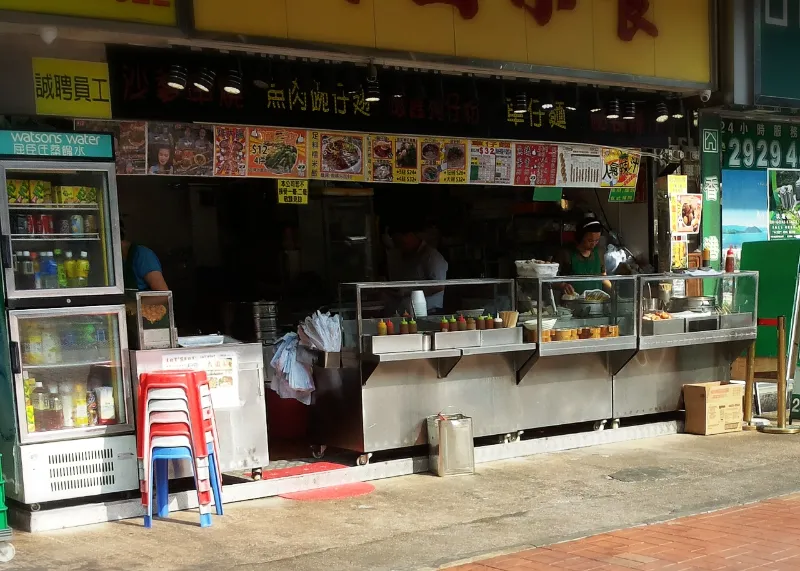
Street food can be absolutely delicious, but it also comes with unknowns around food temperature control, ingredient sourcing, water quality, and hygiene practices. During pregnancy, these variables matter more than ever.
Foods that are kept warm but not hot enough, or that sit at room temperature for extended periods, enter what food safety experts call the “danger zone” (40 to 140°F) where bacteria multiply rapidly. You have no way of knowing how long food has been sitting at a vendor’s cart.
If you do enjoy street food during pregnancy, look for vendors where food is cooked to order and served piping hot. Skip anything that has been sitting out, anything containing raw ingredients, and any cold sauces or condiments that may have been unrefrigerated.
29. Certain Herbal Supplements (Dong Quai, Black Cohosh)
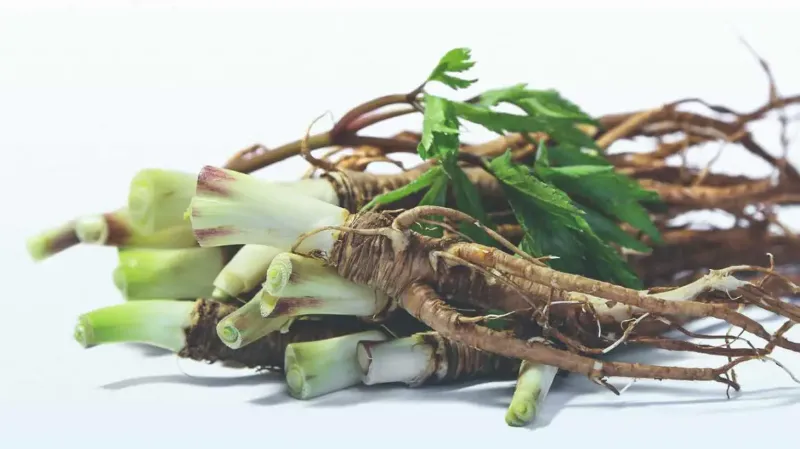
Herbal supplements are not regulated the same way medications are, and some contain powerful plant compounds that can have serious effects during pregnancy. Dong quai is a traditional Chinese herb that has been shown to stimulate uterine contractions and may cause miscarriage.
Black cohosh, often used for hormonal balance, has also been linked to premature labor and uterine stimulation. Other supplements to avoid include pennyroyal, tansy, blue cohosh, and high-dose evening primrose oil in early pregnancy.
Always tell your OB about any supplements you are taking or considering, including anything labeled “natural.” Natural does not automatically mean safe during pregnancy. Your doctor can help you sort through what is truly safe for you and your baby.
30. Papaya (Unripe/Semi-Ripe)
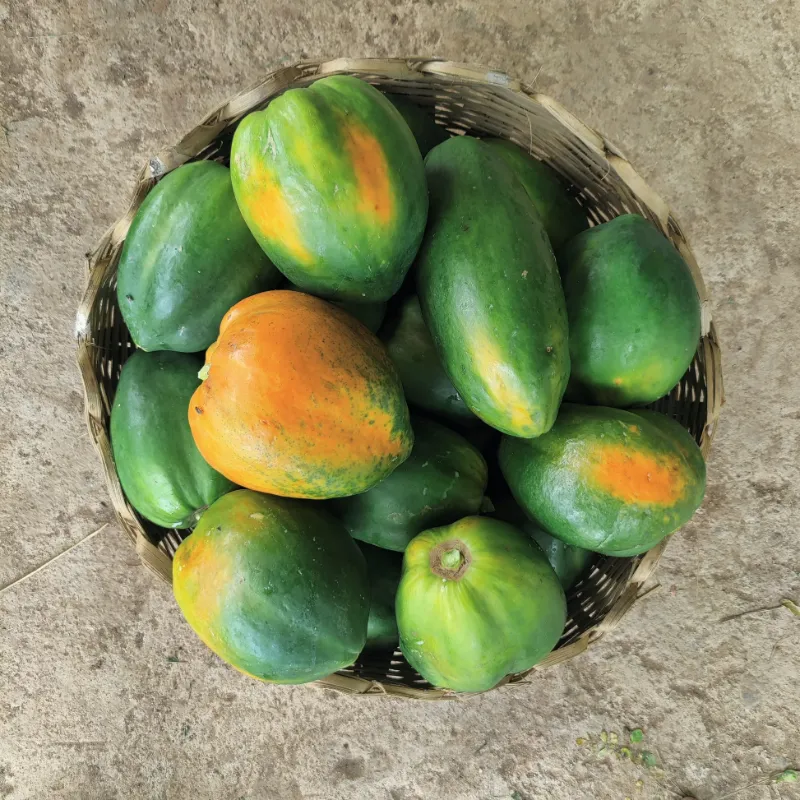
Ripe papaya is actually a nutritious fruit full of vitamin C and folate, both of which are beneficial during pregnancy. But unripe or semi-ripe papaya is a different story and is commonly included on lists of foods to avoid during pregnancy.
Unripe papaya contains a substance called latex that can trigger uterine contractions. It is also high in papain, an enzyme that some researchers believe may interfere with fetal development in early pregnancy.
Fully ripe papaya, the orange, soft, sweet kind, is generally considered safe in moderate amounts. If you are unsure how ripe your papaya is, err on the side of caution and choose a different fruit. Mangoes and cantaloupe offer similar sweetness with none of the concern.
31. Pineapple (In Large Quantities)
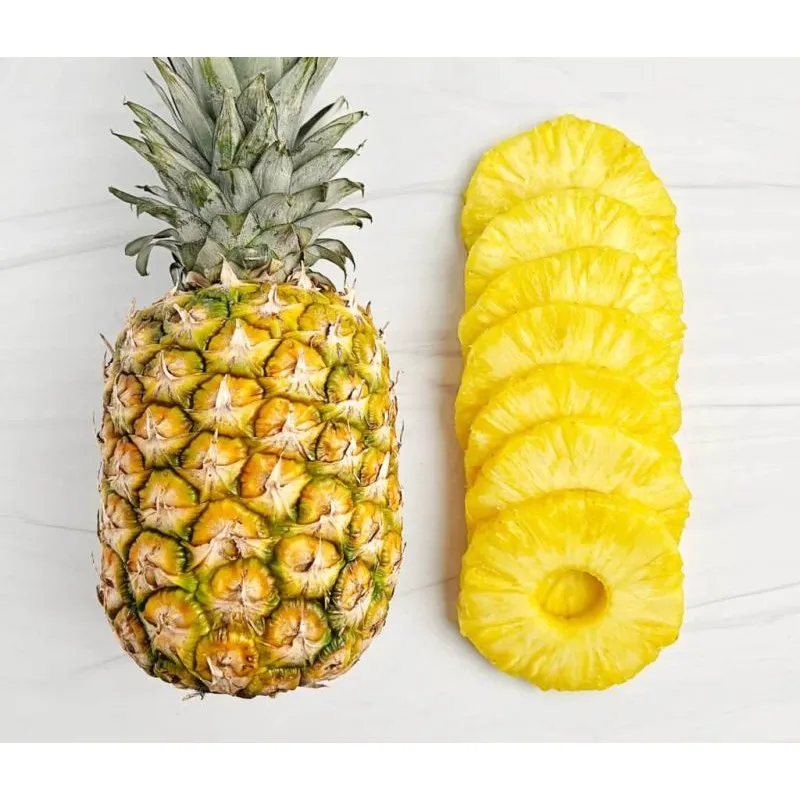
Pineapple is a common pregnancy food fear, mostly because it contains an enzyme called bromelain, which in very large amounts may soften the cervix. However, the bromelain content in a normal serving of pineapple is far too low to cause any real concern.
You would need to eat several whole pineapples in one sitting to consume enough bromelain to have any effect, which is not exactly a realistic scenario. That said, very high amounts of pineapple juice or concentrated bromelain supplements are a different matter.
Enjoying a cup of fresh pineapple as part of a balanced diet is perfectly fine for most pregnancies. As always, if you have any specific concerns or a high-risk pregnancy, check with your healthcare provider before making any dietary changes.
Final Thoughts
Navigating pregnancy nutrition can feel like a lot, but you are doing amazingly just by educating yourself. You do not need to be perfect, you just need to be informed. Small, consistent choices add up to a big difference for your growing baby.
Talk to your OB or a registered dietitian if you have questions specific to your pregnancy. Every journey is different, and having a trusted expert in your corner makes all the difference. You have got this, mama.
