
39 Must-Know Foods That Give You Energy That Actually Work

Ever hit that mid-afternoon wall where your eyes get heavy and even coffee feels like it’s not enough? You’re not alone, and the good news is that what you eat plays a huge role in how energized you feel all day long.
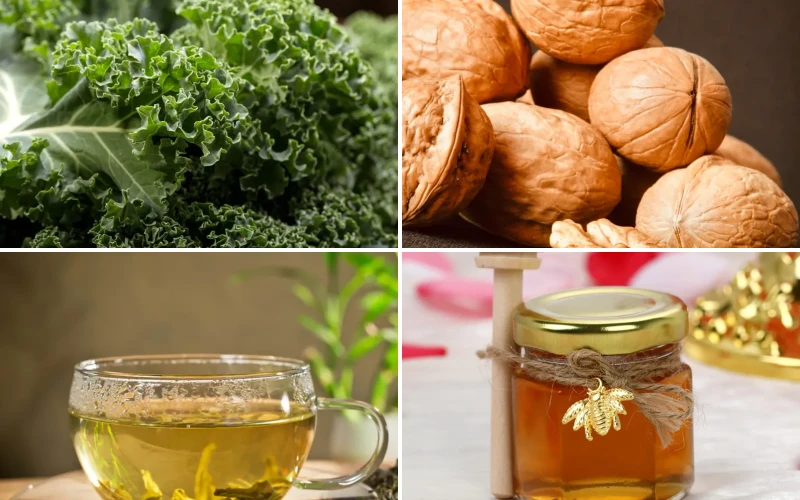
In this article, you’ll discover 39 real, science-backed foods that fuel your body the right way. No gimmicks, no weird supplements, just everyday foods that actually work.
1. Oats
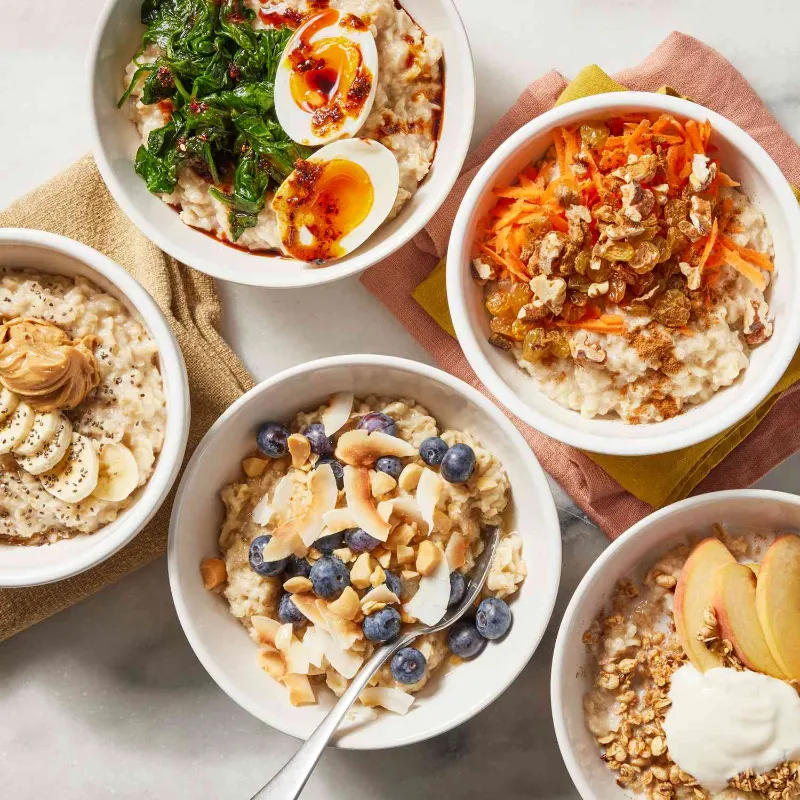
Oats are one of the best ways to start your morning with steady, lasting energy. They’re packed with complex carbohydrates and soluble fiber, which means your body digests them slowly and releases glucose into your bloodstream at a nice, even pace.
That slow release is key. Instead of a quick spike and crash, you get hours of stable energy to power through your morning.
Try rolled oats with a drizzle of honey and some berries, or prep overnight oats the night before for a zero-effort breakfast. Steel-cut oats have an even lower glycemic index if you want to go the extra mile.
2. Bananas
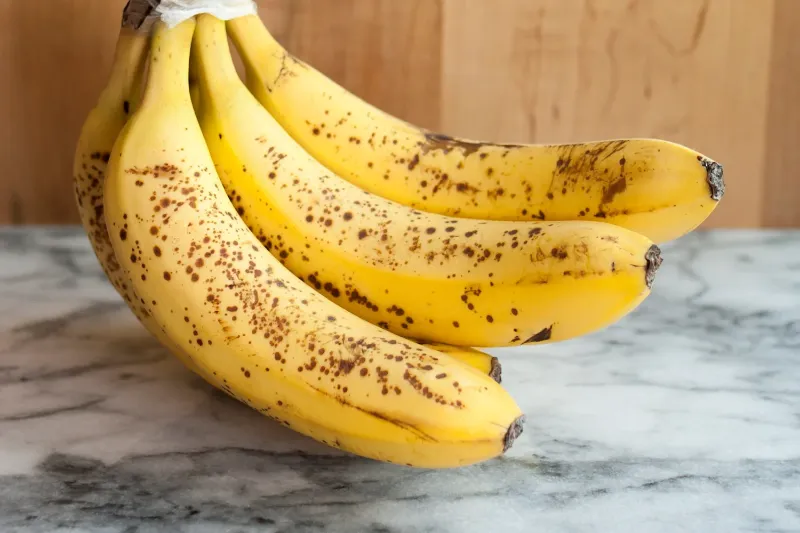
Bananas are basically nature’s energy bar, and they’re one of the most convenient snacks you can grab on the go. They contain three types of natural sugars (glucose, fructose, and sucrose) along with fiber, giving you both quick and sustained energy.
They’re also rich in vitamin B6, which helps your body convert food into usable fuel. Research has even shown that bananas can match sports drinks for performance during endurance exercise.
Eat one before a workout, blend it into a smoothie, or slice it over your oatmeal. Simple, affordable, and genuinely effective.
3. Sweet Potatoes
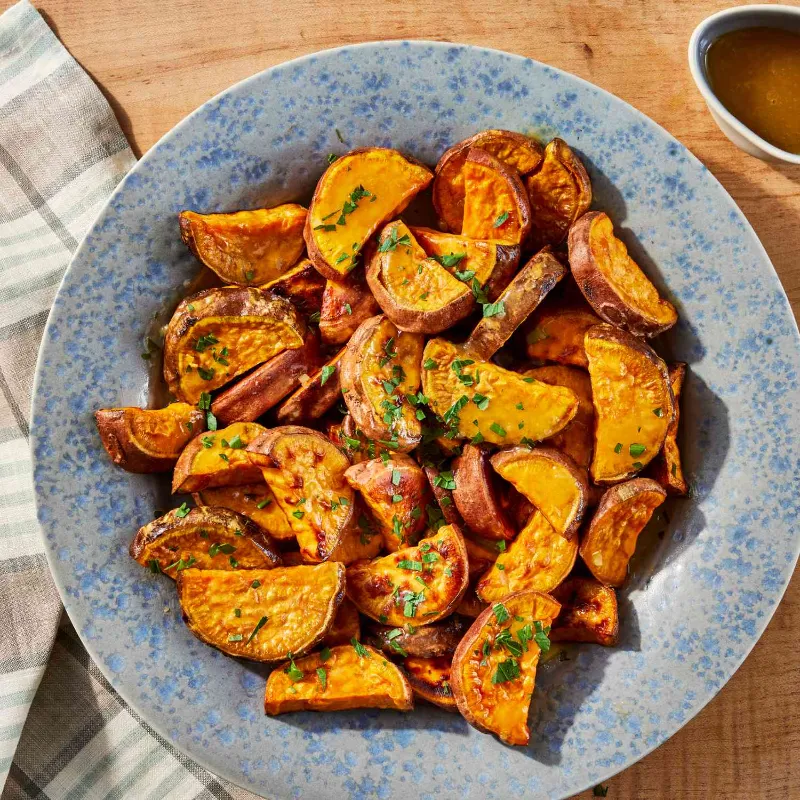
Sweet potatoes are a serious energy powerhouse hiding behind a humble orange exterior. One medium sweet potato gives you complex carbs, fiber, manganese, and a hefty dose of vitamin A, all working together to keep your energy levels stable.
Manganese is especially important here. It helps your body metabolize nutrients and produce energy at the cellular level.
Roast them, mash them, or cube them into a grain bowl. They’re naturally sweet, incredibly filling, and one of the most nutrient-dense carbs you can eat.
4. Brown Rice
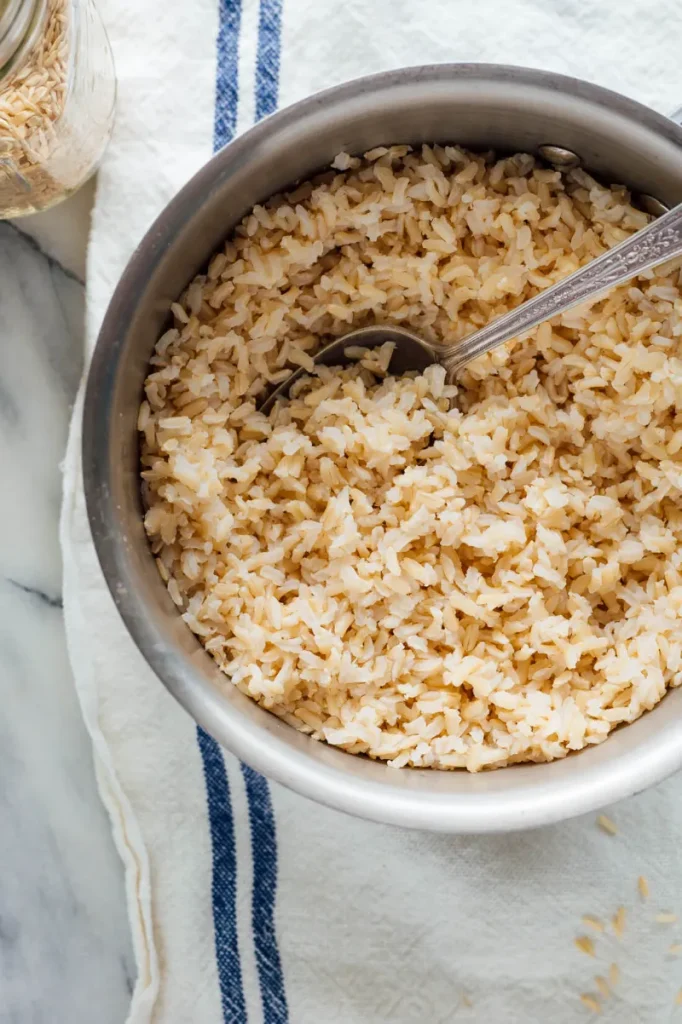
Brown rice is a whole grain that holds onto all its natural nutrients, unlike its white counterpart which gets stripped during processing. It digests slowly thanks to its fiber content, giving you long-lasting energy without the post-meal slump.
It’s also a good source of magnesium, a mineral that plays a direct role in converting carbohydrates and fats into energy inside your cells.
Swap white rice for brown in your stir-fries, burrito bowls, or meal prep containers. It takes a little longer to cook, but your energy levels will thank you.
5. Quinoa

Quinoa is one of the rare plant foods that delivers all nine essential amino acids, making it a complete protein. That protein, combined with a solid amount of complex carbs and fiber, makes it an incredibly well-rounded energy food.
It’s also gluten-free, which makes it a go-to for people who are sensitive to gluten but still want a hearty grain option. Plus, it’s loaded with iron and magnesium, both of which support energy production at a cellular level.
Use it as a base for salads, mix it into soups, or eat it warm with a fried egg on top. It’s endlessly versatile and genuinely satisfying.
6. Eggs
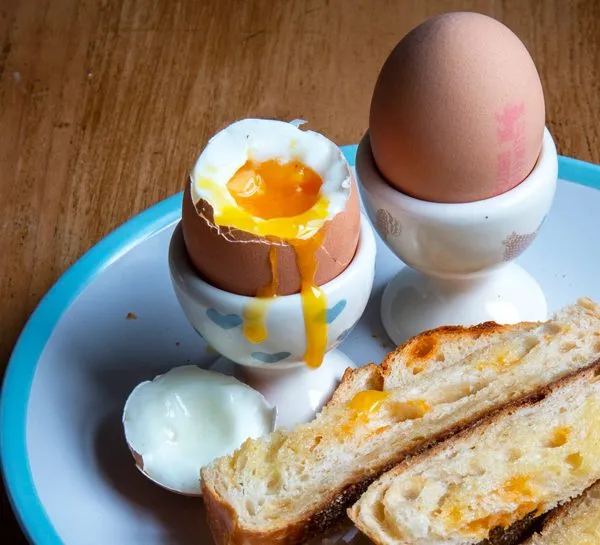
Eggs are one of the most complete foods on the planet when it comes to energy and nutrition. Each egg contains high-quality protein, healthy fats, and B vitamins, particularly B12 and riboflavin, which are essential for converting food into energy.
The protein in eggs also helps keep you full and focused for hours. Unlike a carb-heavy breakfast that fades fast, eggs provide steady fuel without the crash.
Scramble them, hard-boil a batch for the week, or make a veggie-packed omelet. Eggs are fast, affordable, and incredibly effective at keeping your energy up.
7. Greek Yogurt
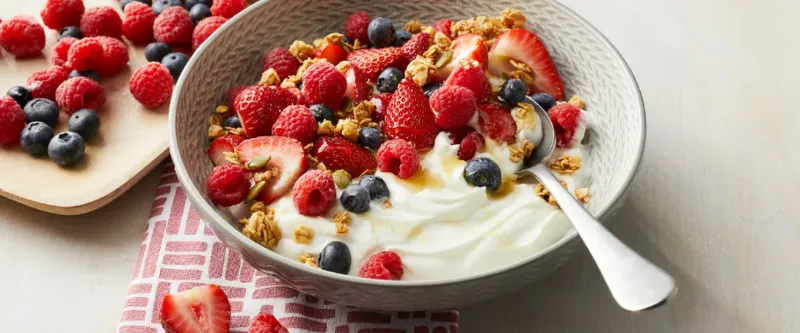
Greek yogurt is packed with protein, more than double what regular yogurt contains, and that protein is key for sustained energy and muscle recovery. It also contains probiotics, which support gut health, and a healthy gut is closely linked to better energy and mood.
The carbohydrates in Greek yogurt provide quick fuel while the protein slows digestion down, giving you that balanced, steady energy release your body loves.
Top it with granola and fruit for a well-rounded snack, or use it as a base for smoothies. Just go for plain versions to avoid added sugars that can cause energy crashes.
8. Cottage Cheese
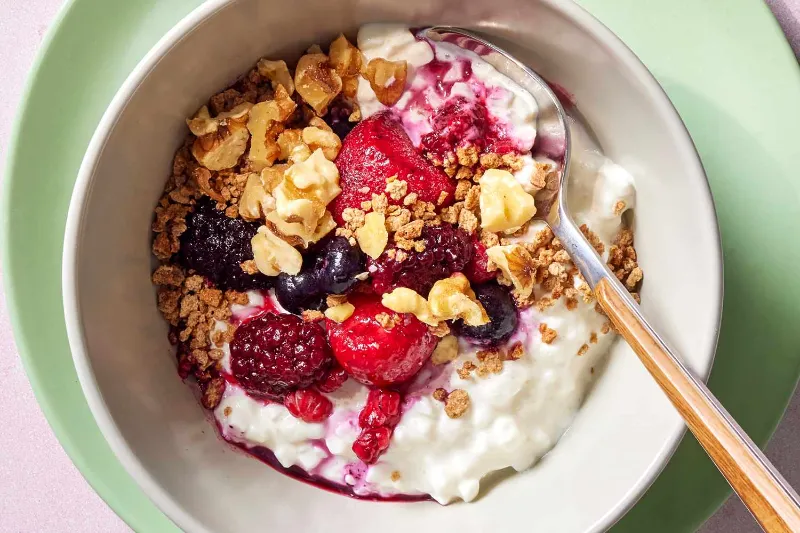
Cottage cheese might not be the flashiest food on this list, but it punches way above its weight in the energy department. It’s loaded with casein protein, a slow-digesting protein that keeps your amino acid levels steady for hours after eating.
It also contains B vitamins and phosphorus, which support energy metabolism and help your body use nutrients efficiently.
Eat it with fruit for a sweet and satisfying snack, mix it into scrambled eggs for a protein boost, or use it as a ricotta substitute in savory dishes. It’s understated but seriously effective.
9. Salmon
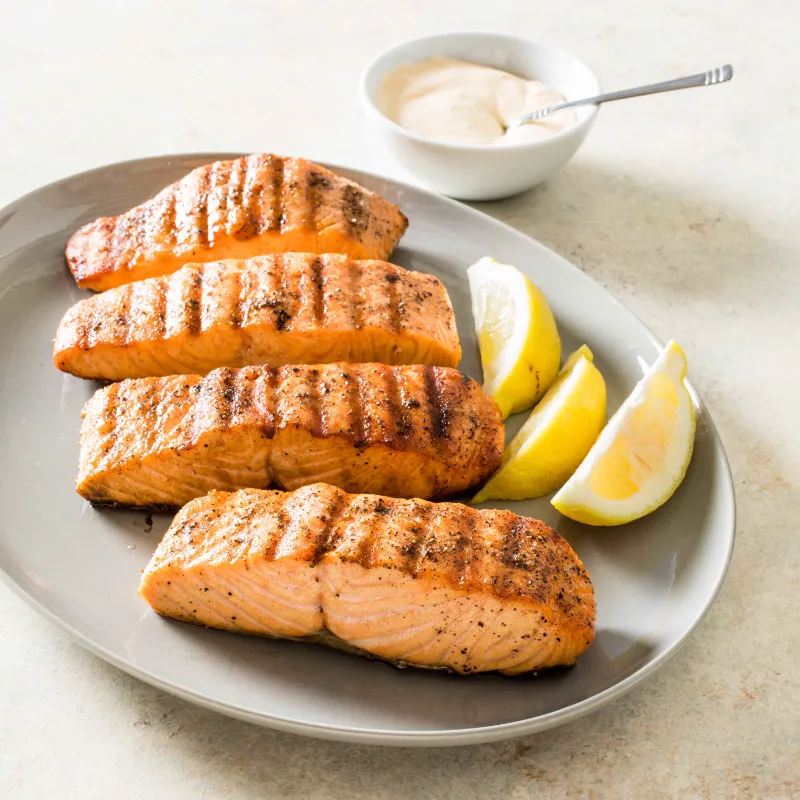
Salmon is one of the best foods you can eat for sustained, brain-powered energy. It’s rich in omega-3 fatty acids, which reduce inflammation, support brain function, and help your body use oxygen more efficiently during physical activity.
It’s also an excellent source of high-quality protein and B vitamins, especially B12, which is critical for energy production and keeping fatigue at bay.
Aim for two servings of salmon per week. Bake it, grill it, or flake canned salmon into salads and wraps for an easy, energizing meal.
10. Tuna
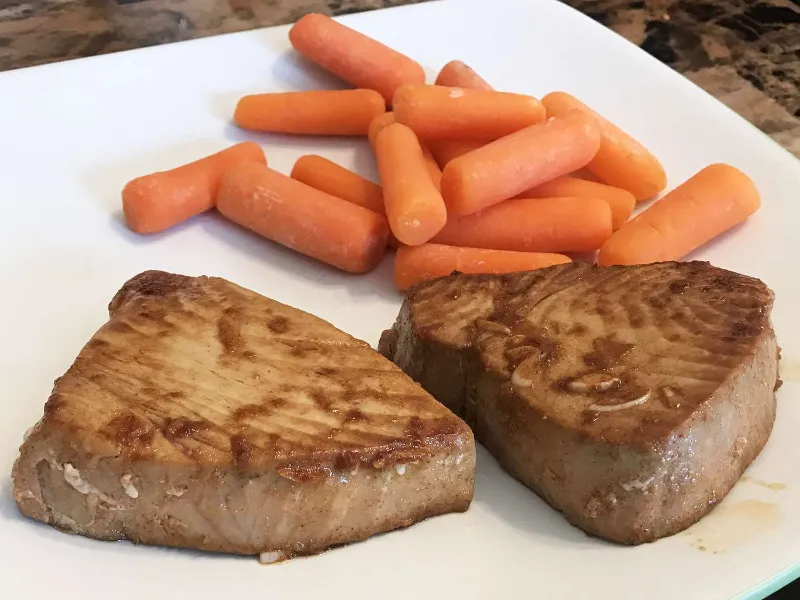
Tuna is a lean, protein-dense fish that gives you long-lasting energy without weighing you down. It’s high in protein and low in fat, making it a clean fuel source that your body can use efficiently.
It’s also rich in vitamin B3 (niacin), which plays a direct role in energy metabolism and helps your body convert food into ATP, the actual energy currency your cells run on.
Canned tuna is one of the most budget-friendly energy foods out there. Toss it in a salad, layer it on whole grain crackers, or mix it with avocado for a quick and filling lunch.
11. Chicken Breast
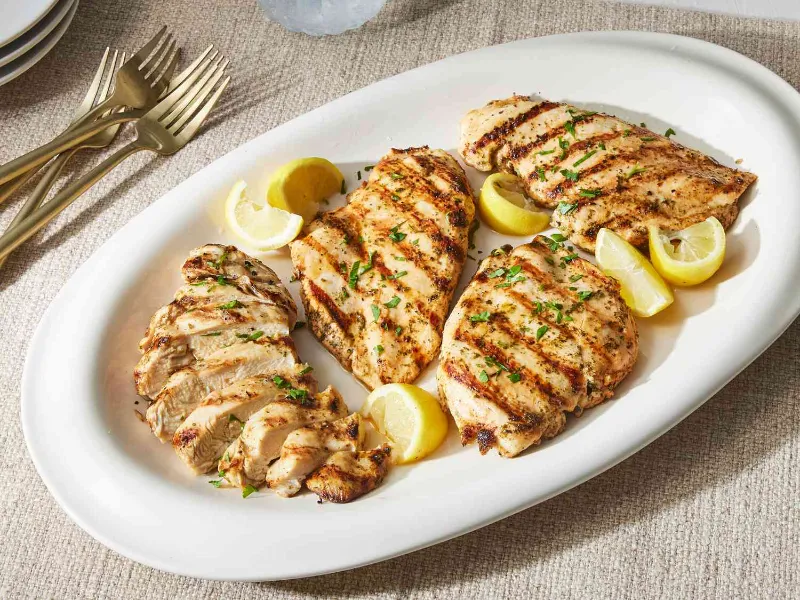
Chicken breast is a lean protein staple for a reason. It’s low in fat, high in protein, and delivers a steady, reliable source of energy that keeps you full and focused for hours.
It’s also a great source of tyrosine, an amino acid that supports the production of dopamine and norepinephrine, brain chemicals that help you feel alert and motivated.
Grill a few chicken breasts at the start of the week and use them in everything from salads to wraps to grain bowls. Simple, versatile, and seriously energizing.
12. Turkey
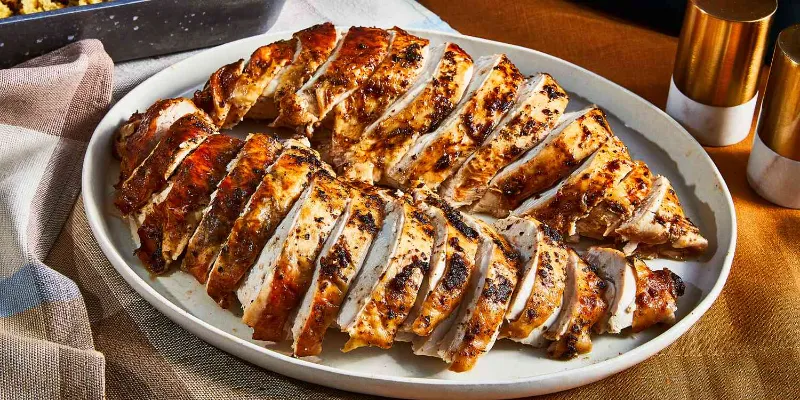
Turkey often gets pigeonholed as a holiday food, but it deserves a regular spot in your weekly meals. It’s packed with lean protein and contains tryptophan, an amino acid that supports the production of serotonin, which helps regulate mood and energy levels.
Turkey is also a great source of B vitamins, iron, and zinc, all of which play important roles in keeping your energy systems running smoothly.
Slice it onto sandwiches, chop it into stir-fries, or use ground turkey as a leaner swap for beef in your favorite recipes.
13. Almonds
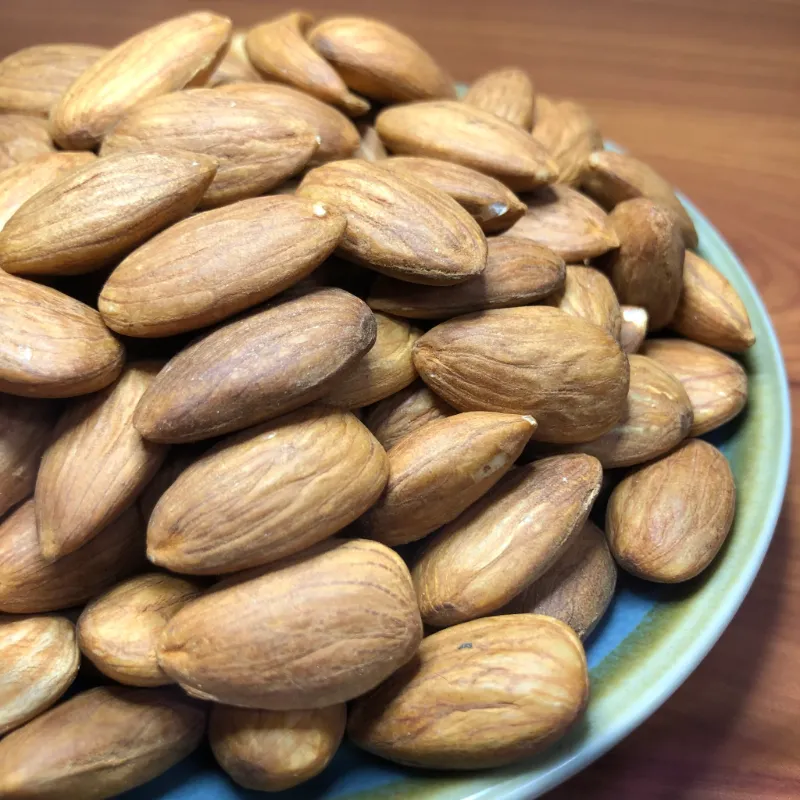
Almonds are a nutritional powerhouse packed into a tiny package. They deliver a winning combo of healthy fats, protein, and fiber that slows digestion and gives you lasting energy between meals.
They’re also one of the best food sources of magnesium, which supports over 300 enzyme reactions in your body, many of them directly related to energy production. Low magnesium is actually one of the most common causes of unexplained fatigue.
Keep a small handful at your desk or in your bag for an easy, no-prep energy boost. Just watch your portions since they’re calorie-dense, and a little goes a long way.
14. Walnuts
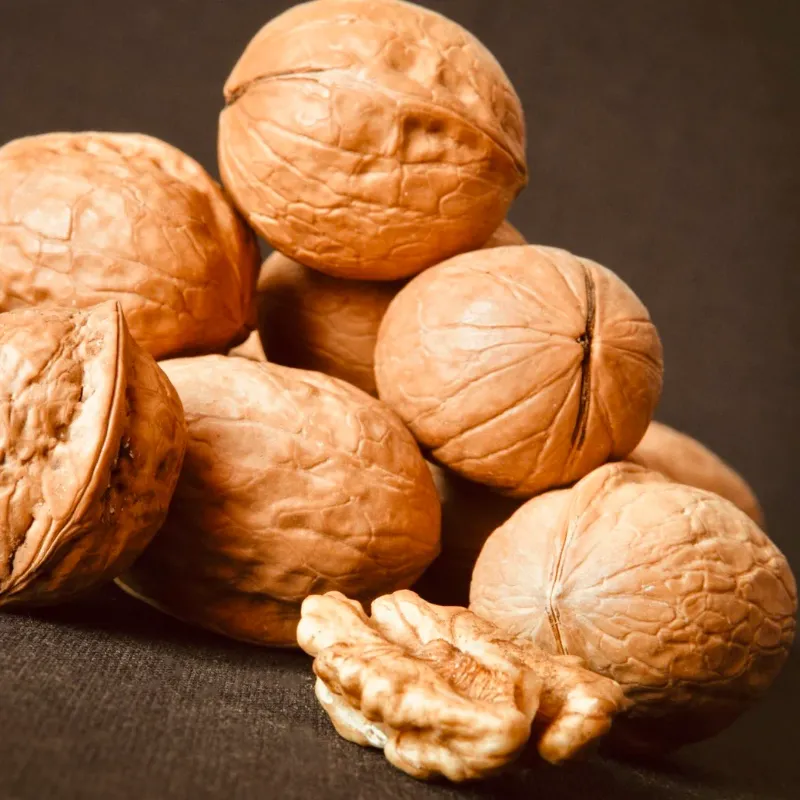
Walnuts stand out from other nuts because of their uniquely high omega-3 fatty acid content, specifically alpha-linolenic acid (ALA). These fats fuel your brain, reduce inflammation, and help your body sustain energy over time.
They’re also rich in antioxidants, which protect your cells from oxidative stress that can leave you feeling drained and sluggish.
Toss walnuts into oatmeal, salads, or yogurt parfaits. Or just grab a small handful as an afternoon snack. They’re one of the smartest things you can eat when your brain needs a boost.
15. Cashews
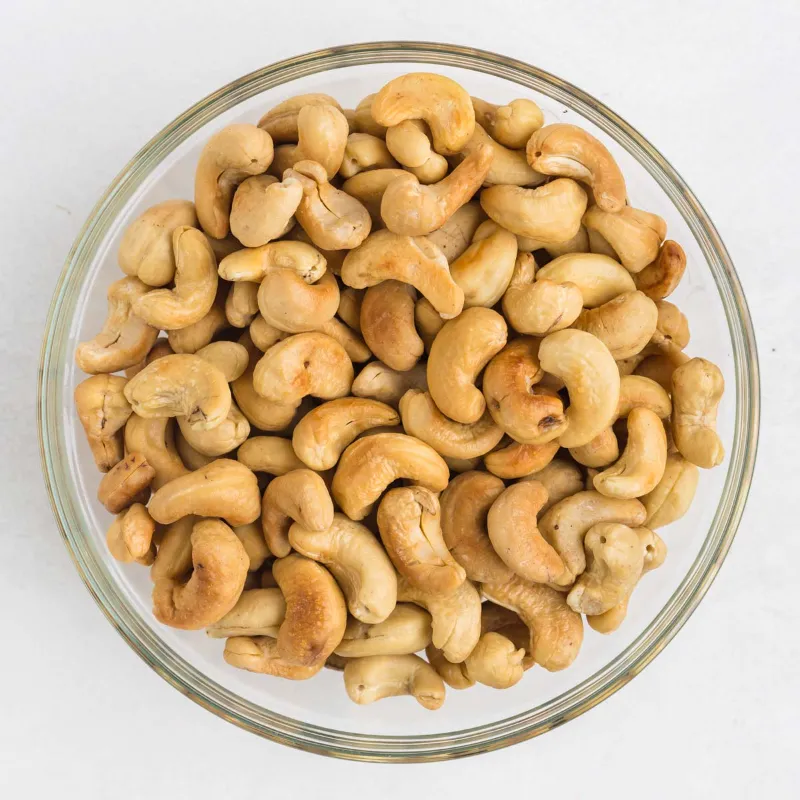
Cashews have a creamy, mild flavor and deliver a solid hit of healthy fats, protein, and carbohydrates, making them one of the more balanced nuts for energy. They’re also one of the best nut sources of iron, which helps carry oxygen through your blood and fight off fatigue.
They’re lower in fat than most nuts, which means they’re a bit easier to digest and won’t leave you feeling heavy or sluggish after eating them.
Blend cashews into sauces, snack on them raw, or use cashew butter as a spread on whole grain toast. They’re delicious and surprisingly energizing.
16. Peanut Butter
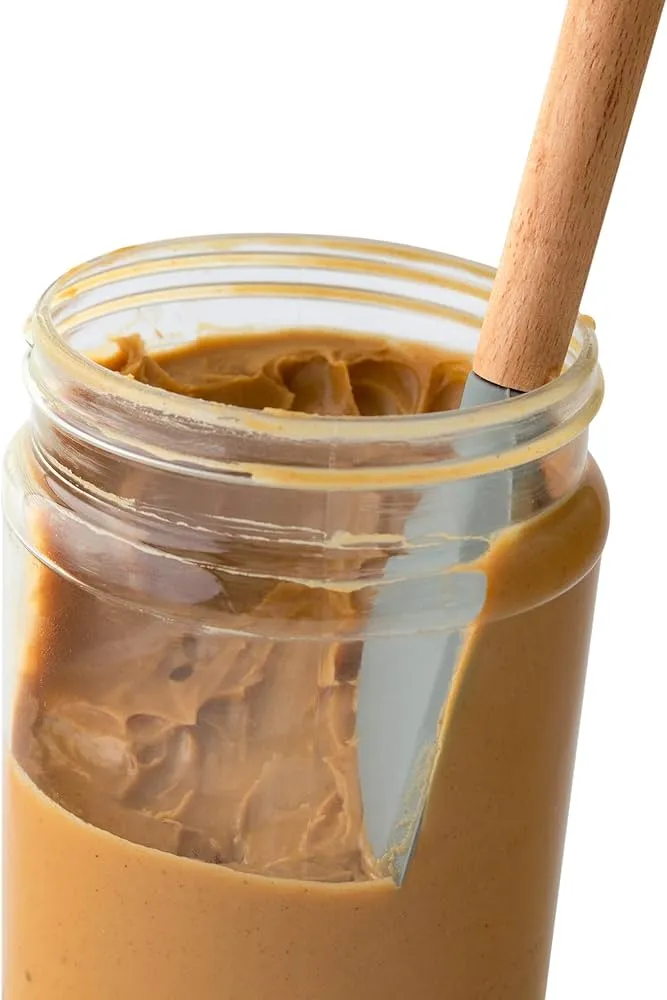
Peanut butter is a comfort food that also happens to be a fantastic energy source. It’s full of healthy fats, plant-based protein, and niacin (B3), all of which work together to give you sustained fuel without a spike-and-crash cycle.
Studies suggest that peanuts and peanut butter can help with blood sugar control, which means more stable energy throughout the day rather than those frustrating ups and downs.
Spread it on whole grain toast, swirl it into oatmeal, blend it into a smoothie, or just eat it off the spoon. No judgment, it works either way.
17. Chia Seeds
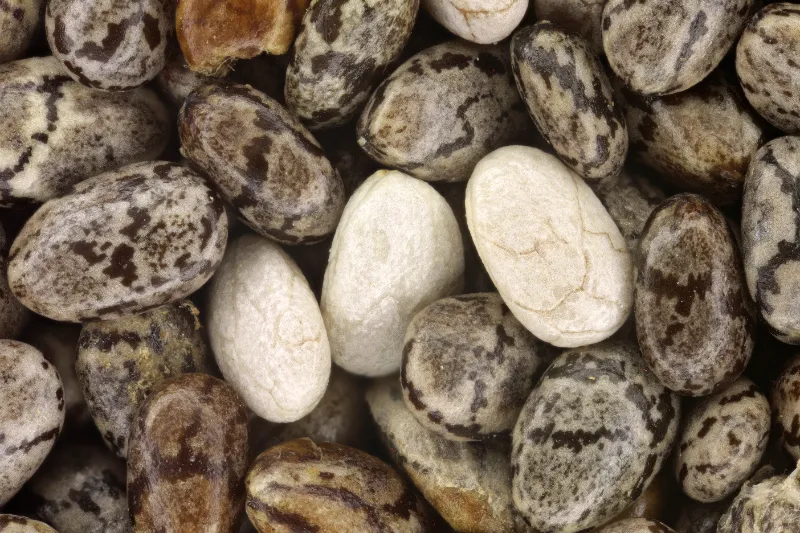
Don’t let their tiny size fool you. Chia seeds are one of the most nutrient-dense foods you can add to your diet. They’re loaded with omega-3 fatty acids, fiber, protein, and complex carbohydrates that digest slowly and release energy steadily.
They also absorb up to 10 times their weight in water, forming a gel in your stomach that keeps you feeling full and hydrated for longer. Hydration, by the way, is one of the biggest factors in sustained energy.
Stir them into yogurt, make chia pudding overnight, or blend them into smoothies. A little goes a long way with these nutritional overachievers.
18. Flaxseeds
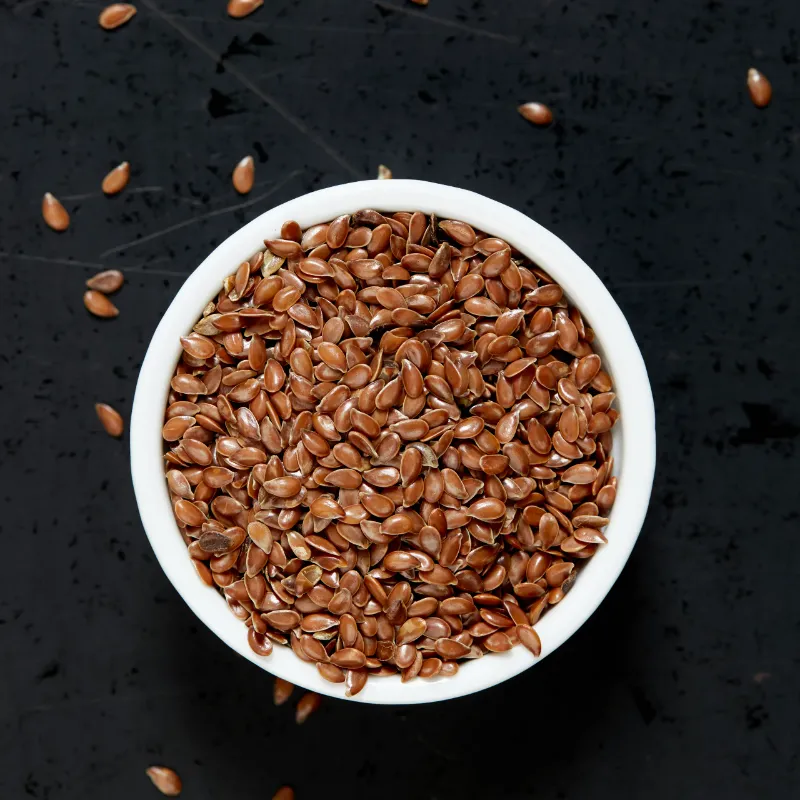
Flaxseeds are rich in omega-3 fatty acids, fiber, and lignans, powerful plant compounds with antioxidant properties. The fiber in flaxseeds slows digestion and helps maintain steady blood sugar levels, which directly translates to more consistent energy throughout the day.
They’re also a good source of B vitamins, especially thiamine (B1), which is essential for converting carbohydrates into energy your body can actually use.
Grind them before eating since whole flaxseeds pass through your digestive system mostly intact. Sprinkle ground flax over oatmeal, blend it into smoothies, or mix it into baked goods.
19. Pumpkin Seeds
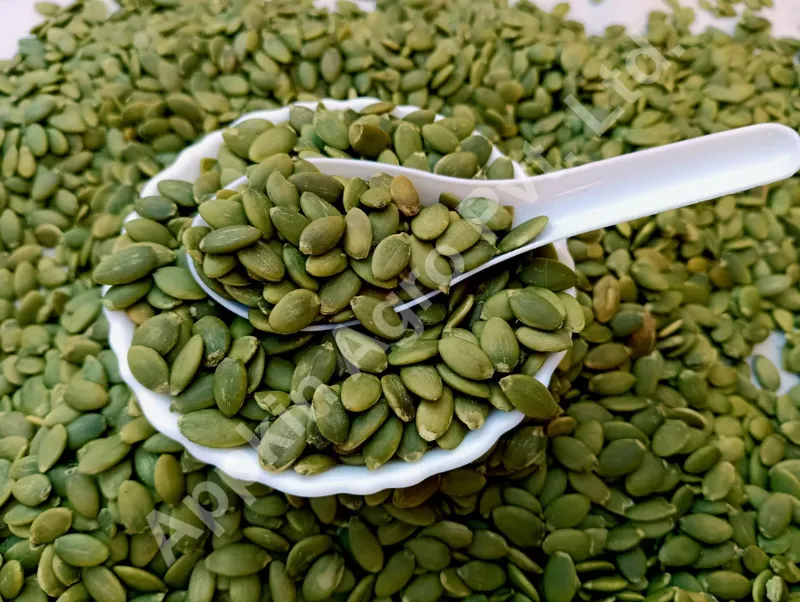
Pumpkin seeds are a seriously underrated snack with impressive energy credentials. They’re one of the best plant-based sources of magnesium, iron, and zinc, three minerals that play vital roles in energy production and fighting fatigue.
They’re also packed with tryptophan and glutamate, compounds that help regulate mood, reduce stress, and promote a sense of calm alertness rather than jittery, caffeine-induced energy.
Roast them with a little sea salt for a crunchy snack, toss them into salads, or sprinkle them over soups. They’re small but genuinely mighty.
20. Sunflower Seeds
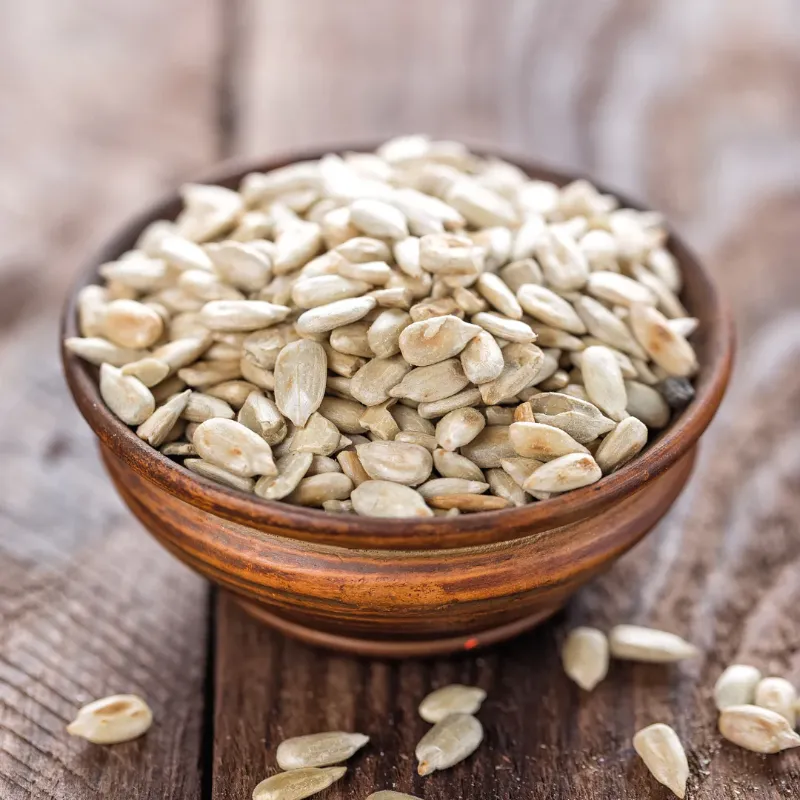
Sunflower seeds are a great source of vitamin B1 (thiamine), which your body needs to convert the food you eat into actual energy. They’re also rich in vitamin E, a fat-soluble antioxidant that protects your cells and supports healthy energy metabolism.
The healthy fats and protein in sunflower seeds help slow digestion and keep blood sugar stable, giving you that even, sustained energy instead of a quick burst that fades.
Snack on them raw or roasted, add them to trail mix, or use sunflower seed butter as a nut-free alternative to peanut butter.
21. Spinach
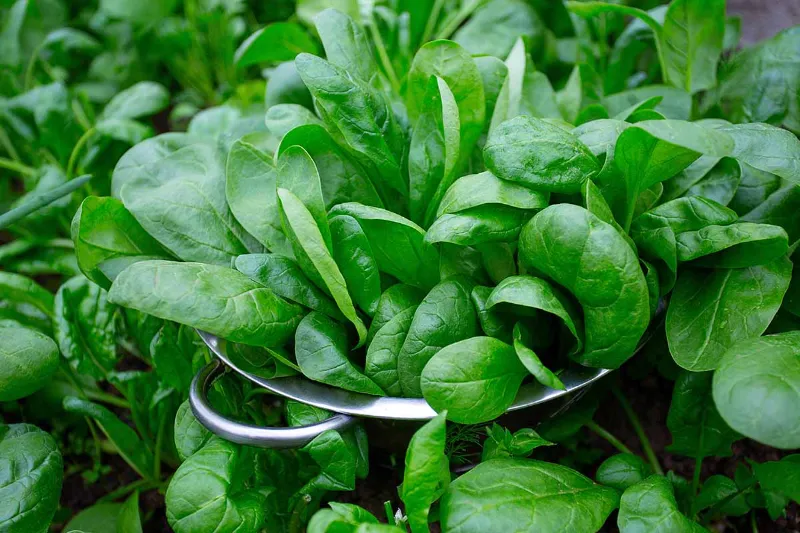
Spinach is one of the most iron-rich plant foods you can eat, and iron is crucial for transporting oxygen through your blood to your muscles and brain. Without enough iron, you feel tired, foggy, and slow, even if you’re sleeping well.
Spinach is also loaded with magnesium, folate, and vitamin C, all of which support energy production and help your body absorb iron more efficiently.
Toss it into smoothies (you won’t taste it, we promise), wilt it into pasta, or use it as a salad base. It’s one of the easiest ways to boost your nutrient intake without any fuss.
22. Kale
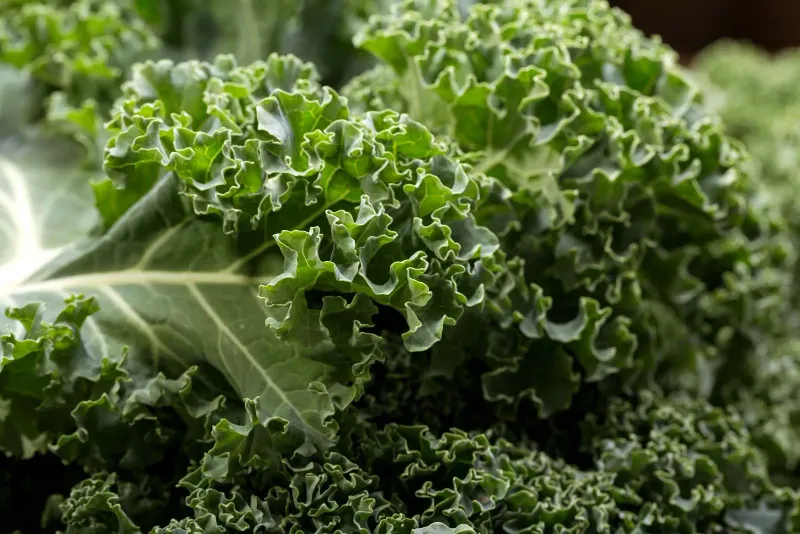
Kale is a nutritional giant that earns every bit of its superfood reputation. It’s packed with vitamins A, C, and K, along with iron, calcium, and a range of B vitamins that support your body’s energy-making processes.
It’s also rich in antioxidants that fight inflammation and oxidative stress, two major culprits behind chronic fatigue and low energy levels.
Massage raw kale with olive oil and lemon for a salad that’s actually tender and delicious, or bake it into crispy chips. You can also throw a handful into soups, stews, or smoothies for an easy nutrition upgrade.
23. Beets
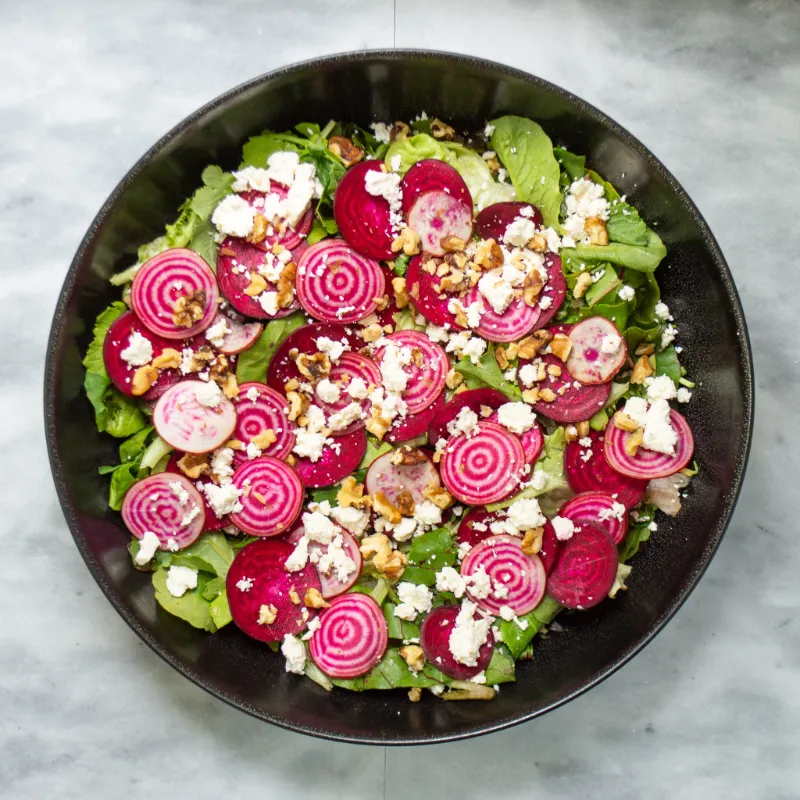
Beets might just be the most underestimated energy food on this list. They’re naturally high in nitrates, which your body converts into nitric oxide, a compound that widens your blood vessels and improves blood flow to your muscles and brain.
Research has shown that eating beets or drinking beet juice before exercise can significantly improve stamina and reduce the oxygen cost of physical activity. That means you can do more with less effort.
Roast beets and add them to salads, blend beet juice into smoothies, or try beet powder mixed into water before a workout. They’re a natural performance enhancer hiding in your produce aisle.
24. Edamame
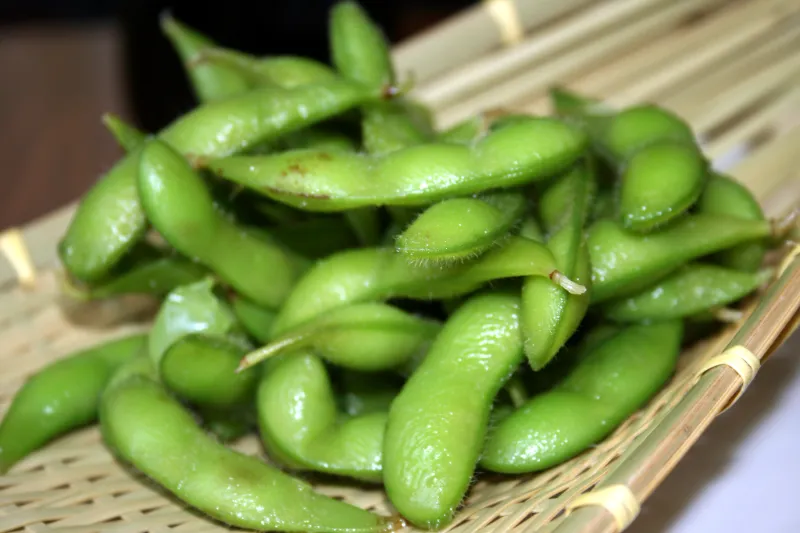
Edamame (young soybeans) are one of the best plant-based complete proteins around, meaning they contain all the essential amino acids your body needs. That protein, combined with complex carbs and fiber, makes them a perfectly balanced energy snack.
They’re also a great source of folate, vitamin K, and manganese, all of which support energy metabolism and help your body function at its best.
Steam a bag and sprinkle with sea salt for the easiest, most satisfying snack ever. You can also toss shelled edamame into salads, grain bowls, or stir-fries for an easy protein and energy boost.
25. Lentils
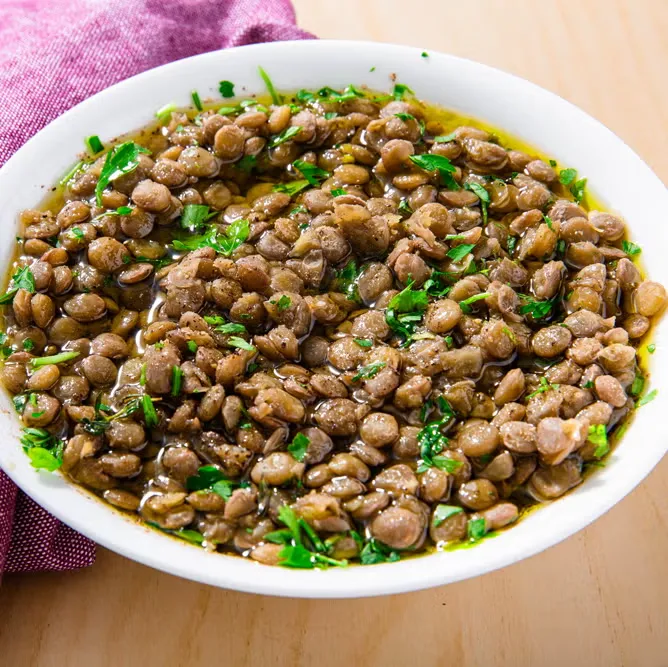
Lentils are one of the best foods you can eat for long, slow-burning energy. They’re rich in complex carbohydrates, plant-based protein, and fiber, a combination that digests slowly and keeps blood sugar levels rock-steady.
They’re also loaded with iron and folate, two nutrients that are especially important for energy production and are commonly low in people who feel chronically tired.
Add lentils to soups, make a lentil salad, or use red lentils to whip up a quick dal. They’re affordable, filling, and incredibly nourishing.
26. Chickpeas
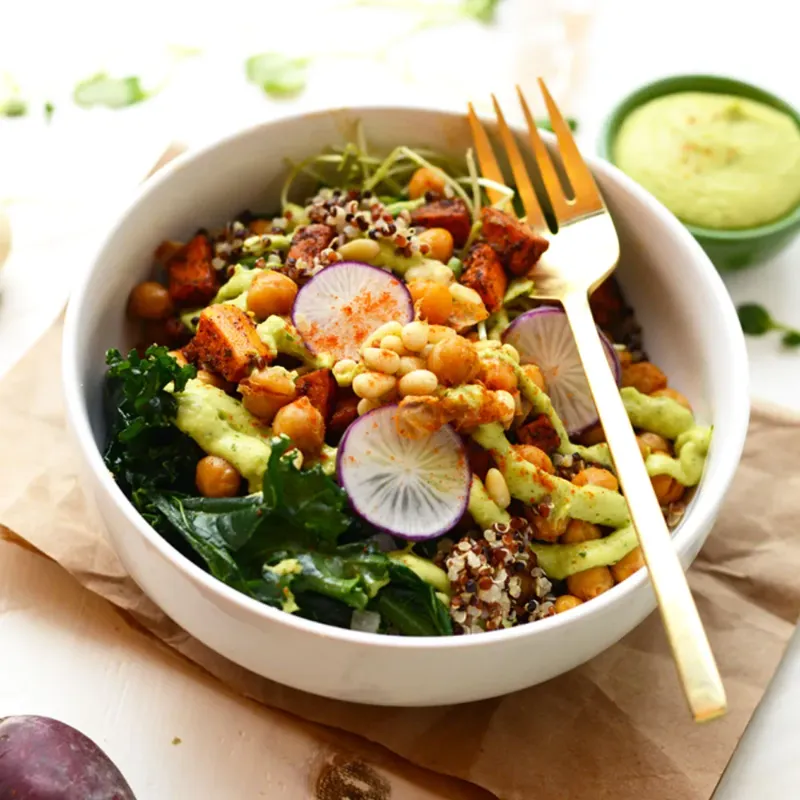
Chickpeas (also called garbanzo beans) are a fiber and protein combo that keeps you full and energized for hours. Their low glycemic index means they release energy slowly and steadily, making them an ideal food for avoiding afternoon energy crashes.
They’re also a solid source of complex carbohydrates and contain iron, magnesium, and B vitamins, all key players in your body’s energy production system.
Toss them in salads, roast them for a crunchy snack, blend them into hummus, or throw them into curries and soups. Chickpeas are as versatile as they are energizing.
27. Black Beans
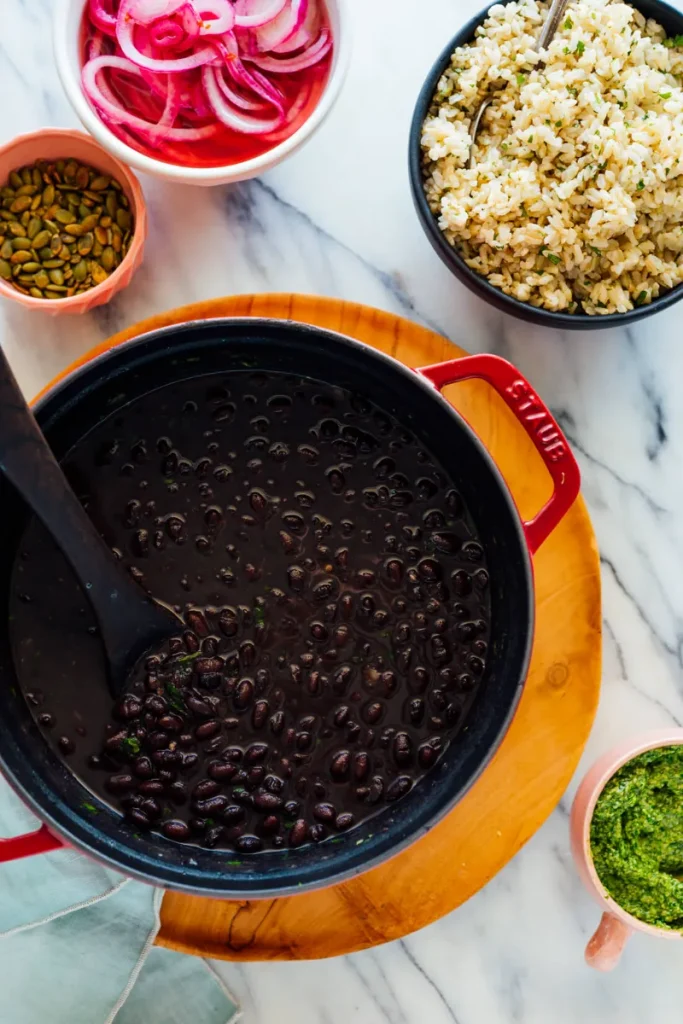
Black beans pack a serious nutritional punch with every bite. They’re rich in plant-based protein, fiber, and slow-digesting complex carbohydrates, making them a reliable, long-lasting energy source that won’t leave you crashing an hour later.
They’re also a great source of iron and magnesium, two minerals that are directly tied to how much energy you have throughout the day.
Use black beans in tacos, burrito bowls, soups, or salads. They’re hearty, satisfying, and one of the most budget-friendly energy foods on this whole list.
28. Avocado
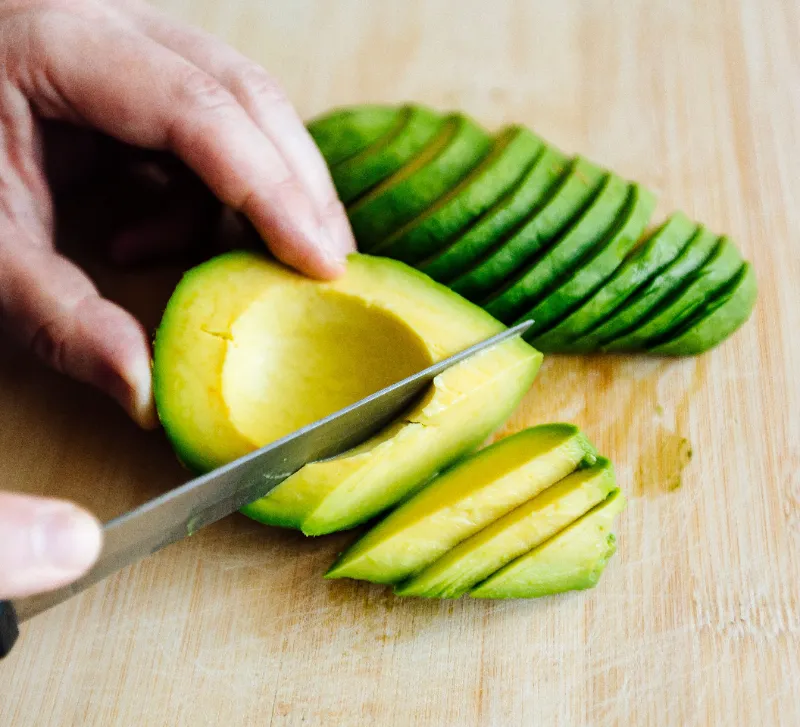
Avocado is often celebrated for its healthy fats, and for good reason. It’s full of monounsaturated fats that provide slow, steady energy and help your body absorb fat-soluble vitamins more efficiently.
It’s also rich in B vitamins, especially B5 and B6, which help your body convert food into usable energy. Plus, the fiber in avocado helps stabilize blood sugar and keep you feeling full and focused.
Spread it on whole grain toast, slice it into salads, blend it into smoothies for creaminess, or simply eat it with a little salt and lemon. Avocado earns every bit of its hype.
29. Blueberries
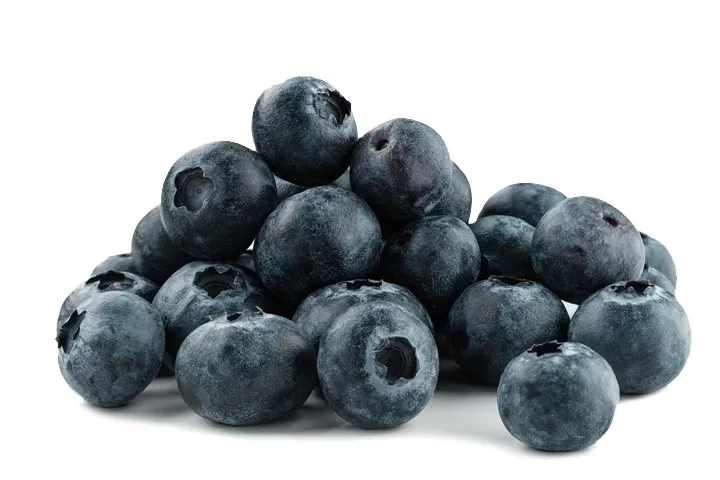
Blueberries are small but absolutely loaded with antioxidants, particularly flavonoids, which have been shown to improve blood flow to the brain and boost cognitive function. Better brain blood flow means sharper focus, better memory, and more mental energy.
Research published in the Journal of Agricultural and Food Chemistry found that blueberries can help protect against oxidative stress, one of the key drivers of fatigue and low energy.
Toss them in your oatmeal, blend them into a smoothie, or eat them straight out of the container. Fresh or frozen, they’re equally powerful and equally delicious.
30. Oranges
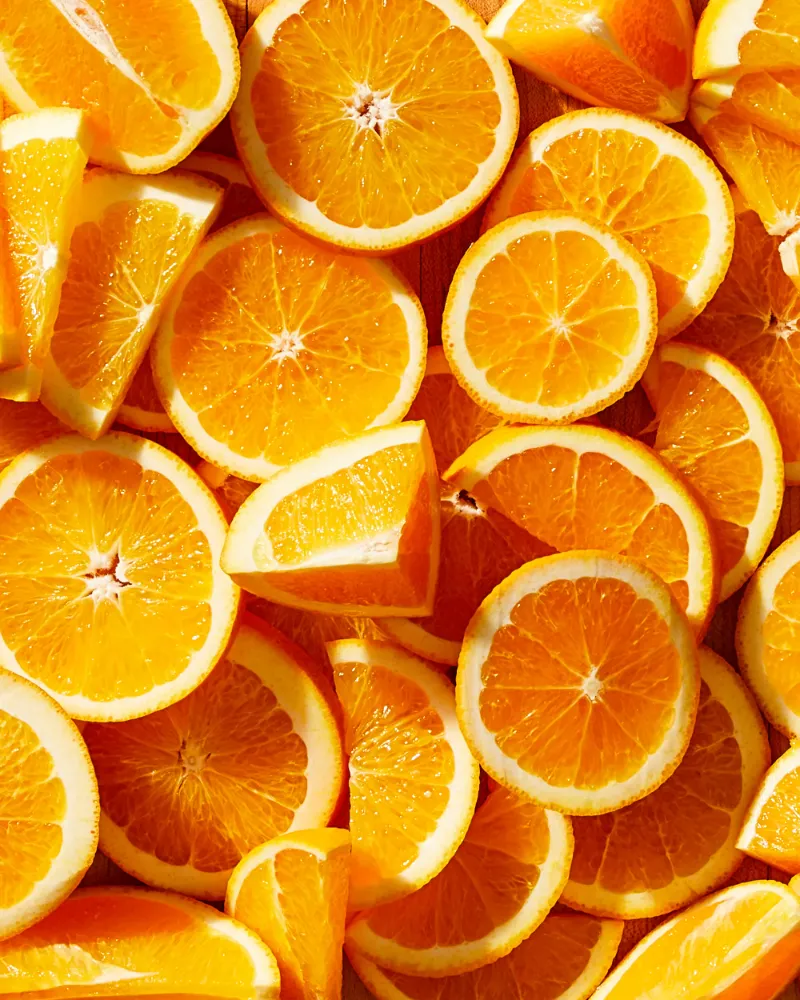
Oranges are famous for their vitamin C, but most people don’t realize how closely vitamin C is tied to energy levels. It plays a crucial role in the synthesis of carnitine, a compound your body uses to convert fat into energy.
They’re also hydrating, naturally sweet, and contain a mix of natural sugars and fiber that gives you a quick but balanced energy boost without a dramatic crash afterward.
Keep a few oranges on your counter for an easy grab-and-go snack. Or squeeze fresh orange juice and use it as a base for smoothies. Simple, refreshing, and energizing.
31. Apples
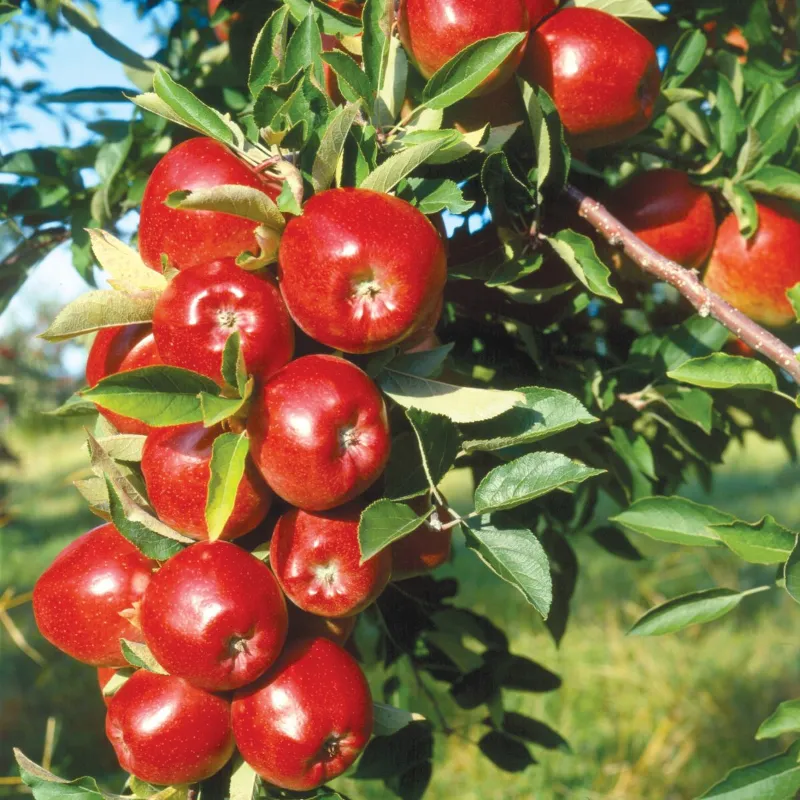
An apple a day might actually keep the fatigue away. Apples are rich in natural sugars, fiber, and vitamin C, and their combination of quick-release fructose and fiber means you get a gentle, sustained energy boost rather than a sharp spike.
They’re also loaded with quercetin, a powerful antioxidant that has been shown to support mitochondrial health, basically helping your cells produce energy more efficiently.
Pair an apple with peanut or almond butter for a snack that delivers both quick and lasting fuel. It’s one of the simplest, most satisfying energy combos out there.
32. Dates
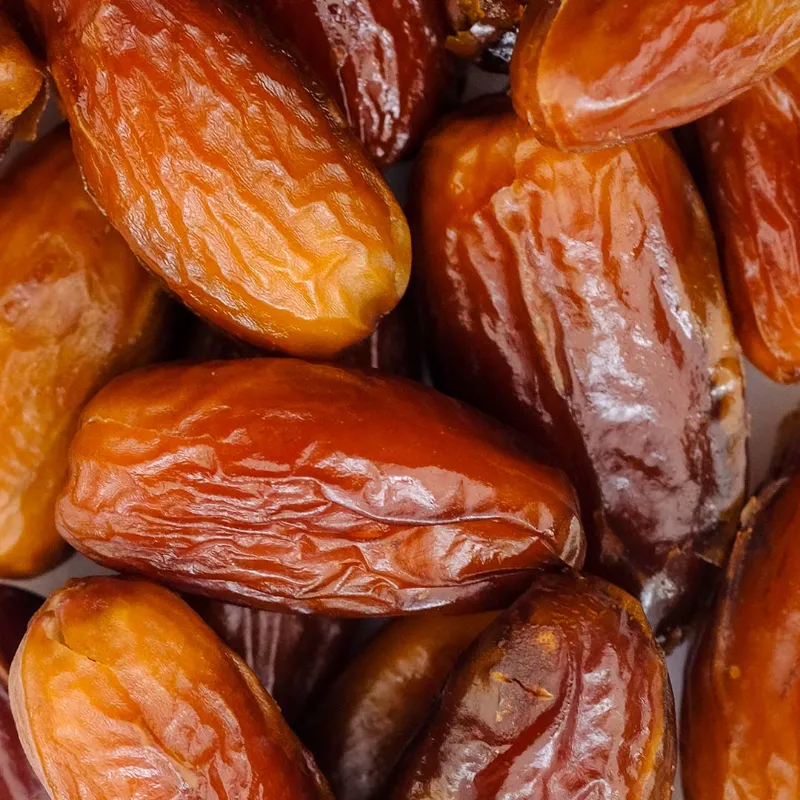
Dates are one of nature’s most concentrated sources of natural energy. They’re packed with glucose, fructose, and sucrose, plus fiber and key minerals like potassium and magnesium, making them a fast-acting but surprisingly balanced energy food.
Athletes have long used dates as a pre-workout fuel, and research backs this up. A study found that dates are just as effective as commercial energy gels for fueling endurance performance.
Eat two to three dates before a workout, blend them into energy balls, or use them as a natural sweetener in smoothies and baked goods. They’re incredibly sweet and genuinely powerful.
33. Dark Chocolate
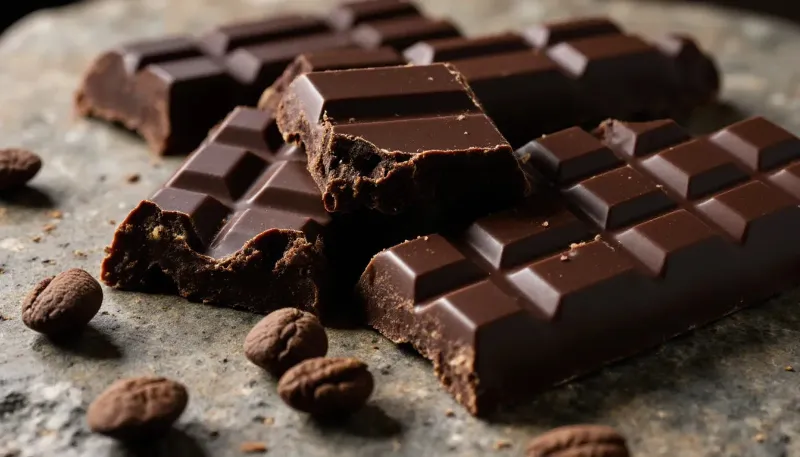
Yes, dark chocolate absolutely belongs on this list. It contains caffeine and theobromine, two natural stimulants that give you a gentle, focused energy boost without the jitters that come with too much coffee.
It’s also rich in flavonoids that improve blood flow to the brain, and magnesium that supports energy metabolism. Studies have even linked dark chocolate consumption to improved mood and reduced mental fatigue.
Go for dark chocolate that’s 70% cacao or higher to get the most benefits with less sugar. A small square in the afternoon is a delicious and effective energy pick-me-up.
34. Green Tea

Green tea gives you a smoother, more focused energy boost than coffee thanks to its combination of caffeine and L-theanine, an amino acid that promotes calm alertness without the anxious, jittery edge.
Research shows that L-theanine and caffeine together improve attention, focus, and reaction time better than either one alone. It’s a natural synergy that your brain genuinely responds to.
Brew a cup in the morning or early afternoon instead of reaching for a second coffee. It’s gentler on your adrenal system and gives you clean, focused energy that lasts for hours.
35. Coffee

Coffee is the world’s most popular energy drink for a reason. The caffeine in coffee blocks adenosine receptors in your brain, which are responsible for making you feel sleepy, giving you that familiar wake-up effect within 20 to 30 minutes of drinking it.
It also contains antioxidants and has been linked to improved physical performance, better focus, and even a reduced risk of certain chronic diseases when consumed in moderation.
Stick to one to three cups a day and try to avoid coffee after 2 PM to protect your sleep quality. Your best energy comes from good sleep plus smart caffeine use, not just more and more coffee.
36. Water
This one might seem obvious, but it’s worth saying loud and clear: dehydration is one of the most common and most overlooked causes of fatigue. Even mild dehydration (just 1 to 2% of your body weight) can cause noticeable drops in energy, focus, and physical performance.
Your body is roughly 60% water and every single metabolic reaction that produces energy depends on adequate hydration. Without enough water, those reactions slow down and so do you.
Aim for at least eight cups of water a day and more if you’re active or live somewhere warm. Start your morning with a big glass before coffee and keep a water bottle with you throughout the day.
37. Matcha

Matcha is powdered green tea, but it packs an even more concentrated punch than a regular cup. It contains higher levels of L-theanine and caffeine than brewed green tea, giving you sustained, focused energy that many people describe as cleaner and longer-lasting than coffee.
It’s also loaded with antioxidants, particularly EGCG (epigallocatechin gallate), which supports metabolism and helps your body produce energy more efficiently at the cellular level.
Whisk matcha with hot water and a splash of oat milk for a latte, blend it into a smoothie, or mix it into overnight oats. It’s a genuinely powerful alternative to your morning coffee.
38. Coconut Water

Coconut water is nature’s sports drink. It’s naturally rich in electrolytes, particularly potassium, sodium, and magnesium, which help your body stay hydrated and maintain energy during and after physical activity.
Dehydration and electrolyte imbalances are both common causes of fatigue, especially after exercise or in hot weather. Coconut water replenishes what you lose through sweat in a natural, low-sugar way.
Drink it after a workout, sip it during outdoor activities, or just use it as a refreshing midday hydration boost. It’s lighter than sports drinks and far more natural.
39. Honey

Honey is one of the oldest natural energy sources humans have ever used, and modern science confirms why it works so well. It contains a balanced mix of glucose and fructose, giving you both quick energy and more sustained fuel in a single spoonful.
Research has shown that honey performs comparably to commercial energy gels during endurance exercise. It also contains small amounts of B vitamins, antioxidants, and antimicrobial compounds that support overall health.
Drizzle honey over oatmeal, stir it into tea, spread it on whole grain toast, or mix it into pre-workout snacks. It’s a simple, natural, and genuinely effective energy booster that’s been working for thousands of years.
Final Thoughts
Building real, lasting energy isn’t about chasing shortcuts. It’s about consistently choosing foods that actually fuel your body the right way. The 39 foods on this list are all real, accessible, and genuinely powerful when you start weaving them into your everyday meals and snacks.
Start small, pick a few favorites from this list, and make them a regular part of your routine. Your energy levels, focus, and overall wellbeing will thank you for it.
