
21 Underrated Heart Healthy Foods List Backed by Science

Your heart beats about 100,000 times a day without you even thinking about it. The least you can do is feed it well. And no, that does not mean choking down bland salads or giving up everything you love.
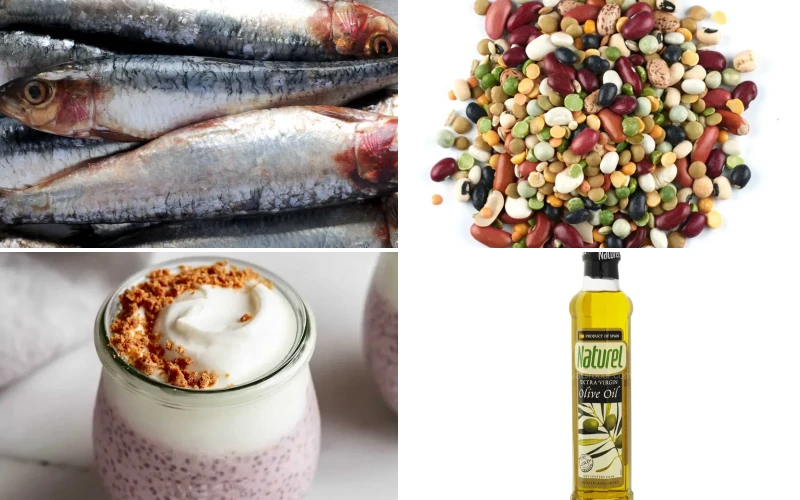
The truth is, some of the most powerful heart-protecting foods are delicious, easy to find at your local grocery store, and seriously underrated. Here are 21 science-backed picks your heart will thank you for.
1. Salmon
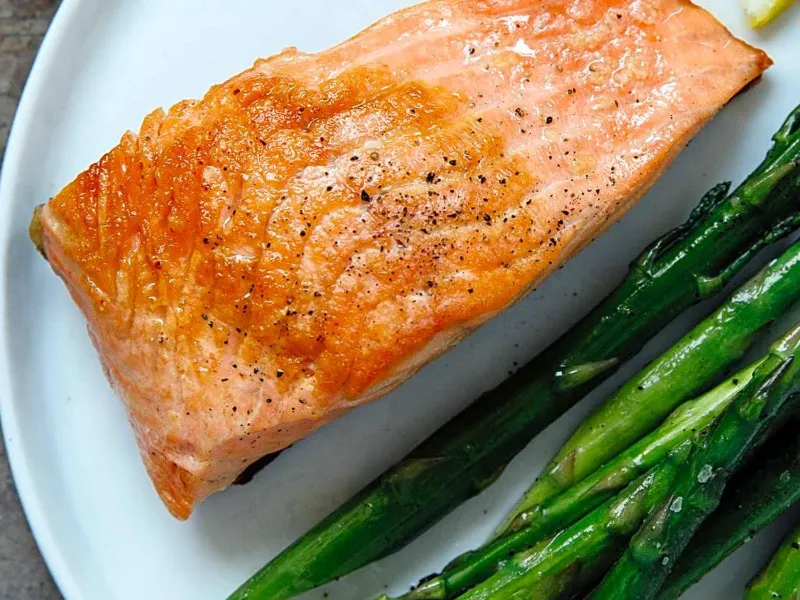
Salmon is one of the richest sources of omega-3 fatty acids on the planet, specifically EPA and DHA. These are the fats your heart genuinely needs to keep inflammation in check and your arteries flexible.
Research published in the journal Circulation found that people who ate fatty fish like salmon at least twice a week had significantly lower rates of heart disease. Omega-3s help lower triglycerides, reduce blood pressure, and even lower the risk of irregular heartbeat.
Not sure how to eat more of it? Bake a fillet with lemon and garlic on a sheet pan, toss it into a grain bowl, or keep canned salmon on hand for quick salads and wraps.
2. Oats
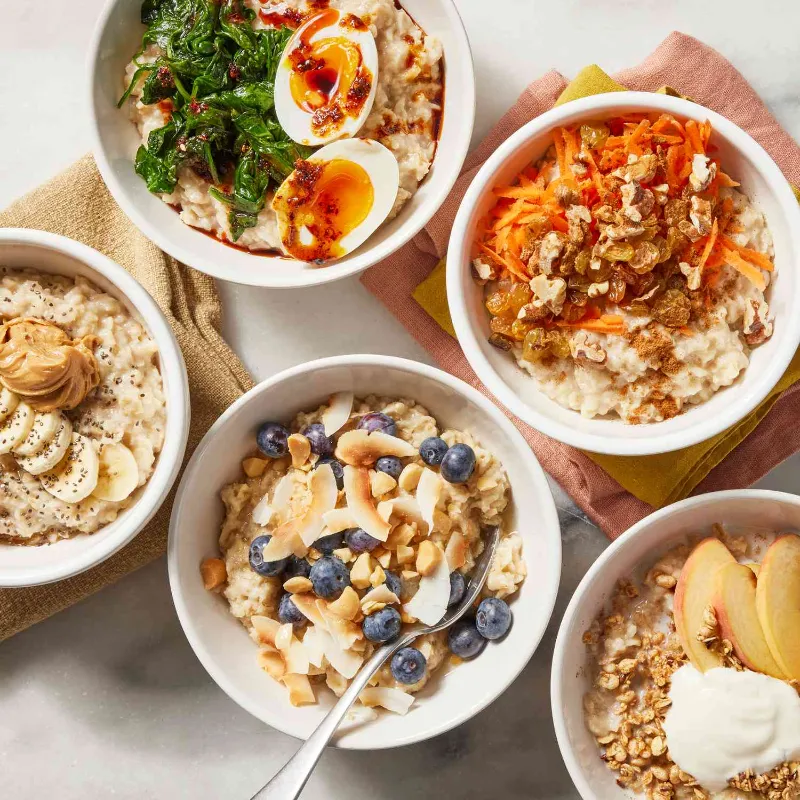
If breakfast had a heart health MVP award, oats would win it every year. They contain a specific type of soluble fiber called beta-glucan, which binds to cholesterol in your digestive tract and helps carry it out of your body before it can cause trouble.
Studies have consistently shown that eating about 3 grams of beta-glucan daily, which you can get from a single bowl of oatmeal, can reduce LDL (bad) cholesterol by 5 to 10 percent. That is a real, measurable difference from one simple breakfast habit.
Go for rolled oats or steel-cut over instant varieties when you can. Top with berries and walnuts and you have a heart-health triple threat before 9 AM.
3. Blueberries
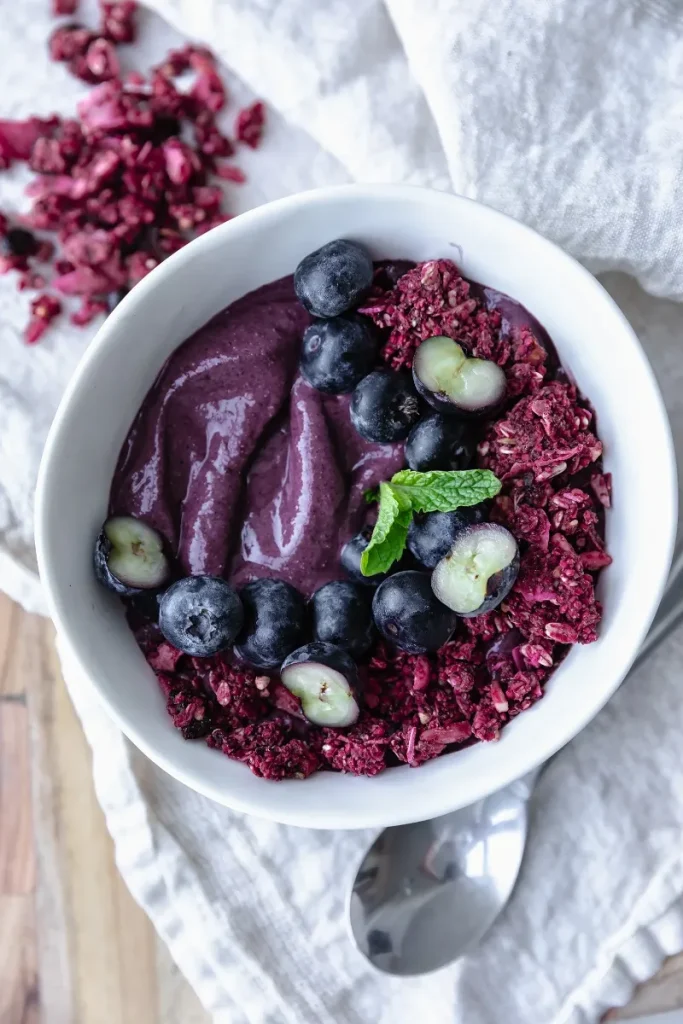
These little blue gems punch way above their weight when it comes to heart health. They are packed with anthocyanins, the pigments that give them their deep color and also act as powerful antioxidants in your body.
A long-term study from Harvard found that women who ate three or more servings of blueberries per week had a 32 percent lower risk of heart attack compared to those who rarely ate them. Anthocyanins help reduce blood pressure and improve the function of your blood vessel walls.
Fresh or frozen, it does not matter. Throw a handful into your oatmeal, blend them into a smoothie, or just eat them straight from the bowl. Easy win.
4. Dark Chocolate
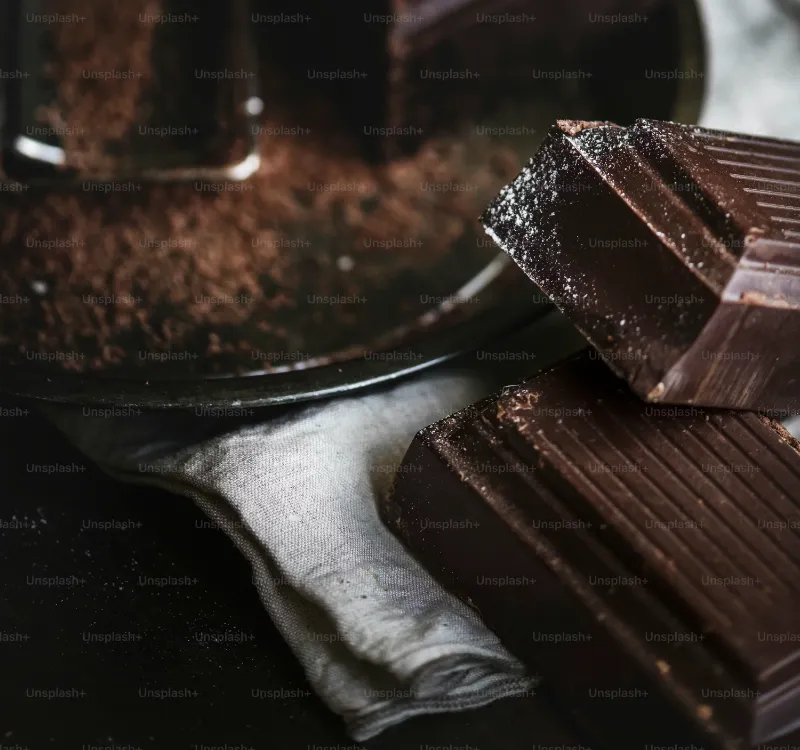
Yes, chocolate made the list, and no, this is not a trick. Dark chocolate with 70 percent or more cacao content contains flavonoids that help lower blood pressure, reduce inflammation, and improve circulation.
A meta-analysis in the British Medical Journal found that higher chocolate consumption was associated with a 37 percent reduction in cardiovascular disease risk. The key compounds are flavanols, which help your blood vessels relax and stay elastic.
The catch is that you do need to keep portions reasonable, think one to two small squares a day. Milk chocolate does not offer the same benefits because the cacao content is much lower and the sugar content is much higher.
5. Avocado
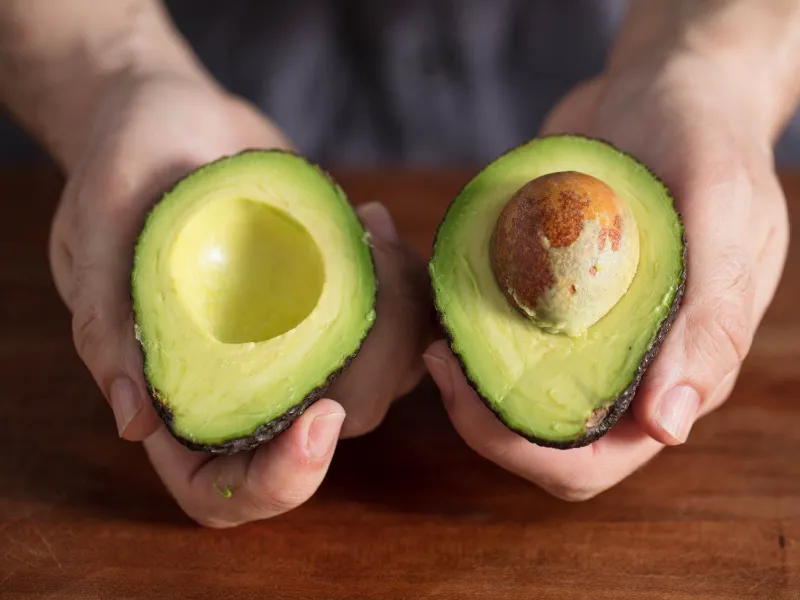
Avocados are loaded with monounsaturated fats, the same heart-friendly fat that makes olive oil a superstar. These fats actively work to lower LDL cholesterol while preserving or even raising HDL (good) cholesterol levels.
One avocado also delivers about 975 milligrams of potassium, more than a banana. Potassium is essential for keeping blood pressure in a healthy range by counteracting the effects of sodium in your diet.
Slice one onto whole grain toast, mash it into guacamole, or toss chunks into a salad. The creamy texture makes it incredibly versatile, and your heart benefits every single time.
6. Walnuts
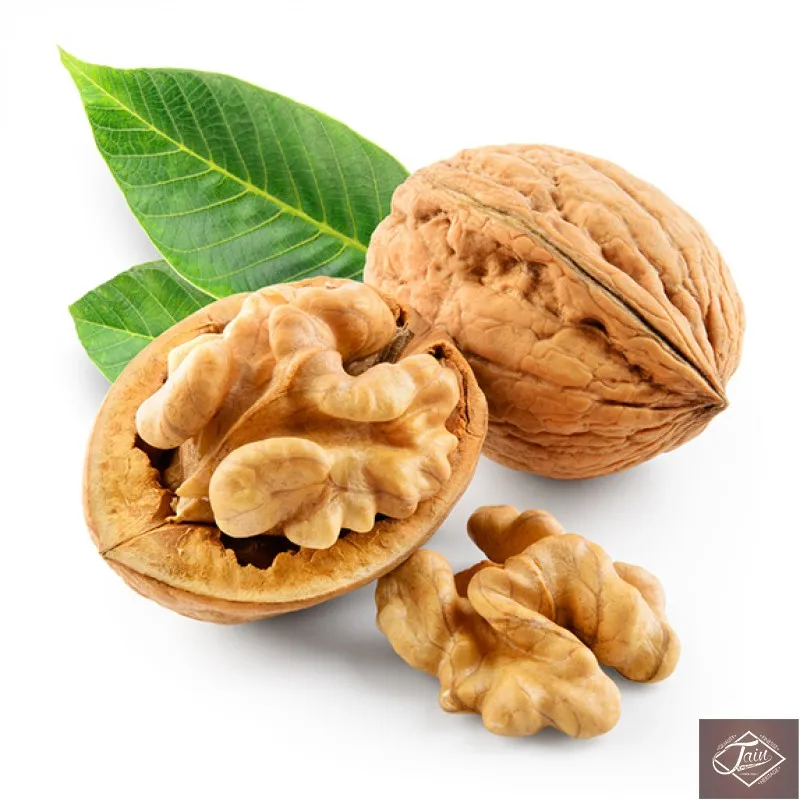
Walnuts are the only nut that provides a significant amount of plant-based omega-3 fatty acids, specifically alpha-linolenic acid (ALA). They also contain L-arginine, an amino acid that helps your body produce nitric oxide, which keeps blood vessels relaxed and flexible.
A landmark study called the PREDIMED trial found that people who followed a Mediterranean diet supplemented with nuts had a 30 percent lower risk of major cardiovascular events. Walnuts were a standout contributor in those results.
A small handful, about one ounce or roughly 14 walnut halves, is the sweet spot. Eat them as a snack, chop them over yogurt, or stir them into oatmeal for a satisfying crunch.
7. Olive Oil
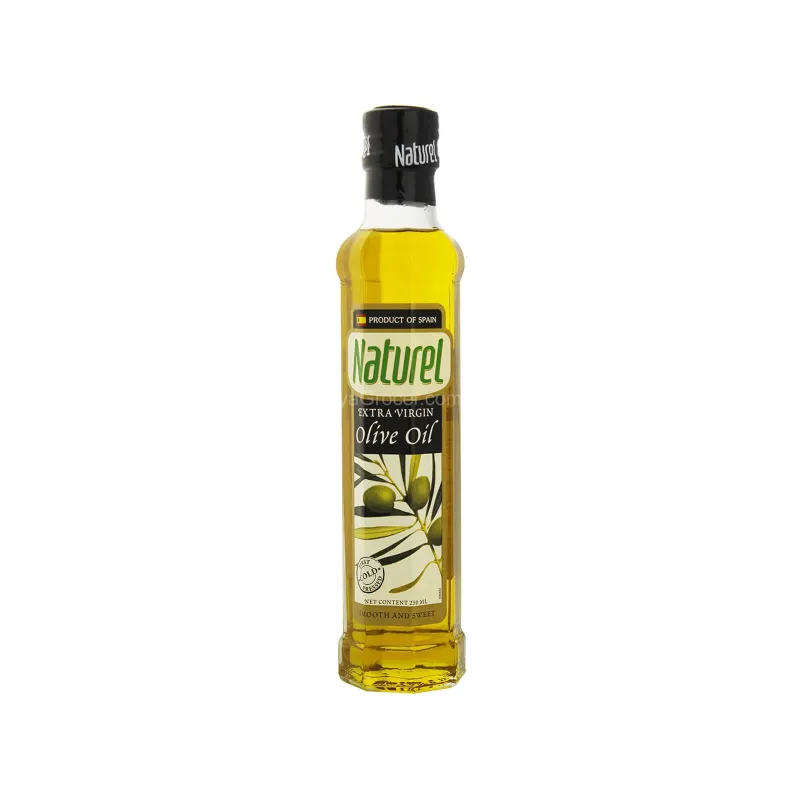
Extra virgin olive oil is the cornerstone of the Mediterranean diet for a very good reason. It is rich in oleocanthal, a natural anti-inflammatory compound, along with polyphenols that protect your heart at the cellular level.
Research consistently shows that people who use olive oil as their primary cooking fat have lower rates of heart disease, stroke, and cardiovascular mortality. One large study found that consuming more than half a tablespoon per day was linked to a 15 percent lower risk of any cardiovascular disease.
Use it as your go-to for sauteing vegetables, drizzling over salads, and dipping bread. Choose extra virgin for the highest polyphenol content, and store it away from direct light to preserve those beneficial compounds.
8. Spinach
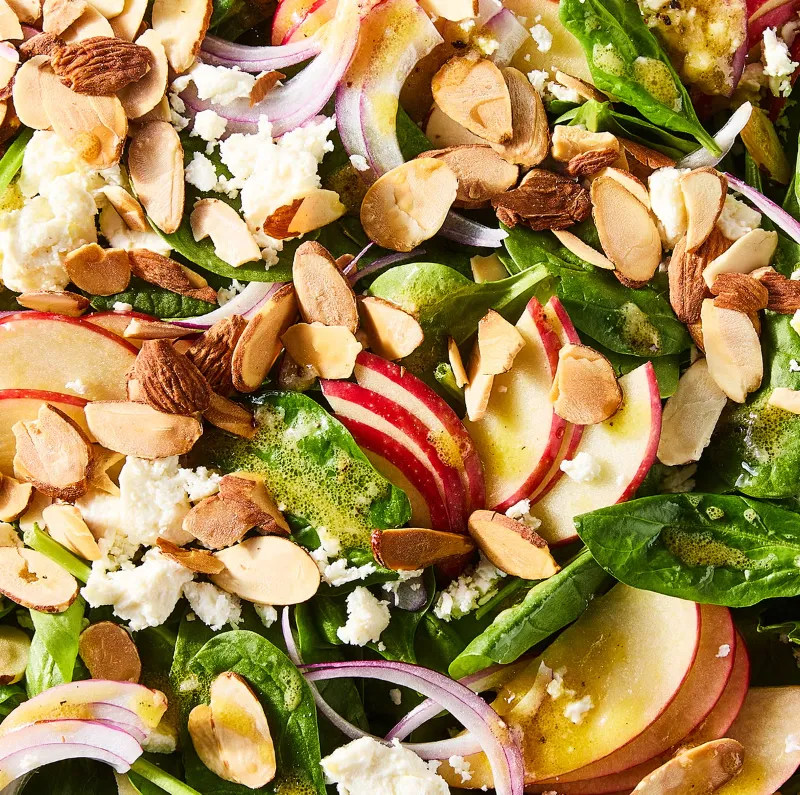
Spinach is an absolute powerhouse when it comes to heart health, and most people completely overlook it beyond tossing some into a salad. It is rich in nitrates, which your body converts into nitric oxide to help lower blood pressure and improve blood flow.
It is also loaded with folate, a B vitamin that plays a critical role in lowering homocysteine levels in the blood. High homocysteine is linked to increased risk of heart disease and stroke, making folate intake genuinely important for long-term heart protection.
The good news is that spinach wilts down to almost nothing when cooked, making it easy to sneak into pasta sauces, scrambled eggs, soups, and smoothies without even noticing it is there.
9. Garlic
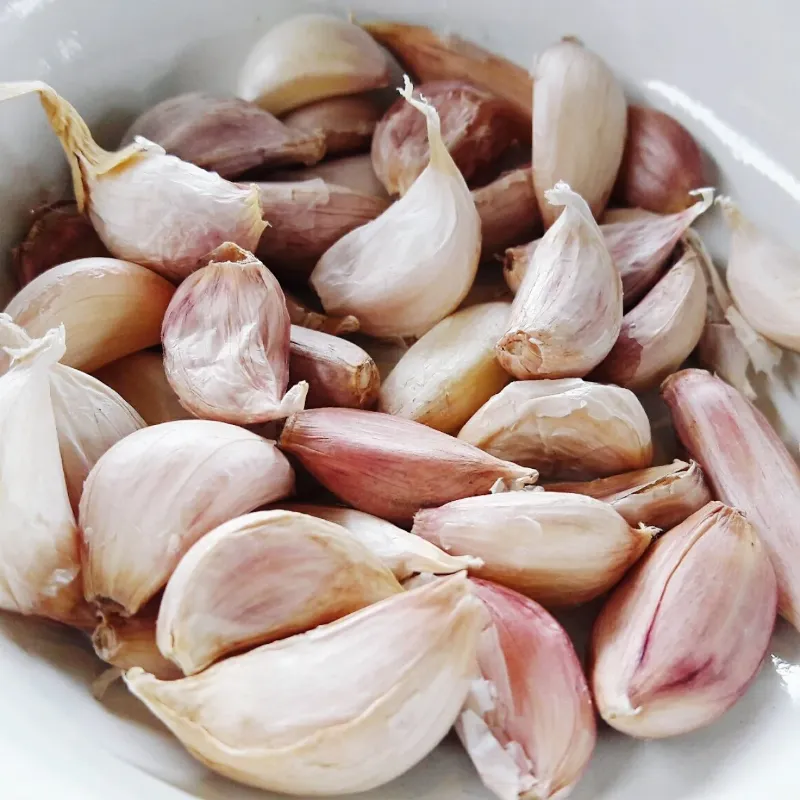
Garlic has been used medicinally for thousands of years, and modern science has actually backed up a lot of that ancient wisdom. The star compound is allicin, which forms when garlic is crushed or chopped and delivers impressive cardiovascular benefits.
Studies show that regular garlic consumption can reduce blood pressure in people with hypertension by amounts comparable to some medications. It also helps reduce total cholesterol and LDL levels while having mild blood-thinning effects that may reduce clot formation.
To get the most allicin, crush or mince your garlic and let it sit for about 10 minutes before cooking. This activates the enzyme that creates allicin, giving you a much bigger nutritional payoff.
10. Beans and Lentils
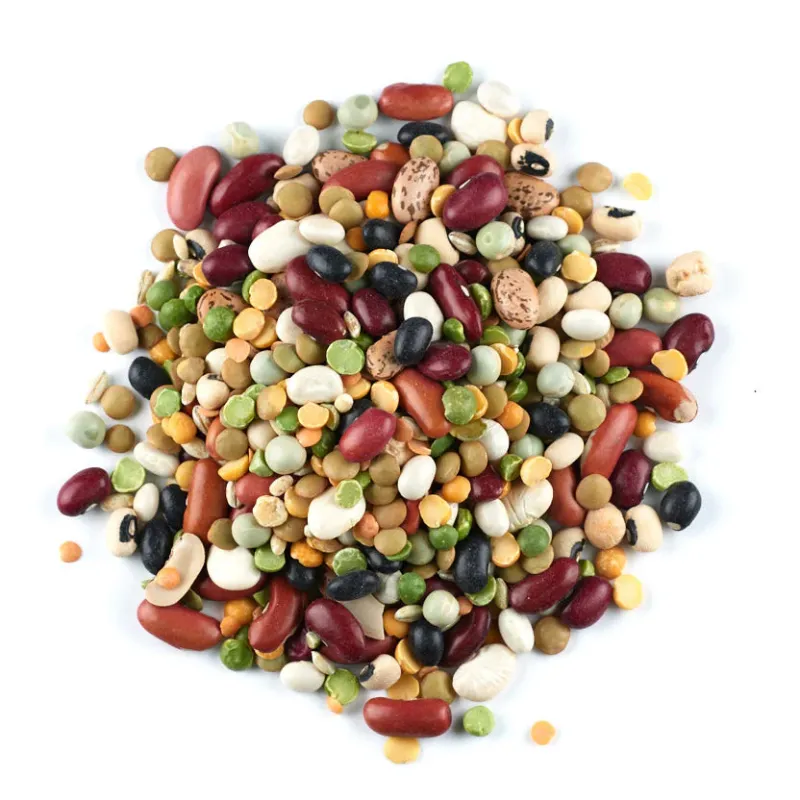
Beans and lentils are one of the most affordable and underappreciated heart foods out there. They are rich in soluble fiber, plant-based protein, folate, magnesium, and potassium, basically a complete cardiovascular care package.
A review published in the Canadian Medical Association Journal found that eating one serving of legumes per day significantly reduced LDL cholesterol compared to control diets. The soluble fiber slows digestion, reduces cholesterol absorption, and helps stabilize blood sugar, which also matters for heart health.
Black beans, kidney beans, chickpeas, lentils, they are all excellent options. Cook a big batch on Sundays and add them to soups, tacos, grain bowls, or eat them straight as a side dish throughout the week.
11. Tomatoes
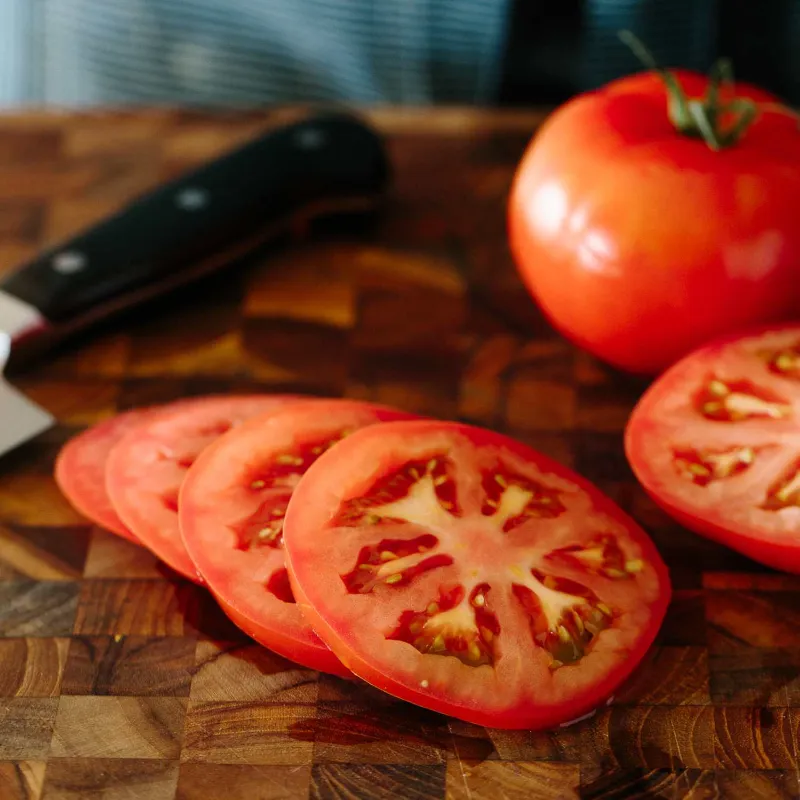
Tomatoes get overshadowed by flashier superfoods, but they deserve far more credit. They are one of the best dietary sources of lycopene, a carotenoid antioxidant that has been specifically linked to reduced risk of heart disease and stroke.
Interestingly, cooked tomatoes actually deliver more bioavailable lycopene than raw ones. When you heat tomatoes and combine them with a small amount of healthy fat, like olive oil, your body absorbs lycopene significantly more efficiently.
That means tomato sauce, roasted tomatoes, and tomato soup are not just comfort food. They are legitimately heart-protective meals. A good homemade marinara sauce with olive oil checks multiple boxes on this list at once.
12. Green Tea
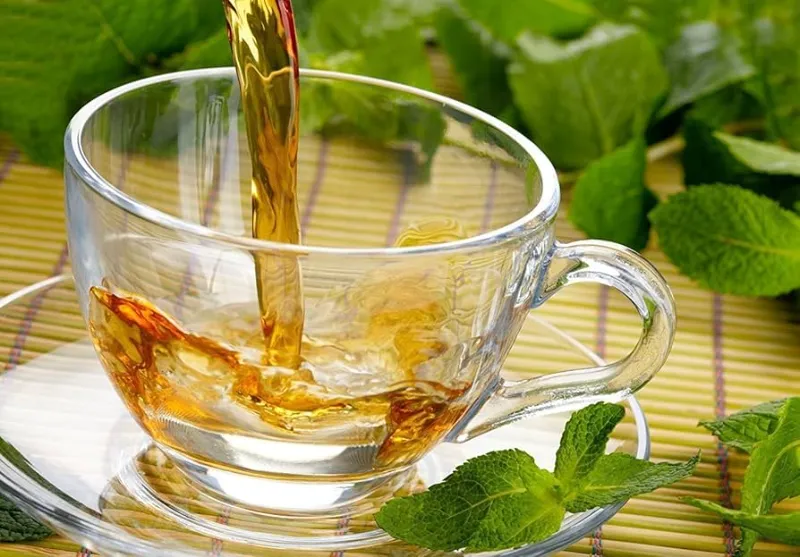
Green tea contains a unique class of antioxidants called catechins, particularly one called EGCG (epigallocatechin gallate), that have been widely studied for their cardiovascular benefits. These compounds help reduce oxidative stress and inflammation, two key drivers of heart disease.
A large Japanese study following over 40,000 adults found that people who drank five or more cups of green tea per day had a significantly lower risk of dying from cardiovascular disease compared to those who rarely drank it. Even two to three cups a day showed meaningful benefits.
Swap one of your daily coffees for green tea, or enjoy a warm cup after dinner as a calming wind-down ritual. Matcha, which is powdered green tea, delivers an even more concentrated dose of those beneficial catechins.
13. Flaxseeds
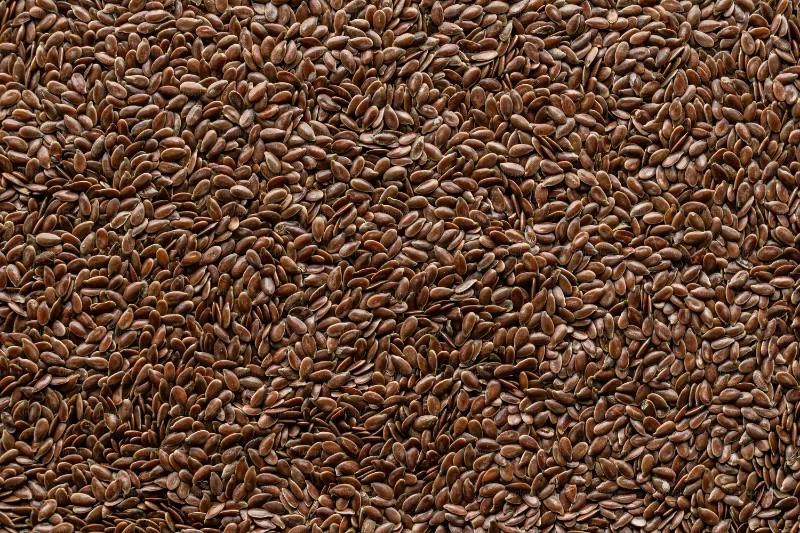
Flaxseeds are one of the richest plant-based sources of omega-3 fatty acids, and they also contain lignans, a type of plant compound with antioxidant and estrogen-like properties that support heart health in their own right.
Research has shown that regular flaxseed consumption can meaningfully reduce both systolic and diastolic blood pressure, which is impressive for a single food. The soluble fiber in flaxseeds also helps lower LDL cholesterol in much the same way oats do.
The key is to use ground flaxseeds rather than whole ones, because your body cannot properly break down the tough outer shell to access the nutrients inside. Sprinkle ground flax into smoothies, oatmeal, yogurt, or even baked goods for a nearly undetectable nutritional boost.
14. Pomegranate
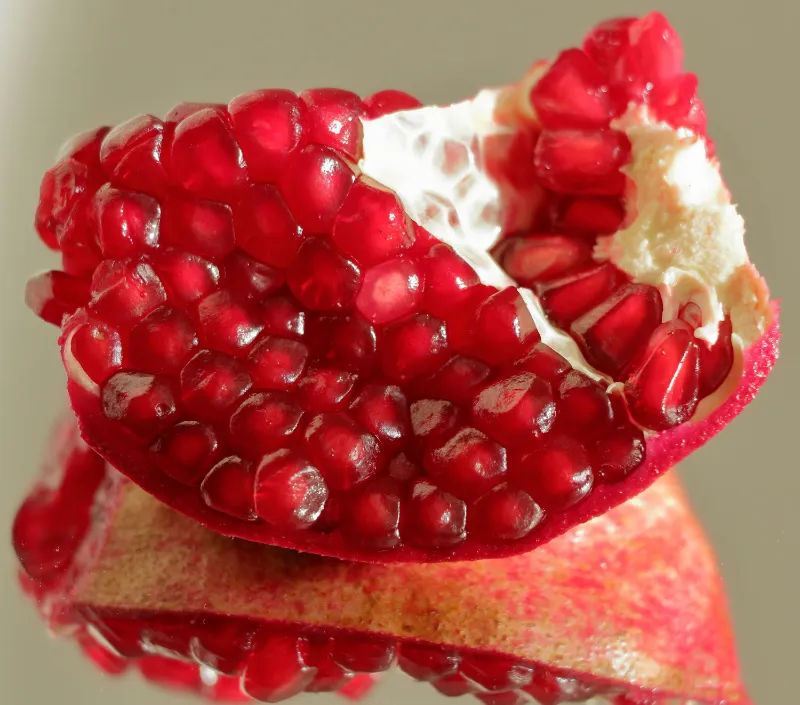
Pomegranate is one of the most antioxidant-dense fruits in existence, with levels that put red grape juice and green tea to shame in direct comparisons. The key players are punicalagins and punicic acid, compounds unique to pomegranate that have powerful anti-inflammatory and heart-protective effects.
Studies have shown that pomegranate juice can lower blood pressure, reduce LDL oxidation (oxidized LDL is particularly dangerous for arteries), and even slow the progression of arterial plaque. One study found that drinking pomegranate juice daily for three months reduced arterial plaque by over 30 percent in high-risk patients.
You can eat the seeds fresh, drink 100 percent pure pomegranate juice, or sprinkle the seeds over salads and yogurt. Just watch the juice portions since it is naturally high in sugar, a small glass a day is plenty.
15. Beets
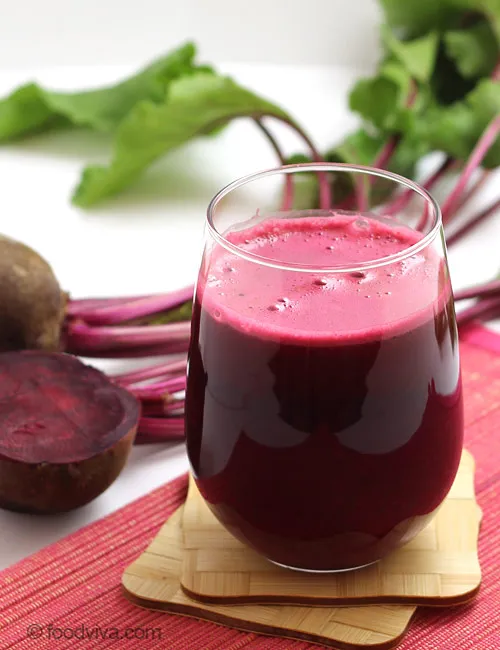
Beets have had a real moment in the spotlight lately, and for good reason. They are exceptionally high in dietary nitrates, which your body converts into nitric oxide, a molecule that relaxes and dilates blood vessels to lower blood pressure.
Athletes have used beet juice for performance for years, but the cardiovascular benefits extend far beyond the gym. Studies show that drinking beetroot juice can lower systolic blood pressure by around 4 to 5 points, which is a clinically meaningful reduction when sustained over time.
Roast them in the oven with a drizzle of olive oil and balsamic vinegar, add raw grated beets to salads, or blend them into a smoothie if you want a more convenient option. The earthy flavor pairs surprisingly well with apples and ginger.
16. Edamame
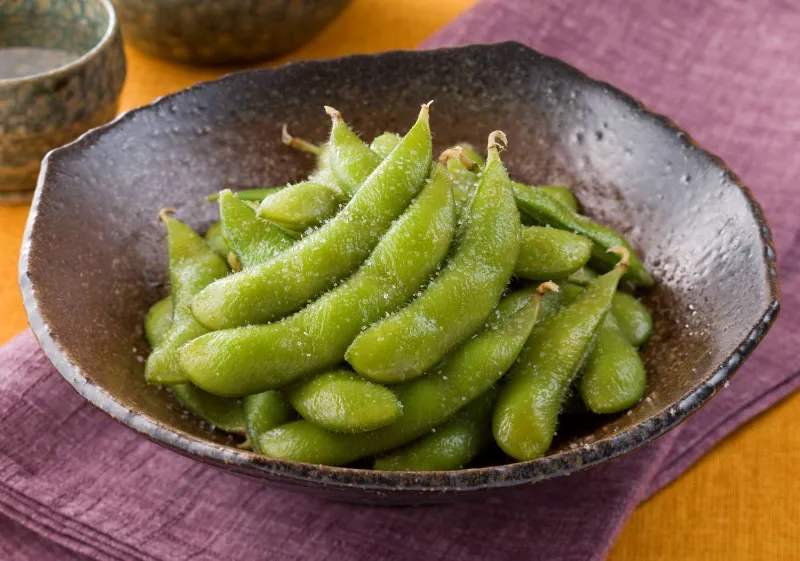
Edamame, young soybeans, are one of the few plant foods that provide a complete protein alongside a solid dose of heart-healthy nutrients. They are rich in isoflavones, plant compounds that have been shown to improve cholesterol levels and reduce blood pressure.
The FDA actually recognizes soy protein as beneficial for heart health, noting that diets low in saturated fat and cholesterol that include 25 grams of soy protein per day may reduce the risk of heart disease. A cup of edamame gives you about 17 grams of that protein in one sitting.
Keep a bag of frozen shelled edamame in your freezer at all times. They take just minutes to steam, make a fantastic snack with a little sea salt, and work beautifully tossed into stir-fries, salads, and grain bowls.
17. Sardines
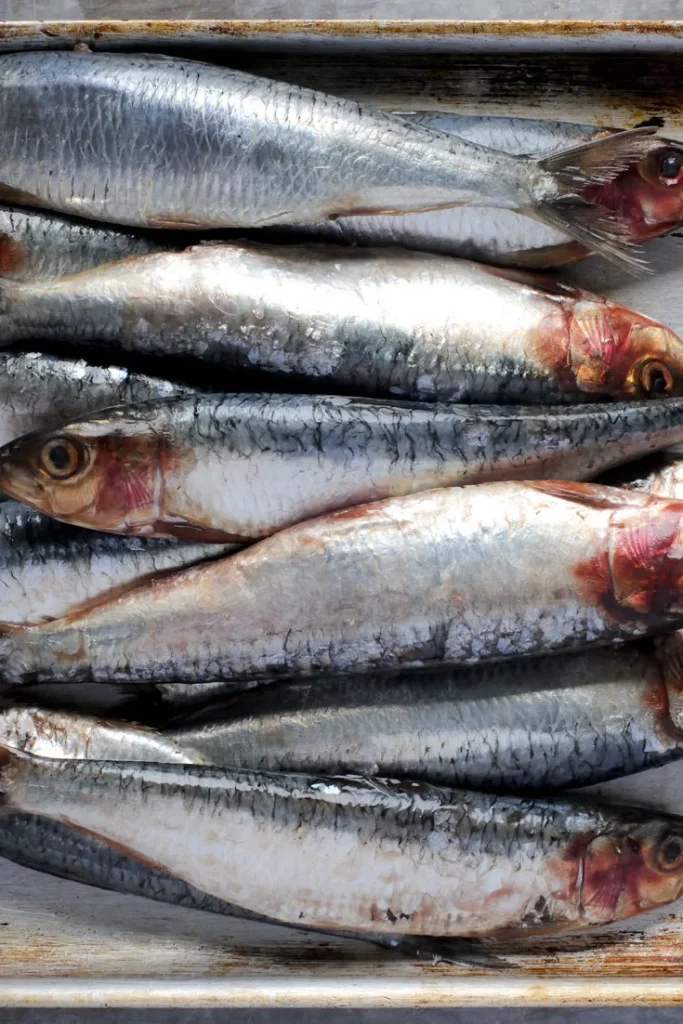
Sardines are one of the most nutrient-dense and sustainable fish you can eat, and they are absolutely loaded with omega-3 fatty acids. Because they are small and low on the food chain, they also accumulate far less mercury than larger fish like tuna or swordfish.
A single can of sardines provides about 1.5 grams of EPA and DHA combined, which meets or exceeds the American Heart Association’s recommended intake for people with existing heart disease. They are also rich in calcium, vitamin D, and selenium, all of which support cardiovascular function.
If you have been avoiding sardines because of a bad memory from childhood, give them another shot. Try them on whole grain crackers with a squeeze of lemon, mix them into a pasta with olive oil and capers, or mash them with avocado for a surprisingly delicious toast topping.
18. Sweet Potatoes
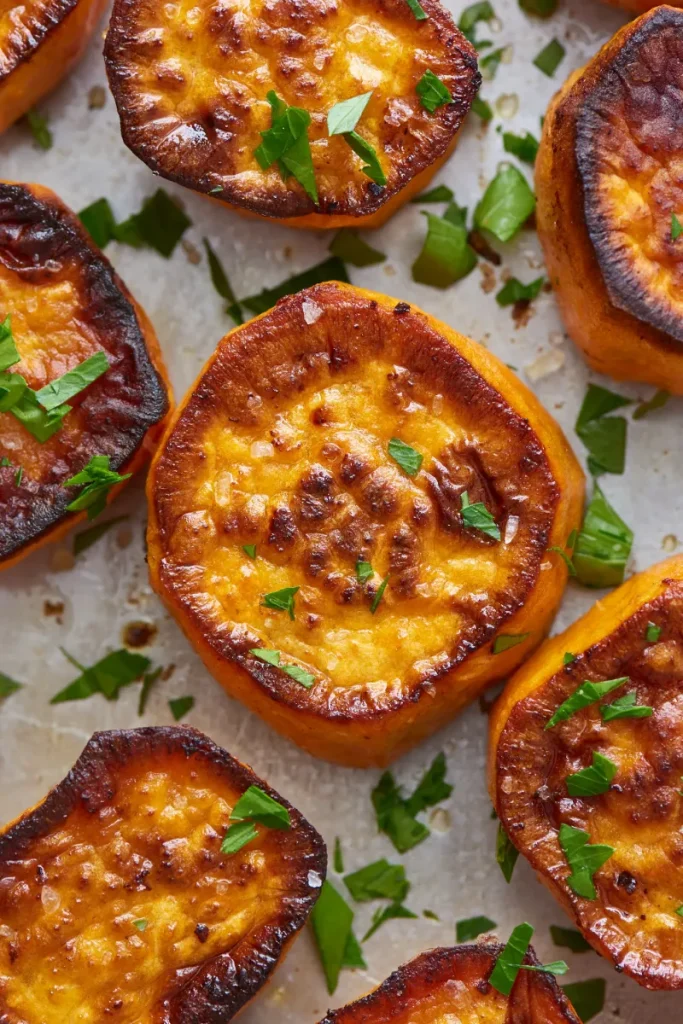
Sweet potatoes are loaded with beta-carotene, potassium, and fiber, making them a triple threat for your cardiovascular system. The potassium helps regulate blood pressure, the fiber supports cholesterol management, and the antioxidants fight the oxidative stress that damages arteries over time.
They also have a lower glycemic impact than regular white potatoes when eaten with the skin on and prepared simply, meaning they are less likely to spike your blood sugar in ways that can stress your heart over time. Chronic blood sugar fluctuations are increasingly recognized as a contributor to cardiovascular disease risk.
Bake them whole, slice them into wedges and roast with olive oil and herbs, or mash them as a comforting side dish. They are naturally sweet enough that they need very little added to make them genuinely satisfying.
19. Almonds
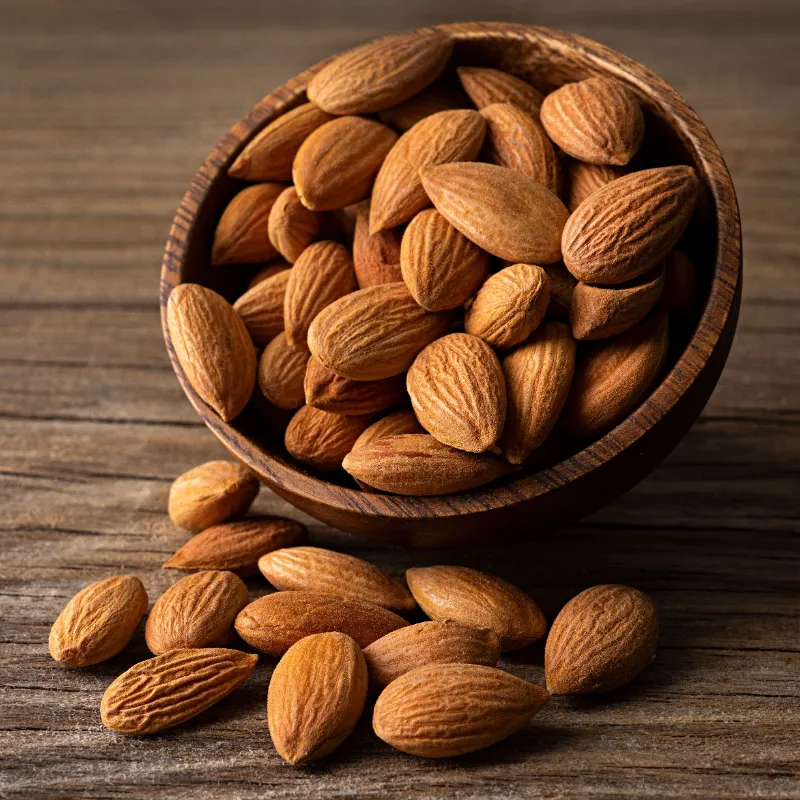
Almonds are a fantastic source of monounsaturated fats, vitamin E, magnesium, and fiber, all of which contribute to a healthier heart. Vitamin E in particular acts as a fat-soluble antioxidant that helps protect LDL cholesterol from oxidation, which is a key step in plaque formation.
A study published in the Journal of the American Heart Association found that replacing typical snack foods with 1.5 ounces of almonds per day significantly reduced both belly fat and LDL cholesterol levels, two major cardiovascular risk factors, over just six weeks.
Almonds are one of the easiest healthy swaps you can make. Keep a small container at your desk, toss them into trail mix, slice them over salads, or blend almond butter into a smoothie. Simple, satisfying, and genuinely good for your heart.
20. Chia Seeds
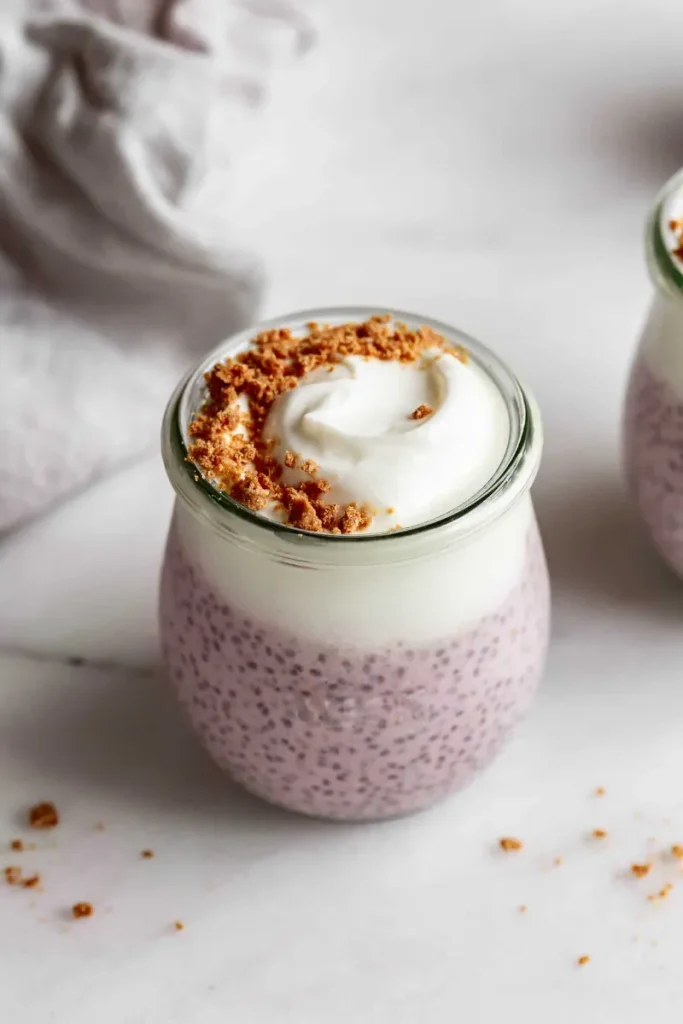
Chia seeds are a surprisingly powerful heart food hiding in a tiny package. They are rich in ALA omega-3 fatty acids, soluble fiber, and magnesium, nutrients that collectively help reduce blood pressure, lower cholesterol, and reduce inflammation.
Just two tablespoons of chia seeds deliver about 10 grams of fiber and 5 grams of ALA omega-3s. When chia seeds absorb liquid, they form a gel that slows digestion, which helps stabilize blood sugar and cholesterol levels over the course of the day.
Stir them into water with lemon juice for a quick hydrating drink, make overnight chia pudding with almond milk, or sprinkle them over smoothie bowls and yogurt. They are virtually tasteless, which makes them one of the easiest nutritional upgrades you can make.
21. Kefir
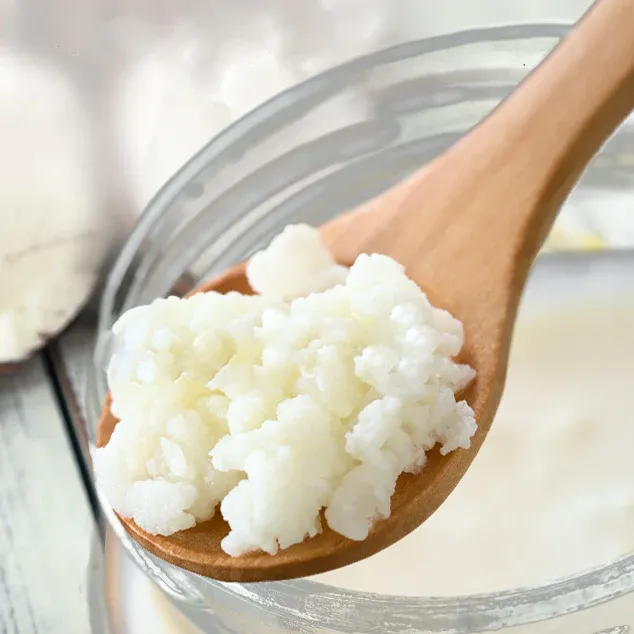
Kefir is a fermented dairy drink that most people walk right past in the grocery store without a second glance. But it is one of the most probiotic-rich foods available, and the connection between gut health and heart health is becoming one of the most exciting areas in cardiovascular research.
Studies have found that the probiotics in fermented foods like kefir can reduce blood pressure, lower LDL cholesterol, and decrease systemic inflammation. A healthy gut microbiome appears to play a real role in regulating the metabolic processes that influence cardiovascular risk.
It has a slightly tangy taste similar to drinkable yogurt and comes in plain, low-fat, and flavored varieties. Use it as a base for smoothies, pour it over granola, or just drink a small glass in the morning as a simple daily habit your heart will appreciate.
Final Thoughts
Taking care of your heart does not have to feel like a chore or a punishment. Start with just two or three of these foods and work them into your regular routine. Small, consistent changes add up to real results over time, and your heart is absolutely worth the effort. Which one are you adding to your grocery list first?
