
26 Backed by Experts Healthy Weight Gain Foods You Need to Add to Your Diet

If you’ve been trying to gain weight the healthy way, you already know it’s not as simple as just eating more. The right foods make all the difference, and the good news is that gaining weight healthily can actually be delicious.

In this article, you’ll discover 26 expert-backed foods that can help you build mass, fuel your muscles, and boost your overall health. Whether you’re underweight, recovering from illness, or just trying to bulk up, these are the foods your plate has been missing.
1. Whole Milk
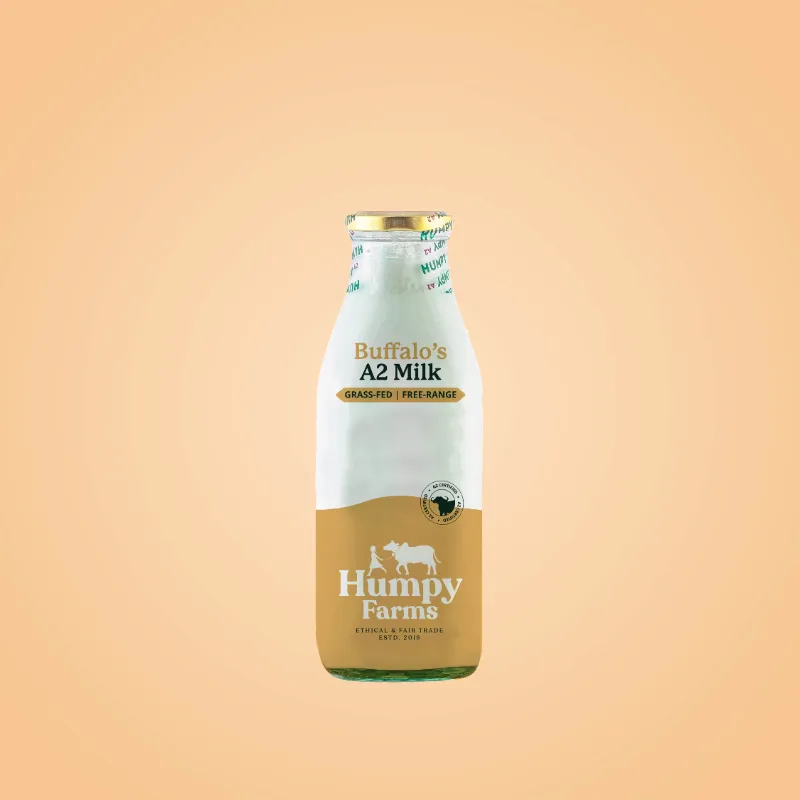
Whole milk is one of the most time-tested tools for healthy weight gain. A single cup delivers around 150 calories, 8 grams of protein, and a powerful mix of calcium, vitamin D, and healthy fats. It’s the kind of nutrient density that’s hard to beat in a single glass.
The combination of casein and whey proteins in whole milk supports both quick and slow muscle repair. Research has shown that whole milk after resistance training promotes greater muscle protein synthesis compared to skimmed options. Your body puts every sip to work.
You can drink it plain, blend it into smoothies, pour it over oats, or use it as a base for homemade protein shakes. Even swapping your water for milk in recipes like mashed potatoes or soups can quietly stack up the calories.
2. Eggs

Eggs are a true superfood for anyone trying to gain weight in a smart, controlled way. One large egg contains about 78 calories, 6 grams of high-quality protein, and a rich array of vitamins including B12, choline, and vitamin D. They are one of the most bioavailable protein sources on the planet.
The yolk is where a lot of the magic lives. It contains healthy fats, fat-soluble vitamins, and the amino acid leucine, which is crucial for triggering muscle protein synthesis. Studies from the American Journal of Clinical Nutrition have confirmed that eating whole eggs after exercise leads to significantly more muscle building than egg whites alone.
Start your day with a three-egg scramble or make a batch of hard-boiled eggs to snack on throughout the day. Adding eggs to rice bowls, pasta dishes, or avocado toast keeps the calorie count climbing without making you feel stuffed.
3. Avocados
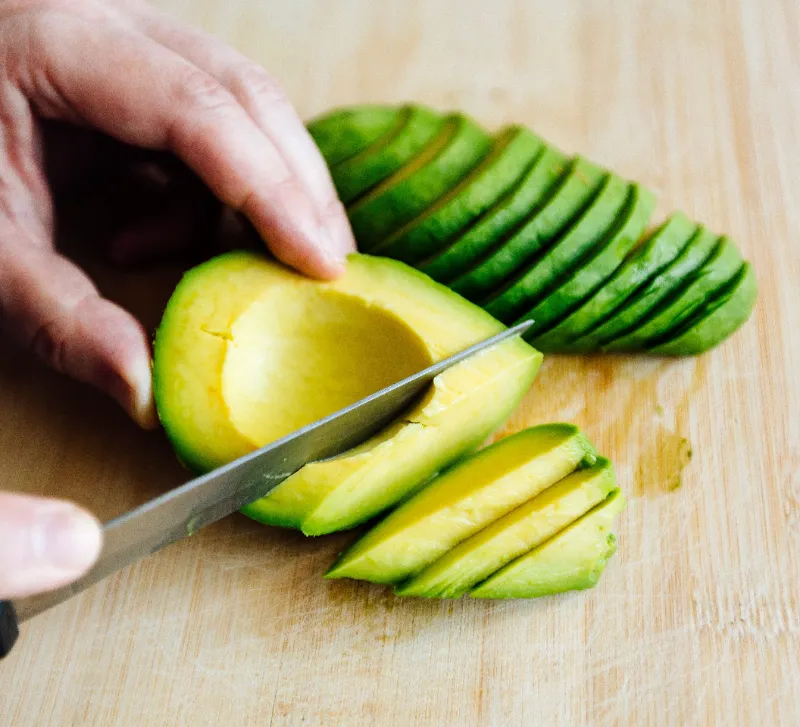
Avocados are one of the most calorie-dense fruits you can eat, and they’re loaded with the kind of fat your body actually loves. One medium avocado packs around 240 calories and nearly 22 grams of healthy monounsaturated fat, along with fiber, potassium, and folate. It’s an easy way to add serious calories without piling on junk.
The monounsaturated fats in avocados have been linked to reduced inflammation and better heart health, according to research published in the Journal of the American Heart Association. These fats also support the absorption of fat-soluble vitamins like A, D, E, and K, which means your overall diet gets a boost too.
Spread avocado on toast, dice it into salads, blend it into smoothies, or simply eat it with a spoon and a little salt. Try making guacamole to pair with whole grain chips for a calorie-packed snack that doesn’t feel like work.
4. Nuts
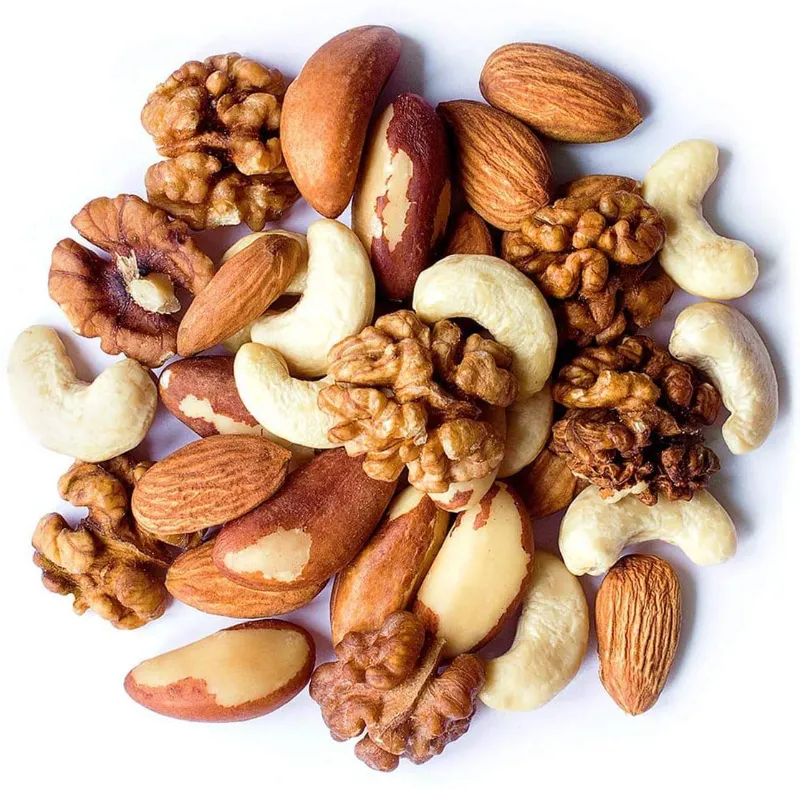
Almonds, walnuts, and cashews are some of the most calorie-dense snacks you can grab on the go. Just one ounce of mixed nuts contains around 170 to 200 calories, plus protein, fiber, healthy fats, magnesium, and vitamin E. They are truly a powerhouse in a small package.
Walnuts in particular are rich in omega-3 fatty acids, which support brain health and reduce inflammation. Research from the Journal of Nutrition has shown that regular nut consumption is associated with reduced risk of heart disease and improved metabolic health. And since they’re so energy-dense, even a small handful adds meaningful calories to your day.
Keep a bag of nuts at your desk, in your gym bag, or in your car. Toss them into yogurt, oatmeal, stir-fries, or salads. A handful of almonds before bed is a great way to sneak in a clean calorie boost without any effort.
5. Nut Butters

Peanut butter and almond butter are calorie and nutrient bombs disguised as a spread. Two tablespoons of peanut butter contain approximately 190 calories, 8 grams of protein, and 16 grams of healthy fat. It’s one of the most satisfying and versatile foods you can add to your weight gain routine.
Nut butters contain arginine, an amino acid that plays a role in muscle building and recovery. Almond butter in particular offers higher amounts of vitamin E, magnesium, and calcium than peanut butter, making it a slightly more nutrient-dense choice. Both are excellent, and mixing them up keeps things interesting.
Spread nut butter on whole grain toast, blend it into smoothies, dip sliced bananas or apples into it, or just eat it by the spoonful. You can also stir it into oatmeal or use it as a base for sauces on noodle dishes. The options are nearly endless.
6. Oats
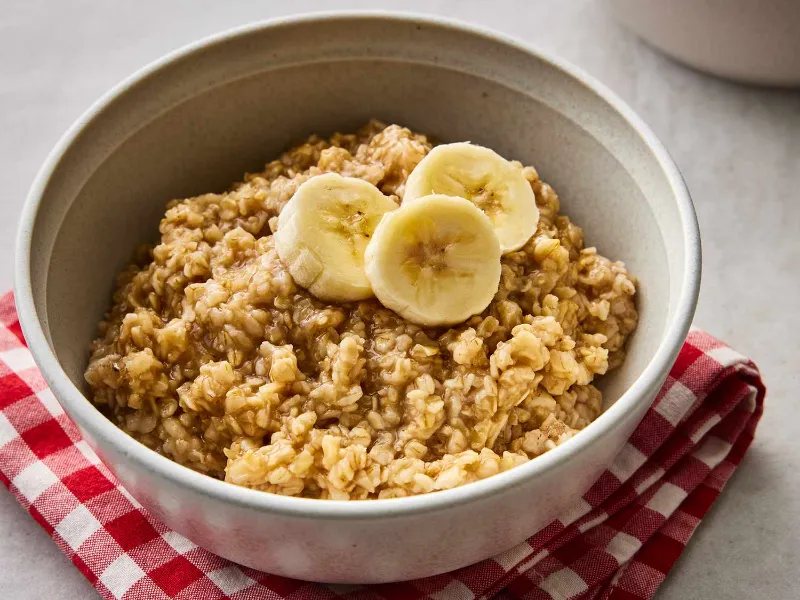
Oats are one of the best complex carbohydrate sources you can eat for steady, sustainable weight gain. One cup of dry oats delivers around 300 calories, 10 grams of protein, and 54 grams of carbohydrates, along with beta-glucan fiber that supports gut health and immunity. They are filling, affordable, and incredibly versatile.
The beta-glucan in oats has been extensively studied and linked to lower cholesterol levels and improved blood sugar regulation. Oats also contain a decent amount of iron and B vitamins, which help your body convert food into usable energy. This makes them a smart pre-workout meal when you need fuel that lasts.
Cook oats with whole milk for extra calories, top them with nuts, nut butter, banana, and honey for a calorie-rich breakfast that actually tastes amazing. You can also bake oats into energy balls or bars for a convenient on-the-go snack.
7. Bananas
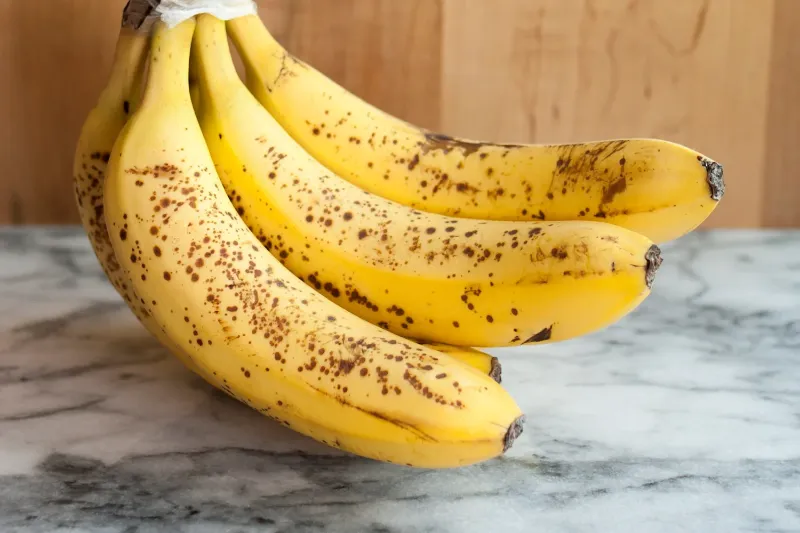
Bananas are one of the most underrated weight gain foods out there. A medium banana clocks in at around 105 calories and is packed with fast-digesting carbohydrates, potassium, vitamin B6, and magnesium. They are one of the best pre-workout snacks for quick, clean energy.
The carbohydrates in bananas are primarily in the form of sucrose, fructose, and glucose, which your muscles can absorb rapidly for fuel and recovery. Research shows that athletes who eat bananas before endurance exercise maintain performance as effectively as sports drinks. And unlike most packaged snacks, bananas come with actual vitamins.
Eat a banana before your workout, blend one into a smoothie with whole milk and peanut butter, or slice it over your oatmeal. Frozen bananas also make a creamy and guilt-free base for smoothies and nice cream. Once you start adding them to everything, you’ll wonder how you ever didn’t.
8. Sweet Potatoes

Sweet potatoes are one of the best calorie-dense vegetables you can eat. One large sweet potato provides around 130 calories, over 4 grams of fiber, and an impressive amount of beta-carotene, which your body converts into vitamin A. They’re naturally sweet, incredibly satisfying, and easy to prepare.
The complex carbohydrates in sweet potatoes digest slowly, giving you a sustained release of energy that fuels workouts and recovery alike. They’re also a great source of potassium, which counteracts muscle cramps and supports proper nerve function. A 2019 review in the journal Nutrients highlighted beta-carotene as a powerful antioxidant that reduces oxidative stress in athletes.
Roast sweet potatoes in the oven with olive oil, mash them with butter and a pinch of cinnamon, or slice them into fries. They pair beautifully with chicken, beef, eggs, and legumes. They’re one of those foods that works as a meal on their own or as a hearty side dish.
9. Brown Rice
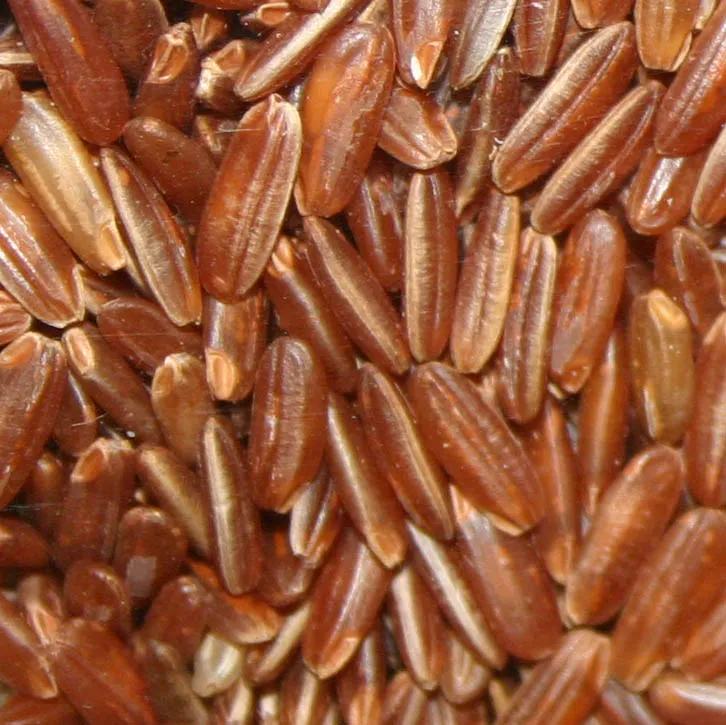
Brown rice is a staple calorie source for athletes, bodybuilders, and anyone looking to gain weight without sacrificing nutrition. One cup of cooked brown rice has around 215 calories and is rich in complex carbohydrates, manganese, selenium, and magnesium. It’s the kind of reliable fuel that keeps you going all day.
Unlike white rice, brown rice retains its bran and germ layers, which means more fiber, more nutrients, and a lower glycemic index. This helps maintain steady blood sugar levels and avoids the energy crash that comes after processed carbs. Research has also shown that whole grains like brown rice are associated with reduced inflammation and better metabolic health.
Pair brown rice with grilled chicken, salmon, stir-fried vegetables, or beans for a well-rounded weight gain meal. Meal prepping a large batch at the start of the week makes it easy to throw together a calorie-rich plate in minutes. It’s the unsung hero of any weight gain diet.
10. Quinoa
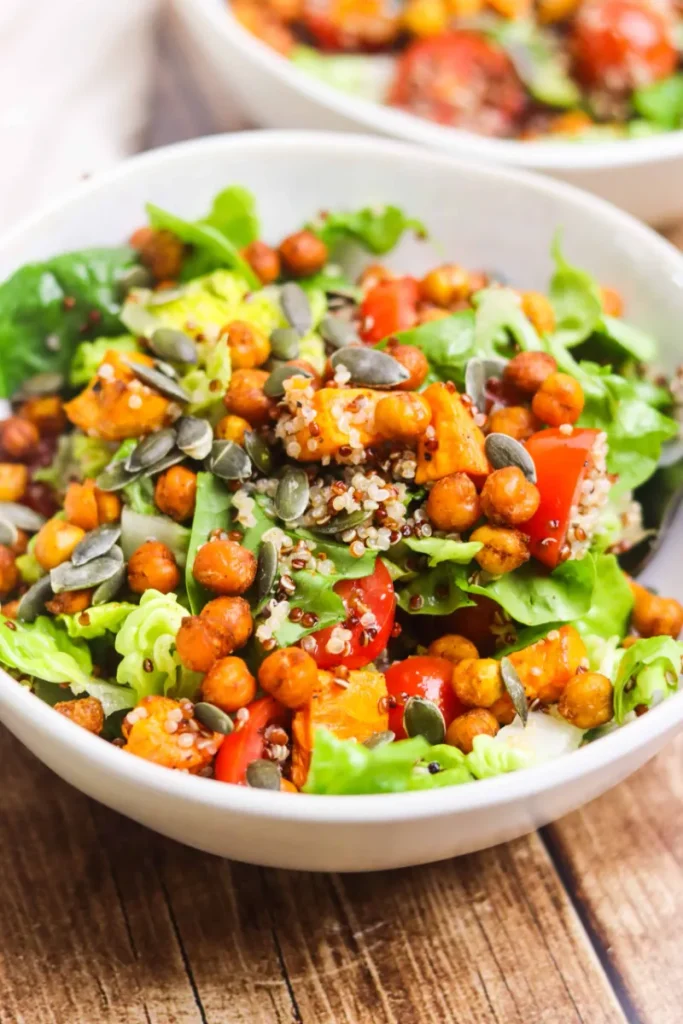
Quinoa is one of the few plant foods that qualifies as a complete protein, meaning it contains all nine essential amino acids. One cup of cooked quinoa delivers around 222 calories, 8 grams of protein, and 39 grams of carbs, along with iron, magnesium, and zinc. It’s a nutritional triple threat.
A study published in Food Chemistry confirmed that quinoa’s amino acid profile is comparable to casein, a high-quality dairy protein. Its high magnesium content also supports muscle contraction and relaxation, which is critical for workout recovery. Quinoa is also naturally gluten-free, making it a great grain alternative for those with sensitivities.
Use quinoa as a base for grain bowls, stir it into soups, or serve it alongside roasted vegetables and a protein of your choice. You can even make quinoa porridge in the morning with milk, honey, and berries as a nutrient-dense alternative to oatmeal.
11. Salmon
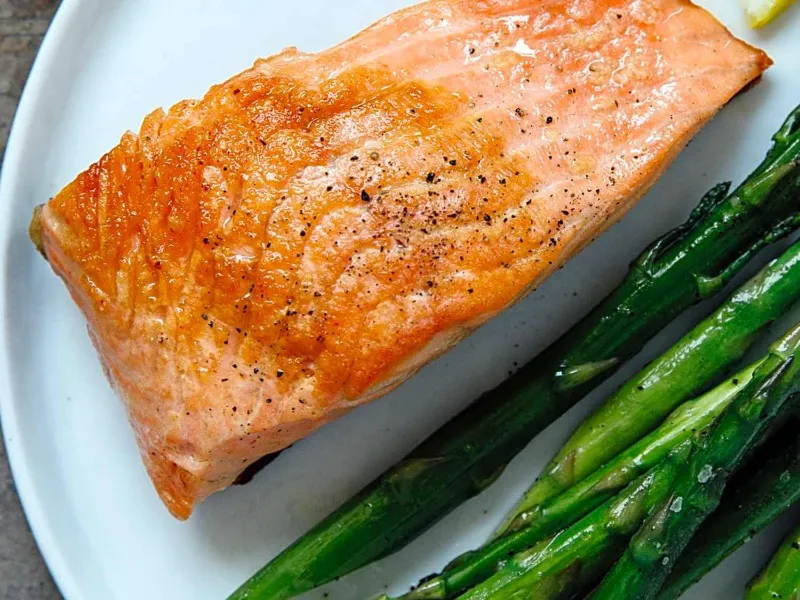
Salmon is arguably the gold standard for healthy, high-calorie protein. A 3.5-ounce serving of salmon packs around 200 calories, 20 grams of protein, and a generous dose of omega-3 fatty acids, specifically EPA and DHA. These nutrients work together to build muscle, fight inflammation, and support brain health.
A landmark meta-analysis published in the British Journal of Nutrition found that omega-3 supplementation significantly enhanced muscle protein synthesis when combined with resistance training. Since salmon provides omega-3s in their most bioavailable form, it’s more effective than most supplements. The high-quality protein also provides all the branched-chain amino acids your muscles need to grow.
Bake, grill, or pan-sear salmon and serve it with brown rice, quinoa, or roasted sweet potatoes for a muscle-building meal that tastes gourmet. Canned salmon is a budget-friendly option that you can toss into salads, pasta, or wraps without any cooking required.
12. Chicken Thighs
While chicken breast gets all the fame, chicken thighs are actually a superior choice for weight gain. A 3.5-ounce serving of chicken thigh with skin provides about 250 calories, 26 grams of protein, and a higher fat content that makes it both more flavorful and more calorie-dense. It’s also generally cheaper and easier to keep moist when cooking.
Chicken thighs are rich in zinc, which plays a critical role in testosterone production and immune function. They also contain more iron and B vitamins than chicken breast, supporting better energy levels and red blood cell production. When you’re trying to eat more calories without forcing yourself to eat, juicy chicken thighs make it a lot easier to enjoy your meals.
Roast chicken thighs with olive oil, garlic, and herbs for a simple weeknight dinner. They work wonderfully in slow cooker recipes, curries, stir-fries, and grain bowls. Meal prep a batch at the start of the week and you’ll always have a high-protein option ready to go.
13. Lean Red Meat
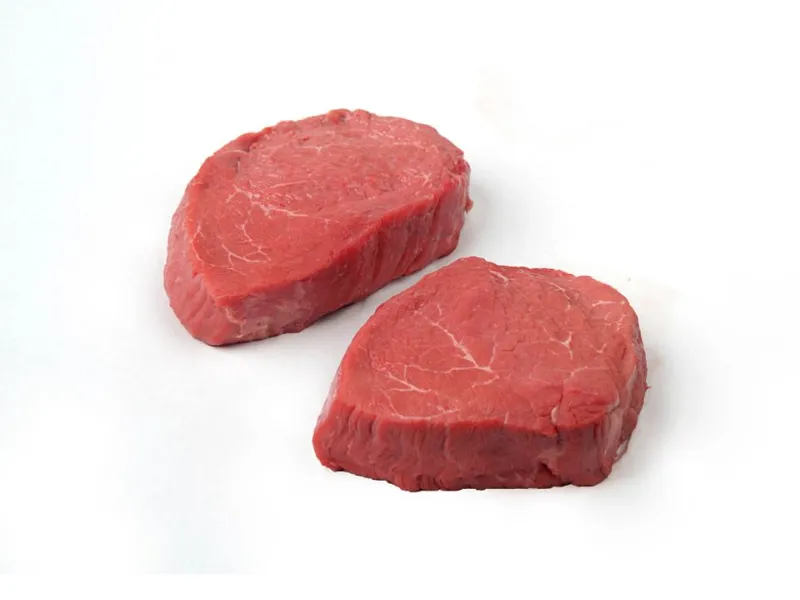
Lean cuts of beef like sirloin, top round, and 95% lean ground beef are among the best muscle-building foods available. A 3.5-ounce serving of lean beef delivers around 200 calories, 28 grams of protein, and significant amounts of creatine, iron, and zinc. Creatine alone is one of the most researched and effective performance-enhancing nutrients in existence.
The heme iron in red meat is far more bioavailable than plant-based iron, meaning your body absorbs it much more efficiently. This is especially important for people who train hard and need to maintain healthy blood oxygen levels. Studies published in the American Journal of Clinical Nutrition have shown that red meat consumption combined with resistance training significantly increases lean muscle mass.
Aim for two to three servings of lean red meat per week, cooked with olive oil and paired with vegetables and a complex carb. Lean ground beef works great in tacos, pasta sauces, stir-fries, and rice dishes. It’s hearty, satisfying, and delivers serious results.
14. Greek Yogurt
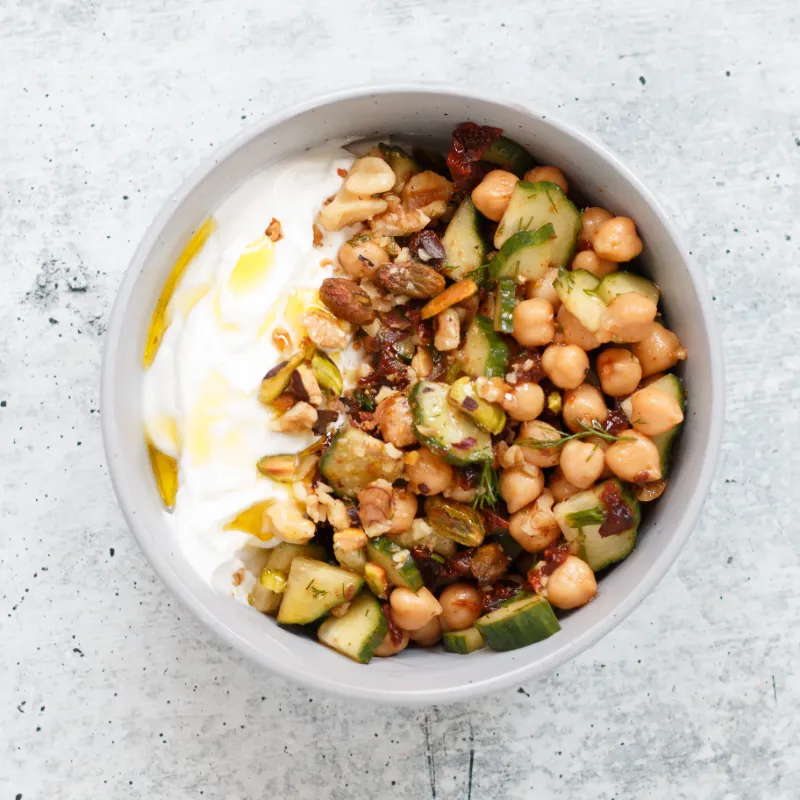
Greek yogurt is one of the most protein-dense dairy products you can eat, and it’s just as useful as a snack as it is a meal component. A standard 7-ounce serving of full-fat Greek yogurt provides around 190 calories, 17 to 20 grams of protein, and a mix of casein and whey that supports both rapid and sustained muscle recovery.
The live bacterial cultures in Greek yogurt also promote gut health, which is critical for nutrient absorption. If your gut isn’t healthy, you’re not getting the full benefit of everything you eat. Research published in Nutrients found that probiotic-rich foods like Greek yogurt improve intestinal permeability and reduce digestive discomfort, which matters when you’re eating large volumes of food.
Top full-fat Greek yogurt with granola, nuts, honey, and fresh berries for a calorie-rich snack that’s also incredibly satisfying. Stir it into sauces, use it as a sour cream substitute, or blend it into smoothies. Keep a container in your fridge and reach for it whenever you need a quick protein hit.
15. Cheese

Cheese is a calorie-dense, protein-rich food that’s incredibly easy to add to just about anything. One ounce of cheddar cheese contains around 115 calories, 7 grams of protein, and a solid hit of calcium, phosphorus, and vitamin K2. It’s one of the most enjoyable ways to boost your calorie intake throughout the day.
Vitamin K2, found in fermented and aged cheeses, is particularly important for directing calcium into your bones and teeth rather than your arteries. Research in the European Journal of Nutrition has highlighted K2’s role in bone density and cardiovascular health. So cheese isn’t just a calorie source, it’s actually contributing to your long-term skeletal health.
Add cheese to scrambled eggs, melt it over rice and vegetables, stuff it into quesadillas, or just slice it onto whole grain crackers for a quick snack. Parmesan, cheddar, mozzarella, and gouda are all great choices. A little goes a long way in terms of flavor and calorie impact.
16. Cottage Cheese
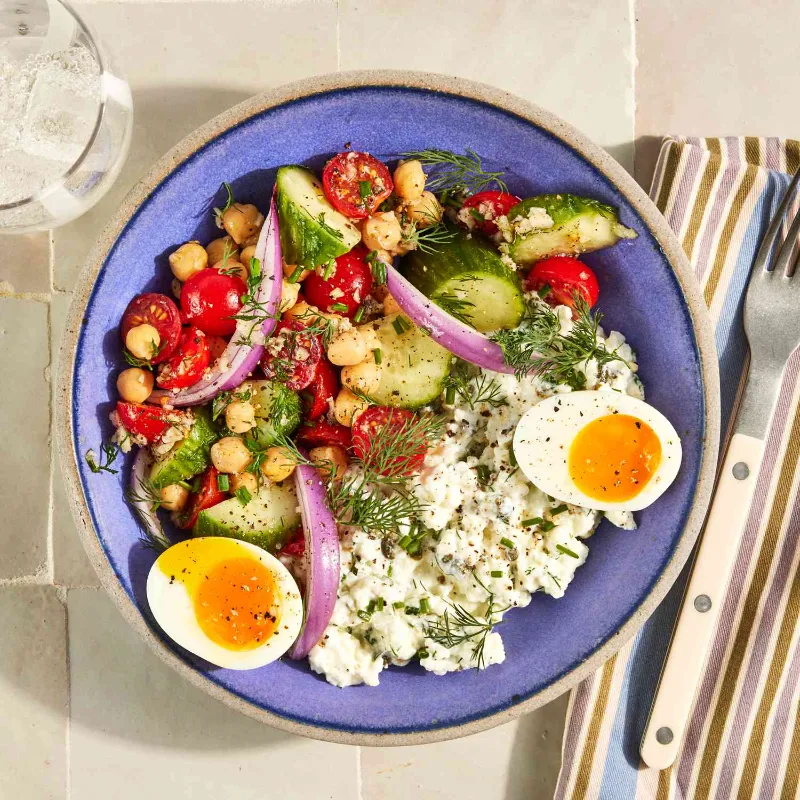
Cottage cheese might not win any beauty contests, but it’s one of the most underrated foods in the weight gain world. Half a cup of full-fat cottage cheese delivers around 110 calories, 14 grams of slow-digesting casein protein, and important amounts of calcium and selenium. Casein in particular is ideal for nighttime recovery because it releases amino acids slowly over several hours.
Research published in the British Journal of Nutrition found that eating cottage cheese 30 to 60 minutes before sleep significantly improved muscle recovery and next-day metabolism in resistance-trained individuals. This makes it one of the best bedtime snacks you can eat if you’re serious about gaining lean mass. The selenium content also supports thyroid function and antioxidant defense.
Eat cottage cheese plain with fruit and a drizzle of honey, blend it into smoothies for extra protein and creaminess, or mix it into pasta dishes and casseroles. It’s mild enough that it takes on the flavor of whatever you pair it with, which makes it incredibly versatile.
17. Legumes
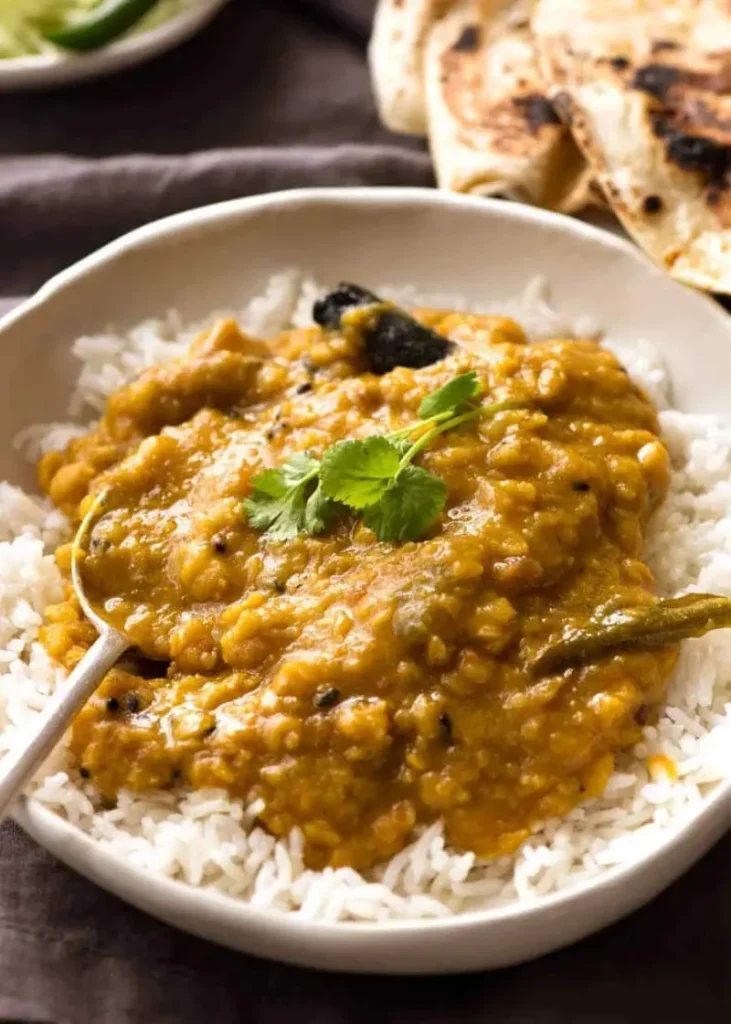
Beans and lentils are among the most cost-effective, nutrient-dense foods you can add to a weight gain diet. One cup of cooked black beans provides around 230 calories, 15 grams of protein, and 15 grams of fiber, along with iron, folate, and magnesium. They’re a plant-based powerhouse that every body can benefit from, regardless of dietary preferences.
The fiber in legumes feeds the beneficial bacteria in your gut, promoting a healthy microbiome that improves digestion and nutrient absorption. Research published in the journal Advances in Nutrition found that regular legume consumption is associated with reduced risk of metabolic syndrome and improved blood sugar regulation. This means you can eat more without the inflammatory downsides of processed calorie-dense foods.
Add black beans to rice dishes, blend lentils into soups, stuff kidney beans into burritos, or simply serve them as a side dish with your protein of choice. Batch cooking a pot of lentil soup at the start of the week gives you a quick, hearty option for any meal.
18. Chickpeas
Chickpeas are versatile, filling, and packing a serious nutritional punch. One cup of cooked chickpeas offers about 270 calories, 15 grams of protein, 45 grams of carbohydrates, and impressive levels of folate, iron, and manganese. They’re one of the most balanced plant-based foods you can eat.
A systematic review published in the American Journal of Clinical Nutrition found that diets rich in chickpeas improved satiety, blood sugar control, and overall calorie intake regulation. For weight gain purposes, their combination of protein and complex carbs makes them excellent for fueling workouts and supporting muscle recovery. Their iron content also helps maintain healthy energy levels throughout the day.
Roast chickpeas in the oven with olive oil and spices for a crunchy, calorie-dense snack. Blend them into hummus and pair with whole grain pita and veggies. Toss them into curries, grain bowls, salads, and pasta dishes for an easy protein boost that doesn’t require cooking a separate protein source.
19. Dark Chocolate

Yes, dark chocolate absolutely earns its spot on this list. One ounce of 70% or higher dark chocolate contains around 170 calories, 2 grams of protein, 12 grams of fat, and a concentration of antioxidants called flavonoids that have been extensively studied for their health benefits. It’s a delicious way to add quality calories without guilt.
Research published in the journal Frontiers in Nutrition has shown that the flavonoids in dark chocolate improve blood flow, reduce inflammation, and may even enhance exercise performance by reducing oxidative stress. The magnesium in dark chocolate also supports muscle function and stress regulation. This is one indulgence you can feel genuinely good about.
Enjoy a few squares of dark chocolate as an afternoon snack or add cacao powder to smoothies, oatmeal, and energy balls. Pair dark chocolate with nuts or nut butter for a calorie-dense combo that satisfies your sweet tooth and fuels your goals at the same time.
20. Olive Oil
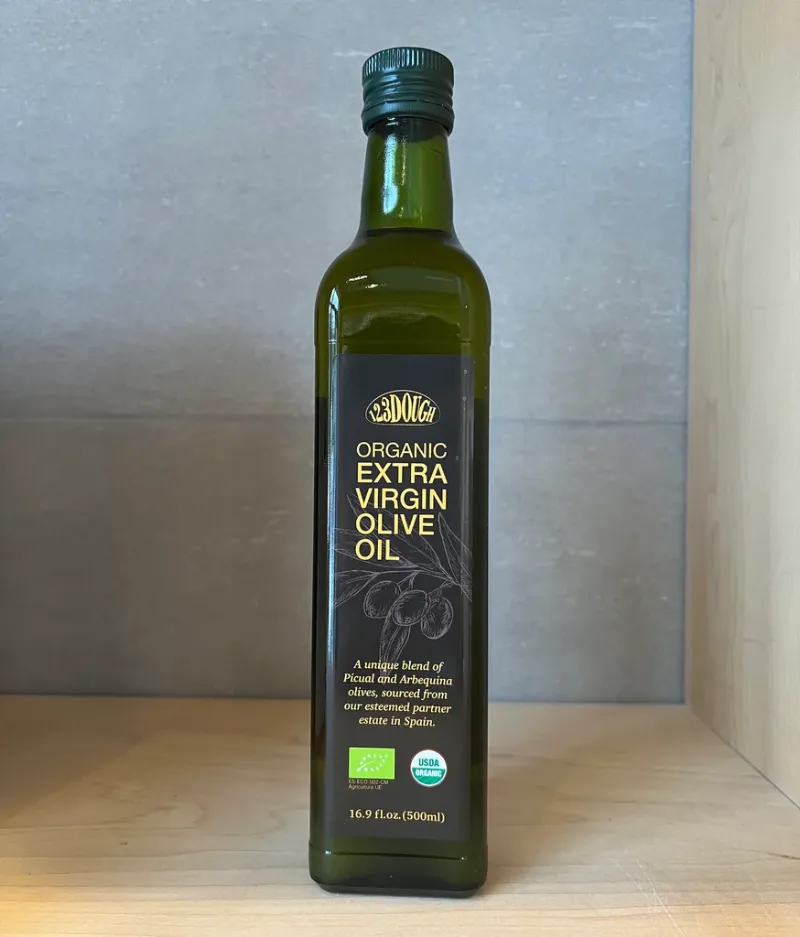
Olive oil is a staple of the Mediterranean diet and one of the most calorie-efficient ways to add quality fat to your meals. Just one tablespoon contains around 120 calories and is rich in monounsaturated fatty acids, specifically oleic acid, along with vitamin E and powerful antioxidant polyphenols. It’s liquid gold for your health.
The oleic acid in olive oil has anti-inflammatory properties and has been shown in multiple large-scale studies to reduce the risk of heart disease, type 2 diabetes, and even certain cancers. A study in the New England Journal of Medicine found that a Mediterranean diet supplemented with olive oil significantly reduced the risk of major cardiovascular events. It supports your long-term health while helping you pack on the pounds.
Drizzle olive oil over roasted vegetables, use it as a base for salad dressings, or cook your proteins in it instead of butter. Even finishing a bowl of pasta or soup with a generous splash of olive oil adds 100+ easy calories to your meal. It’s one of the simplest upgrades you can make to your diet.
21. Coconut Oil
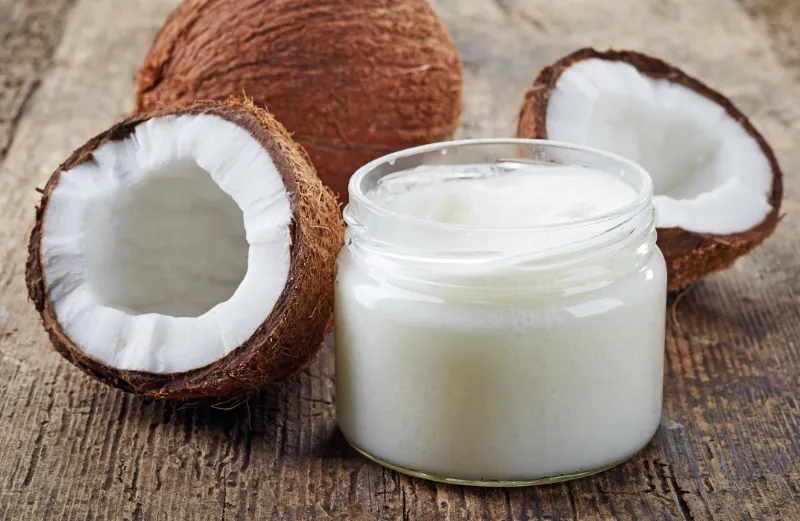
Coconut oil is a unique fat source that offers a different metabolic profile from most other cooking oils. One tablespoon provides about 120 calories and is composed almost entirely of medium-chain triglycerides, or MCTs. Unlike long-chain fatty acids, MCTs are rapidly absorbed and converted into energy rather than stored as fat.
Research published in the Journal of the Academy of Nutrition and Dietetics found that MCT consumption increases thermogenesis and energy expenditure, making it a useful tool even in a weight gain context because you can eat more without excessive fat accumulation. Coconut oil also contains lauric acid, which has antimicrobial properties and supports immune function. It’s a fat that actually does something beneficial beyond just adding calories.
Use coconut oil for stir-frying, baking, or blending into coffee or smoothies for a creamy, calorie-rich boost. It adds a subtle tropical flavor to baked goods and curries. Start with small amounts and gradually increase as your digestive system adjusts, since MCTs can cause stomach upset if you jump in too fast.
22. Dried Fruits
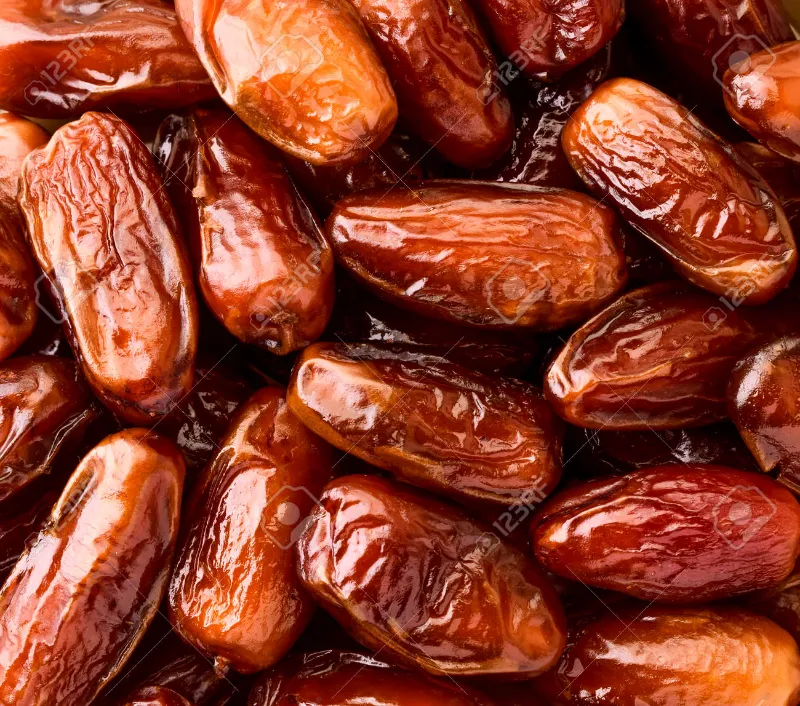
Dates, raisins, and dried apricots are some of the most concentrated sources of calories and nutrients you’ll find in the snack aisle. Just a quarter cup of raisins provides about 125 calories and is loaded with natural sugars, iron, potassium, and antioxidants. They’re essentially fresh fruit with the water removed, which means all the nutrients are condensed into a much smaller volume.
Dates in particular are remarkably high in natural sugars and fiber, with research in the Journal of Agricultural and Food Chemistry confirming their exceptional antioxidant content. The iron in dried apricots supports red blood cell production and helps prevent fatigue, especially important for anyone training regularly. And since dried fruits are so calorically dense, it’s easy to eat a significant number of calories without feeling like you’re overeating.
Add dried fruits to trail mix with nuts and seeds, stir them into oatmeal or yogurt, blend them into smoothies for natural sweetness, or eat them with nut butter as a quick pre-workout snack. Keep a bag in your desk or gym bag for easy calorie top-ups throughout the day.
23. Whole Grain Bread

Whole grain bread is one of the most convenient calorie-carrying vehicles in your diet. Two slices typically offer around 160 to 200 calories, 6 to 8 grams of protein, and a meaningful amount of fiber, iron, B vitamins, and zinc. It’s a foundation food that makes loading up on nutrients effortless.
The complex carbohydrates in whole grain bread provide long-lasting energy, making it a great choice before and after workouts. Research published in the Journal of the American Dietetic Association confirmed that whole grain consumption is associated with better weight management and improved metabolic health compared to refined grain alternatives. The fiber also keeps your digestion running smoothly, which matters when you’re eating large quantities of food.
Load up your whole grain toast with avocado and eggs, nut butter and banana, or smoked salmon and cottage cheese for a complete, calorie-dense meal. Use it to make sandwiches packed with chicken, cheese, and vegetables. It’s a simple and effective way to hit your calorie targets without thinking too hard about it.
24. Whole Wheat Pasta
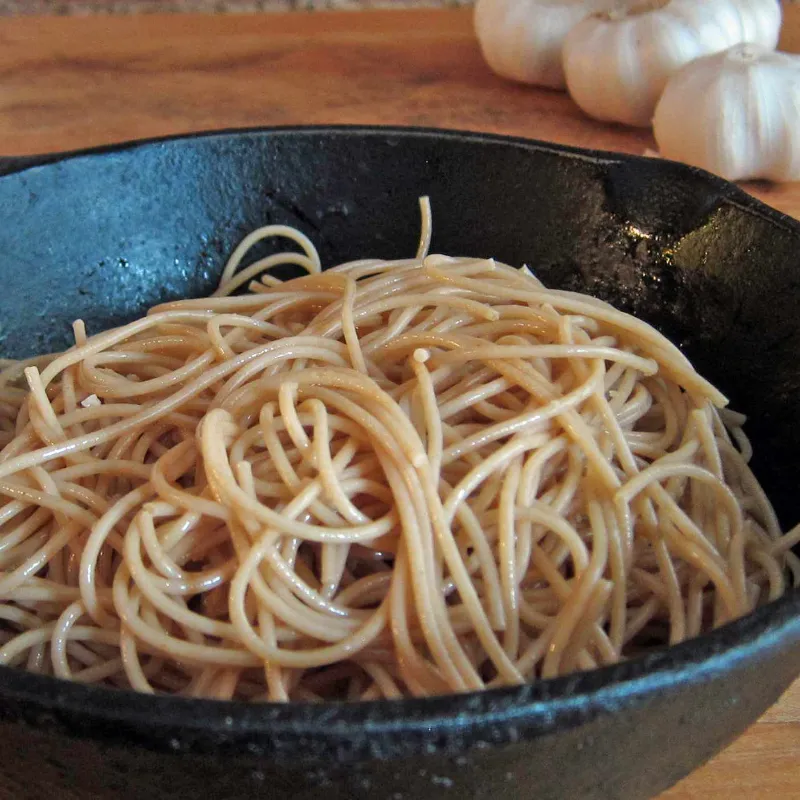
Pasta is one of the most satisfying ways to eat a lot of calories comfortably. One cup of cooked whole wheat pasta contains around 175 calories, 7 grams of protein, and 37 grams of complex carbohydrates, along with manganese and selenium. When you pair it with a protein-rich sauce and olive oil, you’ve got a genuinely powerful weight gain meal.
The manganese in whole wheat pasta supports bone formation and energy metabolism, while selenium acts as an antioxidant that protects your cells from oxidative damage. Research consistently shows that whole grain pasta leads to better glycemic control and greater satiety than refined pasta, meaning you get more nutritional bang for your calorie buck. It’s a versatile base that takes on whatever flavors you throw at it.
Toss whole wheat pasta with ground beef bolognese, olive oil and parmesan, or a creamy avocado pesto sauce. Add chickpeas or lentils for extra protein. Batch cook a large pot and refrigerate it for easy meals throughout the week.
25. Potatoes

Regular potatoes have gotten an unfair bad reputation, but they are actually one of the most nutrient-dense starchy foods you can eat. One large baked potato with skin provides around 280 calories, 7 grams of protein, and significant amounts of potassium, vitamin C, and vitamin B6. They’re also one of the most satiating foods by calorie, which can help you eat more at meals without extreme discomfort.
Potatoes are the only major food source of resistant starch when cooked and then cooled, which feeds beneficial gut bacteria and improves insulin sensitivity. Research published in Comprehensive Reviews in Food Science found that cooled potatoes act almost like a prebiotic, supporting long-term gut health. And the high potassium content helps offset the sodium in your diet and supports proper muscle contractions.
Bake potatoes and top them with cheese, sour cream, chili, or cottage cheese for a hearty, calorie-dense meal. Roast them in olive oil with herbs and garlic as a side dish, or mash them with butter and whole milk for maximum calorie impact. Don’t sleep on this humble but powerful food.
26. Full-Fat Tofu
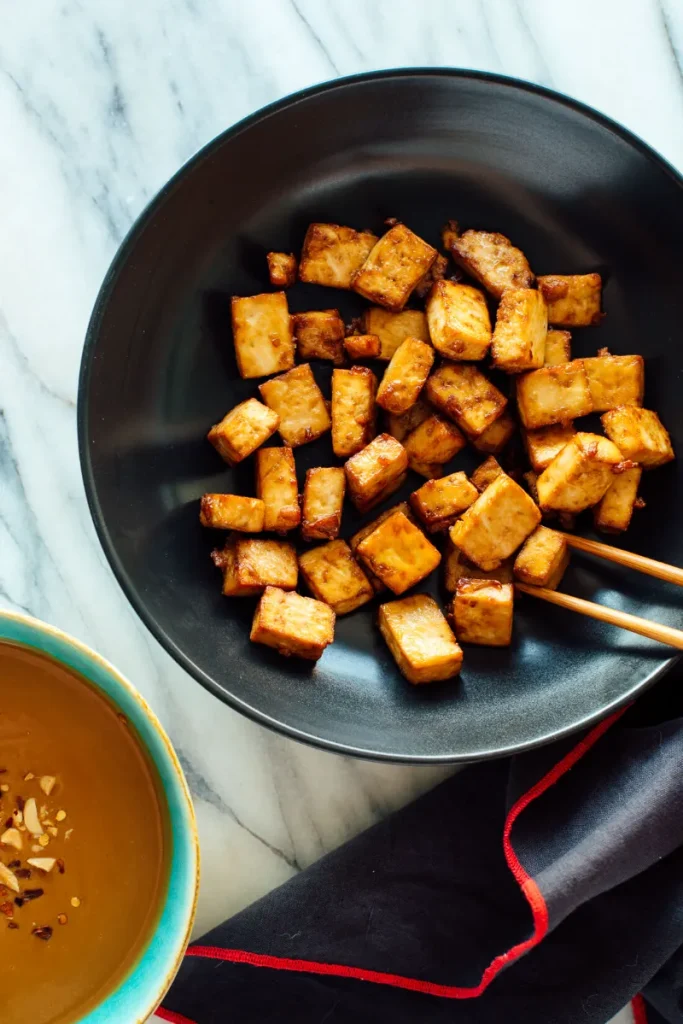
Tofu might not be the first food that comes to mind for weight gain, but full-fat tofu is a calorie-dense, protein-rich plant food that deserves a spot in any muscle-building diet. Half a cup of firm tofu provides around 180 calories, 20 grams of plant-based protein, and impressive amounts of calcium, iron, and manganese. It’s one of the few plant foods that provides all nine essential amino acids.
Tofu is also rich in isoflavones, plant compounds that have been shown in research from the Journal of Nutrition to support bone density, reduce inflammation, and potentially improve cardiovascular health. The calcium content is particularly valuable for vegans and vegetarians who may not get enough from dairy sources. And because tofu takes on the flavor of whatever you cook it in, it’s one of the most culinarily versatile proteins out there.
Marinate and pan-fry tofu in sesame oil and soy sauce for a crispy, protein-packed topping for rice bowls. Blend silken tofu into smoothies for a creamy texture boost. Cube it into stir-fries, soups, and curries. Once you start cooking with it regularly, you’ll be surprised how easy it is to love.
Final Thoughts
Gaining weight the healthy way is about choosing foods that nourish your body, not just fill it. Every single food on this list brings real nutritional value to the table, from lean protein and complex carbs to healthy fats and micronutrients that support your overall wellbeing. Small, consistent changes to your plate add up faster than you’d expect.
Start by picking four or five foods from this list that genuinely appeal to you and work them into your daily meals this week. Your body is capable of incredible things when you fuel it right, so give it the good stuff and enjoy the process.
