
24 Incredible Iodine Rich Foods You Probably Didn’t Know About

If you’ve never given iodine much thought, you’re definitely not alone. But here’s the thing — this tiny mineral quietly runs a huge operation inside your body, and most Americans aren’t getting nearly enough of it.

From keeping your thyroid healthy to supporting brain function and energy levels, iodine is the unsung hero of your daily nutrition. Stick around, because some of the foods on this list are going to genuinely surprise you.
1. Seaweed (Nori)
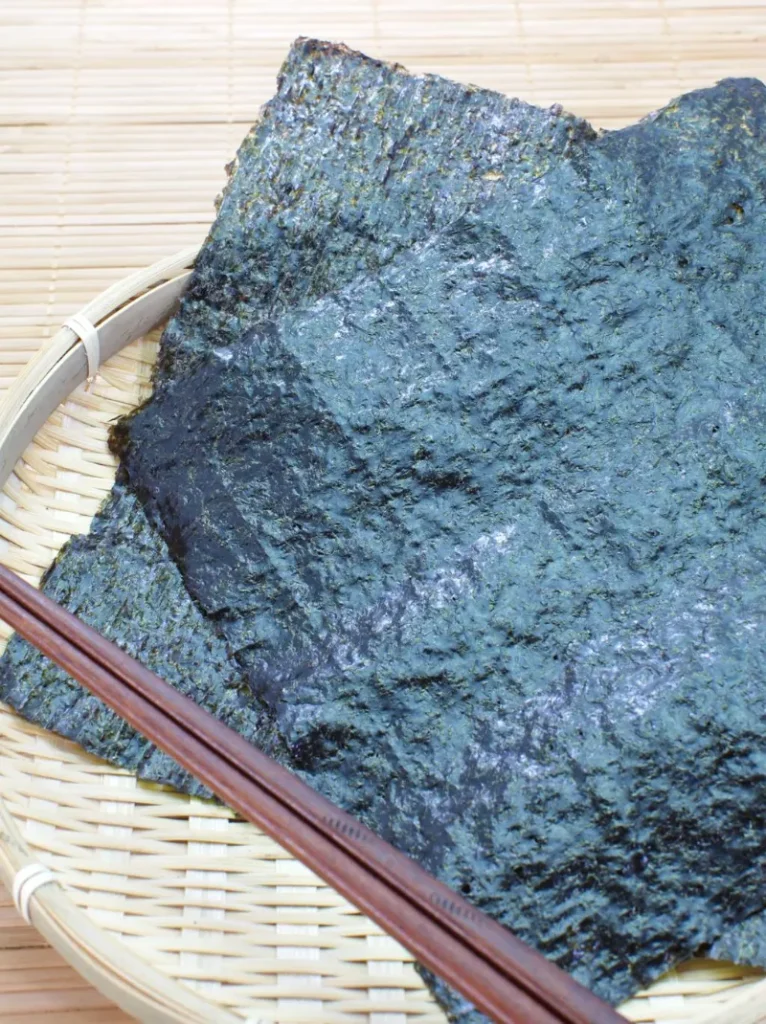
Seaweed is basically nature’s iodine bomb, and nori — the thin sheets used in sushi rolls — is one of the most accessible ways to get it.
Just one gram of dried nori can contain anywhere from 16 to 2,984 micrograms of iodine, depending on where it was harvested. The ocean is rich in iodine, and seaweed soaks it right up.
You don’t have to become a sushi chef either. Grab roasted nori snack packs at most grocery stores, crumble some over rice bowls, or stir dried seaweed flakes into soups for an easy nutritional boost.
2. Cod

Cod is one of those mild, crowd-pleasing fish that also happens to be a serious iodine powerhouse. A 3-ounce serving delivers about 99 micrograms of iodine, which is roughly 66% of your daily recommended value.
It’s also a lean protein, meaning you get a lot of nutritional bang for your caloric buck. The iodine in fish comes from the marine environment they live in, making seafood one of the most reliable natural sources of this mineral.
Bake it, pan-sear it with lemon and garlic, or add it to a simple fish taco night. Cod is incredibly versatile and goes with almost everything.
3. Iodized Salt
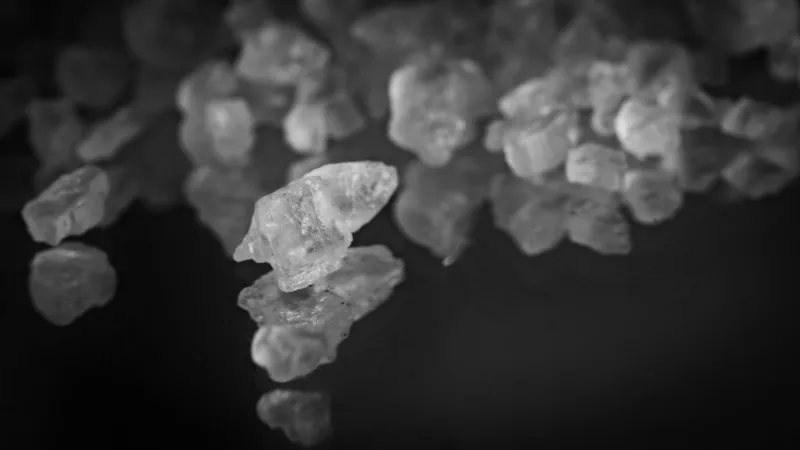
This one is so common that people often forget it’s actually one of the most impactful public health moves in American history. The US started adding iodine to table salt in the 1920s to combat widespread iodine deficiency.
Just half a teaspoon of iodized salt gives you about 142 micrograms of iodine. The catch? Many Americans have shifted to sea salt, kosher salt, or specialty salts, which typically contain little to no iodine.
If you cook at home, keep iodized salt in rotation. It’s an effortless way to make sure you’re hitting your daily baseline without any extra effort.
4. Shrimp

Shrimp is a weeknight dinner staple that pulls double duty as a solid iodine source. A 3-ounce portion contains around 35 micrograms of iodine, plus it’s loaded with lean protein and selenium.
Like other seafood, shrimp absorbs iodine from the saltwater environment it lives in. Wild-caught shrimp tends to have a slight nutritional edge over farmed varieties, though both still contribute meaningfully to your intake.
Toss shrimp in a garlic butter sauce, throw them on the grill, or pile them into a shrimp taco spread. They cook in minutes and fit into just about any meal plan.
5. Tuna
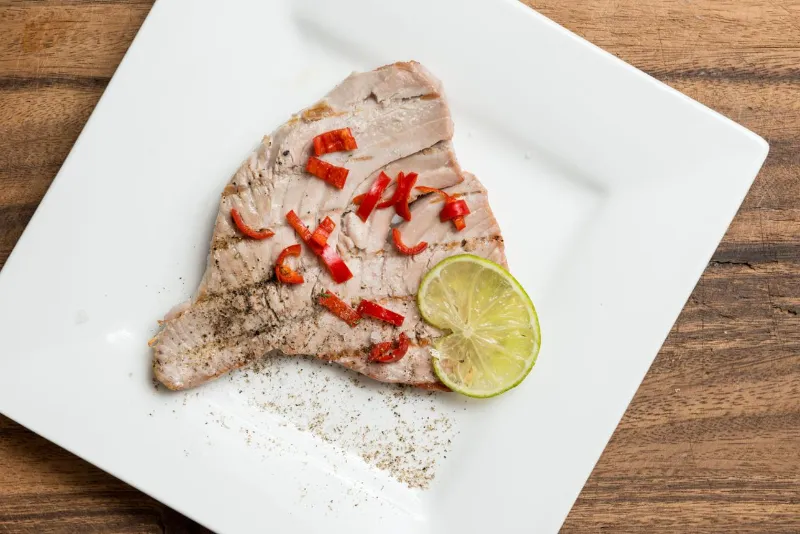
Canned tuna is a pantry hero for a reason. Beyond being affordable and shelf-stable, a 3-ounce serving of canned tuna provides about 17 micrograms of iodine along with a hefty dose of omega-3 fatty acids and protein.
The iodine in tuna, like other marine fish, comes naturally from ocean water. It’s a convenient way to sneak more of this mineral into your diet without any extra cooking.
Stir it into pasta, layer it onto a sandwich, or mix it with avocado for a quick high-protein lunch. Canned tuna is one of the easiest nutrition upgrades you can make for almost no cost.
6. Eggs
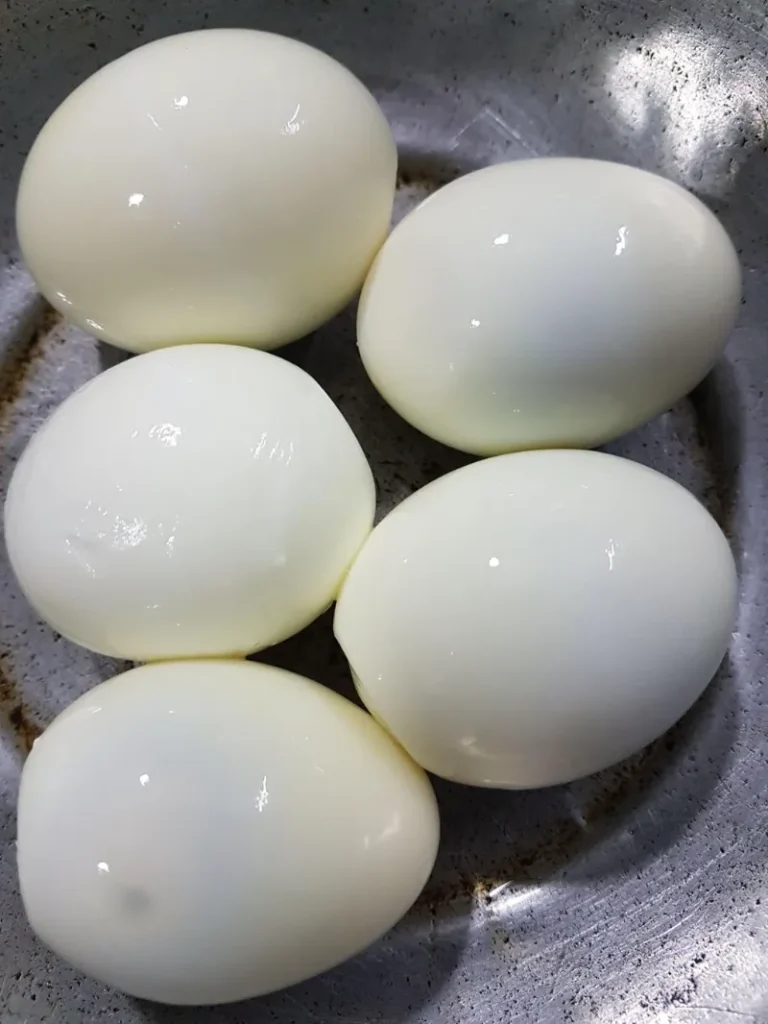
Here’s one that probably surprises most people. One large egg contains about 24 micrograms of iodine, and almost all of it sits in the yolk, so don’t skip it.
The iodine content in eggs depends largely on what the hens were fed. Hens given iodine-enriched feed produce eggs with higher iodine levels, and most commercial egg producers in the US use these feeds.
Scrambled, poached, hard-boiled, or baked into a quiche — eggs are one of the most versatile iodine sources around. They also bring along vitamin D, choline, and B12 for good measure.
7. Prunes
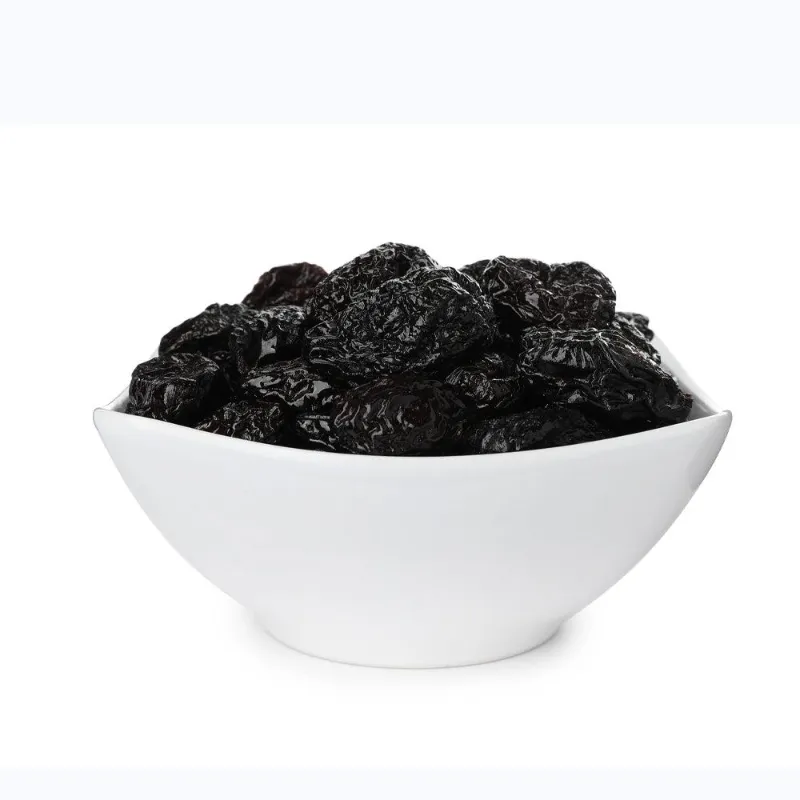
Yes, dried plums. Prunes have a bit of an outdated reputation, but nutritionally, they’re genuinely impressive and an unexpected source of iodine.
Five prunes deliver around 13 micrograms of iodine, along with fiber, potassium, and bone-supporting vitamin K. Research published in Osteoporosis International even found that eating prunes regularly can help preserve bone density in older women.
Eat them as a snack, chop them into oatmeal, or blend them into smoothies. Their natural sweetness makes them easy to work with, and your gut health will thank you too.
8. Lima Beans
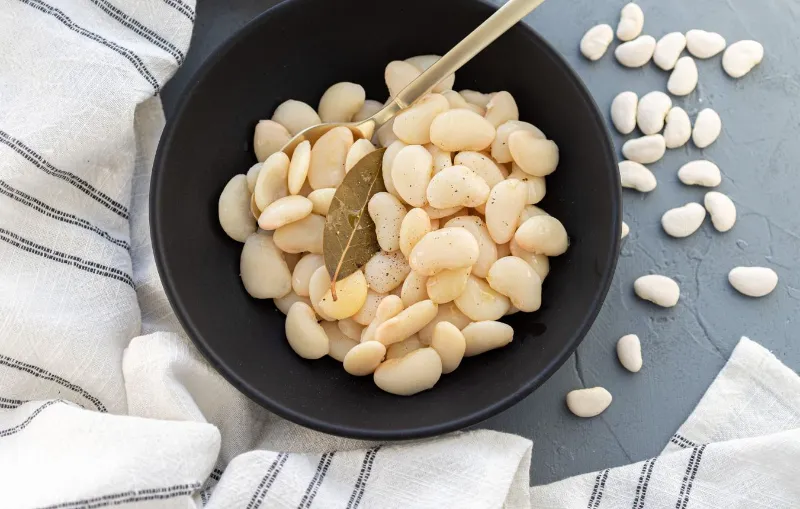
Lima beans fly under the radar in the nutrition world, which is honestly a shame. Half a cup of cooked lima beans provides around 8 micrograms of iodine, plus they’re loaded with plant-based protein and slow-digesting fiber.
Plants absorb iodine from the soil they grow in, so the iodine content in legumes like lima beans varies depending on where they were grown. Beans cultivated in iodine-rich soil naturally deliver more of this mineral.
Add them to soups, mix them into grain bowls, or serve them as a simple side dish seasoned with olive oil and herbs. They’re filling, affordable, and nutritionally solid.
9. Milk

A single cup of cow’s milk delivers around 56 micrograms of iodine, making it one of the most significant dietary sources for Americans who consume dairy.
Dairy cows are often given iodine supplements, and iodine-based sanitizers are commonly used on milking equipment, both of which contribute to the iodine content in the final product. It’s a surprisingly robust source that many people overlook.
Whether you drink it straight, pour it over cereal, or use it in cooking, milk earns its place on this list as a reliable everyday iodine source. Whole, reduced fat, and skim all provide similar iodine levels.
10. Yogurt

Greek yogurt, regular yogurt, flavored or plain — they all bring meaningful iodine to the table. One cup of plain low-fat yogurt contains roughly 75 micrograms of iodine, which is about half your daily recommended intake in one sitting.
The iodine in yogurt comes from the same dairy chain as milk, making it another fantastic and accessible option. Yogurt also offers probiotics that support gut health, plus calcium and protein.
Layer it into a parfait with granola, use it as a sour cream substitute, or blend it into a smoothie. It’s one of the most multitasking foods in your fridge.
11. Cheese (Cheddar)

Cheddar cheese isn’t just delicious — a one-ounce slice contains about 12 micrograms of iodine. Not as high as yogurt or milk, but it definitely adds up throughout the day if you’re a regular cheese lover.
Like other dairy products, cheddar picks up its iodine from the milk it’s made from and the iodine-containing processing practices used in dairy facilities. Aged cheeses tend to be more concentrated in certain nutrients, including iodine.
Melt it on a burger, shred it into eggs, or snack on it with apple slices. Cheese is one of those foods that fits into nearly every eating style without feeling like a chore.
12. Turkey Breast

Lean turkey breast is a protein powerhouse that also delivers a modest dose of iodine. A 3-ounce serving provides around 34 micrograms, making it a solid option beyond the Thanksgiving table.
Poultry gets iodine through the feed they consume, and most commercial poultry operations in the US use iodine-supplemented feeds. It’s also rich in B vitamins and selenium, which work alongside iodine to support thyroid function.
Slice it thin for sandwiches, dice it into salads, or meal prep a batch to use throughout the week. Turkey is one of those lean proteins that keeps you full without weighing you down.
13. Navy Beans
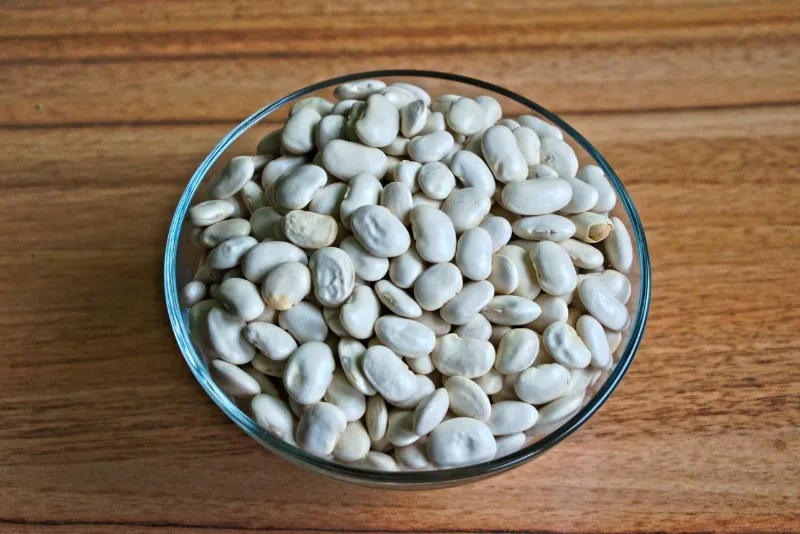
Navy beans are the small white legumes best known for baked beans and Senate bean soup, but they’re also a surprisingly decent plant-based iodine source.
Half a cup of cooked navy beans contributes about 32 micrograms of iodine, along with impressive amounts of fiber, folate, and plant-based protein. They’re one of the most filling foods per calorie you can eat.
Toss them into soups, mash them into dips, or simmer them with tomatoes and herbs for a simple side. They’re budget-friendly, easy to find canned, and genuinely versatile.
14. Canned Corn
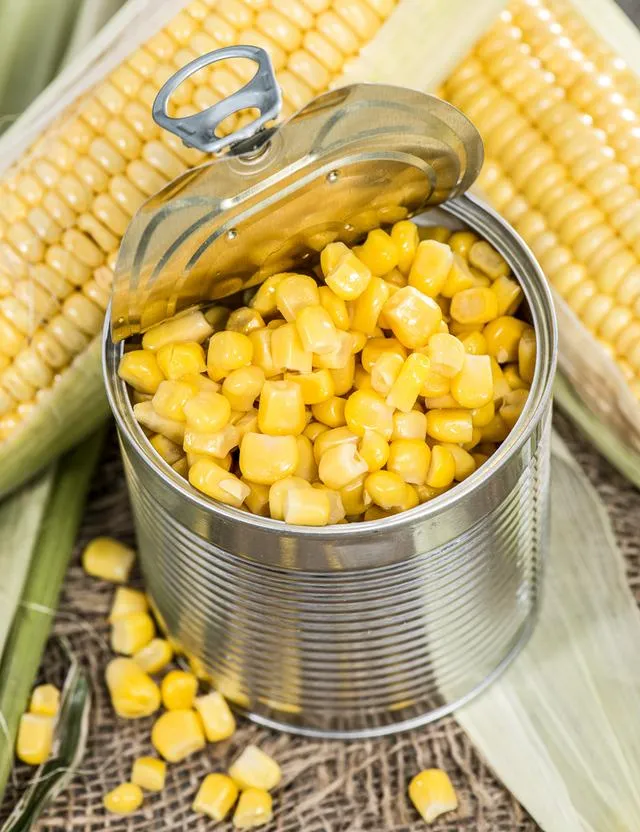
This one is a fun surprise. Canned corn contains roughly 14 micrograms of iodine per half cup, partly because iodine-based disinfectants are used in canning facilities and some of that iodine makes its way into the food.
It’s not the most glamorous health food, but canned corn is affordable, shelf-stable, and easy to add to a wide range of dishes. It also brings fiber, natural sweetness, and antioxidants like lutein and zeaxanthin.
Stir it into chili, mix it into a southwest salad, or heat it up as a quick side. It’s a no-fuss way to add a little extra iodine to your day without overthinking it.
15. Potatoes (With Skin)

A medium baked potato with the skin on packs about 60 micrograms of iodine, which is genuinely impressive for a vegetable. The key is keeping the skin intact since that’s where most of the nutrients concentrate.
Potatoes absorb iodine from the soil, and they’re also one of the most potassium-rich foods you can eat. The skin also brings extra fiber, which most Americans don’t get nearly enough of.
Bake them, roast them in wedges, or make a loaded potato bowl with yogurt, cheese, and chives. Potatoes are one of the most underrated nutrition foods out there.
16. Cranberries
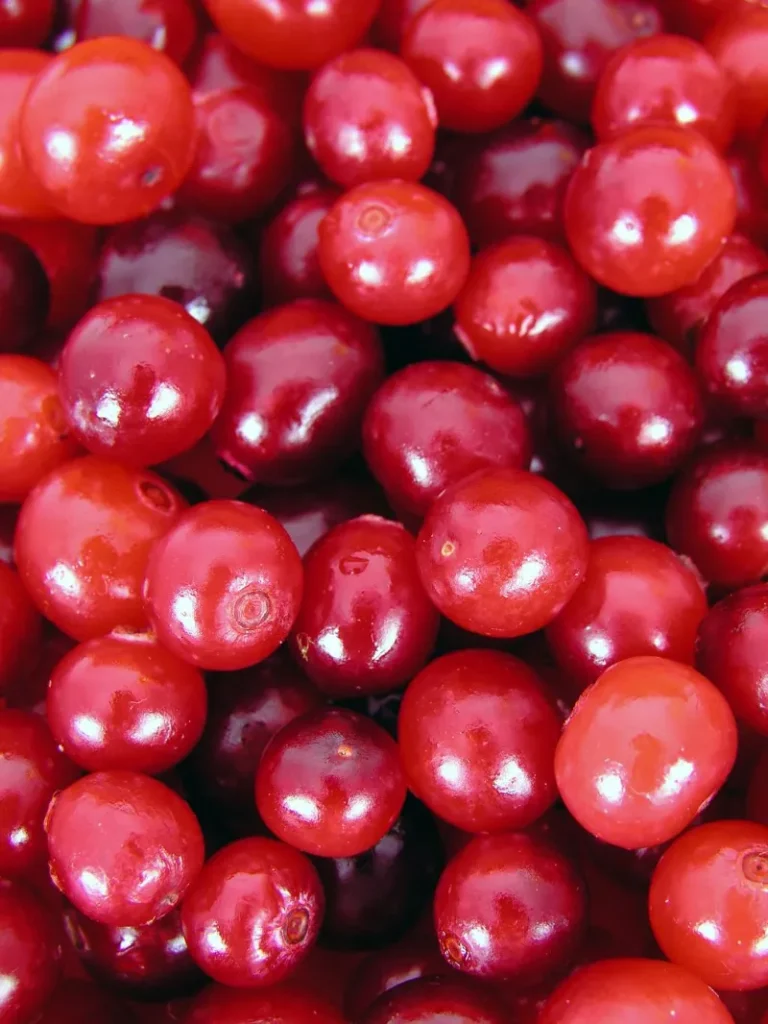
Cranberries are famous for urinary tract health, but they’re also a surprisingly strong source of iodine. Four ounces of cranberries can contain up to 400 micrograms of iodine, which is remarkable for a fruit.
Like other plants, cranberries absorb iodine from the soil they grow in, and cranberry-growing regions in the US tend to have iodine-rich soil. They’re also loaded with antioxidants and vitamin C.
Enjoy them as fresh juice (unsweetened if possible), mix dried cranberries into trail mix, or add them to oatmeal. Their tartness makes them a bright, zingy addition to all kinds of meals and snacks.
17. Strawberries
Fresh strawberries aren’t just a sweet summer treat — a cup of strawberries provides roughly 13 micrograms of iodine, which is a nice bonus on top of their already impressive vitamin C content.
Strawberries are one of the most antioxidant-dense fruits available, and research has linked regular berry consumption to reduced inflammation and improved heart health. The iodine is a quieter benefit that most people don’t even realize they’re getting.
Slice them onto yogurt, blend them into smoothies, or just eat them fresh by the handful. They’re one of the most enjoyable ways to sneak more iodine into your diet without even trying.
18. Himalayan Pink Salt
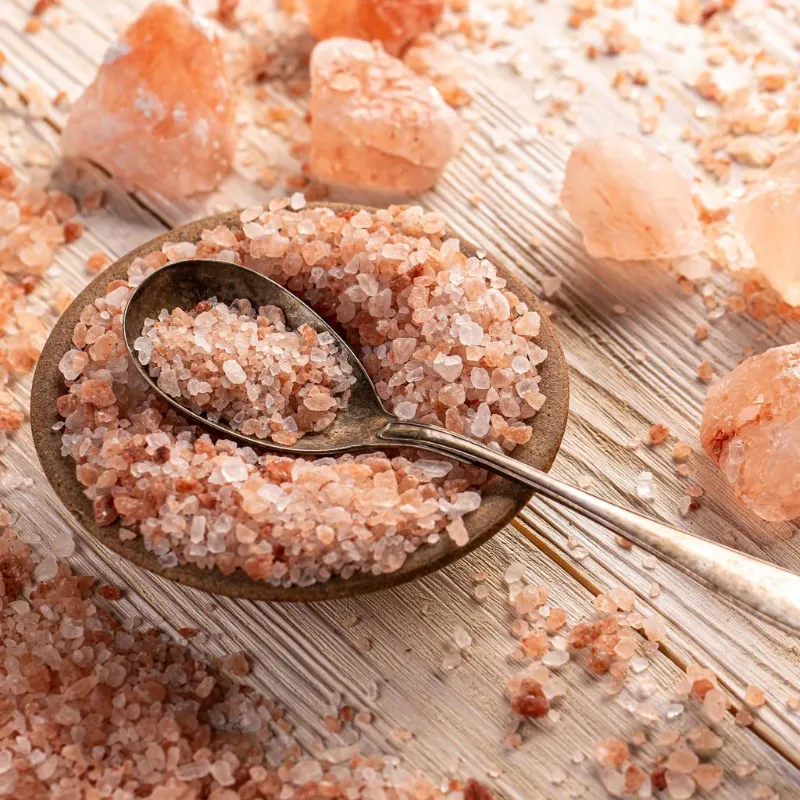
Himalayan pink salt has become incredibly trendy, but here’s something you should know: unlike iodized table salt, most Himalayan pink salt contains very little iodine naturally.
Some brands now add iodine to their pink salt products, but the naturally occurring iodine is minimal compared to standard iodized salt. If you love pink salt for its flavor or aesthetics, that’s fine, just make sure you’re getting iodine from other sources.
Use it as a finishing salt on roasted vegetables or grilled meats, but keep iodized salt around for cooking. Variety in your kitchen is a good thing, as long as your iodine needs are still covered.
19. Lobster

Lobster might feel like a splurge, but nutritionally it’s an absolute winner. A 3-ounce serving of cooked lobster provides around 100 micrograms of iodine, plus zinc, copper, and omega-3 fatty acids.
As a marine crustacean, lobster naturally absorbs iodine from its ocean environment, making it one of the richer seafood sources of this mineral. It’s also high in protein and relatively low in fat when prepared simply.
Steamed or broiled with a little butter is the classic approach, but lobster also shines in bisque, pasta, or a New England-style lobster roll. It’s a treat that delivers serious nutritional value.
20. Oysters
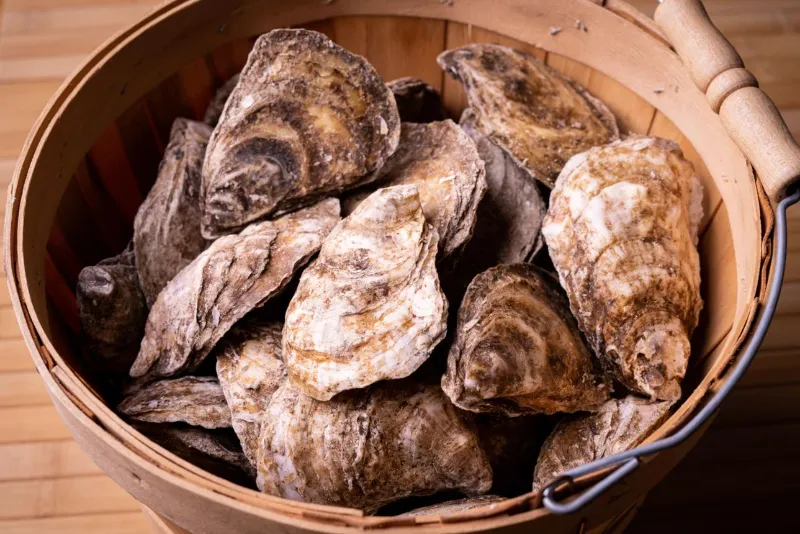
Oysters are a nutritional treasure, and iodine is just one of their many gifts. A 3-ounce serving delivers about 93 micrograms of iodine, along with more zinc per serving than almost any other food on the planet.
Oysters filter seawater as part of their feeding process, naturally concentrating iodine along with other trace minerals. They’re also a notable source of vitamin B12 and iron, making them one of the most nutrient-dense foods you can eat.
Enjoy them raw with mignonette sauce, bake them with parmesan and garlic, or add them to a seafood stew. Even if you’re new to oysters, they’re worth exploring.
21. Sardines
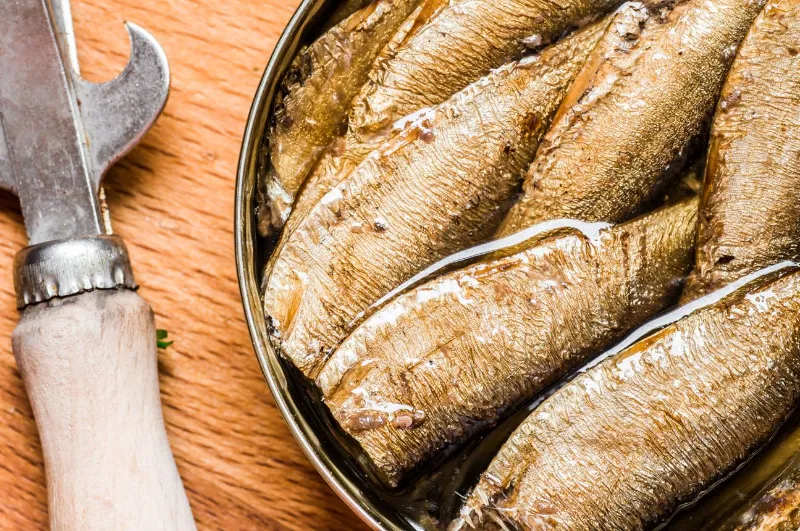
Sardines are one of those old-school health foods that deserve a major comeback. A 3-ounce can provides around 35 micrograms of iodine, along with omega-3 fatty acids, calcium, and vitamin D, all in one tiny package.
Because sardines are eaten whole including the bones, they deliver calcium in a way that many other fish don’t. They’re also one of the most sustainable seafood choices you can make, which is a bonus for the planet.
Try them on whole grain crackers with mustard, mash them into a simple pasta, or layer them onto avocado toast. Give them a chance before writing them off.
22. Apple Juice
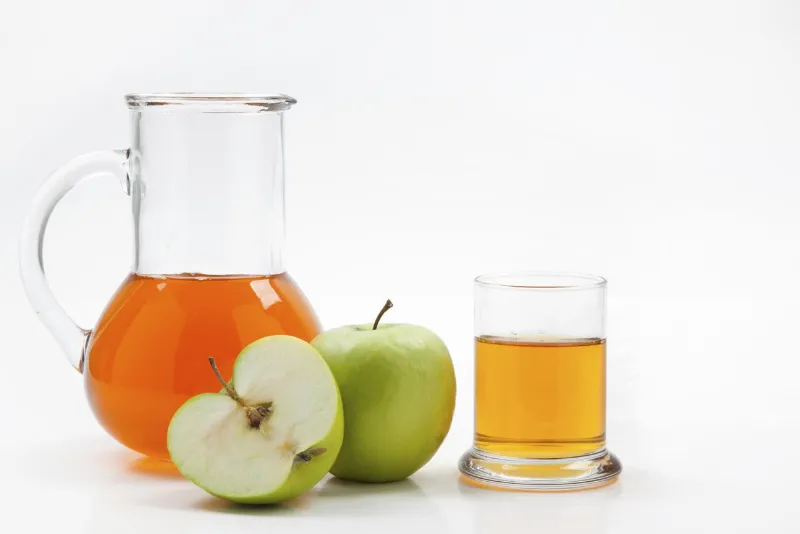
This one genuinely catches people off guard. Apple juice can contain a surprising amount of iodine, sometimes up to 30 micrograms per cup, depending on the processing and the iodine content of the soil where the apples were grown.
Some processing facilities also use iodine-based sanitizers, which can contribute trace amounts to the final product. It’s not the most concentrated source on this list, but it’s a bonus you’re probably already getting if you drink apple juice regularly.
Go for 100% apple juice with no added sugar for the cleanest option. Even better, pair it with a protein source to balance out the natural sugar content.
23. Green Peas
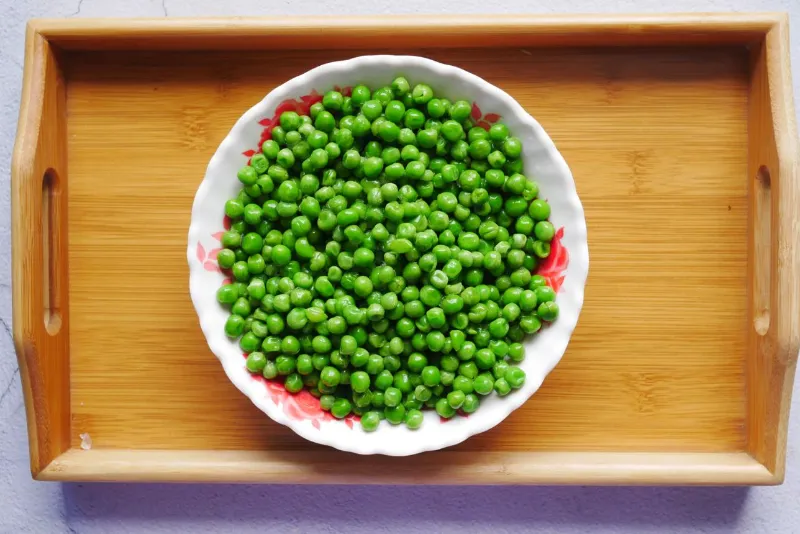
Green peas are a freezer staple that bring a quiet but real iodine contribution. Half a cup of cooked green peas offers around 3 micrograms of iodine along with a good dose of fiber, vitamin K, and plant-based protein.
They’re not the highest source on this list, but they’re the kind of food you can easily eat every day and build up your iodine intake over time. Peas are also one of the best plant-based sources of leucine, an amino acid that supports muscle health.
Stir them into rice, toss them into pasta, or eat them straight from the bag as a snack. Few vegetables are this easy to use and this consistently nutritious.
24. Bananas

Last but not least, bananas round out this list with a modest but real iodine contribution. One medium banana provides around 3 micrograms of iodine, alongside potassium, vitamin B6, and quick-digesting natural energy.
They’re not going to be your main iodine source, but bananas are so easy to eat every day that their contribution adds up. They’re also one of the most gut-friendly fruits, feeding beneficial bacteria in your digestive system.
Slice one onto oatmeal, blend it into a smoothie, or just grab one on your way out the door. Bananas are proof that the most ordinary foods can still be working quietly in your favor.
Final Thoughts
Iodine might be small, but its impact on your health is anything but. The good news is that you don’t need an overhaul, just a little more intention about the foods already available to you.
Start by weaving two or three of these foods into your daily meals and go from there. Your thyroid, your energy, and your brain will quietly thank you for it.
