
22 Life-Changing Bland Foods For Upset Stomach for Faster Results

Your stomach is staging a full-on protest, and the last thing you want is to make things worse. The good news? What you eat right now can either speed up your recovery or send you straight back to the couch
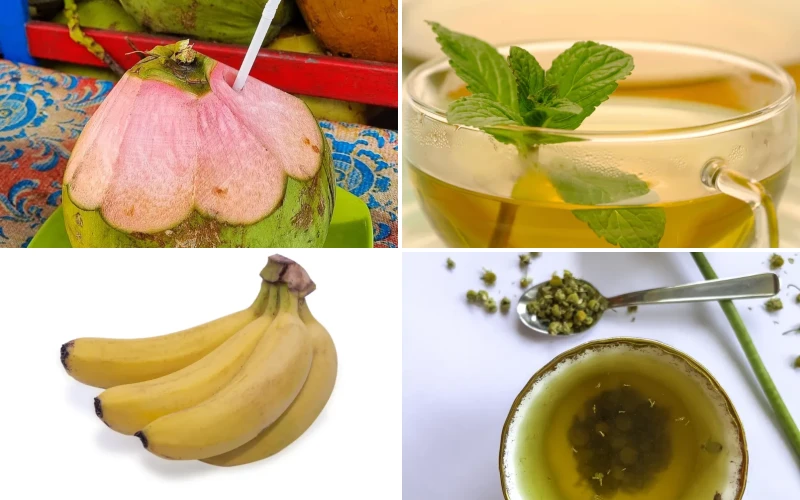
This guide walks you through 22 of the best bland foods that are gentle on your gut, backed by real science, and easy to find in any kitchen. Whether you’re dealing with nausea, diarrhea, or just a general “my stomach hates me” situation, these foods are your new best friends.
White Rice
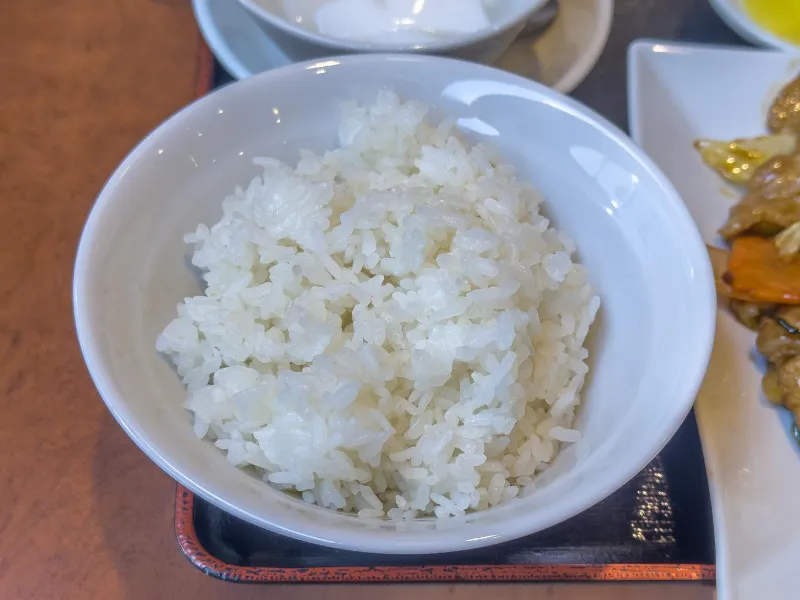
White rice is the gold standard of stomach-soothing foods, and for good reason. It’s easy to digest, low in fiber, and gives your gut a much-needed break from working overtime.
The starch in white rice acts like a gentle coat for your digestive tract. Research shows that binding foods like white rice can help reduce diarrhea by absorbing excess fluid in your intestines.
Just keep it plain. No butter, no sauces, no seasoning. A simple bowl of soft, well-cooked white rice is exactly what your body is asking for right now.
Bananas
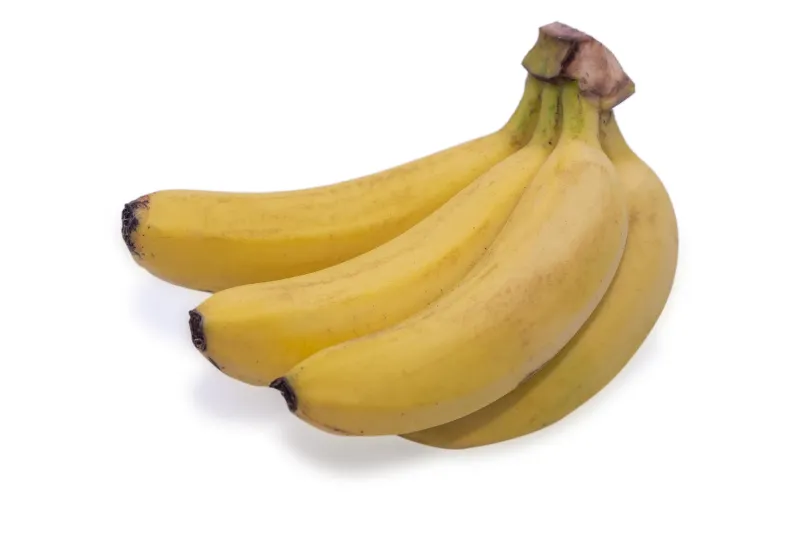
Bananas are one of the most powerful foods you can eat when your stomach is upset. They’re soft, easy to digest, and packed with potassium, which you lose fast when you’re dealing with vomiting or diarrhea.
They’re also a key part of the BRAT diet (Bananas, Rice, Applesauce, Toast), a method long recommended by doctors for digestive recovery. The natural pectin in bananas helps firm up loose stools and soothes the intestinal lining.
Go for a ripe banana, not an underripe green one. The riper it is, the easier it is on your gut and the more natural sugar it has to give you a quick energy boost.
Applesauce
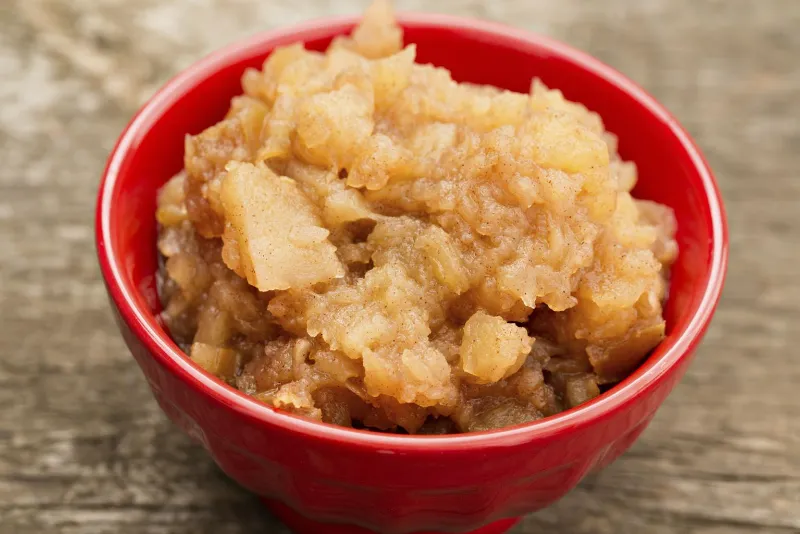
Fresh apples might be too harsh right now, but applesauce? That’s a different story. The cooking process breaks down the fiber, making it far easier to digest than raw fruit.
Applesauce contains pectin, a soluble fiber that can help slow digestion and reduce diarrhea. It also provides a mild source of carbohydrates to keep your energy up when you can barely stomach anything.
Always choose unsweetened applesauce. Added sugar can irritate a sensitive stomach even further, so keep it as simple and natural as possible.
Toast (White Bread)

Plain white toast might feel like the most boring food on the planet, but your stomach is absolutely not in the mood for excitement right now. Toast is low in fat, low in fiber, and easy for your digestive system to move through quickly.
The toasting process breaks down some of the starches into dextrins, which are even easier to absorb. This means your gut doesn’t have to work nearly as hard to process it.
Skip the butter, jam, or peanut butter for now. A single slice of lightly toasted white bread, eaten slowly, can be one of the best things you do for yourself today.
Plain Crackers (Saltines)

Saltines have been a go-to stomach remedy for generations, and they genuinely earn their reputation. They’re dry, light, and easy to nibble on even when the thought of real food makes you queasy.
The salt in saltines can actually help with nausea. Sodium plays a role in maintaining fluid balance, and when you’re dehydrated from vomiting or diarrhea, a little salt can help your body hold onto fluids better.
Keep a sleeve of saltines on your nightstand if you’re dealing with morning nausea or waves of queasiness. Eating a few before you even get out of bed can make a real difference.
Boiled Potatoes
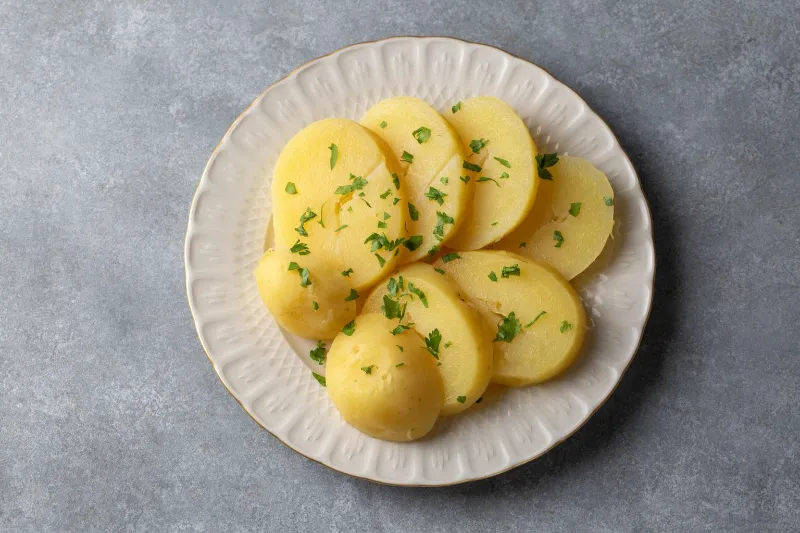
Plain boiled potatoes are a surprisingly powerful tool for stomach recovery. They’re rich in potassium and vitamin B6, both of which support digestive health and help restore nutrients lost during illness.
Potatoes are also high in resistant starch when cooled slightly, which feeds the beneficial bacteria in your gut. This can help speed up recovery by rebalancing your microbiome after illness.
Peel them, boil them until soft, and eat them plain. No salt, no butter, no sour cream. Just simple, comforting potato goodness that your stomach can handle.
Plain Oatmeal
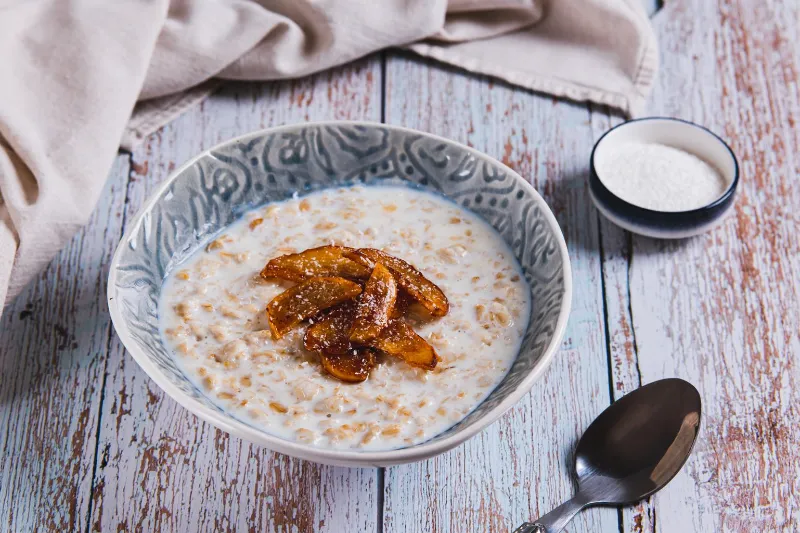
Oatmeal is one of the most gut-friendly foods you can eat, especially when you’re recovering from stomach upset. It’s soft, warm, and packed with soluble fiber that helps regulate digestion without irritating your system.
The beta-glucan fiber in oats has been studied for its ability to support gut health and reduce inflammation in the digestive tract. It also forms a gel-like substance in your intestines that can help slow things down if diarrhea is the issue.
Cook it with water, not milk, and leave out any toppings for now. Once you’re feeling better, you can add a ripe banana for extra gut-soothing power.
Chicken Broth
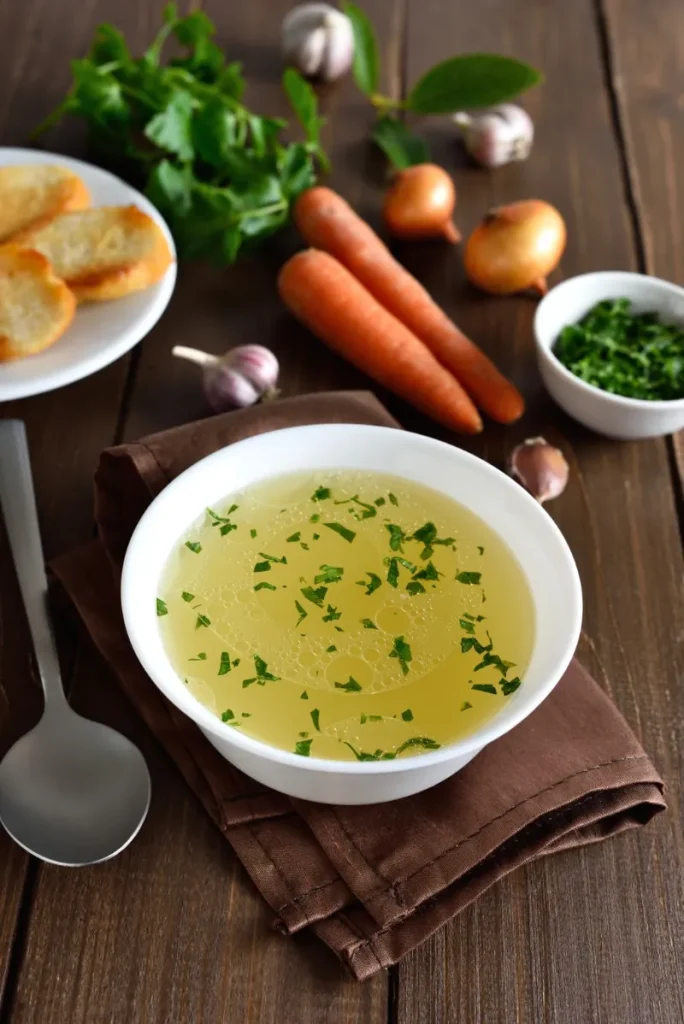
Warm chicken broth is like a hug for your stomach. It’s hydrating, salty enough to replace electrolytes, and easy to sip even when solid food feels impossible.
Broth contains glycine, an amino acid that helps repair the gut lining. Studies suggest that gelatin from bone broth in particular can help soothe and heal an irritated digestive system over time.
Sip it slowly and keep it low-sodium if you can. The warmth helps relax the muscles in your gastrointestinal tract, which can reduce cramping and discomfort.
Boiled Chicken (Skinless)
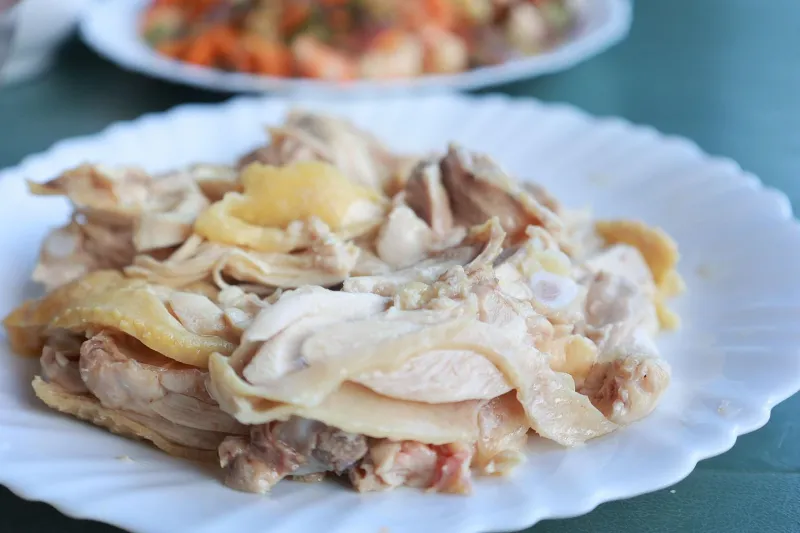
Once you can handle a little solid protein, plain boiled chicken is your best bet. It’s lean, low in fat, and gentle enough that your digestive system won’t have to put in much effort to break it down.
Protein is essential for repairing and rebuilding tissues, including the lining of your gut. Getting some in during recovery helps your body heal faster and keeps your energy from crashing.
Remove the skin, boil it until fully cooked, and eat it in small pieces. No seasonings, no sauces. Plain is the goal, and plain is exactly what your gut needs.
Plain Yogurt

Plain yogurt is one of the few dairy products that can actually help an upset stomach rather than hurt it. That’s because it contains live probiotics, beneficial bacteria that support a healthy gut microbiome.
Research published in journals like the American Journal of Clinical Nutrition has shown that probiotics can reduce the duration of diarrhea, especially when it’s caused by a stomach bug or antibiotic use. They help restore the balance of good bacteria in your gut.
Choose plain, unsweetened yogurt with live active cultures. Avoid flavored yogurts with added sugars, which can feed harmful bacteria and slow your recovery.
Ginger
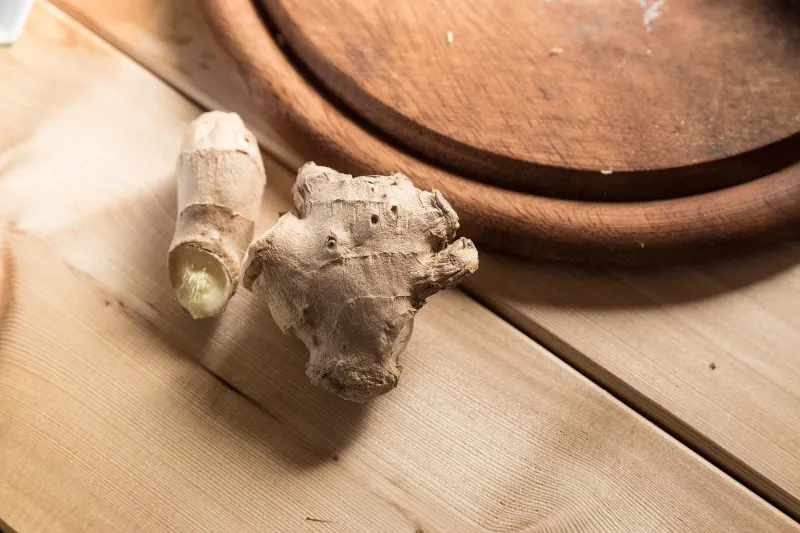
Ginger is one of the most well-researched natural remedies for nausea and digestive discomfort. It’s been used for thousands of years across cultures, and modern science backs it up.
The active compounds in ginger, gingerols and shogaols, interact with serotonin receptors in your gut and brain to reduce nausea. A meta-analysis in the British Journal of Anesthesia confirmed that ginger is effective for treating nausea across multiple causes.
Try sipping on ginger tea, chewing a small piece of fresh ginger, or drinking flat ginger ale made with real ginger. Even a little goes a long way when your stomach is in rough shape.
Peppermint Tea

Peppermint tea is a warm, soothing option that can do wonders for an upset stomach. The menthol in peppermint has antispasmodic properties, meaning it helps relax the muscles of your digestive tract.
Studies have shown that peppermint oil can reduce symptoms like bloating, cramping, and indigestion. A warm cup of peppermint tea delivers these benefits in a gentle, easy-to-tolerate form.
Brew it lightly and sip it slowly. If your stomach is particularly sensitive, let it cool a bit before drinking. The warmth combined with the menthol can help ease even stubborn nausea.
Coconut Water
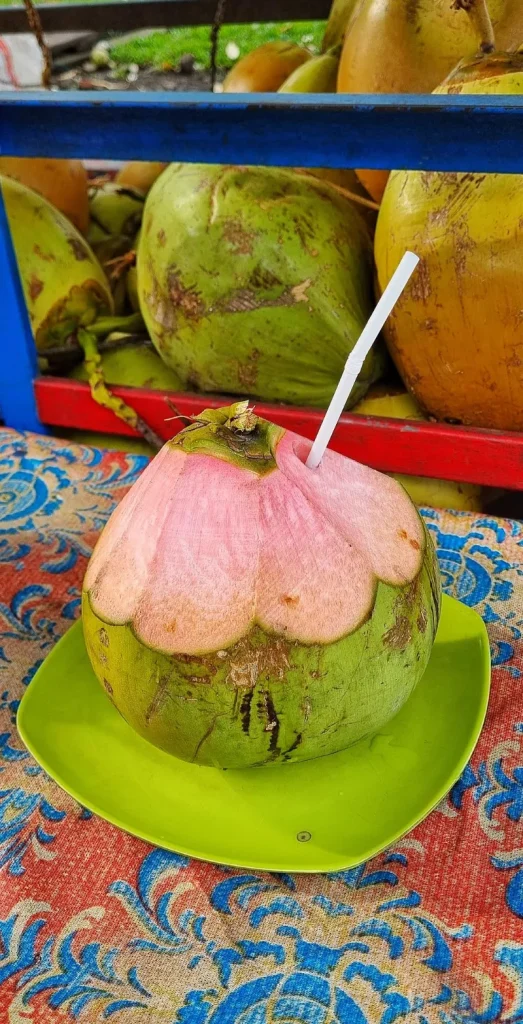
When you’re losing fluids from vomiting or diarrhea, rehydration is just as important as what you eat. Coconut water is one of the best natural ways to rehydrate because it contains a natural balance of electrolytes including potassium, sodium, and magnesium.
A study in the Journal of Physiological Anthropology found that coconut water was just as effective as a sports drink at rehydrating the body after fluid loss. And it’s easier on your stomach than sugary drinks or commercial electrolyte beverages.
Sip it slowly rather than gulping it down. Your stomach will absorb it better, and you’ll avoid triggering more nausea from drinking too fast.
Plain White Pasta
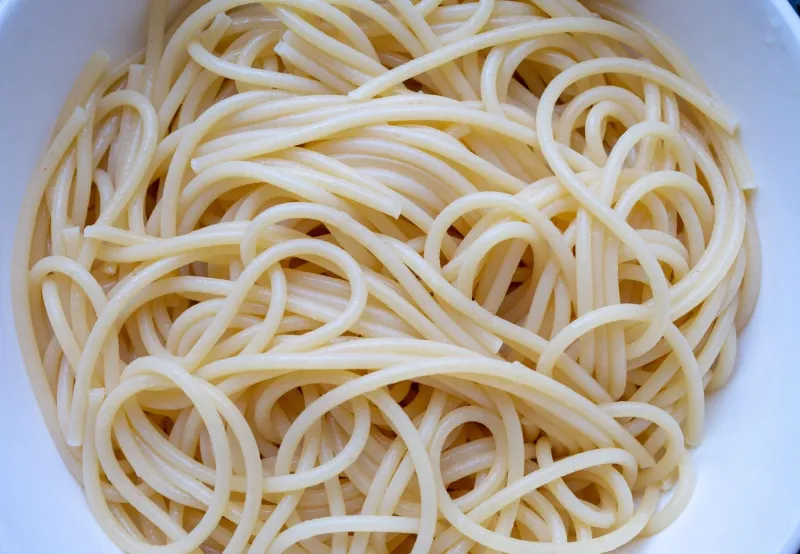
Plain white pasta is another member of the easy-to-digest carbohydrate family that your gut will appreciate during recovery. Like white rice, it’s low in fiber and gentle enough to pass through your system without causing irritation.
Carbohydrates are your body’s primary fuel source, and when you’re sick, you need energy to heal. Plain pasta gives you that fuel without putting stress on your digestive system.
Cook it until very soft, which makes it even easier to digest. Skip the sauce entirely for now. A tiny pinch of salt is fine, but keep it as simple as you possibly can.
Steamed Carrots
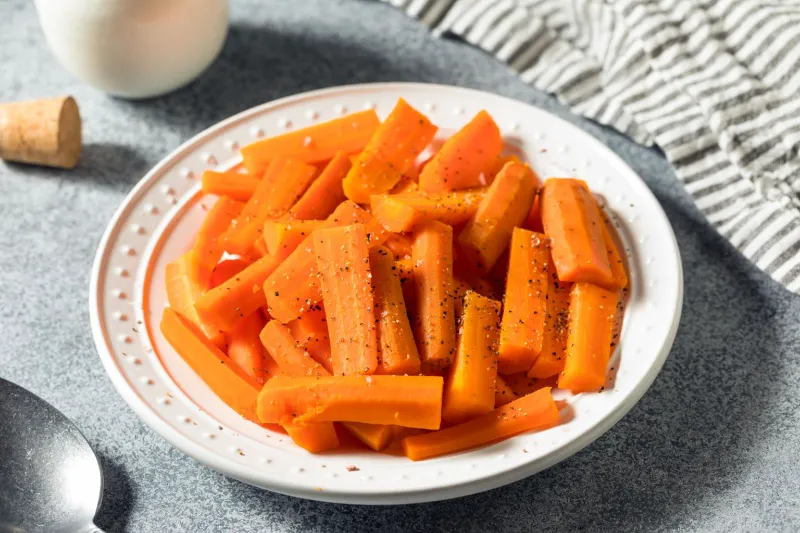
Raw carrots are crunchy and fibrous, which is the last thing your gut wants right now. But steamed carrots? They’re soft, easily digestible, and loaded with beta-carotene, which your body converts to vitamin A.
Vitamin A plays a key role in maintaining the health of your gut lining. Research shows it helps repair and regenerate the cells that line your intestines, which is exactly what needs to happen when you’re recovering from stomach illness.
Steam them until they’re very tender and eat them plain. No butter, no dips. They’re naturally a little sweet, which makes them one of the more enjoyable options on this list.
Scrambled Eggs

Scrambled eggs are a fantastic source of easy-to-digest protein that won’t overwhelm your stomach. They’re soft, mild in flavor, and quick to prepare when you barely have the energy to stand at the stove.
Eggs contain all nine essential amino acids, making them a complete protein that your body can use efficiently for repair and recovery. They’re also rich in vitamins B2 and B12, which support energy metabolism when you’re feeling run down.
Cook them with no oil or just a tiny bit, and avoid adding cheese or seasonings. Soft, lightly scrambled eggs are the goal. Overcooked rubbery eggs can be harder to digest, so keep them tender.
Herbal Chamomile Tea
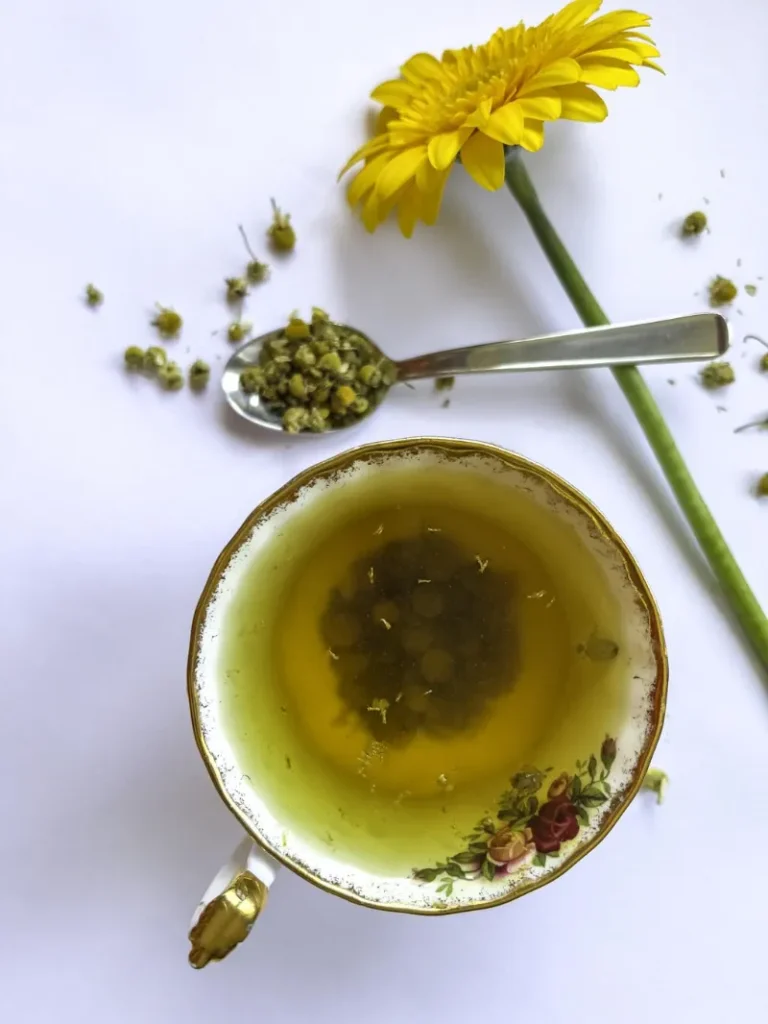
Chamomile tea has been used as a digestive remedy for centuries, and it genuinely deserves its reputation. The plant compounds in chamomile, called flavonoids, have anti-inflammatory and antispasmodic effects on the digestive tract.
Research has shown that chamomile can help reduce symptoms of gas, bloating, nausea, and stomach cramping. It also has mild sedative properties that can help you rest, which is one of the most underrated parts of stomach recovery.
Brew a warm cup, sip it slowly, and let yourself relax. Even just 10 to 15 minutes of quiet rest after drinking chamomile tea can help your body shift into healing mode.
Plain Pretzels

Plain pretzels are a solid dry snack option when saltines aren’t cutting it anymore. They’re low in fat, easy to digest, and provide a satisfying crunch that can help make eating feel a little more normal.
Like saltines, the salt on pretzels can help your body retain fluids and replace a little of what you’ve lost through illness. They’re also made from white flour, which is easier to digest than whole grain alternatives.
Stick to the plain, hard pretzel variety, not the soft ones with butter or the flavored kind with coatings. Simple and plain is your mantra until your stomach is fully back on track.
Canned Pears (in juice)

Fresh pears can be a little too fibrous and acidic when your stomach is struggling. But canned pears packed in juice, not syrup, are a much gentler option that provides some natural sweetness and hydration.
Pears contain sorbitol, a natural sugar alcohol, but in small amounts from canned pears, it’s generally well tolerated. They also provide vitamin C, which supports immune function right when your body needs it most.
Drain a little of the juice and eat the pear slices slowly. The soft texture is easy on your gut, and the mild sweetness can help satisfy cravings without triggering more nausea.
Melons (Cantaloupe and Honeydew)
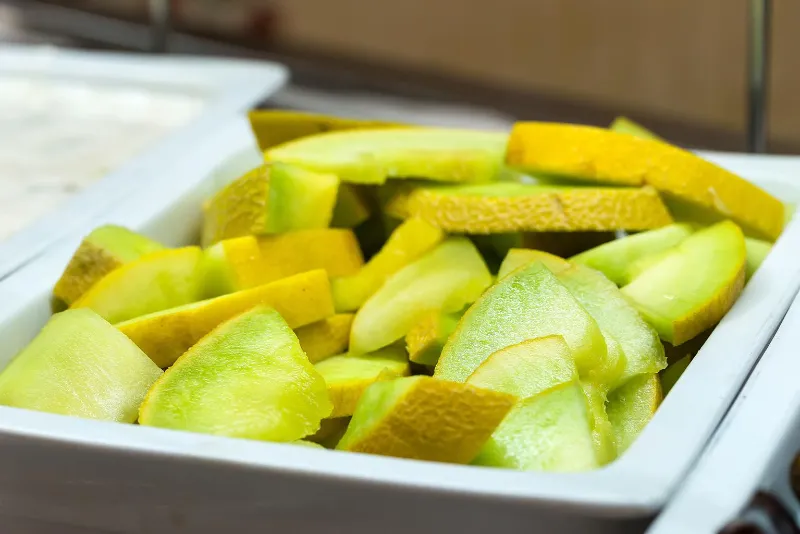
When your stomach is starting to recover but you want something that feels a little more refreshing, cantaloupe and honeydew are excellent choices. They’re about 90% water, which makes them incredibly hydrating.
Both melons are rich in potassium and vitamin C, helping you replenish nutrients lost during illness. Their high water content also helps rehydrate your body gently through food, which can be easier to handle than drinking large amounts of fluid at once.
Cut them into small pieces and eat slowly. Avoid adding any salt or chili powder, even if that’s your usual style. Keep it plain, keep it gentle, and let the natural sweetness do its job.
Cottage Cheese
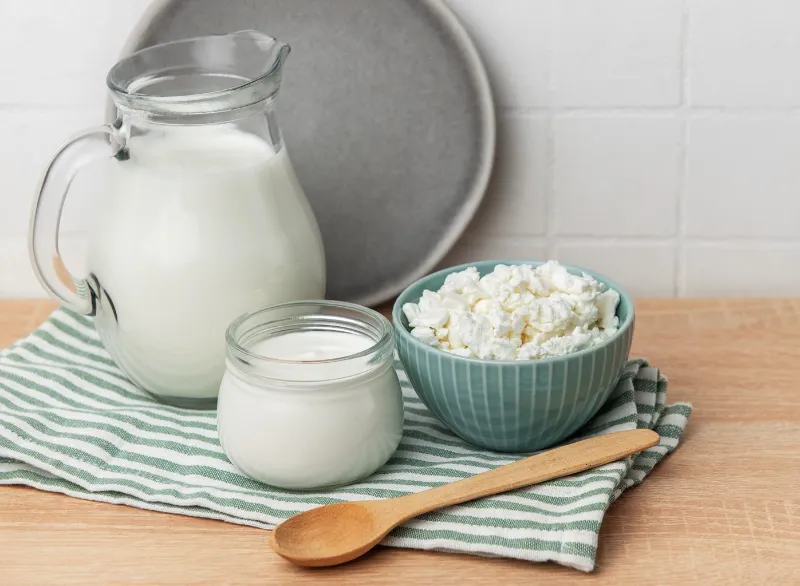
Cottage cheese is one of those foods that often gets overlooked during stomach recovery, but it’s actually a smart choice. It’s high in protein, low in fat, and its soft texture makes it very easy to eat.
It also contains casein protein, which digests slowly and provides a steady release of amino acids. This is helpful when you’re recovering and need sustained nourishment without overloading your system all at once.
Choose plain, low-fat cottage cheese with no added flavors or fruit. Eat it in small portions and see how your stomach responds. Most people find it very well tolerated once they’re past the worst of their symptoms.
Plain Baked Fish
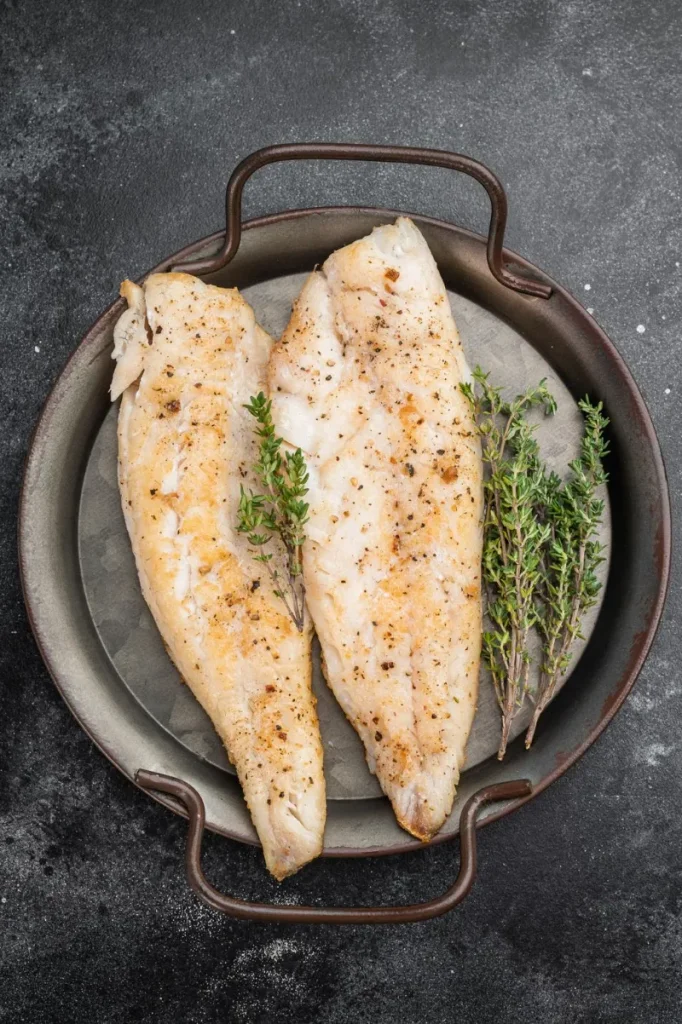
When you’re ready to reintroduce more substantial protein, plain baked fish is one of the best options out there. White fish like cod, tilapia, or flounder are mild in flavor, low in fat, and incredibly easy for your digestive system to process.
Fish is also rich in omega-3 fatty acids, which have anti-inflammatory properties. Reducing gut inflammation is a key part of recovery, and getting some omega-3s in through food is a gentle, natural way to support that process.
Bake it simply with no oil, butter, or seasoning. A squeeze of plain water or a small amount of broth in the baking dish keeps it moist without adding anything harsh. Small portions are best until you’re sure your stomach is ready.
Final Thoughts
Your stomach is tough, and with the right foods by your side, recovery is a lot closer than it feels right now. These 22 bland foods are not just safe choices, they’re genuinely healing ones. Start slow, listen to your body, and add one or two foods at a time as you start feeling better. You’ve got this, and your gut will thank you soon.
