
32 Genius High Cholesterol Foods To Avoid List You Need to Add to Your Diet

If you’ve been told your cholesterol is high, it can feel like the ground just shifted under your feet. But here’s the thing — what you eat has enormous power to change those numbers, and it doesn’t have to mean miserable, flavorless meals.
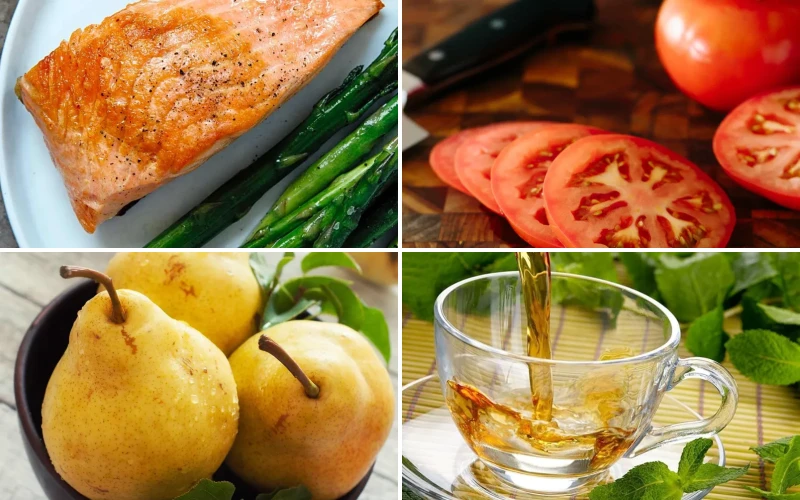
In this article, you’ll discover 32 incredible foods that actively work to lower LDL (bad) cholesterol, boost HDL (good) cholesterol, and protect your heart. These aren’t bland diet foods. These are delicious, real, everyday ingredients you can start using today.
1. Oats
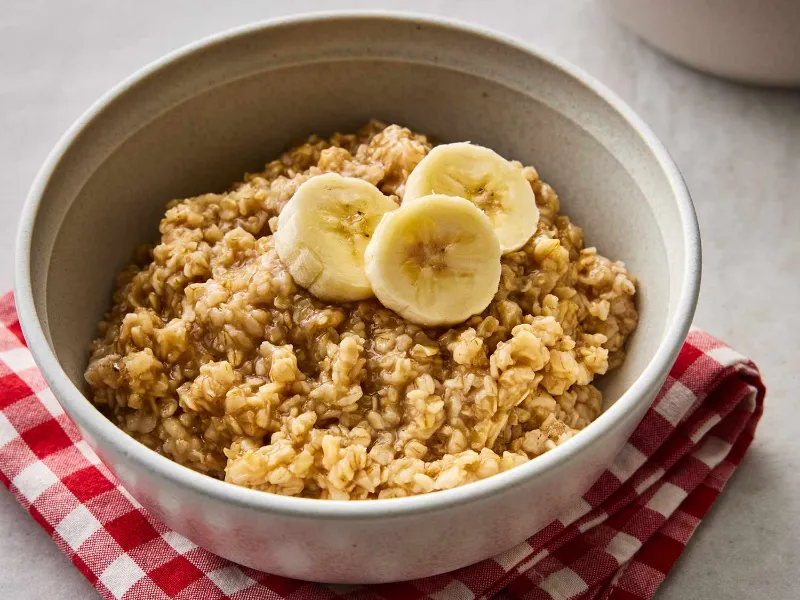
Oats are one of the most well-researched cholesterol-lowering foods on the planet. They contain a powerful soluble fiber called beta-glucan, which forms a thick gel in your digestive tract and literally traps cholesterol before it can enter your bloodstream. Studies published in the American Journal of Clinical Nutrition show that just 3 grams of oat beta-glucan daily can reduce LDL cholesterol by 5 to 10 percent.
The magic doesn’t stop there. Beta-glucan also feeds the good bacteria in your gut, which further supports heart health over time. It’s a two-for-one win you won’t find in most supplements.
Start your morning with a bowl of steel-cut or rolled oats topped with berries and a sprinkle of flaxseeds. Skip the instant flavored packets — they’re loaded with sugar. Plain oats with real toppings are where all the benefits live.
2. Avocado
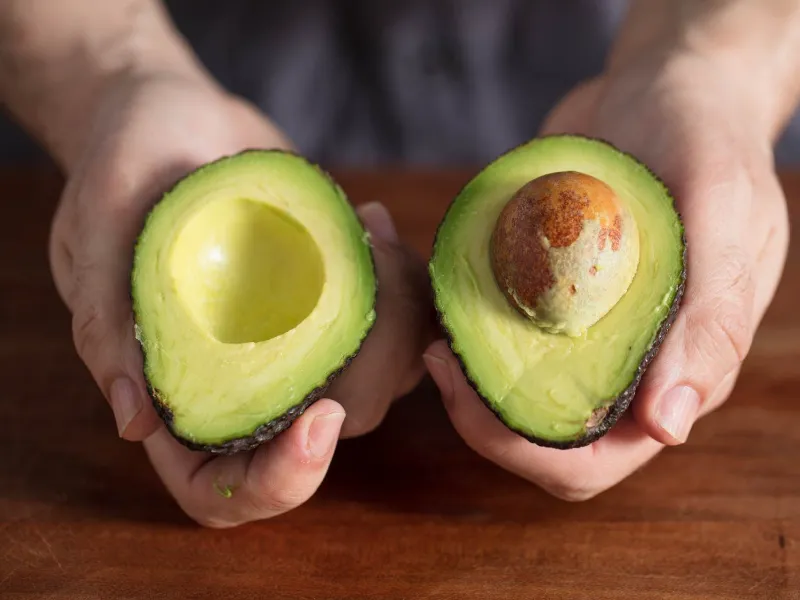
Avocados have gone from trendy brunch food to legitimate heart health superstar. They’re packed with monounsaturated fats, specifically oleic acid, the same fat found in olive oil. Research from Penn State University found that eating one avocado a day on a moderate-fat diet significantly lowered LDL cholesterol compared to diets without avocado.
They also deliver a solid dose of fiber, potassium, and antioxidants like lutein, all of which support cardiovascular function. Avocados genuinely check a lot of boxes at once.
Slice one onto salads, mash it onto whole grain toast, or blend it into smoothies for a creamy texture. Don’t be scared of the fat content — these are the good fats your heart is craving.
3. Salmon
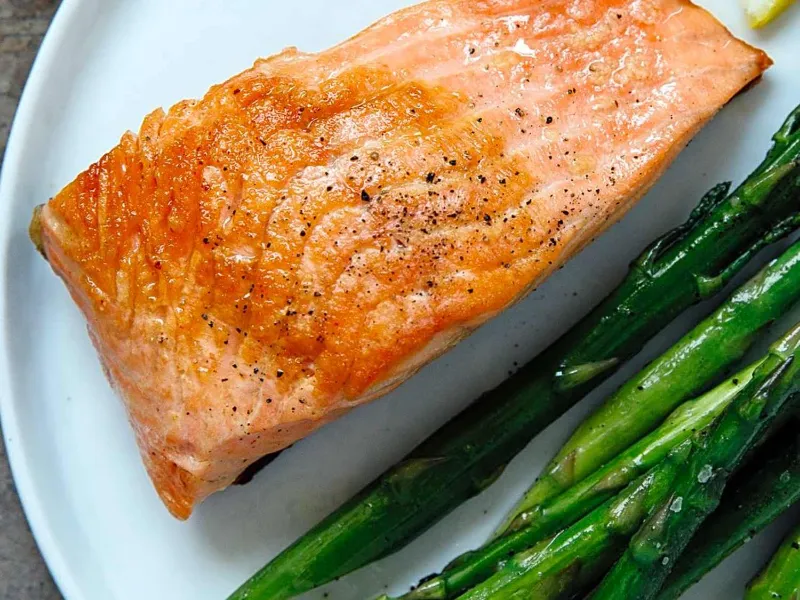
Salmon is loaded with omega-3 fatty acids, specifically EPA and DHA, which are among the most powerful anti-inflammatory compounds found in food. These healthy fats don’t just lower triglycerides, they also raise HDL cholesterol and reduce the stiffness in your artery walls. The American Heart Association recommends eating fatty fish like salmon at least twice a week for cardiovascular protection.
Wild-caught salmon tends to have a higher omega-3 profile than farmed varieties. Either way, you’re doing your heart a serious favor every time it’s on your plate.
Grill it, bake it, or pan-sear it with lemon and herbs. Even canned salmon works beautifully in salads or patties, making it an easy weeknight option no matter how busy your schedule gets.
4. Walnuts
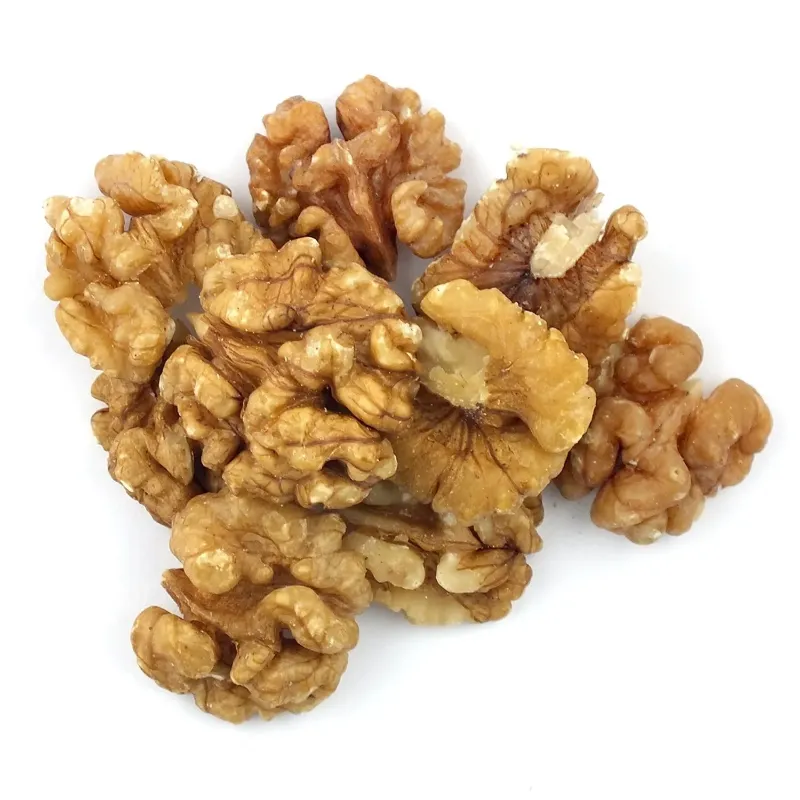
Walnuts are one of the only plant-based foods that provide a meaningful amount of ALA omega-3 fatty acids. A landmark study from the New England Journal of Medicine found that people who ate a handful of walnuts daily had significantly lower LDL cholesterol and improved overall heart health markers. That’s just one small handful making a measurable difference.
They’re also rich in magnesium, copper, and plant sterols, all of which work together to keep your arterial walls flexible and clear. Think of walnuts as a full cardiovascular support package in a tiny shell.
Toss them into oatmeal, yogurt, or salads. Keep a small bag at your desk for snacking. The goal is about one ounce per day, which is roughly a small fistful.
5. Olive Oil
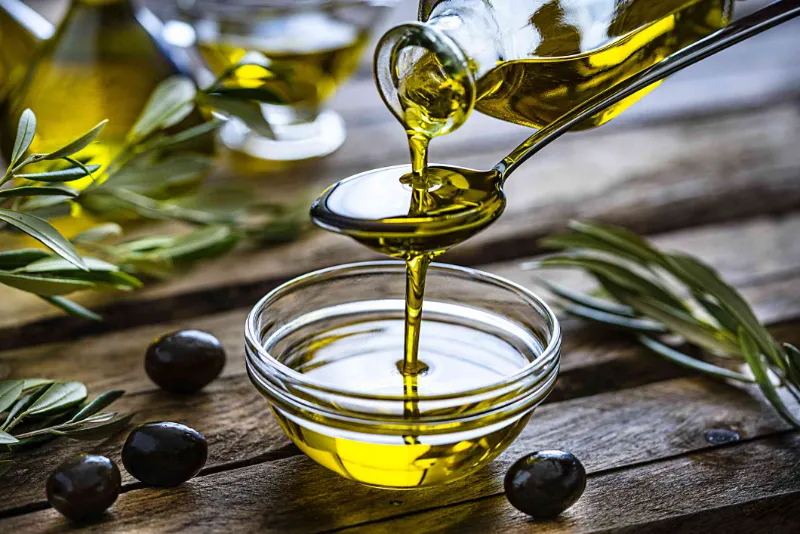
Extra virgin olive oil is the cornerstone of the Mediterranean diet, and for very good reason. It’s rich in oleocanthal, a natural anti-inflammatory compound, and oleic acid, which actively reduces LDL oxidation. Oxidized LDL is the particularly dangerous form that sticks to artery walls. A large European study called PREDIMED found that people using olive oil daily had significantly fewer cardiovascular events than those on a low-fat diet.
The key word here is extra virgin. Regular or light olive oil has been processed in ways that strip out many of the beneficial polyphenols. Go for the good stuff and use it generously.
Drizzle it over salads, roast vegetables in it, or use it as a butter substitute on bread. Just make sure you store it away from heat and light to preserve its potency.
6. Flaxseeds
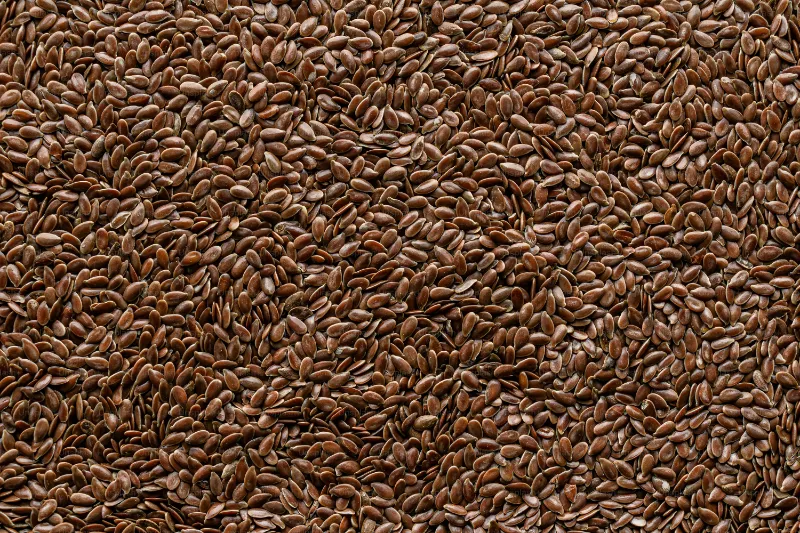
Flaxseeds are a quiet powerhouse that most people overlook entirely. They contain lignans, which are plant compounds that mimic estrogen slightly and have been shown to lower LDL cholesterol. They’re also rich in ALA omega-3s and soluble fiber, giving them a triple action against high cholesterol.
Research published in Nutrition Reviews found that daily flaxseed consumption could lower total cholesterol by up to 6 percent and LDL by up to 8 percent. That’s a serious result from a tiny seed.
Here’s the catch — you need to use ground flaxseeds, not whole ones. Whole seeds pass right through your body without being absorbed. Grind them fresh or buy pre-ground and add a tablespoon to your smoothie, oatmeal, or yogurt every single day.
7. Almonds
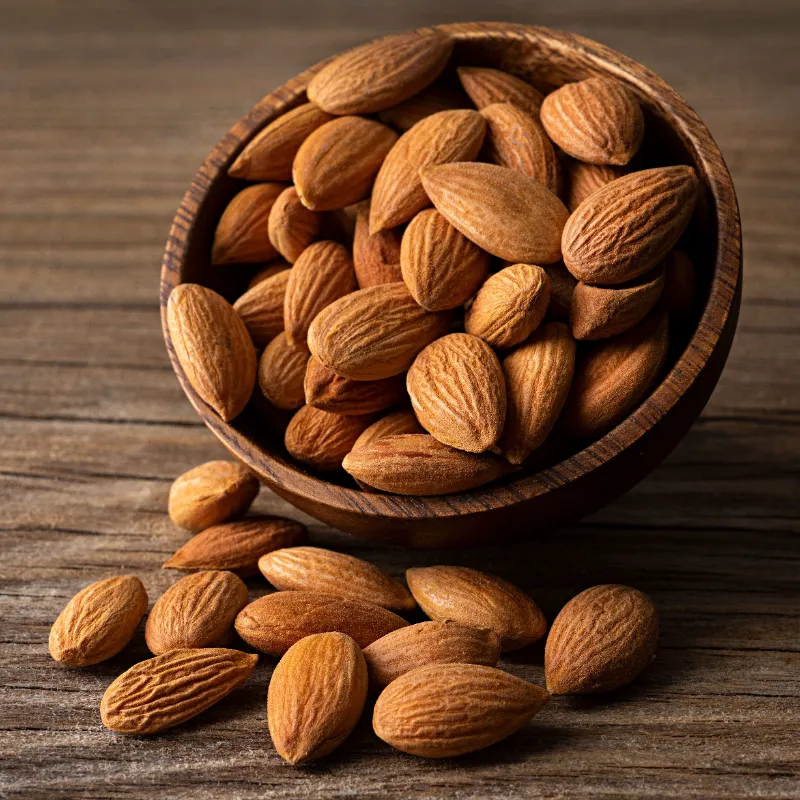
Almonds are one of the most nutritionally dense snacks available, and science backs them up enthusiastically for cholesterol management. They contain high levels of vitamin E, magnesium, and monounsaturated fats, all of which support healthy cholesterol levels. A study in the Journal of Nutrition found that eating 1.5 ounces of almonds daily lowered LDL cholesterol and reduced belly fat, which is a major risk factor for heart disease.
The fiber in almonds also acts like a sponge in your gut, slowing the absorption of dietary cholesterol. It’s a simple snack doing surprisingly complex work inside your body.
Go for raw or dry-roasted almonds without added salt or oil. Almond butter on whole grain toast is another great option. Just watch your portion size — a small handful is genuinely all you need.
8. Blueberries
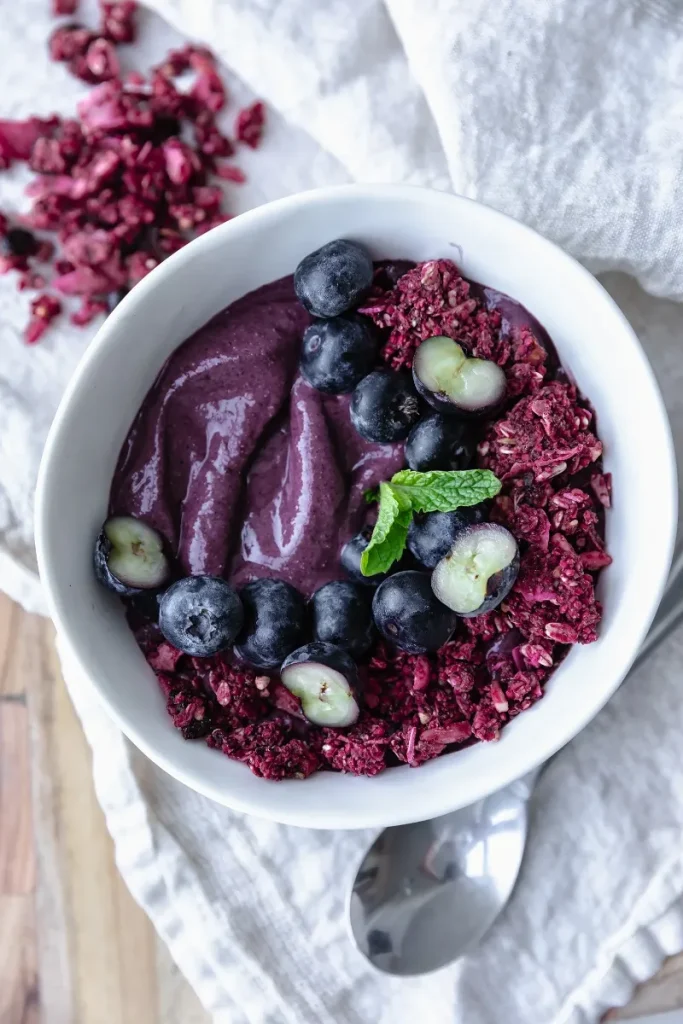
Blueberries might be small, but their impact on cholesterol and heart health is enormous. They’re packed with anthocyanins, the pigments that give them their deep blue color, and these compounds have been shown to increase HDL cholesterol and lower LDL. A study from the University of East Anglia found that eating a cup of blueberries daily for eight weeks significantly improved multiple cardiovascular markers.
They also reduce blood pressure and arterial stiffness, which makes them a true all-around heart health food. Basically, you want these in your life every day.
Fresh or frozen blueberries are equally nutritious, so frozen is a totally valid and budget-friendly option. Stir them into oatmeal, blend them into smoothies, or eat them straight by the handful as a snack.
9. Dark Chocolate
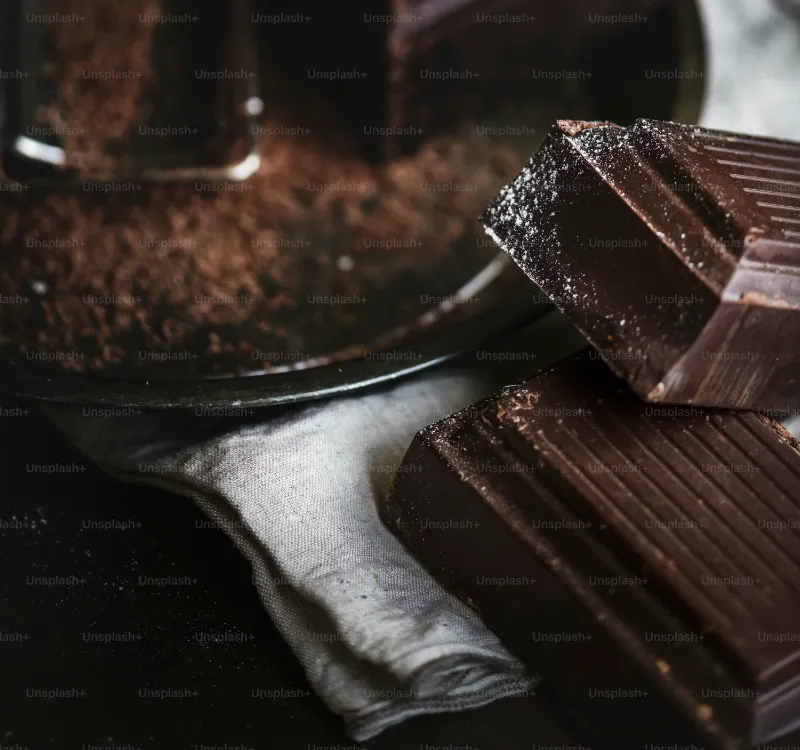
Yes, dark chocolate is on this list, and no, you didn’t misread it. The key is choosing chocolate that’s at least 70 percent cacao. At that level, you’re getting a significant dose of flavanols, which reduce LDL oxidation, lower blood pressure, and improve blood flow. Research published in the European Heart Journal found that small daily amounts of dark chocolate were associated with better cardiovascular outcomes.
The catch is moderation. We’re talking about one or two small squares a day, not half a bar. The sugar content in larger amounts would cancel out the benefits pretty quickly.
Look for dark chocolate bars with minimal ingredients — cacao, cocoa butter, a touch of sugar. The simpler the ingredient list, the better the quality. Enjoy it mindfully as a small daily treat and let the flavanols do their thing.
10. Garlic
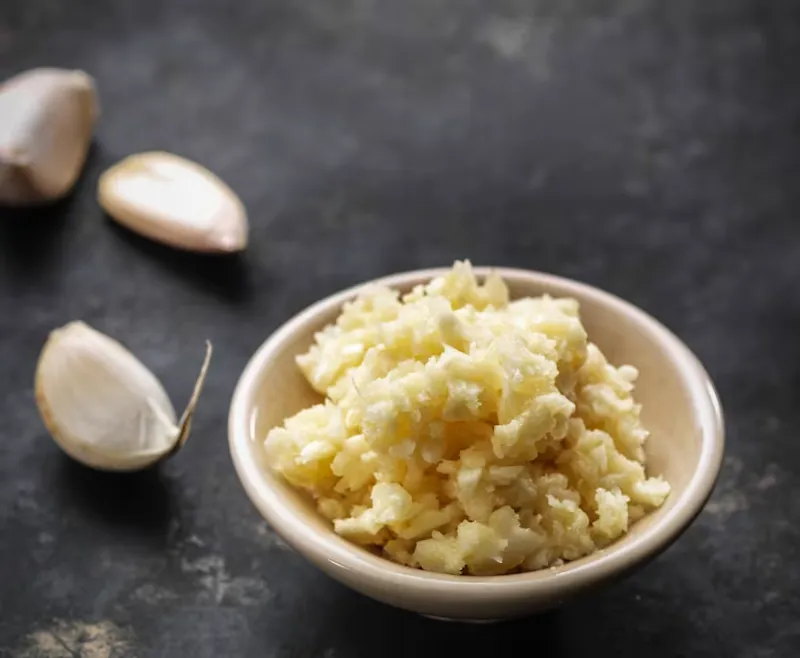
Garlic has been used medicinally for thousands of years, and modern science is finally catching up to what ancient healers already knew. Its active compound, allicin, has been shown in multiple studies to lower total cholesterol and LDL while also reducing blood pressure. A meta-analysis in the Journal of Nutrition found that garlic supplementation produced a statistically significant reduction in total cholesterol levels.
Raw garlic is the most potent form because allicin is released when you crush or chop the clove. Cooking can reduce some of its effectiveness, though aged garlic extract supplements preserve the benefits without the strong breath situation.
Add minced garlic to salad dressings, stir it into soups and sauces, or blend it into hummus. Even roasted garlic, while milder, still delivers meaningful heart health benefits over time.
11. Beans
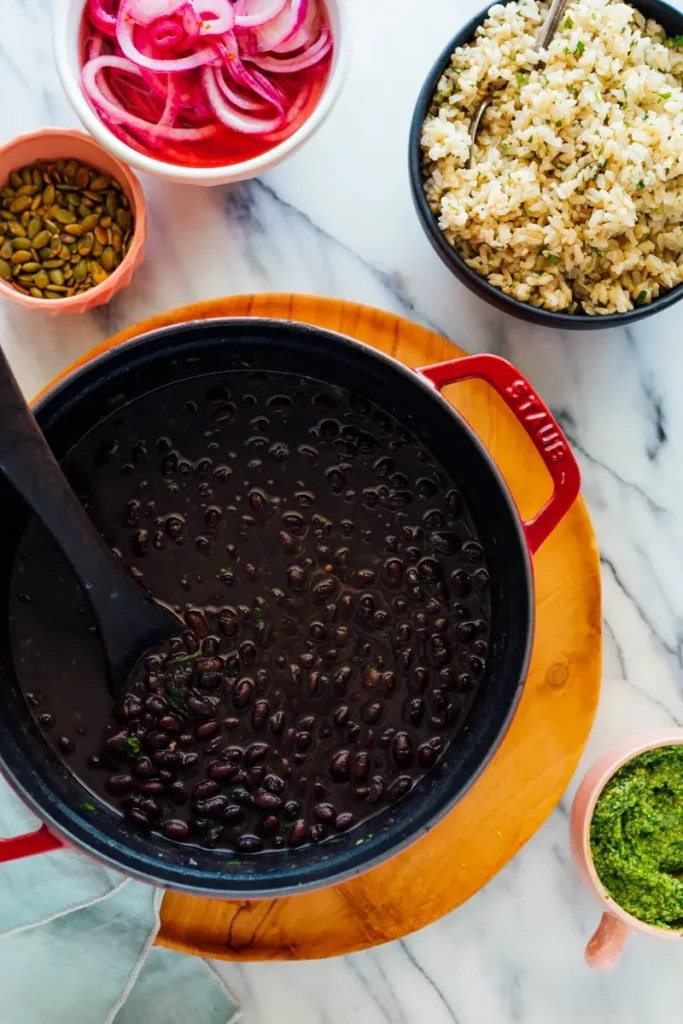
Black beans, kidney beans, chickpeas — whatever your favorite variety is, beans are one of the most underrated cholesterol-fighting foods in the entire grocery store. They’re loaded with soluble fiber that binds to cholesterol in the digestive system and removes it from the body before it ever reaches your bloodstream. A Canadian review found that eating one serving of legumes per day lowered LDL cholesterol by nearly 5 percent on its own.
Beans are also high in plant-based protein and resistant starch, which feeds beneficial gut bacteria and supports metabolic health long-term. They’re genuinely one of the best foods you can eat for nearly every aspect of health.
Add them to soups, salads, tacos, or grain bowls. Even canned beans work perfectly — just rinse them well to reduce sodium. Aim for at least three or four servings per week and work up from there.
12. Lentils
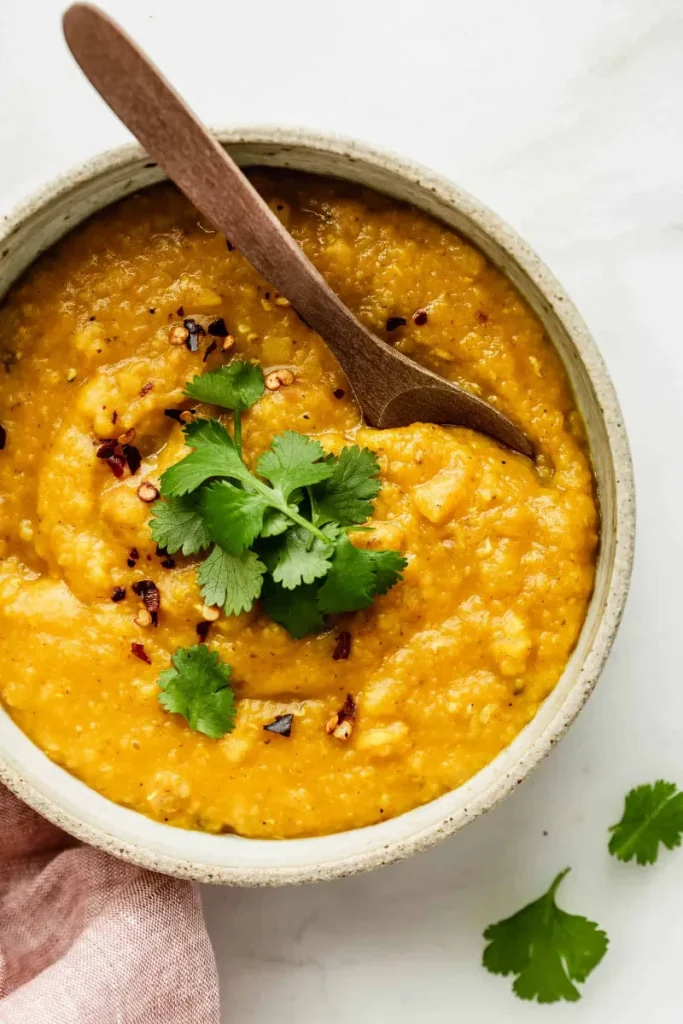
Lentils are beans’ slightly nerdier cousin, and they deserve far more attention than they get. They cook faster than dried beans, don’t require soaking, and deliver a massive hit of soluble fiber, plant protein, and folate in every serving. Folate is particularly important here because it helps lower homocysteine, an amino acid linked to increased cardiovascular risk when elevated.
Studies have consistently shown that regular lentil consumption reduces LDL cholesterol and improves the overall cholesterol-to-HDL ratio. That ratio matters a lot to your cardiologist.
Red lentils cook down into a creamy texture perfect for soups and curries. Green and brown lentils hold their shape better for salads and grain bowls. Either way, you’re doing your heart a big favor every time they’re on the menu.
13. Apples
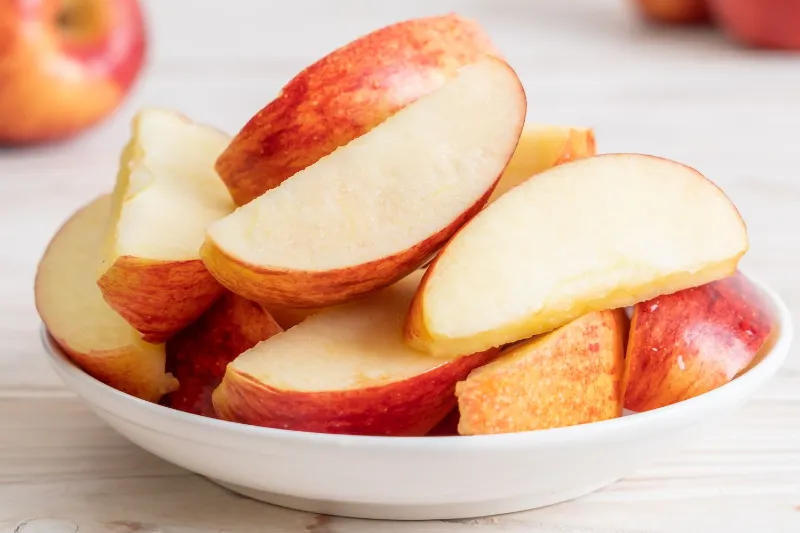
You’ve heard the saying, and it turns out there’s real science behind it. Apples are rich in pectin, a type of soluble fiber that lowers LDL cholesterol by binding to it in the gut. They’re also loaded with polyphenols, including quercetin and catechins, which reduce inflammation and prevent LDL from oxidizing in the arteries.
Research from Ohio State University found that eating one apple a day for four weeks lowered LDL cholesterol by 40 percent in healthy middle-aged adults. That’s a remarkable result from one piece of fruit.
Eat them with the skin on, because that’s where a significant amount of the fiber and polyphenols live. Pair an apple with almond butter for a snack that also delivers healthy fats and protein alongside all those cholesterol-lowering benefits.
14. Spinach
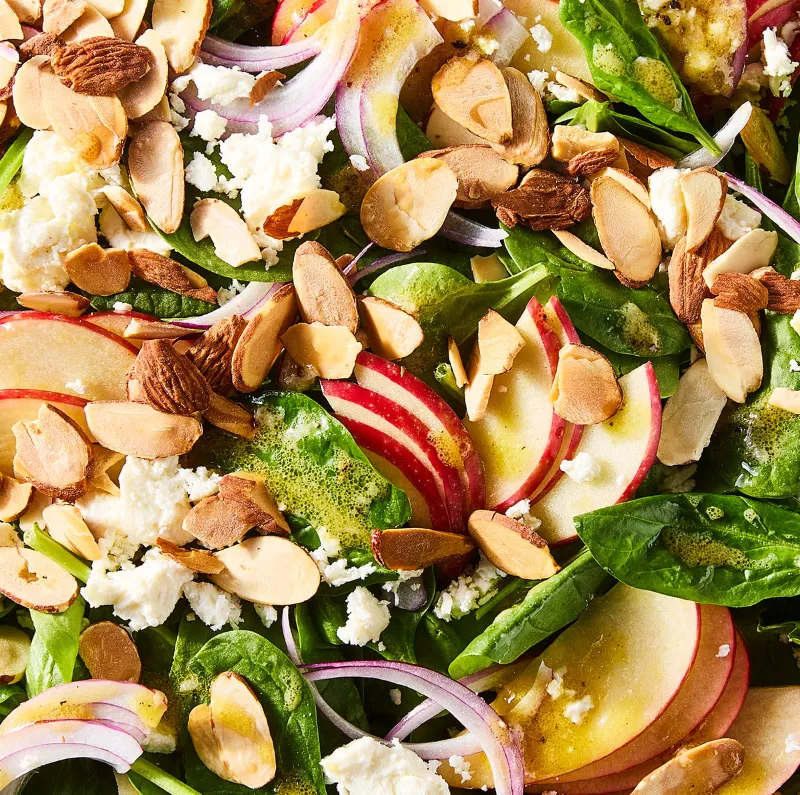
Spinach is a nutritional force of nature, and one of its lesser-known benefits is its impact on cholesterol. It contains lutein, a carotenoid that studies suggest helps prevent LDL cholesterol from sticking to artery walls. It’s also rich in plant sterols, which block cholesterol absorption in the digestive tract, and magnesium, which supports overall heart rhythm and function.
The fiber in spinach contributes to gut health and further supports cholesterol metabolism. It’s not as flashy as some other superfoods, but spinach consistently delivers across multiple health markers.
Raw spinach in salads is great, but cooked spinach is actually easier for your body to extract certain nutrients from. Sauté it in olive oil with garlic, blend it into smoothies, or stir it into eggs and soups. It’s one of the easiest greens to sneak into almost any meal.
15. Chia Seeds
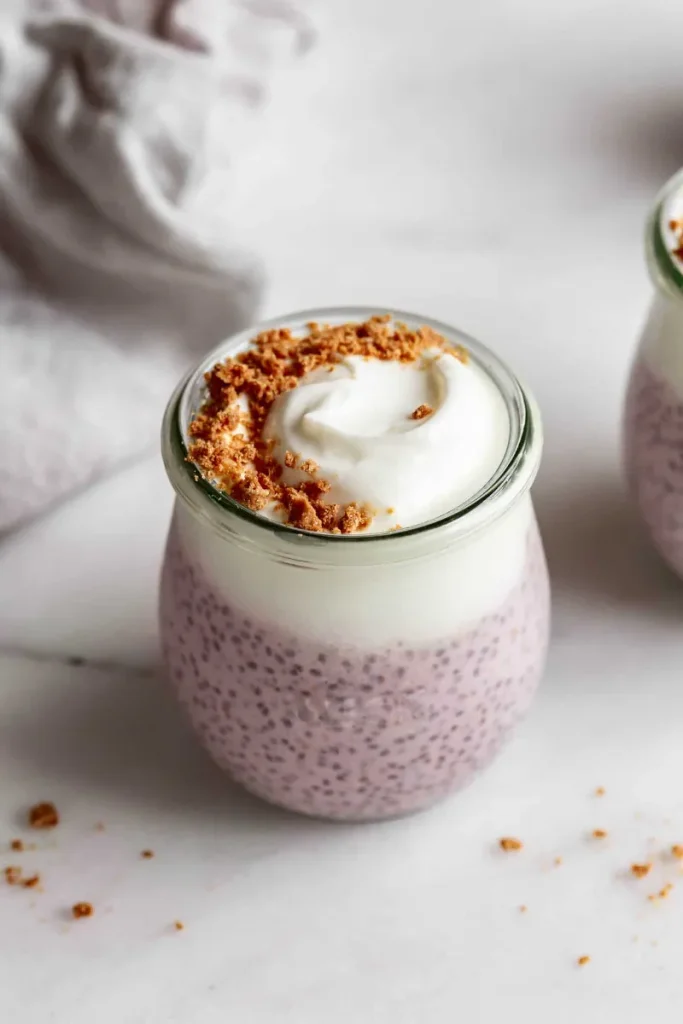
Chia seeds are basically a cholesterol-lowering delivery system disguised as a tiny black dot. They’re exceptional sources of ALA omega-3 fatty acids, soluble fiber, and plant sterols. When chia seeds absorb liquid, they form a gel — and that gel works in your gut the same way oat beta-glucan does, trapping cholesterol and escorting it out before it can be absorbed.
A study published in Plant Foods for Human Nutrition found that regular chia seed consumption reduced LDL cholesterol and triglycerides while raising HDL levels. It’s a solid trifecta.
Add a tablespoon or two to smoothies, overnight oats, or yogurt. You can also make chia pudding by soaking them in almond or oat milk overnight. No cooking required, which makes them one of the easiest healthy additions to any daily routine.
16. Green Tea
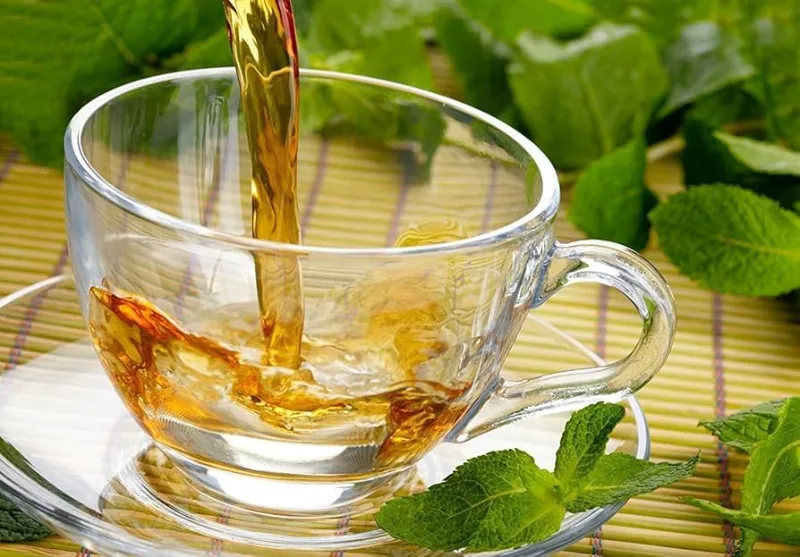
Green tea has been a cornerstone of traditional Asian medicine for centuries, and the research backs up the hype convincingly. It contains catechins, particularly EGCG (epigallocatechin gallate), which is one of the most studied antioxidants in existence. A meta-analysis of 14 trials found that green tea supplementation significantly reduced both total and LDL cholesterol levels across all study groups.
Catechins reduce cholesterol absorption in the gut and also help prevent LDL oxidation, which is the step that turns cholesterol from a passenger into a problem. Drinking two to three cups a day appears to be the sweet spot for cardiovascular benefits.
Go for loose-leaf or high-quality bagged green tea rather than bottled versions, which are often loaded with added sugar. Matcha powder is an even more concentrated source of catechins if you want to kick things up a notch.
17. Barley
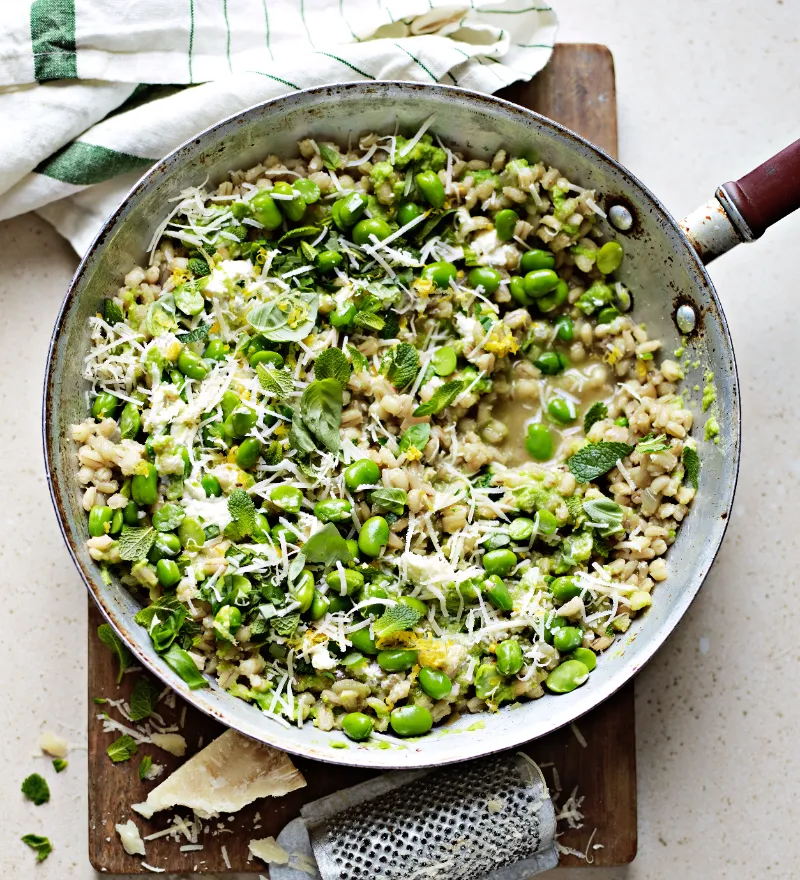
Barley is one of the most overlooked grains in American kitchens, and that’s a genuine shame. Like oats, it’s rich in beta-glucan soluble fiber, and the FDA has actually approved a health claim for barley’s cholesterol-lowering ability. Studies show that consuming 3 grams of barley beta-glucan daily can reduce LDL cholesterol by up to 10 percent.
Barley also has a lower glycemic index than most other grains, which means it won’t spike your blood sugar the way white rice or refined pasta can. That’s a bonus for overall metabolic health, which is tightly connected to cholesterol management.
Use pearl barley in soups and stews, or cook it as a base for grain bowls the way you would rice or quinoa. It has a pleasantly chewy texture and mild, slightly nutty flavor that pairs well with roasted vegetables and savory proteins.
18. Sweet Potatoes
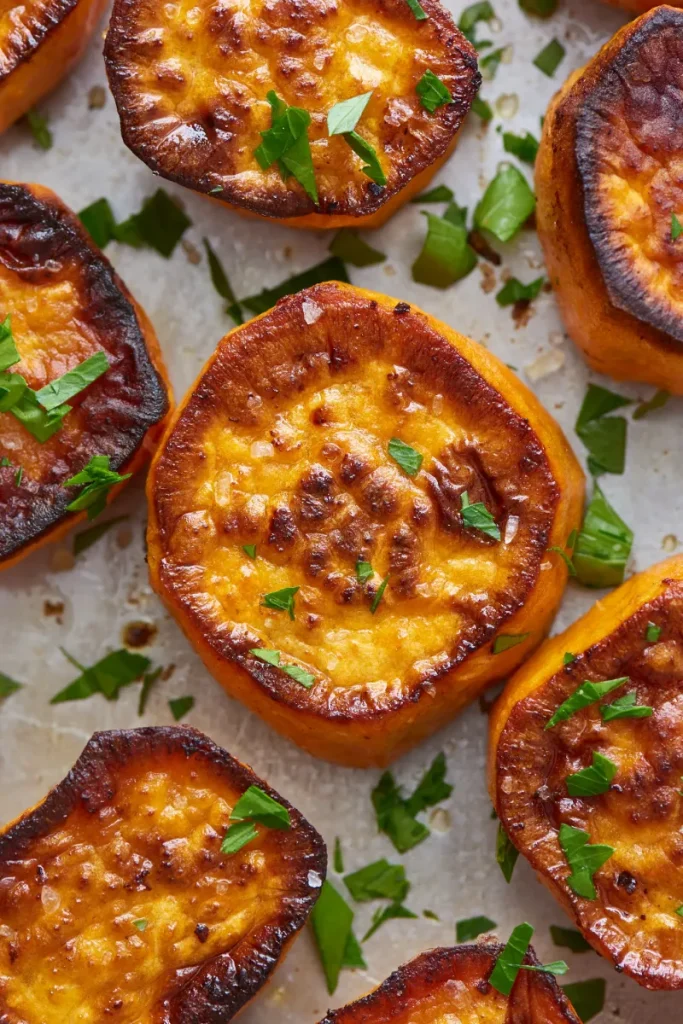
Sweet potatoes are a cholesterol-management dream in a naturally sweet, satisfying package. They’re high in soluble fiber, which helps remove excess cholesterol from the body, and rich in beta-carotene, an antioxidant that reduces LDL oxidation. They also contain potassium, which helps regulate blood pressure alongside cholesterol management for comprehensive heart support.
The fiber content slows digestion, which stabilizes blood sugar and prevents the insulin spikes that can indirectly worsen cholesterol profiles over time. That makes sweet potatoes a genuinely smart carbohydrate choice.
Bake them whole, roast them in wedges, or mash them as a side dish. Skip the marshmallow topping (save that for holidays) and instead season them with cinnamon, a drizzle of olive oil, or a little garlic and herbs for a savory spin.
19. Oranges
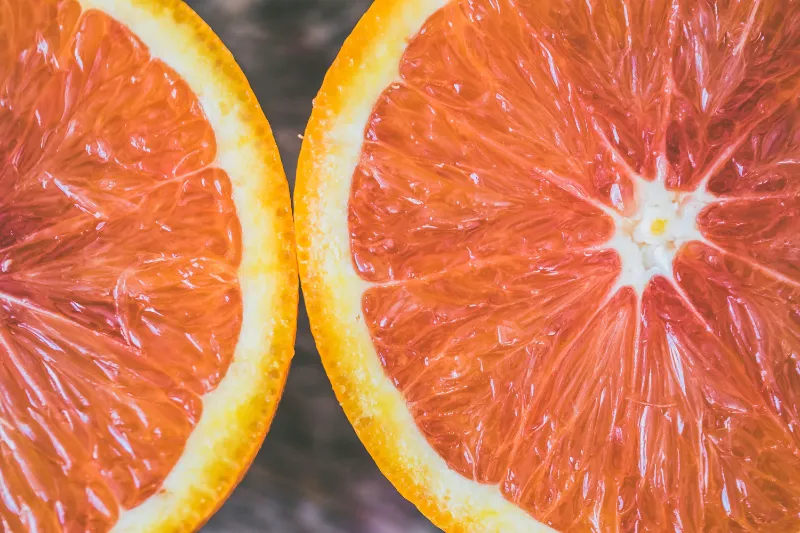
Oranges offer more than just vitamin C. They contain pectin (the same soluble fiber found in apples), flavonoids like hesperidin, and plant sterols, all of which team up to lower LDL cholesterol. Research published in the American Journal of Clinical Nutrition found that drinking orange juice daily raised HDL cholesterol and improved the LDL-to-HDL ratio significantly after just four weeks.
Hesperidin in particular has been shown to reduce arterial inflammation and improve blood vessel flexibility, both of which matter a lot for long-term heart health.
Eat the whole fruit rather than just drinking the juice — the fiber in the pulp and pith is where a lot of the cholesterol-lowering power lives. Orange slices, zest on oatmeal, or sections added to salads are all fantastic ways to get more into your daily diet.
20. Broccoli
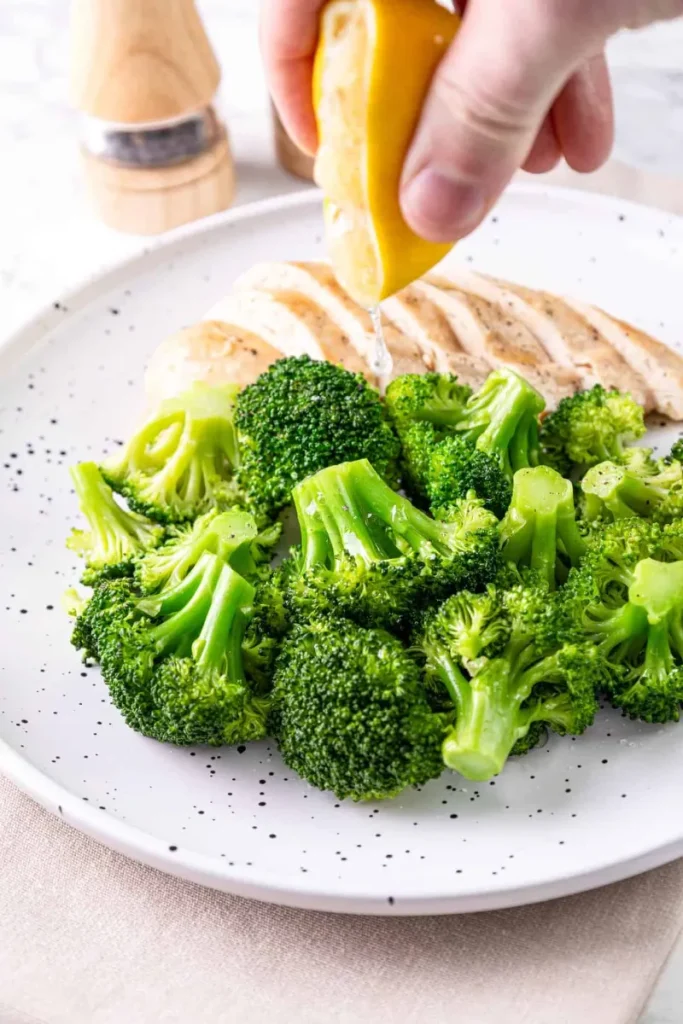
Broccoli punches way above its weight class when it comes to cholesterol management. It’s rich in soluble fiber, particularly a compound called glucoraphanin, which converts to sulforaphane in the body. Sulforaphane activates a cellular pathway that reduces cholesterol synthesis in the liver. It’s essentially telling your body to make less of the stuff, not just flush out what you’ve already eaten.
Broccoli also delivers vitamin K, folate, and a notable amount of plant sterols. Steamed broccoli retains more of its cholesterol-lowering compounds than boiled broccoli, which tends to leach them into the water.
Roast it in olive oil for crispy edges, steam it lightly as a side, or chop it raw into salads and grain bowls. Eating it consistently a few times a week is where the real benefits accumulate.
21. Psyllium Husk
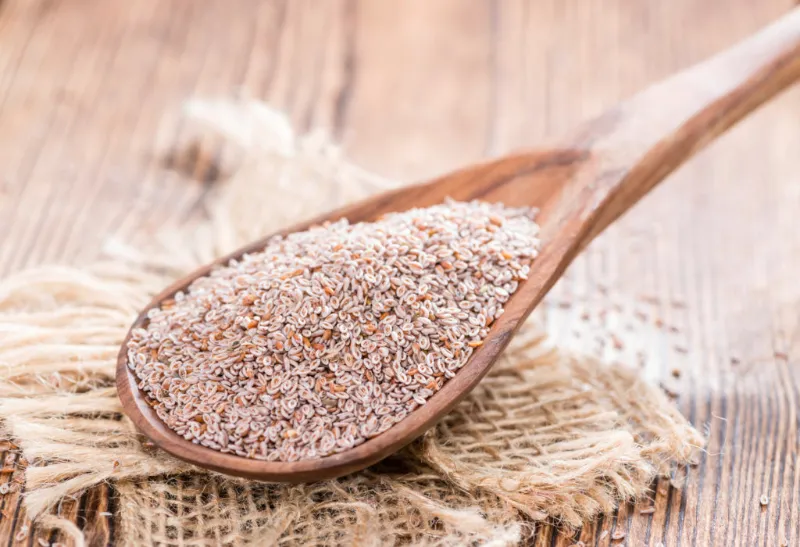
Psyllium husk might not be glamorous, but it’s one of the most effective cholesterol-lowering tools available without a prescription. It’s nearly pure soluble fiber, and the FDA has approved a health claim recognizing its role in reducing the risk of heart disease. Multiple clinical trials have confirmed that 7 to 10 grams of psyllium husk daily can lower LDL cholesterol by 7 to 10 percent.
It works by forming a thick gel in the gut that binds to bile acids, which are made from cholesterol. Your liver then has to pull more cholesterol from the blood to make new bile acids, effectively lowering circulating LDL levels.
Mix psyllium husk powder into a large glass of water and drink it immediately before it gels too much. You can also add it to smoothies or stir it into oatmeal. Start with a small dose and increase gradually to avoid digestive discomfort.
22. Edamame
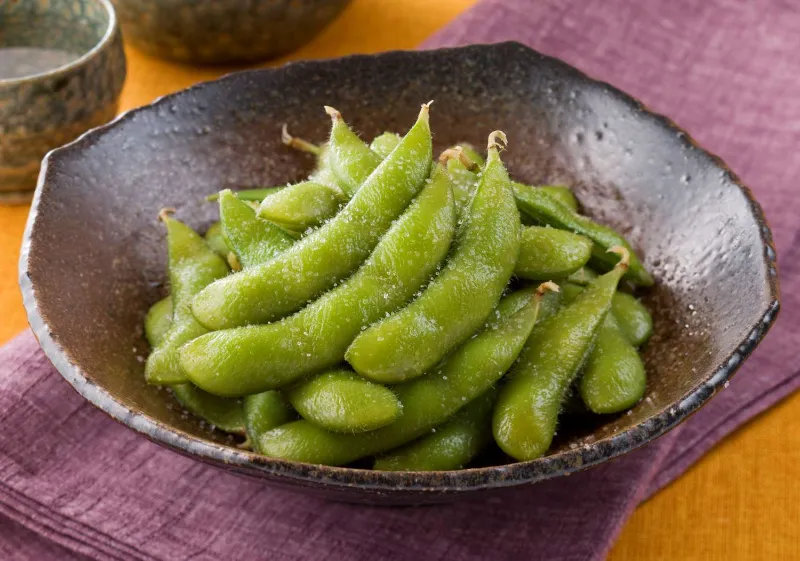
Edamame, which is just young soybeans, is a genuinely powerful cholesterol-lowering food that also happens to taste amazing. Soy protein has been shown in research to reduce LDL cholesterol, and the FDA allows a health claim on soy products for this reason. Edamame specifically delivers soy protein, fiber, and isoflavones — plant compounds that mimic estrogen slightly and have additional heart-protective effects.
A 2015 review in the Journal of the American Heart Association confirmed that soy protein consistently reduces LDL cholesterol by a meaningful amount when consumed regularly. The isoflavones add anti-inflammatory benefits on top of that.
Order it as an appetizer next time you’re at a Japanese restaurant, or buy it frozen and steam it at home in minutes. Sprinkle it with a little sea salt and you have one of the most effortless heart-healthy snacks available anywhere.
23. Tomatoes
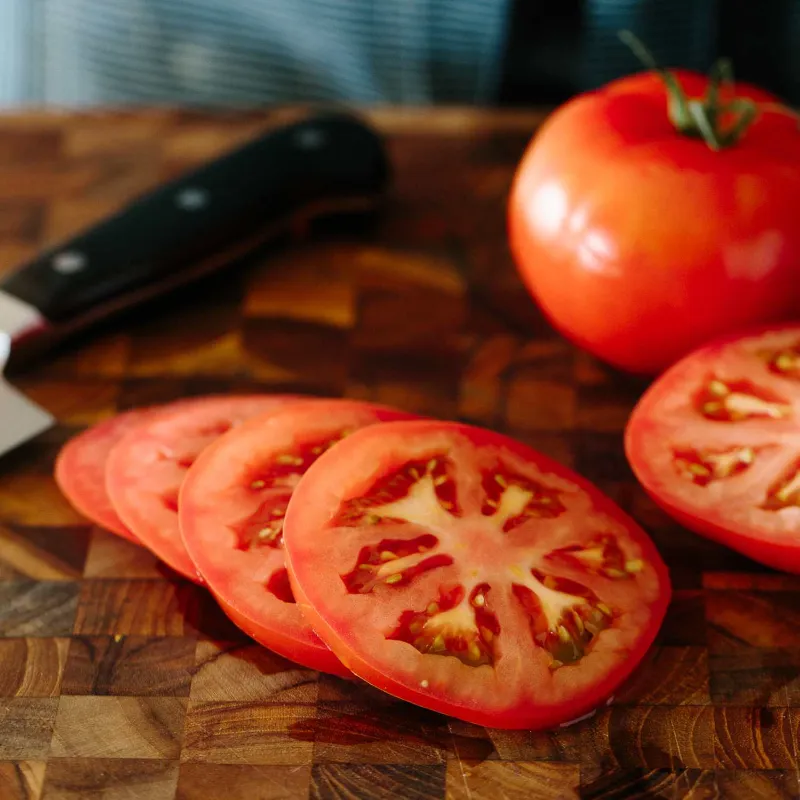
Tomatoes are a rich source of lycopene, a carotenoid antioxidant that gives them their red color and delivers remarkable cardiovascular benefits. Research shows lycopene specifically targets LDL cholesterol oxidation, which is the process that makes cholesterol dangerous to artery walls. A meta-analysis published in Maturitas found that lycopene supplementation significantly reduced LDL cholesterol and blood pressure simultaneously.
Here’s the interesting twist — cooked tomatoes actually have more bioavailable lycopene than raw ones. The heat breaks down the cell walls and releases more of the compound. Cooking them in olive oil increases absorption even further because lycopene is fat-soluble.
Tomato sauce, roasted tomatoes, and tomato soup are all fantastic options. Even ketchup has some lycopene, though the added sugar makes it a less ideal choice than whole tomato products.
24. Pomegranate
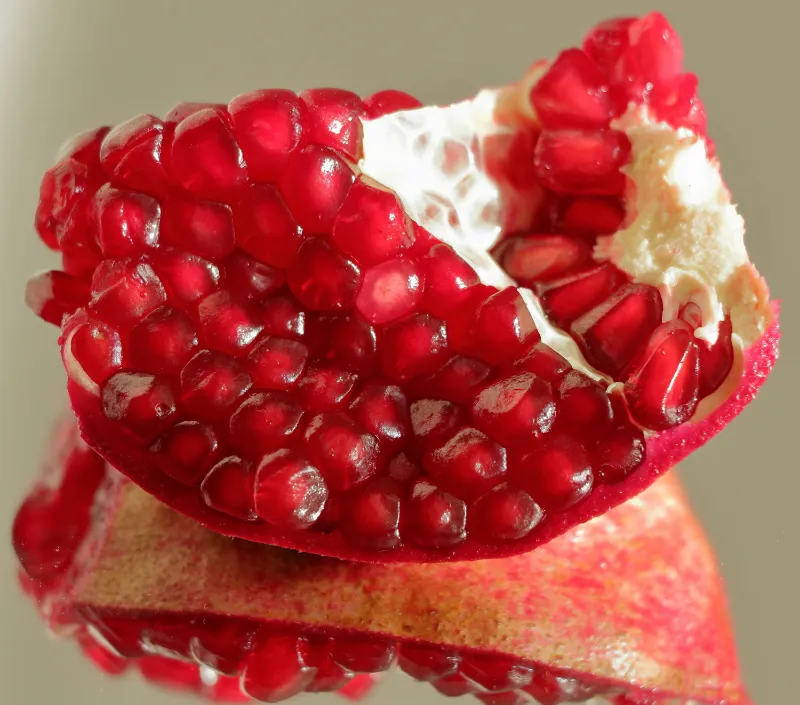
Pomegranate is a cardiovascular powerhouse that most people think of as just a pretty fruit. It contains the highest antioxidant content of almost any food tested, including compounds called punicalagins and ellagic acid. Studies show pomegranate juice reduces LDL oxidation by up to 90 percent, significantly slows the buildup of arterial plaque, and reduces systolic blood pressure.
A three-year clinical study found that patients who drank pomegranate juice daily had a 30 percent reduction in arterial plaque buildup compared to the control group. That’s not a small number.
Sprinkle pomegranate seeds onto salads and yogurt, or drink a small amount of pure, unsweetened pomegranate juice daily. The seeds themselves are excellent because you also get dietary fiber along with all those antioxidants.
25. Turmeric
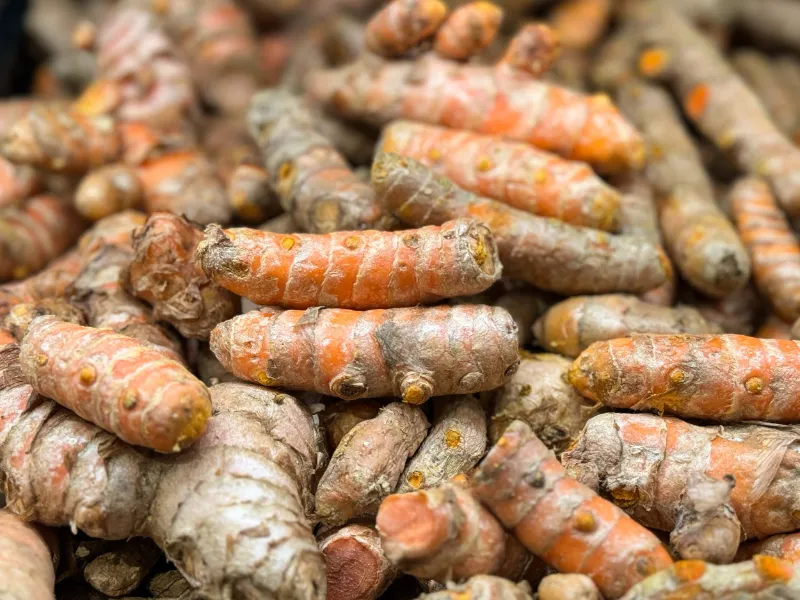
Turmeric’s active compound, curcumin, has been studied extensively for its anti-inflammatory and cholesterol-modifying effects. Research shows curcumin lowers LDL cholesterol, reduces triglycerides, and increases HDL cholesterol, hitting all three targets at once. It also inhibits the oxidation of LDL in the arteries, which is the critical step in plaque formation.
The challenge with turmeric is absorption. Curcumin has poor bioavailability on its own, but combining it with black pepper increases absorption by up to 2,000 percent due to a compound in black pepper called piperine.
Add turmeric and black pepper together to soups, curries, rice dishes, and golden milk lattes. Turmeric supplements with added piperine are another option for getting a more concentrated dose if you’re not a big fan of the flavor.
26. Sunflower Seeds
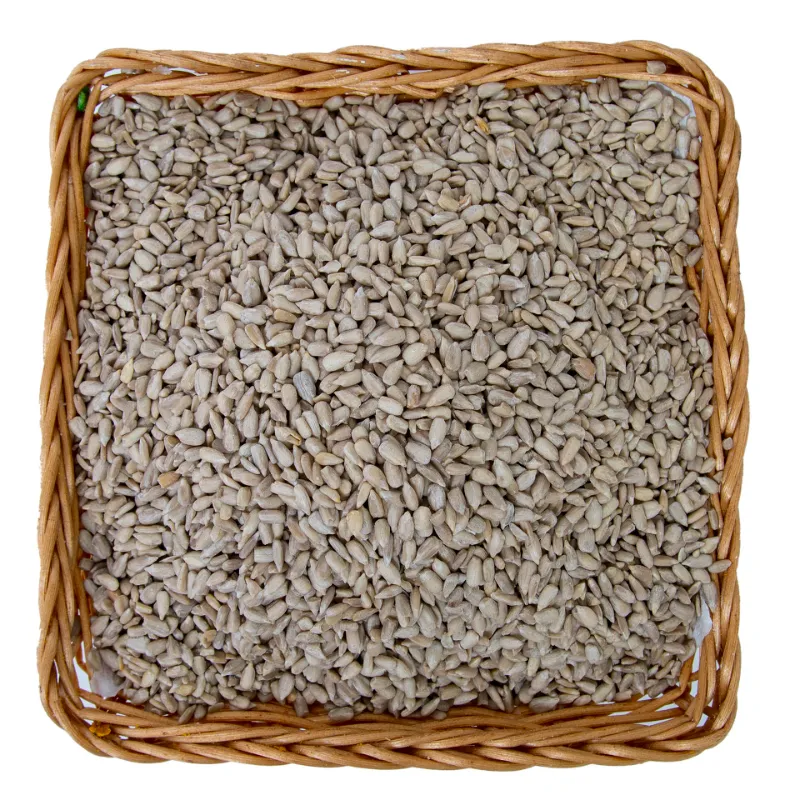
Sunflower seeds are one of the richest plant sources of vitamin E, a fat-soluble antioxidant that plays a direct role in preventing LDL cholesterol oxidation. They’re also high in phytosterols, plant compounds that structurally resemble cholesterol and compete with it for absorption in the gut. Research shows phytosterols can reduce LDL cholesterol by 5 to 14 percent when consumed regularly.
The healthy fats in sunflower seeds, primarily linoleic acid, also support a favorable cholesterol balance when they replace saturated fats in the diet. That substitution effect is actually one of the most well-supported strategies in dietary heart health research.
Snack on a small handful of raw or dry-roasted, unsalted sunflower seeds. Sprinkle them on salads, oatmeal, or yogurt for a satisfying crunch. Sunflower butter is also a great option if you’re looking for a peanut butter alternative.
27. Pears
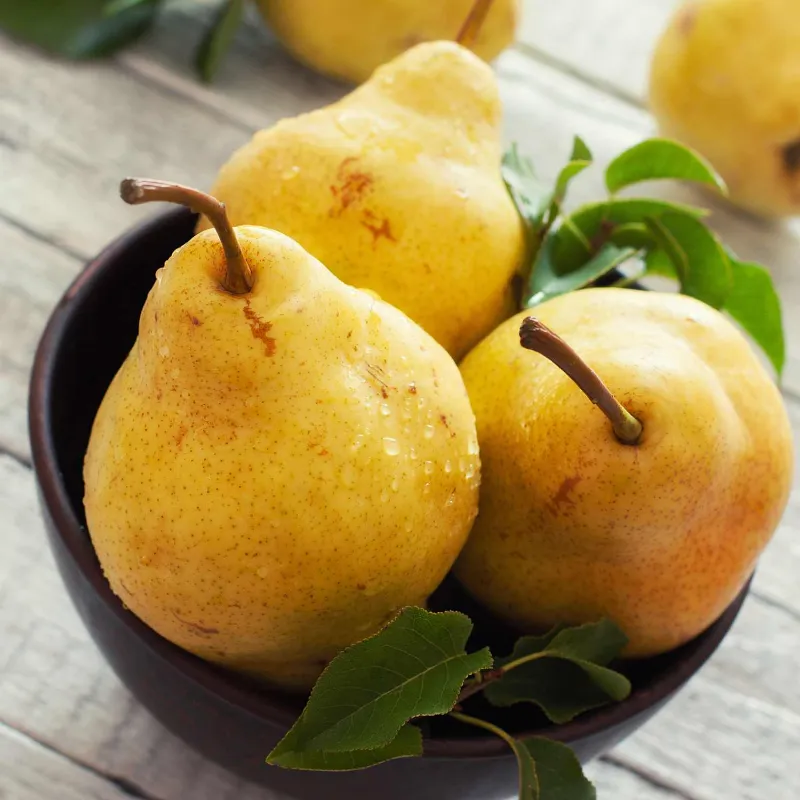
Pears don’t get nearly enough credit in the heart health conversation, and they absolutely deserve a spot at the table. They’re one of the highest-fiber fruits available, with a medium pear delivering about 5.5 grams of total fiber, including a meaningful dose of pectin. That soluble pectin works the same way it does in apples — binding to cholesterol in the digestive tract and removing it from the body.
Pears also contain chlorogenic acid, an antioxidant linked to reduced cardiovascular inflammation and lower LDL cholesterol levels in observational studies. They’re a genuinely underrated fruit.
Eat them fresh as a snack, slice them into oatmeal, or add them to salads with walnuts and a light vinaigrette. Keep the skin on for maximum fiber benefit.
28. Artichokes
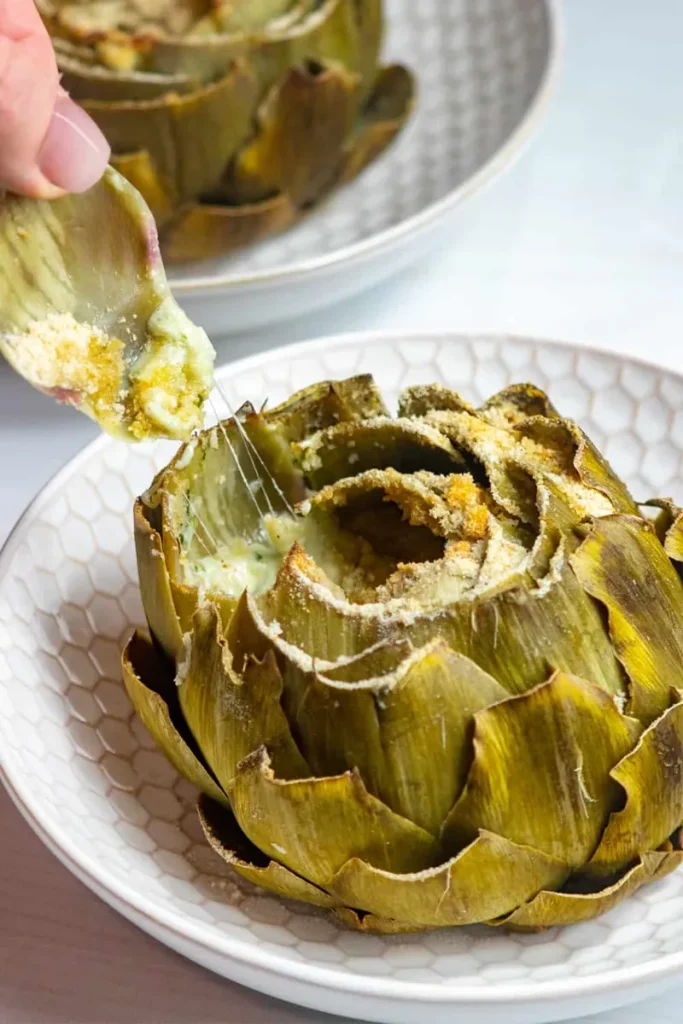
Artichokes contain a flavonoid called luteolin and a compound called cynarin, both of which have been shown to stimulate bile production in the liver. More bile production means more cholesterol is used up to make that bile, which directly lowers circulating LDL levels. A European review found that artichoke leaf extract significantly reduced total and LDL cholesterol in patients with high baseline levels.
They’re also rich in prebiotic fiber, which feeds the beneficial bacteria in your gut that are increasingly recognized as players in cholesterol metabolism. Your gut health and your heart health are more connected than most people realize.
Roasted or steamed artichoke hearts are delicious and easy. Canned artichoke hearts packed in water work perfectly in salads, pasta, and dips. Artichoke leaf extract supplements are also available if you want a more concentrated approach.
29. Fenugreek
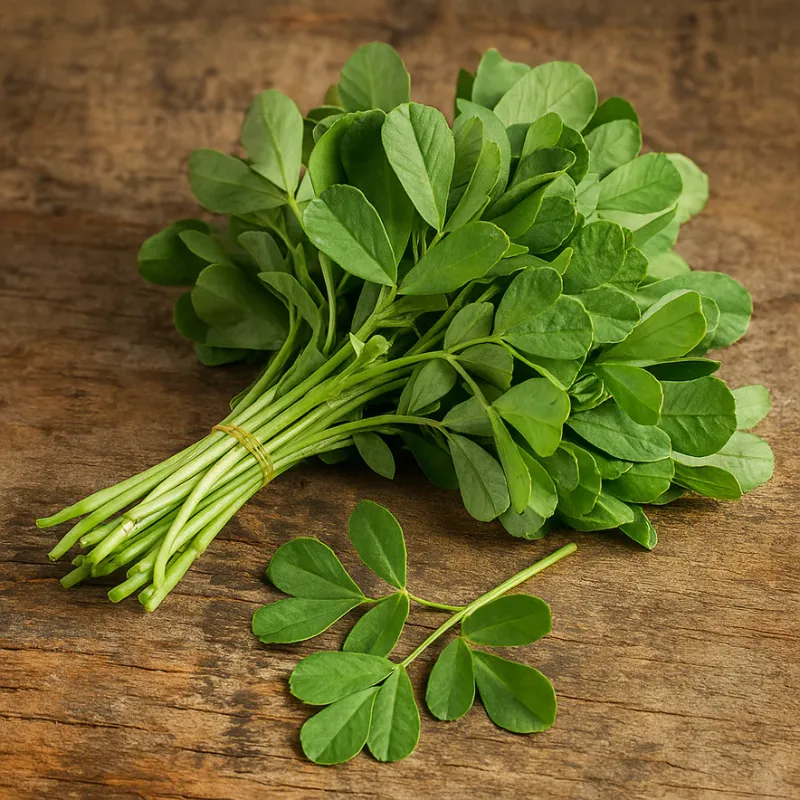
Fenugreek is an underused seed with impressive cholesterol-lowering credentials. Its seeds contain a rare soluble fiber called galactomannan, which slows the absorption of cholesterol and fats in the small intestine. Multiple human trials have shown that consuming fenugreek seeds or supplements daily can lower LDL cholesterol by 10 to 25 percent, which is genuinely significant.
Fenugreek also contains saponins, compounds that bind to cholesterol in the gut and block its absorption in a mechanism similar to bile acid sequestrants — a class of prescription cholesterol medications.
You can soak fenugreek seeds overnight and eat them in the morning, add fenugreek powder to curries and soups, or brew it as an herbal tea. The flavor is slightly bitter and maple-like. It’s an acquired taste, but the health payoff makes it well worth exploring.
30. Shiitake Mushrooms
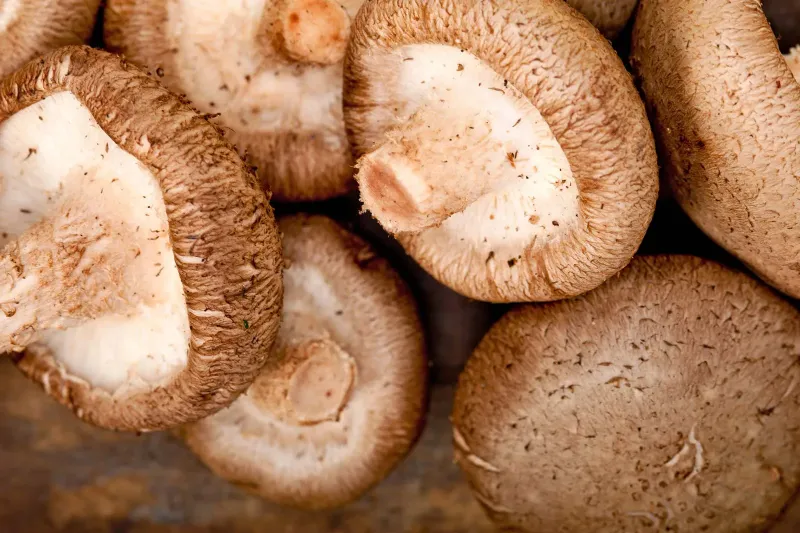
Shiitake mushrooms contain eritadenine, a unique compound found almost nowhere else in the food supply that actively lowers cholesterol by inhibiting its synthesis in the liver. They’re also a source of beta-glucans, the same type of cholesterol-lowering fiber found in oats and barley, making them doubly effective. Animal and human studies have both confirmed meaningful reductions in LDL cholesterol with regular shiitake consumption.
Beyond cholesterol, shiitakes are rich in copper, selenium, and B vitamins, which support a wide range of cardiovascular and metabolic functions. They’re one of the few plant foods that genuinely feel substantial and meaty.
Sauté shiitake mushrooms in olive oil and garlic as a side dish, add them to stir-fries, soups, and grain bowls, or use them to bulk up pasta sauces. They absorb flavors beautifully and transform any savory dish.
31. Brussels Sprouts
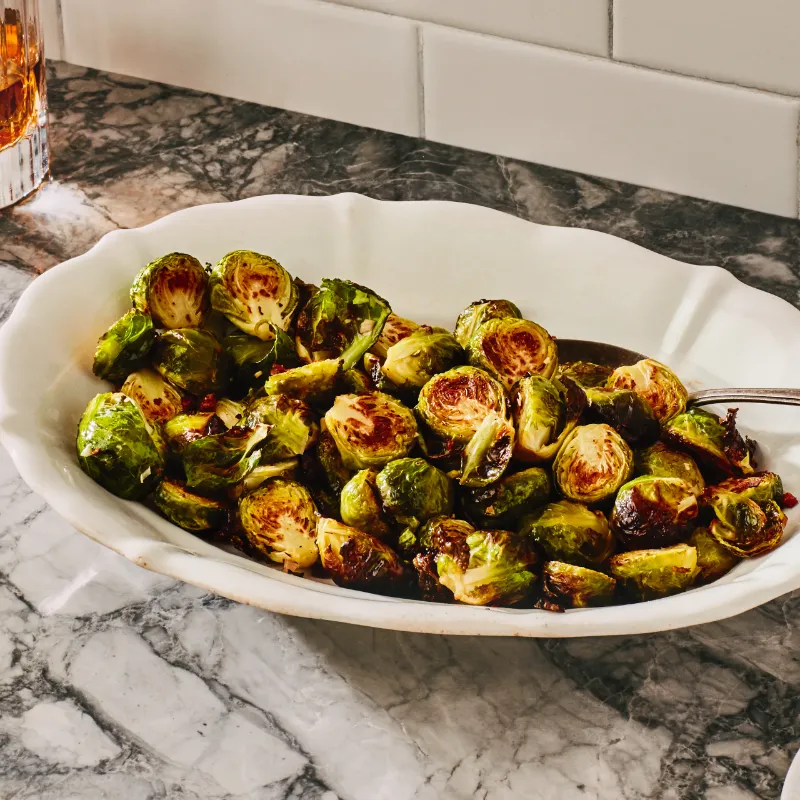
Brussels sprouts belong to the cruciferous vegetable family, which has one of the strongest collective track records in cardiovascular research. They’re high in soluble fiber, vitamin C, folate, and a compound called glucosinolates, which are converted in the body to isothiocyanates with powerful anti-inflammatory effects. Research shows that cruciferous vegetables as a group are associated with significantly lower rates of cardiovascular disease.
Brussels sprouts also contain alpha-lipoic acid, an antioxidant that helps recycle other antioxidants like vitamin E and C, giving your body a compounding protective effect against LDL oxidation.
Roasting Brussels sprouts at high heat is the absolute best way to convert skeptics. Toss them in olive oil, salt, and a little garlic powder, and roast until the edges are crispy. They’re completely different from the soggy steamed version some people grew up dreading.
32. Okra
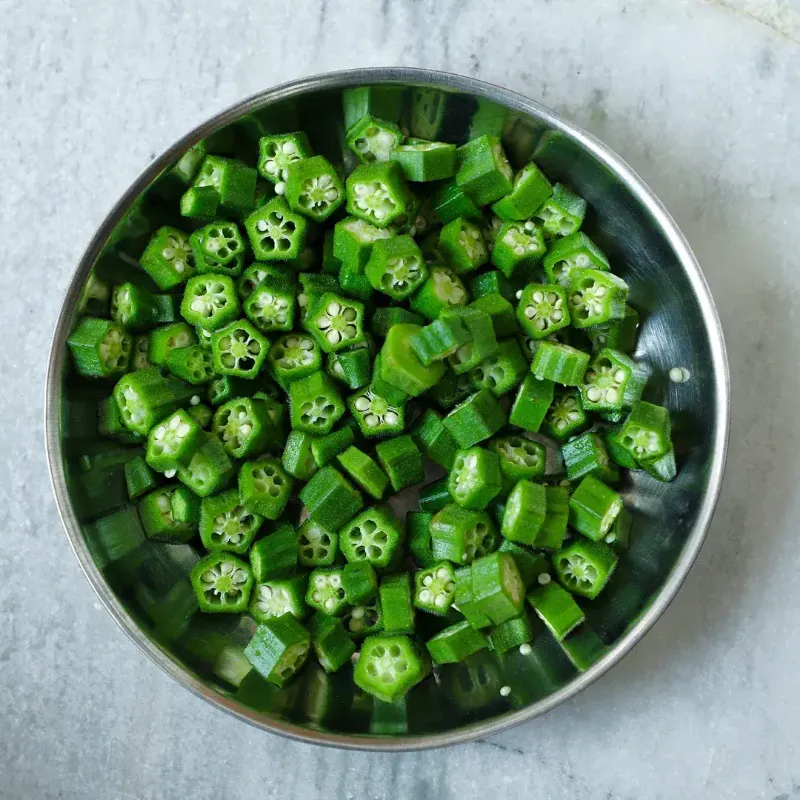
Okra might be most famous for its role in Southern cooking, but it deserves recognition as a serious cholesterol-fighting food. It contains a thick, gel-like soluble fiber called mucilage, which works in the gut by trapping cholesterol and bile acids and pulling them out of the body before they can be reabsorbed. Animal studies have shown significant reductions in total and LDL cholesterol from regular okra consumption, and human research is building in the same direction.
Okra is also rich in magnesium, folate, and vitamin K, all of which contribute to cardiovascular health in different ways. It’s a genuinely functional vegetable with more going on under the surface than most people give it credit for.
Roast it to reduce the mucilage texture if that’s not your thing, or embrace it in gumbo, stews, and curries where it naturally thickens the dish. Pickled okra is surprisingly delicious and keeps all of its beneficial compounds intact.
Final Thoughts
Managing cholesterol doesn’t have to feel like a punishment. Every single food on this list is real, accessible, and genuinely delicious when prepared with a little intention. Small consistent choices at the grocery store and in the kitchen genuinely add up to big results over time.
Start with two or three foods from this list that excite you and build from there. Your heart is worth taking care of, and the best part is that taking care of it can taste really, really good.
