
24 Doctor-Approved High Fiber Foods For Constipation for Faster Results

If you’ve been dealing with constipation, you already know how uncomfortable and frustrating it can be. The good news is that what’s on your plate can make a massive difference, faster than you might think.
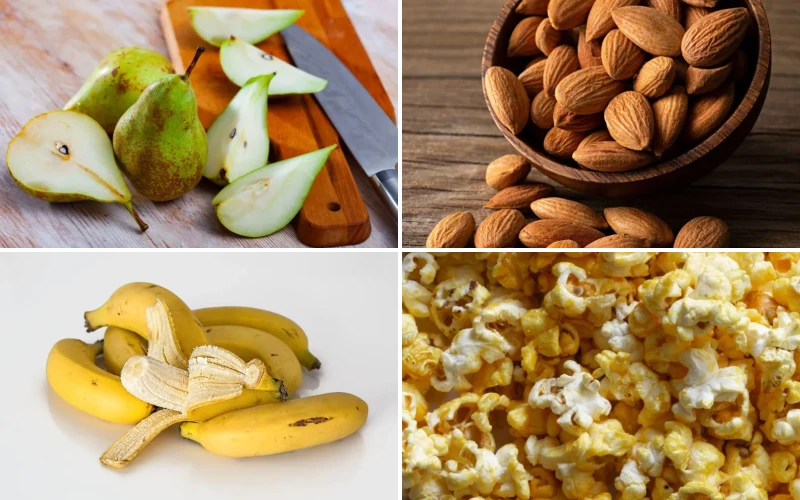
In this article, you’ll discover 24 doctor-approved, fiber-rich foods that can get things moving again. These aren’t random picks. They’re backed by real science and easy to work into your everyday meals.
1. Avocados
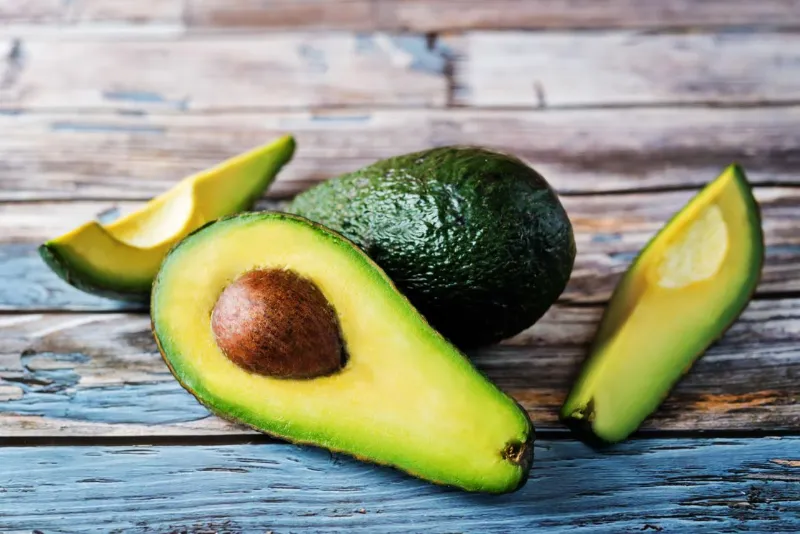
Most people think of avocados as a healthy fat food, and they are. But here’s what often gets overlooked: one whole avocado packs about 10 grams of fiber, which is nearly 40% of your daily recommended intake.
Avocados contain both soluble and insoluble fiber. Soluble fiber absorbs water and softens stool, while insoluble fiber adds bulk and helps push things through your digestive tract more efficiently.
The best part? You can add avocado to almost anything. Spread it on toast, blend it into a smoothie, toss it in a salad, or eat it straight with a little salt and lemon.
2. Chia Seeds
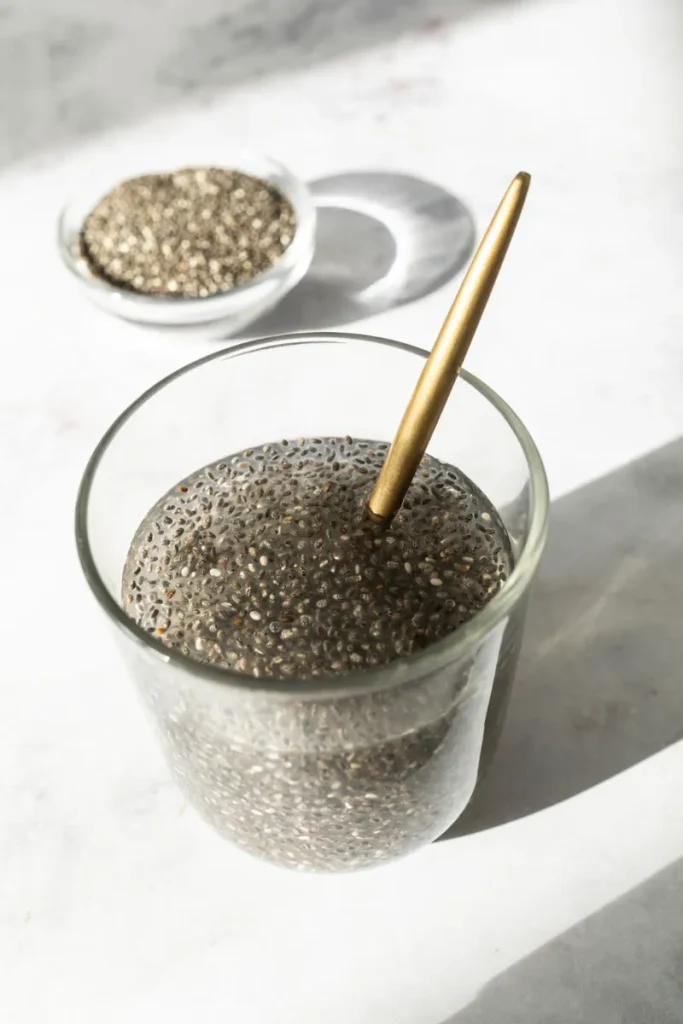
Chia seeds are tiny but genuinely powerful when it comes to constipation relief. Just two tablespoons deliver around 10 grams of fiber, making them one of the most fiber-dense foods you can find.
When chia seeds hit water, they form a thick gel-like consistency. That gel works inside your gut too, lubricating the intestines and making stools much easier to pass.
Stir them into your morning yogurt, mix them into oatmeal, or make a simple chia pudding with almond milk overnight. Your gut will thank you by morning.
3. Lentils
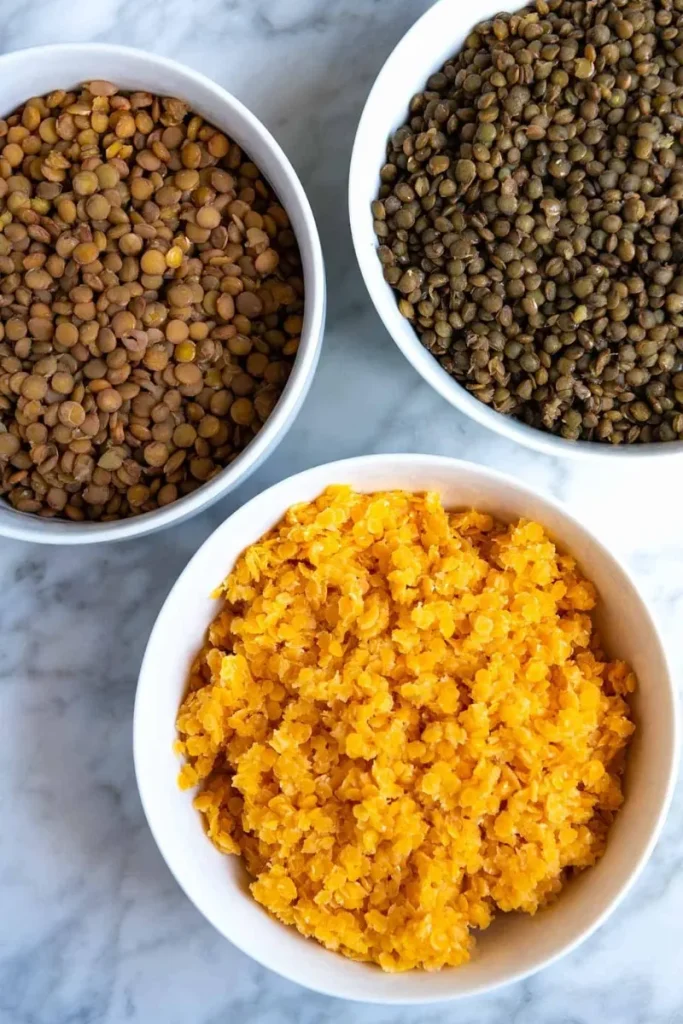
Lentils are one of the most underrated foods for digestive health in the American diet. A single cup of cooked lentils delivers about 15.6 grams of fiber, which is more than half of what most adults need in a day.
They’re also rich in prebiotic fiber, which feeds the good bacteria in your gut. A healthy microbiome supports regular bowel movements and overall digestive function, according to research published in multiple gut health studies.
You don’t need to be a chef to use lentils. Toss them into soups, mix them into rice dishes, or use them as a hearty base for veggie bowls.
4. Black Beans
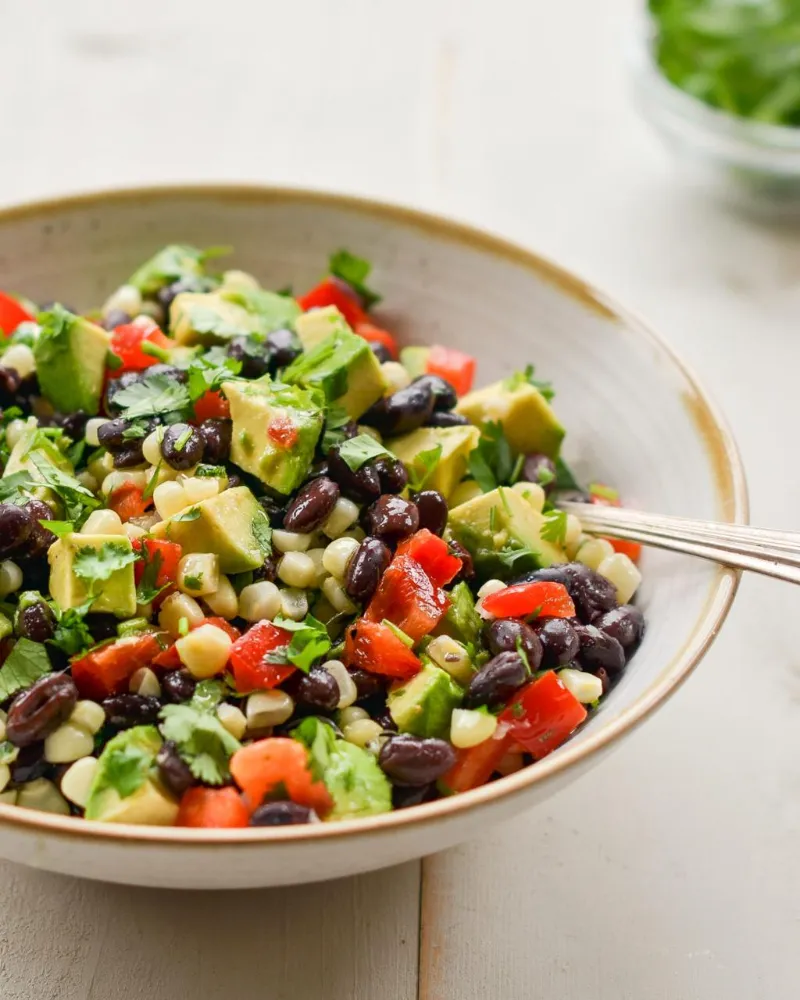
Black beans are a fiber powerhouse hiding in plain sight. One cup of cooked black beans gives you roughly 15 grams of fiber, along with magnesium, which helps relax the muscles lining your intestines.
The combination of soluble and insoluble fiber in black beans works on two fronts. Soluble fiber softens the stool, and insoluble fiber speeds up how quickly waste moves through your colon.
Add black beans to tacos, stir them into scrambled eggs, or blend them into a smoky soup. They’re cheap, filling, and incredibly effective for keeping things moving.
5. Oatmeal
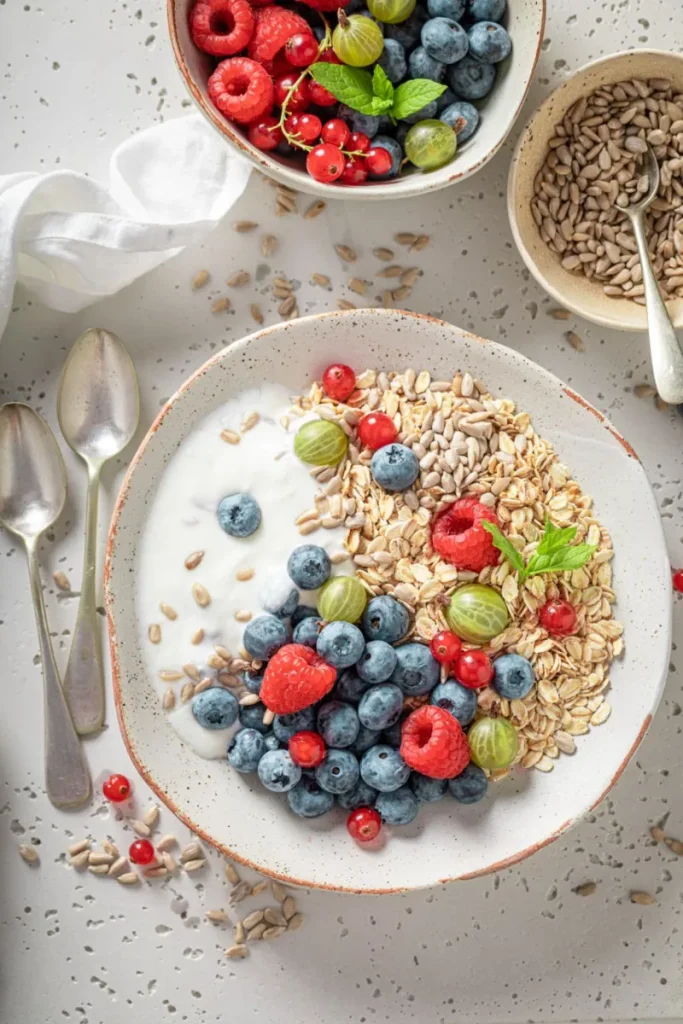
Oatmeal is one of the most doctor-recommended breakfast foods for constipation, and for a very good reason. It’s loaded with beta-glucan, a type of soluble fiber that forms a thick gel in the gut and helps soften stool.
One cup of cooked oatmeal provides about 4 grams of fiber. Studies have shown that regular oat consumption increases stool frequency and improves overall gut transit time.
Make your oatmeal even more effective by topping it with berries, chia seeds, or sliced pears. That single bowl can become one of the most gut-friendly meals of your day.
6. Pears
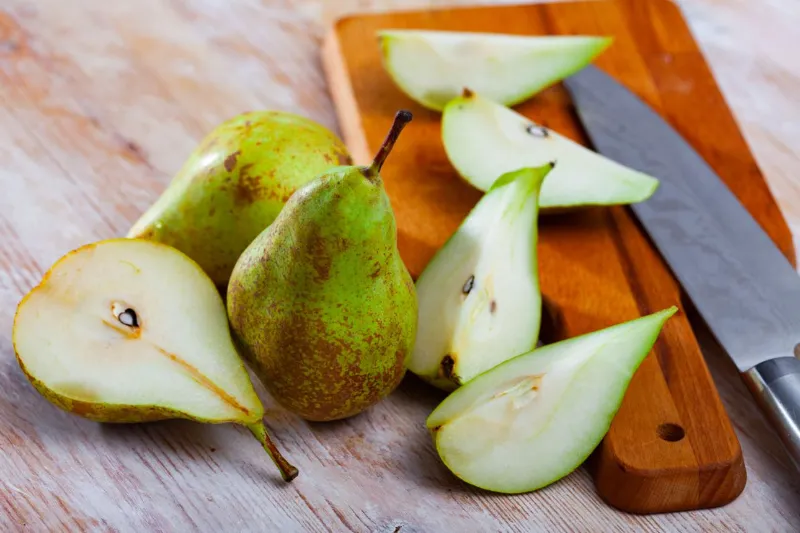
Pears are one of the highest-fiber fruits you can grab at the grocery store. A medium pear with the skin on contains about 5.5 grams of fiber, and they’re also rich in sorbitol, a natural sugar alcohol that draws water into the colon.
That combination of fiber plus sorbitol makes pears particularly effective at relieving constipation. It’s why pear juice has long been used as a gentle remedy for babies and adults alike.
Eat pears fresh as a snack, slice them into salads, or poach them for a warm dessert. Just make sure you keep the skin on, because that’s where a lot of the fiber lives.
7. Apples
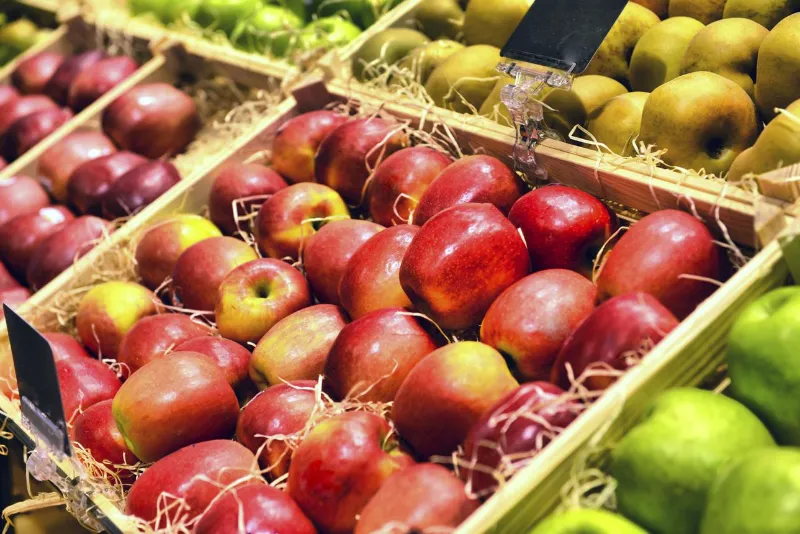
An apple a day might actually keep constipation away. Apples are rich in pectin, a type of soluble fiber that acts as a prebiotic and feeds beneficial gut bacteria, helping regulate digestion from the inside out.
One medium apple with skin contains about 4.4 grams of fiber. Research shows that pectin can increase stool frequency and improve consistency, especially in people who deal with chronic sluggish digestion.
Eat them raw as a snack, slice them with nut butter, or bake them with cinnamon for a warm, gut-friendly treat. Again, always keep the skin on for full fiber benefits.
8. Broccoli
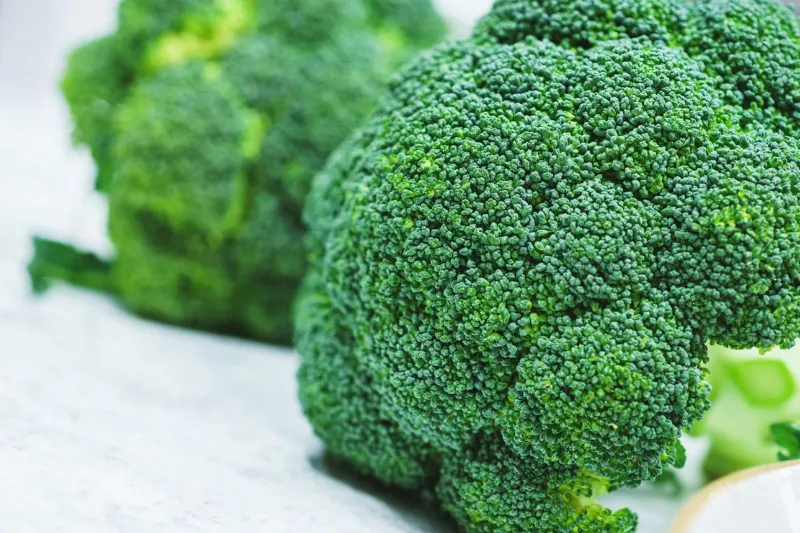
Broccoli is a nutrition superstar, and its fiber content is a big reason why doctors love recommending it for digestive health. One cup of cooked broccoli has about 5 grams of fiber and is rich in a compound called sulforaphane.
Sulforaphane has been shown in research to protect the gut lining and support a healthy microbiome. A thriving gut microbiome is closely connected to more regular, comfortable bowel movements.
Roast it with olive oil and garlic, steam it as a side, or chop it raw into grain bowls. Broccoli is one of those vegetables that fits just about anywhere on your plate.
9. Prunes
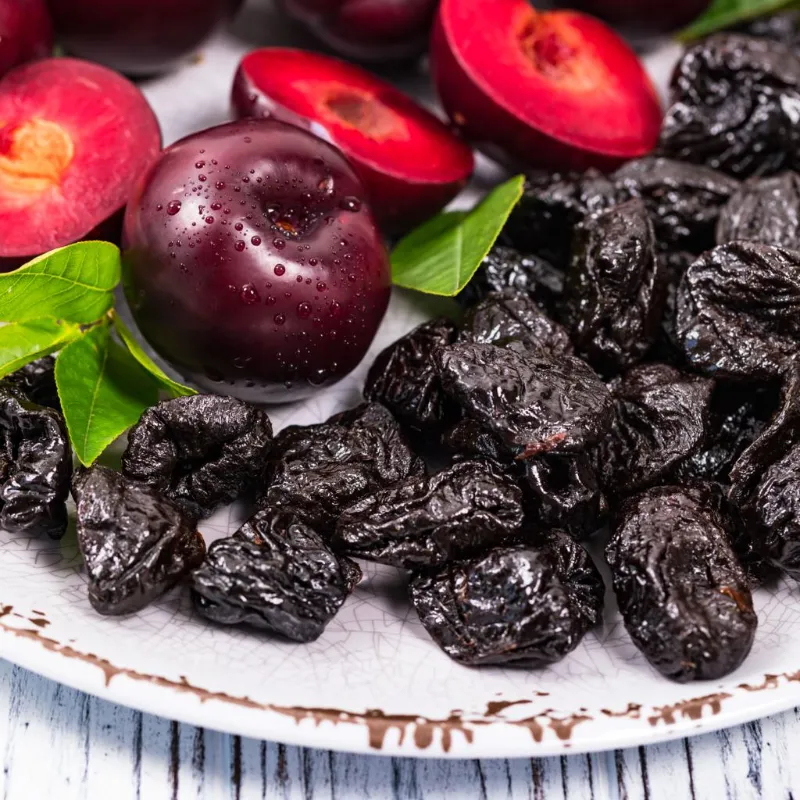
Prunes are practically synonymous with constipation relief, and there’s solid science behind that reputation. A serving of five prunes delivers about 3 grams of fiber along with sorbitol and dihydroxyphenyl isatin, a compound that stimulates intestinal contractions.
Multiple clinical studies have found that prunes are actually more effective at relieving constipation than psyllium husk, which is the active ingredient in many over-the-counter fiber supplements. That’s a pretty impressive natural remedy.
Eat a handful as a snack, blend them into a smoothie, or chop them into oatmeal or trail mix. Start with a small amount if you’re new to prunes, since they work pretty quickly.
10. Flaxseeds
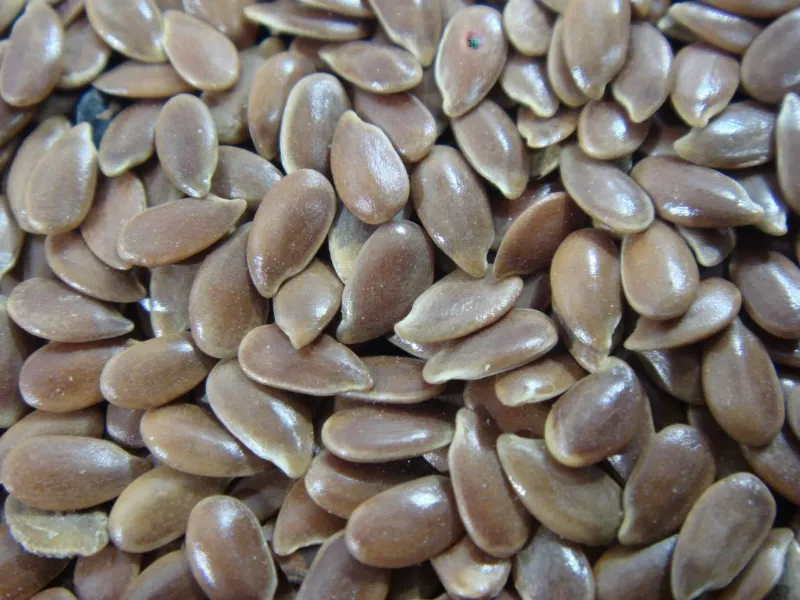
Flaxseeds are a double-duty gut helper. They’re rich in both soluble and insoluble fiber, giving you about 2.8 grams per tablespoon, and they also contain mucilage, a gel-forming fiber that coats and soothes the intestinal walls.
Research has shown that flaxseed supplementation significantly improves stool frequency and consistency, especially in people with chronic constipation. They also provide omega-3 fatty acids, which help reduce gut inflammation.
Grind them before eating so your body can actually absorb the nutrients. Add ground flaxseed to smoothies, yogurt, oatmeal, or mix it into baked goods like muffins or pancakes.
11. Almonds
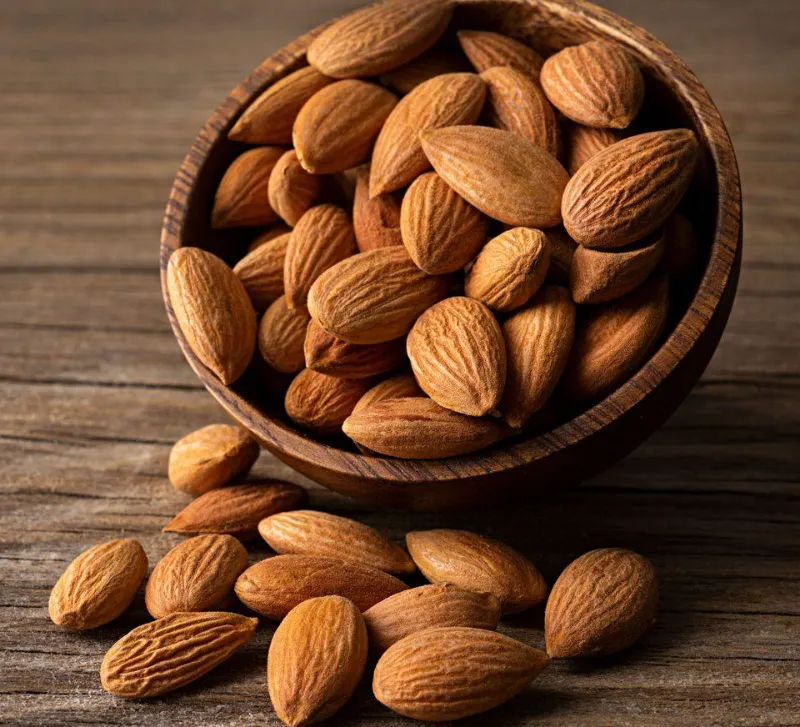
Almonds are one of the most fiber-rich nuts you can snack on. A one-ounce serving, about 23 almonds, provides 3.5 grams of fiber along with magnesium, a mineral that helps draw water into the intestines to soften stool.
Low magnesium intake is actually a commonly overlooked contributor to constipation. Adding almonds to your daily routine is a simple and delicious way to address that gap naturally.
Keep a small bag of almonds in your purse or desk drawer for easy snacking. You can also chop them over salads, stir them into yogurt, or blend almond butter into smoothies.
12. Sweet Potatoes
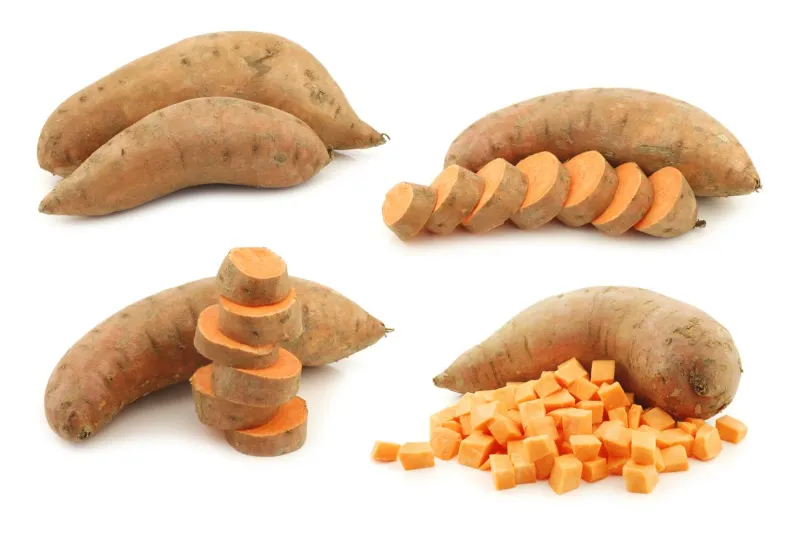
Sweet potatoes are one of the most comforting and effective foods for easing constipation. One medium sweet potato with the skin on contains about 3.8 grams of fiber and is particularly rich in insoluble fiber, which adds bulk to stool and speeds up transit.
They’re also loaded with vitamin B6, which supports healthy nerve function in the gut, helping your intestines contract and move waste along more efficiently.
Bake one in the oven, mash it as a side dish, or cube and roast it for grain bowls. Sweet potatoes are endlessly versatile and incredibly satisfying, especially when your digestive system needs a little extra support.
13. Artichokes

Artichokes might not be the first food you reach for, but they’re one of the highest-fiber vegetables you can eat. One medium artichoke contains an impressive 6.8 grams of fiber, along with inulin, a prebiotic that specifically nourishes beneficial gut bacteria.
Studies have found that artichoke leaf extract can improve symptoms of irritable bowel syndrome and support more regular digestion. The combination of fiber and prebiotic compounds makes artichokes a unique digestive powerhouse.
Try canned or jarred artichoke hearts if fresh ones feel intimidating. Toss them into pasta, blend them into dips, or add them to flatbreads and salads for an easy fiber boost.
14. Edamame
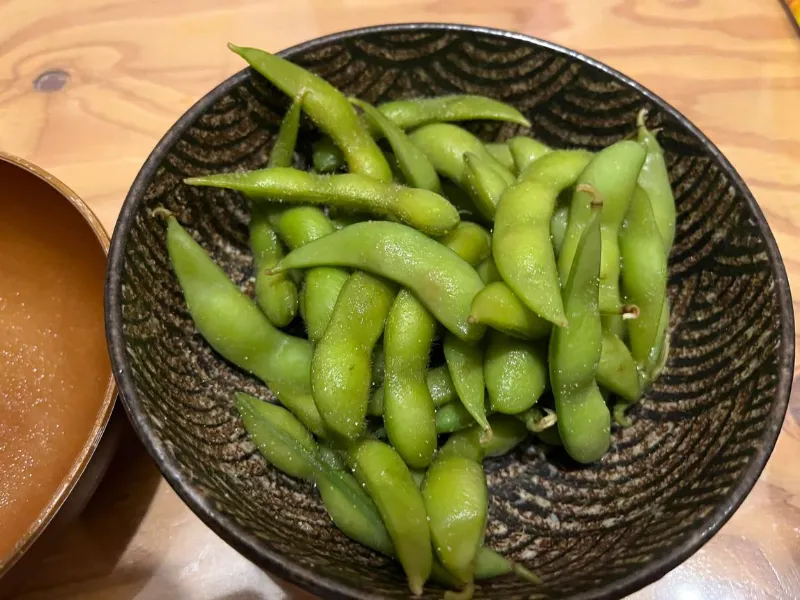
Edamame, those bright green soybeans you get at Japanese restaurants, is a surprisingly powerful constipation fighter. One cup of cooked edamame delivers about 8 grams of fiber, making it one of the best plant-based snacks for digestive regularity.
Edamame also contains a good amount of magnesium and plant-based protein, which helps support sustained digestive function without the heaviness that some high-fat foods can cause.
Buy frozen edamame in pods or shelled, steam them in minutes, and sprinkle with sea salt for a simple high-fiber snack. They’re also great tossed into grain bowls, stir-fries, and salads.
15. Raspberries
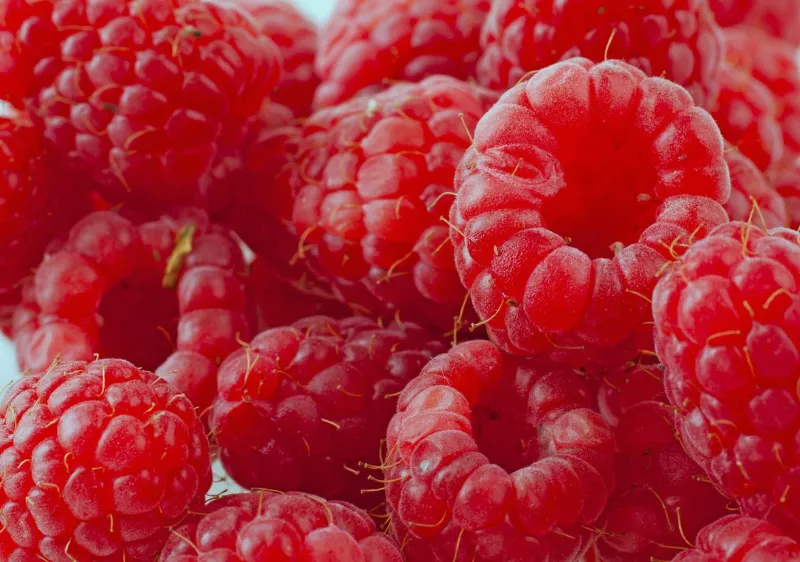
If you want to add fiber without even thinking about it, raspberries are your best friend. One cup of fresh raspberries contains an incredible 8 grams of fiber, making them one of the highest-fiber fruits available.
Raspberries are particularly rich in insoluble fiber, which helps bulk up stool and speeds up how quickly it passes through your colon. They’re also packed with antioxidants that help reduce inflammation in the gut lining.
Toss them on your morning oatmeal, blend them into smoothies, or eat them straight from the container as a snack. Fresh or frozen both work great for gut health.
16. Quinoa
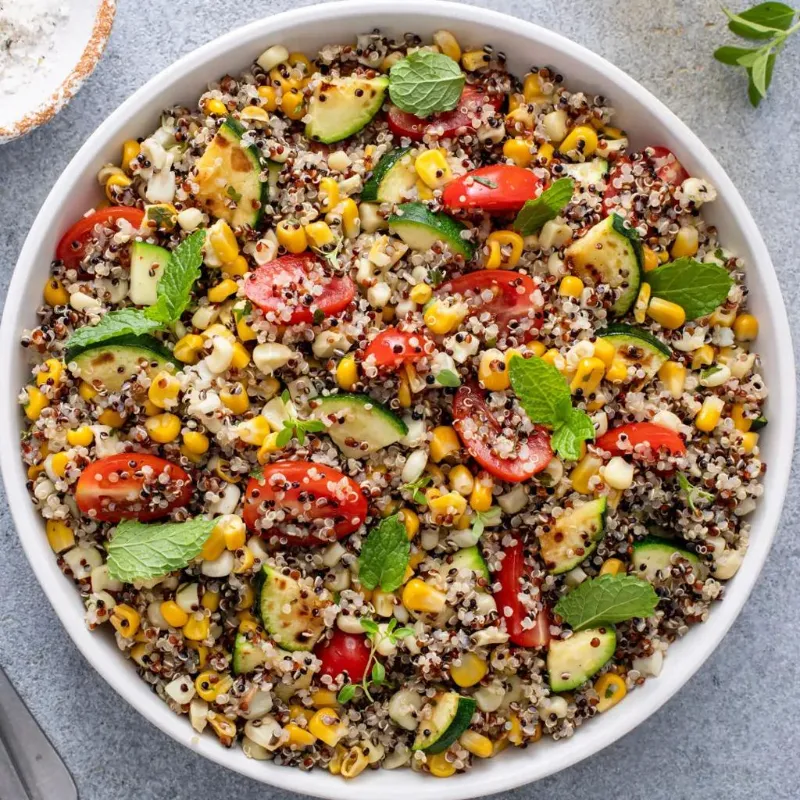
Quinoa is often praised for its protein content, but its fiber content deserves just as much attention. One cup of cooked quinoa provides about 5 grams of fiber, and unlike most grains, it contains all nine essential amino acids too.
Quinoa also contains anti-inflammatory compounds that may help soothe an irritated gut lining. For anyone dealing with chronic constipation alongside gut sensitivity, quinoa is a gentle and effective choice.
Use it as a base for grain bowls, mix it into soups, or serve it as a side dish instead of white rice. It cooks in just 15 minutes and works with virtually any flavor profile.
17. Brussels Sprouts
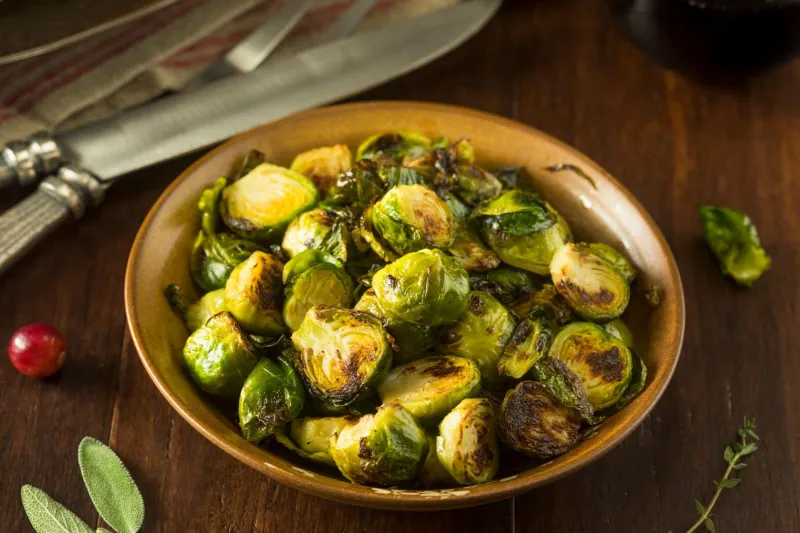
Brussels sprouts are one of those vegetables that people either love or avoid, but if constipation is a struggle, they’re worth getting to know. One cup of cooked Brussels sprouts has about 4 grams of fiber and is rich in glucosinolates, compounds that support a healthy gut microbiome.
Research suggests that cruciferous vegetables like Brussels sprouts help increase microbial diversity in the gut, which is strongly linked to more consistent and comfortable digestion.
Roast them at high heat with olive oil and balsamic vinegar until caramelized and crispy. That preparation transforms them from bitter and mushy into something genuinely delicious.
18. Figs
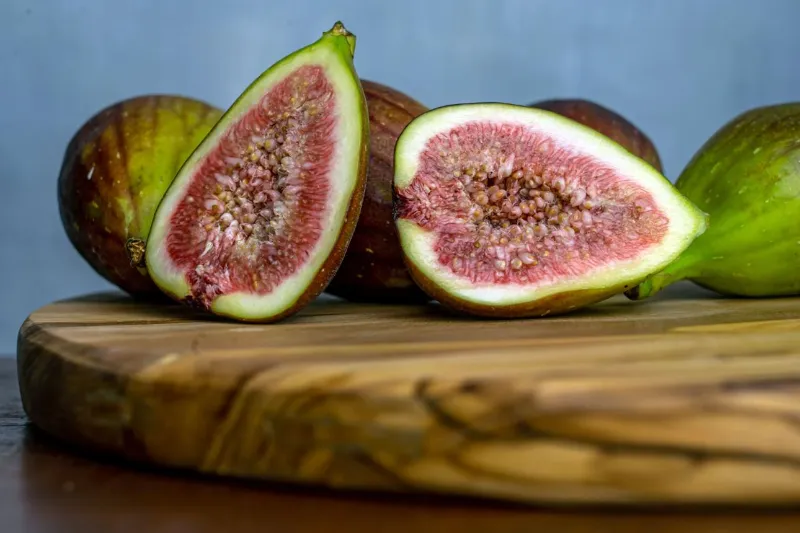
Figs have been used as a natural constipation remedy for centuries, and modern science backs up what traditional medicine has known for a long time. Two medium fresh figs contain about 3 grams of fiber, and dried figs are even more concentrated.
Figs contain a natural enzyme called ficin that helps support digestion, along with soluble fiber that softens stool and helps it pass with less effort. A 2011 study found that fig paste significantly reduced colon transit time in people with chronic constipation.
Eat fresh figs as a snack, slice them onto oatmeal, or pair dried figs with a handful of almonds for a gut-friendly trail mix that works overtime for your digestion.
19. Chickpeas
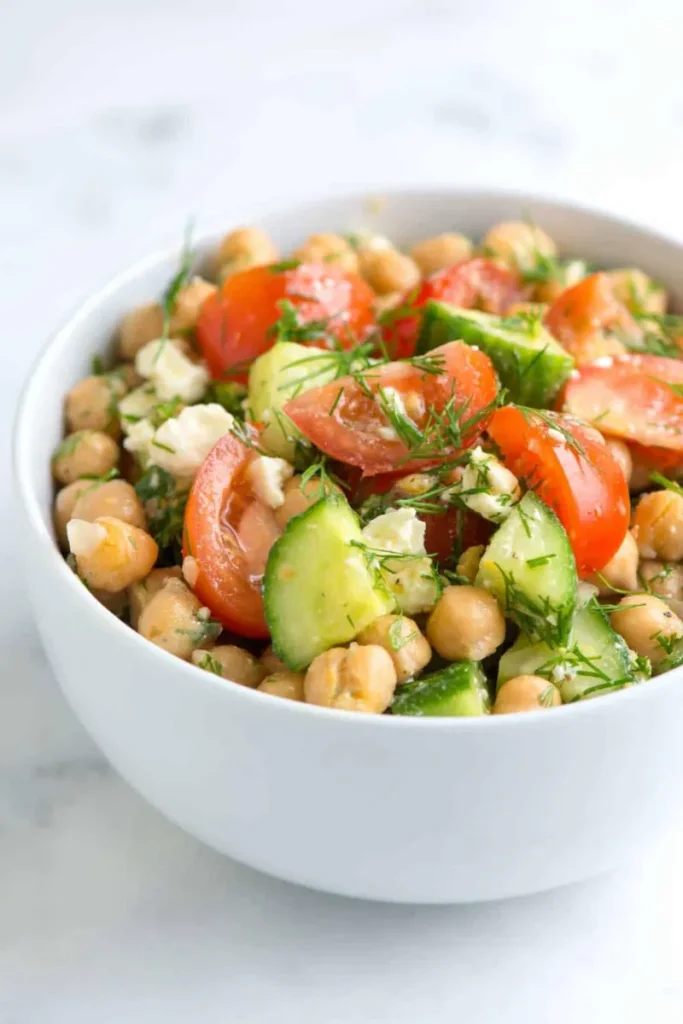
Chickpeas, also known as garbanzo beans, are one of the most fiber-packed legumes you can add to your diet. One cup of cooked chickpeas delivers about 12.5 grams of fiber, making them one of the top constipation-fighting foods on this entire list.
They’re also loaded with resistant starch, a type of carbohydrate that bypasses digestion and feeds beneficial gut bacteria in the colon. A thriving gut microbiome helps regulate how often and how comfortably you go.
Roast them for a crunchy snack, blend them into hummus, or toss them into curries, salads, and soups. Chickpeas are one of the most versatile high-fiber foods in any kitchen.
20. Carrots
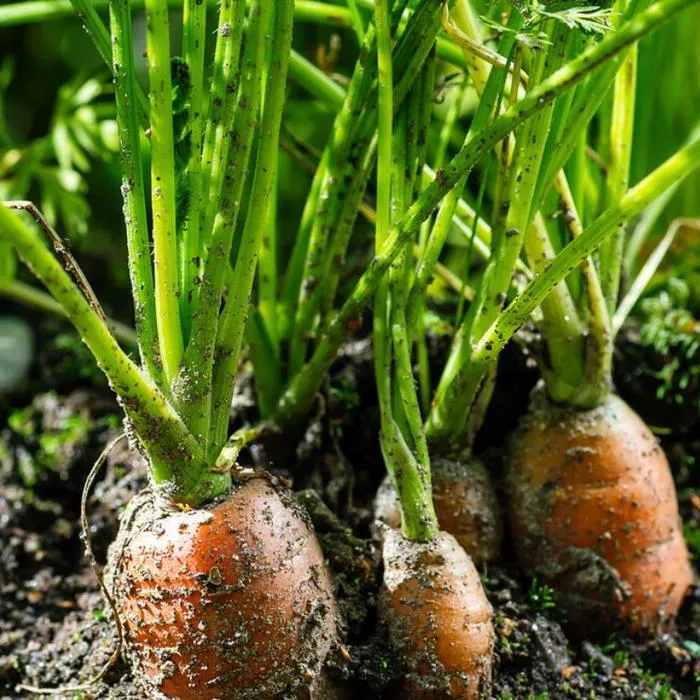
Carrots are a crunchy, satisfying snack that also happens to be a solid source of dietary fiber. One cup of raw carrots provides about 3.6 grams of fiber, largely in the form of pectin, the same soluble fiber found in apples.
Pectin helps slow digestion in a beneficial way by absorbing water and forming a gel that softens stool. It also acts as a prebiotic, feeding the good bacteria that keep your gut running smoothly.
Snack on raw carrots with hummus, roast them as a side dish, or shred them into salads and slaws. They’re one of the easiest high-fiber foods to eat consistently every single day.
21. Spinach
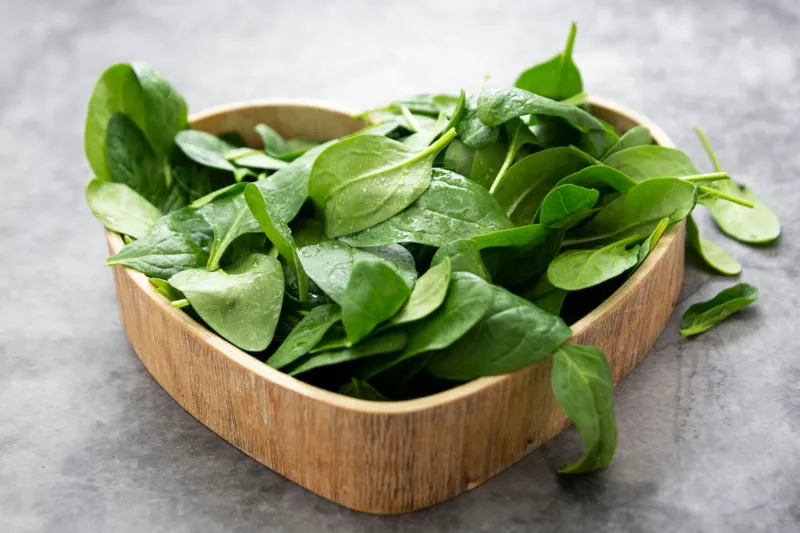
Spinach is rich in fiber, magnesium, and water content, which makes it a triple threat against constipation. One cup of cooked spinach contains about 4 grams of fiber, and its high magnesium level helps relax intestinal muscles and draw water into the colon.
Studies have linked magnesium deficiency to constipation, and spinach is one of the best dietary sources of this mineral. Getting enough magnesium through food is a gentler and more sustainable approach than relying on laxatives.
Toss fresh spinach into smoothies where you can barely taste it, wilt it into pasta sauces, or sauté it as a simple side dish. It’s one of the easiest vegetables to sneak into meals daily.
22. Popcorn

Yes, popcorn actually belongs on this list, and it might be the most fun high-fiber food you eat today. Three cups of air-popped popcorn contain about 3.6 grams of fiber, making it a legitimately solid snack for digestive health.
Popcorn is a whole grain, which means it retains all the bran and germ layers where fiber is concentrated. Whole grains have been consistently linked to better digestive regularity and reduced risk of constipation in large population studies.
Stick to air-popped or lightly seasoned versions to keep it a healthy choice. Skip the heavy butter and artificial flavors, and instead try olive oil, nutritional yeast, or a sprinkle of sea salt.
23. Brown Rice
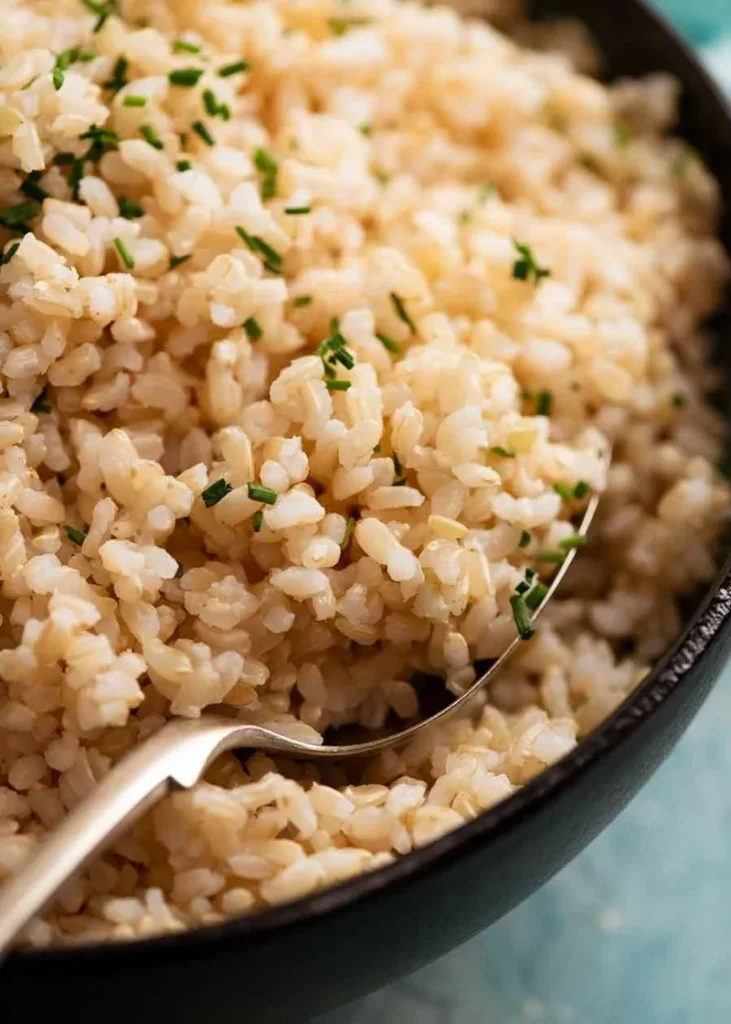
Switching from white rice to brown rice is one of the simplest dietary changes you can make for your digestive health. One cup of cooked brown rice contains about 3.5 grams of fiber, compared to less than 1 gram in white rice.
Brown rice is a whole grain, which means it still has its bran layer intact. That bran layer is where insoluble fiber lives, and insoluble fiber is what physically moves stool through the colon more quickly.
Use brown rice as the base for stir-fries, burrito bowls, or simple meal prep grain bowls. It takes a little longer to cook than white rice, but the digestive benefits make it well worth the extra time.
24. Bananas
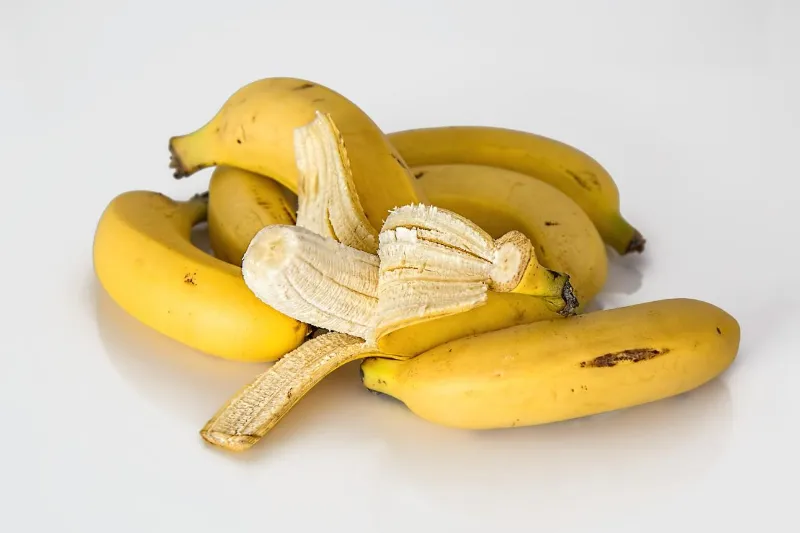
Bananas are a little more nuanced than people think when it comes to constipation. A slightly unripe banana is rich in resistant starch, a prebiotic fiber that feeds healthy gut bacteria and supports regularity without causing bloating.
A ripe banana, on the other hand, contains pectin and about 3 grams of total fiber that helps normalize bowel movements. Research has shown that bananas can help with both constipation and diarrhea, making them one of the most gut-balancing fruits you can eat.
Eat one as a quick snack, slice it into oatmeal, or freeze it for smoothies. Just remember that for maximum constipation relief, reaching for one that’s still slightly green gives you that extra boost of resistant starch.
Final Thoughts
Constipation is incredibly common, but it doesn’t have to be your normal. The 24 foods on this list give you real, doctor-approved options to work with, and the best part is that you don’t need to overhaul your entire diet overnight.
Start by adding two or three of these foods into your meals this week. Stay consistent, drink plenty of water, and give your gut the fiber it needs to do its job. Small, steady changes are what create lasting digestive relief, and you’ve got everything you need to get started today.
