
22 Must-Know Foods For Liver Health Nutritionists Swear By

Your liver works harder than you probably realize. It filters toxins, processes nutrients, balances hormones, and performs over 500 vital functions every single day without you even thinking about it.
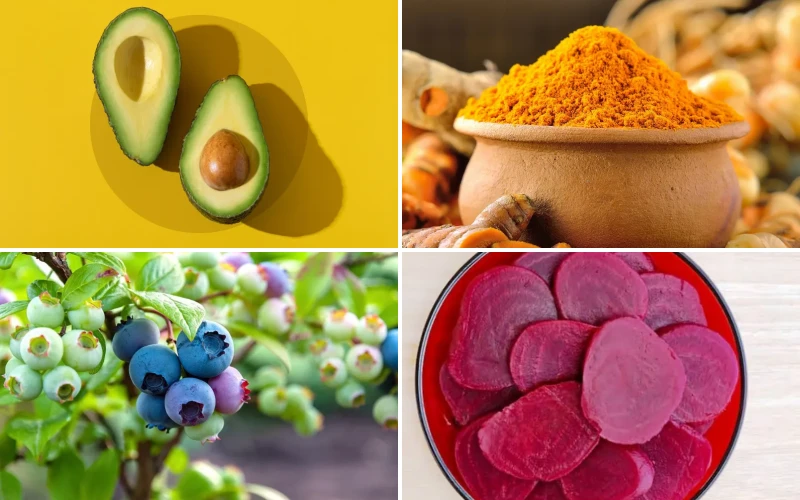
The good news? What you eat can seriously support all that behind-the-scenes work. These 22 foods are nutritionist-approved, science-backed, and easier to add to your diet than you might think.
1. Coffee
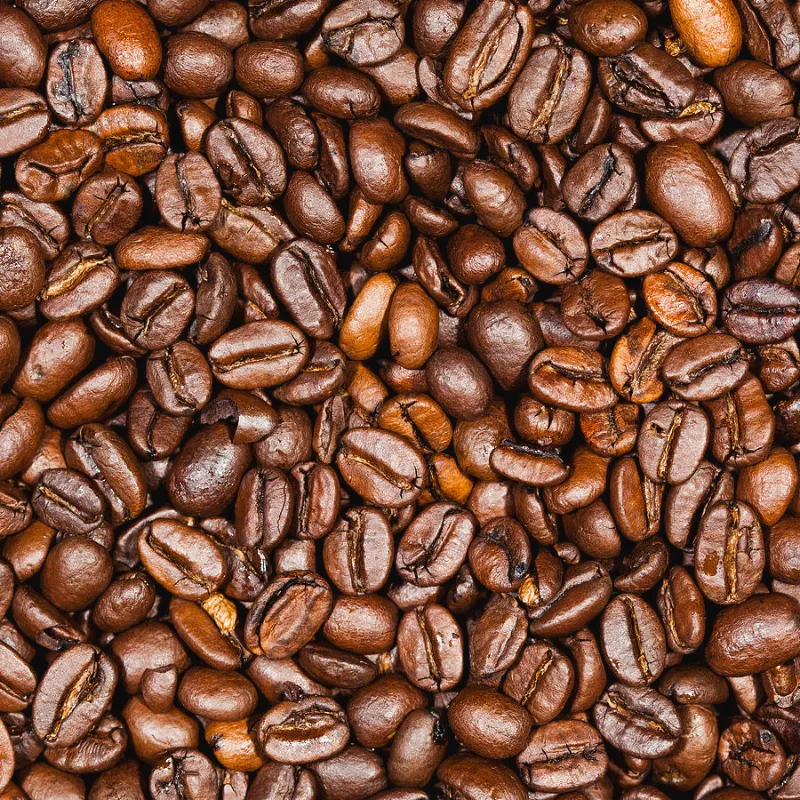
Yes, your morning cup of coffee is actually doing your liver a favor. Studies consistently show that regular coffee drinkers have a lower risk of liver fibrosis, cirrhosis, and even liver cancer.
Coffee is loaded with antioxidants and anti-inflammatory compounds like kahweol and cafestol. Research published in the journal Alimentary Pharmacology and Therapeutics found that drinking two or more cups a day was linked to a significantly reduced risk of liver cirrhosis.
You do not need to overdo it. Two to three cups of black or lightly sweetened coffee gives you the benefit without overdoing the caffeine. Decaf offers some benefit too, so non-caffeine drinkers are not left out.
2. Oatmeal
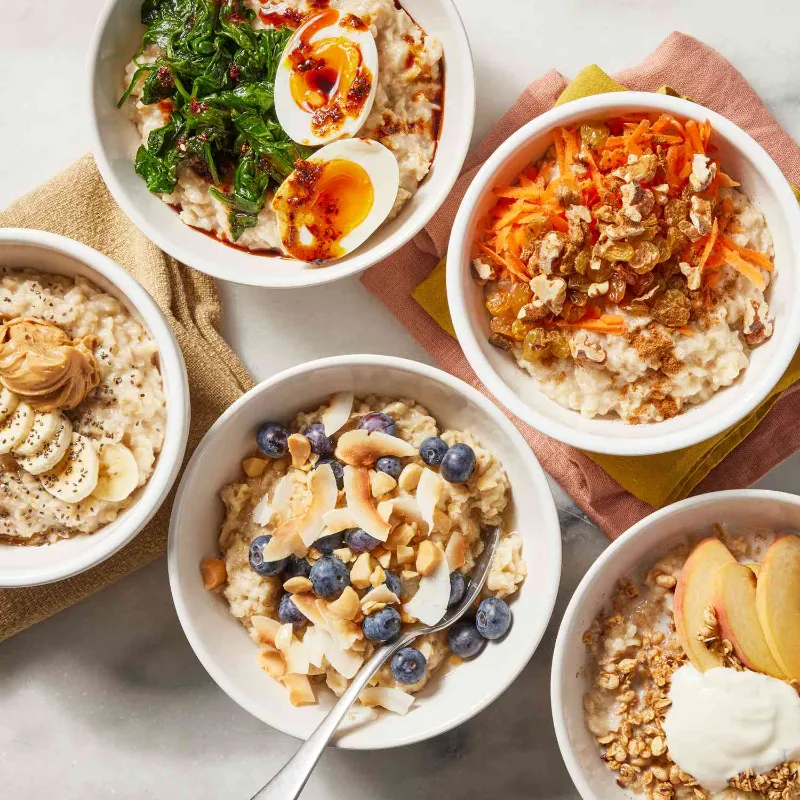
Oatmeal is one of the simplest and most underrated liver-friendly foods out there. It is rich in a special type of soluble fiber called beta-glucan, which plays a big role in reducing liver fat.
Beta-glucan feeds the good bacteria in your gut, and a healthy gut is closely tied to a healthy liver. Research in the World Journal of Gastroenterology confirms that oat-based diets help reduce fat accumulation in the liver, which is especially important for people managing fatty liver disease.
Start your morning with a bowl of steel-cut oats topped with berries and a sprinkle of flaxseeds. It is a simple habit that adds up in a big way over time.
3. Green Tea
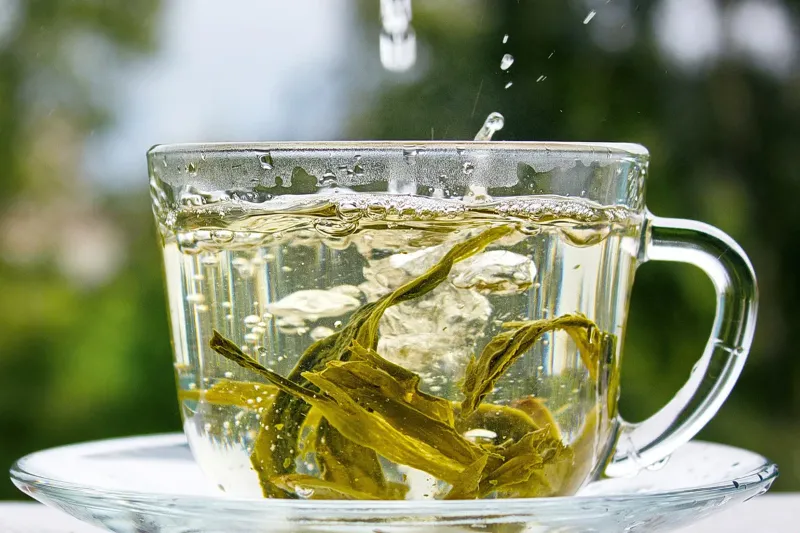
Green tea has been celebrated in traditional medicine for centuries, and modern science is finally catching up. It is packed with catechins, a type of antioxidant that actively supports liver enzyme levels and reduces inflammation.
A review published in the International Journal of Molecular Sciences found that green tea extract was associated with lower levels of liver enzymes in people with non-alcoholic fatty liver disease (NAFLD). Lower enzyme levels mean your liver is under less stress.
Try swapping one or two of your daily coffees for green tea. Matcha, which is powdered whole-leaf green tea, gives you an even higher concentration of those protective catechins.
4. Blueberries
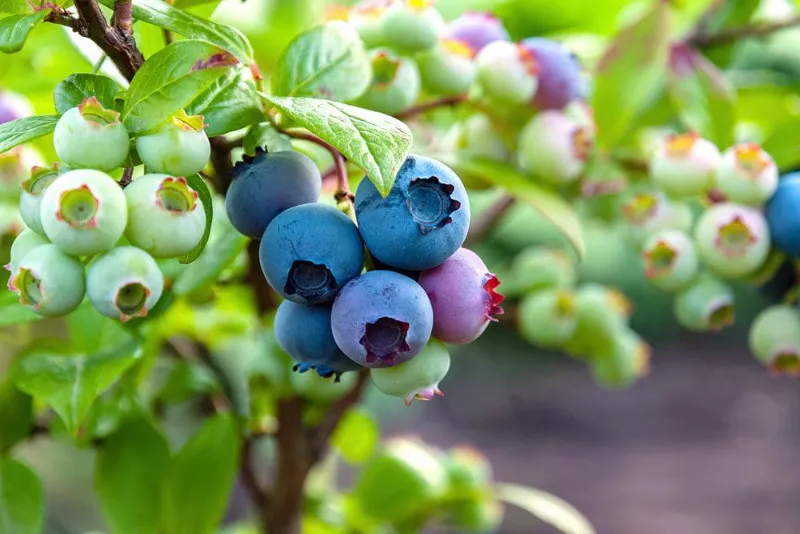
Blueberries are tiny but seriously mighty when it comes to liver health. They are one of the richest food sources of anthocyanins, the pigments that give them their deep blue color and deliver powerful antioxidant and anti-inflammatory effects.
Animal studies have shown that blueberry extract can help prevent liver damage and even stimulate immune cell response in liver tissue. While more human trials are still underway, the existing evidence is promising enough that nutritionists consistently recommend them.
Toss a handful into your oatmeal, blend them into a smoothie, or snack on them straight from the container. Fresh or frozen, the benefits are real either way.
5. Grapes
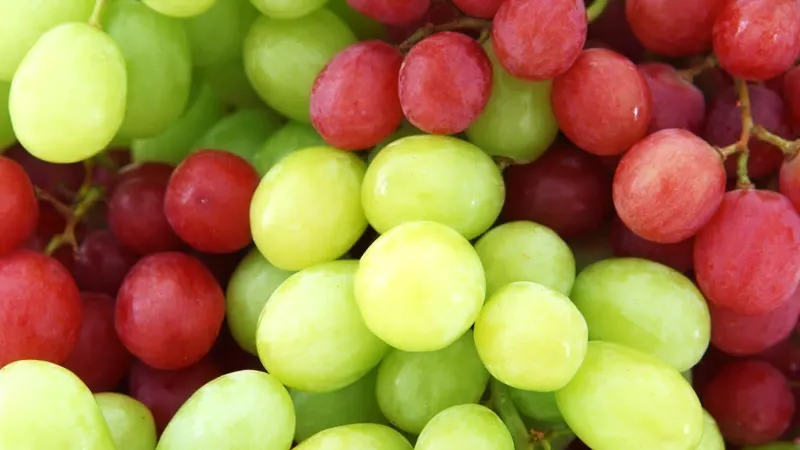
Grapes, especially red and purple varieties, contain resveratrol, a polyphenol with impressive antioxidant properties. Resveratrol has been shown to reduce inflammation and prevent the buildup of harmful compounds in the liver.
A study in the World Journal of Gastroenterology found that grape seed extract helped improve liver function and reduce liver damage markers in participants with NAFLD. The skin and seeds contain the highest concentration of these beneficial compounds.
Whole grapes are better than grape juice, since juice removes the fiber and concentrates the sugar. A small bunch as an afternoon snack is an easy and delicious way to work them in.
6. Grapefruit
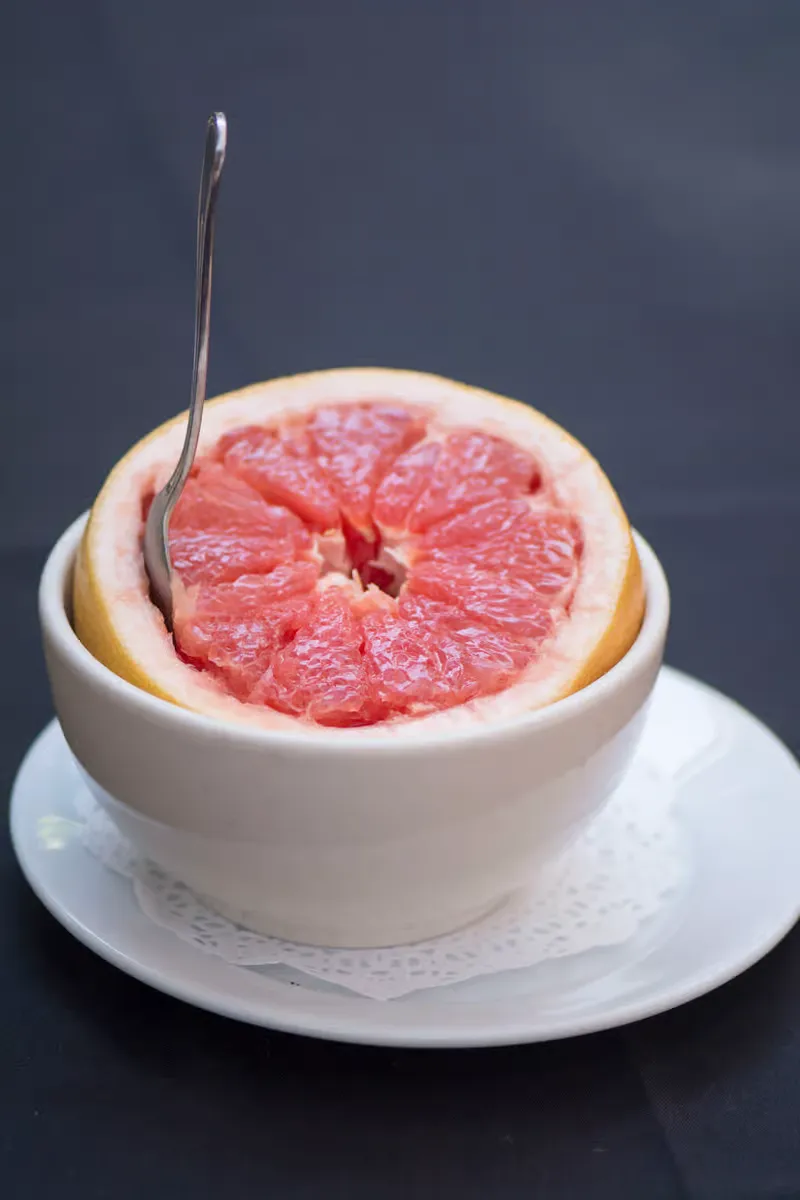
Grapefruit contains two standout antioxidants: naringenin and naringin. These compounds are specifically known to protect liver cells from damage and reduce inflammation in liver tissue.
Research shows that naringenin can help reduce fat buildup in the liver and even support the liver’s natural detox enzymes. It essentially helps your liver do its job more efficiently.
One thing to note: grapefruit can interact with certain medications by affecting how they are metabolized in the liver. If you are on prescription drugs, check with your doctor before adding grapefruit to your regular diet.
7. Prickly Pear
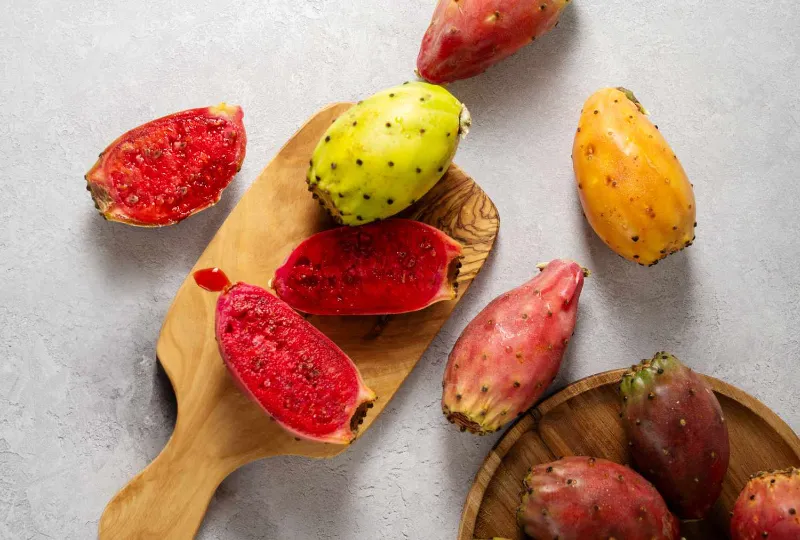
Prickly pear might not be in your grocery cart yet, but it deserves a spot there. This cactus fruit has been used in traditional Mexican medicine for liver support for generations, and research is backing up that tradition.
Studies show that prickly pear contains betacyanins and polyphenols that help protect liver cells from oxidative stress. One notable study found it helped reduce symptoms of hangover, which is essentially a sign of reduced liver inflammation after toxic exposure.
You can find prickly pear juice, extract, and fresh fruit at many Latin grocery stores and health food shops. The bright magenta juice is also surprisingly delicious mixed into water or smoothies.
8. Beetroot
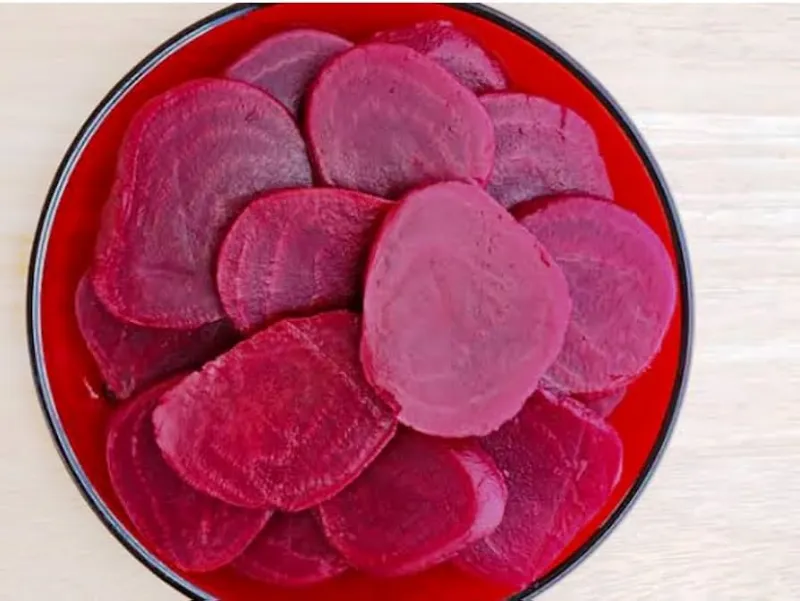
Beets are one of the best foods you can eat for liver detoxification. They contain betalains, which are pigment compounds with strong anti-inflammatory and antioxidant effects that directly support the liver’s detox pathways.
Beetroot also stimulates bile flow, which helps the liver break down fats more efficiently. A study in Nutrients found that beetroot juice reduced oxidative damage and inflammation in liver tissue.
Roast them and add them to salads, blend beet juice into your morning routine, or try pickled beets as a tangy side dish. Even beetroot powder stirred into water works if whole beets are not your thing.
9. Cruciferous Vegetables
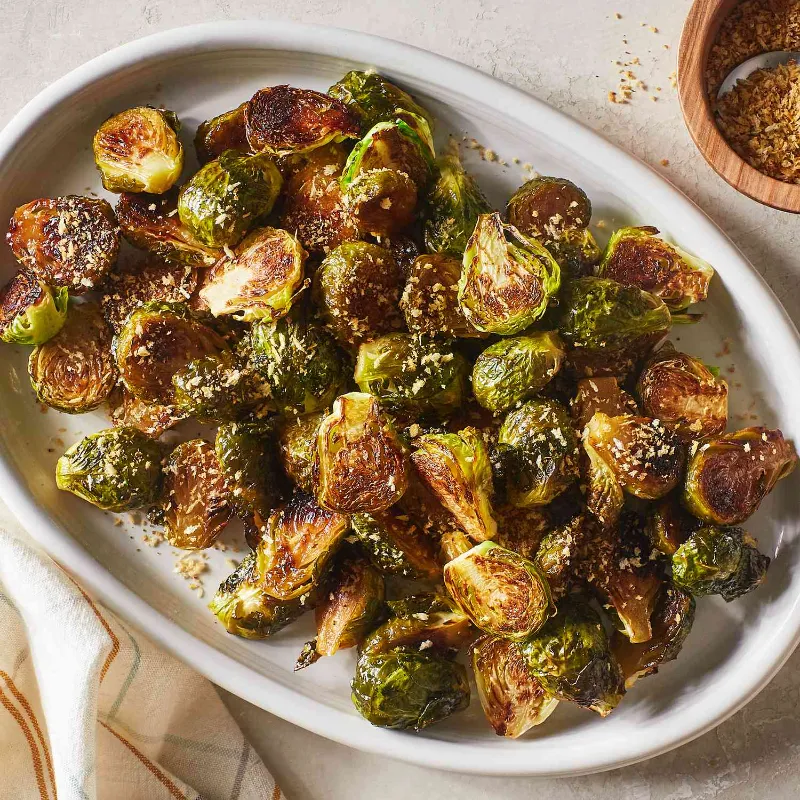
Broccoli, Brussels sprouts, and mustard greens belong to the cruciferous vegetable family, and they are liver superfoods. These vegetables contain glucosinolates, sulfur-containing compounds that activate enzymes your liver uses to flush out toxins.
Research published in Oncotarget showed that broccoli consumption was linked to reduced fat accumulation in the liver. Brussels sprouts specifically were found to increase levels of detoxifying enzymes and reduce oxidative stress markers.
You do not need a huge amount. A half cup to a cup of cruciferous vegetables a few times a week makes a meaningful difference. Lightly steaming or roasting them preserves the most nutrients.
10. Nuts
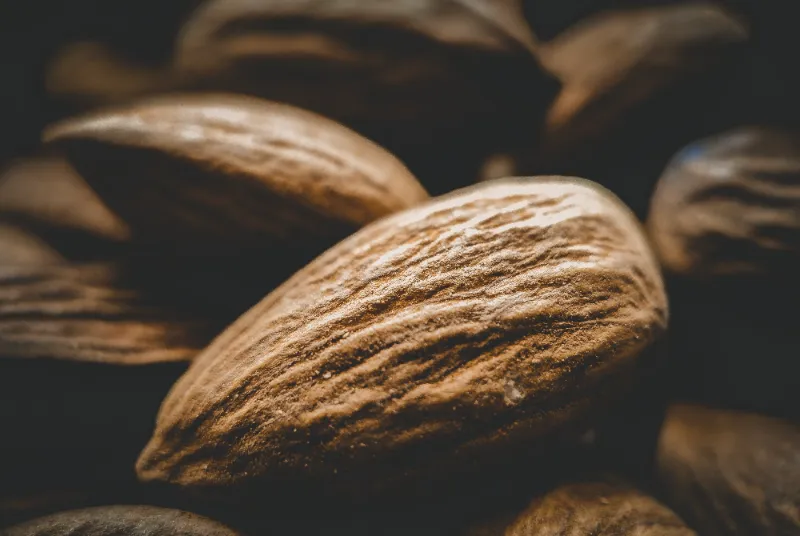
Walnuts and almonds are two of the best nuts for liver health. Walnuts are especially rich in omega-3 fatty acids and glutathione, an antioxidant your liver uses to neutralize toxins.
A large study in the journal Gut found that people who regularly ate nuts had significantly lower rates of NAFLD. Almonds bring vitamin E into the mix, which is known to reduce liver inflammation in people with non-alcoholic fatty liver disease.
A small handful of mixed nuts as a daily snack is all it takes. Go for raw or dry-roasted varieties without added oils or heavy salt to keep it liver-friendly.
11. Fatty Fish
Salmon, sardines, and mackerel are loaded with omega-3 fatty acids, specifically EPA and DHA. These healthy fats actively reduce liver fat and inflammation, making them one of the most important foods for anyone concerned about liver health.
The American Association for the Study of Liver Diseases highlights omega-3s as one of the most evidence-backed dietary approaches to managing fatty liver disease. Regular fatty fish consumption also improves the ratio of omega-3 to omega-6 fats in your body, which helps calm systemic inflammation.
Aim for two servings of fatty fish per week. Baked salmon, canned sardines on whole grain crackers, or grilled mackerel are all easy and satisfying ways to hit that goal.
12. Olive Oil
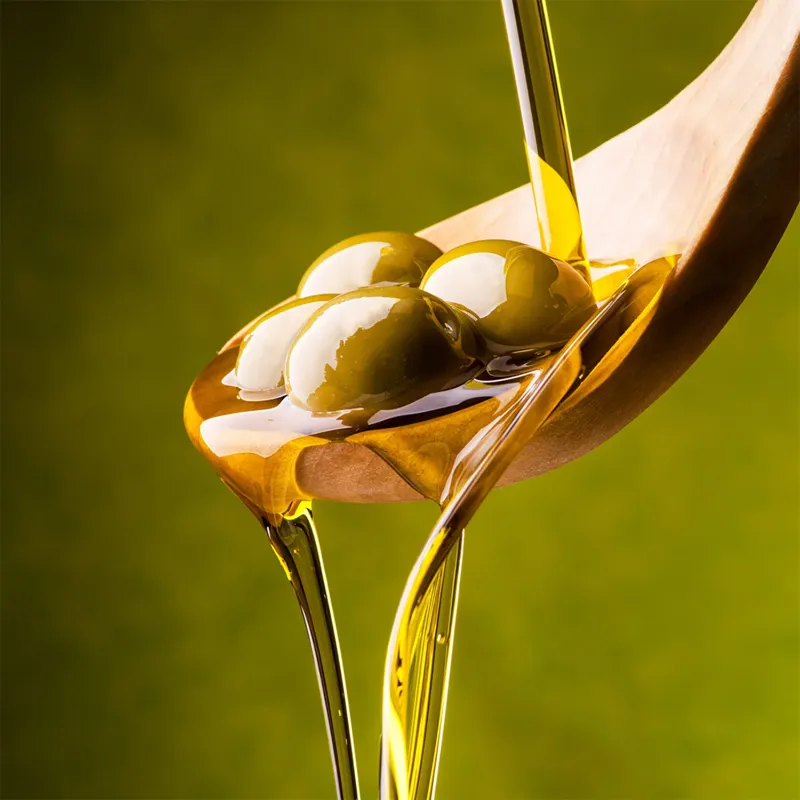
Olive oil is the cornerstone of the Mediterranean diet, and your liver loves it. It is rich in oleic acid and polyphenols that reduce oxidative stress and lower levels of liver enzymes associated with liver damage.
A clinical study found that replacing saturated fats with olive oil significantly reduced liver fat in people with NAFLD. The polyphenols in extra virgin olive oil also have anti-inflammatory effects that protect liver cells directly.
Use extra virgin olive oil as your go-to cooking fat and salad dressing base. Even two tablespoons a day can make a real difference over time.
13. Avocado
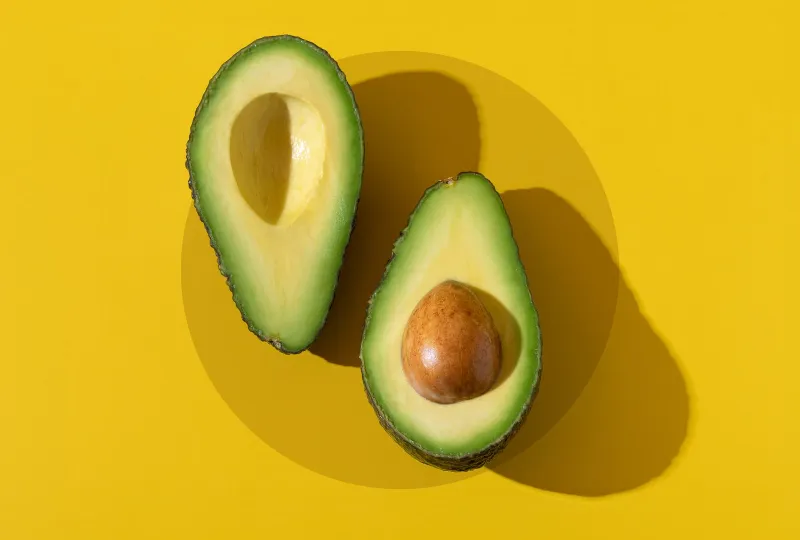
Avocados are rich in healthy monounsaturated fats and a unique compound called glutathione, which is one of the most powerful antioxidants your liver produces and uses. Eating avocado helps replenish those stores.
Research has shown that avocado consumption is associated with better liver health markers and reduced liver damage. The healthy fats in avocado also slow digestion, which keeps blood sugar more stable and reduces the liver’s workload from processing blood sugar spikes.
Half an avocado a day is a great target. Add it to toast, blend it into smoothies, or keep things simple with sliced avocado alongside your meals.
14. Garlic
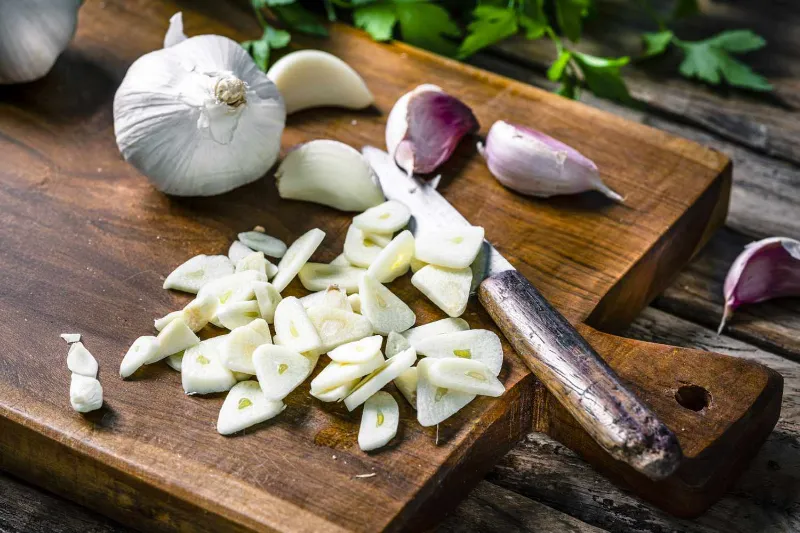
Garlic is a liver-activating powerhouse. It contains allicin and selenium, two compounds that stimulate liver enzymes responsible for flushing toxins from your system.
Studies show garlic supplementation can significantly reduce body weight and liver fat in people with fatty liver disease. It also has antimicrobial properties that help reduce the burden of harmful bacteria that can travel from the gut to the liver.
Fresh garlic gives you the most allicin. Crush or chop it and let it sit for a few minutes before cooking to activate its beneficial compounds. Add it generously to stir-fries, roasted vegetables, and sauces.
15. Turmeric
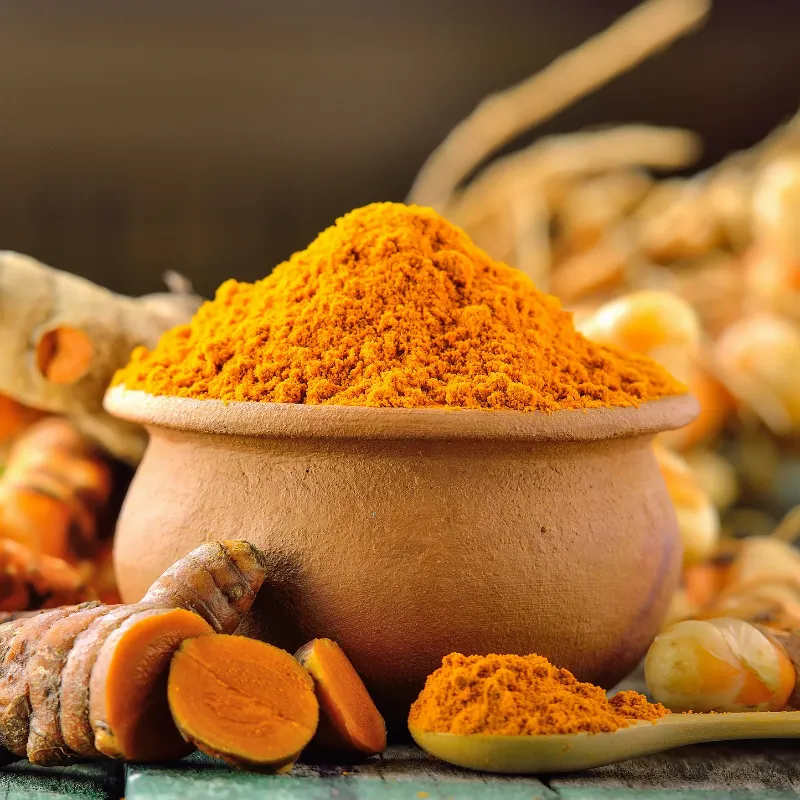
Turmeric’s active ingredient, curcumin, is one of the most studied natural compounds for liver health. It has potent anti-inflammatory and antioxidant effects that specifically target liver cells.
Research in the journal Phytotherapy Research found that curcumin supplementation helped reduce liver enzyme levels and inflammation markers in patients with NAFLD. Curcumin also stimulates bile production, which supports fat digestion and toxin elimination.
The catch is that curcumin is not easily absorbed on its own. Pair turmeric with black pepper, which contains piperine and boosts curcumin absorption by up to 2000 percent. Golden milk, turmeric rice, or soups with a good pinch of black pepper are all great options.
16. Spinach
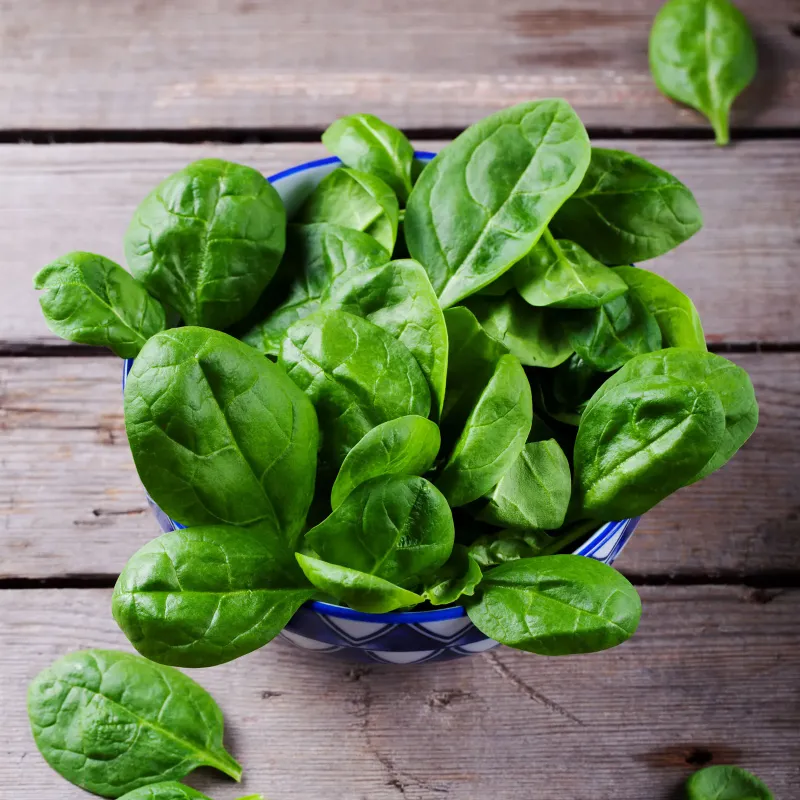
Spinach is a nutritional powerhouse that brings a big liver benefit through its chlorophyll content. Chlorophyll helps neutralize heavy metals, chemicals, and pesticides, taking some of the detox burden off your liver.
Spinach is also loaded with glutathione, the same antioxidant your liver relies on to neutralize toxins. A study in Antioxidants found that leafy greens like spinach significantly reduced the risk of NAFLD progression.
Raw spinach in salads, wilted into pasta or eggs, or blended into a green smoothie all work beautifully. It is one of the easiest vegetables to sneak into your meals without even noticing it is there.
17. Lemon Water
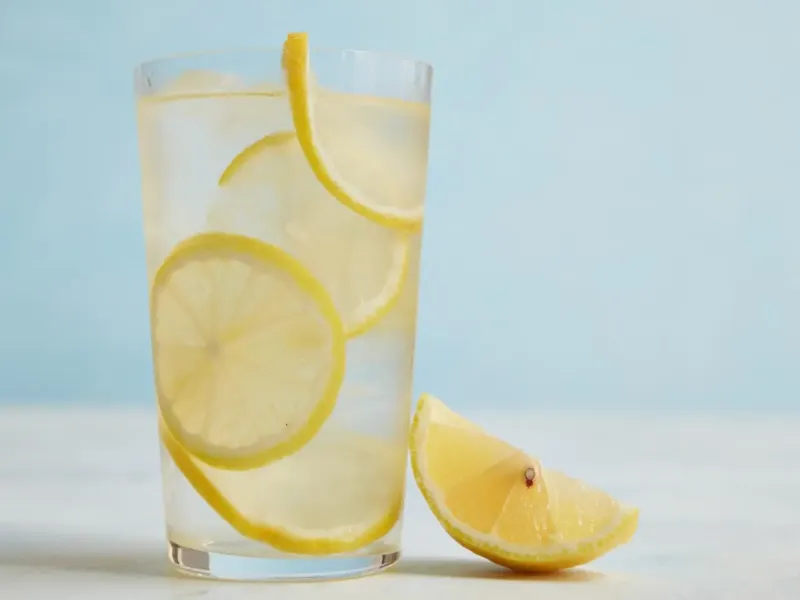
Starting your morning with a glass of warm lemon water is one of the simplest liver-supporting habits you can build. Lemons are high in vitamin C and antioxidants that help neutralize free radicals and support glutathione production in the liver.
The citric acid in lemon juice also helps stimulate bile production, which is the substance your liver uses to break down fats and eliminate waste. Hydration itself is essential for liver function, and this is a great way to make sure you are drinking enough water first thing.
Squeeze half a fresh lemon into a glass of warm or room-temperature water each morning. It is a low-effort ritual with a solid payoff for your liver and digestion.
18. Dandelion Greens
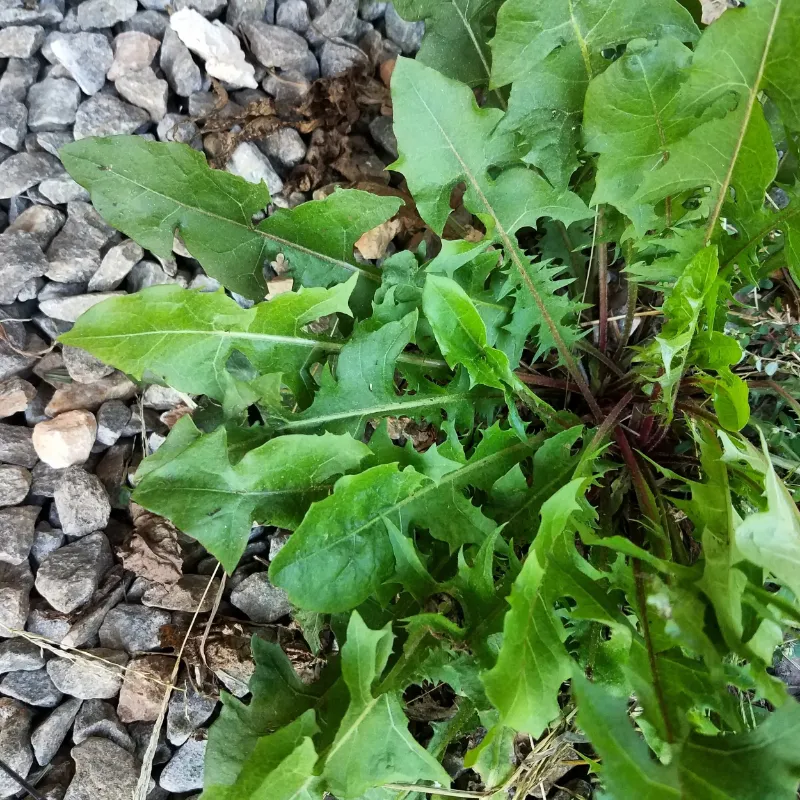
Dandelion greens are one of the most underappreciated liver herbs hiding in plain sight. They have been used in herbal medicine for liver support for hundreds of years, and modern research is starting to confirm why.
Dandelion root and leaves act as natural diuretics and stimulate bile flow, helping the liver clear waste more effectively. A study in Evidence-Based Complementary and Alternative Medicine found dandelion extract reduced liver inflammation and improved lipid metabolism in animal models.
Look for dandelion greens at farmers markets or health food stores. They are delicious sauteed with olive oil and garlic, added to salads, or steeped as a tea for a gentler approach.
19. Sweet Potato
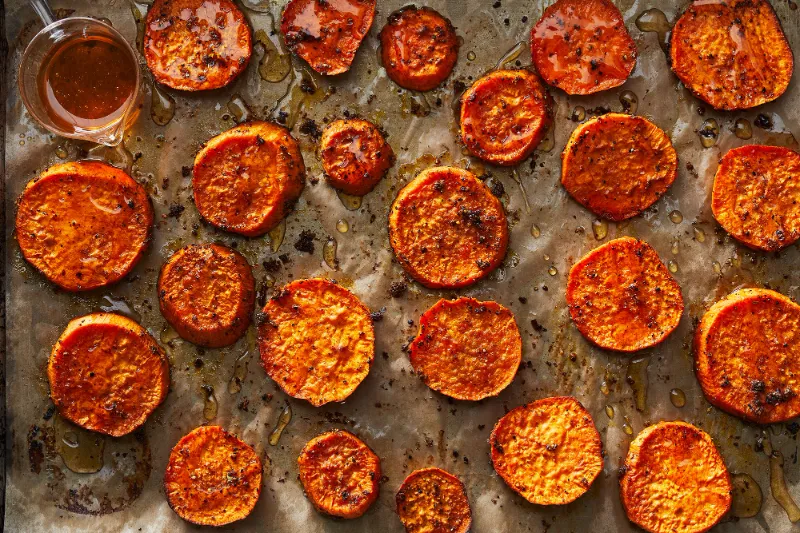
Sweet potatoes are one of the best sources of beta-carotene, which your body converts to vitamin A, a nutrient that plays a key role in reducing liver inflammation and supporting liver cell regeneration.
They are also high in fiber, which slows the absorption of sugar and keeps your blood sugar stable. Stable blood sugar means less fat gets deposited in the liver, which is a direct win for liver health.
Bake them, steam them, or roast them with a drizzle of olive oil and a pinch of cinnamon. Sweet potatoes are filling, versatile, and genuinely one of the most nutritious foods you can eat regularly.
20. Flaxseeds
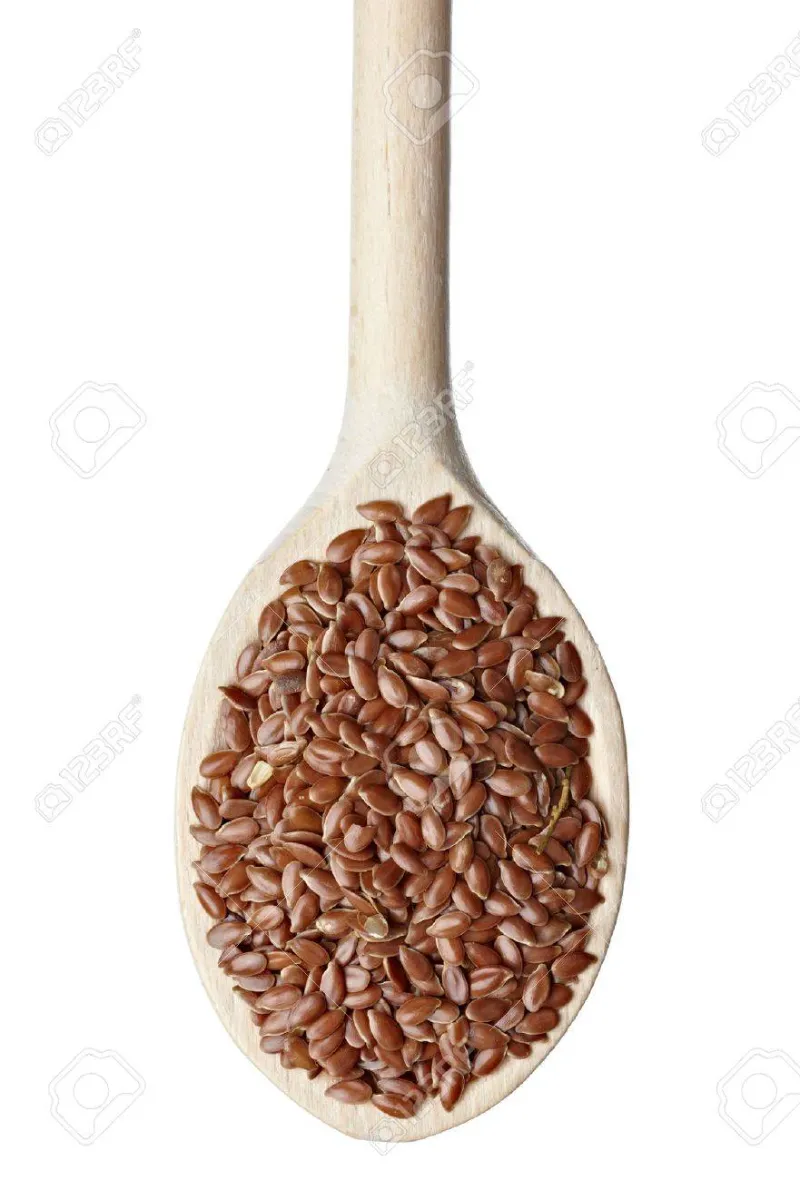
Flaxseeds are a fantastic source of plant-based omega-3 fatty acids, specifically ALA (alpha-linolenic acid), along with lignans, which are plant compounds with anti-inflammatory and hormone-balancing effects.
The liver processes excess hormones, and flaxseeds’ lignans help support that process by binding to excess estrogen before it can be reabsorbed. Research also shows that the omega-3s in flaxseeds help reduce liver fat and inflammation.
Ground flaxseeds are more bioavailable than whole ones since your body can not fully break down the outer shell. Stir a tablespoon into oatmeal, yogurt, or smoothies daily and you are covering a lot of nutritional ground.
21. Artichoke
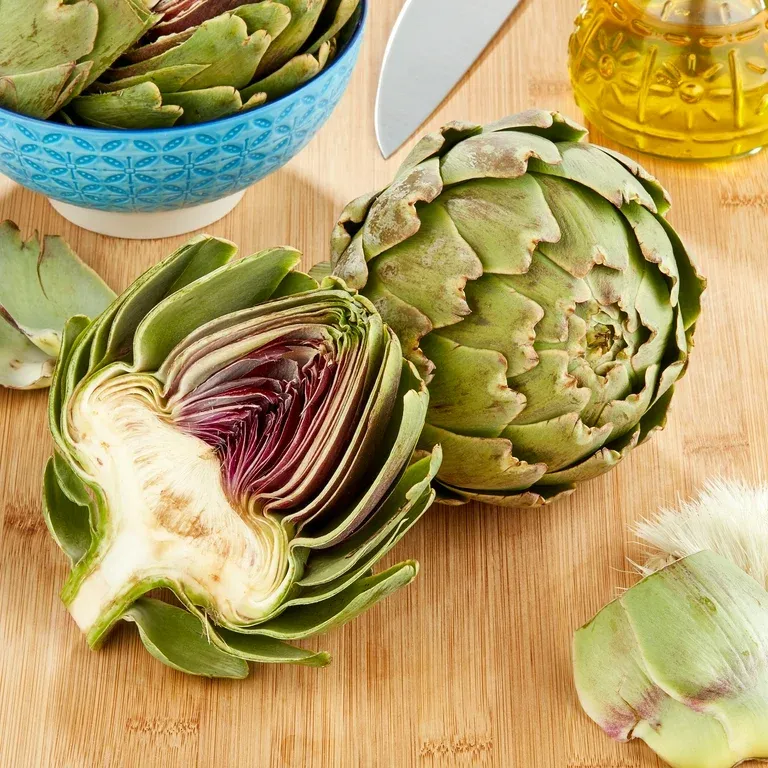
Artichokes are one of the most liver-specific foods you can eat. They contain two key compounds, cynarin and silymarin, that actively stimulate bile production and protect liver cells from damage.
Silymarin, also the active ingredient in milk thistle, is one of the most well-researched natural liver protectants. Studies have shown it helps reduce liver enzyme levels, combat oxidative stress, and even support liver tissue regeneration.
Steamed artichoke hearts, canned artichokes in salads, or artichoke extract supplements are all solid ways to get this benefit. If you have never cooked a whole artichoke, it is easier than it looks and genuinely worth trying.
22. Apple Cider Vinegar
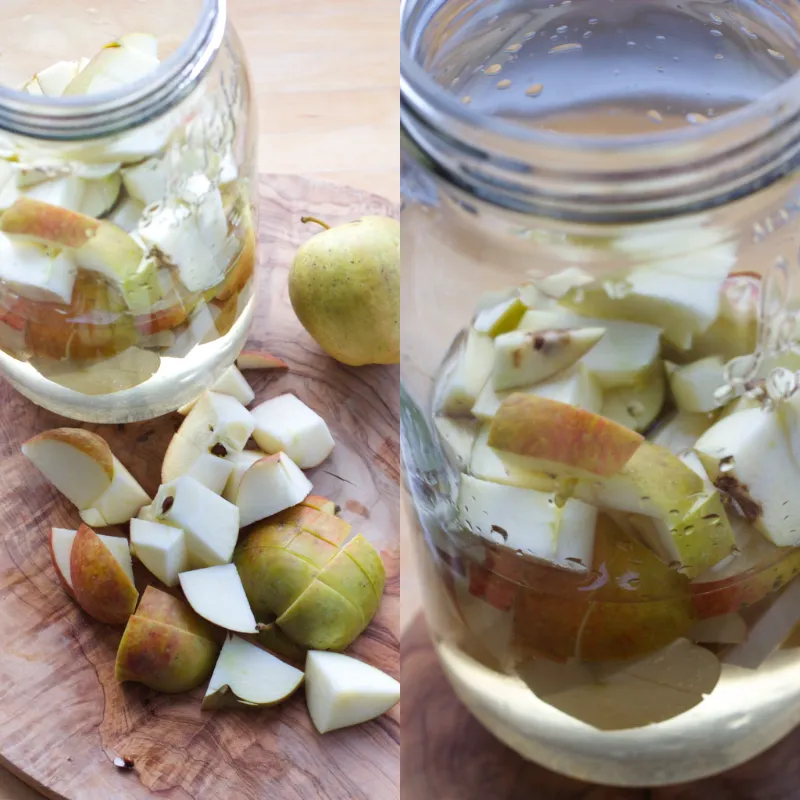
Apple cider vinegar has earned a loyal following in the wellness world, and when it comes to liver health, some of that reputation holds up. It contains acetic acid and antioxidants that may help reduce fat accumulation in the liver and support digestive health.
Animal studies have shown ACV can reduce liver fat and cholesterol levels. While human research is still limited, many nutritionists include it as a supportive addition to an overall liver-friendly diet rather than a standalone treatment.
Mix one to two tablespoons of raw, unfiltered apple cider vinegar into a large glass of water before meals. Always dilute it, because undiluted ACV can be hard on tooth enamel and your esophagus over time.
Final Thoughts
Your liver is incredibly resilient, and it responds well when you give it the right support. You do not need to overhaul your entire diet overnight. Start by adding just two or three of these foods this week and build from there.
Small, consistent changes add up to serious long-term results. Your liver is quietly doing everything for you, and now you have the tools to return the favor.
