
28 Backed by Experts Vitamin D Rich Foods That Will Surprise You

Most people know they need vitamin D, but very few actually get enough of it. In fact, according to the NIH, nearly 42% of Americans are deficient in this critical nutrient, and many don’t even know it.
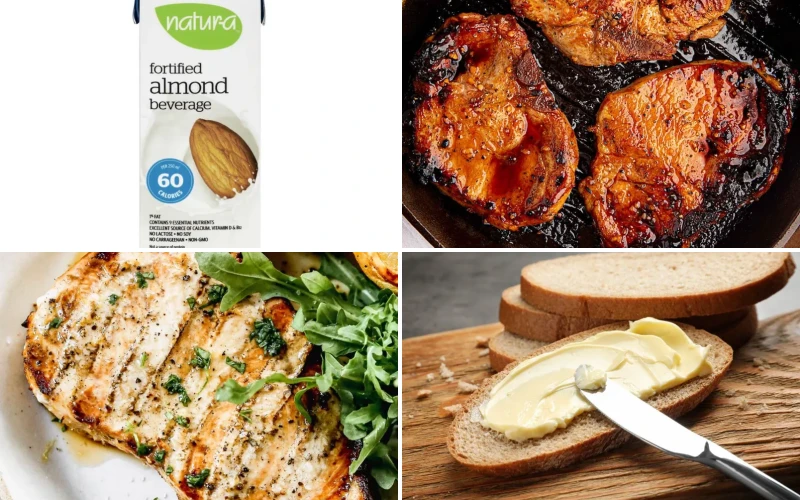
The good news? You don’t have to rely solely on sunshine or supplements to fix that. Some of the most delicious, everyday foods are quietly loaded with vitamin D, and a few of them might genuinely shock you.
1. Swordfish
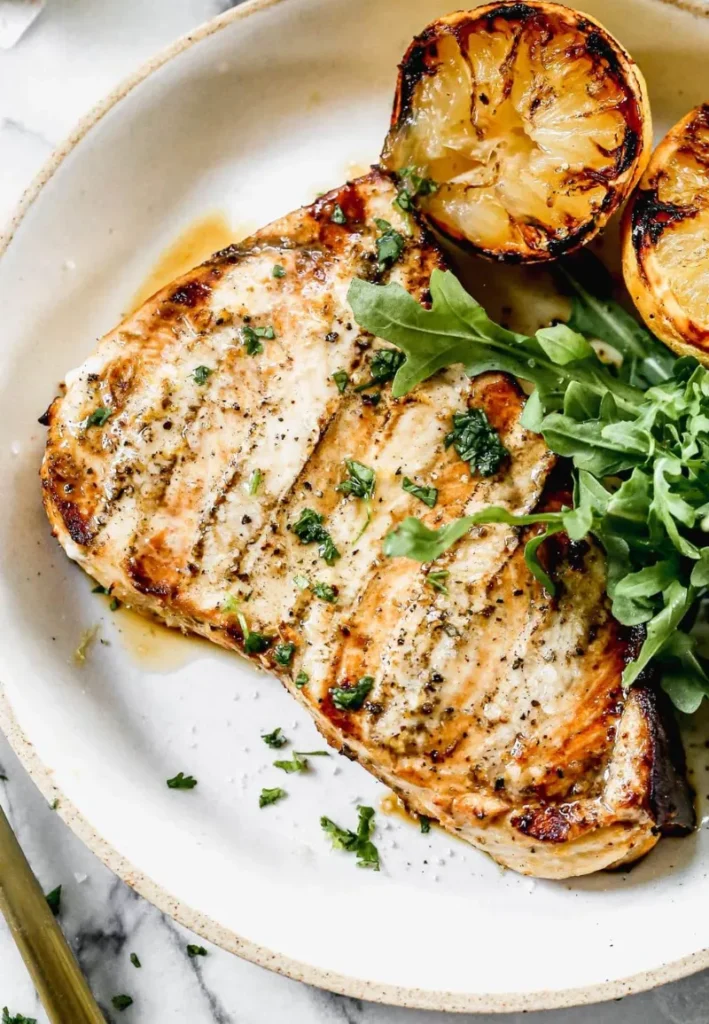
Swordfish is arguably one of the most powerful vitamin D sources on the planet. A single 3-ounce cooked serving can deliver over 700 IU of vitamin D, which is well above the daily recommended intake of 600 IU for most adults.
It’s a meaty, firm fish with a mild flavor that grills beautifully. If you’ve never tried it, think of it as a steak from the sea, satisfying, hearty, and surprisingly easy to cook.
Swordfish also comes packed with omega-3 fatty acids and lean protein, making it a triple win for your health. Just keep your portions moderate since it does contain mercury, so two to three servings per week is the sweet spot most nutrition experts recommend.
2. Rainbow Trout
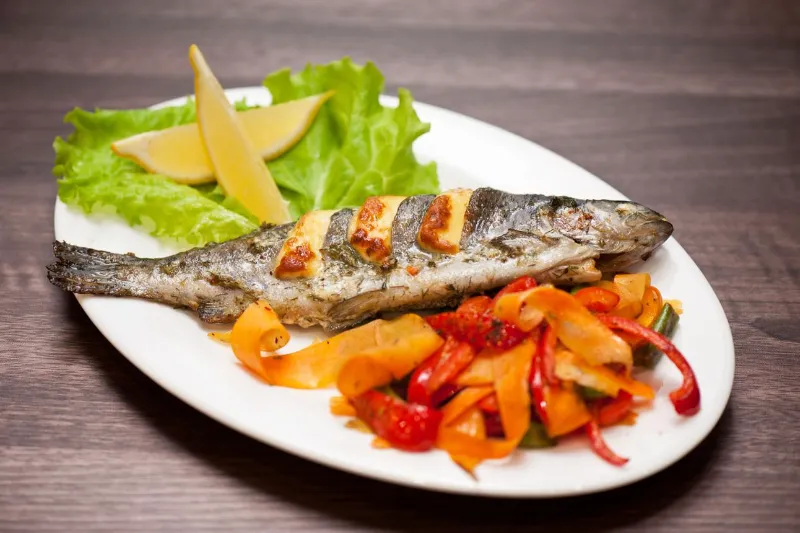
Rainbow trout doesn’t always get the spotlight it deserves, but nutritionists love it. A 3-ounce serving provides roughly 645 IU of vitamin D, putting it in the top tier of natural food sources.
Trout is also rich in vitamin B12, selenium, and phosphorus, giving your body a well-rounded nutrient boost in one sitting. It’s a freshwater fish, which means it tends to be lower in mercury than many ocean species.
You can pan-sear it with a little lemon and garlic, or bake it with herbs for a clean, weeknight-friendly dinner. Once you try it, it’ll probably earn a regular spot in your meal rotation.
3. Sockeye Salmon
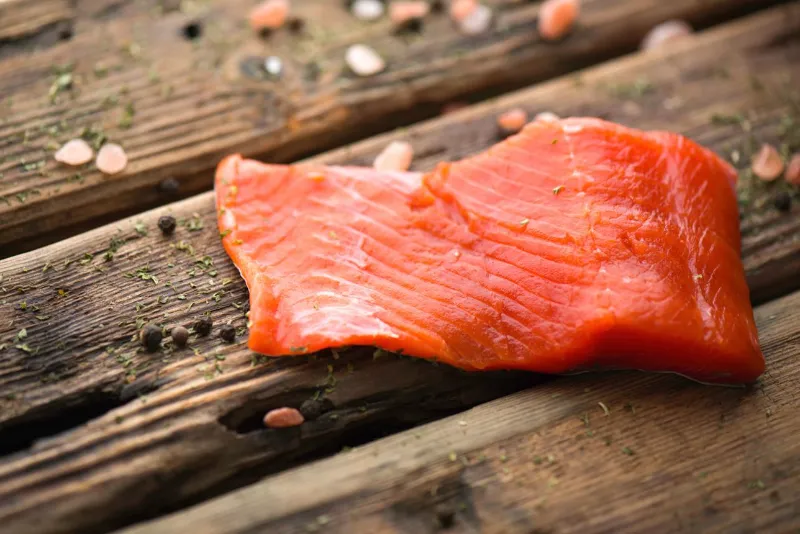
Salmon is the poster child of healthy eating, and sockeye salmon specifically is one of the best natural sources of vitamin D you’ll find. Three ounces of cooked sockeye delivers around 570 IU, making it a serious nutritional powerhouse.
What makes sockeye special is its vibrant red flesh, which signals a high concentration of astaxanthin, a potent antioxidant. Combined with heart-healthy omega-3s and high-quality protein, this fish is genuinely doing a lot of heavy lifting for your body.
Canned sockeye salmon is just as nutritious as fresh and way more affordable. Toss it into salads, mix it into pasta, or make salmon patties for an easy, budget-friendly vitamin D boost.
4. Canned Tuna
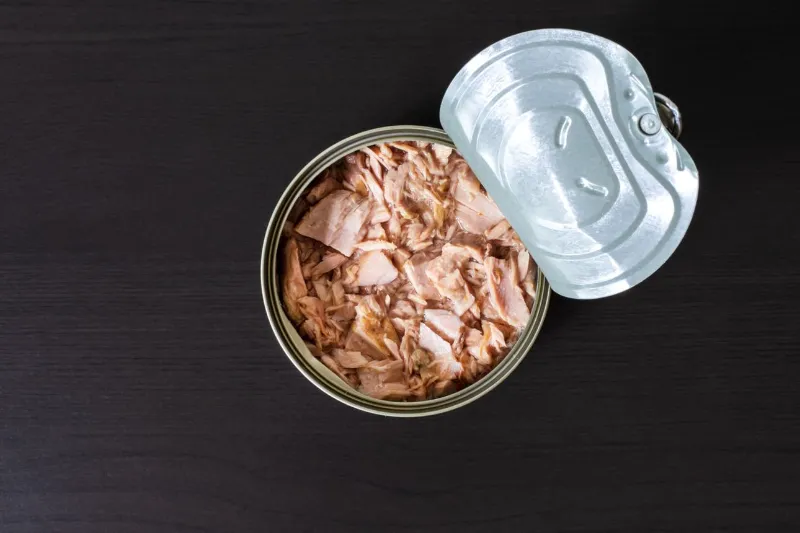
Here’s one that probably already lives in your pantry. Canned tuna is one of the most accessible and affordable sources of vitamin D in the American grocery store, offering around 150 IU per 3-ounce serving.
It’s also loaded with niacin and selenium, two nutrients that support metabolism and thyroid function. Light canned tuna tends to have lower mercury levels than albacore, so it’s generally the smarter everyday choice if you’re eating it frequently.
Stir it into a quick tuna melt, mix it with avocado for a modern twist on the classic salad, or just eat it straight from the can with some crackers. Simple, effective, and surprisingly underrated.
5. Halibut
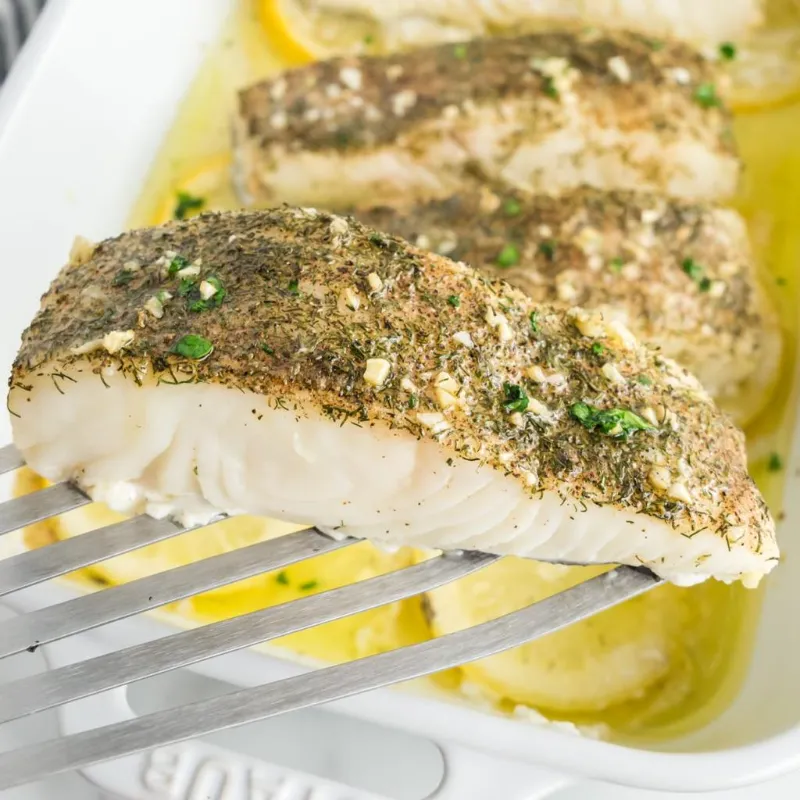
Halibut is a lean white fish with a clean, delicate flavor, and it punches well above its weight when it comes to vitamin D. A 3-ounce cooked serving provides around 190 IU, which is a solid contribution toward your daily goal.
Beyond vitamin D, halibut offers a great dose of magnesium, potassium, and B vitamins that support nerve and muscle function. It’s also high in protein while being very low in fat, making it a go-to for people focused on clean eating.
Halibut fillets cook quickly, usually in under 15 minutes, and pair well with just about any herb or seasoning you like. It’s one of those fish that even people who “don’t like fish” tend to enjoy.
6. Sardines
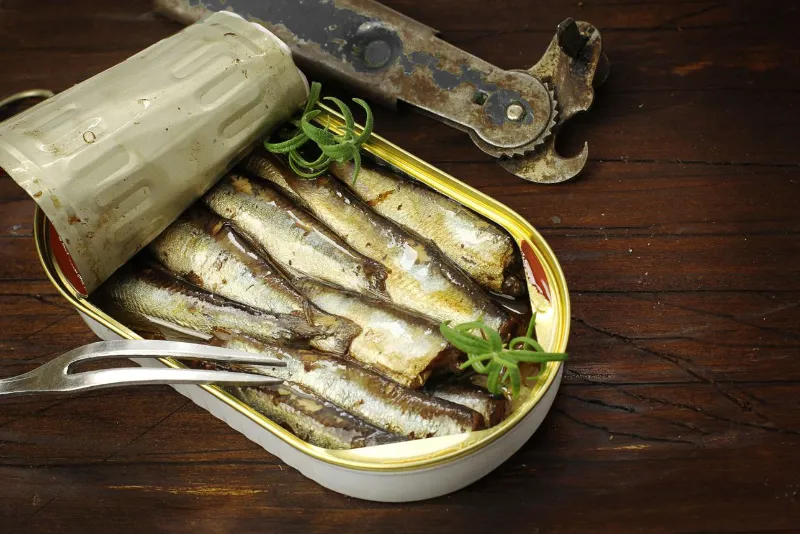
Sardines might be tiny, but they are absolute nutritional giants. One can of sardines in oil delivers roughly 177 IU of vitamin D along with a whopping amount of calcium, omega-3s, and vitamin B12.
The calcium and vitamin D combination in sardines works synergistically, meaning they help each other get absorbed and used more effectively in the body. That’s a huge deal for bone health, especially as you age.
If you’ve written off sardines because of their strong flavor, try rinsing them and serving them on whole grain crackers with a smear of Dijon mustard or a squeeze of lemon. It’s a game-changer moment for a lot of reluctant first-timers.
7. Herring
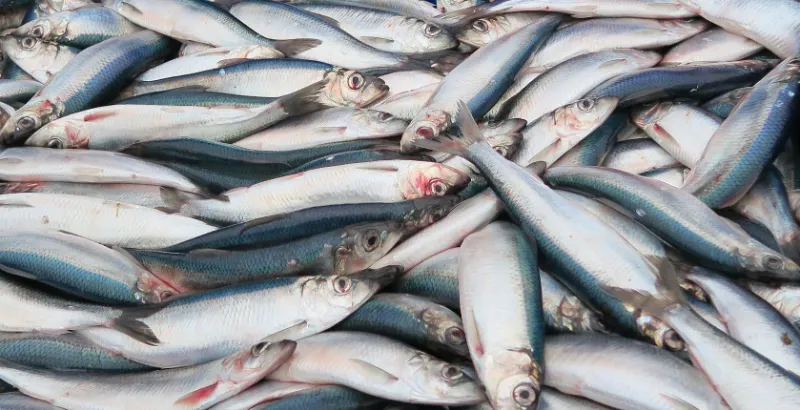
Herring is a staple in Scandinavian and Eastern European diets, and there’s a reason those populations tend to have strong vitamin D levels despite limited sunlight. One 3-ounce serving of pickled herring provides around 216 IU of vitamin D.
It’s also rich in vitamin B12 and iodine, nutrients that are critical for brain health and thyroid function. Herring is one of the more sustainable fish choices you can make, too, which is a nice bonus.
You can find pickled herring at most grocery stores in the deli or international foods section. Serve it on rye crackers with a bit of red onion and cream cheese and you’ve got a Scandinavian-inspired snack that’s genuinely impressive.
8. Mackerel

Atlantic mackerel is one of the richest natural sources of vitamin D available. A 3-ounce cooked serving can provide nearly 360 IU, making it a true standout among fatty fish.
Mackerel is also one of the best dietary sources of omega-3 fatty acids, specifically EPA and DHA, which are strongly linked to reduced inflammation and improved cardiovascular health. Research published in the American Journal of Clinical Nutrition has highlighted fatty fish like mackerel as key dietary tools for maintaining healthy vitamin D status.
It has a bold, rich flavor that works incredibly well smoked or grilled. If you can find smoked mackerel at your local store, try it flaked over a salad or spread on toast, it’s deeply savory and surprisingly addictive.
9. Cod Liver Oil
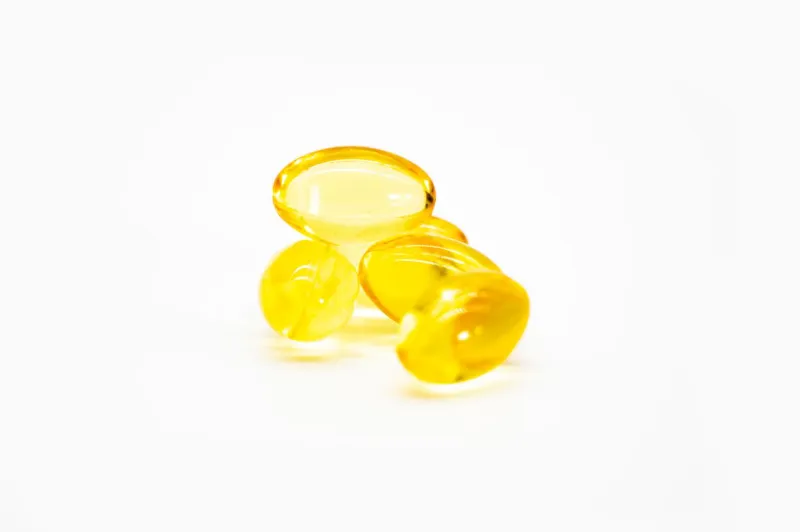
This one’s been around for centuries, and it’s still one of the most concentrated natural sources of vitamin D you can find. A single tablespoon of cod liver oil contains roughly 1,360 IU of vitamin D, well over the daily recommended amount.
It’s also packed with vitamin A and omega-3 fatty acids, giving it an almost unmatched nutritional profile for a single food source. Norwegian fishermen relied on it for generations to stay healthy through dark winters, and modern research has fully validated that practice.
You can take it in liquid form or as a capsule if the taste isn’t your thing. If you do go the liquid route, lemon-flavored versions have come a long way and are much more palatable than the original.
10. Canned Salmon

Fresh salmon gets most of the attention, but canned salmon is an unsung hero for vitamin D. A 3-ounce serving of canned sockeye salmon provides about 530 IU, and it’s significantly cheaper and easier to use than fresh fillets.
One unique advantage of canned salmon is that it often includes soft, edible bones. Those bones are a remarkable source of calcium, which, as mentioned earlier, works hand-in-hand with vitamin D for bone density and strength.
Mix canned salmon into salmon cakes, stir it into chowder, or blend it with cream cheese for a spreadable snack. It’s one of those pantry staples that nutritionists genuinely recommend keeping stocked at all times.
11. UV-Exposed Portobello Mushrooms
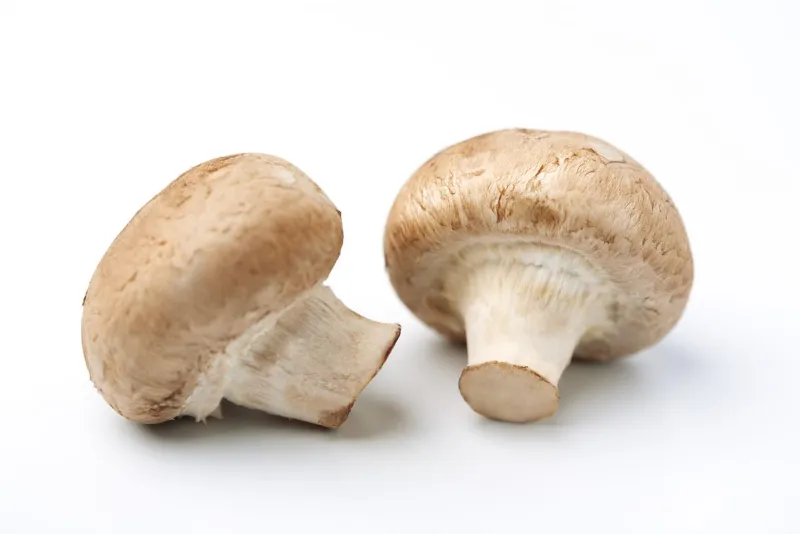
Here’s where things get interesting for plant-based eaters. When portobello mushrooms are exposed to ultraviolet light, they produce vitamin D2 in a process that’s actually quite similar to how human skin synthesizes vitamin D from sunlight.
UV-exposed portobellos can contain anywhere from 400 to 700 IU of vitamin D per half-cup serving, depending on the exposure. Some brands now specifically label their mushrooms as UV-exposed, making it easy to identify the right ones at the store.
You can also DIY it at home by placing regular portobello mushrooms gill-side up in direct sunlight for about 30 to 60 minutes. Grill them, roast them, or stuff them for a hearty, plant-powered vitamin D meal.
12. UV-Exposed Maitake Mushrooms
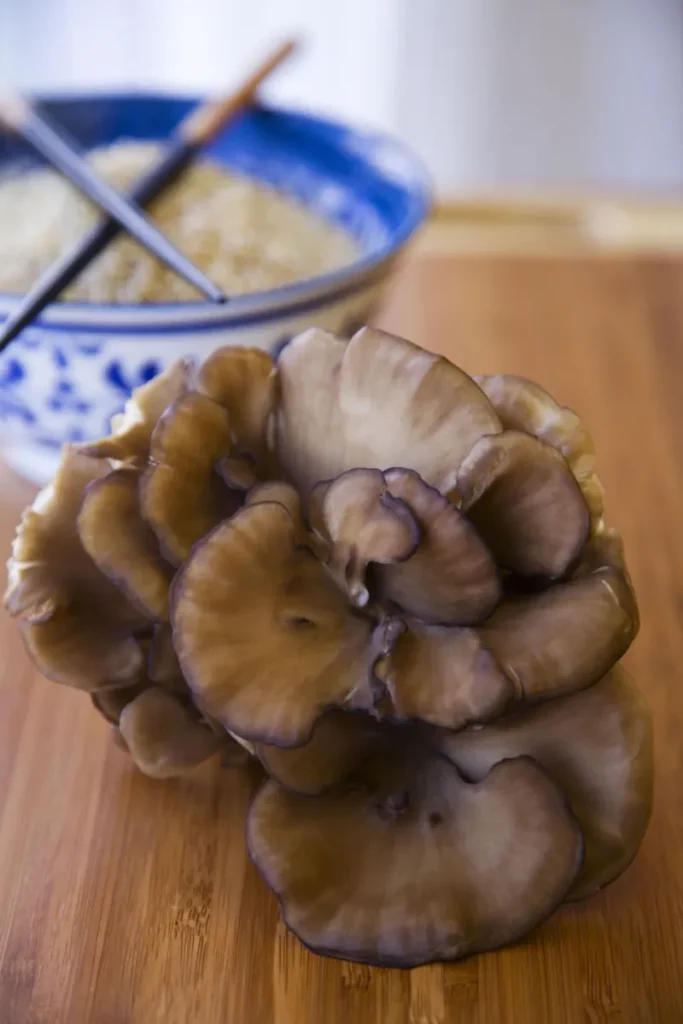
Maitake mushrooms, also known as “hen of the woods,” are another fungi superstar when it comes to vitamin D. UV-exposed maitake can deliver an astonishing amount of vitamin D2, sometimes exceeding 900 IU per half-cup serving.
Beyond vitamin D, maitake mushrooms contain beta-glucans, compounds that research suggests may support immune function and help regulate blood sugar levels. They’re a genuinely medicinal food with real science behind them.
They have a rich, earthy flavor and a satisfying chewy texture that holds up beautifully in stir-fries, soups, and sautés. Look for them at health food stores, Asian grocery stores, or farmers markets.
13. Fortified Whole Milk
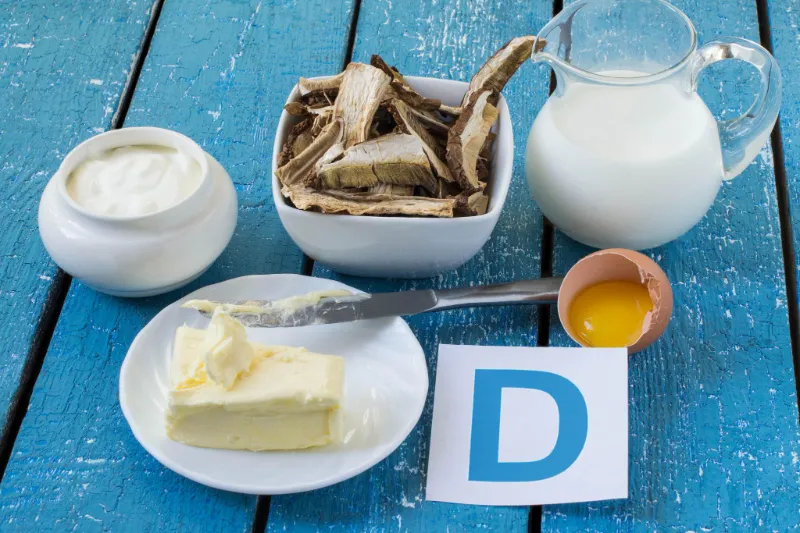
Milk has been fortified with vitamin D in the United States since the 1930s, when rickets was a widespread public health problem. That decision changed everything, and today one cup of whole milk provides around 115 to 124 IU of vitamin D.
The fat in whole milk actually matters here. Vitamin D is a fat-soluble vitamin, which means your body absorbs it more efficiently when there’s dietary fat present. That’s one reason why skim milk, while fortified, may not deliver the same benefit.
A glass of whole milk with breakfast is one of the simplest and most time-tested ways to boost your daily vitamin D intake. It also brings calcium, potassium, and vitamin B12 along for the ride.
14. Fortified Almond Milk
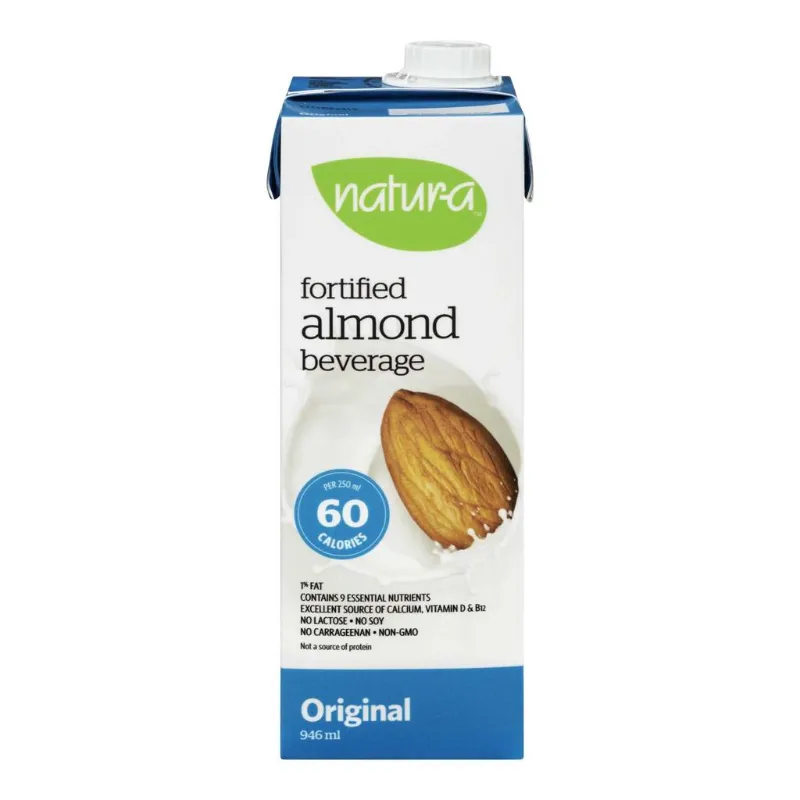
Almond milk isn’t naturally high in vitamin D, but most commercial brands are fortified to match or even exceed the levels found in dairy milk. One cup of fortified almond milk typically provides between 100 and 144 IU of vitamin D.
It’s also low in calories and contains a small amount of vitamin E, which acts as an antioxidant in the body. For people who are lactose intolerant or following a dairy-free lifestyle, fortified almond milk is a genuinely smart vitamin D vehicle.
Just make sure you shake the carton well before pouring since the added vitamins can settle at the bottom over time. Also, check the nutrition label since not all almond milk brands are fortified equally.
15. Fortified Oat Milk
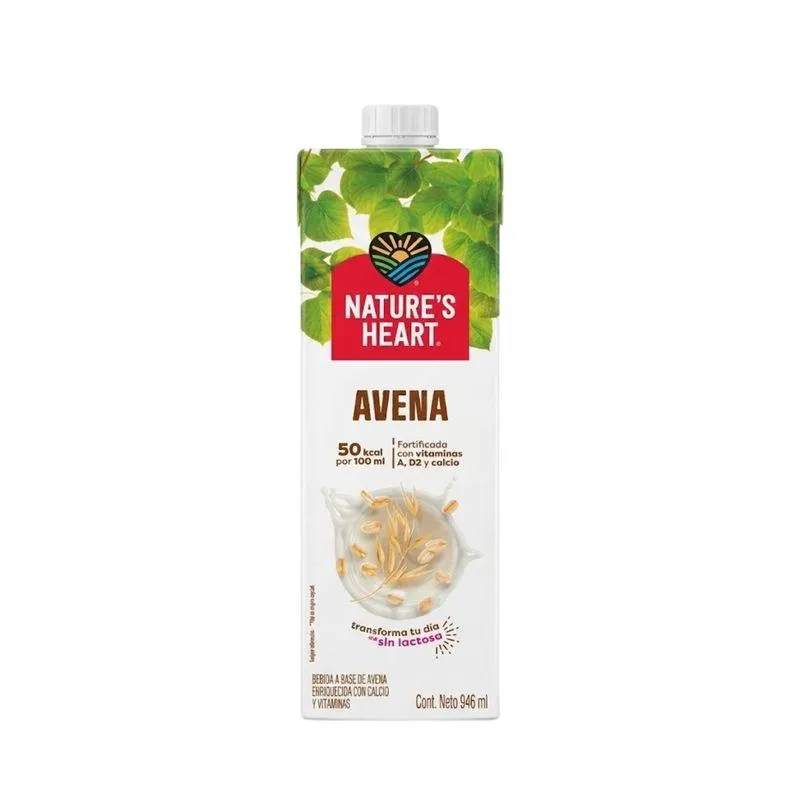
Oat milk has exploded in popularity over the last several years, and many brands now fortify their products with vitamin D. A standard cup of fortified oat milk can offer around 100 to 144 IU of vitamin D, similar to other plant-based milks.
Oat milk also contains beta-glucan fiber, which has been linked to improved cholesterol levels and better digestive health. It’s creamy, naturally sweet, and works beautifully in coffee, smoothies, or cereal.
When choosing oat milk for vitamin D purposes, always check the label and look for one that specifically lists vitamin D2 or D3 in the ingredients. Not all oat milks are fortified, so a quick label check matters.
16. Fortified Orange Juice

Starting your morning with a glass of fortified OJ is one of the easiest vitamin D habits you can build. Many brands of 100% orange juice are now fortified with vitamin D, offering around 100 IU per cup.
The vitamin C in orange juice is also worth noting because some research suggests that antioxidants like vitamin C may support the body’s ability to use vitamin D more effectively. It’s a natural nutritional pairing.
Look for labels that say “with vitamin D” or “fortified with calcium and vitamin D” when shopping. Brands like Tropicana and Simply Orange have fortified versions widely available across the US.
17. Fortified Breakfast Cereals
Not all cereals are created equal, but many popular American breakfast cereals are fortified with vitamin D, often providing between 40 and 100 IU per serving. Some varieties offer even more depending on the brand.
Cereals like Cheerios, Total, and Raisin Bran are frequently fortified, and when paired with vitamin D-fortified milk, you can get a meaningful double dose in a single breakfast bowl. It’s a simple strategy that nutritionists often recommend for boosting vitamin D in families.
Always read the nutrition facts panel since fortification levels vary widely between brands. Choose cereals that are lower in added sugar to keep the overall health picture balanced.
18. Fortified Yogurt
Yogurt is already a gut-health superstar thanks to its probiotics, but fortified versions also bring vitamin D to the table. Depending on the brand, a 6-ounce serving of fortified yogurt can provide anywhere from 80 to 120 IU of vitamin D.
The combination of probiotics, calcium, and vitamin D in yogurt is particularly valuable because gut health plays a role in how efficiently the body absorbs fat-soluble vitamins like D. A healthy gut lining means better vitamin uptake overall.
Greek yogurt lovers should double-check labels since Greek-style yogurts are less consistently fortified than regular yogurt. Brands like Stonyfield and Yoplait often fortify their standard lines, so they’re reliable options to look for.
19. Egg Yolks (Pasture-Raised)
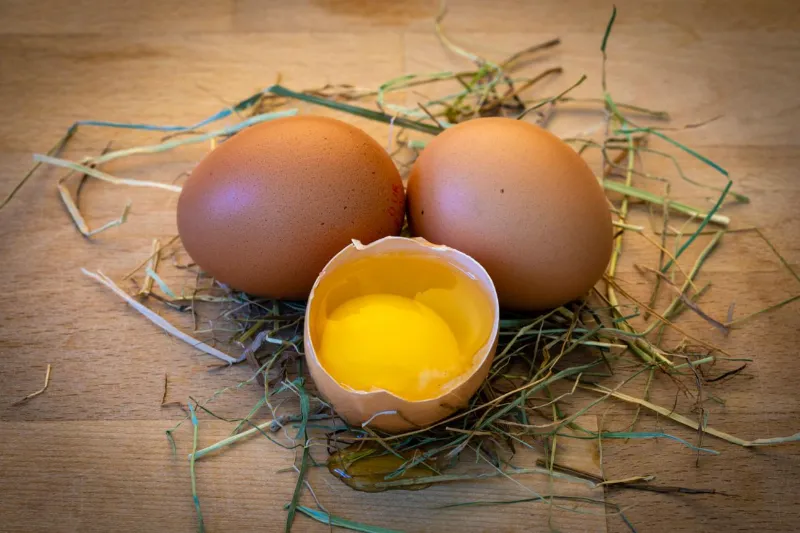
Egg yolks contain vitamin D naturally, but the amount varies significantly based on how the chicken was raised. Pasture-raised eggs, from hens that spend real time outdoors in sunlight, can contain up to 3 to 4 times more vitamin D than conventional eggs.
One pasture-raised egg yolk might provide around 40 to 50 IU of vitamin D, compared to just 10 to 15 IU in a conventional egg. Brands like Vital Farms and Pete and Gerry’s are well-known for pasture-raised options available at most major US grocery chains.
Don’t skip the yolk. That’s where virtually all the vitamin D lives, along with choline, selenium, and fat-soluble vitamins A, E, and K. The whole egg is the real superfood here.
20. Beef Liver
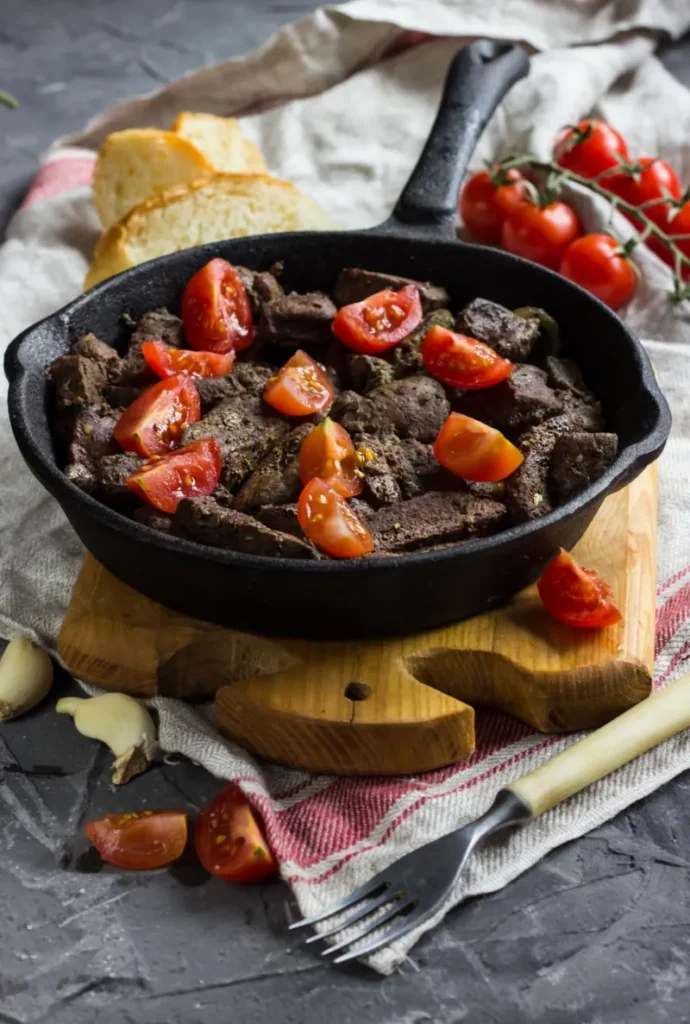
Beef liver is not exactly glamorous, but nutritionists consistently rank it as one of the most nutrient-dense foods on earth. A 3-ounce serving of cooked beef liver provides about 42 IU of vitamin D along with extraordinary amounts of vitamin A, iron, B12, and folate.
It’s particularly helpful for people who eat a meat-based diet and want their vitamin D to come from whole food sources rather than supplements or fortified products. The bioavailability of nutrients in liver is generally high, meaning your body uses what it gets efficiently.
If you’re new to liver, start with a small portion cooked with onions and a splash of balsamic vinegar to balance its naturally strong flavor. It’s an acquired taste for many, but one that’s absolutely worth developing.
21. Canned Mackerel
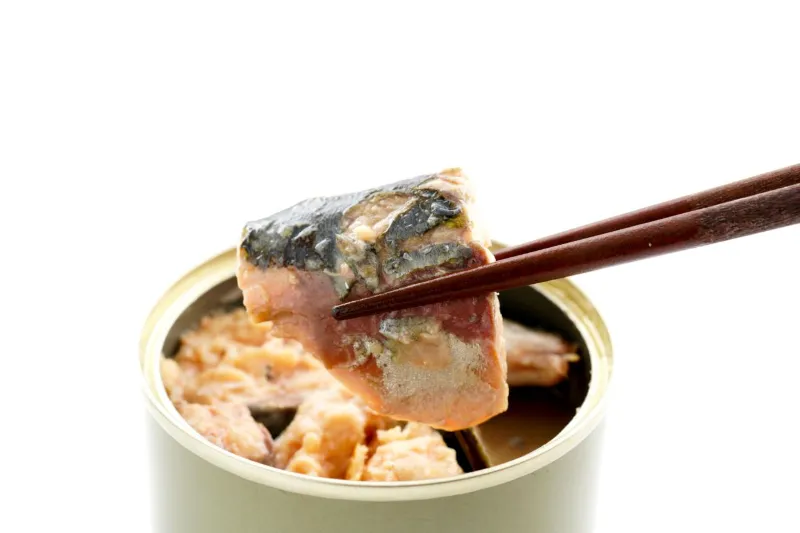
Canned mackerel deserves its own spot on this list because it’s so frequently overlooked compared to canned tuna or salmon. A 3-ounce serving of canned mackerel can deliver around 250 IU of vitamin D, which is genuinely impressive for something that costs just a couple of dollars.
It’s also one of the richest sources of omega-3 fatty acids among canned fish, with heart-health benefits that rival fresh options. Canned mackerel in tomato sauce or brine is widely available in grocery stores, especially in international food aisles.
Try stirring it into pasta with olive oil and capers for a quick, Mediterranean-style meal that’s both economical and nutritionally exceptional. Once you get past any hesitation, it’s a pantry essential worth keeping stocked.
22. Fortified Tofu
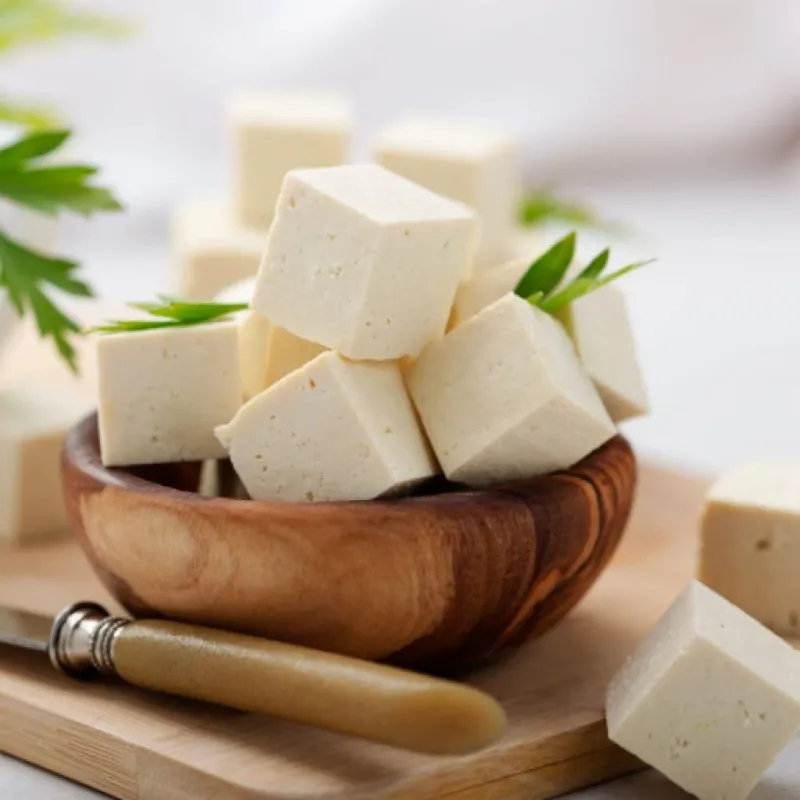
Tofu isn’t naturally high in vitamin D, but some brands now fortify their products, making it a meaningful option for plant-based eaters. Fortified tofu can offer around 100 to 150 IU of vitamin D per half-cup serving depending on the brand.
Tofu is also an excellent source of plant-based calcium and protein, which makes it a well-rounded option for vegans and vegetarians who need to be especially thoughtful about vitamin D intake since they can’t rely on fish or liver. Studies show that vegans are at particularly high risk of vitamin D deficiency.
Look for labels that specifically mention vitamin D fortification, as most plain tofu is not fortified. Brands like Nasoya and House Foods offer fortified versions in many US markets.
23. Fortified Soy Milk
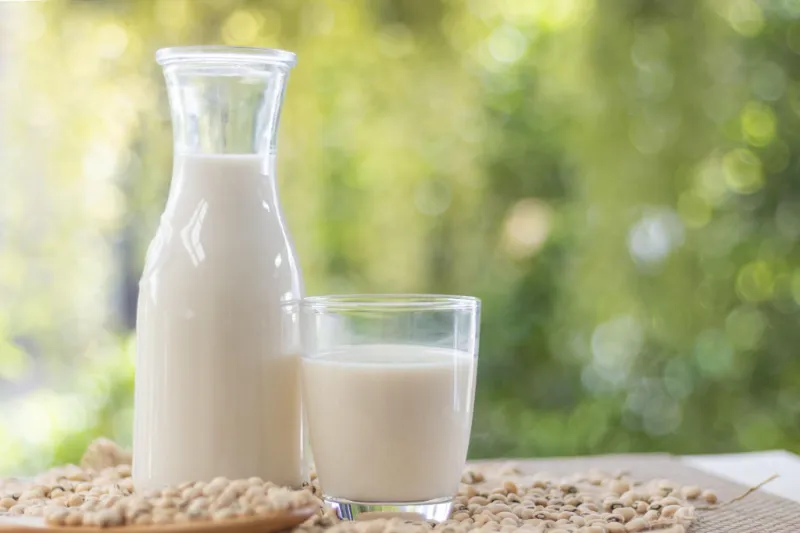
Soy milk is the plant-based milk most similar to dairy in terms of protein content, and most major brands are fortified with vitamin D to make it even more comparable. A cup of fortified soy milk typically provides 100 to 119 IU of vitamin D.
Soy milk is also a complete protein, meaning it contains all nine essential amino acids, which is rare among plant foods. For vegans and lactose-intolerant individuals, fortified soy milk is consistently recommended by registered dietitians as the most nutritionally comprehensive dairy alternative.
Use it in smoothies, oatmeal, coffee, or just drink it straight. It’s one of those swaps that makes transitioning away from dairy genuinely easy without sacrificing nutritional quality.
24. Swiss Cheese

Cheese fans, this one’s for you. Swiss cheese contains small but real amounts of naturally occurring vitamin D, around 6 IU per slice, which adds up when you’re eating it regularly as part of a varied diet.
Swiss cheese is also a good source of calcium, phosphorus, and vitamin K2, a nutrient that works alongside vitamin D to direct calcium into bones rather than arteries. That combination matters a lot for long-term bone and cardiovascular health.
Add Swiss cheese to omelets, melt it over a turkey sandwich, or pair it with apple slices for a snack that’s genuinely doing something for your nutrition. It’s a small contribution, but small contributions stack up over time.
25. Ricotta Cheese
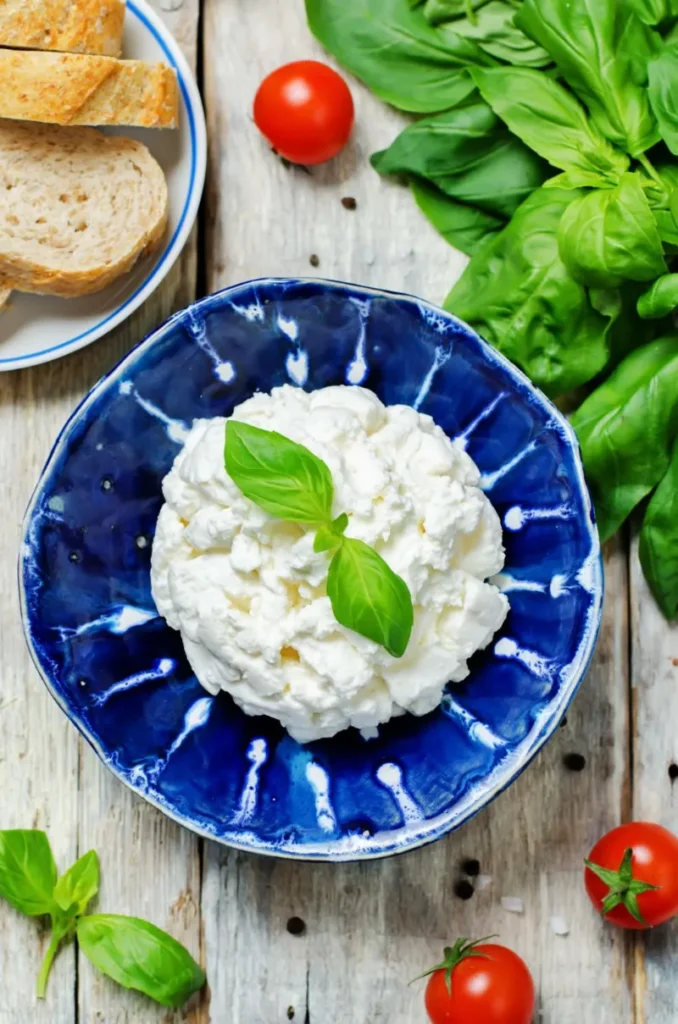
Ricotta is another dairy product with modest but real vitamin D content, offering around 25 IU per half-cup serving. It’s also one of the creamiest, most versatile cheeses you can work with in the kitchen.
Ricotta is rich in whey protein and calcium, and it has a lighter, more delicate flavor than aged cheeses, which makes it easy to incorporate into both sweet and savory dishes. Nutritionally, it’s one of the more underappreciated dairy options available.
Spread it on whole grain toast with honey and berries for a protein-rich breakfast, or use it as a base for a lighter pasta sauce. It’s comfort food that actually works for your health goals.
26. Catfish
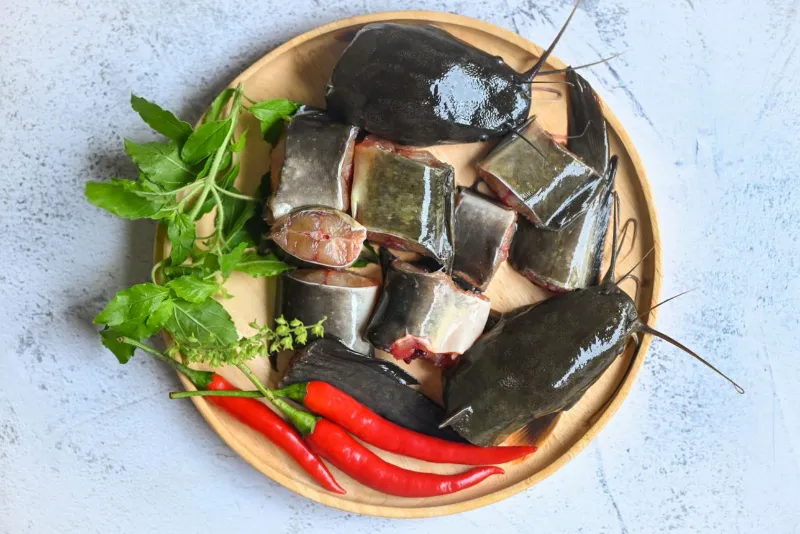
Catfish is a Southern staple in American food culture, and it happens to be a pretty solid source of vitamin D. A 3-ounce serving of cooked catfish provides around 425 IU, which makes it one of the more impressive freshwater fish options for this particular nutrient.
It’s also high in omega-3 fatty acids, vitamin B12, and selenium, giving it a nutritional profile that goes well beyond just being a comfort food. Farmed catfish raised in the US is considered one of the more sustainable and well-regulated aquaculture products available.
Baked catfish with Cajun seasoning is a crowd-pleaser that feels indulgent but is actually genuinely nutritious. If your family already loves it, now you have even more reason to put it on the weekly menu.
27. Carp
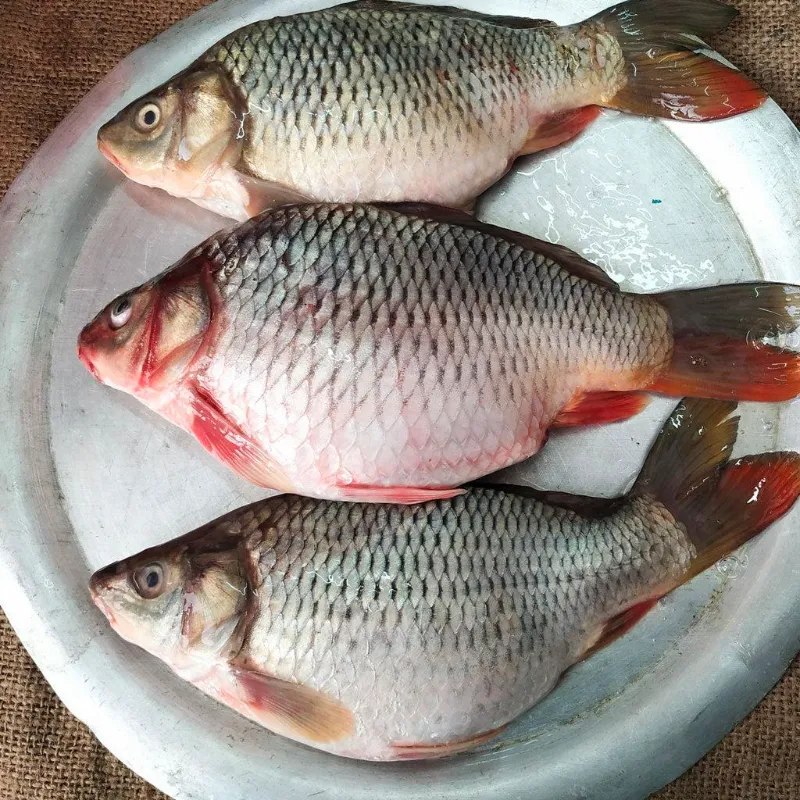
Carp might not be on your radar as a dinner option, but it’s widely consumed across Eastern Europe and Asia, and for good reason nutritionally. A 3-ounce serving of cooked carp provides around 272 IU of vitamin D.
It’s a fatty freshwater fish, which is exactly the profile that makes a species rich in both vitamin D and omega-3 fatty acids. Carp is also a sustainable fish in many regions where it’s considered an invasive species, so eating it is actually an environmentally conscious choice.
If you want to try it, look for it at Asian grocery stores or specialty fish markets. It’s typically prepared whole with bold spices that complement its rich, slightly sweet flavor.
28. Fortified Margarine and Butter Spreads

This one might be the biggest surprise on the list. Many margarine and fortified butter spreads sold in the US contain added vitamin D, often around 60 IU per tablespoon. Brands like I Can’t Believe It’s Not Butter and Country Crock have fortified versions on shelves.
Since vitamin D is fat-soluble, pairing it with fat makes biological sense, and spreads are fat by nature, which means the vitamin D in them may be absorbed particularly well. It’s a quiet, background-level source of vitamin D that contributes to your daily total without any extra effort.
Check the label before you buy since not all margarine brands are fortified. When you find one that is, it becomes a passive, everyday way to nudge your vitamin D levels in the right direction with something you’re already using.
Final Thoughts
Getting enough vitamin D doesn’t have to mean staring at a supplement bottle every morning. As you’ve seen, your plate has way more power than most people realize, from fatty fish and pasture-raised eggs to UV-exposed mushrooms and fortified everyday staples.
Start small. Pick two or three foods from this list that genuinely excite you and work them into your week. Your body will feel the difference, and your bones, mood, and immune system will thank you for it.
