
No-Boil Vegetable Lasagna with White Sauce

This no-boil vegetable lasagna with white sauce is the kind of comfort food that actually works on a busy weeknight. It bakes up with layers of tender pasta, sautéed vegetables, and a creamy garlic béchamel that tastes like you spent all afternoon.
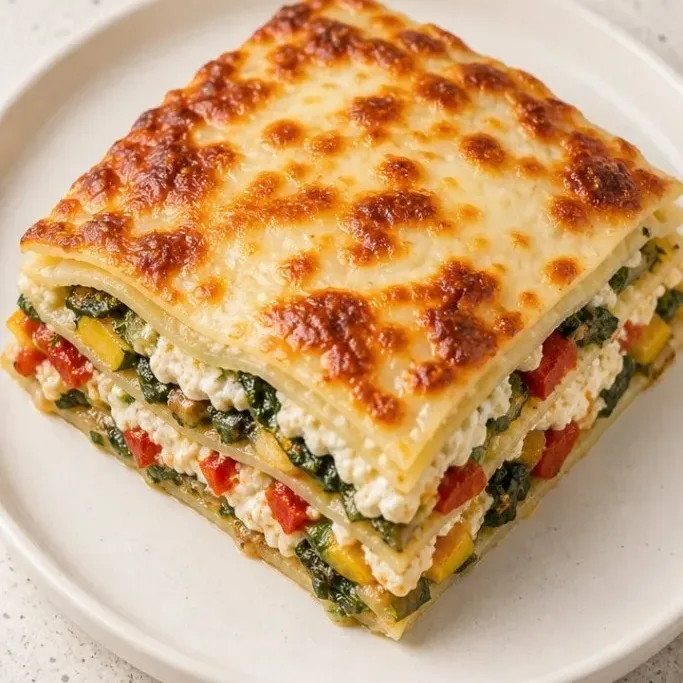
Everything goes into one dish, and the noodles soften in the sauce, so there is no extra pot to wash and no waiting for water to boil.
What Makes This Lasagna So Good
The white sauce is simple but it carries the dish. It thickens into a velvety base that blends with the ricotta and vegetables instead of just sitting on top. Every forkful gets some of everything.
The vegetables stay distinct. They soften in the pan but never turn to mush, so the layers have actual texture. And because you use no-boil noodles, the whole assembly takes about 20 minutes of hands-on work before it goes into the oven.
Ingredients
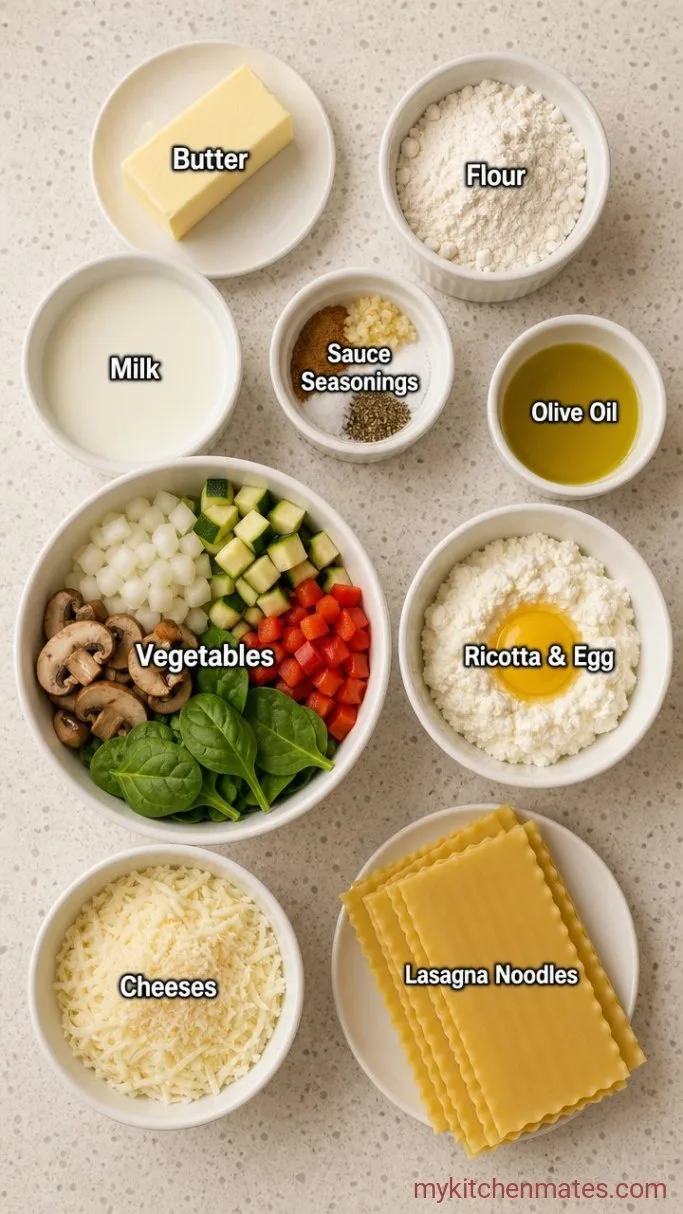
- 3 tbsp unsalted butter: sticks to the pan less than salted, which helps when making a roux
- 3 tbsp all-purpose flour: thickens the béchamel
- 3 cups whole milk: gives the sauce body and richness; 2% works too but the sauce will be thinner
- 2 cloves garlic, minced: sharp and savory base note
- ¼ tsp ground nutmeg: just a whisper of warmth that rounds out the dairy
- Salt and black pepper: season every layer
- 2 tbsp olive oil: for sautéing the vegetables
- 1 medium onion, diced: any yellow or white onion is fine
- 1 medium zucchini, diced (about 1½ cups): look for one that feels firm and heavy
- 1 bell pepper, chopped: red or yellow add sweetness, green works for a sharper bite
- 8 oz cremini mushrooms, sliced: shiitake or white mushrooms work too
- 5 oz fresh baby spinach: wilts down fast and holds its bright color
- 15 oz whole milk ricotta: full-fat ricotta keeps the filling creamy and prevents graininess
- 1 large egg: binds the ricotta so the layers hold together
- ½ cup grated Parmesan: adds a salty, nutty edge to the filling
- 2 cups shredded mozzarella, divided: low-moisture mozzarella melts into stretchy, golden pools; shred it yourself for the best melt
- 9 oz no-boil lasagna noodles (about 12 noodles): these are thinner than regular noodles and absorb liquid as the lasagna bakes
Variations
- Swap the vegetables: use roasted eggplant, sautéed kale, or steamed broccoli florets. Just cook out any excess moisture before layering.
- Use a different cheese: swap half the mozzarella for provolone or fontina for a nuttier melt.
- Add protein: stir 1 cup of cooked, crumbled Italian sausage or shredded rotisserie chicken into the sautéed vegetables if you want something heartier.
- Make it dairy-free: use a plant-based butter, unsweetened almond milk, and your favorite vegan ricotta and mozzarella alternatives. The béchamel will be thinner but still works.
- Go red instead: for a classic red-sauce version, try our Classic Vegetable Lasagna.
Roasted Vegetable Lasagna is another reader favorite dinner worth making next.
How to Make No-Boil Vegetable Lasagna
Step 1: Whisk the White Sauce
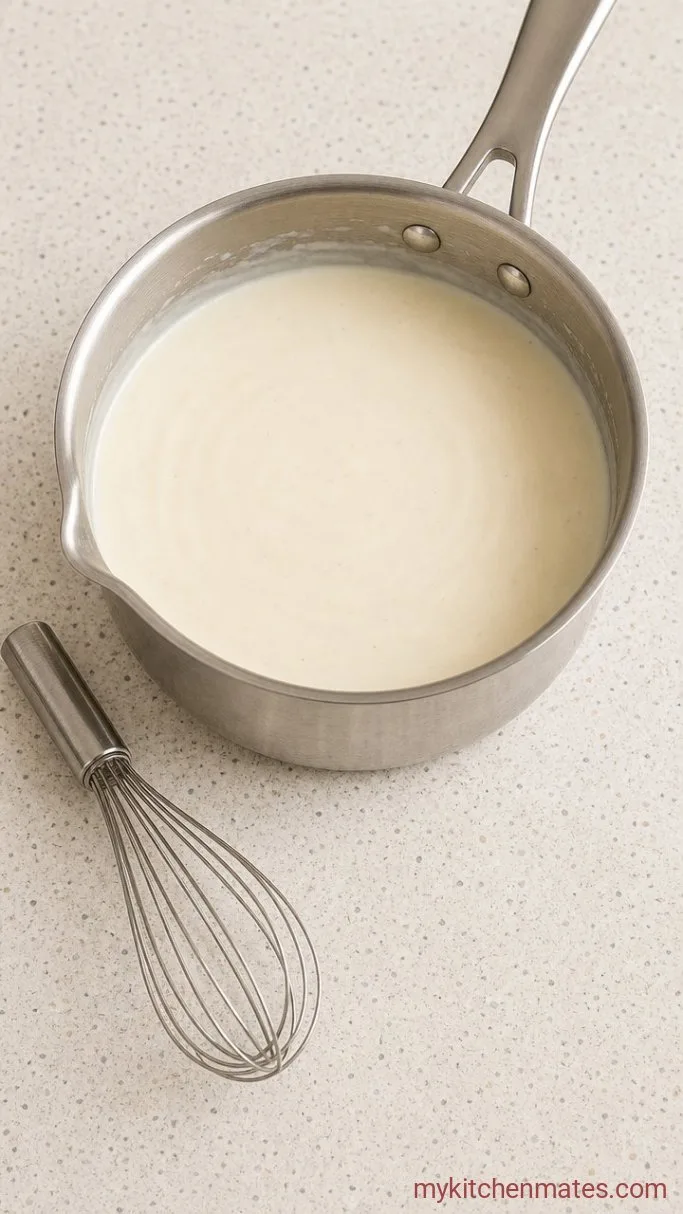
Melt the 3 tablespoons of butter in a medium saucepan over medium heat. Once it stops foaming, whisk in the 3 tablespoons of flour and cook, whisking constantly, for 1 minute. The roux will look pale and sandy.
Slowly pour in the 3 cups of milk while you keep whisking to break up any lumps. Stir in the 2 minced garlic cloves, ¼ teaspoon of nutmeg, and a generous pinch of salt and pepper. Bring the sauce to a gentle simmer and cook, stirring often, for 5 to 7 minutes, until it coats the back of a spoon and no longer tastes of raw flour. The sauce should be smooth and glossy. Keep the heat low enough that it bubbles softly rather than boiling hard, which can make it grainy. Once thickened, take the pan off the heat and set it aside.
Step 2: Sauté the Vegetables
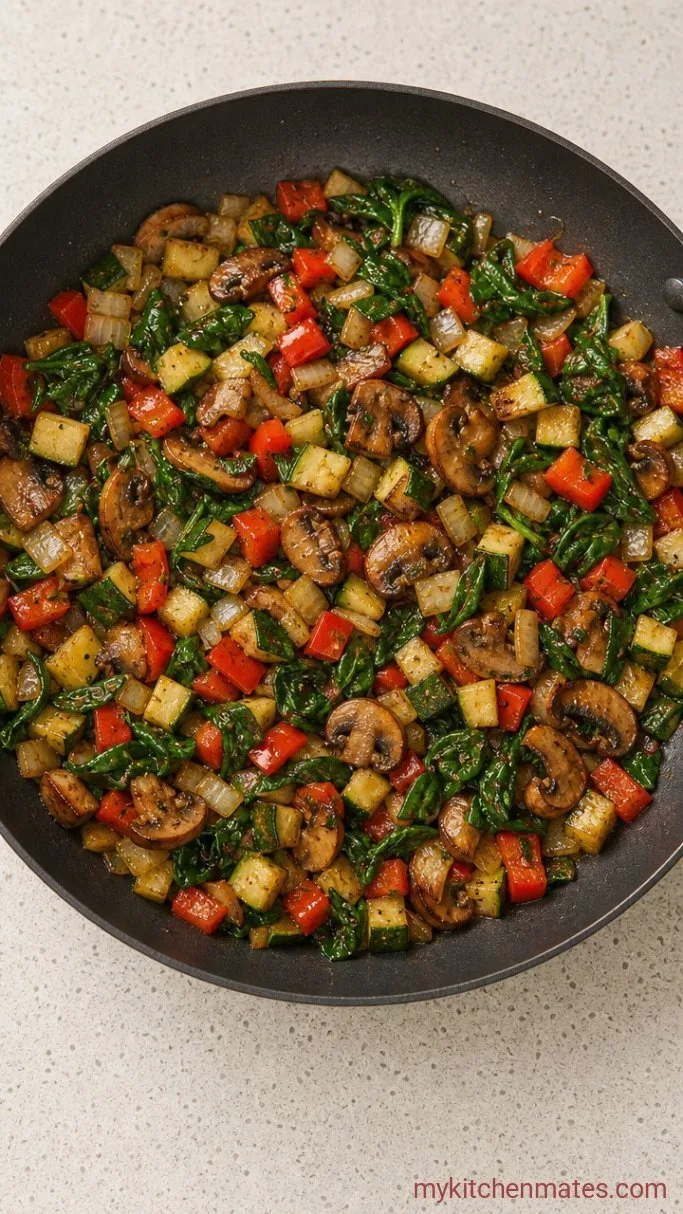
Set a large skillet over medium-high heat and add the 2 tablespoons of olive oil. When the oil shimmers, add the diced onion, zucchini, bell pepper, and sliced mushrooms. Cook, stirring now and then, for about 8 minutes, until the vegetables have softened and the mushrooms are golden at the edges. The zucchini should feel tender but still hold its shape.
Add the 5 ounces of spinach by the handful and stir until it wilts down, about 2 minutes. Season the whole pan with a pinch of salt and pepper, then remove it from the heat. If any liquid has collected in the bottom of the skillet, drain it off so the lasagna does not turn watery.
Step 3: Mix the Ricotta Filling
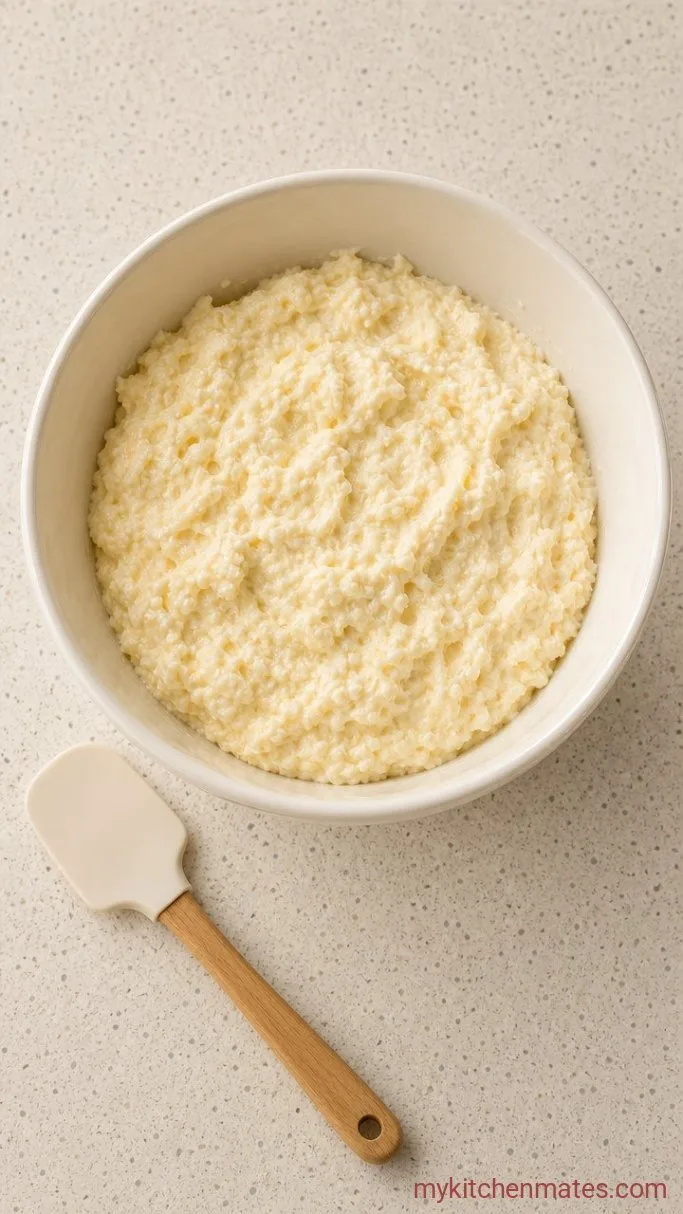
In a medium bowl, stir together the 15 ounces of ricotta, 1 large egg, ½ cup of grated Parmesan, ½ teaspoon of salt, and ¼ teaspoon of black pepper. Mix until everything is evenly blended and the egg is fully incorporated. The filling will be thick and creamy with no streaks of egg white visible.
Step 4: Layer the Lasagna
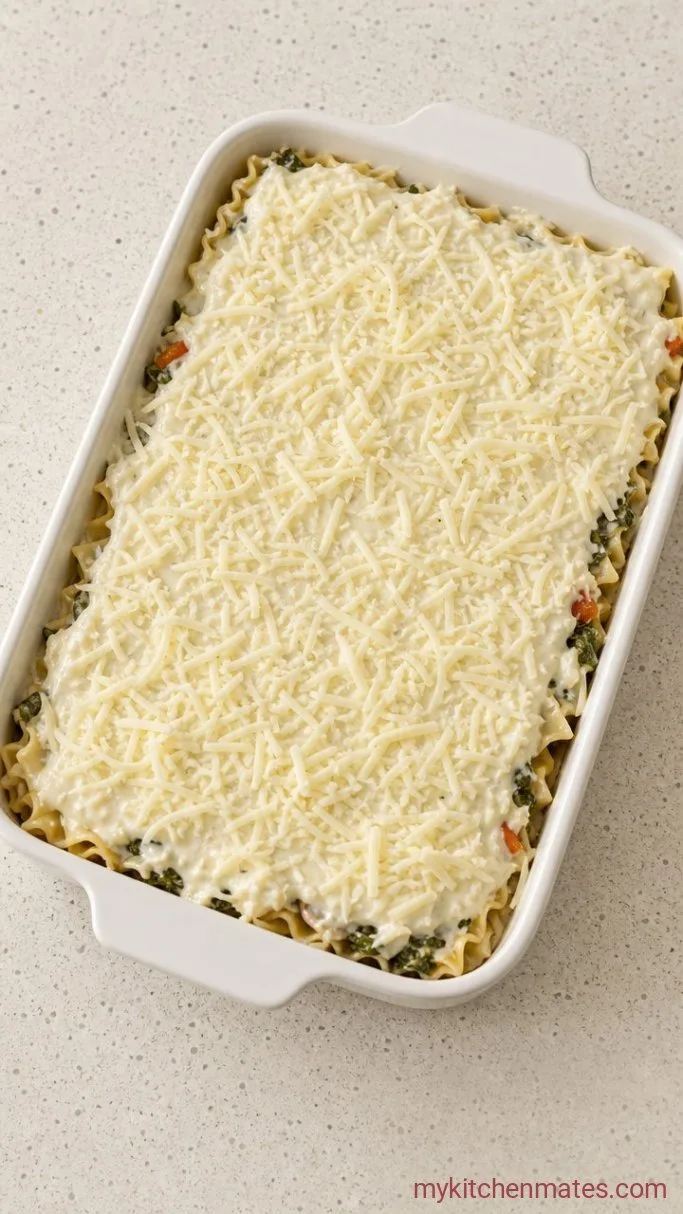
Preheat your oven to 375°F (190°C) and get out a 9×13-inch baking dish. Spread about ½ cup of the white sauce across the bottom of the dish, just enough to create a thin film. Arrange a single layer of uncooked lasagna noodles over the sauce; 3 or 4 noodles should fit.
Spread half of the vegetable mixture over the noodles, then dot on half of the ricotta mixture in spoonfuls and gently spread it out. Sprinkle a third of the shredded mozzarella over the ricotta, followed by a third of the remaining white sauce. Add another layer of noodles, then repeat with the rest of the vegetables, the rest of the ricotta, another third of the mozzarella, and another third of the white sauce. Top with one final layer of noodles, the last of the white sauce, and the remaining mozzarella. Press down lightly once or twice to help the noodles settle into the sauce.
Step 5: Slice and Serve the Lasagna
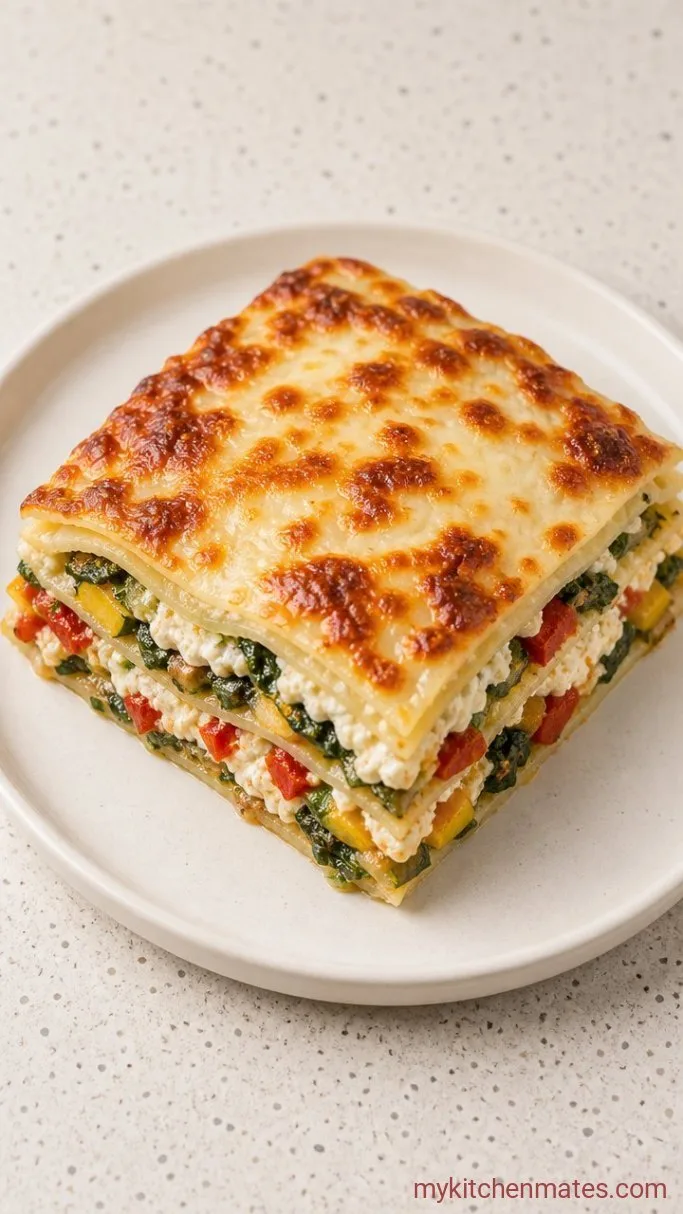
Cover the dish tightly with foil and bake for 30 minutes. Then remove the foil and continue baking for another 15 to 20 minutes, until the top is deeply golden and the sauce bubbles around the edges. Let the lasagna rest outside the oven for 10 minutes so the layers firm up, then slice into squares and serve while it is hot. The first cut will release a puff of steam and show off those neat, creamy layers.
Tips for the Best Vegetable Lasagna
- Let the lasagna rest after baking. Even a short wait keeps the slices from sliding apart on the plate.
- Grate your own mozzarella. Pre-shredded cheese is coated in starch that keeps it from melting into a smooth, stretchy layer.
- If your vegetables release a lot of liquid while they cook, drain the skillet before adding the spinach. Excess moisture is the main reason lasagna turns soupy.
- For the cleanest slices, use a sharp chef’s knife and wipe the blade between cuts.
- Assemble the lasagna and cover it tightly, then refrigerate overnight if you want to bake it the next day. Add 10 minutes to the covered baking time straight from the fridge.
Storing Leftover Lasagna
- Refrigerate: keep slices in an airtight container for up to 4 days. The layers hold together even better the next day.
- Reheating: warm individual portions in the microwave or cover a larger piece with foil and reheat in a 350°F oven until hot in the center.
- Freezing: wrap the whole baked lasagna or individual slices tightly in plastic wrap and then foil, and freeze for up to 3 months. Thaw overnight in the fridge before reheating.
What to Serve with Vegetable Lasagna
A simple green salad with a sharp vinaigrette cuts through the richness and feels like the natural partner here. Steamed green beans with a squeeze of lemon or roasted broccoli with garlic also work well because their clean, bright flavor balances the creamy sauce.
Frequently Asked Questions
Can I use regular lasagna noodles instead of no-boil?
Yes, but you need to boil them until al dente first, and you may need extra white sauce to keep the dish from drying out.
How do I keep the lasagna from getting watery?
Cook the vegetables until they release their liquid and drain any that remains before you start layering. A 10-minute rest after baking also helps the sauce settle.
Can I prep this and bake it later?
Assemble the lasagna without baking, cover it tightly, and refrigerate for up to 24 hours. Bake it straight from the fridge, adding about 10 minutes to the covered baking time.
Is it okay to freeze an unbaked lasagna?
Yes. Assemble it in a freezer-safe dish, wrap it well, and freeze for up to 3 months. Bake from frozen, covered, at 375°F for about 60 to 70 minutes, then uncover for the final browning.
What vegetables hold up best in a white lasagna?
Zucchini, mushrooms, bell pepper, and spinach all work because they cook down without turning to mush. Just avoid very watery vegetables like fresh tomatoes unless you seed and drain them thoroughly first.
No-Boil Vegetable Lasagna with White Sauce Recipe
Ingredients
Method
- Whisk the white sauce: Melt butter in a saucepan, whisk in flour and cook 1 minute. Slowly whisk in milk, garlic, nutmeg, salt, and pepper. Simmer 5 to 7 minutes until thickened, then set aside.
- Sauté the vegetables: Heat olive oil in a skillet over medium-high heat. Cook onion, zucchini, bell pepper, and mushrooms until softened, about 8 minutes. Add spinach and stir until wilted, about 2 minutes. Season and drain any liquid.
- Mix the ricotta filling: Stir together ricotta, egg, Parmesan, salt, and pepper until smooth.
- Layer the lasagna: Spread a thin layer of white sauce in a 9×13-inch dish. Layer noodles, half the vegetables, half the ricotta mixture, a third of the mozzarella, and a third of the sauce. Repeat. Top with final noodles, remaining sauce, and remaining mozzarella.
- Slice and serve: Cover with foil and bake at 375°F for 30 minutes. Uncover and bake 15 to 20 minutes more until golden and bubbly. Rest 10 minutes, then slice and serve.
Notes
