
Soft Sourdough Pull Apart Bread

This sourdough pull apart bread is a soft, buttery loaf made entirely without commercial yeast. It’s the kind of bread you’ll want to tear into while it’s still warm, with its golden crust and fluffy, tangy crumb.
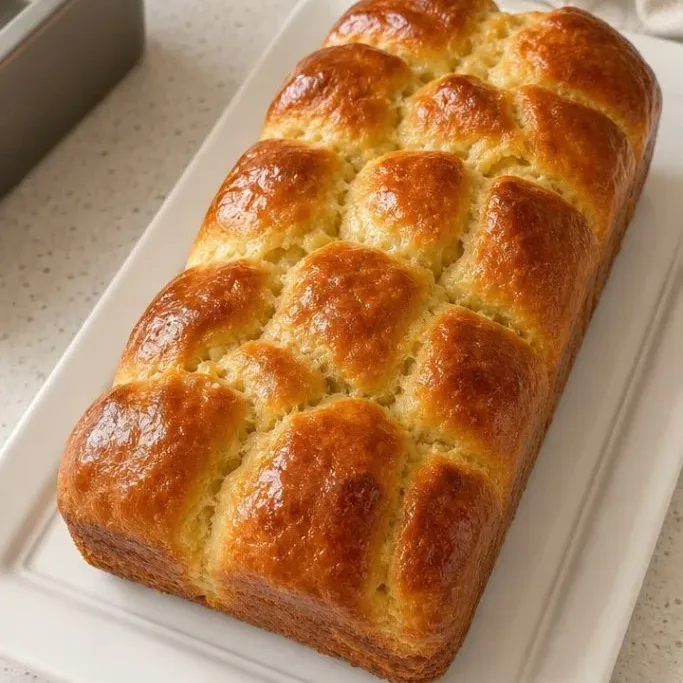
Perfect for sharing at the dinner table, it’s easier to shape than individual rolls and delivers all the deep sourdough flavor you love.
What Makes This Pull-Apart Bread a Favorite
The sourdough gives it a gentle tang that balances the richness of the butter and milk. Every bite has a tender crumb and just a hint of sweetness.
Because the dough is rolled into small individual pieces, you get that soft interior in each pull. I keep coming back to this recipe when I want something impressive that doesn’t take all day at the counter.
Ingredients
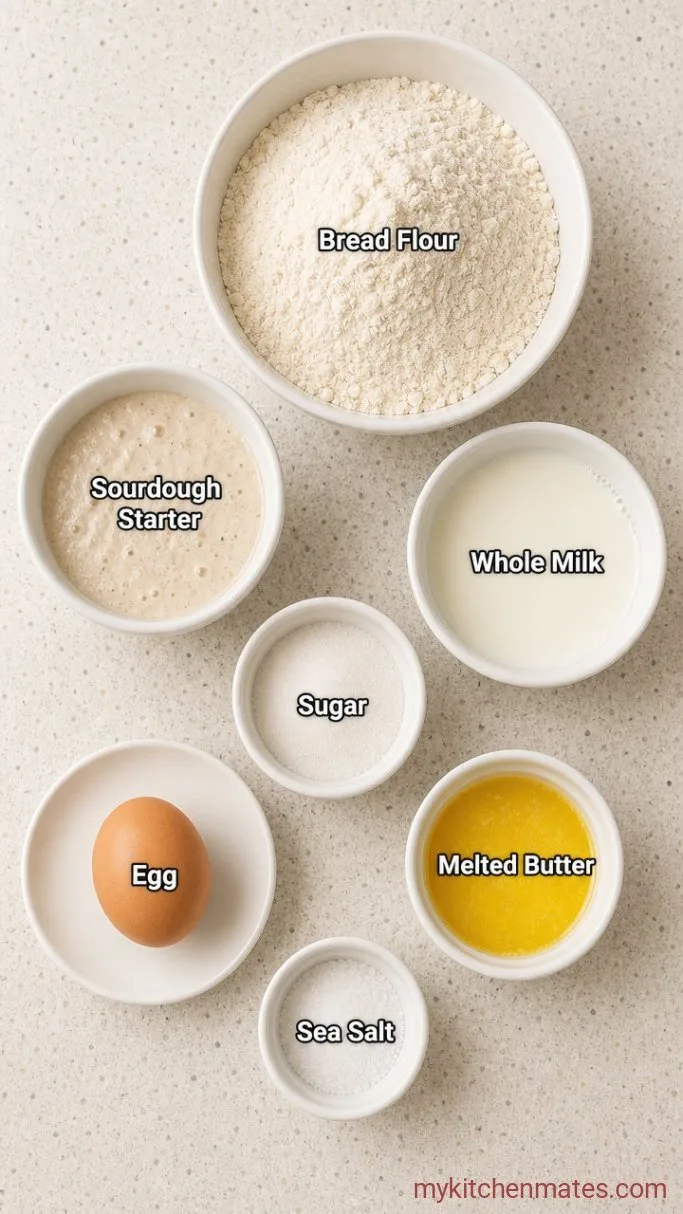
- 3 1/2 cups (420g) bread flour: higher protein for a strong, soft dough; all-purpose works in a pinch
- 1/2 cup (100g) active sourdough starter (100% hydration): fed and at its peak, bubbly
- 3/4 cup (180ml) whole milk: warmed to 110°F (43°C); whole milk makes it tender
- 3 tbsp (40g) granulated sugar: a little sweetness feeds the starter and softens the crumb
- 1 large egg: at room temperature, for richness
- 4 tbsp (56g) unsalted butter, melted and cooled: plus more for the pan
- 1 tsp fine sea salt
- 3 to 4 tbsp unsalted butter, melted: for brushing the rolled dough and finished loaf
Variations / Substitutions
- Garlic herb: Add 2 minced garlic cloves and 1 tsp dried herbs (oregano, rosemary, or thyme) to the melted brushing butter.
- Cinnamon sugar: Brush with melted butter and sprinkle 2 tbsp cinnamon sugar between layers.
- Cheese and jalapeño: Sprinkle a thin layer of shredded sharp cheddar and sliced jalapeños as you stack the dough pieces.
- Sweet roll: Swap the savory filling for a mix of brown sugar and a pinch of cardamom.
Creamy Outback Potato Soup is a cozy soup to serve with this bread.
How to Make Soft Sourdough Pull Apart Bread
Step 1: Mix the Dough
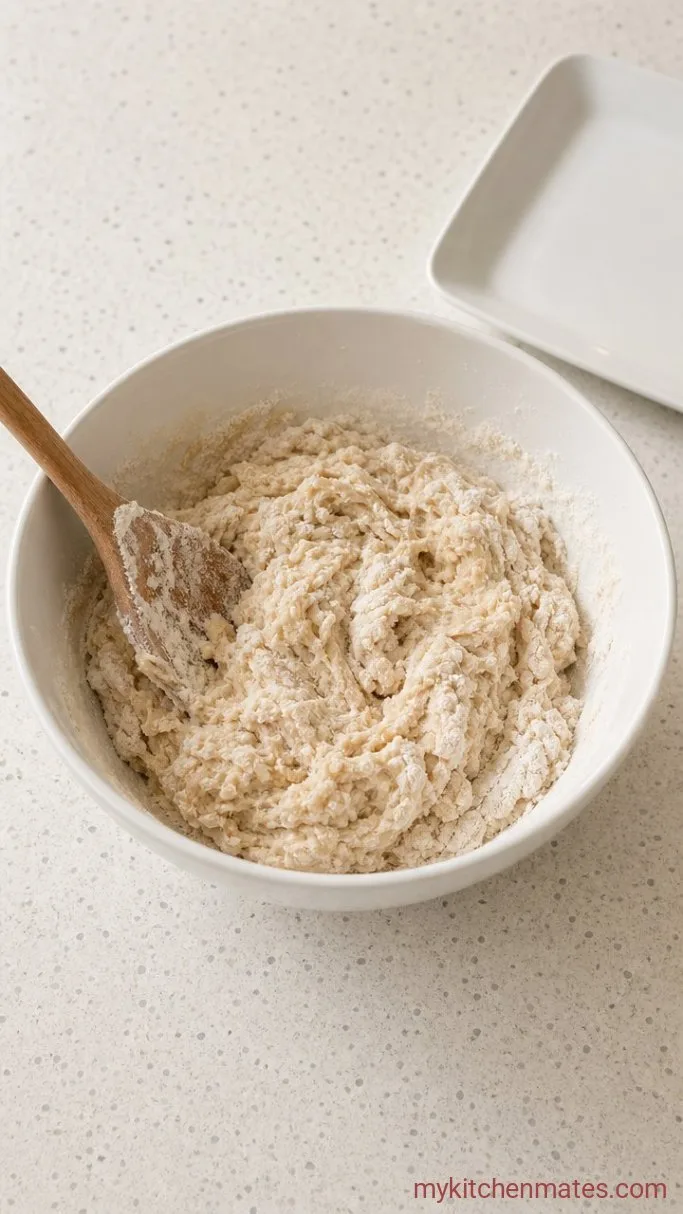
In a large bowl, whisk together the warm milk, 3 tbsp sugar, and active sourdough starter until mostly dissolved. Add the egg and the melted 4 tbsp butter, then stir in the flour and salt. Mix with a wooden spoon or your hands until a shaggy dough forms and no dry spots remain.
The dough will look rough and a little sticky. That’s what you want, resist adding extra flour here.
Step 2: Knead the Dough
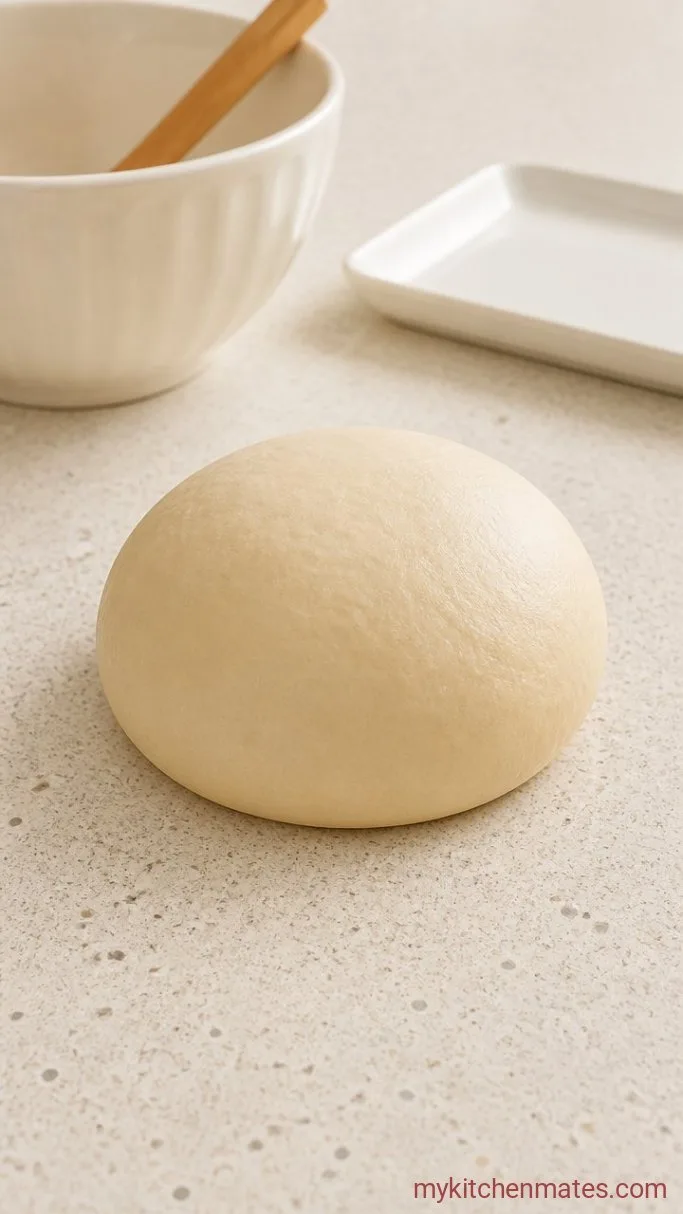
Turn the dough onto a lightly floured surface and knead for 8 to 10 minutes. Push, fold, and turn until it becomes smooth and elastic. If the dough sticks to the counter, use a bench scraper and only a light dusting of flour.
When it’s ready, the dough should feel supple and spring back slowly when you poke it with a finger.
Step 3: Proof the Dough
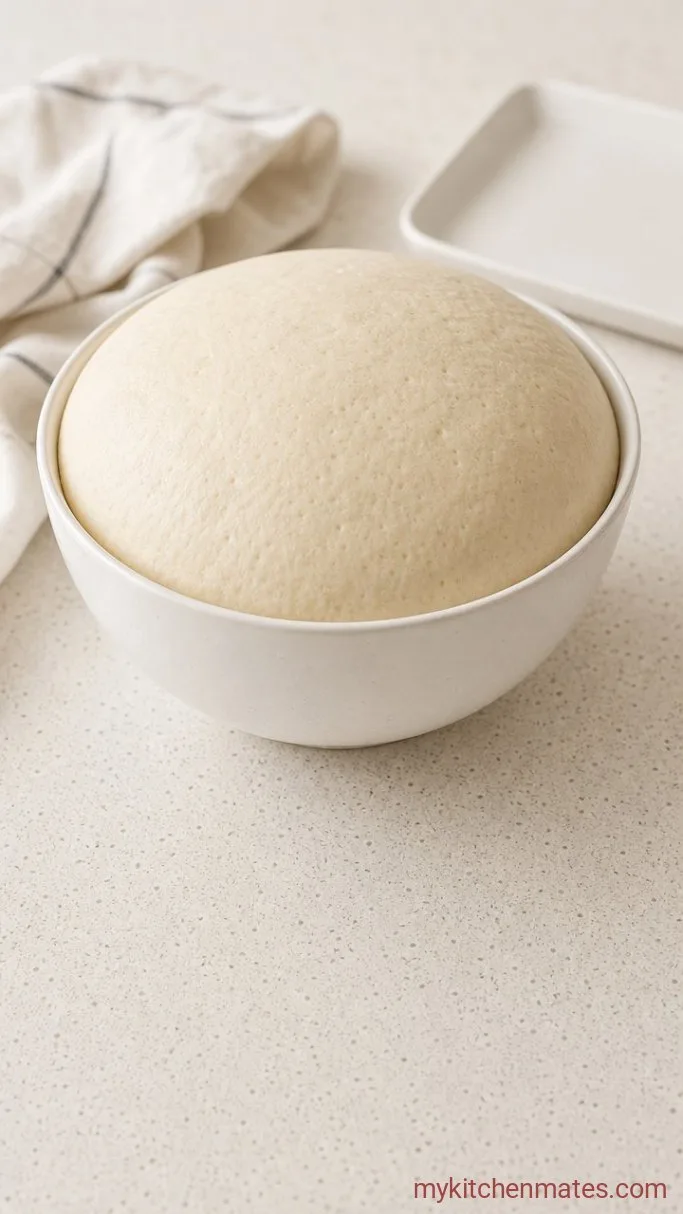
Place the kneaded dough in a lightly buttered bowl, cover with a damp towel or plastic wrap, and let it rise at room temperature. Depending on your starter and kitchen, this will take about 4 to 5 hours, until the dough has doubled in size.
A fully risen dough will look puffy and leave an indentation when pressed gently. Don’t rush this step; a slower ferment gives the best flavor and structure.
Step 4: Shape the Pull-Apart Rolls
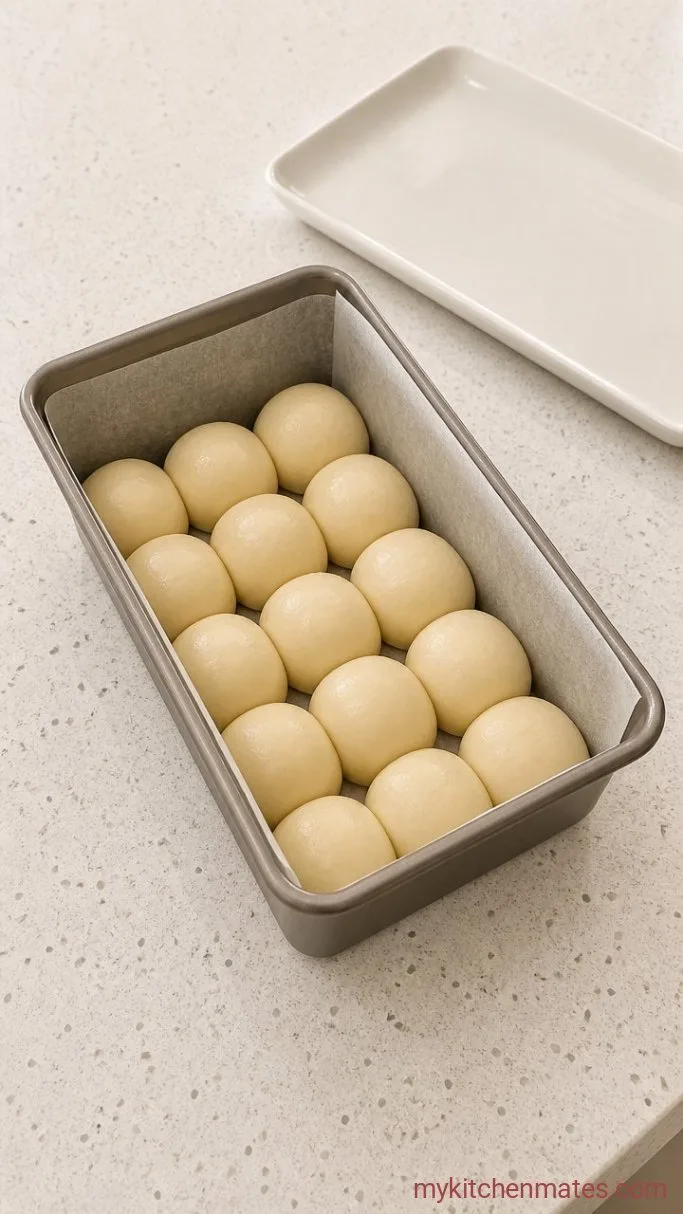
Punch down the risen dough gently to release air. On a lightly floured surface, roll it into a rectangle about 12×8 inches. Brush the entire surface with about 2 tbsp of the melted butter. Cut the rectangle lengthwise into 4 strips, then stack the strips on top of each other. Cut the stack crosswise into 6 equal pieces, so you end up with 24 small layered stacks.
Arrange these stacks cut-side down in a buttered 9×5-inch loaf pan. They will look a little messy and the butter will ooze, but they will bake into a beautifully soft loaf.
Step 5: Let It Rise Again
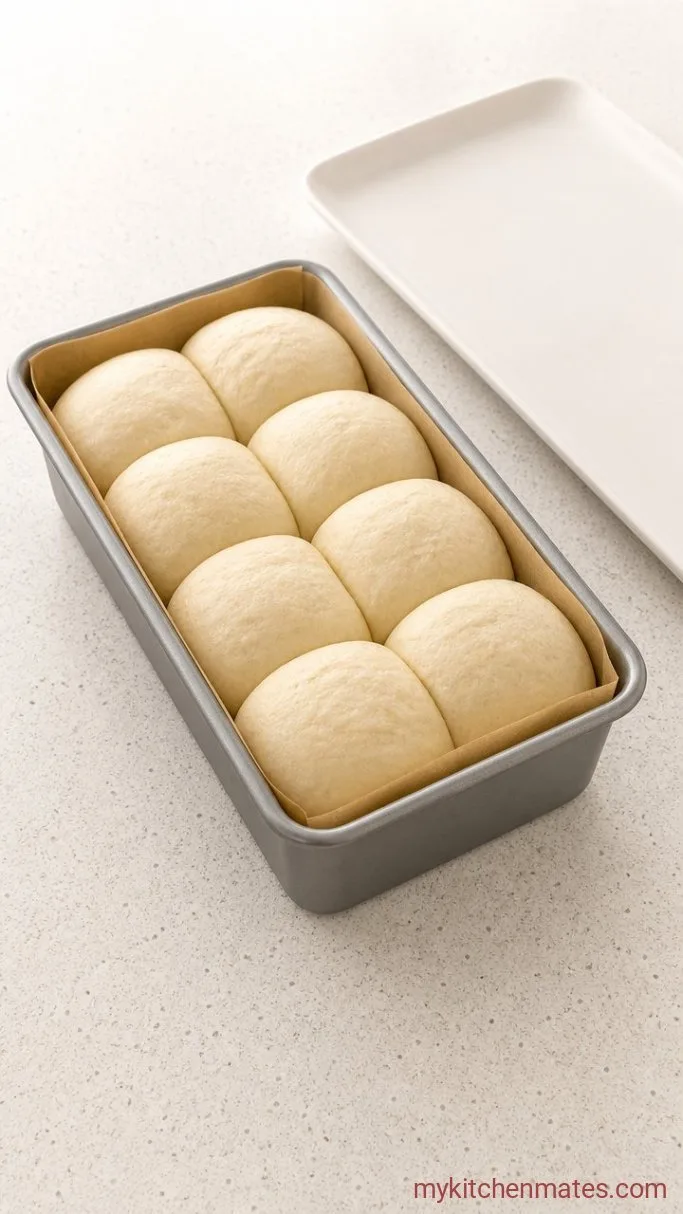
Cover the pan loosely and leave it at room temperature for 1.5 to 2 hours. The dough pieces will puff up until they rise about an inch above the pan rim. In the last 20 minutes of rising, preheat the oven to 350°F (180°C).
The surface of the dough should look slightly domed and feel airy to the touch. If your kitchen is cool, you can place the pan on top of the preheating oven to give it a gentle warmth.
Step 6: Bake and Brush
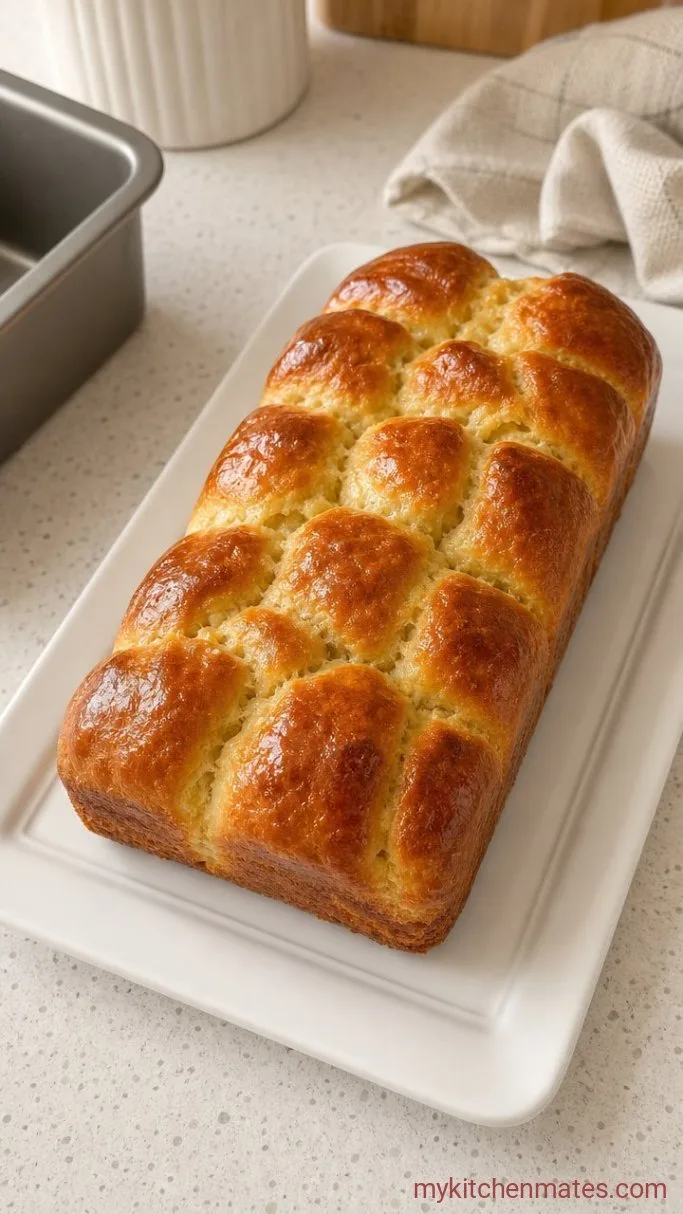
Once the oven is hot, bake the loaf for 25 to 30 minutes. The top will turn a deep golden brown and an instant-read thermometer inserted into the center should read 200 to 205°F (93 to 96°C). If the top darkens too quickly, tent it with foil after 20 minutes.
Let the bread cool in the pan for 5 minutes, then turn it out onto a rack. Brush the warm top with the remaining melted butter and serve the loaf while it’s still hot, pulling apart the soft, buttery layers.
A Few Notes for Soft Pull-Apart Bread
- Use an active, bubbly starter that has recently peaked. A sluggish starter means less rise and a dense crumb.
- The dough should be soft and slightly tacky but not sticky enough to cling to your hands without flour. If it feels very stiff, knead in a tablespoon of milk.
- For the cleanest slices when stacking, use a bench scraper or a sharp knife, and don’t press down too hard.
- Leftover pieces re-crisp beautifully if warmed in a 300°F (150°C) oven for 5 to 8 minutes, brushed with a little extra butter.
- If you want an even more golden crust, brush the loaf with an egg wash before baking instead of melted butter.
Keeping the Loaf Fresh
- Room temperature: Store the cooled bread in a sealed bag or wrapped in foil for up to 2 days. It will soften slightly but still taste great.
- Freeze: Wrap tightly and freeze for up to 2 months. Thaw at room temperature and reheat to revive the texture.
- Reheating: A quick 5-minute warm-up in a 350°F (180°C) oven or a toaster oven makes the layers soft and the crust crisp again.
What Goes Well With This Bread
A warm pull-apart loaf is wonderful alongside a bowl of creamy tomato soup or a hearty lentil stew, where the tangy sourdough soaks up every last drop. For a simple supper, serve it with roast chicken and a green salad. It’s also good on its own, with nothing more than a pat of salted butter.
Frequently Asked Questions
Can I use sourdough discard instead of active starter?
You can, but the rise will be much slower and the flavor more pronounced. If using discard, plan for at least 6 to 8 hours of first rise and a slightly denser crumb.
Can I prepare the loaf the night before?
Yes. After shaping the dough in the pan, cover and refrigerate it overnight. In the morning, let it sit at room temperature for 1 hour while the oven preheats, then bake as directed. It may take a few extra minutes.
Why did my bread turn out dense?
A dense crumb usually means the starter wasn’t active enough, or the dough didn’t rise long enough. Make sure your starter is doubled and bubbly before mixing, and don’t rush the proofing stages.
Can I use whole wheat flour?
You can swap up to half the bread flour with whole wheat flour. The dough will absorb more liquid, so add an extra tablespoon or two of milk if it feels dry. The crust will be a little more rustic and the flavor nuttier.
How do I know when the bread is fully baked?
An instant-read thermometer is your best tool. The center should reach 200 to 205°F (93 to 96°C). The loaf will also sound hollow if you tap the bottom, but the thermometer is more reliable.
Sourdough Pull Apart Bread Recipe
Ingredients
Method
- In a large bowl, whisk warm milk, sugar, and starter. Add egg and the 4 tbsp melted butter, then stir in flour and salt until a shaggy dough forms.
- Knead on a lightly floured surface for 8 to 10 minutes until smooth and elastic.
- Place in a buttered bowl, cover, and let rise until doubled, about 4 to 5 hours.
- Punch down dough, roll into a 12×8-inch rectangle. Brush with about 2 tbsp melted butter, cut into 4 strips lengthwise, stack, then cut crosswise into 6 pieces. Arrange cut-side down in a buttered 9×5-inch loaf pan.
- Cover and let rise until puffed about an inch above the pan rim, 1.5 to 2 hours. Preheat oven to 350°F (180°C) during the last 20 minutes.
- Bake 25 to 30 minutes until deep golden and internal temp reads 200-205°F (93-96°C). Cool in pan 5 minutes, turn out, brush with remaining melted butter, and serve warm.
Notes
