
Sourdough Pita Bread That Puffs Every Time

Sourdough pita bread is one of those things that feels a little bit magical when it balloons in the oven. It’s soft, chewy, and carries that gentle tang from the starter, nothing like store bought.
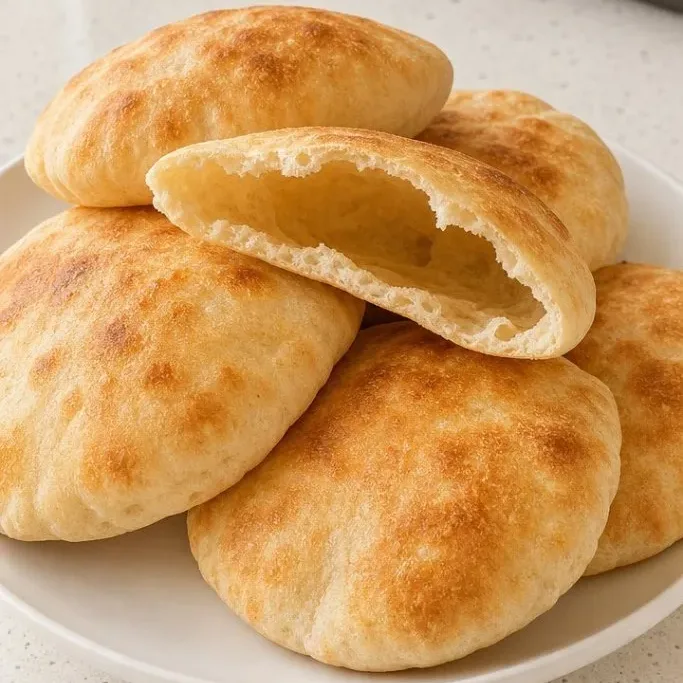
This version uses discard straight from the fridge, so you don’t need to time a fed starter. Mix the dough in the morning, let it ferment on the counter, and you’ll have warm, pocketed pitas for dinner.
Why These Pitas Always Puff
The dough is forgiving. Sourdough discard gives it flavor and just enough acidity to help the structure without slowing the rise too much. A tiny bit of instant yeast backs it up so you get that pillowy texture every time.
The real trick is heat. A screaming hot baking stone or inverted sheet pan blasts the dough with steam, forcing each round to puff into a perfect pocket in about three minutes. There’s no second guess.
Ingredients
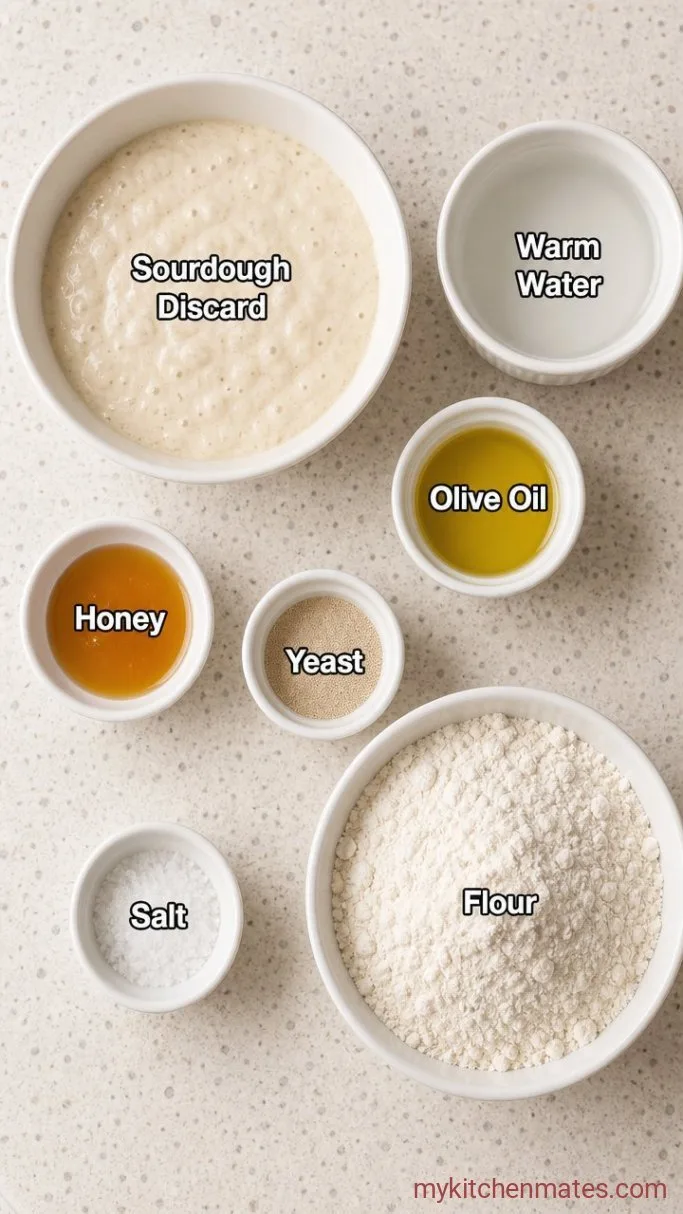
- 1 cup (240g) sourdough discard: straight from the fridge, unfed
- 3/4 cup (180ml) warm water: about 110°F (43°C)
- 2 tablespoons olive oil: plus a little for the bowl
- 1 tablespoon honey or sugar: honey adds a soft crumb
- 2 teaspoons instant yeast: this gives you a reliable, quick rise
- 3 cups (375g) bread flour: all purpose works but the pita will be less chewy
- 1 1/2 teaspoons fine sea salt
Variations / Substitutions
- Whole wheat flour: replace up to half the bread flour for a nuttier, slightly denser pita
- No yeast: if your starter is very active, you can skip the yeast but expect the first rise to take closer to 3 hours and you may lose some puff reliability
- Maple syrup: swap honey for maple for a mild, earthy sweetness
Hearty One-Pot Lentil Vegetable Soup goes perfectly with this bread for a cozy meal.
How to Make Sourdough Pita Bread
Step 1: Mix the Dough

In a large bowl, whisk together the 3 cups (375g) bread flour, 2 teaspoons instant yeast, and 1 1/2 teaspoons salt. Make a well in the center and pour in the 1 cup (240g) sourdough discard, 3/4 cup (180ml) warm water, 2 tablespoons olive oil, and 1 tablespoon honey. Stir with a wooden spoon until a shaggy dough forms.
The dough will look dry and clumpy at first. Keep stirring and then switch to your hands, squeezing it together. It will gradually turn into a tacky ball. Don’t add more flour yet; the discard holds moisture and the dough will hydrate as it rests.
Step 2: Knead the Dough
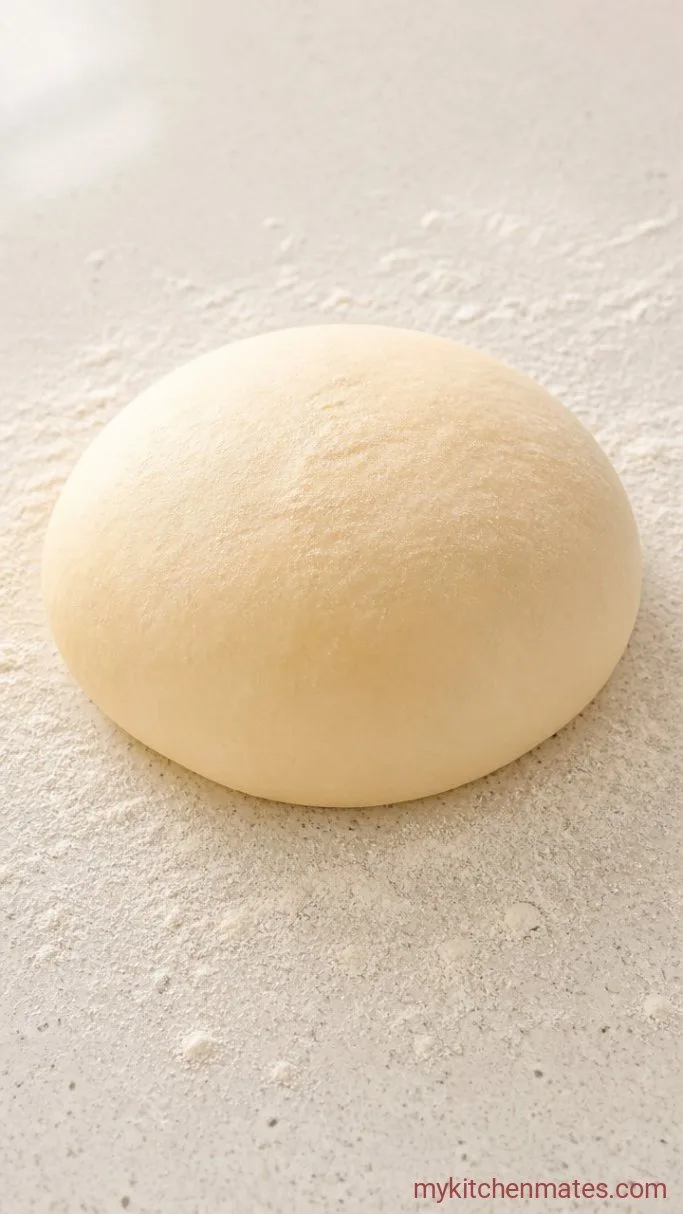
Turn the dough out onto a lightly floured surface and knead for 8 to 10 minutes. Push it away with the heel of your hand, fold it back, and give it a quarter turn. Repeat until the dough feels smooth and springs back when you poke it.
To check if it’s ready, stretch a small piece between your fingers. If it forms a thin, translucent membrane without tearing, the gluten is strong enough to trap the steam that makes the pockets.
Step 3: First Rise
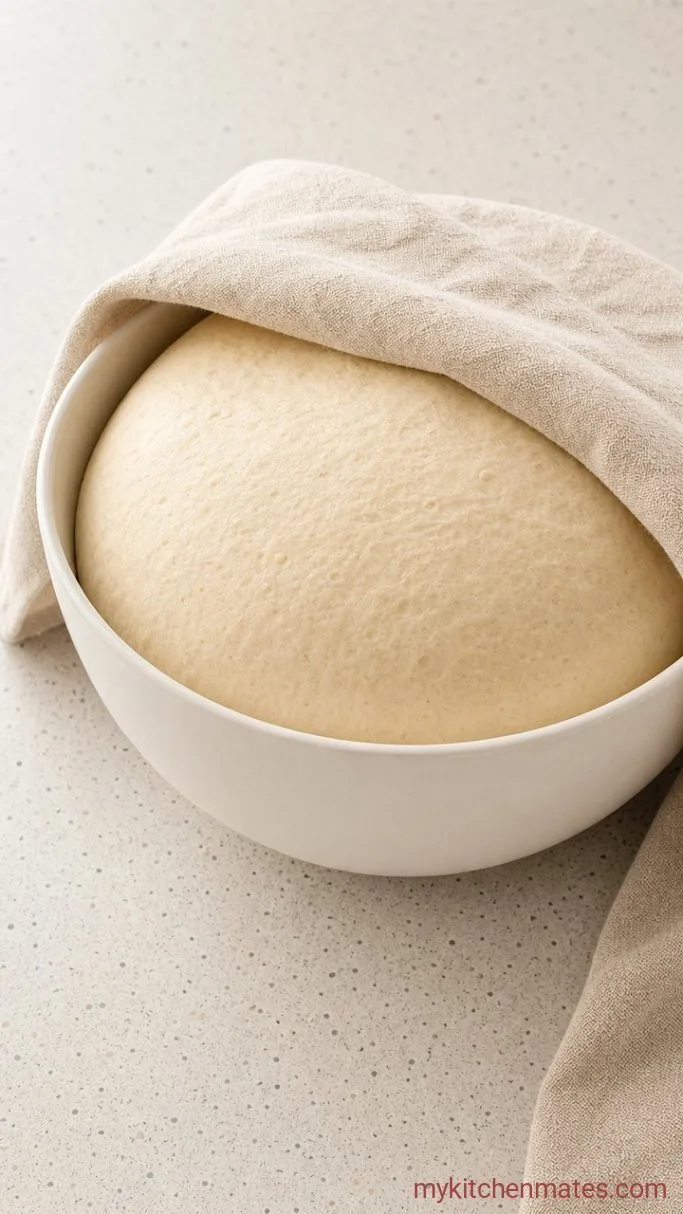
Place the dough in a lightly oiled bowl, cover with plastic wrap, and let it rise at room temperature until nearly doubled. Because of the sourdough discard, this will take about 1 1/2 to 2 hours, longer than a standard yeasted dough.
Look for a puffy surface and a visible increase in size. If your kitchen runs cold, put the bowl in a turned-off oven with the light on and the door cracked. A slower rise here builds more tang and a better crumb.
Step 4: Shape the Pitas
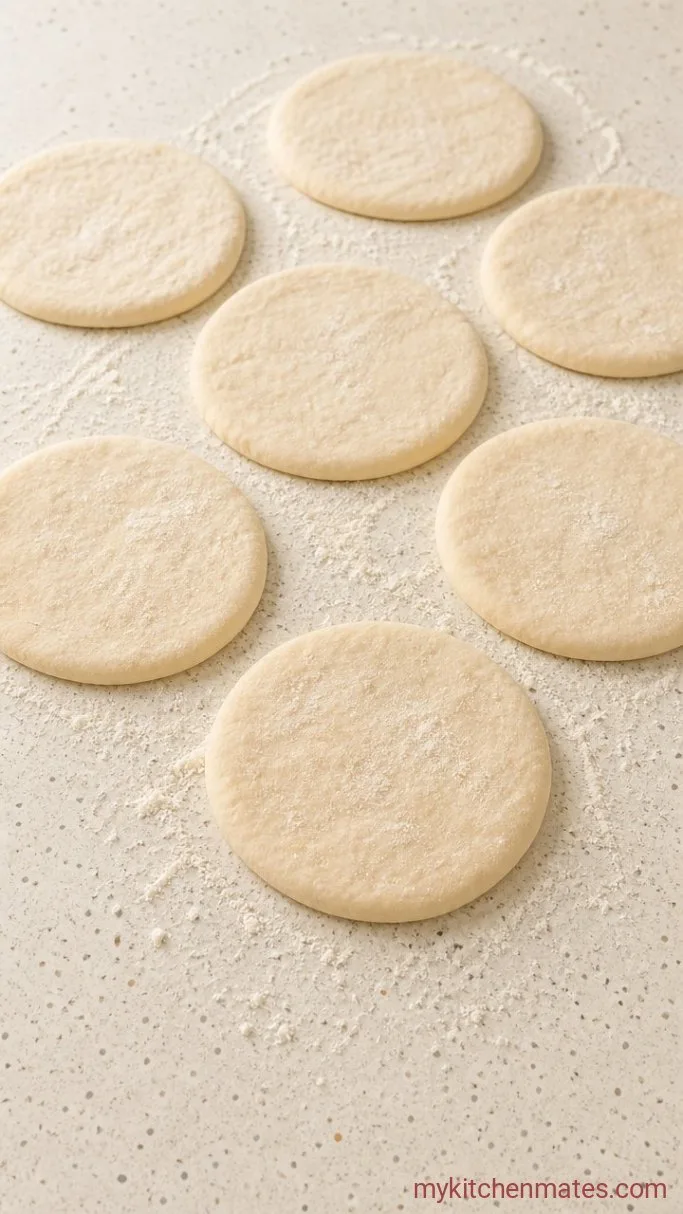
Punch down the dough and scrape it onto a clean surface. Divide it into 8 equal pieces, about 100g each. Roll each into a smooth ball and let them rest on a well-floured surface, covered with a clean kitchen towel, for 20 minutes. This relaxes the gluten so they roll out without springing back.
Using a rolling pin, flatten one ball into a circle about 6 inches across and 1/8 inch thick. Don’t roll it thinner than that or the pita won’t have enough structure to puff. Keep the other balls covered as you work so they don’t form a skin.
Step 5: Bake and Serve
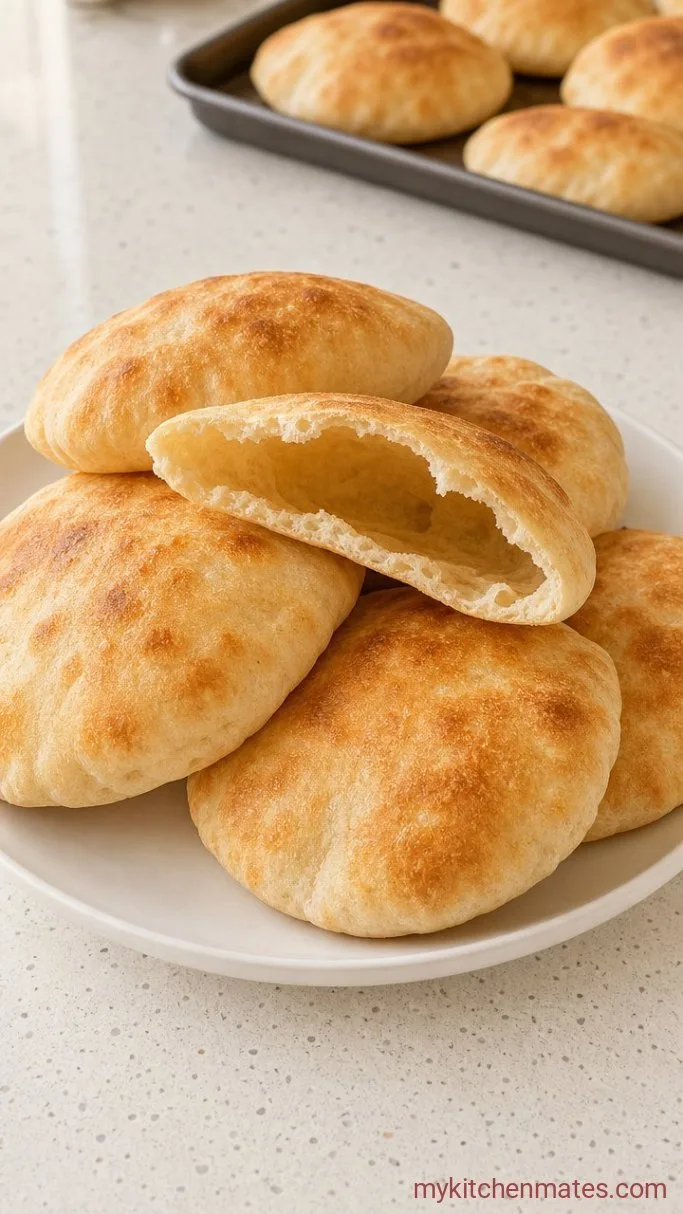
While the rounds rest, set a baking stone or an inverted large sheet pan on the middle rack and preheat the oven to 500°F (260°C) for at least 30 minutes. Carefully transfer 2 to 3 pita rounds onto the hot surface, leaving space between them. Close the door quickly so the heat stays trapped. Bake for 3 to 4 minutes, until they balloon and just begin to show pale golden spots.
Pull them out with tongs and wrap them in a clean towel to keep soft. Serve right away, tearing into one while it’s still steamy and tender, the pocket waiting to be filled.
A Few Notes for Puffy Pita
- Weigh your flour: if you have a scale. Even a little extra flour makes the dough stiff and the pitas struggle to puff.
- A 5-minute rest after rolling: gives the dough one last chance to relax, which helps it stretch quickly in the oven.
- Work in small batches. Putting too many cold rounds on the stone at once can drop the oven temperature and stop the steam burst.
- If a pita doesn’t puff, it’s still a beautiful flatbread. Fold it around your filling or toast it for dipping.
Bake times by surface:
| Surface | Time |
|---|---|
| Baking stone | 3 to 4 mins |
| Inverted sheet pan | 4 to 5 mins |
| Pizza steel | 2 to 3 mins |
Keeping Pitas Fresh
- Refrigerate: cooled pitas go into a zip-top bag and keep for up to 3 days in the fridge.
- Reheating: warm them in a dry skillet over medium heat for about 1 minute per side, or wrap a stack in foil and heat in a 350°F (175°C) oven for 10 minutes until soft and pliable.
What Goes Well With Sourdough Pita
These pitas are built for scooping. Dip them into smoky baba ganoush or a lemony hummus and the tangy bread sings. They also make a sturdy wrap for grilled lamb kofta with fresh herbs, or stuff them with crisp falafel, tomatoes, and a heavy drizzle of tahini for a fast lunch.
Frequently Asked Questions
Can I make the dough the night before?
Yes, after kneading, cover the bowl and refrigerate it overnight. In the morning, let it come to room temperature, about 1 hour, then shape and bake as directed.
How long should I preheat the baking stone?
At least 30 minutes at 500°F (260°C). The entire surface needs to be fully hot so the dough puffs immediately on contact.
Can I freeze the pitas?
Yes. Let them cool completely, then seal in a zip-top freezer bag with parchment between them. They keep for up to 2 months. Thaw on the counter and reheat in a skillet or oven.
My first pita didn’t puff. What happened?
The oven likely wasn’t hot enough yet. Give the stone a few more minutes between batches and try again. Also double-check you didn’t roll the dough too thin.
Sourdough Pita Bread Recipe
Ingredients
Method
- In a large bowl, whisk the flour, yeast, and salt. Add the discard, water, oil, and honey. Stir to a shaggy dough.
- Turn onto a floured surface and knead for 8 to 10 minutes until smooth and elastic.
- Place in an oiled bowl, cover, and rise at room temperature until nearly doubled, about 1 1/2 to 2 hours.
- Punch down, divide into 8 balls, cover, and rest 20 minutes. Roll each into a 6-inch circle, 1/8 inch thick.
- Preheat a baking stone or inverted sheet pan at 500°F (260°C) for 30 minutes. Bake pitas in batches for 3 to 4 minutes until ballooned and pale golden. Wrap in a towel and serve warm.
Notes
