
20-Minute Shrimp and Scallop Scampi

Shrimp and scallop scampi is the kind of dinner that feels like a weekend treat but comes together fast enough for a busy Tuesday night.

Tender shrimp, sweet sea scallops, and a quick garlic butter sauce with a squeeze of lemon and a handful of parsley, all tangled with linguine. One pan, a few simple steps, and a dish that tastes like it took all day.
Why This Scampi Works
The sauce is bright and buttery without being heavy. Fresh lemon juice and a touch of white grape juice cut through the richness, so every bite feels light.
It uses a smart order: sear the scallops and shrimp separately so they both stay tender, then build the sauce in the same pan. That way, every bit of flavor ends up on your pasta.
Ingredients

- 8 oz linguine: spaghetti or fettuccine work too
- 1/2 lb large shrimp, peeled and deveined: pat dry for the best sear
- 1/2 lb sea scallops, side muscle removed: look for dry-packed scallops if you can, they sear better
- 2 tbsp olive oil
- 3 tbsp unsalted butter, divided: unsalted butter gives you more control over salt; adjust if using salted
- 4 cloves garlic, minced
- 2 tbsp fresh lemon juice
- 1/4 tsp red pepper flakes: optional, for a little heat
- 1/4 cup chopped fresh parsley
- Salt and black pepper
Variations / Substitutions
- Make it with just shrimp or just scallops: use 1 pound total, no need to adjust anything else
- Gluten-free pasta: works perfectly, cook according to package directions and reserve extra pasta water since gluten-free pastas soak up more liquid
- Skip the heat: leave out the red pepper flakes if you prefer a milder dish
- Dairy-free option: use an extra 2 tablespoons of olive oil in place of the butter; the sauce won’t be as rich, but still coats the pasta well
Creamy Ground Beef Orzo is next on our list if this scampi is your kind of dinner.
How to Make Shrimp and Scallop Scampi
Step 1: Boil the Pasta
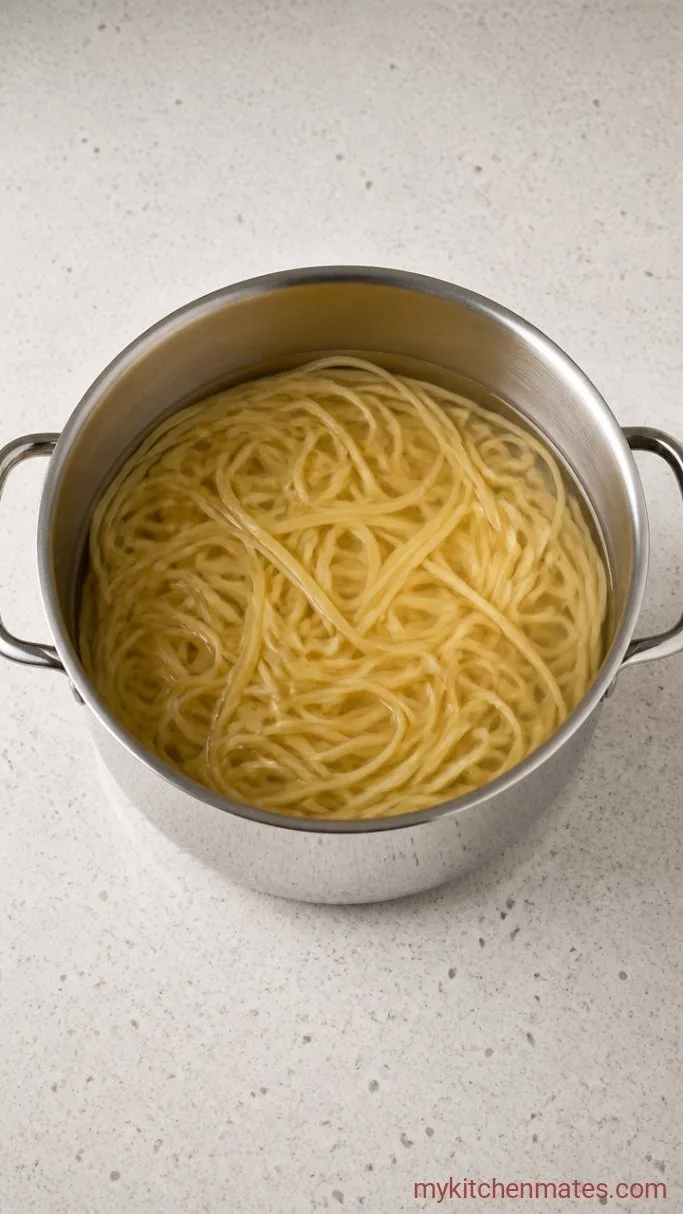
Set a large pot of salted water over high heat and bring it to a boil. Cook the linguine according to the package directions until al dente, usually about 8 to 10 minutes. Before draining, scoop out about 1 cup of the starchy pasta water and set it aside, then drain the pasta.
The water should taste like seawater, that little bit of salt seasons the pasta from the inside out. The pasta will finish cooking in the sauce, so al dente is important. Keep the reserved water handy; you’ll use it to loosen the sauce.
Step 2: Sear the Scallops

Pat the scallops completely dry with paper towels and season both sides with a pinch of salt and pepper. Place a large skillet over medium-high heat, add the 2 tablespoons olive oil and 1 tablespoon of the butter. Once the butter melts and foams, lay the scallops in a single layer, leaving a little space between them. Cook without moving them for about 2 to 3 minutes, until the bottoms are golden brown and they release easily from the pan. Flip and cook the other side for another 2 to 3 minutes. Transfer the scallops to a clean plate.
The skillet should be hot enough that you hear a clean sizzle the moment the scallops hit the pan. If the butter browns too fast, lower the heat a touch. The sear gives the scallops a sweet, caramelized edge while keeping the center tender.
Step 3: Sauté the Shrimp
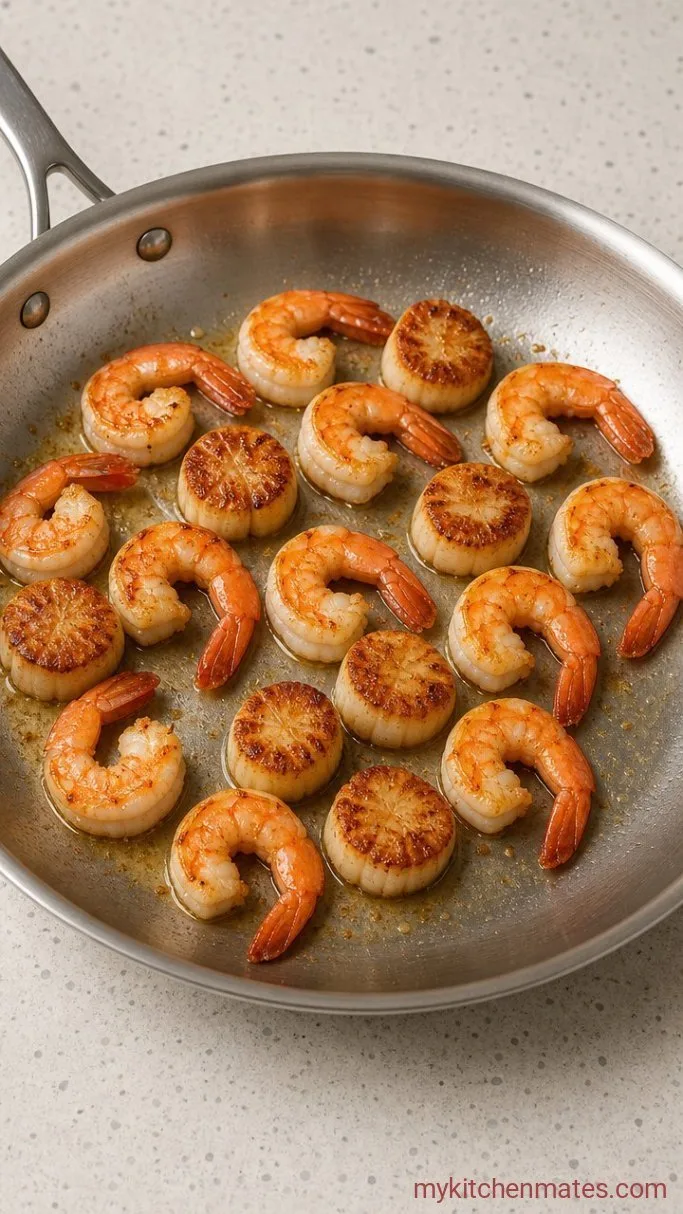
Pat the shrimp dry, season them lightly with salt and pepper. If the pan looks dry, add another drizzle of oil. Lay the shrimp in the still-hot skillet in a single layer. Cook for 1 to 2 minutes on the first side, until pink and curled, then flip and cook 1 to 2 minutes more just until opaque. Transfer the shrimp to the plate with the scallops.
Shrimp cook fast, so keep an eye on them. The color change from gray to pink and that slight curl are your cues. Pull them the second they lose their translucent center; overdone shrimp turn rubbery.
Step 4: Build the Sauce
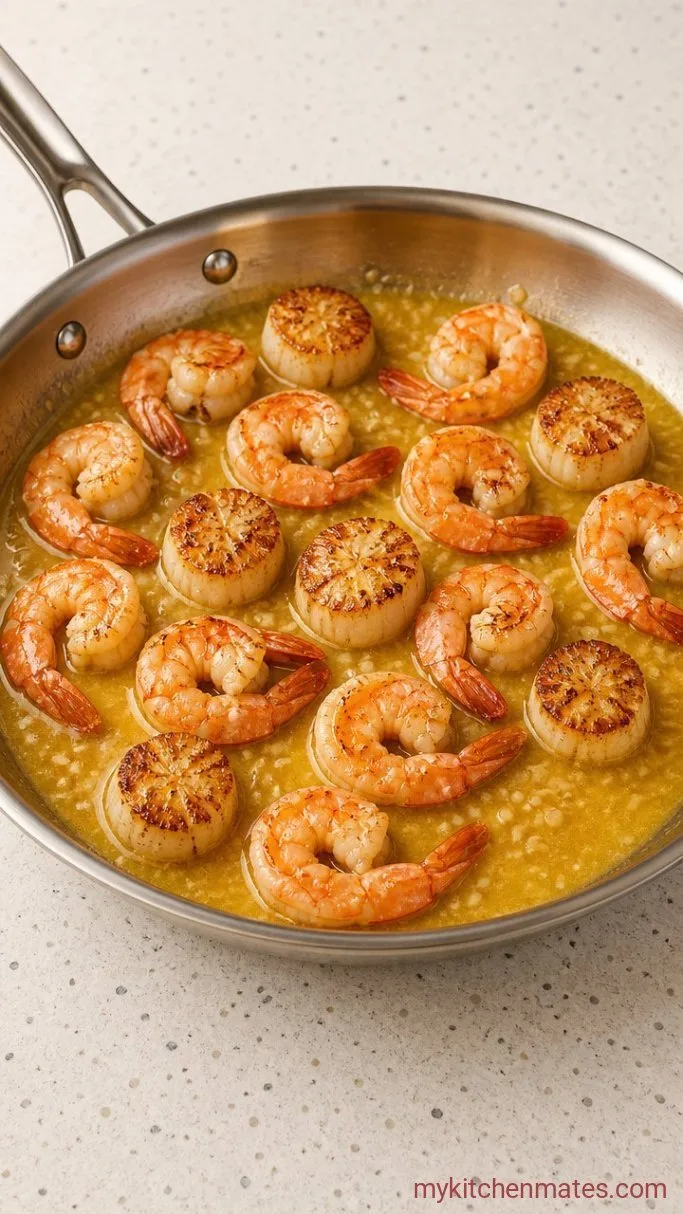
Reduce the heat to medium and add the remaining 2 tablespoons of butter to the skillet. Once it melts, stir in the minced garlic and the 1/4 teaspoon red pepper flakes. Cook for about 30 seconds, until fragrant but not browned. Pour in the white grape juice and lemon juice, then scrape up any browned bits stuck to the bottom of the pan with a wooden spoon. Let the sauce bubble and reduce for 2 to 3 minutes, or until it looks slightly thickened and glossy.
You’ll smell the garlic and juice mingling, and the sauce will go from thin to a silky, emulsified liquid. Taste it at this point and add a pinch of salt if needed, but remember the pasta water and seafood will bring their own salt.
Step 5: Toss and Serve
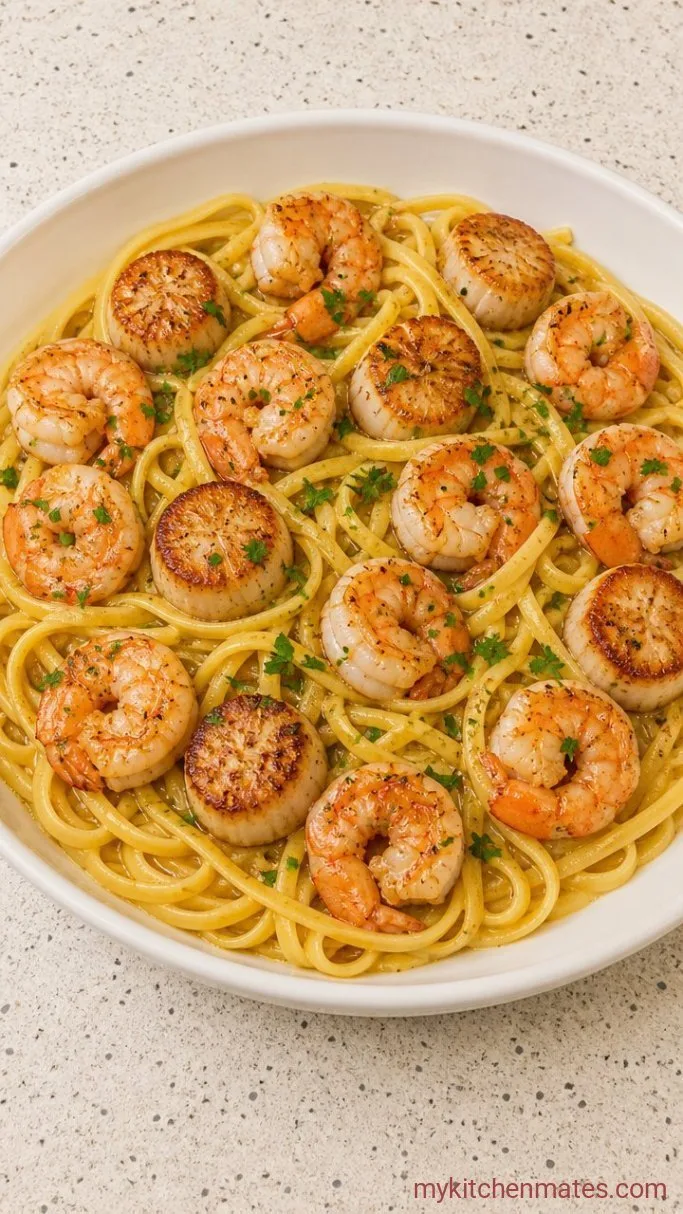
Add the drained linguine directly to the skillet and toss with the sauce using tongs. Splash in the reserved pasta water, a tablespoon or two at a time, tossing until the sauce coats every strand and looks glossy. Return the shrimp and scallops to the pan, along with any juices on the plate, and toss gently just to warm them through and coat them in the sauce. Scatter the chopped parsley over the top.
Transfer the pasta to shallow bowls, making sure each portion gets some scallops and shrimp. Serve right away with extra parsley and a lemon wedge on the side. The sauce is at its best when it’s still hot and buttery, so dig in.
Tips for the Best Scampi
- Dry seafood thoroughly: moisture is the enemy of a good sear. Use paper towels to blot shrimp and scallops until they feel tacky, not wet.
- Don’t crowd the pan: a crowded skillet steams instead of sears. Cook in two batches if your pan isn’t large enough.
- Save the pasta water: the starchy water is the secret to a silky, clingy sauce. Add it slowly and stop when the pasta looks glossy.
- Use fresh lemon and real butter: bottled lemon juice and margarine don’t give the same brightness or richness.
- Watch the garlic: garlic burns quickly and turns bitter. Keep the heat at medium once it goes in, and have the juice ready to pour.
Storing Leftover Scampi
Refrigerate leftovers in an airtight container for up to 2 days. The seafood will lose some of its texture, but the flavor holds up. Reheat gently in a skillet over low heat with a splash of water or extra lemon juice, tossing until just warm. The microwave can make the shrimp and scallops tough, so avoid it if you can. This dish is best served fresh, so it’s not ideal for make-ahead.
What to Serve with Shrimp and Scallop Scampi
A simple green salad with a lemon vinaigrette cuts through the buttery sauce nicely. If you want something to soak up extra sauce, warm garlic bread or a crusty baguette works perfectly. For a vegetable, roasted asparagus or steamed broccoli tossed with a little of the same lemon and garlic are easy sides.
Frequently Asked Questions
Can I use frozen shrimp and scallops?
Absolutely. Thaw them completely in the refrigerator overnight, then drain and pat them very dry before cooking. Excess moisture from frozen seafood can ruin the sear, so don’t skip the drying step.
Can I skip the juice?
Yes. Replace it with low-sodium chicken broth or vegetable broth, then boost the lemon juice to 3 tablespoons. The sauce will be a little less complex, but still bright and delicious.
What’s the best pasta shape for scampi?
Linguine is classic because its flat shape catches the thin butter sauce, but spaghetti, fettuccine, or even angel hair all work. Avoid short, scoop-shaped pastas; they won’t get evenly coated.
Shrimp and Scallop Scampi Recipe
Ingredients
Method
- Boil linguine in salted water until al dente; reserve 1 cup pasta water, then drain.
- Pat scallops dry, season, and sear in olive oil and 1 tbsp butter over medium-high heat for 2-3 minutes per side. Transfer to a plate.
- Pat shrimp dry, season, and sauté in the same skillet for 1-2 minutes per side until pink and opaque. Transfer to the plate.
- Melt remaining 2 tbsp butter in the skillet over medium heat. Add garlic and red pepper flakes; cook 30 seconds. Pour in wine and lemon juice, scraping up any bits, and reduce for 2-3 minutes.
- Toss drained pasta with the sauce, adding pasta water as needed. Return shrimp and scallops to the pan, toss, and finish with parsley. Serve immediately.
Notes
