
Sticky Orange Upside Down Cake

This sticky orange upside down cake is the kind of dessert that stops a conversation when you walk it to the table. The top glistens with caramelized orange slices that taste like candied sunshine, and the cake itself is soft, buttery, and just dense enough to hold a fork.

It feels like a weekend project, but the whole thing happens in one pan with pantry staples. The flip at the end is the only part that feels dramatic, and even that gets easy after the first try.
What Makes This Orange Cake So Good
The oranges cook right into the topping, so their bitterness mellows and the pith turns tender and jammy. No peeling, no fuss. You lay them in a puddle of brown sugar and butter, and the oven does the rest.
The cake base leans on buttermilk for a fine, moist crumb and just enough orange zest to bridge the fruit on top. It is not overly sweet, which keeps the caramel from tipping into cloying.
I reach for this one when I want a dessert that looks expensive but costs about as much as a bag of oranges and a stick of butter. That ratio never gets old.
Ingredients

- 4 tbsp unsalted butter, plus more for greasing the pan: one half stick; cold is fine for the topping.
- ½ cup packed light brown sugar: dark brown works too and gives a deeper molasses note.
- 1 medium navel orange, thinly sliced into ⅛-inch rounds: leave the peel on; pick off any seeds you see.
- 1½ cups all-purpose flour: spooned and leveled, not scooped.
- 1½ tsp baking powder
- ½ tsp fine sea salt: if using table salt, use a scant ½ tsp.
- ½ cup unsalted butter, at room temperature: one stick; let it sit out until it yields to a gentle press.
- ¾ cup granulated sugar
- 2 large eggs, at room temperature
- 1 tsp vanilla extract
- 2 tsp orange zest: from about half the same orange before slicing.
- ½ cup buttermilk, at room temperature: low-fat or full-fat both work.
Variations and Substitutions
- Blood oranges: Use two small blood oranges instead of one navel; the color turns deep garnet and the flavor is a little tarter.
- Gluten-free flour: A 1:1 cup-for-cup blend works here without any other changes. The crumb stays tender.
- No buttermilk: Stir 1½ tsp lemon juice into ½ cup whole milk and let it sit 5 minutes until it curdles.
- Lemon version: Swap in lemon zest and thinly sliced lemon rounds (remove any thick pith). The result is brighter and more tart, but the template is the same.
- Spice it: Add ½ tsp cardamom or a pinch of cinnamon to the flour for a warm note that plays well with citrus.
Orange Bundt Cake is another reader favorite dessert worth making next.
How To Make Sticky Orange Upside Down Cake
Step 1: Caramelize the Oranges
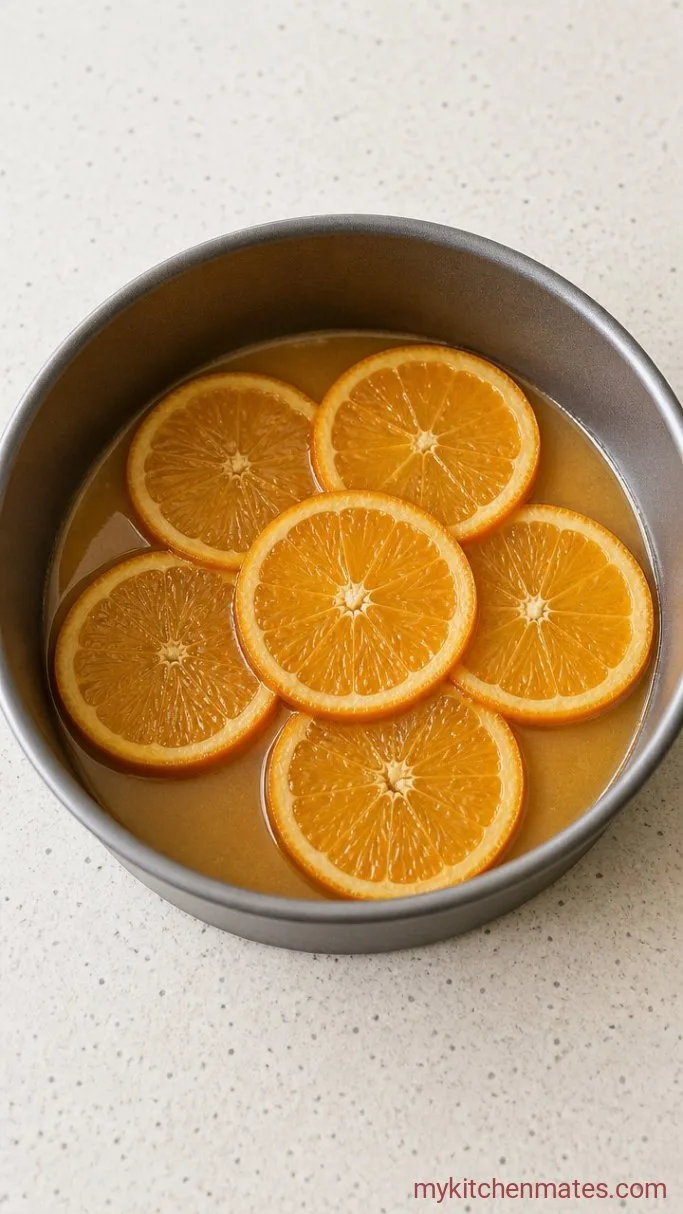
Place 4 tbsp butter in a 9-inch round cake pan and set the pan over low heat on the stove just until the butter melts, about 1 minute. Swirl the pan so the butter coats the bottom, then sprinkle the ½ cup brown sugar evenly over it. Let the mixture bubble gently for 30 seconds without stirring, then remove the pan from the heat. Lay the orange slices in the pan in a single layer, overlapping them slightly to cover as much of the surface as you can.
Right now the sugar mixture will look grainy and loose; that is fine. As it bakes it will melt into a glossy caramel and clot around the fruit. The orange rind will soften and give the topping its signature chew.
Step 2: Mix the Dry Ingredients

In a medium bowl, whisk together the 1½ cups flour, 1½ tsp baking powder, and ½ tsp salt until they are evenly blended, about 30 seconds. This keeps you from overmixing the batter later.
The mixture should look uniform with no streaks of baking powder. If you are baking by weight, now is a good moment to check your scale again, but honestly the spoon-and-level method works every time here.
Step 3: Cream the Butter and Sugar

In a large bowl, beat the ½ cup room-temperature butter and ¾ cup granulated sugar with a hand mixer or a stand mixer on medium speed until the mixture is pale and fluffy, about 3 minutes. Stop once to scrape down the sides of the bowl. Beat in the eggs one at a time, then mix in the 1 tsp vanilla and 2 tsp orange zest just until combined.
The butter and sugar should look almost like whipped cream cheese, light in color and airy. If your butter is still cool, the mixture will stay grainy; that still bakes fine, but the fluffier you get it now, the lighter the cake.
Step 4: Combine the Batter
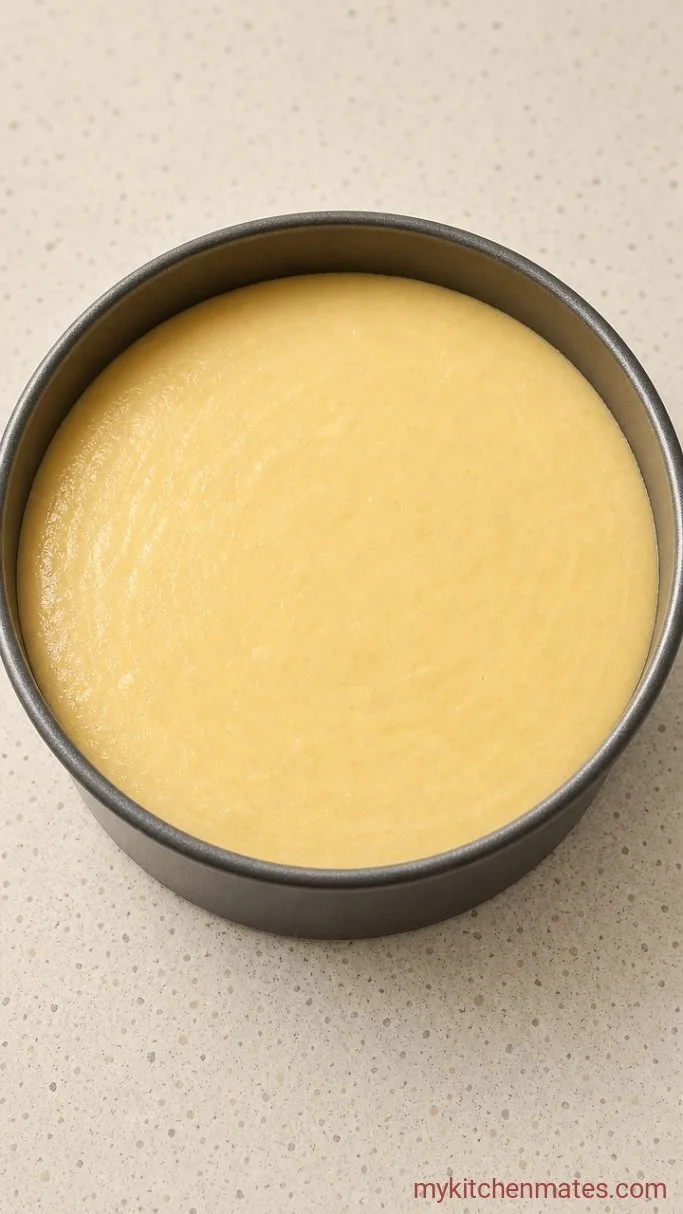
With the mixer on low, add a third of the flour mixture and mix just until it disappears, then pour in half of the buttermilk and mix again. Repeat with another third of the flour, the remaining buttermilk, and end with the last of the flour. As soon as the last streak of flour vanishes, stop mixing. The batter will be thick and a little lumpy, and that is exactly what you want.
Overmixing at this stage activates the gluten and makes the cake tough. A few small lumps are harmless. Scrape the bowl with a spatula to catch any hidden pockets of flour at the bottom.
Step 5: Bake and Flip the Cake

Scoop the batter into the pan right over the orange slices and spread it gently to the edges with a spatula. Tap the pan lightly on the counter twice to settle the batter. Bake on the middle rack at 350°F (175°C) for 35 to 40 minutes, until a toothpick inserted into the cake (not the sticky topping) comes out clean or with a few moist crumbs. Let the cake cool in the pan on a wire rack for exactly 10 minutes, then run a thin knife around the edges. Set a serving plate upside down over the pan, hold both firmly, and flip in one confident motion. Lift the pan away slowly so the orange slices release onto the plate.
Right when you flip, a little hot caramel may drip down the sides. That is a good sign. The cake will smell like toasted sugar and bright orange, and the slices will have turned translucent around the edges. Serve it warm or at room temperature the same day.
Tips for a Nice Clean Flip
- Grease the pan before the butter and sugar go in. I swipe the sides with a little extra butter even though the recipe only adds butter to the bottom. That tiny bit of insurance keeps the cake from clinging to the walls.
- Slice the orange evenly. Use a sharp serrated knife and aim for ⅛-inch rounds. Thicker slices sit in the caramel better, but too thick and they stay tough. If one breaks, tuck it into a gap; no one will know.
- Do not let the cake cool longer than 10 minutes in the pan. The caramel starts to set as it cools, and past 15 minutes it can glue the fruit to the bottom. If it sticks anyway, warm the bottom of the pan briefly over a low burner to loosen it.
- If the top looks pale after 40 minutes, move the pan to the top rack for the last 3 minutes. The cake side faces down later, so no one sees it, but a little extra color improves the texture.
Bake times by pan material:
| Pan material | Bake time |
|---|---|
| Light metal | 35 to 38 mins |
| Dark metal | 33 to 36 mins |
| Glass | 38 to 42 mins |
Storing Leftover Cake
- Refrigerate: Cover the cake loosely with foil or plastic wrap and store it in the fridge for up to 3 days. The oranges stay soft, and the caramel stays glossy.
- Reheating: A 20-second zap in the microwave brings back that just-warm texture without drying anything out. Individual slices rewarm best.
What to Serve with Sticky Orange Upside Down Cake
A fat spoonful of crème fraîche or sour cream cuts through the sweetness with a tang that feels almost necessary. Vanilla ice cream is the obvious choice, and the cold creaminess against the sticky warm fruit is the reason it works so well. For a lighter finish, plain whipped cream with no sugar lets the orange do all the talking.
Frequently Asked Questions
Can I use bottled orange juice instead of zest or fresh oranges?
No. The zest and the whole fruit slices are the whole point here. Juice alone would disappear into the batter and make the topping watery.
Why did my cake stick when I flipped it?
The pan was probably not greased enough on the sides, or you let it cool longer than 10 minutes. If it sticks, warm the bottom of the pan on the stove for a few seconds before trying again.
Can I make this cake gluten-free?
Yes, a 1:1 gluten-free flour blend works without any changes. The crumb will be a touch more delicate, so handle it gently when you flip.
Can I use a different fruit?
Absolutely. Thinly sliced pineapple, pear, or even plums work the same way. Adjust the sugar in the topping if the fruit is very sweet or very tart.
Do I have to let the eggs come to room temperature?
It helps the batter come together smoothly, but if your eggs are cold, place them in a bowl of warm water for 5 minutes. That little step is worth the small effort.
Sticky Orange Upside Down Cake Recipe
Ingredients
Method
- Melt 4 tbsp butter in a 9-inch round cake pan over low heat, then sprinkle brown sugar over it. Remove from heat and arrange orange slices in a single layer.
- Whisk flour, baking powder, and salt together in a bowl.
- Cream ½ cup butter and granulated sugar until fluffy, then beat in eggs, vanilla, and orange zest.
- Alternate adding flour mixture and buttermilk to the butter mixture, mixing just until combined.
- Spoon batter over oranges, bake at 350°F for 35 to 40 minutes, cool 10 minutes, then invert onto a plate.
Notes
