
Fluffy Vanilla Mini Bundt Cakes (Ready in 30 Minutes)

These mini bundt cakes are the kind of treat you can mix together on a Tuesday evening and still feel like you pulled off something special. They bake in about 15 minutes, with a tender crumb and just enough vanilla to make the whole kitchen smell good.
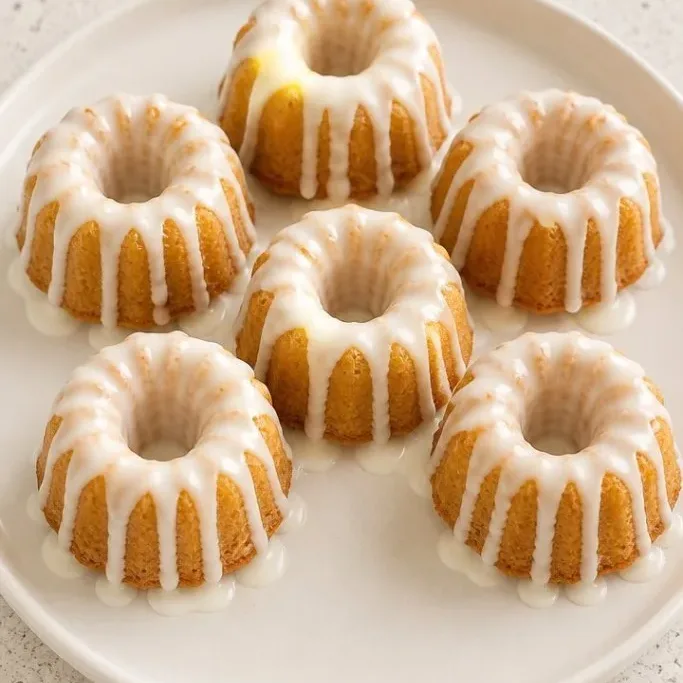
The simple glaze hardens into a thin, sweet shell that cracks when you bite into it. No layers, no stacking, just a little cake that holds its own on a dessert plate or next to a cup of coffee.
What Makes These Mini Bundts a Regular in My Kitchen
These cakes have a soft, fine crumb that stays moist even the next day, thanks to a little buttermilk in the batter. They are not too sweet on their own, so the glaze does the heavy lifting without turning the whole thing into a sugar bomb.
I like that the recipe does not ask for cake flour or any fussy steps. A handheld mixer, one bowl, and a quick whisk of the dry ingredients, that is it.
Because they bake in miniature, the edges get slightly crisp while the center stays tender. That contrast makes them more interesting than a full-size bundt cake without any extra work.
Ingredients

- 1 cup (125g) all-purpose flour: spooned and leveled, not packed
- 1½ teaspoons baking powder: fresh, for a good rise
- ¼ teaspoon fine sea salt: balances the sweetness
- ½ cup (115g) unsalted butter, softened: leave it out for 30 minutes before you start
- ¾ cup (150g) granulated sugar: plain white sugar works best here
- 2 large eggs, room temperature: cold eggs can curdle the batter
- 2 teaspoons vanilla extract: the real stuff makes a difference
- ½ cup (120ml) buttermilk, room temperature: shake the carton well; see note for a quick substitute
For the glaze
- ½ cup (60g) powdered sugar: sift out any lumps
- 1 to 2 tablespoons whole milk: add slowly until you get a thick, pourable consistency
- ¼ teaspoon vanilla extract: ties it all together
Variations / Substitutions
- Chocolate mini bundt cakes: Replace 3 tablespoons of the flour with 3 tablespoons of unsweetened cocoa powder. The crumb will be a little denser, so check for doneness a minute early.
- Lemon version: Rub the zest of one lemon into the sugar with your fingers before creaming the butter, then swap the vanilla glaze for a lemon juice and powdered sugar combo.
- Dairy-free: Use a neutral oil (like vegetable oil) in place of the butter and replace the buttermilk with a dairy-free milk plus 1 teaspoon of vinegar. The texture shifts a little but the cakes still taste rich and vanilla-forward.
- Buttermilk substitute: If you do not have buttermilk, stir 1½ teaspoons of white vinegar or lemon juice into ½ cup of whole milk and let it sit for 5 minutes until it looks curdled.
Moist Pistachio Bundt Cake is another reader favorite dessert worth making next.
How to Make Mini Bundt Cakes
Step 1: Whisk the Dry Ingredients

Preheat your oven to 350°F (175°C) and grease a 6-cavity mini bundt pan well with butter or a baking spray that contains flour. In a medium bowl, whisk together the 1 cup flour, 1½ teaspoons baking powder, and ¼ teaspoon salt until they look evenly mixed. Set the bowl aside.
The flour mixture should be light and free of any clumps of baking powder. If you see small white pellets, keep whisking or sift it through a mesh strainer once.
Step 2: Cream the Butter and Sugar

In a large bowl, beat the ½ cup softened butter and ¾ cup sugar with a handheld mixer on medium speed. Keep going for about 2 minutes, scraping down the bowl once, until the mixture turns pale yellow and fluffy.
You know you are there when the butter and sugar look like wet sand that has started to cling together in a creamy mass. A deep beater or whisk attachment works better than a paddle here.
Step 3: Mix in the Eggs and Vanilla
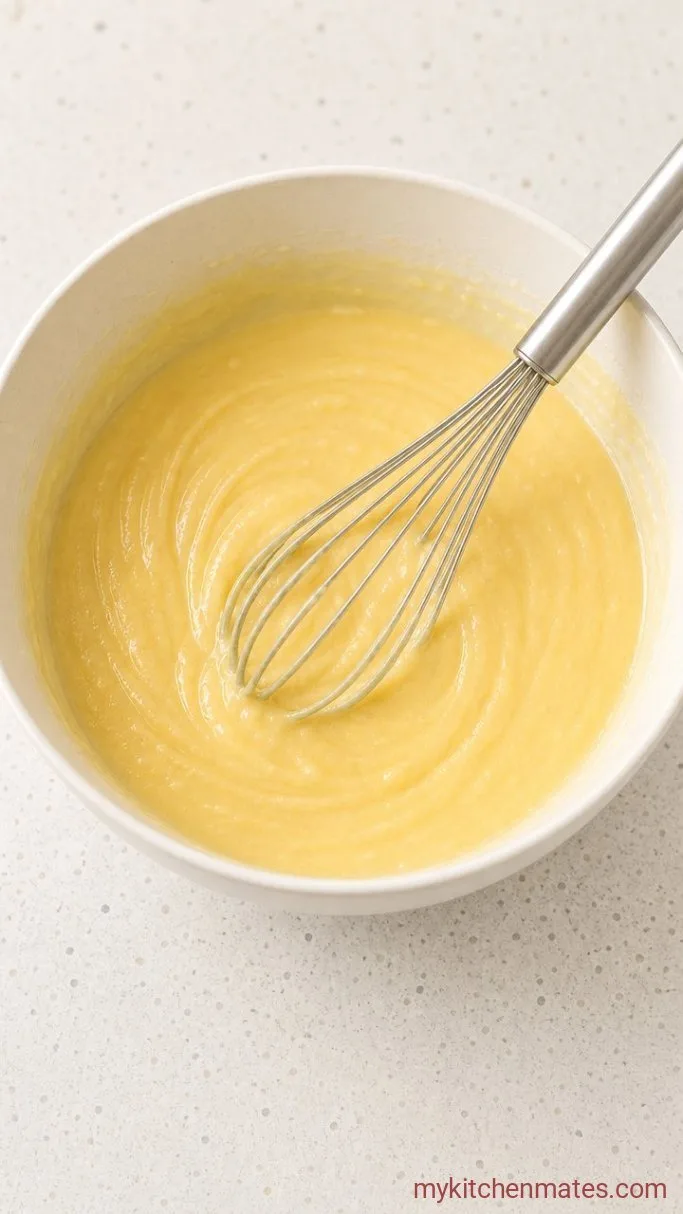
Add the 2 eggs one at a time, beating for about 30 seconds after each on medium speed. Once both are in, pour in the 2 teaspoons vanilla extract and mix until it just disappears into the batter.
The batter might look a little curdled or separated at this point, and that is completely fine. The buttermilk will smooth it out in the next step.
Step 4: Alternate the Flour and Buttermilk

With the mixer on low speed, add one-third of the dry flour mixture to the butter mixture. Once it is mostly absorbed, pour in half of the ½ cup buttermilk. Repeat with another third of the flour, the rest of the buttermilk, and finally the last of the flour. Mix only until the streaks of dry flour vanish, no more than 10 seconds after the final addition.
Overmixing wakes up the gluten and turns these tender little cakes tough. Stop the mixer the moment you stop seeing white specks, even if the batter looks slightly lumpy.
Step 5: Fill the Pans and Bake

Spoon the batter evenly into the prepared mini bundt cavities, filling each one about two-thirds full. Tap the pan gently on the counter to pop any large air bubbles. Slide the pan into the preheated oven and bake for 13 to 15 minutes, until a toothpick inserted into the thickest part of a cake comes out with a few moist crumbs clinging to it.
The tops will spring back when you press them lightly, and the edges will have pulled away from the sides of the pan just a bit. Leave the cakes in the pan for 5 minutes before turning them out onto a wire rack to cool completely.
Step 6: Drizzle the Glaze
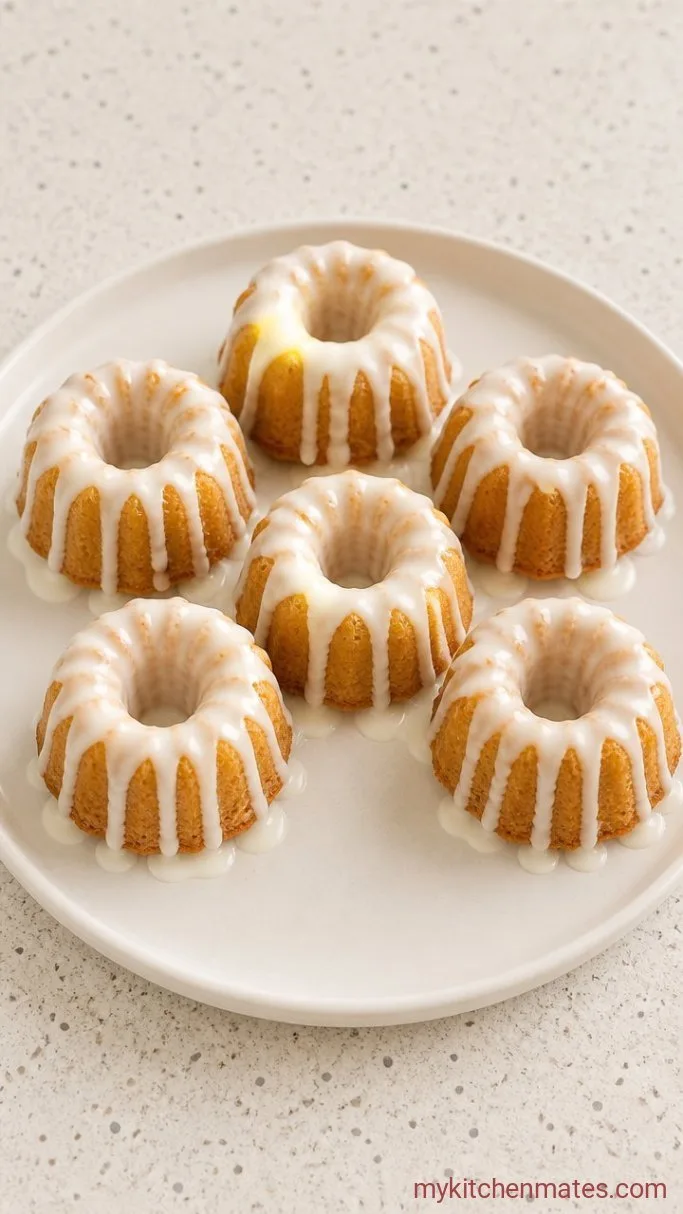
While the cakes cool, whisk together the ½ cup powdered sugar, 1 tablespoon of the milk, and the ¼ teaspoon vanilla in a small bowl. Add the remaining milk a little at a time until the glaze falls in a thick ribbon from the whisk but settles back into itself within a few seconds. Drizzle it over the cooled cakes with a spoon, letting the excess drip down the grooves naturally. Let the glaze set for 10 minutes before serving.
The cakes look their best once the glaze has firmed into a thin, semi-transparent shell that catches the light. Grab one by the center and bite straight through the crackly top.
A Few Tips Before You Start
- Room temperature everything matters more here than in a few recipes. Cold butter will not cream properly, and cold eggs can make the batter seize. Pull the butter, eggs, and buttermilk out of the fridge 30 minutes beforehand.
- If you have a kitchen scale, weigh the flour. Scooping straight from the bag can pack in too much, giving you a drier cake than you want.
- A small cookie scoop makes filling the bundt cavities fast and even, so all the cakes finish baking at the same moment.
Bake times can shift a little depending on your pan, so here is a rough guide.
| Pan type | Bake time | Notes |
|---|---|---|
| Light-colored metal | 14-16 minutes | Slower to brown, keeps an even color |
| Dark nonstick | 12-14 minutes | Edges can darken fast; check at 12 minutes |
| Silicone molds | 15-17 minutes | Needs a baking sheet underneath for stability |
Keeping the Cakes Fresh
Store glazed or unglazed cakes in an airtight container at room temperature for up to 3 days. The glaze will soften a little but still tastes great. For longer storage, freeze the unglazed cakes in a single layer on a plate until firm, then transfer them to a freezer bag. Glaze them after they thaw at room temperature for about an hour.
Frequently Asked Questions
Can I bake these in a regular muffin tin instead?
Yes, a standard 12-cup muffin tin works. Fill each liner about two-thirds full and start checking for doneness at 15 minutes. The cakes will look more like domed muffins but taste the same.
Can I double the recipe and bake two pans at once?
You can, but swap and rotate the pans halfway through the bake time since most ovens have hot spots. Keep a close eye on the first batch so you know the exact timing for your oven.
Can I freeze them after they are glazed?
It is not ideal. The glaze absorbs moisture and can turn tacky or weep as it thaws. Bake and freeze the cakes unglazed, then drizzle the glaze on the day you plan to serve them.
Mini Bundt Cakes Recipe
Ingredients
Method
- Preheat oven to 350°F (175°C) and grease a 6-cavity mini bundt pan. Whisk flour, baking powder, and salt in a bowl.
- Beat butter and sugar on medium speed until pale and fluffy, about 2 minutes.
- Add eggs one at a time, beating 30 seconds each, then mix in the 2 teaspoons vanilla.
- On low speed, add the flour mixture in three parts, alternating with buttermilk in two parts, mixing just until combined.
- Spoon batter into prepared pan, filling each cavity two-thirds full. Bake for 13 to 15 minutes until a toothpick comes out with moist crumbs. Cool in pan 5 minutes, then turn out onto a rack to cool completely.
- Whisk powdered sugar, 1 tablespoon milk, and ¼ teaspoon vanilla, adding more milk to reach a thick drizzling consistency. Drizzle over cooled cakes and let set 10 minutes.
Notes
