
Quick Korean Zucchini Side Dish (Hobak Bokkeum)

When you need a vegetable side that comes together in minutes, a Korean zucchini side dish is the answer. This hobak bokkeum is the one I reach for on busy weeknights because the whole thing happens in a single skillet, and it tastes deeply savory without a long ingredient list.
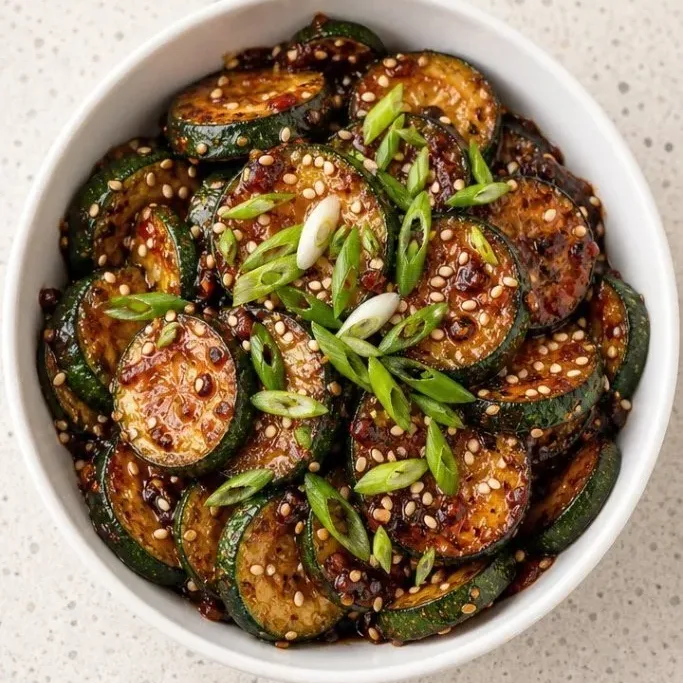
It’s lightly garlicky, with a gentle heat from gochugaru if you want it, and the toasted sesame finish pulls everything together. Serve it alongside grilled meat, spoon it over rice, or pile it into a bibimbap bowl.
Why This Zucchini Side Dish Works
Zucchini can get watery, but a quick salt and squeeze step pulls out excess moisture. That little bit of extra effort means the slices sear instead of steam, so you get those golden, almost charred edges that make this dish so good.
The mix of soy sauce at the start and sesame oil at the end layers flavor in a way that tastes like more than the sum of its parts. The oil gets added off the heat, so its nutty aroma stays bright and fills the kitchen the moment you toss it in.
Ingredients
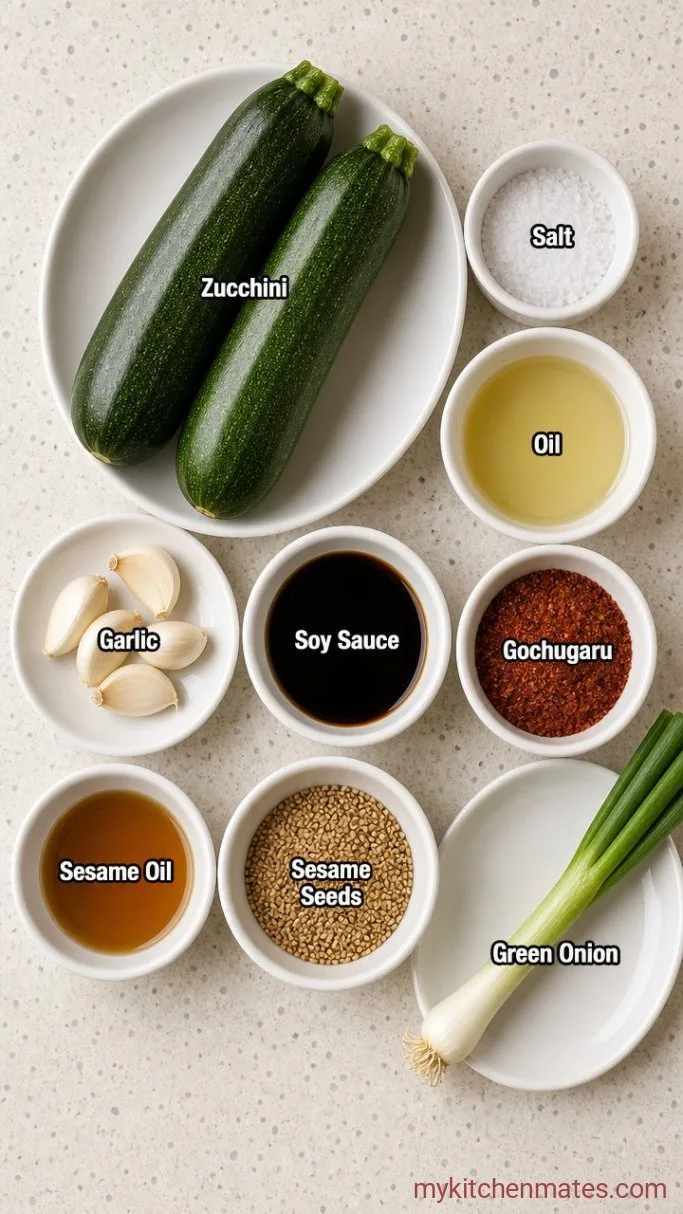
- 2 medium zucchini (about 1 lb): any green or yellow summer squash works here
- 1/2 tsp kosher salt: for drawing out moisture, not all of it ends up in the dish
- 1 tbsp vegetable oil: or another neutral oil like canola
- 2 garlic cloves, minced: the finer the mince, the more it disperses
- 1 tbsp soy sauce: use tamari for a gluten-free version
- 1/8 tsp gochugaru (Korean red pepper flakes): optional, but it gives a gentle warmth
- 1 tsp toasted sesame oil: added at the end so the flavor stays fresh
- 1 tsp toasted sesame seeds: plus a little more for serving
- 1 green onion, thinly sliced: for a mild oniony finish
Variations and Substitutions
- Swap the squash: Yellow squash or a mix of both is just as good. The texture stays similar, and the flavor is nearly identical.
- Dial the heat: Gochugaru brings a soft, fruity warmth. For a milder side, leave it out. For more kick, bump it up to 1/4 tsp or add a pinch of gochugaru flakes.
- Make it gluten-free: Replace the soy sauce with an equal amount of tamari or coconut aminos.
- Herb swap: A few thin slices of fresh Korean chili pepper (cheongyang gochu) instead of gochugaru changes the character a bit, but it’s a fun twist if you have one on hand.
Sticky Korean BBQ Chicken is a great main dish to serve alongside this recipe.
How To Make Quick Korean Sautéed Zucchini
Step 1: Salt and Squeeze the Zucchini
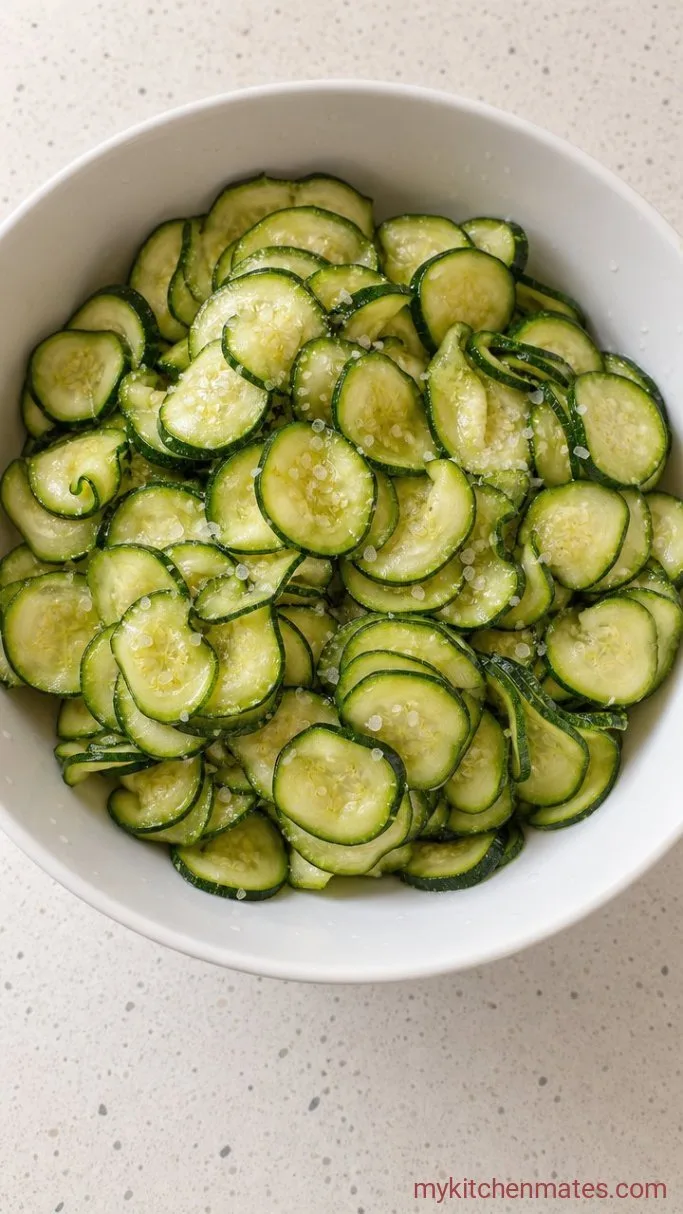
Slice the zucchini into 1/4-inch rounds, then toss the slices with the 1/2 tsp kosher salt in a bowl. Let it sit for 10 minutes. The salt draws moisture out, so within a few minutes you will see little beads of water forming on the surface. After the 10 minutes, rinse the zucchini briefly under cold water to remove excess salt, then grab handfuls and squeeze firmly but not so hard you crush the rounds. You want to press out as much liquid as you can. Set the squeezed zucchini aside on a clean kitchen towel or a plate.
Step 2: Sauté the Garlic
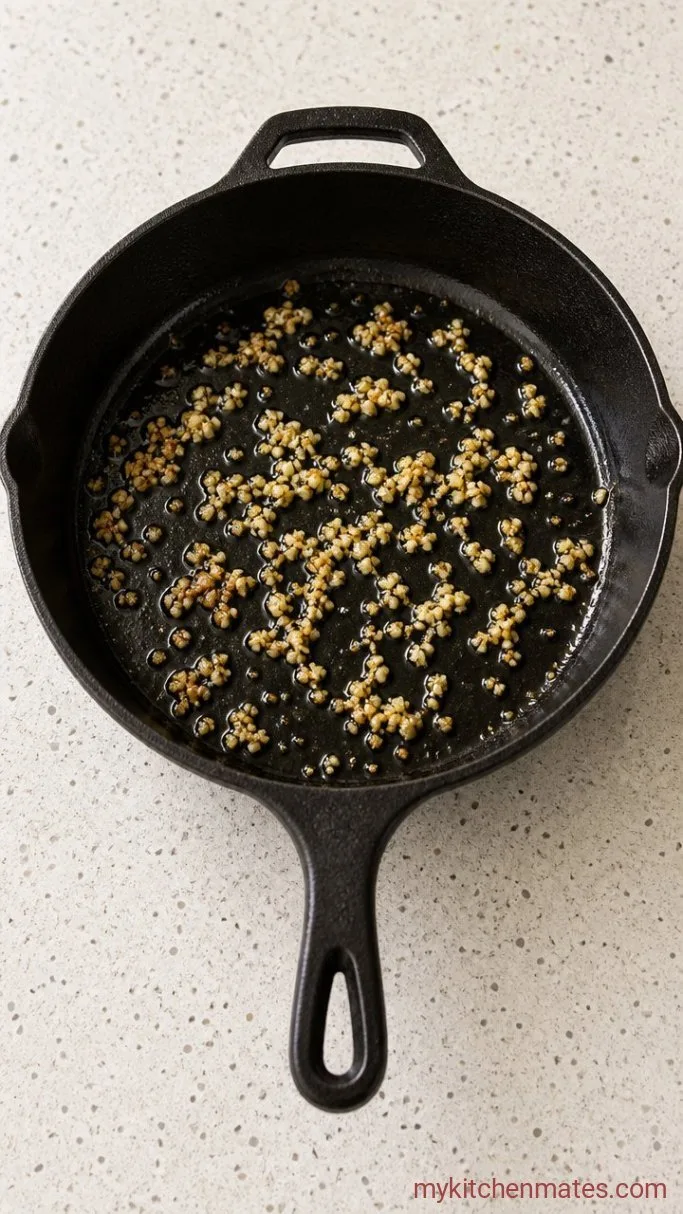
Set a large skillet over medium-high heat and add the 1 tbsp vegetable oil. Once the oil is shimmering, which takes about 30 seconds, add the minced garlic and the gochugaru if you are using it. Stir constantly for 30 seconds, until the garlic smells fragrant and turns just a shade lighter than golden. Keep an eye on it here because minced garlic can burn fast on high heat.
Step 3: Stir-Fry the Zucchini
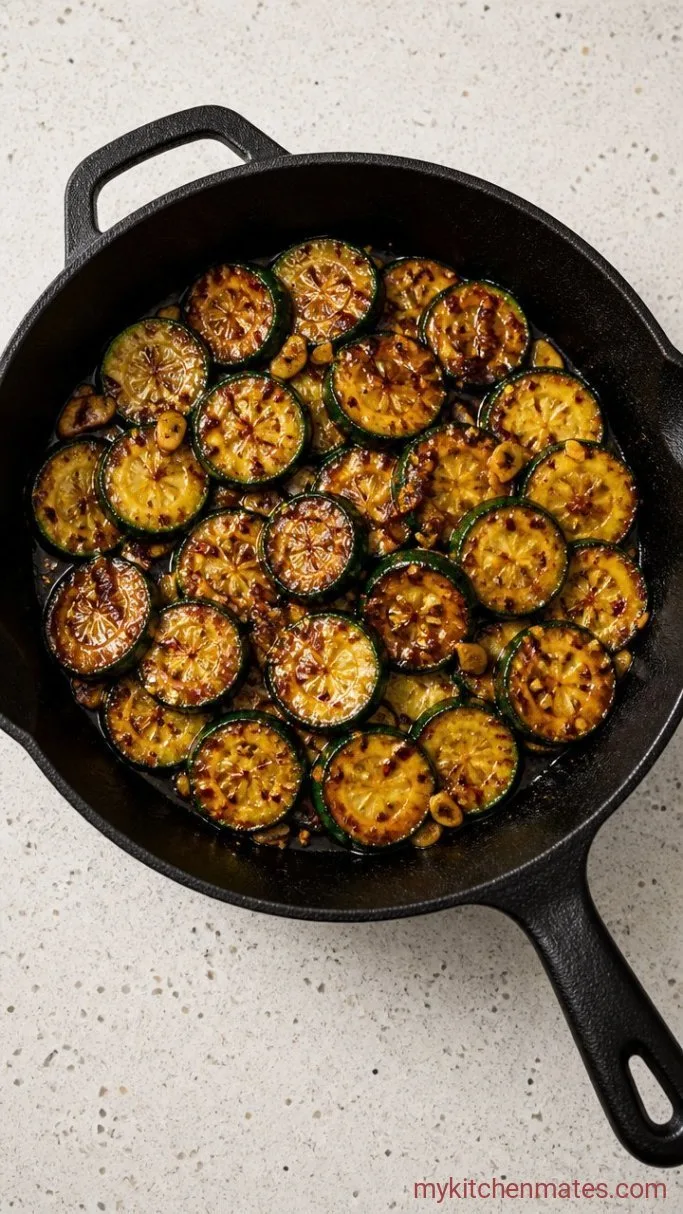
Add the squeezed zucchini to the skillet along with the 1 tbsp soy sauce. Toss everything together with a spatula so the zucchini picks up the garlic and seasoning. Cook for 2 to 3 minutes, stirring often. You want the edges to get a few dark spots and the centers to stay crisp-tender. The soy sauce will lightly glaze the slices as they cook.
Step 4: Finish with Sesame and Serve
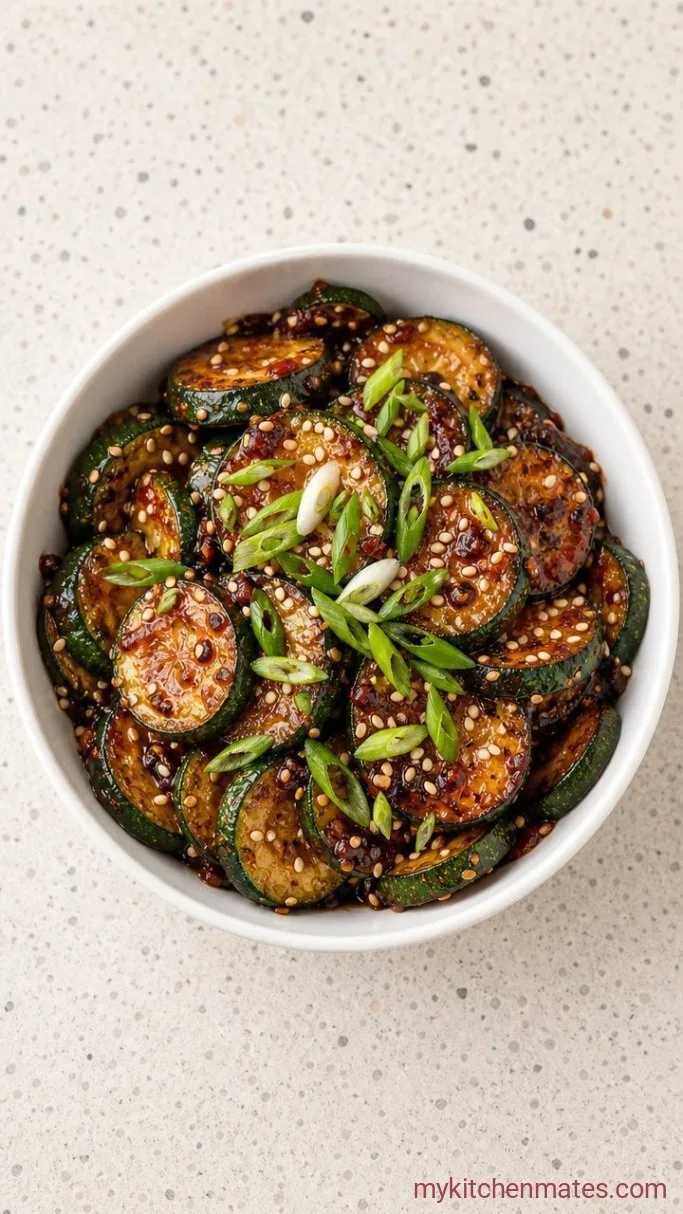
Take the skillet off the heat immediately. Drizzle the 1 tsp toasted sesame oil over the zucchini and sprinkle on the 1 tsp sesame seeds and the sliced green onion. Toss well until the oil coats everything and the seeds cling to the hot slices. Transfer to a serving bowl and scatter a pinch more sesame seeds on top just before it hits the table. Serve it while the sesame oil is still fragrant and the zucchini is warm.
A Few Tips for Perfect Hobak Bokkeum
- Don’t skip the squeezing step. Even if the 10-minute wait feels like a chore, it is the single thing that keeps the zucchini from turning soft and watery in the pan.
- If you are doubling the recipe, cook the zucchini in two batches. Overcrowding the skillet drops the temperature and steams the slices instead of searing them.
- For an even deeper sesame flavor, toast raw sesame seeds in a dry pan over low heat for about 2 minutes, shaking often, until they are golden and nutty. Use them right away or store extras in a jar.
Cook times for your preferred zucchini texture:
| Texture | Time After Adding Zucchini |
|---|---|
| Crisp-tender | 2 to 3 minutes |
| Softer, more mellow | 3 to 4 minutes |
Keeping Leftovers Fresh
- Refrigerate: Cool the zucchini completely, then store it in an airtight container for up to 3 days. The sesame aroma fades a little, but the flavor stays.
- Reheating: A quick toss in a hot skillet over medium heat for a minute or two brings it back. Microwaving tends to make it watery, so skip that if you can.
What Goes Well With This Zucchini Side Dish
This hobak bokkeum lands on the table next to almost any Korean main. It pairs especially well with bulgogi or spicy turkey stir-fry because the cool, savory zucchini balances the rich meat. It also works as a topping in bibimbap, tucked in next to a fried egg and some gochujang, or spooned over a simple bowl of warm rice with a drizzle of extra sesame oil.
Frequently Asked Questions
Can I use yellow squash instead of zucchini?
Yes, yellow squash works exactly the same way. The skin is a little thinner, but the salt-and-squeeze method still keeps it from turning mushy.
Is this side dish gluten-free as written?
Not quite, because regular soy sauce contains wheat. Swap it with tamari or coconut aminos to make the dish gluten-free, and the taste will be nearly identical.
Can I make it ahead of time?
It is best served fresh while the zucchini still has some bite. You can salt and squeeze the zucchini a few hours ahead and keep it in the fridge, then finish the cooking just before you eat. Reheating leftovers softens the texture, but the flavor holds up well.
How spicy is it with the gochugaru?
With 1/8 teaspoon the heat is barely there, just a gentle warmth that sits in the background. You can double it to 1/4 teaspoon for a mild front-of-mouth tingle, or leave it out entirely and the dish will still be delicious.
Quick Korean Zucchini Side Dish (Hobak Bokkeum) Recipe
Ingredients
Method
- Toss the zucchini with the kosher salt and let it sit for 10 minutes. Rinse, then squeeze out as much liquid as possible.
- Heat the vegetable oil in a large skillet over medium-high heat. Add the garlic and gochugaru and stir for 30 seconds until fragrant.
- Add the squeezed zucchini and soy sauce. Cook for 2 to 3 minutes, stirring often, until crisp-tender with a few charred spots.
- Remove from heat and toss with the sesame oil, sesame seeds, and green onion. Serve immediately.
Notes
