
20-Minute Korean Beef Rice Bowls

Korean rice bowls are the kind of weeknight dinner that feels like a treat but comes together faster than you can scroll through a delivery app. Ground beef gets a quick sear, then simmers in a sticky gochujang sauce until every grain of rice has something to cling to.
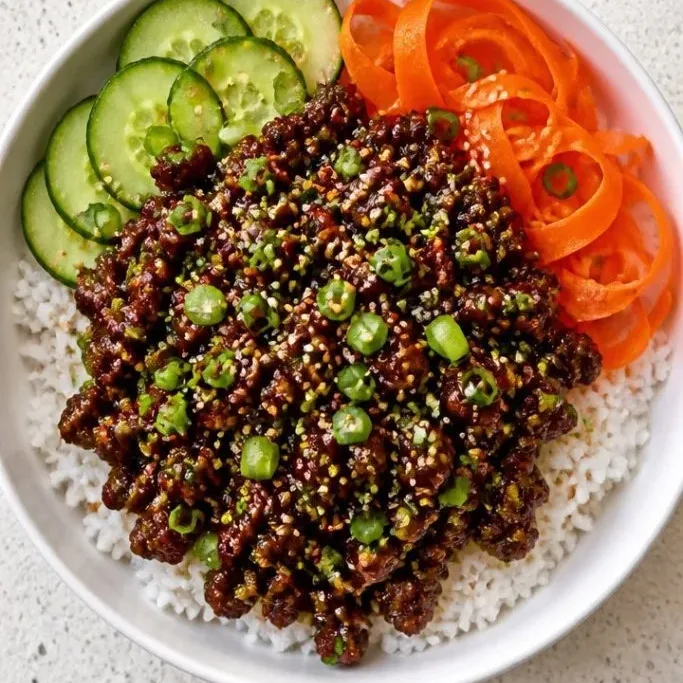
These bowls hit all the right notes: salty, sweet, and just spicy enough to keep you coming back for another bite. Crisp cucumber and carrot add crunch against the soft rice and rich beef, so each spoonful has a little of everything.
Why This Bowl Stays in Rotation
The sauce is the real workhorse. Brown sugar and soy sauce give it a deep savory sweetness, while gochujang brings a fermented kick that wakes up the whole dish. It coats the beef so well you’ll find yourself spooning extra rice just to catch every last drop.
What makes it, though, is the contrast. Warm, sticky beef on hot rice, with a cold, vinegary cucumber on top. That temperature and texture clash keeps it interesting, even after the fifth time you make it.
Ingredients
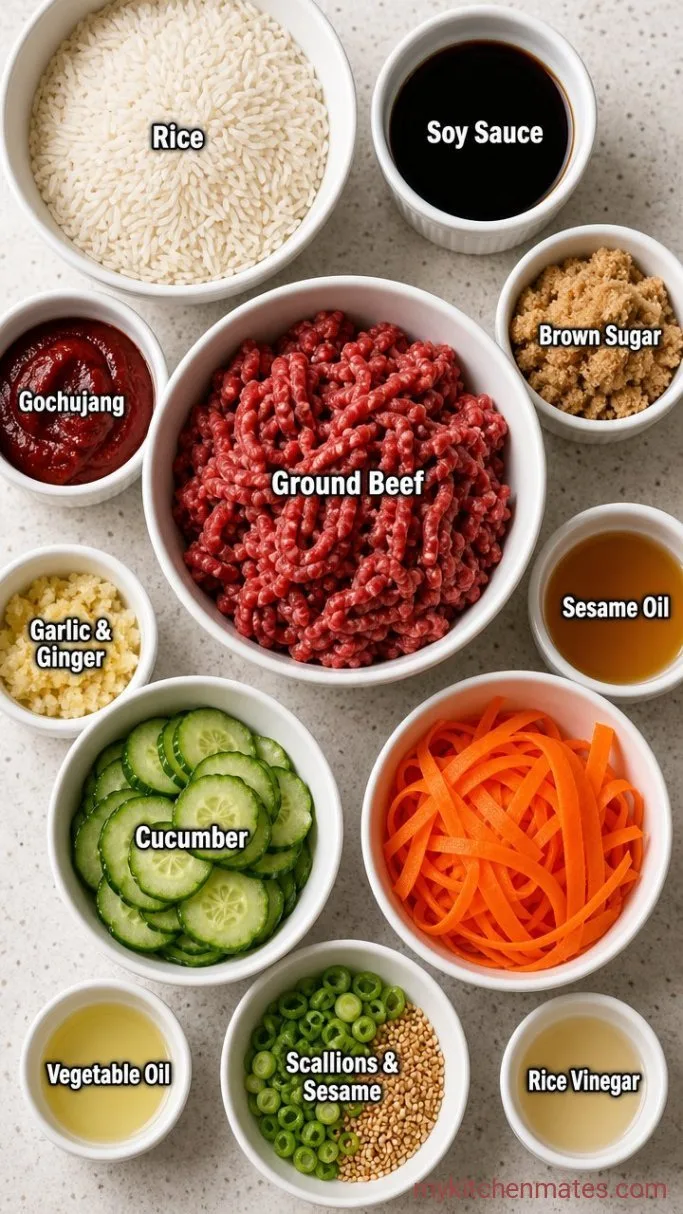
- 1 lb ground beef, 80/20: The fat keeps it juicy, but lean works if you add a splash of oil.
- 1 cup jasmine or short-grain white rice: any white rice is fine, but these get the right stickiness.
- 3 tbsp soy sauce: regular or low-sodium, whichever you keep.
- 2 tbsp brown sugar: light or dark, both give that hint of molasses.
- 2 tbsp gochujang: the Korean chili paste that brings the dish together.
- 1 tbsp sesame oil: for nutty depth.
- 2 cloves garlic, minced: as fresh as you have.
- 1 tsp fresh ginger, grated: a microplane makes fast work of it.
- Half an English cucumber: thin slices give the crunch.
- 1 tbsp rice vinegar: for a quick, bright pickle.
- 1 carrot, peeled into ribbons: use the peeler to get long, thin strips.
- 2 scallions, sliced: the green and white parts, for both flavor and color.
- Toasted sesame seeds: a scatter at the end.
- Vegetable oil: just a drizzle for the pan.
Variations / Substitutions
- Swap the protein: ground turkey or chicken works, but you might need a little extra oil to keep it from drying out.
- Make it gluten free: use tamari instead of soy sauce. Check your gochujang label, too, as some brands have wheat.
- Tone down the heat: use half the gochujang or mix in a spoonful of mild miso for a gentler flavor. Sriracha gives a different heat if that’s what’s in the fridge.
- Skip the meat entirely: crumbled extra-firm tofu or a plant-based ground works well with this sauce, just cook it the same way.
Sticky Gochujang Chicken Bowls are next on our list if these rice bowls are your kind of dinner.
How to Make Korean Beef Rice Bowls
Step 1: Mix the Sauce
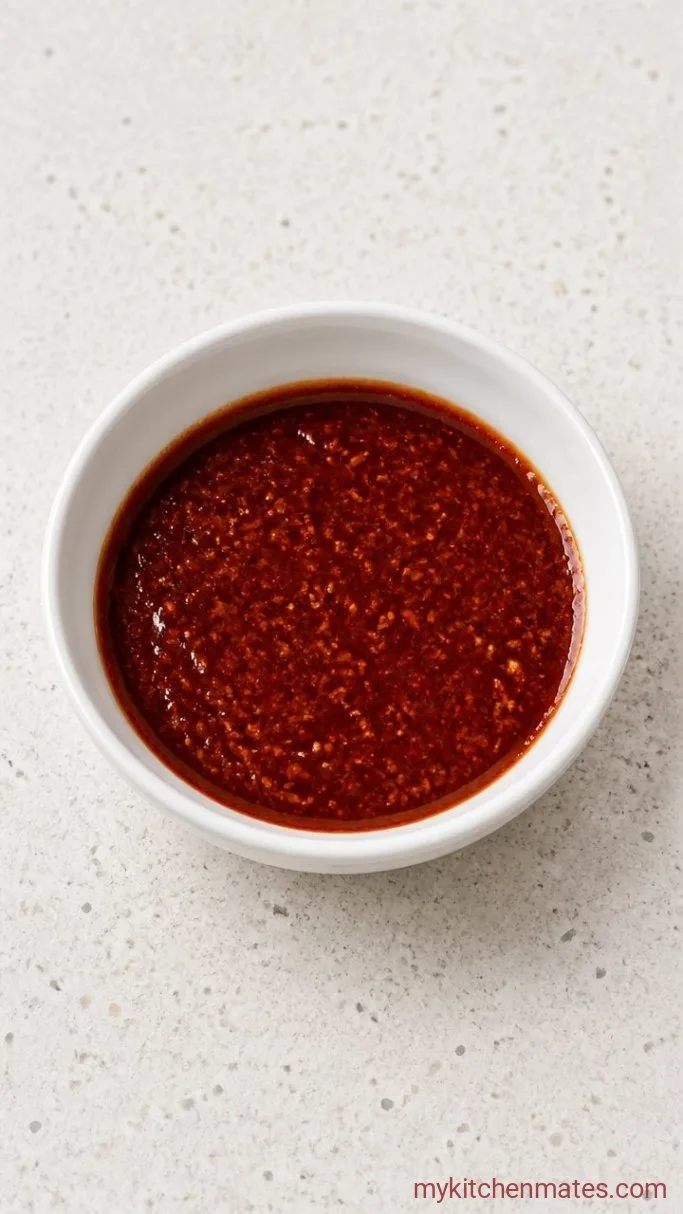
Start cooking your rice according to the package directions so it’s ready when the beef is done. In a small bowl, whisk together the 3 tbsp soy sauce, 2 tbsp brown sugar, 2 tbsp gochujang, and 1 tbsp sesame oil until the sugar dissolves.
While the sauce sits, thinly slice the half cucumber and toss the slices in a separate small bowl with the 1 tbsp rice vinegar and a pinch of sugar. Set it aside. The vinegar will soften the cucumbers just enough and give them a gentle tang.
Step 2: Brown the Beef
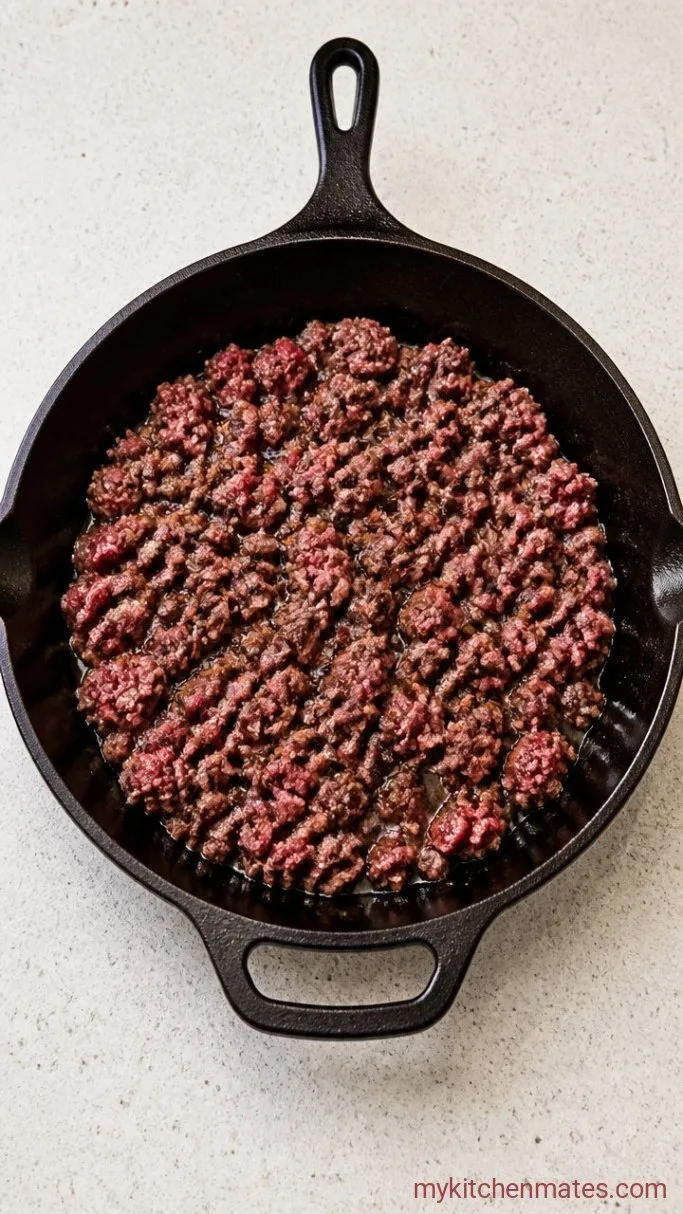
Place a large skillet over medium-high heat and add a drizzle of vegetable oil. Crumble in the 1 lb ground beef and cook, breaking it up with a spatula, for about 5 minutes, until no pink remains.
The beef should start browning in spots, not just turning gray. Lower the heat slightly if it begins to burn, and drain off any excess fat if the pan looks greasy. Now stir in the minced garlic and grated ginger and cook for 1 minute longer, just until they’re fragrant.
Step 3: Glaze the Beef
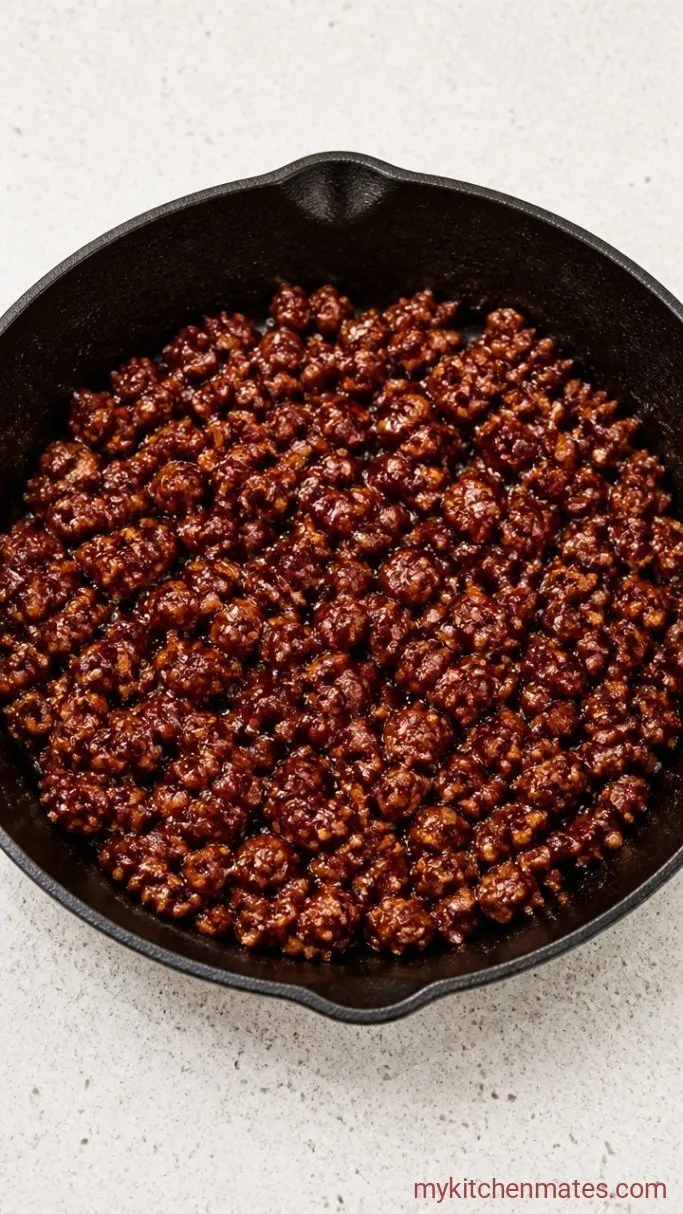
Pour the sauce mixture over the beef. Stir everything together so the meat is evenly coated. Bring it to a gentle bubble, then reduce the heat to medium and let it cook for 2 to 3 minutes.
The sauce will thicken and turn glossy, clinging to every crumble. You’re looking for a consistency that is loose enough to spoon but sticky enough that it doesn’t pool at the bottom of the bowl. Give it a taste and add a splash more soy or a pinch of sugar if it needs it.
Step 4: Build the Bowls
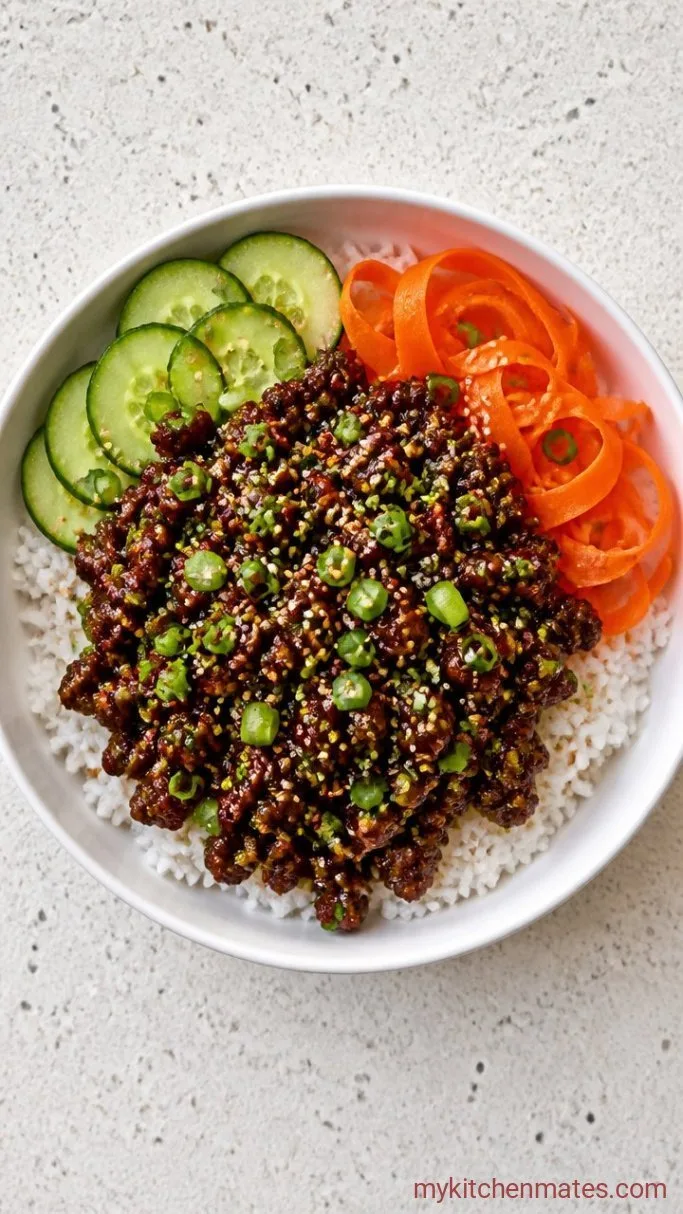
Divide the warm rice among four bowls. Spoon the glazed beef right in the center, then arrange the pickled cucumber slices and carrot ribbons off to one side.
Scatter the sliced scallions and toasted sesame seeds over the top. Serve while the beef is still hot and the cucumbers are cold. That contrast is the whole point.
A Few Notes Before You Start
- The cucumbers get better after 5 minutes of sitting. Don’t skip the vinegar, even if you’re short on time. It softens the bite without making them mushy.
- Keep a close eye on the sauce as it reduces. Overcooking by even a minute can make the sugars scorch, and you’ll lose that sticky texture.
- If you like a runnier bowl, add a teaspoon of water to the beef right before you plate it. A fried egg on top also stretches the sauce.
- Leftover beef makes a great filling for lettuce wraps the next day.
Here’s a quick guide to dialing in the heat:
| Spice Level | Gochujang |
|---|---|
| Mild | 1 tbsp |
| Medium | 2 tbsp |
| Spicy | 3 tbsp |
Storing Leftovers
- Refrigerate: keep the beef and rice in separate airtight containers. Both stay good for up to 3 days.
- Reheating: warm the beef in a skillet with a splash of water to loosen the sauce. The microwave works fine, too, cover it loosely and heat in 30-second bursts.
What to Serve with Korean Beef Bowls
A simple kimchi cuts through the richness of the beef, its sour crunch balancing the sweet sauce. Quick wilted spinach with sesame oil adds a soft, earthy layer. And a runny fried egg on top is never a bad idea, the yolk turns into a second sauce as you eat.
Frequently Asked Questions
Can I make this recipe vegetarian?
Yes. Swap the ground beef for crumbled extra-firm tofu or a store-bought plant-based ground. Cook it the same way, maybe adding a minute or two to get some color. The sauce still works without the meat.
My sauce didn’t get sticky. What happened?
Most likely the heat was too low or you didn’t let it bubble long enough. The sauce needs a proper simmer to reduce and coat the beef. Crank the heat slightly and give it another minute, stirring constantly.
How do you get the carrot ribbons so thin?
A regular vegetable peeler does the job. Run it down a peeled carrot with steady pressure, and you’ll get long, paper-thin strips that soften just enough under the hot beef. No mandoline needed.
Can I freeze the cooked beef?
Yes, it freezes well for up to 2 months. Let it cool completely, then pack it flat in a freezer bag. Reheat in a pan with a tablespoon of water to bring the sauce back to life.
Korean Beef Rice Bowls Recipe
Ingredients
Method
- Cook the rice according to package directions. While it cooks, whisk the soy sauce, brown sugar, gochujang, and sesame oil in a small bowl. Thinly slice the cucumber and toss it with the rice vinegar and a pinch of sugar. Set it aside.
- Heat a drizzle of vegetable oil in a large skillet over medium-high heat. Crumble in the ground beef and cook, breaking it up, until browned and no pink remains, about 5 minutes. Drain excess fat if needed. Stir in the garlic and ginger and cook 1 minute more.
- Pour the sauce over the beef. Bring it to a simmer, then cook for 2 to 3 minutes, stirring, until the sauce thickens and coats the meat.
- Divide the rice among bowls. Top with the beef, pickled cucumber, carrot ribbons (use a peeler), scallions, and sesame seeds. Serve right away.
Notes
