
Soft Cut-Out Iced Gingerbread Cookies

These Iced Gingerbread Cookies have a soft bite, a deep molasses warmth, and the kind of sturdy shape that makes decorating straightforward. The spice blend is balanced, so no single flavor steals the show, and the simple icing adds a crisp little crackle on top.

They are the cookies I reach for when I want cut-outs that actually hold their edges without turning into rocks.
What Makes These Cookies a Keeper
The texture hits a sweet spot that is hard to nail with gingerbread. They stay tender for days, but they are firm enough to stack, pack, and hand to a three-year-old with a fistful of sprinkles.
That texture comes from a slightly higher ratio of butter and a quick chill that firms the dough without over-hardening it. The molasses keeps things moist, and a mix of cinnamon, ginger, and a tiny bit of clove does the heavy lifting without turning medicinal.
The icing is a basic powdered sugar and milk mix that sets with a matte finish. It is forgiving enough to fix if you add too much liquid, and it pipes nicely for simple designs.
Ingredients
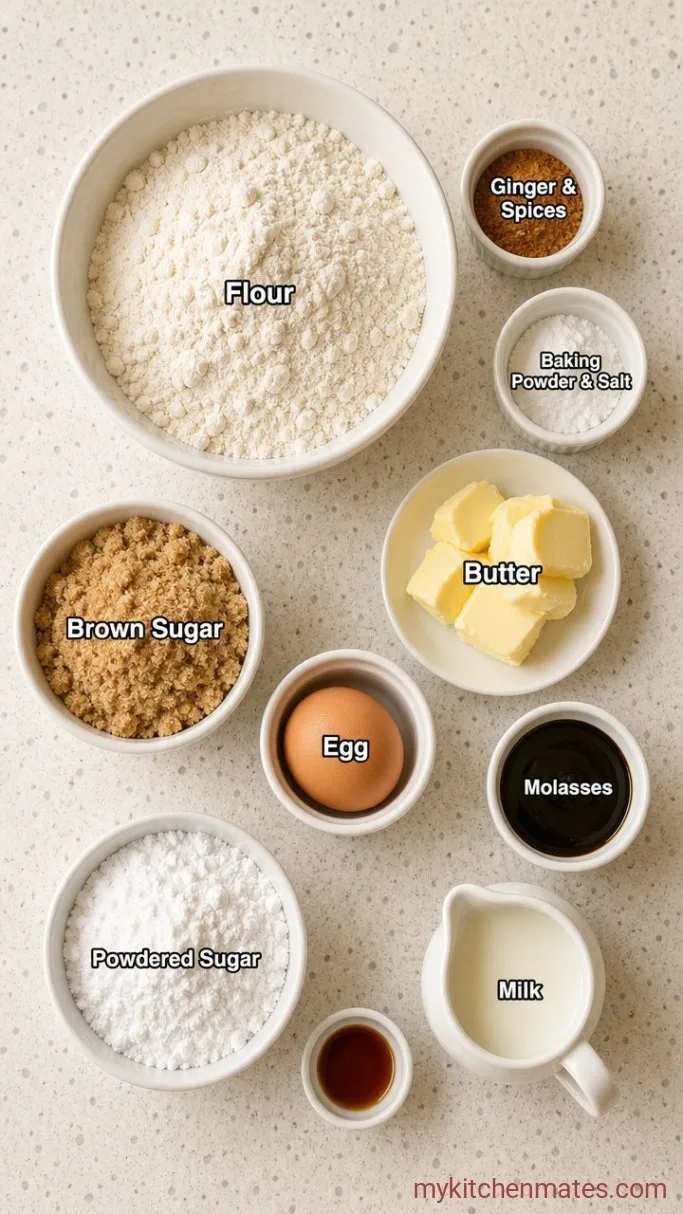
- 3 cups all-purpose flour, spooned and leveled: a scale gives the most consistent result, but fluff and scoop works if that is what you have.
- 2 tsp ground ginger: the star of the spice lineup.
- 1 ½ tsp ground cinnamon: for warmth that rounds out the ginger.
- ¼ tsp ground cloves: a little goes a long way, so measure carefully.
- ¾ tsp baking powder: helps the cookies stay soft with a slight lift.
- ¼ tsp salt: cuts the sweetness and brings the spices forward.
- ¾ cup unsalted butter, softened: leave it out for 45 minutes until a finger leaves a dent.
- ¾ cup packed light brown sugar: dark brown sugar works too, for a deeper molasses note.
- 1 large egg, at room temperature: cold eggs can make the dough seize.
- ½ cup unsulphured molasses: not blackstrap, which is too intense for these cookies.
- 1 ½ tsp vanilla extract: rounds out the sweetness.
For the icing:
- 1 ½ cups powdered sugar, sifted: sifting prevents little lumps in the piping tip.
- 2 to 3 tbsp milk, any kind: add it a little at a time until the icing reaches a pipeable consistency.
- ¼ tsp vanilla extract: optional, but it keeps the icing from tasting like raw sugar.
Swaps and Tweaks
- Make them dairy free: use a stick-style vegan butter and a plant milk for the icing. The dough will be a bit softer, so add 5 minutes to the chill time.
- Skip the clove: swap in allspice or a tiny pinch of nutmeg if clove is not your thing.
- Add heat: a pinch of black pepper or a whisper of cardamom changes the profile without overwhelming the ginger.
- Use maple syrup: you can replace the molasses with dark maple syrup in a pinch. The flavor will be sweeter and less robust, and the cookies spread a touch more.
No-Bake Christmas Wreath Cookies are another reader favorite dessert worth making next.
How to Make Iced Gingerbread Cookies
Step 1: Cream the Butter and Sugar
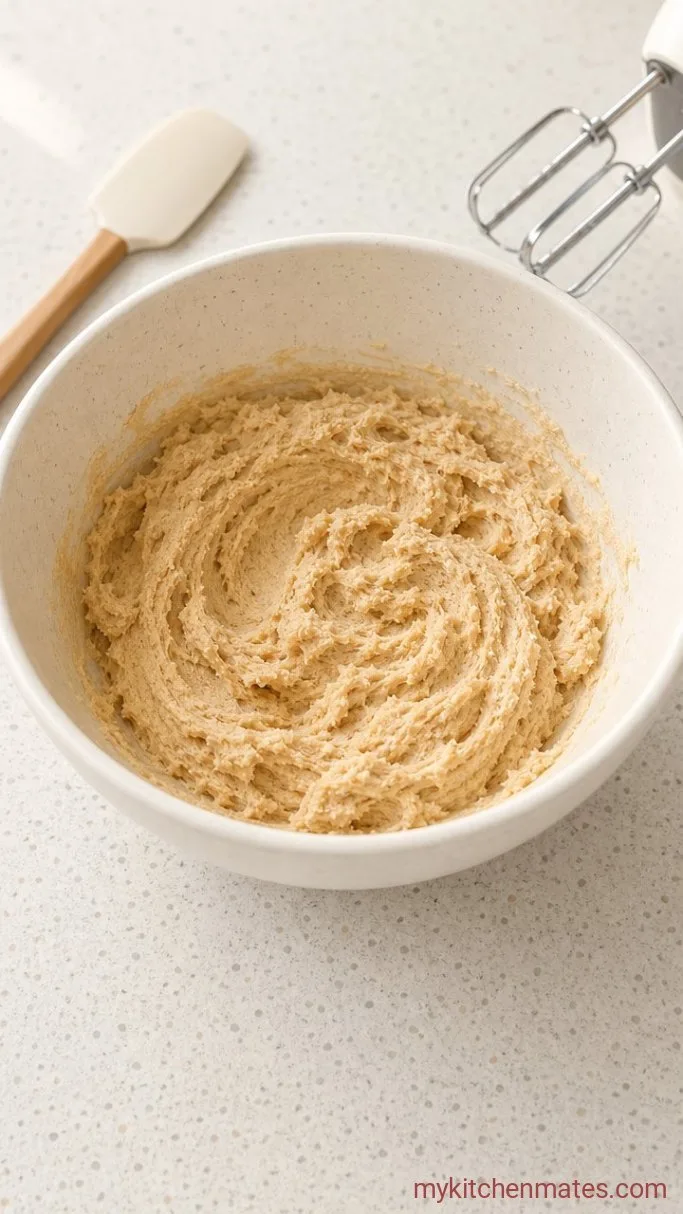
In a large bowl, beat the ¾ cup softened butter and ¾ cup brown sugar together with a hand mixer on medium speed for about 2 minutes. Stop once the mixture looks light, fluffy, and a shade paler than when you started. Scrape down the sides of the bowl at the halfway mark so nothing gets left behind.
The creaming step is where you build the cookies’ softness, so do not rush it. You are trapping tiny air pockets that will keep the crumb tender. If the butter is too cold, the sugar will stay grainy; if it is too melted, the cookies will spread.
Step 2: Blend in the Molasses and Egg
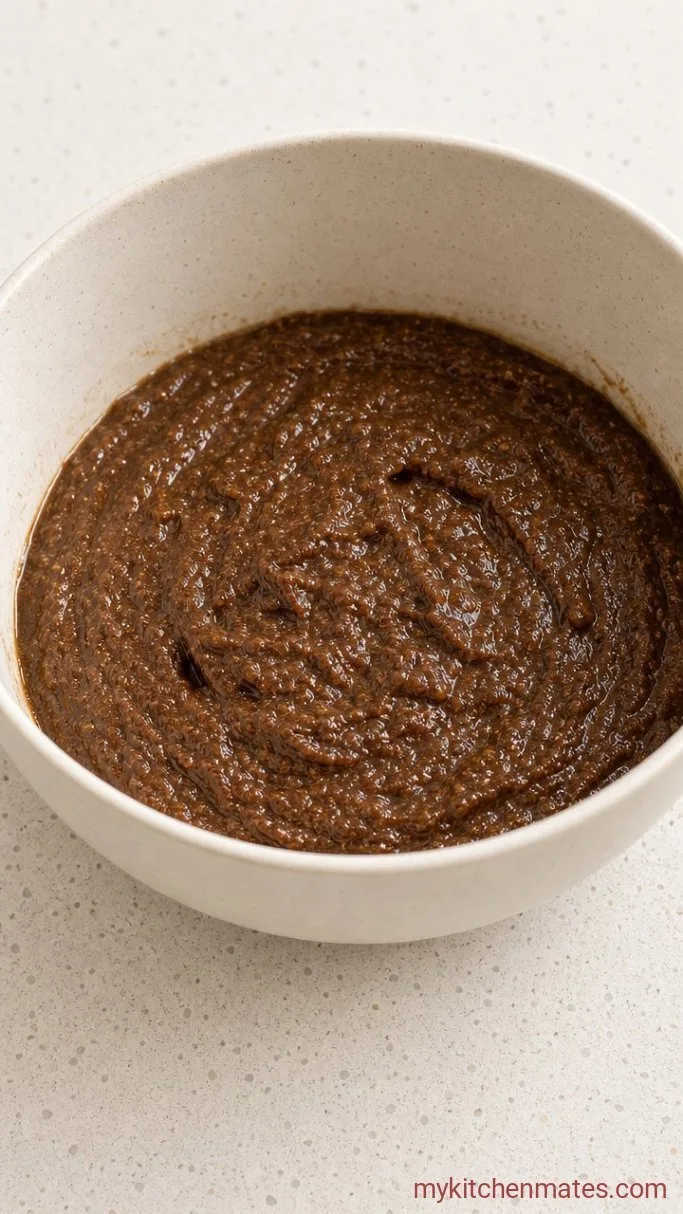
Add the ½ cup molasses, the room-temperature egg, and the 1 ½ teaspoons vanilla to the bowl. Beat on low speed just until the mixture turns a uniform deep brown and no streaks of butter remain. Stop as soon as it comes together; overworking at this stage can make the dough tough.
The molasses will loosen everything up, so do not panic when the fluffy butter mixture collapses. That is exactly what you want. The batter will be glossy and thick at this point.
Step 3: Stir in the Dry Ingredients
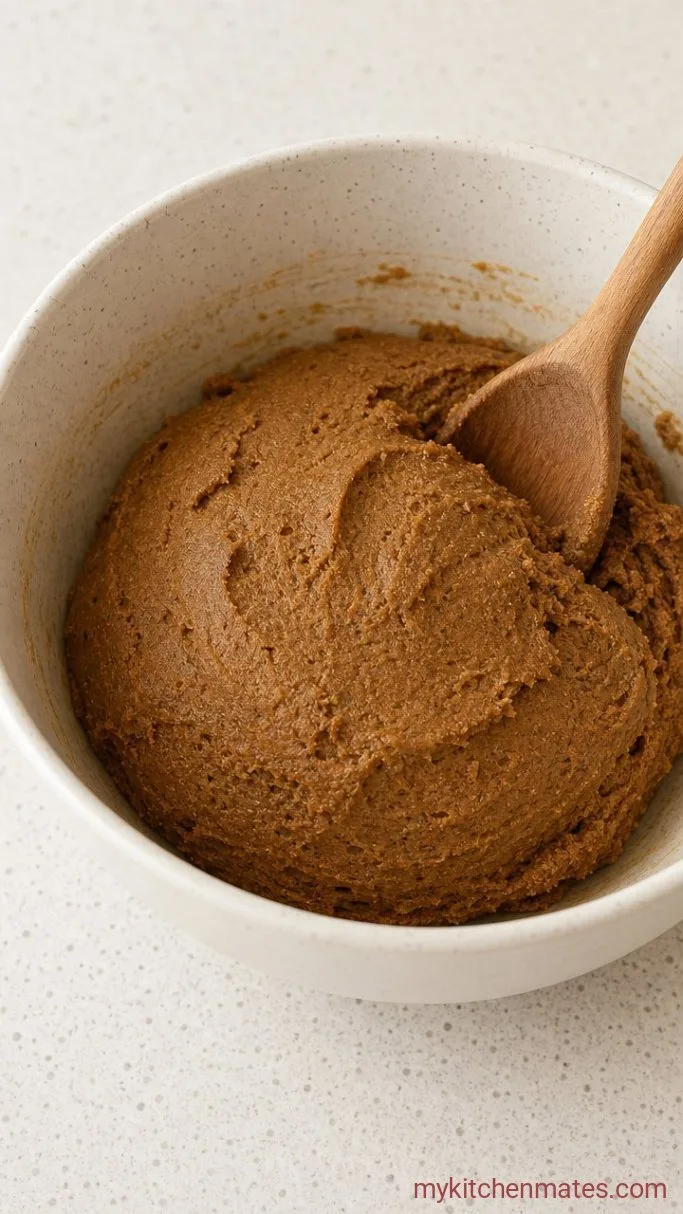
Whisk together the 3 cups flour, 2 teaspoons ginger, 1 ½ teaspoons cinnamon, ¼ teaspoon cloves, ¾ teaspoon baking powder, and ¼ teaspoon salt in a separate bowl. With the mixer on its lowest speed, add the dry mix to the wet in two additions, mixing just until no dry pockets remain. The dough will be soft and a little sticky.
Switch to a spatula for the last few strokes so you do not overwork the gluten. Divide the dough in half, press each half into a flat disc, and wrap tightly in plastic. Chill the discs for at least 1 hour, and up to overnight. Chilled dough is much easier to roll and helps the cookies hold their cut shapes.
Step 4: Roll, Cut, and Bake the Cookies
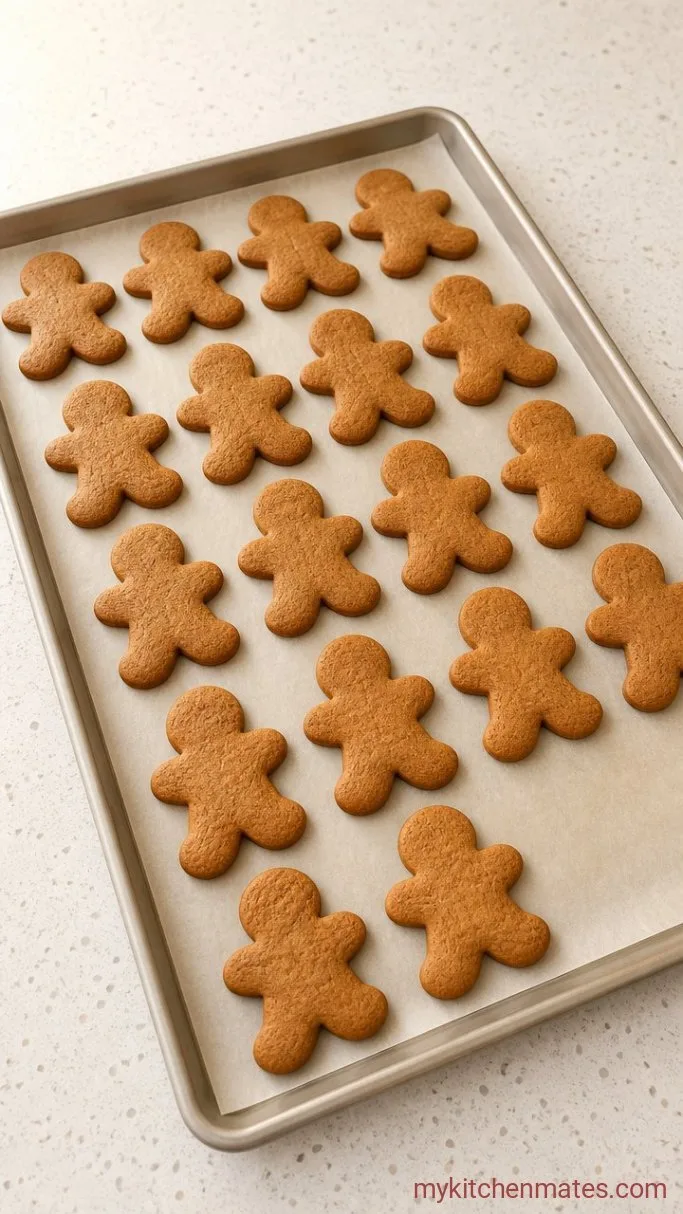
While the dough chills, preheat the oven to 350°F (175°C) and line two baking sheets with parchment paper. On a lightly floured surface, roll one disc to just under a quarter inch thick. Keep the other disc in the fridge until you need it.
Cut out shapes with floured cookie cutters and transfer the cookies to the lined sheets, leaving about an inch between them. Gather the scraps, pat them together, re-chill for 10 minutes, and re-roll once. Bake one sheet at a time on the middle rack for 8 to 10 minutes, until the edges are set and the tops look dry but not browned. The centers will still feel soft; they firm up as they cool.
Step 5: Ice the Cookies

Let the baked cookies rest on the sheets for 3 minutes, then move them to a wire rack to cool completely. While they cool, whisk the 1 ½ cups powdered sugar with 2 tablespoons of milk and ¼ teaspoon vanilla in a small bowl. Stir until smooth, then add the last tablespoon of milk a little at a time if the icing is too thick to pipe.
For clean lines, transfer the icing to a piping bag with a small round tip, or use a zip-top bag with the corner snipped off. Pipe simple outlines, snowflakes, or zigzags, then let the icing set for about 20 minutes. The icing will dry to a firm, matte finish that you can stack without ruining your work.
A Few Tips Before You Start
- Flour the cutters every few dips: so the dough releases cleanly. Sticky cutters make ragged edges, and ragged edges burn faster in the oven.
- Roll the dough between two sheets of parchment: if you want to skip the extra flour on your counter. This is especially helpful if your kitchen runs warm.
- Overbaking is the easiest mistake to make. Pull the cookies when the centers still look slightly underdone. They are finished when they are just set around the rim.
- If the icing gets too runny, stir in a spoonful of powdered sugar at a time until it stiffens back up. If it gets too thick, add drops of milk.
Bake times by cookie thickness:
| Thickness | Cookie Size | Bake Time |
|---|---|---|
| ¼ inch | 3 to 4 inches | 8 to 10 mins |
| ⅛ inch | 3 to 4 inches | 6 to 8 mins |
| ¼ inch | 5 inches or larger | 10 to 12 mins |
Storing Leftovers
- Refrigerate: Store fully cooled, iced cookies in an airtight container with parchment between layers. They will keep at room temperature for up to a week. If you plan to stack them, make sure the icing is completely dry first.
- Serve cold: These cookies taste great straight from the container, no reheating needed.
Frequently Asked Questions
Can I use blackstrap molasses?
No, not in this recipe. Blackstrap molasses is much more bitter and will overpower the spices and make the cookies taste harsh. Stick with unsulphured regular or dark molasses.
My dough is too sticky even after chilling. What should I do?
Lightly dust your work surface and the top of the dough with flour, and work quickly. If your kitchen is warm, pop the dough back in the fridge every time it gets soft. A sticky dough usually just needs a cooler hand.
Can I freeze the dough?
Yes. Wrap the disc tightly and freeze for up to 2 months. Thaw overnight in the fridge before rolling. The flavor actually deepens a little after a freeze.
Why did my cookies spread and lose their shape?
The two main causes are dough that was not chilled long enough or butter that got too soft during mixing. Next time, chill the cut cookies on the baking sheet for 10 minutes before they go in the oven.
Iced Gingerbread Cookies Recipe
Ingredients
Method
- Beat butter and brown sugar on medium speed until light and fluffy, about 2 minutes.
- Add molasses, egg, and vanilla; mix on low until combined and no butter streaks remain.
- In a separate bowl, whisk flour, ginger, cinnamon, cloves, baking powder, and salt. Add to wet mixture in two additions, mixing just until combined. Divide dough, flatten into discs, wrap, and chill at least 1 hour.
- Preheat oven to 350°F (175°C). Roll one disc to ¼-inch thickness, cut shapes, and place on parchment-lined sheets. Bake 8 to 10 minutes until edges are set. Cool on sheet for 3 minutes, then transfer to a rack.
- Whisk powdered sugar, 2 tbsp milk, and vanilla until smooth. Add remaining milk if needed. Pipe or spread icing onto completely cooled cookies and let set 20 minutes.
Notes
