
Soft and Slightly Sweet Honey Wheat Sourdough Bread

This honey wheat sourdough bread bakes up soft, tender, and just sweet enough to eat on its own. The whole wheat and honey work together to give it a nutty, warm flavor that still plays well with savory toppings.
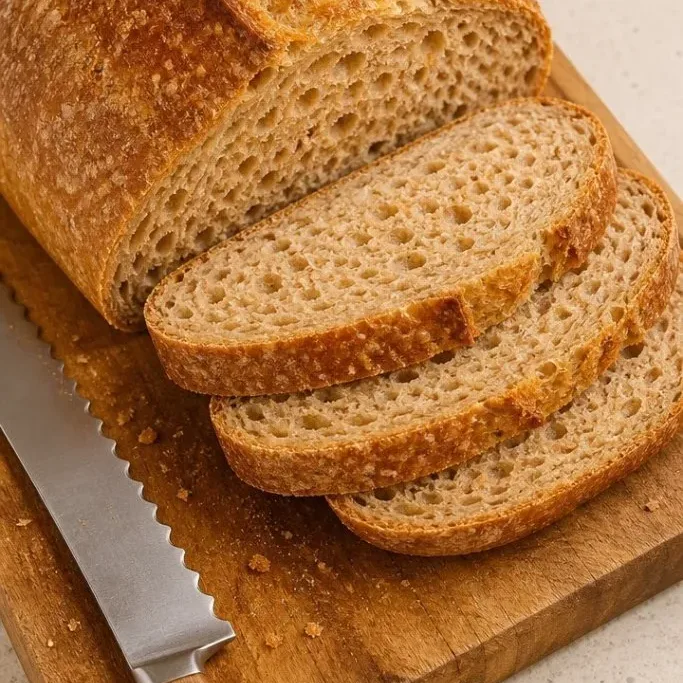
It takes a little patience for the sourdough to do its work, but the hands-on time is honestly minimal. Mix the dough in the evening, shape it the next morning, and you will have a fresh loaf cooling on the counter by lunch.
What Makes This Honey Wheat Bread So Good
The crumb is pillowy and the crust is thin enough to give under a butter knife without shattering. That gentle sweetness comes from real honey, not a sugar syrup, so it tastes clean and mellow.
Sourdough brings a quiet tang that keeps the loaf from ever feeling heavy or dull. Because of the natural acidity, it also stays fresh a day or two longer than a straight yeasted bread.
Ingredients

- 1/2 cup (100 g) active sourdough starter: fed and bubbly, doubled in size within 4 to 6 hours
- 1 1/4 cups (300 g) warm water: about 85°F, not hot
- 3 tbsp honey: mild clover or wildflower works best
- 2 tbsp unsalted butter, melted and cooled slightly
- 3 cups (360 g) bread flour: plus more for dusting
- 1 cup (120 g) whole wheat flour
- 1 1/2 tsp fine sea salt
Variations / Substitutions
- More honey: increase to 4 tbsp for a noticeably sweeter loaf; the dough may need an extra tablespoon of flour to stay manageable.
- All whole wheat: swap the bread flour for additional whole wheat flour for a denser, earthier bread with a firmer crumb.
- Maple syrup: replace the honey with an equal amount of real maple syrup; the flavor shifts to a deeper, woodsy sweetness.
- Vegan option: use melted coconut oil or a plant-based butter instead of dairy butter.
Hearty Old Fashioned Potato Soup is a cozy soup to serve with this bread.
How to Make Honey Wheat Sourdough Bread
Step 1: Mix the Dough
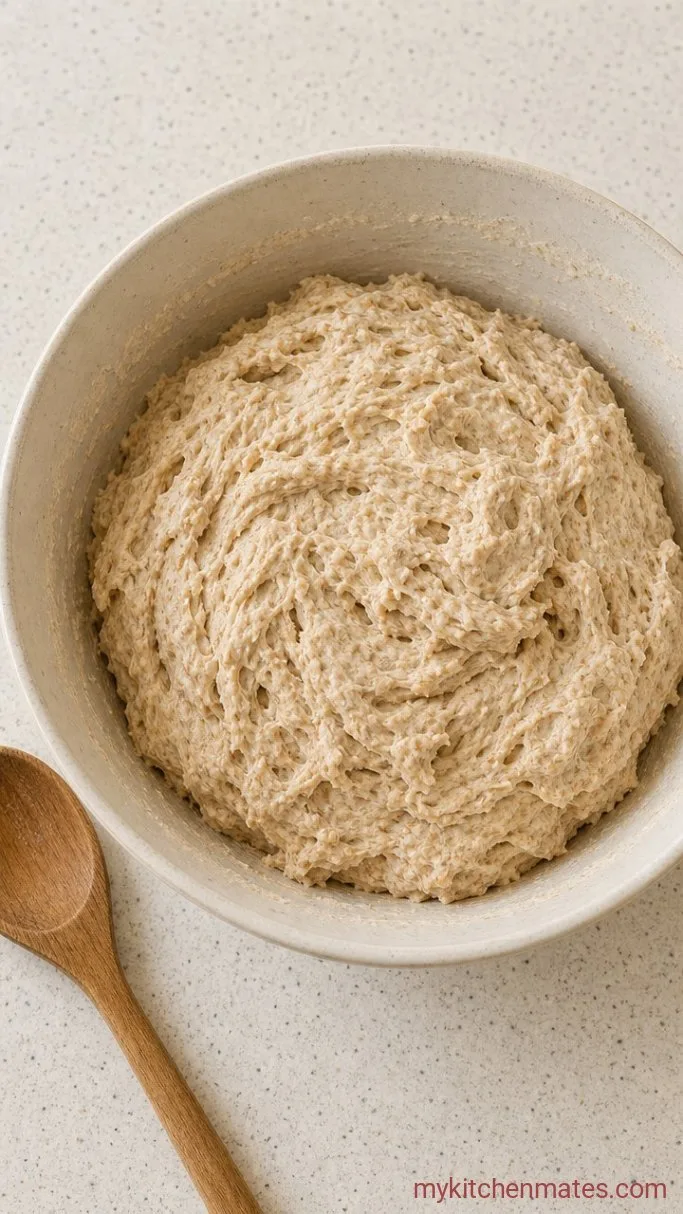
In a large bowl, whisk together the 1/2 cup active starter, 1 1/4 cups warm water, 3 tbsp honey, and the 2 tbsp melted butter until the starter disperses and the honey dissolves. Add the 3 cups bread flour, 1 cup whole wheat flour, and 1 1/2 tsp salt all at once, then mix with a sturdy spoon or your hand until no dry pockets remain. The dough will look shaggy and feel slightly tacky.
Cover the bowl with a damp towel or a plate and let it rest for 30 minutes. This short rest lets the flour hydrate fully and makes the next step much easier.
Step 2: Strengthen the Dough
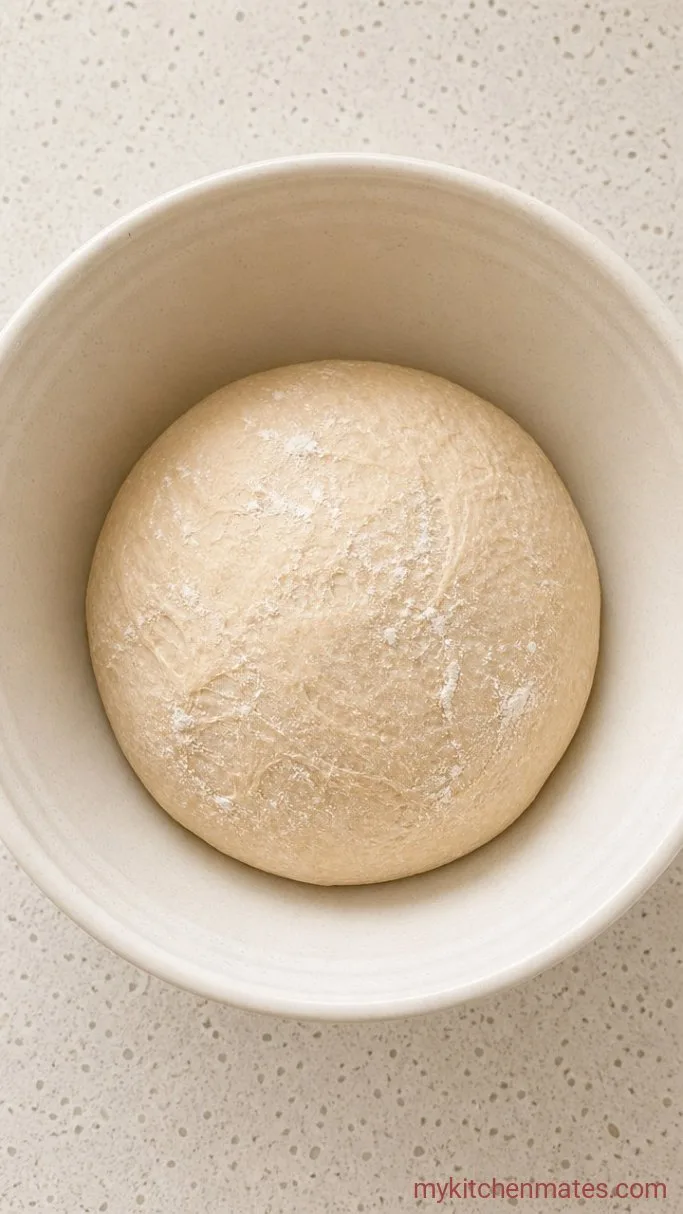
After the rest, perform a series of stretch and folds right in the bowl. Grab a corner of the dough, pull it up until you feel resistance, then fold it over the center. Rotate the bowl and repeat until you have worked your way around the dough, about 4 to 6 folds. Cover and rest 30 minutes.
Repeat the stretch and fold routine two more times at 30-minute intervals. By the third round, the dough will feel smoother and more cohesive, and it will hold its shape a little better each time.
Step 3: Bulk Ferment the Dough
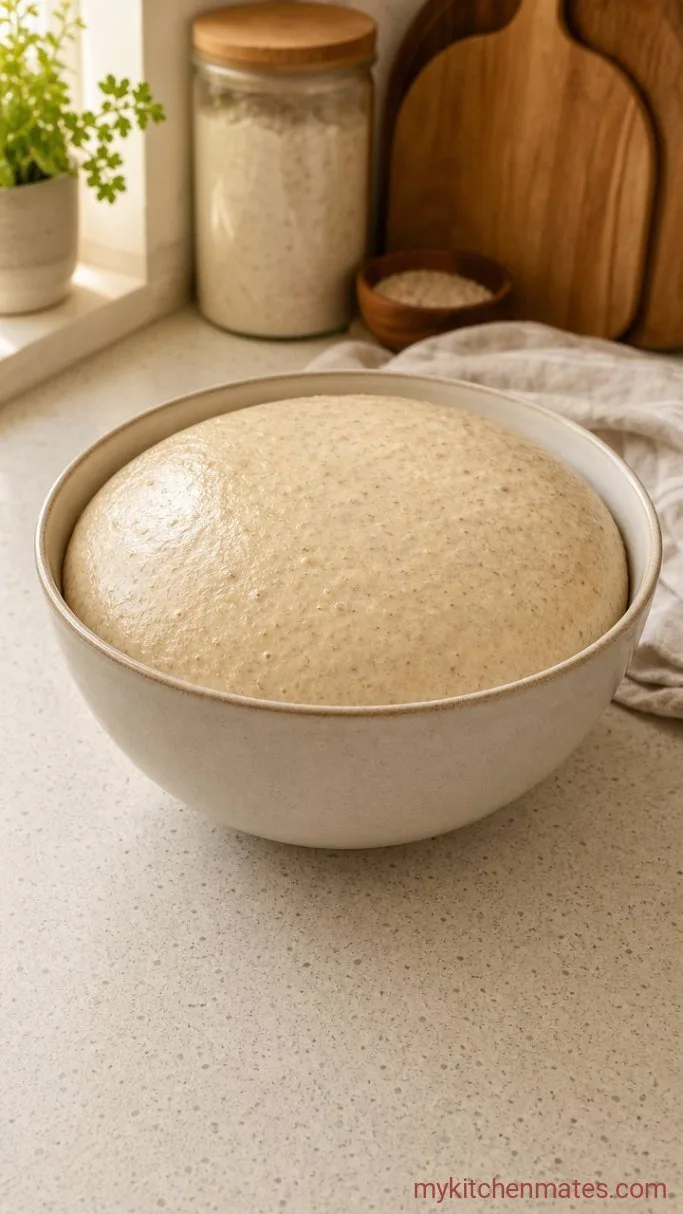
After the final fold, cover the bowl and let the dough rise at room temperature until it is visibly puffy, nearly doubled, and jiggles when you shake the bowl gently. This can take 8 to 12 hours depending on your kitchen; overnight on the counter works perfectly for most homes.
You are looking for a domed surface with scattered bubbles, not a flat, collapsed look. If you poke the dough lightly with a floured finger, the indentation should fill back in slowly.
Step 4: Shape the Loaf

Turn the dough out onto a lightly floured surface and pat it into a rough rectangle, short side facing you. Fold the top third down to the center, then the bottom third up like a letter. Roll the dough toward you into a tight log, tucking the ends under to create surface tension. Pinch the seam closed.
Place the shaped loaf seam-side down into a greased 9 by 5 inch loaf pan. Cover loosely with oiled plastic wrap or a clean towel and let it proof until the dough crests about 1 inch above the rim of the pan, which takes 2 to 3 hours in a warm spot.
Step 5: Bake the Loaf
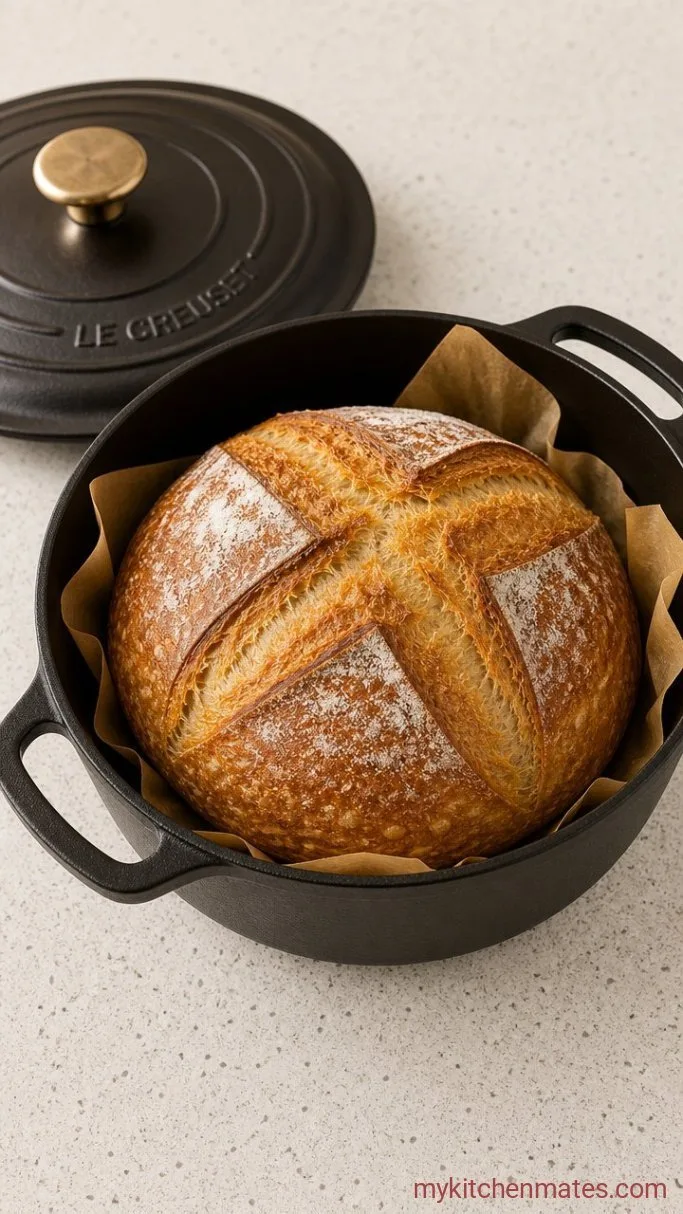
Toward the end of the proofing time, set the oven rack to the middle and preheat to 375°F (190°C). When the loaf is ready, slash the top lengthwise with a sharp knife or lame, about 1/4 inch deep. Bake for 40 to 45 minutes, turning the pan halfway through, until the crust is deep golden brown and the loaf sounds hollow when tapped on the bottom.
If you have an instant-read thermometer, the center should register around 200°F to 205°F (93°C to 96°C). The kitchen will smell like toasted wheat and honey, and the top will have a crackled sheen.
Step 6: Cool and Slice the Bread

Remove the pan from the oven and let the bread cool in the pan for 10 minutes, then turn it out onto a wire rack. Let it cool completely before slicing, at least 2 hours, or the crumb will be gummy. Slice when fully cool and serve with butter, jam, or as sandwich bread.
A Few Notes Before You Start
- The most common misstep is using a sluggish starter. Feed it twice before you bake so it doubles in 4 to 6 hours and passes the float test.
- In a cold kitchen, bulk fermentation can lag. Set the bowl in a turned-off oven with the light on, or on top of the fridge, to nudge it along.
- If the shaped loaf overproofs and collapses a bit, do not panic. Bake it anyway; it will still taste good, just with a slightly tighter crumb.
- Brushing the hot crust with a little melted butter right when it comes out of the oven softens the crust even more.
Rise times by kitchen temperature:
| Kitchen temp | Approx. bulk ferment | Approx. proof |
|---|---|---|
| 68°F (20°C) | 10 to 12 hours | 3 to 4 hours |
| 75°F (24°C) | 8 to 10 hours | 2 to 3 hours |
| 80°F (27°C) | 6 to 8 hours | 1.5 to 2 hours |
Storing Leftovers
- Room temperature: Wrap the cooled loaf in a clean kitchen towel or paper bag and store it cut-side down on a cutting board for up to 3 days. For a softer crust, use a bread box or a sealed bag after the first day.
- Freeze: Slice the bread first, then freeze in a zip-top bag with parchment between slices for up to 3 months. Toast straight from frozen.
What To Serve with This Honey Wheat Bread
Toasted slices with salted butter and a drizzle of honey bring out the wheat notes beautifully. It also makes a sturdy base for a grilled cheese with sharp cheddar, where the slight sweetness balances the cheese. For something lighter, try it alongside a bowl of tomato soup or a big green salad with a lemony dressing.
Frequently Asked Questions
Can I use all bread flour instead of whole wheat?
Yes, you can replace the whole wheat flour with an equal amount of bread flour. The loaf will be softer and milder, missing the nutty depth but still lovely.
Why did my dough stay sticky and impossible to shape?
High whole wheat content can make the dough tackier, especially if the flour soaks up water slowly. Next time, hold back 2 tablespoons of water and add it only if the dough feels dry during mixing.
Can I bake this in a Dutch oven for a crustier loaf?
You can, and it works well. Shape the dough into a round instead of a loaf, proof in a banneton, and bake in a preheated Dutch oven at 450°F (230°C) for 30 minutes covered, then 15 minutes uncovered.
How do I know when the shaped dough is perfectly proofed?
Gently press a floured finger into the side of the dough. If the indentation springs back slowly and leaves a slight divot, it is ready. If it bounces back instantly, give it more time.
Honey Wheat Sourdough Bread Recipe
Ingredients
Method
- In a large bowl, whisk the active starter, water, honey, and melted butter until combined.
- Add the bread flour, whole wheat flour, and salt. Mix until no dry pockets remain, then cover and rest 30 minutes.
- Perform three sets of stretch and folds, one every 30 minutes, to build strength.
- Cover and let the dough bulk ferment at room temperature for 8 to 12 hours until puffy and nearly doubled.
- Turn the dough out, shape into a tight log, and place in a greased 9 by 5 inch loaf pan seam-side down. Cover and proof until the dough rises 1 inch above the rim, 2 to 3 hours.
- Preheat the oven to 375°F (190°C). Slash the top, then bake for 40 to 45 minutes until deep golden brown and hollow-sounding.
- Cool in the pan 10 minutes, then turn out onto a rack and cool completely before slicing.
Notes
