
High-Protein Pizza Dough That Crisps Up Beautifully

This high-protein pizza dough makes a real crust with crispy edges and a chewy center, and it packs nearly double the protein of standard dough. It comes together with just a handful of pantry staples and has no trace of that chalky protein powder taste.

It works for any style you like—thin and crisp, thick and puffy—and freezes well so you can pull a ball of dough out anytime the pizza craving hits.
Why This Dough Actually Works
I’ve tried a lot of ways to boost protein in pizza, and this one delivers a crust that still tastes like honest pizza. The vital wheat gluten gives it strong structure and a satisfying chew without turning it into bread.
It’s not dense or dry, and it browns nicely in a hot oven. That balance is what keeps me from going back to delivery.
Ingredients
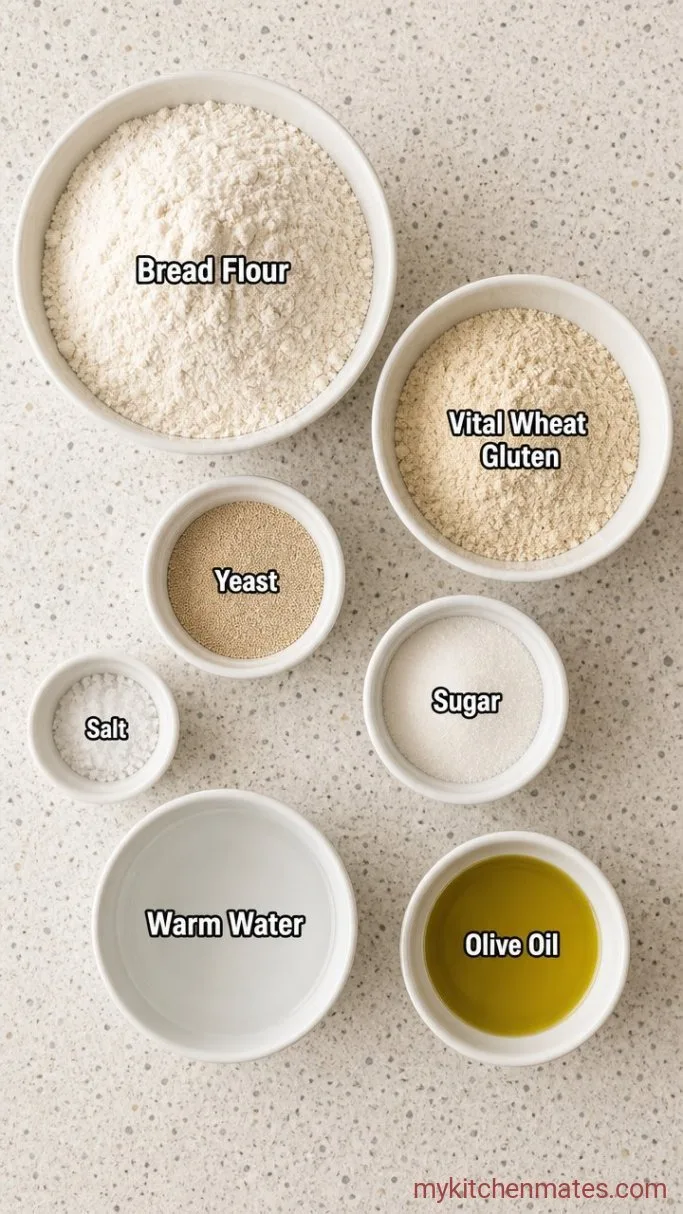
- 1 cup (120g) bread flour: gives structure and chew
- 1/2 cup (60g) vital wheat gluten: the protein powerhouse (don’t skip it)
- 1 tsp active dry yeast: or instant yeast (see substitutions)
- 1 tsp granulated sugar: feeds the yeast, no sweet taste
- 3/4 tsp fine sea salt
- 2/3 cup (160ml) warm water: around 110°F (45°C)
- 1 tbsp extra-virgin olive oil: plus a little more for the bowl
Variations / Substitutions
- Use all-purpose flour instead of bread flour: the dough will still be high protein but slightly less chewy.
- Swap instant yeast: skip the proofing step and mix all dry ingredients together first.
- Add whole wheat: replace up to half the bread flour with whole wheat flour; add 1 extra tablespoon of water to compensate.
- Flavored crust: mix 1 tsp dried oregano or garlic powder into the dry flour for an herbed base.
High-Protein Cottage Cheese Pizza Bake is the main dish we love pairing with this pizza dough.
How to Make High-Protein Pizza Dough
Step 1: Bloom the Yeast
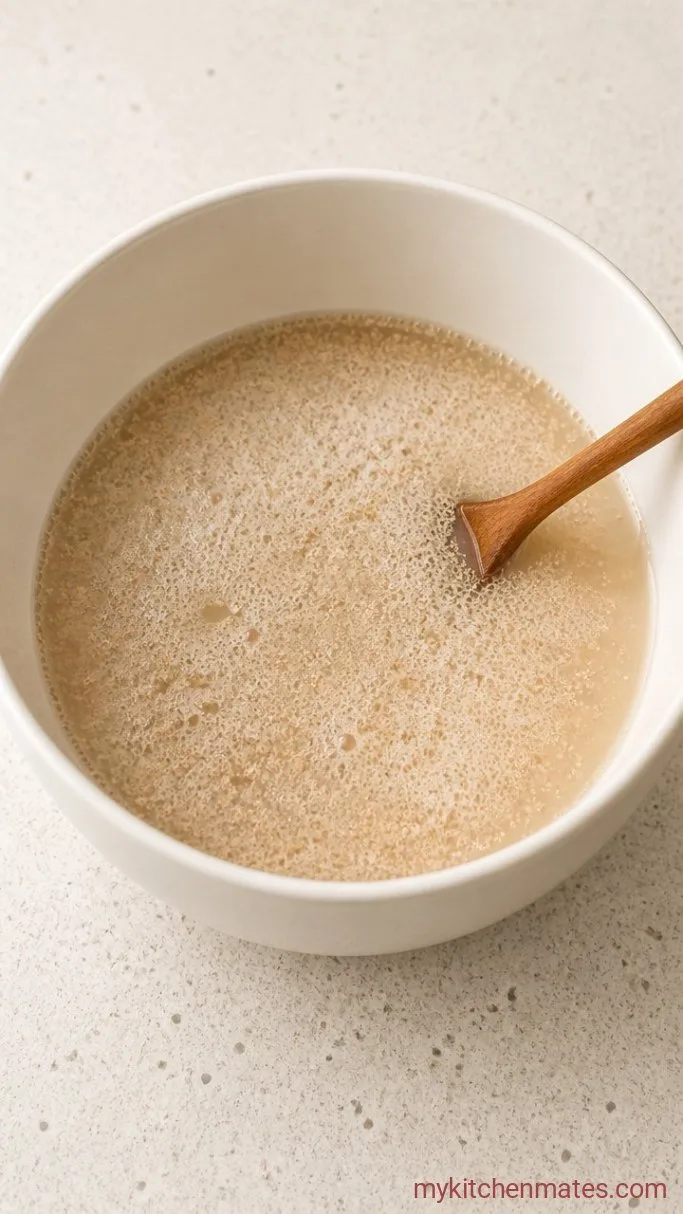
In a small bowl, stir together the 2/3 cup warm water, 1 tsp sugar, and 1 tsp yeast. Let it sit for about 5 minutes until a layer of foam forms on the surface. That foam tells you the yeast is active and ready to go.
If the mixture stays flat and still, the water may have been too hot or the yeast is past its prime. Start again with fresh yeast; the dough won’t rise otherwise.
Step 2: Whisk the Dry Mix
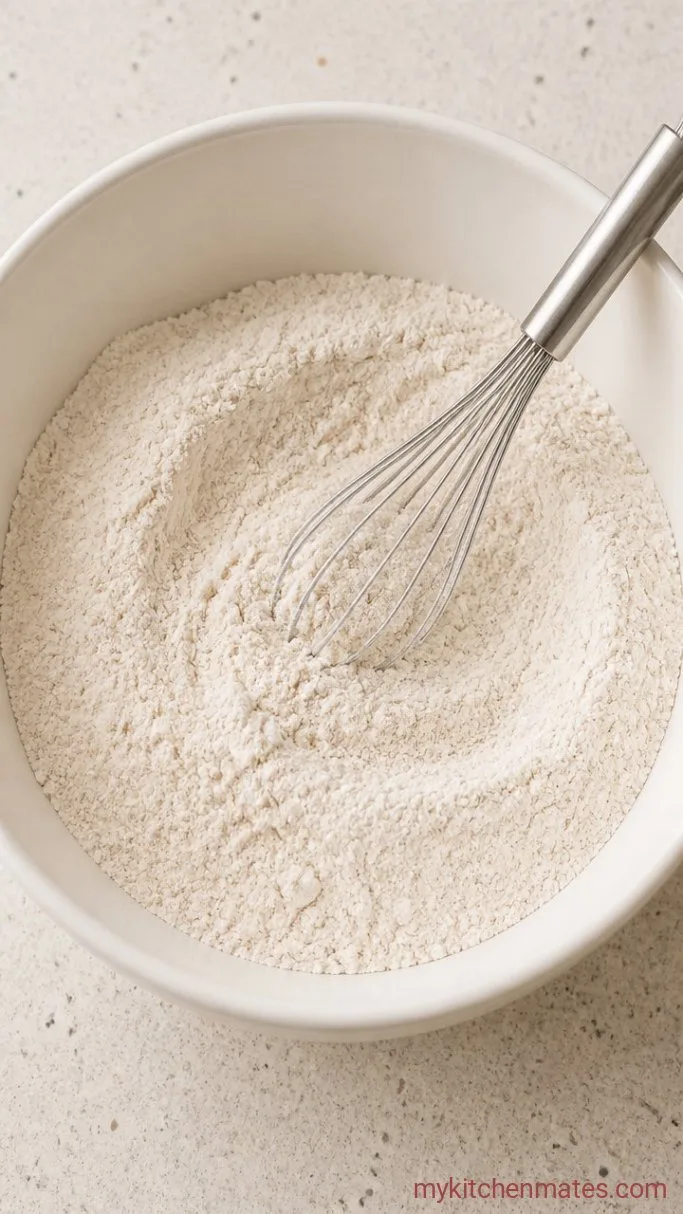
While the yeast blooms, grab a large mixing bowl and whisk the 1 cup bread flour, 1/2 cup vital wheat gluten, and 3/4 tsp salt together until evenly combined. The vital wheat gluten is a fine powder that dissolves right in and gives the dough serious strength.
You want no clumps of salt or flour at this stage. A thorough whisk now means less work later.
Step 3: Knead the Dough
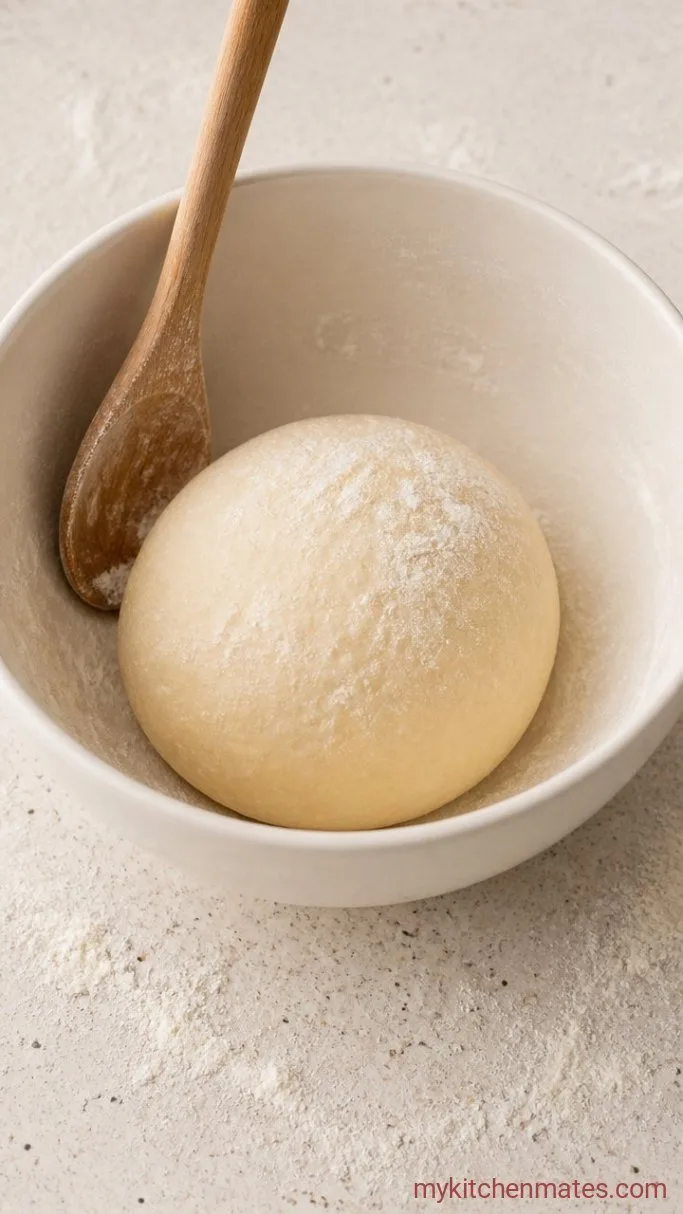
Pour the foamy yeast mixture and the 1 tbsp olive oil into the dry ingredients. Stir with a wooden spoon until a shaggy mass forms, then turn it onto a lightly floured counter. Knead by hand for 8 to 10 minutes, pushing and folding until the dough becomes smooth, springy, and no longer sticky. You can also use a stand mixer fitted with a dough hook for 5 to 6 minutes on medium-low speed.
The dough is ready when you can stretch a small piece thin enough to see light through without it tearing. If it rips immediately, knead a minute more.
Step 4: Let the Dough Rise
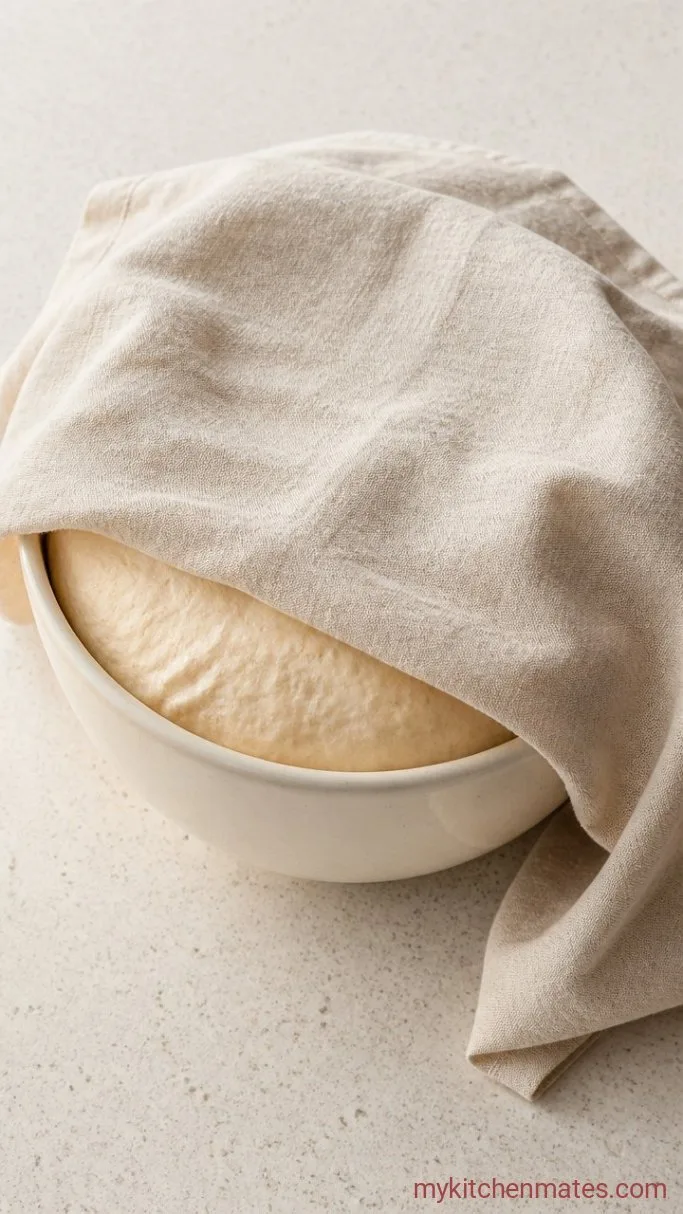
Place the dough ball in a clean bowl lightly coated with olive oil, turning it once so the top is oiled. Cover with a kitchen towel or plastic wrap and let it rise in a warm spot for about 1 hour, until it has doubled in size.
A slightly warm oven—turned off but with the light on—is a great spot. The rise not only puffs up the dough but also develops a little depth of flavor.
Step 5: Stretch, Top, and Bake the Pizza

While the dough rises, preheat the oven to 475°F (245°C) and set a large baking sheet (inverted) or a pizza stone on the middle rack to heat up. Punch the risen dough down to release the air, then divide it into 4 equal pieces. On a lightly floured piece of parchment paper, stretch or roll each piece into a thin round about 8 inches across. Top with your sauce, cheese, and favorite toppings.
Slide the parchment directly onto the hot surface and bake for 10 to 12 minutes, until the crust is deep golden at the edges and the cheese is bubbly with a few charred spots. Use a peel or the back of a sheet pan to lift the pizza out and serve it hot.
A Few Dough Notes
- Let it relax: If the dough keeps shrinking back as you stretch it, cover it with a towel and rest for 5 minutes. Relaxed gluten is easier to shape.
- Overnight for more flavor: The dough gets even better if you let it rise in the fridge overnight. Just bring it to room temperature before shaping.
- Skillet style: Press the dough into a well-oiled cast iron skillet, let it puff for 10 minutes, then top and bake right in the pan for a thick, focaccia-like crust.
- Freeze ahead: Wrap individual dough balls tightly in plastic and freeze for up to 3 months. Thaw overnight in the fridge, then proceed with shaping.
Bake times by method:
| Pan / Method | Oven Temp | Bake Time |
|---|---|---|
| Baking sheet (inverted) | 475°F (245°C) | 10-12 mins |
| Pizza stone | 500°F (260°C) | 8-10 mins |
| Cast iron skillet | 475°F (245°C) | 12-15 mins |
Keeping Dough Fresh
Unbaked dough can be refrigerated for up to 3 days. Wrap it tightly in plastic and place it in a sealed container. When you’re ready to bake, let the dough sit at room temperature for 20 minutes before shaping.
Baked pizza leftovers keep in the fridge for 3 days. Reheat slices in a hot skillet with a lid to crisp the bottom and melt the cheese.
What to Serve With High Protein Pizza
A big green salad with a sharp vinaigrette cuts through the richness of the cheese and pepperoni. Roasted broccoli or air-fryer zucchini chips also round out the meal nicely without adding bulk.
Frequently Asked Questions
Can I make this pizza dough without vital wheat gluten?
No. Vital wheat gluten is what gives the dough its high protein and chewy bite. You can use all bread flour instead, but the protein per serving will drop significantly.
How much protein does each crust have?
One crust (1/4 of the dough) has about 15 grams of protein before adding any toppings. That’s nearly double what a typical pizza dough provides.
Can I use a bread machine?
Yes. Put the ingredients into the machine in the order recommended by the manufacturer and run the dough cycle. Kneading and the first rise will happen right in the machine.
My dough didn’t rise. What went wrong?
The most common culprit is yeast that was killed by water above 115°F (46°C) or yeast that was simply too old. Use a thermometer next time, and always test the yeast if you’re unsure.
High-Protein Pizza Dough Recipe
Ingredients
Method
- In a small bowl, combine the warm water, yeast, and sugar. Let stand until foamy, about 5 minutes.
- In a large bowl, whisk the bread flour, vital wheat gluten, and salt until evenly mixed.
- Pour the yeast mixture and olive oil into the dry ingredients. Stir into a shaggy dough, turn out, and knead for 8-10 minutes until smooth and elastic.
- Place dough in an oiled bowl, cover, and let rise in a warm spot until doubled, about 1 hour.
- Preheat the oven to 475°F (245°C) with a baking sheet or pizza stone inside. Punch dough down, divide into 4 pieces, and shape each on parchment. Top, slide onto the hot surface, and bake 10-12 minutes until crust is golden and cheese is bubbly.
Notes
