
Easy Gluten Free Pizza Dough That’s Actually Chewy

Gluten free pizza dough usually means one of two things: a cracker-thin crust that shatters, or a thick, gummy slab that tastes like a sponge. This recipe lands right in the middle, with a dough that browns at the edges, stays tender inside, and holds up to any topping you pile on.
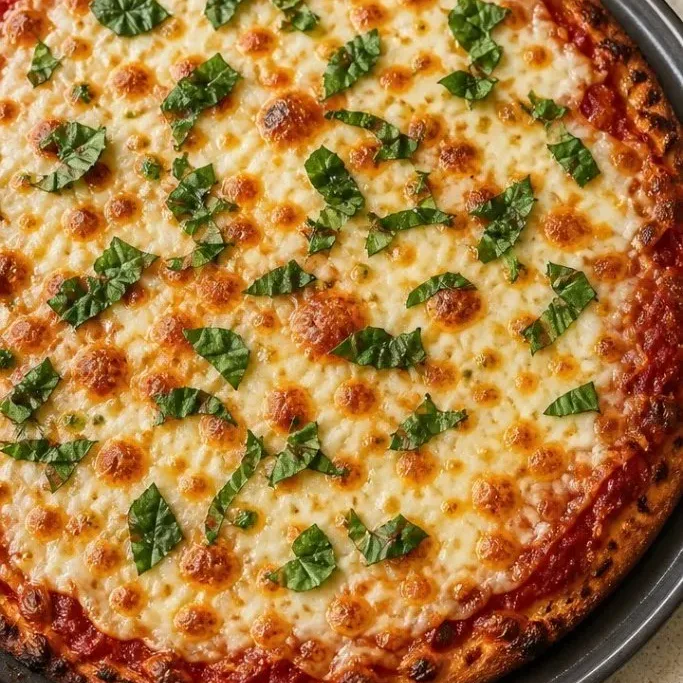
It uses a blend of gluten-free flour and psyllium husk to give the dough real stretch, so you can press it thin or leave it thick and nobody will guess it is not made with wheat.
What Makes This Gluten-Free Pizza Dough So Good
The dough mixes up in one bowl with no complicated gums or starches to measure separately. After a short rest, it presses out easily on parchment and slides straight onto a hot baking sheet.
The psyllium husk powder is the key. It binds the dough together and gives it a chewy, bread-like texture that actually tears apart like pizza should. A quick par-bake sets the shape so the crust never turns soggy under the sauce.
Ingredients
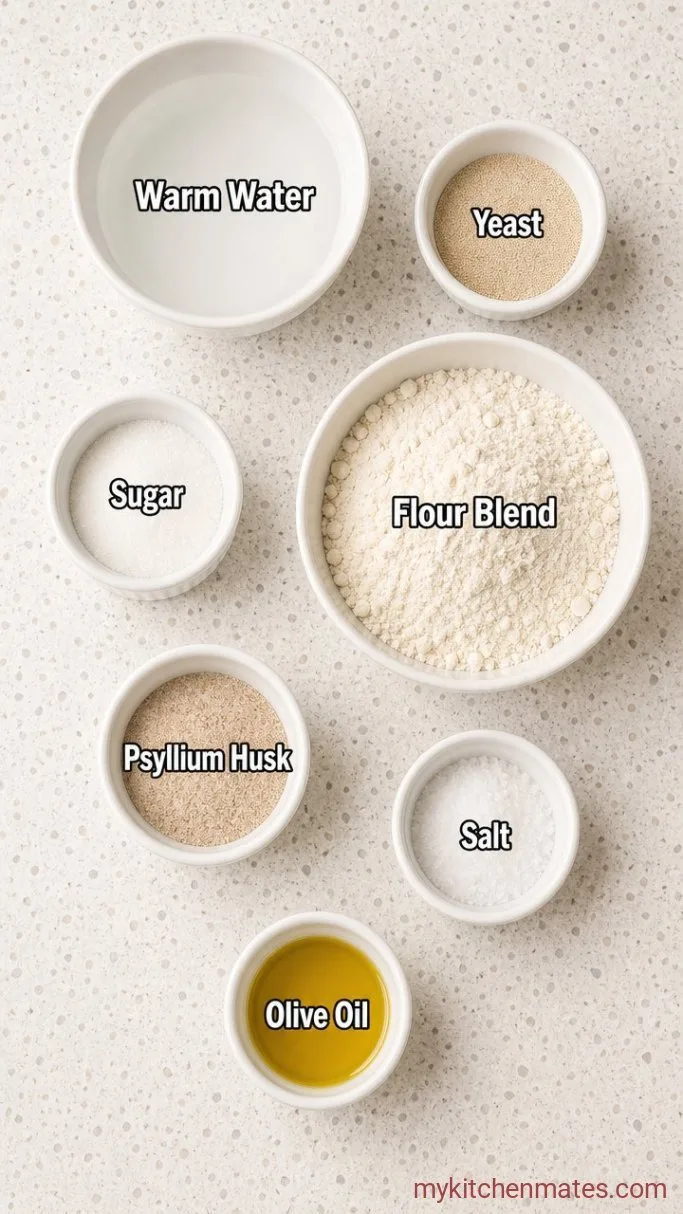
- 1 ½ cups warm water (110°F): slightly warmer than body temperature, not hot
- 2 ¼ tsp active dry yeast: one standard packet
- 1 tsp sugar: feeds the yeast and helps browning
- 3 cups gluten-free all-purpose flour blend: choose one that already contains xanthan gum
- 2 tbsp psyllium husk powder: the binder that creates structure and chew
- 1 tsp fine sea salt
- 2 tbsp olive oil: plus extra for brushing the crust
Variations / Substitutions
- Swap the yeast for 2 tsp baking powder: if you want a quick dough with no rest time. The result is more biscuity than chewy, but works in a pinch.
- Add dried herbs to the flour: a teaspoon of oregano or garlic powder gives the crust a seasoned edge that pairs well with simple sauces.
- Use a nut-free flour blend: most store-bought cup-for-cup blends are nut-free. Check the label and skip any that list almond flour if that matters to you.
- Dairy-free note: the dough itself is already dairy-free. Top it with your favorite dairy-free cheese or keep it simple with a good olive oil and vegetable base.
Gluten Free Fruit Pizza is a great main dish to serve alongside this pizza dough.
How to Make Gluten Free Pizza Dough
Step 1: Mix the Dough
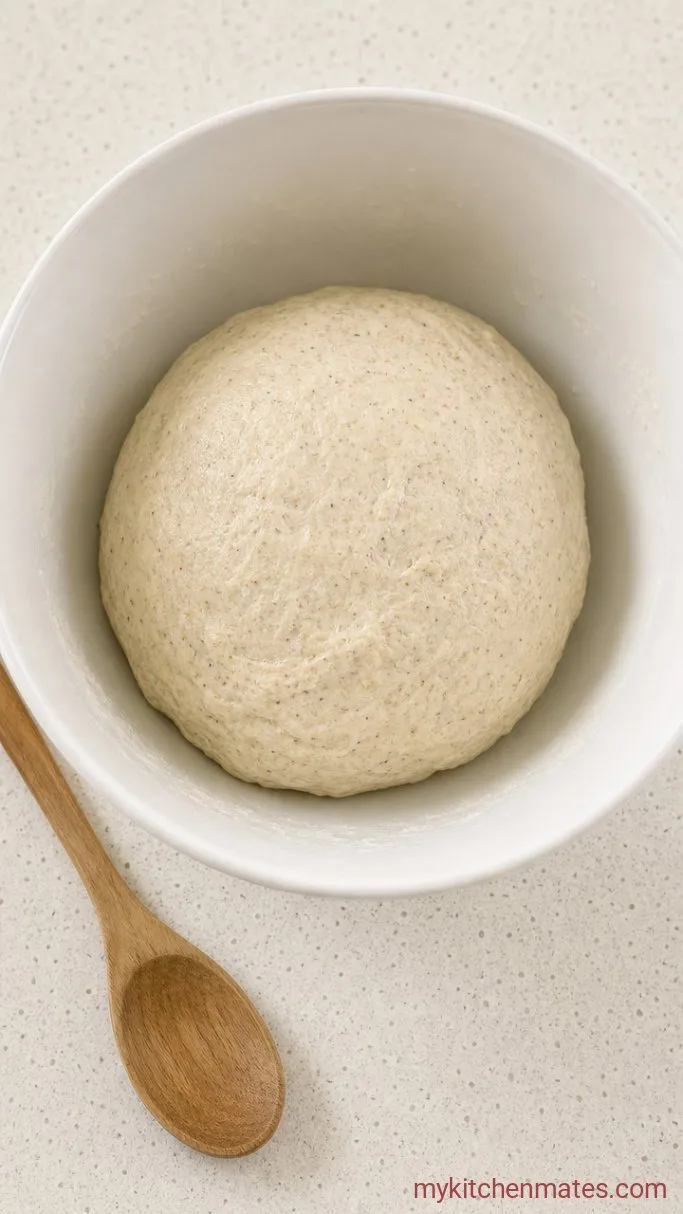
Pour the 1 ½ cups warm water into a large bowl, then sprinkle the yeast and sugar on top. Let it sit for 5 minutes until the surface looks foamy. If it never foams, the yeast is past its prime and the dough will not rise, so start over with fresh yeast.
Add the 3 cups flour blend, 2 tbsp psyllium husk powder, 1 tsp salt, and 2 tbsp olive oil. Beat with a wooden spoon or a sturdy spatula until the mixture becomes a uniform, sticky dough. It will look shaggy at first, then smooth out into a soft ball that holds together. Cover the bowl with a towel and let the dough rest for 15 minutes. This short rest gives the psyllium husk time to hydrate and the yeast a small head start.
Step 2: Shape the Crust
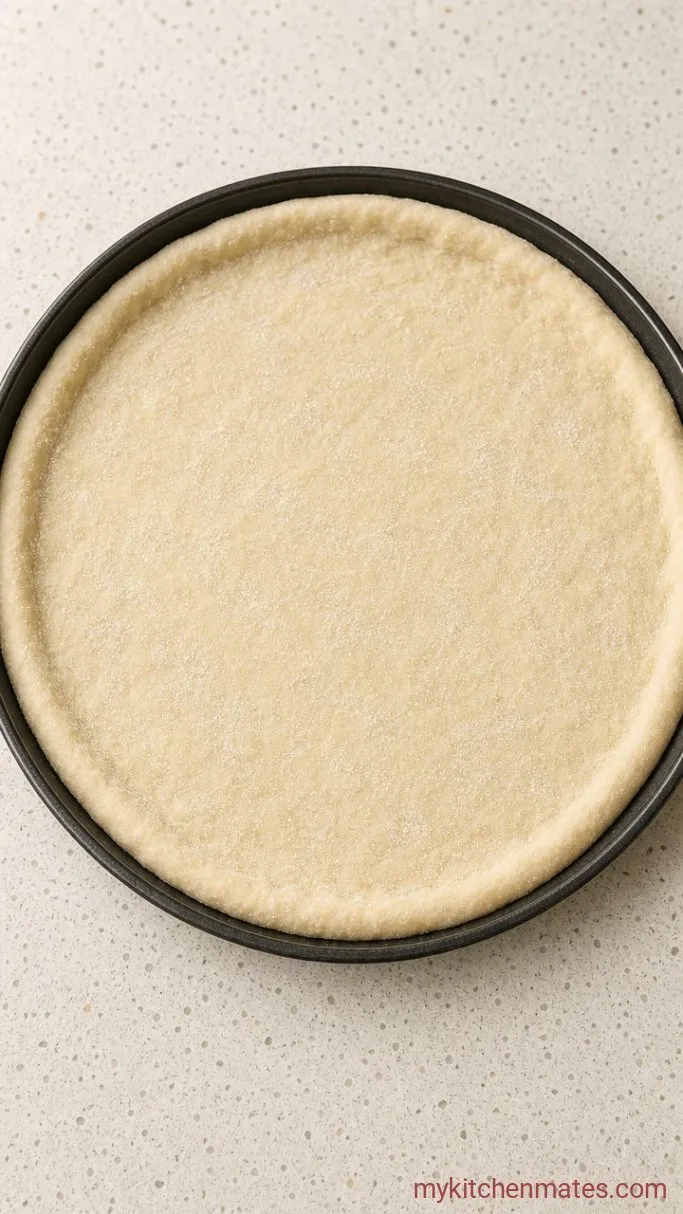
Turn the dough out onto a sheet of parchment paper, using damp fingertips so it does not stick to your hands. Press it into a 12-inch round, about ¼ inch thick, with a slightly thicker rim at the edges. The dough spreads easily with gentle pressure and will hold whatever shape you give it.
At this point the surface may look a little lumpy, and that is fine. A few small bumps will settle during baking and leave you with a rustic, bubbly crust. Slide the parchment onto a flat baking sheet.
Step 3: Par-Bake the Crust
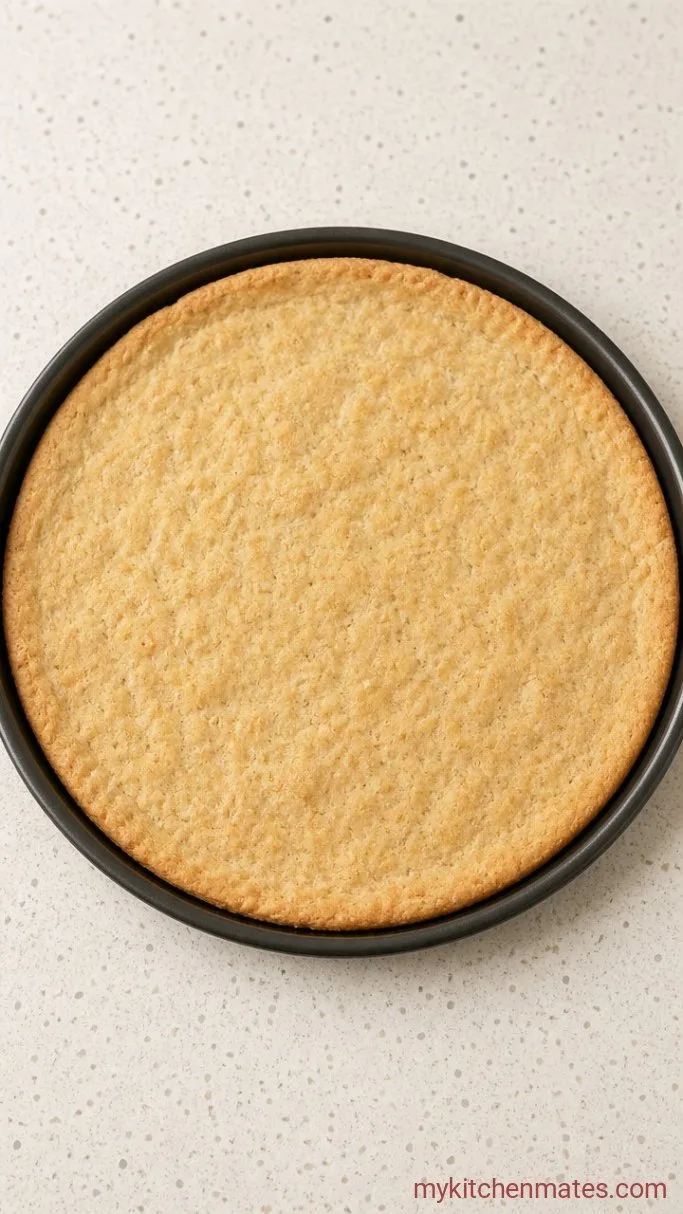
Brush the entire surface lightly with olive oil. Place the baking sheet in the center of a 425°F oven and bake for 8 to 10 minutes, until the edges are barely golden and the center is set but not yet firm.
Par-baking gives the crust a head start so it stays crisp under saucy toppings. The surface should look dry and slightly puffed when you pull it out, ready for whatever comes next.
Step 4: Top and Bake Until Bubbly
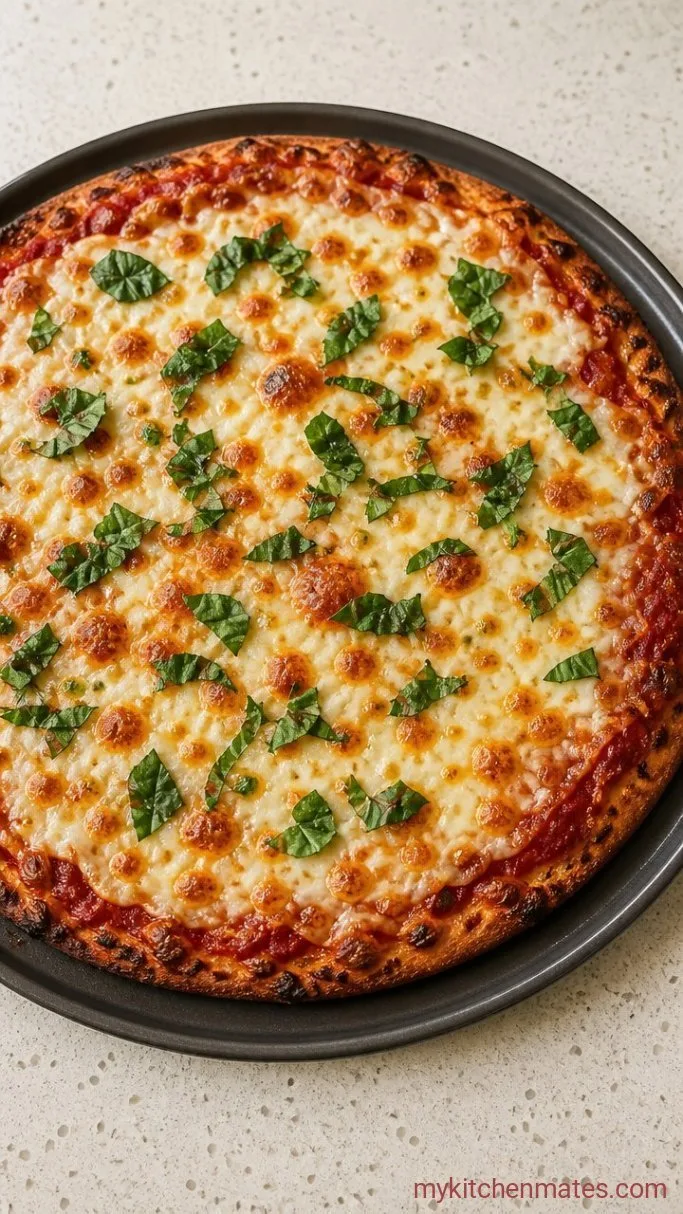
Spread your sauce over the par-baked crust, then scatter on the cheese and any other toppings. Slide the baking sheet back into the oven and bake for another 8 to 10 minutes, until the cheese is melted and bubbling and the bottom edges are deep golden.
Lift the whole parchment off the sheet and transfer the pizza to a cooling rack for 2 minutes before slicing. That brief rest keeps the bottom from steaming, so every slice stays crisp on the bottom and chewy in the middle.
Tips for a Crisp Gluten-Free Crust
- Use an inverted baking sheet if you do not have a pizza stone. Preheating the sheet while the oven comes to temperature gives the dough an immediate heat boost when you slide it in.
- The parchment paper is your best friend. It lets you shape the dough, move it, and bake it without ever lifting a delicate raw crust.
- Do not skip the psyllium husk. It is what makes this dough tear like real pizza instead of crumbling. Without it, the crust will be fragile and harder to handle.
- If the dough feels too wet to shape, dust your fingers with a little extra gluten-free flour blend. The hydration of different blends varies, and a bit more flour is safer than a dry, cracking dough.
Bake times for a 12-inch crust:
| Stage | Thinner crust | Standard thickness |
|---|---|---|
| Par-bake | 6 to 7 mins | 8 to 10 mins |
| Final bake | 6 to 8 mins | 8 to 10 mins |
Storing and Freezing the Dough
- Refrigerate: you can make the dough up to 24 hours ahead and keep it covered in the bowl. Let it sit at room temperature for 20 minutes before shaping so it is easier to press out.
- Reheating: leftover baked pizza keeps well in the fridge for 3 days. Reheat slices in a dry skillet over medium heat for a crisp bottom, or in a 350°F oven for 5 to 6 minutes.
- Freeze: shape the raw dough on parchment and par-bake it for 5 minutes, then cool, wrap tightly, and freeze for up to 2 months. Top and bake straight from frozen, adding 5 extra minutes to the final bake.
What Goes Well With Gluten Free Pizza Dough
A simple Margherita with crushed San Marzano tomatoes and fresh mozzarella lets the chewy crust take center stage. For a richer bite, spread on a thin layer of pesto, then add shredded rotisserie chicken, artichoke hearts, and a handful of arugula right when the pizza comes out of the oven. The peppery greens wilt just enough from the heat and balance the salty cheese.
Frequently Asked Questions
Can I use a gluten-free flour blend without xanthan gum?
You can, but add 1 tsp of xanthan gum to the dry ingredients. Without it, the dough will be much more crumbly and tricky to shape.
Why did my crust crack around the edges?
Cracking usually means the dough was too dry. Next time, add water one tablespoon at a time during mixing until the dough feels soft and Play-Doh-like.
Can I freeze the shaped dough before par-baking?
It is better to par-bake it first. Raw gluten-free dough freezes unevenly and can turn grainy when thawed.
What is the best substitute for psyllium husk powder?
Ground flaxseed works in a pinch, but the crust will have a grainier texture and less chew. Use 3 tbsp flaxseed meal mixed with 3 tbsp warm water as a replacement.
Gluten Free Pizza Dough Recipe
Ingredients
Method
- Combine warm water, yeast, and sugar in a large bowl. Let sit 5 minutes until foamy, then add flour blend, psyllium husk, salt, and oil. Mix into a smooth, sticky dough. Cover and rest 15 minutes.
- Turn dough onto parchment paper and press with damp fingers into a 12-inch round, leaving a slightly thicker rim.
- Brush with olive oil and par-bake on a baking sheet at 425°F for 8 to 10 minutes, until edges are lightly golden and surface is set.
- Spread sauce and add toppings, then bake another 8 to 10 minutes until cheese is bubbling and crust is deep golden. Cool on a rack for 2 minutes before slicing.
Notes
