
Rustic Gluten Free Irish Soda Bread (No Yeast)

Gluten free Irish soda bread is the answer when you want honest, crusty bread in under an hour.
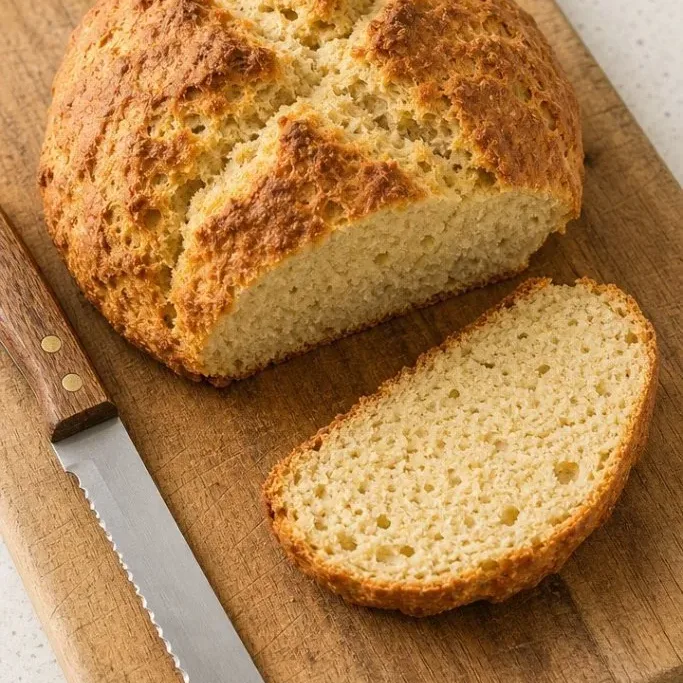
This version leans on a good gluten-free flour blend and plenty of buttermilk for a craggy crust and a tender, tangy crumb. No yeast, no kneading, and no rising time, just mix, shape, and bake.
What Makes This Soda Bread So Good
This loaf gives you a crust that crackles when you slice into it and a soft, tight crumb with a subtle buttermilk tang.
Because it skips both yeast and eggs, the dough comes together in one bowl and bakes in about 35 minutes. That means fresh bread on a weeknight is genuinely doable.
Ingredients
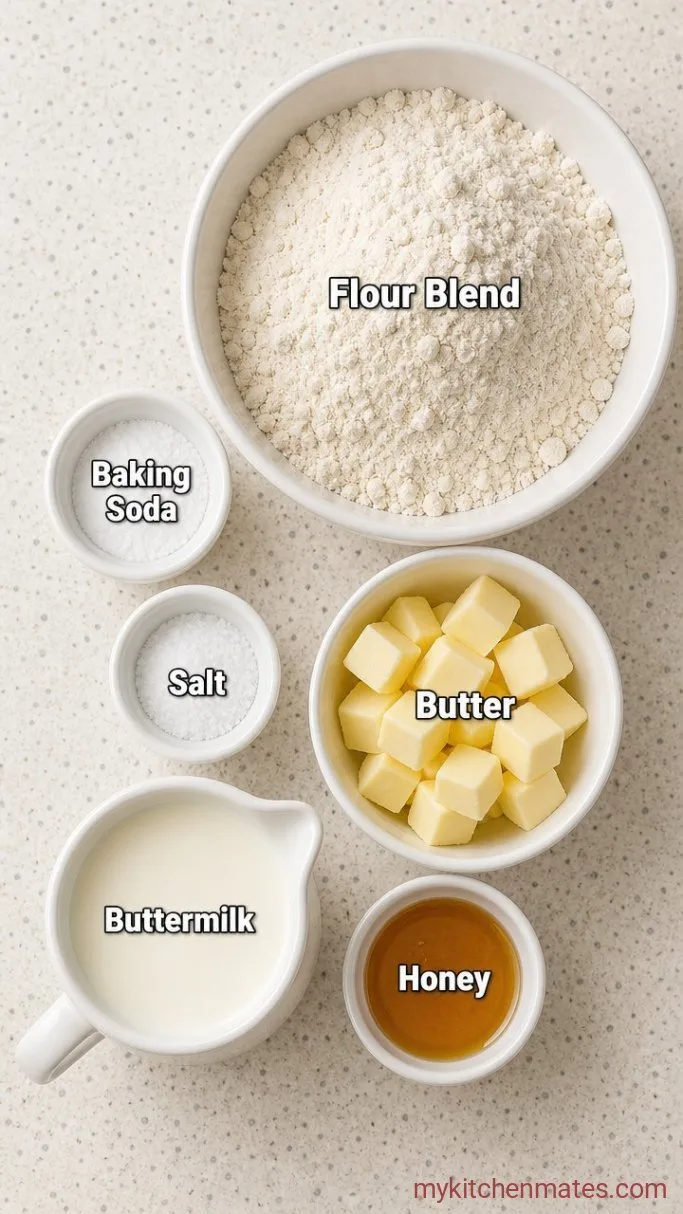
- 2 cups (280 g) gluten-free all-purpose flour blend: one that contains xanthan gum, such as Bob’s Red Mill 1-to-1, for the best structure
- 1 teaspoon baking soda: use a fresh batch for reliable lift
- 1/2 teaspoon fine sea salt
- 2 tablespoons cold unsalted butter, cut into small cubes: keep the butter fridge-cold until you use it
- 3/4 cup (180 ml) buttermilk, well shaken: cold buttermilk helps keep the dough cool for a flakier loaf
- 1 tablespoon honey: (optional): for a subtle sweetness, you can swap in maple syrup or omit entirely
Variations / Substitutions
- Raisin version: Add 1/2 cup raisins or currants (soaked in warm water for 10 minutes and drained) to the dry ingredients.
- Seedy loaf: Stir 1 teaspoon caraway seeds or 2 tablespoons sesame seeds into the flour mixture for a nutty, traditional twist.
- Dairy-free: Use a solid dairy-free butter substitute and make your own buttermilk by stirring 1 tablespoon lemon juice into 3/4 cup unsweetened oat or almond milk. Let it sit 10 minutes before using.
Creamy Irish Potato Soup is a cozy soup to serve with this soda bread.
How to Make Gluten Free Irish Soda Bread
Step 1: Mix the Dry Ingredients and Cut in the Butter
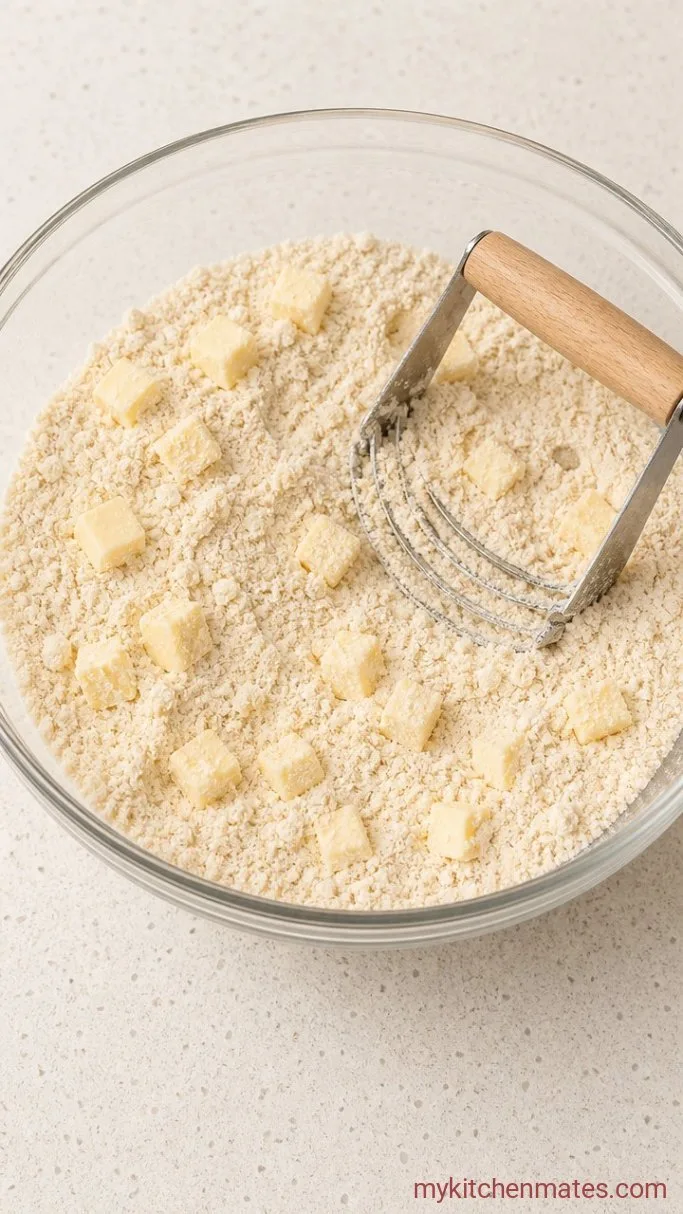
Preheat your oven to 400°F (200°C) with a rack in the center. Line a baking sheet with parchment paper. In a large bowl, whisk together the 2 cups (280 g) gluten-free flour, 1 teaspoon baking soda, and 1/2 teaspoon salt. Scatter the 2 tablespoons cold cubed butter over the dry ingredients and work it in with your fingertips or a pastry cutter until the mixture looks like coarse meal with pea-sized butter bits.
Keep the butter cold and work quickly. The small bits of butter create steam pockets that lighten the bread as it bakes.
Step 2: Stir in the Buttermilk
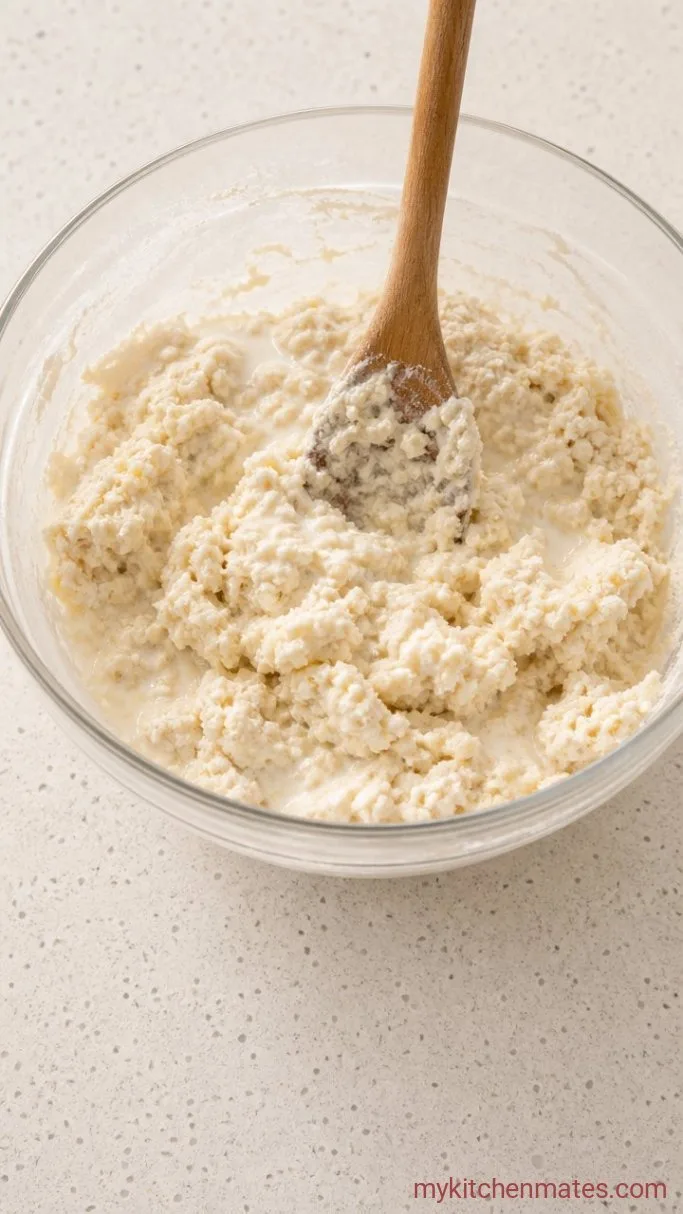
Pour the 3/4 cup (180 ml) cold buttermilk and the optional 1 tablespoon honey over the flour mixture. Stir with a fork just until a shaggy dough forms and no dry pockets remain, about 30 seconds. The dough will be sticky and rough-looking.
Stop as soon as the flour is absorbed. Overmixing develops the gluten-free starches and can make the loaf tough rather than tender.
Step 3: Shape and Score the Loaf
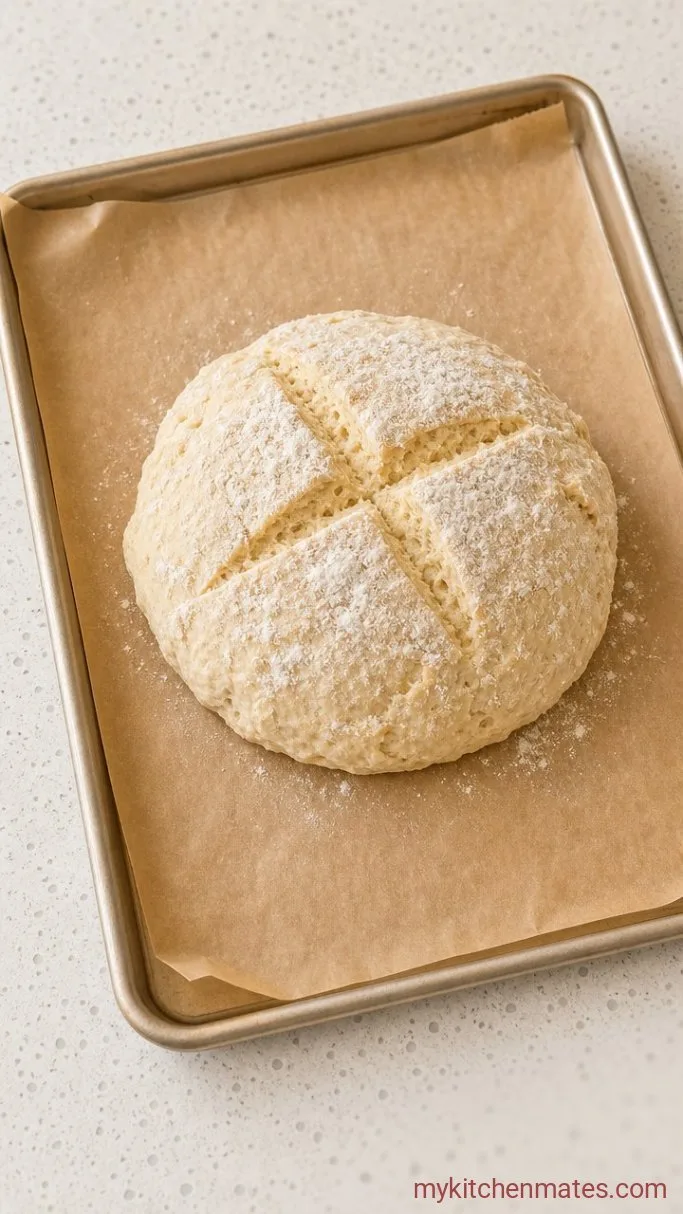
Turn the dough onto a surface lightly dusted with more gluten-free flour. With floured hands, pat it into a round about 7 inches across and 1½ inches thick. Carefully transfer the round to the prepared baking sheet. Use a sharp knife or lame to slash a deep X across the top, going about ½ inch deep.
The cut is not just for looks; it helps the dense dough bake evenly through the center and creates the bread’s iconic cracked top.
Step 4: Bake, Cool, and Slice
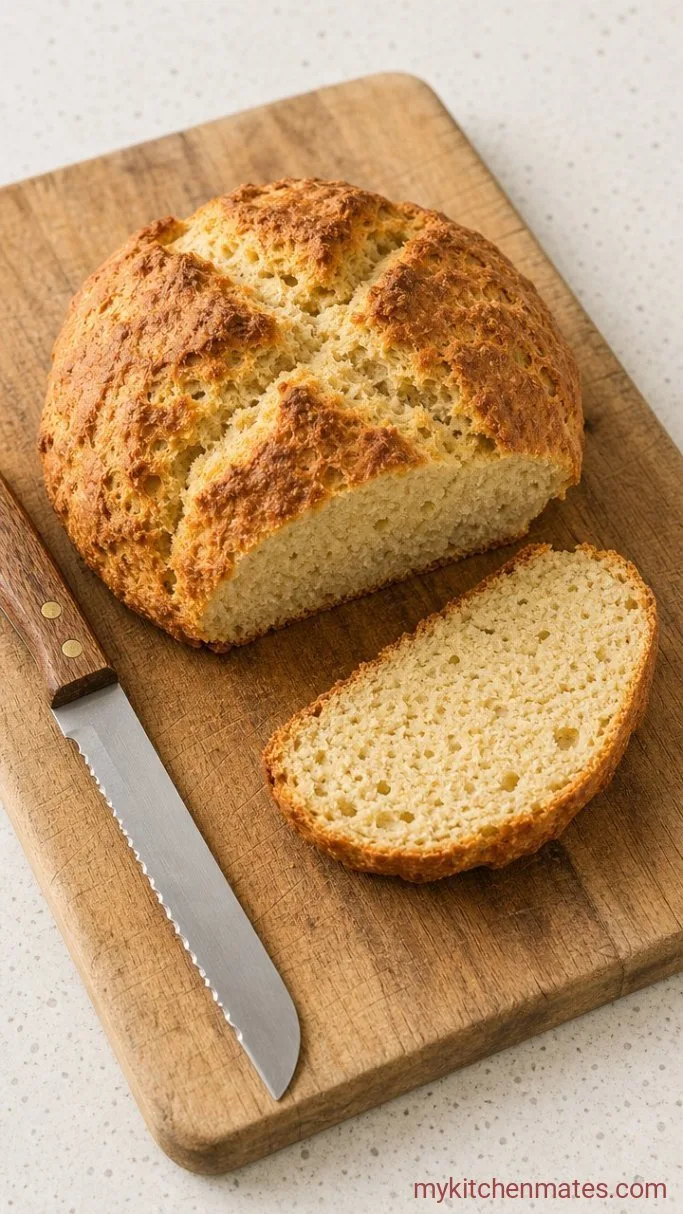
Bake for 35 to 40 minutes, rotating the sheet halfway through, until the loaf is deeply golden and a toothpick inserted in the center comes out clean. If you have a thermometer, the center should read about 200°F (93°C).
Let the bread rest on the sheet for 5 minutes, then move it to a wire rack to cool for at least 10 more minutes before slicing. The crust will be crisp and crinkly. Slice and serve warm with plenty of butter.
Tips for a Great Soda Bread
- Chill your mixing bowl and the butter for 10 minutes before you start. Cold ingredients make a flakier loaf.
- If the top is browning too fast, tent the loaf loosely with foil after 25 minutes so the center can finish baking without burning.
- A bench scraper makes it easy to lift the sticky dough off the counter without compressing it.
Keeping Leftover Soda Bread Fresh
Refrigerate: Wrap the cooled loaf tightly in foil or place in an airtight container. It will keep for up to 3 days, though the crust will soften over time.
Freeze: Slice the bread first, then wrap slices individually and freeze in a zip-top bag for up to 1 month.
Reheating: Toast slices in a toaster oven or air fryer until the crust is crisp again; avoid the microwave, which can make gluten-free bread gummy.
What to Serve With Gluten Free Irish Soda Bread
This bread shines next to a bowl of hearty beef stew or a creamy potato soup, where it can soak up every bit of broth. For a simple breakfast, slather a warm slice with salted butter and a drizzle of honey or a smear of orange marmalade. It also works as a quick side to a simple lemony kale salad or any meal that needs a little something on the side.
Frequently Asked Questions
Why did my bread turn out gummy?
Gumminess usually means the bread needed more time in the oven. Use an instant-read thermometer and make sure the center hits 200°F (93°C), then let it cool completely before slicing.
Can I double the recipe?
Yes, but to bake evenly, divide the dough into two separate rounds and bake them on the same sheet. Add 3 to 5 minutes to the bake time and check for doneness.
Is soda bread supposed to be dense?
Yes, soda bread is a quick bread and naturally denser than yeast bread, but it shouldn’t feel heavy. If yours is brick-like, check that your flour blend contains xanthan gum and measure the flour by weight for accuracy.
Gluten Free Irish Soda Bread Recipe
Ingredients
Method
- Preheat oven to 400°F (200°C) and line a baking sheet with parchment. Whisk flour, baking soda, and salt. Cut in butter until mixture resembles coarse meal with pea-sized bits.
- Stir in buttermilk and honey (if using) just until a shaggy dough forms, about 30 seconds.
- Turn dough onto floured surface, shape into a 7-inch round about 1½ inches thick. Transfer to prepared sheet and slash a deep X across the top.
- Bake 35-40 minutes until deeply golden and a toothpick comes out clean, or internal temp reaches 200°F (93°C). Cool on sheet 5 minutes, then on rack at least 10 minutes. Slice and serve warm.
Notes
