
Dense, Velvety Vanilla Gelato

Gelato is Italy’s dense, silky answer to ice cream, with less air and a clean, intense flavor that melts on your tongue.
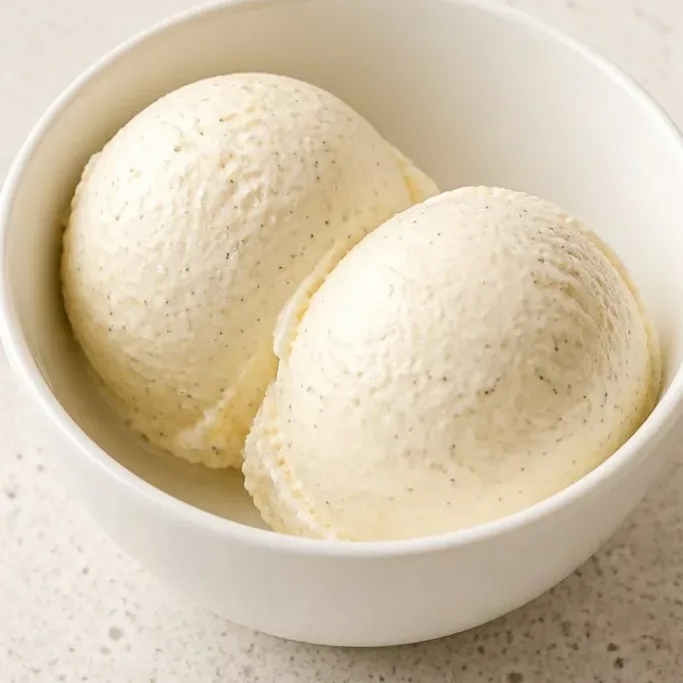
This classic vanilla version uses a simple custard base and your ice cream maker. A few careful minutes on the stove, a good chill, and a slow churn give you a scoop that feels like a cool ribbon of cream.
Why This Vanilla Gelato Works
The high milk-to-cream ratio keeps it dense instead of fluffy, so every bite lands with real vanilla character.
Egg yolks do the heavy lifting for richness and satiny texture, without the greasy mouthfeel of heavy butterfat.
You only need five ingredients, and once the custard is made, the machine handles the rest. The hardest part is waiting for it to freeze.
Ingredients
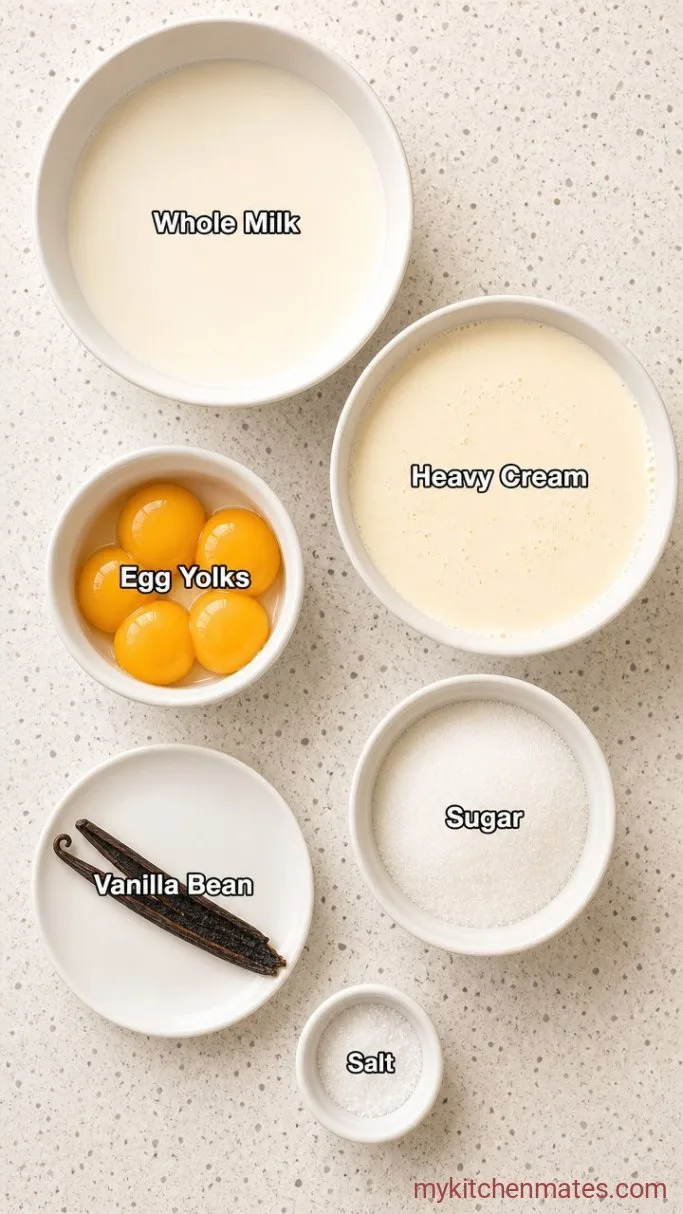
- 2 ¼ cups whole milk: the backbone of the real gelato texture; low fat keeps it dense
- ¾ cup heavy cream: just enough richness without making it airy
- ⅔ cup granulated sugar: split for infusing and tempering, sweet but not cloying
- 5 large egg yolks: essential for a silky, body-building custard
- 1 vanilla bean (or 2 tsp pure vanilla extract): the seed specks and deep flavor that define a good vanilla gelato
- Pinch of fine sea salt: lifts every note without tasting salty
Variations / Substitutions
- Swap the vanilla: Melt 4 oz dark chocolate into the warm custard for chocolate gelato, or stir in 2 tbsp espresso powder for coffee.
- Go nutty: Fold ½ cup toasted, finely ground pistachios into the chilled base before churning for a rustic pistachio gelato.
- Dairy-free: Replace milk and cream with full-fat coconut milk and coconut cream, and swap egg yolks for 2 tbsp cornstarch whisked into the cold milk before heating (the texture will be a touch icier but still creamy).
- Sweetener switch: Honey or maple syrup can stand in for sugar, though the finished gelato will be softer and the flavor a little different.
Classic Italian Rainbow Cookies are another dessert you’d probably love if you enjoy this recipe.
How To Make Vanilla Gelato
Step 1: Infuse the Milk
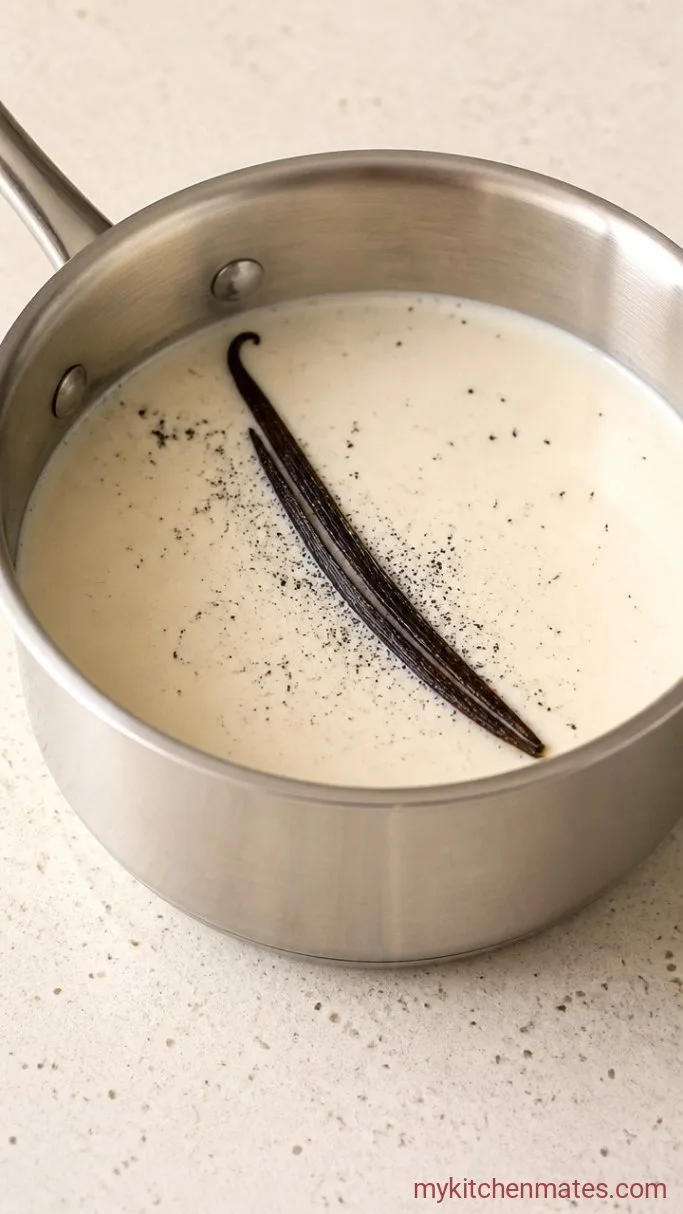
Pour the 2 ¼ cups whole milk and ¾ cup heavy cream into a medium saucepan. Add half of the sugar and a pinch of salt. Split the vanilla bean lengthwise, scrape the seeds into the pan, and drop in the pod too. Set the pan over medium heat and warm it for about 5 minutes, until you see tiny bubbles clinging to the edge and gentle steam rising. Do not let it boil.
The kitchen will start to smell like a bakery by the time the milk is ready. Stir every minute or so to keep the sugar from settling and scorching.
Step 2: Temper the Yolks
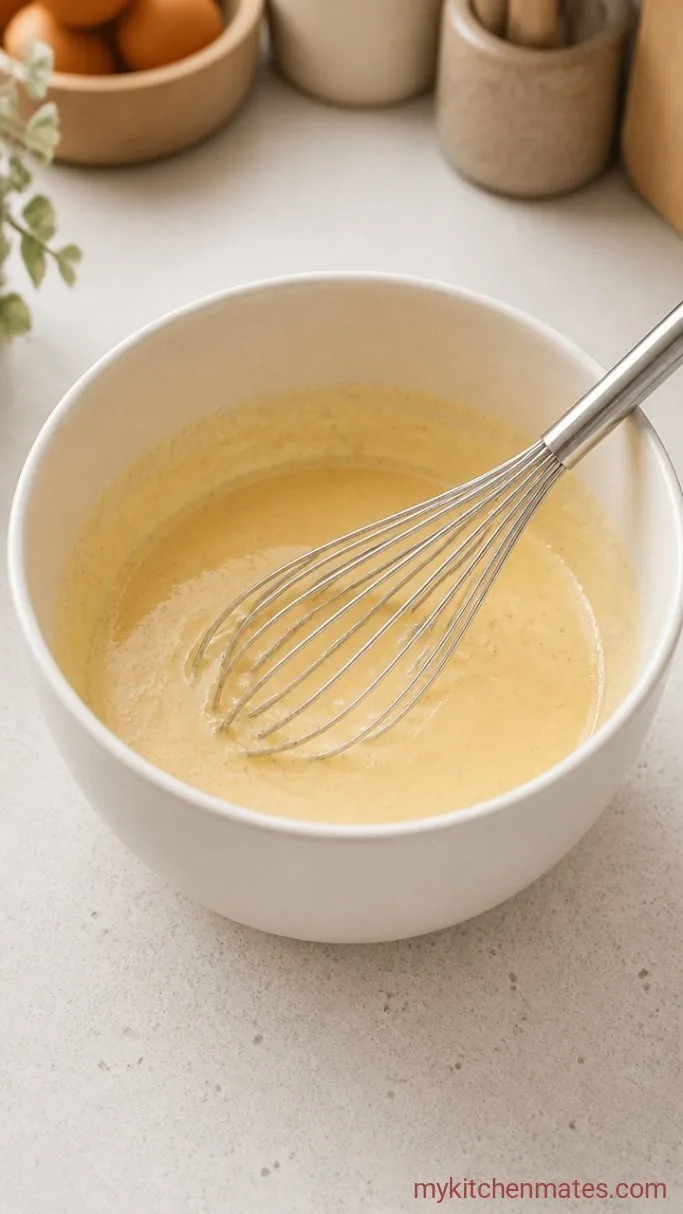
In a medium bowl, whisk the 5 egg yolks with the remaining sugar until the mixture is pale yellow and slightly thickened, about 2 minutes of vigorous whisking. With one hand whisking the yolks, ladle about 1 cup of the hot milk mixture in a slow, steady stream. Once the first cup is fully blended, you can pour the warmed yolk mixture back into the saucepan, whisking the whole time.
Tempering keeps the eggs from scrambling into a sweet omelet. The key is a steady pour and constant motion. If you see a few stray specks of cooked egg, don’t panic—you’ll strain everything in the next step.
Step 3: Cook the Custard
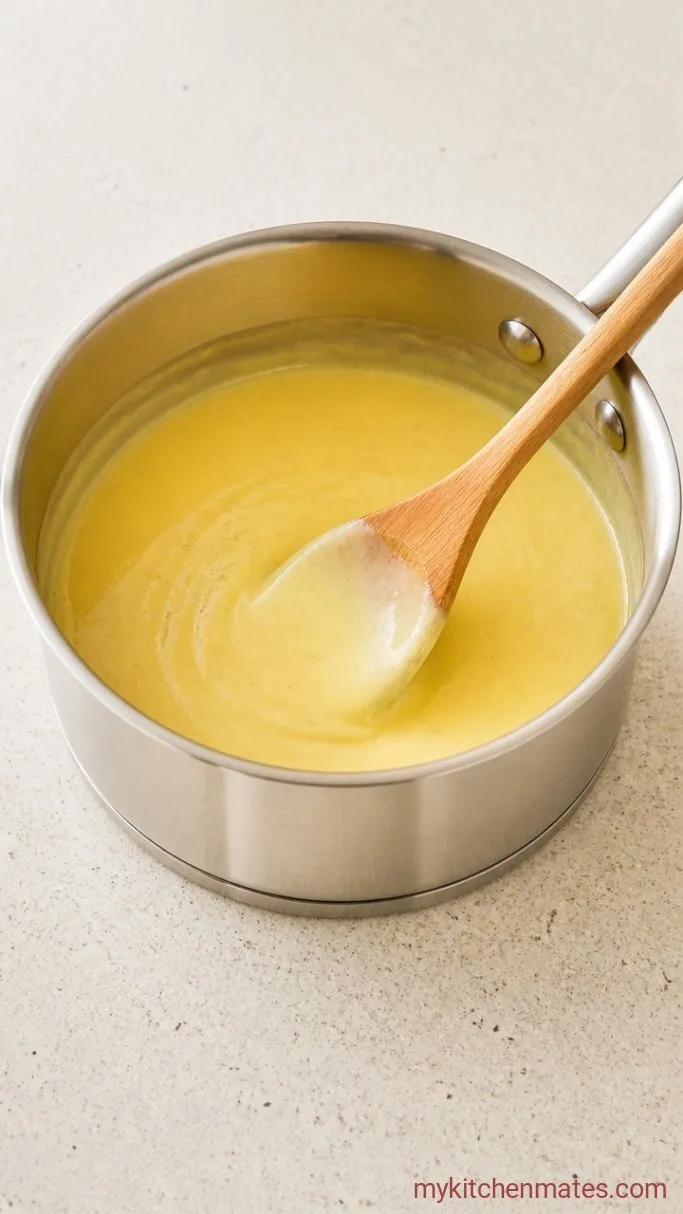
Set the saucepan over medium-low heat. Stir the custard constantly with a wooden spoon or heatproof spatula, making sure to scrape the entire bottom of the pan. Cook for 8 to 10 minutes, until the mixture thickens enough to coat the back of the spoon and a finger drawn through it leaves a clean line. If you have a thermometer, you’re aiming for 170°F to 175°F (77°C to 79°C).
The custard will go from watery to velvety in the last minute or two, so keep stirring and watch carefully. The moment it reaches that nappe stage, immediately strain it through a fine-mesh sieve into a clean bowl. Press the vanilla pod against the sieve to release any remaining seeds, then discard it. If using vanilla extract, stir it in now. Nestle the bowl in an ice bath and let the custard cool to room temperature, stirring occasionally, then cover and refrigerate for at least 4 hours, ideally overnight. Cold custard churns smoother and traps less air.
Step 4: Churn the Gelato
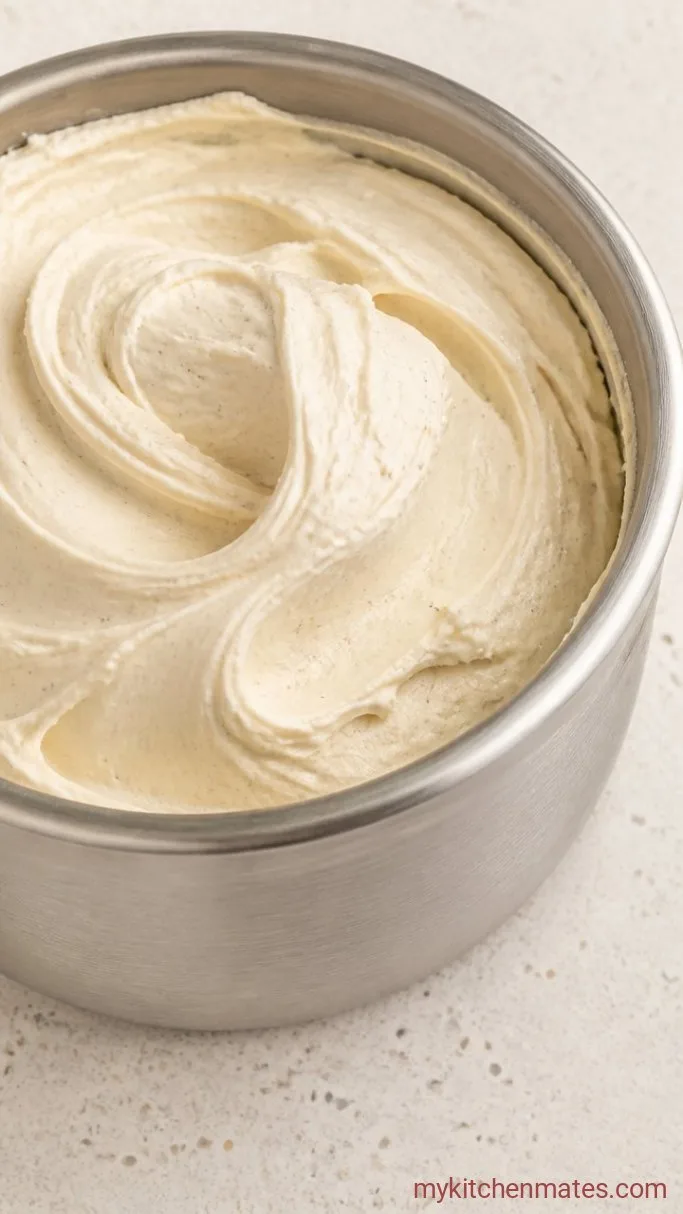
Pour the chilled custard into your ice cream maker and churn according to the manufacturer’s instructions. After 20 to 25 minutes, it should look like soft-serve, a pale cream color with a thick, scoopable body. The machine will sound strained and the mixture will pull away from the sides.
Scrape the gelato into a loaf pan or freezer-safe container. Press a sheet of plastic wrap directly onto the surface to block ice crystals, then freeze until firm, at least 2 hours. It will set up into that signature dense, almost chewy gelato texture.
Step 5: Scoop and Serve
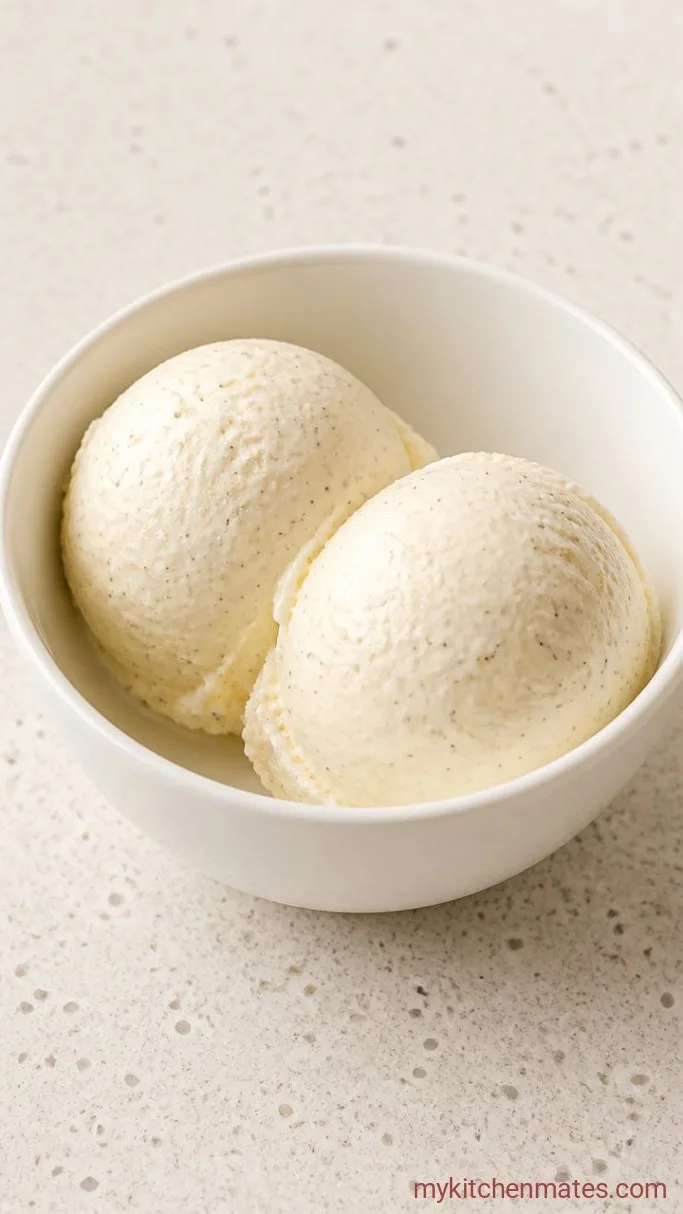
Pull the gelato out of the freezer and let it rest at room temperature for 5 minutes. This quick warm-up gives you that famously spreadable consistency. Run your scoop under hot water for a clean release, and plate it in chilled bowls. The gelato should slice like satin, with tiny vanilla flecks running through every bite.
A Few Notes Before You Start
- Keep the custard in the fridge overnight if you have the time. The extra aging deepens the vanilla flavor and helps the fat crystals set, so the churn produces a smoother gelato.
- Don’t skip the ice bath. Cooling the custard fast keeps it safe and stops the eggs from overcooking on residual heat, which can give a slightly eggy taste.
- Your ice cream maker bowl needs to be rock-solid frozen, ideally for 24 hours before you churn. A partially frozen bowl takes longer and can turn the gelato icy.
Storing Leftover Gelato
- Freeze: Keep the gelato in a container with the plastic wrap pressed right on the surface. It stays creamy for up to 2 weeks, though the first week is when the texture is at its best.
What To Serve With Vanilla Gelato
A hot shot of espresso poured over a scoop makes a quick affogato—the bitter coffee balances the sweet cream and softens the gelato just enough. A spoonful of warm, chunky berry compote brings bright fruitiness that cuts through the richness. A slice of simple olive oil cake alongside turns it into a proper Italian-style dessert, the mild, savory crumb soaking up the cold, vanilla-laced melt.
Frequently Asked Questions
Can I make this without an ice cream maker?
Yes. Pour the chilled custard into a shallow dish, freeze it, and stir it vigorously every 30 minutes for 3 to 4 hours until it’s firm. The texture will be less smooth than a machine-churned gelato, but it still tastes great.
Why did my custard curdle?
It likely boiled. Keep the heat at medium-low and stir the entire time, especially around the bottom edges. If small curds appear, strain them out right away and the gelato will still be fine.
Can I use all cream instead of milk?
No, that would give you standard super-rich ice cream. Gelato needs more milk than cream to stay dense and let the vanilla shine.
Can I make this egg-free?
Yes. Omit the yolks and whisk 2 tablespoons cornstarch into the cold milk before heating. The resulting gelato will be a little less rich but still creamy and scoopable.
Vanilla Gelato Recipe
Ingredients
Method
- Combine milk, cream, half the sugar, salt, and vanilla seeds plus pod in a saucepan. Heat over medium for 5 minutes until steaming but not boiling.
- Whisk yolks and remaining sugar until pale, about 2 minutes. Slowly whisk in 1 cup of the hot milk, then return the mixture to the saucepan.
- Cook over medium-low heat, stirring constantly, until the custard thickens and reaches 170°F to 175°F, 8 to 10 minutes. Strain, stir in extract if using, cool in an ice bath, then refrigerate at least 4 hours.
- Churn in an ice cream maker for 20 to 25 minutes until soft-serve texture. Transfer to a container, press plastic wrap on the surface, and freeze at least 2 hours.
- Let the gelato sit at room temperature 5 minutes before scooping and serving.
Notes
