
Cranberry Orange Sourdough Bread

This cranberry orange sourdough bread is packed with tart dried cranberries and fragrant orange zest, all wrapped in a naturally leavened loaf with a deep, crackly crust. It’s the kind of bread that perfumes the whole kitchen as it bakes.
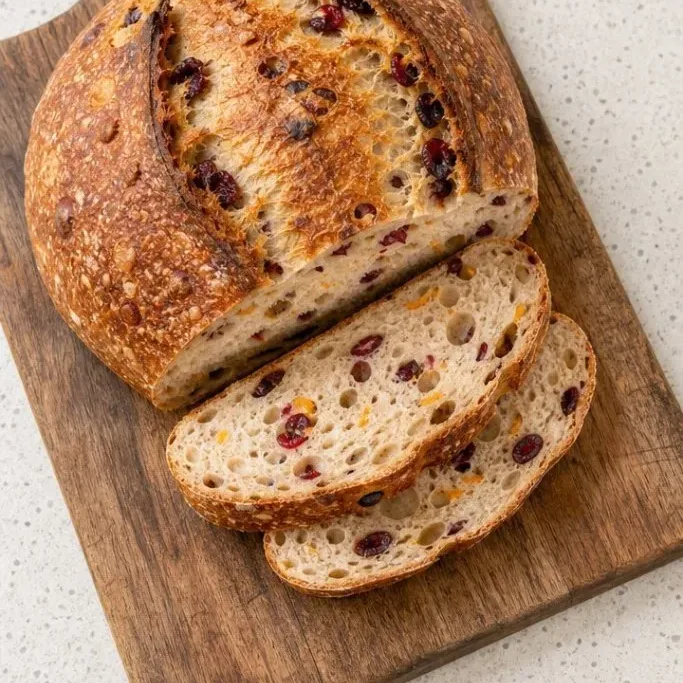
Making it takes a little patience, but the hands-on work is straightforward. If you keep an active starter, this loaf is a rewarding weekend project.
Why This Loaf Stays on Repeat
The crumb is tender and studded with chewy pops of cranberry that play against the bright citrus. The long fermentation gives the dough a subtle tang that rounds out the sweetness without ever tasting sour.
I love that it’s not overly sweet, so you can toast a thick slice and slather it with salted butter, or pair it with a sharp cheddar and call it lunch. The crust crackles when you cut it, and the orange scent fills the room.
Ingredients
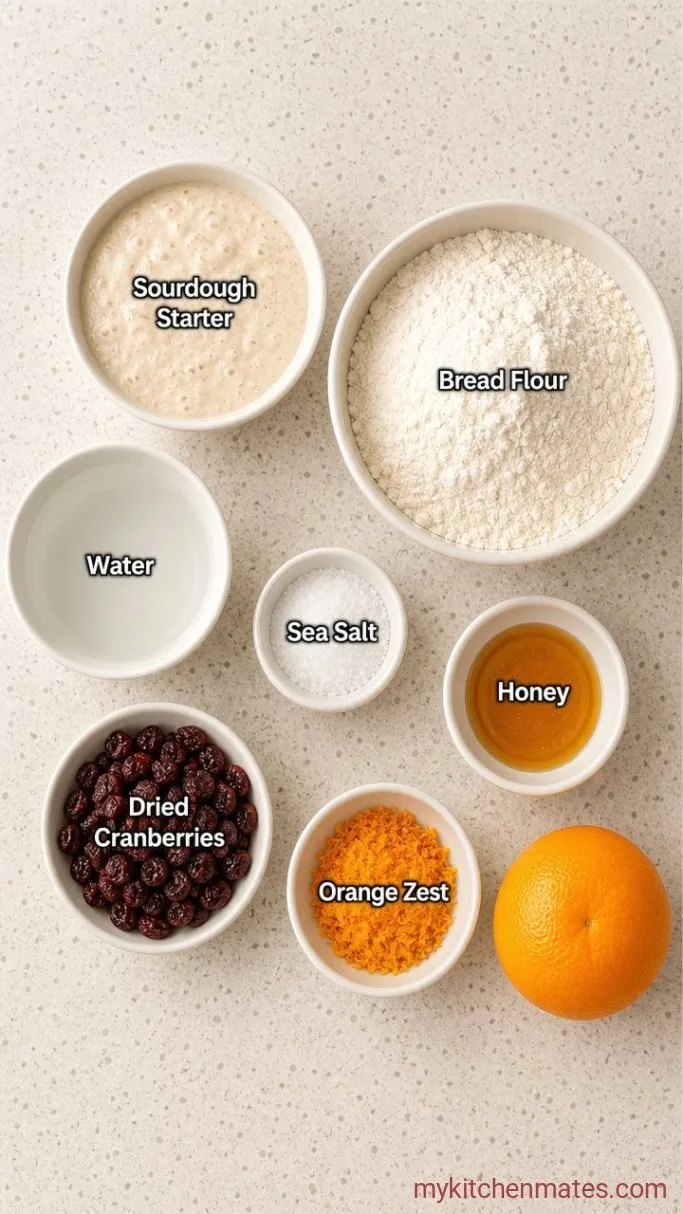
- 100g active sourdough starter: 100% hydration, fed and bubbly
- 375g bread flour: higher protein gives better structure
- 275g warm water: around 80°F (27°C) to help fermentation
- 8g fine sea salt
- 1 tablespoon honey: adds a hint of sweetness and deeper crust color
- 100g dried cranberries: look for unsweetened or juice-sweetened if you prefer less sugar
- Zest of 1 large orange: wash and dry before zesting
Variations / Substitutions
- Swap the cranberries: dried cherries or chopped dried apricots work just as well
- Add nuts: toss in 50g toasted walnuts or pecans along with the cranberries
- Use whole wheat: replace up to 100g of bread flour with whole wheat flour for a nuttier loaf
- Skip the honey: it’s totally fine without; the bread stays a touch tarter
Creamy Sweet Potato Carrot Soup makes a comforting soup to pair with this bread.
How to Make Cranberry Orange Sourdough Bread
Step 1: Mix the Dough
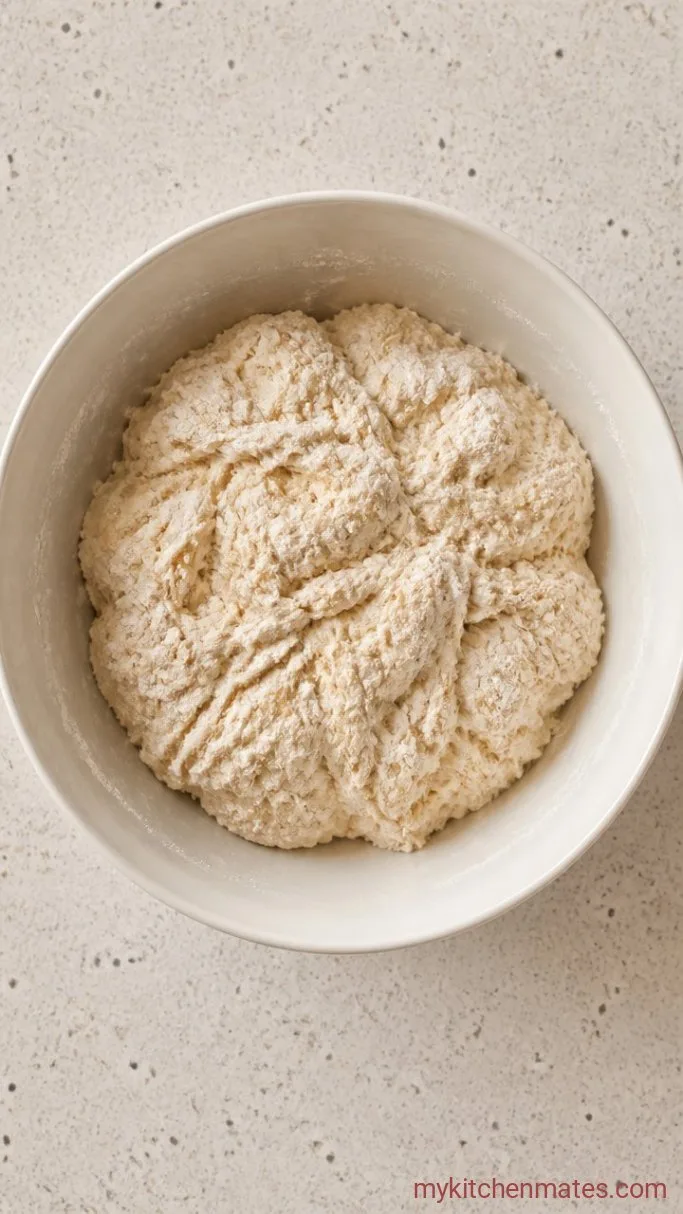
In a large bowl, combine the 100g starter, 275g water, and 1 tablespoon honey. Stir until the starter dissolves. Add 375g bread flour and 8g salt, then mix with a dough whisk or your hands until no dry flour remains. The dough will look shaggy and a little sticky. Cover with a damp towel and let it rest for 30 minutes.
This rest gives the flour time to hydrate fully, which makes the dough easier to handle later.
Step 2: Fold in the Cranberries and Orange
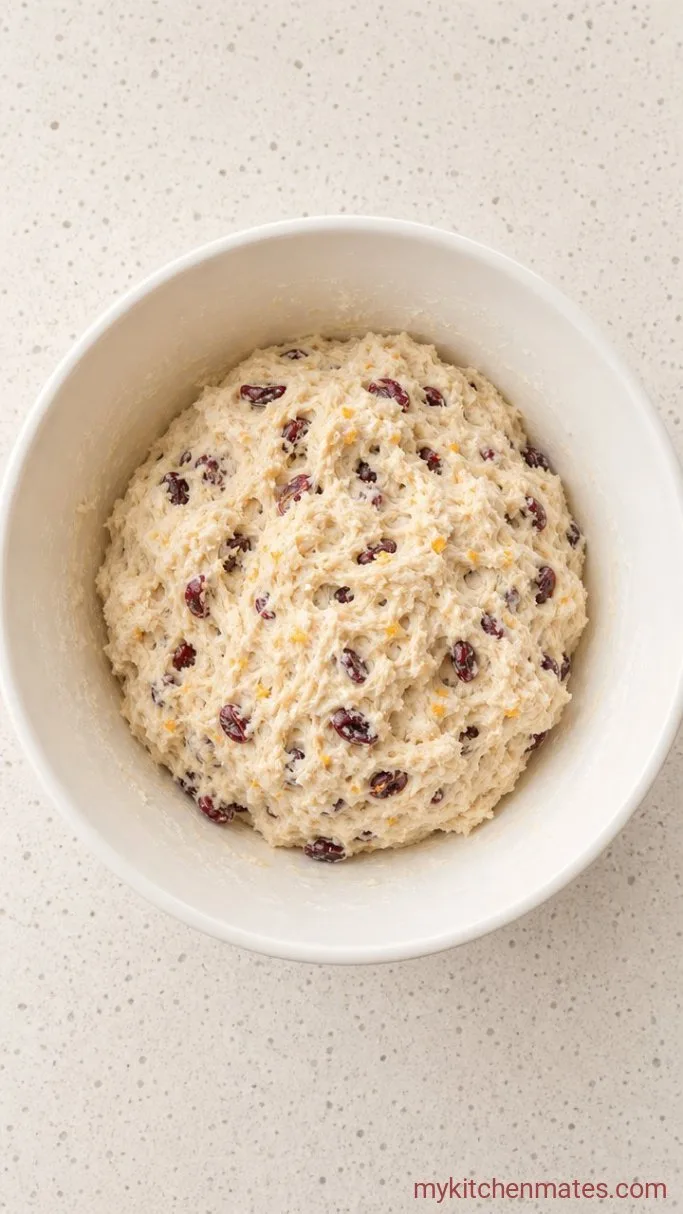
Scatter the 100g dried cranberries and the orange zest over the rested dough. Using a wet hand, gently fold the dough over itself several times to distribute the add-ins evenly. The dough will feel soft and a bit uneven at first, but the cranberries will start to tuck into the folds.
Work quickly but gently so you don’t deflate the dough. A few cranberries poking out is fine.
Step 3: Strengthen with Stretch and Folds
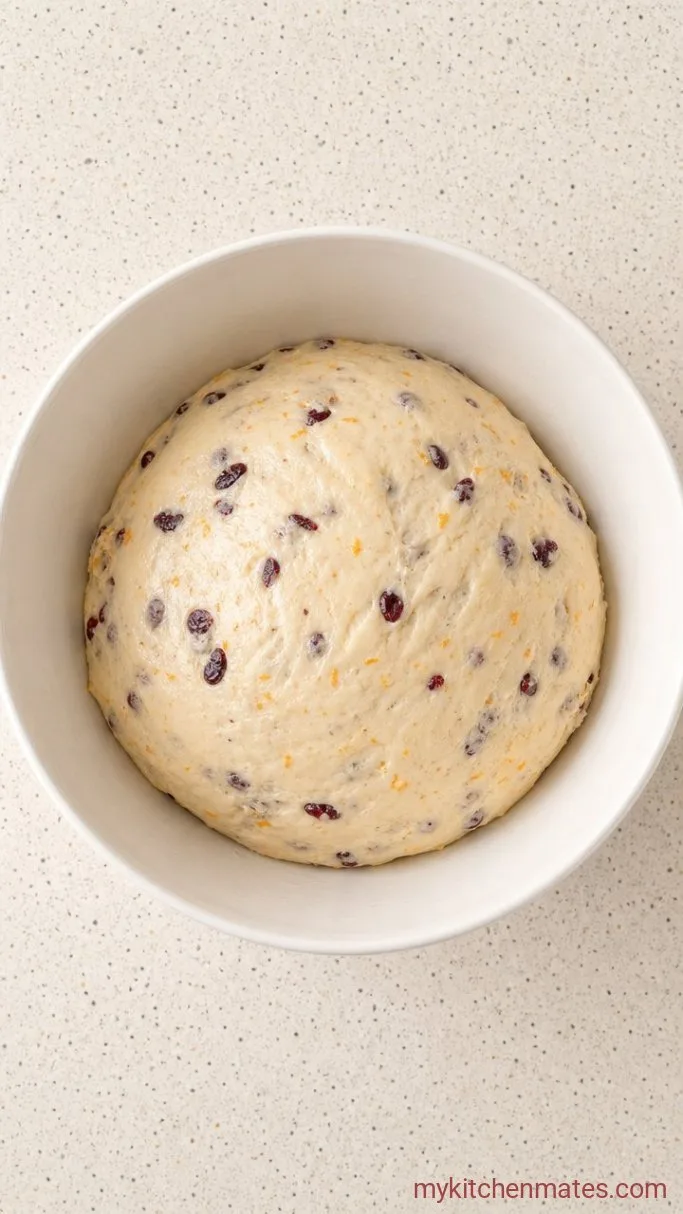
Perform a set of stretch and folds to build strength. With a wet hand, reach under the dough, stretch one side upward until you feel resistance, then fold it over the top. Rotate the bowl a quarter turn and repeat until you’ve done 4 stretches. Cover and rest 30 minutes. Repeat this folding routine 3 more times, every 30 minutes, for a total of 4 sets over 2 hours.
By the last fold, the dough should feel smoother, more cohesive, and hold its shape for a moment before relaxing. You’ll notice it becomes less sticky and easier to handle. After the final fold, let the dough continue its bulk fermentation at room temperature until it’s nearly doubled and jiggly when you shake the bowl. This usually takes another 1 to 2 hours, depending on kitchen warmth.
Keep an eye on the dough, not just the clock. A gentle wobble and visible air bubbles on the surface are your best cues.
Step 4: Shape and Cold Proof
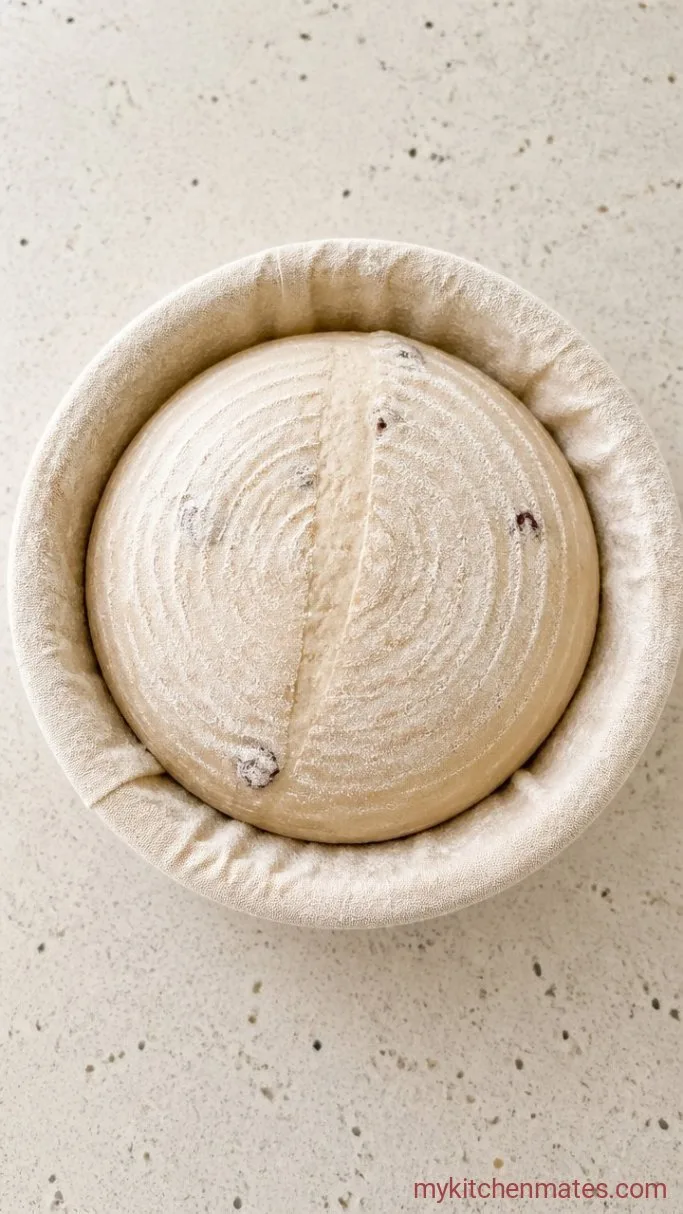
Turn the dough out onto a lightly floured surface. Shape it into a tight round by folding the edges into the center, then flipping it seam-side down and using your hands to create surface tension. Let it rest uncovered for 20 minutes while you dust a banneton or a bowl lined with a floured tea towel.
After the rest, flip the dough seam-side up and do a final shaping to tighten it further. Place it seam-side up into the prepared banneton. Cover with a damp towel or plastic wrap and refrigerate for 12 to 18 hours. This long cold proof deepens the flavor and makes the dough easier to score.
Step 5: Score and Bake
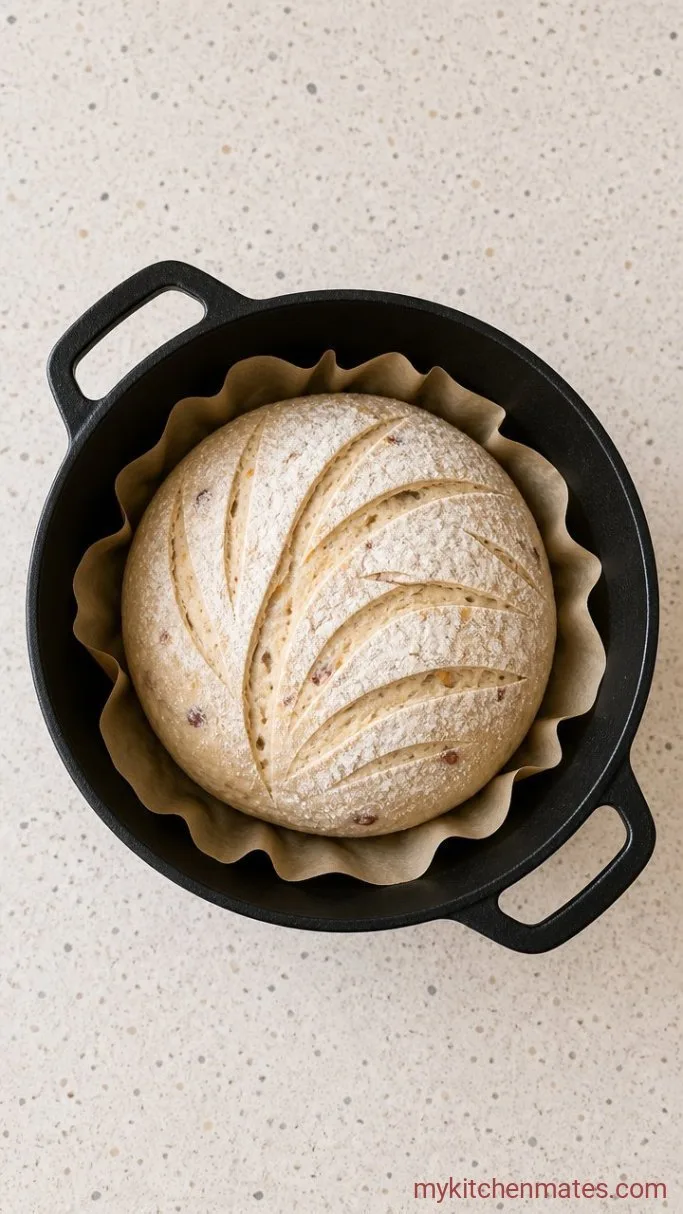
Position a rack in the lower third of your oven and place a Dutch oven (with lid) inside. Preheat to 450°F (230°C) for at least 30 minutes. When the oven and pot are screaming hot, remove the dough from the fridge. Turn it out onto a piece of parchment paper. Slash the top with a sharp lame or razor blade using one decisive stroke or a simple cross pattern.
Lift the parchment and dough into the hot Dutch oven, cover with the lid, and bake for 20 minutes. Then remove the lid and bake another 20 to 25 minutes, until the crust is deep amber and the loaf sounds hollow when tapped on the bottom. If you have an instant-read thermometer, the center should register about 205°F (96°C).
Step 6: Cool and Slice
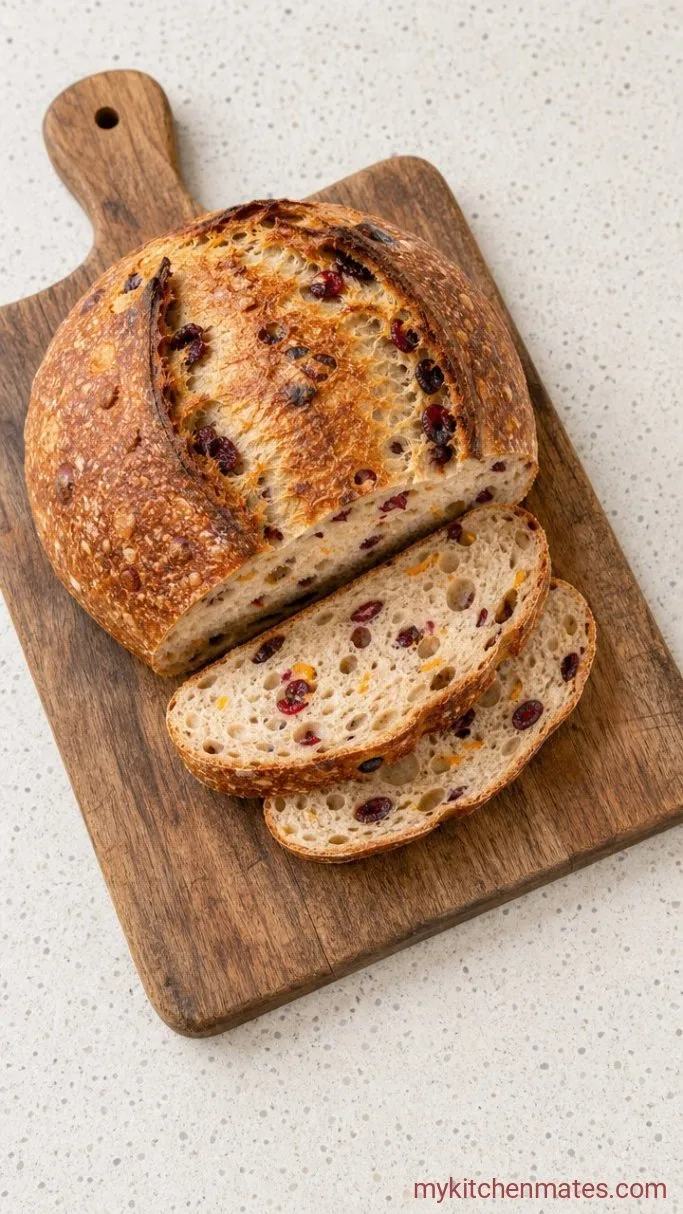
Transfer the loaf to a wire rack and let it cool completely before slicing. This is the hardest part, but cutting into a hot loaf will make the crumb gummy. Once cool, slice with a serrated knife and you’ll see the bright flecks of cranberry and orange.
Serve it warm or at room temperature. That first slice, with its open crumb and crackling crust, is worth every minute of waiting.
A Few Notes for the Best Loaf
- Use a scale: Sourdough thrives on precision. Weigh everything, including water, for consistent results.
- Watch your starter: It should be at its peak, doubled and bubbly, before you mix the dough. A sluggish starter leads to a dense loaf.
- Don’t over-flour when shaping: A light dusting is enough. Too much flour can weaken the dough’s seal and cause the loaf to spread.
- Let it cool fully: The crumb continues to set as the bread cools. Slicing too early releases steam and yields a tacky interior.
Bake times by vessel:
| Vessel | Covered time | Uncovered time |
|---|---|---|
| Dutch oven | 20 mins | 20 to 25 mins |
| Baking stone and steam | N/A | 35 to 40 mins (add steam for the first 10 mins) |
Storing the Bread
Store the cooled loaf in a bread bag or wrapped in a clean towel at room temperature for up to 3 days. For longer keeping, slice it first and freeze the slices in a sealed bag. Toast straight from frozen. The fridge is not your friend here, it dries bread out faster.
Ways to Serve This Cranberry Orange Loaf
Toast a thick slice and spread it with salted butter for breakfast, or pair it with sharp white cheddar and a drizzle of honey for a simple lunch. It also makes exceptional French toast, since the orange and cranberry already bring the flavor.
Frequently Asked Questions
Can I use fresh cranberries instead of dried?
Yes, but fresh cranberries will release more moisture and create a wetter dough. Cut them in half and reduce the water in the recipe by 15g to compensate.
My dough didn’t rise much during bulk fermentation. What went wrong?
It’s often a sign that your starter wasn’t active enough or the kitchen was too cold. Next time, feed your starter twice before using it and place the dough in a slightly warmer spot, around 75 to 80°F (24 to 27°C).
Do I need to soak the dried cranberries before adding them?
No, you can add them straight from the package. If your cranberries are very dry and hard, soak them in warm water for 10 minutes and drain well before folding in.
Can I skip the overnight cold proof and bake the same day?
You can, but the flavor will be milder and the dough will be harder to score. After shaping, let the dough proof at room temperature for about 1 to 2 hours until puffy, then score and bake.
Cranberry Orange Sourdough Bread Recipe
Ingredients
Method
- Combine starter, water, and honey in a large bowl. Stir in flour and salt until no dry bits remain. Cover and rest 30 minutes.
- Scatter cranberries and zest over the dough. Fold gently to incorporate evenly.
- Perform 4 sets of stretch and folds every 30 minutes, covering between sets. Let bulk ferment until nearly doubled and jiggly, 1 to 2 hours after the final fold.
- Shape into a tight round, rest 20 minutes, then place seam-side up in a floured banneton. Cover and refrigerate 12 to 18 hours.
- Preheat a Dutch oven at 450°F (230°C) for 30 minutes. Turn dough onto parchment, score the top, and bake covered for 20 minutes. Uncover and bake 20 to 25 minutes until deep amber and hollow-sounding.
- Cool completely on a wire rack before slicing.
Notes
