
Fluffy Cottage Cheese Protein Pancakes

These cottage cheese protein pancakes turn a simple container of cottage cheese into a breakfast that actually keeps you full. The batter comes together in a blender, so there’s no fussy mixing, and the result is a stack of golden, tender pancakes that taste nothing like cheese.
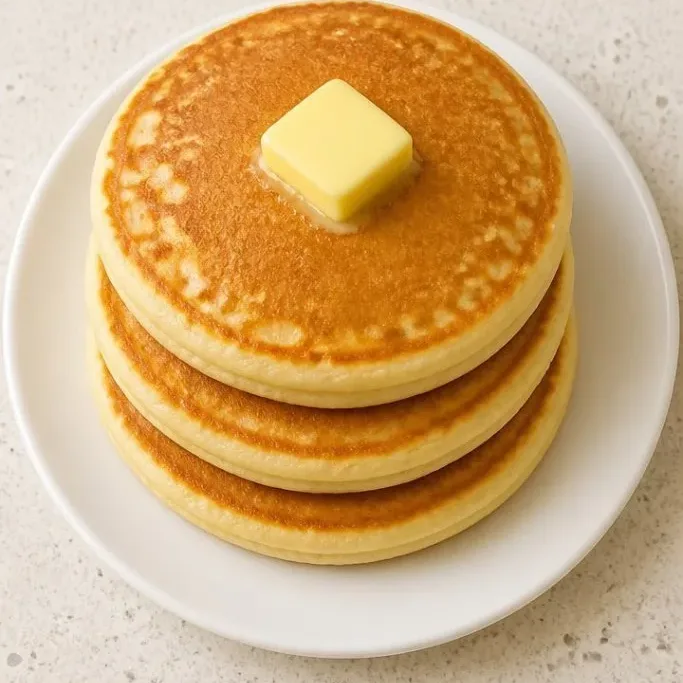
They’re my go-to when I want a high-protein morning without a scoop of powder. Just a few pantry staples and a hot skillet, and breakfast is on the table in under 20 minutes.
Why These Pancakes Stay in the Rotation
The cottage cheese melts into the batter as they cook, making the inside tender and the edges lightly crisp. Because they’re packed with protein, one stack keeps me going until lunch without a crash.
They reheat well too, so I often make a double batch on Sunday. A quick toast and they’re almost as good as fresh.
Ingredients

- 1 cup cottage cheese: full-fat or low-fat both work; full-fat gives the richest pancakes
- 2 large eggs
- 1 cup rolled oats: not quick oats, they’ll turn gummy
- 1 tsp baking powder
- 1 tsp vanilla extract
- Pinch of salt
- Butter or oil for the skillet
Variations / Substitutions
- Swap the oats: use 1 cup all-purpose flour for a more classic pancake texture
- Make it gluten-free: use certified gluten-free rolled oats
- Add-ins: fold in ½ cup blueberries or a sprinkle of chocolate chips after blending, or stir in a ripe mashed banana
- Boost it: add 1 scoop vanilla protein powder and a splash more milk to thin the batter if needed
Fluffy Protein Coffee Cake makes a lovely treat to go with these pancakes.
How to Make Cottage Cheese Protein Pancakes
Step 1: Blend the Batter
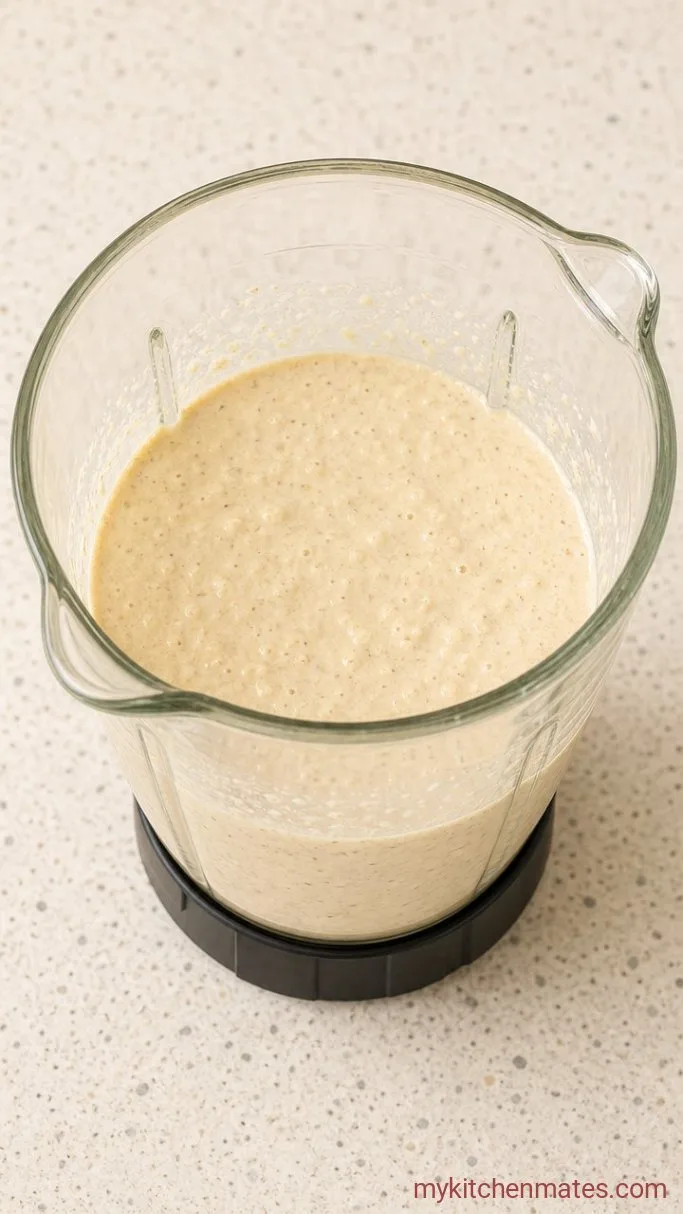
Preheat a nonstick skillet or griddle over medium heat. Add 1 cup cottage cheese, 2 large eggs, 1 cup rolled oats, 1 teaspoon baking powder, 1 teaspoon vanilla extract, and a pinch of salt to a blender. Blend until completely smooth, about 30 seconds. For the fluffiest pancakes, let the batter rest for 5 minutes while the skillet heats; this gives the oats a chance to hydrate.
The batter will be thick but pourable, similar to a regular pancake batter. If it’s too thick to pour from the blender, add a tablespoon of milk and blend again. A few small lumps are fine, but you don’t want a watery batter.
Step 2: Cook the Pancakes
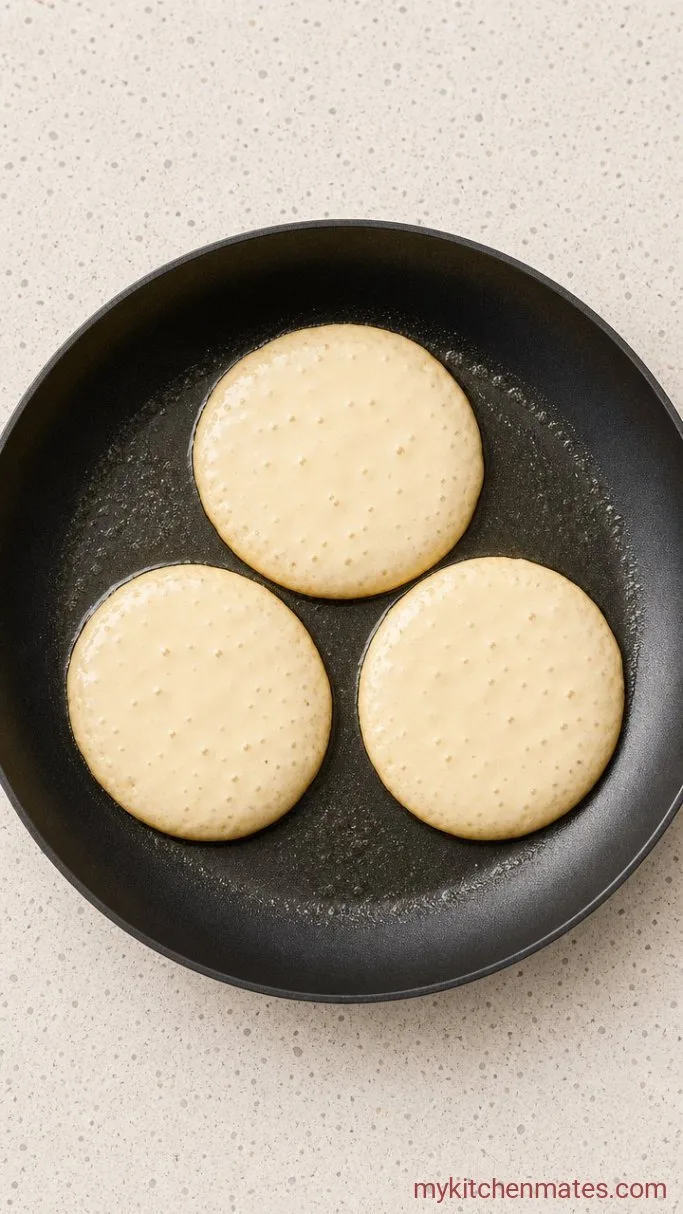
Lightly grease the hot skillet with butter or oil; a butter wrapper works well for a thin coat. Pour about ¼ cup of batter per pancake onto the skillet, leaving room to spread slightly. Cook for 2 to 3 minutes, until the edges look set and bubbles appear on the surface.
The underside should be deep golden brown. Resist the urge to flip too early or the pancakes may tear; when they release easily from the pan, they’re ready.
Step 3: Flip and Brown the Second Side
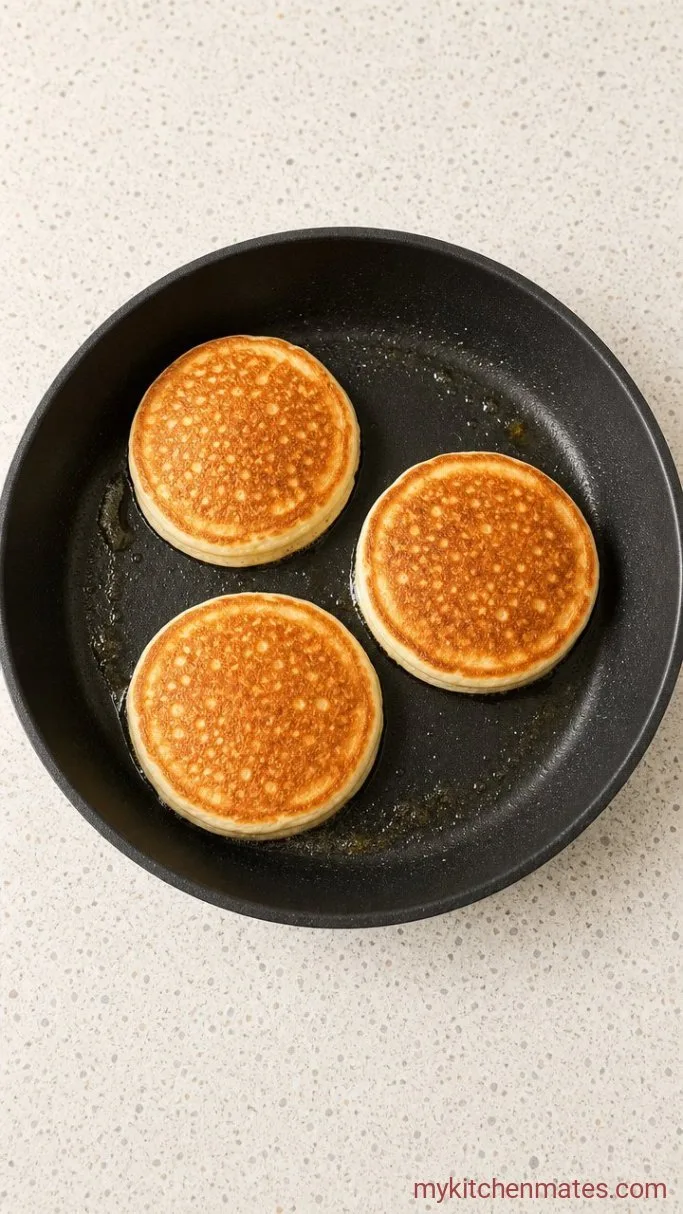
Slide a thin spatula under each pancake and flip gently. Cook for another 1 to 2 minutes until the second side is golden and the center feels springy.
The pancakes will puff up a bit as they finish. If you’re making a large batch, transfer cooked pancakes to a plate in a 200°F (95°C) oven to keep warm while you finish the rest.
Step 4: Stack and Serve
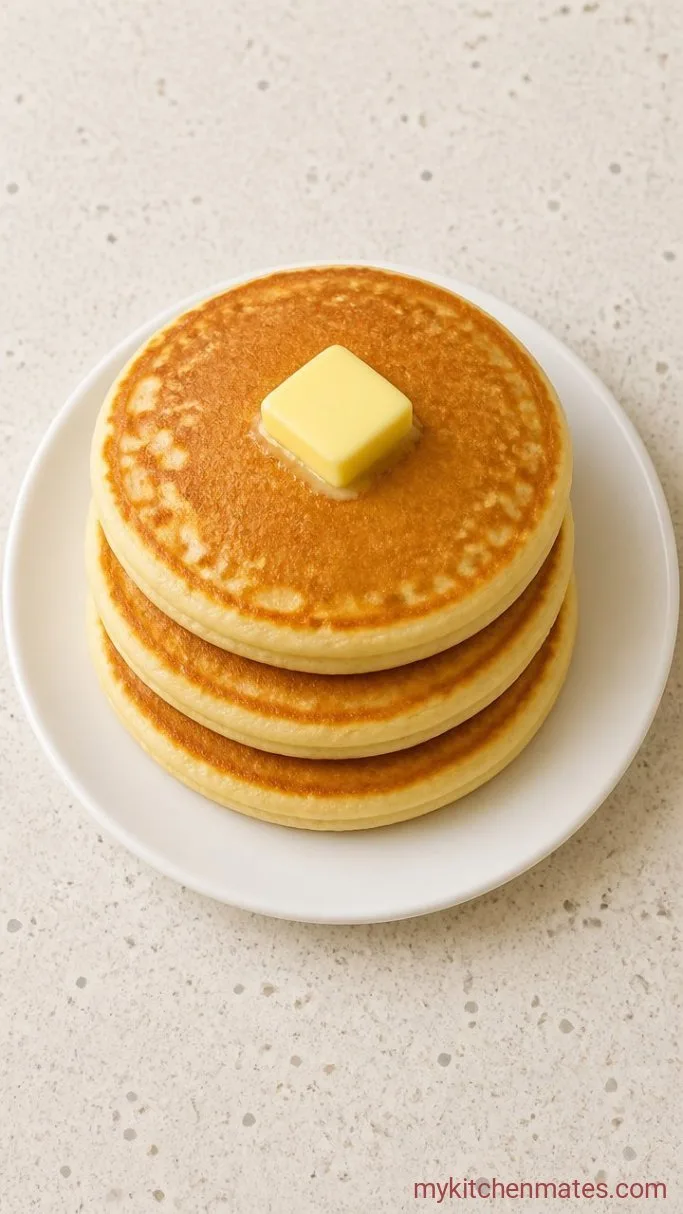
Pile the pancakes onto plates and top with fresh berries, a drizzle of maple syrup, or a dollop of Greek yogurt. Eat them while they’re warm, just like any good pancake.
A Few Pancake Pointers
- Drain cottage cheese if it’s very watery: too much liquid can make the batter thin and the pancakes fragile. Blot the cheese with a paper towel first.
- Use a nonstick skillet: even with a thin layer of fat, cottage cheese batter tends to stick more than regular pancake batter. Nonstick gives the best guarantee of an easy flip.
- Keep them warm without drying out: stack pancakes on an oven-safe plate, cover loosely with foil, and hold in a 200°F (95°C) oven for up to 15 minutes.
- Adjust thickness as you go: the first pancake often reveals if the batter is too thick or thin. Add a splash of milk or a spoonful of oats to correct it, then proceed.
Cook times for different pancake sizes:
| Pancake Size | Batter per Pancake | Cook Time First Side | Cook Time Second Side |
|---|---|---|---|
| Silver dollar | 2 tbsp | 1–2 mins | 1 min |
| Standard | ¼ cup | 2–3 mins | 1–2 mins |
| Large | ⅓ cup | 3–4 mins | 2–3 mins |
Storing Leftover Pancakes
- Refrigerate: Keep cooled pancakes in an airtight container for up to 4 days.
- Freeze: Layer pancakes with parchment paper and freeze for up to 2 months.
- Reheating: Toast them straight from the fridge or freezer for a crisp edge, or microwave briefly for a softer result.
What to Serve with Cottage Cheese Pancakes
A handful of fresh berries and a little maple syrup are classic partners. For a more filling plate, add a couple of turkey sausage links or a fried egg on the side; the savory notes balance the pancakes’ mild sweetness. A spoonful of Greek yogurt on top adds even more protein and tang.
Frequently Asked Questions
Can I use low-fat cottage cheese?
Yes, low-fat works, though the pancakes may be slightly less tender. The batter will still blend smoothly.
Do the pancakes taste like cottage cheese?
Not at all. The cottage cheese melts away, leaving behind a milky richness and a tender crumb. You won’t get any curd texture or sour flavor.
Can I make them without eggs?
You can use ¼ cup of plain Greek yogurt or a flax egg (1 tbsp ground flax + 3 tbsp water) per egg, though the pancakes will be a bit denser and may need a careful flip.
How do I prevent sticking?
A well-heated nonstick skillet and a thin layer of butter or oil are key. If the batter sticks, let the pancake cook a little longer without moving it; it releases when the underside sets.
Cottage Cheese Protein Pancakes Recipe
Ingredients
Method
- Preheat a nonstick skillet over medium heat. Blend cottage cheese, eggs, oats, baking powder, vanilla, and salt until smooth. Let batter rest 5 minutes.
- Grease skillet. Pour ¼ cup batter per pancake. Cook 2 to 3 minutes until bubbles appear and edges set.
- Flip and cook 1 to 2 minutes until golden. Keep warm in a low oven if making a large batch.
- Stack pancakes and serve with your favorite toppings.
Notes
