
Fluffy Coconut Buttercream Frosting with Real Coconut Flavor

This coconut buttercream frosting is light, creamy, and delivers genuine coconut flavor, not just sugar. It pipes smoothly onto cupcakes and spreads like a dream over layer cakes.
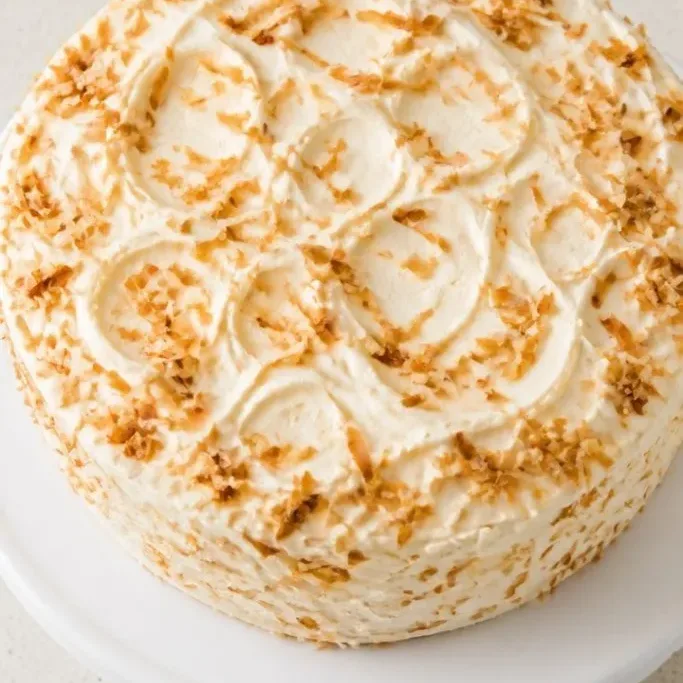
It comes together in 10 minutes with a handful of ingredients, and the coconut taste stays distinct even after a few days in the fridge. It’s the one I turn to when a cake needs a quick finish that still feels special.
Why This Frosting Works
The trick is a mix of full-fat coconut milk and coconut extract. The milk gives it body without thinning the buttercream, and the extract adds that unmistakable tropical note. It’s sturdy enough to hold a piped swirl but soft enough to melt on your tongue.
I’ve used it on birthday cakes and last-minute cupcakes, and it holds its shape well, even in a warm kitchen. The flavor stays mild and creamy, so it pairs with chocolate or vanilla cake without overpowering either one.
Ingredients
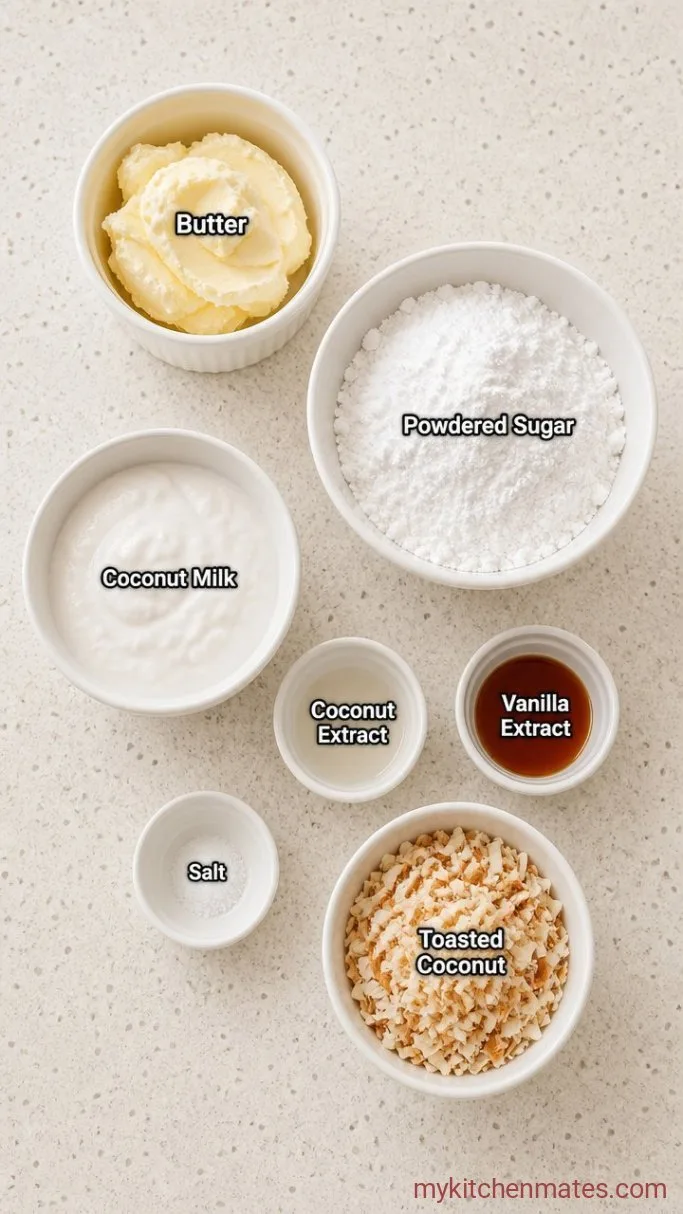
- 1 cup (2 sticks) unsalted butter, softened: let it sit at room temp until a gentle press leaves an indent
- 4 cups powdered sugar, sifted: sifting keeps the frosting lump-free
- 3 tbsp full-fat coconut milk: use the thick part from a can, not the watery liquid at the bottom
- 1 tsp coconut extract: for deep coconut flavor; don’t skip it
- 1 tsp vanilla extract: rounds out the sweetness
- Pinch of salt: wakes up all the flavors
Variations / Substitutions
- Make it dairy-free: use a high-quality vegan butter stick, like Earth Balance, and the same coconut milk. The texture may be slightly softer, so chill the frosting for 15 minutes before piping.
- Adjust coconut intensity: use up to 2 tsp coconut extract for a bolder flavor, or leave it out and rely on the coconut milk alone for a subtler taste.
- Add texture: fold in ½ cup toasted unsweetened shredded coconut after whipping. Keep in mind it can clog smaller piping tips.
Chewy Coconut Almond Cookies are one of our favorite ways to use this frosting.
How to Make Coconut Buttercream Frosting
Step 1: Cream the Butter
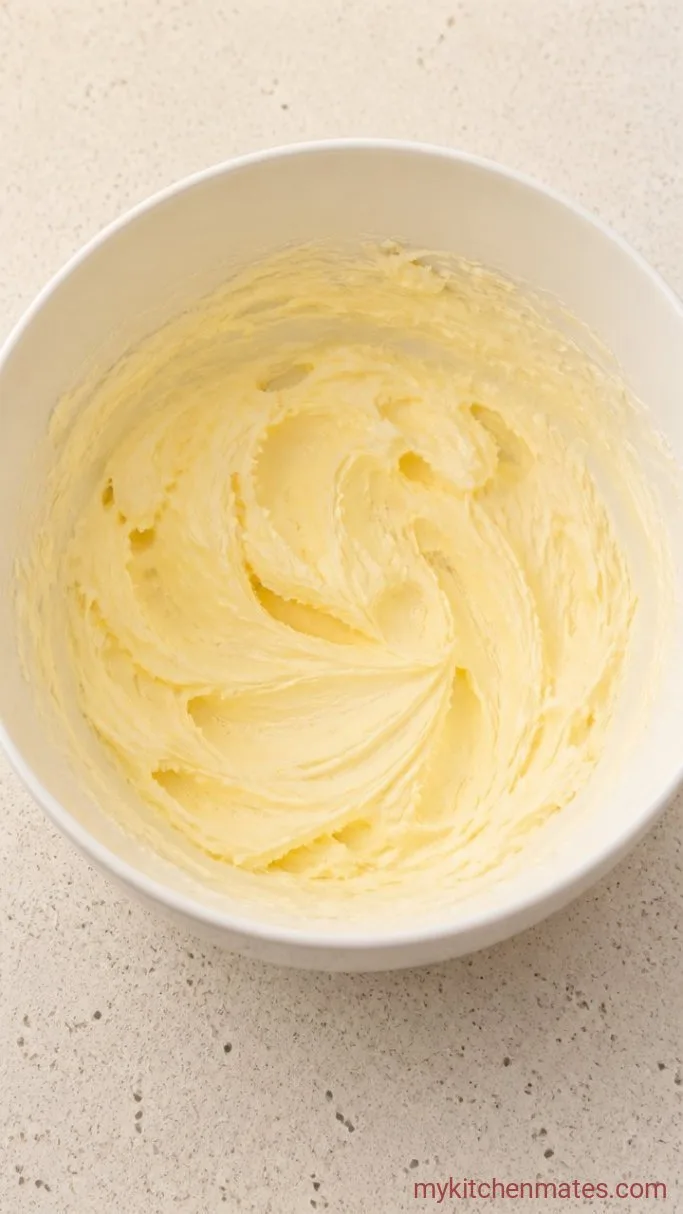
In the bowl of a stand mixer fitted with the paddle attachment (or using a hand mixer), beat the softened butter on medium speed until it’s smooth and noticeably paler, about 2 minutes. Stop once it looks fluffy and holds soft peaks when you lift the beater.
Step 2: Beat in the Sugar
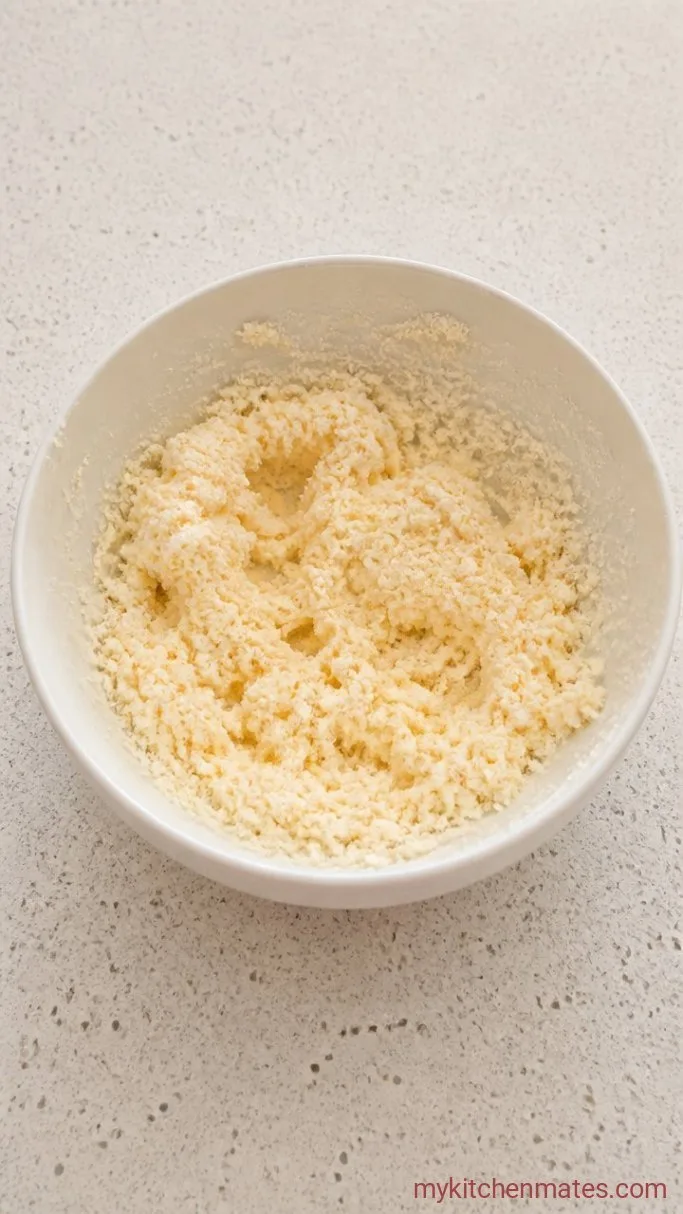
Add half the powdered sugar, all 3 tbsp of coconut milk, the coconut extract, vanilla, and the pinch of salt. Start the mixer on low so the sugar doesn’t fly out, then increase to medium and beat for 1 minute, until it comes together. Add the remaining powdered sugar and beat another minute. The frosting will look thick and creamy at this stage.
Step 3: Whip Until Fluffy
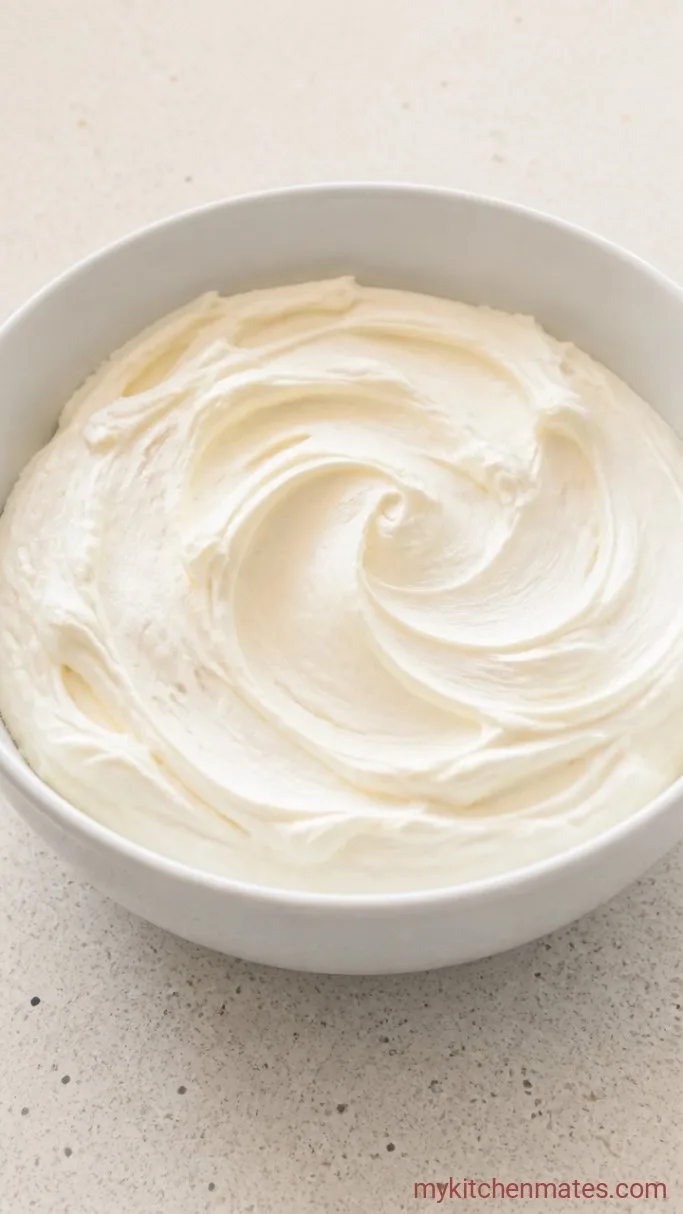
Turn the mixer to high and whip for 3 to 4 minutes. The frosting will become noticeably lighter in color and almost mousse-like in texture. Scrape down the bowl once or twice so everything whips evenly. You’re done when it holds a stiff peak and feels airy.
Step 4: Frost and Garnish
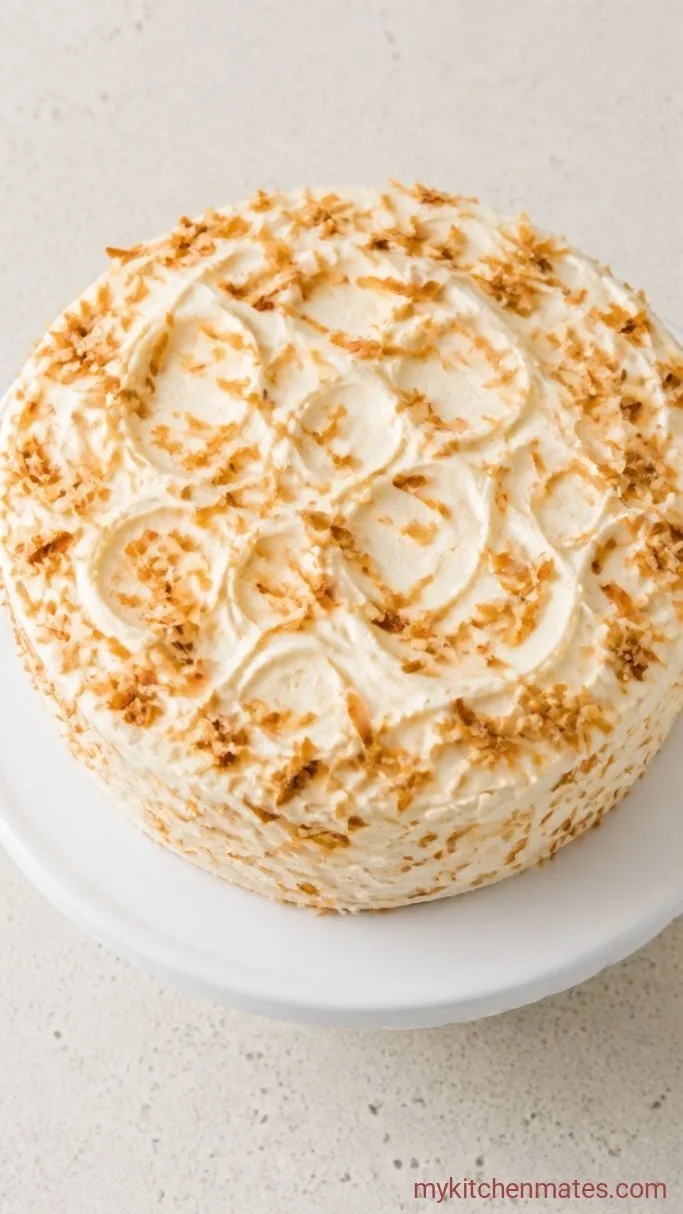
Scoop the frosting into a piping bag fitted with your tip of choice, or spread it generously over a cooled cake with an offset spatula. If you like, top with toasted coconut flakes right before serving, they add a nice crunch against the smooth frosting.
A Few Notes Before You Start
- Softened butter is everything. If it’s too cold, the frosting will be lumpy. Too soft and it will slide off. It should indent with a finger but still hold its shape.
- If the frosting feels too stiff after all the sugar is in, add more coconut milk 1 teaspoon at a time until it loosens up. If it ever gets too thin, beat in a little extra powdered sugar.
- Don’t rush the final whipping step. Those few extra minutes on high speed are what turn a dense frosting into a cloud.
- In a hot kitchen, popping the mixing bowl into the fridge for 10 minutes before piping makes a big difference.
- Leftover frosting? Spread it between graham crackers and toss them in the fridge for a quick treat.
Storing Coconut Frosting
Refrigerate: Keep in an airtight container for up to 1 week. Let it come back to room temperature and beat with the mixer for a minute to bring back the fluff.
Freeze: Pack it into a freezer-safe container and freeze for up to 3 months. Thaw overnight in the fridge, then re-whip before using.
What Goes Well With This Frosting
A rich chocolate cake is my favorite match because the coconut cuts through the cocoa’s bitterness beautifully. It’s just as good on a simple vanilla sheet cake or swirled onto banana cupcakes for a tropical twist.
Frequently Asked Questions
Can I use light coconut milk instead of full-fat?
No. Light coconut milk is too watery and will make the buttercream thin and hard to pipe. Stick with the thick cream from a can of full-fat coconut milk.
Can I make this without coconut extract?
Yes, but the flavor will be much subtler. Add an extra tablespoon of the thick coconut milk and increase the vanilla slightly to keep the frosting balanced.
Can I color this frosting?
Absolutely. A few drops of gel food coloring blend in smoothly and won’t change the texture. Avoid liquid food coloring, which can thin the frosting.
Can I add shredded coconut straight into the frosting?
You can, but be careful. Toasted unsweetened coconut adds great texture, but flakes can clog smaller piping tips. If you plan to pipe, sprinkle it on top as a garnish instead.
Coconut Buttercream Frosting Recipe
Ingredients
Method
- Beat the softened butter with a mixer on medium speed until smooth and pale, about 2 minutes.
- Add half the powdered sugar, the coconut milk, coconut extract, vanilla, and salt. Beat on low to combine, then increase to medium and beat for 1 minute. Add the remaining sugar and beat 1 more minute until creamy.
- Whip on high speed for 3 to 4 minutes, scraping the bowl once or twice, until the frosting is light, airy, and holds a stiff peak.
- Pipe or spread onto a cooled cake or cupcakes, and top with toasted coconut flakes if you like.
Notes
