
Christmas Butter Cookies That Keep Their Shape

These Christmas butter cookies are the ones you want for cut-outs: rich, buttery, and they hold every detail of your cookie cutter without spreading in the oven.

They have a crisp edge and a tender, sandy crumb that practically dissolves on your tongue. A simple vanilla butter flavor that’s perfect for decorating any way you like.
What Makes These Butter Cookies So Reliable
Every December I reach for this dough because it behaves. No chilling, no cracks, just a smooth, rollable sheet that takes any cookie cutter cleanly. Even intricate reindeer antlers and snowflake points stay sharp after the bake.
The taste is pure butter and vanilla, nothing to distract from a blanket of icing or a light dusting of sugar. They’re sturdy enough for royal icing, but just as good with a simple glaze or a sprinkle of sanding sugar before baking.
Ingredients
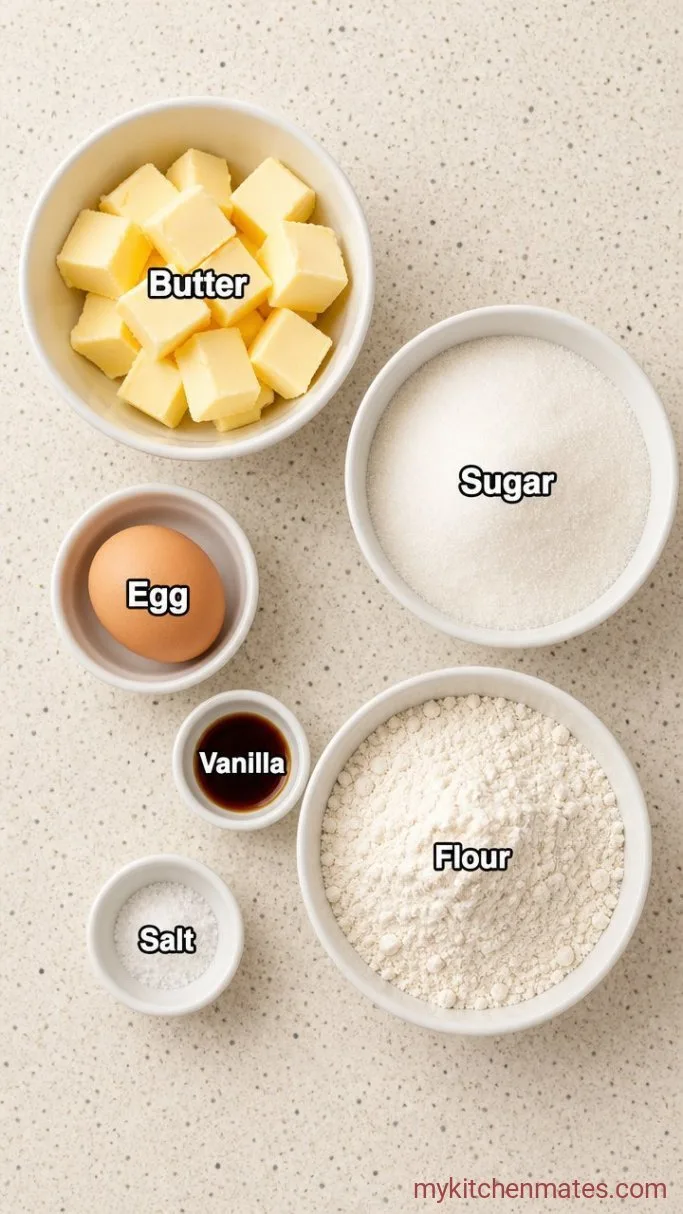
- 1 cup unsalted butter, softened: the butter does the heavy lifting here, so use a brand you trust.
- 2/3 cup granulated sugar: fine white sugar blends smoothly and leaves no grit.
- 1 large egg: at room temperature so it mixes in without curdling.
- 2 tsp vanilla extract: pure extract gives that warm, classic holiday flavor.
- 2 1/4 cups all-purpose flour: spoon and level the flour; packing it in will make the cookies dry.
- 1/4 tsp salt: just enough to round out the sweetness.
Variations / Substitutions
- Dairy-free: swap the butter for a good vegan butter stick rather than a spreadable tub.
- Gluten-free: use a cup-for-cup gluten-free flour blend that lists xanthan gum.
- Flavor twist: add 1/2 tsp almond extract or the zest of one orange along with the vanilla.
- No cutters: roll the dough into a log, chill, and slice into rounds for simple butter cookies.
Classic Christmas Thumbprint Cookies are another dessert you’d probably love if you enjoy these cookies.
How To Make Christmas Butter Cookies
Step 1: Cream the Butter and Sugar
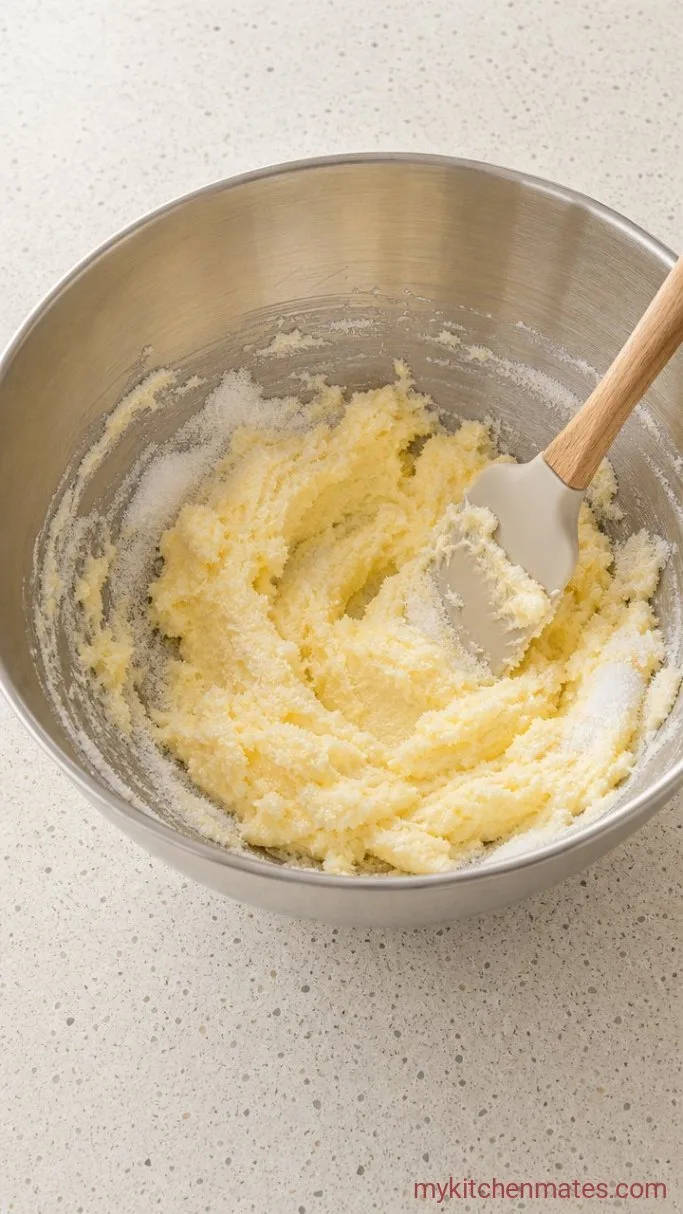
Preheat your oven to 350°F (175°C) and line two baking sheets with parchment paper. In a large bowl, beat the 1 cup softened butter and 2/3 cup sugar together with an electric mixer until light and fluffy, about 2 minutes. Scrape down the sides of the bowl once so everything gets incorporated.
The butter will change from yellow to pale and creamy, and you’ll see the sugar granules start to melt into the fat. That airy texture is what gives the cookies their tender crumb later, so don’t rush this part.
Step 2: Add the Egg and Vanilla
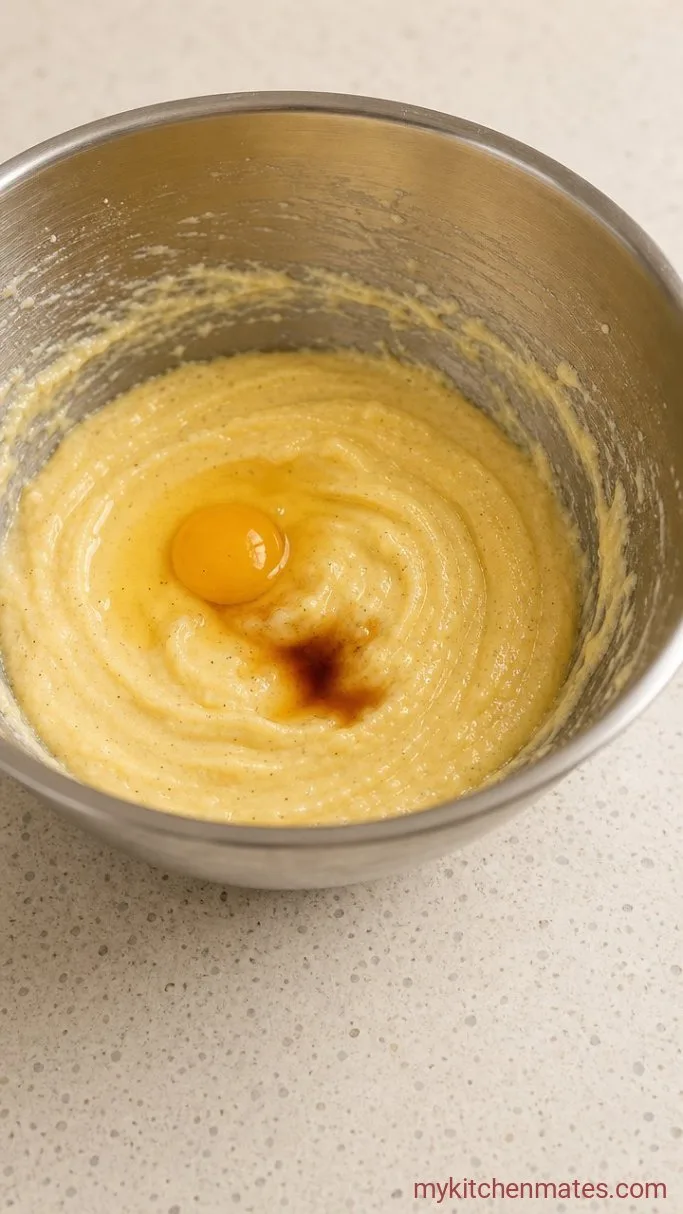
Crack in the 1 large egg and pour in the 2 tsp vanilla extract. Beat on low speed just until the egg disappears and the mixture looks smooth again, about 30 seconds. Stop as soon as it comes together—overbeating here can make the dough feel greasy.
At this point the batter will be glossy and a little looser than the creamed butter. That’s completely normal, and the flour will pull it all together.
Step 3: Mix in the Dry Ingredients
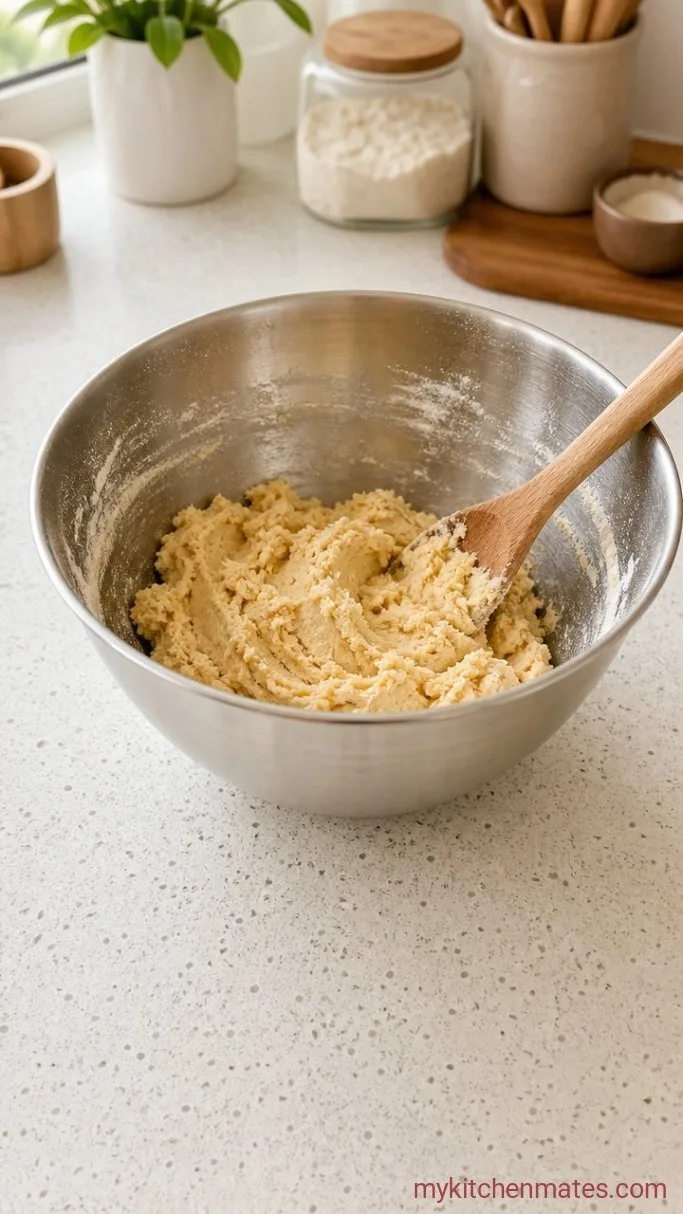
With the mixer on low, gradually add the 2 1/4 cups flour and 1/4 tsp salt. Mix just until the dough starts to clump and no dry flour pockets remain, roughly 1 minute. The dough will come together into a soft, slightly tacky ball that pulls away from the sides of the bowl.
Switch to a spatula at the very end to fold in any bits at the bottom, so you don’t overwork the dough with the mixer. Overmixing at this stage builds gluten and makes the cookies tough.
Step 4: Roll and Cut the Cookies
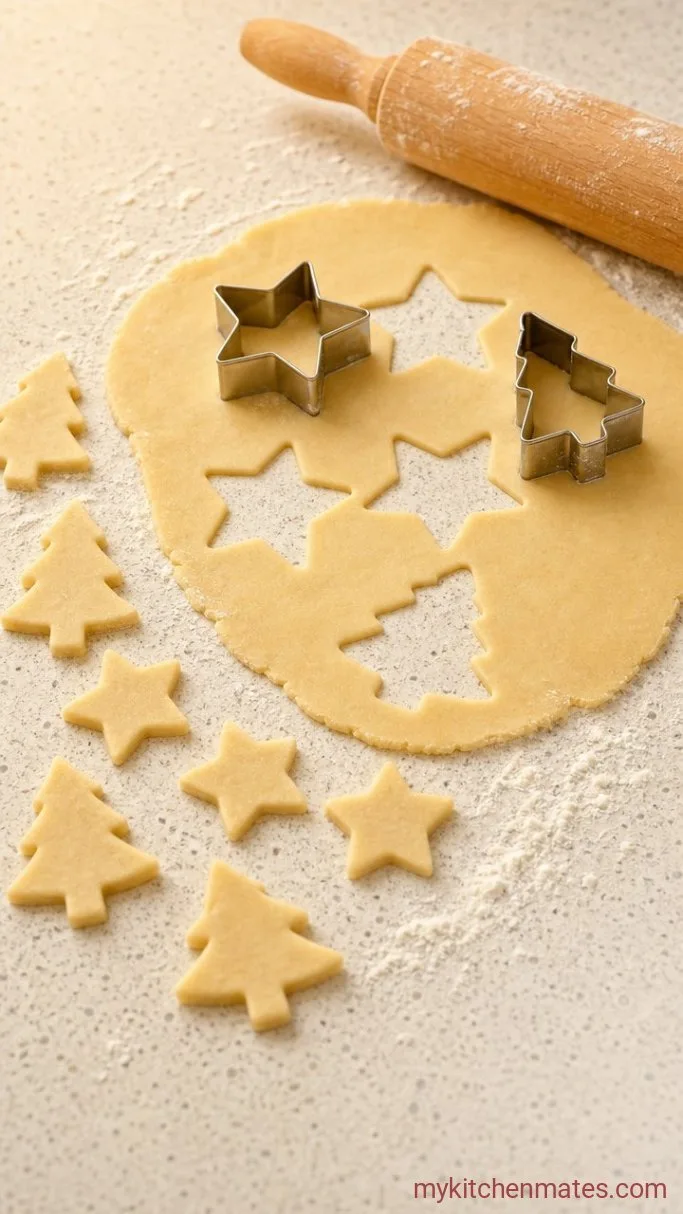
Lightly flour your work surface and a rolling pin. Scrape the dough out, pat it into a flat disc, and roll it to an even 1/4-inch thickness. Dip your cookie cutters in flour, press straight down without twisting, and lift cleanly. Gather the scraps, re-roll once, and cut as many shapes as you can.
If the dough ever feels sticky and hard to handle, slide it onto a piece of parchment and pop it in the fridge for 10 minutes while you tidy up. Once cut, arrange the shapes on the prepared baking sheets about 1 inch apart. For the crispest edges, put the whole sheet in the freezer for 5 minutes before baking.
Step 5: Bake the Cookies
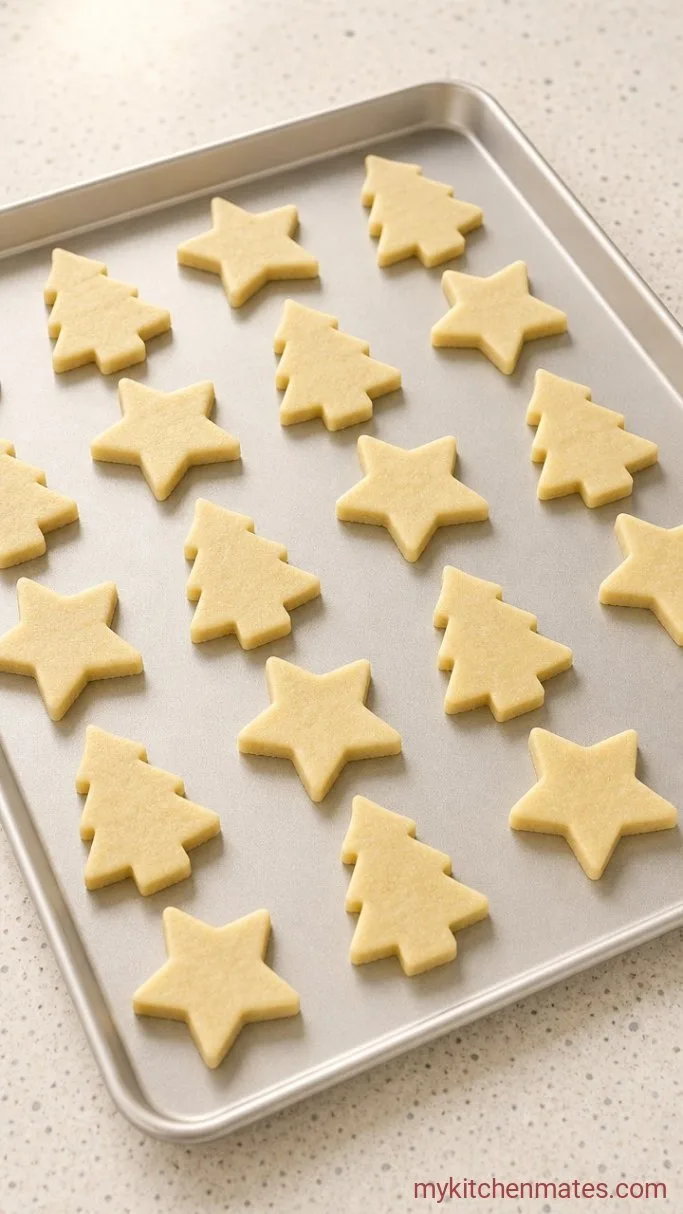
Slide one sheet at a time into the preheated 350°F oven. Bake for 10 to 12 minutes, until the edges are just starting to turn golden while the centers stay pale. Rotate the pan halfway through for even color.
The cookies will puff slightly then settle as they cool. Don’t wait for them to brown across the whole top or they’ll be overbaked and dry. They’ll feel soft when you pull them out, but they firm up fast.
Step 6: Cool and Decorate

Let the cookies rest on the hot baking sheet for 5 minutes before you transfer them to a wire rack. This gives them a chance to set so they don’t break. Once completely cool, decorate them with royal icing, a simple powdered sugar glaze, or a shower of colored sugar.
They’ll be crisp at the edges and tender in the middle, ready to pile onto a plate or pack into a cookie tin. Serve them the same day for peak texture, or store them airtight as soon as the icing is dry.
Tips for Foolproof Cut-Out Butter Cookies
- Weigh your flour if you have a scale: 2 1/4 cups equals about 280 grams. Too much flour is the number one reason cut-out cookies turn out dry and crumbly.
- A silicone baking mat helps the cookies bake evenly and release without any sticking; it’s a small upgrade that pays off if you make a lot of cut-outs.
- For a glossy, sugary top without icing, brush the unbaked shapes with a thin egg wash (1 egg yolk beaten with 1 tsp water) and scatter coarse sparkling sugar over them just before they go into the oven.
- If your oven tends to run hot, use an oven thermometer to confirm the temperature. Even 10 degrees high can set the edges too fast and leave the centers underbaked.
Bake time varies with how thick you roll the dough:
| Rolled Thickness | Bake Time at 350°F |
|---|---|
| 1/8 inch | 8 to 10 mins |
| 1/4 inch | 10 to 12 mins |
| 1/2 inch | 14 to 16 mins |
Storing and Freezing Christmas Butter Cookies
Refrigerate: Keep baked, undecorated cookies in an airtight container in the refrigerator for up to 2 weeks. Let them come to room temperature before serving for the best texture.
To freeze the unbaked dough, shape it into a disc, wrap tightly, and freeze for up to 3 months; thaw overnight in the fridge. Baked cookies freeze well too, undecorated, for up to 2 months.
Frequently Asked Questions
Can I use salted butter instead of unsalted?
Yes, simply skip the 1/4 tsp salt called for in the recipe. The cookies will still taste great, though unsalted gives you more control over the saltiness.
Can I make these without an electric mixer?
Absolutely. Cream the butter and sugar with a sturdy wooden spoon until light and fluffy, then stir in the egg and vanilla. Once you add the flour, switch to a spatula to avoid overmixing.
Why did my cookies turn out tough?
Tough cookies are almost always from overmixing the dough once the flour goes in. Mix just until the flour disappears, and handle the scraps gently when re-rolling.
Christmas Butter Cookies Recipe
Ingredients
Method
- Preheat the oven to 350°F (175°C) and line two baking sheets with parchment.
- Cream the butter and sugar until light and fluffy, about 2 minutes.
- Beat in the egg and vanilla until just combined.
- Gradually mix in the flour and salt until a dough forms, being careful not to overmix.
- Roll the dough to 1/4-inch thickness on a floured surface, cut into shapes, and place on the prepared sheets. For sharp edges, chill the cutouts on the sheet for 5 minutes in the freezer.
- Bake for 10 to 12 minutes until the edges are lightly golden. Cool on the sheet for 5 minutes, then transfer to a wire rack. Decorate once completely cooled.
Notes
