
Crispy Chicken Katsu Curry with Rich Japanese Curry Sauce

Chicken katsu curry combines a golden, crunchy fried chicken cutlet with a thick, mildly spiced Japanese curry sauce. It’s the kind of dinner that feels special without needing a whole weekend in the kitchen.
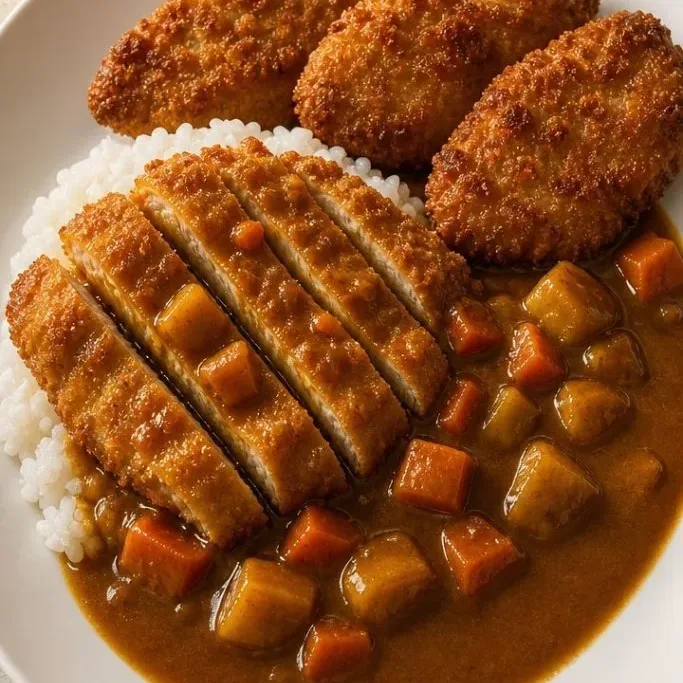
The panko crust stays crisp even under the warm sauce, and the curry comes together while the chicken rests. If you’ve only ever had katsu with tonkatsu sauce, this version is a cozy upgrade.
What Makes This Katsu Curry So Good
I keep coming back to this version because the sauce builds flavor from a simple roux, so it tastes deep without simmering for hours. The chicken stays juicy inside and shatteringly crisp outside, even after you ladle the curry over it.
It’s also surprisingly flexible. Swap the protein, tweak the spice, or make the sauce ahead and freeze it. The fried cutlet and rich gravy always feel like a treat.
Ingredients
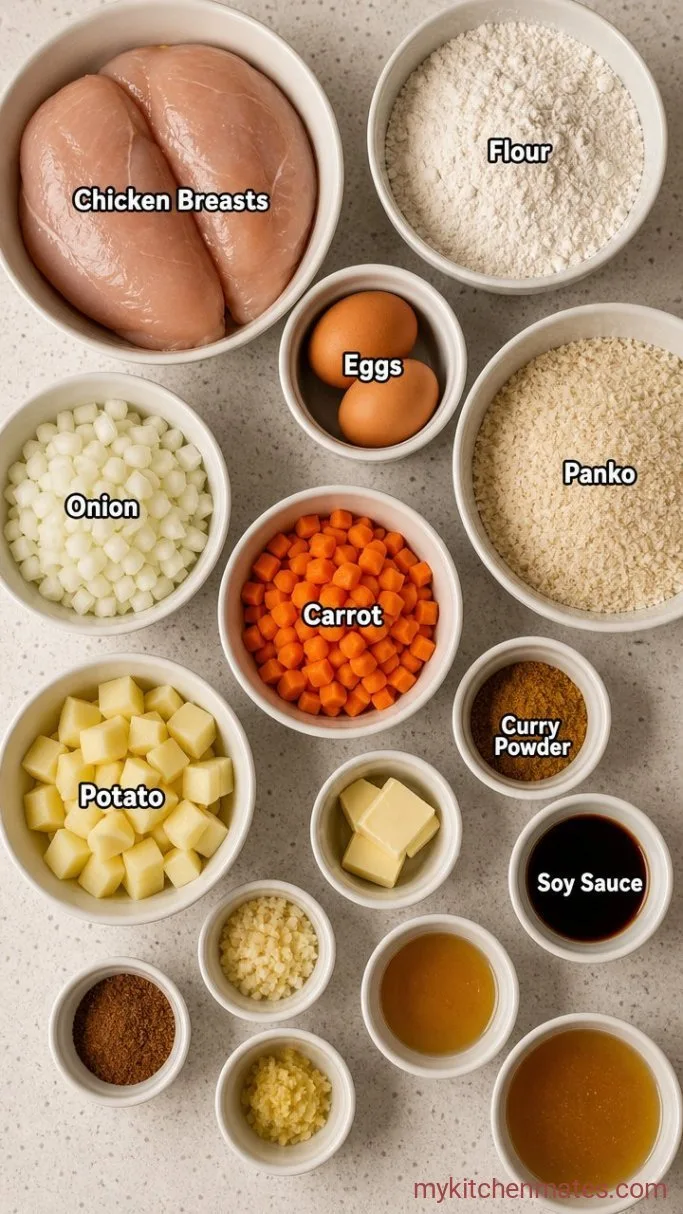
- 2 boneless skinless chicken breasts (about 1½ lb total): sliced in half horizontally to make 4 thin cutlets
- ½ cup all-purpose flour: for dredging
- 2 large eggs: beaten
- 1½ cups panko breadcrumbs: Japanese-style breadcrumbs for extra crunch
- Salt and black pepper
- Vegetable oil, for frying: enough to reach about ½ inch depth in your skillet
- 2 tbsp unsalted butter: for the curry roux
- 1 medium onion: diced
- 1 medium carrot: diced
- 1 small potato: diced
- 2 cloves garlic: minced
- 1 tsp grated fresh ginger
- 3 tbsp all-purpose flour: for thickening the sauce
- 2 tbsp Japanese curry powder: or mild curry powder (see note)
- 1 tsp garam masala: optional, adds warmth
- 2 cups chicken stock
- 1 tbsp soy sauce
- 1 tsp honey: or brown sugar
- Steamed white rice: for serving
Variations / Substitutions
- Protein: Use firm tofu for a vegan version.
- Spice: Stir a pinch of cayenne or chili flakes into the curry sauce for extra heat.
- Gluten-free: Substitute gluten-free panko and tamari instead of soy sauce.
- Herb: Add a bay leaf to the sauce while it simmers for a subtle earthy note, then remove before serving.
Japanese Cabbage Salad makes a bright, easy side salad for this curry.
How to Make Chicken Katsu Curry
Step 1: Make the Curry Sauce
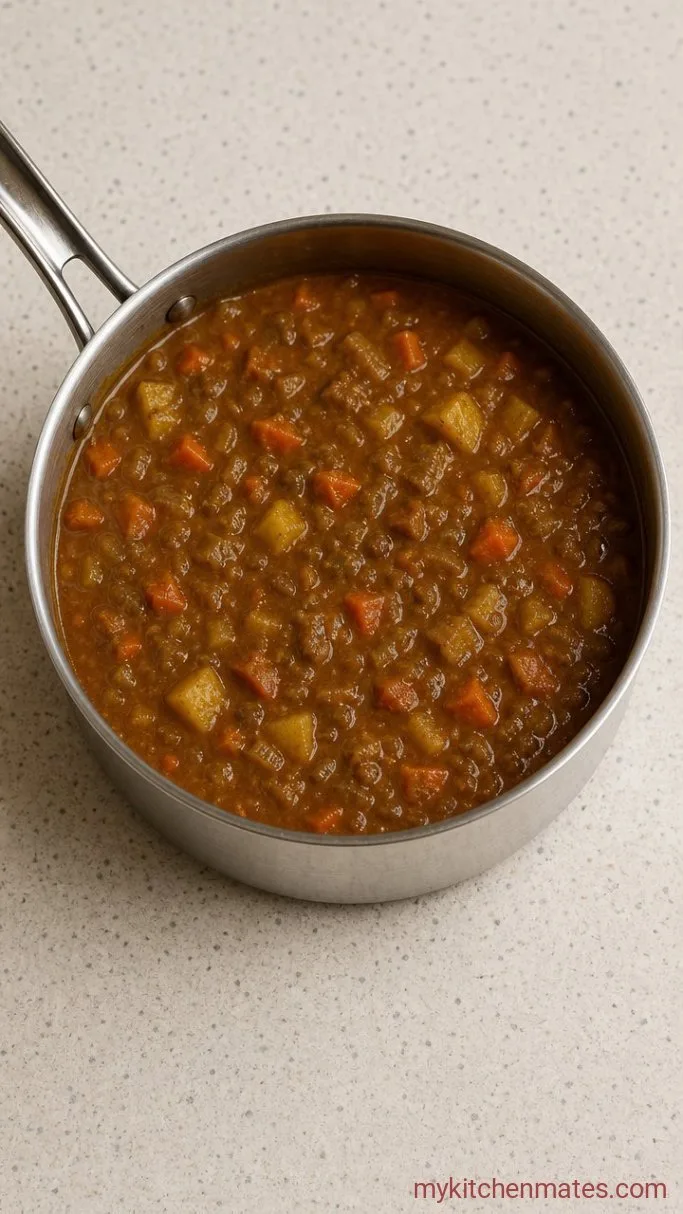
Melt the 2 tbsp butter in a medium saucepan over medium heat. Add the diced onion and carrot, and cook until softened, about 5 minutes. Stir in the minced garlic and grated ginger, and cook for 30 seconds. Sprinkle in the 3 tbsp flour, 2 tbsp curry powder, and the garam masala; stir constantly for 1 minute to cook the flour. Slowly pour in the 2 cups chicken stock, whisking to avoid lumps. Add the diced potato, 1 tbsp soy sauce, and 1 tsp honey. Bring to a boil, then reduce the heat to low and simmer until the potato is tender and the sauce has thickened, 15 to 20 minutes.
The sauce will look glossy and coat the back of a spoon. Taste and add salt if needed. Keep warm while you fry the chicken.
Step 2: Pound the Chicken
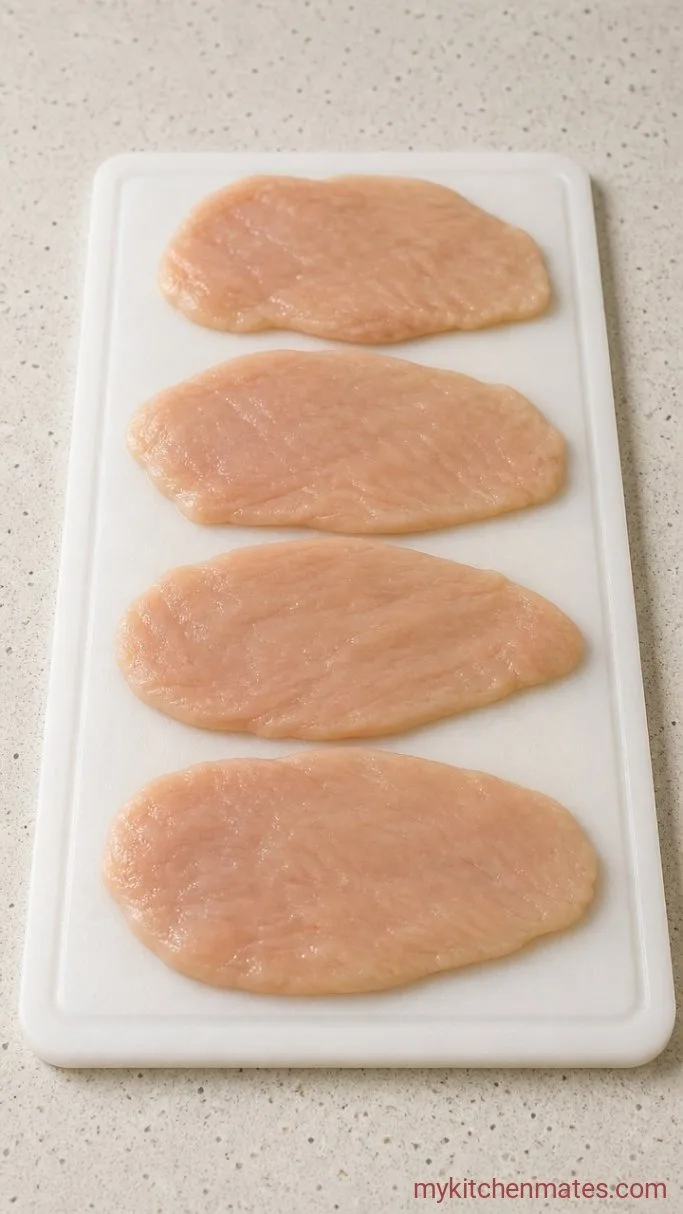
Place the chicken cutlets between two sheets of plastic wrap. Using a rolling pin or meat mallet, pound them to an even ¼-inch thickness. Season both sides generously with salt and pepper.
Even thickness is key so each cutlet fries at the same rate. The meat should feel thin but not tearing.
Step 3: Bread the Cutlets
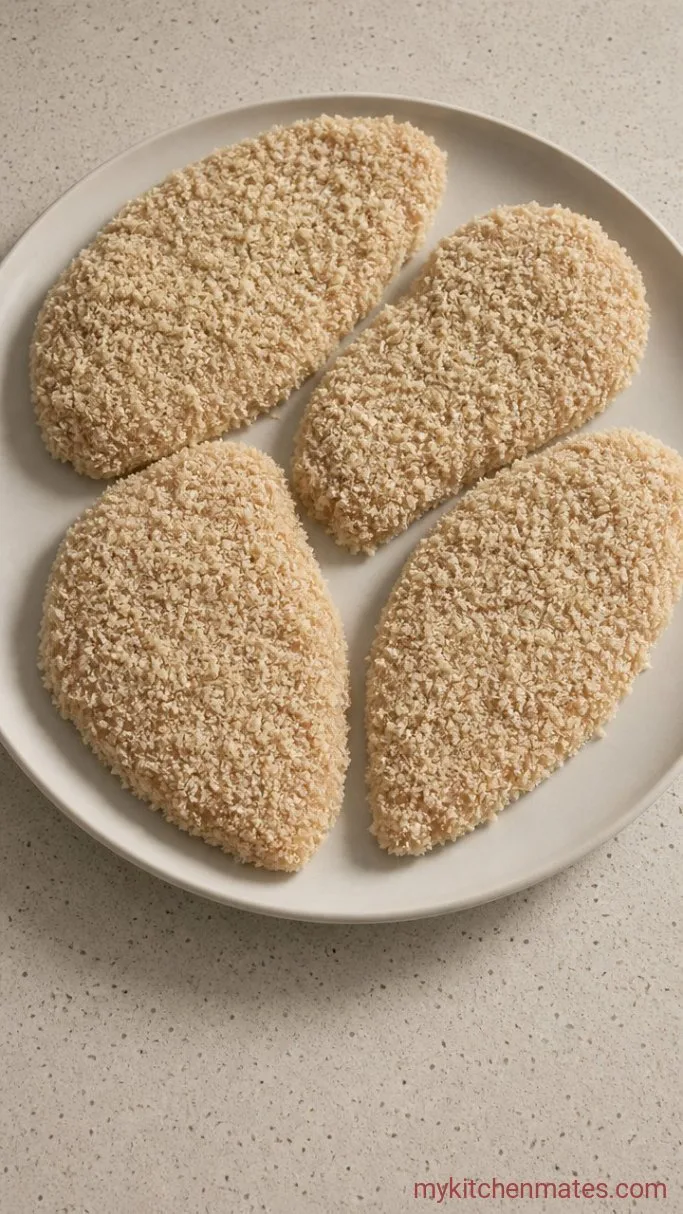
Set up a breading station: place the ½ cup flour in one shallow bowl, the beaten eggs in another, and the 1½ cups panko in a third. Dredge a cutlet in the flour, shake off the extra, dip it in the egg to coat, then press it firmly into the panko, coating both sides well. Repeat with the remaining cutlets.
The panko should look dry and flaky after coating, not clumpy. Press it on firmly so it stays put in the hot oil. Let the breaded cutlets rest on a wire rack for 5 minutes before frying; this helps the coating adhere.
Step 4: Fry the Chicken
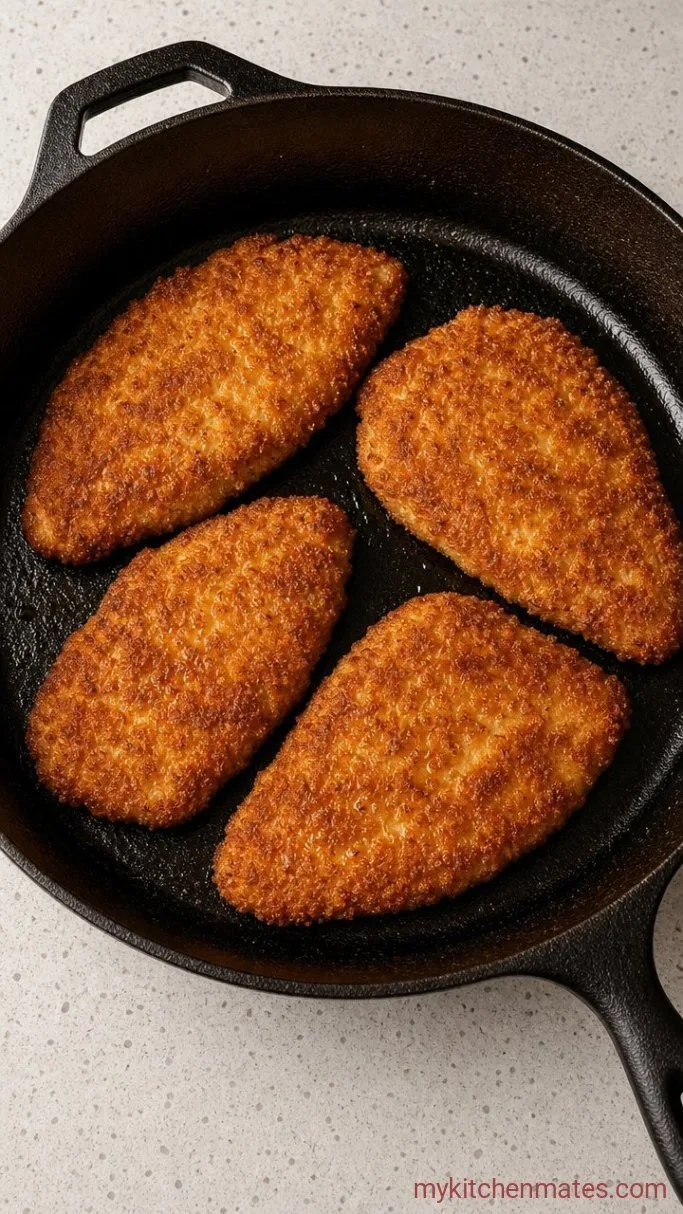
Pour enough vegetable oil into a large skillet to reach about ½ inch up the sides. Heat over medium-high until the oil reaches 350°F (175°C) on a deep-fry thermometer. Carefully lay 2 cutlets into the oil and fry until deep golden brown on the bottom, about 3 to 4 minutes. Flip and fry the other side until golden and the internal temperature hits 165°F (74°C), another 3 to 4 minutes. Transfer to a wire rack set over a baking sheet.
The crust should sound crisp when you tap it. Fry the remaining cutlets, keeping the oil between 325°F and 350°F so it doesn’t burn. Let the chicken rest for 5 minutes before slicing, which helps the juices settle.
Step 5: Slice and Serve with the Curry Sauce
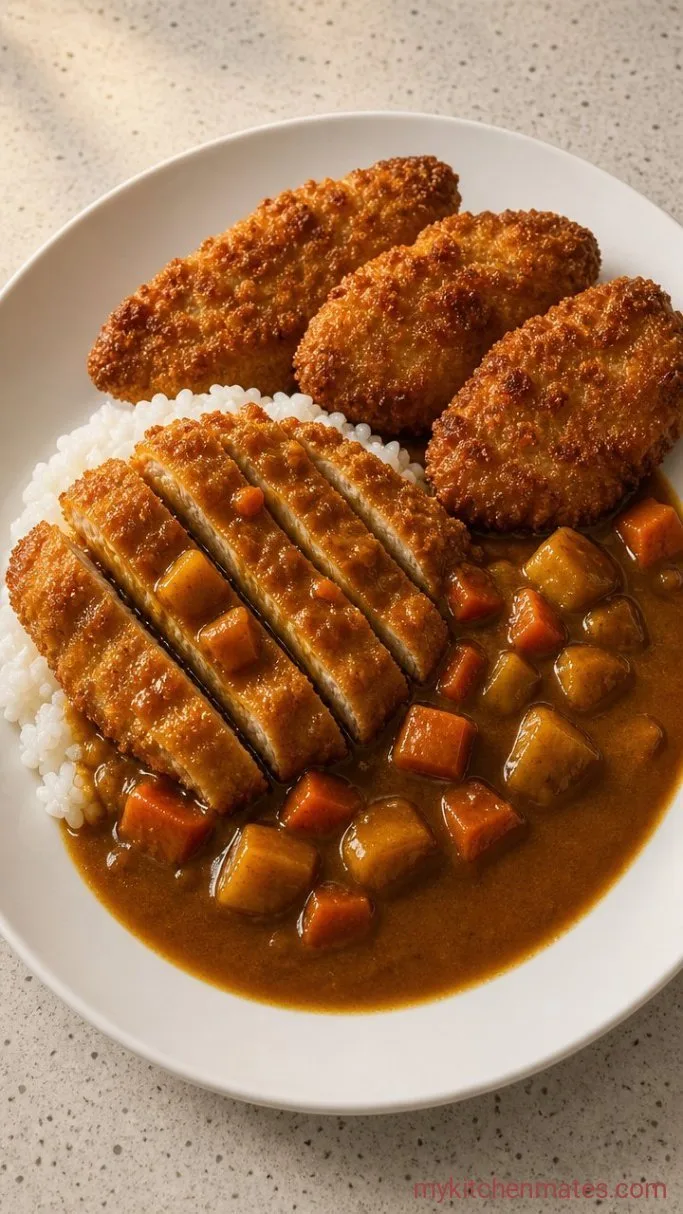
Slice each chicken cutlet crosswise into 1-inch strips, taking care not to tear the crust. Spoon steamed white rice onto plates, arrange the sliced katsu beside it, and complete this delicious curry preparation by ladling the warm curry sauce over half of the chicken and a little around the rice.
Serve right away while the chicken is hot and crunchy. The sauce will soften the edges just a bit, but the center stays crisp.
Tips for the Best Katsu Curry
- Drop a panko crumb into the oil before frying; if it sizzles right away, the oil is ready.
- For extra-glossy curry, stir a small pat of cold butter into the sauce right before serving.
- Slice the chicken against the grain for the most tender bite.
Fry times by cutlet thickness:
| Thickness | Cook Time per Side |
|---|---|
| ¼ inch | 2 to 3 minutes |
| ½ inch | 3 to 4 minutes |
| ¾ inch | 4 to 5 minutes |
Storing Leftover Katsu Curry
- Refrigerate: Store fried chicken and curry sauce separately in airtight containers for up to 3 days.
- Reheating: Reheat chicken in a 350°F oven or air fryer for 5 to 7 minutes until hot and crisp; warm the sauce gently on the stovetop. Avoid the microwave for the chicken, or the crust will turn soft.
What to Serve with Chicken Katsu Curry
Steamed white rice is the classic base, and a spoonful of pickled ginger or fukujinzuke adds a bright, tangy bite. A simple cucumber salad with rice vinegar and a pinch of sugar cuts through the richness beautifully.
Frequently Asked Questions
Can I use regular curry powder?
Yes, but Japanese curry powder is milder and slightly sweet. If you substitute regular curry powder, add a teaspoon of sugar to balance the heat.
Can I make the curry sauce ahead?
Absolutely. The sauce holds beautifully in the fridge for up to 3 days or freezes for 2 months. Reheat gently and add a splash of water if it thickens too much.
Why did my panko fall off during frying?
It usually happens when the breading wasn’t pressed on firmly or the cutlets skipped the rest time before hitting the oil. A 5-minute rest on a rack helps the coating stick.
What oil is best for frying?
A neutral oil with a high smoke point, like vegetable, canola, or peanut oil, gives the cleanest crisp without any off flavors.
Chicken Katsu Curry Recipe
Ingredients
Method
- Melt butter in a saucepan over medium heat. Add onion and carrot; cook 5 minutes. Stir in garlic and ginger 30 seconds. Sprinkle in 3 tbsp flour, curry powder, and garam masala; cook 1 minute. Slowly pour in chicken stock, whisking, then add potato, soy sauce, and honey. Simmer 15 to 20 minutes until potato is tender and sauce thickens.
- Pound chicken cutlets to ¼-inch thickness between plastic wrap; season with salt and pepper.
- Dredge cutlets in flour, dip in egg, then press into panko. Rest on a wire rack 5 minutes.
- Heat ½ inch vegetable oil in a skillet to 350°F (175°C). Fry cutlets in batches, 3 to 4 minutes per side, until golden and internal temperature reaches 165°F (74°C). Drain on a wire rack and rest 5 minutes.
- Slice chicken crosswise, serve over steamed rice, and ladle curry sauce over one half.
Notes
