
Real Carbonara Sauce (No Cream, 20 Minutes)

This carbonara sauce is the real deal—no cream, just eggs, pecorino, crispy guanciale, and a heavy dose of black pepper. It comes together in about 20 minutes and tastes like a corner trattoria in Rome.
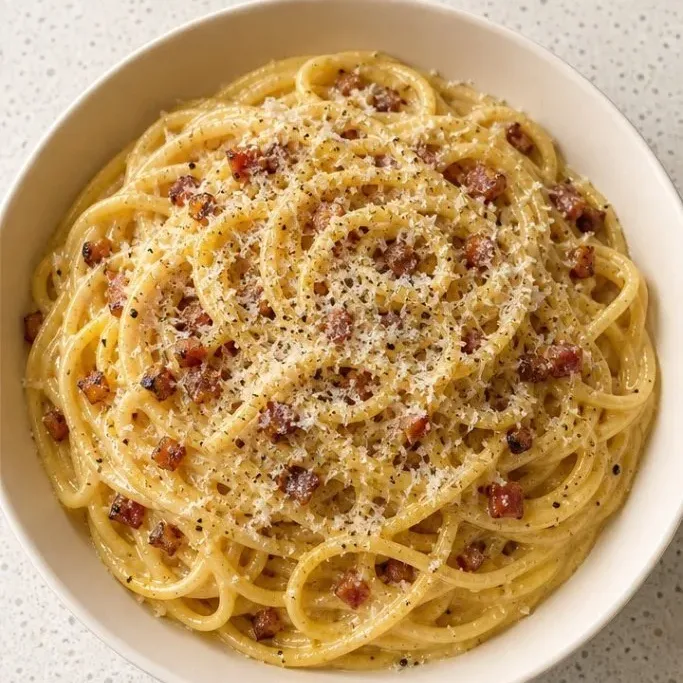
If you’ve been scared of scrambled egg pasta, this recipe walks you through the one simple move that guarantees a glossy, silky sauce every time.
Why This One Stays in the Rotation
The sauce coats each strand without a drop of cream. Warm egg yolks and starchy pasta water do all the work, turning into something thick enough to cling but light enough to not weigh you down.
Guanciale gives it a deep, turkey saltiness that bacon can’t quite match. And the pecorino brings a sharp tang that cuts right through the richness. It’s a three-ingredient sauce that tastes like you worked a lot harder than you did.
Ingredients
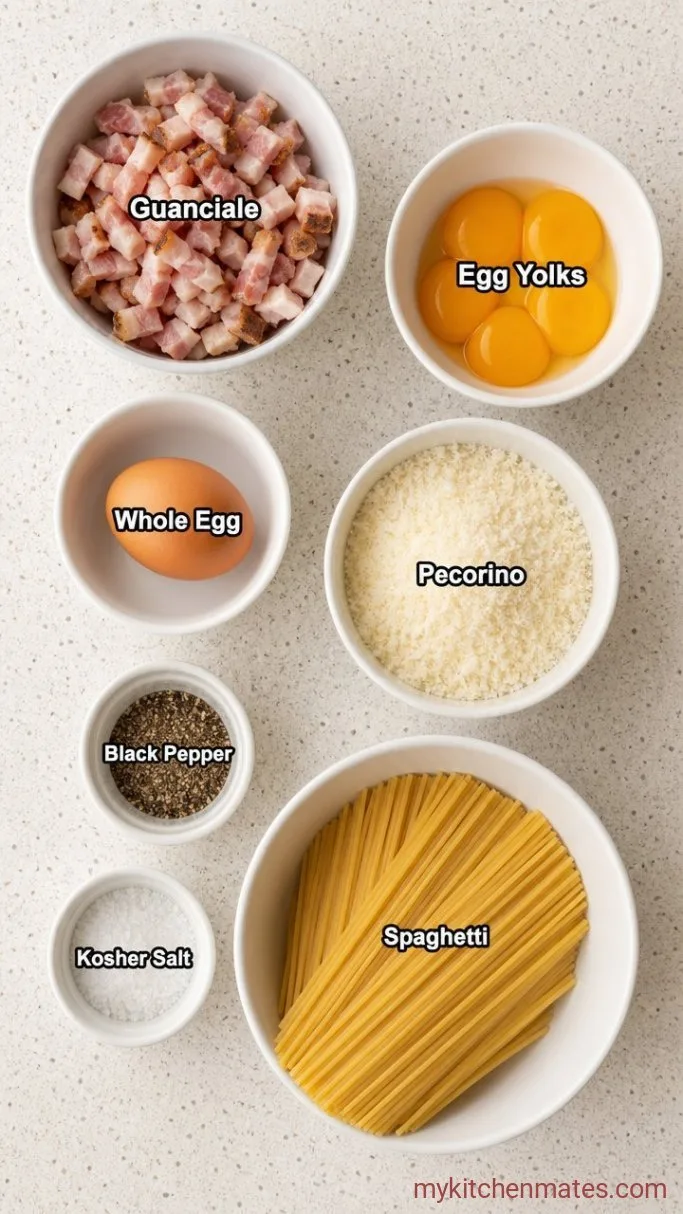
- 8 oz guanciale, diced: or pancetta. Thick-cut bacon works in a pinch, but the flavor will be smokier.
- 4 large egg yolks: room temperature yolks blend more smoothly.
- 1 large whole egg: adds a little body without stiffening the sauce.
- 1 cup finely grated Pecorino Romano: plus more for serving. Parmigiano-Reggiano is okay, but the bite of pecorino is what makes carbonara sing.
- 1 tsp freshly cracked black pepper: plus extra for the bowls. Pre-ground is fine, but fresh cracked releases more heat.
- 1 lb dried spaghetti: or bucatini, rigatoni, or tonnarelli.
- Kosher salt: for the pasta water.
A Few Smart Swaps
- Pancetta instead of guanciale: You get a milder, less funky fat. Still delicious, just a touch sweeter.
- Bacon if that’s all you’ve got: The smoke changes the profile, so reduce the pepper a little or embrace the bacon-and-egg vibe.
- All egg yolks: Lose the whole egg and use 6 yolks for an even richer sauce. Great if you’re only serving two.
- Parmesan in place of pecorino: The sauce will be less salty and sharp. I usually do half parm, half pecorino before going all parm.
- Gluten-free pasta: Choose a good corn or rice blend and save extra pasta water. GF pasta doesn’t release as much starch, so you’ll need it.
Classic Spaghetti Carbonara is an easy way to put this sauce to good use.
How to Make Real Carbonara Sauce
Step 1: Sauté the Guanciale

Set a large pot of generously salted water over high heat for the pasta. While it comes to a boil, add the diced guanciale to a cold 12-inch skillet and set the pan over medium heat. Cook, stirring now and then, until the fat renders and the meat turns deeply golden and crisp at the edges. This takes about 8 to 10 minutes.
The guanciale will start to sizzle and smell intensely after the first few minutes. Keep the heat gentle enough that the fat melts out without the meat burning. When it’s done, use a slotted spoon to transfer the crispy bits to a plate, leaving all the rendered fat in the pan. Take the skillet off the heat but keep it close.
Step 2: Whisk the Egg Mixture
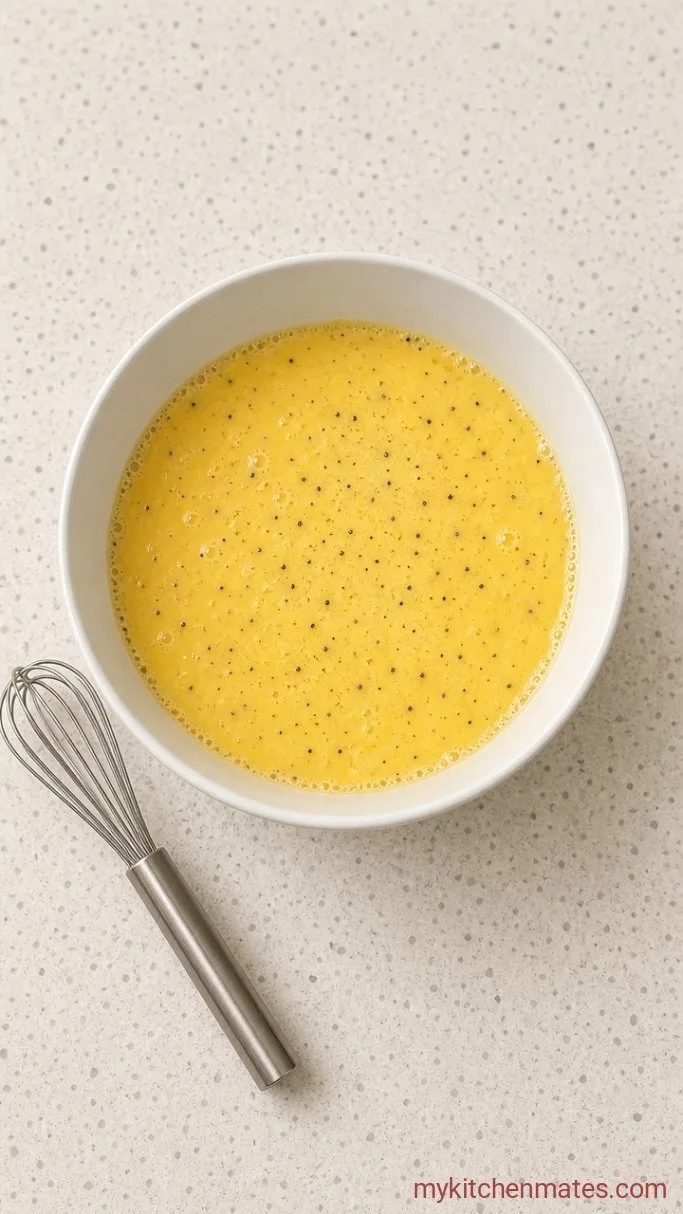
In a medium bowl, combine the 4 egg yolks, the 1 whole egg, and the 1 cup of grated pecorino. Crack in 1 teaspoon of black pepper and whisk hard until the mixture is smooth and no streaks of white from the cheese remain. The texture will look like a thick, pale yellow paste.
This takes less than a minute. If the paste seems impossibly stiff, don’t worry. The hot pasta water and residual heat from the noodles will loosen it into a sauce that glides across the pasta.
Step 3: Boil the Pasta
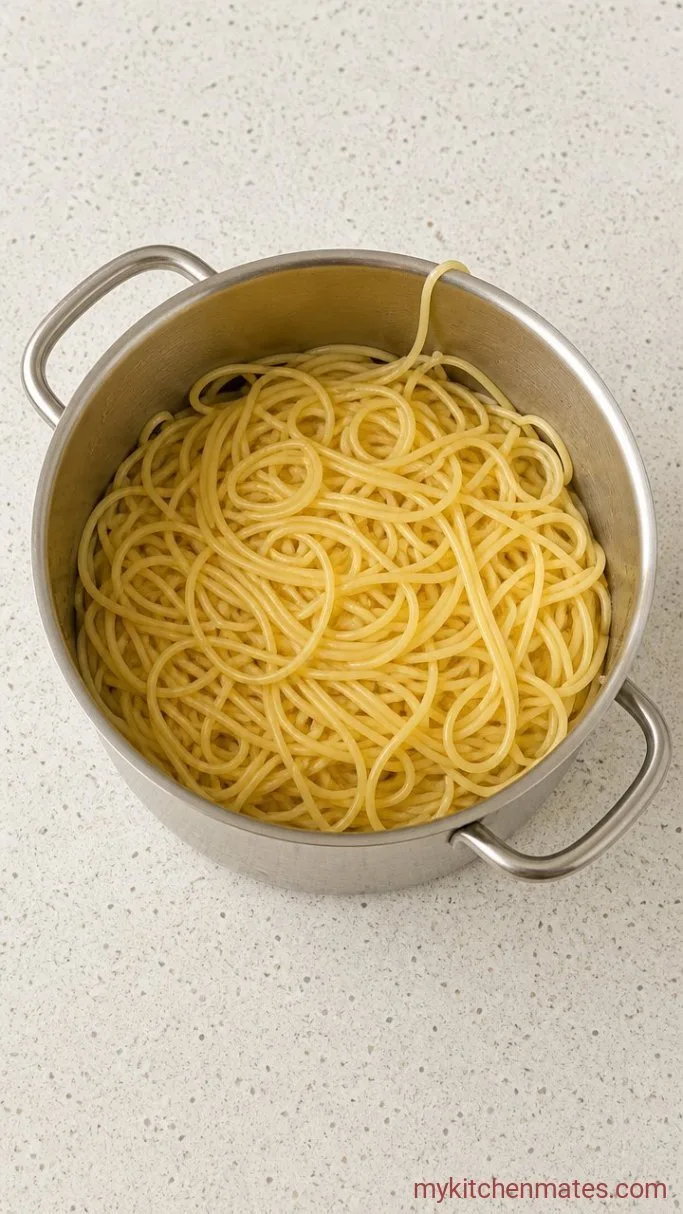
Once the water is at a rolling boil, drop in the spaghetti and cook until al dente. Most dried spaghetti needs about 10 to 11 minutes. Before you drain it, scoop out at least 1½ cups of the cloudy pasta water with a ladle or a glass measuring cup.
Lift the pasta straight from the water into the skillet with the reserved guanciale fat. Do not rinse the noodles. You want all the starch clinging to them, plus the little bit of water that comes along for the ride. Set the pan over low heat—the lowest your stove will go—and toss the pasta with tongs until every strand glistens with fat.
Step 4: Toss with the Sauce and Serve

Pull the pan off the heat completely. Pour the egg and cheese mixture over the hot pasta and start tossing immediately, using the tongs to lift and turn the noodles fast. As you toss, drizzle in about ⅔ cup of the reserved pasta water, a splash at a time, until the sauce turns from paste to a pale gold cream that clings to each strand. Keep moving the pasta the whole time so the eggs warm gently and never scramble.
Fold in the reserved crispy guanciale and taste for salt. Stack the pasta into warm bowls, crown each with a heavy drift of extra pecorino and another crack of pepper, and serve right away while the sauce is hot and loose.
Tips for a Silky Sauce Every Time
- Cut the heat before you add the eggs.: The pan should be off the burner when the egg mixture hits the pasta. Residual warmth from the noodles and the fat is enough to cook the yolks into a creamy sauce.
- Use more pasta water than you think.: A stiff paste needs the liquid to transform. If the sauce looks tight after tossing, add another splash of water and keep moving the tongs. It loosens up in seconds.
- Grate the cheese yourself.: Pre-shredded cheese has anti-caking agents that stop it from melting into the sauce. A microplane or the small holes of a box grater give you the finest shreds.
- Serve it fast.: Carbonara waits for no one. The sauce starts to tighten as it cools, so have your bowls warm and your toppings ready.
Scale the sauce to your crowd size:
| Servings | Pasta | Guanciale | Egg Yolks | Whole Egg | Pecorino |
|---|---|---|---|---|---|
| 2 | 8 oz | 4 oz | 3 | ½ cup | |
| 4 | 1 lb | 8 oz | 4 | 1 | 1 cup |
| 6 | 1½ lb | 12 oz | 6 | 2 | 1½ cups |
Storing Leftover Carbonara
Leftovers keep in a sealed container in the fridge for up to 2 days, but the texture won’t be the same. Reheat it gently in a nonstick skillet over low heat with a splash of water. Stir constantly and accept that the eggs might separate a bit. It’s still good, just not silky.
What to Serve with Carbonara
This is a rich plate of pasta, so I lean toward something bright and crunchy on the side. A simple arugula salad dressed with lemon and olive oil cuts the fat without competing with the pepper. For a vegetable, quick-roasted asparagus with a squeeze of lemon works just as well.
Frequently Asked Questions
Can I use whole eggs instead of mostly yolks?
Yes. Swap in 3 whole eggs and skip the extra yolks. The sauce will be a little looser and taste more egg-forward, but it still works.
What should I do if my sauce turns scrambled?
Remove the pan from the heat immediately and add a small splash of cold pasta water straight from the bowl. Whisk or toss like crazy to bring the temperature down. The lumps won’t fully dissolve, but you can often save most of the sauce.
Is there a way to make this ahead of time?
Not really. The magic of carbonara happens in the final minute of tossing. You can dice the guanciale and grate the cheese hours ahead, but the sauce itself must be made à la minute.
Does traditional carbonara ever include cream?
No. A classic Roman carbonara relies solely on eggs, cheese, pasta water, and rendered fat for its creamy texture. Adding cream turns it into something else entirely.
Real Carbonara Sauce Recipe
Ingredients
Method
- Bring a large pot of salted water to a boil. Cook guanciale in a cold skillet over medium heat until crisp, about 8 to 10 minutes. Remove guanciale with a slotted spoon and set aside, leaving the fat in the pan. Remove skillet from heat.
- Whisk the egg yolks, whole egg, 1 cup pecorino, and 1 tsp black pepper in a bowl until smooth.
- Boil spaghetti until al dente, about 10 to 11 minutes. Reserve 1½ cups pasta water, then transfer the drained pasta directly to the skillet with the guanciale fat. Toss over very low heat until coated.
- Remove the skillet from heat. Pour the egg mixture over the pasta and toss vigorously, drizzling in reserved pasta water a little at a time until a glossy sauce forms. Fold in the crispy guanciale, then serve in warm bowls with more pecorino and black pepper.
Notes
